


Picture this: It’s 2011, and you’re running Aston Martin. Your company builds just four vehicles: The entry-level Vantage, the fleet-emissions compliance Cygnet, the DB9, and the DBS. You have the lower end of the luxury sports coupe market covered with the Vantage and the DB9, and the higher end of the market secured with the flagship DBS. But with an $84,000 price gap between the DB9 and the DBS, you see room for a fourth model to split the difference.
Your solution? Well, because you’re running a small company, there isn’t enough budget to design and develop an entirely new model. So instead, you greenlight yet another two-door, V12-powered grand-tourer using DB9 and DBS bones. That was the basis behind the Aston Martin Virage, a model from the British automaker that sold so poorly it was canceled after just 18 months of production, with no replacement.


Looking back, it’s easy to see why the Virage failed. It targeted a niche within a niche of another niche, without differentiating enough on looks, features, or performance to justify its higher price over the DB9. It’s a mostly forgotten piece of Aston’s recent history, but one that’s endlessly fascinating.
Splitting The Difference
You could say 2011 marked the beginning of a slump for Aston Martin. The prior year, 2010, would be the last period the brand would turn a profit until 2017. By 2011, all of its cars, save for the adorable Toyota-based Cygnet, were still using the same aluminum architecture introduced with the DB9 eight years prior. The platform, as well as the Ford-based engines Aston also used, meant the company could save on development costs and keep margins high. While that was good for Aston’s bottom line, it was getting to a point where people were starting to notice. From a 2011 Automotive News piece on Aston’s finances:
Of 15 current vehicles, all but the four-door Rapide and Cygnet city car are two-door coupes or roadsters. Aside from the 1 million-pound One-77 supercar and the Cygnet, which is derived from Toyota Motor Corp.’s iQ, all cars are based on the same aluminum platform first introduced in 2003 with the DB9.
“It’s still that same old basic design,” Ian McCallum, who designed the DB9 and is now design director at Tata Motors Ltd.’s Jaguar Land Rover unit, said in a July 27 interview. “Some will argue that if it ain’t broke, don’t fix it. But you do get to a time when you have to move on.”
Still, it wouldn’t be until 2016—five years after the above quote was published and 13 years after the DB9’s debut—that Aston would introduce its next truly all-new model, the DB11. In the near term, it decided to stay leaning on the DB9’s architecture by expanding its portfolio of stunning grand-tourers. Thus, the Virage was born.
The Aston Martin Virage made its debut at the 2011 Geneva Motor Show, entering production as either a 2+2 coupe or a “Volante” convertible. The video above shows Mat Watson, who you might know better as a presenter on the popular YouTube channel Carwow, showing off the car from his time at Auto Express. Marketed by Aston Martin as an in-between car to sit between the comfort-angled $189,230 DB9 and the sportier $273,275 DBS, the Virage carried a starting price of $211,610.
The Many (Subtle) Distinctions
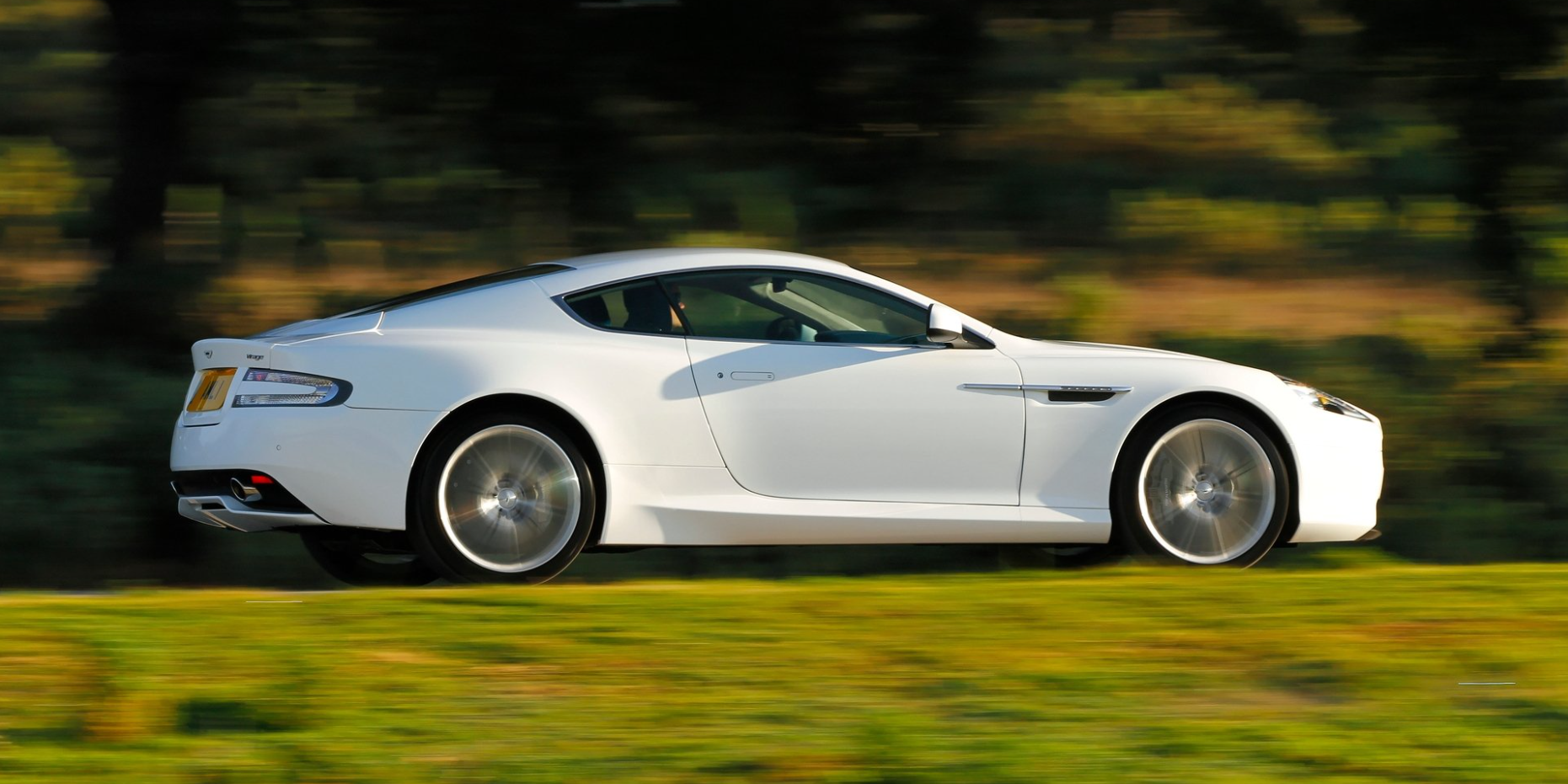
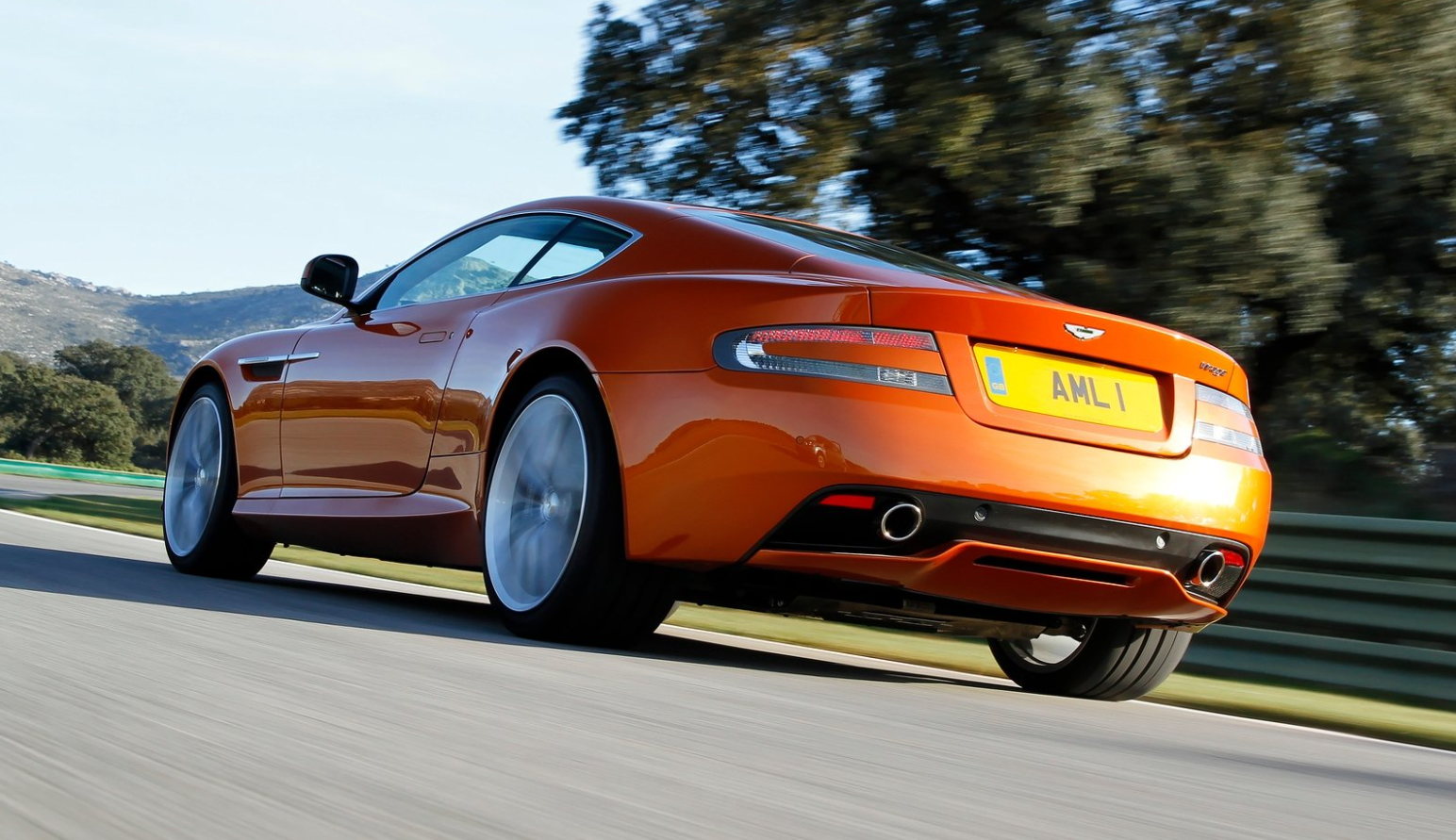
It’s easiest to think of the Virage as combining the looks of the DB9 with some of the performance upgrades of the DBS. From some angles, it’s nearly impossible to tell the Virage apart from that year’s DB9, seeing as how it uses the same proportions and rear-end design. The front was at least a bit different, benefiting from a larger grille and more angular headlights borrowed from the then-new Rapide four-door. There were also specific side sills and a diffuser out back.
The interior’s differences were even more subtle. The DB9 and the DBS already shared an interior design, so Aston wasn’t about to revamp everything for the middle-of-the-road model. From Top Gear’s original review:
Step into the Virage, and you’re greeted with a DB9’s interior. Or a DBS’s. Which is fine, but there was scope for Aston to be bolder. A customer who bought a DB9 in 2004 is going to be met by exactly the same interior when they spec their 2011 Virage and might rightly feel hard done by. Sure, build quality is improved, but in that first glance around the cabin, everything looks exactly the same as it did seven years ago. Things need to move on.
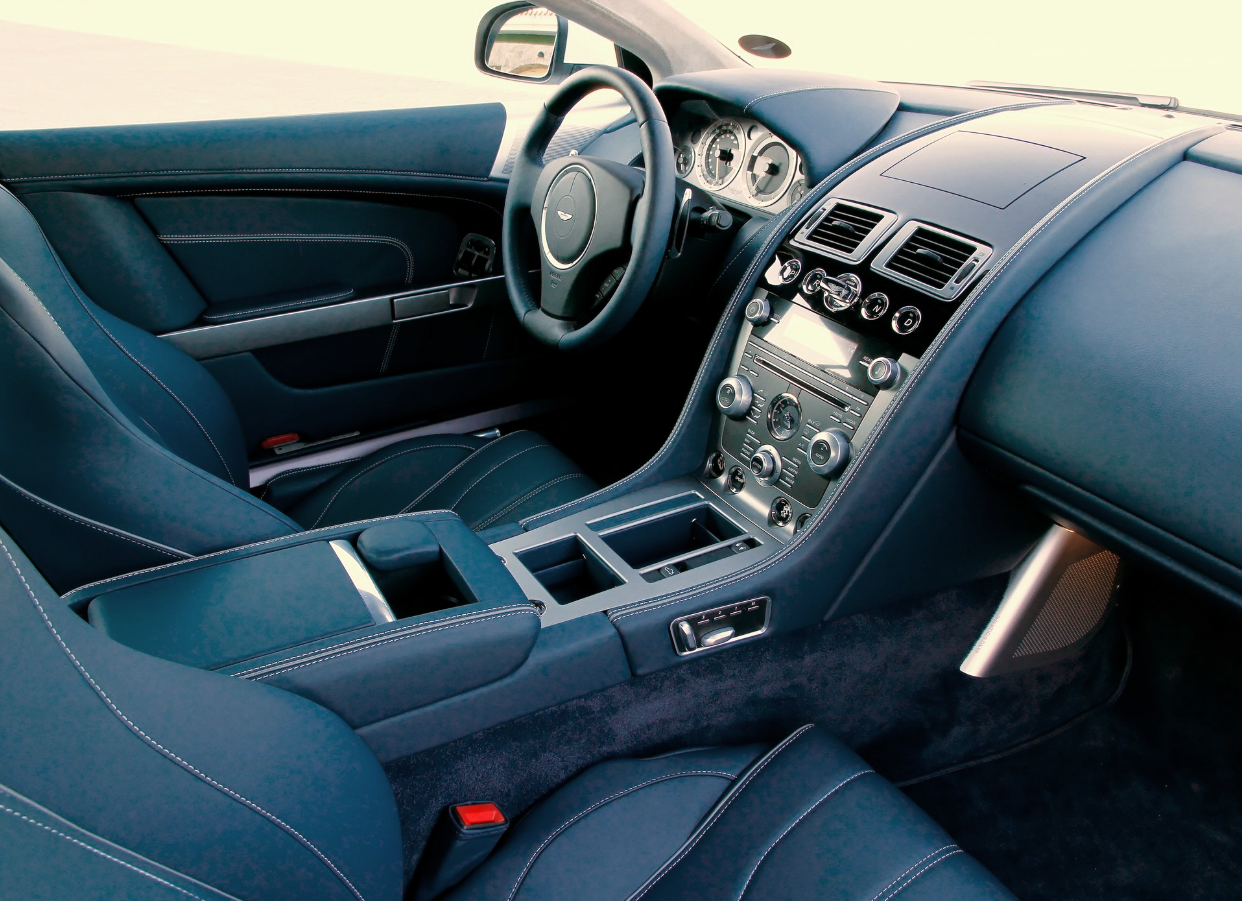
But then, just as with the bodywork, you start to notice subtle differences. The quality of the materials is better, for a kick-off. The DB9 makes do with clear plastic on the switchgear; the Virage has real glass. All of the controls for the electric seats are machined out of metal in the Virage, and the satnav is now made by Garmin.
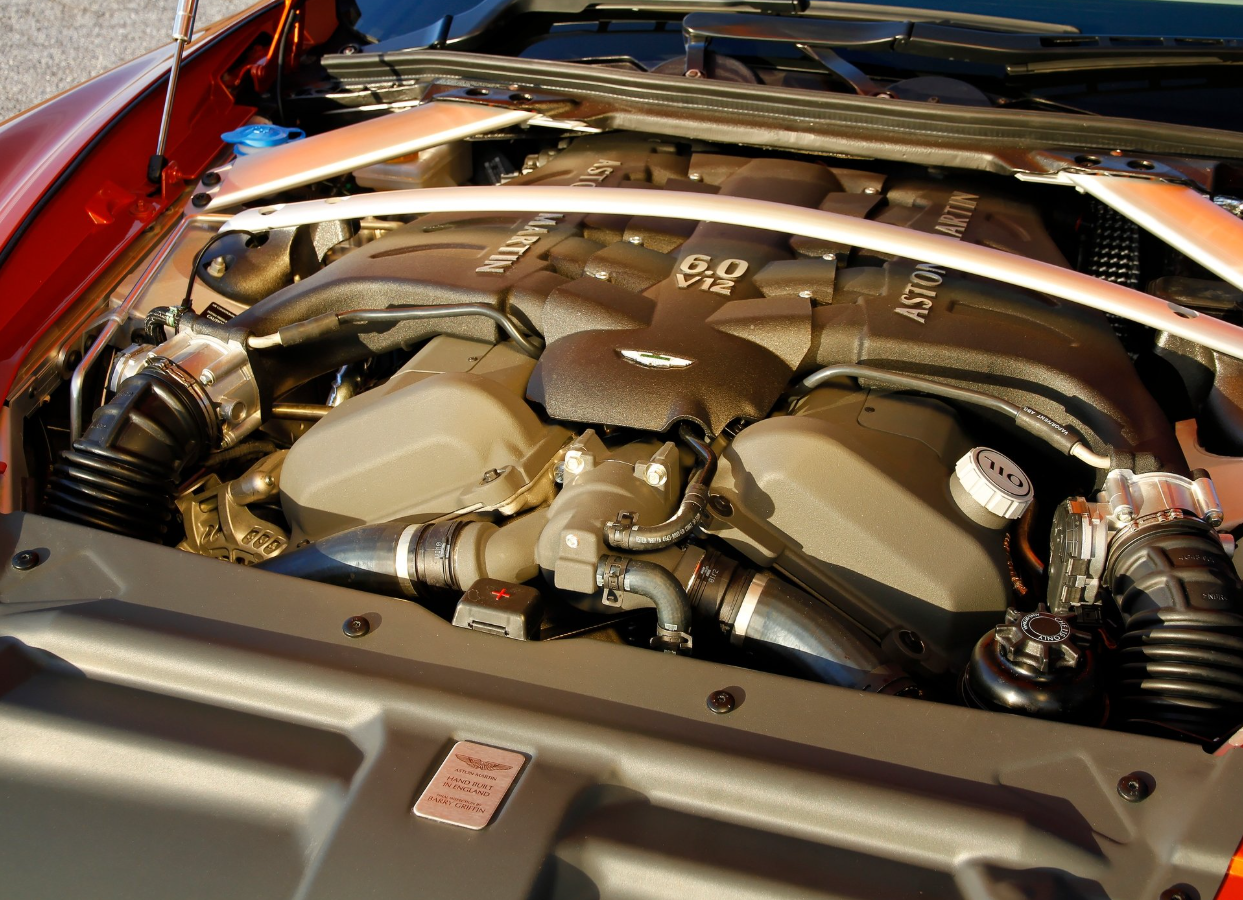
Mechanically, the similarities continued. Like the DB9 and the DBS, the Virage got Aston’s 5.9-liter naturally aspirated V12 engine, paired to the same ZF-sourced six-speed, paddle-shifted automatic transmission, sending power to the rear wheels. The company made it a point to dial the Virage’s power to where it sat exactly between its two siblings, making 20 more horsepower than the 470-hp DB9, and 20 fewer horses than the 510-hp DBS.
There were also a couple of chassis upgrades to make the jump from DB9 to Virage more worthwhile for buyers, too. You got two-mode Bilstein adjustable dampers, and specific springs and bushings that were designed to make the car handle better than the DB9, but not as good as the DBS. Meanwhile, carbon-ceramic brakes from the DBS were standard.
That original Top Gear review praised the Virage’s ride, pointing towards those new dampers and other suspension tuning as marked improvements over the DB9.
[E]ven in its stiffer setting, the Virage still rides well. Better than any other Aston bar the Rapide, in fact. The steering isn’t the last word in feel, but it’s precise and you get a good sense of what the car is doing beneath you. Grip levels are also impressive. Despite the mass of that V12 lump pressing down on the front wheels, the Virage turns in well, and there’s a lovely, direct feeling to the chassis. The handling is snappy.

Interestingly enough, Top Gear concluded that review by predicting the Virage might make the DB9 obsolete, seeing as how it was a clearly better driving experience for not much more money. But in the end, it was the DB9 that survived, and the Virage that was put to pasture.
Why It Failed
On the surface, spreading out Aston Martin’s grand-tourer lineup made some sense. One look at Porsche and its dozens of 911 trims will tell you that people love to pick and choose between specs, power, and performance in their sporty coupes. But for Aston, the strategy just didn’t work. According to Classic Driver, Aston Martin managed to sell just 656 Virages over the car’s entire production run, making it one of the rarest regular-production Aston Martins in the company’s modern history.
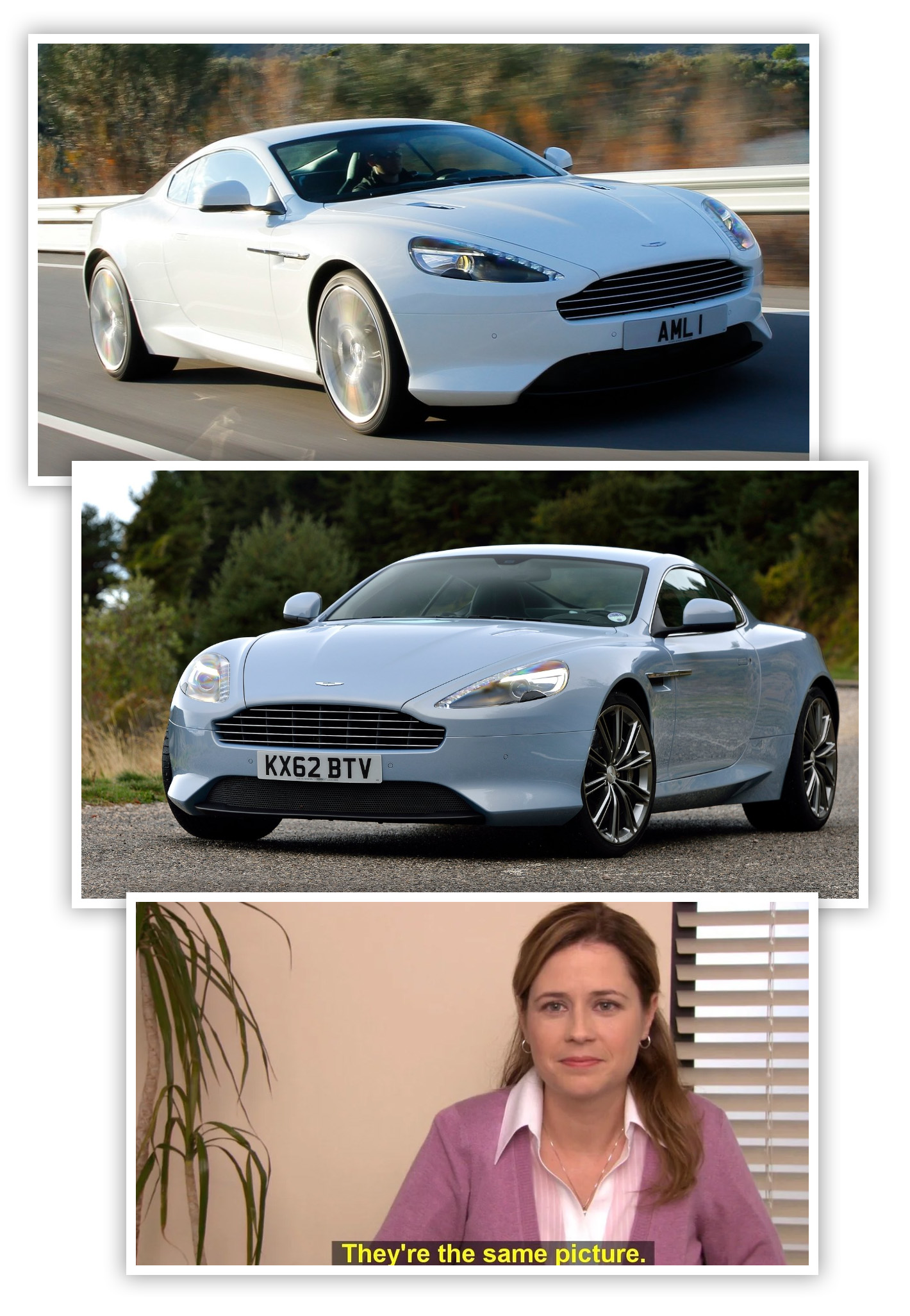
The sports car maker quickly realized that its model line was stretched pointlessly thin, so for 2013, it consolidated the DB9 and the Virage back into one vehicle, adopting all of the Virage’s updated looks. Instead of keeping the Virage name and retiring the DB9 nameplate, as Top Gear predicted might happen, the opposite occurred. This was the most logical outcome; the DB-line has decades of history and brand cache behind it, while the Virage name hadn’t been used since the late 1990s, for an ultra-low-production V8 coupe that not many people know exists.
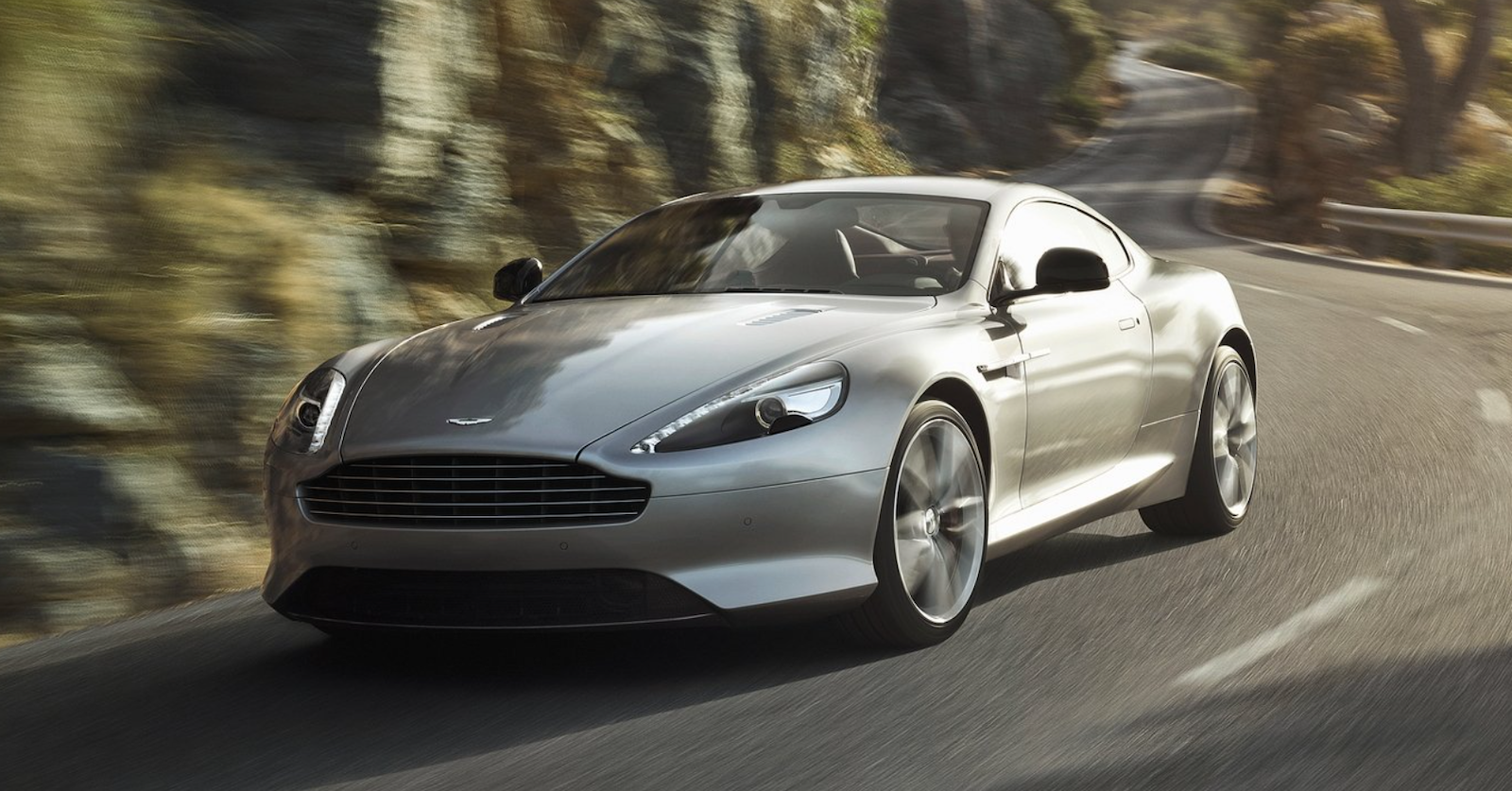
It wasn’t just the updated looks from the DB9 that made the Virage irrelevant. The DBS was also retired that year to make room for the more powerful Vanquish, so the DB9 got the DBS’s 510-horsepower V12 and that trick active suspension. Meanwhile, with a starting price of $188,225, it undercut the Virage in price by over $20,000. There was simply no reason for a third GT car to exist here, especially now that the DB9 had all the looks and gear it was originally lacking.
Despite their rarity, used Virages are actually cheaper than the DB9s that replaced them. The cheapest post-facelift DB9 I could find online is this one on eBay Motors, listed for just under $68,000 with 40,000 miles on the clock. Meanwhile, there are a couple of Virage Volantes up for sale in Jacksonville, Florida, with asking prices closer to $50,000, both with fewer miles than that DB9.
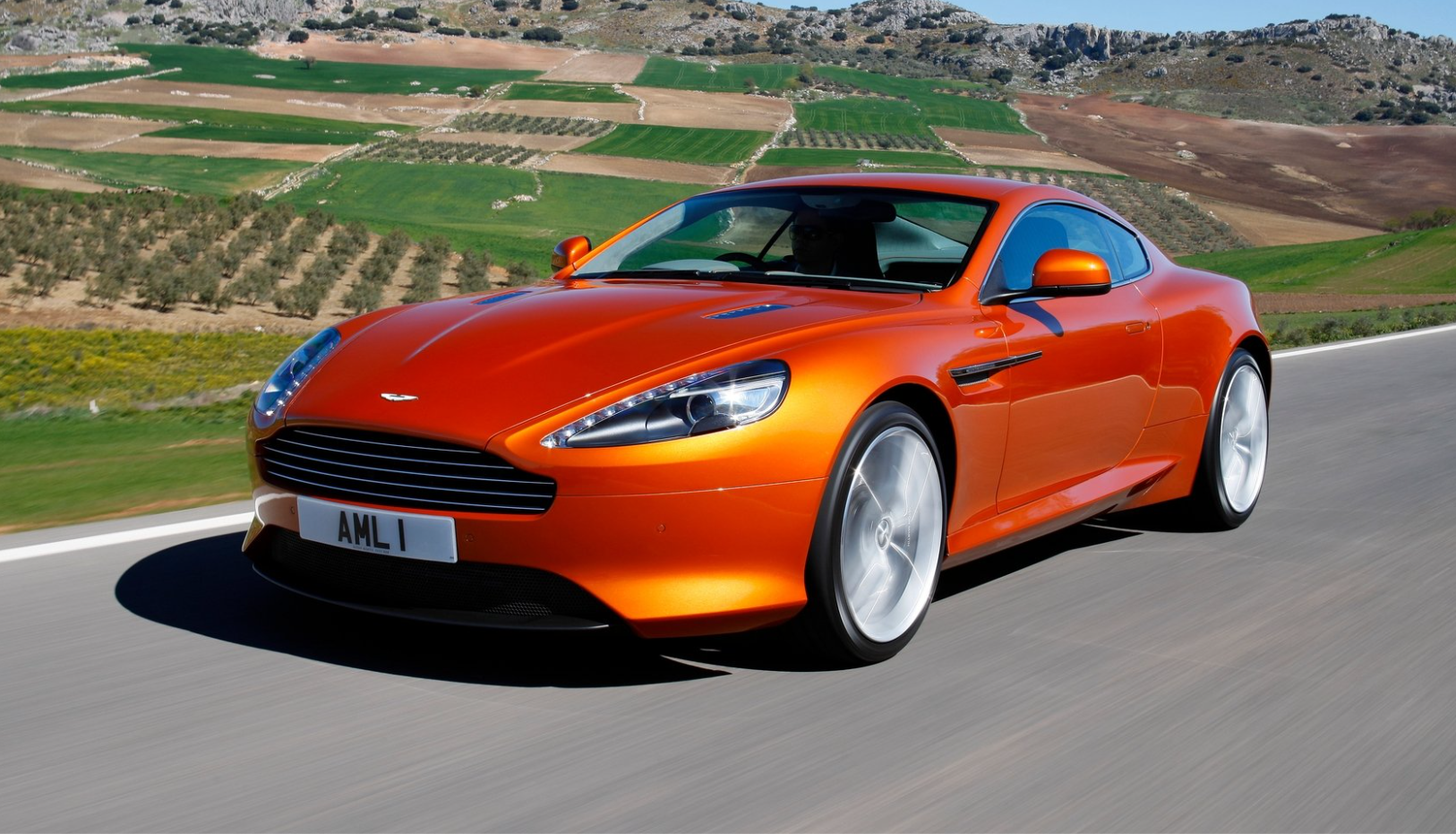
Seeing as how few Virages were made, I wonder whether people will be drawn to this car as a future classic. With looks like this and a V12 under the hood, it certainly has potential.
Top graphic image: Aston Martin


I keep trying to convince myself that owning an old DB9 would be fun. There’s no Aston mechanic within 500 miles of me.
It’s best to think of them as trim levels rather than distinct models. It would be like if Porsche renamed the 911 Carrera, 911 Carrera S, and 911 Carrera GTS to be 3 “different” models and not just trims.
Not a specific model – I never knew too much about the specs of the 3 different models – but this bodystyle was my fantasy “rich guy car” that I’d buy if I won a big lotto jackpot.
I stopped being into super/hypercars in my early teens, but there’s just something about this generation of Aston that’s soooo sexy. I didn’t care about the performance or HP numbers; I just loved the look.
Ditto. If I ever win the lottery (that I don’t ever play, so very, very long odds on that happening 😉 ) one of my first purchases will be an AM from this era.
Right there with you. I lusted hard after the DB9 when I was younger. That vintage of Astons have not aged a single day. Update the lighting to LED and (from the outside) they would still look fresh.
False advertising – attaching that top shot to a blog that doesn’t mention Lance Stroll even once…