

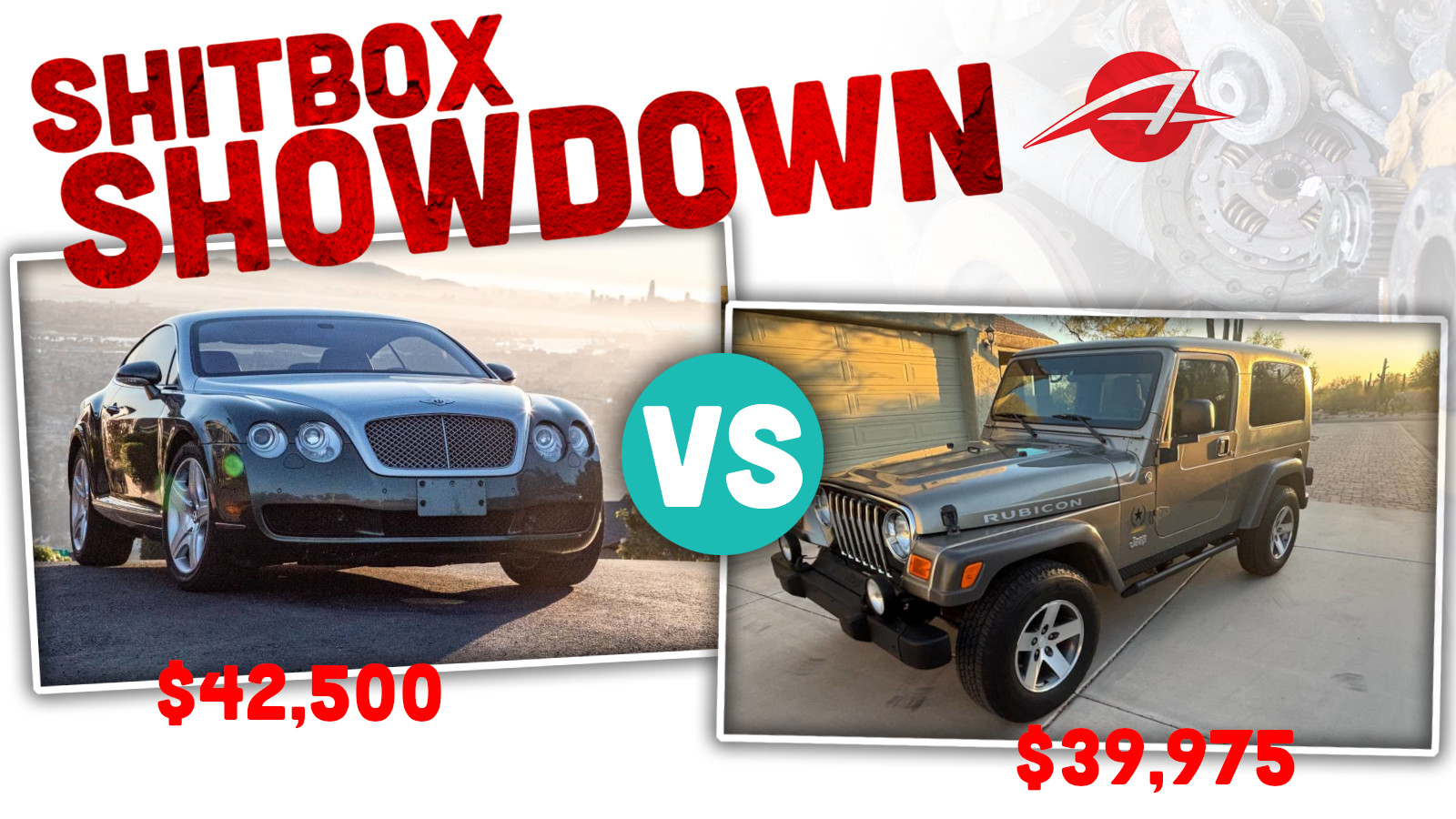
This week, we’ve been looking at the class of 2005 in cars, and we’re going to finish it out by blowing the budget to smithereens. Today’s cars are both just about the same price now, but one of them is much cheaper than it was new, while the other is considerably more expensive. Which one is a better deal will be up to you.
Yesterday, we looked at a couple of boxy wagony things that have become legends over the past two decades, and are both still sought-after today. Everybody had a story about one of these or the other, and I do always enjoy hearing them. From the comments, I expected it to be a fair fight, but the Honda Element just blew all four normal-opening doors right off the Scion xB.


I’m not so sure that’s the right call. All things being equal, if the choice is between an Element and an xB, I’ll take the Element. But between these two examples, I think I’d feel better about the xB. I didn’t do my due diligence about that Element; it appears that the interior photos were stolen from another ad. It seemed a little hinky, with the mismatched door sills, but I let it slide, and I shouldn’t have. If the seller of the Element is stealing photos from other ads, what other fast ones are they trying to pull? In this case, I think the sketchy SE 82nd Ave dealership in Portland is actually the more honest seller. Scary thought.

Generally speaking, unless you’re talking about rare classics, cars depreciate from the day you drive them off the lot. Never look up the blue book value of a car you just bought new; it’s a number you really don’t want to see. And it just gets worse as time goes on. But sometimes, rarity and desirability can combine to raise a car’s value before it reaches classic status, so it ends up costing significantly more used than it ever did new. Is it worth it? Well, that’s up to the buyer; you can consult all the price guides you want, but in the end, a car is worth exactly what someone is willing to pay for it on the day it sells, and not a penny more or less.
One of today’s cars is a high-end luxury car, and as you may expect, its value has dropped like a rock, and hasn’t yet bottomed out. The other is a very rare version of a common vehicle in excellent condition and with low mileage. Somehow, their prices have crossed paths, and either one will set you back $40,000, give or take. Let’s take a look.
2005 Bentley Continental GT – $42,500
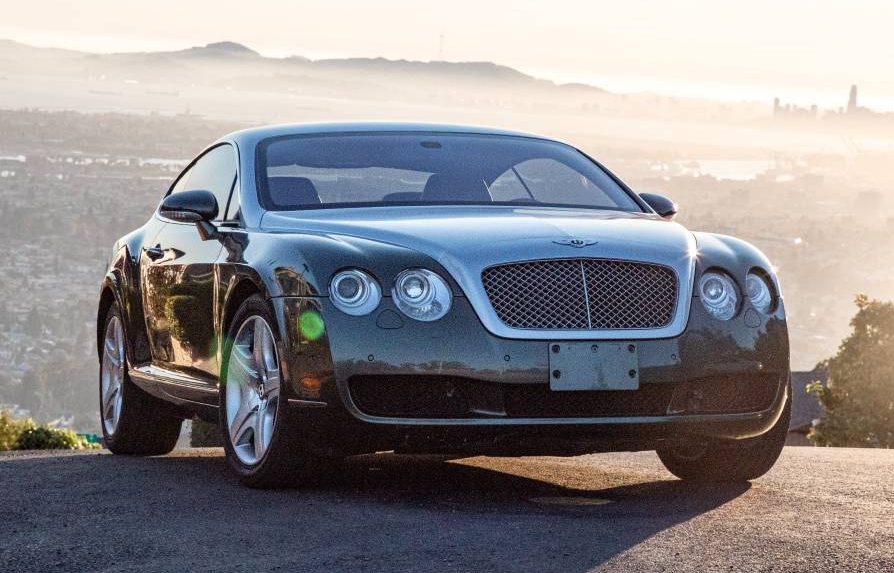
Engine/drivetrain: Twin-turbocharged 6.0-liter DOHC W12, six-speed automatic, AWD
Location: Oakland Hills, CA
Odometer reading: 40,000 miles
Operational status: Runs and drives well
The story of Bentley, as is the story of so many British car marques, is one of a long tradition of very cool cars set against a backdrop of mergers, acquisitions, bankruptcies, fights over trademarks, and eventual watering-down by a new corporate owner. This Continental GT can trace its lineage back a hundred years, to the heady days of Brooklands and the Blue Train Races, but mechanically, it has a lot in common with an Audi.
High-performance Bentleys have always had some pretty bonkers engines, from the enormous and sometimes supercharged inline sixes of the 1920s, to the turbocharged Rolls-Royce V8s of the 1980s and ’90s. But new corporate owner Volkswagen brought its own special sauce to the Bentley recipe in the form of its W12 engine, here sporting twin turbochargers and putting out 552 horsepower. It’s an engine no sane person would devise, but that makes it kinda perfect for a car like this. Power is important, yes, but having that power delivered with a bit of panache and flair is crucial. The W12 drives all four wheels through a six-speed ZF automatic with “Tiptronic” manual shifting capability. It runs and drives great, and has “no mechanical issues,” according to the seller.
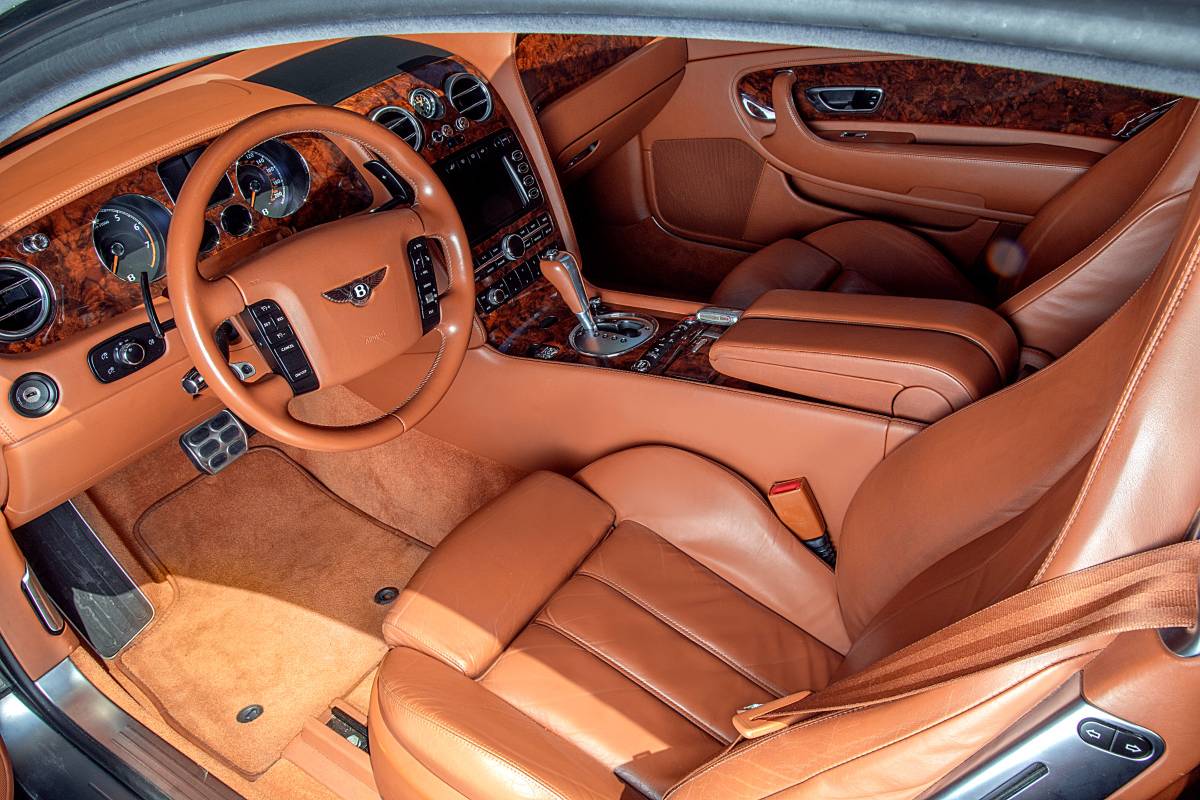
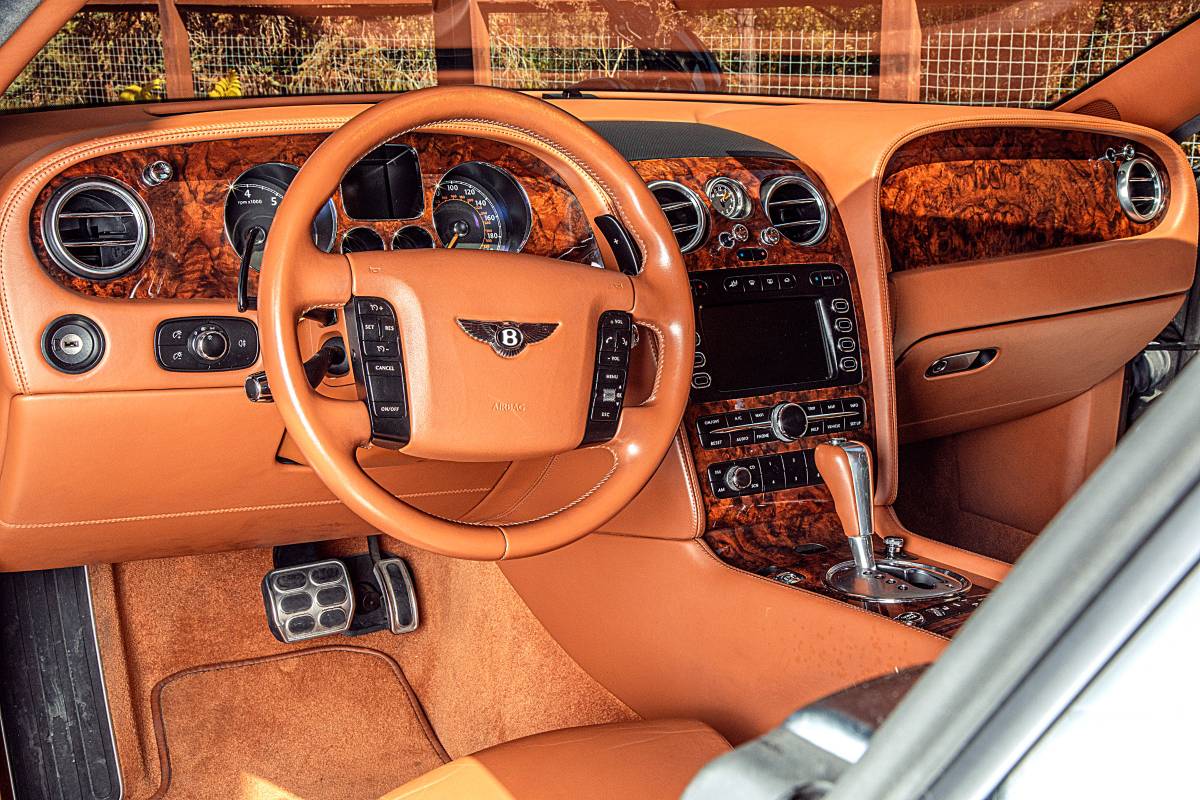
If you hate the blandness and sameness of modern car interiors, the solution is to buy a Bentley. Look at this glorious cockpit. It’s all real leather and real wood, of course, and all done by hand. The seller says the headliner has just been redone; apparently, droopy headliners are a common problem with these cars. The window regulators are new, too, and everything else works well.
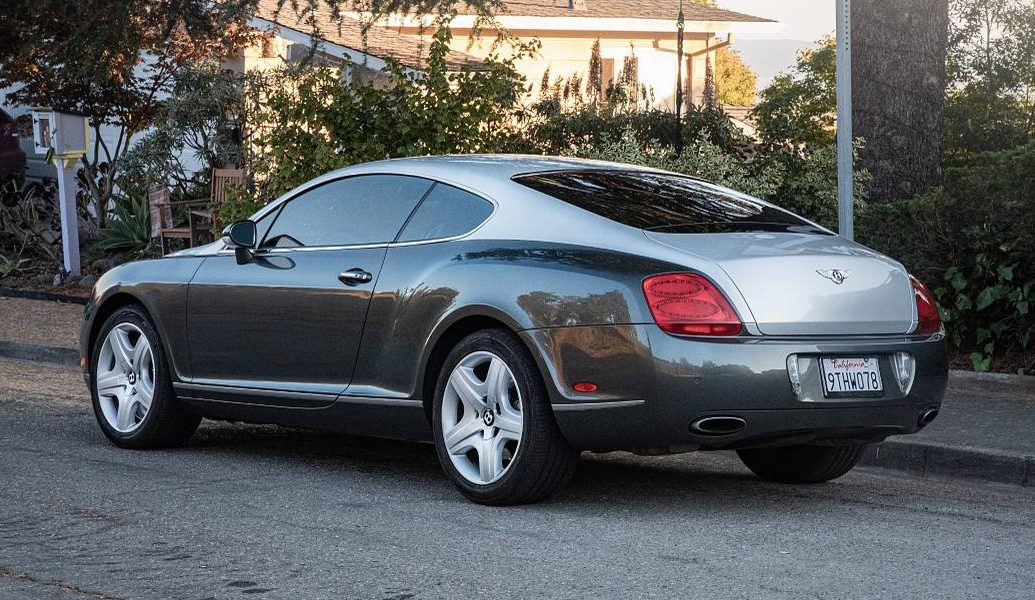
There’s no mistaking the styling of this car for anything else, and that’s kind of the point, too. Why bother buying a Bentley if everyone doesn’t know it’s a Bentley? The two-tone job is a partial wrap; the silver is vinyl, and the darker gray is the paint color. It’s removable if you don’t like it, but I think it looks good.
2005 Jeep Wrangler Unlimited Rubicon Sahara Edition – $39,975
Engine/drivetrain: 4.0-liter OHV inline 6, four-speed automatic, 4WD
Location: Mesa, AZ
Odometer reading: 65,000 miles
Operational status: Runs and drives well
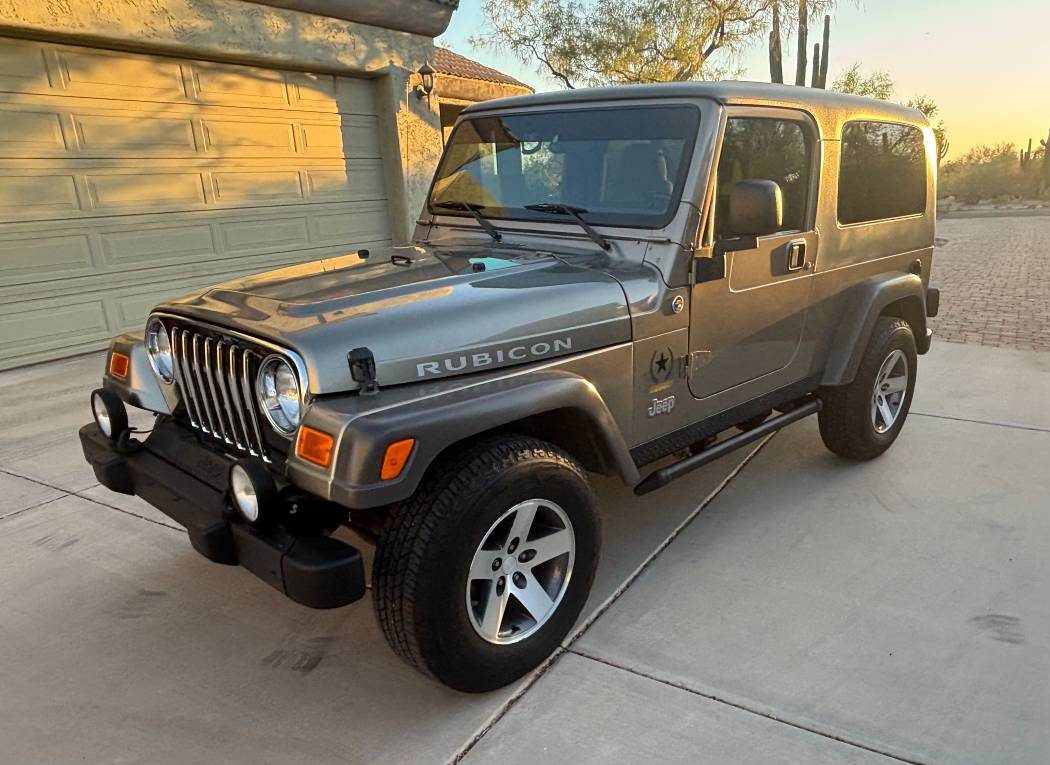
What’s cooler than a Jeep? More Jeep! Stretching the wheelbase of the old CJ-7 to create the CJ-8 Scrambler made it way cooler, and I’m not just saying that as someone who learned to drive in one. The Scrambler only lasted a few years in the early 1980s, but in 2004 Jeep did it again, with the LJ Wrangler Unlimited, a TJ Wrangler with an extra foot and a half of Jeepy goodness. The Unlimited only lasted for three model years, and in 2005 Jeep produced the special “Sahara Edition” as a tie-in with the action adventure movie Sahara, which I think I’ve seen but I can’t really remember. Only 1,000 Sahara Edition Wrangler Unlimiteds were built; this is number 968.
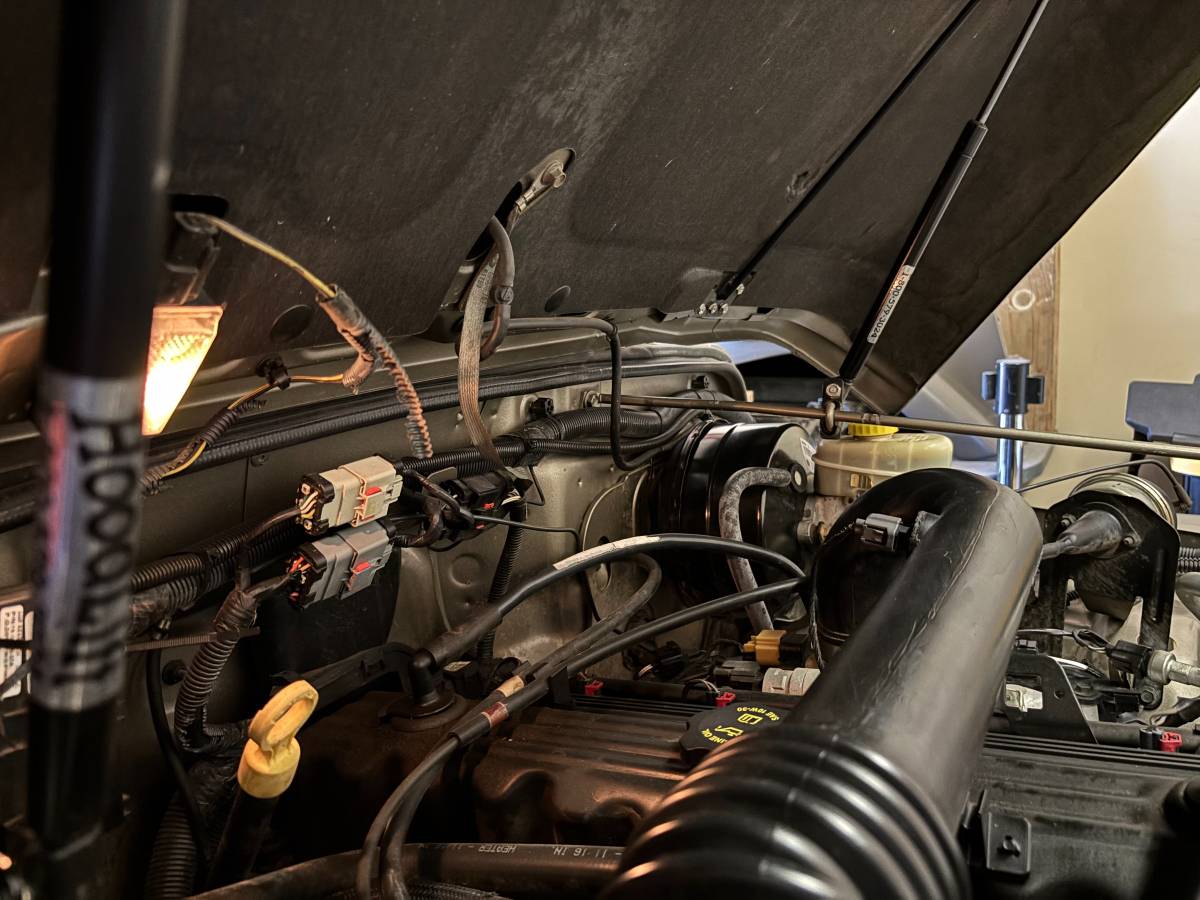
As rare as this special edition Jeep might be, its mechanicals are tried-and-true: the old AMC 4.0 liter inline six, a Chrysler four-speed automatic, and on-demand four-wheel-drive. Since the Sahara Edition is also a Rubicon model, it includes all the off-road goodies that go along with that badge, like lockable diffs, a 4:1 low range in the transfer case, and bigger wheels and tires. This one has only 65,000 miles on it, and hasn’t seen much, if any, off-road action. It runs and drives just fine, and I think the biggest problem would be refraining from treating it like a Jeep and ruining its value.
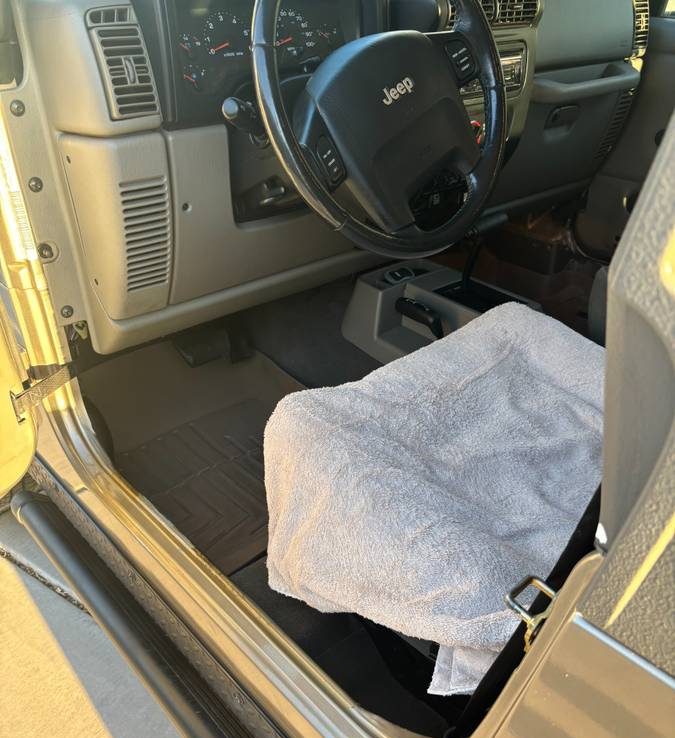
There is a distinct lack of good interior photos in this ad; this is about as good as it gets. There is another photo showing the upholstery under that towel on the seat, and it’s in beautiful shape. Another photo shows a crack in the plastic of one door panel, but the rest of the interior looks showroom new. It has some aftermarket power-retractable running boards, but the seller says there’s an issue with the passenger side one.
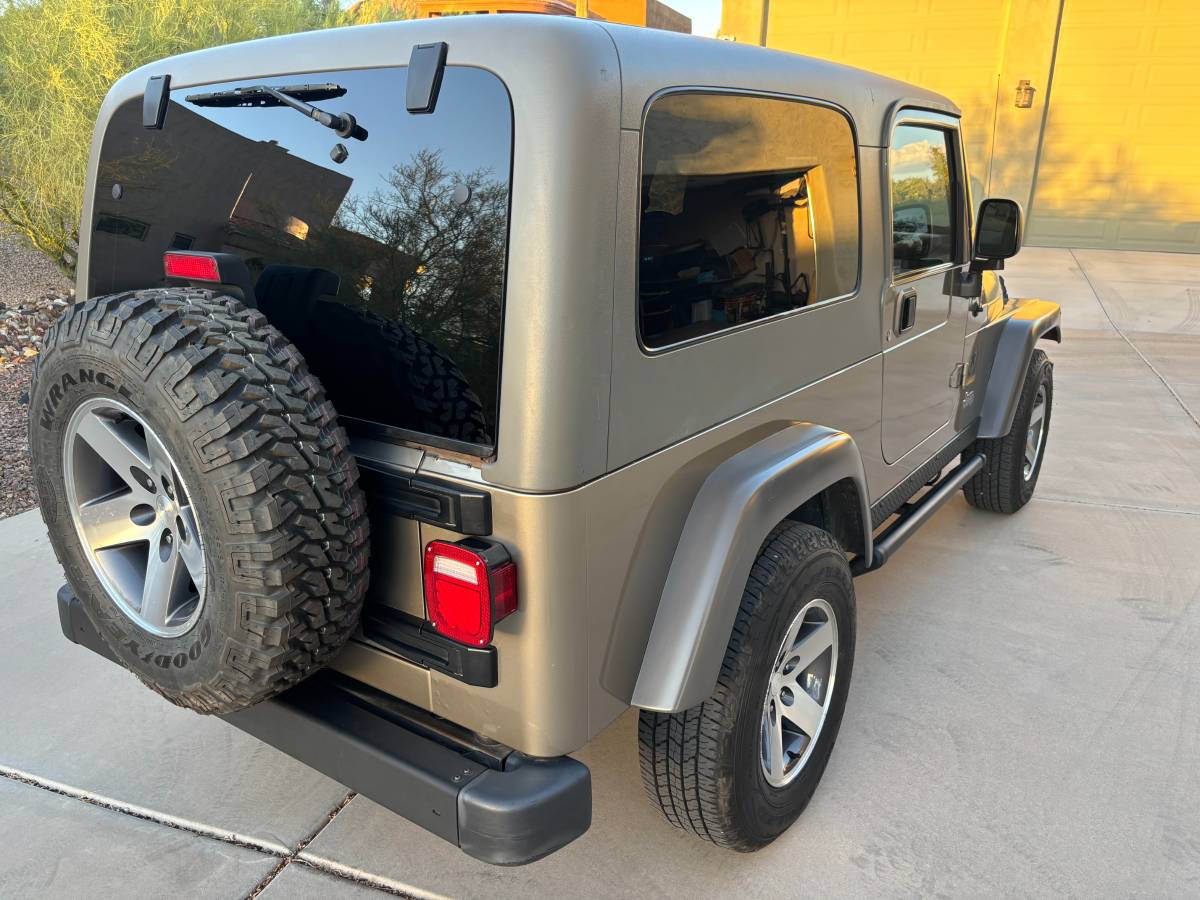
It’s near-perfect outside too, and the seller says it has always been garaged. I suppose that’s good for keeping the value up, but in my opinion, Jeeps were never meant to be collectors’ items – no matter how rare. This thing shouldn’t have reached 20 years old in this condition; it should have dings and scrapes and another hundred thousand miles on the odometer. It should be festooned with stickers from national parks and tourist traps. It’s one of a thousand special edition models from a movie no one remembers, so who cares about its collectibility? Someone please buy this thing and give it the hard-knock life it deserves.
According to Edmunds, the Bentley sold new for about $155,000, and the Jeep for around $28,000. One has lost more than a hundred and ten grand in value, and the other has gained about ten. But which one is the better deal at its new price? You’ve got all weekend to think about it. See you back here on Monday!


I wouldn’t touch the Bentley with a condom on. Pardon my crudeness.
But $40K for a 20-year-old Jeep? Seriously??? Is there cocaine in the seat cushions???
I’ll stick with the Element from the other day, thanks.