

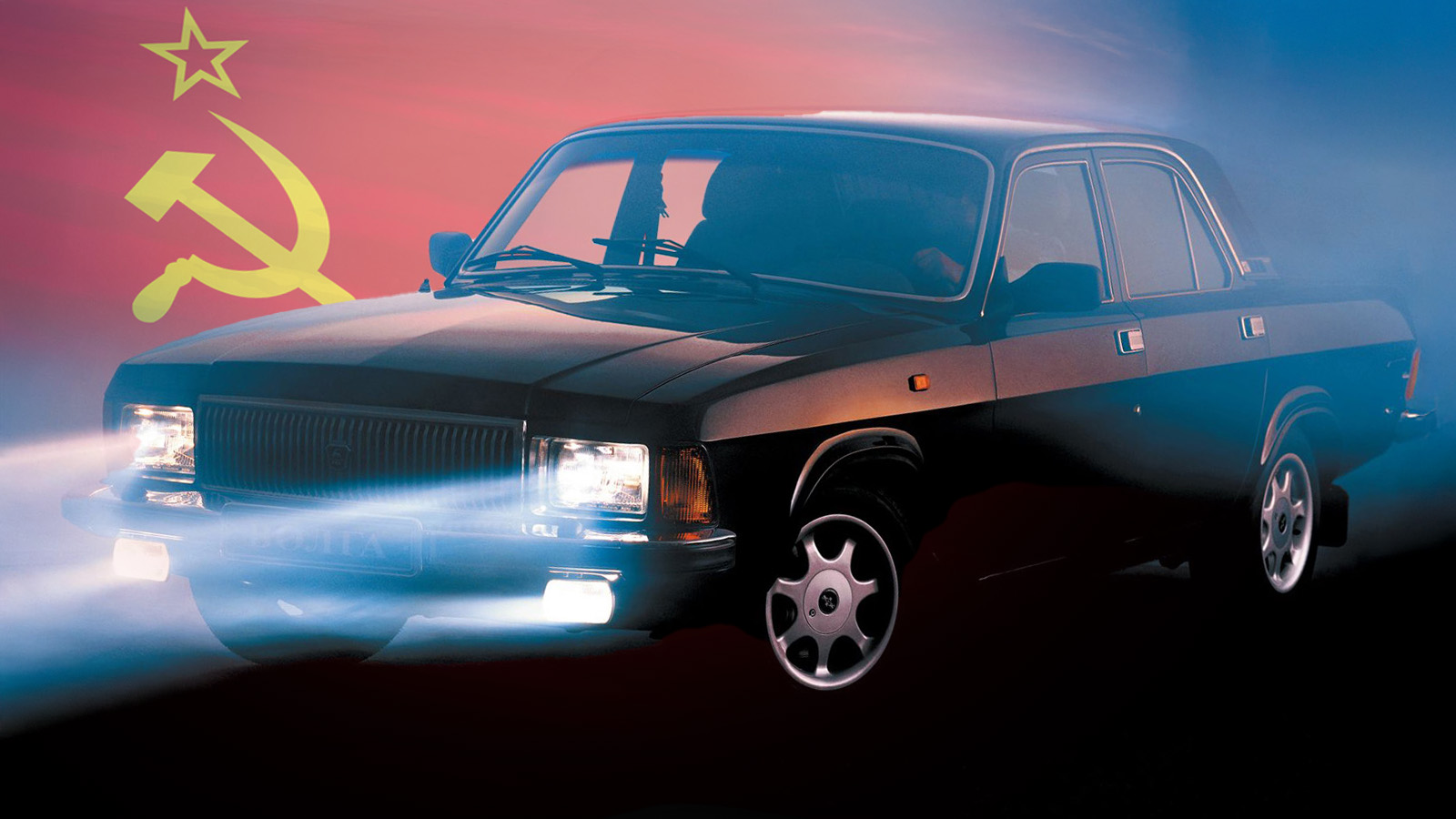
An extension of the state is its official vehicles. Heads of state get their special cars, below those are police and emergency vehicles, and at the most basic, there are tthe municipal fleet vehicles are used to maintain infrastructure. Sometimes these cars, vans, and trucks are among the most ordinary things in that particular setting and corner of the world, sometimes there’s a weird blip on the radar such as the Impala SS fleet of the Ministry of Foreign Affairs in Finland.
In countries with automotive production, the top tier of cars can be a domestically produced limousine. In Sweden, Volvo produced long-wheelbase versions of the 960 and S90 and called them Royal, and they were fit for the King. The fourth-generation, presidential Lincoln Continental will always be linked with JFK’s fate in Dallas, November 1963, but they were used all the way till 1977 in the same capacity, only with additional shielding and armor. The stately Toyota Century sedan has a deep connection to the Emperor of Japan, also in convertible form. But the Soviet Union and post-Soviet Russia have produced some of the most notorious state cars on all levels of power.


The Last Soviet Limousines
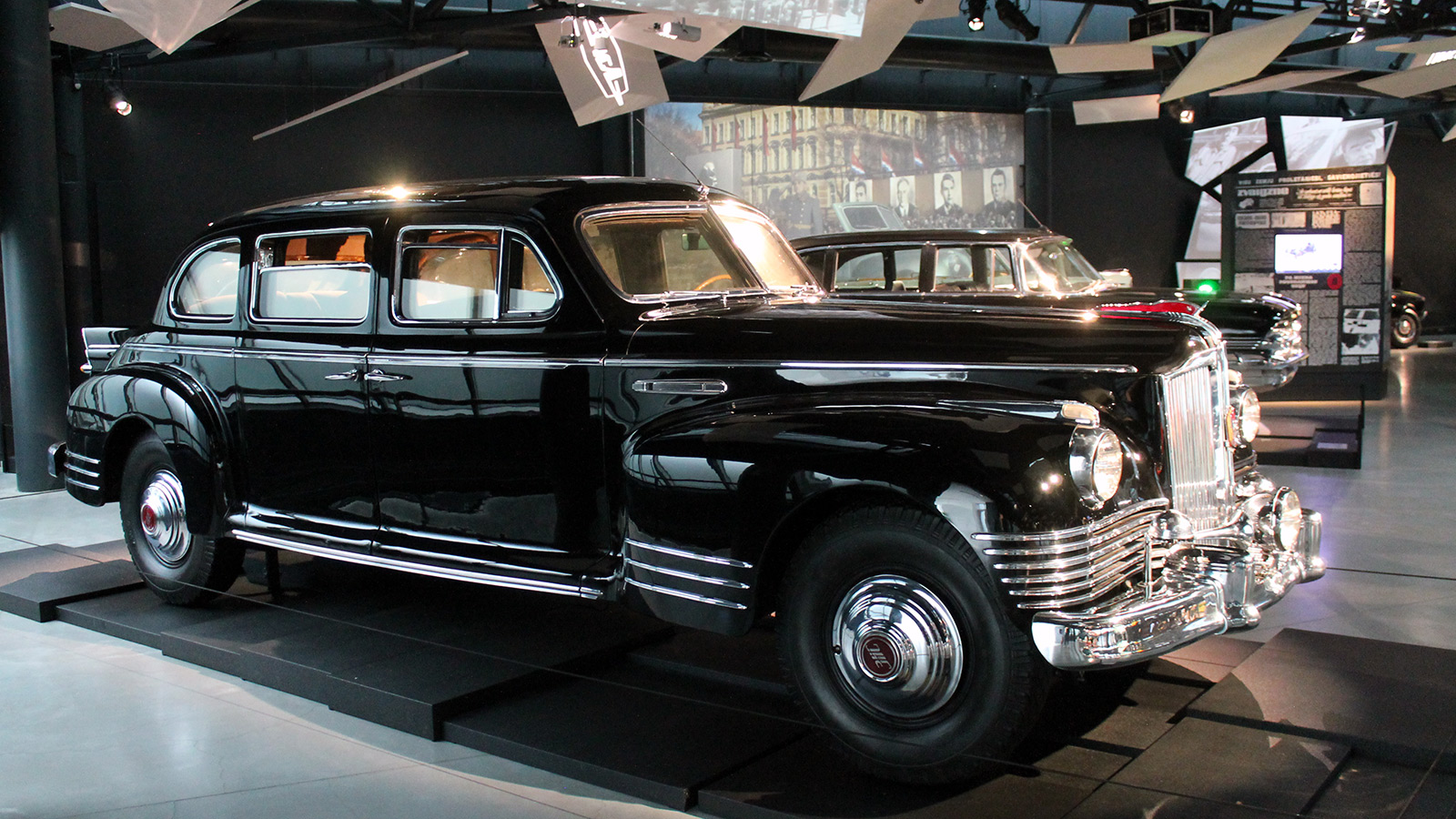
One of my favorite automotive documentaries is The Last Limousine, a 2013 film depicting the final moments of state car production at the ZIL manufacturing plant in Moscow. ZiL, which was called ZIS before the Soviets erased S for Stalin and replaced it with L for Likhachov, made large cars for almost a hundred years. Its first state limos were heavyset and often armored Packard knock-offs from the 1930s onwards, with the later vehicles also reminiscent of comparable American cars but just more … Soviet. ZIL mostly built trucks, but it had a separate department at the plant for hand-assembling state cars.
Decades ago, ZIL and its GAZ equivalent, the Chaika commanded enough power to have specific lanes on the main Moscow streets dedicated to them, for unimpeded shortcuts through traffic. They were also important enough to be brought with Soviet state leaders on their foreign state visits, including to the United States.
In turn, Leonid Brezhnev, the Soviet premier during Nixon’s tenure, was personally gifted a Cadillac Eldorado he often drove spiritedly. Brezhnev’s driving relied more on outright speed than utmost precision, and he crashed his Rolls-Royce Silver Shadow in Moscow. The still-crumpled car is also displayed at the Riga Motor Museum with a Brezhnev decoy behind the wheel.
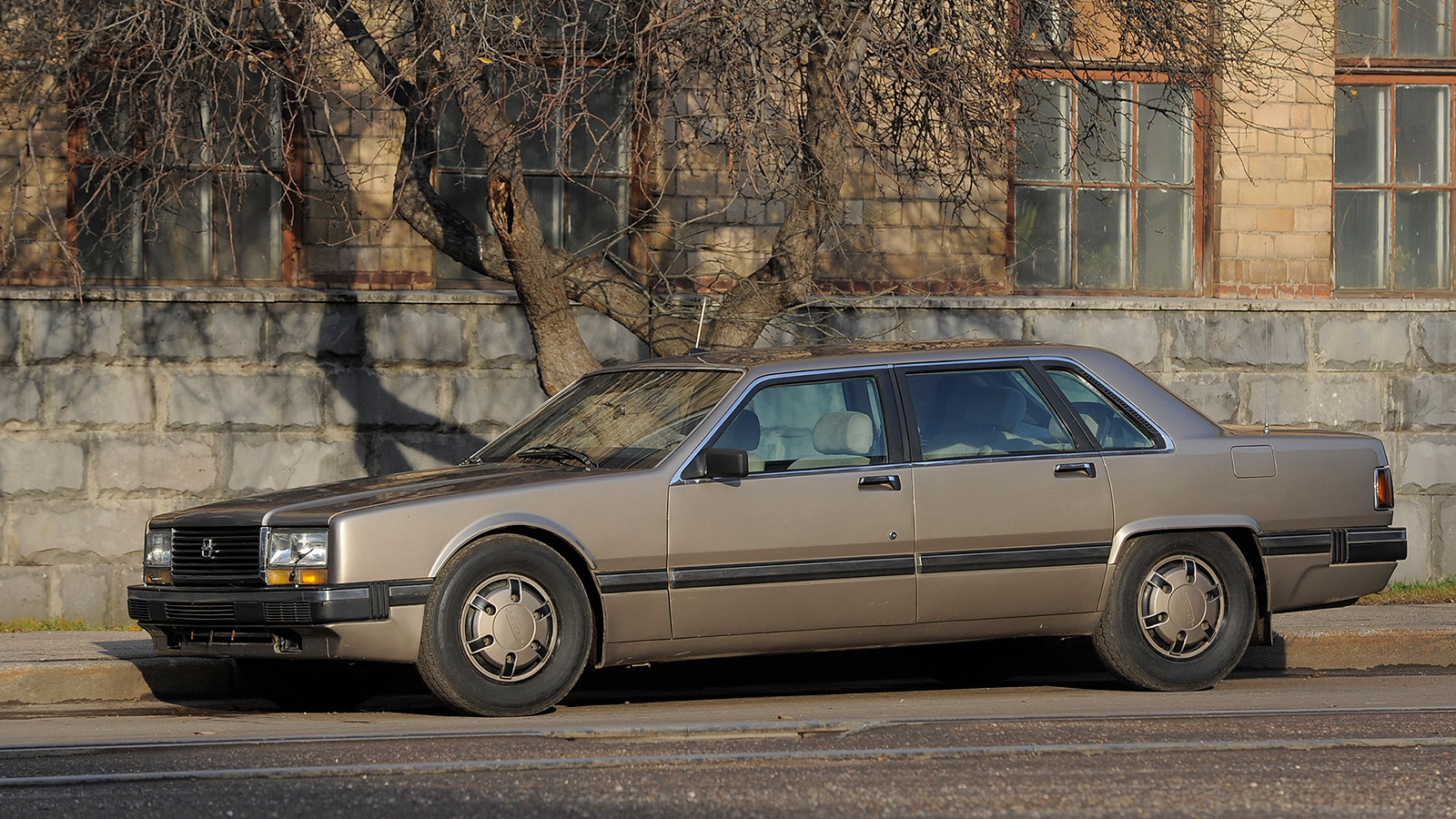
One of the last occasions of ZIL trying to stay relevant was the 1987 4102, which was reportedly not well-received by Mikhail Gorbachev, the last Soviet ruler. Three ZIL-4102 limousine prototypes were built, still using the same old 7.7-liter V8 as earlier, and only one of them survives. The bronze color on it somehow matches the surroundings, and despite looking very odd, the car isn’t AI-generated or a Grand Theft Auto game vehicle.
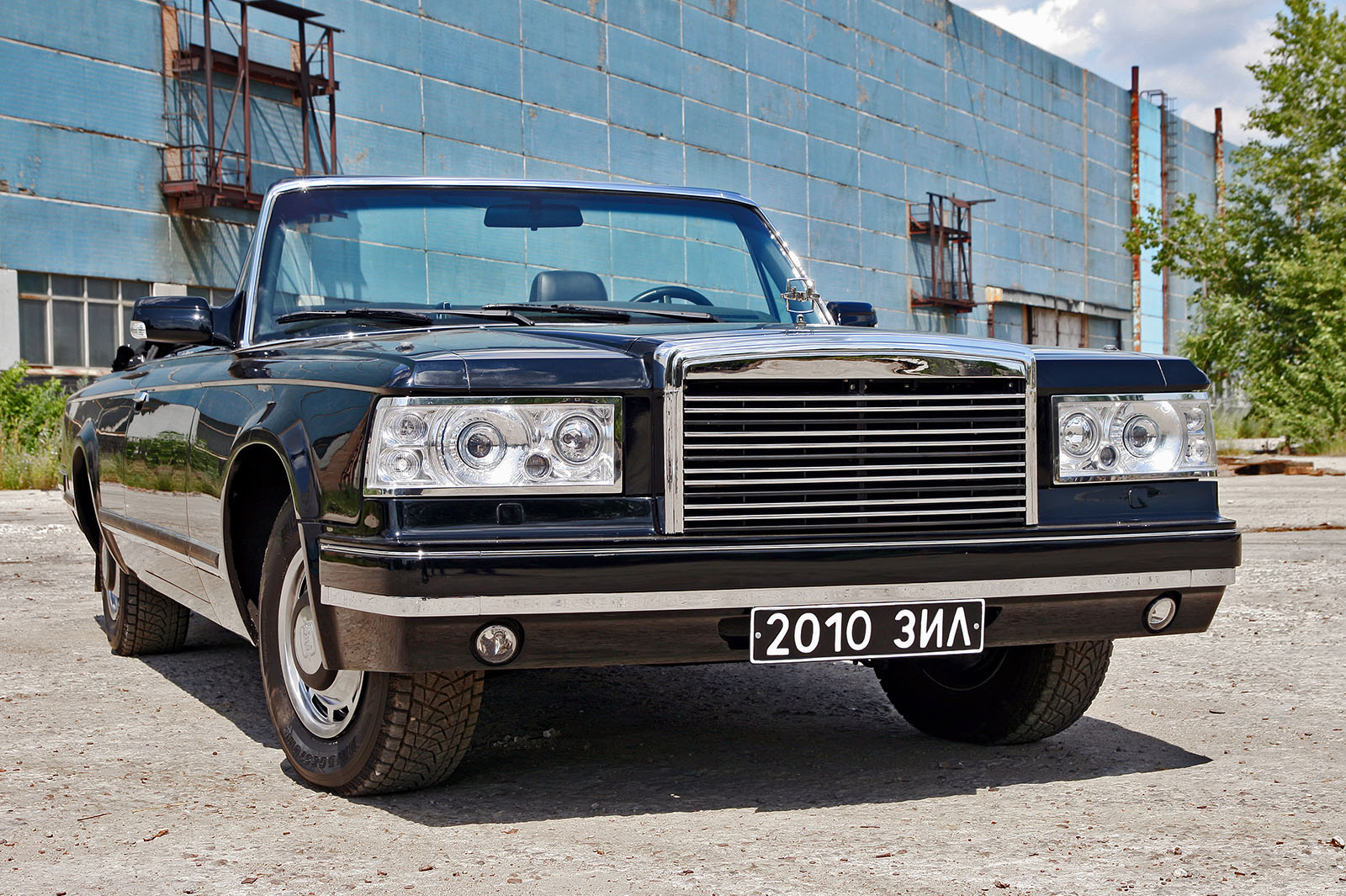
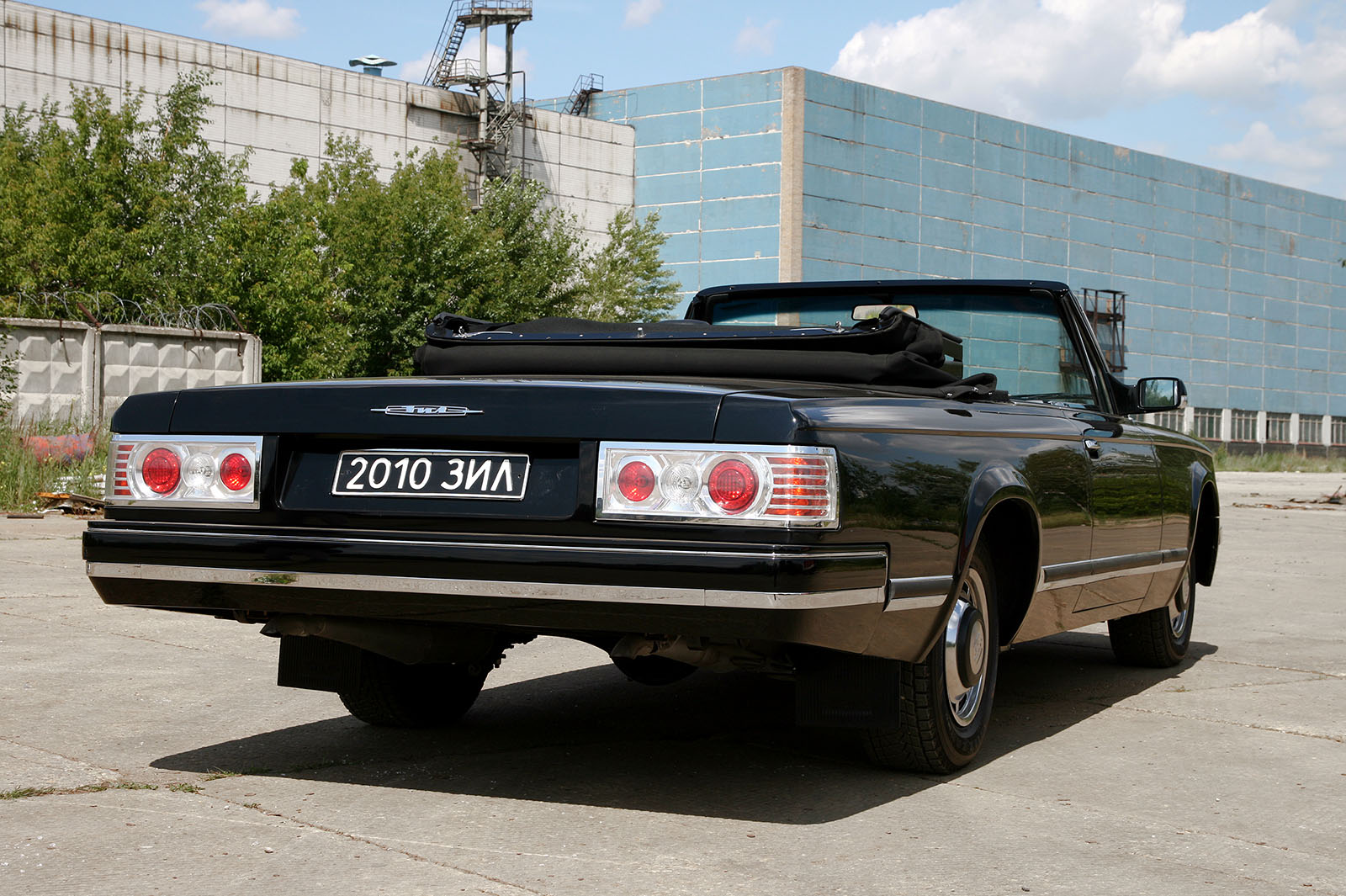
After the Soviet Union collapsed in the 1990s, things would never be the same, and by 2010 the situation was approaching unintentional parody, as Daria Khlestkina captured in her film. The 45-minute ZIL documentary is hosted on YouTube, and it shows how the state car production department is roused back into business after an order for three parade cars comes from the Ministry of Defense. Some of the workers are brought back from retirement to work on the ZIL-410441 cars, themselves relics from the 1970s but built in 2010.
The documentary is fascinating to watch. Almost everybody working on the cars is old and a master of their craft, but within this specific, brown-tinted, post-Soviet bubble of motivation and demotivation. Traditional bureaucracy raises its head every now and then, and the boss comes down to the assembly hall to motivate the craftsmen, observe the quality of work, and to bring food from a nearby McDonald’s for the night shift. The factory is ancient and run-down. Old ladies drive forklift trucks around the foundry, where Uzbek temp workers toil in hope of the elusive paycheck. Cats roam the factory and its offices. Part of the workforce just shows up “to maintain an illusion of a working factory,” and I get the feeling a lot of them kept coming to work even past retirement age because there simply wasn’t anything else.

If you were to try t replicate it all with a mockumentary, you wouldn’t get even close to the off-beat feel of an industrial dinosaur still functioning and doing the one thing it still can do, the finest cars they knew the factory could produce. Everything is made in-house, often from scratch.
Everybody knows this is the last time they’ll make cars and the last chance to show their expertise. And at completion, defeat is grasped from the hands of victory, just like so many times in the history of Mother Russia. There are also some killer lines in the documentary, and I’m not going to spoil them all for you – see for yourself.
Volga, Volga, Love Or Death
Below ZiLs and Chaikas were Volgas, which probably correspond to Caprices and Crown Vics. Western audiences may know them from films such as GoldenEye, set in St Petersburg, and HBO’s excellent Chernobyl, which also shows the Soviet Union entering its final phase in the mid ‘80s amidst the nuclear disaster.
Even a Wikipedia article on the 1986 disaster specifically mentions the Volgas, even just as a description of the failing reactor’s sounds.
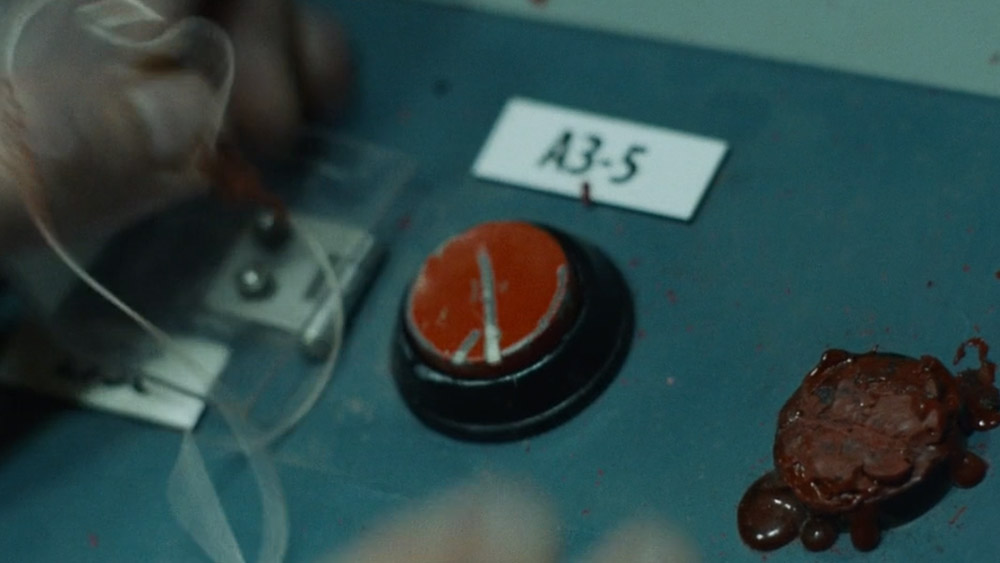
“Akimov, the unit shift chief, was in charge of the test. He took over the shift at midnight from Tregub, who stayed on the site. At 1:23:04 a.m., the test began, and the main circulation pumps started cavitating due to the extremely high temperature of inlet water. The coolant started boiling in the reactor, and because of a combination of a positive void coefficient and xenon burnout, the power began to increase dramatically.
At ~1:23:30 a.m., Toptunov asked Akimov whether he should shutdown the reactor for the planned maintenance. Akimov showed a gesture to Toptunov to press AZ-5. Toptunov pressed the button at 1:23:39. A second later, at 1:23:40 the SKALA computer registered the command. Akimov and many others heard a sound described as a Volga car failing to start up followed by two explosions. The room went black.”
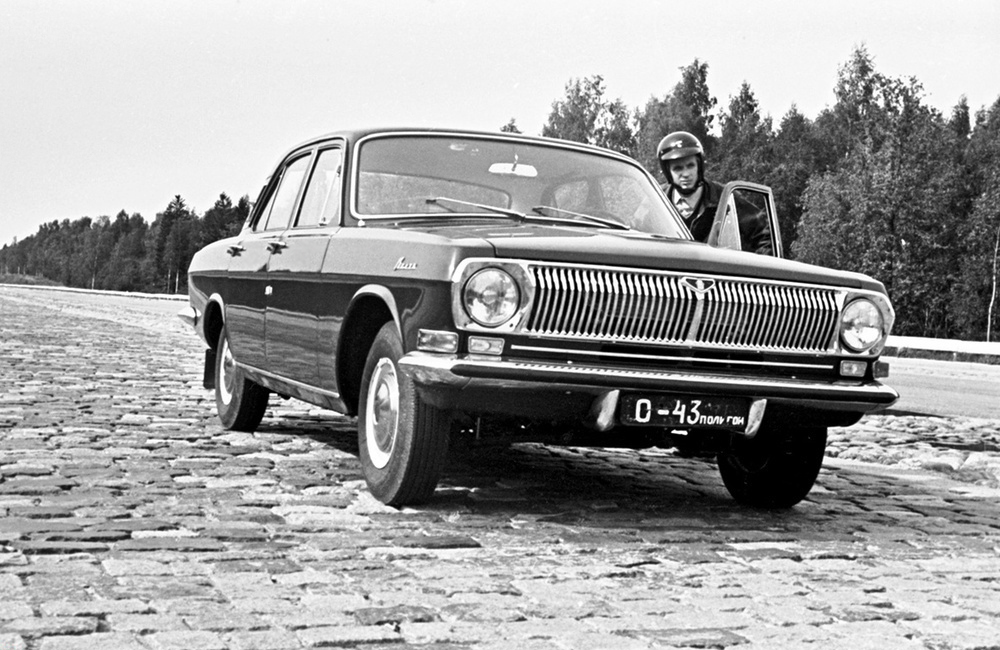
Black Volgas were the vehicles of the secret police in Soviet-controlled Eastern European states, in the Eastern Bloc, during the Cold War, and they became synonymous with stories of abductions and interrogations. Partly, it was also about an urban legend, with the NKVD or KGB also substituted with the Russian Mafia, satanists, or ultimately the devil himself.
The black cars didn’t even need to be Volgas. The Securitate in Romania used black Dacias, which were badge-engineered Renaults even then. Dictator Ceausescu got a Dacia 2000, which was a rebadged, French-built Renault 20.
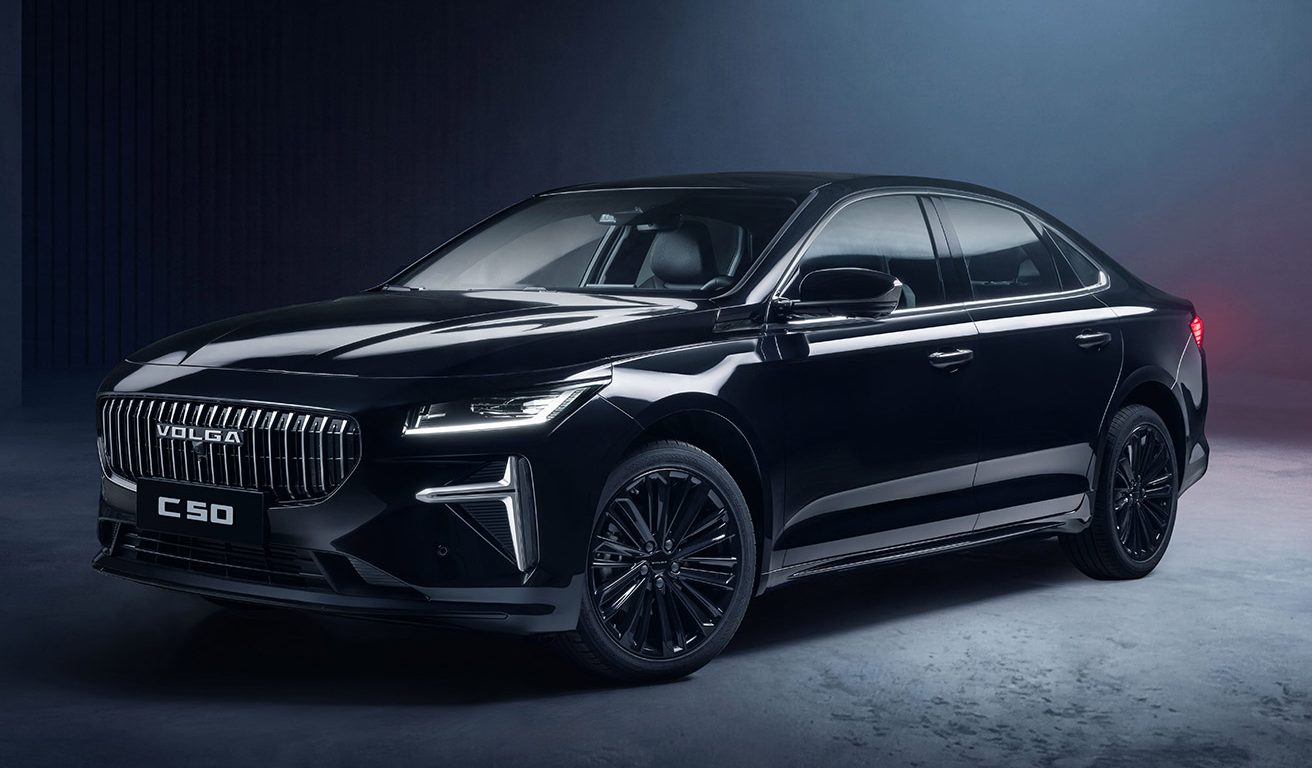
These days, Volgas have had a sort of resurrection themselves, as the brand is reportedly staging a return in the form of rebadged Geely cars. For obvious reasons, by which I mean the 2022 invasion of Ukraine by Russia and the continuing war, Western car brands have withdrawn from the Russian market, and Chinese brands have rolled in to substitute them.
The interesting thing is that being based on a Geely makes these Volgas CMA platform siblings to the Polestar 2 and Volvo XC40/C40, while the manufacturers of these Swedish cars would probably prefer not to be associated with Volgas and business in Russia. Volga already attempted to resurface with Chinese Changan cars, which in turn have ties to Ford and Mazda, but nothing came from that.

Not all Volgas were black and terrible, however. The cars were also exported, and European Volga importers did some interesting things with them. In Finland, Konela-Auto fit them with three-liter Ford Essex V6s as well as diesel engines, and Martorelli in Italy offered Automec 4WD versions of the Volga 2477 wagon, using Lada Niva front axle parts.
They were a sort of Soviet AMC Eagle or Peugeot 505 Dangel, and rightly, they were also offered with Peugeot diesel engines. Moving over 3700 lbs of station wagon steel with just 76 diesel horsepower was a tough task, and top speed was understandably just 78 mph.
Argentine Falcons, North Korean Mercedes-Benzes, The Truth Is Out There

In Argentina, green was the official color for cars of the state police of the military junta and the Argentine anticommunist alliance, from the 1970s to 1983 when the Dirty War ended around the time of the Falkland war and subsequent collapse of the junta rule.
The car of choice was the Argentine-produced Ford Falcon, an oddball development of the 1960s Falcon that was eventually facelifted to look more 1980s via Ford Cortina/Taunus light clusters.
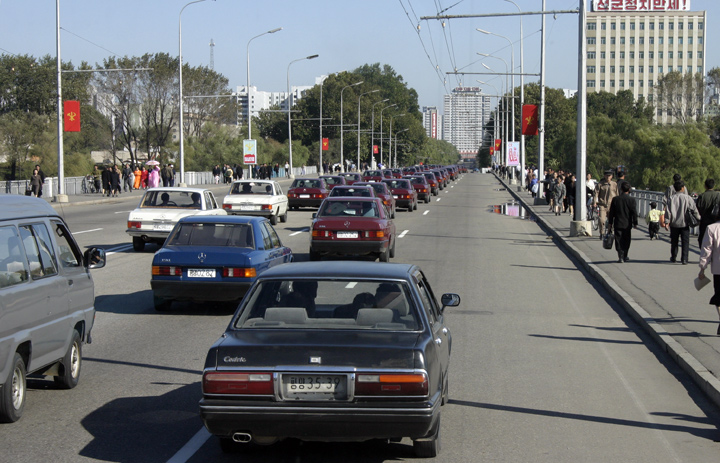
In totalitarian North Korea, domestic car production hasn’t been significant enough to veer away from Mercedes-Benz and Mercedes-Benz-related cars. The SsangYong Chairman was famously a W124 development, and it received a local name as the Pyeonghwa Junma. This photo shows a cavalcade of W201 190E rolling through Pyongyang traffic.
From a car enthusiast’s standpoint, vehicles with a heavy history carry a strange baggage. I’ve seen the former Soviet state cars in the Riga Motor Museum, and the uneasy feeling I got standing next to them was only partially explained by the slight hangover I seem to have every time I visit the museum.
It’s one thing to replicate movie cars from horror films, such as Christine, because in the end, it’s about entertainment and popular culture. Then there’s the completely different discussion of what a black, ex-law-enforcement Crown Vic stands for, or if a black Chevy Suburban now corresponds to the aforementioned Volgas, just on the other side of the world.
For anything affiliated with the deep state and government agencies, I’d just prefer to think about the rental Chevrolet Luminas that were an X-Files staple. I’d love to get a ‘90s Lumina and slap a big fake Lariat Rent-A-Car sticker on the rear bumper.
Top graphic images: Wheelsage; DepositPhotos.com




Don’t forget the Czech Tatras that were occasionally described as the resistance’s secret weapon as Nazi SS officers would take the big, powerful sedans through the countryside at inadvisable speeds, lift in turns and, not yet having learned the lesson Porsche drivers would take to heart, fly off the road ass first.
“ ZIL and its GAZ equivalent, the Chaika commanded enough power to have specific lanes on the main Moscow streets dedicated to them, for unimpeded shortcuts through traffic.”
I assure you it wasn’t the marque which exercised that type of privilege.
It was the guy in the back seat.
Such is Authoritarianism.
Canada typically uses one of the Big Three’s cars, since a lot of them were built here.
Consequently, our state cars look pretty much identical to the US ones. Minus The Beast, as the US is pretty unique compared to the world when it comes to transporting their head of state in moving bunkers, be it by land, sea, or air.
“…KGB have better cars, you know…”
“…Ah, but they don’t always take you where you want to go, do they?…”
Gorky Park – still the best
I dig that Volga wagon.
Me, too, comrade.
I didn’t live the Brazilian junta dictatorship worst years, but I still heard stories of the unmarked Police Veraneios (a local version of a C10 panel van) that would snatch people suspected of subversive behaviour. There were two recent movies about this period (“I’m still here” and “The secret agent”) that probably cover this, but I haven’t watched the yet (the world is too depressing already, so I prefer some escapism).
As for official state cars, IIRC all presidents since 1952 use the same old Rolls Royce car for some reason – a shame given the odd balls we had there in the 70’s 🙂
Crown Vics have largely become more of a “Hell Yeah, Brother” thing thanks to amateur stock car racing and Cleetus. On the other hand, I still get just slightly uneasy around even civilian black Ford Explorers. I imagine given the current administration’s antics regarding immigration, that uneasiness will be much more like the Volga for many people.
I get wary around any car that could be a cop car—Explorers, Durangos, Tahoes, Chargers, decreasingly so Crown Vics and Tauruses. Especially if they have flat black, white, silver, or dark blue paint, and double especially if they have black steelies. Can’t trust one of those cars until I can see if it has steelies or not.
Around here Chargers and especially Tahoes are rare, and even rarer unmarked. Never seen a police Durango. The Vic has completely disappeared and many are in the Cleetus Crowd hands, Tauruses occasionally still show up, but, again, never unmarked anymore. The Explorers are everywhere. I usually have to see the plates and also make sure there’s no lights before I relax. But there’s an Explorer ST around here that until it passes me gets me every time
Lots of shiny black Durangos w/ matte-black “Police” decals hereabouts in Central VA.
On the first gen Explorers, the lack of roof rails was the sure sign. All civilian Explorers came with roof rails, none of the police ones did.
The police ones are not even Explorers, technically, they are “Police Interceptor Utility” oficially.
Some police depts would have the occasional base stock Explorer as unmarked vehicle – those would come with roof rails. Still recognizable by the orange running lights on base trim.
Nowadays, stock Explorers have versions without roof rails, so it’s more difficult.