

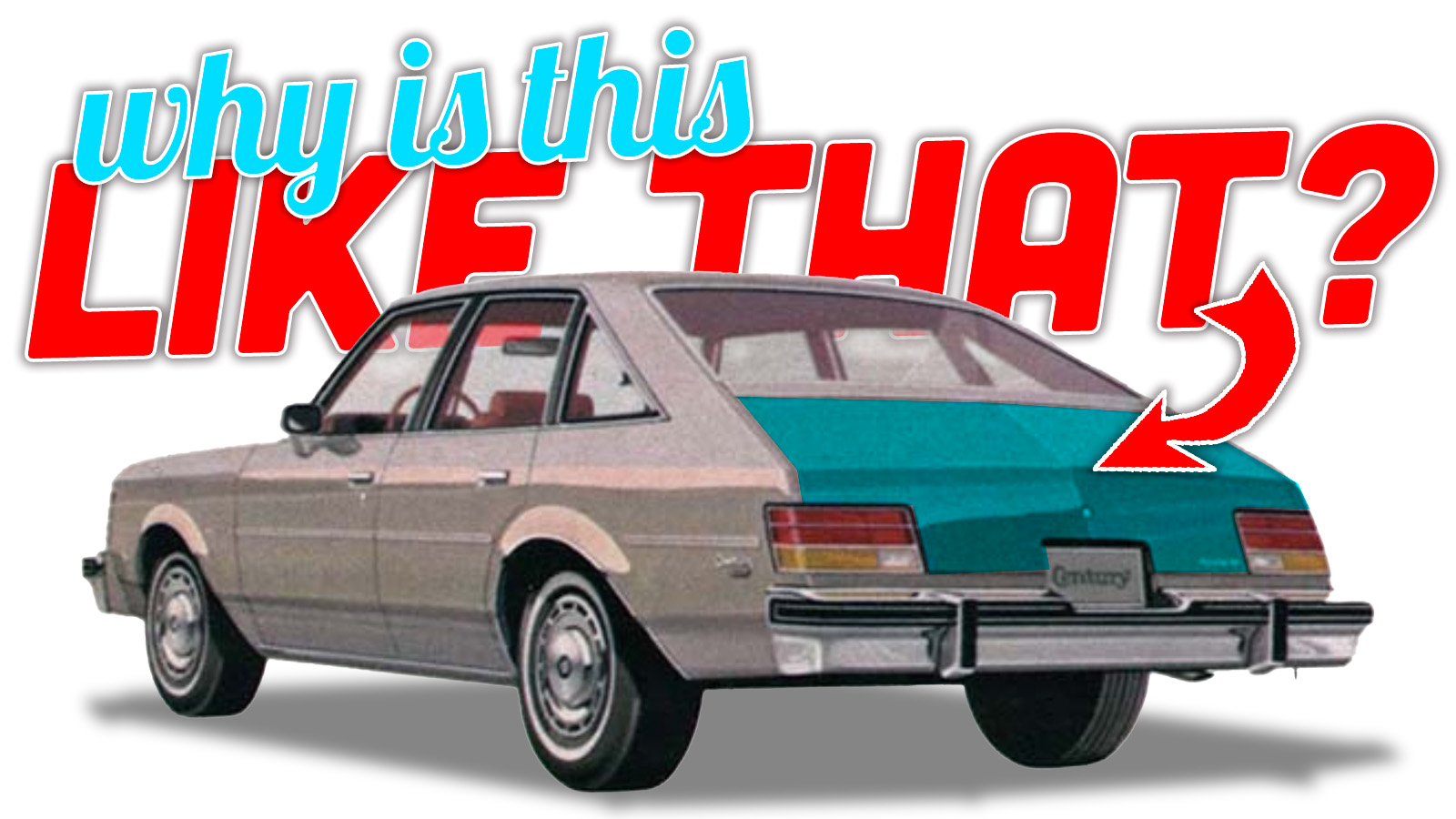
There is something I’ve wondered about for an awful long time. I suspect that any human with the capacity to reason has; it is, as I’ve said many times before, a question a child might ask, but not a childish question.
This isn’t a problem of the past, though there are certainly many past examples. It’s a question for today, too, as we have popular cars like the Tesla Model 3 with a fastback design, yet with a trunk-like opening instead of a full hatchback. We need to consider why this may be, and see about either making peace with it or giving ourselves unto the unending fight to make this right. There is no in between.


Actually, maybe there is. Maybe there’s a lot of in between. Still, this is worth exploring. I suppose to start we should define what I mean about the difference between a hatch and trunk. Essentially, it’s like this: a hatch opens with the rear window, creating a very large rear door that opens into the overall cabin space of the car, allowing for a very large cargo carrying capacity, especially if the rear seats are folded down.
A trunk, on the other hand, is an opening that does not include the rear window; it provides a smaller opening to the cargo area, and is more of a separate compartment from the overall passenger space of the car. A folding rear seat may allow access from the trunk into the passenger area, though.
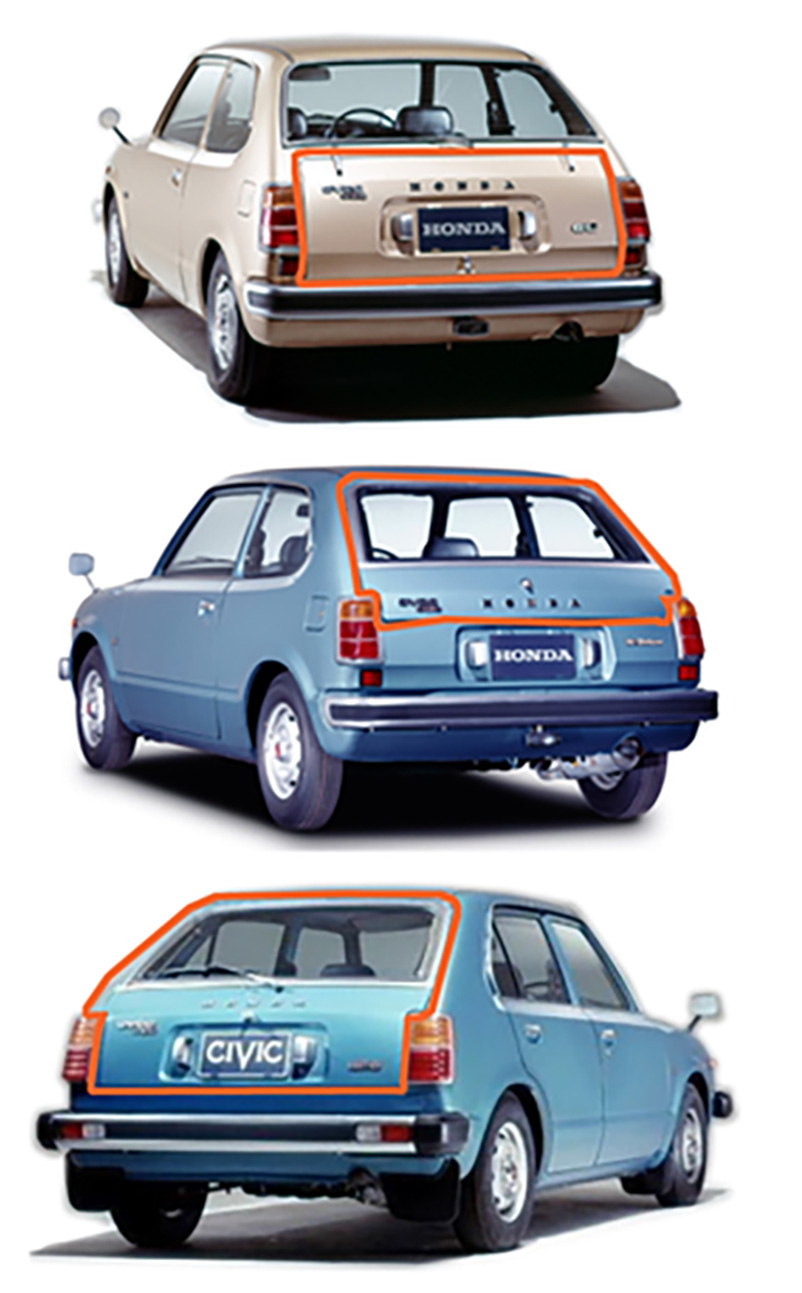
You can see the differences well in these early Honda Civic, which, for reasons that have never been entirely clear to me, was made in trunked format, and two types of hatchback, one that opened down further than the other. All on the same fastback-like body style! These Civics are an example where I really cannot understand the desire or benefit of that little trunk opening; you have a more restricted access to your cargo, you have to bend down awkwardly, and you can’t hold large objects that a hatch would allow. What’s the point?
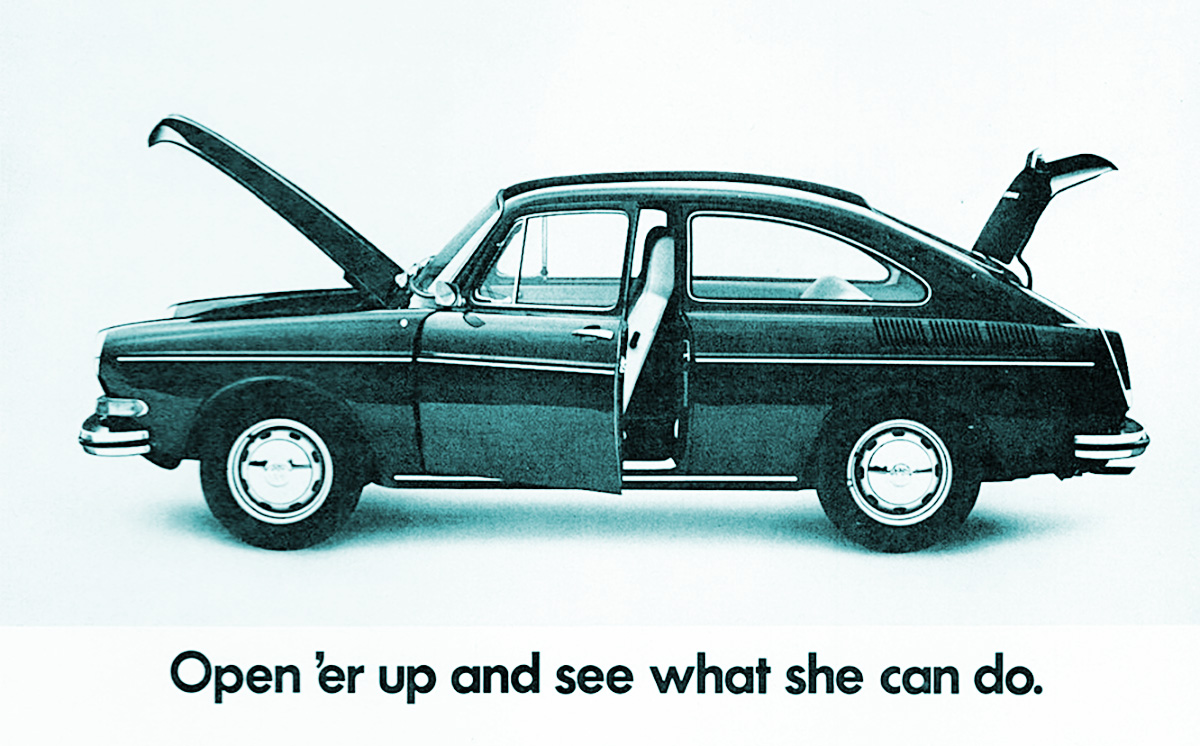
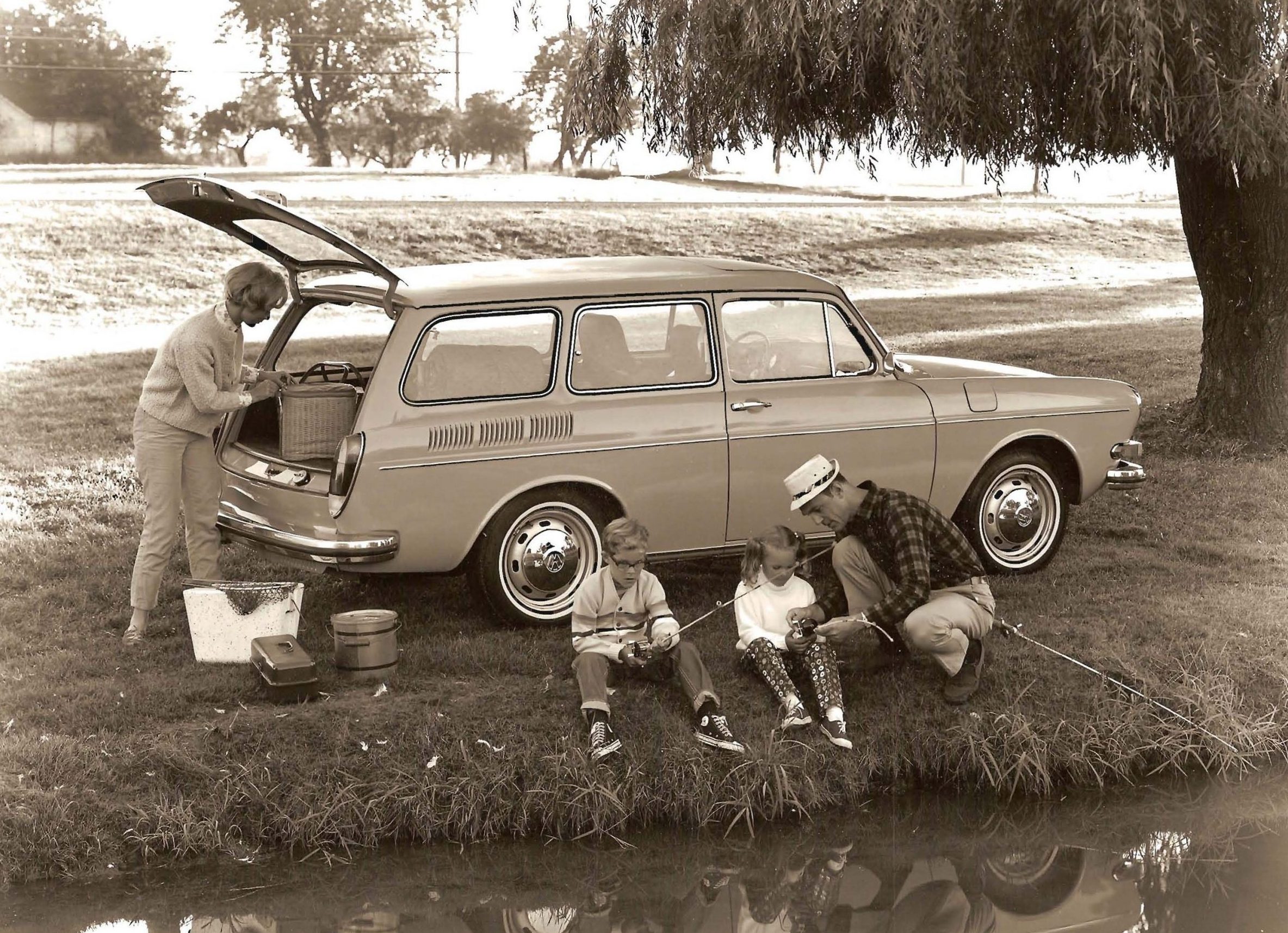
That’s my fundamental issue with all trunk’d fastbacks. They just seem like they’re hamstringing the car’s utility for no real reason. Take Volkswagen’s Type 3 Fastback: the car is already a packaging triumph with trunks front and rear, so why didn’t they let the rear window open with the rear decklid? The rear trunk could have been substantially more useful if it were a real hatch. Was this to differentiate it more from the Squareback?
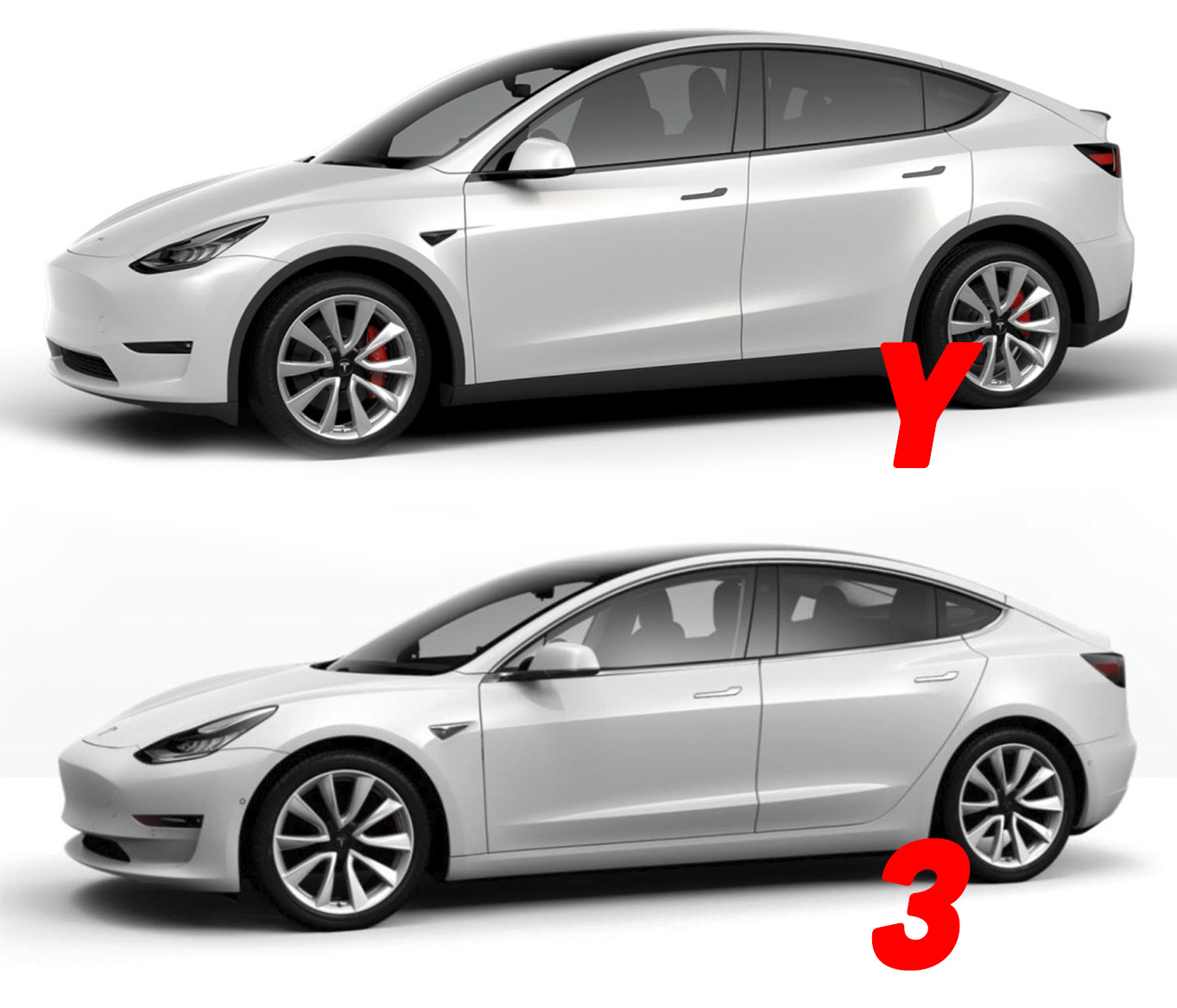
Maybe. I suspect this sort of reasoning is to blame for a lot of fastback-trunk designs. Like the Teslas Y and 3; both share an almost identical rear body slope, but only the Y has a hatch:
The trunk of the 3 opens quite high, essentially as high as a hatch, but the rear window remains in place, so you still have a more restricted opening for cargo:
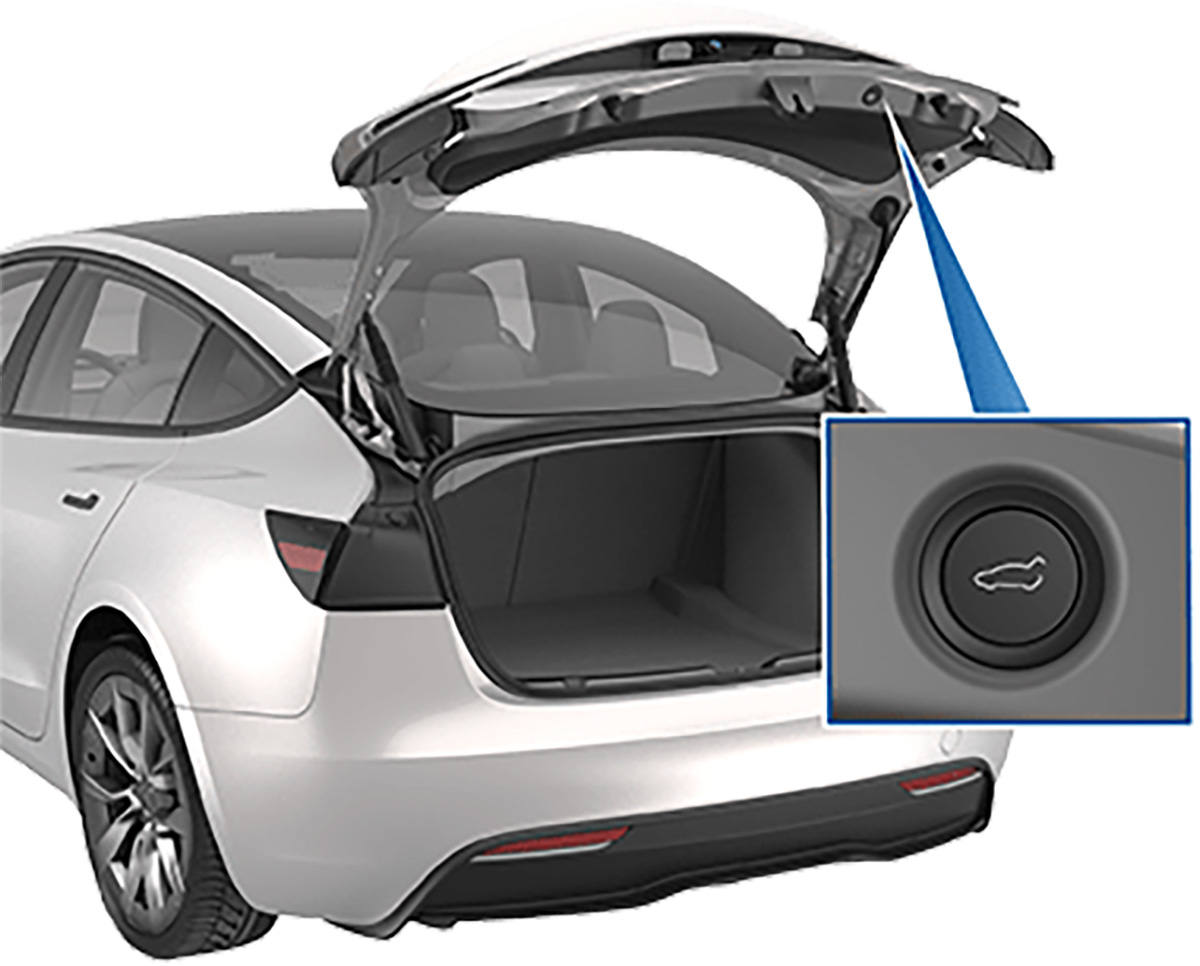
It’s not terrible by any means, but it could have been so much more with a hatch! So much more flexible and useful! So why wasn’t it a hatch to begin with?
Cost-savings could be a reason; it’s more expensive to design a lifting hatch than a simpler trunk lid, and I think that has to be what explains cars like GM’s poorly-received Aeroback cars of the late 1970s:
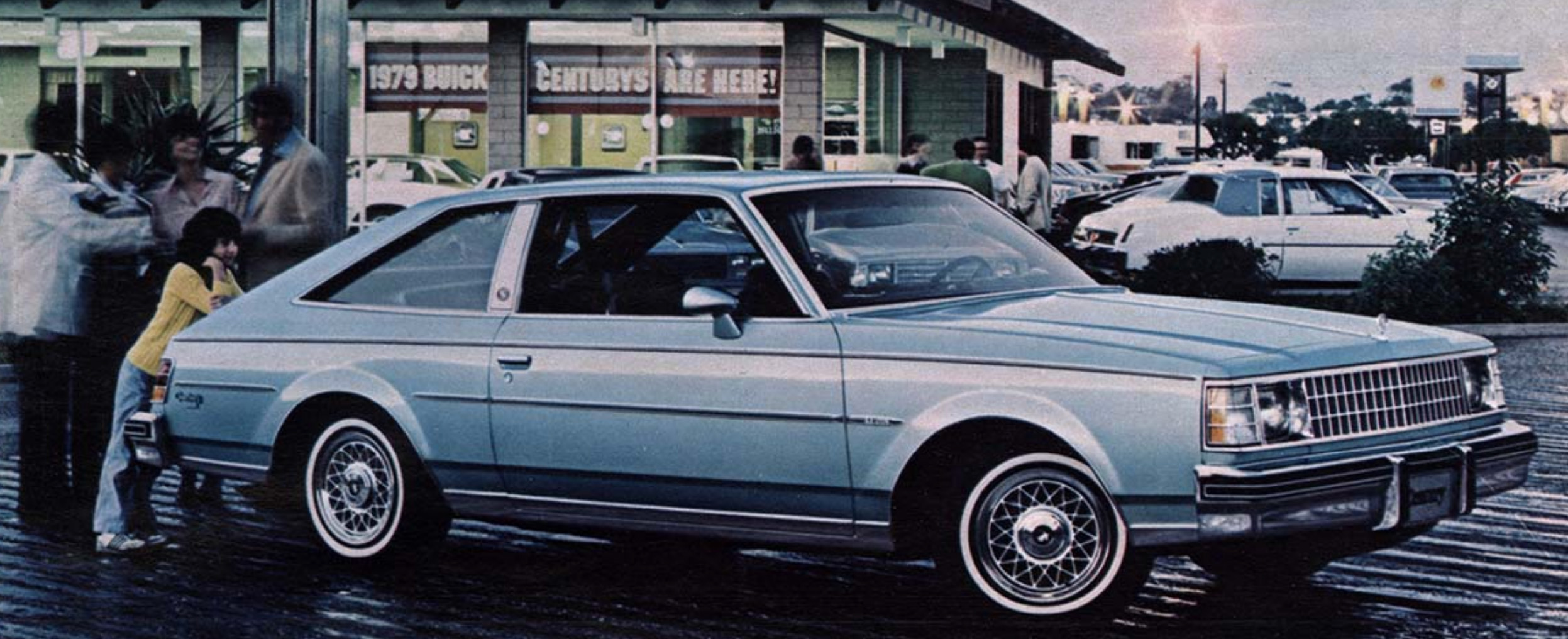
There were Buick Century versions and Oldsmobile Cutlass versions, in two and four-door configurations, and they all had trunk lids that hinged at the beltline, just below the rear window, making loading awkward with this sharp-cornered lid right at face level. Awkward loading, limited space, and for what? A deceptive design? These should have been big hatches!
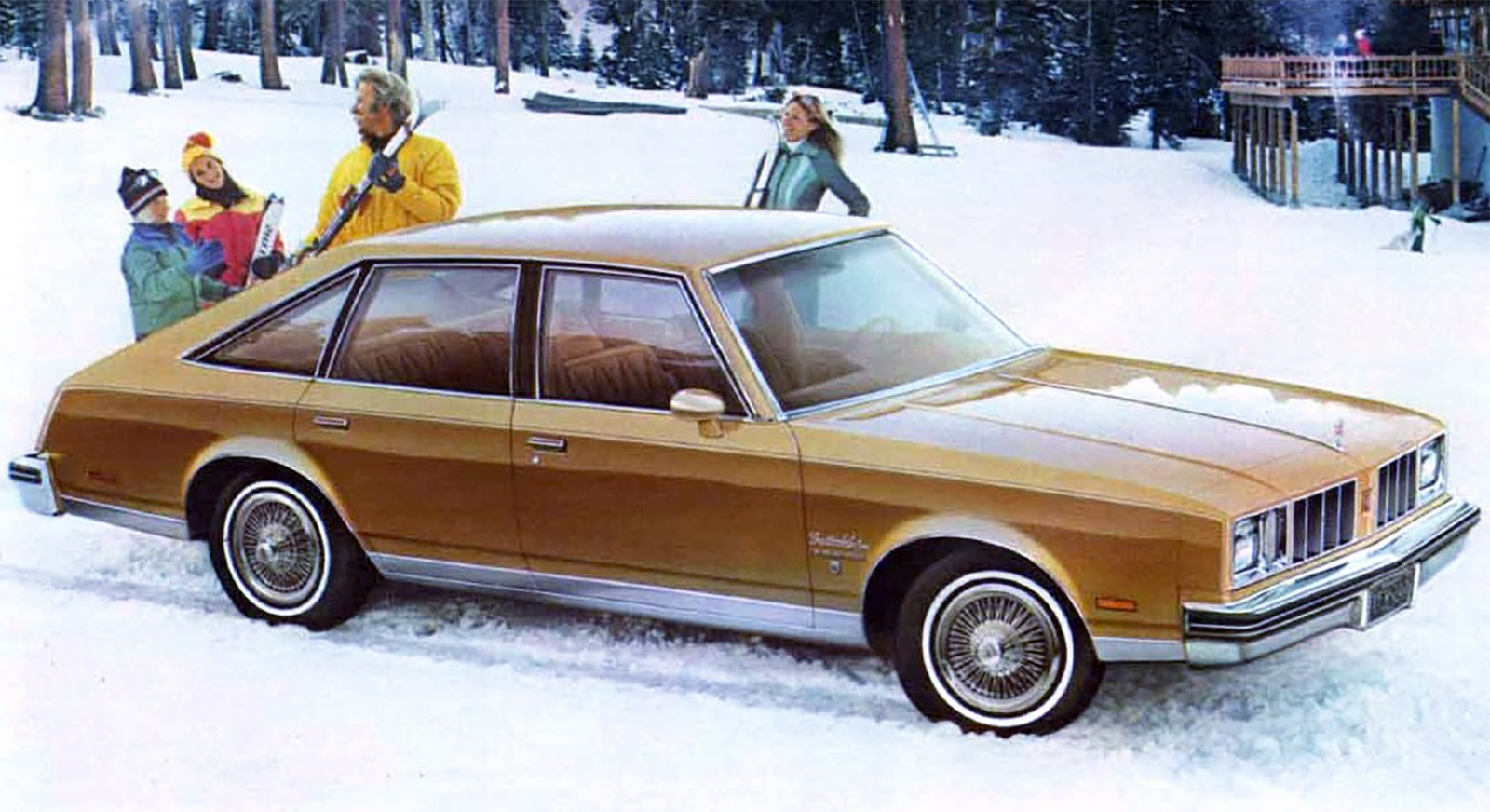
Those people could cram their skis in there way easier if that were a hatchback. Just saying. Oh, and it’s not like GM didn’t know how to make hatchbacks; they had compact ones like the Chevette and slightly bigger ones like the Citation:
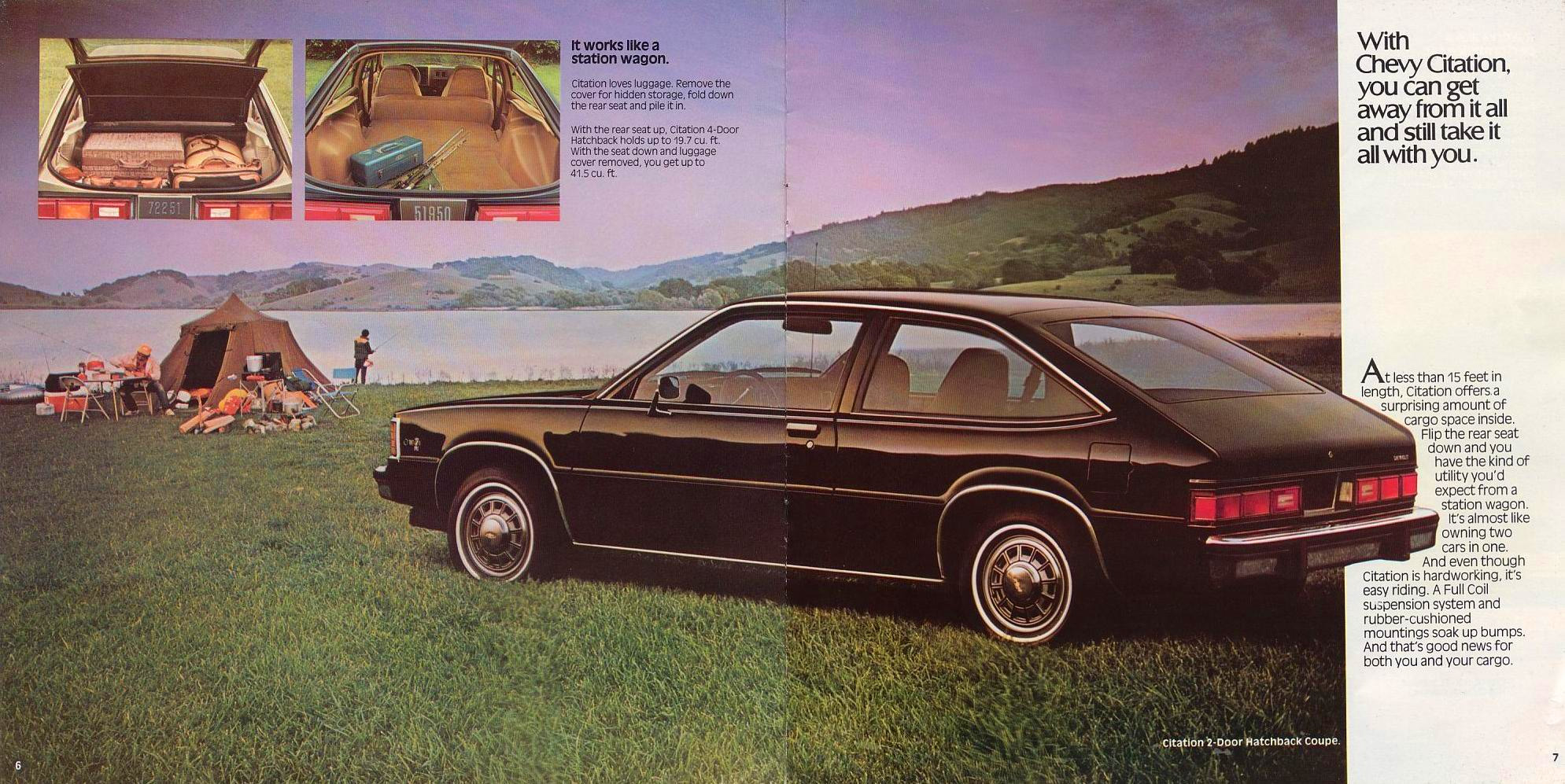
I’ve heard the reason these A-body GMs had no rear hatch was because of GM’s legendary penny-pinching, but that doesn’t explain why the downmarket Citation and Chevette were able to pull it off?
A surprising number of fastback-style cars had options for both hatch or trunk configurations, like the infamous Ford Pinto:
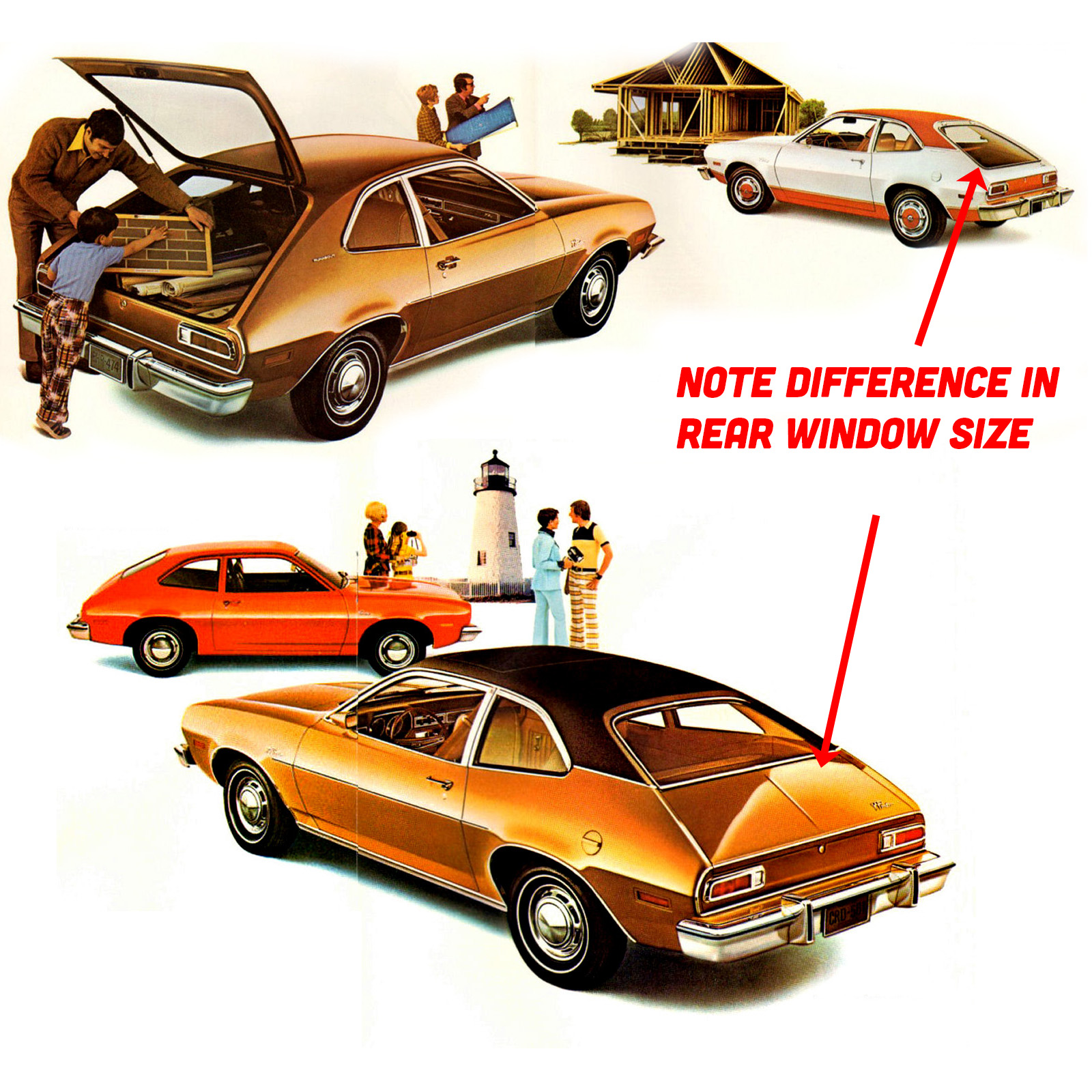
In the case of the Pinto, perhaps the justification for the trunk was that the very large rear window of the hatch left all your stuff on display, and perhaps would entice ne’er-do-wells to try a little smash-and-grab. Maybe, but plenty of hatchbacks avoid this with smaller windows and hinged package shelves, so this still feels like a self-imposed limitation. Why didn’t Ford just offer a rear hatch door with the smaller window? Hinge locations could have remained the same, cargo would still be hidden, but all of the advantages of a hatch could have been retained? And it’d have been cheaper, as the second trunk’d body style wouldn’t have been needed! I just don’t get the point of the trunked design.
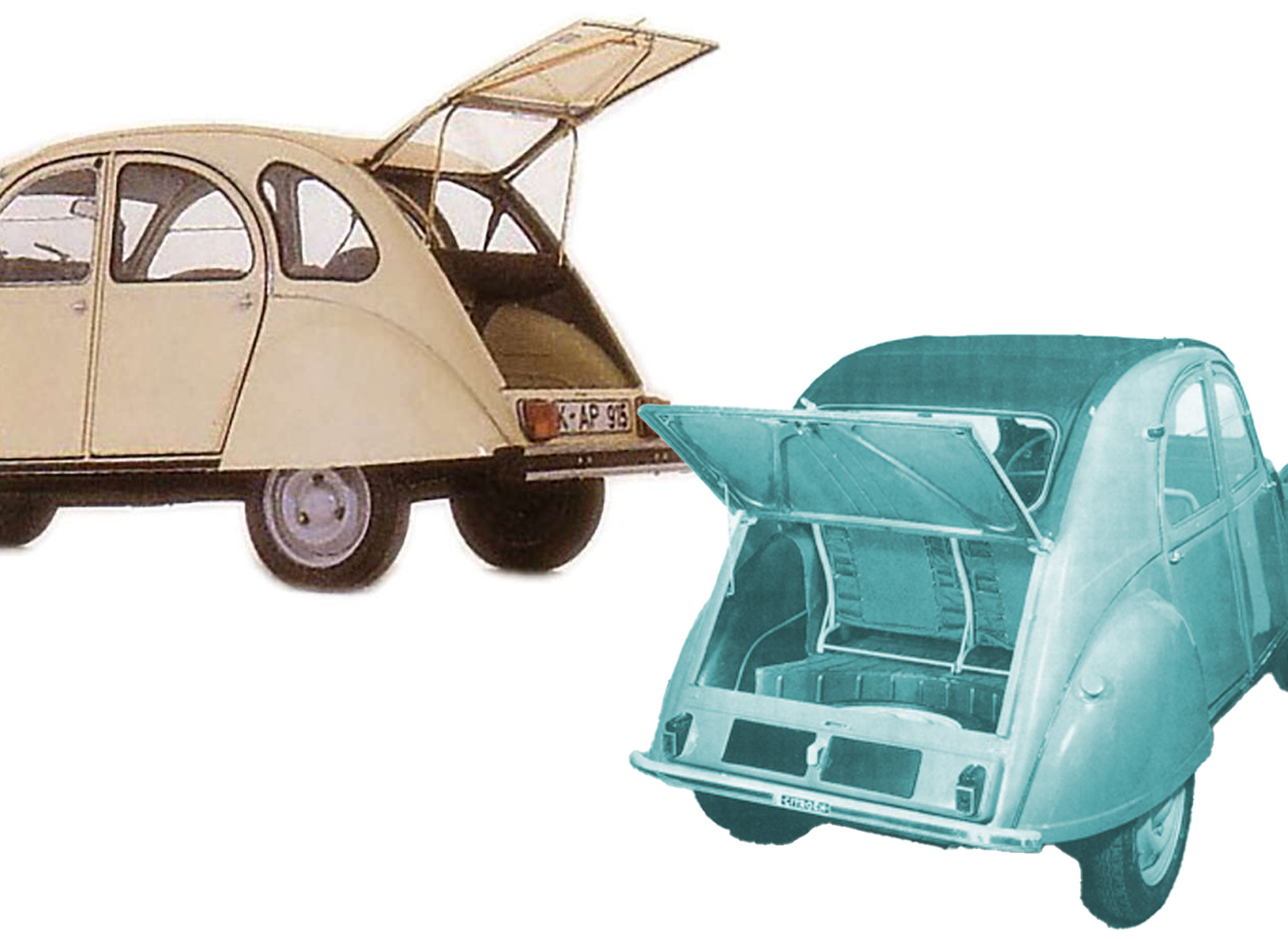
Citröen even had a version of the 2CV that offered a full hatch, called the Mixte, which resembled how the shorter-lived re-bodied, updated and upmarket 2CV-based car, the Dyane, handled its cargo entry. There’s no question the hatchback offered even greater utility than the traditional 2CV trunk, yet it never became standardized. Maybe on a 2CV, with its rear window set into the fabric of the roof, the change was too costly? Again, I don’t really get it.
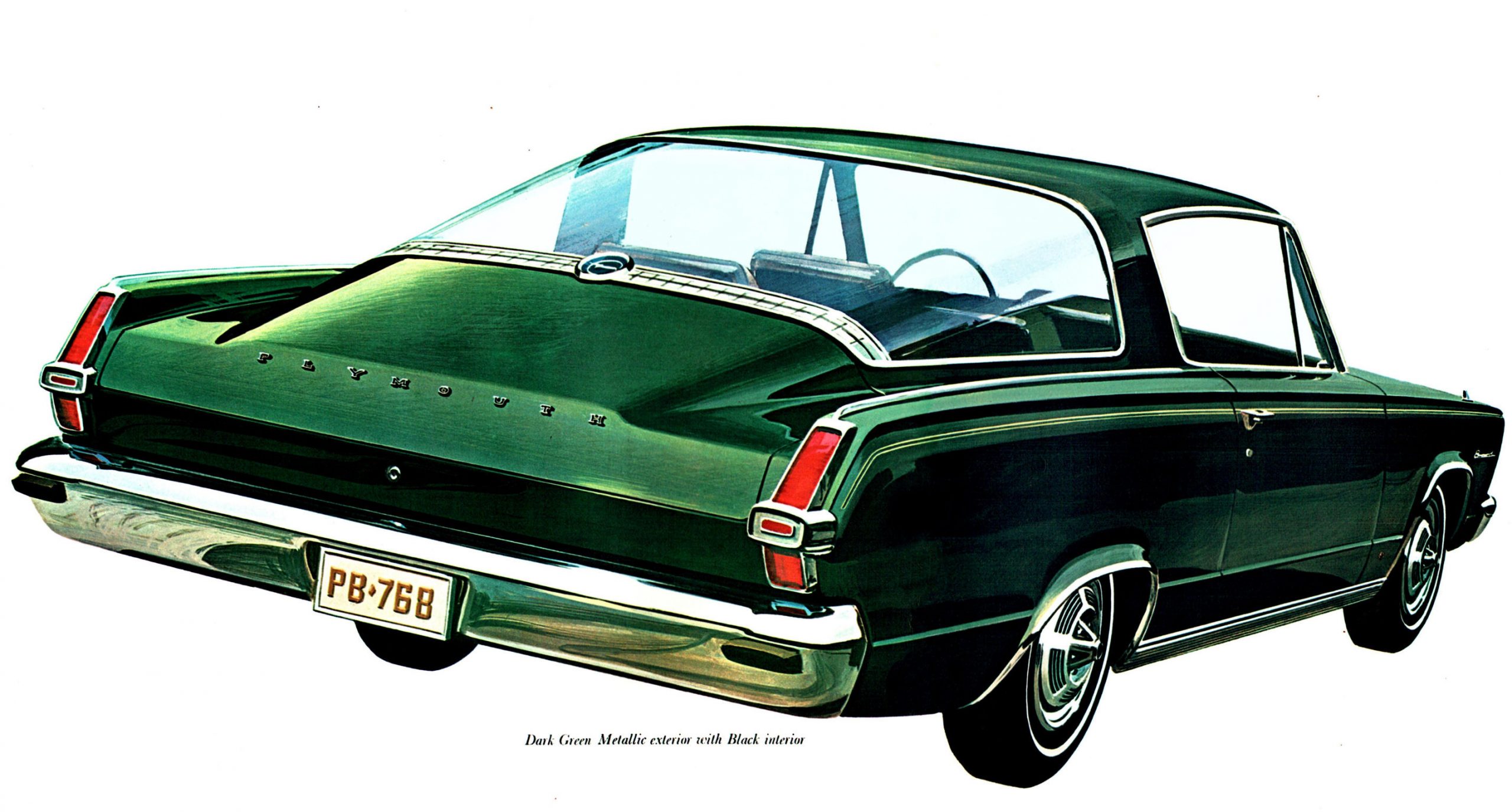
Maybe the only trunked-fastback examples that make sense to me are sporty fastbacks like the Plymouth Barracuda or a Ford Mustang Mach I or similar. In the case of the Barracuda, I can see how getting that huge curved rear window to lift could be a difficult undertaking, and maybe wouldn’t be worth it for a car like this, whose focus really isn’t on flexibility or utility. Even so, a rear-seat pass-through was available, which did allow these to haul some surprisingly big stuff.
Still, overall, I just can’t see the point of a hatchback-shaped car not having a real, window-opens-and-everything hatch. Hatches are just so damn useful! Is this a stigma thing? I wouldn’t be surprised, knowing human nature, but maybe hatches are seen as too down-market, and people would rather sacrifice genuine utility for some inane idea about status? It’d hardly be the first time, I suppose, but still: it’s inane.
Someone help me make sense of why these exist. I need peace.
Top graphic image: GM


Probably cost and/or chassis stiffness. It’s why I assume the new Prelude has rear arch rails so wide that the sides of the rear passengers will touch them, and that’s assuming you can find some short enough to fit under the unnecessarily sharp and early-started slope.
But otherwise, I agree. Liftback coupes like that and the Scion tC are the best of the best, and should be the norm when anything approaching an extended roofline, short trunk, or true fastback is implemented in the design.
I really wish my Accord Coupe were a liftback, for example, with minimal to no other changes to its shape and/or design except maybe a slight booty tuck and a larger rear wheel arch to match the size/height of the front one.
I know I’m late here, but what about hatchbacks designed to look like they have trunks? That makes even LESS sense. If you’re wondering what I’m talking about, think the Dodge Shadow/Plymouth Sundance twins and the US Ford Escort Hatchbacks. Very much hatchbacks in every sense, but with vestigial “Trunk Lids” for whatever reason. The Escort is still plainly a hatchback but the Shadow/Sundance, you may never know unless the hatch is open.
I would say there are even modern examples of this craziness like the Mustang who’s practically would be increased 10 fold if it had a hatchback instead of a trunk with a tiny opening. Even the last gen Honda Civic sedan fell victim to this. When I saw one at a dealer soon after its release and I saw the profile of the sedan I thought it was a hatch until I got behind it and saw the shut lines. I was so disappointed. I honestly don’t understand why they didn’t just sell the sedan as the hatch.
This brings me to the hatch versions of cars where they shorten the length of the hatch versions considerably over the sedan version. I don’t get it. They give practicality with one hand but take away overall utility with the other. Why not give us even more cargo room by using the same overall length of the sedan but with a hatch? It really bugs me.
I don’t want an SUV, full size sedan or truck. I want a smallish hatch with good cargo room without the need to buy 1 or two vehicles up or drive 90% of the time with the rear seats folded.
Oh wait, just bring back the compact wagon!!!!!
Or, you have the Twindoor!
https://pbs.twimg.com/media/FG13Qc4X0AIsLSU.jpg
This is the Mk.2 Skoda Superb. The hatch version had a bootlid you could open either as a conventional saloon, or as a hatch. Then there was the estate for if you wanted more practicality. They lived up to the name too – great cars. My parents had the estate and they absolutely loved it.
(Also, why don’t we have image insertion yet?)
In automotive, the answer is most often cost. Also, behold the beauty of the Euro Ford Mondeo ca 1993, available as sedan with normal trunk and as a five door with hatch
Cost and weight. If you need to strengthen the roof to handle the hinges and struts, then you might expose how little horsepower your engines are making. It also affects gas mileage, braking, and handling.
Ah, the Argentine version of the 2CV, named 3CV, had a full hatchback since the late ’60s I believe.
Also, the Chevette had a hatch because it was designed in Germany. The Citation and its iterations were a mistery. Perhaps by then GM realized they had crapped the bed with the small trunk in a fast-back?
The Chevette’s hatchback model was designed in England, and it was based on a 3-box 2-door sedan designed in Germany.
Ah, yes, I stand corrected, thanks! Still, European engineering.
Do Fastbacks Without Hatchbacks Make Any Sense? No.
My father had a Citroën GS; the trunk was spacious, but access was terrible, especially in the lowest position.
Seems to be GM way of testing something in the marketplace (fast back mid size cars) by doing it half assed to minimize the investment. Then, when it is a marketplace failure, GM management pats itself on the back for not properly investing in, and fully developing whatever it had been, ignoring the capital and time completely wasted to not fully committing in the first place. Is this the way?
I always figured it had to do with structural rigidity(and added cost to keep it), Leaking, and cost to replace glass in the instances where the glass was a structural part of the whole assembly.
I also recall rear glass changes in design being a bigger thing at one time. Even a lowly Nova eventually go a liftback design that looked a lot like a regular trunk, until the rear glass hinged up with the rear decklid.
The Pinto Runabout (Hatchback) when it was introducted later in the 1971 model year did have a small rear window with metal on the lower half. It also used spring loaded scissor mechansims to keep it open.
https://www.gaaclassiccars.com/vehicles/29174/1971-ford-pinto-runabout
For the 1972 model year it got the larger rear window and gas struts to keep it open.
That makes it likely the only vehicle that had 3 different hatches on the exact same body over its life span with the window going from smaller than the sedan, to bigger and even bigger with the all glass version.
Guessing Citation/Phoenix always had an opening hatch in mind because there actually were liftback options from imports it was lining against and/or they weren’t doing a wagon (yet, I think it was studied). Omega/Skylark had a sedan, so you could spring for those if a hatch seemed cheap.
While we’re talking about hatches that aren’t hatches, how many 4 seaters had ’em, but didn’t have fold down rear seats. I only know about the Alfetta and the GTV6. Any others?
C320 Sport Coupe Hatch. I think the 240 as well. BMW Bobtail 318ti did as well, though I feel like with the Hatchback popularity dying in the 90’s for the US, and the stigma of cheapness in the hatchback for sales, this might be why they tried to steer clear of the design language?