


I’m not willing to give up on the VW ID. Buzz.
Well, that’s actually not entirely accurate. I’m happy to give up on the horribly-named Buzz in its current state, and it seems like Volkswagen is as well, at least for the 2026 model year. Personally, I don’t see it coming back in this form, but we all want to see a do-over. At the Autopian, we continually talk about what seems like the perfect solution to this conundrum that’s right under VW’s nose. Let’s explore how we might be able to make the New Bus that everyone really wanted all along. Well, not exactly what everyone wanted, but something far more usable.


Buzz Kill
“Highly anticipated” is often a kiss of death for any product. You anxiously await some Next Greatest Thing for ten or even twenty years, and expectations are way up there. Sure, there are occasions when the thing finally arrives, and you’re delighted, but all too often you’ll end up with the likes of a Godfather III Guns N’ Roses Chinese Democracy.
After the exciting and successful reboot of the Beetle in 1997, we were just waiting for a revival of the next-most-loved VW, the Type II Transporter “Bus.”
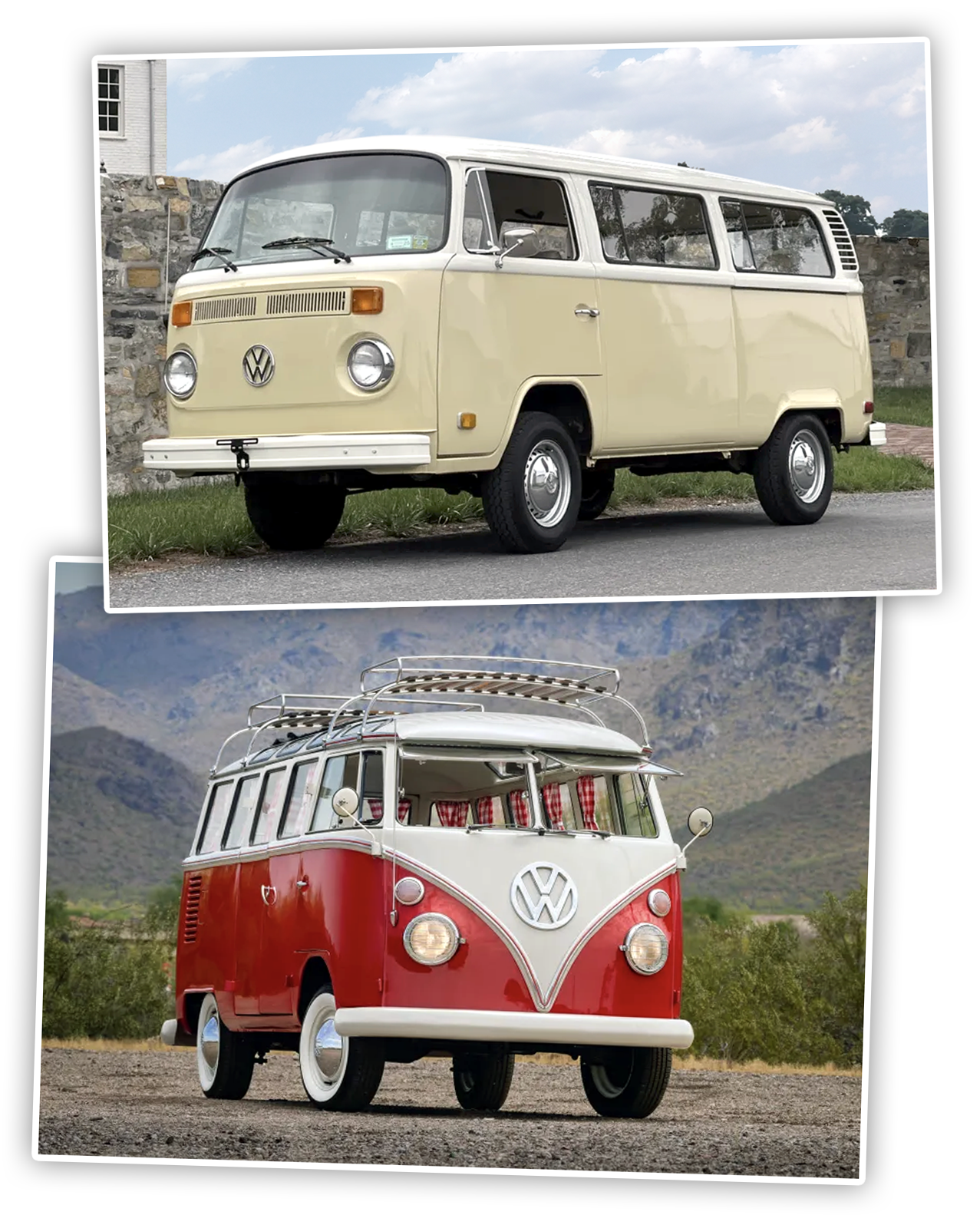
You can read through VW superfan Jason Torchinsky’s recounting of the sad tale here and here, but the idea of a modern VW Bus goes back almost a quarter of a century. After the gangbusters success of the New Beetle, we were all stoked to see the first of many revived Type II concepts at the turn of the century. This thing was paraded around endlessly, and then revised versions were presented to an anxious public. Naturally, we all had high hopes for this thing; finally, a minivan that was cool. The assumption was made that it might be affordable enough and economically powered by a Passat motor or something. When the finished product arrived, it indeed looked good, but the appearance was about where the excitement ended.
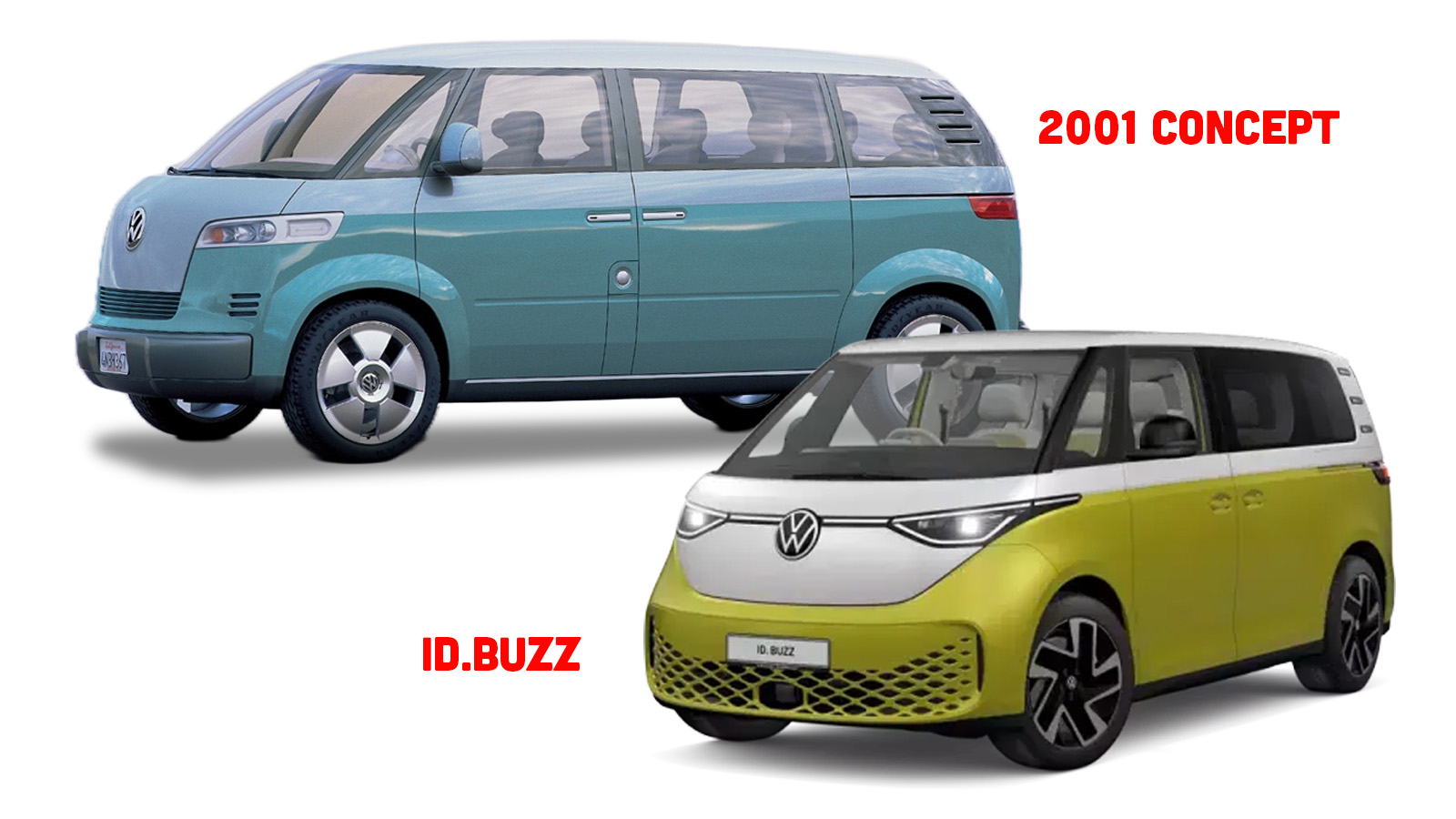
First, the new Bus got caught up in Volkswagen’s electric initiatives and became an EV-only proposition. The timing of the launch also coincided with a major drop in EV popularity as the public saw a freeze in the development of the charging infrastructure. Believe me, this new Bus would need that infrastructure. Our man Jason’s test vehicle could apparently only muster about 150 5o 160 miles between charges in warmish North Carolina, making it a bit of a non-starter as the road trip machine it appeared to be.
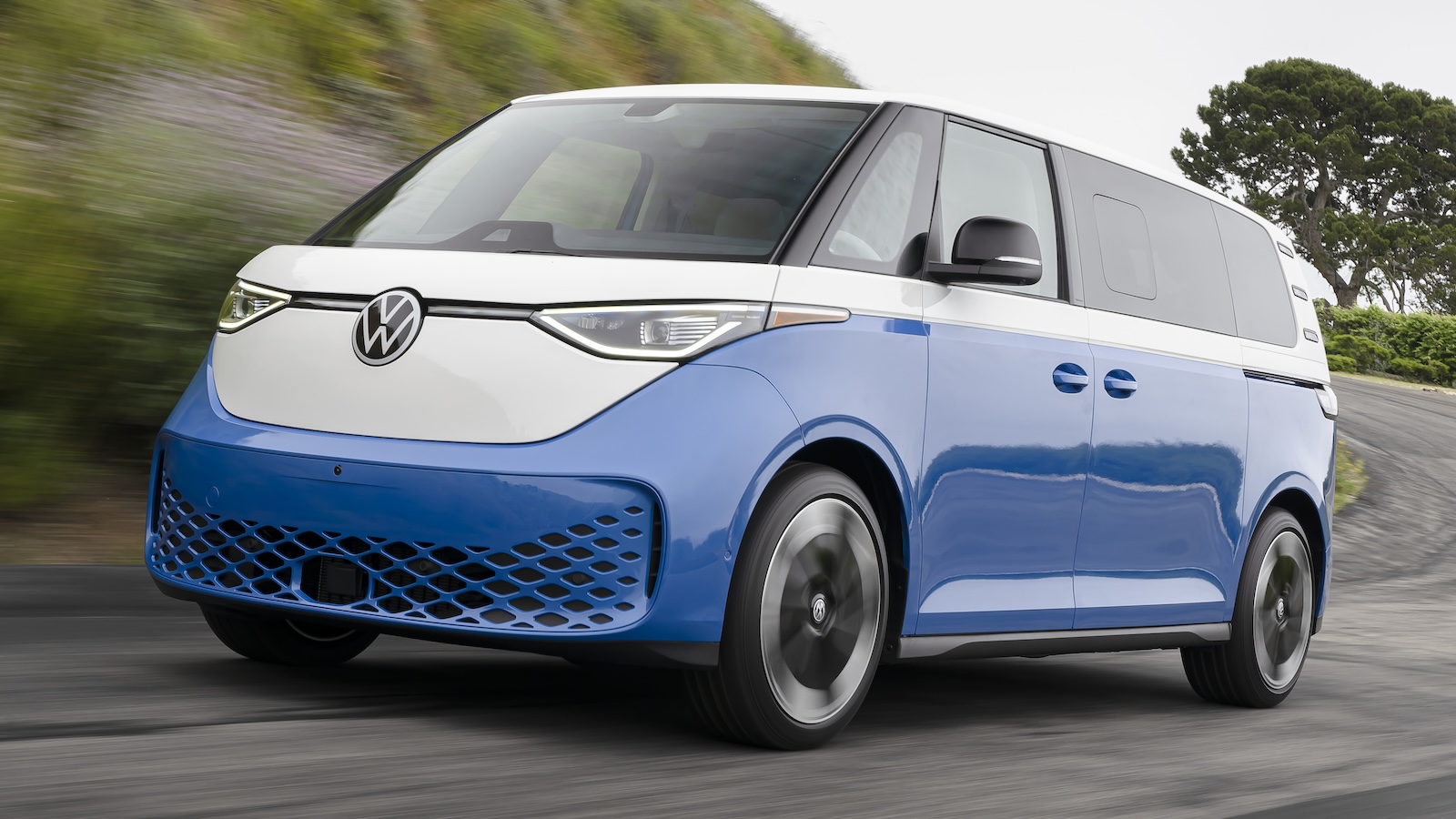
Things got worse from there. Here’s a minivan that can only seat seven with a bench seat in the middle row (no captain’s chairs) and, when fully loaded, stickered for around $70,000; a price point that could almost get you a “real” luxury car and not what appeared at first to be an affordable family van.

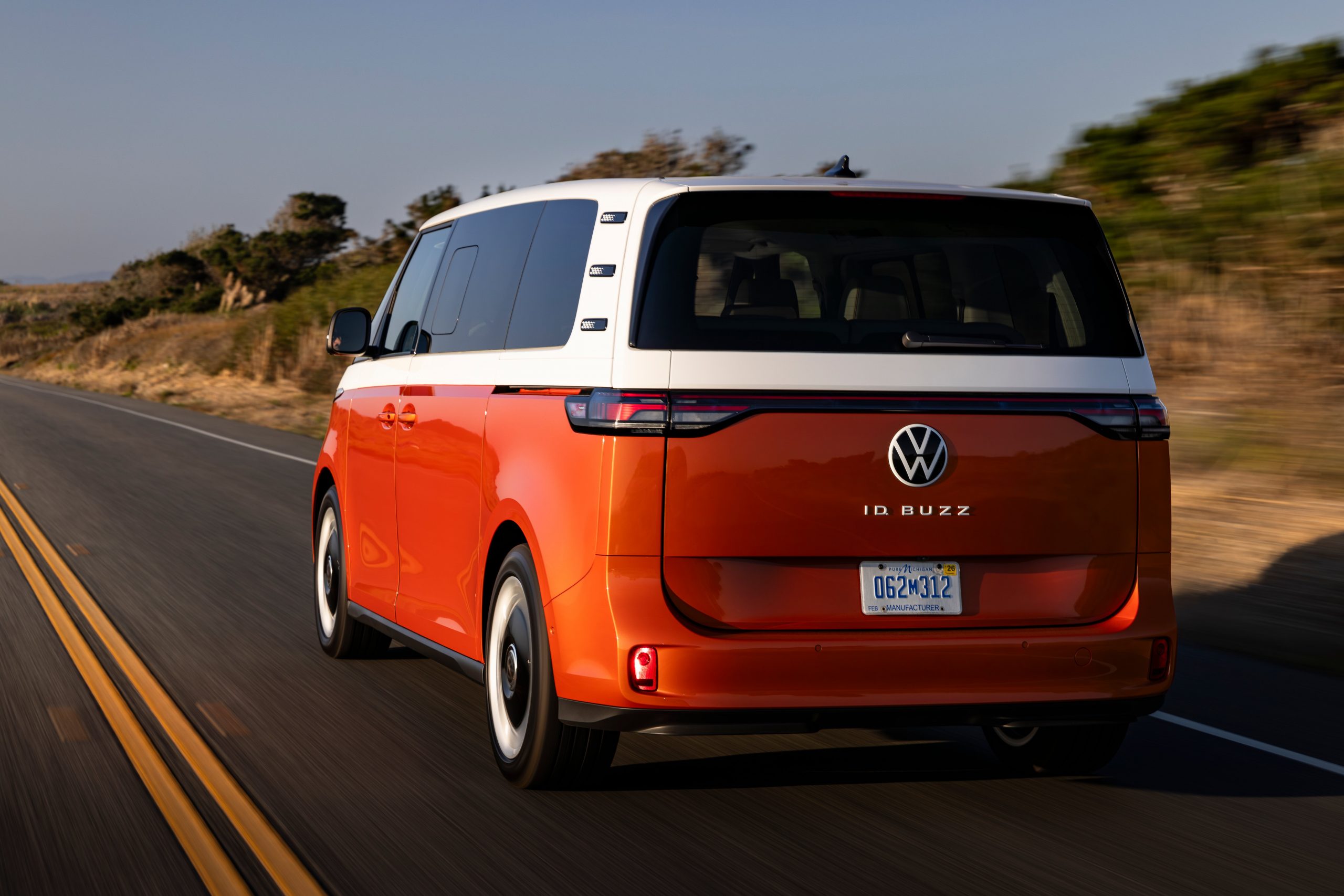
The rear doors only have small opening glass portals (which refused to work on the one I tried), and fit and finish don’t live up to that price tag. Even the “ID. Buzz” name is horrible, and when you see monochromatic white or black ones, it’s obvious that the two-tone paint jobs are doing a lot of the heavy lifting with the “fun” image.

Seriously, if it just looks “sort of like a VW Bus” or a “subtle visual tribute,” then it’s not going to accomplish what the buyers likely want. If it doesn’t look much like a retro Bus, even at a highly discounted $50,000 price, I’d rather just buy a likely far more reliable Odyssey or Sienna and be done with it.
I could go on, but why? The fact is that if even just one of the major faults had been fixed- the overall range or seating capacity or the selling price- we’d have had the winner we expected on our hands. Talking with Jason and based on the comments of our ever-active Slack, there’s a way to possibly fix both of those major problems and have The Bus We Want.
Ist das die Antwort?
Visiting a trade show in Germany last week, I was astonished to see virtually no examples of ID. Buzz prowling the streets of Düsseldorf in the home nation of this EV van. I did, however, see something else in essentially every street and parking lot.
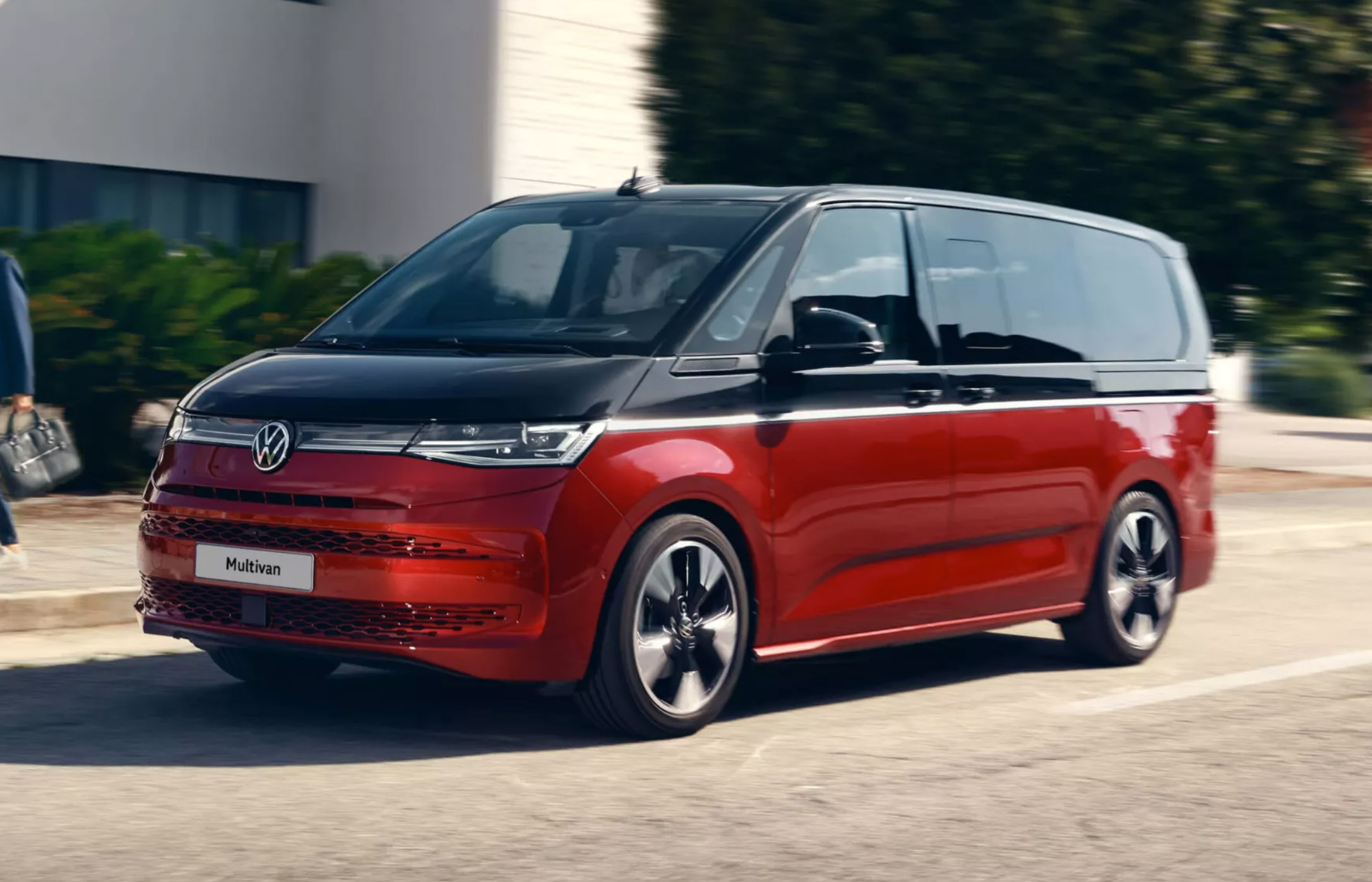
It’s called the MultiVan, and it’s a front-wheel-drive continuation of the thing sold here briefly as the EuroVan some years back. Most of them are used for service work, but they’re also available as passenger vans and are often painted in two-tone schemes similar to the ID. Buzz. In fact, from the back at a distance, I can see a lot of people confusing them for a Buzz. It’s available as a gas- or diesel-powered model and even a plug-in hybrid with up to sixty miles of all-electric range, and all-wheel drive is offered as well. The hybrid doesn’t seem like a rocket ship, but you do have a combined 245 plus horsepower when the gas and two electric motors all kick in (that gas motor, by the way, is a 1.5-liter, so God only knows how fast it would be with more than 2 liters).
This is not a new subject. Here’s just one of a number of interactions on Slack regarding the MultiVan and the interest, at least on the editorial staff, of seeing it here:
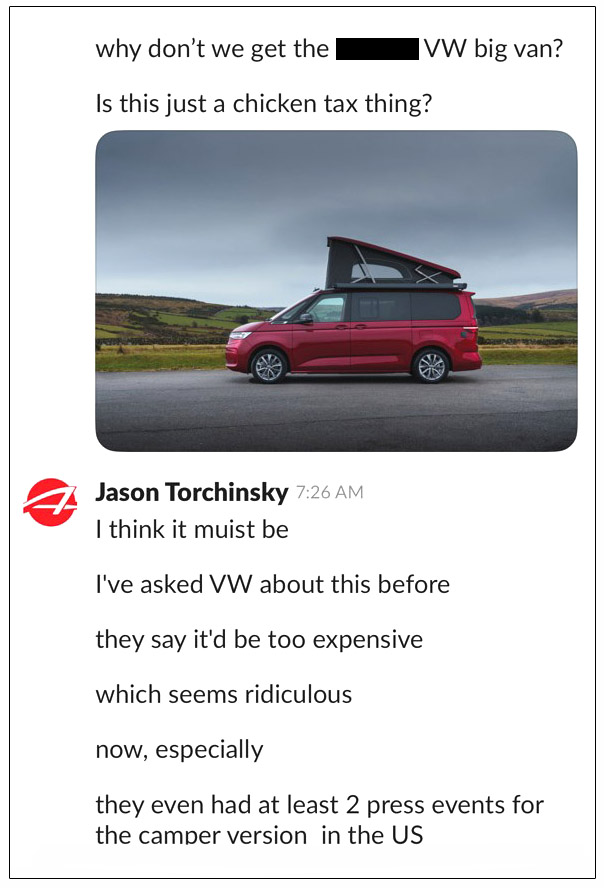
Based on my quick research, the VW person was not wrong. A fully loaded all-wheel drive MultiVan can sticker for as much as $80,000 in Germany; that’s a big chunk of change. However, there are less expensive MultiVan models, and it is a bit of a stretch to call that MultiVan “too expensive” when VW is selling the ID. Buzz with only under 200 miles of realistic range for similar money. At least a $70,000 to $80,000 MultiVan would be a real road tripping machine and rival the seating layout of high-end people carriers like Escalades and Grand Wagoneers.
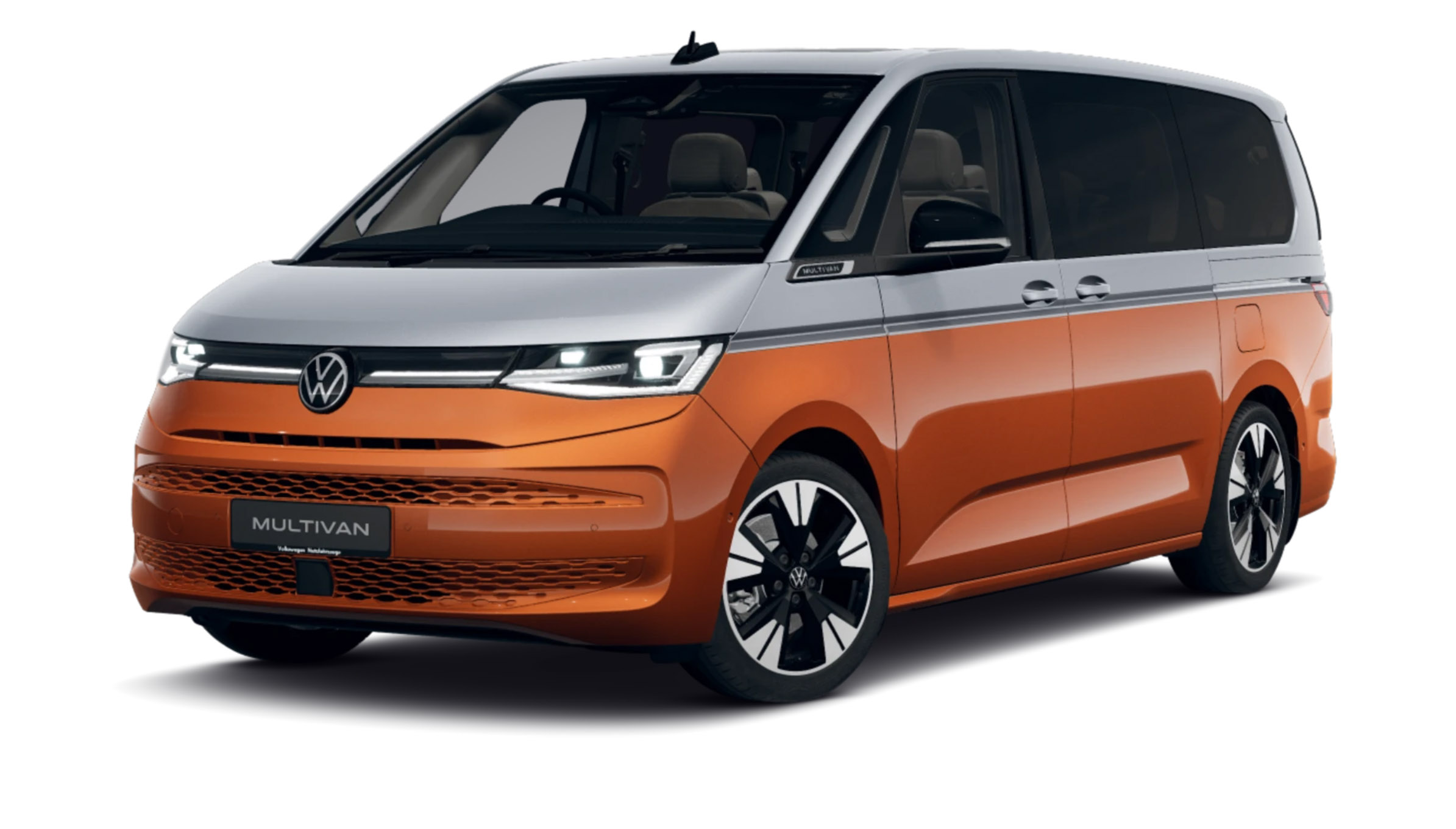
Yes, I know that a $60,000 plus MultiVan-based New Bus would upset people like Jason, who wanted this new Bus to be a rather affordable minivan for everyone, but I don’t think “affordable” and certainly not “cheap” is ever going to be possible with a German-built car now. Honestly, I’m surprised that Jason didn’t point out that it hasn’t been the case for decades. Don’t forget that the VW Bus and later Vanagon were hardly “affordable” propositions by the mid-seventies and only got worse from there.
For example, a brand-new VW Bus in 1976 stickered for a little under $6000, a price that could have gotten you an American luxury car like an Oldsmobile 98 or Pontiac Bonneville. Later, a still-slow 1988 Vanagon Syncro priced out at around $24,000, or about the same as a BMW 3-series coupe. Hell, for that price you could have bought something like a loaded 1988 Mercury Grand Marquis Colony Park top-of-the-line station wagon and had enough left over for a nearly-new Yugo. As with those older Buses, it seems like any New Bus will sadly be more of a high-end “boutique” product than an everyman machine, but that doesn’t mean that it can’t be good.
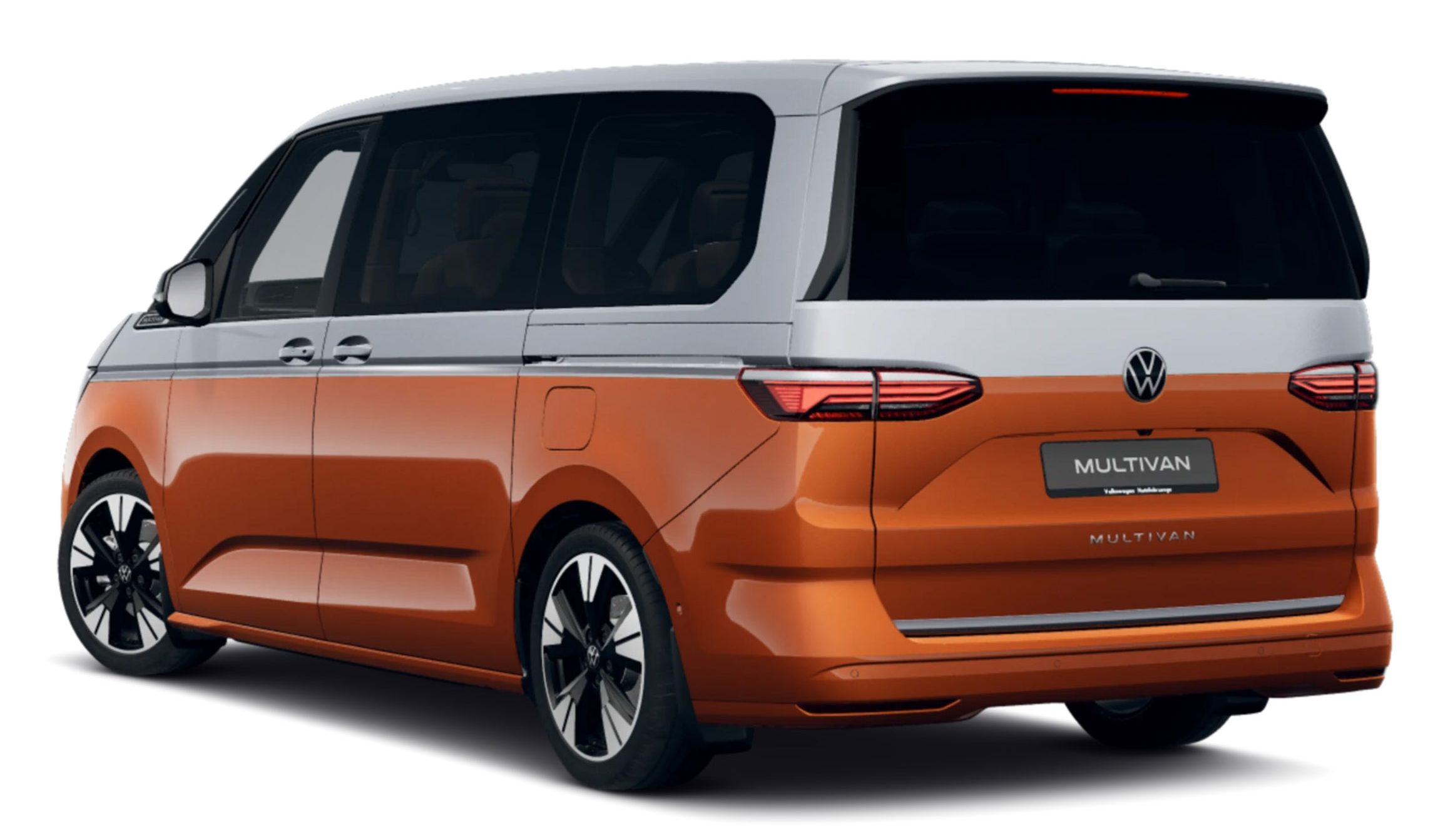
Let’s use a new MultiVan for our New Bus, which we will absolutely call the “New Bus,” dammit, and not some stupid series of letters followed by a pointless name.
‘Bussin Van
Now, I’m not sure how well you know our Jason Torchinsky, but he rarely does things the easy way, and he sort of expects the rest of us to do the same thing. When I mentioned to him the idea of turning a MultiVan into a New Bus, he was as happy as a pig in what comes out of a pig. Of course, I knew I wasn’t going to get off so easy. Check out this Slack message:

Oh, crap. So basically, he’s letting me change anything non-sheet-metal that bolts on, but the rest needs to remain. Why? Well, I didn’t ask since there would be no point in doing so, but my assumption is to prove to VW how bog simple it would be to make something they already have into something that we all really want. Also, I’m assuming that to meet Federal safety regulations, the front and rear bumpers/fascias would have to be altered (among other things) anyway.
I figured that I might as well start with the all-black MultiVan that I saw in the parking lot of the trade show I was at last week, since you simply can’t get too much more un-Bus like than such a somber color scheme. Also, if it can’t look like a “New Bus” without the two-tone, then it’s not really a retro bus in my book.

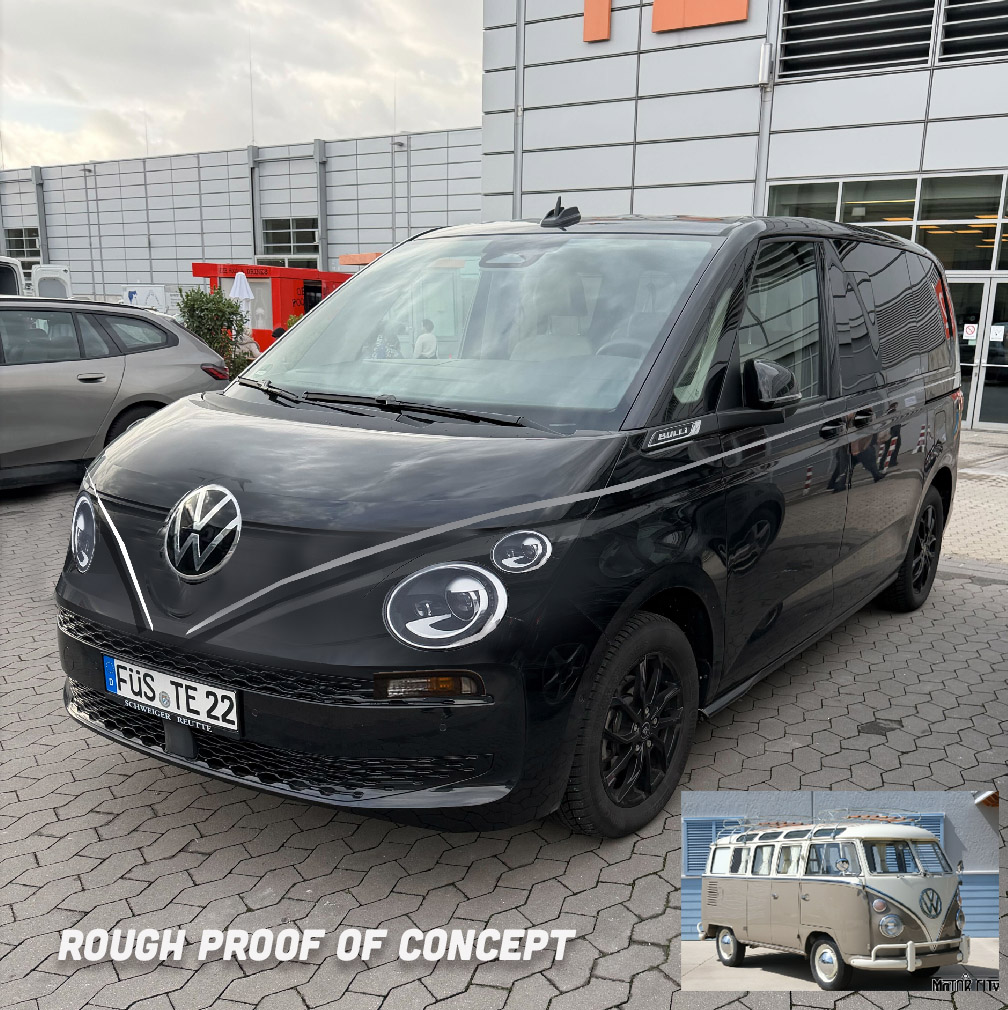
Below is a rough proof of concept Photoshop of the front. I used headlamps from the last A5 Beetle and made small turn signals above, as on pre-1968 transporters. The cut line on the side of the MultiVan (that hides the door glides in back) will be molded into the new face panel and sweep just like the arc on those iconic early Buses. A giant emblem will live in the center and possibly overlap (and be attached to) the unchanged sheet metal hood. Unlike the chrome outline Beastie Boys jewelry logo on the original buses, I’ll keep a new one in a black circle to hide things like cameras.
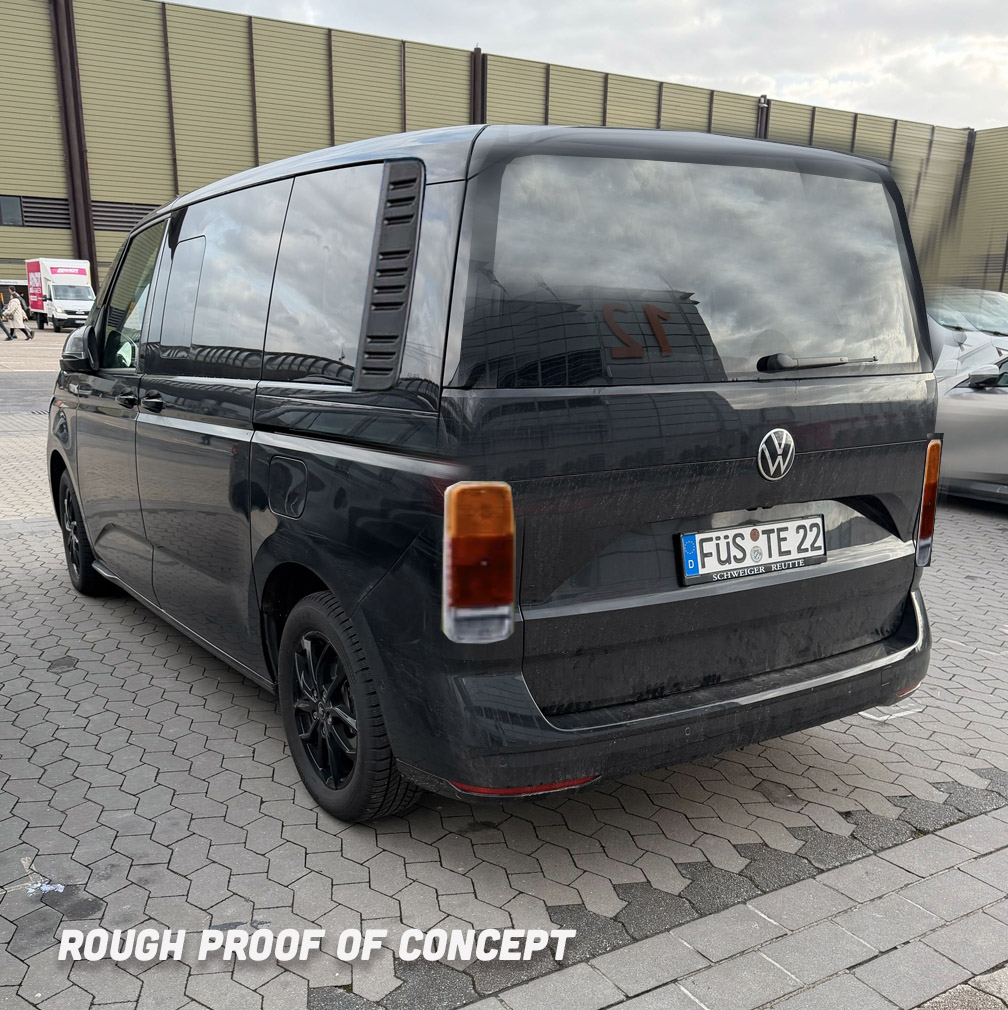
In back, the MultiVan looks very similar to the Buzz, and those horizontal taillights are doing nothing to help the “Bus” look.

Again, very rough scribble, but I removed that “duck bill” rear spoiler that everyone uses now and then filled in the taillights with plastic bits. Replacing them would be thin-profile LED units that could almost surface mount on the rear sheet metal to simulate the lights on 1972-79 Buses. I tried doing something more like the early buses, but it just wasn’t happening. Note also the plastic simulated vents on the rear quarters to match the old guy. Maybe Jason was right: it sort of works without changing anything else.
Admittedly, it’s sort of goofy looking, but isn’t that a bit of the point? Let’s go full color and really pour on the Buss-iness. The fact that the MultiVan is already available in two-tone combinations to me means that it’s just aching for the Bus treatment. Let’s add the changes from the proof of concept to that one in a tasty orange.

Note the alloy wheels with chrome caps to simulate the old Bus rolling stock (parts bin spotters note that I used Maserati Bora wheels as a basis). The front is almost a bit Nissan Juke-like, which I don’t think is a bad thing considering the happy-looking product we’re trying to create.
Jason also liked the idea of graphics or plastic to add on the side glass to replicate individual windows and look even taller and Bus-like:

Here’s an animation of the changes: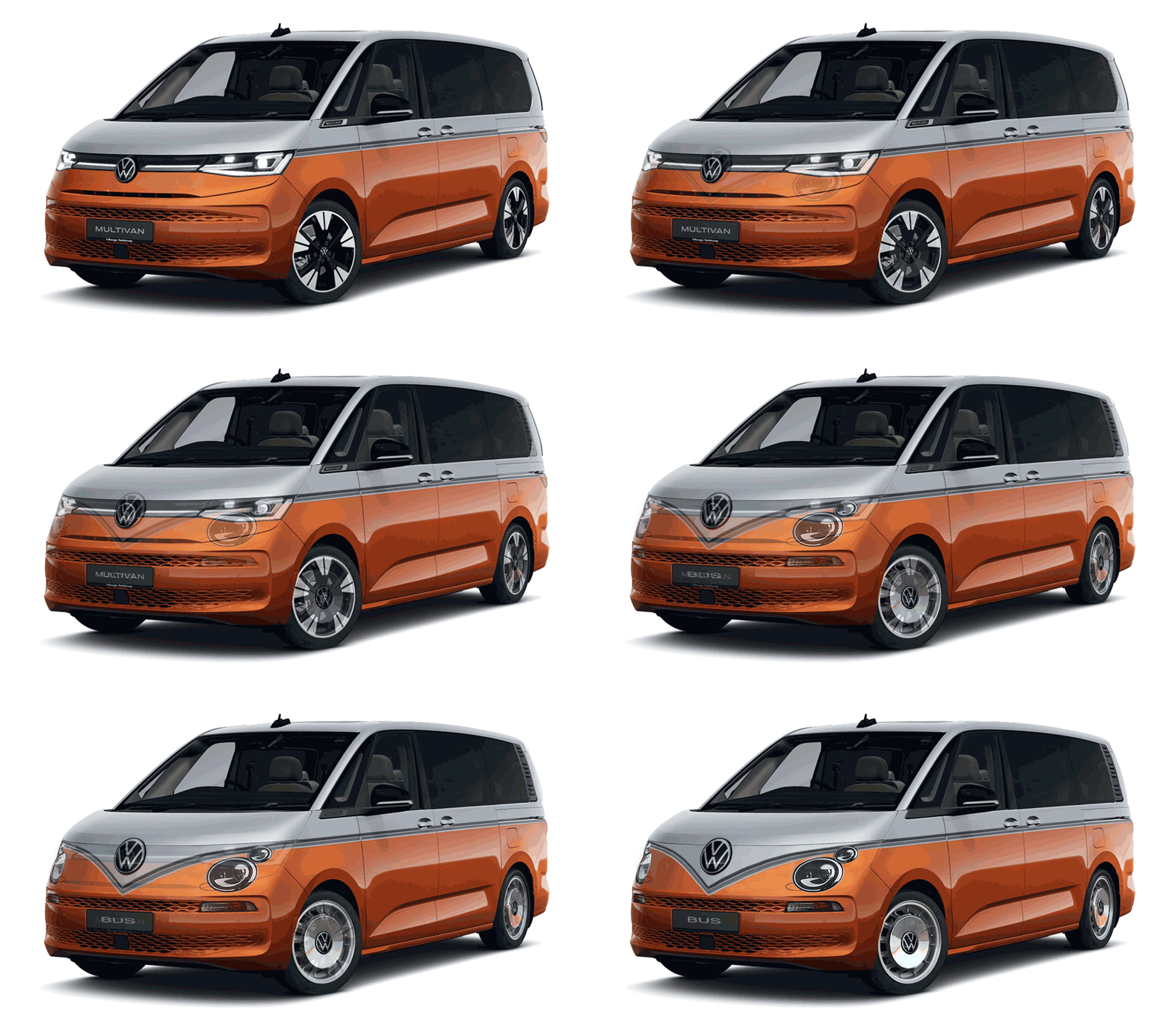
Now the back: getting rid of that duck bill in back and replacing it with a more rounded tailgate top helps to simulate the “Bus” look better regardless of what aerodynamic or functional purposes the EuroVan’s “fin” provides.

I’ve animated those changes again for you to see:
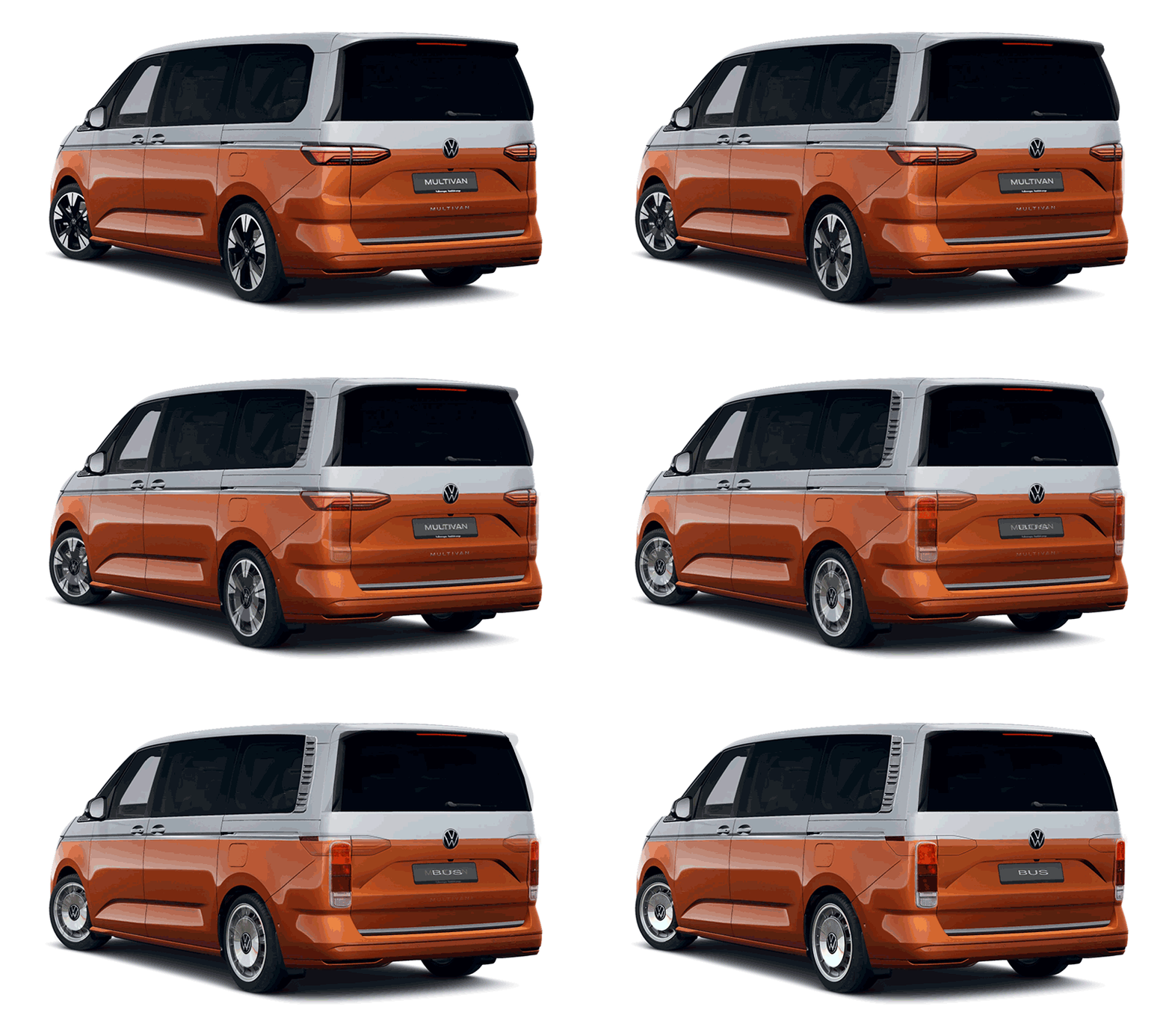
The final product has a bit of Mitsuoka silliness to it, but “silliness” and “fun” are things sorely lacking in today’s automobiles, so I don’t really see it as a negative.
Two Outta Three Ain’t Bad
No, we didn’t accomplish all of Jason’s goals. A MultiVan-based Bus would have the cargo room and passenger layout/capacity that the ID. Buzz lacks. The sixty-mile all-electric range would be perfect for almost all of your local jaunts, and you’ll never have to sit at charging stations every two hours or so like on the current Buzz. It would look even more like the transporter we all know and love.
Sadly, even base models would likely cost as much, if not more than, top-of-the-line Japanese or Korean vans, and at $70,000, plus the loaded ones would still be unattainable by the average Joe. Honestly, we’re dreaming if we think a large German-built automobile is ever going to be “affordable” again in the United States. Still, even at that rather steep price, the MultiVan-based Bus would be a good value for what you’d get, and I could see it selling far better than the Buzz could ever dream of.
Besides, a $75,000 plug-in hybrid Bus? Three or four years from now, when they come off of lease, you know what Autopians like you and me would be scouring for online during lunch, right?
Top graphic base image: Volkswagen


It’s a good exercise. I think if VW had done this as the new microbus, I still would’ve been let down by the high price, but the utility would be better over the luxury angle. Speaking of utility, VW might’ve been able to move some product to fleets with this version.
Thanks but no thanks, the romantic beek nose thing on a bus, which looked great and was full of character, died with the T2 already in 1968.
I like the evolution of the VW bus, and have owned all the early models (1965-1980), now I’m just sticking with my lovely T4 adventure bus concept 😉
https://www.instagram.com/p/C8SYDi6iYtK/
The original T1 Type 2 was built to 1975 by VW do Brasil
I know, and the Peugeot 504 was built in Africa in this century… Point was that the parent company had moved on.
Neither the Buzz nor any proposed alternatives capture the true “death is but a 1/16 of an inch away” essence of the original bus. I miss that.
Die Antwoord – Zef Side (Official)
Honestly, since the MultiVan already embraces VW’s old (but simple, lovely) design language… just the two-tone paint would get you there.
I agree, the two-tone paint, and maybe some retro styled wheels are all it would take for most people, myself included. A two-tone van is already MUCH more whimsical than much of the current automotive landscape.
Right? Any two-tone in this day and age is a wonderful thing! And good call on the wheels.
THIS! I’m not a fan of the sloped roundish headlights here. I think the two-tone multivan looks the best… front, side and rear.
Needs a 21 window variant.
And a Westy camper too
Solution for more range is simply more batteries. I assume there was just no more room for them?
no more room in the profit margins. I computed based on current size/range that it would need at least 120kW battery to get 350 miles range. That’s actually not terrible–a bit larger than normal for an EV but not insane. (I drive a 2024 Silverado EV 4WT…that 200kW battery is insane, but it delivers on range.)
Do you have a figure on what the additional kWh of batteries would cost, wholesale or retail, at going rates? Just the batteries, not counting all the heavier everything else in the vehicle to deal with the added weight.
nope
I think they should have made the 2011 Bulli concept. https://en.wikipedia.org/wiki/Volkswagen_Microbus/Bulli_concept_vehicles
Not bad under Torchy’s constraints, but I think you could have done a little more with the front facia. Looking at the rough-cut photo with the original bus inset photo, you could play some games with the solid lines in the lower grille opening to mimic the OG bus’s bumper with the overriders and extra loop. Then you could keep them monochrome for subtlety and color or chrome them for the more retro two-tone version. Just my $0.02.
I like the front end treatment. It has that bubbly, round, ‘fun’ look that you were going for. That back-end treatment, though, is going to cause spirited debate at the Taillight Bars. Some will like the absurdity of 1970s taillights attached to a 2020s vehicle. I don’t. Personally, I’d ditch historic precident almost entirely, just like the New Beetle did. Also like the New Beetle, I’d use circles. Three per side, all the same size and arranged vertically. Amber on top for indicators, Red brake lamps in the middle, and clear reverse lenses…or one clear reverse, one red Foglight…at the bottom. Could also make the brake lights bigger and the other lights smaller. Or make a tall oval with turn and reverse (or rev/fog) lights bracketing a round circle or oval brakelight, which would help bring that whole thing forward. Either way, I’d keep things round and funky.
Also I don’t know if the high horizontal taillights are a common styling trend or are some kind of obscure legal requirement in the Eurozone. I guess you’d have to go ovals then, as horizontal circles would make your bus look like an A80 Supra or late FD RX7.
This! https://www.volkswagen-vans.co.uk/en/new-vehicles/california.html
We need these and yes they are expensive but so are 1/2 ton pickups.
They should at least sell them in California!
That’s been the stupidest irony for I believe 15-20 years… that’s how long that’s been offered.
If only these were also sized appropriately (you know, the “mini” in minivan).
I like minivans, but I’ve all but written off the current offerings since they’re so huge. I could use a bit more space and capability than my Mazda5, but I’m not interested in something as huge as a Sienna or Ody. Unfortunately the Multivan is just as big as those others.
We were out with some friends for drinks a while ago, and they were reminiscing over their former Mazda5. They loved it, but now have a larger van that doesn’t fit as nicely in their narrow parking lane.
“THIS MINIVAN IS GARBAGE BECAUSE IT CAN’T HOLD EVERYTHING I OWN!” -most American van buyers
My Wife’s Pacifica take up more floor space in our garage than My Jeep Wrangler Unlimited (JKU)
A JKU or JLU is not that big, really. A JLU is the same length as a Camry, and only 2 inches wider.
Yeah, there should be a smaller offering, but Americans don’t seem to like them. Mazda5, Ford Transit also. That said, I renovated my basement and loved that I could put entire sheets of drywall in the back of my Odyssey upwards of 8-10 at a time.
I was a big proponent of minivans doing truck things until I bought a utility/camping trailer. I even brought home a motorcycle in the back of a minivan once.
But the trailer makes loading and unloading easier and gives me all the benefits of a pickup bed (like mulch or dirty cargo) without having to haul it around when I’m not using it. Plus I can store all the camping stuff in it most of the time and be ready to head out for weekend trips without packing.
fair, and I considered such, but I don’t have room for a trailer.
I’ve been saying this since the ID Buzz was announced. Why aren’t we getting the PHEV Multi-Van instead? It would help VWs emissions numbers overall and be a much easier product to sell. Hell, how hard would it be to turn the PHEV into a normal HEV for the US? The ID Buzz would have sold better if the Multi-Van had already been here creating the market
I don’t have much to say about the exercise of this article, but Tesla really poisoned the EV/hybrid well with the Ludicrous mode. Even though most people who have it rarely or never use it, we now expect retina-detaching acceleration in a minivan, to the point where it is a demerit if your family hauler isn’t “a rocketship.” It just seems a bit silly to me.
Most EV buyers don’t even use the acceleration capability, it’s just a matter of knowing in the back of the mind that the vehicle can theoretically do it because some magazine tester did it on a race track. Plenty of Teslas out there slowly dawdling along, they actually seem to be some of the slower vehicles in traffic, more often than not. Maybe overly cautious owners
Teslas regularly drive me nuts from going slowly, since I regularly drive a highway that gets airport traffic. Every rideshare driver without a passenger onboard is moseying to save either electrons or gas.
This might be a time to bring over a small, urbanish, utility van.
Every other time this happens, you get two or three in the market at once and the US market can’t support it (Nissan & Chevy NV200, Ford Transit Connect, MB Vito/Metris)
I’m sure GM’s whole strategy with their Dinosaur of a van is that they can undercut anyone wanting to come in with a small van and keep that market from ever getting a foothold.
yikes, that beak. No thanks. Honestly, they could just kill half the battery size of the ID buzz and put a small range extender in the back and THAT would be what people want in a buss. The looks are fine, its the usefulness and value that suck.
100 percent agree
It’s not hard to see why the ID Buzz has been a sales flop as an event.
Yes It looks pretty good, kuddos to the exterior design team.
That said It is simply not remotely competative on ALL 3 (of 3) top ev requirements:
1. Competitive range at least 300 miles – major fail
2. Time to recharge from 10-80% needs to be less than 30 min. – failed, though I think it gets close
3. Competitive price – I think they over priced this by easily $15k. For the same(ish) starting price you can get a Rivian RS1 which even base is a much better product
Honest question: how strong do we think the 60s retro desire is in the market right now? Or put another way, would this shortly become the PT Cruiser of VW?
Related: can we next see a Bishop Vanagon for what something 80s inspired might look like (and possibly be a big hit with a large swath of the market)?
I think that answer greatly depends on MSRP of the vehicle. If the Multi-Van could start under $40k, I think it would sell in meaningful numbers. What is killing the ID Buzz is the $60k starting price. That’s a fully loaded Honda Odyssey or Toyota Sienna
Only if it is painted like TC’s van from OG Magnum P.I.
Good call, wasn’t even thinking of that. My favorite fun fact there: the paint scheme on TC’s chopper isn’t custom; it was an off the shelf option from Hughes for the 500D back then.
IMHO, bringing the MultiVan over as-is and calling it “Vanagon” is the easiest way forward.
This is a good take. The retro should lean 80s, not 60s at this point.
Related related: I’d like to see Bishop do an updated Honda Element. It had some unique features, some styling elements that were too odd for the mainstream at the time but are the norm now, and at least one styling element (roof curve as seen from the side) that was unique and could be retained for identity and to escape genericness.
I know the Buzz has some stupid aspects, like those rear windows and the lack of battery capacity, but its proportions are much better than the MultiVan. That’s just a minivan, no flat(ish) face charm.
I think the existing Buzz design is still the right starting point for a better product. Granted, it’s not going to be a big hit in the US, because EVs are going to continue to lose their draw as we slide further into the early 1900’s, both in culture and energy policy. But it will live on in the EU, and maybe those DonutLab batteries can push us further towards a 300Wh/kg future (VW’s batteries are well below 200).
Love the article. That said, not sure how someone can justify spending that much on either van and not have a real rear window. Maybe for a future article, it would be good to understand what is so damn hard about having a rear passenger window that isn’t a small cut-out box within a larger window.
The window extends the full height of the 2nd row view out of the vehicle and opens to reveal half the width that you can see out. The glass is larger than necessary for styling reasons. In order to keep the flush glass for styling reasons, the window needs to be horizontally sliding
Very much appreciate that explanation! Knew there had to be a good engineering reason. That said, personally I’d still prefer real moving windows when spending $50k+ on a vehicle, but appreciate now that VW took the other trade off. Thanks!
Agreed on German costs, says this purveyor of German plastics. Maybe try Puebla or Chattanooga?
Ladies and Gentleman, the all new Fiat Multipla.
As as staunch defender of the minivan (see my members’ rides article) I always appreciate attempts to promote the minivan. I’m not entirely sold on the revisions, I’d honestly take the multivan based on it’s original looks, but to me the whole point of minivans are their interior utility, and something as simple as where the available 12v power points are located can be dealbreakers. So for me it’s more about how flexible the interior is.
I agree – I think just some bright paint combos on the stock van would be enough to get the point across.
This does seem like something that would be feasible for a company like Mitsuoka to do as an aftermarket conversion or ambitious fiberglass styling kit
My first thought too – send in Mitsuoka!
VW would have to have a change of heart about that. A few years ago somebody tried bringing a “tribute” Subaru Sambar to the U.S. and customs ended up executing the poor little tarted-up kei bus at their behest.
https://www.thedrive.com/news/vw-had-us-customs-seize-and-destroy-a-cute-jdm-van-for-looking-like-the-classic-bus
Sorry, but it doesn’t work, because of the three most important things in automotive design: proportion, proportion, and proportion.* There’s too much of a hood and too long of a rear overhang on the Multivan compared to the ID.Buzz.
*Thanks, Chuck Jordan!
Three most important things in automotive design at the Autopian:
-Jason said to do it
-Jason said what you can’t modify
-Don’t argue with Jason
Shut up and take my money!
That was easy.