

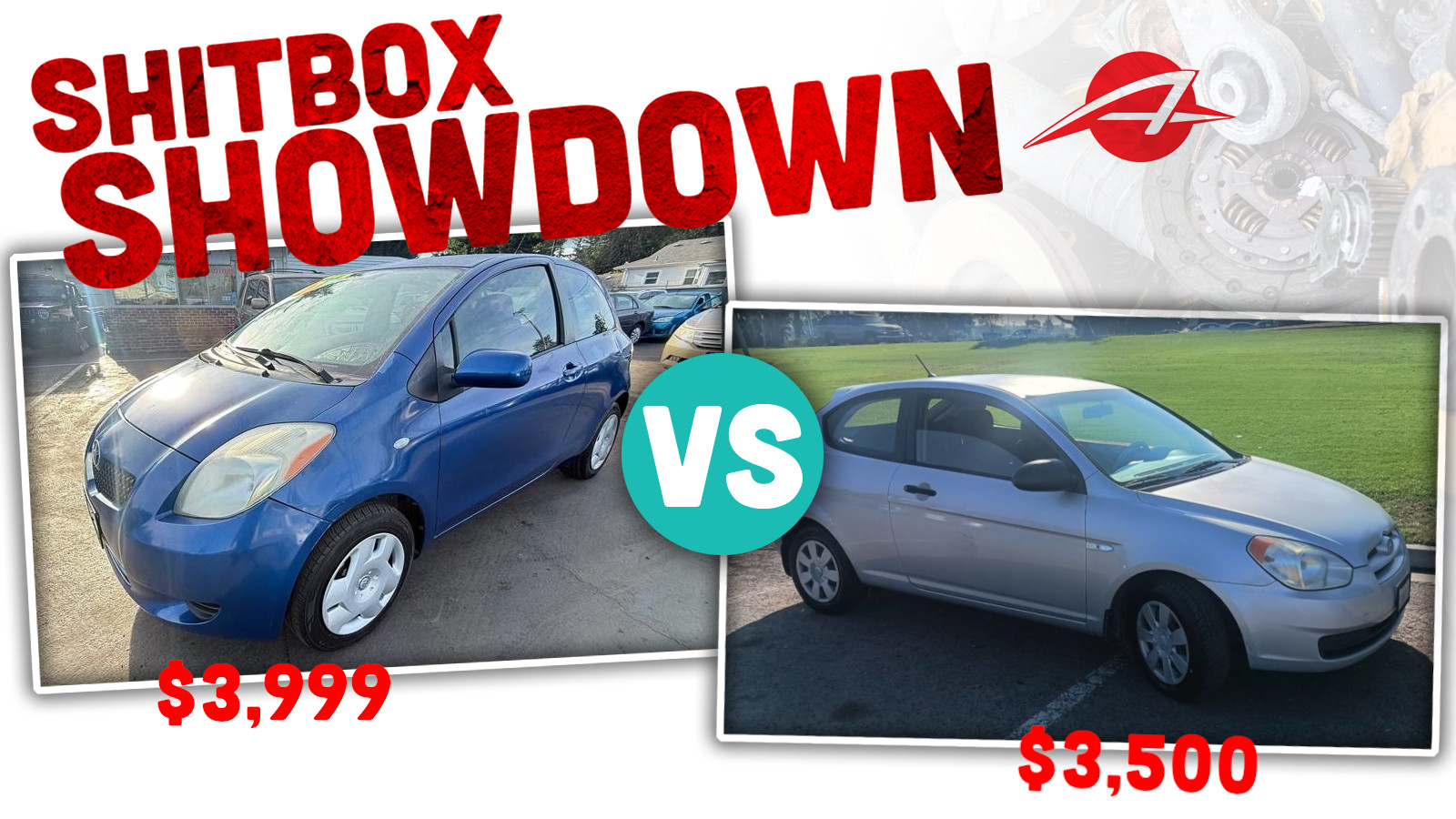
If you’re going to design an economy car, finding the right shape is key. You want to maximize interior space while minimizing both exterior size and wind resistance, but without sacrificing practicality. With those criteria in mind, you have to expect some convergent evolution across different manufacturers. In the mid 2000s, Toyota and Hyundai sold very similar-looking egg-shaped hatchbacks, but one wasn’t an obvious copy of the other. Both companies just arrived at the same conclusion about small car design. Who did it better? That will be up to you.
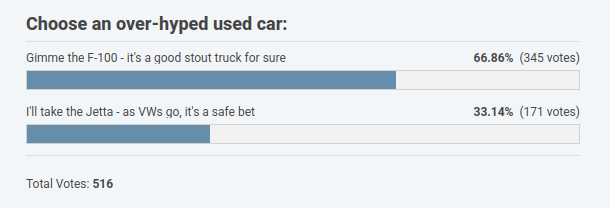
Yesterday’s choices were all about the silly ads, with a Ford truck whose seller was prone to braggadocio, and a VW Jetta whose seller might have been counting the hits and ignoring the misses a bit too much. Regardless of the Ford’s actual capabilities, a lot of you commented that it cost way too much for what it was. But the VW’s lousy reputation preceded it, and it lost in fairly spectacular fashion.


I wouldn’t be so quick to dismiss that Jetta, though. The 2.5 is one of VW’s better engines, and the rest of the car looks like perfect winter-beater material. For two grand, if it gets you through the snow for a couple of years, and keeps the road salt off a better car, then it would be a good deal. The Ford looks like a good truck if you need a truck, but it’s overpriced by half. I’ll take the Jetta and replace the bumper.
I think we’re going to come to regret the loss of cheap little city cars in the market. Fans of larger, fancier cars like to dismiss them as “penalty boxes,” but there was an honesty and humility to cars like the Chevy Spark and Mitsubishi Mirage that I admired greatly, and I know I’m not alone. This bubble of bigger-faster-fancier-more expensive can’t keep expanding forever; at some point no one will be able to afford them anymore, and car shoppers will long for a simple, humble little city car. Hopefully someone will come along with a new one someday. In the meantime, we’ll have to turn to the used market, for offerings like these little ovoid numbers. Let’s check them out.
2007 Toyota Yaris – $3,999
Engine/drivetrain: 1.5-liter DOHC inline 4, four-speed automatic, FWD
Location: Portland, OR
Odometer reading: 160,000 miles
Operational status: Runs and drives well
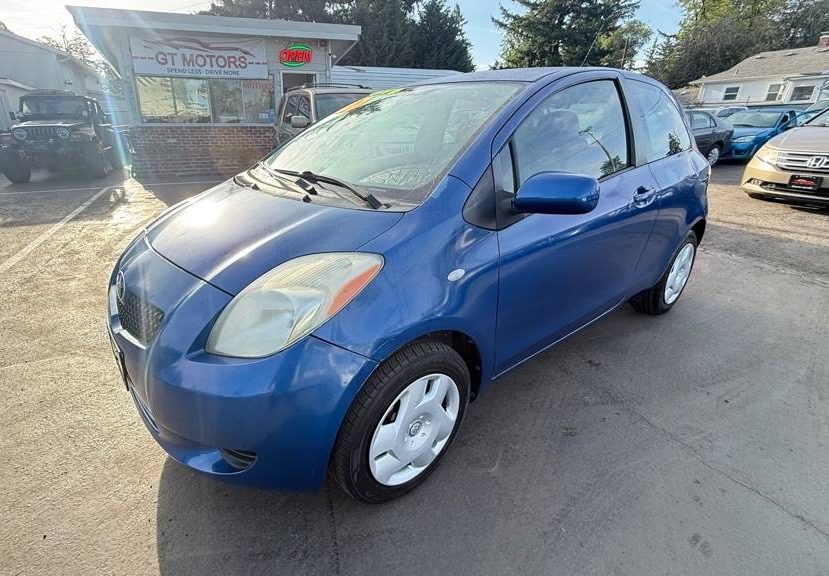
In the beginning, there was the Starlet, and its friend the Tercel. And they were both good, but the Starlet didn’t stick around for long. The Tercel was available forever, through five generations, and while it was not an exciting or particularly fun car, it did its job well for millions and millions of miles. But all good things must come to an end, and Toyota replaced the Tercel with the Echo, and it was not nearly as good. Ungainly, poorly-packaged, and even more boring to drive than the Tercel, the Echo didn’t stick around long. Its replacement was this car, the Yaris, which got back a little bit of the Tercel’s mojo. It’s still not much fun, but it’s a whole lot less gawky-looking.
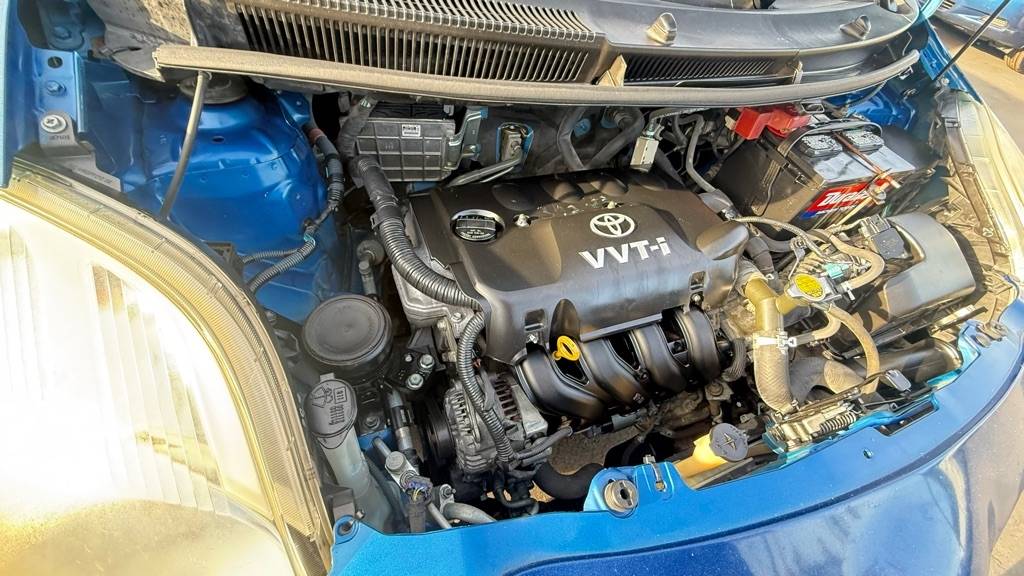
Powering the Yaris is a 1.5-liter four, with Toyota’s VVT-i variable valve timing system. “Powering” may be too strong a word, come to think of it; it’s only packing 106 horses. But it’s not a big car, and the point here is efficiency, not speed. This one has a four-speed automatic, which sucks away even more fun, but makes city driving a snap. It’s being sold by a dealership, so we get a list of options and features instead of useful information about its condition, so you’ll have to go check it out if you want to know the whole story. But it’s a Toyota; I’m sure it runs like a top.
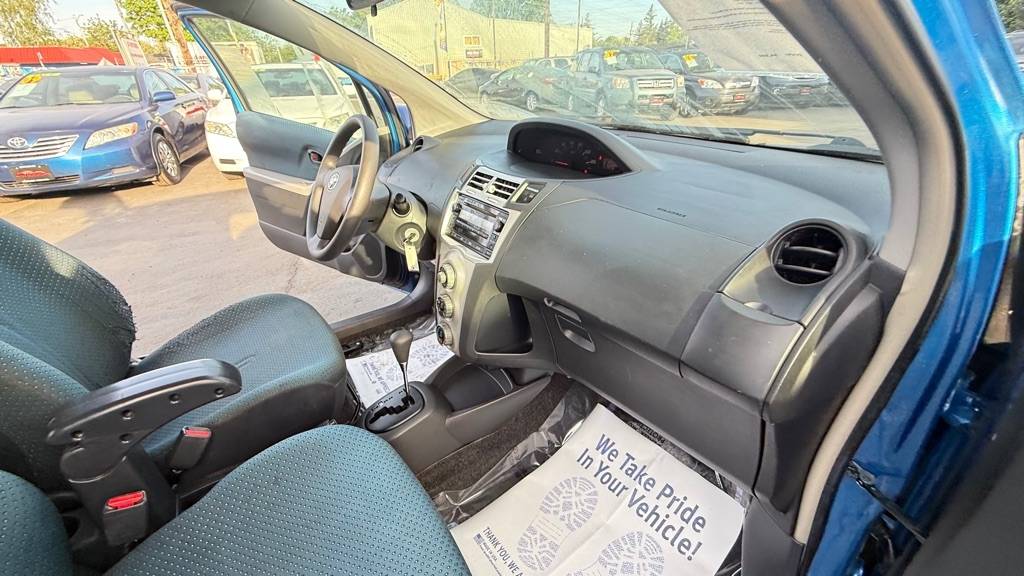
The Yaris did carry over one feature from the Echo that I’m personally not fond of: a center-mounted instrument panel. Many Toyota and Scion models used this arrangement, and I never did warm up to it. I guess you’d get used to it after a while. The rest of the Yaris’s interior is typical small-car stuff: hard plastics, sturdy fabrics, and no frills. This one even has manual crank windows. It’s in good shape, with only a little wear on the seat fabric.
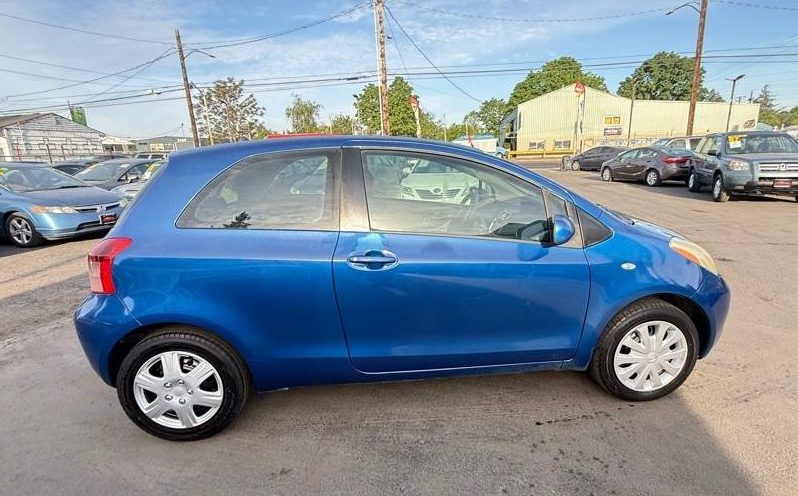
Outside, it’s bright freaking blue, and yes, this is, in fact, the same car as the “Blueberry” from the TV show Psych, just with two fewer doors. It’s in good condition, with just a few bad spots in the clearcoat and some mismatched cheap plastic wheel covers. I really hate those things; I’d always rather just see plain steel wheels.
2007 Hyundai Accent GS – $3,500
Engine/drivetrain: 1.6-liter DOHC inline 4, four-speed automatic, FWD
Location: Mission Bay, CA
Odometer reading: 154,000 miles
Operational status: Runs and drives well
Hyundai got into the small car game in the US several years after the Tercel was introduced, with a badly-built little hatchback called the Excel. The original Excels were truly wretched things, better built than a Yugo, but as you all know, that’s not saying much. But Hyundai learned quickly, and the second-generation Excel was considerably better, and its replacement, the Accent, was better still. By the time this third-generation Accent was built, Hyundai had economy cars down pat.
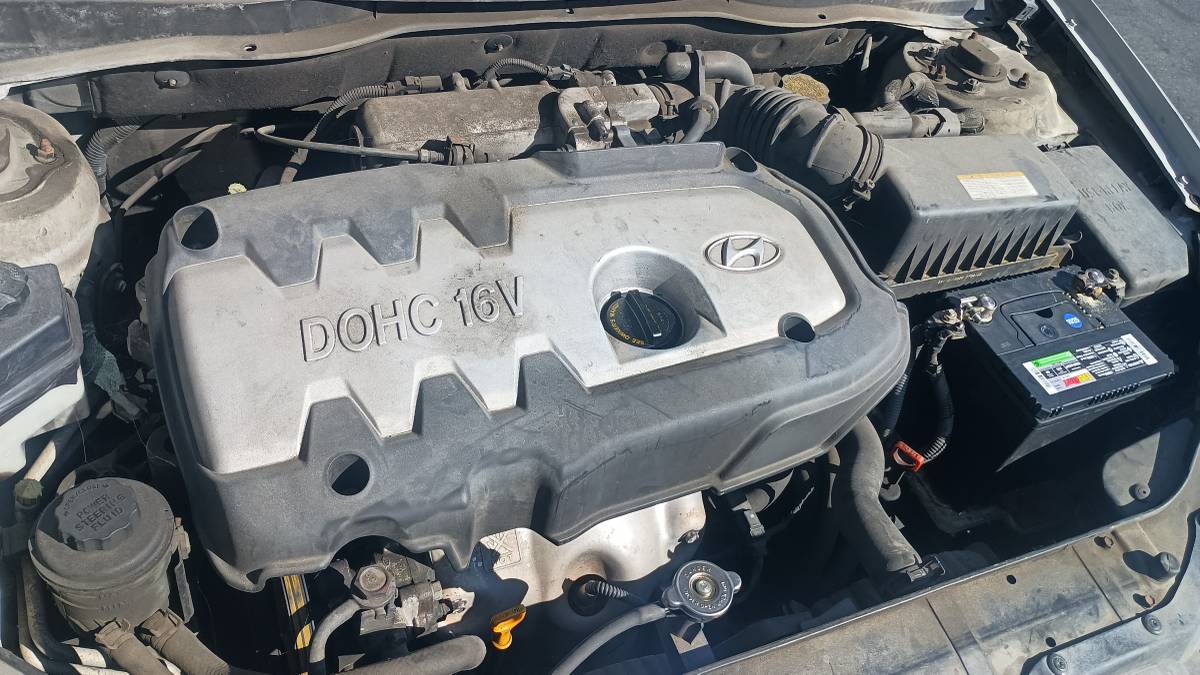
The old Excels used Mitsubishi-designed engines, but this Accent’s Alpha II engine is Hyundai’s own design. It has a good reputation for reliability, and this one runs just fine at 154,000 miles. It also has an automatic transmission, but at least it’s old enough to be a standard planetary and torque converter automatic, and not a CVT. It just passed a smog test, and it has new tires and a new battery, so it should be ready to hit the road.
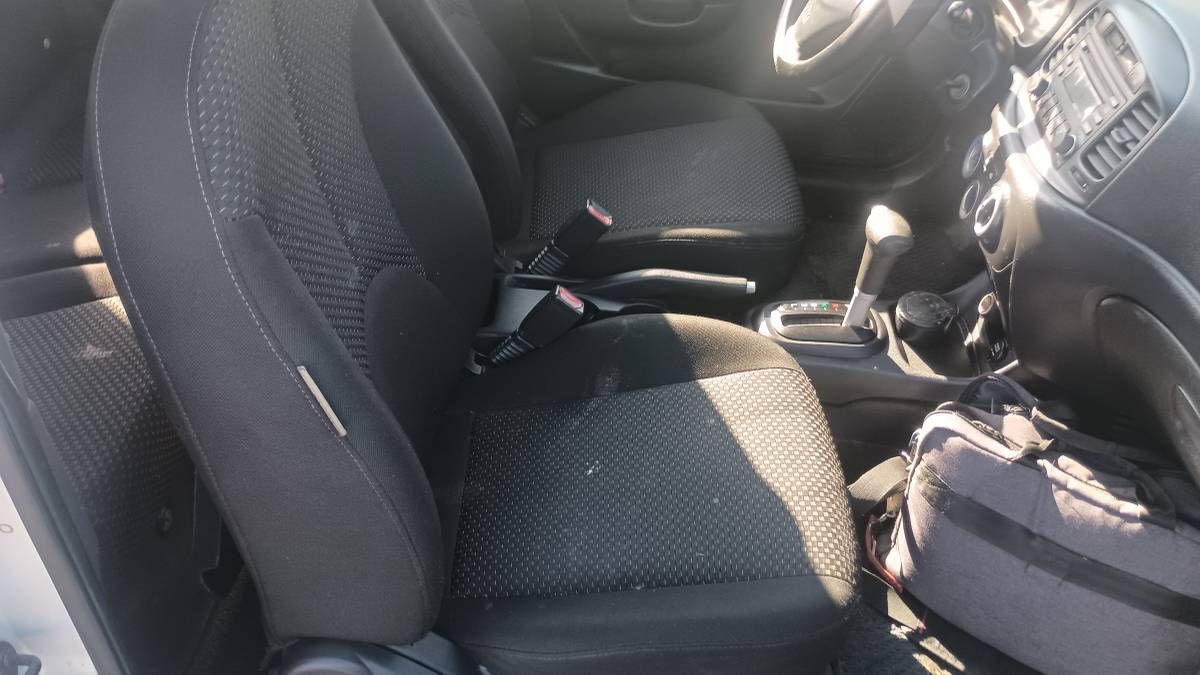
The Accent has a much more conventional dash layout than the Yaris, but otherwise it’s pretty much the same idea. It also has crank windows and manual everything, and you know what? That’s fine. Fewer power-operated doodads means fewer things to break; I think I’ve had one manual window regulator fail in all my years of driving cheap cars, and replaced a dozen power window motors. It does, however, have the one comfort and convenience feature that everyone wants – air conditioning – and it works just fine.
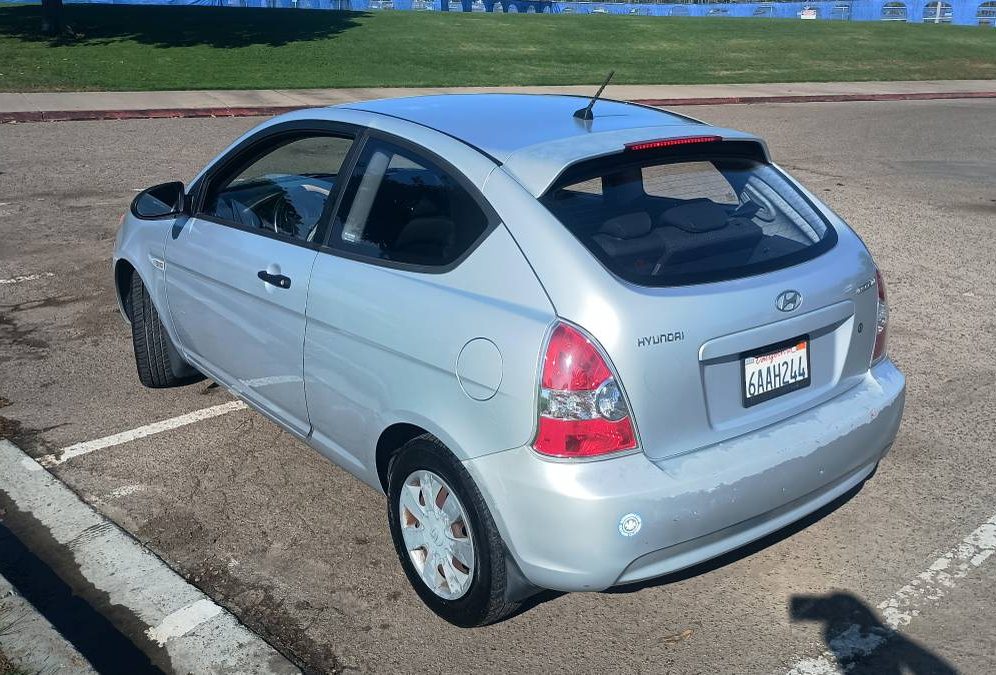
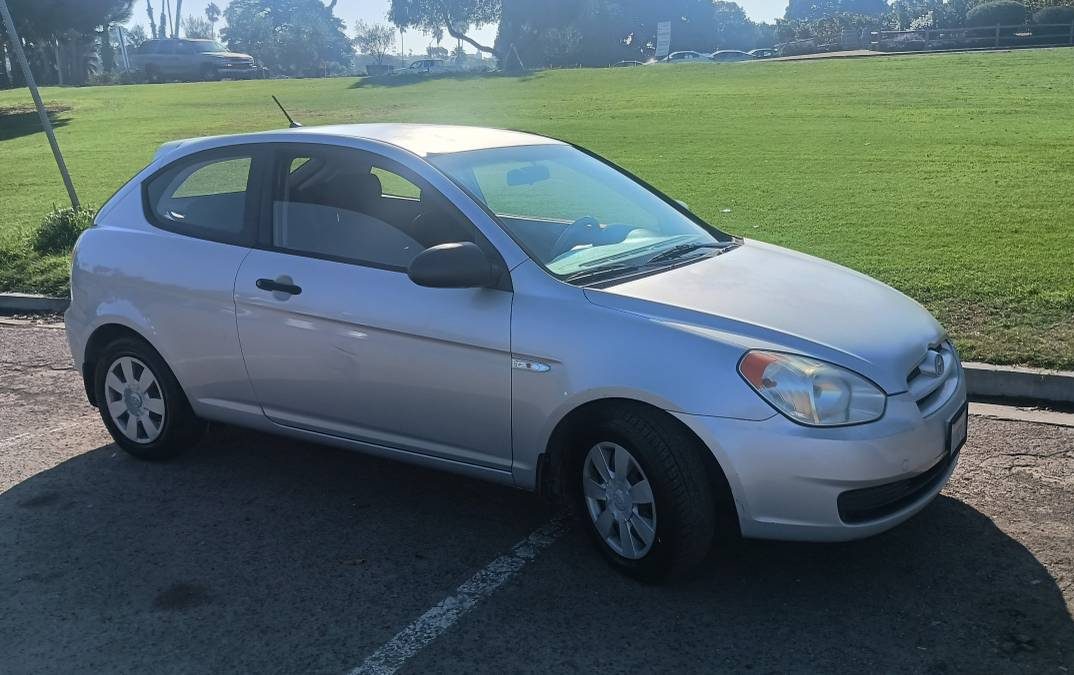
It looks good outside, with some typical clearcoat failure, but all four original wheel covers. The rear bumper looks like it’s a slightly different color than the quarter panel in the above photo, but it could be a trick of the light, or a difference in how the paint is fading between the plastic and metal parts. But it does have a clean title, so even if the bumper has been replaced, who cares?
I know, neither one of these cars is exactly exciting. But if you just want to get around, excitement is overrated. There’s not much difference beween them spec-wise, so you’ll have to find some other criteria to make your decision. Color, maybe, or brand preference, or that cute little rear spoiler above the Hyundai’s rear window. Or, hell, flip a coin.





I had a ’84 Tercel 4×4 wagon and it was great.
The only time I drove a Yaris was a rental in Winnipeg. Overnight, a blizzard covered it in two feet of snow, and I just walked the few blocks to the work site, rather than spend the time to brush it off to see if I could get out of the hotel parking lot and then walk from the parcade two blocks from where I was working. The wind was at my back walking there. But walking back was pretty brutal. -20F/-29C, wind blowing between buildings. Even the regulars in the lobby bar where I ate that night were complaining about the weather, so I didn’t feel like a wimp.
I would never want a slushbox in either of these. But Toyota wins on both durability and color. Seriously, though, either of these with a stick would have been a winner.
Gee, I dunno.
Mine has 230k, significantly less clearcoat and a few minor scuffs that mostly came with it, various power options (unfortunately not cruise control; I’d have to pull the steering wheel and add a stalk from a fancier Toyota), and four actual Yaris hubcaps, but it’s otherwise identical.
And, yes – the original owner, a friend’s cousin, named it “the Blueberry” after Gus’s five-door Echo.
Solid choices for basic transportation, but Toyota has the edge in that department. Nice to see a car that is an actual color, too.
Hmm.. .two bland automatic economy hatchbacks. Expensive ones at that. I guess the Toyota, because while this is from Hyundais “surprisingly acceptable” era, I’m thinking the Toyota is still a better bet.
I love Yarises (Yarii?). They’re surprisingly fun to drive.
I don’t know about Yaris’s’s, but my mum had a late model Starlet whose engine was sort of perfectly matched to 2nd and 3rd gear, and it had decent handling, which made it a hoot driving from roundabout to roundabout on the outskirts of Eastbourne.
It ran out of steam as soon as you got it on the open road, though.
I think the Accent would be a tad comfier. (And even used, there’s a Toyota Tax in play here.)
Either would be fine, though.
I think the yaris, even from a little stealership like that is probably the better choice here. I know some way the Korean beater here is more reliable than prior to that time, but the Yaris has the Toyota stigma and that is a good thing. the 4 speed is a selling point over a CVT to me as well.
The Accent has a four speed automatic, not a CVT (which, agreed, would likely tip me toward Toyota.)
The Yaris had a CVT option in that generation, not sure if that year exactly. I am saying I would much rather have the old single OD 4 speed actual trans over a CVT. though I will admit the real issues with CVT’s seem to be more of a Nissan thing than anything else. The droning and cost to repair is always a thing, but most of the others on the mark seem to at least last to 100k miles without a ton of no-go troubles.
Pretty much a coin flip, normally I’d go row your own but any car that requires removing the front bumper to replace a headlight bulb is a fail. Hyundai with the spoiler and slushbox.
I once drove a rental Yaris. I’m going Accent on the vague hope it’d be less “meh”
Those accents are pretty common as winter beaters in my area. They seem to handle the abuse of winter pretty well so I’m voting for it.
The Yaris is the better car. Toyota makes the best cars 🙂
Well, with confirmed working A/C, a smog cert, and no center-mounted instrument cluster, I’m taking the minority position and going with the Accent.
My ‘07 Yaris’ widow sticker listed “radio ready” as a feature. It’s a genuinely impressive euphemism for selling a car without a radio.
Still, it did its job well and I kept it for 10 yrs without a single problem. Don’t know about the automatic but the manual never felt underpowered (that doesn’t mean it felt fast).
It was a simple, honest car that did exactly what it was supposed to do. Plus it had some genuinely useful features. The pop out cup holder on the left side of the steering wheel was maybe my favorite.
Toyota guy here for almost 50 years now.
Sorry but no way I would even consider the other choice here.