

If you know anything about General Motors, you’re aware The General doesn’t like to build a vehicle that can only be sold under one badge. You won’t make dealers happy by reserving a certain kind of car to one nameplate, and it’s much easier to turn a profit when one set of tooling cab serve a bunch of models for different brands.
So, it shouldn’t surprise you that when GM decision makers decided to meet the challenge that Ford laid down by releasing a car-based “coupe ute” in 1957 called the Ranchero, they weren’t seeing it as a one-brand-and-done proposition.


Spacer

As the most popular nameplate, you know that Chevy was going to be first to get one, in this case called the El Camino.

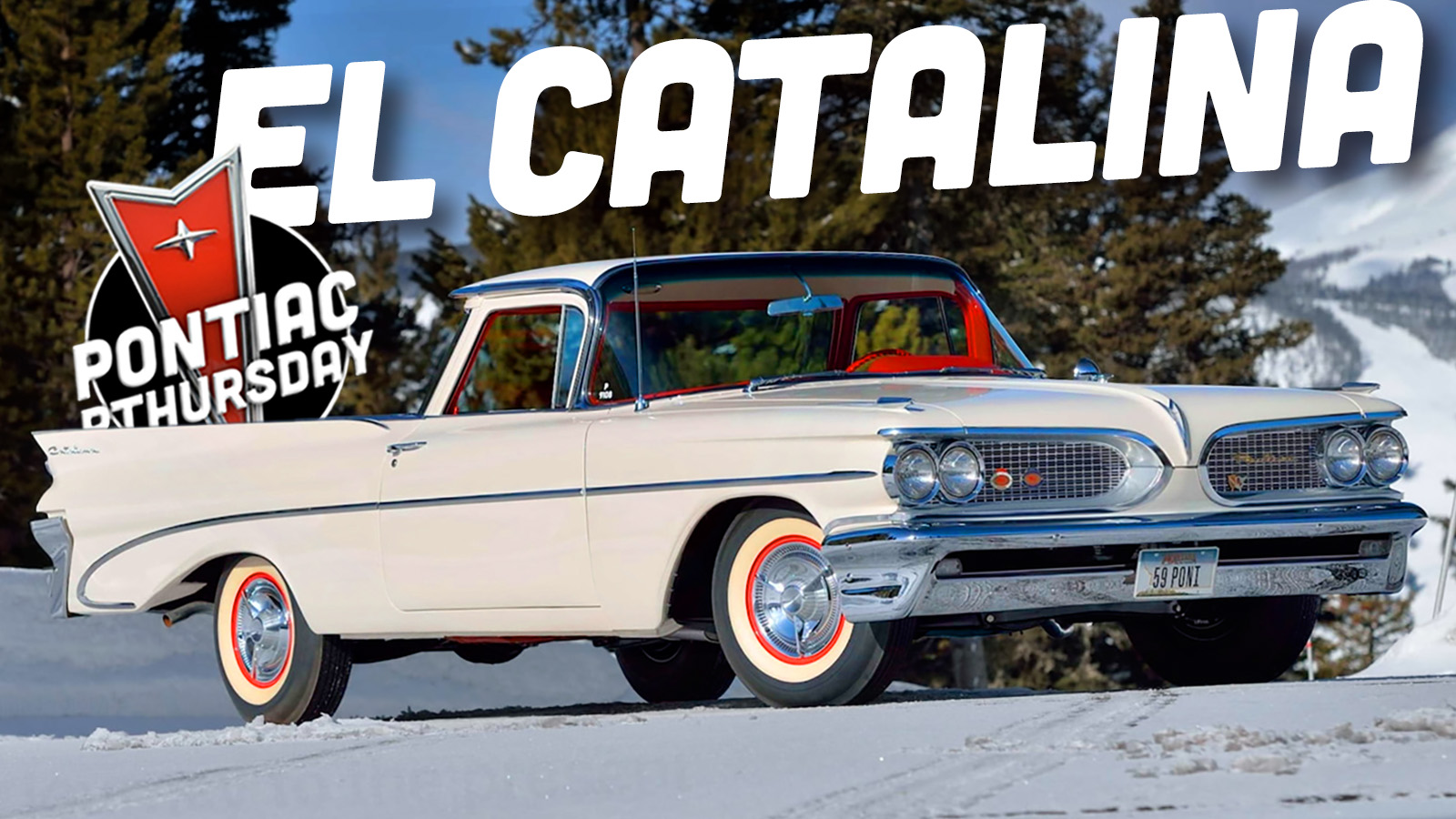
A pickup-truck-like thing was too low class for Oldsmobile, Buick, and Cadillac, but Pontiac could certainly make a case for this going-to-town work machine. To test the viability of the concept, GM commissioned a mocked-up Pontiac version of the El Camino that would be dubbed internally as the “El Catalina” for the full-sized Pontiac station wagon that it would share parts with.

We all know about the conversions that people do today, such as putting Mustang front clips onto a Fairmont sedan or installing the nose from a Buick Grand National onto a Century wagon. They’re relatively cut-and-dried projects. That wasn’t even remotely the case with the El Catalina. Starting with a 1959 Pontiac Catalina Safari wagon, the craftsman at GM removed the body and added a cab from the El Camino, plus the steel cargo bed. Rear quarter panels from a convertible were grafted on, as well as lights and the tailgate from the Pontiac wagon, which was much narrower than the Chevy’s rear gate.
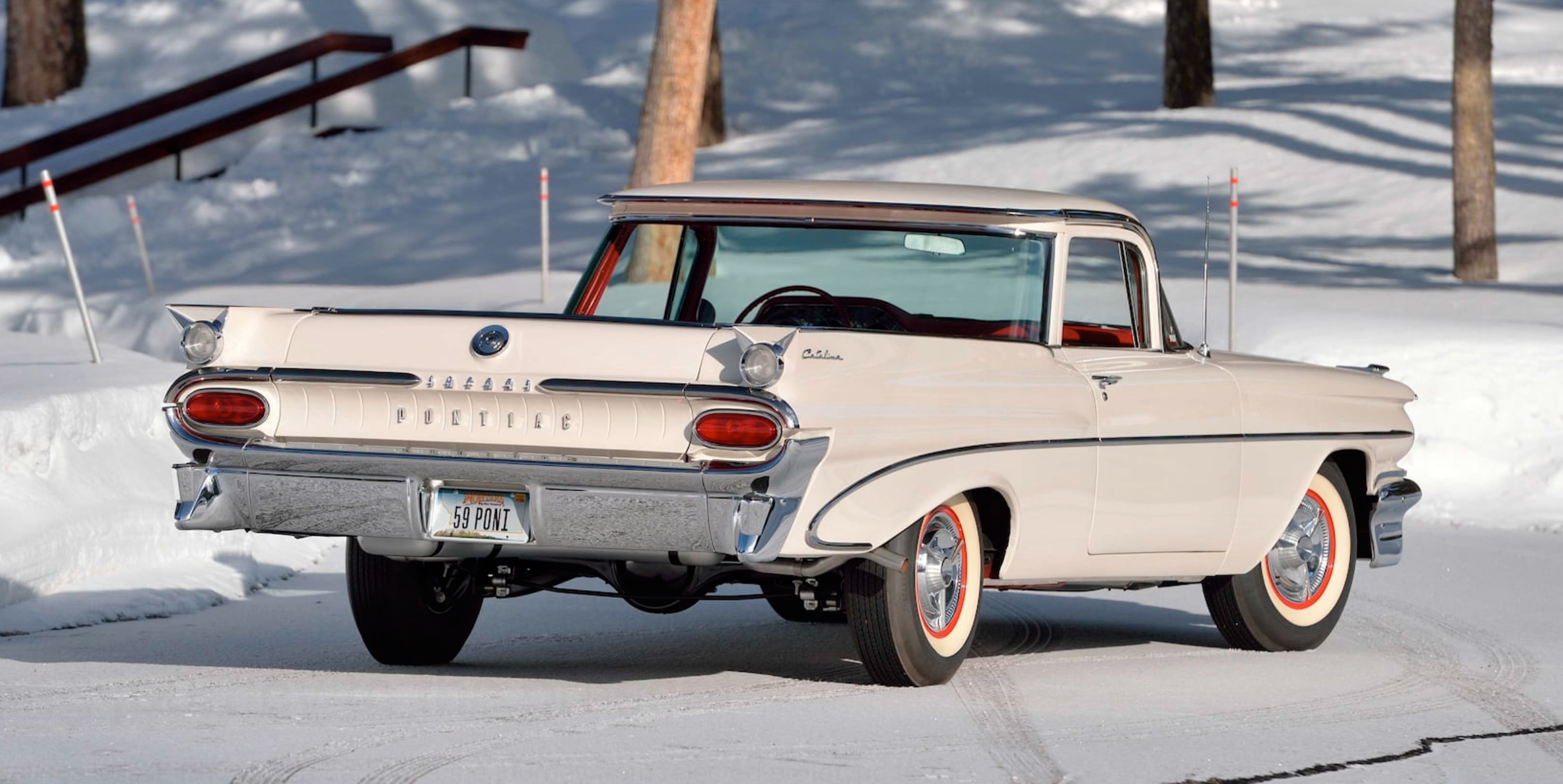
The front clip from the Catalina was reinstalled, but now the door skins didn’t match, so those had to be culled from the Pontiac and put onto the El Camino doors. Finally, a Pontiac dashboard in interior components were installed. It was an immense amount of work, but the Pontiac execs who saw the finished product (including John Delorean, reportedly) were highly impressed by the workmanship and how well the design held together.

All of this turned out to be for naught. General Motors might have initially feared that the Ranchero would be The Next Big thing, but in 1959 the sum total of the Ford and Chevy ute sales was under 37,000 units. Despite low sales, GM decided not to kill this niche product for Chevy, but the idea of expanding it to other brands was suspended (though there was a GMC version introduced years later).
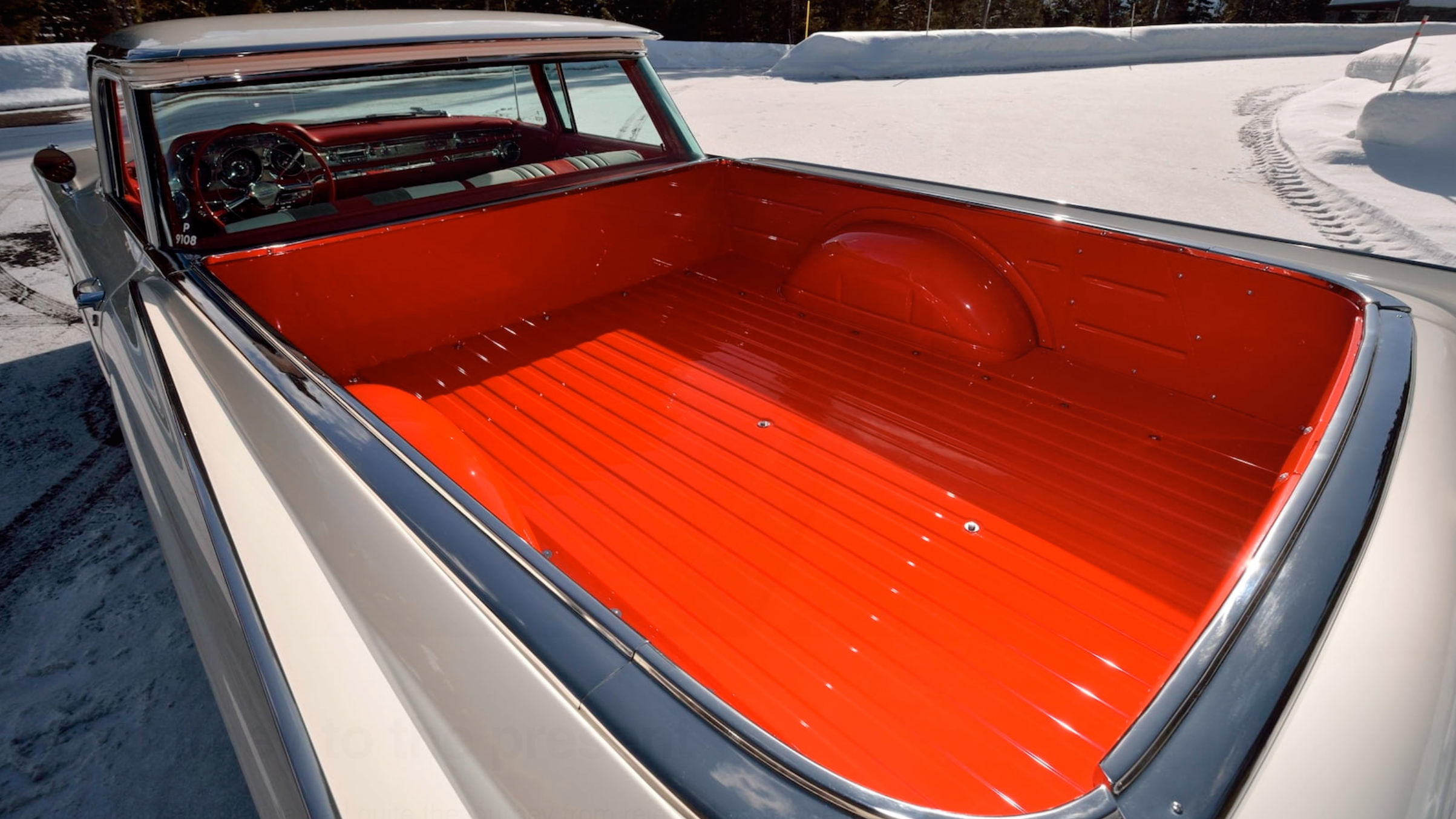
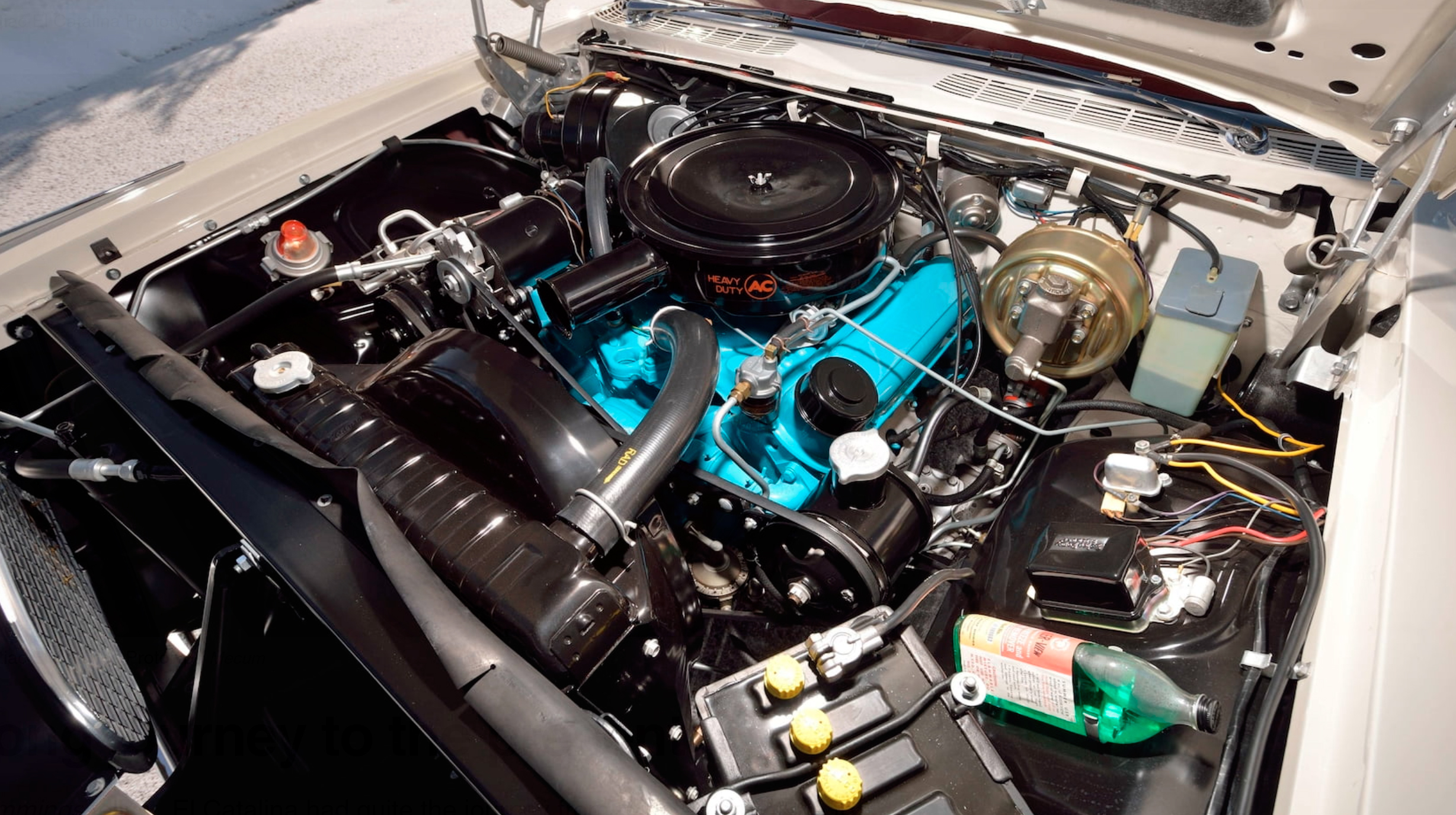
Now nothing but a dead concept, what happened to the El Catalina? Oddly enough, while most of these types of one-offs are either crushed or kept in deep storage like the Ark in Raiders, this sole Pontiac ute escaped into the wild. (By the way, I’ve read some reports that another El Catalina prototype was made, but I’ve seen no photographic evidence; even if it existed, all agree that it’s long gone.) Fittingly enough, Pontiac Retail Parts in Pontiac, Michigan, used it as a parts runner for ten years! With nearly 100,000 miles on it and rust setting in, it was parked behind the business and ultimately bought by car collector Darrel Lotridge in 1969.
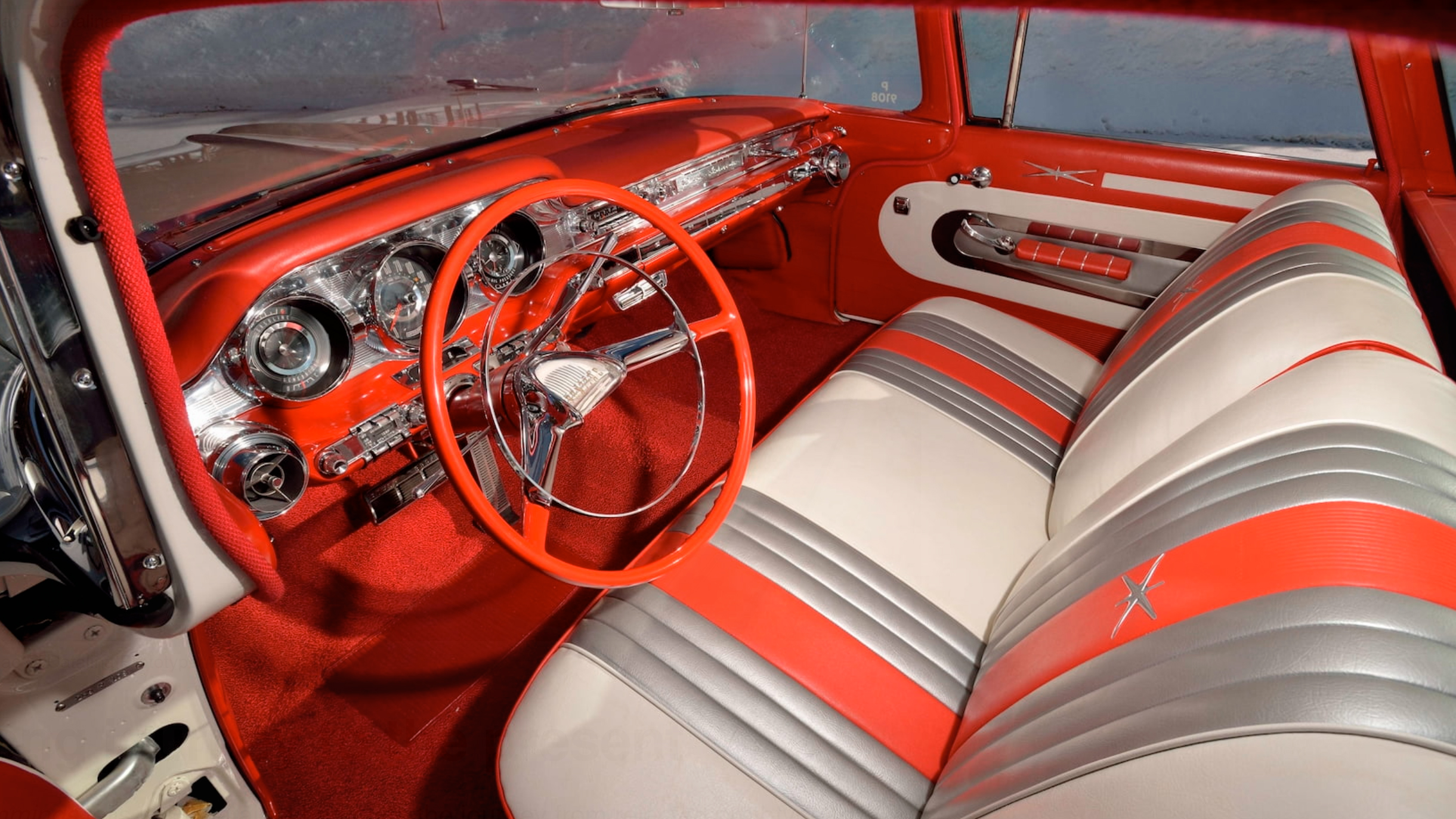
If you’ve ever had a car restored, you know that it can be a long, drawn-out process. In the case of the El Catalina, that process took over thirty years. Darrel had several shops work on the coupe-ute, but you can imagine what body shops found when they started to tear into this handcrafted unicorn. Even the firewall had been heavily modified to fit the Pontiac dash parts; surely the unsuspecting shop guys had no idea what they were getting into. That didn’t stop Mr. Lotridge from imagining the day that this precious one-of-a-kind ute would be ready for the show circuit, however – and how he’d transport it.
Grand Amino
Some time back, General Motors sold off a large number of old concept cars, and in the process, we learned that they’d considered the idea of a Pontiac coupe-ute once again in the late seventies. GM started with the new-for-1978 G-Body Malibu wagon-based El Camino (actually, most reports say it was an identical GMC Caballero version).

Next, they removed and replaced the front clip and dash with components from Pontiac’s newest Grand Am.
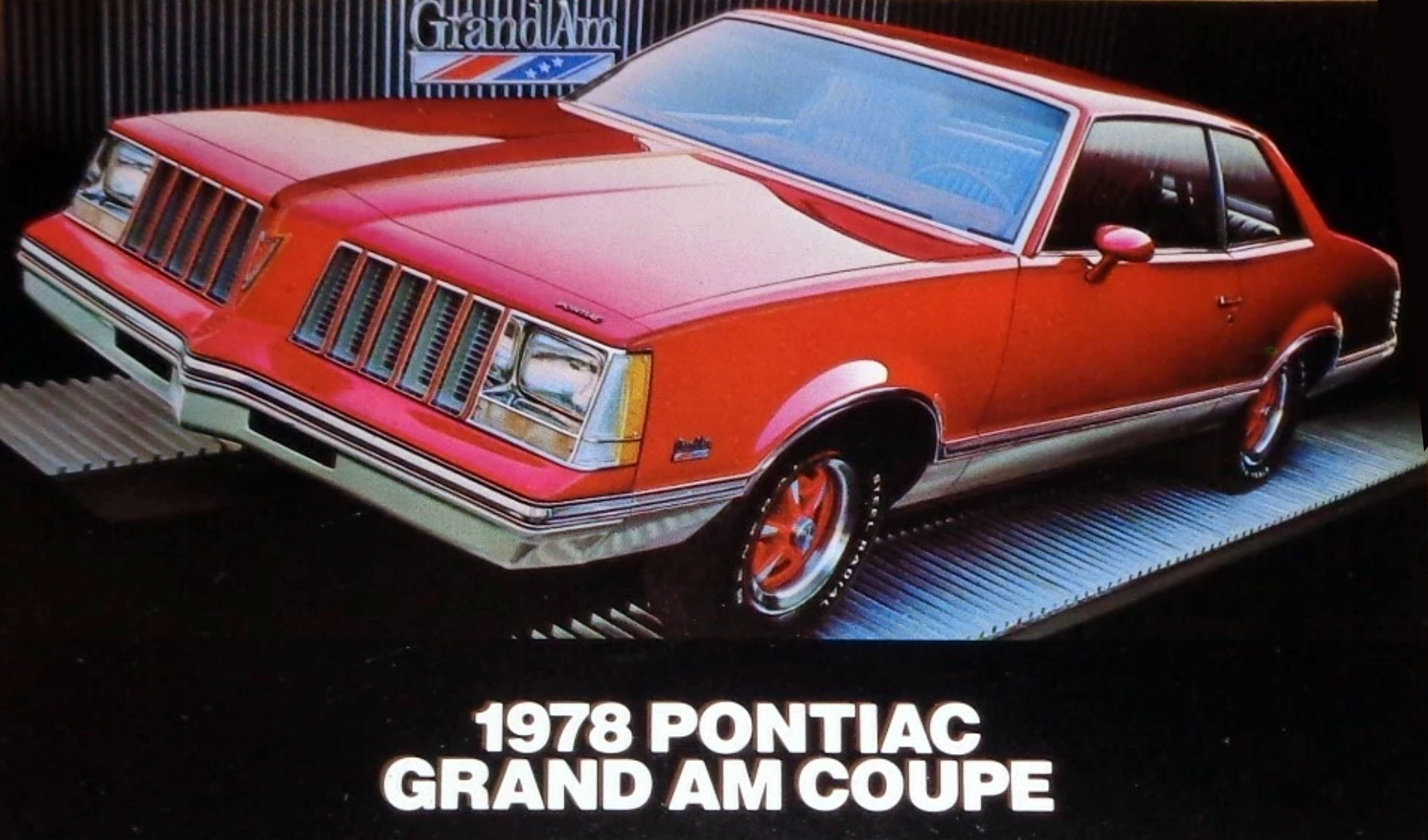
Unlike the later mid-sized front driver, Pontiac’s first Grand Am debuted in 1973 as their idea of a post-muscle-car-era “European-inspired” coupe and sedan to complement the more basic LeMans. Yes, visually it was just a “Collonade” LeMans with different detailing, but it was a pretty clean and tasteful-looking ride. The “Radial Tuned Suspension” tried to tame typical Detroit road manners, and the interior came with a full set of instruments and a floor shift. Sales of this proto-BMW tanked, so Pontiac dropped the Grand Am in 1975 but reintroduced it for the “downsized” 1978 model year (it only lasted through 1980).
As with the El Catalina, the G-body Pontiac ute concept went nowhere at GM. Lotridge thought the unproduced “El Grand Am” would be an ideal vehicle for the unproduced El Catalina, but he couldn’t get his hands on the prototype when General Motors had it auctioned off – so he decided to build his own. After working with the virtually all-custom 1959 El Catalina, the creation of a Grand Am Camino must have been a bolt-on cakewalk.
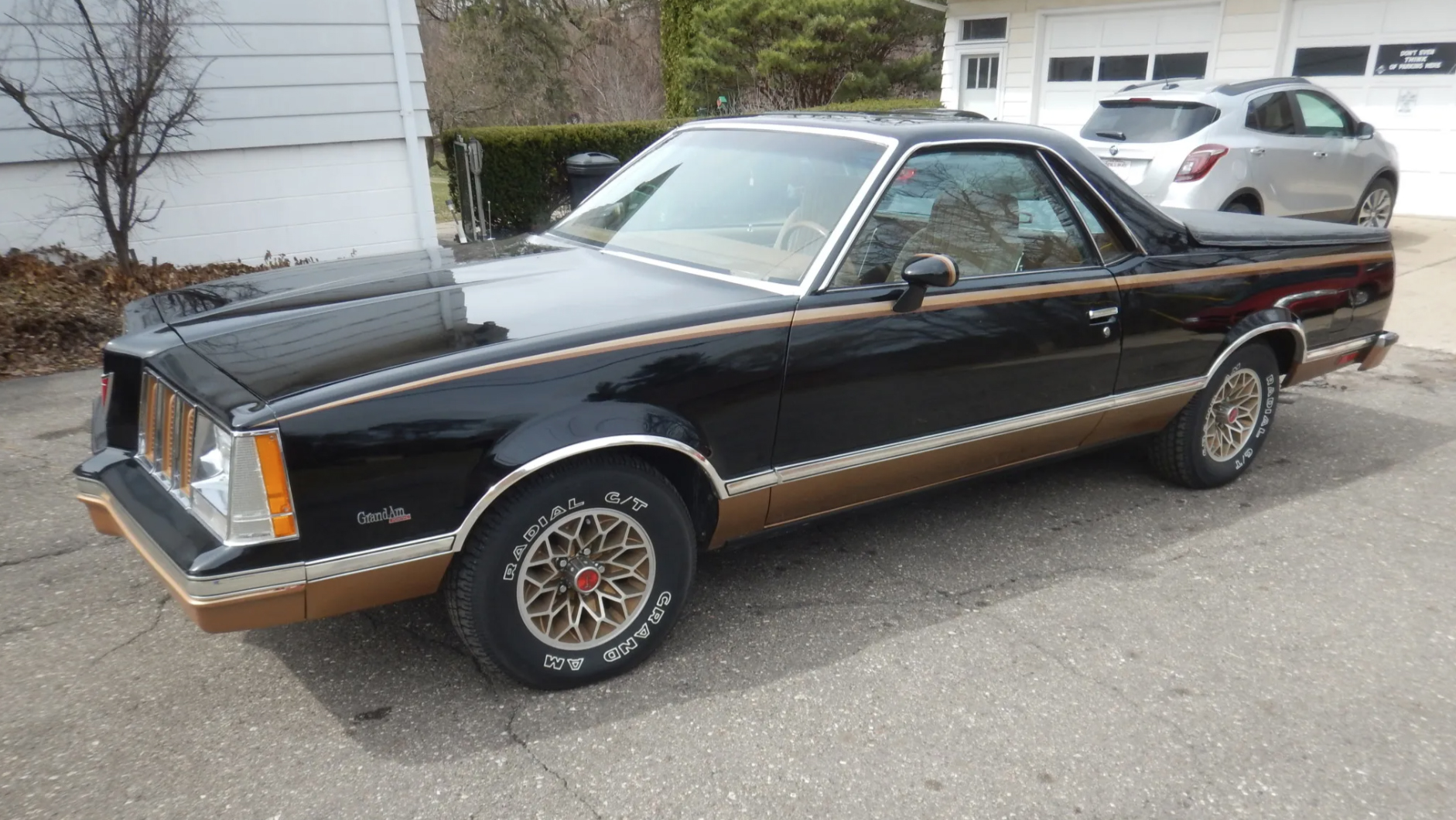
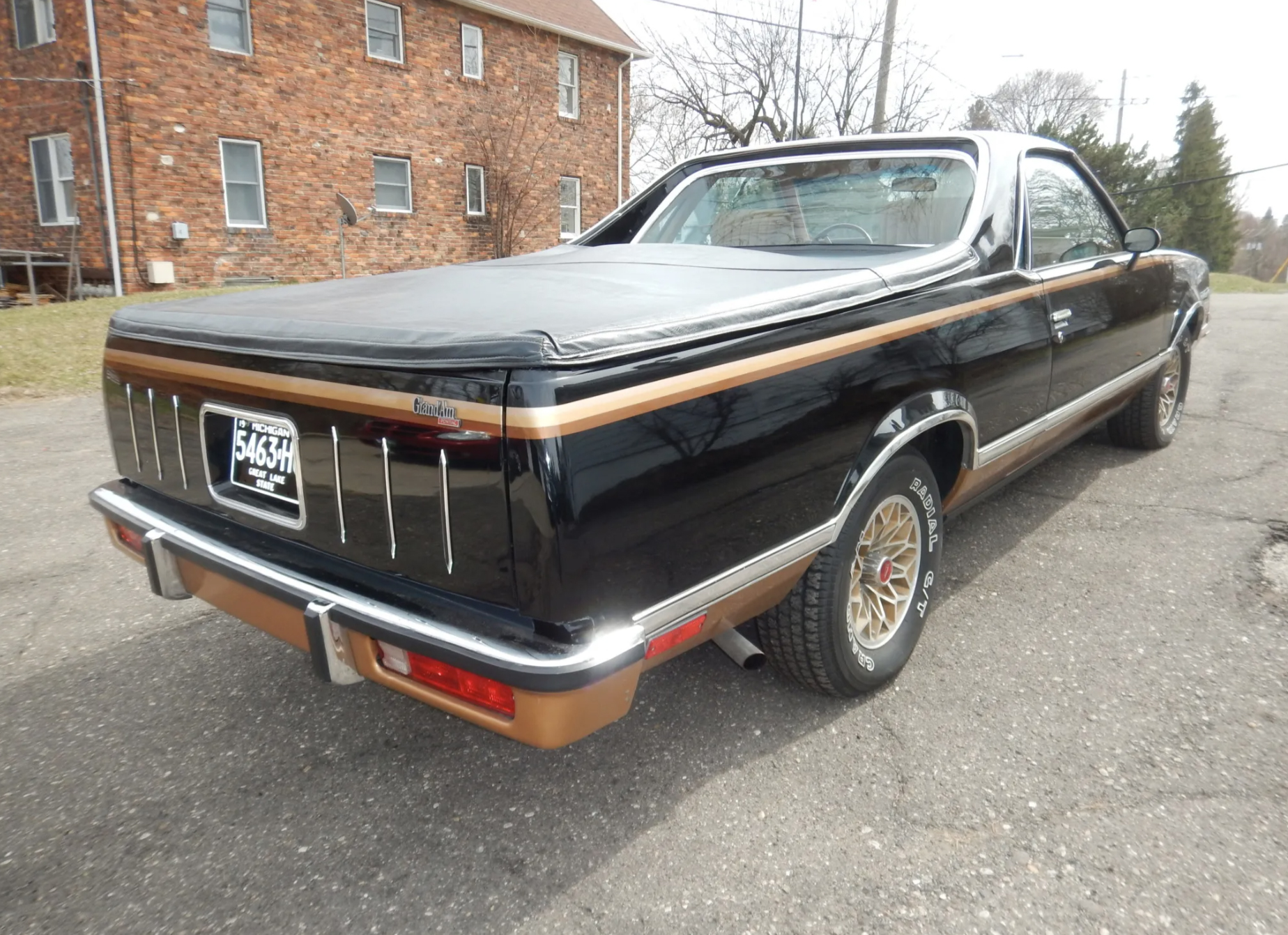
Beginning with a 1979 “Royal Knight” El Camino, Lotridge added the front clip. dashboard, and to-die-for snowflake wheels from a 1980 Grand Am. The end result looks factory-built and was sold on Bring A Trailer in 2019 for a mere $7,685, seemingly a steal.
This wasn’t the end of Pontiac’s fascination with their big brother Chevy’s car-truck mix. As I’ve mentioned earlier, near the end of the brand’s life, Bob Lutz pushed to bring over not just the Holden Commodore ute as the G8 “ST” pickup. Not only did the GT ST not happen, but the entire G8 range and the very Pontiac brand itself that it was supposed to be sold under disappeared shortly after the concept debuted.

El Catalina Versus El Grande Am
So, did Darrel Lotridge ever tow the El Catalina with the El Grande Am? Sadly, no. He threw in the towel in 2008 and sold the unfinished project to Tom Gerrard, who completed the restoration in 2011 to the magnificent award-winning status you see in the pictures of this article. Auctioned off at Mecum in 2012, the El Catalina sold for $352,000; not chump change, but it’s such a truly historic piece that it likely had more than that many dollars in labor and materials in the initial build, not to mention the later restoration.
Ah, but if something sells once, that means it could be for sale again at some point, so we won’t give up on the idea of the two ultra-rare Pontiac pickups being reunited. Considering that the older ute has more than twice the power of the newer one, whoever buys both might have a hard time deciding which should be the tow car.
Pontiac Points: 85/ 100
Verdict: A fun and unique off-brand slice of what could have been that’s thankfully been saved from the ravages of time.


I can’t imagine how much replacement glass costs for the 50s and 60s versions of these things. Or if it’s even available. I remember in the late 60s seeing a Cadillac pickup someone pretty decent at fabrication had cobbled together. It made me laugh at the time and to this day, I never understood what these things were about or their use cases.
The bit about a parts place, fittingly, in Pontiac, MI using it as a parts car does put a smile on my face.
I’ve seen photos of a custom built Grand Amino, but based on the first generation 73 Grand Am. It looks really slick.
https://photos.smugmug.com/photos/i-dBhsPVj/0/LDTjvwNWrZZvjgrvvC6XCtCMgZVqmM82G2LgHM7fQ/L/i-dBhsPVj-L.jpg
I would have bought that El Grand Am for $6700. The last generation of El Camino’s were great drivers I had a 78 SS and loved it. I was looking to buy the the G8 based one when they talked of offering in in 2008, but was pretty disappointed that they dropped the idea of importing them.
Many years ago there was a 70 or so Skymino that I’d see parked at a local strip mall. This was back in the 90’s and while it they had done a great job adding the Buick details to the Chevy body but it was an obvious older conversion as the paint was faded and showed the wear of a daily driver.
I feel like we need to just settle on a name for the second car. I’m going with Grand Amino.
Come to think of it, it is interesting that they chose to come out with the GMC Sprint in 1971 rather than a Pontiac. Clearly GM had thought of a Pontiac ute before, and would try it again later, but when they did decide Pontiac-GMC dealers needed an El Camino cousin, they gave it the red letters. I suppose they decided it was unacceptable for a Pontiac to share sheetmetal with a Chevy, and they weren’t going to make a Pontiac one fit like they tried to do in the ’50s. But still.
In fact (and I’m saying this as a person who’s partial to GMC), what if GM canned the GMC brand in the ’30s along with Oakland, and just made Pontiac trucks? Would that have worked? The two companies’ brand images are very different, but they were both based in Pontiac, Michigan, and they typically shared dealerships anyway…
I saw a G8 ST at a car show in Atlanta. I swore to God and my wife that it would be my next car. Talk about the one that got away.
It’s driving me crazy that they didn’t name it La Catalina.
Look, here’s the thing. It’s the Catalina fucking Wine Mixer, okay?
Did we just become best friends?
The bed has so much room for activities!
If the El Catalina doesn’t get 100 Pontiac points, what would?
I guess that begs the question – what is the greatest Pontiac of all time? I’m sure many will say the original GTO, and others a Burt Reynolds Trans Am, but I think the El Catalinia is it!
Probably shoulda rated it higher, but I’d get complaints from those that claim it wasnt really a production Pontiac and it was sort of off-brand.
64 GTO is technically probably it, but you know that I’m going for the obscure stuff here that’s more interesting to me. Like Trans Am is not as cool as James Garner’s Formula mocked up as an Esprit.
Did not realize it was mocked up as an Esprit. You’ll need to do an expose (complete with screenshots of Garner and one of his 20-something blond girlfriends) on the various Firebird trim levels.
I know this is going to be controversial, but for me, I think the Solstice is the best Pontiac of all time. As everyone knows, the Miata is a wonderful sports car with fantastic handling. Is it the best sports car of all time? It’s certainly in the running (I’ve owned 2). I say the following as a long-time autocrosser. When the Solstice came out, it was 500lbs heavier than a Miata – yet it was in the same autocross class as the contemporary Miata and was faster! (I’m talking the naturally aspirated one, not the forced induction one, which was even faster, but in another class).
The solstice is not the best looking Pontiac, but somehow the GM chassis engineers out did the Miata engineers to build a faster roadster. The top execution was questionable, and surely needed a redesign for the gen 2 Solstice that never happened, but the performance was fantastic. Too bad it died along with Pontiac.
Imagine a World where “Solstice Is Always The Answer,” where GM built 1 million of these over 25 years, where there is a Spec Solstice SCCA class, and where owning a Solstice is a right of passage for the truly enlightened Sports car enthusiast. A 3rd gen solstice with Magride 4.0 and the fancy shock tuning GM uses to eliminate understeer (5 Blackwing owner here so peaking from experience) would have been sports car nirvana – but was never to be… It’s just like GM to build a great vehicle and then kill it before they figure out how to market / sell it. If only they could stay the course like Mazda
Does the sister car (Saturn Sky) share the same characteristics under the bodywork?
The 20th Anniversary Turbo Trans Am should be 100/100, but they only rated it 97.
I think a strong case could be made for the first gen Firebird. The styling was as classical as the Mustang’s, but with just the right amount of added edge/sport that originally defined Pontiac. Second gen forward started the caricature years that became the definition, but the first gen feels exceedingly balanced, at least for me.
I went to the Concours in Detroit years ago they had the El Catalina there
The funny thing is Cadillac did eventually make a pickup. The 2nd and 3rd generation Escalade line included the ESV, which was a Chevy Avalanche in a flashy suit, just as the Escalade was a fancy Tahoe.
The building block nature of GM products makes this easy, and some enthusiasts have made their own A Body and G Body GTO aminos as well as Buick and Oldsmobile pickups. I think there may even be G8 utes in the wild
I’ve also seen more than a few Escalade front clips grafted onto Chevy and GMC pickup trucks. It was a somewhat popular mod on the GMT 400/800/900 pickups.
Don’t forget the late 2010s Escalade taillights grafted on anything they’ll fit on.
I second that I was hoping for a Commodore ute option when I saw they were bringing over badge engineered versions for Poncho. But I will also admit that much like the Lincoln Black wood, SSR and honestly really all the small truck options in the early 2000’s. they were just not truck enough to be serious considered for a driver by many at the time. Perhaps if an AWD version was an option and they could actually tow 5,000 lbs or more, then perhaps. 4600 is ok to me, but still.
With the original GTO being the success it was, they should’ve made a camino based GTO and called it The GOAT Hauler.
El Cabra!
I would have gone with Pontiac GrandAmino, myself.
I’d take that over the GMC Caballero. Never understood the point of that thing.
The point of a GMC branded El Camino, or calling it a Spanish name? Best guess is GMC dealers wanted the full line, and Caballeros rode on El Camino. I think Camino Real might have been a better name, as a more upscale road.
The problem is that it was such a lazy rebadge because it could’ve used B-O-P front sheetmetal, dash, etc but they chose to literally glue GMC emblems over the Chevy ones.
I’m just here for the red steelies.
really sets it off, don’t it?
Really ties the room together.
Mister Lebowski, my name is Maude Lebowski, I’m the one who stole your steelies.