


Well, kids, we’ve reached the end of another one. Tomorrow the world’s odometer rolls over to the next digit. 2025 has been – let’s call it an “eventful” year and leave it at that. To finish it off on a high note, I went looking for cars a little nicer and more expensive than our usual fare, and happened across these two rarities for the same price. So I figured why not?
You all surprised me yesterday with our slowpoke wagon challenge. I thought for sure the Chevy Celebrity didn’t stand a chance, but as it turns out it won. Never underestimate the pull of nostalgia, I guess. Or the dislike of diesel engines. I have a feeling if the Maxima had a gasoline engine, the outcome would have been quite different.


I’m with you all on the Chevy. It’s a good, honest car that you can keep running with a crescent wrench and a Chilton’s manual indefinitely. As interesting as that Maxima is, there’s no way I would sweat trying to find parts for such a rare old vehicle unless I really loved it. And I don’t love that one.

I have discovered, over the past few years, that winter is the hardest time to find cars for this column. Outside of California and similar sunshine-blessed places, not a lot of interesting cars go up for sale in the winter. And I would get as bored as you would if every day was a Ford Escape versus a Honda CRV or something. I do the best I can. For today, I wanted to find two cars I haven’t written about at all yet to close out the year, and here’s what I came up with: a bullet-nose Stude and an old Mini. Let’s check them out.
1950 Studebaker Champion – $9,500
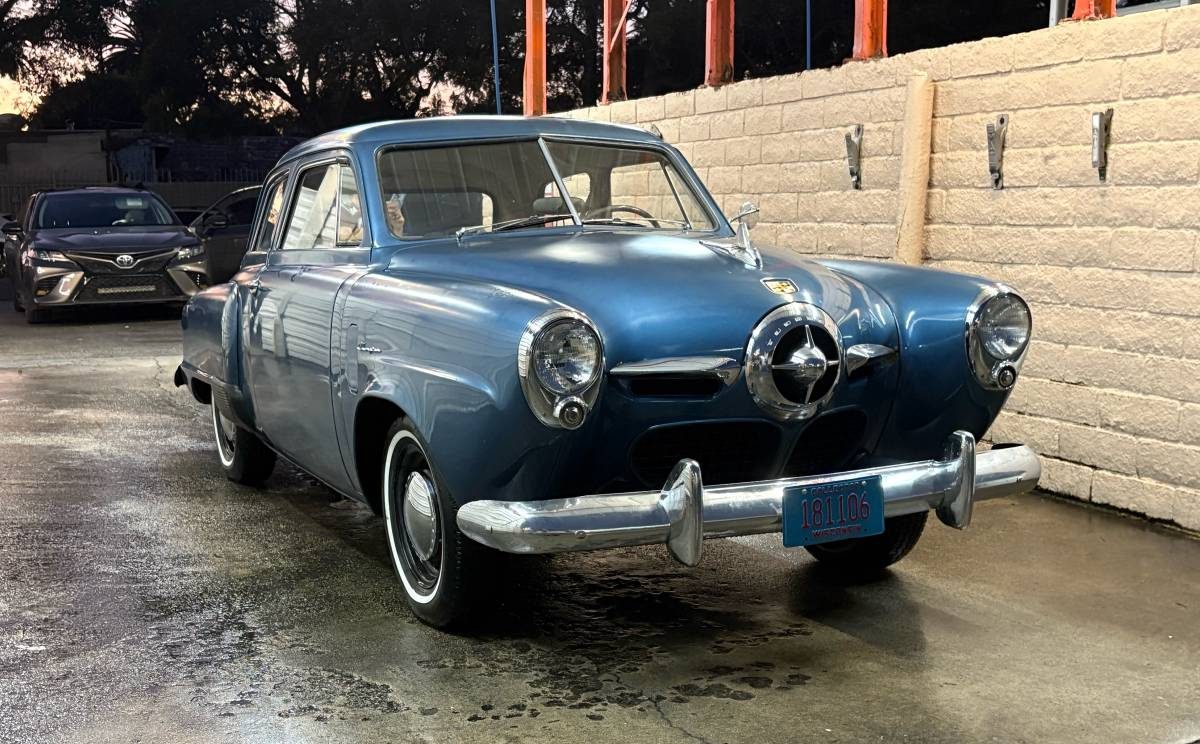
Engine/drivetrain: 170 cubic inch flathead inline 6, three-speed manual, RWD
Location: Los Angeles, CA
Odometer reading: 79,000 miles
Operational status: Runs and drives well
When auto production started up again after World War II, the cars were pretty much the same as they had been five years earlier. Factories simply switched back over from building tanks and bombers to building 1941-42 model cars again. But it didn’t take long for automakers to come up with new, futuristic designs. Studebaker introduced an all-new line in 1947, though its most famous styling cue – the “spinner” or “bullet-nose” grille – didn’t come along until 1950. And it only lasted for two years.
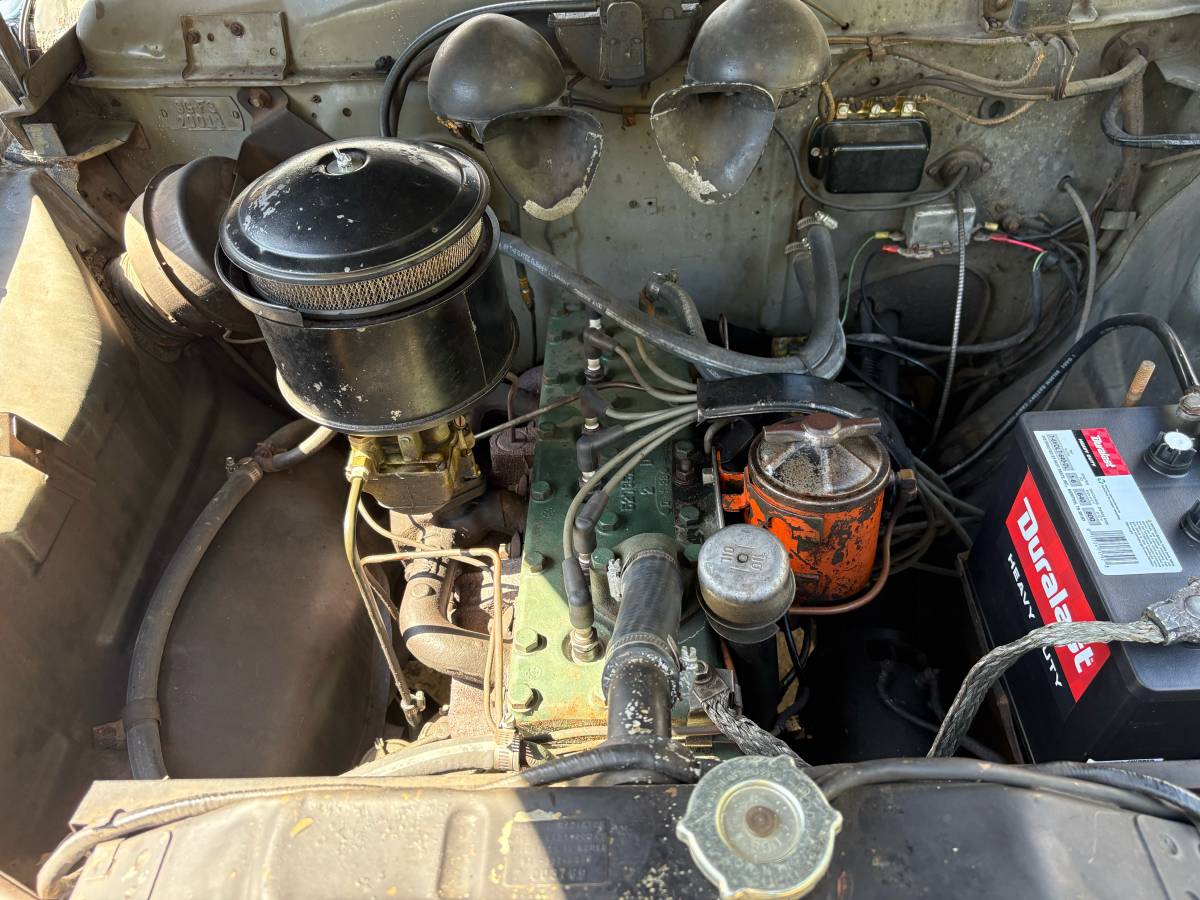
As modern as the body styling was, the 1950 Studebaker Champion’s mechanical design was strictly old-school. A flathead inline six powers a solid rear axle through a three-speed manual transmission. This is not a bad thing; it’s a dead-simple drivetrain that just plain works. Obviously, it pollutes as much as an entire small island nation does these days, and it only makes eighty-five horsepower, but you’re not going to be daily-driving this thing on the freeway anyway. It’s for occasional runs to Dairy Queen and showing off at car shows. The seller says it runs “beautifully,” and is ready to go.

The whole interior is in great shape, but I wanted to show you this photo of the instrument panel, because I love it. I mean, yeah, there are no seatbelts, so that long skinny non-collapsible steering column will skewer you as soon as look at you if you get into an accident, but just look at that design! A half-circle speedometer, with a clock centered on it, with that long chrome spear running along the bottom. The wonderful blocky font used for the gauges. The bank of push-pull T-handles which I think are for heating and ventilation controls. It’s lovely.

It’s in very good condition outside, but not perfect. There are a few paint blemishes. But I don’t see any serious rust, and all the trim is there. You could proudly show this car off at any gathering, but also not be afraid to put some miles on it.
1991 Rover Mini Mayfair II – $9,500

Engine/drivetrain: 1.3-liter OHV inline 4, four-speed manual, FWD
Location: Tustin, CA
Odometer reading: 70,000, but I don’t know if that’s miles or kilometers
Operational status: Unspecified
I think a lot of people don’t realize just how long the original Mini stuck around. It was introduced in 1959, and stayed in production through the 2000 model year – an impressive 41 year run. In fact, it outlived the Austin Metro, the car designed to replace it. The only other car I can think of that accomplished that was the Volvo 240. Minis were only sold in the US through 1967, as there was no way they were going to pass the new US safety regulations instituted in 1968. But there’s nothing stopping anyone from importing a later one, since all of them are now over 25 years old. I’m sure that’s how this 1991 model ended up in California.

The sporty Cooper model is the most famous version of the Mini, but over the years there were dozens of special editions and trim levels available in different parts of the world. This is a Mayfair, with a more upscale interior than a typical Mini. It’s still powered by the good old A-series pushrod engine, in its latest and largest displacement: 1275 cubic centimeters. The seller doesn’t actually say how well it runs, only that it is in “very nice” condition. I would hope it runs and drives fine for this price, but then, it is a British car.
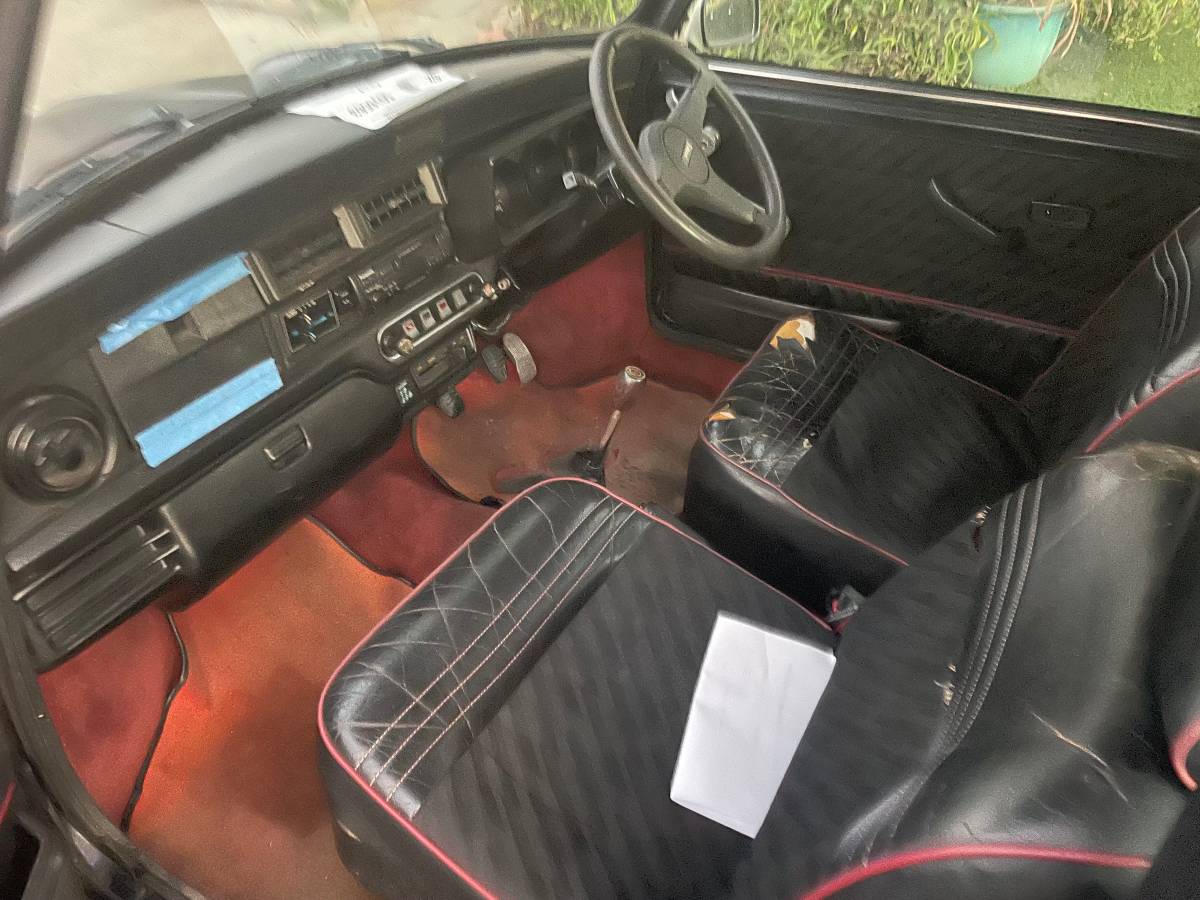
Minis may have been built in Britain, but a lot of them were exported to Japan, and it appears that that’s where this one came from. There’s a “Rover Japan” sticker in the rear window, and it’s equipped with air conditioning, which is uncommon in home-market Minis. It’s right-hand-drive, of course. The driver’s seat upholstery is a little rough, and there’s a crack in the dashboard. If I’m not mistaken, the glovebox lid is also taped shut. Oh well, it wouldn’t be a British classic if there weren’t a few things to fix, would it?

The clearcoat is shot, and there’s something hinky about the roof seam. I don’t think it’s rust, just some messed-up trim on the drip rail, but it warrants a closer look. You could fix it and give the whole thing a new paint job, or you could just enjoy it as-is and not worry about it.
Neither one of these cars is perfect, but they’re both really cool, in my opinion. I’d walk past a whole row of more common classics to get a closer look at either of them. And at less than ten grand, they’re both relative bargains in the classic car market. Vote for your favorite, and have a happy and safe New Year’s!





I want the Studebaker because we didn’t get ‘em here and I just love the look of them, whereas Minis were (and still are) ten a penny, and you’d get better for the money.
It’s a Japanese market Mini with AC and a 1275 CC engine. That’s about as desirable of a configuration as late model Minis get. It doesn’t matter if it runs, A series engines are about bulletproof, it will be running within an afternoon if it doesn’t already.
Much though I love Minis (I had Morris 1100s and Austin 1800s growing up), I’ll take that Champion. Built like a brick shithouse, great optics, color sweet interior and bulletproof. A turnkey classic. Great entry level car for those wanting to get into the classic mudpit. And it will appreciate more over time while minis are like bums, everybody’s got one.