

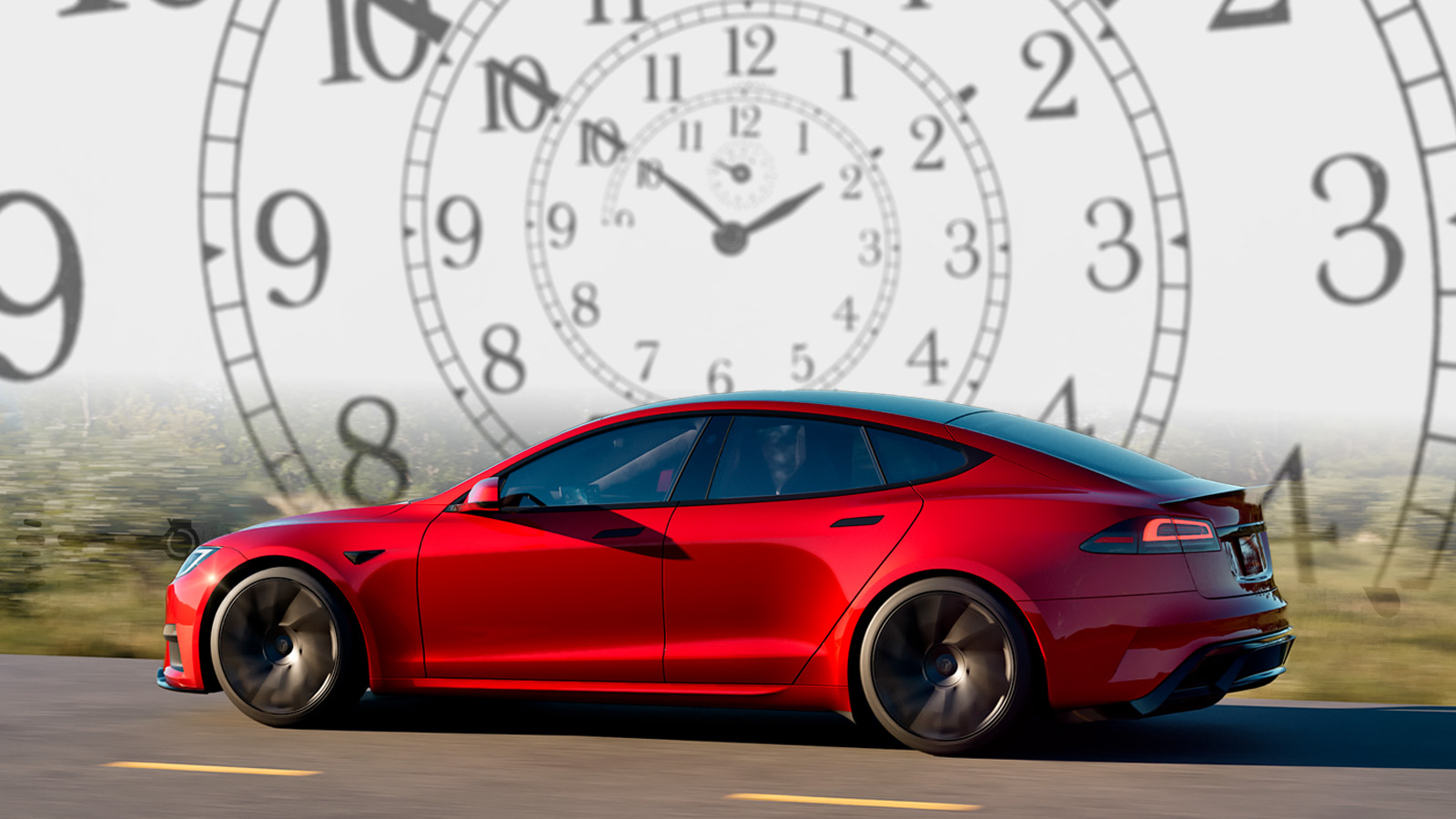
Tesla’s lineup is about to get smaller. On Wednesday evening, CNBC reported that during the automaker’s fourth-quarter earnings call, CEO Elon Musk said, “It’s time to basically bring the Model S and X programs to an end with an honorable discharge,” adding, “If you’re interested in buying a Model S and X, now would be the time to order it.” What’s going to replace these cars? Allegedly, something that isn’t a car.
Musk said on the call that Tesla is replacing its production line for S and X in Fremont “with a 1 million unit per year line of Optimus.”
This is a situation where two things can be true at the same time: Building a million humanoid robots per year sounds insane, but it’s also time for the Model S to go. Beyond time, if we’re being honest. For perspective, the Model S has been Botox’d through a production run nearly as long as that of the C3 Chevrolet Corvette, and we all know how that ended.


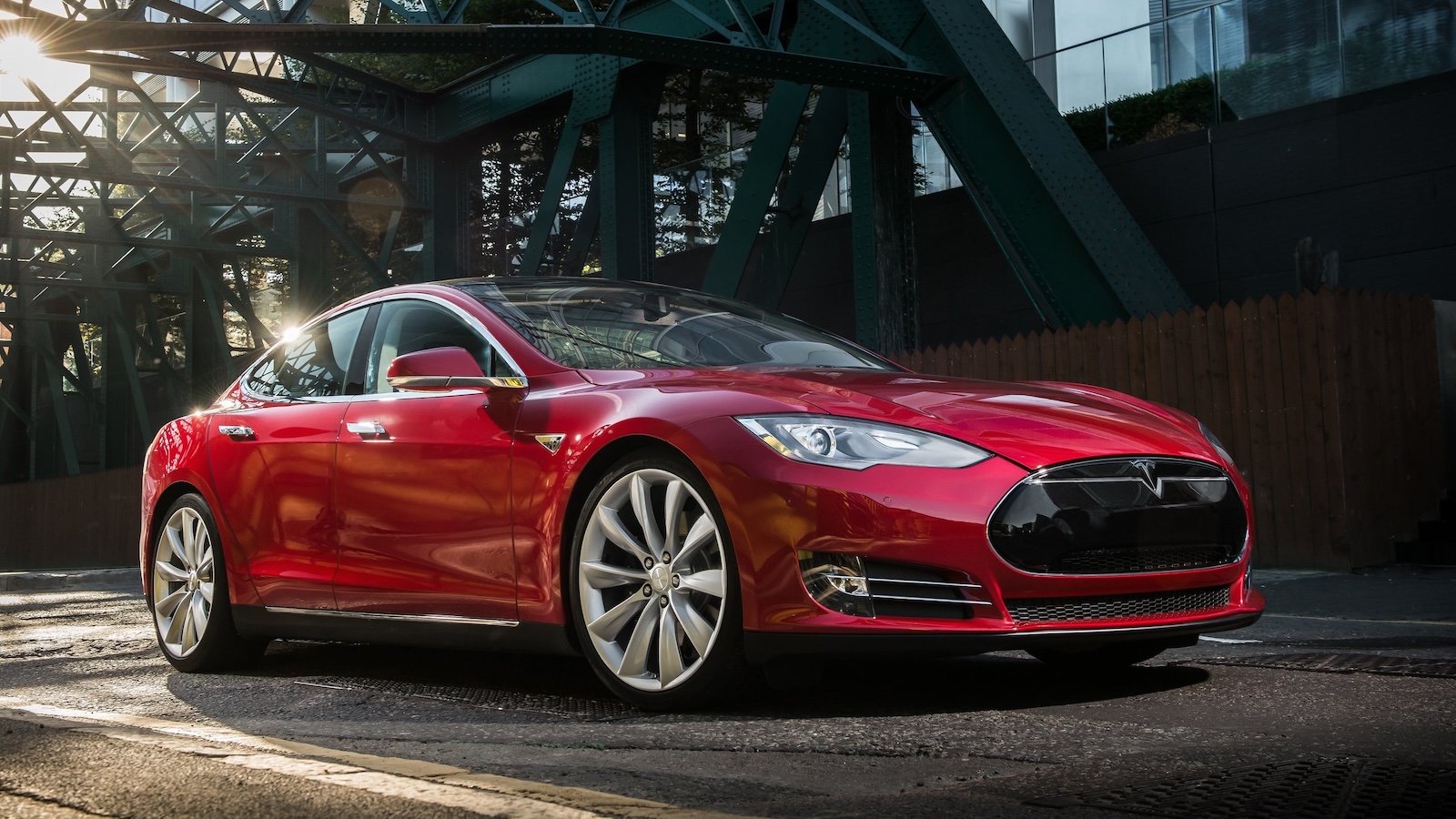
Let’s go back in time for a second. When it launched in 2012, the Tesla Model S was nothing short of a landmark car. It wasn’t the first modern EV, or the first Tesla, but it showed that electric cars could be quick and desirable. While 416 horsepower and 443 lb.-ft. of torque from the Signature Performance model may seem quaint by today’s standards, it was enough to keep up with the BMW M5 and Mercedes-Benz E 63 AMG of its era without using a drop of fuel. At the same time, 265 miles of range was a game-changer compared to the piddly 73 miles offered by an early Nissan Leaf, and Tesla’s own streamlined charging network was a good enough idea that pretty much every other automaker has since made deals to use it. At the same time, the Model S earned namedrops and star power, and marked a turning point for the Silicon Valley nouveau-riche. Less GNU and Priuses, more following in the hedonistic footsteps of their yuppie spiritual forefathers.
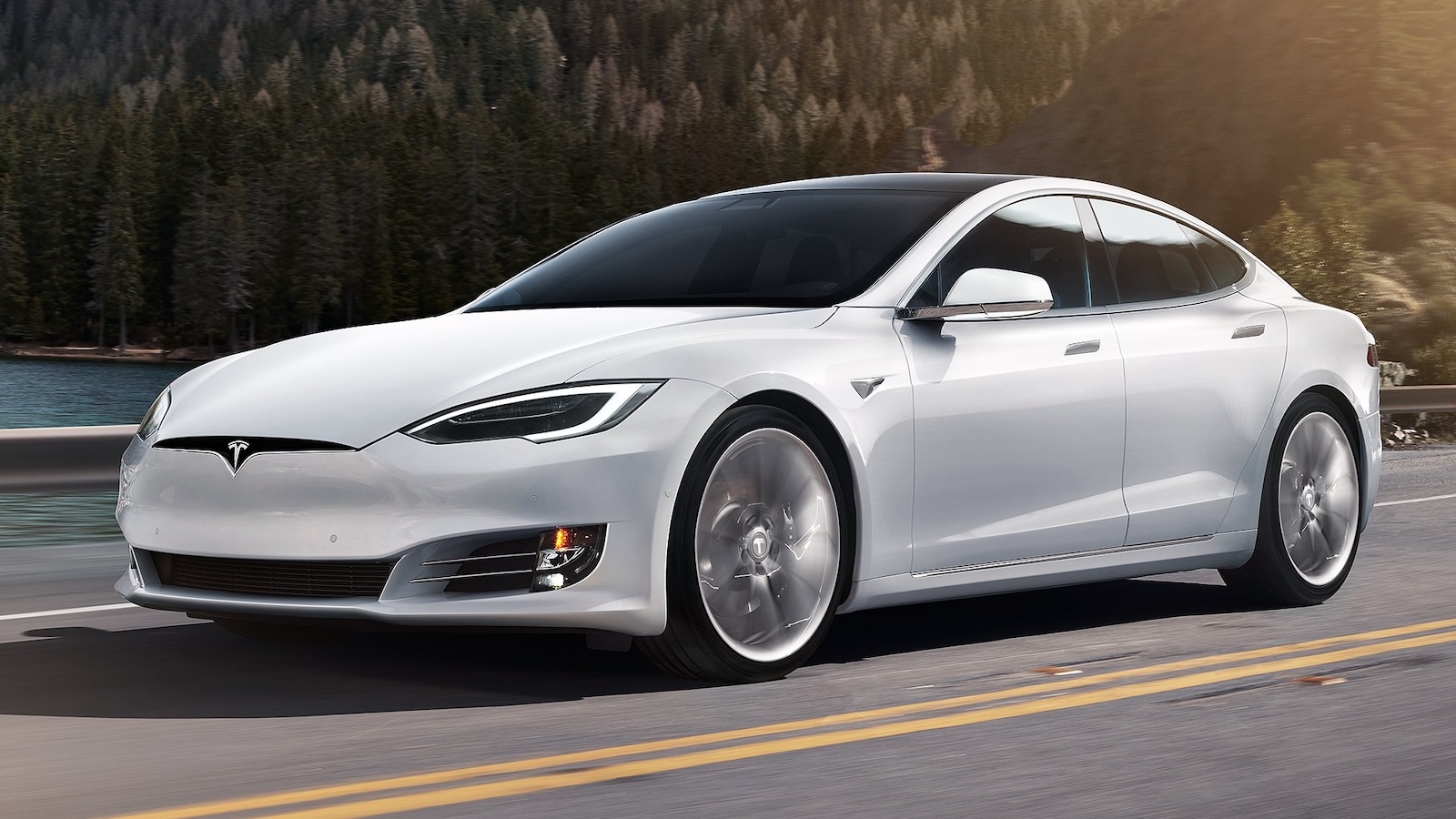
Like how Instagram went from a way to share photos with your friends to a destroyer of attention spans, the Model S didn’t just stagnate after release. Dual-motor all-wheel-drive joined the party in 2014, unlocking a whole new way to make your passengers sick. The subsequent P90D model dropped the zero-to-60 mph time below three seconds, the P100D served up a ten-second quarter-mile time, and then there’s the Plaid. You know, a roughly 4,800-pound sedan that could run a nine-second quarter-mile out of the box. Range eventually grew to more than 400 miles, while a raft of updates introduced new styling, revised interiors, and media control units with eMMC that didn’t catastrophically fail well within the car’s natural lifespan.
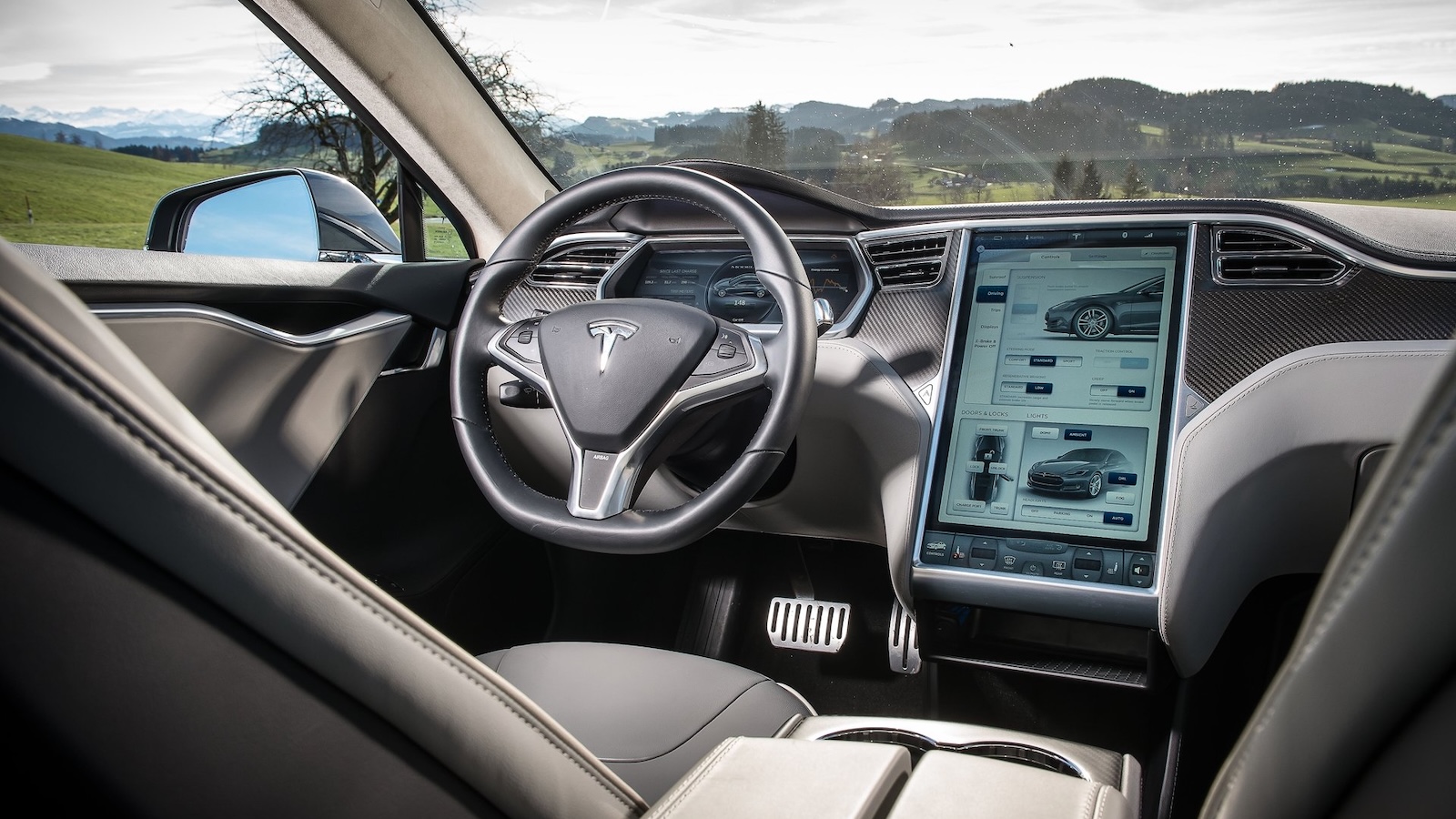
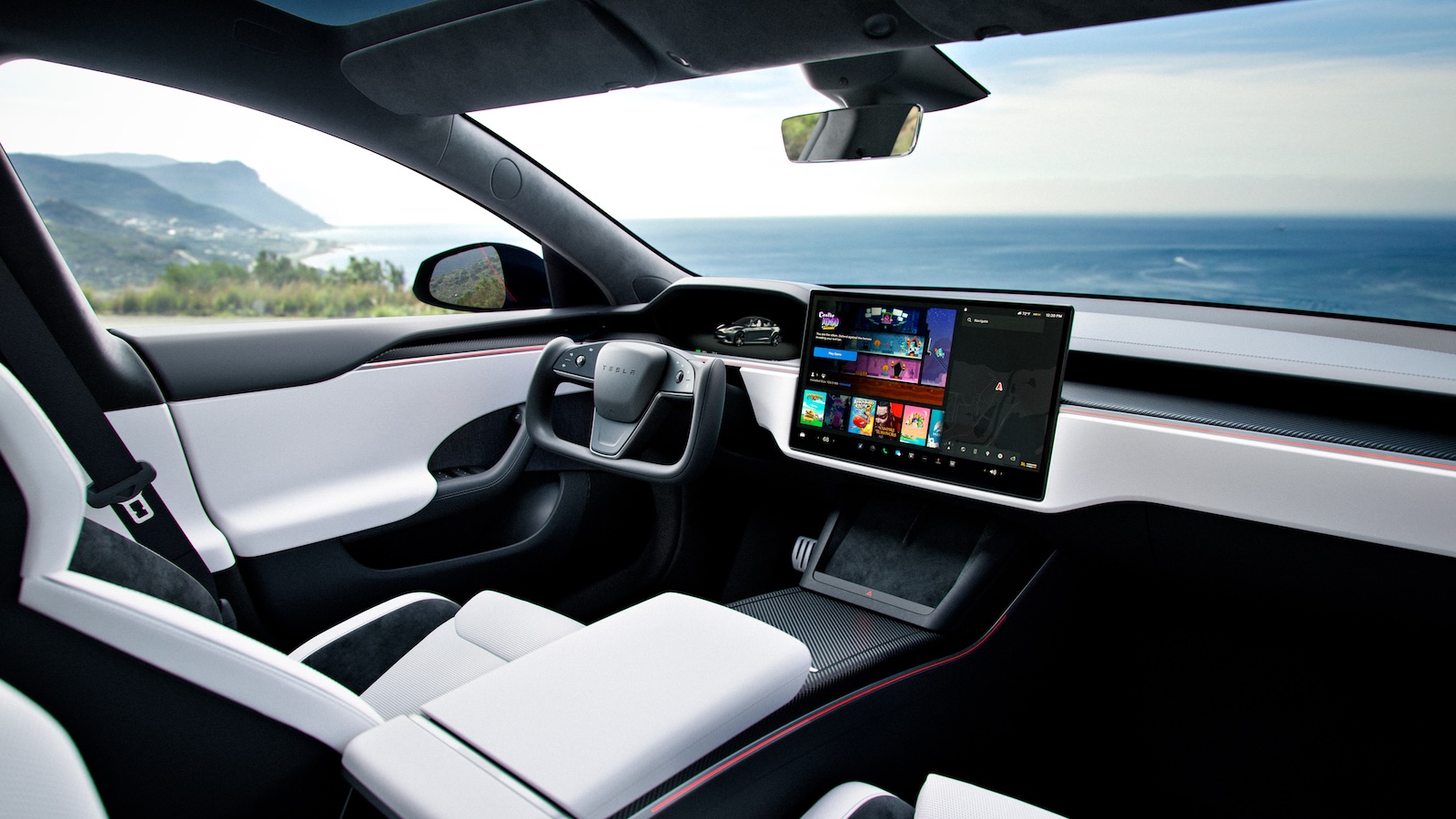
Now, that’s certainly not to say that everything the Model S introduced into the car industry was positive. It really started the trend of ditching buttons for giant screens, the much-hyped Autopilot advanced driver assistance system kicked off a string of questionable claims regarding robotaxi timelines, and there have been some accusations of it being a vehicle for tax credit shenanigans regarding promises of battery swapping, as per the Los Angeles Times. It’s also worth noting that the motorized door handles still suck if you live in a place that gets actual winter weather. Still, the Model S changed cars forever. Then time did its thing.
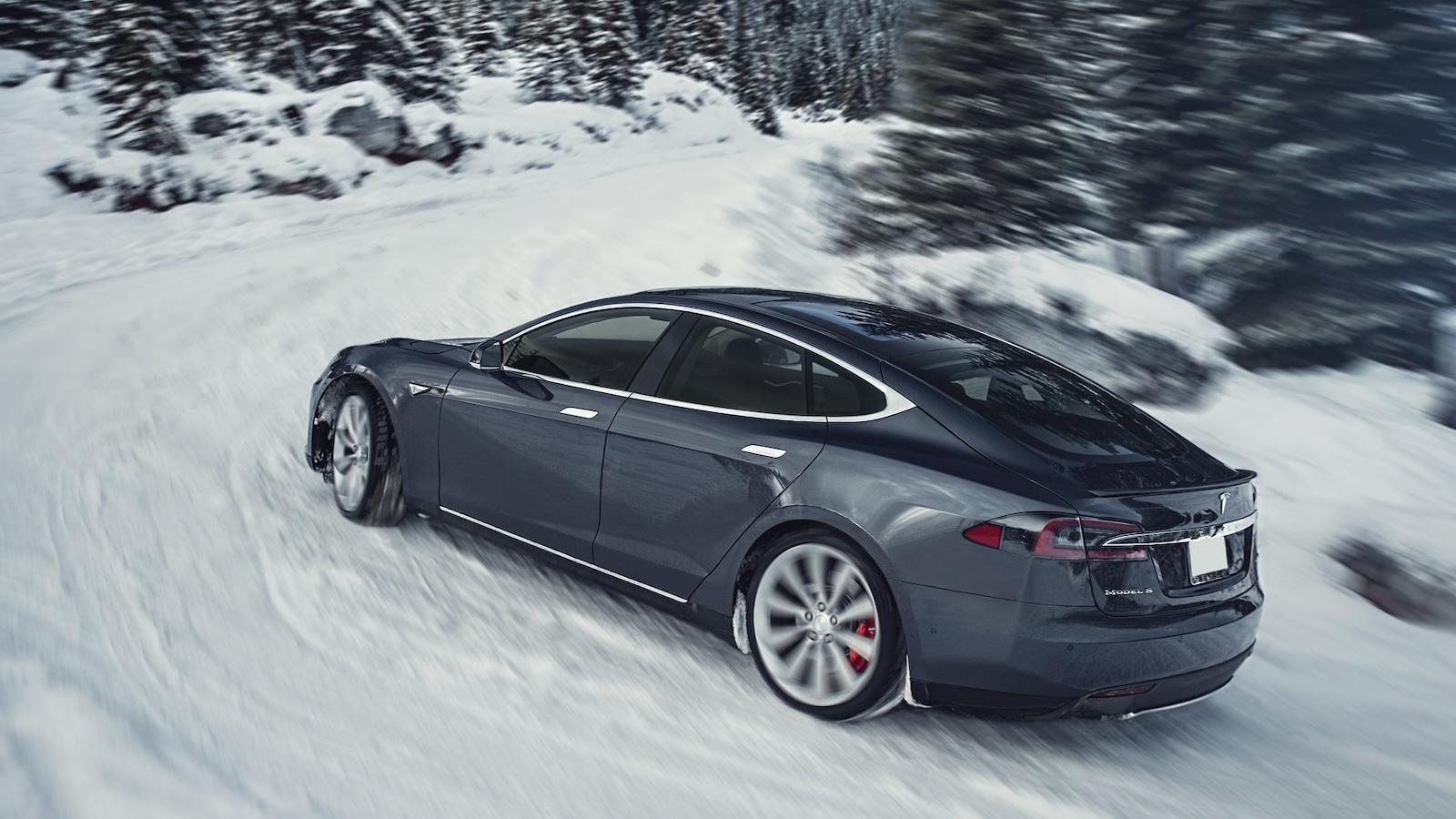
Believe it or not, 2012 was a long, long time ago. A year when teenagers thought they could stop Ugandan warlord Joseph Kony by using hashtags, when the first “Avengers” film dropped, when Mayan calendar conspiracy theories took over the internet, and when Lena Dunham’s Girls was one of the hottest new shows on television. Come to think of it, 2012 was just three years after Kanye West and Kid Rock performed at President Obama’s Youth Inauguration Ball, if you really want a severe case of cultural whiplash. Fourteen years is an epoch in human years. In car years, it’s practically forever and a day.
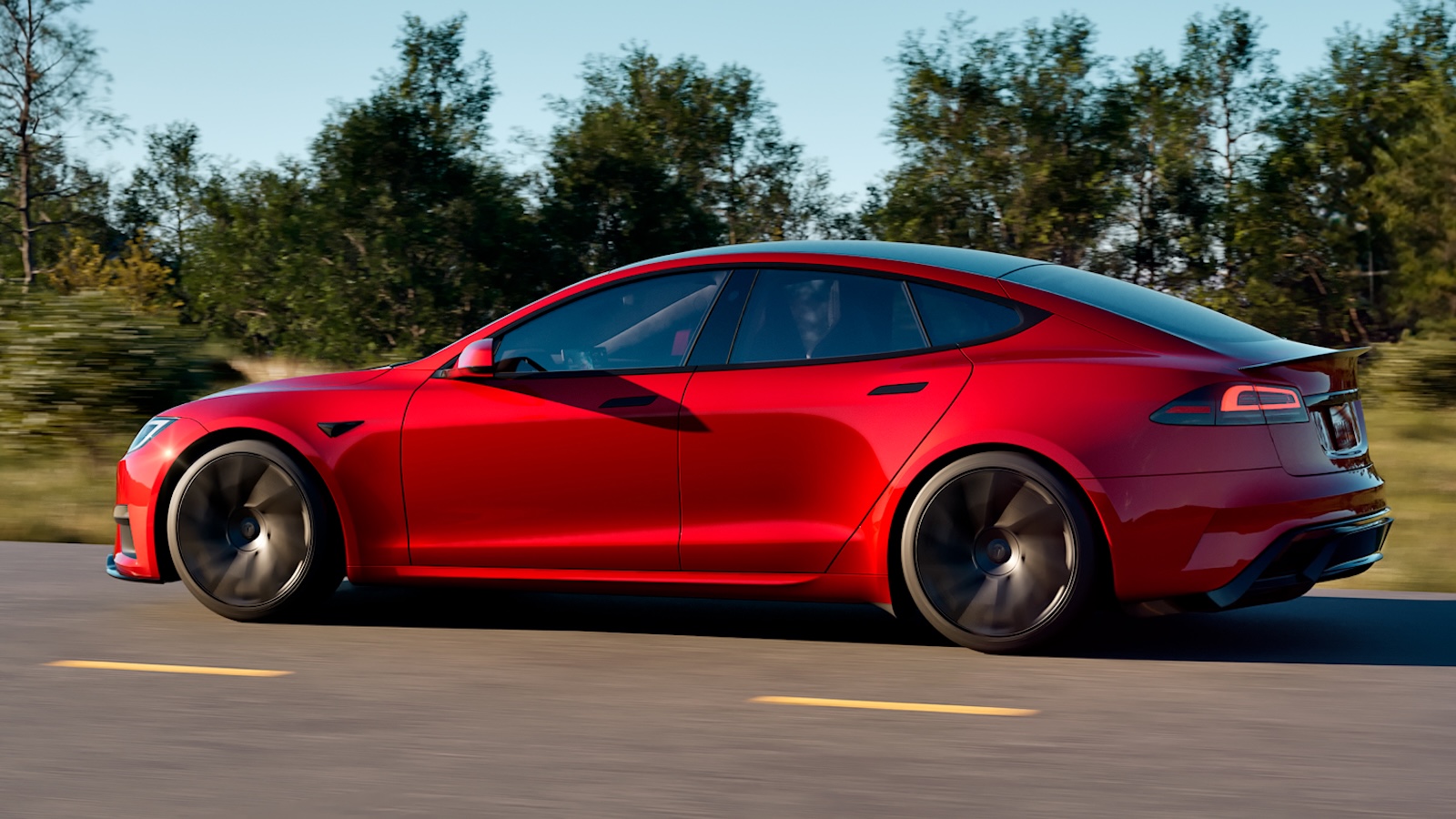
You usually see an automaker replace models after five or seven years on the market, partly to freshen up showroom appeal and partly because it’s sometimes simply time to move on from an old design, an old platform, and the inherent datedness of it. The Model S saw nearly double that lifespan, and even with thorough updates, it paid the price. Admittedly, it’s been a little while since I last drove a Model S, but compared to a Lucid Air or a Porsche Taycan, it just felt a bit imprecise and aged. I’m not the only one to come away with an impression of tiredness, as Car And Driver found when it tested a 2026 Model S Plaid in October:
It prowls the roads with the same innocuous competence as before, and yet it still feels a tad less connected than other cars that have this kind of potential. Up the pace, and the steering feel doesn’t really give you confidence. The ride is decent, but it lacks a certain fluidity and composure over a variety of surfaces to make it stand out. It is, in a word, fine.
Some of this relative age can also be backed up with data. At a 70 MPH cruise, Car And Driver measured cabin loudness at 68 dB or 23 sones, exactly the same result as a new Nissan Leaf. The Model S is no longer whisper-quiet; its auditory refinement is now on par with one of the least expensive EVs you can buy. On the one hand, oh how the mighty fall. On the other, how’s that for progress?
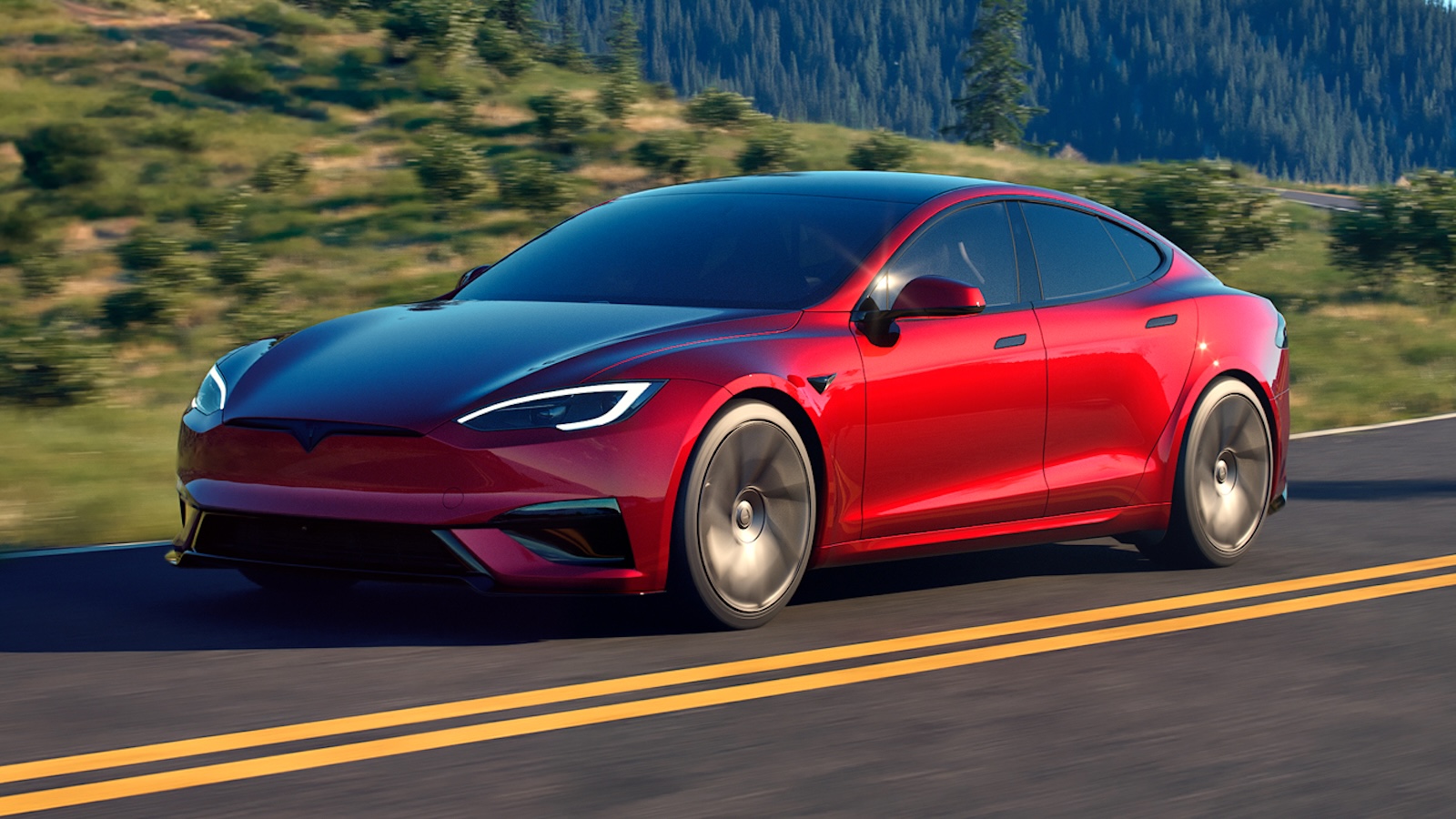
If you’ve been watching closely, you probably already know that the Model S has faced a slow demise. Tesla discontinued production of right-hand-drive models in 2023, then stopped offering the car in Europe altogether last year. The writing seemed like it was on the wall, and that’s before we even get into the sales figures at home.
Tesla doesn’t separate Model S, Model X, and Cybertruck sales data in its reports, but the analysts at Cox Automotive routinely crunch registration data and have been able to separate things model by model. The latest report found that 5,889 new Model S sedans found homes across America in 2025. Not only does that represent a 52.6 percent year-over-year decline, but Lucid sold 83.6 percent more Air sedans than that over the same period of time. Crazier still, the Model S was outsold by the Volkswagen ID.Buzz in 2025, and that thing hasn’t exactly been flying out of showrooms. The big sedan made up less than one percent of Tesla sales last year. It may as well have been a rounding error. This is a far cry from the 32,675 Model S sedans sold in 2022, and while a then-recent refresh may have helped buoy sales that year, the effect simply didn’t last.
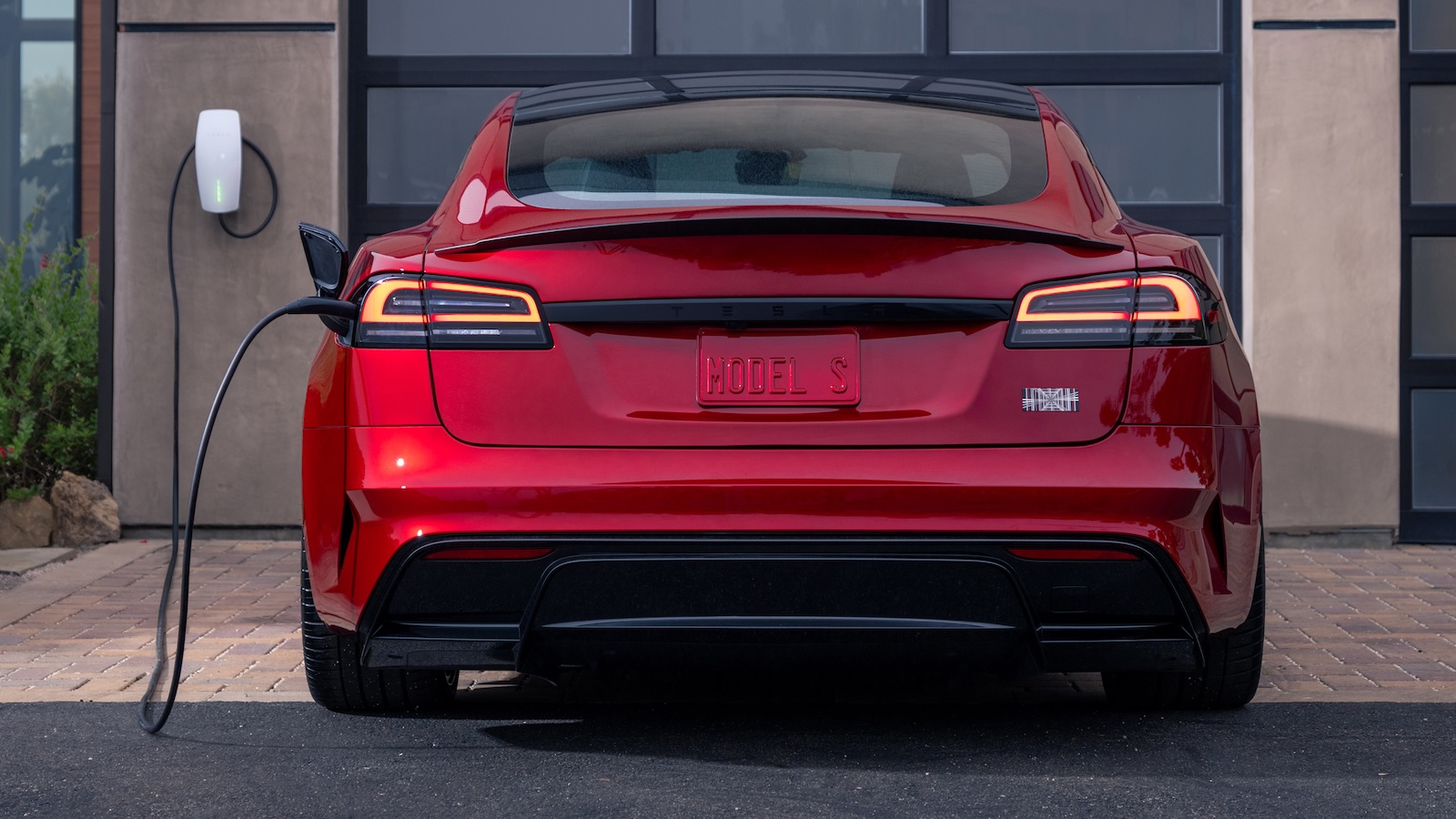
There’s a certain poetic tragedy in how the Tesla Model S was the first electric car with mass appeal, yet stayed on the market for so long that it pretty much lost it. Add in the fact that the related Model X only sold 13,066 units in 2025 (a year-over-year decline of 16 percent), and it becomes difficult to justify holding space for aging, low-volume cars with a high number of unique components. Not even for the Model S/Model X/Model 3/Model Y reading as “S3XY (sexy)” bit that’s as stale as month-old sourdough.
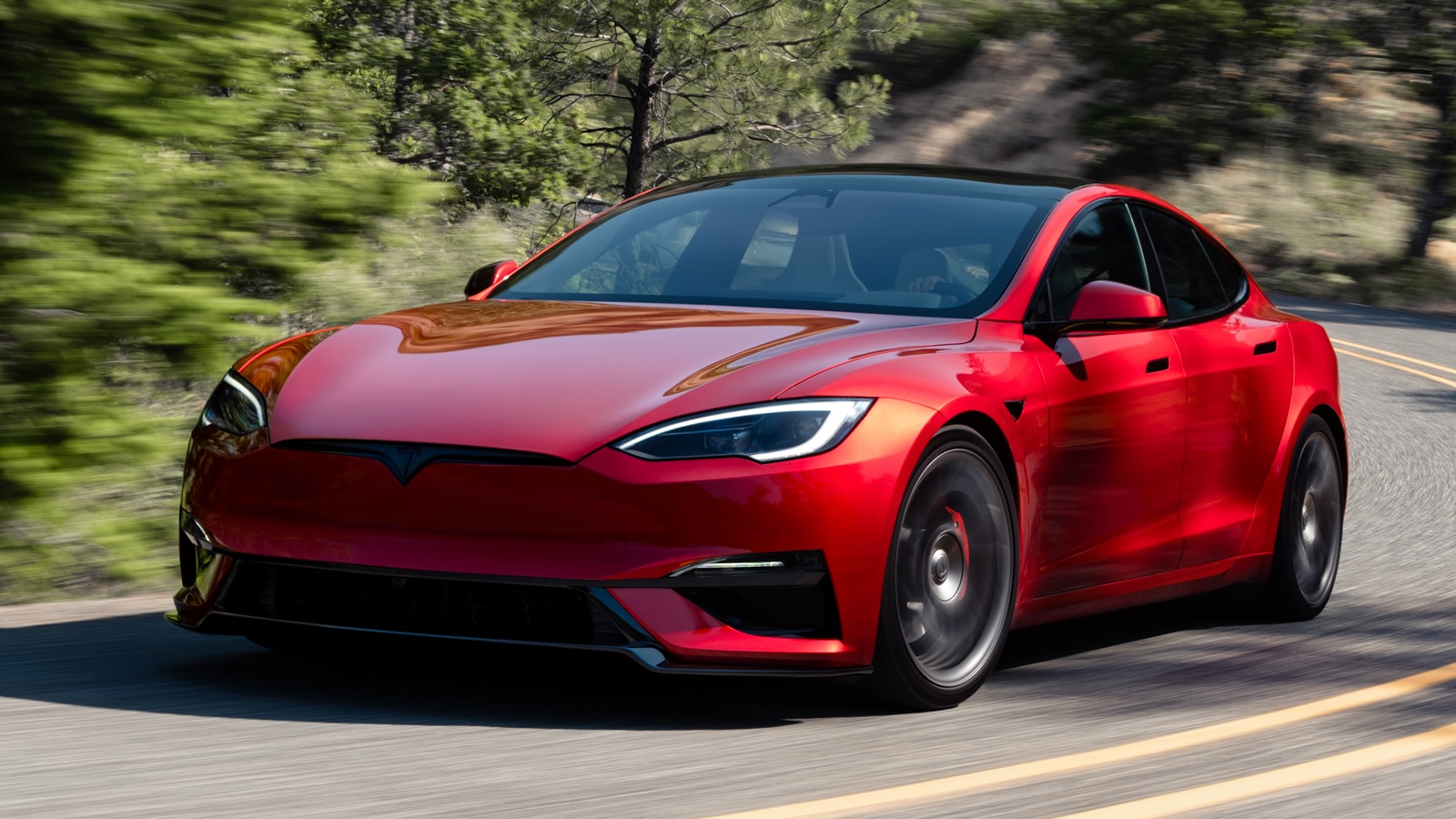
So, what does this mean for Tesla? Well, the apparent lack of even an indirect mainstream replacement for the Model S isn’t looking so great. The Cybertruck may be Tesla’s new halo product, but let’s just say that its appeal is limited. At the same time, having no direct replacement for the Model X means competitors can just walk in the front door of the large three-row EV frat house like they own the place. It’s certainly unusual for an industry leader to seemingly wave the white flag in two major segments, but that appears to be how things are going. With Tesla announcing its first annual revenue decline, fresh product would go a long way towards sustainability, and Optimus feels like a huge gamble. Either way, if this announcement is to be believed, Rest in Peace Tesla Model S. You were once groundbreaking, but now it’s more than time to send you to a wind farm upstate.
Top graphic images: Tesla; DepositPhotos.com


It was puerile when they came out.
So there were always stories that parts were hard to get in a timely fashion. When will they become hard to fix?
I can respect a vehicle that is produced a long time. Sometimes change for the sake of change is bad.
At least we still have the Chevy Express.
The S aged like good wine, and looks more and more amazing with every itteration.
Especially in red with the dark tones.
Not to mention that it was the last reminder of a times of dreams and innocence, when the illusion of un-lizzardness at the company was still alive.
I’m really sorry to see it go.
The model S was the product that fElon Musk had almost nothing to do with, which is why is was better than MAGA Motor’s techno-garbage…
I think it’s easily the best looking car Tesla has made, but I think that short-sells the S, because the rest of the lineup is not great.
Politics of Musk aside, it’s a bit of a shame to see the Model S go. My wife saw one the other day and was surprised to discover there’s a “Tesla that looks good”. It was really the only car in their lineup that had great proportions. The Model 3 has always looked a bit ungainly in comparison.
They’re not a car company. They’re a battery company.
Energy and software company! Cars have not been their primary focus in years. Robotics and industrial power have been.
It’s a pathetic shame how this company is being directed into oblivion in the way that it is. It has always been over-hyped given its ridiculous stock valuation but they were doing something really cool for a while there. They’ve always abused their workforce though and the edge lord wannabe nazi drug addict CEO seems to be gazing longingly into that oblivion so good riddance.
One would think that they’d finally free up space to make the roadster…
fElon Musk already spent your deposits for the roadster so don’t expect them to build one…
Don’t forget the Semi! Pretty sure that’s supposedly still a thing, I literally never see it mentioned anywhere.
From a branding perspective, it’s a bad move. Iconic design is achieved through producing something for a long time with small continuous upgrades. The model S was the defacto Tesla since ever, and their first real production car, would be a shame to cancel it. If anything make it more niche/less volume and use it as a test bed for materials and ideas that can scale up for more mass market 3s and stuff.
I don’t know how many people would be able to tell apart a 3 and a S and I think that’s what ultimately killed it.
Looks Good: S
Looks Bad: 3
Agree to this. I am not a Tesla fan by any means, but I still see enough of the refreshed ones in my area and they aren’t a bad looking car. Not enough to make me want one or anything, but still not as awkward as the 3 or any of the other vehicles they have.
I personally think the 3 and S look good, with obvious favor given to the S. However, the X and Y are awkward, to say nothing of the Cybertruck.
I feel like the S’s proportions are what makes it look great, and that got lost in translation on the 3, X, and Y.
I think, in the case of the 3, it’s the compromise of needing to squeeze a big battery in the floor of a more compact car. It makes it look too tall and throws off the proportions of the glasshouse. The Polestar 2 has a similar problem (though they did a somewhat better job covering it up)
whatever it is, it stinks
Our ’16 Model S 75 will hit 10 years this August. It’s been a very good car, but by the same token only has [checks then-revolutionary cell phone app] 49,230 miles on it.
Being thoroughly spoiled by late 90’s/2000’s Toyota quality, 50,000 trouble-free miles seems like an exceptionally low bar…
I own a 1984 Audi 4000 Quattro with over 350k miles on it with the original 5 cylinder engine or trans still not needing a rebuild, and a 1978 E150 with over 520k miles though it’s 351W needed an engine rebuild about 25k miles ago.
I have owned Honda’s and Toyota’s as well but they were not close to as good as my 1986 Ford Escort Pony or 1989 Ford Escort GT that I bought for $50…mi
The idea that Japan builds great cars is a myth…
It’s older than the Oldsmobile Cutlass Ciera was when it finally ceased production.
Yep… it’s a shame. Had Musk not lost his mind and caused himself to go from Hero to Zero with his political activities, Tesla would have kept growing and the Model S/X would have continued to have enough sales to keep around.
Had that been the case, I think the Model S and X could have lasted for as long as the Chrysler LX cars lasted (18 years).
Like the LX cars, it was a great design from the start.
So even after over a decade, even though it’s “old”, it’s still good and competitive due to continuous updates. (I’m saying that about both the LX cars and the Model S).
And the Model S was always the best looking Tesla… not that it matters that much to me as I won’t buy a Tesla as long as Musk is running the show there.
Yeah, Tesla really did it right with the Model S when it came to mainstreaming EV’s. Too bad Elroy decided to go apesh!t…
The model S was mostly completed when fElon Musk had his hostile takeover…
Maybe. The LX cars were ubiquitous and, even for the hopped-up versions, relatively affordable. The Model S is neither of those things. A four-year-old model still commands somewhere in the mid-$40K range or higher with decent miles. A new one is basically a six-figure proposition. So, already, that limits its reach.
Also, part of the Mopar culture is in how many options there were for the cars. On top of four different model lines, two of which were wholly redesigned at least once, there were myriad engine and transmission options, performance options, appearance packages, and special editions. Plus a ton of aftermarket stuff to nerd out over. It didn’t take much to make one your own. Personally, I have a thing about the stigma of LX cars–especially as it relates to negative stereotypes about black people–and wouldn’t own one personally, but I think they are cool and I respect them and I think we are absolutely better off for having had them.
The Model S? I’m not sure what you could nerd out over. The handful of color options, or pre- vs post-refresh models? Teslas in general seem like appliances in the worst way, and it would take a massive shift in how the company does business and configures its cars to earn anything like Mopar/LX culture.
But the Model S has aged well.
“ It didn’t take much to make one your own.”
That’s another thing… for the price segment the Model S/X were in, limiting it to the same limited options like the Model 3 (such as limited paint colours) was ridiculous.
They could have easily juiced sales with limited editions with unique paint schemes and more luxurious interiors.
But that could only happen if they had someone at the top who didn’t go nuts.
“Like the LX cars, it was a great design from the start.” The engineering behind the LX-platform was far better than the body-on-frame Model S. The only thing that was “groundbreaking” about it was that it was an EV that A) looked good B) could keep up with traffic, and C) had enough range to make it to the next town and back. Everything else about the Model S was dated when it was new.