

How would you feel if you spent hundreds of millions of dollars developing and building all-new cars that ended up selling less than half as many units as the products they were replacing? That’s an unmitigated disaster, and one that GM faced after the launch of their drastically downsized E-body luxury cars of 1986.
Critics and the public did not embrace the shrunken Cadillac Eldorado and Buick Riviera, and the Oldsmobile Toronado also took a major hit. With a sales drop of nearly 62 percent, Olds was moved a mere 16,000 of its top luxury coupe after the redesign.


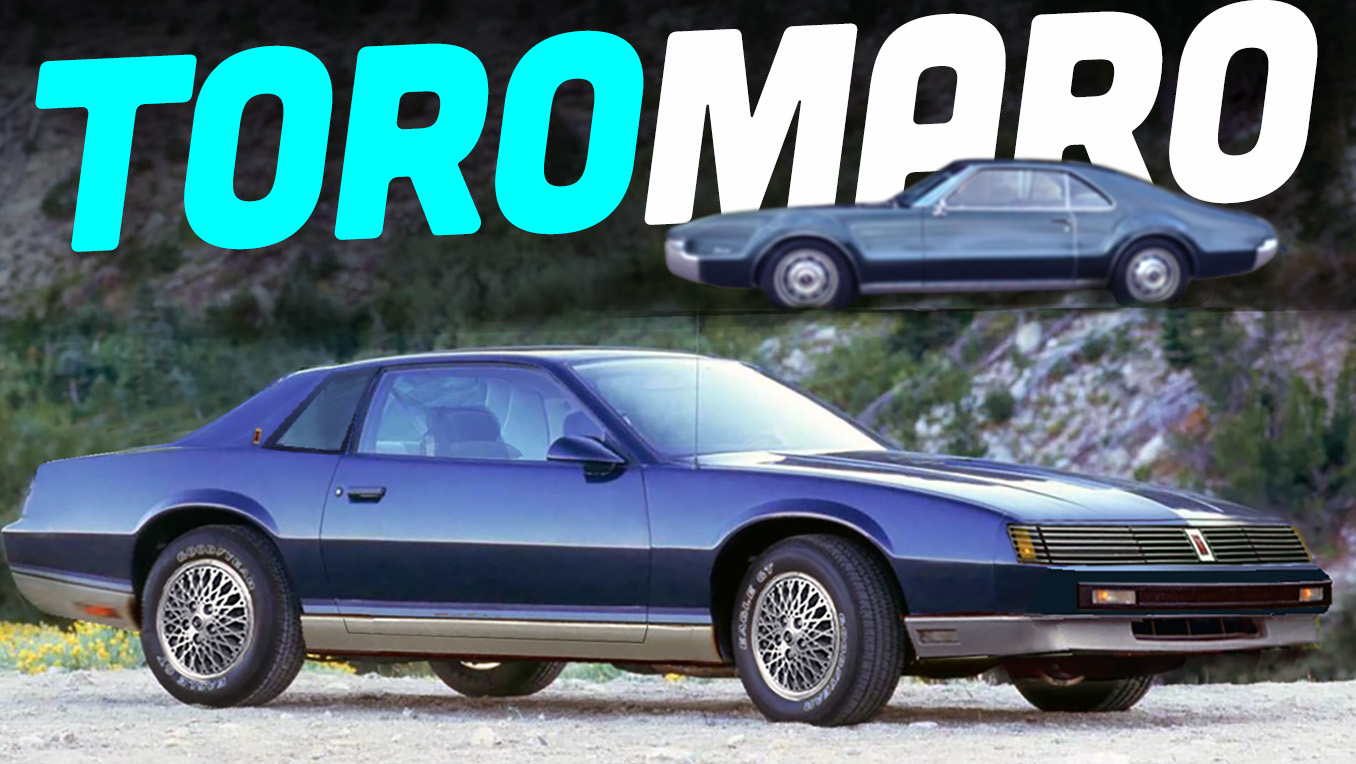
You have to wonder why GM even bothered, but I see a solution that might have revitalized what was once a General Motors milestone of forward-thinking style for a mere fraction of the cost of the downsized E-bodies. Then again, maybe I’d just be making it worse. Are you ready for the Toramaro?
You Could Get Better, But Not Bigger
Hindsight being 20/20, it’s easy to see the miscalculation that created the debacle of the 1986 E-body. Its plans were in place and executed while the world around it changed quickly during the development time, and by the time the imminent miss was apparent, it was too late to alter the course. GM ended up with products for a market that had not only shifted but, in many ways, was beginning to disappear. In fact, the category of cars the E-body was designed to fill was almost becoming a punchline.

When I hear the term “malaise-era barge,” for some reason my mind almost always goes to the massive late-seventies E-body front-drive coupes with a 7-liter (425 cubic inch) drivetrain that produced 180 horsepower. Really. The Cadillac Eldorado and Oldsmobile Toronado were woefully behind the times in 1978 (Buick’s Rivera sibling had already been drastically reduced in size to just a gussied-up LeSabre coupe in 1977).

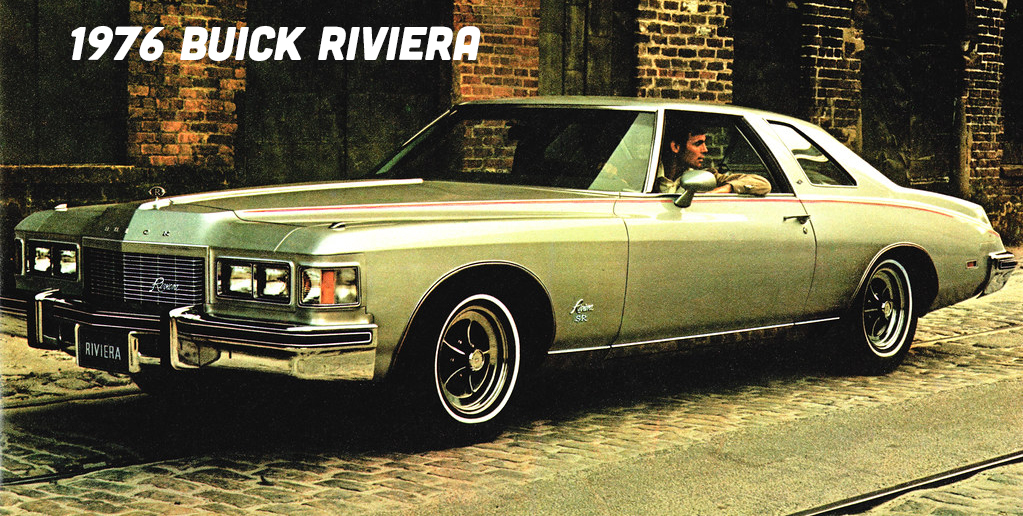
Monster E-bodies are flat-out humorous today with their sheet-metal-for-sheet-metal’s sake flamboyant style and total overhangs the size of kei cars, as this video from our friend Doug shows:
Sanity finally prevailed at GM. These aircraft carriers were downsized rather heavily for 1979, and with their release coinciding with the second gas crisis, the reduced-size luxury coupes were perfect for the times. Despite losing 20 inches in length and over 1100 pounds in weight, the Eldorado and Toronado still kept upscale, classical proportions. They had an angular, crisp, and elegant look that resonated with buyers and were unmistakably flagship products that a fiftysomething insurance agent or podiatrist of the late disco era would have been proud of owning. Buick transferred the Riviera name back to the E-body this year, too, and even offered a turbocharged V6 powered remotely-sporting “S” model. Caddy eventually made a blacked-out Touring Coupe edition of this version of the Eldorado that tried to kill Ace Rothstein; a subtle but noticeable shift to at least paying tribute to cars that had some sense of road manners.

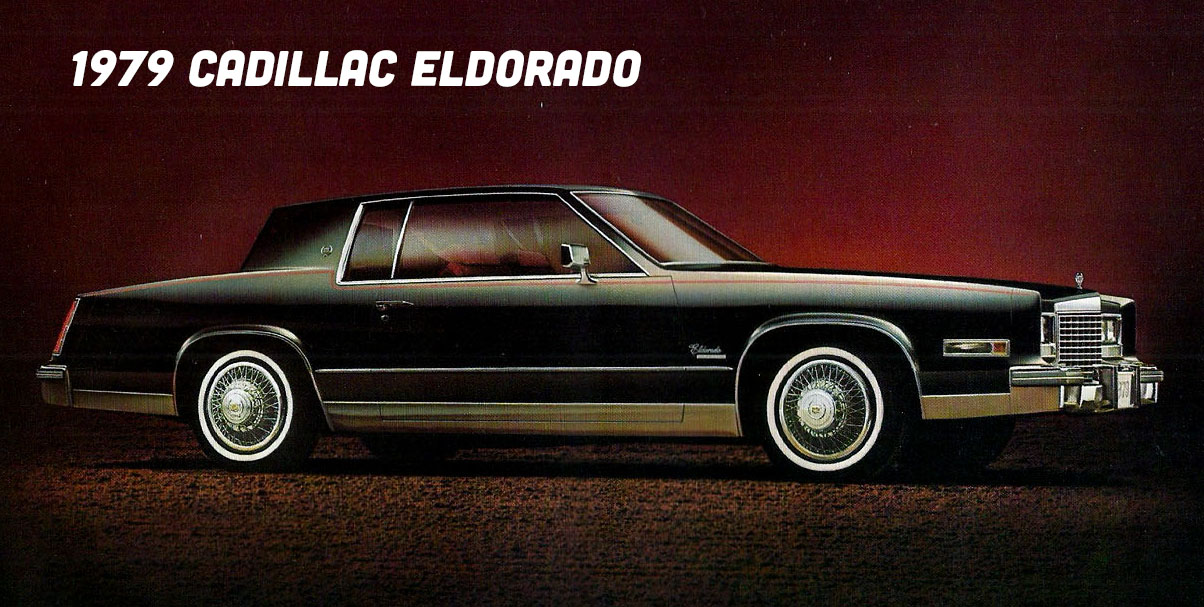
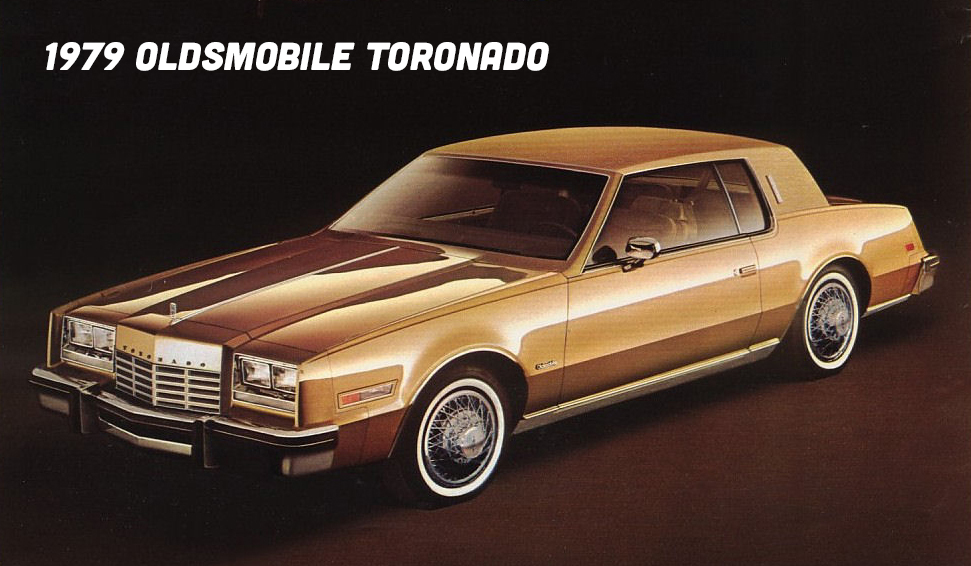
These coupes sold rather well, and as the replacements for these well-received smaller E-bodies were being created in the early eighties, it was understood that fuel prices would continue to skyrocket, so a downsizing of the same order that the 1979 cars received was put in the works. Sadly for GM, unforeseen circumstances would prove this decision to be a poor one.
Shrunken Wheelbase, Shrunken Sales
The next generation of E-Bodies was launched in 1986 into a market that GM of 1980 thought luxury car buyers of the future would be clamoring for in the future – a future that was now a very different present.
You see, around the middle of the eighties, a few things happened that were good for car enthusiasts but not so great for the best-laid plans of some of the American Big Three. First, fuel prices did not continue to escalate; they actually dropped, and with that, the demand for ultra-small luxury cars diminished. Worse than that, the eighties were when the market finally began to shift, and the once-popular “personal luxury coupes” became viewed as impractical old people’s cars and didn’t sell nearly as well as they once did.
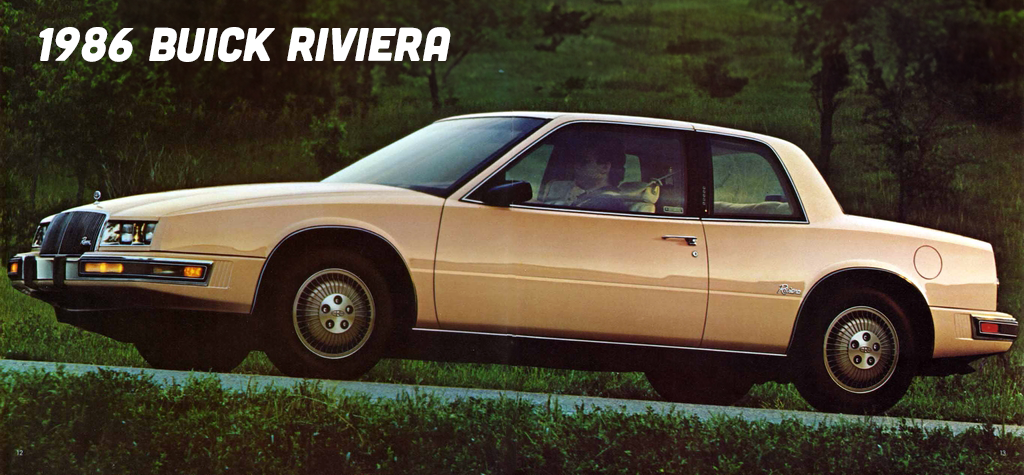

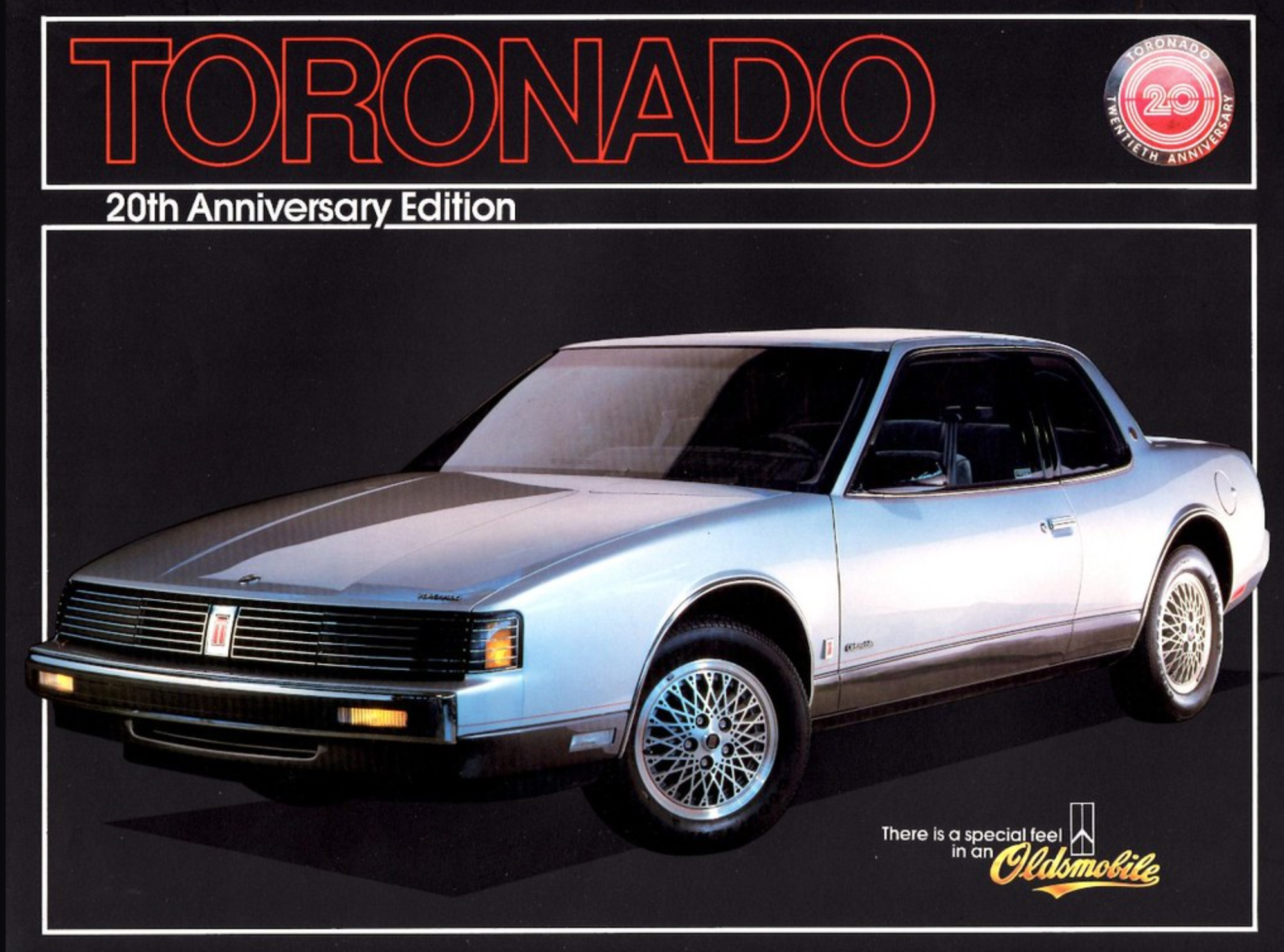
Into that reality came the new E-Body cars, now a full 16 inches shorter than the 1979-85 cars, and about three feet shorter than the seventies versions. That double-whammy was compounded by even more issues. First, the prices of these new luxury coupes went up around 16 percent from the year before, likely in an effort to recoup the astronomical development costs. Second, and more importantly, these cars ended up as poster children of the eighties GM “lookalike” syndrome; not only did the Cadillac not look any more lavish than the Oldsmobile, but all of them bore a great likeness to the much less expensive N-body products like the Olds Calais, Pontiac Grand Am, and Buick Regal.
As an example, here is the 1986 Toronado, which was listed for around $20,000 when new:


Now let’s take a look at the Olds Calais compact that would have been sitting on the same showroom floor at Gustafson’s Oldsmobile, but listing for about half the price at $9600:

Of all the ill-fated E-bodies, it would seem that the Toronado suffered the worst. After posting sales of nearly 42,000 cars of the 1979 body style in 1985, the new car dropped down to around 16,000 units for 1986 and didn’t really improve.
Olds later tried to add length at the front and back of their coupe in 1990; this change was obviously done by increasing overhang, and it worked better than you’d think it would, but this was rearranging the deck chairs on the Titanic. Also, doesn’t “Toronado Trofeo” mean “Tornado Trophy”? Well, here’s what a Tornado Trophy looks like:

These modifications briefly helped sales, but at numbers that were still a pittance. After selling a mere 8000 Toronados in 1991 and then barely moving 1700 by the middle of 1992, Oldsmobile pulled the plug on this once-iconic product. This is rather criminal when you think of where the nameplate began.
Now THAT’s A Toronado
It’s easy to forget how revolutionary the original Toronado was when it was introduced in 1966. This big Olds coupe is best remembered for being GM’s first front-wheel-drive car, with a V8 drivetrain that would ultimately end up in not only Cadillac’s Eldorado but also the legendary GMC Motorhome.
But for all the talk about the powertrain, it’s the styling of the Toronado that made it so special. Long, low, and with a sleek fastback, it redefined what we thought a sporting luxury coupe should look like. Note that Olds was marketing this thing as a “sports” model, a direction that was completely forsaken in the seventies.

Later Toronados were essentially slightly decontented Eldorados for people who couldn’t afford or didn’t want the ostentation of a Cadillac, but these early ones were anything but that. This was an oversized GT car; a gentleman’s express for those who dreamed of Bentley Continentals and Aston DB5s instead of gilded things Elvis would buy for his backup singers.

As the Toronado celebrated its 20th anniversary in 1986, the latest model to wear the name not only missed the mark with big personal luxury car buyers but also with the people who had bought the original sporting version as well.
What if we took one of The General’s most sporting rides and refined it into something far more befitting a reborn 1966 Toronado?
The Cameldorado And The Toromaro
Personal luxury car sales might have been slipping by the late eighties, but GM’s pony cars were still going strong. Having survived the malaise era, the new-for-1982 F-body Camaro and Firebird’s striking looks and ever-increasing horsepower gave buyers the kind of styling and performance they couldn’t have even gotten from Italian exotics a decade or two earlier.
The Firebird in particular had really come of age; the GTA model combined a 350 V8 with a subdued but aggressive appearance and a rather upscale looking interior; for the later eighties it was even offered with a replacement for the giant rear glass to give it an even higher-end appearance to appeal to the tastes of the time where anything notchbacked was higher-rent than a hatchback.

This was the ultimate third-generation F-Body, but it seemed to point a direction to another kind of coupe: a sport/luxury GT. Imagine a GTA that still offered strong horsepower figures and lateral grip but turned up the refinement and gave a softer and quieter ride (or adjustable suspension). This sounds like it might have been an appealing combination for those who gravitated towards a Lincoln Mark VII LSC or a Mercedes 560SEC or SL, but what division would sell it? That kind of F-Body wouldn’t work as a Pontiac and certainly not as a Chevy, but what about an Oldsmobile?
In my alternate 1986 history, GM decides to save the gross national product of several nations that they wasted on the new E-bodies and instead simply makes modifications to an F-body coupe. I’ve already explored this a bit earlier with my Cadillac Solitaire proposal, where the financially disastrous Allante could have been replaced by a Camaro/Firebird-based coupe for the Standard of the World.


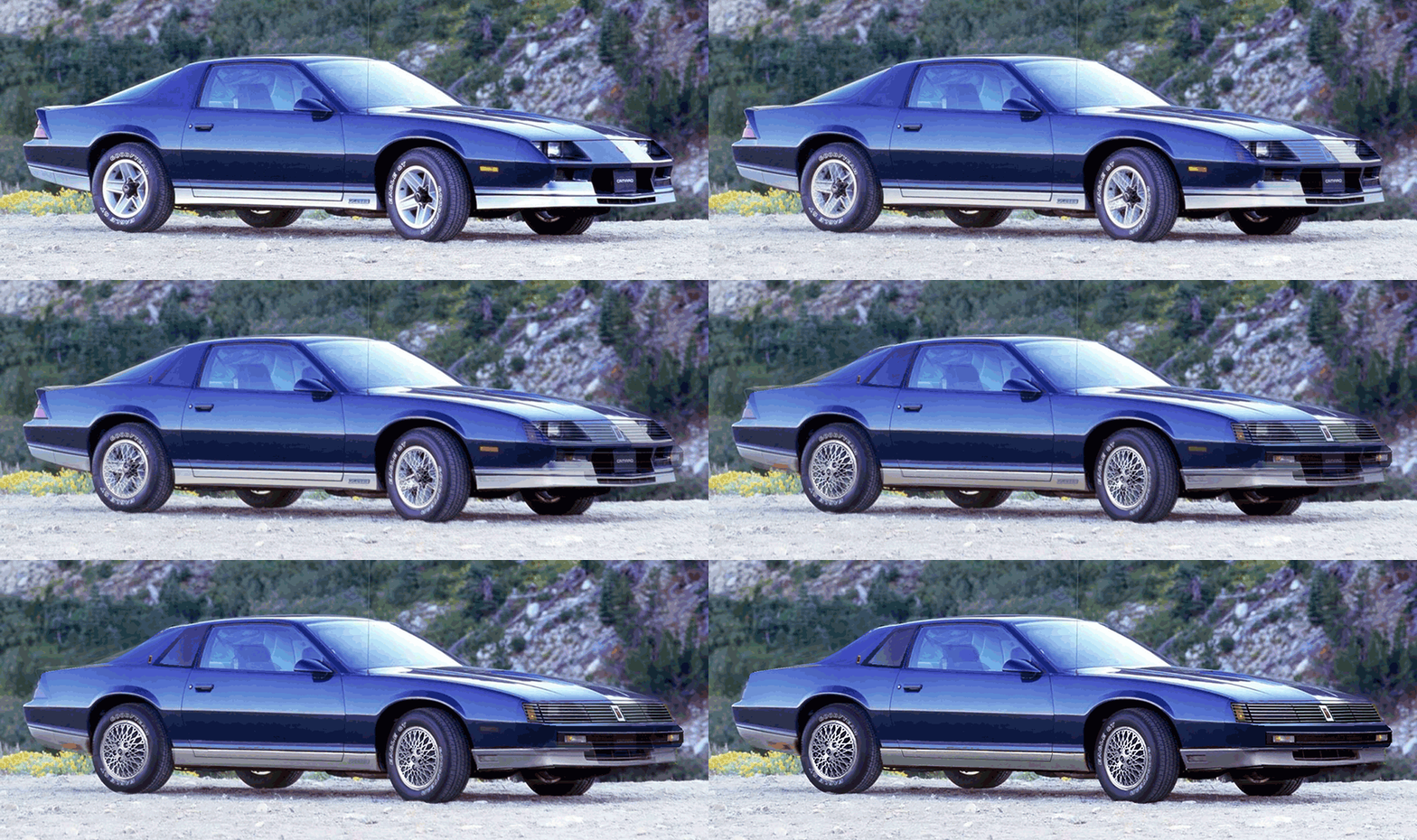
Using this same approach, we could make an Oldsmobile F-body Toronado. The fenders and hood would be similar if not identical to the taller-fronted Camaro, but we’d add a nose similar to what Olds put onto the E-body Toronado, albeit a little lower in profile. This grille with retractable headlight covers would fit that brand language of Olds at the time, and grey lower rocker trim would follow the lower part of the car. The biggest visible changes would be the B-pillar area, where, depending on how much money GM wanted to spend, they could either add false rear quarter windows or actually cut into the sheet metal to make openings. Next, a notchback-style hatch would replace the Camaro/Firebird’s all-glass unit. “Lacey spoke” alloys complete the Oldsification.
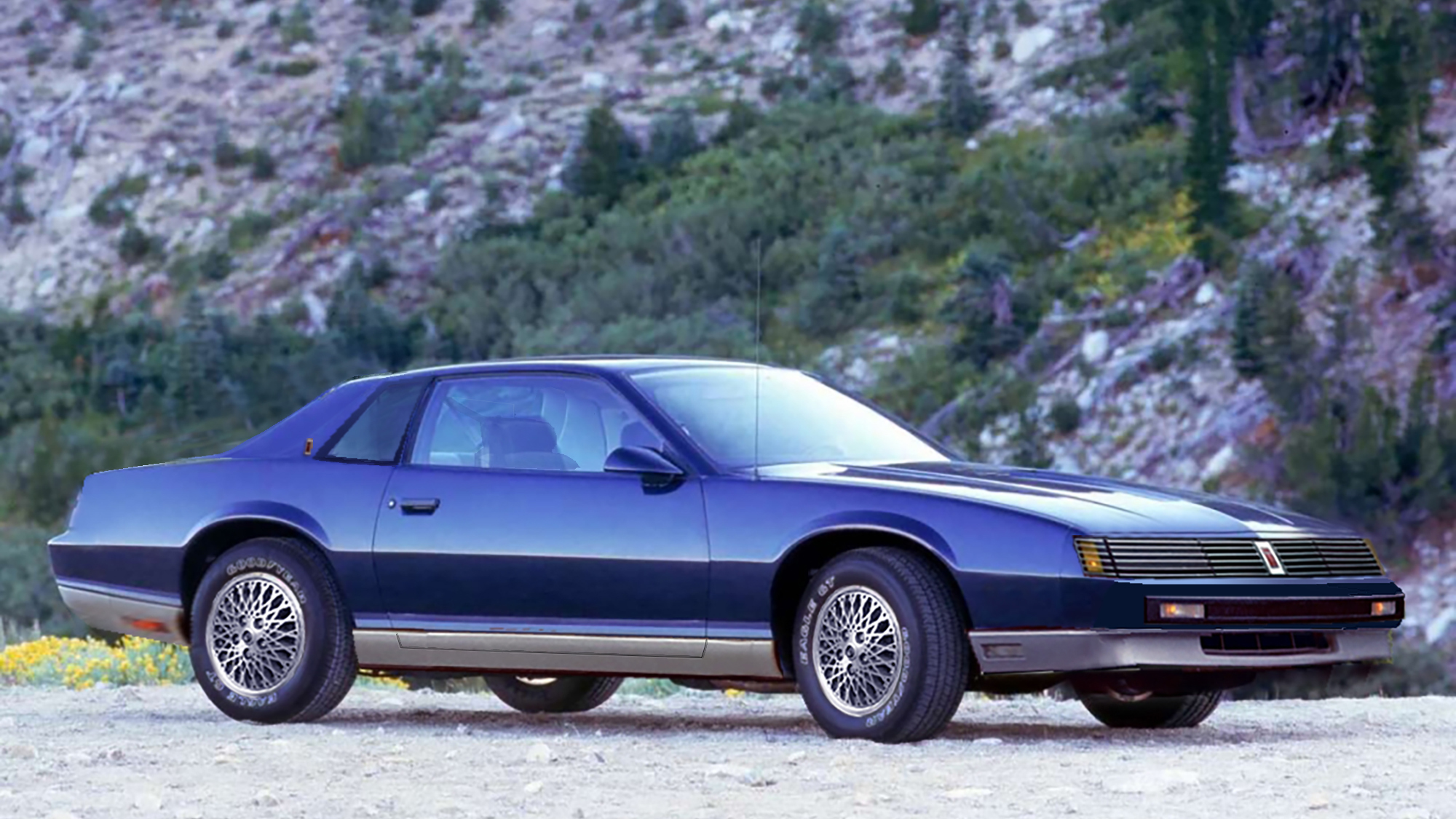
Here’s the animation of the change from Chevy to an Olds:
In back, you can see the notchbacked hatch that would still allow for rear seat headroom, and the rear now has a band-style taillight as was introduced on the ’86 E-body. It’s a look that sort of echoes the low, horizontal light units on the back of the ’66 car.

As another option, a different roofline could have been available to replicate the “Toronado XS” model from 1978 that featured a hot-wire-bent rear window that wrapped around the back of the car with sharp bends in the corners. This bending process from PPG was also used on the 1977-79 Chevy Caprice and Impala coupes and was reportedly a real pain to do since the rate of non-conforming parts was alarmingly high. The F-body Toronado might have offered such a look as well and could have done it pretty easily since it would have just involved switching out the hatchback. I don’t hate the appearance, but it looks a bit too much like a Firebird/Camaro now.

Inside, the high-end GTA version of the Firebird had a rather tricked-out dash with digital gauges and fancy seats. Oh, and buttons. Lots of buttons:

For the Cadillac Solitaire, I’d modified it with different digital gauges and a touch screen, as on the Buick Riviera:
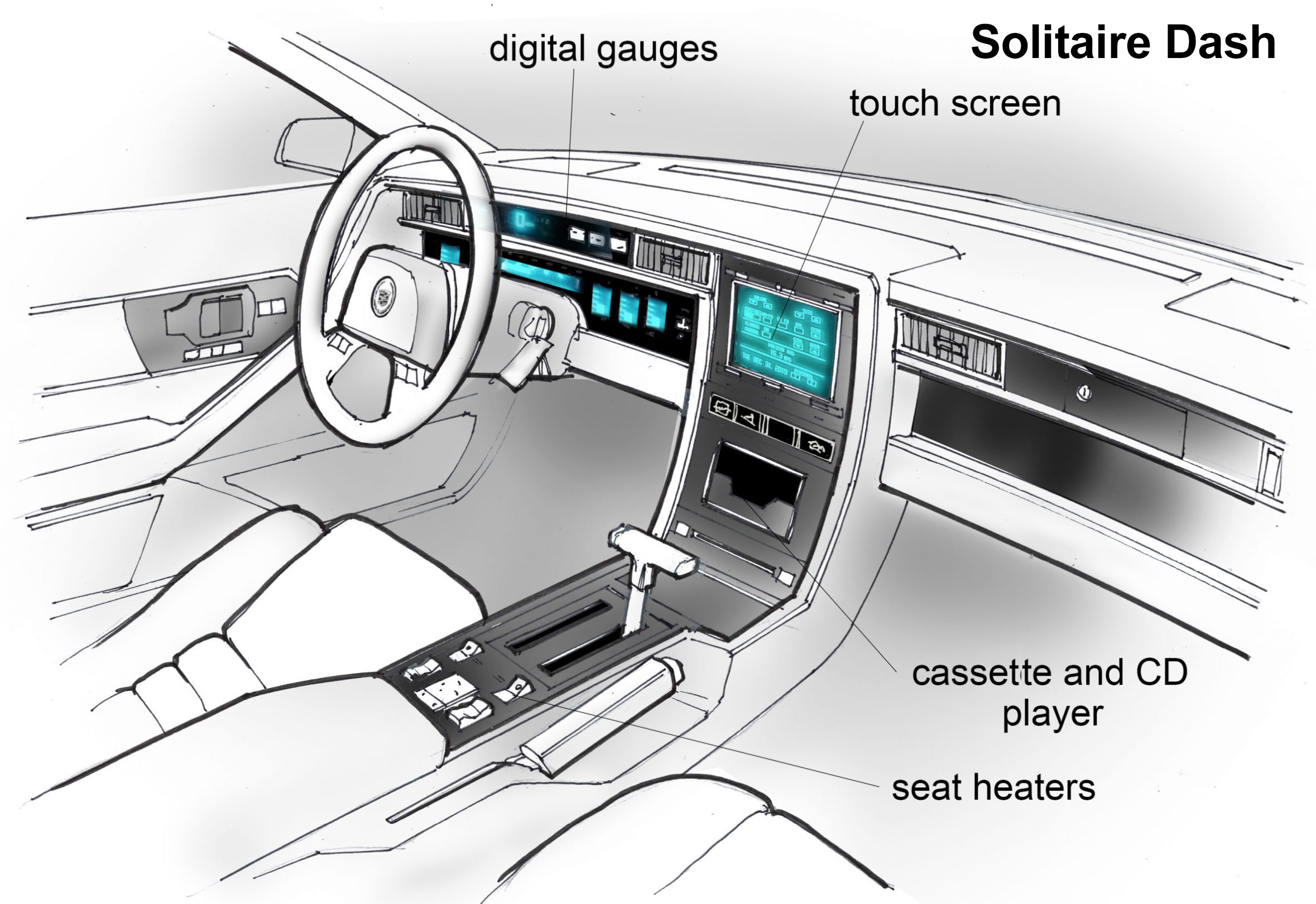
For the Olds Toronado version, I would skip the TV set and instead go with the digital readouts and still the many, many buttons approach that this GM division was known for at the time. The upside-down “U” shaped shifter sits just behind the cassette deck.

A touchscreen would likely have followed in a year or two, and I’m seeing an option for a “Touring” Toronado with analog gauges and a sportier three-spoke wheel instead.
Mechanically, we’d have had the same 5.7-liter tuned-port injection 235-horsepower V8 from the Pontiac GTA and the four-speed automatic. That drivetrain is good for zero to sixty times in the mid-six-second range – faster than a Jaguar XJS or standard-issue BMW 6-Series. Not that those buyers would have cross-shopped a Toronado, but you’d have had the credibility to put it into the ad copy.
The Olds-specific tricks that would have brought the Toronado more upscale than the Chevy and Pontiac F bodies might have been in the suspension. First, I’d want to eliminate the dreaded “Oh crap, here comes the rear axle again” situation by developing an independent rear suspension such as the one Heidts currently makes for third-gen F bodies. The setup costs a whopping five grand, but that’s in 2025 money for the hand-fabricated unit. I would imagine if GM were to design it for mass production and make it in real quantities, it wouldn’t be nearly as expensive. Besides, we’ve already determined that the Olds version of the F body would be considerably more money than the Camaro and Firebird anyway. Seriously, imagine the ultimate CamaroBird where you didn’t live in fear of the back end hitting that one pothole on your favorite exit ramp and the whole back end of your Trans Am shifting violently towards the gully.
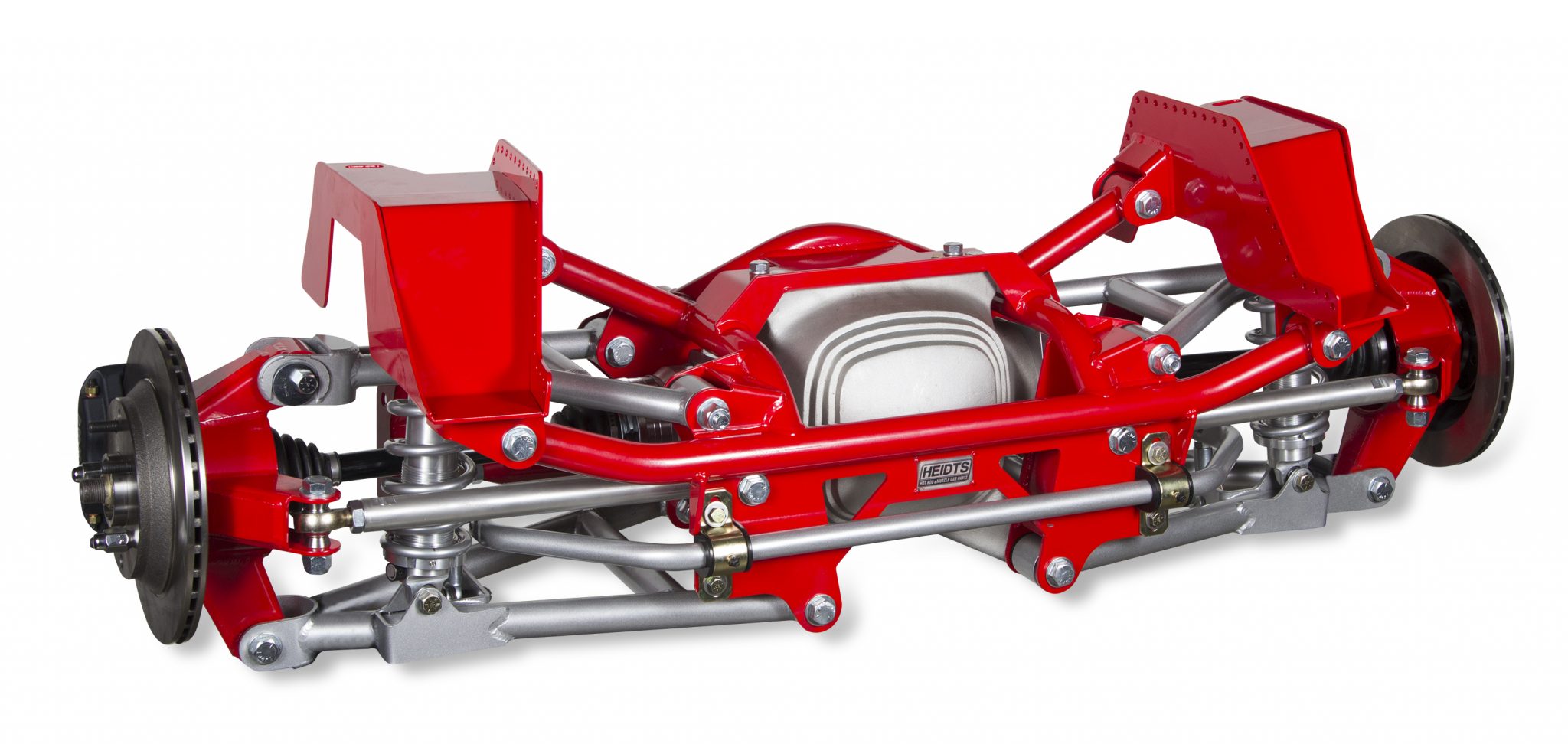
Additionally, maybe the coil springs would have been replaced with an air suspension or, at the very least,t fully adjustable shock absorbers to give drivers the choice of a ride that could rattle the optional T-tops loose or more of an Oldsmobile-style driving experience at the touch of buttons on the dash. The money GM wasted on the E-body redux might have been better invested in an early active suspension system that could tighten up based on things like wheel angle and G-force detection. Come on, this was GM; they could still do almost anything they set their mind to. If the first 1966 Toronado was known for innovation, then the ’86 should have had similar whiz-bang tech tricks up its sleeve.
The IROC Goes Yacht Rock
I’ll be the first to admit that an F-body is a totally different kind of car than what the E-body Toronado was; a rear-drive sports coupe with limited back seat space is a far cry from a luxury front-driver. Still, the pool of buyers for the latter was rapidly shrinking as boomers started to get the spending power and didn’t want what was absolutely “their father’s Oldsmobile”.
More importantly, even if it sold at the same low numbers as the actual 1986 car, the expenditure to make this “Torobird” would have been a drop in the bucket versus the hundreds of millions GM spent on torpedoing sales of the E-bodies, helping seal GM’s reputation as a company out of touch with the market. As silly as my idea is, I wouldn’t be caught dead in an E-body Toronado, but I’d drive this crazy Camaro-based version to work tomorrow.
If nothing else, the “Toromaro” would have been a far better tribute to the low, sleek, and sporting 1966 original for that iconic car’s twentieth birthday. Better than that, this alternate history Toronado would have had performance and handling to exceed that 425 cubic inch (7-liter) powered original. After years in the brougham wasteland, the crown jewel of the late Bill Mitchell era and one of the greatest Oldsmobile nameplates ever deserved that.
Top graphic images: General Motors





Yeah I think this would have been a great idea… particularly as the F-body evolved through the 1990s
What I like best about this alternative timeline is a decade later when there are soooo many more hybrid transmaro versions. Imagine the junk yard mods!
All redesigns approved. Start production Jan. 2 — no, Jan. 1 — ALL SHIFTS.
I like and approve of this but I have no bias because it is an f body or anything nope not at all.
I didn’t have to zoom in to know what your profile picture was.
points well taken and new design great, but as a fan of factory stock hoopties, those 80’s Toronados were great. need to look up the inflation adjusted price. i bet it’s huge. e.g. way too high for what you got. also as an exercise, look up the inflation adjusted price of a ford tempo from that era. make sure you have a puke bucket nearby. 🙂
Actually, I find the “adjusted for inflation” prices I see seem pretty low compared to today’s cars, BUT they don’t take into account that interest rates in the eighties were comical, like in the mid-teens for a car.
My first car was a midnight blue ’89 Oldsmobile Toronado Trofeo, with matching blue interior. My hot take is that the ’86-89 Toronado was the second best looking Toronado Olds ever made. Second only to the original body style. That said, I like what you’ve done here.
Why would anyone get a Toronado in the late 80s when you could have a proper RWD Cutlass Supreme for less? Yeah, yeah “FWD is the future, RWD is for clunky old cars”, whatever. Tell that to Mercedes and BMW. Switching to FWD was the American luxury car industry’s way of cheapening out.
Because G-Bodies are trash.
“Nobody wanted?”
Hi, I’m nobody. I really really liked that gen of the Toronado; once they extended the decklid a bit.
The F-body was not nearly the right car to be an Oldsmobile.
If they were going to do an IRS retrofit for the F-body chassis, it would look a LOT like what’s in the Corvette and Allante; a monoleaf IRS that’s an update of the Corvette C3 idea, probably with a composite leaf. I think that’s under W-bodies/GM10s, as well. So there’s no way they’d abandon economies of scale. They’d jam as many Lumina parts in there as they could.
BUT ALSO: Absolutely no way the Toro would ever go RWD. The car’s entire raison d’être from the start was to be FWD.
Yes, I’m surprised nobody else said this yet about the drive wheels. Conversely, I’m also surprised that Riviera fans weren’t a bit shocked that a car with 25 years worth of rear drive history went FWD in 1979.
That ’79 Riv kicked off a sales renaissance
I always thought the early 90’s Trofeo was a gorgeous car. Great lines.
Have you ever ridden in the back of an F-Body?
It was by no means a luxurious experience.
It was very tight and claustrophobic.
Exactly not suitable for a Toro/Eldo/Riviera.
Now if you stretched the wheelbase and made the body taller, to be more accommodating to passengers – I could see using the platform as a basis for proper coupes, in the same way that the prior gen coupes were related to the old RWD X Bodies, which were then remade into the 1975 Seville.
But just rejiggering the roofline to put in proper rear quarter glass and plugging on different nose/tails and dash would not be enough to make this a luxury coupe.
Perhaps I shouldn’t admit this in polite company, but the more automotive time marches on and every car looks like a jacked up egg on wheels, the more cars like the real 86 Toronado are appealing. I know that it’s a budget FWD GM with tinsel and too much front overhang and not enough rear deck, but I’d still take that white one over a Camaro in a heartbeat.
Never liked the Camaro, particularly that 80s version. It looks cheaply built from 100 feet away and I always felt like if I didn’t fly the bars and stars then it wasn’t intended for me.
I don’t think this would’ve sold as the demographic in the market would hate falling into the seats and having to climb out.
As fun as this discussion is, it never would’ve been thought of back then. A HUGE part of the “innovation” at GM continuing into the 1980’s was FWD and phasing out the old tech that was RWD.
The Toronado and Eldorado specifically were designed from the beginning as FWD sport luxury coupes, and the Riviera hopped on that platform with the downsizing craze in the late 70’s. It was always about technology, and moving them onto the F-chassis would have been like going backwards. Of course, we know better now, but FWD was futuristic and fashionable at the time. That said, I wouldn’t kick a Buick, Olds, or Caddy F-Body out of my driveway!
Side Note: I always thought the downsized mid-80’s Toronado and the early 90’s Trofeo were really cool. My dad had a dealer loaner ’87 when I was a kid while the family 1986 98 Regency Brougham was getting serviced, and we both didn’t want to give it back. It was like driving a spaceship! Too bad these hit at a bad time; the recession and the Japanese import market coming into its own is what killed these. At least the Buick and Caddy flavors lived on for a while longer.
Sold, will take the Olds! If it had enough under the hood, the IROC 350 with 245hp and the interior proposed in the sketch (thrust handle shifter included) this would be a really compelling upscale performance car. Would be fun to build it!
To save the Toronado I would have kept the TH425 but updated it to a use either a SBC bellhousing for lighter duty applications or a Big Block Chevy bellhousing for heavier duty applications.
GM should have consolidated massively back in the day. A Toronado with a 350 or a 454 would be my dream land barge, also would have made an awesome limo.
The ’66 Toronado was also sort of one of the first retro cars, not a slavish pastiche of a former model, but it still took lots of stylistic cues from the Cord 810/812. Bill Mitchell loved prewar luxury cars and didn’t need much, if any, excuse to try and work those details in
The smooth, slab sides, flared fenders, circular vents in the wheel covers, low horizontal grille, concealed headlamps, and the crest emblem right on the front were all meant to recall the Cord in a more subtle way
Good idea, but I’m afraid it would’ve been unworkable. The rear-seat space in the F-bodies was suitable for horny teenagers, but not for grown-ass adults. The difference in rear-seat comfort compared to the downsized Es was massive. Even the N-body coupes had huge rear seats compared to the Fs.
Blame RWD, the tunnel for the driveshaft and the hump for the diff. No way 1980s GM would’ve produced Toros, Rivs, or Eldos with such an uncomfortable rear seat.
I had a Toronado Trofeo, a ’92 I believe. It was my dad’s and I bought it from him. That thing was beautiful and a freakin tank. A girl sideswiped me, totaling it out. I bought it back from the insurance company and drove it for another two years (this was all around 2004).
Great car.
Me likey! Put on a corvette rear suspension and it would be even better.
It would also be great if they could add quality and lose the cheap rattletrap NVH of the f body.
I was watching the Motorweek Retro Review marathon last week, and during a ‘what’s new on wheels’ segment, they showed spy shots of an Oldsmobile variant of the Buick Reatta, to be called the LTS. It was reported to be a 2+2 (as opposed to the Reatta being strictly a two-seater.) It actually sounds a lot like The Bishop’s concept, although on a shortened FWD E platform instead of the RWD F body.
That would make sense, given GM’s desire in the ’80s to give each division some sort of sporty specialty model – Fiero, Reatta, Allante, Chevy already had the Corvette, of course. Oldsmobile’s closest equivalent was the Trofeo, which never seemed quite distinctive enough compared to the others, and started out as part of the Toronado line before dropping the prefix and becoming its own model, with no other changes. A stretched Reatta would have given Olds a more serious sort of halo car, would have still had all the same compromises as the Buick, of course, but at least it would have looked the part a little more
I owned a ‘92 Toronado and absolutely loved it. Comfortable, sporty, fast (for the time).
The only downside I recall is it being expensive to repair due to odd design choices or nascent technologies put into use – I remember having to ship the dash cluster off to New England and pay a small fortune to have it repaired when it failed because no one worked on them and there weren’t enough in junkyards to pull a part yet.
Given what they had to work with, they did an admirable job with the redo. If they’d launched that one first things might have been different.
Same! Loved that car. The one downside I remember is the key had that little microchip in it and it would wear out every so often. It was pretty expensive to replace.
PASS-KEY, GM’s first attempt. Yeah you had to replace them every couple of years!
Shut up and take my money!!!
I like it in red. A Tomato Toromaro.
Holy crap, is that Firebird GTA Notchback a real thing?!
Real, and pretty rare.
Yes! And it was factory as well, but I’ve seen countless aftermarket hatches. Some are badly done, though.
I would so ABSOLUTELY ROCK a Toronado Trofeo. That’s all I have to say about that.