

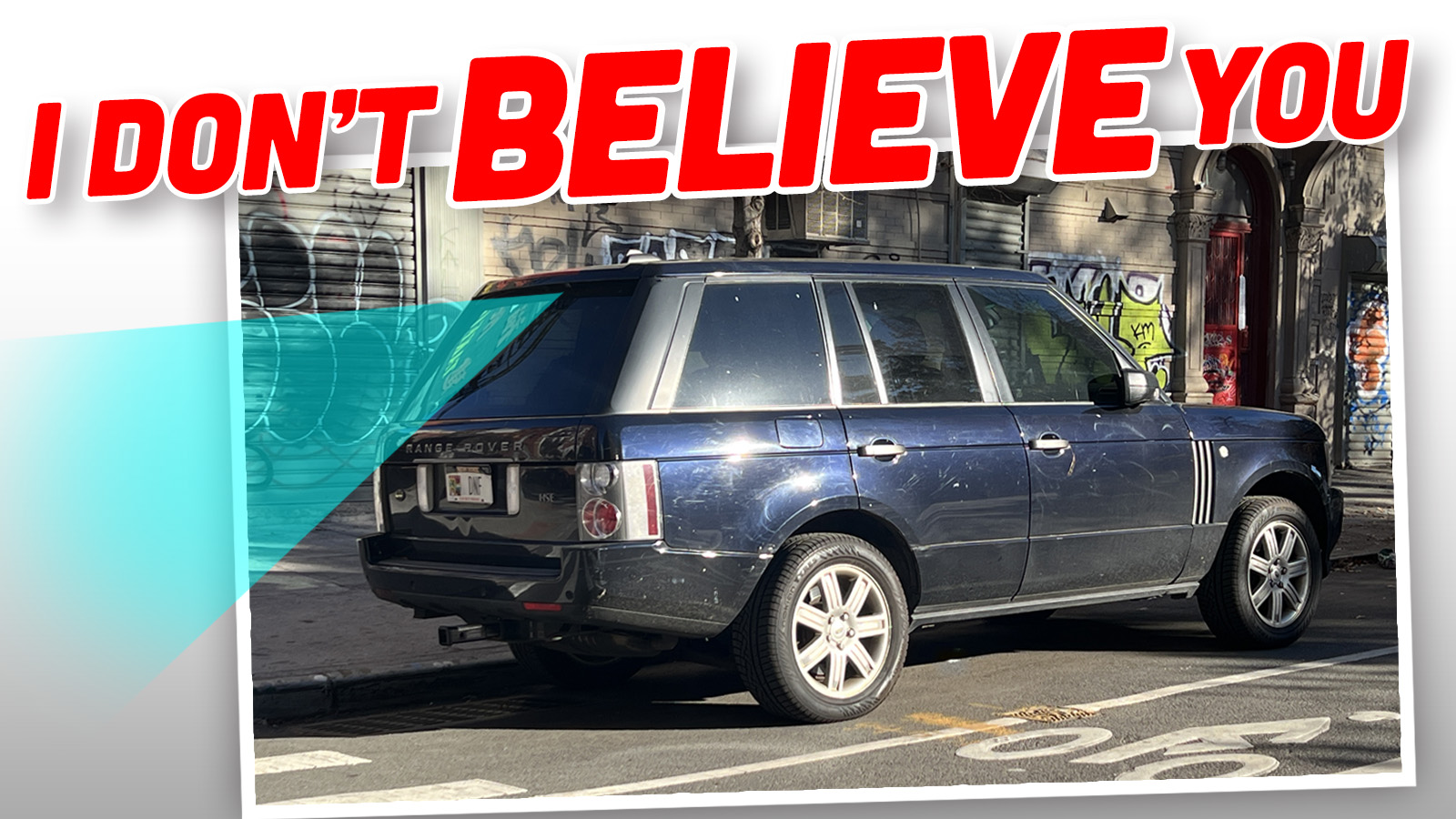
Earlier this year, I bought a 2008 Land Rover Range Rover with over 216,000 miles on the clock for a very small amount of money. I needed a beater to live on the streets near my apartment in New York City, and figured an already-beat-up SUV that could soak up the bumps found on the city’s terrible roads would do nicely.
For one reason or another, I haven’t really been driving the Rover that much since I bought it. The truck has mostly just lived at my parents’ house in the suburbs, sitting on a battery tender (for some reason, the battery just dies after a few days of sitting, and I’m too lazy to figure out why).


Now that the holiday season is fast approaching, I finally took the time to go get the Range Rover, since I plan on driving it a lot in the next two months. It’s now sitting on my block, street-parked amongst a horde of other forlorn SUVs destined to a life of low-speed bumper taps and sideswipes. And there’s one feature that’s driving me absolutely insane: the rear-view camera.
It’s Just A Camera, What Could Possibly Be Wrong With It?
Don’t get me wrong, I’m not anti-tech, especially when it comes to making parking easier. Ask any of my friends—I’m notoriously bad at parking (parallel or otherwise). Having a backup camera is a huge help for me when it comes to street parking this giant SUV. It allows you to get super close to the car behind without actually touching it. Seeing it standard on a car from 2008 is an absolute luxury, and when you consider how little I paid for this, it’s tough to complain. But I’m gonna do it anyway.
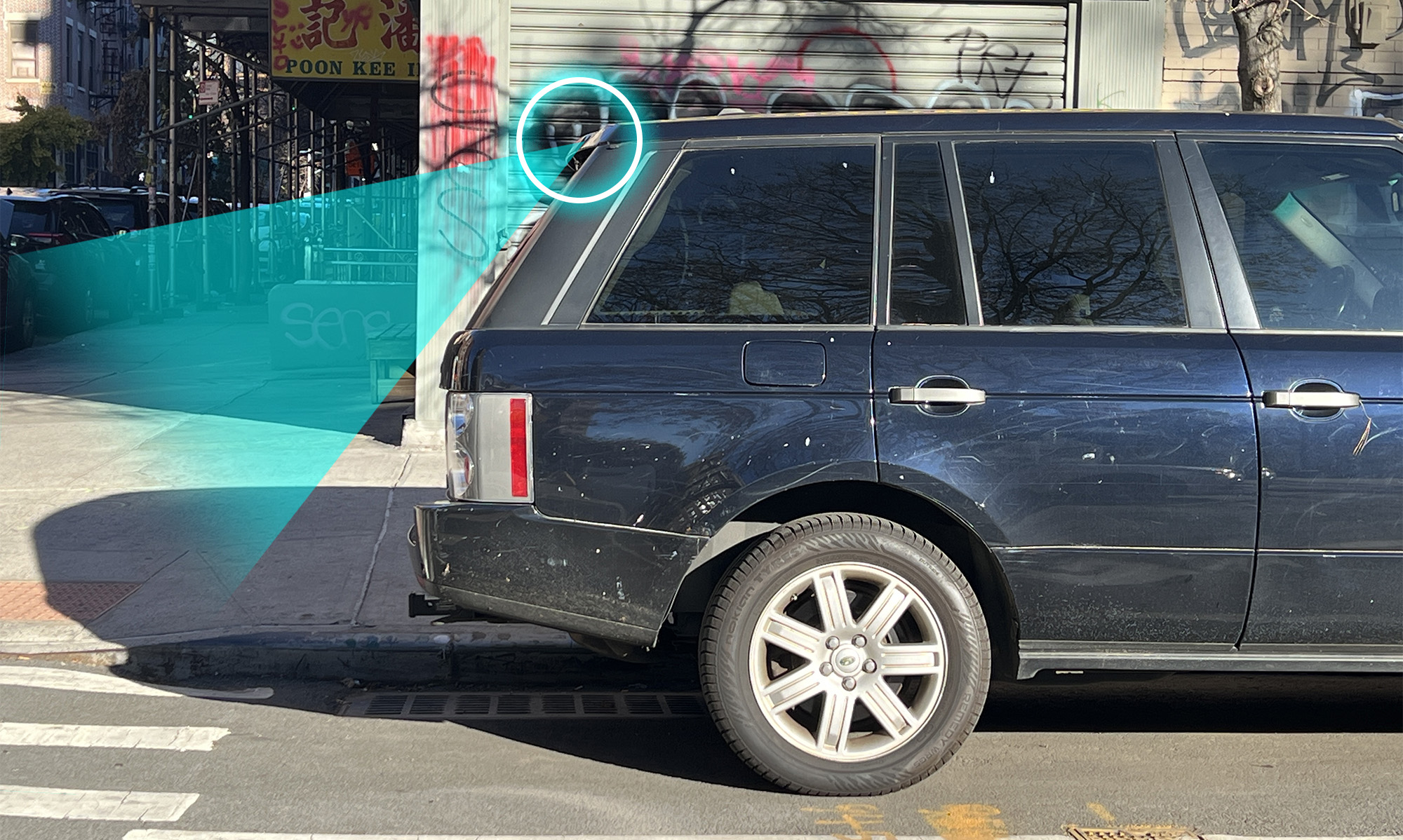
In this Range Rover, the backup camera is mounted in such a way that you can’t actually see the leading edge of the rear bumper. It’s integrated into the spoiler above the rear glass, pointing down. That’s not a bad thing on its own—plenty of cars have backup cameras like this. This angle is actually preferred for people who like towing, because you can use the camera to line up the tow ball to the trailer with perfect precision. But because of how the Range Rover is shaped, the lower portion of its rear end sticks out beyond the upper portion, where the camera is located.
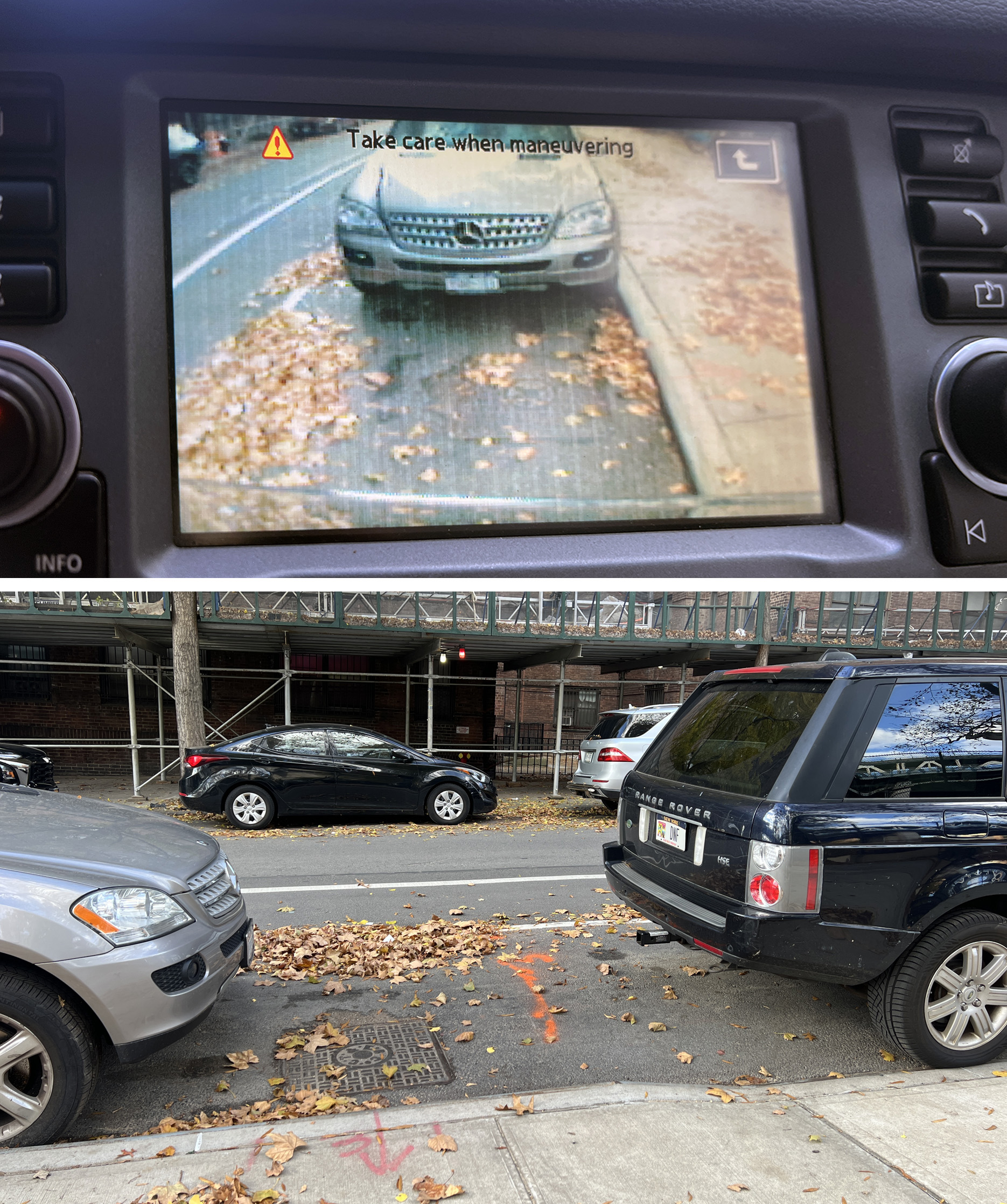
This means the camera is looking down a sloped rear windscreen. If you didn’t know any better, you’d think you could see the rear edge of the SUV’s bumper through the camera. But it’s actually just the bottom of the glass. In reality, you can’t see the rear bumper at all, which means it’s actually impossible to tell exactly how close you’re getting to the car behind you. And it drives me mad.
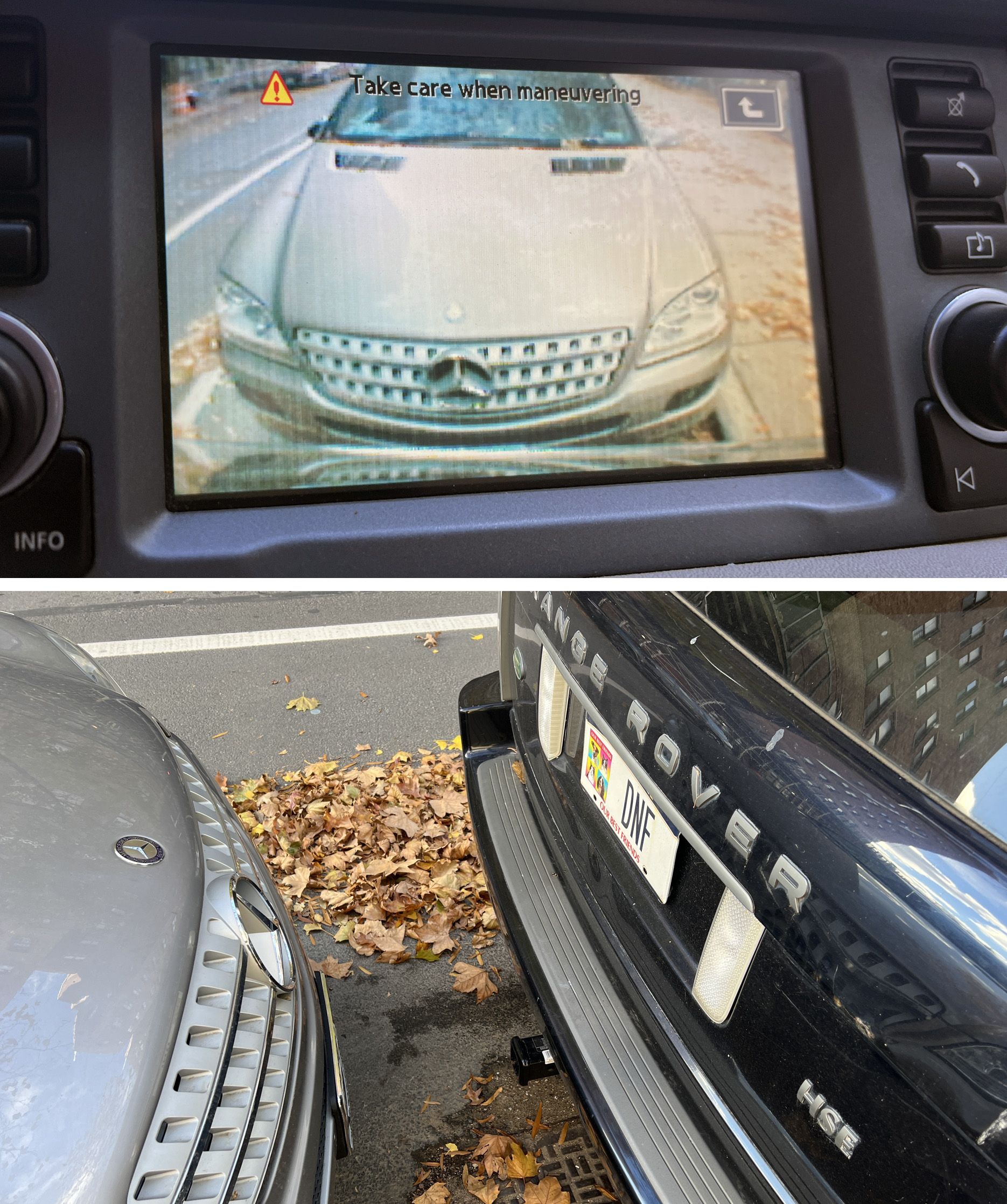
The photos above show me parked in front of a Mercedes-Benz ML, which gives you a good idea of the discrepancy between what’s shown on the screen and the actual distance between the two cars. There’s gotta be nearly a foot of room here, which, in New York City, could mean the difference between squeezing into a parking spot or not. You wouldn’t believe how many times I’ve had to get out of my car to make sure I had enough space to squeeze into a parking spot because of this.
Is There A Fix?
Weirdly, there isn’t a lot of talk online about the placement of the backup camera in these L322-generation Range Rovers. Most of the stuff you’ll see on forums and on Facebook Groups talks about replacing the camera once it goes bad, rather than relocating it—a very Land Rover situation.
Turns out these cameras fail enough that they’ve gained a reputation in Range Rover circles as displaying a “black screen of death” on the infotainment screen when they go bad. Water intrusion means they simply stop working, displaying a fully black screen when the truck is put into reverse. They can also fail in other ways, turning foggy and useless, like in the video shown above. The fix is fairly straightforward—all you have to do is replace the camera module itself. But be prepared to pay nearly $200 for a used unit from eBay.
The only “relocation” kit I was able to find online is this one shipped from China, which fits into the license plate light—though it’s more of a generic replacement that might not wire directly into the car without some fiddling. The more I think about it, the more I realize this is a pretty niche complaint. Chances are, not many people were street-parking this $77,000 ($118,000 adjusted for inflation) SUV when it was new, so they didn’t have to worry about getting super close to other cars and squeezing into tight spaces. And nowadays, owners are probably just happy that the camera is working at all.
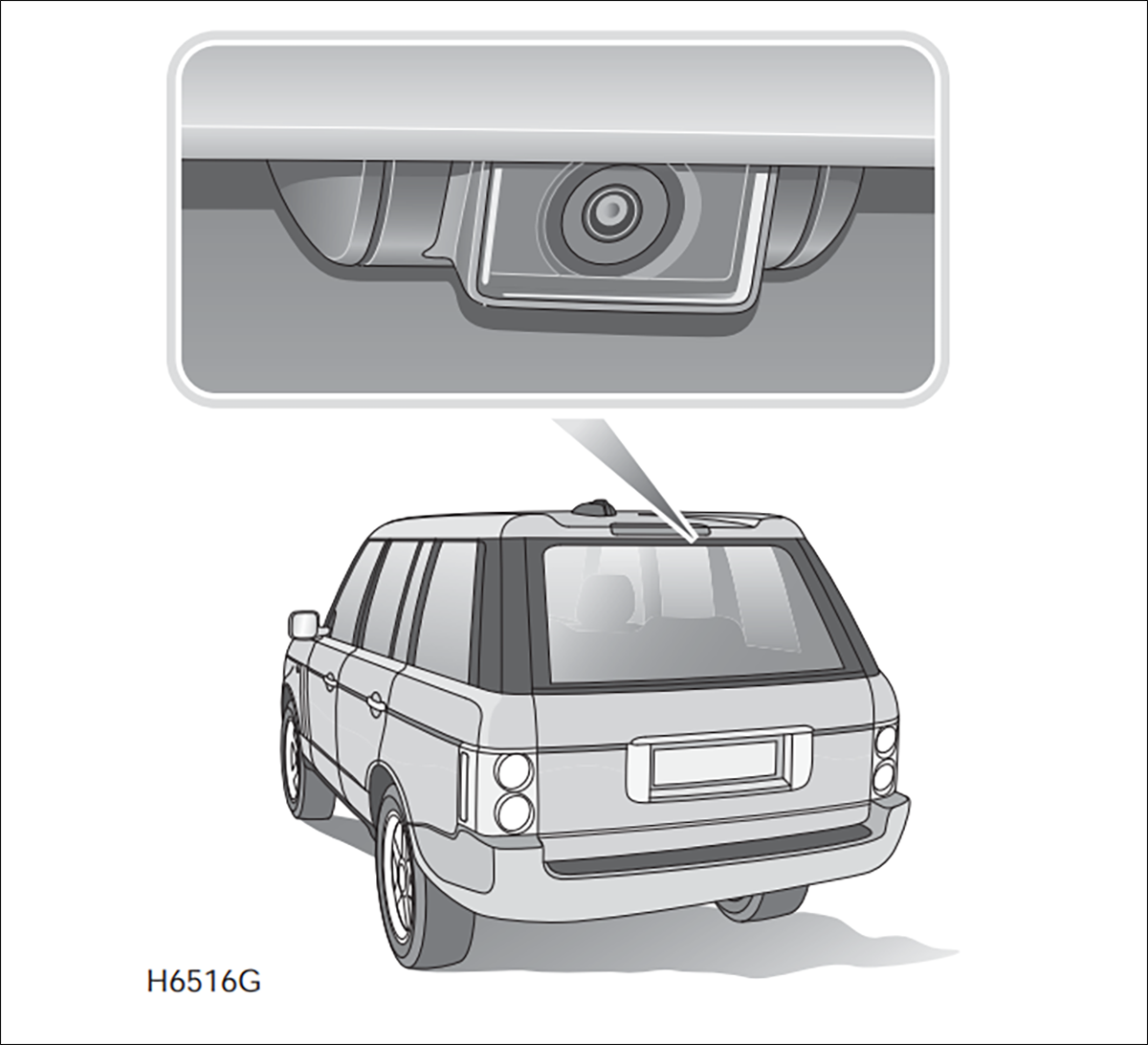
I guess I should be, too, considering just how little I paid for this thing. Ultimately, it’s up to me to judge the distance between my car and the one behind me, at least according to the bible (a.k.a. the owner’s manual). It even calls out how the camera may not be as all-seeing as it is on some newer cars:
Caution: It remains the driver’s responsibility to detect obstacles and estimate the vehicle’s distance from them when reversing. Some overhanging objects or barriers, which can cause damage to the vehicle, may not be visible to the camera. Always be vigilant when reversing.
It’s important to note that in addition to the camera, these L322-generation Range Rovers also have distance sensors front and rear. So even if the camera isn’t angled in the best way, you’re not totally on your own when reversing this big hulk of a vehicle. The sensors are a bit conservative, though, so it’s tough to be inch-precise based on the beeps alone. Still, I’m glad they’re there, and that they work as intended.
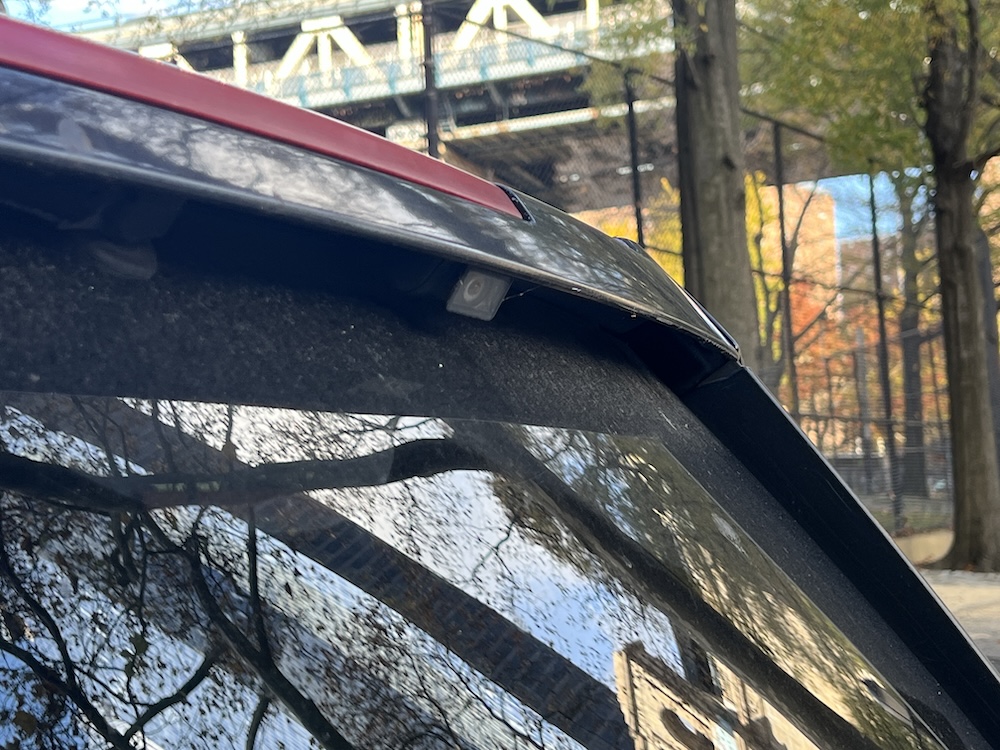
I’d like to add Apple CarPlay to this Rover at some point in the future, which might involve installing an entirely new head unit (there are ways to get CarPlay on the stock infotainment system, but that’s a story for another time). Perhaps I’ll consider throwing in a totally aftermarket camera that bolts to the license plate area at the same time. First, I need to drive this truck a few thousand more miles to make sure it doesn’t start falling apart. The last thing I want is to throw a bunch of money into a car that doesn’t run.
Stay tuned.
Top graphic image: Brian Silvestro


I’ve gone ahead and underlined the “one reason or another” the vehicle hasn’t been driven as well as the electrical fault…