


When is a Mercedes-Benz E-Class not a Mercedes-Benz E-Class, or an Opel Rekord not an Opel Rekord? When do you look at a Mitsubishi Debonair and realize it’s not a Mitsubishi at all? The answer lies in South Korea and its weird and wonderful luxury cars, decades removed from their cushy and often full-electric counterparts built today.
Hyundai launched its first car in the United States in the spring of 1986, forty years ago. That particular model was the Excel, a Giugiaro-designed hatchback that Mitsubishi Motors also sold as the Precis, thanks to the car being based on Mitsubishi mechanicals, but with no Mitsubishi badging.



In its first year, Hyundai achieved strong sales, as it only took seven months to shift 100,000 Excels and full 1986 sales numbers reached almost 170,000 cars. The following year, over 263,000 Hyundais were sold in the United States. This was largely due to the Excel’s attractive pricing, as the absolute base version was priced at just $4995. The Yugo GV was cheaper by a thousand dollars, but the Excel must’ve looked like twice the car next to it.
The Excel placed Hyundai in the bargain basement category, but for the brand it was the place to start in the United States. At that point, Hyundai had already been building cars for a couple of decades, and the initial models were based on British and European architecture. The first car Hyundai made in the late 1960s was a license-built version of the Ford Cortina and the company also soon built the larger Granada.
Stellar Effort From Hyundai
The first exported car, and actually South Korea’s first automotive export, was the Hyundai Pony introduced in 1975. With British engineers working as Hyundai’s development team, the Pony also established Hyundai’s recipe for the coming years: Italdesign styling and Mitsubishi drivetrains.
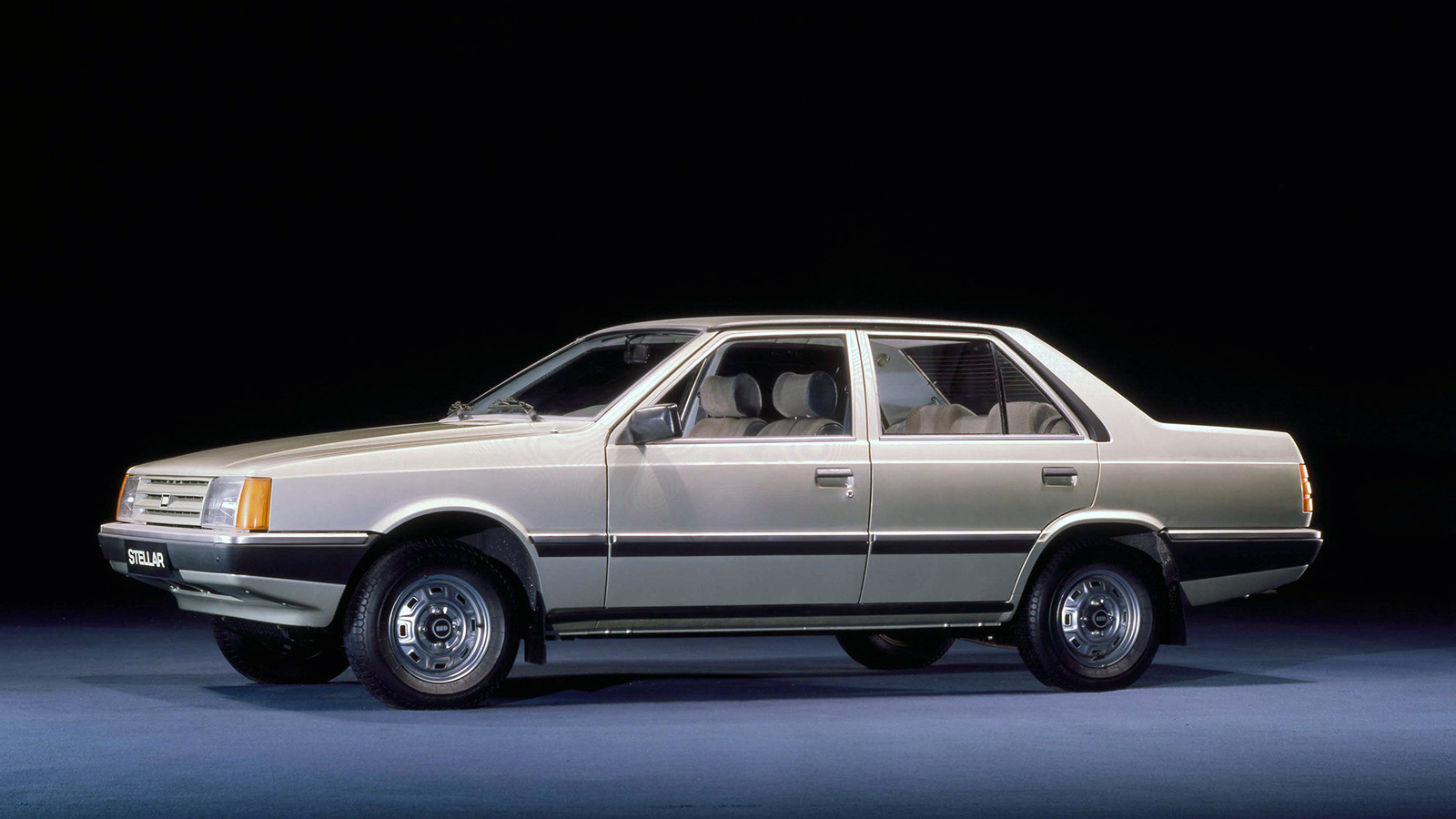
The first larger car, the Stellar, was still based on the Ford Cortina, but also featured boxy Giugiaro-penned lines. In the UK, it was marketed towards Ford clientele disappointed with the aerodynamically-shaped Sierra.

Above the Pony, Excel, and Stellar was the actual big feat of badge-engineering, the Hyundai Grandeur of 1986. To replace the Ford Granada, Hyundai rebadged the second-generation Mitsubishi Debonair for the South Korean home market. The Grandeur was such a huge deal in South Korea that Hyundai revived it as a restomod concept a few years ago, around the time the Ioniq 5 was launched.
Kia Gets Its Start With Peugeot
By the end of the 1970s, Kia Motors had also moved to executive cars after getting its start with the Mazda Familia-based Kia Brisa. Kia long retained its Mazda connections, as a large part of its 1980s and 1990s product portfolio had a Mazda counterpart: the Pride was the Mazda 121/Ford Festiva, the Sephia the 323, the Concord and Capital the 626, and the Potentia and the Enterprise the 929 and Sentia, respectively.
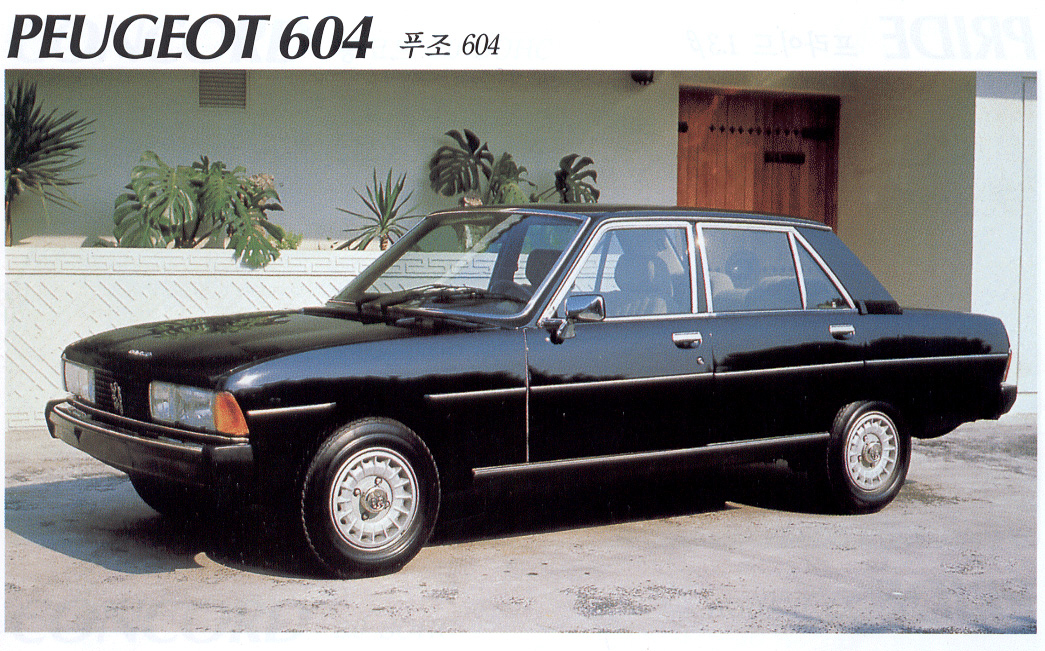
But the first luxury cars Kia built were knock-down kit-based versions of the Fiat 132 and Peugeot 604, some of the coolest European sedans of the 1970s. Kia was only allowed to build these for a couple of years, as the South Korean automotive industry was “rationalized” in 1981 and forced Kia to stop building passenger vehicles until 1986. The 604, which retained its Peugeot badging, is a rare car in South Korea these days. Some survive even in decrepit form.
Daewoo’s Royale Bloodline
Today, it’s easy to think of South Korean manufacturers and only remember the big two, Hyundai and Kia, which have been part of the same company since the end of the 1990s, when Hyundai also bought out Ford and ended Kia’s Mazda ties. But the third large Korean brand was Daewoo, itself originating from the first South Korean carmaker, Saenara.
Saenara initially built versions of the Datsun Bluebird from 1962, and after a short stint with Toyota under the name Shinjin, the General Motors era begun as Saehan Motors started manufacturing Isuzu Gemini based cars – related to the Chevrolet Chevette.
While the Gemini and its successor, the Maepsy, weren’t large cars, they were also accompanied by the Opel-based Rekord. The Maepsy advert, complete with a commanding Korean voiceover, also featured a Tangerine Dream soundtrack. The ad for the Rekord, in turn, has harp music and a cocktail event.
And this is where the South Korean luxury car look really started to come into its own. The Daewoo Group gained control of Saehan in 1983 and began to add chrome on the Rekord and develop more luxurious versions based on the fancier Opel Senator.
Initial body panel work was subcontracted to Holden in Australia, as it also built Commodores related to the Rekord and Senator, but by 1984 Daewoo’s own body presses were in full swing. As was the naming convention, as the badges only got bigger and better.
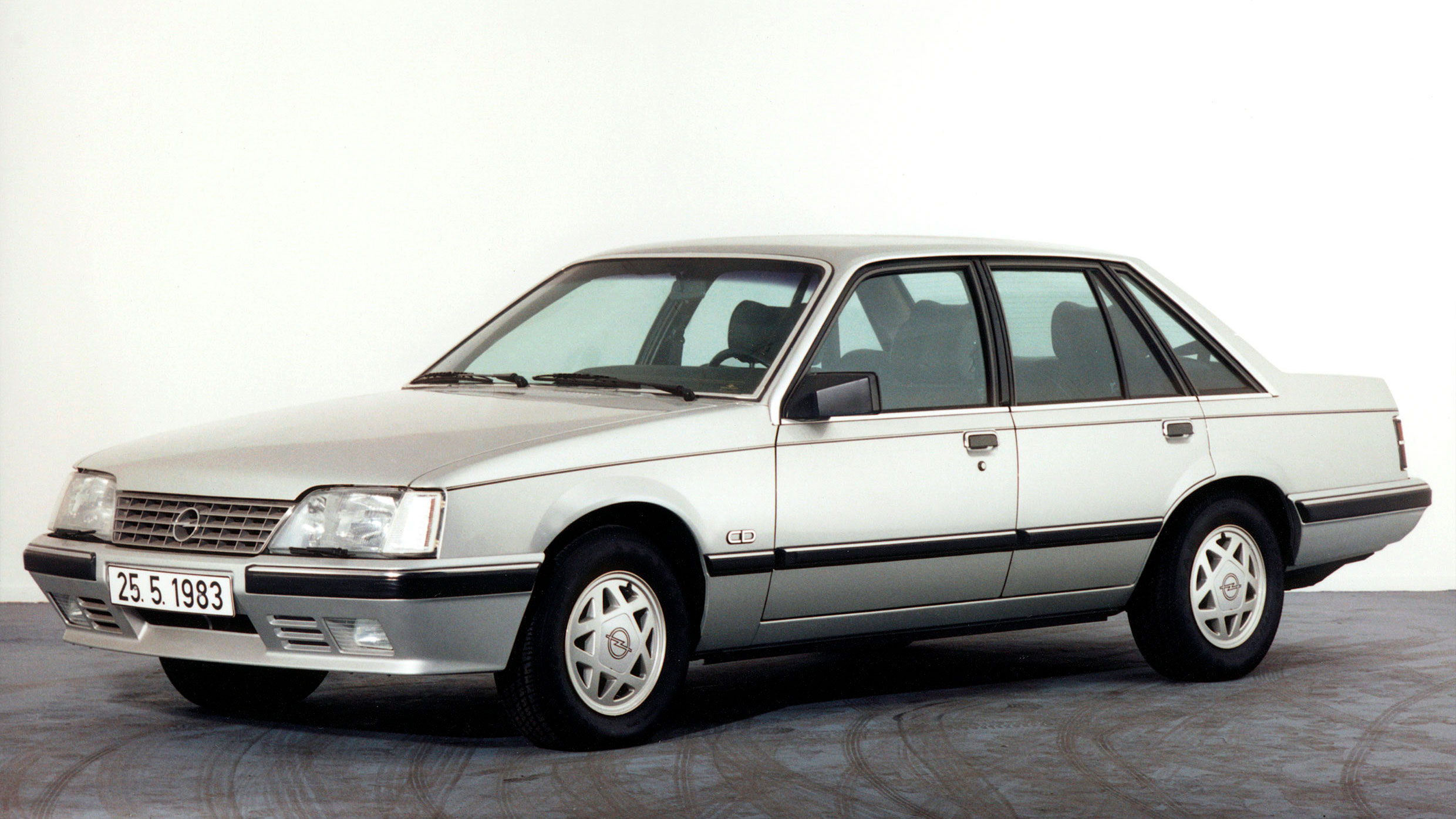

Consider Opel’s Senator and contrast it with its South Korean counterparts: the Daewoo Royale, the Royale Super Salon, the Royale Duke, the Royale Prince and logically also the Daewoo Imperial. The Daewoo Imperial was aimed at Hyundai’s larger offerings, but it also pulled design inspiration from large front-wheel-drive Chryslers of the time, including the more formal roof. Even the Imperial name was an obvious Chrysler pastiche.
Of course, Royale was a model line also sold by Opel’s British twin, Vauxhall, but the Vauxhall Royale didn’t quite reach the visual cushiness of the Daewoo.
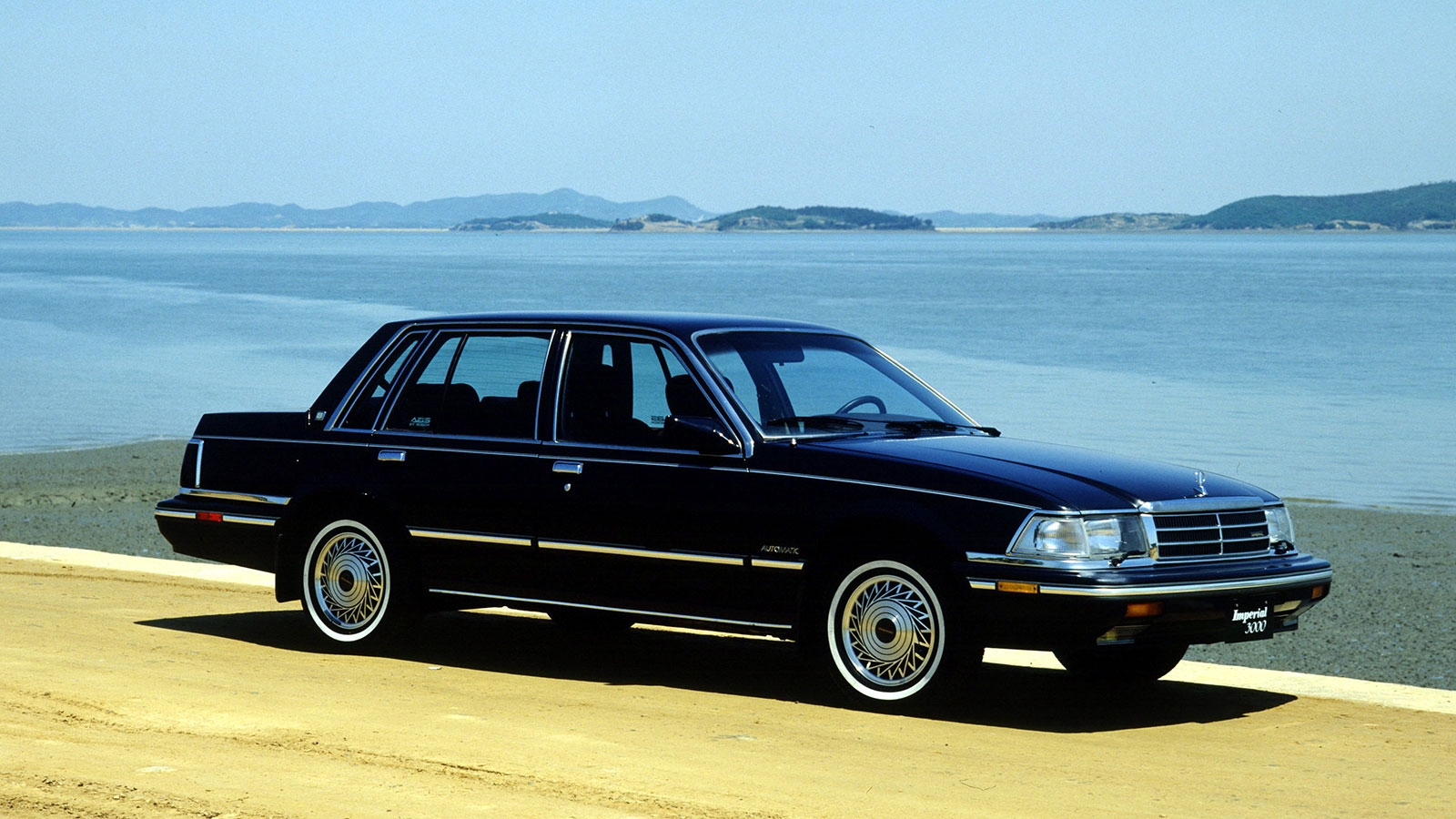
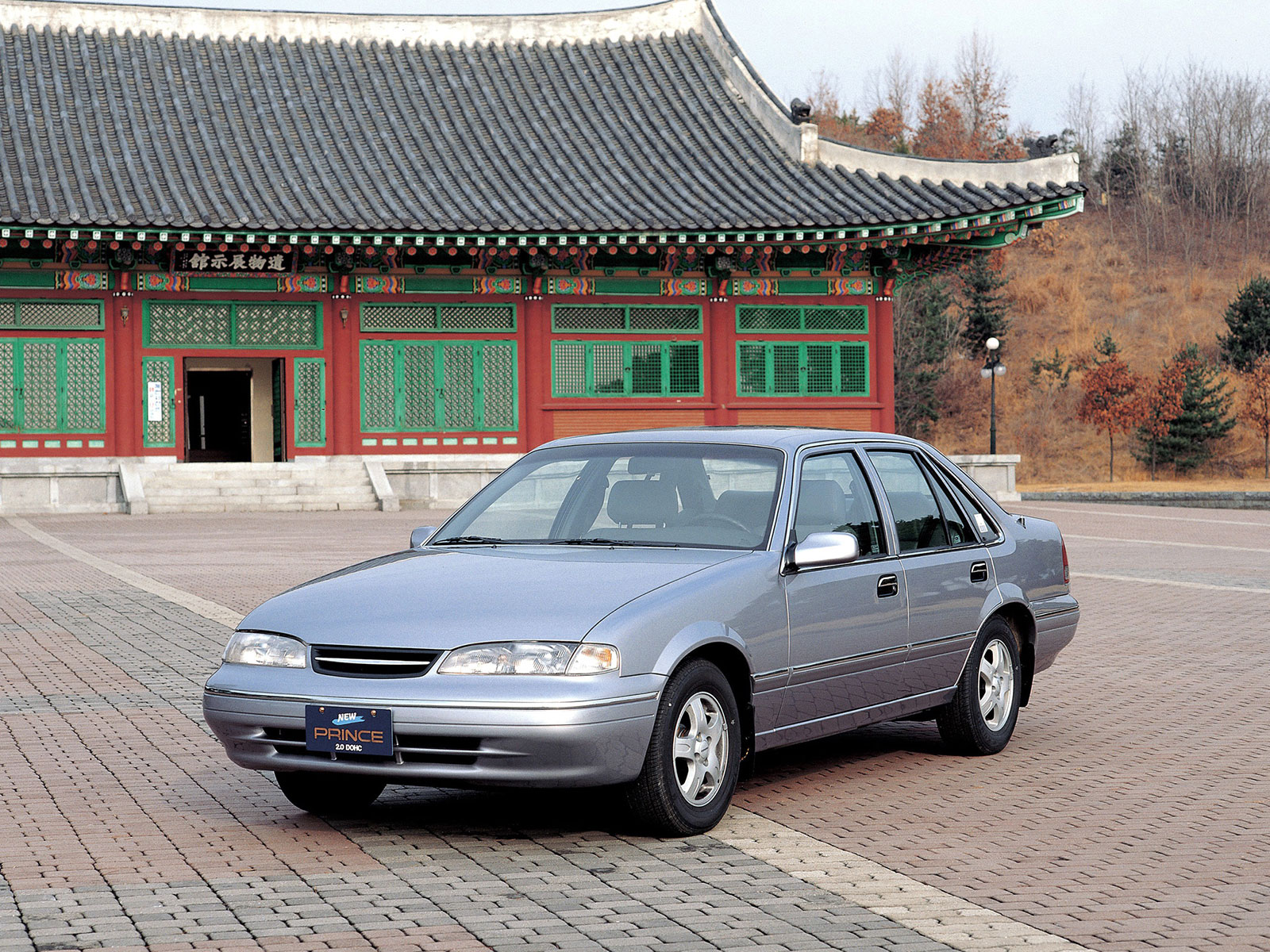
Daewoo also modernized the still Rekord-based Prince, which was a more modestly priced version, with swoopy front and rear ends. Looking at the car, you sort of see the Rekord middle section in there, but with extremely ‘90s ends. I wonder if it could have been possible to sell it as a Buick or a Chevy.
SsangYong’s Star Class
We mustn’t forget the fourth manufacturer, SsangYong, which was at times controlled by Daewoo Group but also outlived it. SsangYong started out as a Jeep builder in the 1970s and 1980s, and continued it after American Motors signed out in 1981.
In the early ‘90s, SsangYong formed a partnership with Daimler-Benz, initially giving it access to Mercedes-Benz engines and a SUV foothold in the form of the SsangYong Musso, a sharply designed, long-roofed SUV that was also exported. It used Mercedes-Benz diesels and the 3.2-liter straight six from the E-Class. A van, the SsangYong Istana, is one of the weirdest vans I know: a South-Korean vehicle based on the second generation Mercedes-Benz MB100 van which was originally designed and built in Spain.
And SsangYong didn’t stop there. By 1997, the W124 generation Mercedes-Benz was phased out and replaced by the W210. This made it possible for Ssangyong to aim straight to the top, past Mitsubishi-based Hyundais, Mazda based Kias and Opel-based Daewoos, and take the W124 chassis as the basis for its new Chairman luxury sedan.

That’s right, the Chairman was a South Korean interpretation of the Mercedes-Benz E-Class, using its structure and engines and riding on its obvious brand cachet. Driven to Write notes the Chairman was designed by Josef Gallitzendörfer, who had also worked at Daimler, on the W124 project. If you’re going to copy the best, you might as well hire the guy who did it.
The design was swoopier, a blend of influences ranging from the S-Class to the Lexus LS400, but it somehow also managed to look better than the W210 that Mercedes was building at the time. An agreement with Daimler included the stipulation that the Chairman’s export markets were not global, but consisted of Australia, Russia and Eastern European countries.

In 2005, the Chairman was facelifted and gained surprised-cat-eye-shaped headlights that seem to have been influenced by an early Mercedes-Benz W202 C-Class styling prototype. For some time, the Chairman was also sold as the Daewoo Chairman, which was replaced by a Holden-based Statesman model. Eventually, Daewoo as a car brand was retired in 2011 and it now functions as GM Korea.
The second generation Chairman was also Mercedes-Benz based, offering W221 generation styling on a W211 body up until 2017. It also utilized the five-liter M113 V8, which was the biggest V8 engine in South Korea. SsangYong still exists in the form of KG Mobility, which continues to manufacture the KGM Musso both as a gasoline-engined and a full-electric pickup, which are actually separate vehicles. The Musso EV is a truckified version of the KGM Torres SUV.

Few of these South Korean specialties have ended abroad. I know of a long-wheelbase Chairman somewhere in Eastern Finland, and the Hyundai Grandeur based XG was also briefly sold here new; at that point, it was already Hyundai’s own design and less obviously a Mitsubishi.
These cars were first and foremost meant to serve the home market, and while South Korean manufacturers have taken huge leaps in design, engineering and electrification, the home market charm of these luxury sedans cannot be denied. I love spotting them in the South Korean films I’ve been watching recently.
All photos from their respective manufacturers


Gawd Peugeot 604s are cool.
Anyone else look at that Stellar and see “Baby Quattroporte III”?
I can squint and see that.
I always feel bad for SK Japan held the futuristic cool place and ideas for 30 to 40 years. SK had it for maybe a decade before the Chinese took over. Vietnam might be nipping at their heels a bit now so maybe China will get a similar short time in the sun.
Copying good stuff is how industry learns and develops. You see in China still , SK used to do it alot and Japan before it.
One the the funniest example is Japanese were cloning some type of British engine after WWII maybe a morris. Those engines had a problem with the casting being not thick enough and developing a hole. The field fix included putting a piece of metal over the area attached with screws. It just so happened to Japanese had used a field fixed engine to use as their casting show casing screws and all so their engines were actually better then the original as so often happens. I know the Chinese and Koreans before them have delivered many of cloned electronics better then the original.
I’m a 80’s kid, and I would totally rock a Grandeur or Imperial. I’d also probably buy a 200/700/900, or drool, 780 Volvo too, or even a Dodge Dynasty. Love me some right angles and straight lines. Now get back to work and stay off my lawn.
I have some seat time in an ’86 Excel. The courier service I worked for in college had one that Hyundai GAVE them to try to get their business. While it certainly was twice the car of a Yugo, it was half the car of the Escort LXs that formed the bulk of the courier fleet. They have certainly come a long way!
Fascinating to see how the Korean industry evolved.
The front end of that Daewoo Royale is a dead ringer for a contemporary S120 Toyota Crown-
https://64.media.tumblr.com/tumblr_ln5nqdBVek1ql6l16o1_1280.jpg