


When you think about American 1980s turbocharged giant slayers only offered in black, your mind probably jumps to the Buick GNX. The ultimate G-body has enjoyed serious cultural notoriety lately, what with being the title and cover subject of a generational album. However, it isn’t the only car that fits those qualifiers. We need to talk about the Shelby GLH-S.
Like the GNX, the GLH-S wasn’t act one, scene one. It was a doctoral thesis for its model, a culmination of every learning and over years of tweaking and experimenting. However, the GNX shared its basic bones with the Chevrolet Monte Carlo SS. The GLH-S was a freakin’ Dodge Omni.


Yet, that might make this limited-edition hatchback even more impressive. It’s effectively Adam to cars like the Hyundai Elantra N, the Chevrolet Cobalt SS Turbo, and the Dodge Neon SRT-4. The origin of the hairy-chested, boost-heavy sport compact. Or maybe it’s more like David with his sling. If you were driving one of these back in 1986, you could find your local Goliath and see what’s what. Impressive stuff, considering how the story of this thing starts.
Slow Start
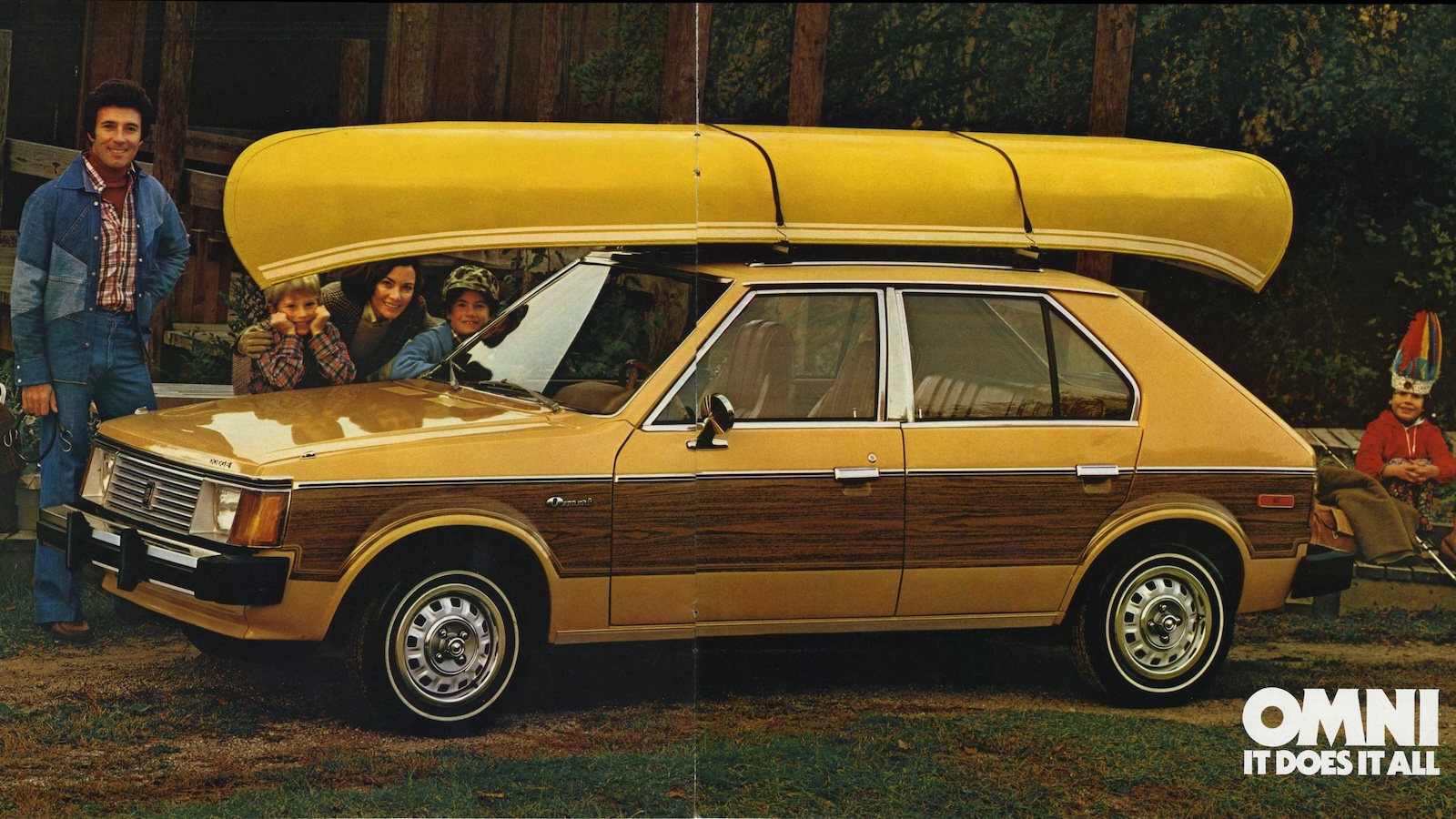
The Dodge Omni was supposed to be a world car, except that under the skin, it wasn’t. Sure, the European-market Chrysler Horizon and the North American Dodge Omni had huge commonalities, but they also featured some truly enormous differences. The Horizon had torsion bar front suspension, whereas the Omni featured MacPherson struts. The Horizon used trailing arm rear suspension while the Omni got a twist beam. Oh, and then there were the lineups of engines. While the Chrysler Horizon featured a lineup of Simca Poissy gasoline engines right out of the gate, things were more of a hodgepodge in North America.
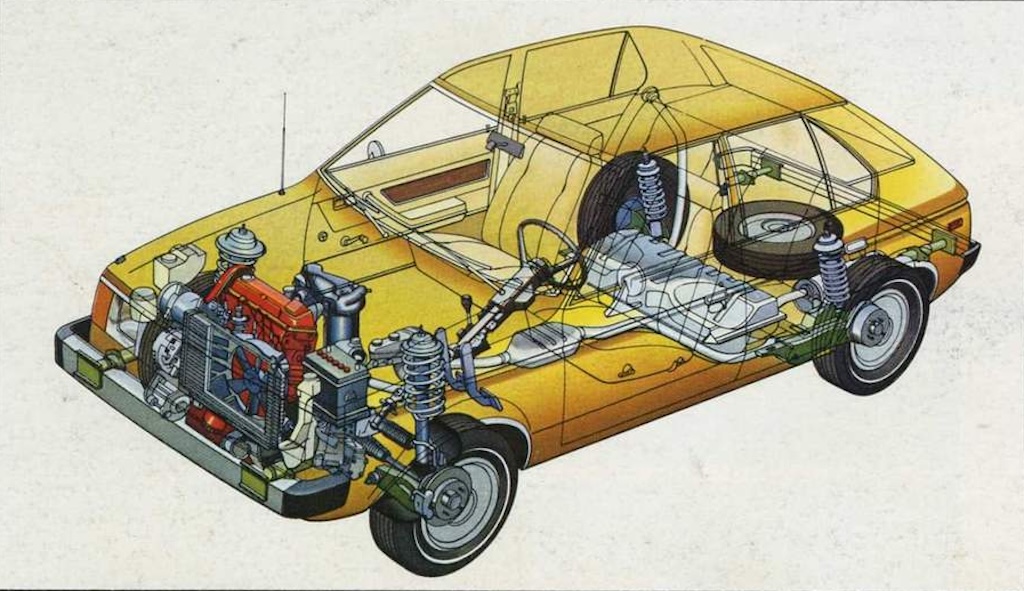
See, Chrysler Europe couldn’t initially supply North America with engines and Chrysler USA didn’t build transverse four-cylinder engines at the time. However, the Omni was set to be built in Belvedere, Ill. and Volkswagen was setting up shop about 600 miles away in Westmoreland, Penn. so a deal was made. The Dodge Omni would start life with the 1.7-liter inline-four from the Volkswagen Rabbit in order to be the first big-three front-wheel-drive subcompact to market for 1978.
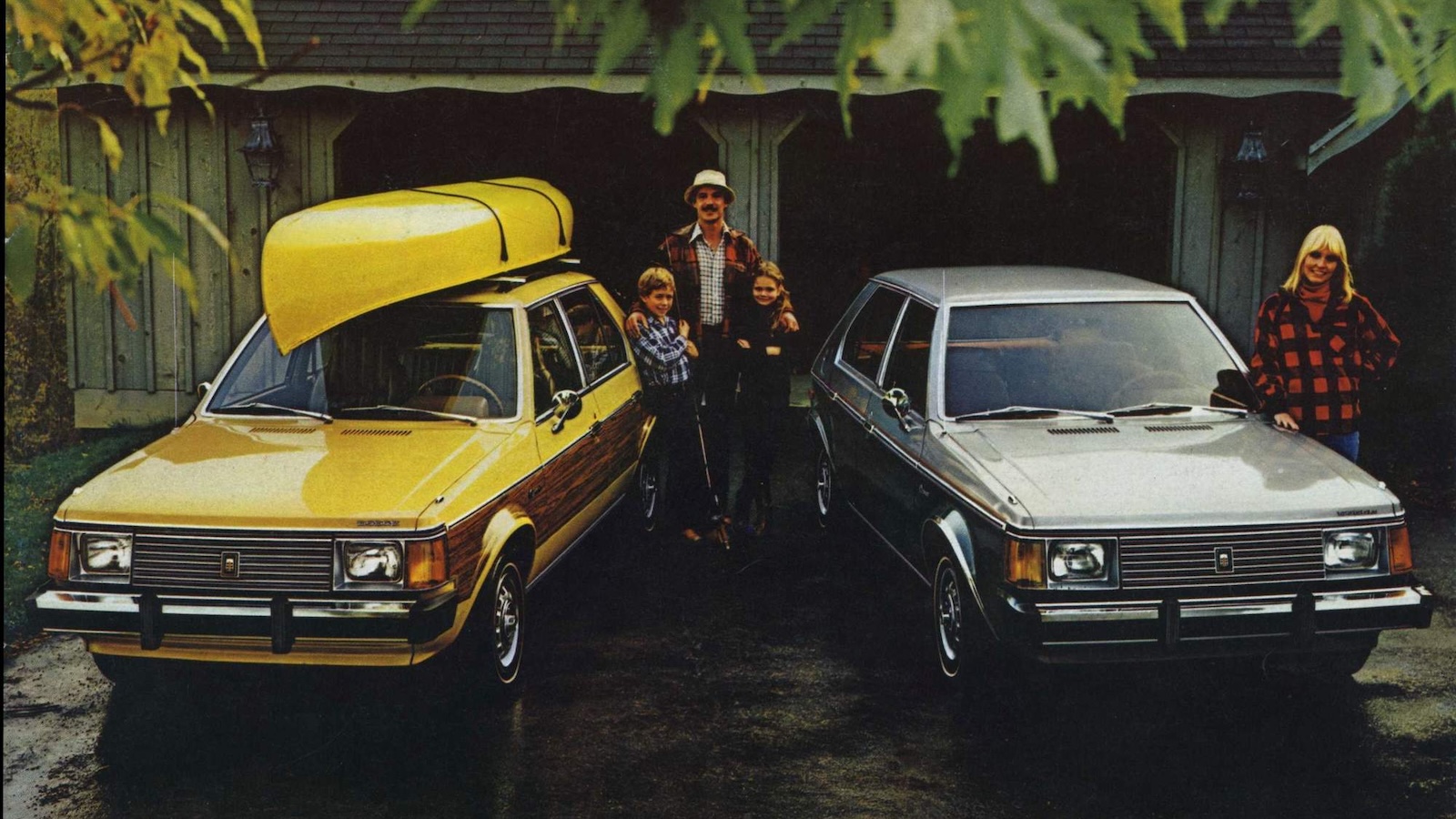
Unfortunately, sales didn’t get off to a flying start, even with a series of recent oil crises weighing on Americans’ minds. It also didn’t help that by the late 1970s, Chrysler was ready to collapse. It was a combination of unfortunate events and questionable decisions stacked on top of each other, really. The automaker was bleeding cash as early as 1970, and that year’s bankruptcy of railroad giant Penn Central didn’t help. As the New York Times wrote:
Chrysler’s ups and downs —right now they are down but climbing up insist its executives — are chronicled regularly, but the company attributes the latest crisis to the Penn‐Central. When the railroad subsidiary moved into reorganization under the bankruptcy laws, it sent investors and creditors looking for potential trouble spots—and there was Chrysler. It was:
Losing money— $29‐million in the red in the first quarter.
In debt—$673‐million payable in one year for the parent company as of March 31 and $1.6‐billion in short term commercial paper outstanding for its subsidiary, the Chrysler Financial Corporation.
The result? A run on Chrysler Financial’s promissory notes that made the automaker scramble for $410 million in additional financial lifelines. That would’ve been bad enough on its own, but then things got worse. The 1973 OPEC embargo caught the firm flat-footed, its only fuel-sipping four-cylinder models being captive imports. The Plymouth Cricket was a rebadged Hillman with die-cast door handles that corroded so badly after a few rust belt winters, they could cut your fingers. The Dodge Colt was far better, but it was also a rebadged Mitsubishi. Then the disastrous Dodge Aspen and Plymouth Volare replaced the Dart and Valiant, only to be recalled multiple times in their first model year for stuff like seat belts that might not lock and brake boosters that might result in weak braking.
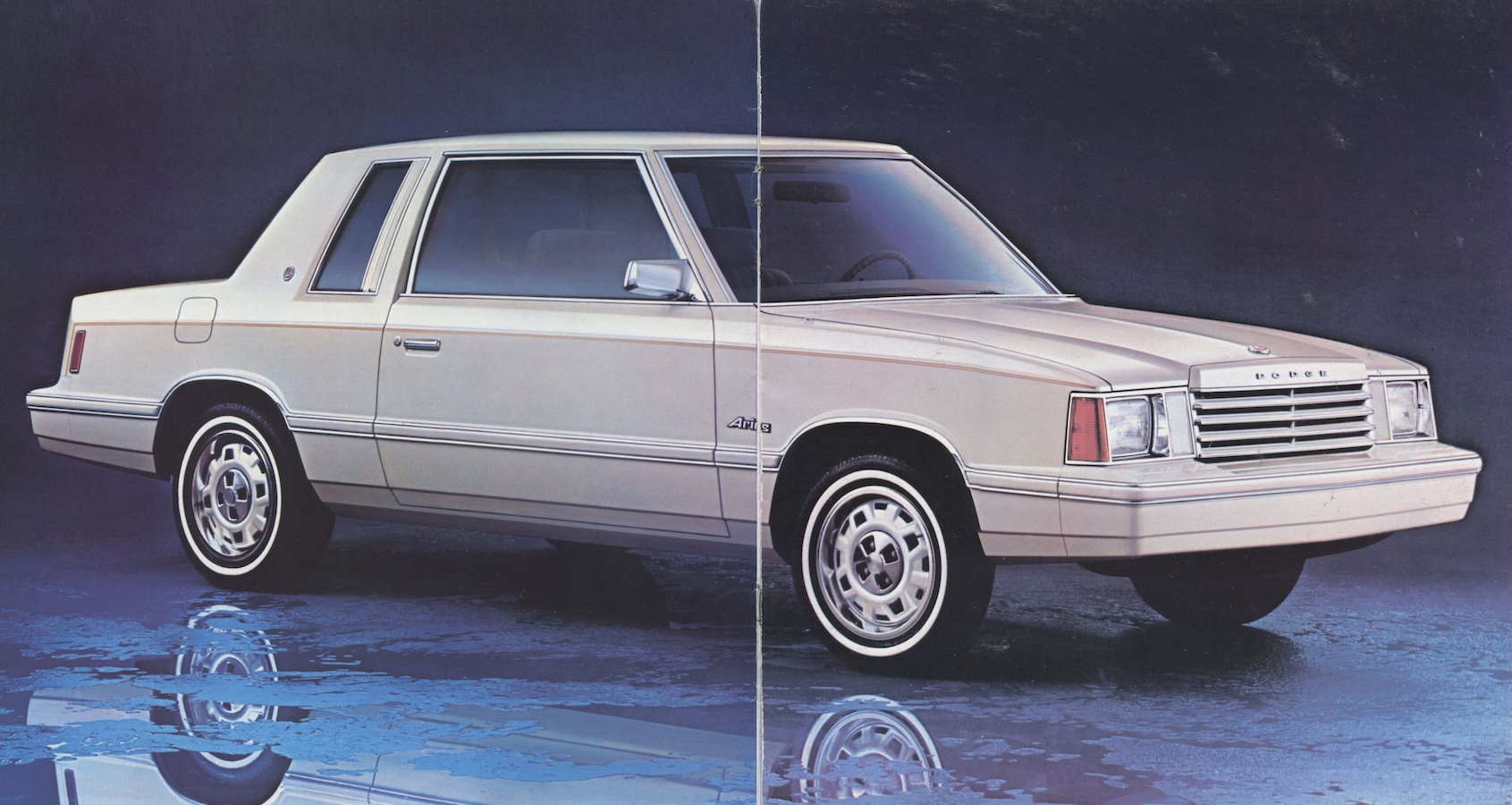
However, in the midst of all this misery, Chrysler was readying a Hail Mary. We’re talking about a transverse front-wheel-drive platform to underpin just about everything, starting with the Dodge Aries and Plymouth Reliant. However, the nice reliant automobiles known as the K cars didn’t just save Chrysler after Lee Iacocca negotiated that government bailout. They also spawned a new four-cylinder engine, the 2.2-liter version of which would make its way under the hood of the Omni in 1981.
Shelby, Carroll Shelby
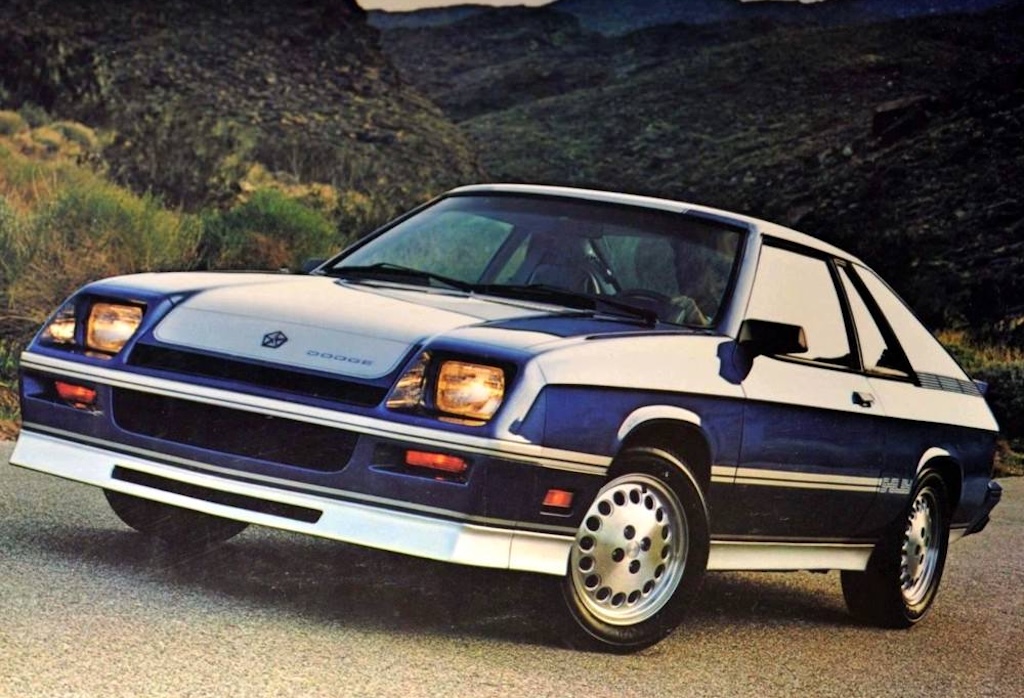
Mind you, a new optional engine wasn’t the only big move for the Omni in 1981. It also gained a coupe variant, called the Omni 024. It looked completely different from an Omni hatchback, but because it had the brand equity of a ghost kitchen, the Omni 024 name only stuck around for two model years. By 1983, all variants adopted the Dodge Charger nameplate, and Lee Iacocca called in all-American race car poster boy Carroll Shelby to give this coupe a kick in the trousers. Shelby’s treatment? Higher compression, a re-geared manual transmission, completely retuned suspension, big brakes, and quicker steering, along with some cosmetic sparkle. Old-school hot rodding that took output from 84 horsepower to 110 horsepower. Oh, and guess what? Those upgrades also bolted into the Omni hatchback, so Shelby did the sensible thing, then settled on a showy name: GLH, an initialism for “Goes Like Hell.”
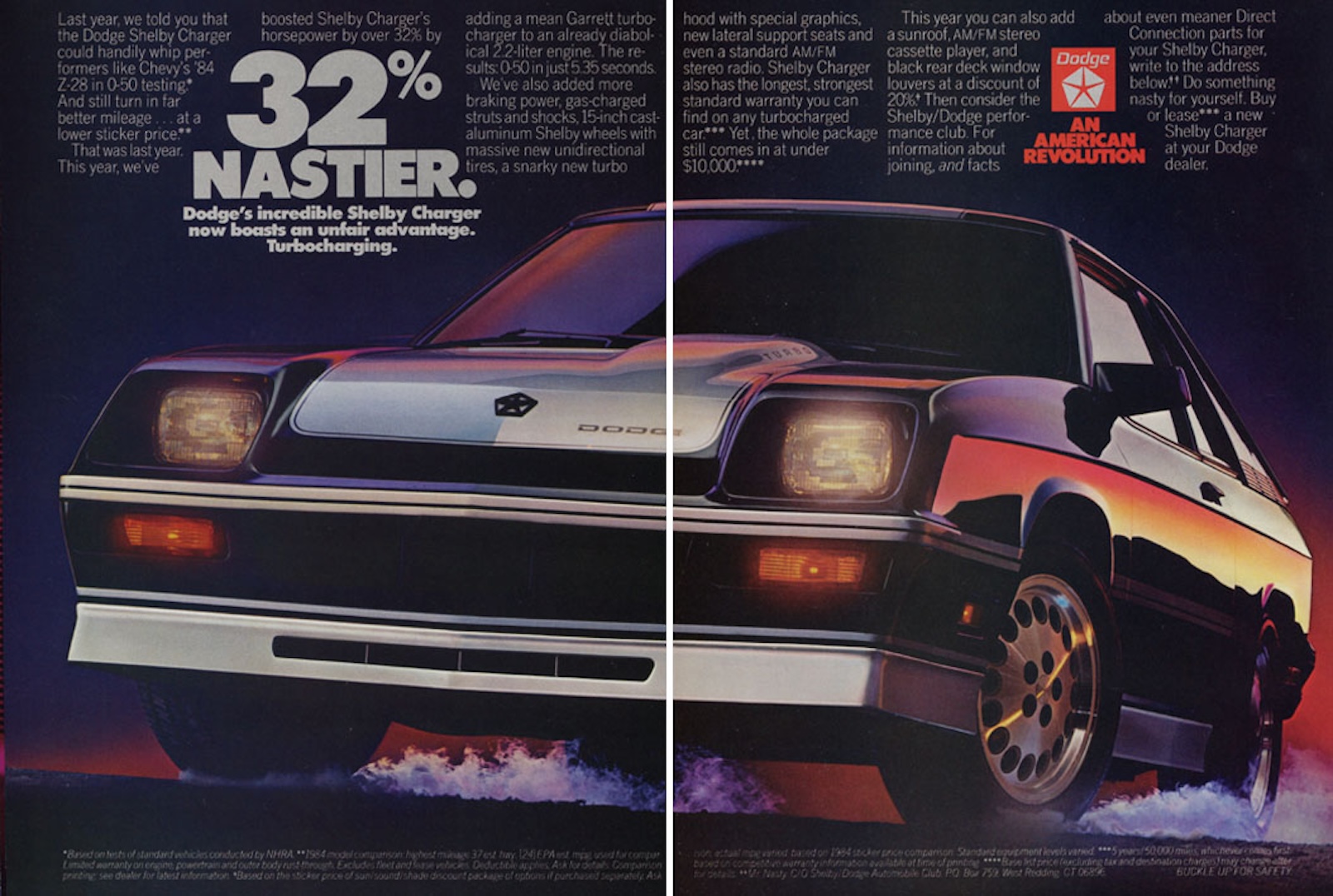
Meanwhile, across the Chrysler showroom, a new variant of the Trenton-built inline-four was on offer. Auburn Hills needed a weapon to surpass the 2.6-liter balance shaft-equipped Mitsubishi 4G54 inline-four used in, among other things, the K-car limousine Chrysler Executive. It was smooth, it made good power for the time, but there was room for so much more. The solution was a replacement for displacement. Chrysler lowered the compression ratio of the 2.2-liter Trenton engine with new pistons, reworked the valvetrain from the camshaft to the valves themselves and everything in between, then bolted on a Garrett T03 turbocharger with a wastegate set to 7.2 PSI. The result was 142 horsepower and 160 lb.-ft. of torque in a package that would essentially drop into an Omni.
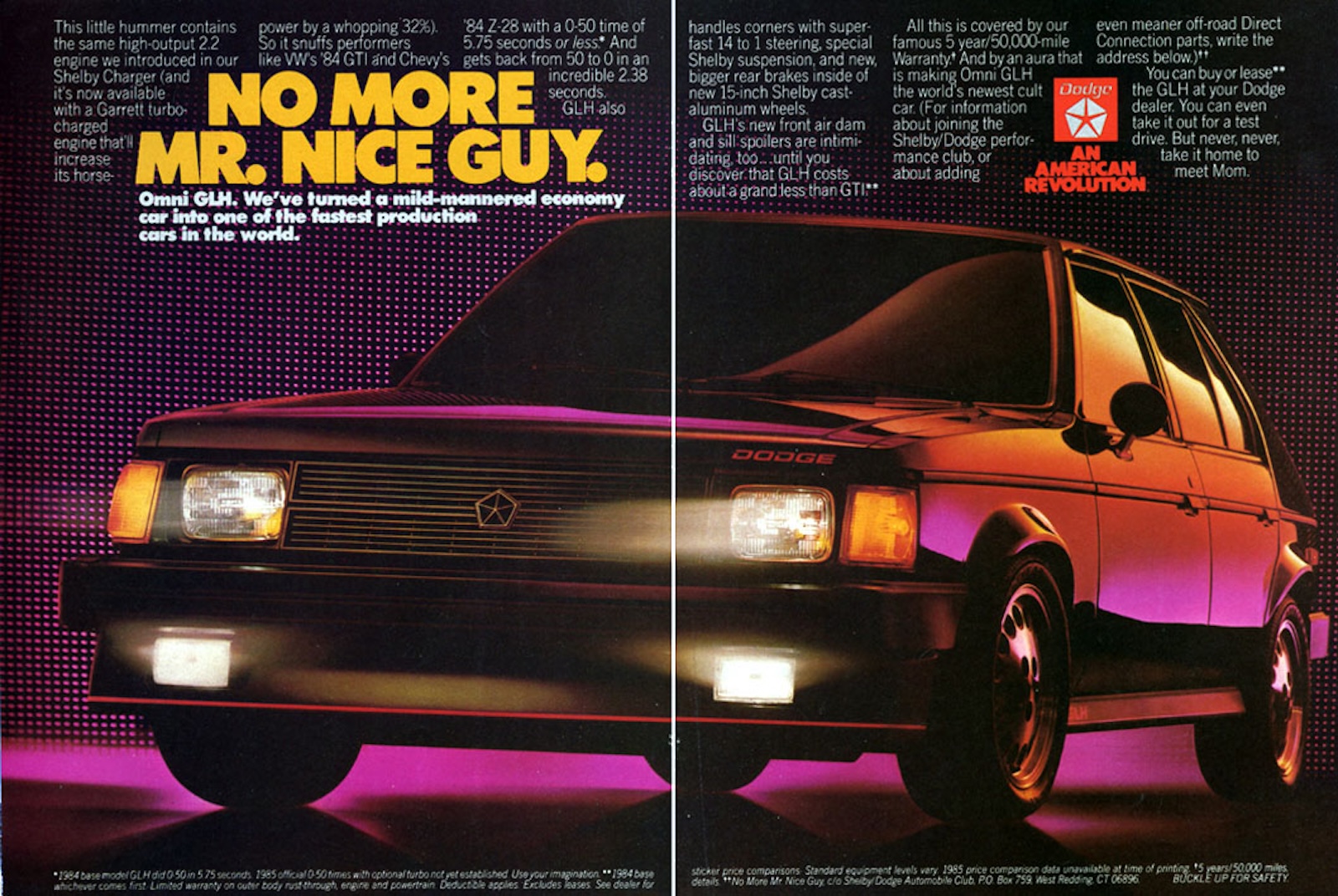
Unsurprisingly, Shelby noticed. The 1985 Omni GLH saw this engine appear on the options sheet, now with knock correction and a new wastegate to make 146 horsepower and 168 lb.-ft. of torque. The result was two fistfuls of torque-steer in a surprisingly potent package. We’re talking zero-to-60 mph in less than eight seconds, quick enough to outrun V8 Camaros and Firebirds. The Omni GLH Turbos of 1985 and 1986 were legends in their day, but that didn’t mean there wasn’t room for improvement. For 1986, Shelby took the last 500 of these cars and made them even quicker.
Attack In Black
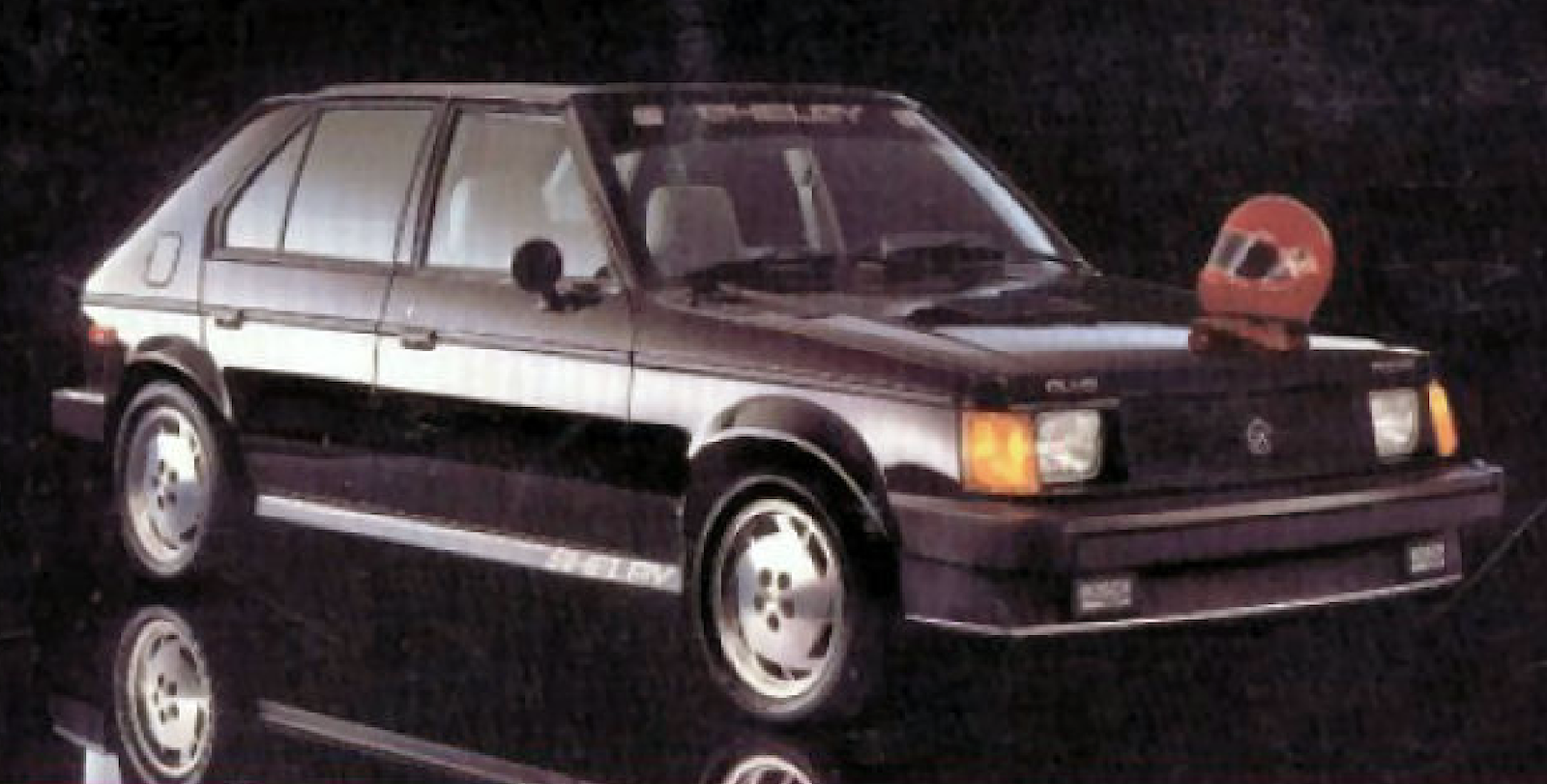
The first thing you need to know is that GLH-S stands for “Goes Like Hell S’more.” Consider that a bit of whimsy on a serious, stealthy speed machine. Each and every one of these cars rolled into showrooms bathed in black and garnished with silver striping, and they had enough firepower under their hoods to fly by like poltergeists in the night.
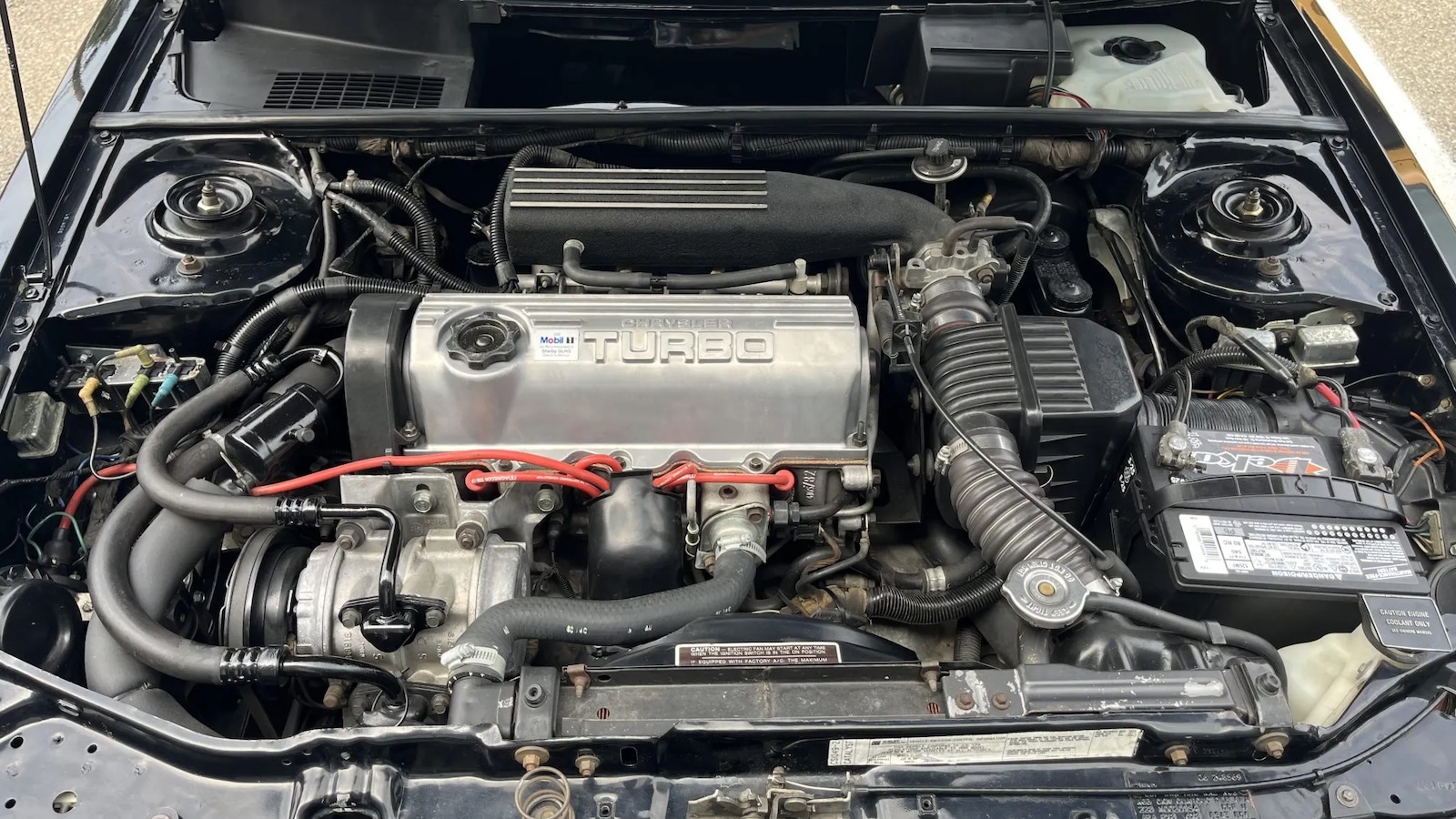
It turns out that if you put a heat exchanger between the compressor outlet on the turbocharger and the throttle body, the air cools down enough to run a lot more boost without an outsized risk of your internal combustion engine becoming an external combustion engine. Yeah, an intercooler was the big party piece, but there was more to the Shelby GLH-S’ engine than that. It got a larger turbocharger, a bigger throttle body, and high-flow injectors to handle the extra air, and yeah, 12 PSI of boost. The result was 175 horsepower, 2.82 times what the least-powerful 1986 Omni put out. If the Honda Civic followed that ratio, the current Type R would crank out 423 horsepower.
The effect, as expected, was profound. When Car And Driver got its hands on a Shelby GLH-S, it clicked off a zero-to-60 mph in 6.5 seconds. That was quick enough to bother a five-liter Mustang. Quick enough to be neck-and-neck with a third-generation Toyota Supra Turbo. Quick enough to show taillights to a Nissan 300ZX Turbo, or a 305-powered Camaro IROC-Z. Quick enough to take Thomas Magnum’s borrowed Ferrari 308 back to fifth grade and punch it in the face on picture day.
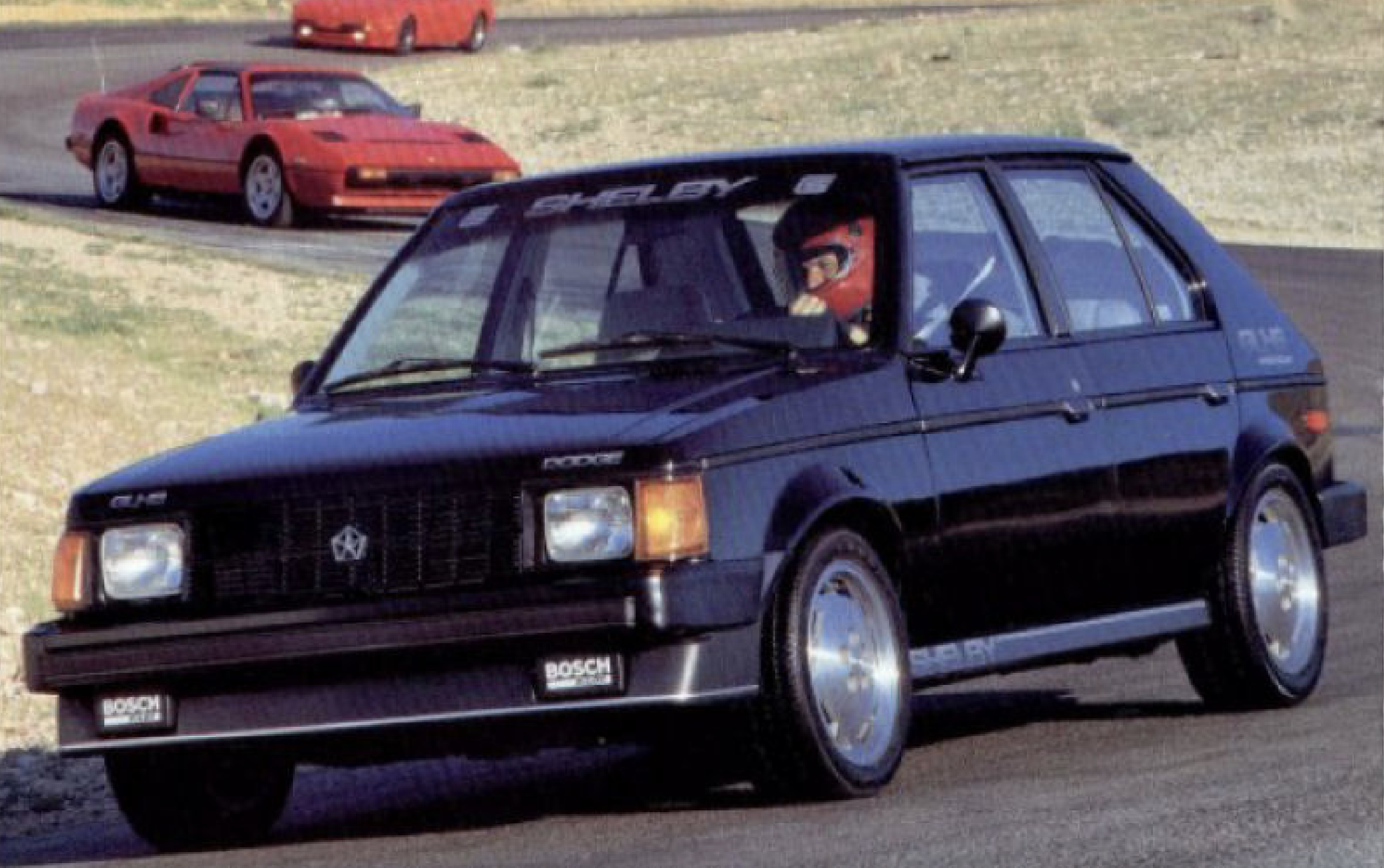
However, the GLH-S wasn’t just a straight-line brawler. Koni dampers, lower rear suspension, and 205-section Goodyear VR50 Gatorback tires combined to create an astonishing overall package. When Hot Rod magazine took a GLH-S and a 1965 Mustang GT350 to Willow Springs for its April 1986 issue, the ‘roided-up Omni was faster by two seconds. Keep in mind, the GT350 was essentially a road-legal race car in the ’60s. Now that’s 21 years of progress. More importantly, the Shelby GLH-S wasn’t a ragged-edge car. Although it was potent enough that one journalist managed to turn one over on the press launch, critics raved about its composure when pushed hard. As Car And Driver observed:
First, this car has lots of stick; a limit of 0.81 g should be enough to keep your lap belt tensioned. Second, the GLHS’s steering is rather light. Third, this car is blessed with great poise. The suspension, at least on the track, soaks up the rough stuff without losing directional stability or wrenching the wheel from your hands. Obviously, the Chrysler/Shelby troops know about bump steer. Except for the light steering effort, the car feels born to race.
The Shelby GLH-S was the complete package, a pioneer in showing just how brutally effective yet effervescent turbocharged hot hatchbacks could be. Keep in mind, this thing predates the Lancia Delta Integrale. With rarity assured at a mere 500 units made, it’s no surprise that immaculate examples now pull crazy money. A Shelby GLH-S with 8,000 miles on the clock sold for a whopping $41,000 on Bring A Trailer back in August.
Is that nuts for a hatchback that stickered under $11,000 back in 1986? Maybe, but the Shelby GLH-S is rarified air. It’s the ultimate version of America’s first modern pocket rocket, an 800-pound gorilla in dormouse clothing. Did Europe have turbocharged hot hatches like the Renault 5 GT Turbo and Ford Escort RS Turbo in 1986? Sure, but outside of wild rally homologation specials, they weren’t this powerful. Long live the Texan tuner’s torque-steering terror, a gloriously ludicrous machine.
Top graphic image: Shelby



Growing up my dad’s favorite joke was to tell us to study hard or we’d have to drive a Dodge Omni, the base Omni/Horizon was certainly a penalty box but the first time I saw one of these things do a FWD burn out I was hooked. I briefly owned a GLH and it was a riot but it absolutely needed another 40 or 50 hp, I can only imagine that an GLH-S was such a fun little rocket.
I don’t think I could ever stomach paying 5 figures for an Omni now (I paid 1200 bucks for my GLH) but if I had a fantasy garage, I’m sure I could find room in there for one.
biggest issue is this was Pre-Variable Vane turbos and VVT, and therefore exclusively manual trans cars. If they had tried to run one of these in Automatic form they would have been dog slow until the turbo spooled up and kicked it in the butt.
This sounds like a feature, not an issue?
I was dating a girl and her father who mind you was a big large man. He always had a thing for hot hatches. He owned a Omni GLH. She named Mr Shelby. By the time I met her he had sold it and moved on to a PT Cruiser
How did she feel about you dating her father?
the PT Cruiser turbo was probably not that far off from the old GLH, especially if it was a stick.
I remember they turned down the tuning for the second year
Why do basically all stories about Chrysler start out with some notion that they’re about to go bankrupt?
I’m detecting a pattern.
Chrysler Corp has basically been on the verge of bankruptcy since the 60s lol
“Auburn Hills needed a weapon” interestingly, Auburn Hills wasn’t incorporated until 1983, and Chrysler didn’t fully move there from Auburn Hills until 1996
was it Rochester hills or Rochester at the time?
Hey not positive but I think that PA VW Plant was in New Stanton which is in Westmoreland County, just outside Pittsburgh. Shelby knew what he was doing. With no one being able to figure out how to get a powerful big block to meet governmental regulations the need for speed was to be met with low weight and turbo. I am surprised that the Auto manufacturers actually kept at it with the V8s but they did and some wonderful engines got created.
Oh, no amber turn signal indicators in the taillamp?
Not that nuts. Adjusted for inflation, $11k = $32,598.54 in today’s currency.
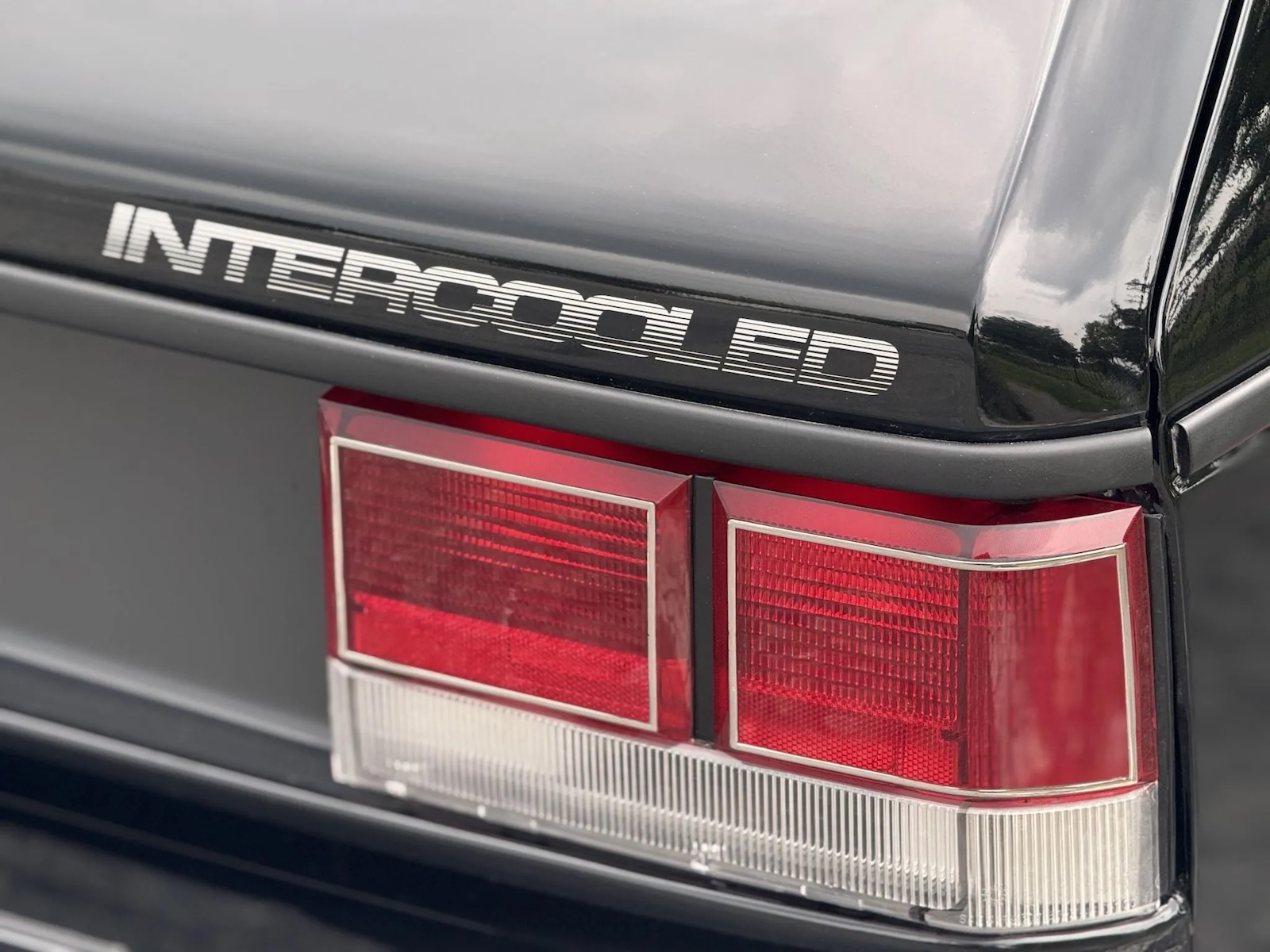
The last picture shows just a hint of Chrysler fit and finish of that era.
They were great-looking cars – imagine a 4-cylinder five-door hatchback that could outrun the Camaros of its time.
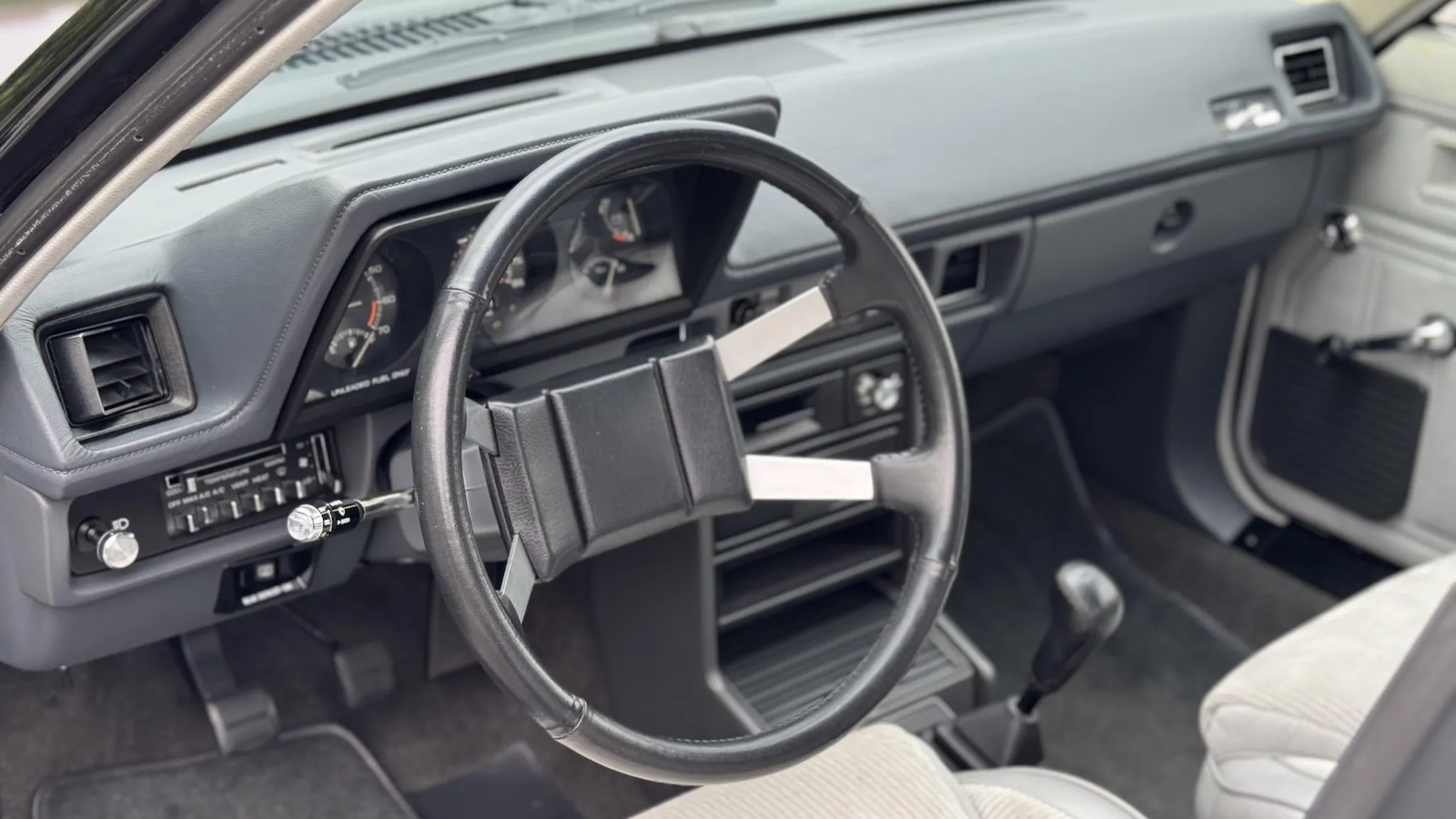
The 4-spoke steering wheel brought back a fond memory – when I was in college I drove a ’65 Plymouth Valiant for a while. It had the awful original steering wheel, so I pulled a 4-spoke wheel just like the one in the picture from a car in a wrecking yard. Fortunately for me, the splines on the steering column were the same and it bolted right on. That was my favorite part of the old Valiant. The horn wouldn’t work with that arrangement, so I wired in a push-button which was mounted on the dashboard.
this era too.
I appreciate correctly using “initialism” to describe GLH instead of “acronym,” which only applies when the initials form a word.
Yes! And all sins are covered by referring to both as abbreviations
> maybe it’s more like David with his sling
That is not an image I needed in my mind
Too bad they were absolute crap, quality wise. The 145hp engines held up decently but the ones in the GLH-s had all kinds of problems…..worse, the transmissions turned to dust with hard use, which they got all the time.
The Omni/Horizon was arguably the worst-made car available at the time. An absolute disgrace.
Base Omni/Horizons came to customers literally pre-rusted in the northeast. My god what crap cars they were, but the GLH was special.