

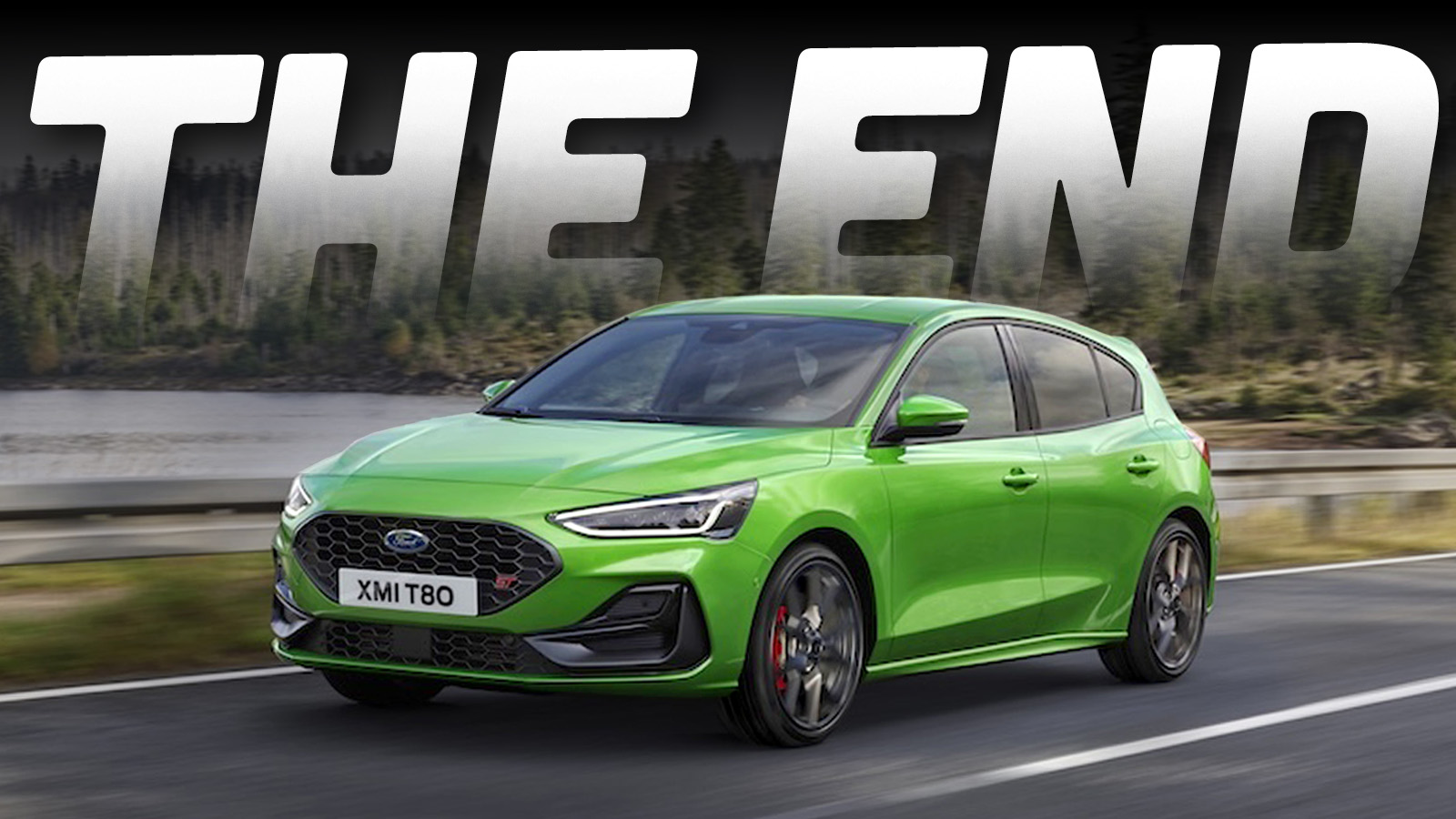
At one point, Ford was nearly the king of sales in Europe. In 2015, it sold an incredible 1.28 million vehicles, putting it in the top five biggest brands on the continent. Now, though, things look different. Last year, the Blue Oval sold just 426,307 vehicles in Europe—17% down from the year prior, and 66% down from that big 2015 sales number.
A lot of that decline can be attributed to Ford’s pivot away from cars and towards more profitable, higher-margin crossovers, SUVs, and pickup trucks. The Mondeo sedan, which raked in tens of thousands of sales per year, died in 2021. The Fiesta, the company’s best-selling model and once the best-selling car in Europe, was killed off in 2023. Now, it’s the Focus’s turn to face the grave.


A Ford Europe spokesperson confirmed to me via email that the last Focus, a white five-door model, was built on Friday. Rather than being sold as normal, the car is being given to the city of Saarlouis, the same town in Germany where the car is built, to be placed into a museum.
The Focus Had A Good 27-Year Run
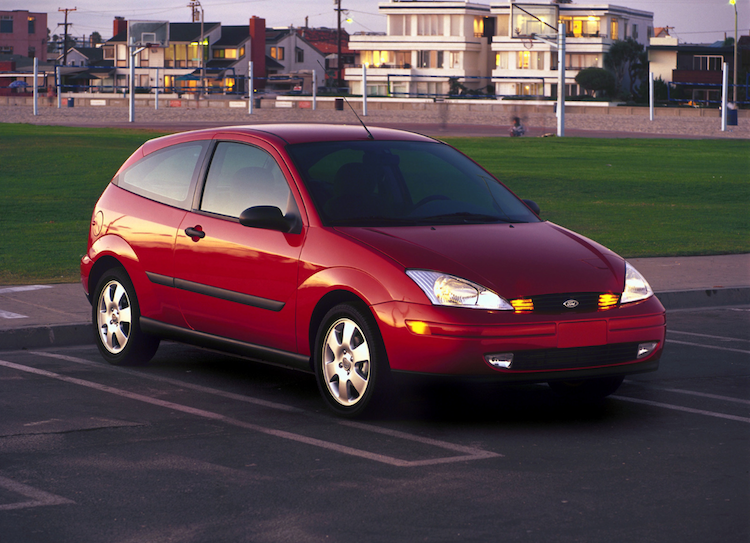
The first Focus had big shoes to fill when it debuted in ’98. It would be taking on the hotly contested compact segment, occupying the spot in Ford’s lineup previously held by the long-running Escort. Despite its controversial looks, the car proved a resounding success, winning Europe’s Car of the Year award in 1999 and turning around years of sales declines for the brand. The first-gen Focus managed to sneak into the American market right before SUVs became mainstream, and it was a success here, too, holding a spot on Car and Driver’s Ten Best list from 2000 to 2004.
For the second generation of Focus, Ford split development between two separate cars, one for Europe and one for North America. That’s how we got the quirky, three-year-production run of the 2008-2011 Focus sedan and coupe. Europe got a totally different car, built over a longer production run, until both cars were discontinued in favor of the third-gen Focus, which was sold globally starting in 2010.
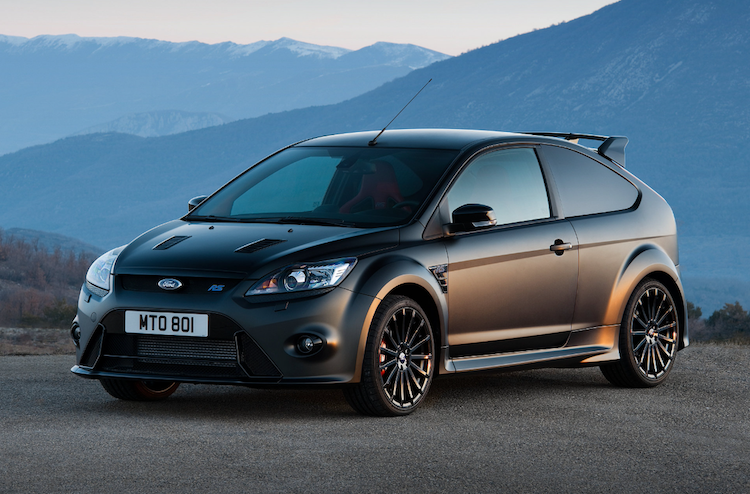
It didn’t take long for sales to grow even higher. According to data published by research firm Polk, the Focus was the best-selling car on the planet in 2012 and 2013, solidifying it in the history books as one of the most important cars of the 21st century. The car’s market share would slowly fall off thanks to the onslaught of more popular crossovers and SUVs, leading Ford to drop the car (as well as the Fiesta, Fusion, Taurus, and C-Max) for the U.S. market in 2018.
The Focus lived on in Europe, though, getting a fourth generation that same year, which lasted all the way up until Friday. In a way, the iconic hatch’s death signifies the end of an era for Ford, one marked by sales volume dominance. So where does it go from here?
How Ford Plans To Regain Market Share

Ford has been planning to kill the Focus since 2022 to make room for more profitable models. The strategy, revealed back then, seemed to mirror what the company did in the U.S. back in 2018, according to a report from Automotive News that year:
Ford is dropping its long-running volume models, the Fiesta small car and Focus compact, in Europe to concentrate on SUVs, crossovers and pickups, which generate higher margins.
While that report also claimed Ford would be going all-electric by 2030 (something that definitely isn’t happening anymore), the overall plan of shifting to crossovers seemingly hasn’t changed, according to Autocar:
Although the Focus has been discontinued, Autocar recently reported that Ford is looking to fill the gap it has left in its line-up with a new mid-sized crossover, due in 2027.
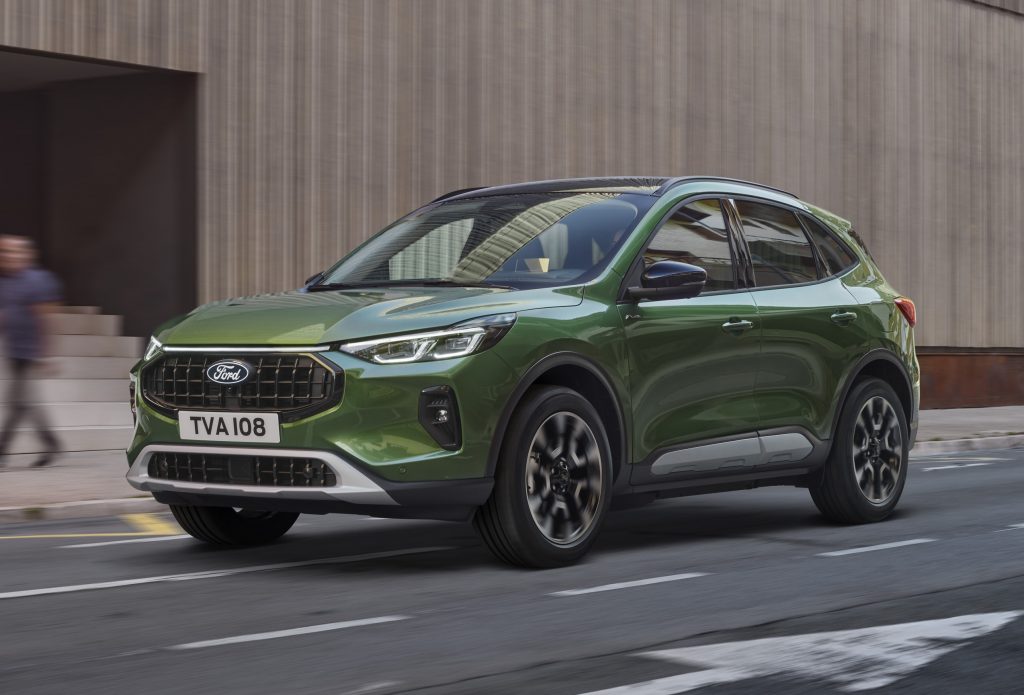
That model will not replace the Kuga – which arrived in 2008 in effect as a crossover version of the Focus – but will instead be sold alongside it, offering both petrol-hybrid and electric drivetrains.
[…]
It is currently forming a plan to return to being one of Europe’s best-selling manufacturers, having appointed former Focus and Kuga model line manager Jim Baumbick as its first dedicated Europe boss in three years.
Among Baumbick’s chief responsibilities is to “develop products relevant for European customers”, said Ford.
Whether Ford actually knows which products are relevant for European customers is another story. Crossovers are more popular than ever on the continent, sure, but the top three best-selling cars in the region last year—the Dacia Sendero, the Renault Clio, and the Volkswagen Golf—were all good old-fashioned hatchbacks. Ford probably hopes it can offset the lower sales with higher margins—something lots of automakers seem to be doing these days.
Top graphic image: Ford



How much was the demise of the Fiesta/Focus related to the gawd awful dry dct? I realyyy wanna know.
I was one of those people lined up with money ready for the Focus Active when it was set to debut in the US. Curse them!
I know this is the complete inverse of the perception in the US, but in the UK, Ford is generally considered to be less reliable than something like a VW, and about as expensive to repair.
I was very close to getting a 4th Gen Focus ST through a friend that runs a reputable used car business. Fun, practical and has proven to be quite reliable. The terrible Sync system did factor in though. Alas one of my few non-purchase regrets but my WRX is scratching that itch.
I’ve had a Focus ZX3, a C-Max and currently have an Escape (Kuga) PHEV. I found them all to be perfectly satisfactory delivery vehicles that last a long time and require minimal maintenance.