

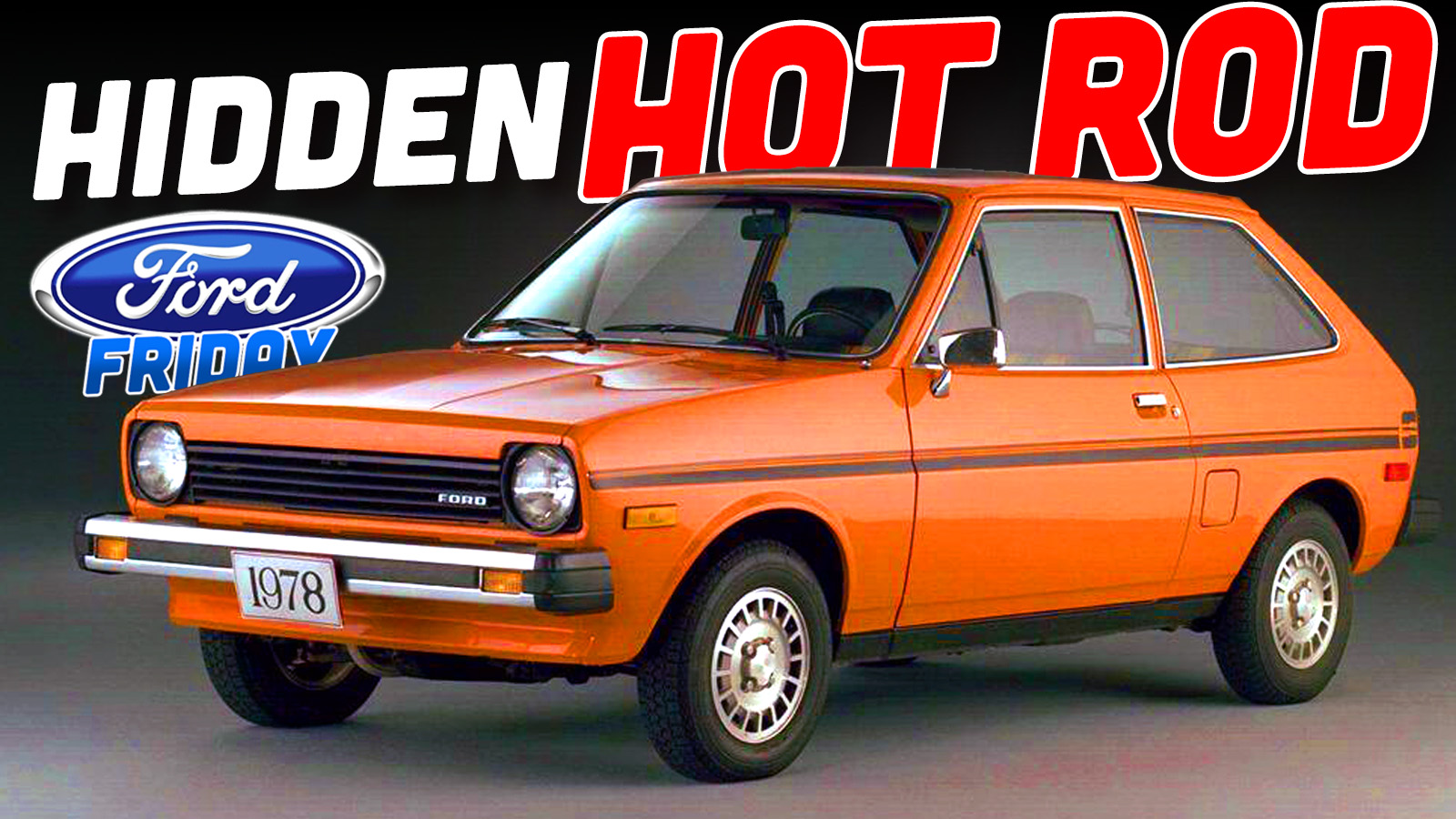
Ford’s run of super-small cars in the United States over the past few decades has been admittedly less than stellar. Actually, let’s not be polite: it’s been pretty bad. But that hasn’t always been the case; when Ford got the tiny-car concept right, it really got it right. I’m talking about the first Ford Fiesta, and it deserves your respect.
I get your skepticism. A little while back, our Mercedes Streeter did a takedown of the EcoSport, Ford of America’s Indian import that was noticeably smaller and less refined than the competition. The EcoSport probably wasn’t much worse in period than the Korean-built Ford Aspire doorstop that preceded it in the late nineties, or even the Festiva that came before that, but none of these was even close to sniffing the exhaust of the class leaders.


What’s sad is that we all know Ford’s Europe-only offerings in the sub-compact range have been anything but poor. Naturally, we haven’t been able to get many of them, but almost fifty years ago, American Ford stores did receive a German-built front-drive hatchback with styling by the same person who created the DeTomaso Pantera and a motor almost twice the size of the standard engine overseas. Did you know that it was also Ford’s only truly successful “world car?” No, you wouldn’t, since you probably forgot about the first Ford Fiesta. That changes now.
A Diamond Among Turds
If you wanted to gift one of your Ford-crazy enemies in the best possible way, here’s what you could do: Offer them a like-new example of any Blue Oval product they want, but they don’t get to pick which year. No, that’s your job. Heh, heh. Personally, anything from Ford’s full-line catalog in the era between 1974 and 1978 would be perfect to really demoralize this person that you despise.
Let’s take a look at the highly underwhelming 1978 general cornucopia of crap:
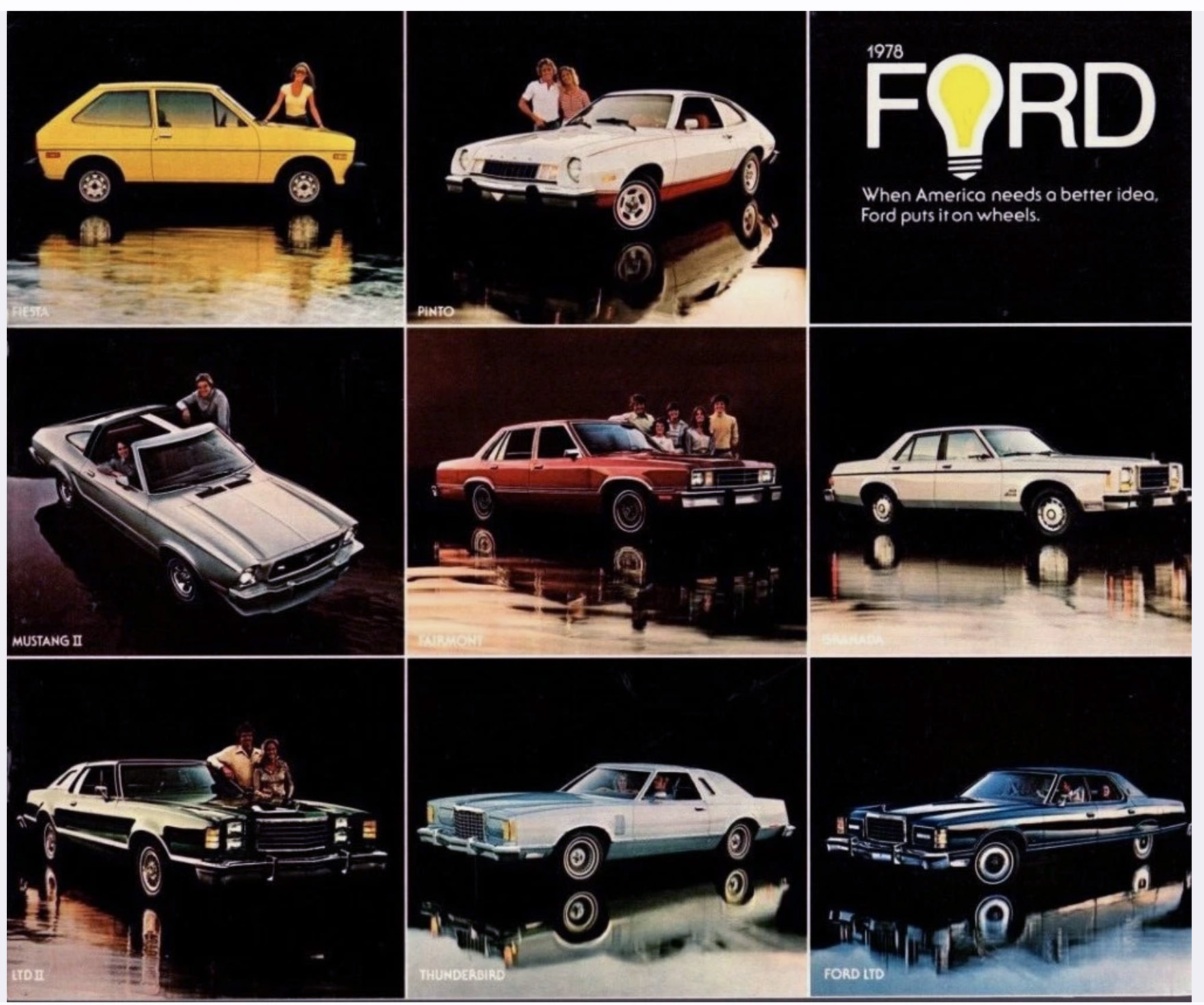
You’ve got:
Pinto: By then, a nearly-decade-old car that wasn’t cutting edge when new in 1971
Granada: A Maverick rebodied to look like a Temu Mercedes
LTD II: “Mid-sized” warmed-over old Torino that was bigger than the far-better 1978 full-sized Caprice
LTD: The size of a freaking house with a gutless monster V8
Mustang II: Don’t get me started
Thunderbird: A tarted-up old Torino coupe with more overhang
To be fair, that first Fox body Fairmont wasn’t horrible, but the engine and chassis options were still pretty damn weak. No, the only decent car here is the yellow one that looks about ten years newer than most of the others. Oddly enough, it was a car that Ford was essentially forced to bring here.
You see, Ford Motor Company was under the gun of the U.S. Government to meet all-new fuel economy restrictions that required them to produce a fleet with an average of around 18MPG. What could the offer be to counteract the immense thirst of that gargantuan LTD? Thankfully, this is one time that the overseas counterpart of an American company had a great car, and the U.S. branch brought it over without screwing it up. If anything, they made it better.
Bobcats And Wolves, Oh My
Maybe it was the fact that their parent companies were based in the land of six lanes and thirty-cents-a-gallon gas, but both GM and Ford in Europe were late to the front-drive little car game. By the early seventies, the British Mini’s formula was being copied by the likes of Simca, Renault, Citroen, Peugeot, and Fiat. Starting in 1969, Ford of Europe began developing their own competitor for these sub-compacts with what they dubbed “Project Bobcat”, a name that might make you think of the Mercury version of the Pinto with a silly Lincolnesque grille, but in fact it bears no relation to that car.
Ford took a Fiat 127 as a benchmark (in fact, using such a car as a test “mule” for Project Bobcat components), yet what is not commonly known is that there were actually two Bobcat concept directions being worked on at once. According to author Roberto Parazitas, Ford of Europe was developing its own car, styled primarily in-house in Germany.

At the same time, Ford’s President Lee Iacocca and product planner Hal Sperlich initiated a somewhat larger “Bobcat” they dubbed the “Wolf,” which would have been launched and built in the United States. Ford had already purchased the automotive design house of Ghia; famed designer of the DeTomaso Pantera and Fiat 124 Spyder named Tom Tjaarda was employed there at the time and penned the “Wolf” concepts in both fastback and “shooting break” form.
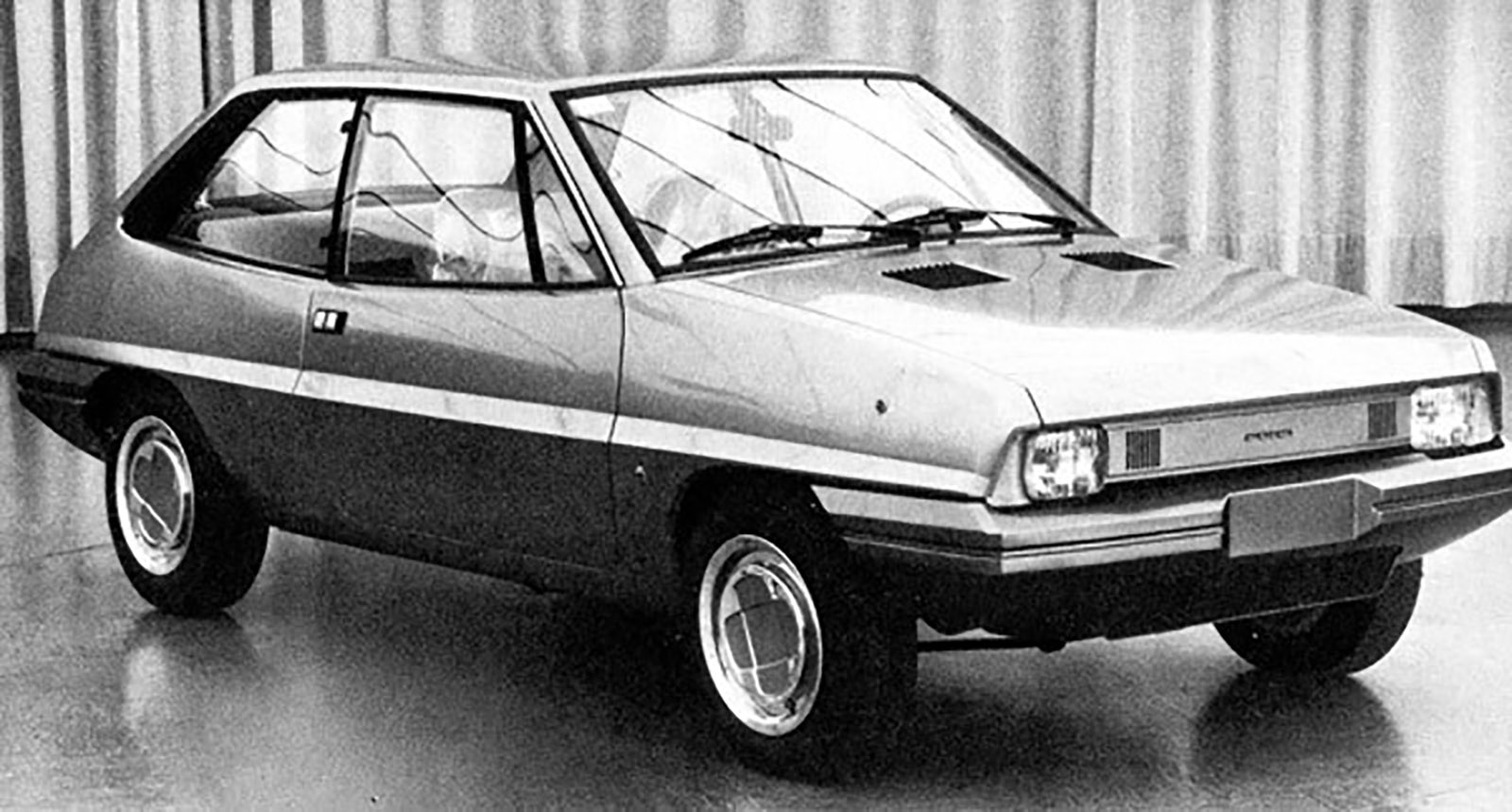
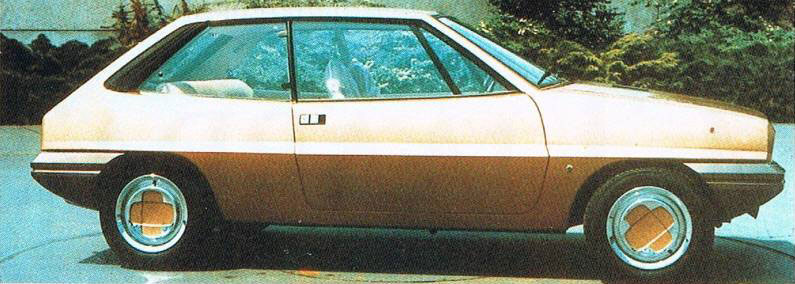
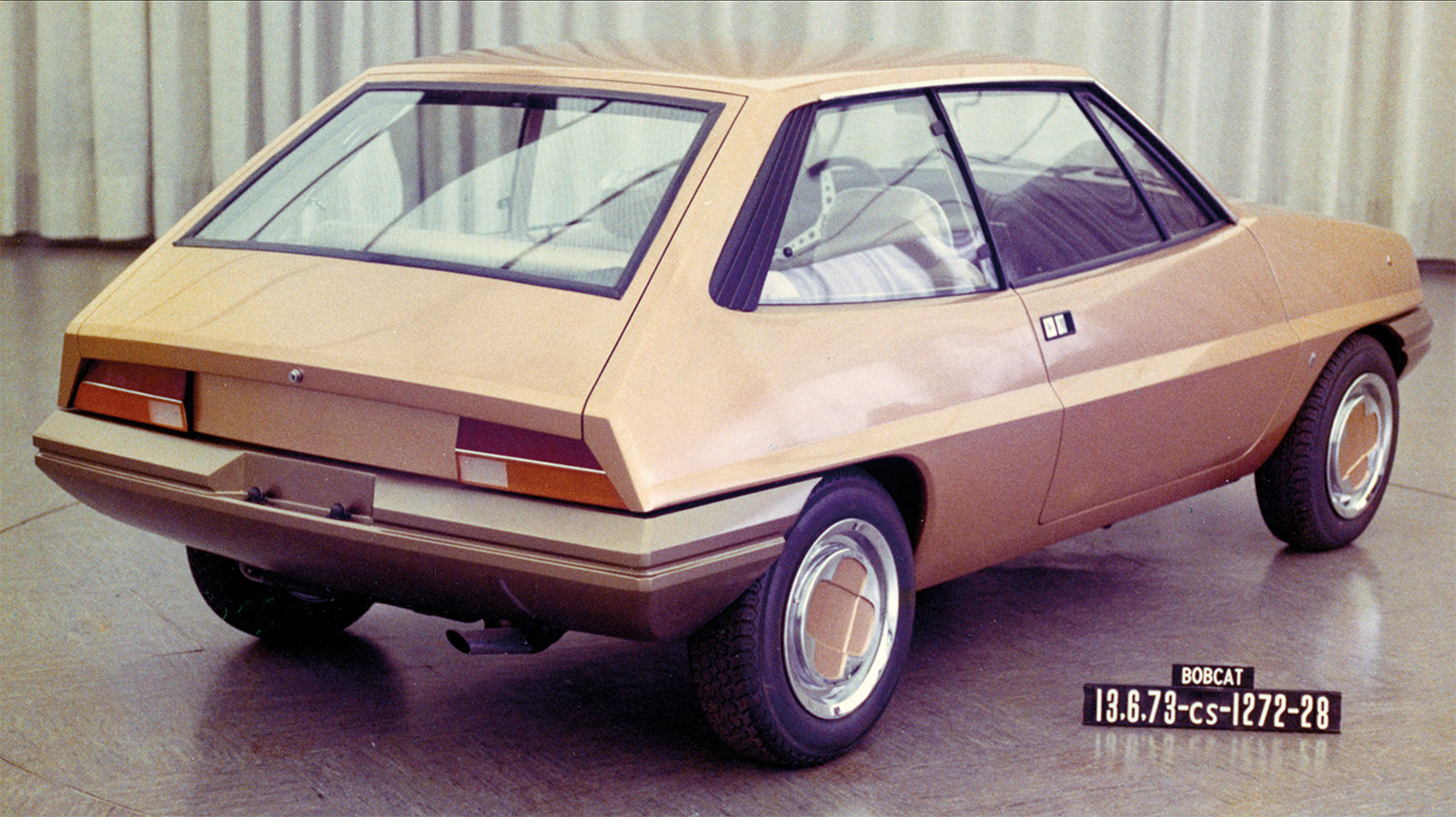
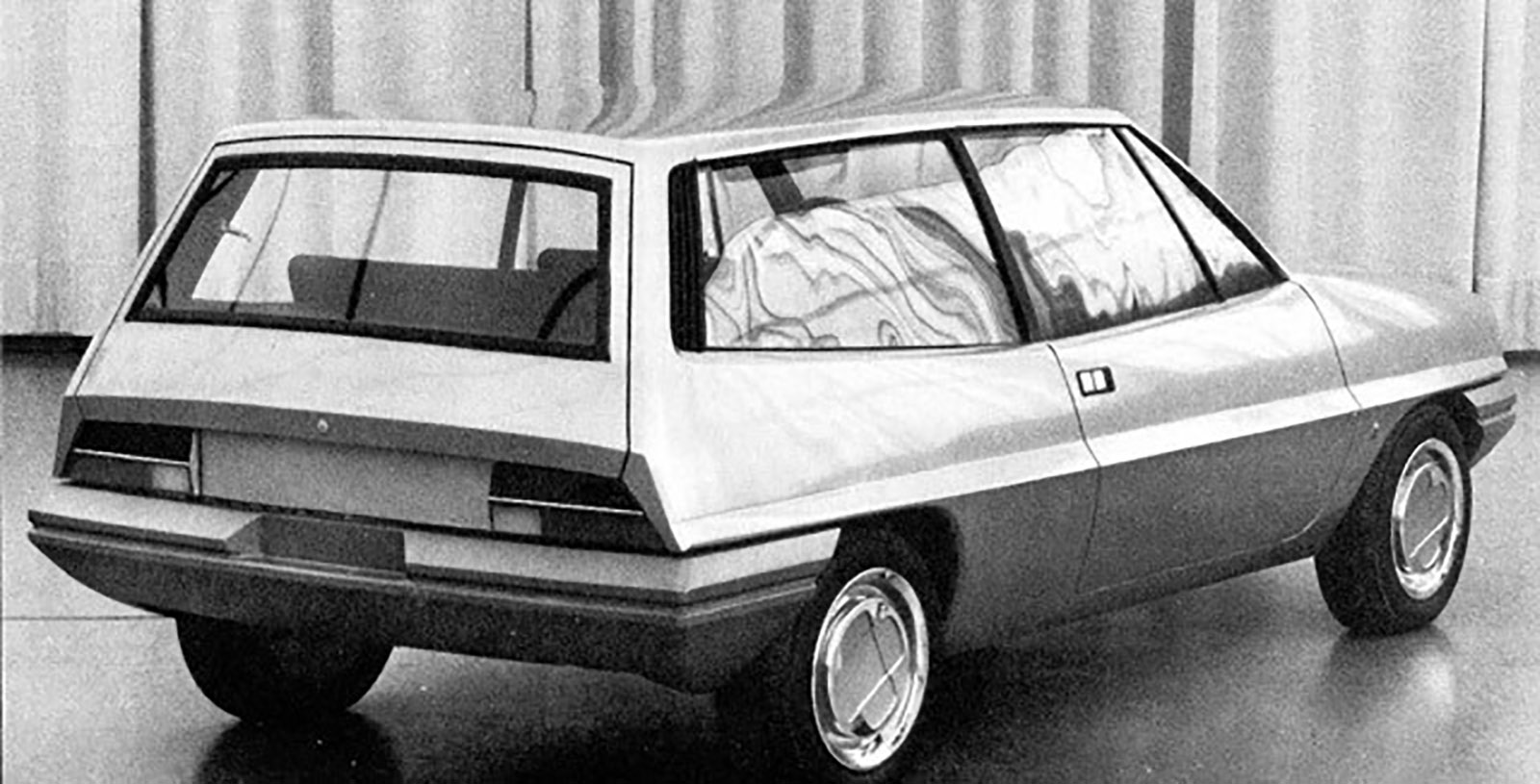
Now, Henry Ford II famously hated little automobiles, thinking that small cars meant small profits, and he agreed to Project Bobcat only because Europe needed it. “Hank The Deuce” did not know about Lido and Hal’s side project, but according to Iacocca, “Sperlich and I were too hot on this project to give it up. There just had to be some way to build the Wolf and make a profit”. As with Lido and Sperlich’s failed minivan and small front-drive primary cars projects at Ford, you already kind of know where this was going, right?
A big issue turned out to be producing an engine and transaxle in America, and the immense tooling cost. Sperlich and Iacocca’s idea was to go to Honda to purchase drivetrains, an idea that Honda was surprisingly happy to accept (remember that Volkswagen provided powertrains for the first Dodge Omnis). Pleased with the news, Lee and Hal presented their work to Henry II and immediately had their behinds handed to them. Ford vehemently refused to build this American small car, further adding that “No car with my name on the hood will ever have a (racial slur) engine.” The name on the outside of the building they were in also did not say “Iacocca”, so that was the end of it—or was it?
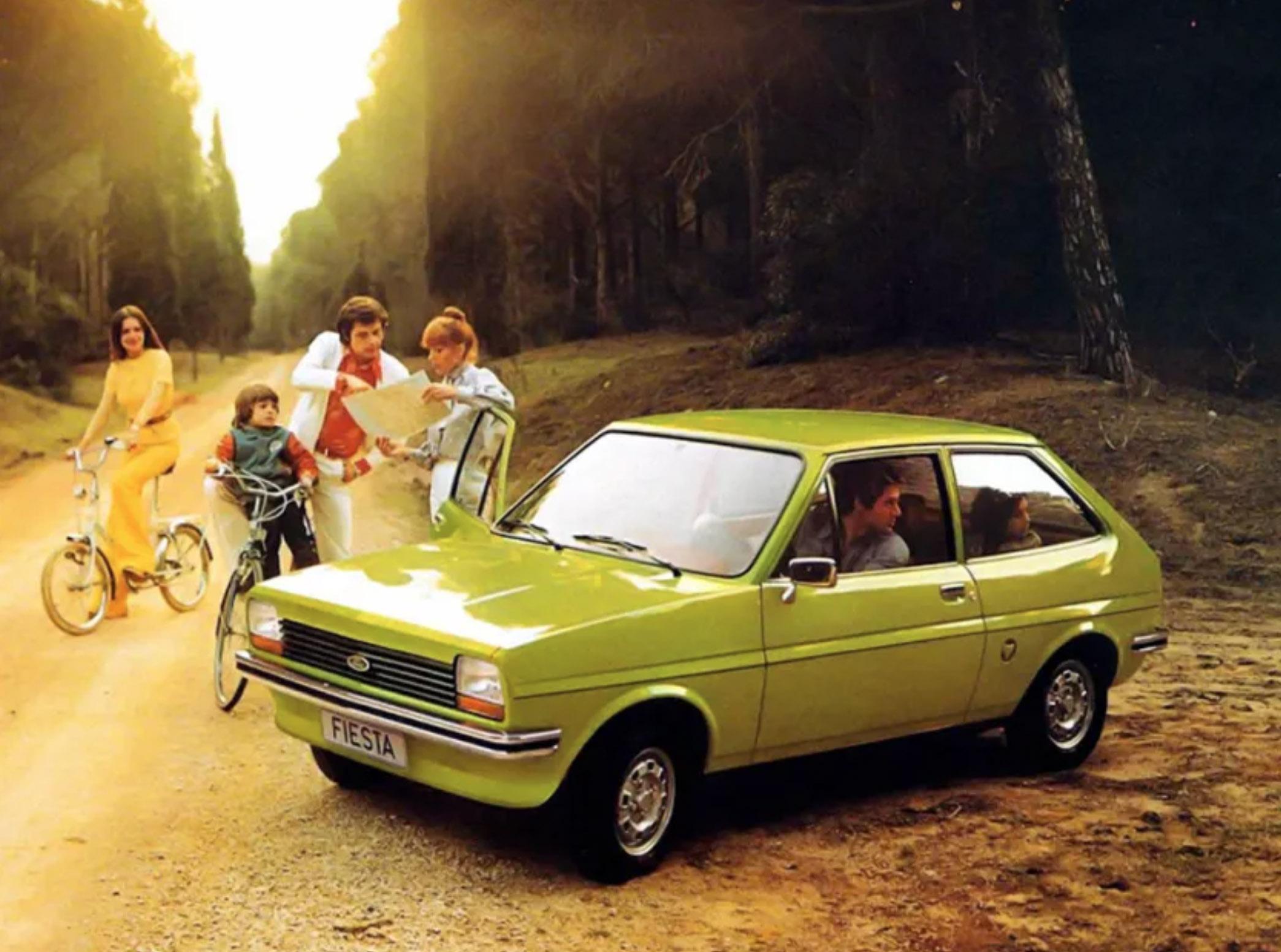
No, it was just the beginning. The lovely styling of the “Wolf” ended up on the production Fiesta that was launched in 1976. Extremely well received by the press and buyers alike, the Fiesta went on to become one of Europe’s best-selling cars.
Sadly, Ford of Europe did not offer that cool “shooting brake” version that was shown as the Wolf, though they did tease the public with a one-off wagon-backed version called the Tuareg many years before Volkswagen used the name. This could possibly be the silliest/coolest thing you see all week here:

How about the good old nation that’s Home of the Whopper? Well, the 1975 announcement of the CAFÉ average fuel economy regulations meant that, like it or not, Henry II would need a small car in his fleet to bring those numbers down. Enter the car he begrudgingly accepted and picked the name “Fiesta” over marketing’s choice of “Bravo.” You just knew he’d still disagree with something, right?
It Could Skin A Rabbit
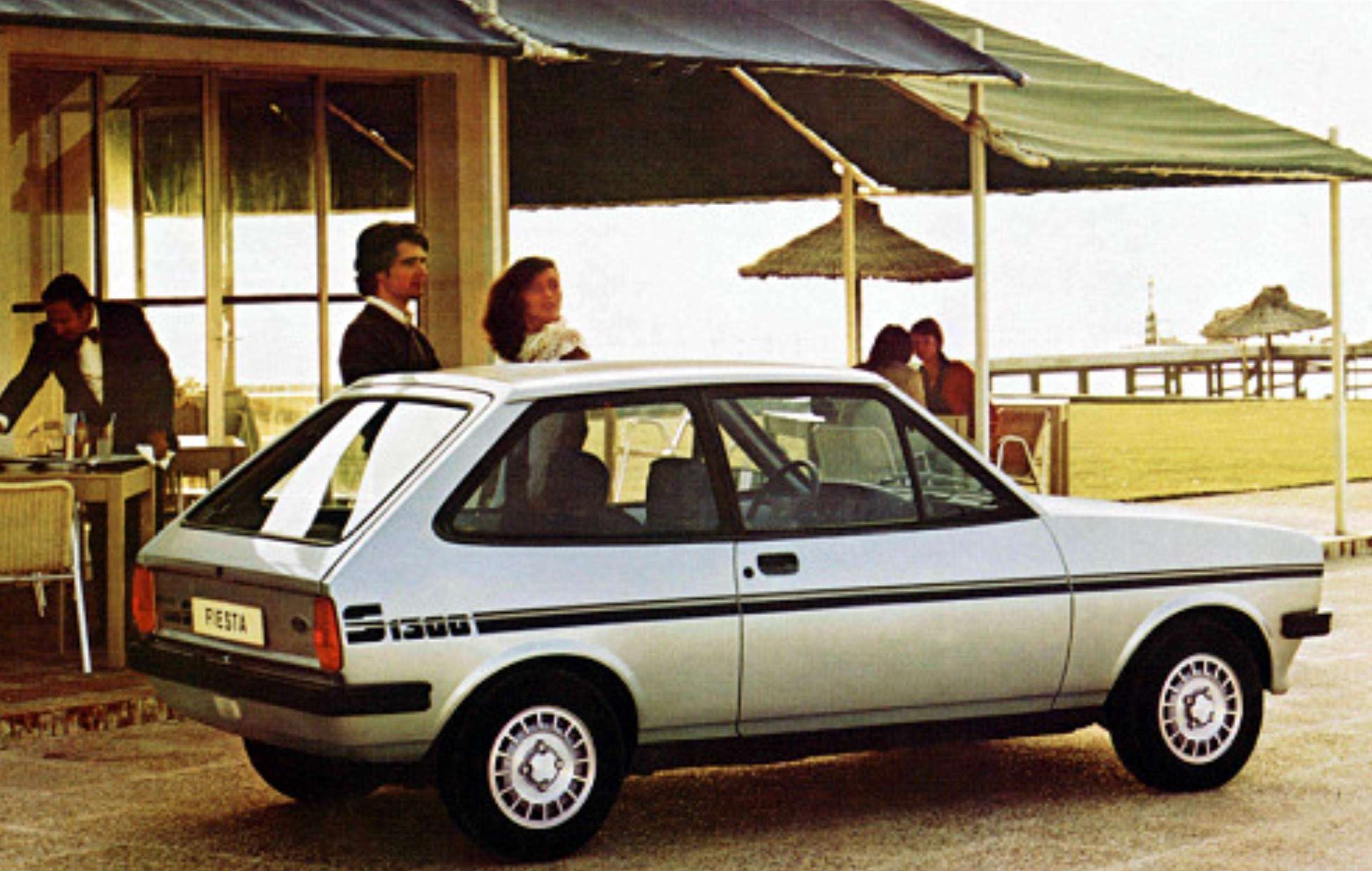
Here’s one of those times where running out of time and money was a blessing. Ford had no choice but to quickly federalize the great-looking European Fiesta . Unlike later failed “world cars,” where the chrome-laded whitewalled squishy-suspensioned American version doesn’t share any body panels with the German car, the only changes the U.S. specification Fiesta received were not-too-park-bench-like 5 MPH bumpers, door protection beams, round sealed beam and side marker lights (in a trick move, those bumpers appear to be identical front and back with the turn signals replaced by backup lights in the rear).
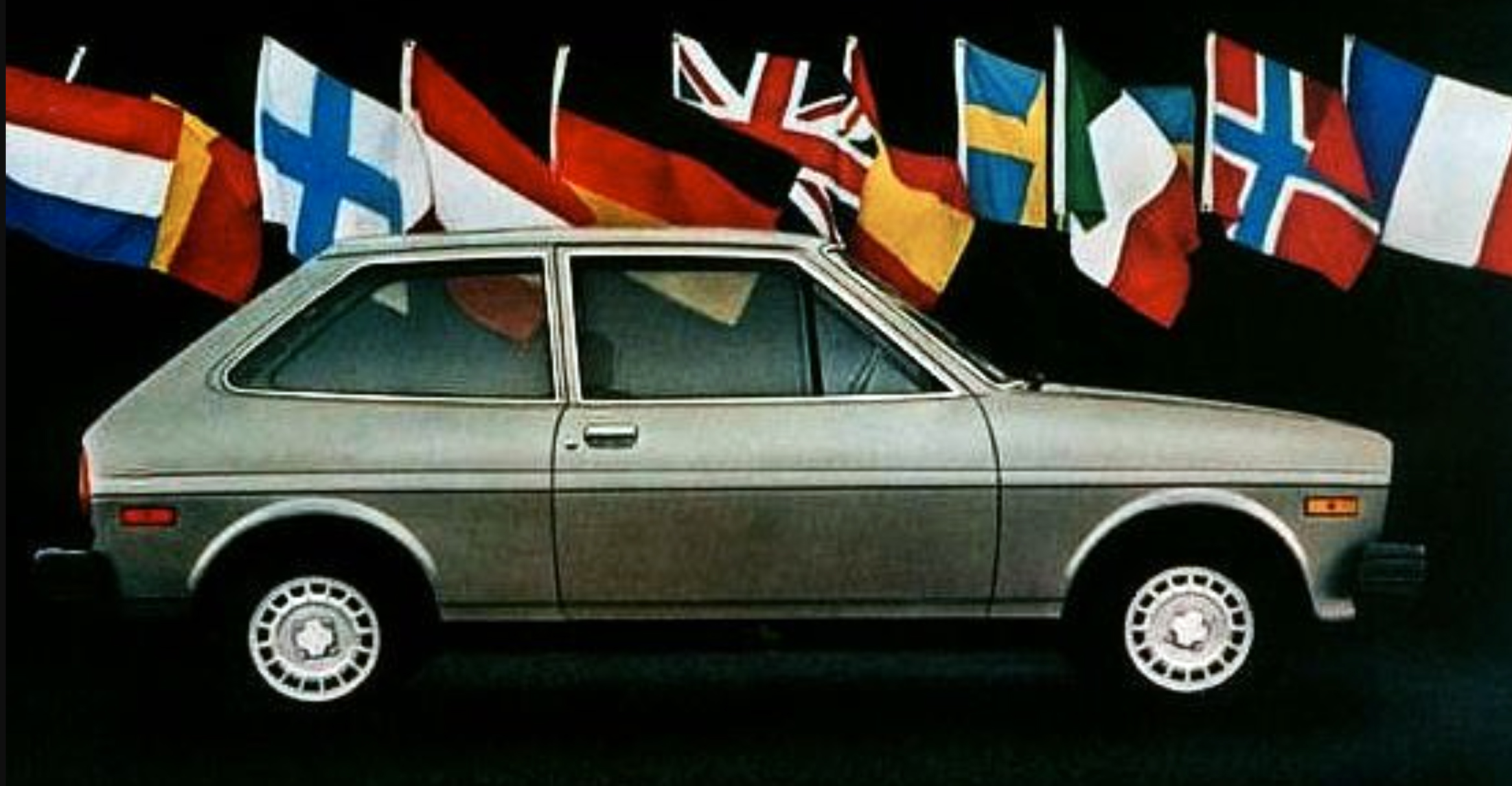
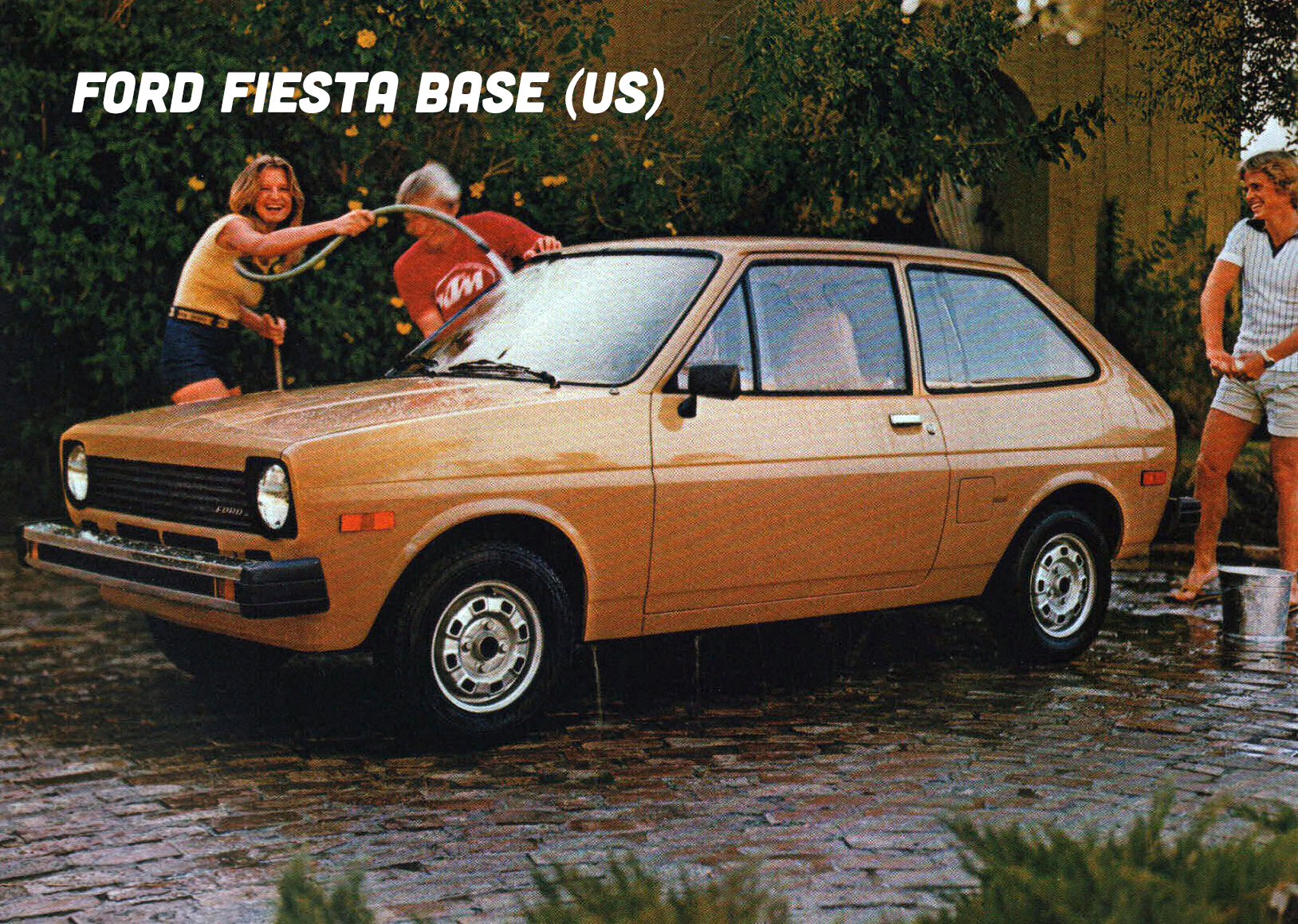
In America, the Fiesta came in four trim levels. The base model was naturally very stripped down and built to a price; next was a “decor” group edition that could add some minor equipment to make it more tolerable, but rest assured that that probably wasn’t any less expensive German-built import you could buy in the U.S. at the time.
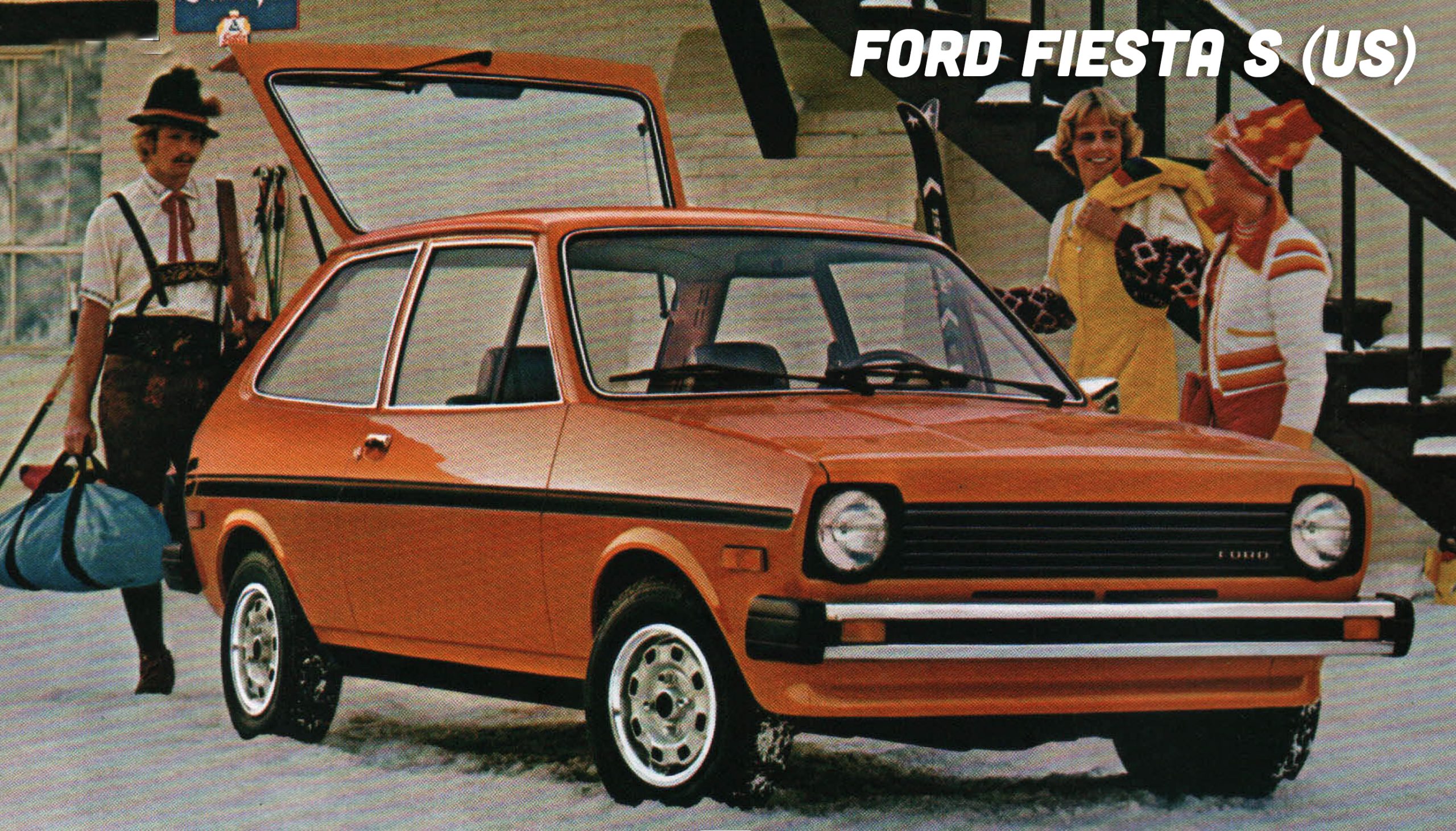
The enthusiast’s choice was a sporting “S” model with thicker anti-roll bars, a tach, and ultra-cool super-seventies striped seat upholstery. By the way, I’ve been to Germany and nowhere did I see lederhosen-clad bellhops at hotels putting luggage into cars.
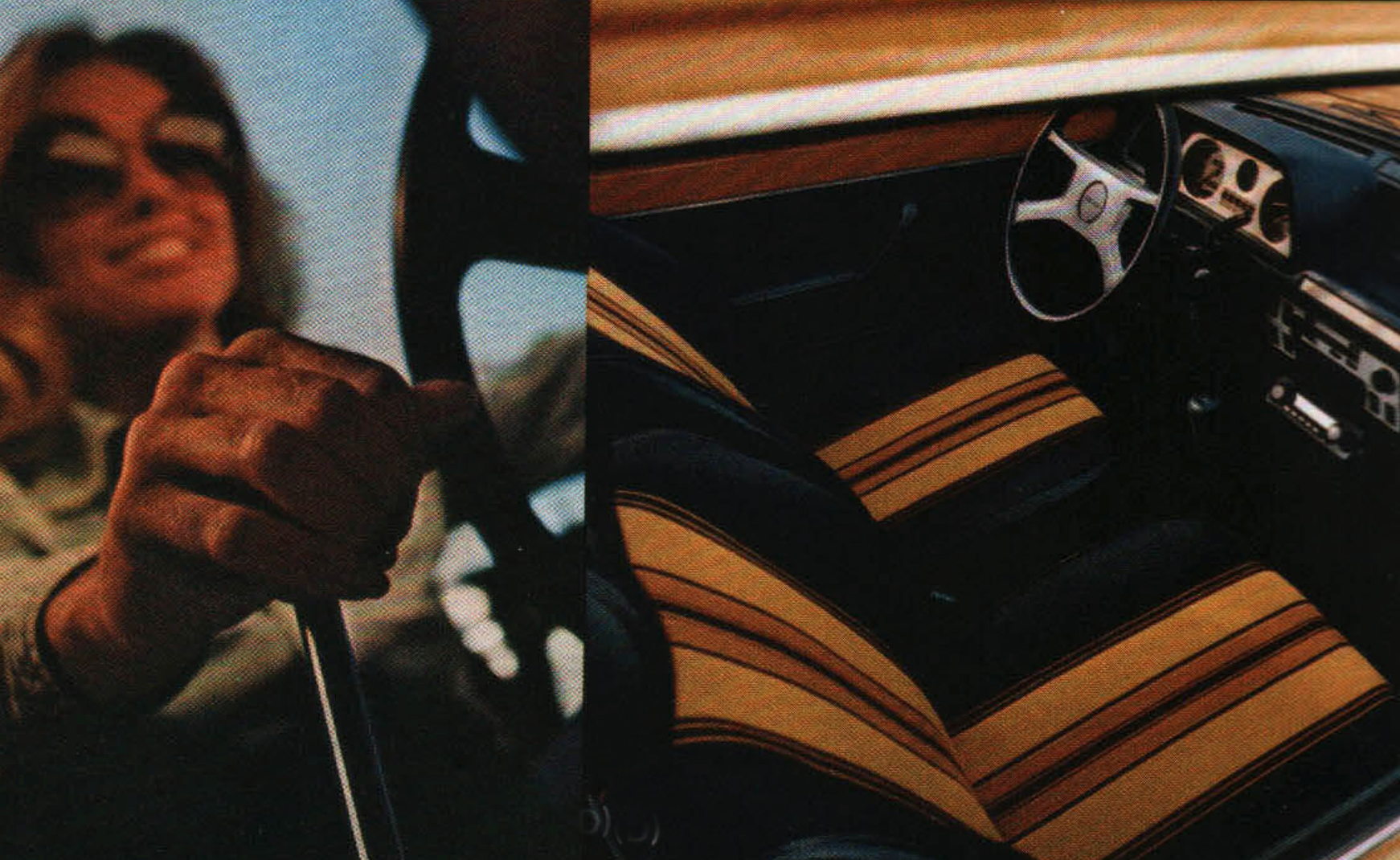
The absolute top-of-the-line model was the “Ghia” with a relatively fancy interior (back in the time when Ford put the badge of the famed styling house on every upper-end model they had, but at least the Fiesta really was a Ghia creation).
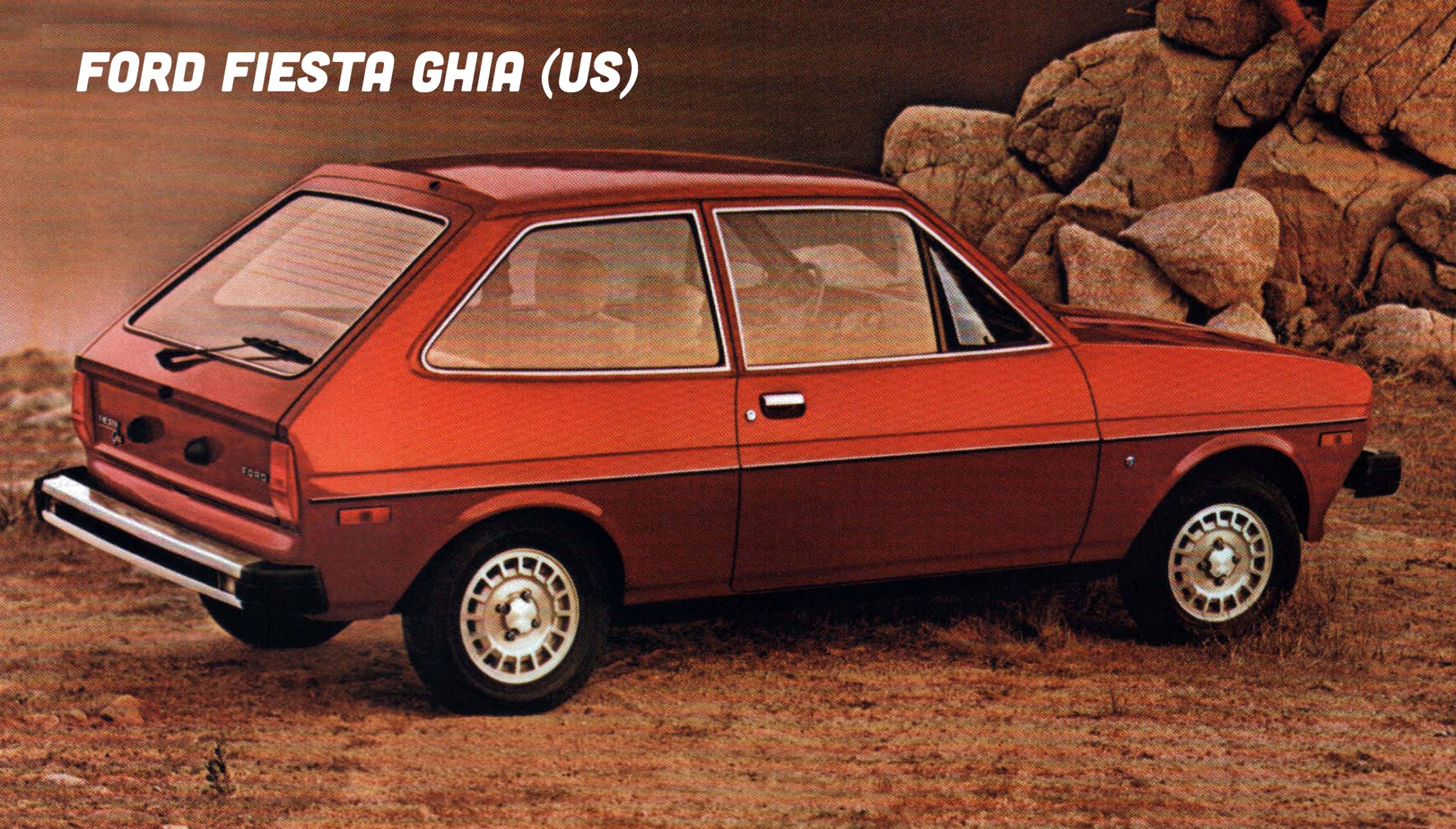
Feast your eyes below at the Ghia’s decedent cabin, with all the body-colored sheet metal parts covered in black vinyl. There was also upgraded upholstery, a fake woodgrain finish dash, and even an electric clock on the console below a whole bunch of rocker switches for various accessories. What kind of Mr. Moneybags bought this thing?
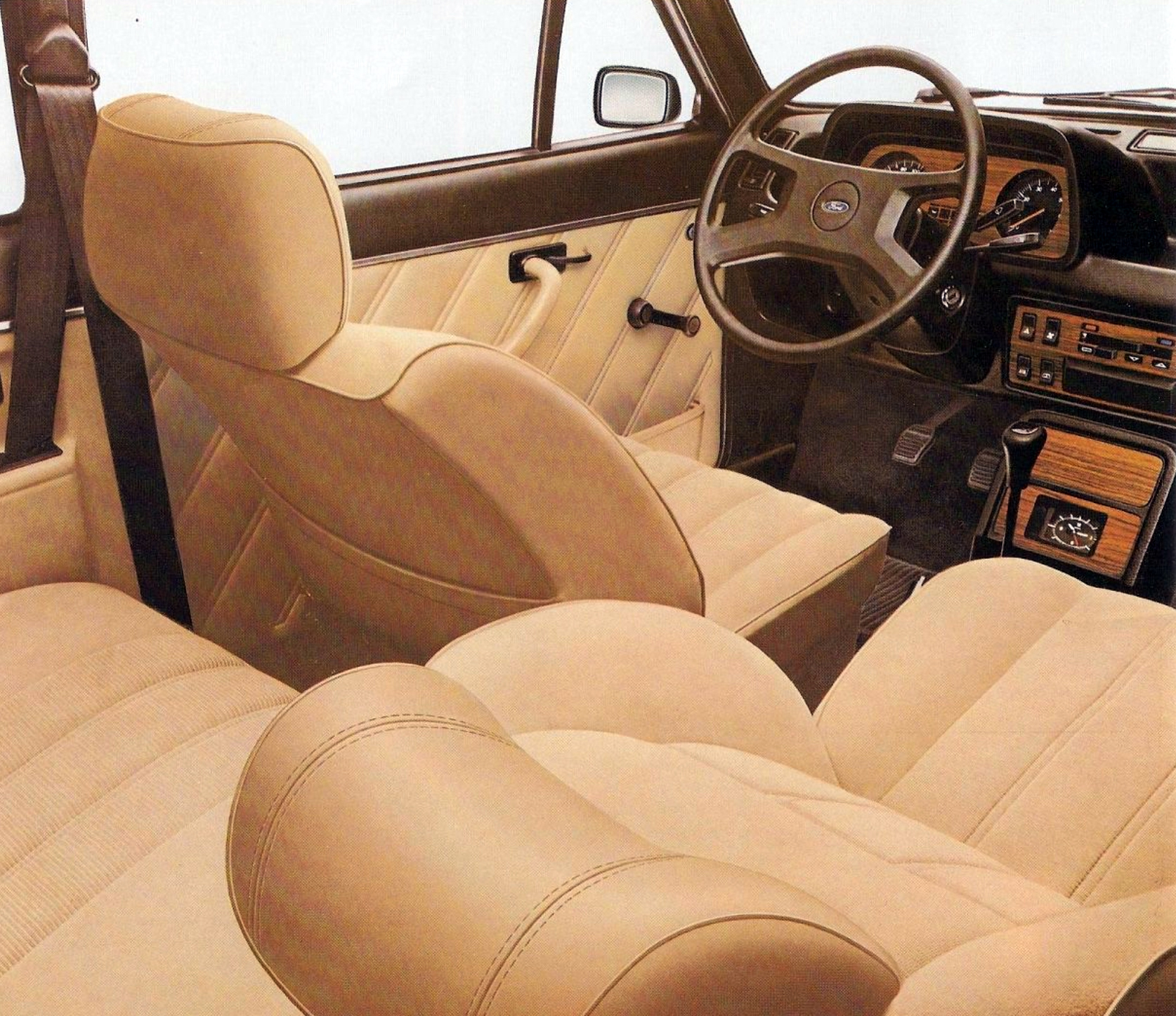
Now, under the hood, Ford saw some major problems with the standard Fiesta engines. In Europe, the standard motor was a 957 cc “Valencia” four with a measly 44 hp or a bored-out 1,117 cc version with a whopping 52 hp. (They received a 1300 cc version as the “performance” model a few years later.) With the prospect of the required US emission controls and extra weight from the additional safety equipment, the car wouldn’t have been able to move out of its own way in America. Ford fixed the problem by going a bit overboard, installing a 1597 cc version of that same engine boasting 67 horsepower in smogged-out form.
Looking at the specs below, you can see that the Fiesta has a two-barrel Weber carb, which is “the brand used in Ferrari.”

Those 67 horses don’t sound like much, but remember that this was a car that, by today’s standards, weighed next to nothing. Contemporary road tests typically pulled zero to sixty times of around 11.5 seconds or less; that’s about a second or two faster than the vaunted VW Rabbit. What’s really funny, though, is that figure is really only about a second or two slower than Ford’s sportiest car of the time- the 302 V8-powered Mustang II King Cobra! Also, I can guarantee that in terms of handling, a Fiesta could run rings around that Pinto-chassis piece of crap.
Most period reviews found the Fiesta to be an absolute blast to drive. It should come as no surprise that when you look at pictures of old SCCA Showroom Stock races from the era that there’s usually more than one Fiesta on the track. Remember, this was an actual German-built car at a relatively bargain-basement price at a time when dealers were gauging the crap out of the likes of Volkswagens.
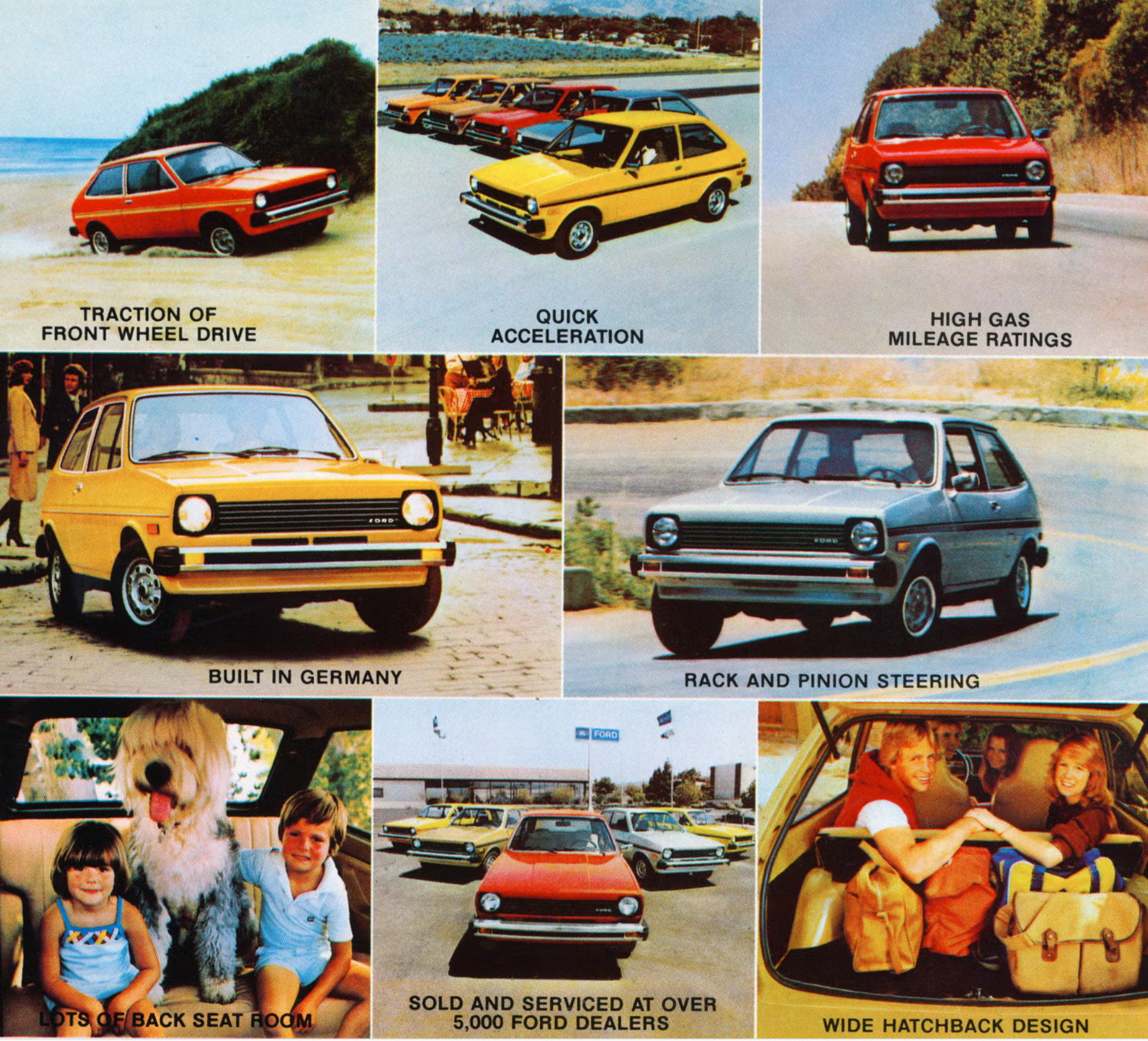
Oddly enough, for a mainstream Big Three car sold in the late seventies, there was no automatic transmission option. According to a Road & Track review, Ford used the excuse of a slushbox being too much of a drag on such a small car and engine, though considering the wheel-chirping power, that sounds a bit hollow. At least that power helped with the optional air conditioning that was not available in Europe (the knobs and vents on the dash edge in the image below).

Negatives? Interior plastics were considered a bit cheap-feeling by some, but that’s really nitpicking on this affordable import. Honestly, most contemporary reviews struggled to find a bad word to say about the American Fiesta. As with so many things in life, we have no idea how good something is until it’s gone.
The Fiesta Takes A Siesta
This Fiesta continued to be sold in Europe until 1983 when the madly facelifted second-generation model was introduced (though the basic platform was still made up until early 1989). Unfortunately, after three brief model years in America, the little Ford’s run was done at the end of 1980. Ironically, the 1.6-liter engine standard for the United States wasn’t available in Europe until 1981, when it appeared in the XR2 version from the glorious era of competing lightweight and nimble “hot hatches” to combat the VW GTI (free of smog equipment, it offered 82 horsepower of oomph).
What killed it? Well, in 1981, both the clunky old Pinto (yes, they were still making a Pinto in 1980) and the Fiesta were replaced by the “world car” Ford Escort, which shared not nearly enough with the overseas model and wasn’t a “world car” at all. Humorous note: Ford’s reported claim that an automatic might weigh down the Fiesta too much was called out as bull when the 1.6-liter-engined, 69-horsepower Escort was offered with a slushbox even in its heaviest A/C equipped station wagon form. Only in the malaise era would a car with an 11-second zero-to-sixty time be essentially replaced by an all-new one that was five or six seconds slower. The “SS” on the cars below stands for “Super Slow”.

The Fiesta indeed brought the corporate average fuel economy numbers down, but with the German exchange rates, the Fiesta supposedly was exactly the profit sink which Henry II had feared. Still, as usual, when corporations lose money on a car, enthusiasts win.
Don’t let Ford’s recent track record skew your opinion on Ford’s ability to make desirable super-mini cars. We all seem to have forgotten a time in the distant past where Dearborn’s smallest product might have easily been its best.
topshot credit: Ford


I’ve had experience with three of these little cars and I can confirm, they are an absolute riot. They weigh nothing, have really direct manual steering with incredible feel, and the chassis is incredibly well sorted. My best friend in high school had one with a gummy set of Yokohama tires on it and that thing was a slot car.
It is a shame most of these things rotted away on the east coast. It would be fun to find a rust free one to run up and down canyon roads with.
That Ford interior shot is one of my all-time favorites – the from-below-looking-up-at-the-driver-grasping-the-shifter shot. It absolutely telegraphs FUN, even if the driving experience doesn’t actually deliver it.
Ford has turned out quite a few excellent little cars over the years, they just also either only last one generation or shoot themselves in the foot in some important way (powershift, cough, cough).
The Tuareg prototype brings to mind a couple very similar European soft-roaders of the time, the Matra Rancho and the Lada Niva.
Are you watching the restomod of the Matra Rancho for Jonny Smith of the Late Brake Show on YT? They are using a Subaru Impreza as the base car for the severely rusted out Matra
That thing looks like a fun little ride!
My cousin had one and I could swear it was built in Spain, not Germany. Perhaps the Canadian supply came from there? Or is my memory just that bad?*
*Don’t answer that last bit.
Edit: I was also going to add that it was indeed a fun car, but it sure didn’t last long. Fell apart in a couple of years. TBF, a lot of the cars in it’s class were pretty fragile and disposable. Renault 5, Fiat 127, Dodge/Mitsubishi Colt…
No, there’s nothing wrong with your memory, they were built in Spain as well as Germany, and, ISTR, Belgium.
Great little cars, wherever they were built.
The US ‘federalization’ did a remarkable job of sucking all the charm out of the Fiesta’s styling. A similar thing happened again, albeit not quite as bad, when the Fiesta returned to the States in 2009.
Always glad I live in the UK with Ford of Europe’s product line-up and not that of the corporate mother country.
My first trip abroad from the states was to the UK in the mid-80s – I still remember being awed at these amazing, futuristic-looking cars that…had Ford badges on them. They seemed a world away from what we got. The experience lives in the back of my mind, coming to fore during times like when Ford refused at first to give us the Focus RS. YOU’RE A US COMPANY GIVE US YOUR BEST STUFF DAMMIT! it shrieks.
“the brand used in Ferrari.”
That just makes my head hurt!
The bit about Dearborn not having enough time to mess up a good European car sounds right. Too bad that didn’t happen when they brought the Mondeo over as the Contour/Mystique! Per the standard comment: “If GM can GM, GM will GM” we can add “If Dearborn can Dearborn, Dearborn will Dearborn.” They did it to the Escort too as noted in the article. “Can’t just let the European Ford guys get all the credit, have to poke around at it to make it better for Americans.”
One of (if not the only) instance where the US mode of an 80s/90s car, complete with 5mph bumpers, looks better than its euro counterpart.
Of course, I may just be conditioned to see this through the lens of one who grew up surrounded by these things.
My first car was a 79. Still is to most fun car I ever had. It was.so light that when it got stuck in snow, we could just lift up the back and move It out.
My mom had a tan ’78 when I was in kindergarten. She freaking loved that car. (it replaced an automatic Gremlin, though, so I never knew if it was really that good)
She’s long gone but I have a FiST now. And damn if that’s not one of the most fun cars I’ve ever driven.
I want the Ford Tuareg. We just can’t get the good stuff.
A buddy in high school had a 79. Was a neat car. Weird girlfriend learning MT backed it into a dumpster and smashed the rear and a quarter window. Last day od senior year we tipped it on its damaged side for fun. Leaked about 2 tblsp of oil. FD showed up, we laughed, put it back on its wheels and he drove it until the inspection sticker expired. In hindsight, we should have raced it at Westboro
It’s incredible.
I got lost somewhere amongst all the Wolfs and Bobcats and Rabbits and Bears
(Oh My!!)
There was one other really really, really good Ford sold in the US in 1978:
The Ford Courier
(How Lido got around HFII’s bigotry with that one must have been a tale to tell…)
That’s true! His name was indeed on the hood of a Japanese car there.
I had totally forgotten about it, but a friend had one of these back in the day and it really was a zippy, fun little unit. Especially compared to my folks’ ’76 Granada.
Granpaps Windsor had a 1979 Fiesta! He had it from new until he died in 2003. He had other, better cars too, but kept this little beater around for doing a rural paper route and as a general little runabout with good gas mileage. I can’t see of one of these without smelling old oil, newspapers, and stale cigarette smoke.
A friend in high school had one. I remember being really impressed with how it drove, particularly with how much better it was than a Rabbit.
I remember back when I was a kid (probably mid 80s-ish) there used to be some company that had a running ad for Fiesta performance parts in the back of Car & Driver. My dad tried to talk me into getting one in High School and souping it up but I wasn’t interested. Ended up with a CRX Si instead and not sad about it.
That Tuareg gives me funny feelings. Good ones.
Thanks to the 1600 cc engine this was one of the few cases where we got a better version than the ROW. Short length came in handy too- Couple guys I worked with at the old Minneapolis Wonder/Hostess bakery got free parking because they fit in an odd spot buy the loading well where nothing else would fit.
I wonder how many of these are still on the road after fighting the rust monster for 45 years.
I’ve seen two (2) since the year 2000. And I’ve looked – I’d love to buy one that isn’t on the verge of falling to dust since my parents’ ’79 is the first car I can actually remember (they sold it just before I turned 5).
I’ve only ever seen one of these, and it’s up at the Crazy 80’s Museum in Dwight. (Thanks Mercedes for that write up!) Before that I hadn’t realized we even got the Mk. 1 Fiesta.
Three years, straining under an unfavorable $/DM exchange rate at the end, was probably the longest run they could’ve gotten before the marshmallow men fed it into their enflabulator and “Ride-Engineered” all the fun out of it.
Buddy of mine had a Ghia Fiesta in high school. Everyone made fun of him for it. Turns out, that car was an absolute blast to hoon with. He really made that car dance.
My family had a ’79 Fiesta S – it is the first car I can remember. It was navy blue with a white “S” stripe on the side. I specifically remember the 4 speed H pattern embossed on the shifter.
The Fiesta was an awesome car, but a ‘hidden hot rod’ it was not. The 1.6 Kent was ‘lusty’ but no one would ever argue it was fast. It was one of those cars that advertised a 0-50 time, so as to not have to admit to its embarrassing 0-60 time that was better measured with a calendar. Also, evidently European built cars at that time didn’t know how to make *rubber anything*; every seal, belt, and hose rotted out quickly and had to be replaced early in that car.
I also feel the need to defend the Thunderbird and LTDII, being the proud owner of one of their platform-mates; yes, it suffered with the same malaise era smog motor woes that every other manufacturer in the US was also dealing with, but they were comfortable, reliable, enjoyable to drive, and built to last, especially compared to the GM and Mopar competition of the time.
Honestly, it’s a bit hypocritical for a person that daily drove Panthers for a decade to write a several thousand word post about how great a Fiesta is. Realize that I fully understand your love for these road locomotives.
I bought a 1980 Fiesta Ghia off a used car lot in New Smyrna Beach, Fla in 1988.I charged it, $895.
That Kent 1.6 was (is) an absolute jewel of an engine.The was snappy, handles well and was built right. It really could have used a 5th gear, but was tolerable at 65 mph or so. Fuel economy was terrific. The air conditioner, using an old power-sucking York compressor) made the interior like an ice box.
Autopian is right: This Fiesta is one of Ford’s best cars. Ever.