


Yesterday, I wrote about fastback cars that had truncated trunk openings instead of full hatches, and that got me thinking about hatchbacks and hatches, which led me to think more about hatches, which led me to thinking about a particular sort of hatch I’ve always liked: the all glass hatch. I’ve owned two cars that have had this sort of hatch, and they’re the sort of thing that, on any car that has one, the glass hatch becomes one of the most interesting styling features of the car.
I also suspect that they’re also one of the cheapest ways to get a hatch on a car, too, which just makes it even cooler, if you ask me, which you didn’t. But maybe you should have? I mean, how often is the cheapest solution also the coolest? I think the glass hatch is one of these rare cases.


Let’s take a moment this morning to appreciate these clear wonders of hatchery, shall we?
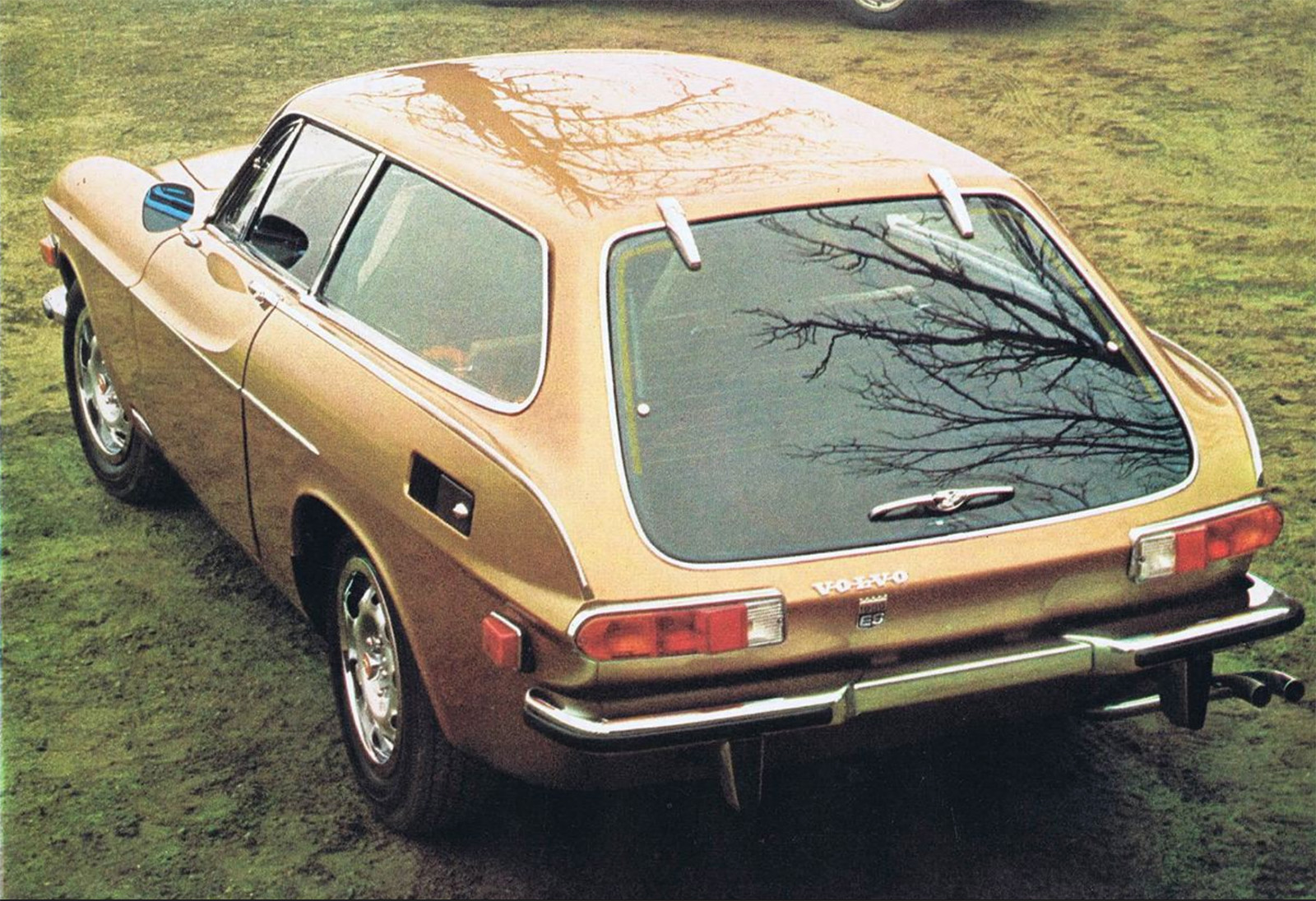
I think maybe the first all-glass hatch that most people think of is the one on the back of the Volvo 1800ES, though it was hardly the first one. When Volvo decided to transform their lovely 1800S sports coupé into a sporty shooting brake, they decided to make the rear hatch all glass, which was absolutely the right choice. It just feels more dramatic, somehow, to open a whole panel of glass instead of a hatch with an inset window. I’m not sure I can explain exactly why, but I know this is true.
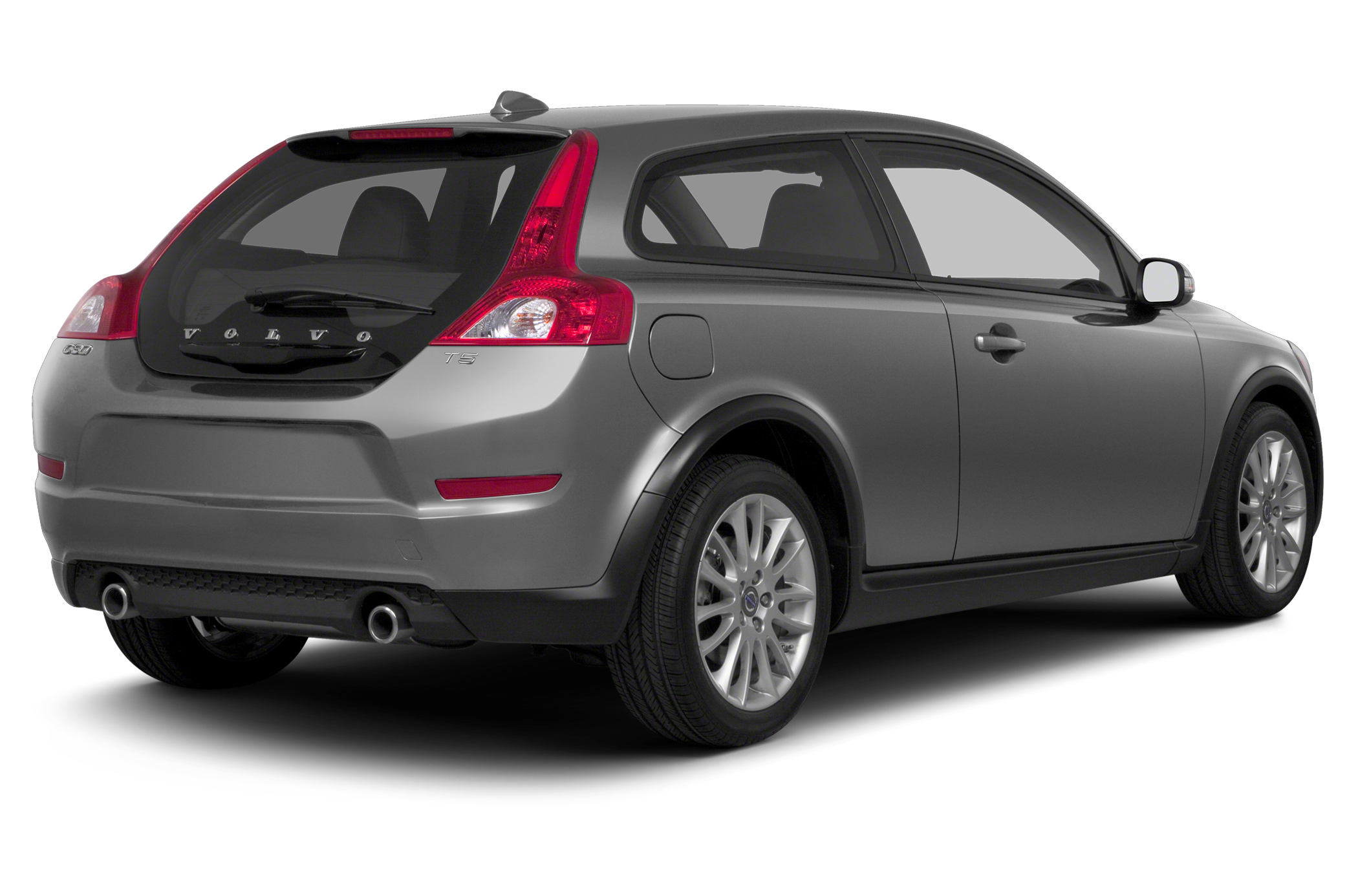
The glass hatch was so exciting for Volvo – a company normally known for their fairly conservative designs – that they returned to it on two later cars. The Volvo 480, which we never got here in America:

…and the Volvo C30, which did come to America. On both of these cars, that glass hatch remains one of the most exciting parts.
The Volvo 1800ES was inspired by a car I used to own, the first of the two glass hatch cars I’ve had, the Reliant Scimitar GTE:

Yeah, try not to laugh at that caption there. I mean, I failed at not laughing already, but you’re more evolved than I am.
I think in the examples I’ve just given, the all-glass hatch was chosen for stylistic reasons, and it’s powerful there. But it also offers some interesting utility options, especially for cars where having a more traditional hatch is less of an option. Like the rear-engined Hillman Imp:

By making that rear window hinged, access to the Imp’s over-transaxle cargo storage area was far more accessible; honestly, the Volkswagen Beetle should have employed a similar setup.
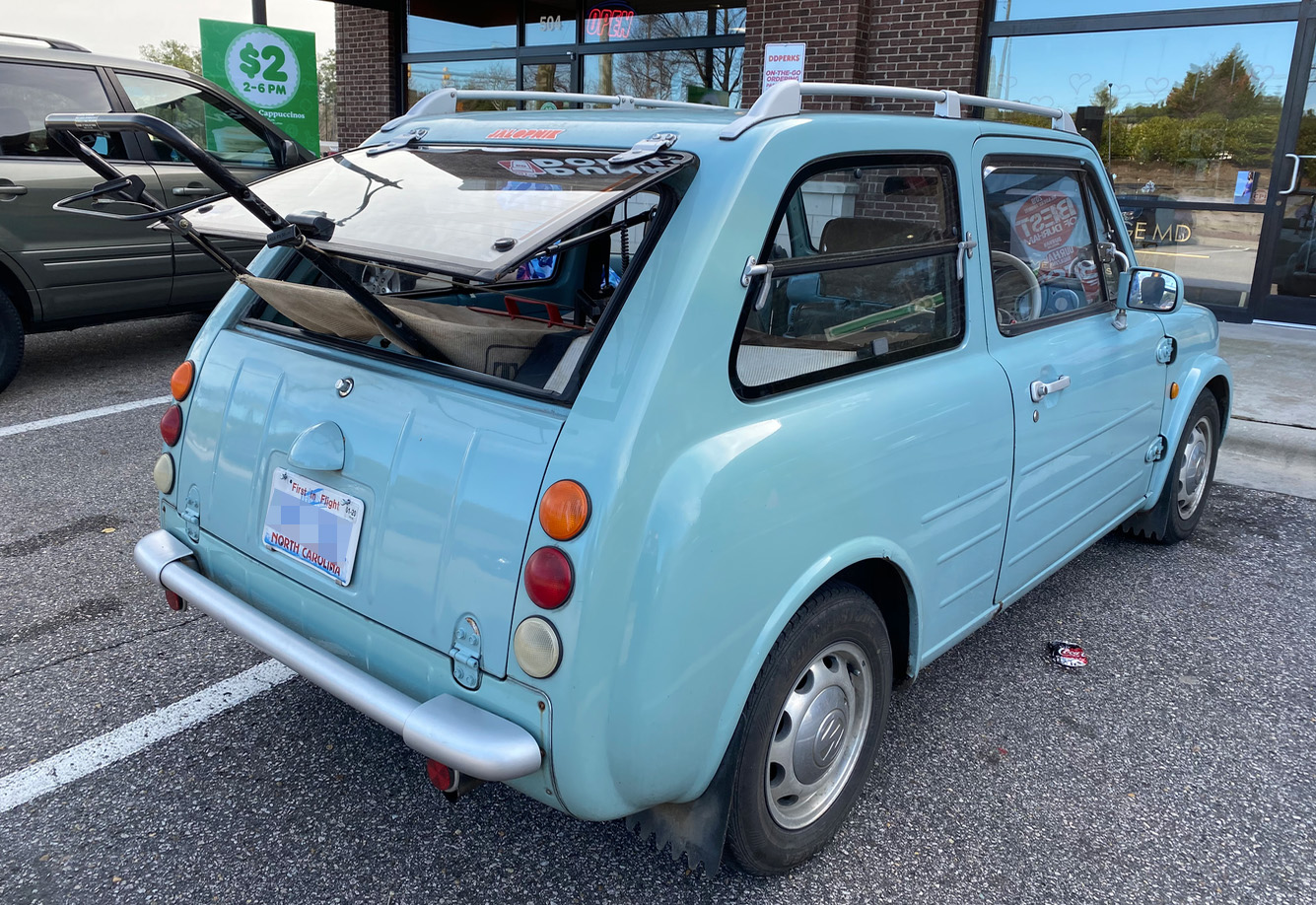
And on my other glass hatch’d car, my Nissan Pao, the opening rear window makes the drop-down tailgate cargo setup much more useful than a normal hatch, as it lets you put things in the back of the car that stick out a bit, like this lawnmower I shoved in my little car:
It’s so handy! And then we have the cheap angle. I think this was the impetus behind the use of glass hatches on cars like the Reliant Robin, Toyota Corolla Tercel, Ford Pinto, and AMC Gremlin:
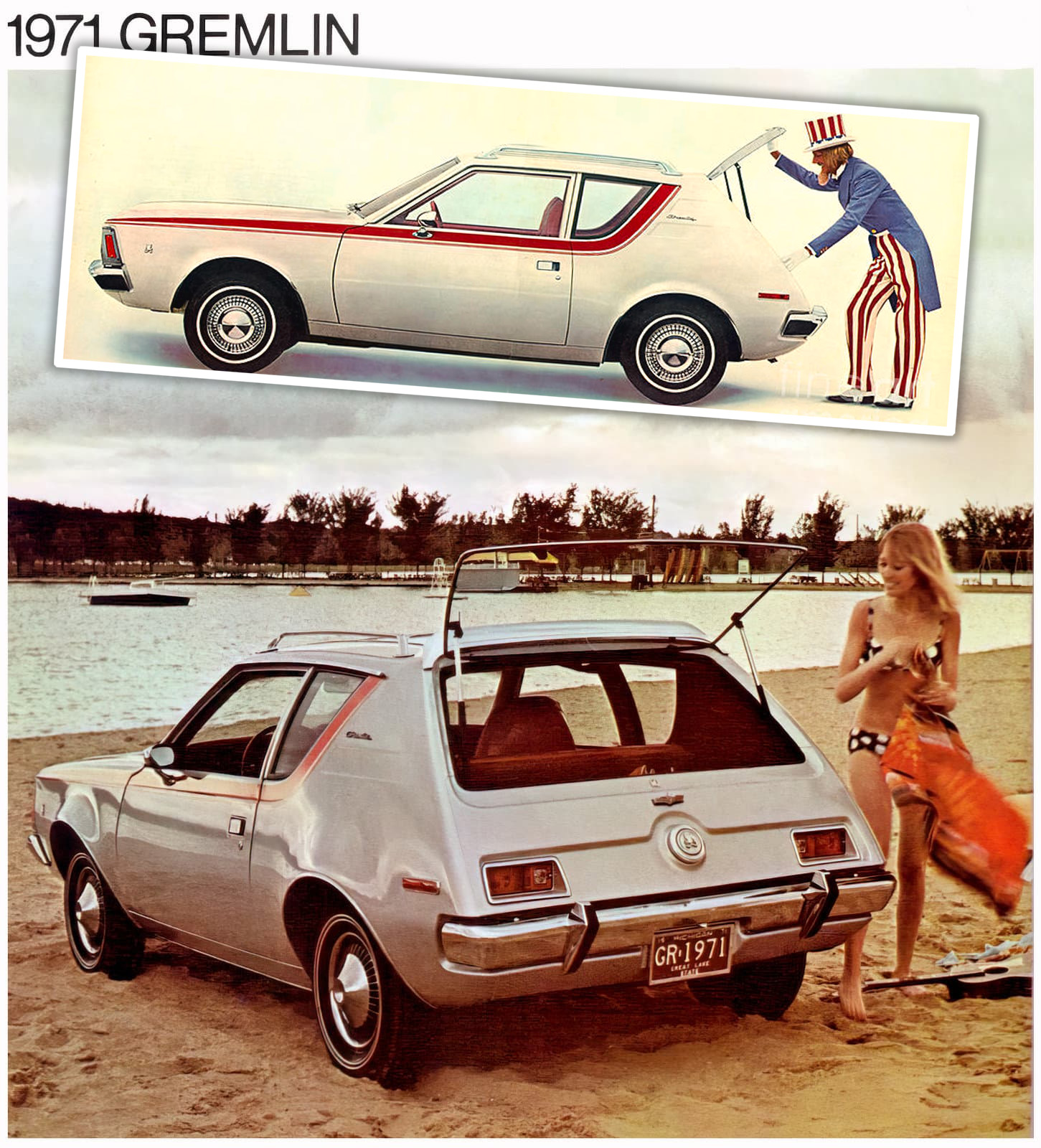
The Gremlin was basically a quick and dirty hack job of the AMC Hornet into a smaller car, and as such it makes sense that perpetually-broke AMC would have made things cheaper and easier on themselves by just hinging the rear window of the Gremlin instead of having to design and stamp an actual hatch. It had to have a window anyway, right? This way they avoided having to design and engineer and built a whole other body panel.
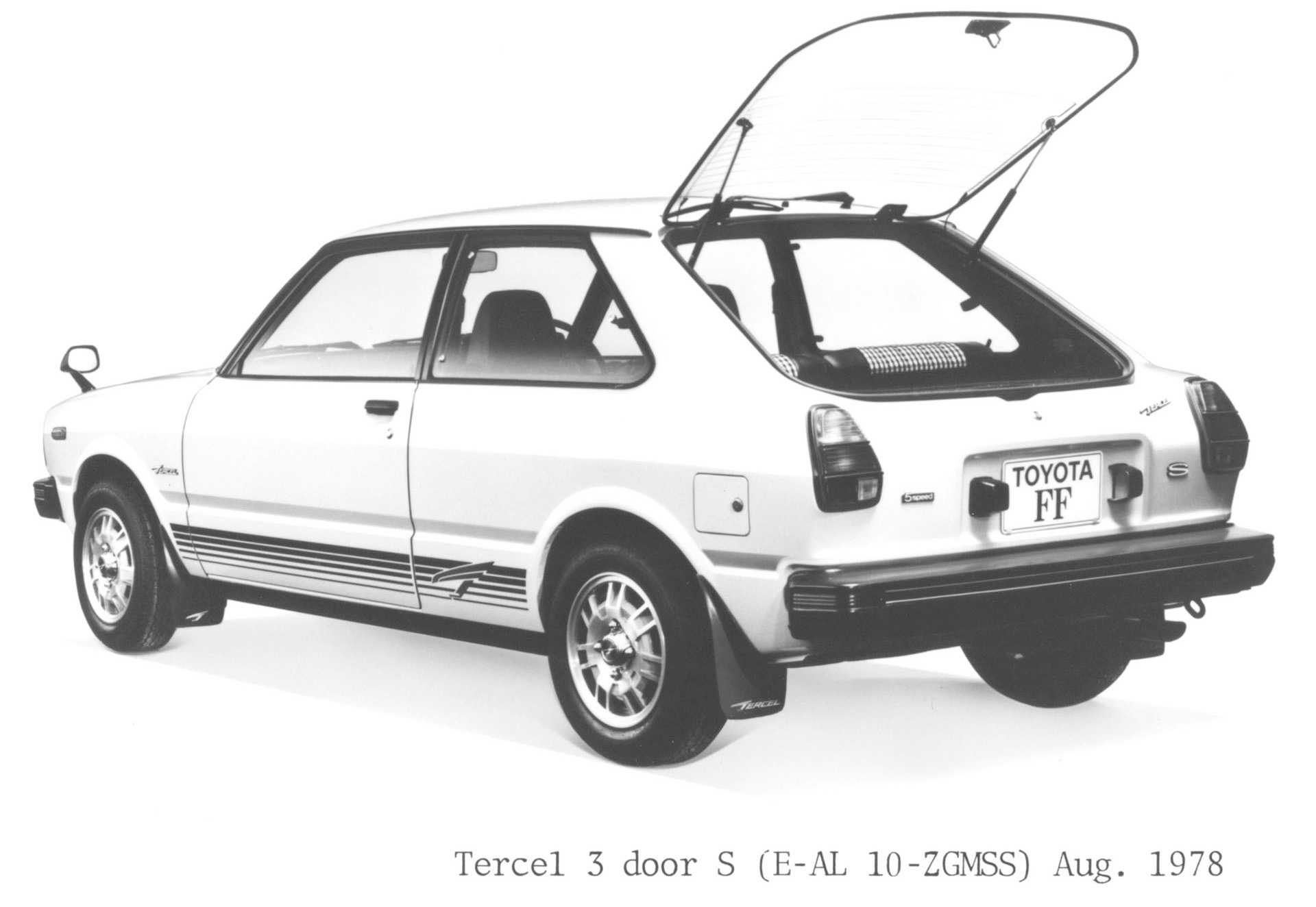
I suspect this was the same logic for the hatchback version of the first-gen Toyota Tercel, which was sometimes confusingly named the Toyota Corolla Tercel. This was Toyota’s first foray into front wheel drive, which used a weird longitudinal setup with the power from the engine taking a strange U-shaped path to the wheels – though this did let Toyota easily adapt it to 4WD:

I suspect that with all of the new FWD engineering, maybe Toyota was eager to save a bit of money where they could, hence the all-glass hatch. The fact that it looked cool was a bonus, the fact that you had to lift your crap way over that high rear deck was a minus.
Ford adapted the Pinto to have an all-glass hatch in 1977, after years of it being available with a more conventional metal hatch with an inset window. Was this a cost-removal plan for the later years of the car, or was it a styling update? Or both?
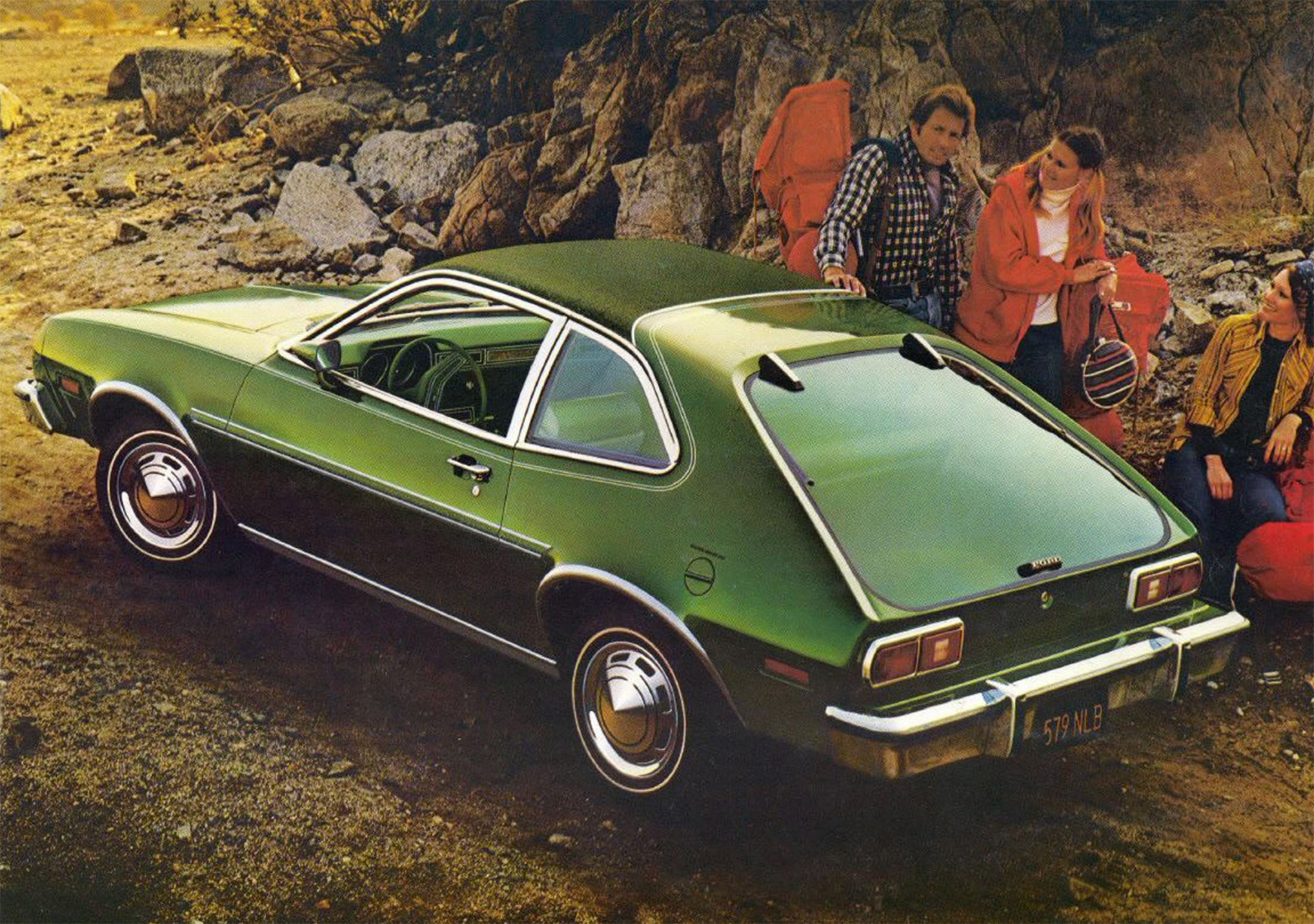
Either way, I think it makes the Pinto look a lot cooler, because that’s what glass hatches do.
I know there’s more glass-hatched cars out there, and I encourage everyone in the comments to share them with one another, which will start all of your days in a wonderful manner. Try it and see!





Glad you brought up the Volvo 480! By all accounts it was a pile, but it looked fantastic, especially when Volvo had been making rectangular boxes exclusively for quite a while.
My dad had a Sunbeam Imp when I was a little kid and I sure don’t remember that back glass being the friendliest or smoothest working access point.
The Porsche 924/944/968 had a pretty swell glass hatch if you don’t count the barely imperceptible aluminum trim surround.
I guess you didn’t read comments about shattered glass?
Loved how the lower hatch was just some molded fibreglass bolted to the opening rear window, when I drove a Citroën AX: Just so simple and honest in a way. Would be cooler with all glass, but this was just a cheap hatchback
https://rrr.lt/en/used-part/cos24459-95237899-citroen-ax-tailgate-trunk-boot-lid
I have a few Glass hatch cars in my Lotus Elite and the Pair of Matra Bagheeras. It would be difficult to make a conventional hatch on a fibreglass body.
So, my mom had a first gen cavalier hatchback with the all glass hatch and it was indeed super cool… until it shattered in a parking lot as she closed the hatch. It felt like I was picking glass out of my hair for a week.
It was really cool but it was all glass except for the bottom edge to which was attached about 20 pounds of metal hatch-sealing and locking mechanisms, so if that ever twisted, say after owning the car for a few years and one of the struts was wearing more than the other, it could (and did) twist the glass in such a way that it would shatter on closing.
I’ve been super careful about hatches ever since and have always been leery of all glass designs.
I was working at a Pontiac dealer when the third gen firebirds came out, huge hatchback glass, with a thin frame at the bottom. They shattered often enough that the general changed the design. Instead of slamming the hatch, when you opened it the bottom catch would motor up a few inches. So you just closed the hatch by latching it, then the motor would snug it down.
Does the Pantera rear hatch/glass still qualify as a hatch or a Bonnet?
Quite the lineup of…uh…questionable vehicles.
Wow you mention the large lift over in the Tercel, but you fail to mention the hernia inducing lift over of the AMC above it. Forget about cramming that suit case through the small opening, but yes it was a hack job