

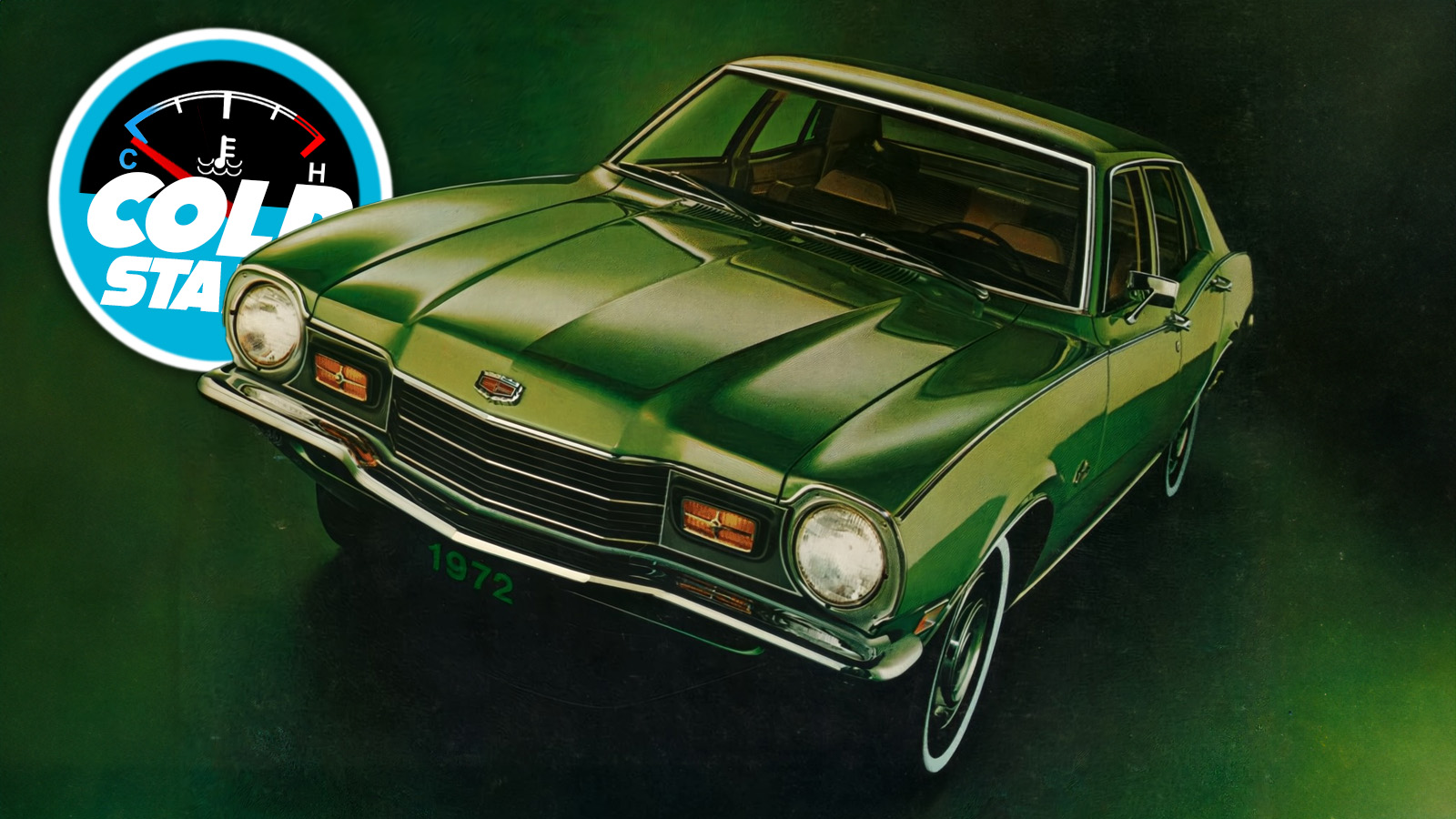
In honor of the Geminid meteor shower that happened this past weekend, I thought I could do something about a Mercury Comet. You’d think a Mercury Meteor would be a better choice, but that was when I still suspected the Geminids were the result of passing through a comet’s tail instead of what it really is, the Earth passing through the remnants of asteroid 3200 Phaethon, sometimes thought of as a “rock comet.” So, I’m wrong, but I already started, so we’ll just say a Comet is close enough. This brochure is from 1972, and part of it caused me to learn something about kites, something I swore to a childhood mentor I’d never do.
And yet now I broke my promise. And I regret nothing. Nothing!


The Mercury Comet was the badge-engineered sibling of the Ford Maverick, and as such was a decent-looking if pretty conventionally-engineered compact-ish car. These weren’t great cars, they weren’t terrible, they were very much of their era. As was the way Ford advertised them in this brochure.
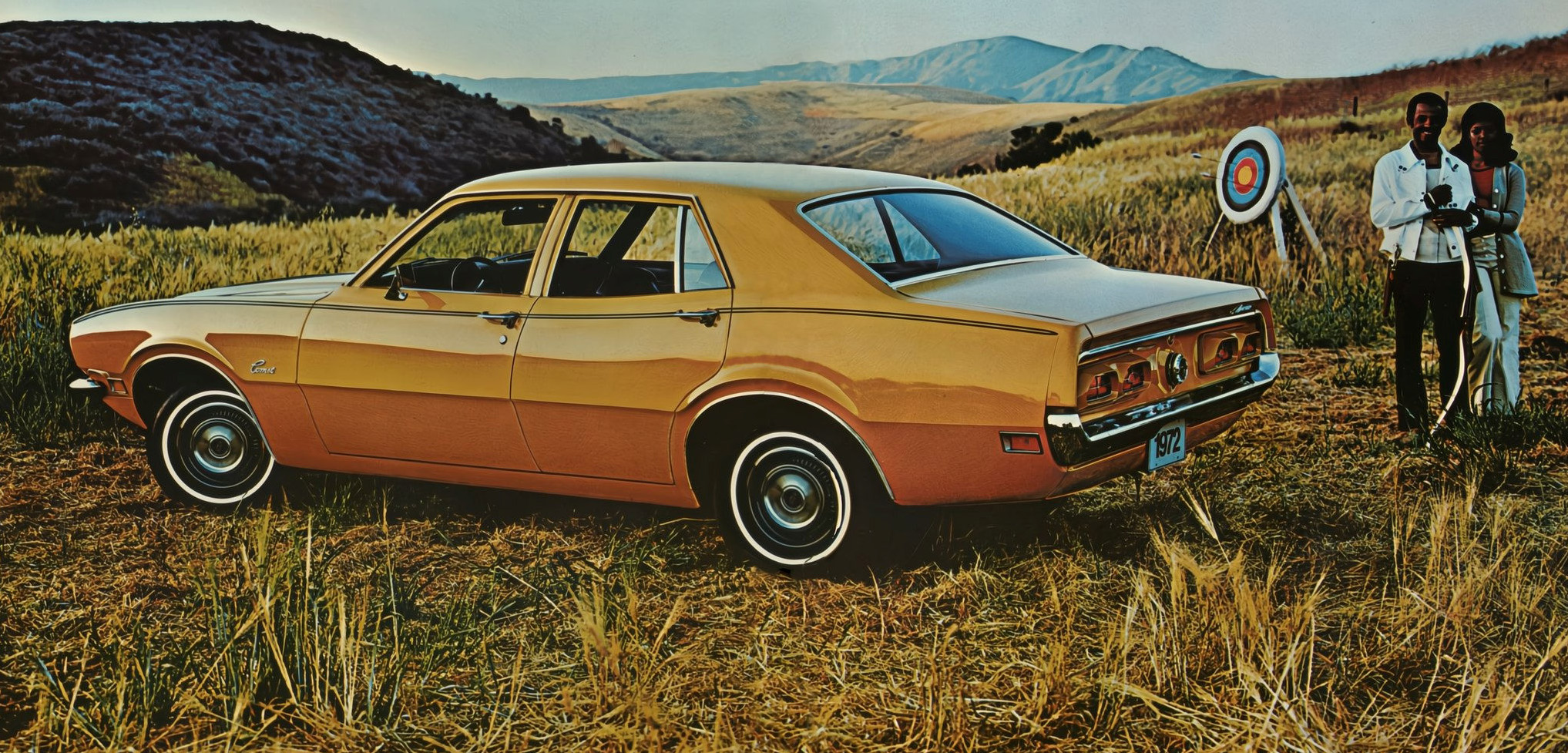
Look at this happy couple, driving their Comet out to the middle of nowhere so they could do some archery. I assume they brought the target with them? Were they asked to go way the hell out there because their neighbors were tired of arrows thwunking into their siding and garage doors and tires? Probably.
Also, look at this, from a Mercury Comet brochure one year later:
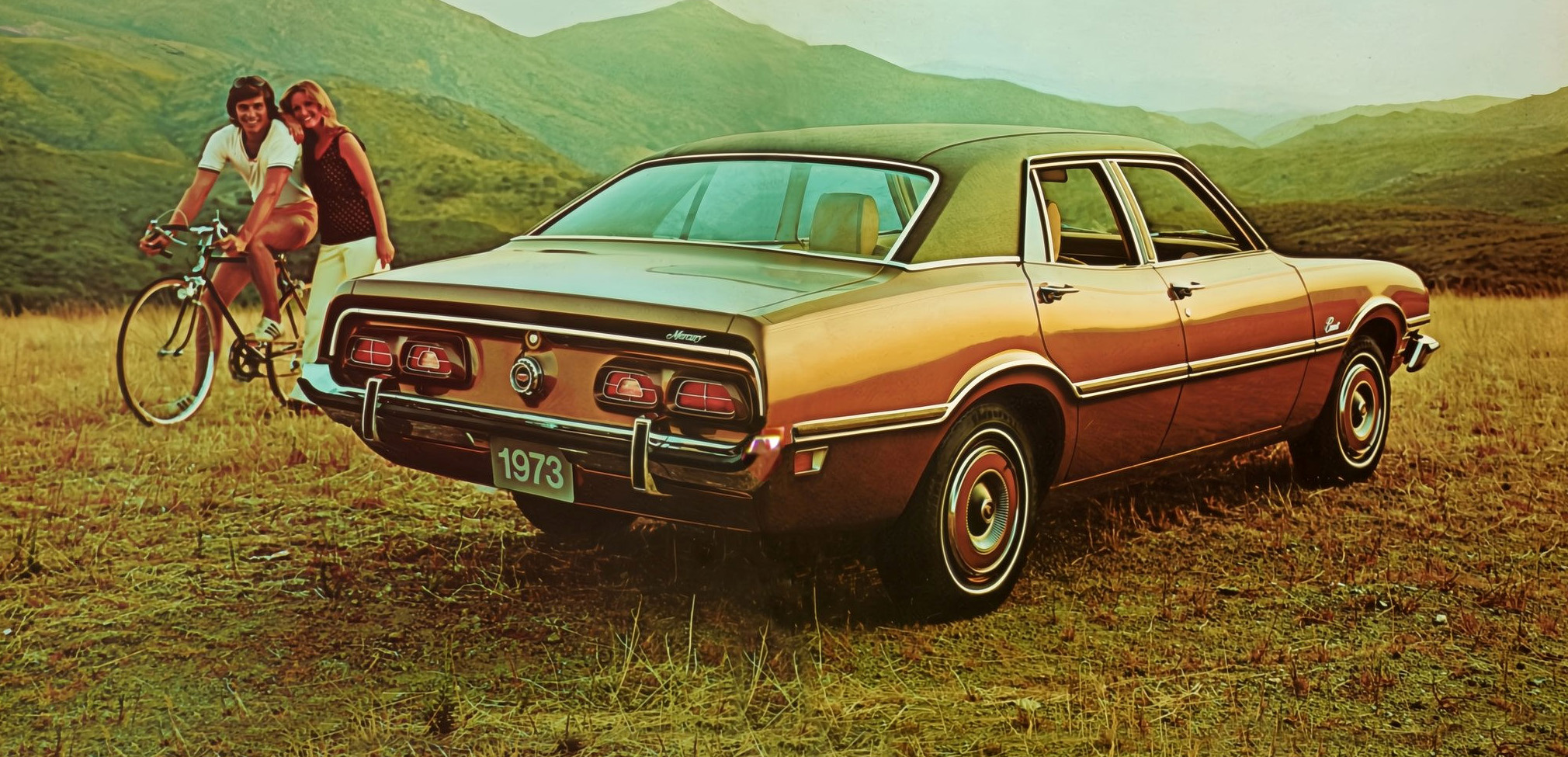
Is this the same spot? It feels like it may be the same, just on a foggier day and with less arrows.
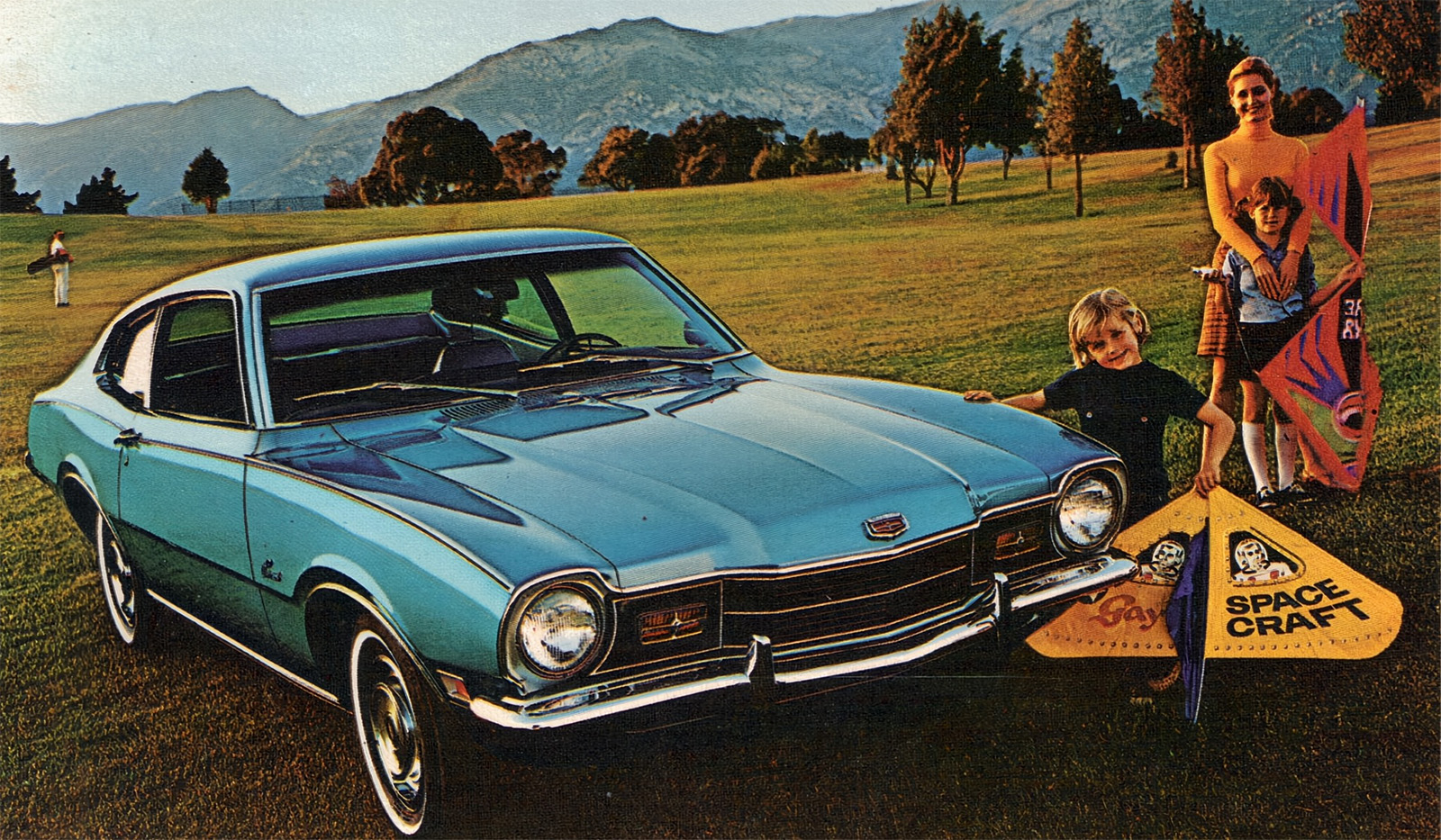
Okay, so here’s the part that forced my hand into learning a tiny bit about early 1970s kites. See those kids in that big field – or, is it a golf course? That guy on the left looks like he’s holding a golf bag, so, maybe? I’m sure those golfers appreciate the kids running around flying kites. But you know what? Screw the golfers, let the kids fly kites.
But let’s look at that kite in the foreground: does it actually say “Gay Space Craft?” I mean, that’s great if it does, I’m just a little, you know, surprised to see such a thing from the early ’70s. So I did a little research. And, it doesn’t actually say “Gay Space Craft.” It says this:
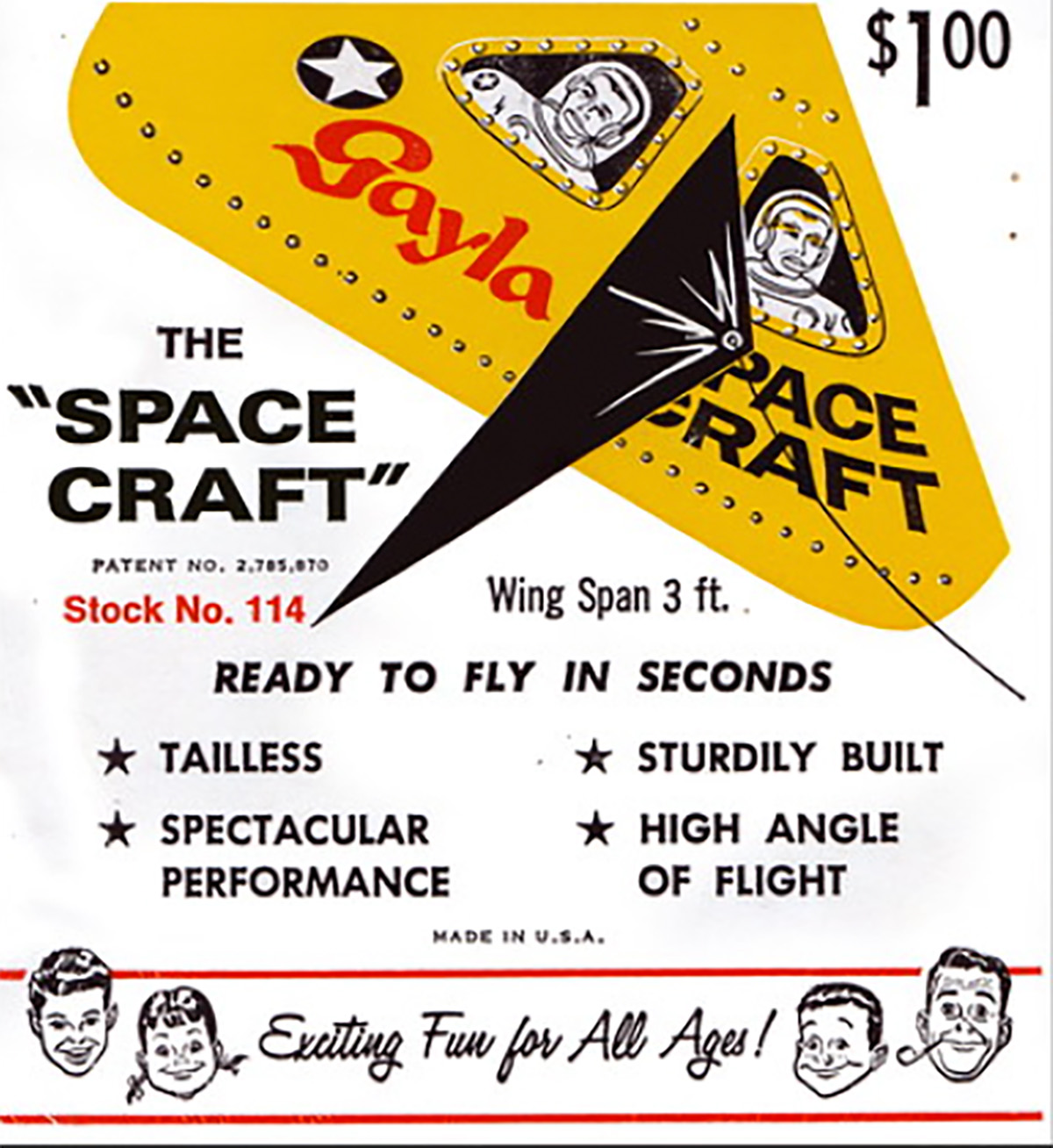
Gayla Space Craft! Ohhhh, that makes sense! I’m told these kites, unburdened by tails and built sturdily, had a high angle of flight and, if I may be so bold, performance that was spectacular.
I also think this kite was designed to resemble a Gemini spacecraft, based on the window size, number, and position:
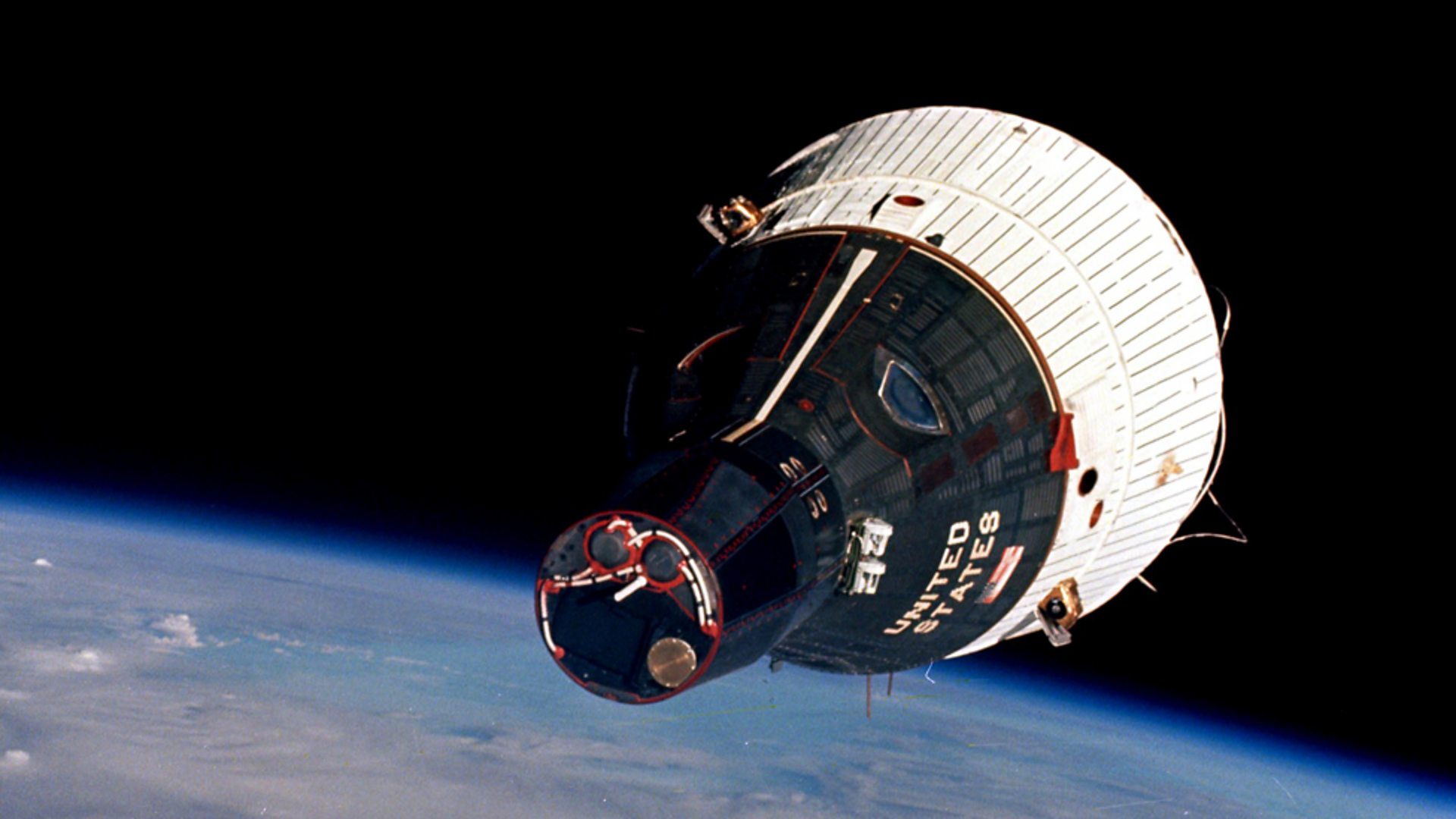
Look at that! Now I know a bit more about ’70s kites! Feels good. Real good.
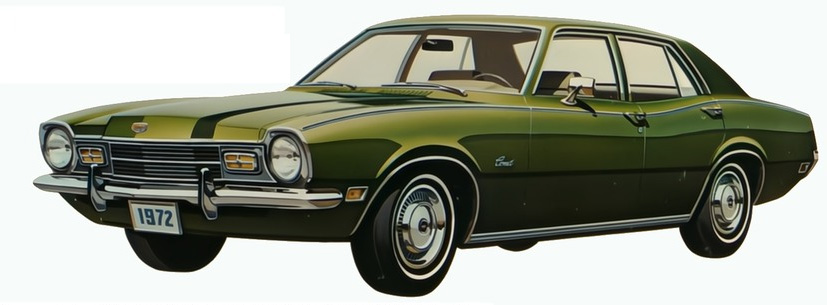
The Comet’s list of features was pretty humble:

“Ventless windows?” Oh boy; freed from the tyranny of vents! Flashing side marker lights – I always liked those, they’re basically indicator repeaters. “Keyless locking” means, I think, using your finger to push the locking button down. Exciting stuff.
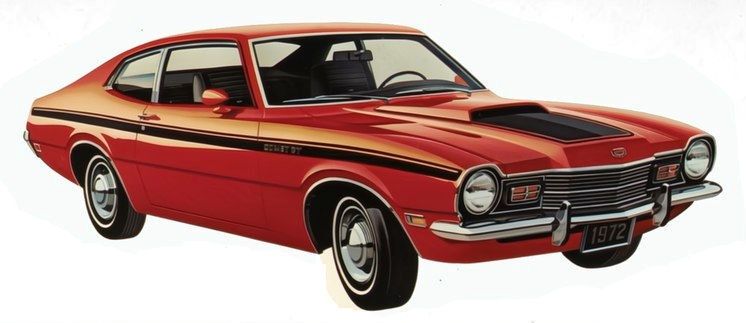
Look at that hood scoop! And those stripes! That’s a lot of visual excitement, which is why I find this next detail so odd:
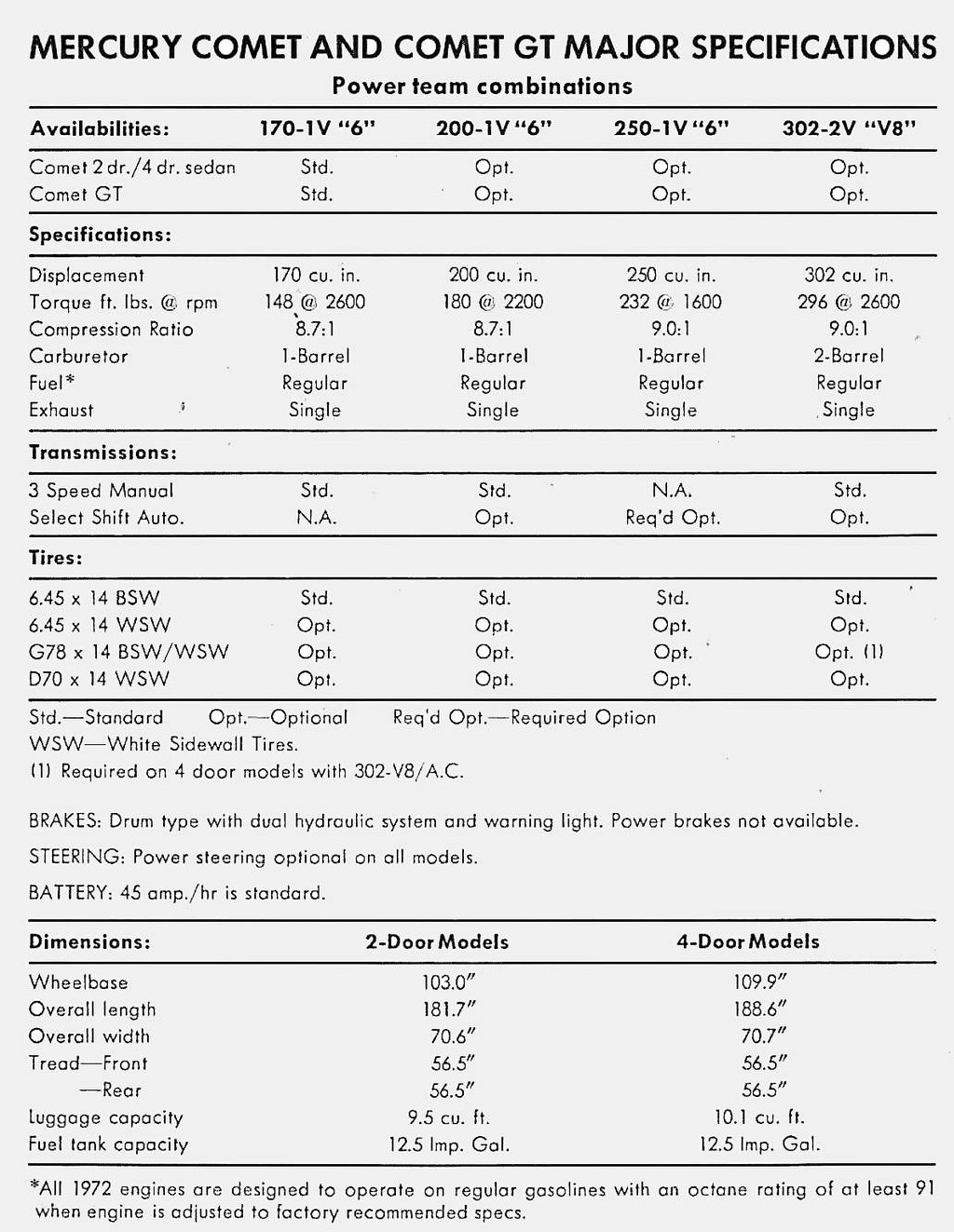
These specs list torque in foot-pounds for each engine option, but not the more expected horsepower: why? I mean, torque isn’t a bad metric, but I’m still surprised to see it used in lieu of horsepower.
But you know, the ’70s were a crazy time, what with all those people shooting arrows in fields and gay kites.



That Gayla Space Craft is not just a kite— it’s a version of an experimental capsule recovery system designed by NASA for the Gemini program.
It’s a delta kite, a design that has its origins in NASA engineer Francis Rogallo converting his living room into a wind tunnel with box fans and some cardboard.
He did so at the request of his wife Gertrude and their kids, who were (along with Francis) obsessed with kites. Together, the family iterated on the first delta kite, which had no sticks (spars) and was the first kite supported entirely by the pressure of air underneath it.
For a while, the family was running a side business selling these “flexi-kites,” and their performance was impressive enough that NASA asked Francis to explore a scaled up version for use as a steerable parachute for the Gemini program. NASA tried a lot of variations, and while none went to space, the designs were repurposed by amateurs into the first steerable parachutes, hang gliders, and the Gayla Space Craft seen here.
Note: most histories (like the one linked below) tend to minimize Gertrude’s role in the development.
https://www.rogallofoundation.org/francis-rogallo-hang-gliding-pioneer/