


The last decade or so of Saab Automobile was a resoundingly strange one. We’re talking three owners on three continents, a sedan that technically lasted from 2003 all the way until 2016 (even though it should’ve definitely been replaced by then), a wagon so rare it’s almost an apparition, a supercar brand almost going down with the ship, and two of the strangest exercises in rebranding possibly ever. We’ve already taken a look at the 9-2X, so now it’s time to address the elephant in the room: the Saab 9-7X.
You know how you can sometimes sense something’s doomed before it even happens? Like when you were in high school and heard the words “I’ve had an idea” from that one friend who just watched Jackass for the first time over the weekend, or when you were introduced to the logistics behind Edward 40 Hands, or when you watch someone torque a set of head bolts while you’re holding the head gasket? Watching one of the most Swedish brands on this pale blue dot attempt to hock a gently massaged Chevrolet Trailblazer as a competitor to the BMW X5 and Acura MDX was a bit like that. You might’ve laughed. You might’ve cried. You might’ve hurled.


Regardless, you’d likely still have wanted to be a fly on the boardroom wall listening to C-suiters hype each other up over a resoundingly psyche-damaging plan that—at least from the outside—doesn’t seem like it would work out. You can probably guess how life went for the Saab 9-7X, but how it came to be in the first place is almost more interesting than its suboptimal marketplace performance.
Down In The Basement
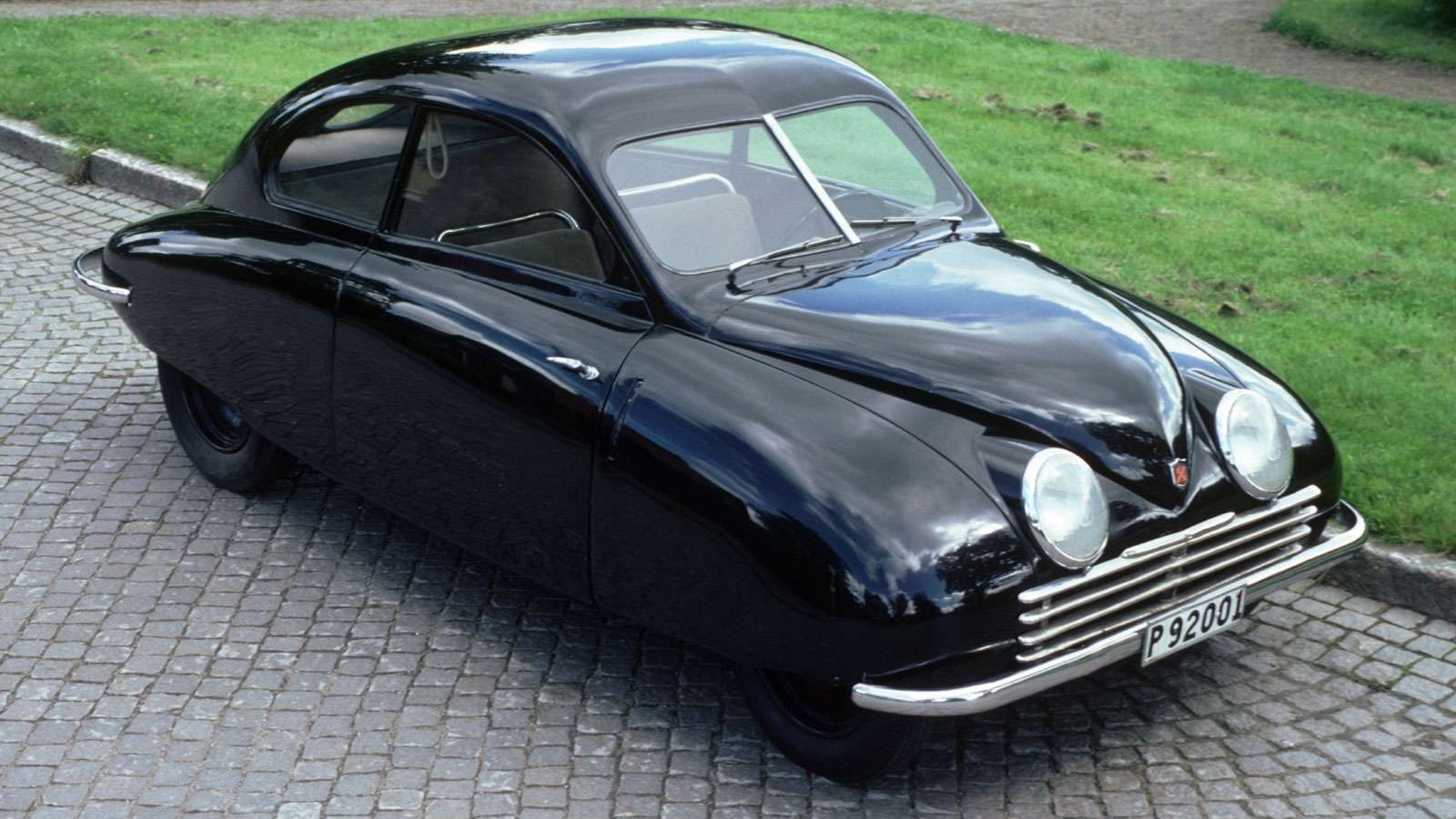
Back in 1945, the aviation engineers at Svenska Aeroplan Aktiebolaget decided that with the war effort winding down, it was time to build a car. The result was gloriously strange, a small streamliner engineered by a team of 16 members, only two of whom had driver’s licences. The prototype itself had an 18-horsepower two-cylinder two-stroke engine, lacked a trunk lid, featured enclosed front wheels, was front-wheel-drive, and had a body built 98 feet underground. After more than half a million kilometers and a few more prototypes, the first production Saab was born. It was called the 92 because it was the next product after the 91 trainer aircraft, and it kicked off an incredible lineage.
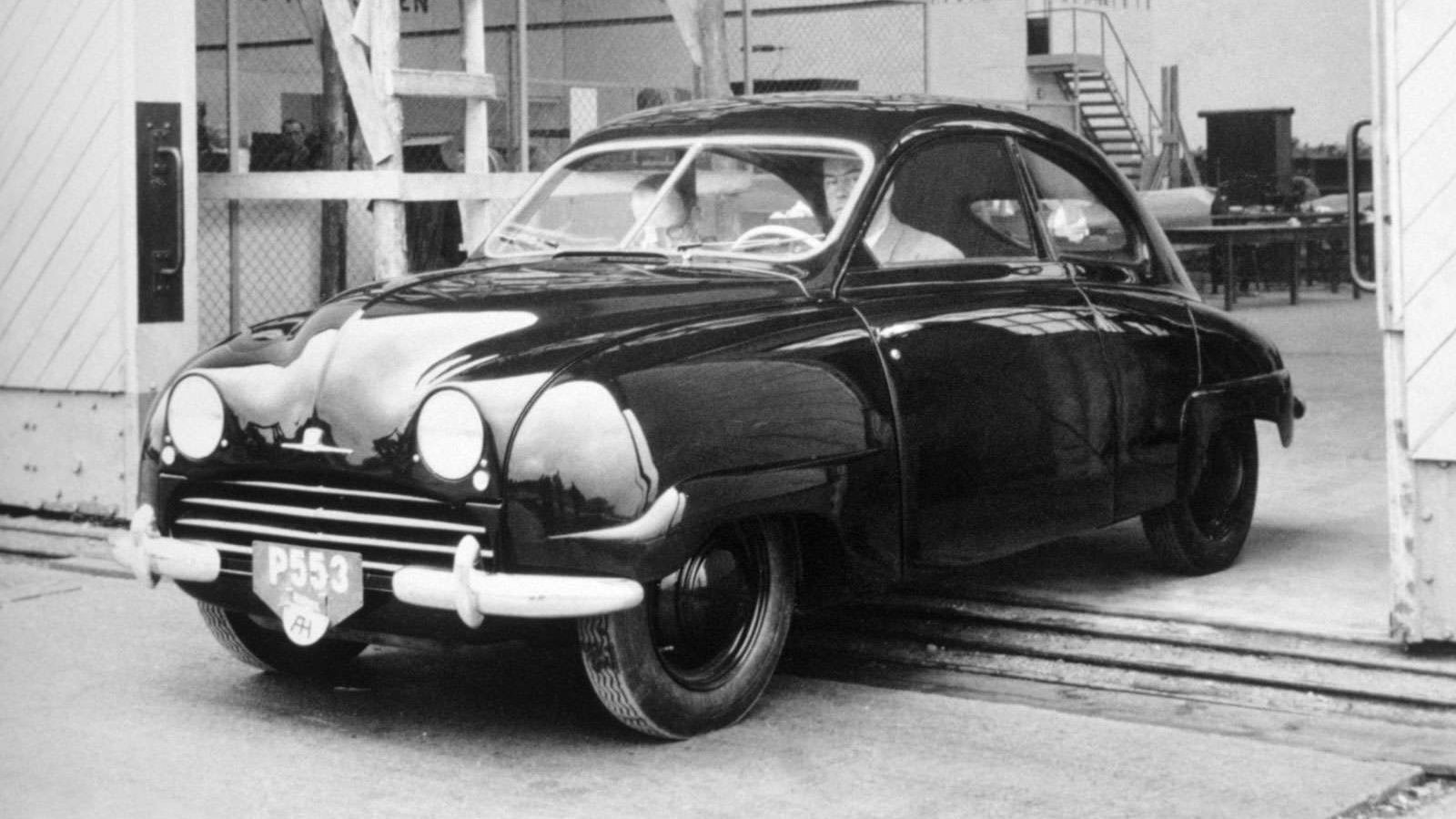
In addition to aerodynamics, Saab was absolutely obsessed with rallying. Two weeks after 92 production kicked off, it had already scored a class podium in the Swedish Rally. Its 93 successor would go on to achieve outright or class wins in 11 major rally events, including the Great American Mountain Rallye and the Mille Miglia. However, rallying success isn’t necessarily why highly educated Americans fell in love with Saab.
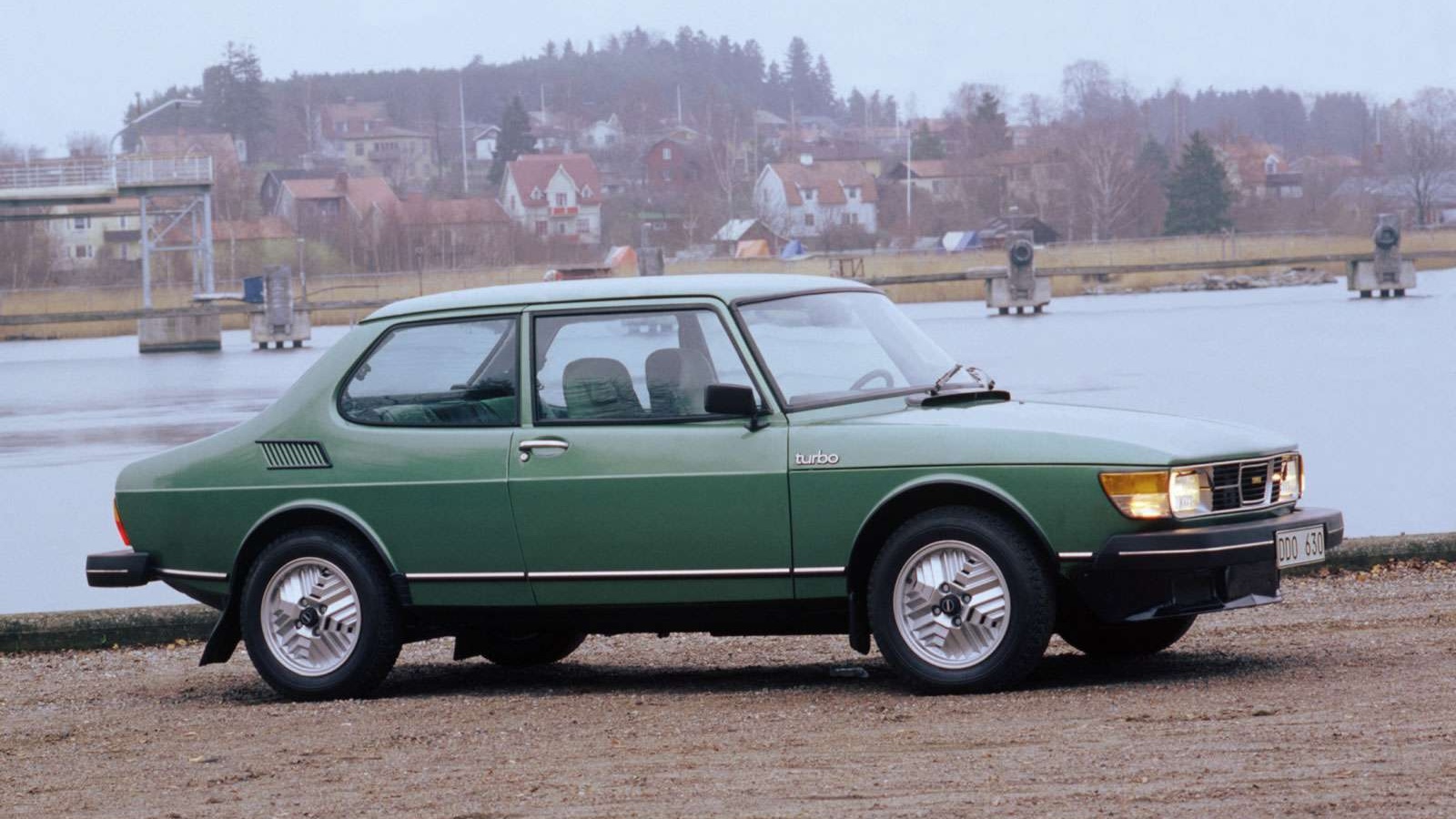
If there was one thing Saab loved more than rallying, it was safety, with a list of firsts that stretches on for miles. The first mass-produced car with split-diagonal braking circuits, the first car with headlight wipers and washers, the first car with standard heated seats. By the time the whiz-bang force-fed Saab 99 Turbo came around, this range of left-brained left-field Swedish curiosities captured the hearts and minds of college professors and particular enthusiasts by being like nothing else on the road. It was a level of devotion compared to Macintosh computers in a paper by DePaul University marketing professor Albert Muniz. So how did the Saab badge end up on what was essentially a Chevrolet Trailblazer?
Money, Money, Money
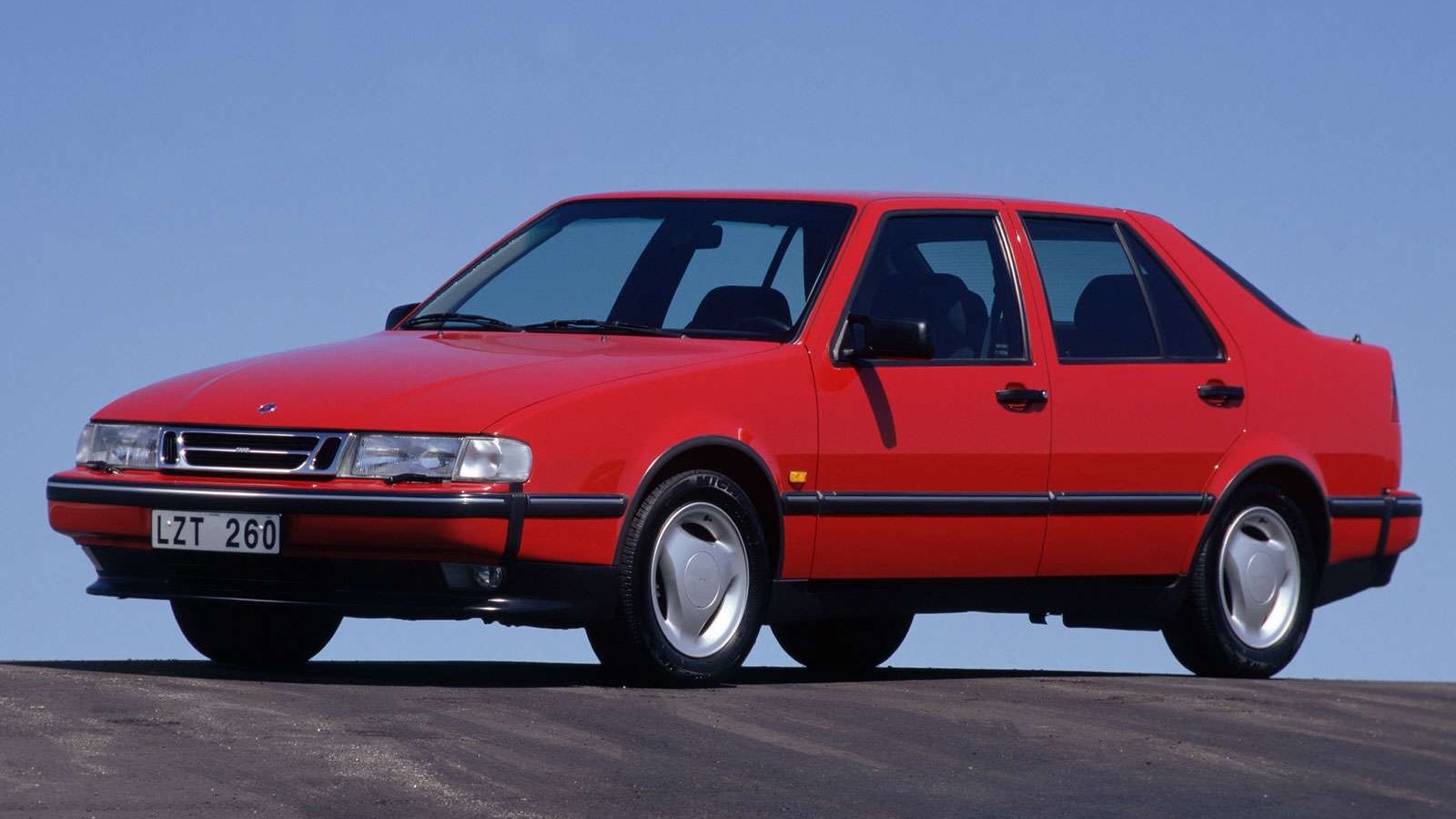
While Saab’s particular way of doing things resulted in some great cars, the company’s high standards weren’t always great for business. Take the 9000, for example. A joint project with Fiat Group, it was supposed to be closely related to the Alfa Romeo 164, Fiat Croma, and Lancia Thema. However, Saab quickly diverged from the generally agreed-upon pathway. For instance, Saab and Fiat Group had very different standards for crash safety at the time. As Saab safety guru Uno Dahl told Automobil magazine, “after the crash the Italians exclaimed ‘it went perfectly’, while I said ‘it didn’t go well at all.'” Add in reportedly untoward vibrations in the front end, and something had to be done. As the magazine wrote (translated from Swedish to English):
The vibrations created noise in the passenger compartment and we wanted to increase the sheet metal thickness from 1.0 mm to 1.2 mm, but Lancia would not agree to this for cost reasons. It ended with me, Stenn Wenlo and Saab’s CEO Georg Karnsund travelling to Turin and stressing the seriousness of the situation. I sat as a hostage, Karnsund spoke and we got our 1.2mm. — But they kept the thinner sheet metal in their car, interjects Dick Ohlsson, who was responsible for the body construction.
It was not only the front structure that ultimately differed between the cars, for example the doors, which are apparently identical on the Croma, Thema and 9000, received different inserts because Saab had higher requirements for crash safety. According to Dick Ohlsson, there were ultimately seven items in the entire body that were common, but he was nevertheless happy to receive support from a large car group in the development work.
Seven common body items. Seven. On cars that were initially supposed to share identical platforms. That level of change is an unbelievably expensive endeavour, and with so much time and money lavished on the 9000 with disappointing sales as a result, Saab was in a spot of trouble by the late 1980s. In 1988, Saab posted a loss. In 1989, the brand was restructured, with General Motors acquiring a 50 percent ownership stake. As the New York Times reported:
G.M. attributes Saab’s trouble primarily to its small size and figures it can bring economies of scale to the Swedish company, benefiting both partners. G.M. will pay $500 million for 50 percent of a new company, Saab Automobile A.B., that comprises Saab’s auto making assets.
Just like that, Saab had a lifeline, but fans had some concerns. Prior to the 9000, every Saab had been all-Saab. Would GM part-ownership mean that Saabs would become rebadged Opels, especially if General Motors were to exercise its option to buy out the other half of Saab? Well, sort of. The second-generation Saab 900 was technically based on the Opel Vectra, but it got its own body shell, four-cylinder engines, interior, and wheelbase. It did help Saab post its first profit in seven years, but in 2000, GM did what fans feared. It bought the rest of Saab. Then things started to really get weird.
Hate To Say I Told You So

By the early 2000s, the SUV craze was in full swing, and with Volvo and most major German luxury brands fielding SUVs of their own, Saab needed something, so it got to work. Then work stopped. In 2002, Automotive News reported that plans for a Saab SUV had been canned, writing “Saab had intended to use a four-wheel-drive variant of the Cadillac CTS platform for the SUV. But the project did not proceed beyond a few design models.” An essentially Cadillac SRX-based Saab would eventually happen, but not until the Caddy moved off the CTS’ Sigma platform. A year later, Automotive News reported that SUV plans were back on in the most GM way possible: Saab’s first SUV would be a reworked Chevrolet Trailblazer, a hasty and relatively cheap attempt at stopping a sales bleed.
The mid-sized truck will fill a huge hole in Saab’s buyer-retention numbers – 25 percent of buyers who leave the brand each year do so to buy an SUV, according to Debra Kelly-Ennis, CEO of the U.S. sales arm.
“These numbers are compelling,” Kelly-Ennis said last week in a roundtable with Automotive News editors and reporters.
“Our dealers sit there year after year watching other makes get SUVs.”
It was certainly a gamble, attaching the “Born from Jets” tagline to something born from the Avis rental counter. While Cadillac shoppers bought reworked Tahoes and Suburbans by the truckload, Saab buyers were cut from an entirely different cloth. More discerning, more passionate, more used to a European way of doing things. Would they bite in 2005 when the 9-7X arrived?
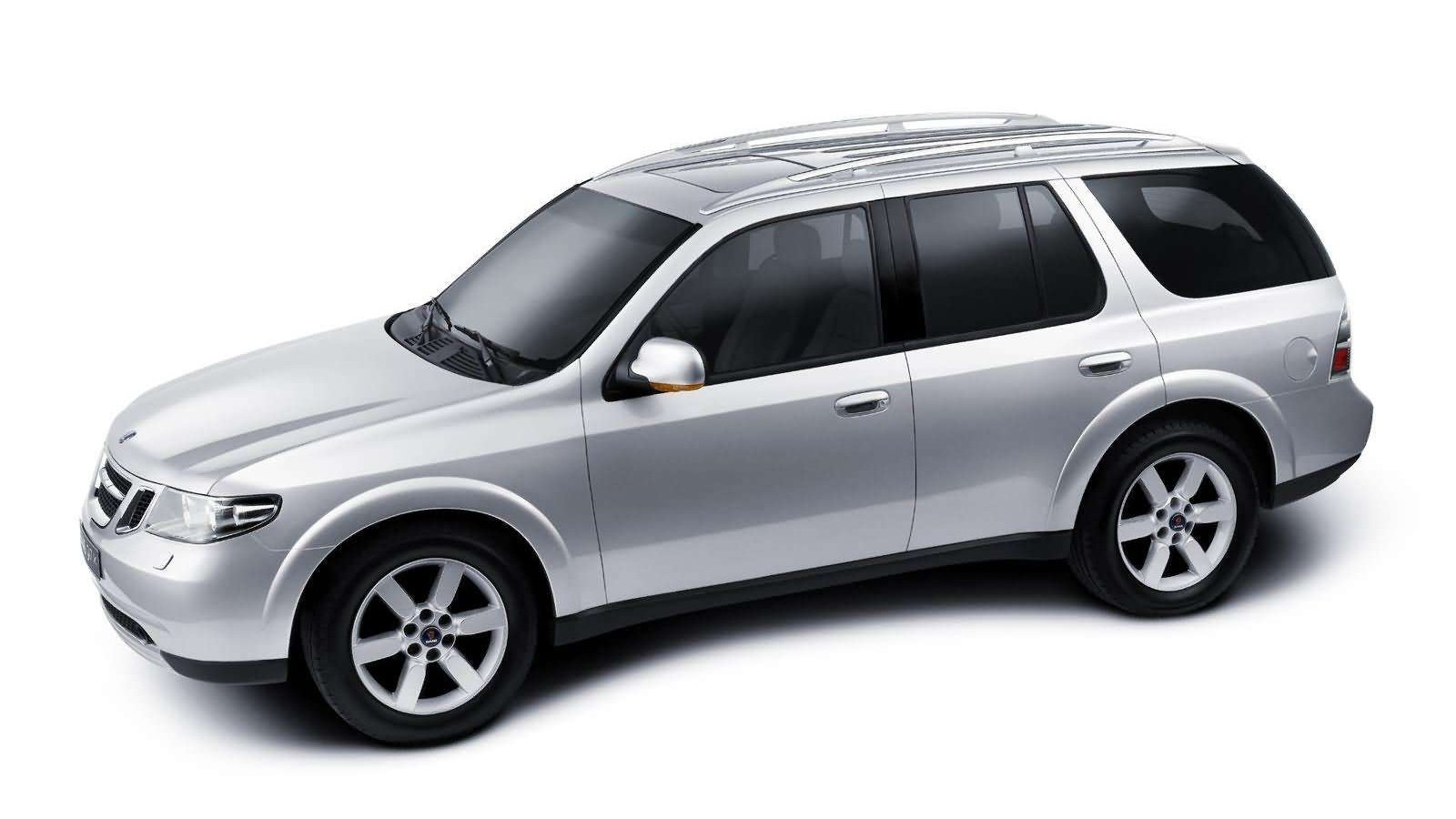
It didn’t take long to find out. On first glance, if you’re just looking at the 9-7X from the front, it seems suitably Saabish. That changes as soon as you move your feet. As it turned out, the 9-7X swiped the greenhouse and roofline from the short-lived third-generation Oldsmobile Bravada, bolted on new fenders, bumpers, lights, and wheels, and ditched the plastic cladding. That’s about it, little we hadn’t seen before, and little to link it to the 9-3 and 9-5.
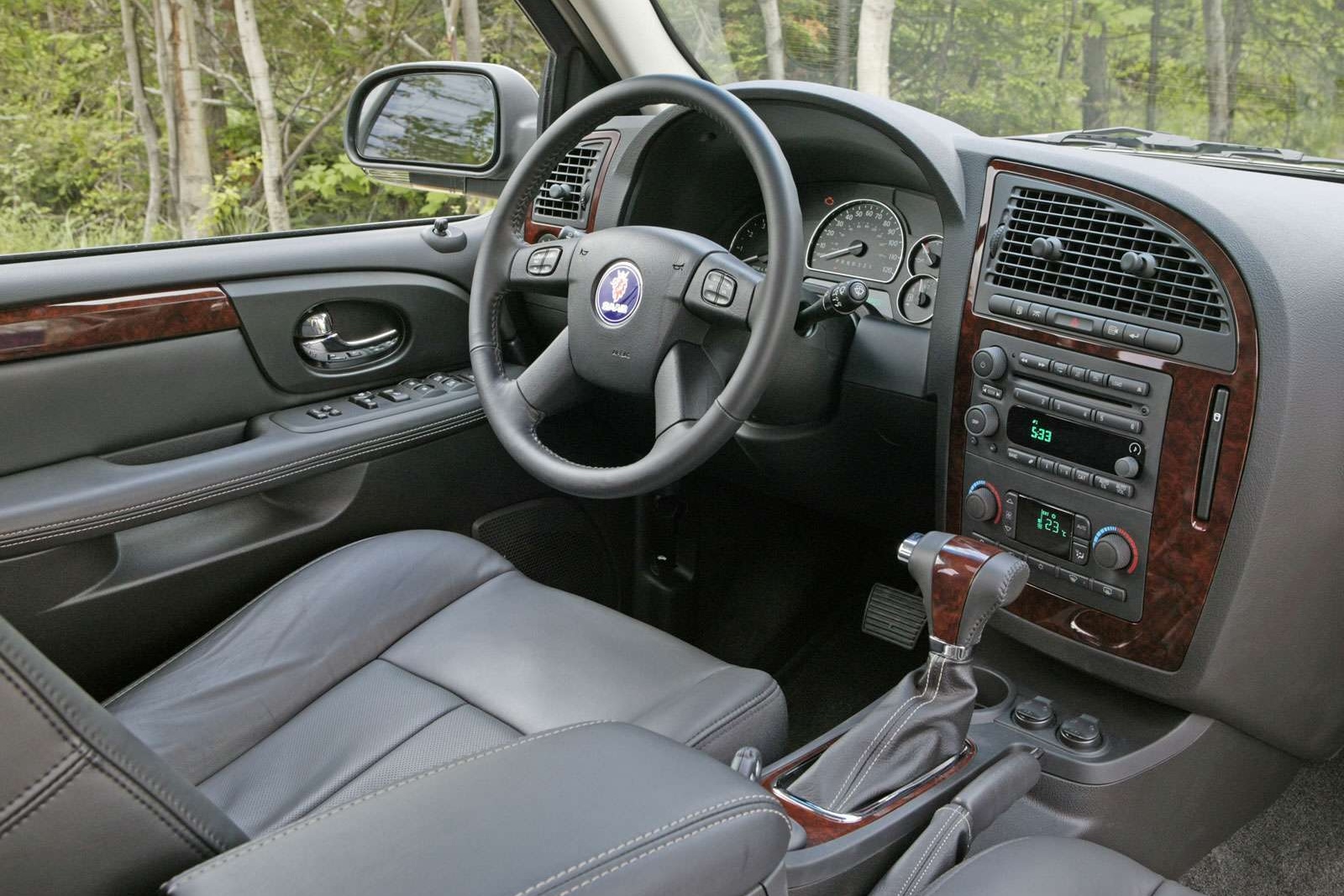
Inside, things got worse. The 9-7X featured door cards, a steering wheel, and switchgear seemingly plucked nearly straight out of the GMC Envoy, and a shift knob to match. Indeed, the main concessions to Saabishness were strange air vents, a dashboard-mounted flip-out cup holder, and the ignition barrel being on the console. That’s it.
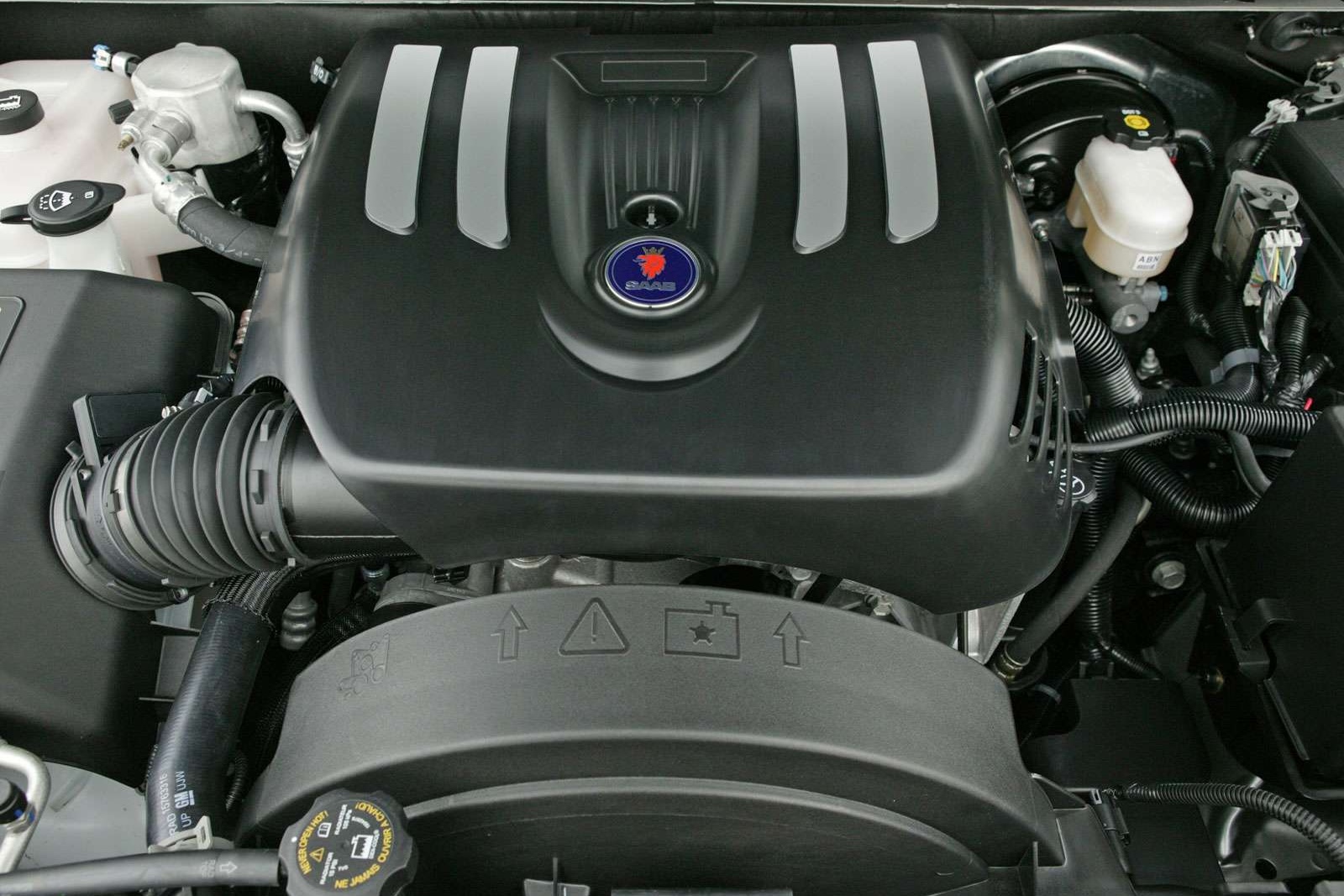
Power for most models came from either a 4.2-liter straight-six or a 5.3-liter pushrod V8, either one hitched to a four-speed automatic transmission. Nothing particularly Swedish here, although Saab did try to do its best with the chassis hardware by stiffening up the dampers, springs, and bushings, tightening the steering ratio from a nautical 20.3:1 to a more adequate 18.5:1, beefing up the front anti-roll bar, and reworking the brakes. Did the changes work? In a period road test, Car And Driver found that the 9-7X was the best-driving variant of the GMT360 platform, but that wasn’t enough to make it a compelling option. As the magazine wrote:
But there’s still noticeable chassis flex over bumps. And compared with the sharp responses of unibody class leaders (the market is shifting away from body-on-frame) such as the Acura MDX or Cadillac SRX, the 9-7X feels clumsy, falling short in every dynamic category.
Perhaps unsurprisingly, sales were glacial by the standards of the midsize luxury SUV segment. GM built 19,286 examples of the 9-7X over five model years on sale. Considering it wasn’t just sold in North America, that’s a deeply unfortunate number. For context, Lexus sold 108,775 RX crossovers just in America, just in 2005. Porsche sold 14,524 Cayennes in 2005 in America alone, and that was a far more expensive SUV than the 9-7X. Still, it’s not like the 9-7X came and went without leaving an interesting footnote.
Af1s
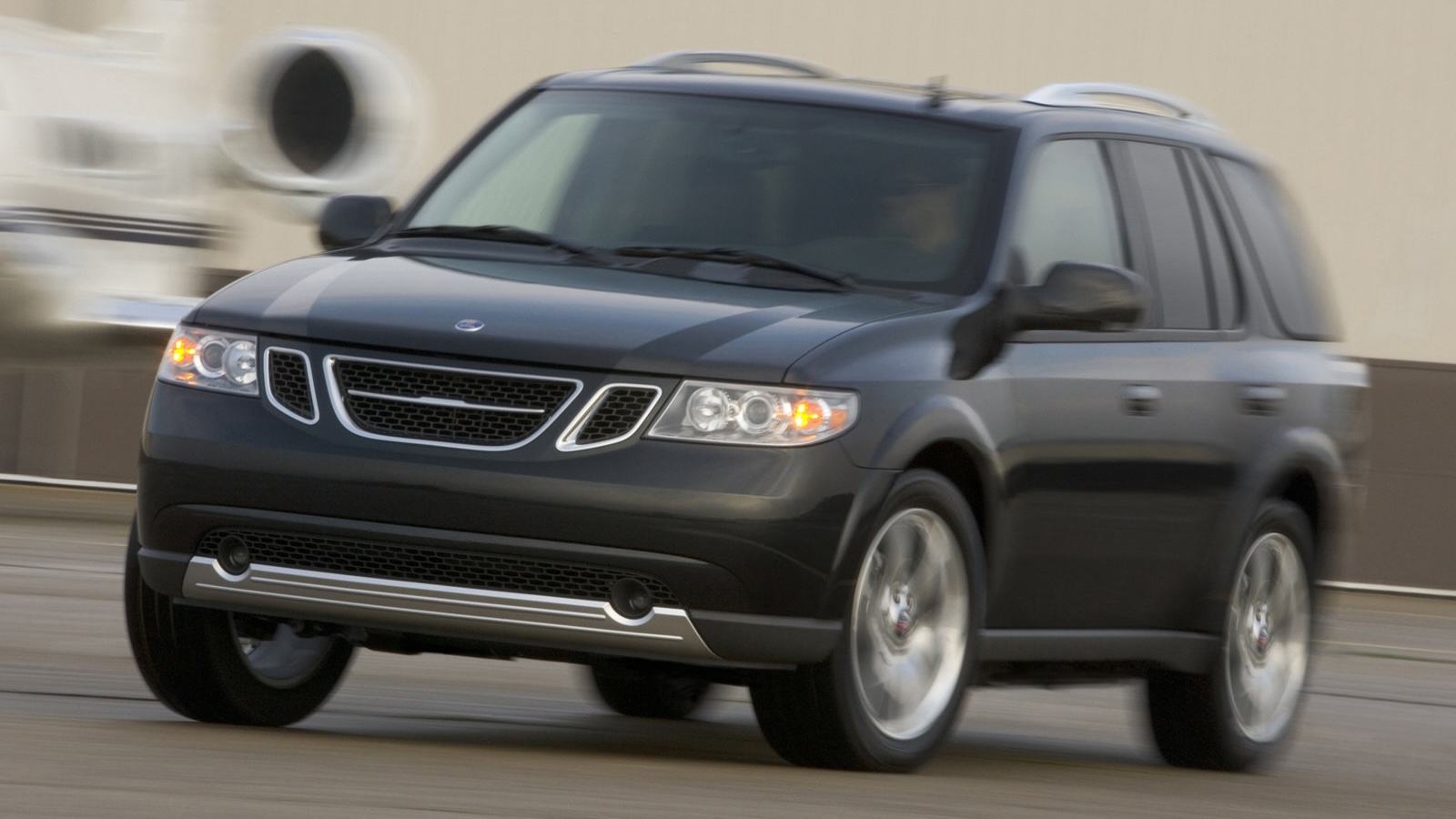
See, Saab didn’t just have a reputation for making safe cars; it also had a reputation for making quick ones. The 9000 Aero was a bit of a rocketship, the 9-5 Aero was quicker in-gear than a 911 Turbo of the period, and the 9-7X wasn’t about to be all mouth and no trousers. See, Chevrolet had a high-performance version of its GMT360 SUV, and Saab saw fit to appropriate the power of the Trailblazer SS for its own use.
The Saab 9-7X Aero gained a chest-thumping six-liter LS2 V8 pumping out 390 horsepower, then made things even more interesting with a full-time all-wheel-drive system featuring a Torsen center differential. Larger anti-roll bars and a limited-slip rear differential rounded out the performance package, and with a claimed zero-to-60 mph time on the spicy side of six seconds, the 2008 9-7X Aero was an unusual proposition. Sadly, it didn’t last long. Production only spanned two model years, meaning it’s a rare sight on the roads.
A Tooth For An Eye
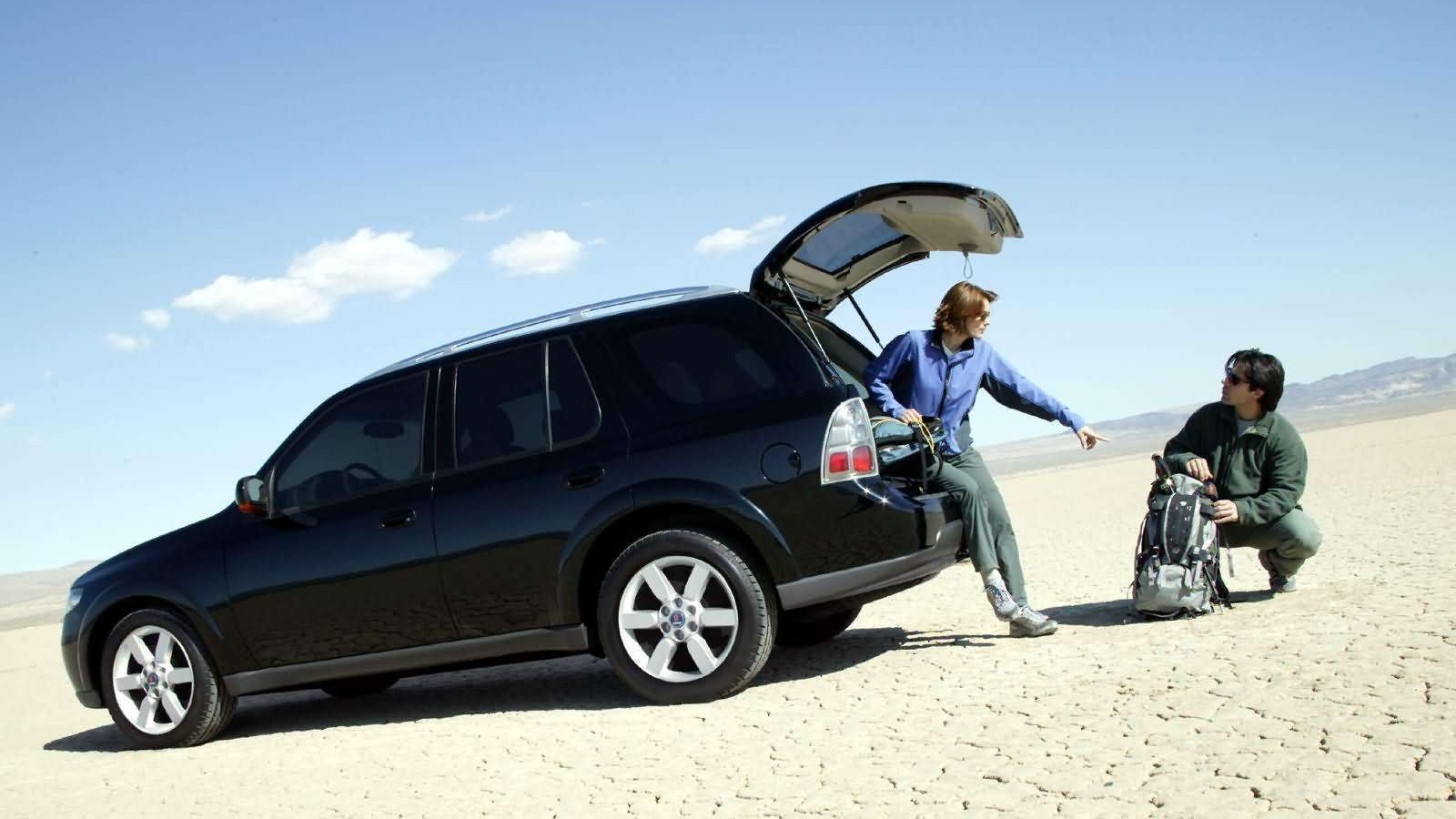
In hindsight, the Saab 9-7X was never really going to work. Not in huge numbers, not to many Saab loyalists, not in the face of serious offerings like the BMW X5 and Mercedes-Benz M-Class. It’s easy to write it off as typical General Motors mismanagement, and that’s mostly what Saab suffered from in its later years. Growing a luxury brand requires serious investment, and while the first-generation 9-5 and second-generation 9-3 were contenders, they were left to wither on the vine as GM explored weirder, seemingly doomed strategies like the Saabaru 9-2X and the Trollblazer 9-7X.
Then again, Saab and General Motors were never going to work well together for long. Saab was fiercely independent in spirit, a corporate accountant’s worst nightmare that often wouldn’t bow down to ideas and standards it wouldn’t agree with. GM, on the other hand, was a personification of corporate bloat.
Prior to filing for bankruptcy protection, it had 13 marques under its belt, many of which served similar markets. Yeah, the 9-7X was a miss, but without GM’s intervention, we likely never would’ve had the Turbo X, or the devilishly handsome second-generation 9-5, or the torque-steering lunatic known as the 9-3 Viggen. Two sides to every coin, right?
Top graphic image: Saab



I had a used ’88 9000T for a few years and it was beautiful. I guess it was inevitable after renting a NA 9000 for the drive from Arlanda into Stockholm.
It’s really sad what happened to the company.
Call me crazy: I know it’s just a blahish GM product, but I kind of always wanted a Saab 9-7X. It looked so much nicer than the car on which it was based, and I even appreciated the small nods to Saabness here and there inside. I’ve never owned a Saab but always wanted to from back when I was 20 and decided to go back to school instead of keep working and buy a new Malachite Green Saab 900 Turbo with gold BBS wheels from Zumbach Saab on Manhattan’s west side to just a couple years ago when I decided not to buy my neighbors navy blue/manual 9-5 hatchback (it remains among my most regretted didn’t buys).
I also like the 9-2X based on Subaru’s Impreza and shopped for them semi-seriously more than once.
Jeez, I miss Saab. They made slightly weird-looking, practical cars that were good to drive (the 99/900/9-5 cars anyway). The cargo space in the back of a 9series hatchback is staggering compared to other non-crossovers of similar size/vintage.
I had both of my Volvos (an ’89 and an ’04) worked on over the last couple weeks by Saab & Raffi in Hollywood, so I was down there a few times. In addition to older European cars including vintage Benzes and Porsche 911s and 356s, and a smattering of recent Japanese cars (and even a Tesla Model S) he’s got literally a half dozen Saab 900 convertibles. Thankfully for me, I much prefer the regular hardtop/hatchback. 😉 Dangerously (for me) he also owned and still services Citroens.
PS: if you’re in SoCal, Raffi is fairly priced ($225/hour as of early ’26), extremely knowlegable (been there since 1975) and works fast.
Ugh this.
I hate the Trailblazer. My wife’s family had one when we started dating, and it was genuinely awful to drive. So being a big fan of Saab (I had a ’96 Saab 900 turbo at the time) the idea of the 9-7 was just blasphemy to me.
These days I’ll admit that at least the 9-7 is the nicest looking of these GM SUVs. And its great to hear that Saab at least did their best with the steering, as the Trailblazer was one of the worst steering cars I’ve ever driven. And I understand that without GM, as lame as GM is, we wouldn’t have gotten more time with the 9-3 and the 9-5. So I guess my heart has thawed a bit.