

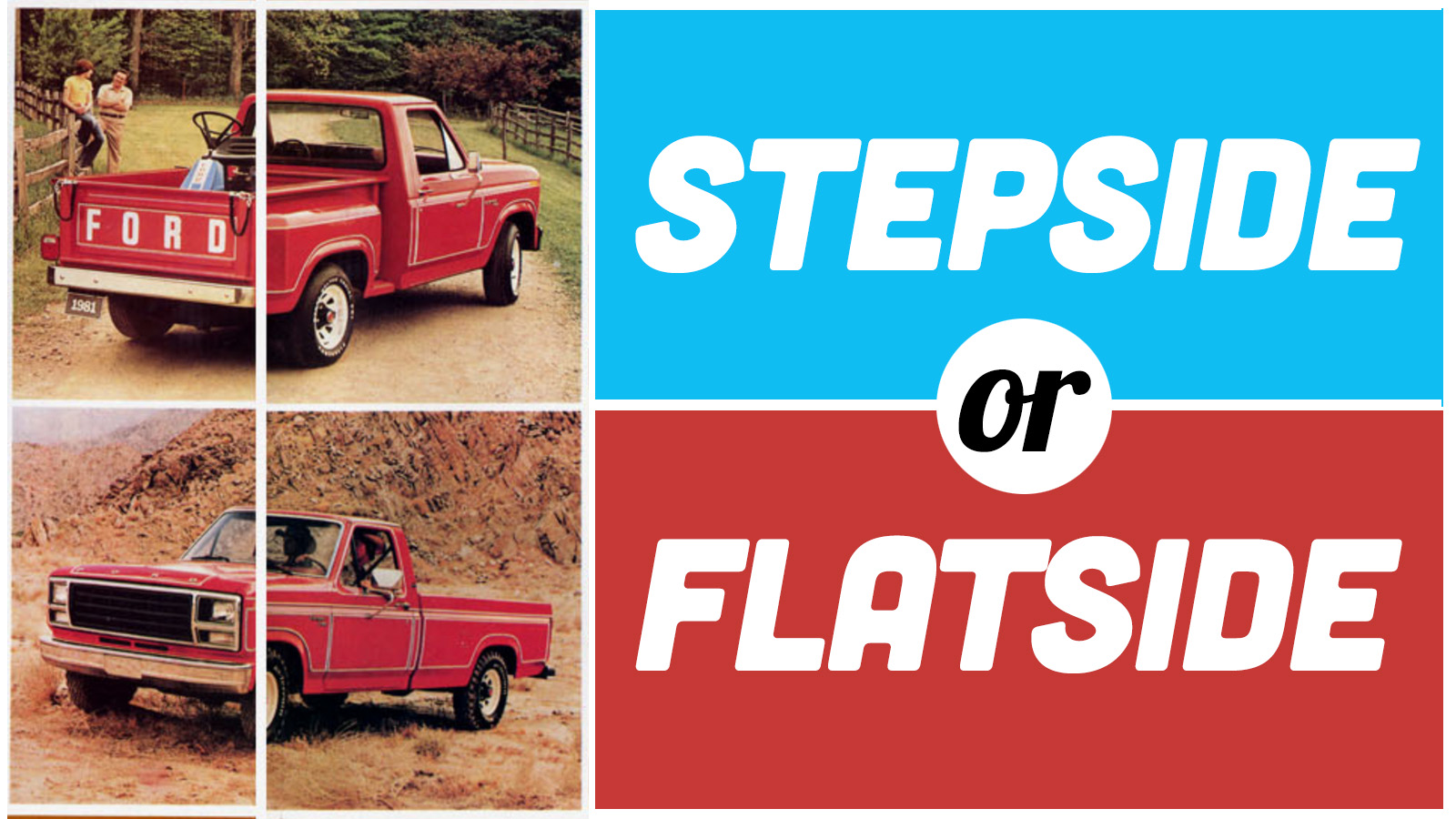
Conventional front-engine pickup truck design is, once you distill it down, pretty basic. A low, enclosed box in the front for the engine, a taller, enclosed box with windows, ideally, behind that for people to sit in and charge their phones, and then a long open box at the rear for all the stuff you want to haul. That’s pretty much how all of them work. But there’s two major variations of how that big box on the rear is built, and I have to admit, I’m not sure I really understand the point of one of these types.
You know the two types of beds I’m talking about? I’m sure you do, but just in case you’ve recently taken a blow to the temple with a 2×4, I’m delighted to cover them again. The two types are the now far-more common type of truck bed, with flat sides and wheel wells integrated into the bed, and the “stepside” type. where the bed is a rectangular box set between external fenders.


That style with separate fenders used to be the default style of pickup truck until the late 1950s, as a result of how most automotive body design and construction was handled. You can see this back to some of the earliest mass-produced pickup trucks, like the Ford TT:
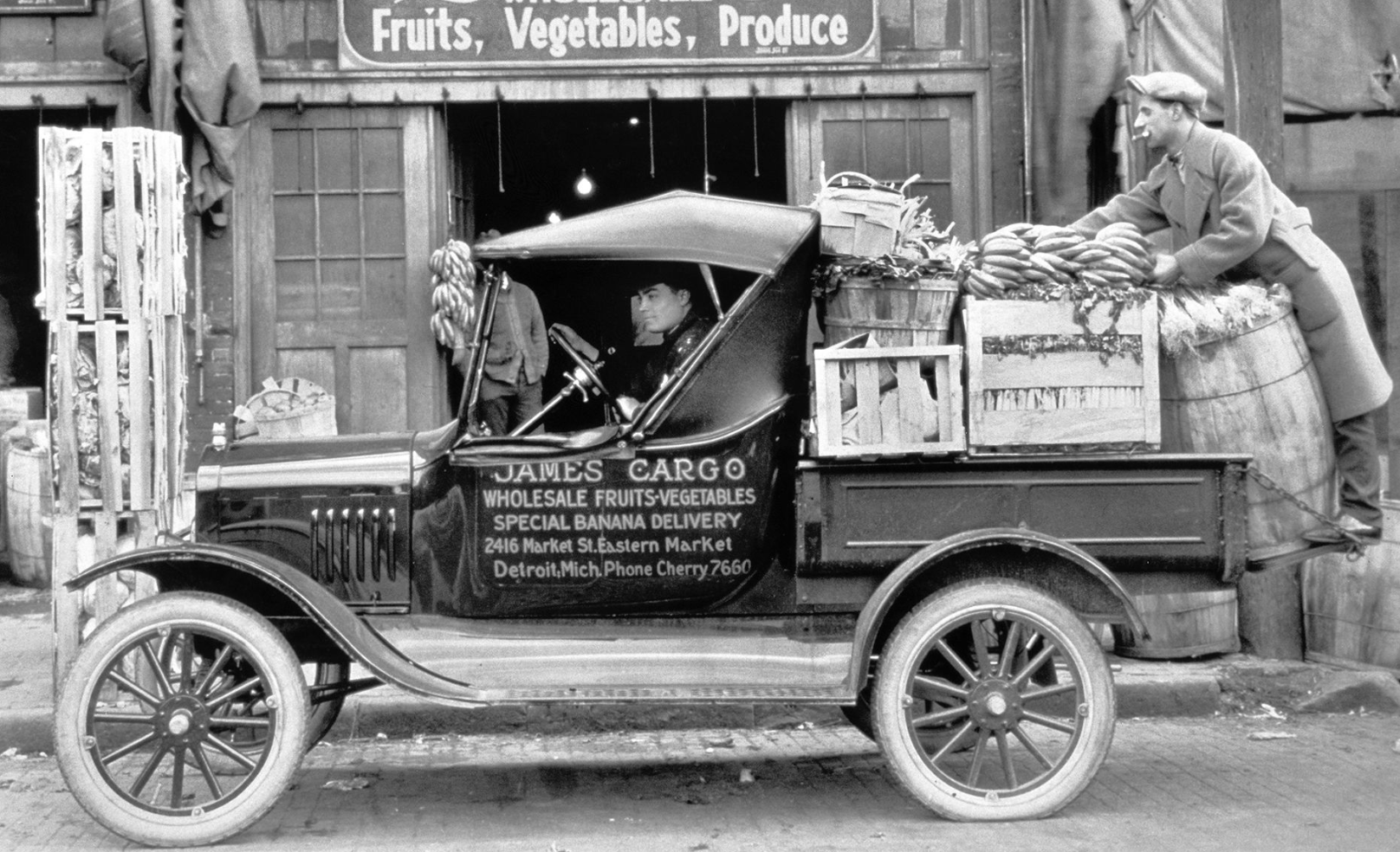
See how the bed is just a rectangular box shoved in between the fenders? That was just the most straightforward way to adapt the Model T body to incorporate a load bed, and continued to be the most straightforward way as long as cars were designed with separate fenders.
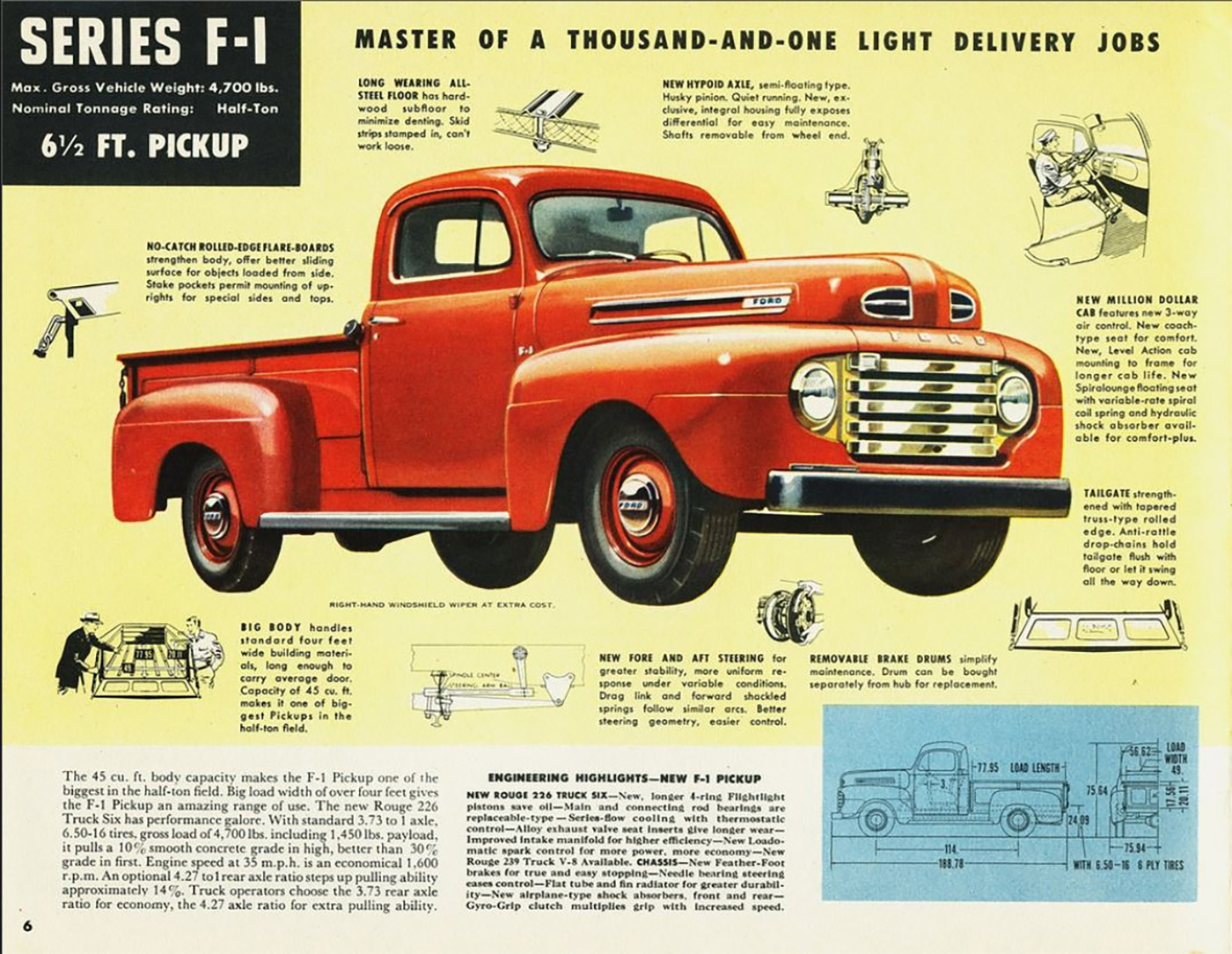
Eventually, carmakers learned that you could have a notably wider load area and simplify the construction of the bed by integrating the fenders into the bed itself, making a truck bed with flat sides. The first production car to do this was Crosley, in the 1940s:
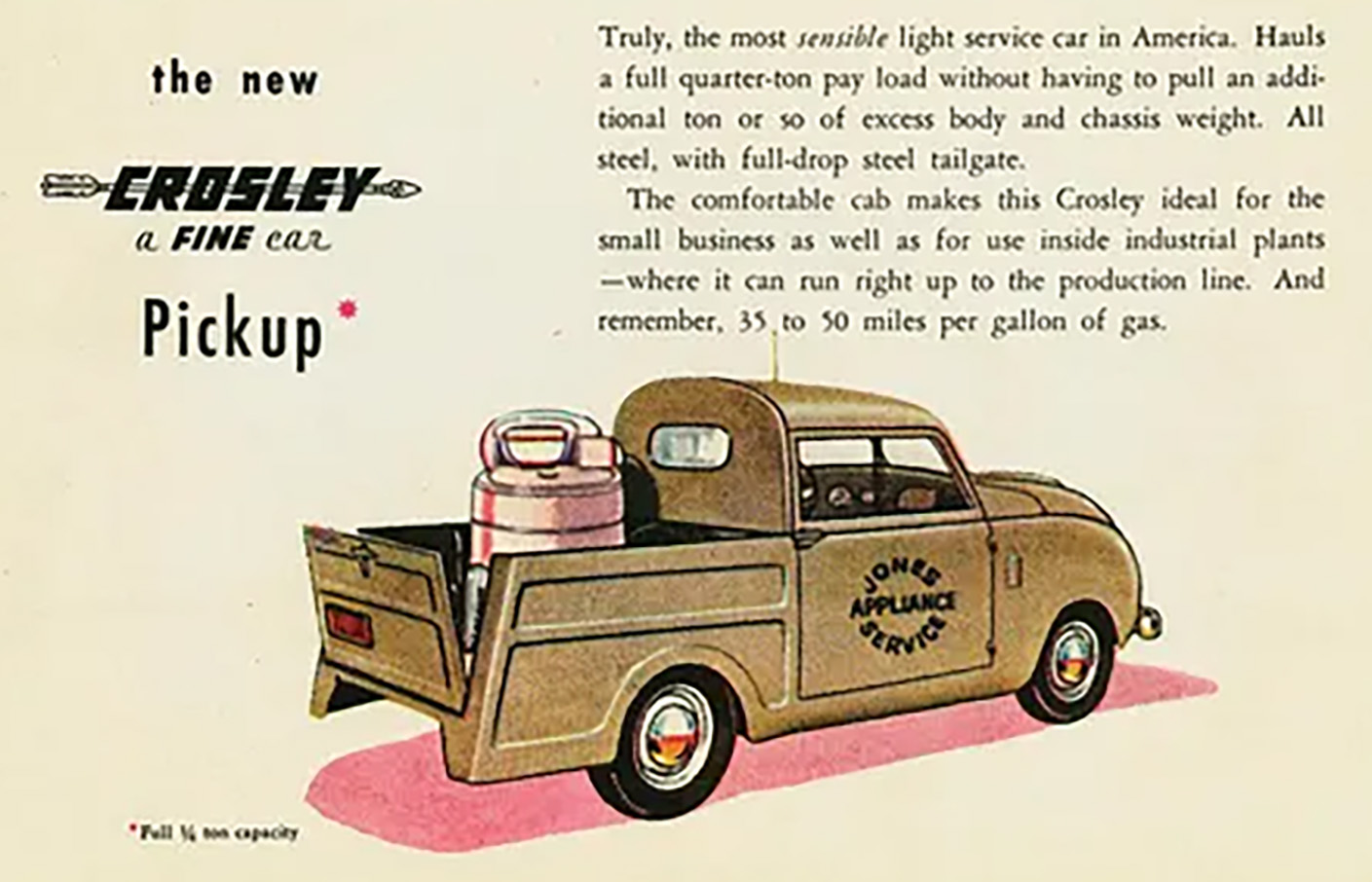
Crosley, of course, was a pretty niche maker, as their trucks were quite tiny, so I suppose we can also give credit to Chevrolet for popularizing the flat-sided truck on a more mainstream level with their Cameo Carrier:
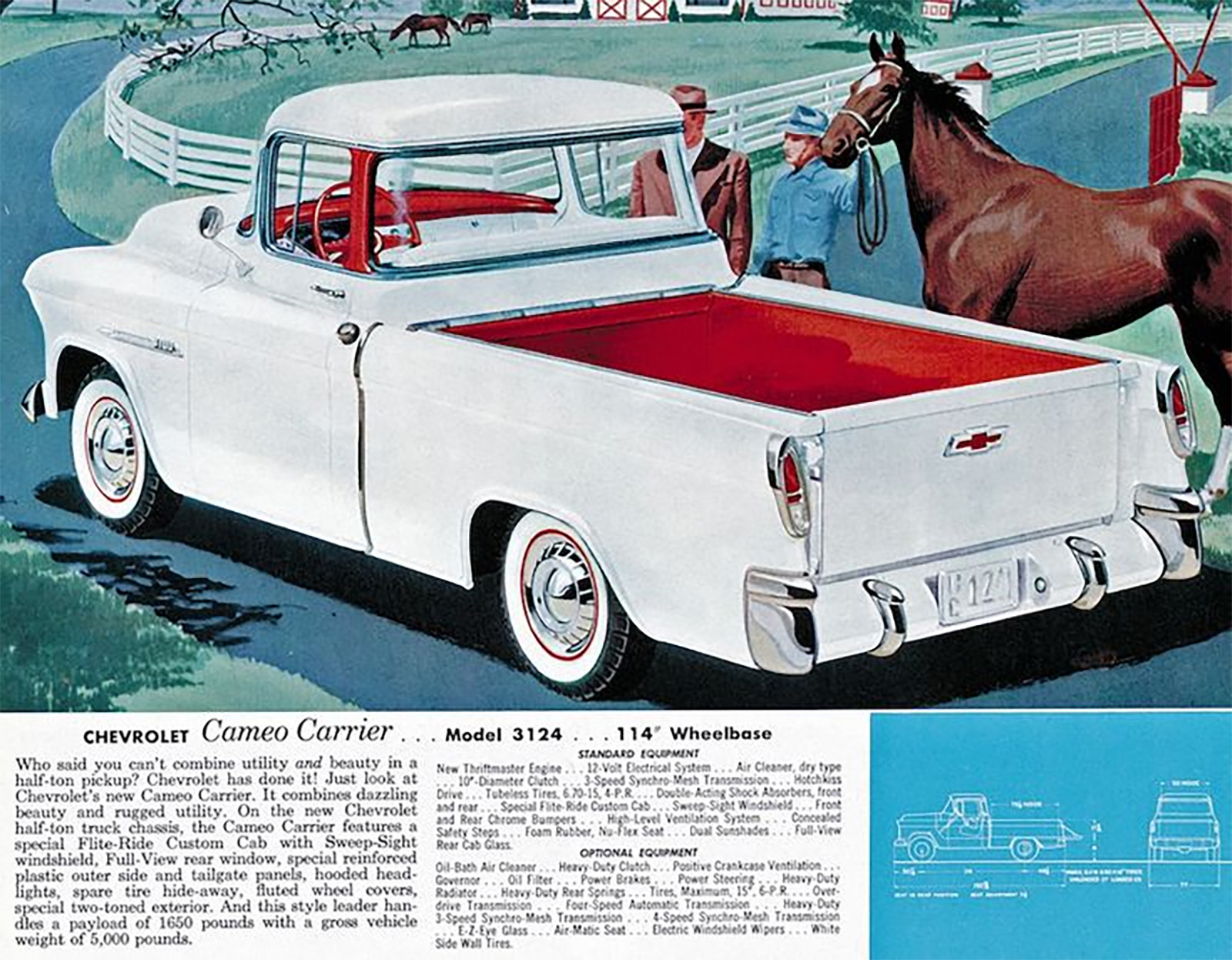
The Cameo Carrier was interesting; this was a pretty novel departure from conventional pickup truck design, and Chevy leveraged their experience with fiberglass bodies from the Corvette to make these new, sleek, slab-sided trucks.
Ford noticed the success of Chevy’s flat-sided trucks, and introduced their all-steel Styleside trucks in 1957:
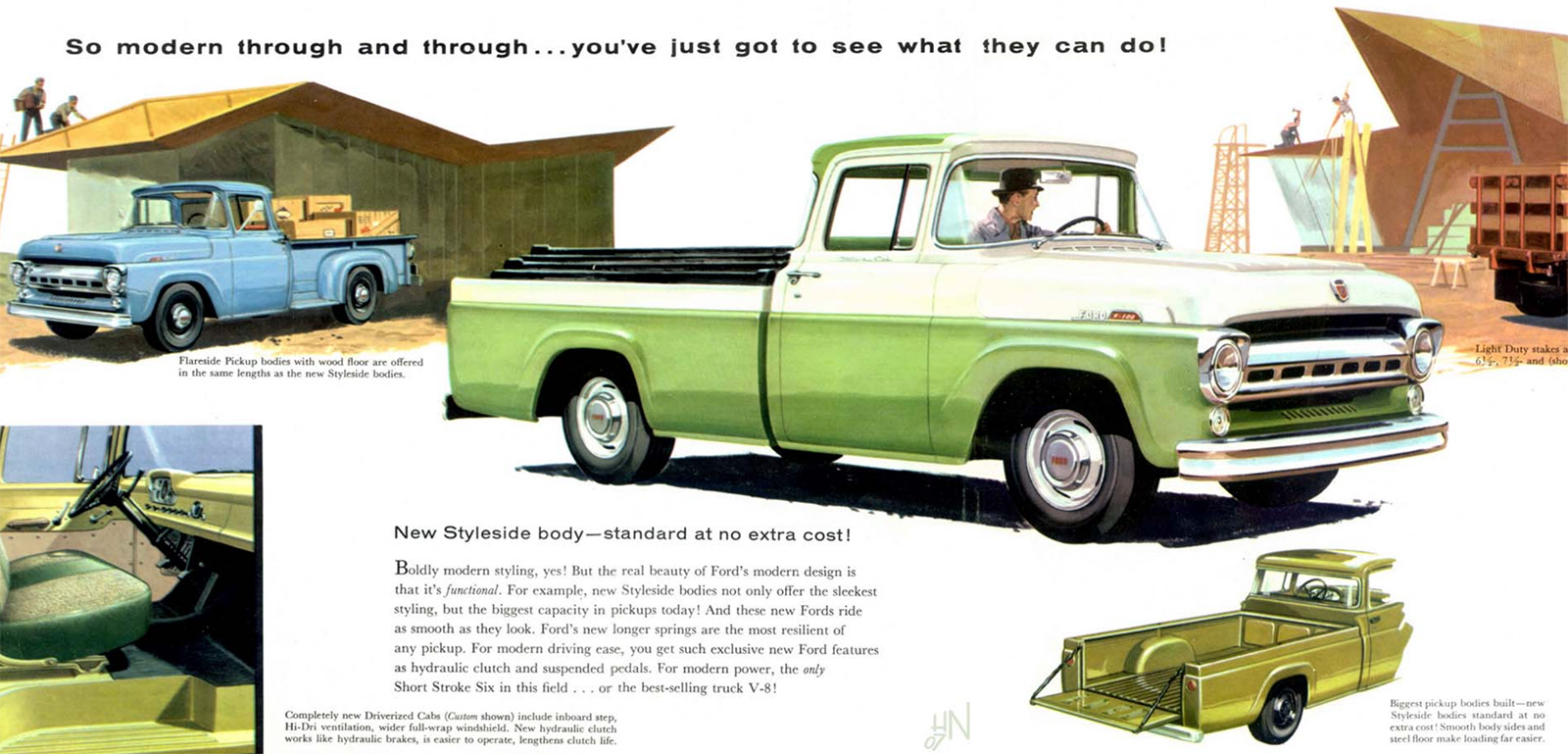
These trucks offered more room in the bed in front of and behind the wheel wells that intruded into the bed, and the wheel wells themselves could have 2x4s placed across them to allow for a wide area to slide sheets of plywood or other big, flat cargo.
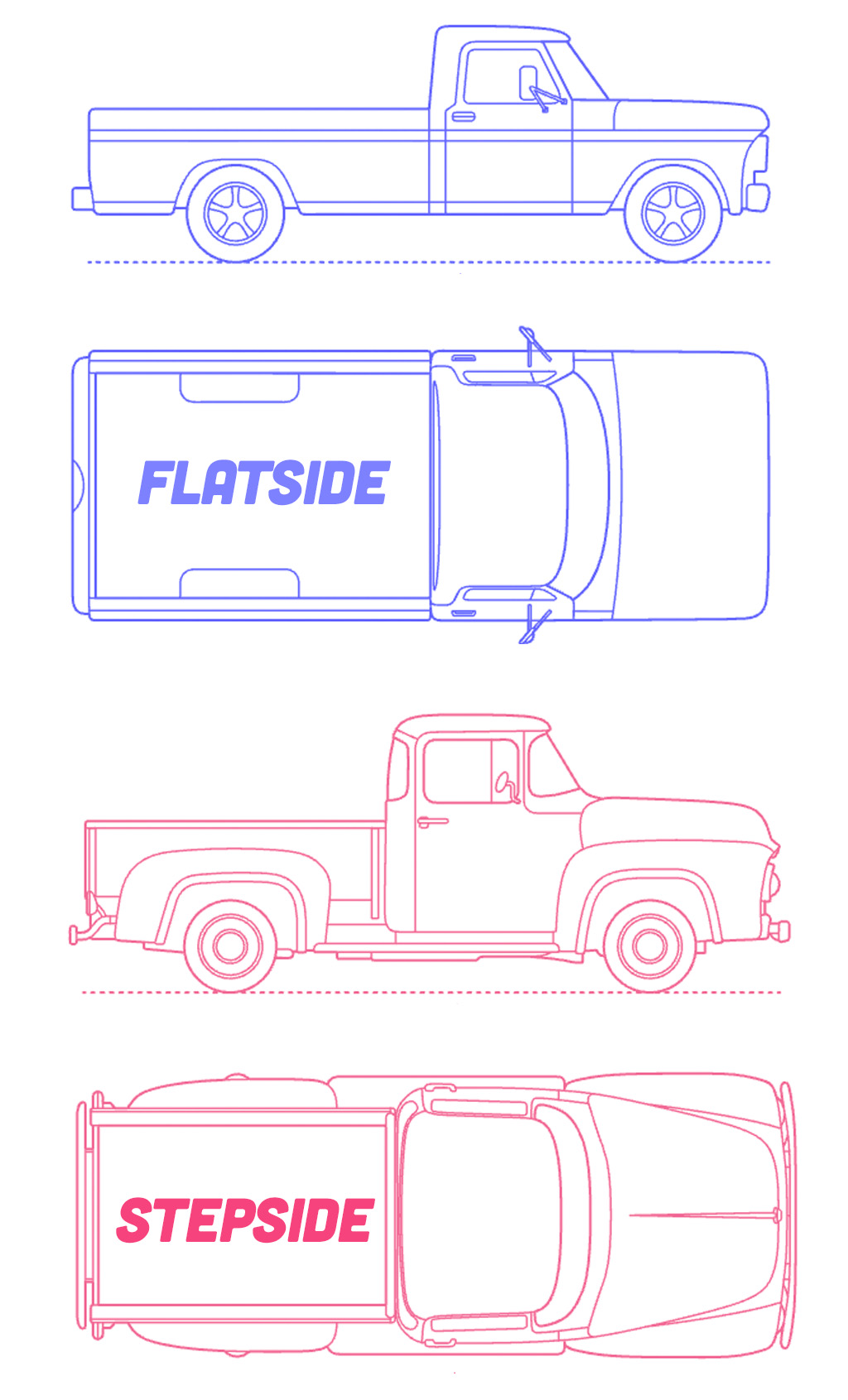
In almost every way, this new way of building truck beds seemed better than the old external-fender way. And yet, somehow, carmakers still offered the older style, calling that flareside or stepside or fenderside or something like that.
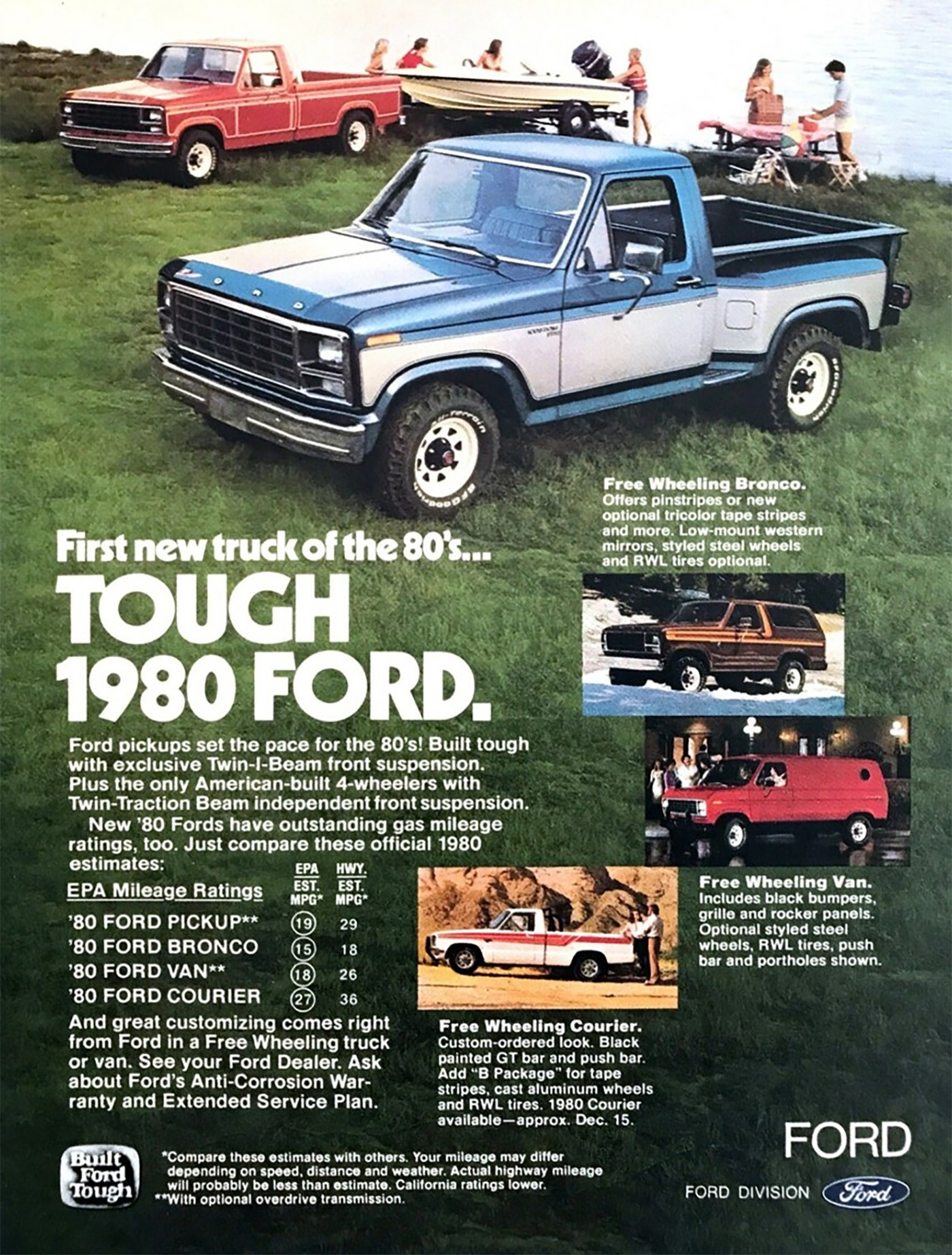
Now, there may be some good reasons to offer this more archaic style, even when it really didn’t mesh with the look of more modern trucks: that step just forward of the fender could be pretty useful, and I suppose some people may just prefer the look. The taillights, which were generally not integrated into the bodywork in these sorts of designs, were also cheaper to replace.
But you still had a narrower bed, sometimes significantly. Ford was the last company to offer a bulging-fender stepside truck design, finally ending them after 2009.
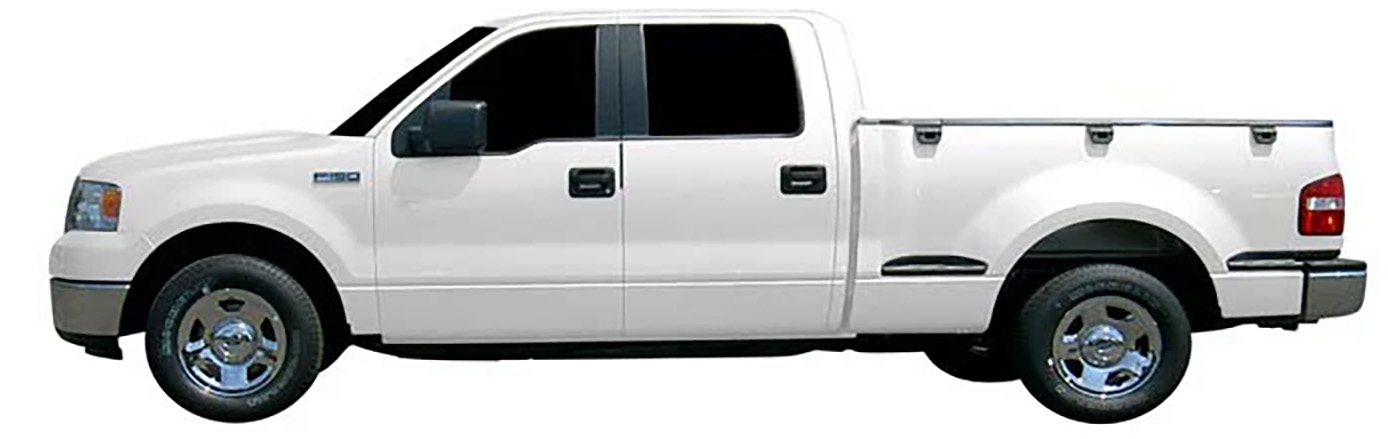
So, I guess all of this is to ask, “what do we think about stepside trucks?” I love the way they look on old 1950s-era and earlier pickups, but I think as time goes on, they tend to look more and more forced. The step on the side is helpful, but is it worth the reduction of cargo room in the bed? Those areas fore and aft of the wheel wells can hold a lot of stuff.

So is it style? Is there something crucial I’m missing here? How did these last so long after they were so effectively replaced?
Let’s take a poll and discuss in the comments. I’m genuinely curious!




I have a flare-side ’01 Ranger and while a style-side would be able to store more, being just about able to get a foot on the sides nice for dealing with large objects and it’s more convenient not to have any nooks for loose materials.
It’s a somewhat impractical design that kind of just stuck around from tradition, especially for poorer people who were used to replacing the bed floor with wood after it rusts through even though by like the 90’s that wasn’t much of an issue anymore thanks to cheap bed protectors.
I had a 1970 Ford F100 flareside (stepside) and I 100% would not have traded it for a conventional flat bed side.. the side step made loading the truck so much easier and while you may lose a small amount of potential cargo space, the fact that you have straight sides so you can easily slide things in and out without catching the wheel wells makes up for it…. and today’s pickup trucks are so high off the ground it would make even more sense to bring back some form of stepside.
I was told it was so you could sweep out your cargo area easily without that awkward bit forward of the wheel wells that always accumulates crap (literally the manure hauling crap).
I always liked the stepsides. They were still 4 feet wide on the inside. The later ones just looked silly. The Chevy Cameo was actually the same step side bed with the fiberglass sides added, so it was just for style didn’t add any additional space.
My ’70 F100 measured over 5′ x 8′ inside the stepside bed.
Why not just have a recessed step built in to a much better looking flat side bed? Stepsides always seemed pointless to me, since the whole point of a pick up is to carry stuff (or it used to be) and you lose bed capacity with one.
So, the Subaru BRAT approach.
(Les Claypool voice) He sold enough cystal meth to buy a stepside truck…
The real reason they endured is because they were cheap and utilitarian with easily repairable or replaceable parts. That’s why long bed step sides were available for many decades.
At least they were until the late 1980’s when they became single-piece bedsides with decorative flares.
Chevy S10 ADDICT here. I’ve always liked the Stepside look on basically every truck it was offered on (except the hideous Tundra and Tacoma versions of the late-90’s & early 00’s) When GM introduced the S10/Sonoma Sportside (Gm’s name for the stepside on S-series and GMT400 trucks) for 1996 I absolutely fell in love with them. Swore I’d own one. When I bought my 1996 S10 in 2000 with a fleetside bed, I knew immediately that I would someday be swapping it for a Sportside. It took me about 2 years to find someone willing to swap, but I found someone with the same color truck looking for a fleetside because his quad wouldn’t fit in the stepside bed. Now almost 26 years later, I still own that truck, along with a 6.0/T56 swapped twin. As well as another 1996 4×4 sportside truck, as well as spare beds, and bed parts. I’ve kinda become known as the “stepside guy” in the enthusiast groups I’m a part of (S10 Nation on facebook and IG)
BUT, with all that said, my S10s are just toys at this point and more about looks and fun over anything else. When it comes to using a truck for real truck things, I am likely going to choose a flat side bed. But that’s not to say my ‘little trucks’ don’t get used for truck things. It has a bed, so at its core it will always need to be ready for ‘truck duty’ at a moment’s notice. And I must say it is a whole lot easier to load big, bulky, or heavy items into the bed of my lowered S10 vs. the bed of my stock height full size truck.
tradition. plus it looked cool. then detroit decided to make it more practical. baby gor FAT!
I was just thinking about this earlier this week. I saw, in the span of one block, two Tundra Stepsides. Those have not aged well, especially looking at their hideous taillights! I can’t imagine the expense Toyota went through to make all those special parts but manufacturers can’t even be bothered importing their manual transmission versions. I would think a manual transmission would outsell a stepside option 10:1.
Dear lord, I was not aware that this abomination even existed. I need to cleanse my eyes with some pics of the first-gen Probox.
You forgot Toyota’s Tundra step side abomination
The 80s were the last good universal stepsides, with the sole exception being the early 2000s Ford Lightning
They stopped looking good on GM trucks in 1987, the last year of the square body.
Ford stepsides, 1991.
Dodge stepsides, 1993.
As great as stepside trucks looked for all those years until the very late 20th century, no one should have still been making them by the turn of the 21st century. They did not look right from then until they made the last one.
I didn’t see that option in the poll, so I just voted yes.
I found the step-sides on the 90s Rangers to look acceptable on the standard cab, especially in the more fun colors.
I can accept non-fullsize step sides, yes.
Obviously, kei trucks are superior to either bed design-flat floor with fold down sides. The wheels are under the bed and the bedsides are just the right height to easily add/remove items. My Subaru Sambar has a 350kg hauling capacity…a very slow 350kg hauling capacity.
Trays are, of course, the way. However, since we don’t get those in North America, I appreciate the step side or the now common step-in-the-fleetside bed for sheer usefulness on our comically tall truck bed sides.
mine does 70 mph on the dump run… but it lets me know it’s not happy.
You’re not wrong, but there’s a superior version of this: the portuguese pick-up truck.
Up until recently, the vast majority of pick-up trucks here in Portugal were sold as cab-chassis, and dealerships had their own arrangements to source locally-built beds, making this the most inexpensive option. These beds are all very similar no matter the builder: a simple metallic frame and wooden panels, all perfectly flat and easy to fold down for loading or carrying oversized stuff (illegaly).
I’ve always thought that stepsides looked out of place on any truck that didn’t have a narrow hood/exposed front fenders to match.
Can I point out that you missed a key third option? The alloy tray with a completely flat bed and fold down sides? In my opinion this gives you the best of both, the ability to have a full width load surface, steps on the side and easily replaced lights/components in case of damage