

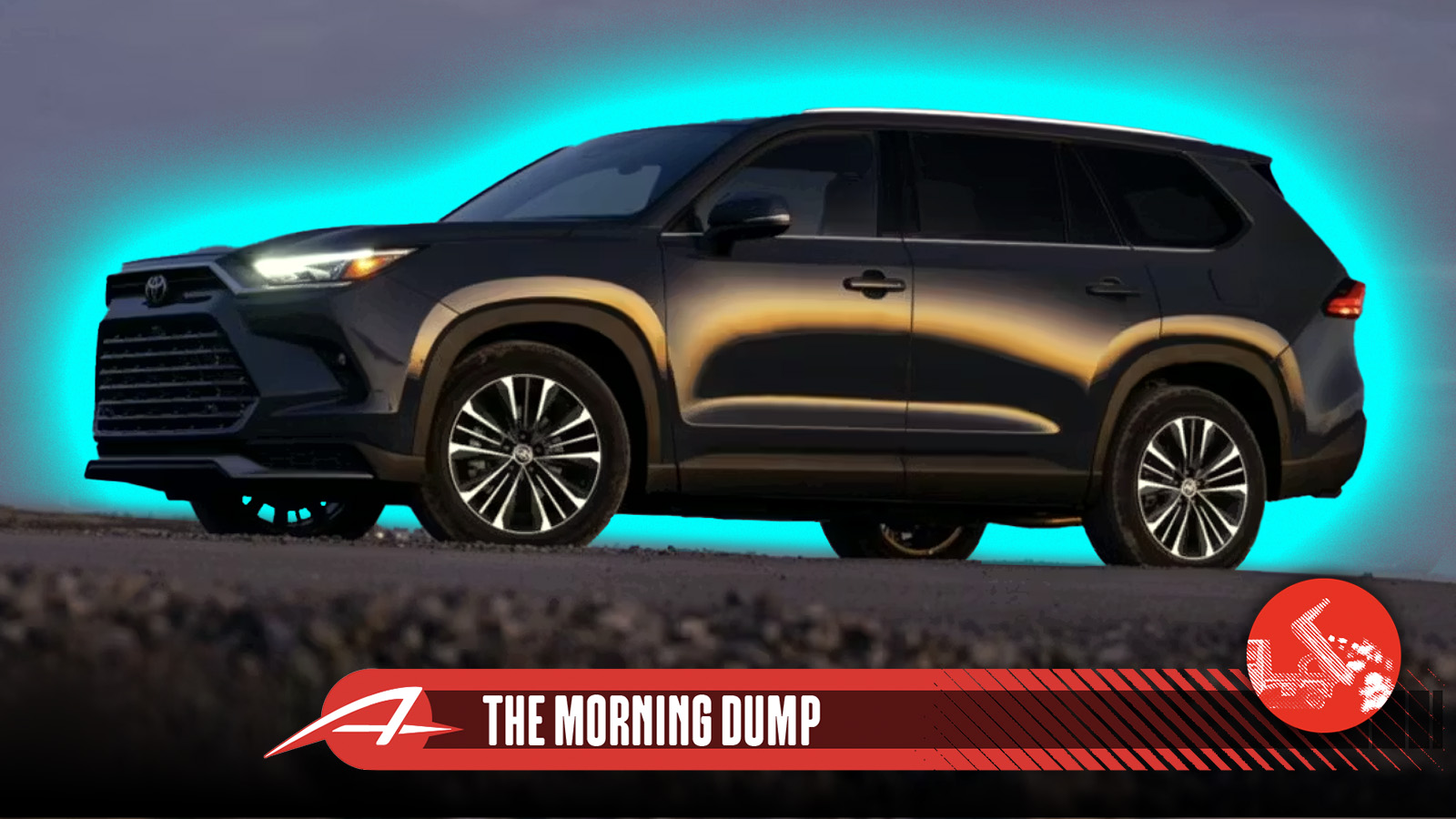
Releasing a new electric vehicle for the United States in the year of our lord, 2026, is not for the faint of heart. But if there’s any manufacturer that can do it, it’s the biggest one in the world: Toyota. The Japanese automotive juggernaut announced today plans to convert the Highlander, once its best-selling crossover, into an electric vehicle, allowing its gas-powered sibling, the Grand Highlander, to take a more prominent role in the lineup.
What else is going on? Nissan’s in the news again, for a move that feels right for them. The company aims to focus more on plug-in vehicles, such as PHEVs and EREVs, in the near term to keep the brand afloat amid its restructuring. At the same time, Mazda has revealed, for what feels like the billionth time, that it really wants to build a production rotary sports car.


Then there’s Automotive Cells Company. It’s a joint venture project between Stellantis, Mercedes-Benz, and TotalEnergies that’s been around for a few years now. It originally planned to open up battery factories in Germany and Italy, to supplement its sole facility in France, but now, thanks to Stellantis’s turnaround on EVs, it sounds like that’s no longer happening. Let’s get into it.
The Highlander As You Know It Is Dead. Meet The New Highlander
It’s the Monday after the Super Bowl, which means the United States is still recovering from an evening full of binge drinking, snack-eating, and screaming at a television in the hopes Bad Bunny would sing “I Like It” alongside Cardi B so their five-leg parlay would hit (if yours did, congrats!) Also, congratulations to the Seattle Seahawks, who, from where I was watching, shut down any hopes of the New England Patriots getting anywhere near the endzone pretty early on, and often.
Those who watched the Big Game will know Toyota ran two commercials this year. Both were tugging-on-heartstrings plays, with the first being a 30-second spot centering around a lasting relationship between grandfather and grandson, with the RAV4 as the star. The second commercial recruited a few famous athletes—NASCAR driver Bubba Wallace, Los Angeles Rams wide receiver Puka Nacua, and Paralympian Oksana Masters—as they connect with their younger selves.
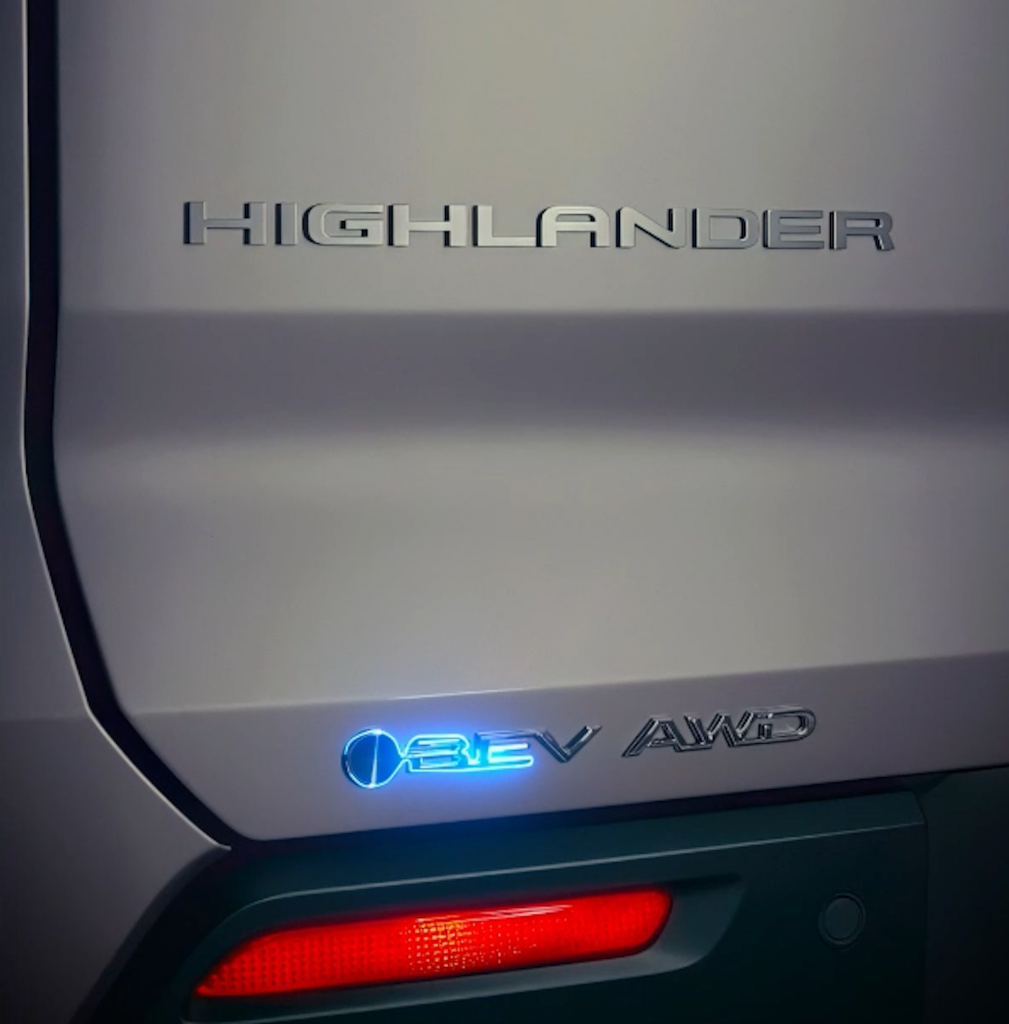
The company waited until Monday to reveal the real news: It’s turning the Highlander, a vehicle that once topped the sales charts in the U.S., into a full-blown electric vehicle. Toyota released an 11-second teaser video (below) showing off a part of the rear end, along with an extremely short announcement confirming only the very basics:
Meet the all-new 2027 Highlander. Featuring sleek, modern lines, an electric powertrain, and a spacious three-row cabin with comfort for the whole crew. #LetsGoPlaces
While releasing an EV at a time when electric vehicle growth in America is starting to flatten out seems like a risky play, Toyota has a history of knowing what it’s doing. It was right to hold off on a huge investment in EVs early on, and it was right to pour its efforts into hybrids. So, presumably, it should be right about turning the Highlander into an EV… right?
Personally, I think it’s a smart move. The normal Highlander, Toyota’s flagship three-row crossover, was a massive hit for the brand for decades and has, for years, been a cornerstone of its lineup. But it was marked for irrelevancy the second the Grand Highlander hit the market. Who in their right mind would choose the regular Highlander when, for a few hundred dollars more, you get a nicer interior, better safety systems, and way more space in the third row and trunk areas?
Sales of both models have reflected that sentiment. The Grand Highlander has been quickly stealing market share from the normal Highlander since its debut in 2023. In that year, the regular Highlander outsold the Grand Highlander 3.5 to one. In 2025, the Grand Highlander outsold the regular Highlander nearly 2.5 to one. Oh, how the turns have tabled.
For 2026, the Highlander is actually now more expensive than the Grand Highlander, since Toyota dropped the front-wheel drive trim from the lineup. Everyone sort of assumed the Highlander would go away after this year, but instead, it’s being turned into an EV. This is smart because it solves a couple of problems at once. The first is that it avoids having to kill off a nameplate, and the second is that it uses the Highlander’s strong brand authority, meaning Toyota doesn’t have to put a bunch of effort into getting customers to learn a new model name (look how well that’s been going for the bZ4X).
Like the bZ4X, the all-electric Highlander will almost certainly be a very low-production model (by Toyota standards, anyway). But still, it’s a clean, seamless way to transition the Highlander from an outdated, uncompetitive model to an all-new EV, while keeping the Grand Highlander untouched so it can continue to dominate the three-row segment. It’s possible there’s still a gas-powered version, but I doubt it.
Nissan Smartly Prioritizes Plug-Ins To Keep Itself Alive
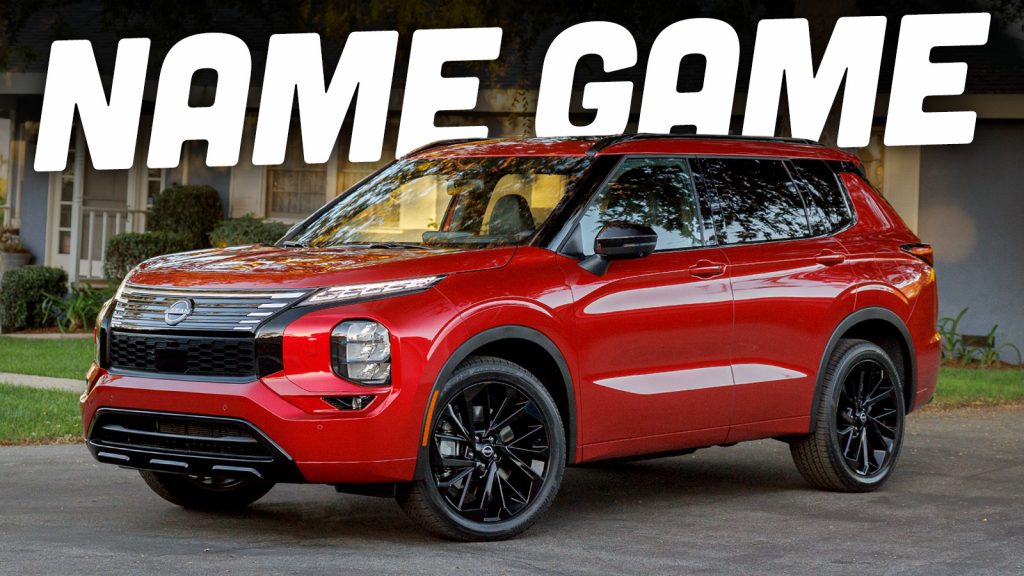
The past few years have been pretty scary for Nissan. Back in 2024, an exec said the company had “12 to 14 months to survive,” and nearly got bought out by Honda. Since then, Nissan has gotten a new CEO who has implemented a restructuring plan called “Re:Nissan” to get the brand back on track.
That plan, which includes improving margins and a new Xterra, has had the Japanese automaker chugging along into 2026. Now, it’s being adjusted a bit to reflect the demand (or lack thereof) of EVs in the near future. From Automotive News:
While Nissan remains committed to battery-electric vehicles in the long term, Espinosa said the company is adjusting the pace of EV investment to reflect weaker demand, charging infrastructure constraints, reduced government support and evolving regulations, particularly in the U.S. and Europe.
In Europe, automakers are facing tighter fleet CO2 targets and pressure to balance compliance with profitability as incentives for EVs are scaled back in key markets such as Germany and France.
As part of that adjustment, Nissan will expand its proprietary e-Power technology to include plug-in hybrid and extended-range electric vehicle derivatives, which can help lower fleet emissions while offering customers longer range and greater flexibility.
“We will have derivatives of e-Power that could come in the form of a PHEV or EREV,” Espinosa said.
The first entry into this push is coming this year, but it won’t really be a Nissan at all. Sure, the Rogue Plug-In Hybrid wears a Nissan badge, but it’s very much just a lazily rebadged Mitsubishi Outlander PHEV. As AutoNews mentions, vehicles with Nissan’s own e-Power hybrid tech will likely follow next year before the company gets serious about EVs.
Mazda, We Get It. Your Employees Want Rotaries. We Do Too
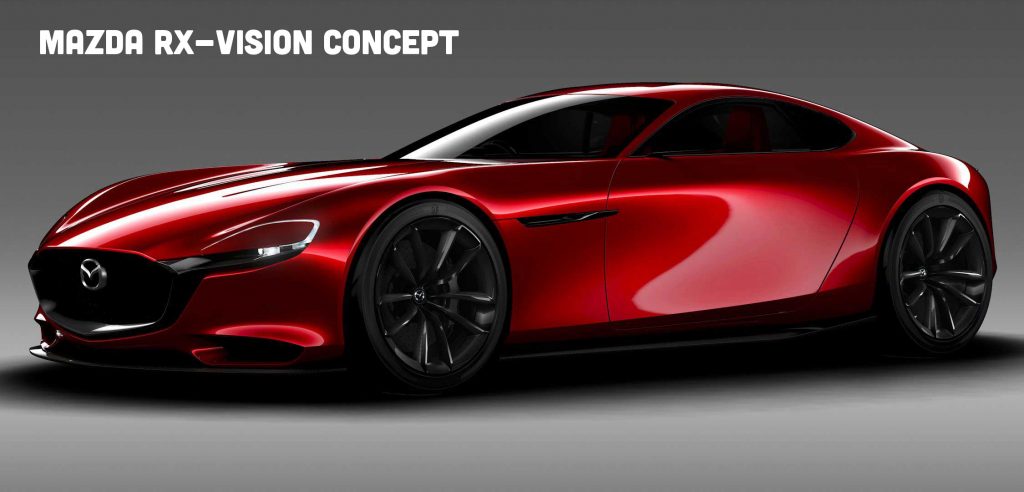
It feels like Mazda has been teasing the idea of bringing back the rotary sports car for a decade. In reality, it’s been eight years since the company showed off the original Vision Coupe concept. It’s shown off three more rotary-powered concepts since, with executives giving interviews saying the company definitely wants to bring back the rotary sports car, but never giving a timeline or firm commitment to actually doing it.
The guy in charge of Mazda’s design just did it again in an interview with Auto Express, revealing there are a whole lot of people within the brand who want it to happen as well:
The Japanese brand signalled its intention to put the Iconic SP into production a year after the concept was unveiled at 2023 Tokyo Motor Show. Masashi Nakayama, general manager of Mazda’s design division, stated at the time that “it has been designed with real intent to turn it into a production model in the not-so-distant future.”
But despite attention being focused on the new Mazda CX-5 SUV and a more serious move into electric cars, the project isn’t dead. “If there’s a feasible way to do that, then I’m sure if somebody will do it, it’s Mazda, because here the enthusiasts still make things happen,” the brand’s product planning supervisor in Europe, Moritz Oswald, told Auto Express in an exclusive interview. “I think at the moment the MX-5 is still our halo car that stands for everything that Mazda products should. Could there be something next to it or above? Yes.”
“The amount of car enthusiasts in this company is insane,” he said. “Everybody loves cars, so of course there is a deep desire to keep on launching emotional products. So are we looking into that? Yes, of course. But again, we are also a company that has to bring in revenues.”
I’m not sure how many more “looking into thats” I have left in me. I’m tired, boss.
Stellantis And Mercedes Say Nah To More Battery Factories In Europe

Back in 2020, Stellantis, Mercedes-Benz, and French petroleum company TotalEnergies launched a joint venture called Automotive Cells Company (ACC), with the goal of building batteries in factories across Europe. So far, it has just one functioning factory in France, and had plans to open two more, in Germany and Italy. Until now.
Because Stellantis is chilling out its EV plans (and taking a $26 billion loss over it), ACC is doing the same, and looking to lay off workers in France to stay afloat. From Bloomberg:
ACC, the battery joint venture between Stellantis, Mercedes-Benz Group AG and TotalEnergies SE, said it doesn’t expect conditions to restart the German and Italian projects to be met, according to an emailed statement. It had placed them on standby in May 2024.
While the company said it will maintain its industrial capacity in France, it is in discussions with French unions on possible partial unemployment measures, as it considers “all sorts of options to try and shore up its finances,” ACC General Secretary Matthieu Hubert said in a phone interview on Saturday.
Stellantis said it “takes note of ACC’s decision to enter discussions with social partners with a view to halting the gigafactory projects in Germany and Italy,” according to an emailed statement from a spokesperson. Stellantis is “closely monitoring the situation.” A media representative for the automaker declined to comment on ACC’s French talks with labor unions.
This probably doesn’t mean much in the long term when it comes to EV adoption. But in the short term, it’s yet another signal that hybrids are going to be the dominant factor of this decade.
What I’m Listening To While Writing TMD
Bad Bunny killed it during the halftime show, but since Matt shared a Bad Bunny song on Friday, I thought I’d share a song performed during the show by another artist, Lady Gaga: “Die With A Smile.” Sadly, tickets to Lady Gaga’s latest tour, The Mayham Ball, are still at least $587 per seat in my area. And that’s a shame.
The Big Question
Do you think Toyota bringing an EV to market in 2026 is the right call?
Top graphic image: Toyota


It’s an aside but I’m about sick of high beltlines. I was done at Camaro.