

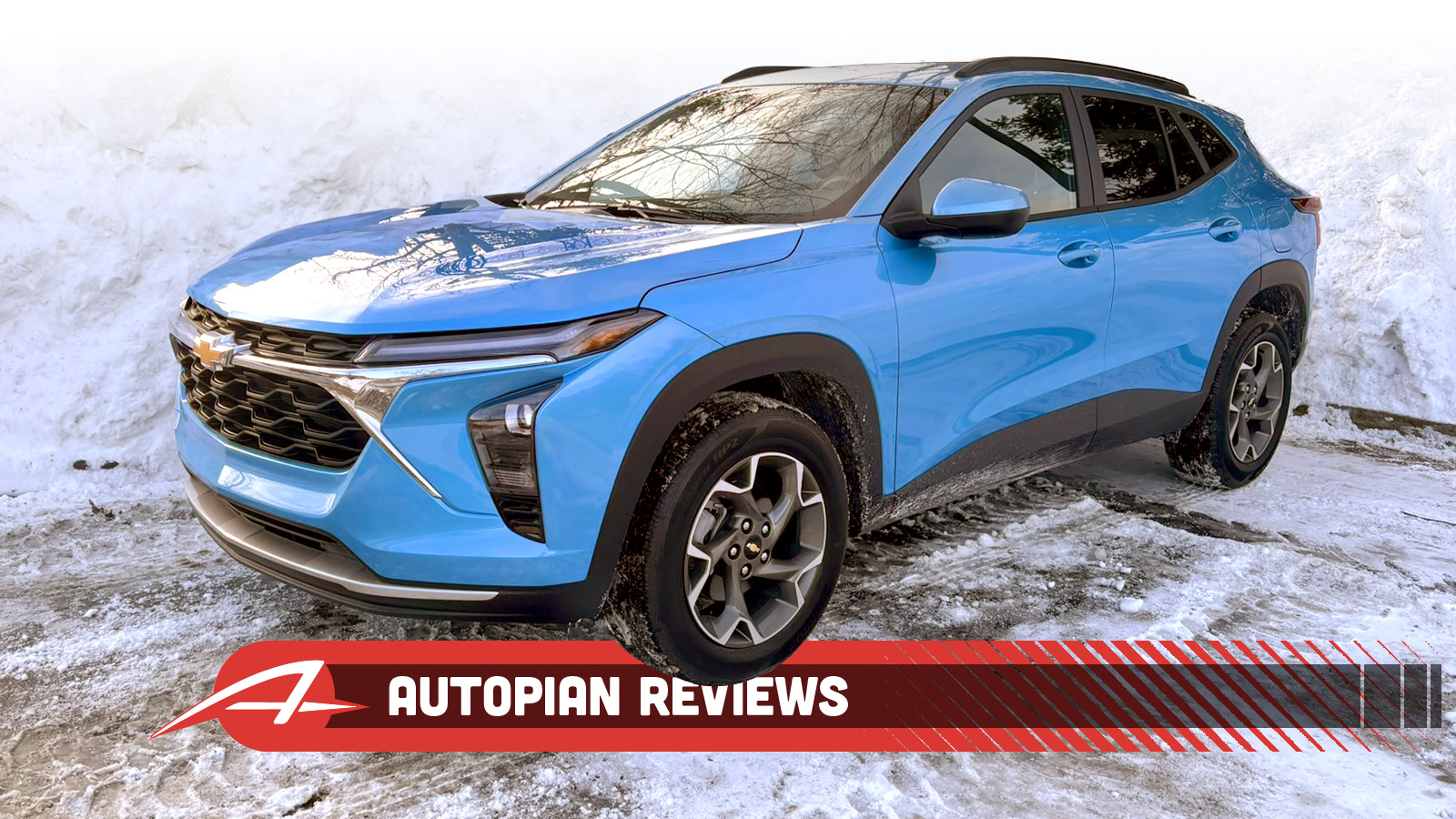
I did a remarkable thing the other day. I drove a press car that was darn near close to a base trim. I almost didn’t believe it when I glanced at the Monroney–the pedantic journalist name for a window sticker–and saw only a few options. That’s rare. Even better, one of the extras on this 2026 Chevrolet Trax 1LT was an inviting shade of blue metallic paint. Good colors are always worth the money.
A common complaint is that there are no great affordable new cars. That’s maybe true. There are, however, plenty of good, affordable new cars. The Chevy Trax is possibly the goodest of all of them. It’s not that it does anything in such a superior way that it distances itself from the competition. There’s no secret here. It’s just great packaging, with most of the stuff, at what’s now an excellent price.


My biggest debate when I drive cars in this price bracket is whether or not the potential buyer would be better off with a good certified used car. In a rational market, that would probably be true more often than not. Currently, I don’t think that’s the case. I love data, so let’s look at data.
What Can You Actually Get In An Affordable Small ‘Crossover’ These Days?
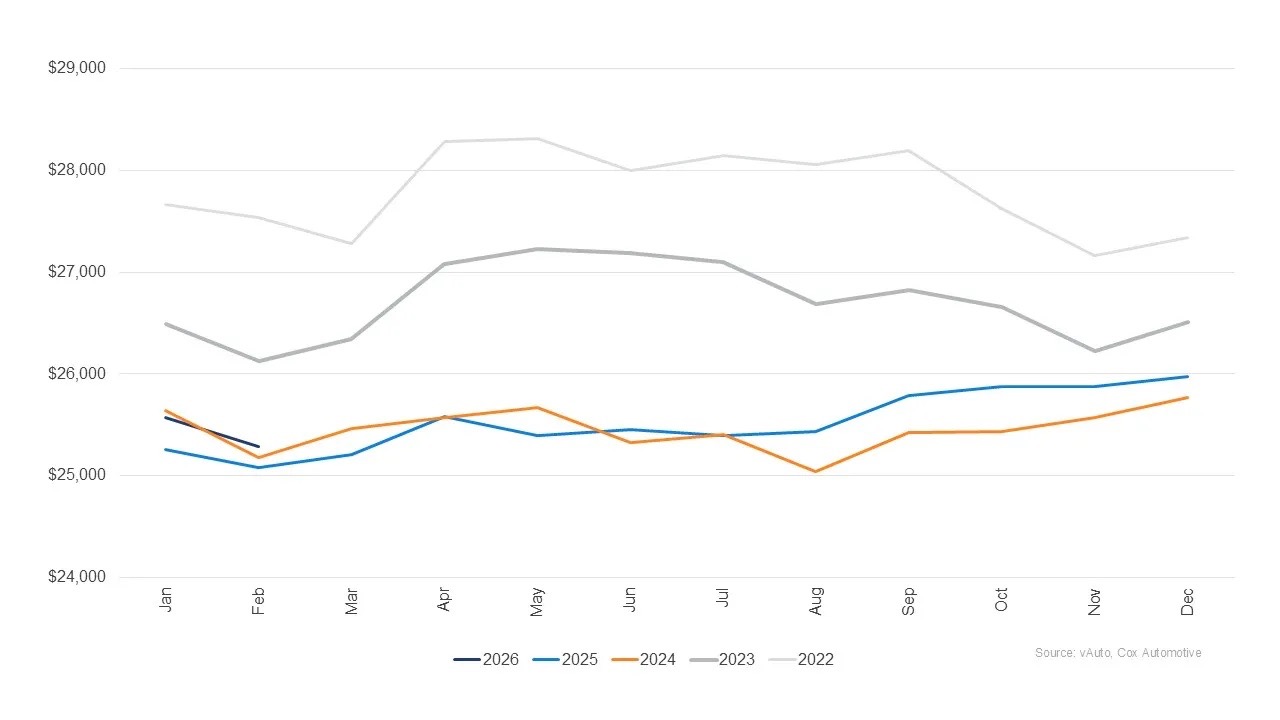
The average used-vehicle listing price in the United States is $25,287, according to Cox Automotive. As you can see in the graph above, the pandemic-induced supply crunch and the collapse in leasing led to huge price increases in 2022 and 2023. The market is a little above where it was in 2024, which is not a good sign if you’re hoping to get a low-mileage, reliable used car, but it’s at least better than 2022-23.
The Trax I reviewed was almost perfectly priced at the level of the average used car, and in considering what I’d maybe buy instead, I thought of my Honda CR-V Hybrid. That’s a 2025 model and, truth be told, it’s much better than a new Trax. It’s also a class above the Trax, and it turns out, the prices aren’t even close. If I wanted to find a used CR-V Hybrid on Carvana, I’d have to go down to at least 2021 to acquire one for a price anywhere near the Chevy. That’s terrible. If you’re buying a used car, you’re almost certainly getting worse financing, which means you should really be shopping for something 10% cheaper than your budget for a new car.
I guess it’s comforting to see that my CR-V is somehow worth more than what I paid for it. That’s comforting to me. That’s not much consolation for someone in the market who wants to spend about $25-$27,000 and has to move real humans. Want to feel better? The Chevy Trax exists, and while it’s a little more expensive than it used to be, it’s still an excellent value.
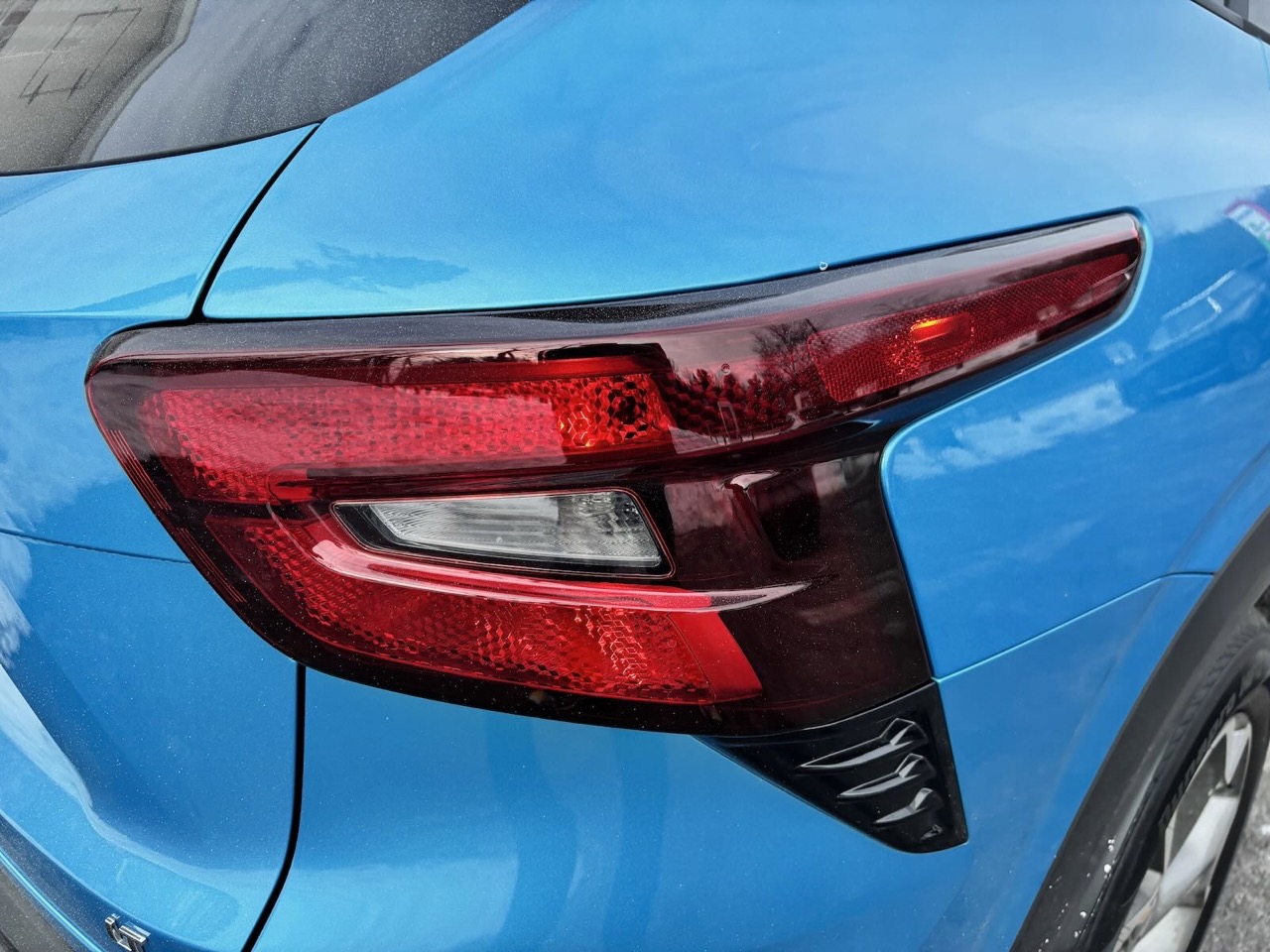
If you had a certain level of flexibility and didn’t want a sedan, the $25-$30k space used to have some interesting options. That’s back when the hybrid Maverick XLT was less than $30k. It’s much harder to find an equivalent these days. An Impreza Sport gets you a little more legroom up front, a little less in back, as well as standard all-wheel drive. But that’s $29,690 out the door if you want blind-spot detection and some other basic safety features. It’s also a car. There’s the Nissan Kicks, which I’ve also reviewed recently and will write about soon, but that gets pricey rather quickly.
The non-hybrid Corolla Cross and HR-V are both options, and will almost certainly have higher resale value on the other end. That’s probably true of the Corolla Hatchback as well, if you’re willing to entertain a smaller car. The challenge is actually getting one. You may be able to find a Corolla Cross L, but you’re likely not finding one at a price that’s below a better-equipped Trax. Also, the base Corolla Cross is a lot like the base Honda HR-V in that both are hamstrung by mediocre CVTs and an average-at-best driving experience. The hybrid Corolla Cross solves a lot of these problems and offers better fuel economy, but that’s at least a $30,000 purchase.
You Get A Lot Of Car For The Money
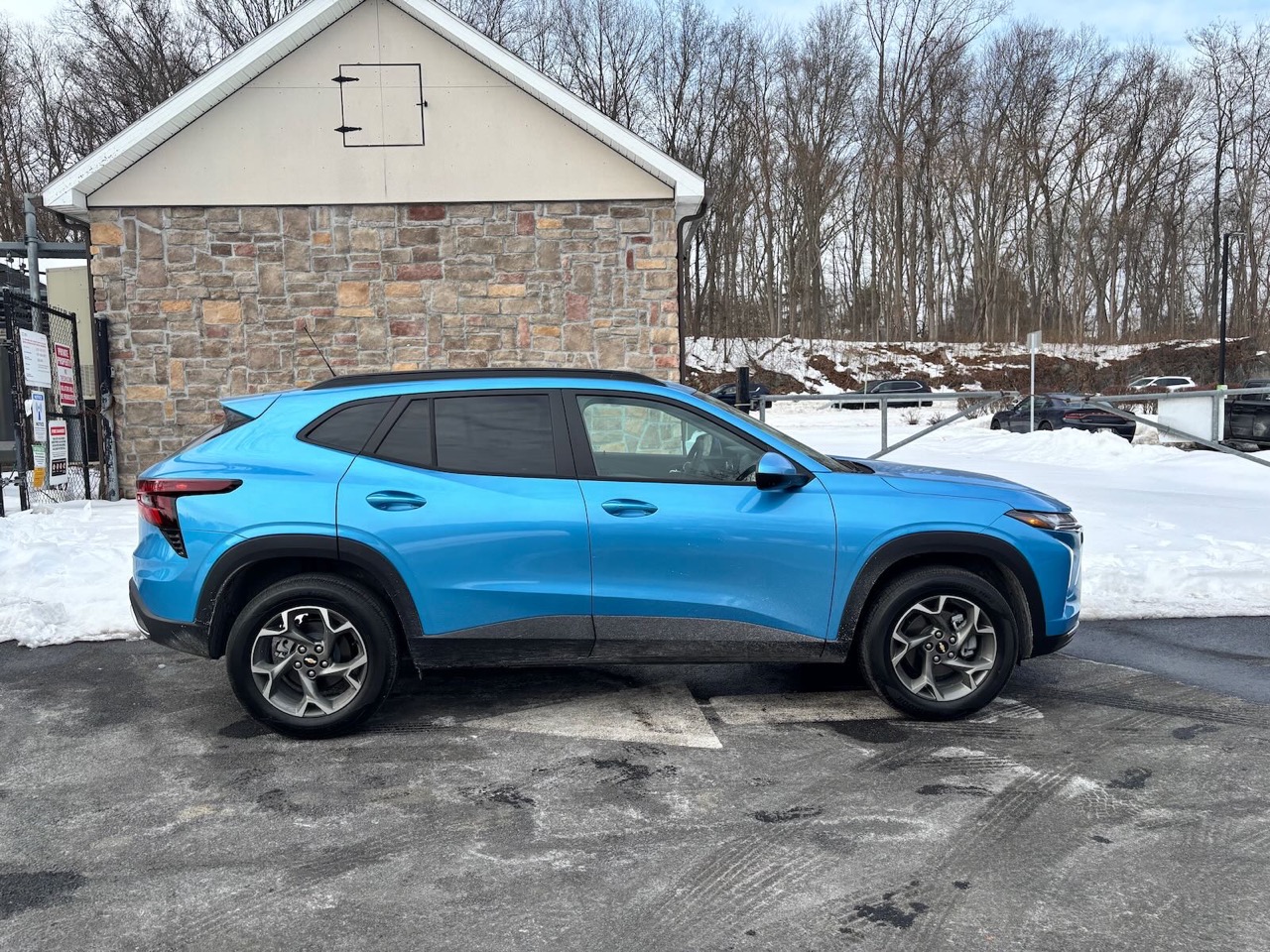
Thomas did a full review of the Trax a couple of years ago, and, functionally, it’s the same car. What’s changed is the environment we live in these days. While the Trax is more expensive than it used to be, plenty of the cars in this price bracket have just disappeared. The Kia Soul is on the way out, and the Jeep Renegade has been gone for years. Even delightful weirdos like the Fiat 500X and Fiat 500L have vanished.
The Trax I had, in LT trim, started at $23,100 before a $1,395 destination charge. The “Driver Confidence” package was added, which, for $795, adds lane change and blindspot alert, adaptive cruise control, rear cross traffic alert, and rear park assist. That’s worth it just for the adaptive cruise control. For another $595, the “LT Convenience Package” brought heated seats, a heated steering wheel, keyless entry, and heated power mirrors. Again, a reasonable charge for those niceties. The only other option was $395 for the Marina Blue Metallic paint, which I support. Fully kitted out and delivered, that’s $26,280. Not bad.
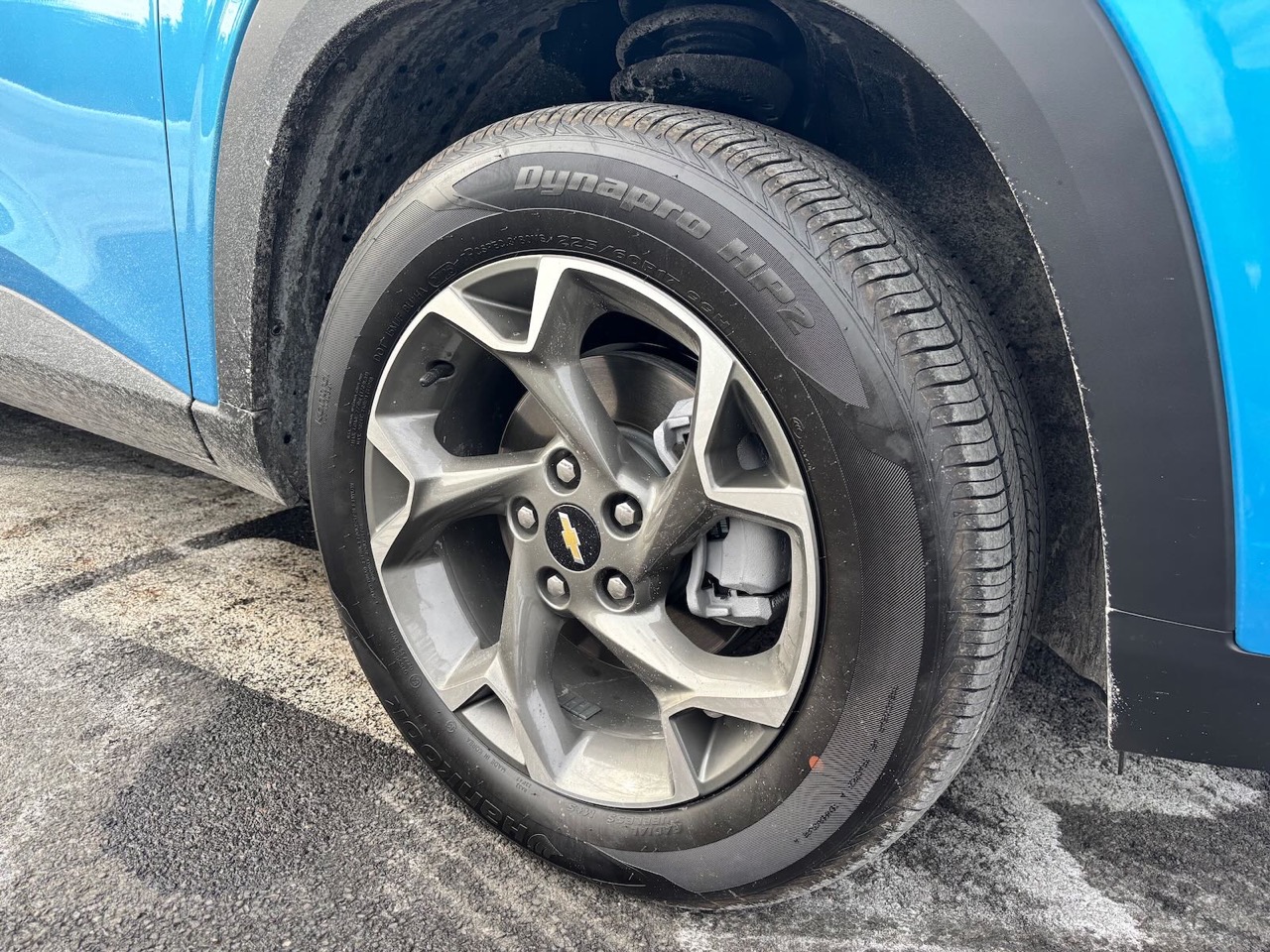
It’s an attractive crossover that looks bigger and nicer than it is. For some reason, GM now sells the also South Korean-built Trailblazer as the AWD subcompact crossover, and this as the FWD-only version. The Trailblazer looks slightly off to me, like a little metallic turd wearing a baseball cap. The Trax is far more handsome, better proportioned, and comes with these excellent 17-inch aluminum wheels.
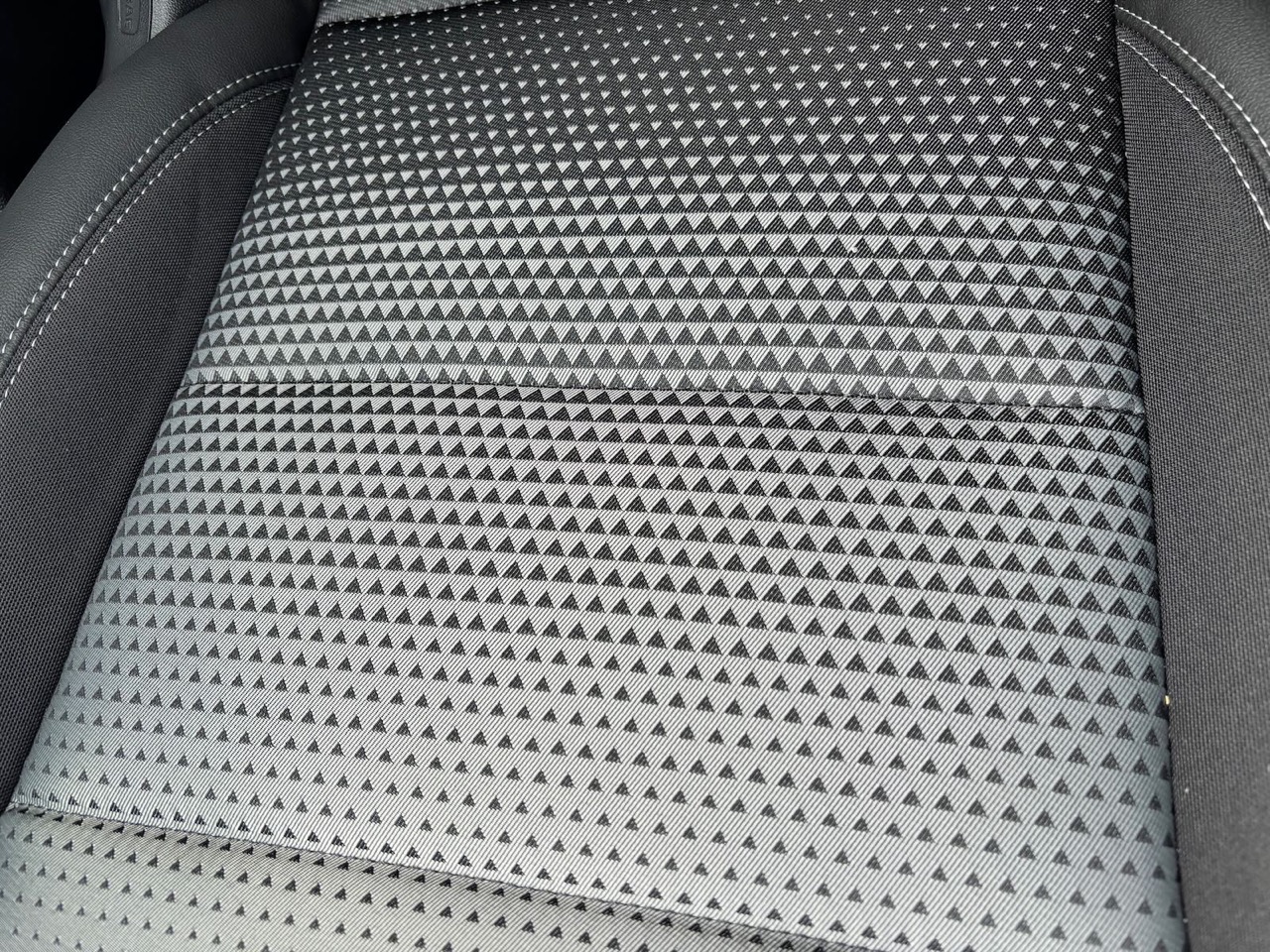
The money and effort spent on the Trax are mostly in places you care about, like these cleverly patterned seats.
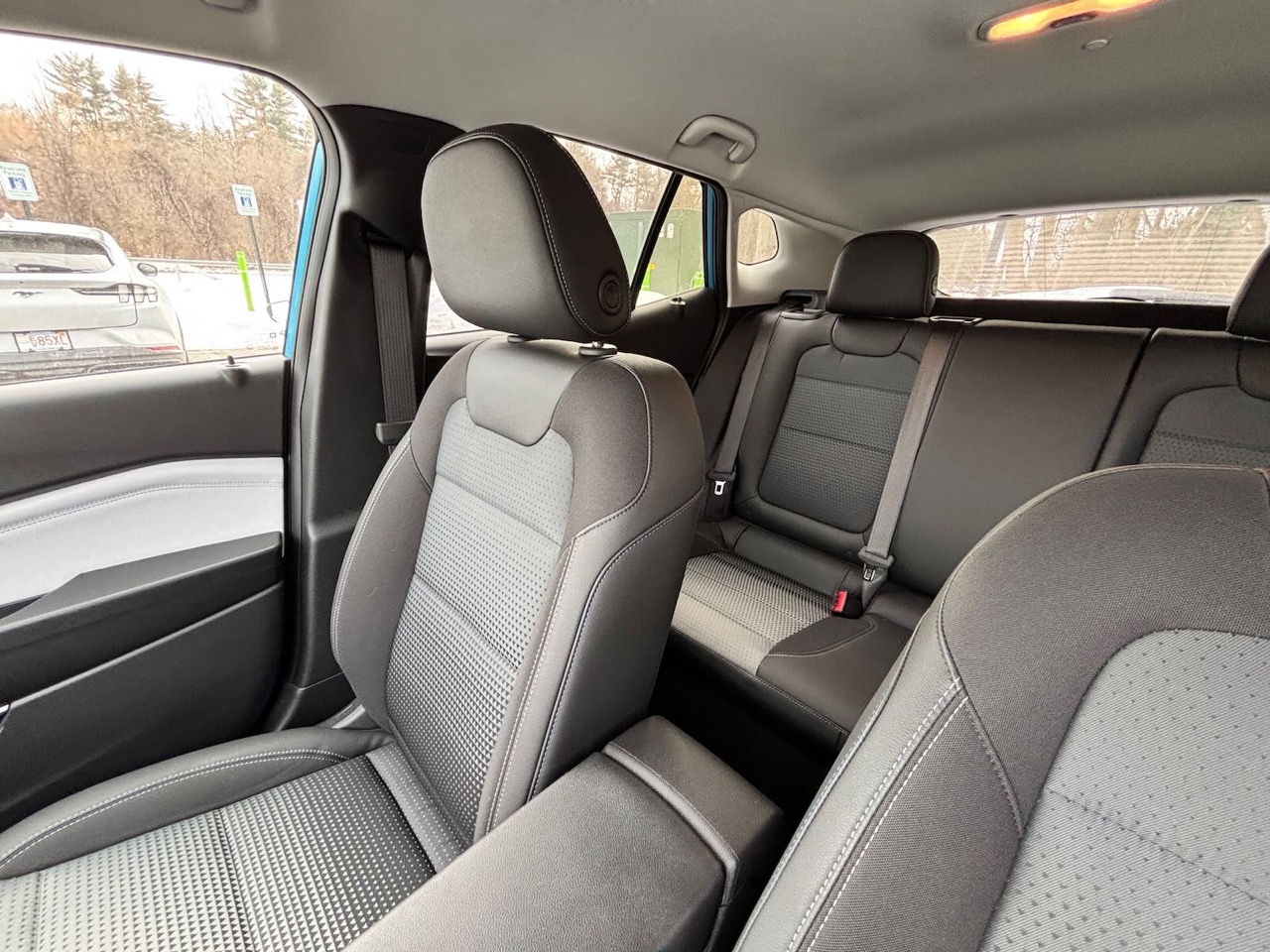
They’re just nice, comfortable seats with small triangles that get slightly smaller to give them some visual texture.
The interior isn’t all soft-touch plastics and contrasting fake wood as you’d find on a luxury car. There are just honest, smooth plastic surfaces with enough angularity and little details to not feel cheap or entry-level. There’s no punishment here for getting something that isn’t the most expensive car on the lot.
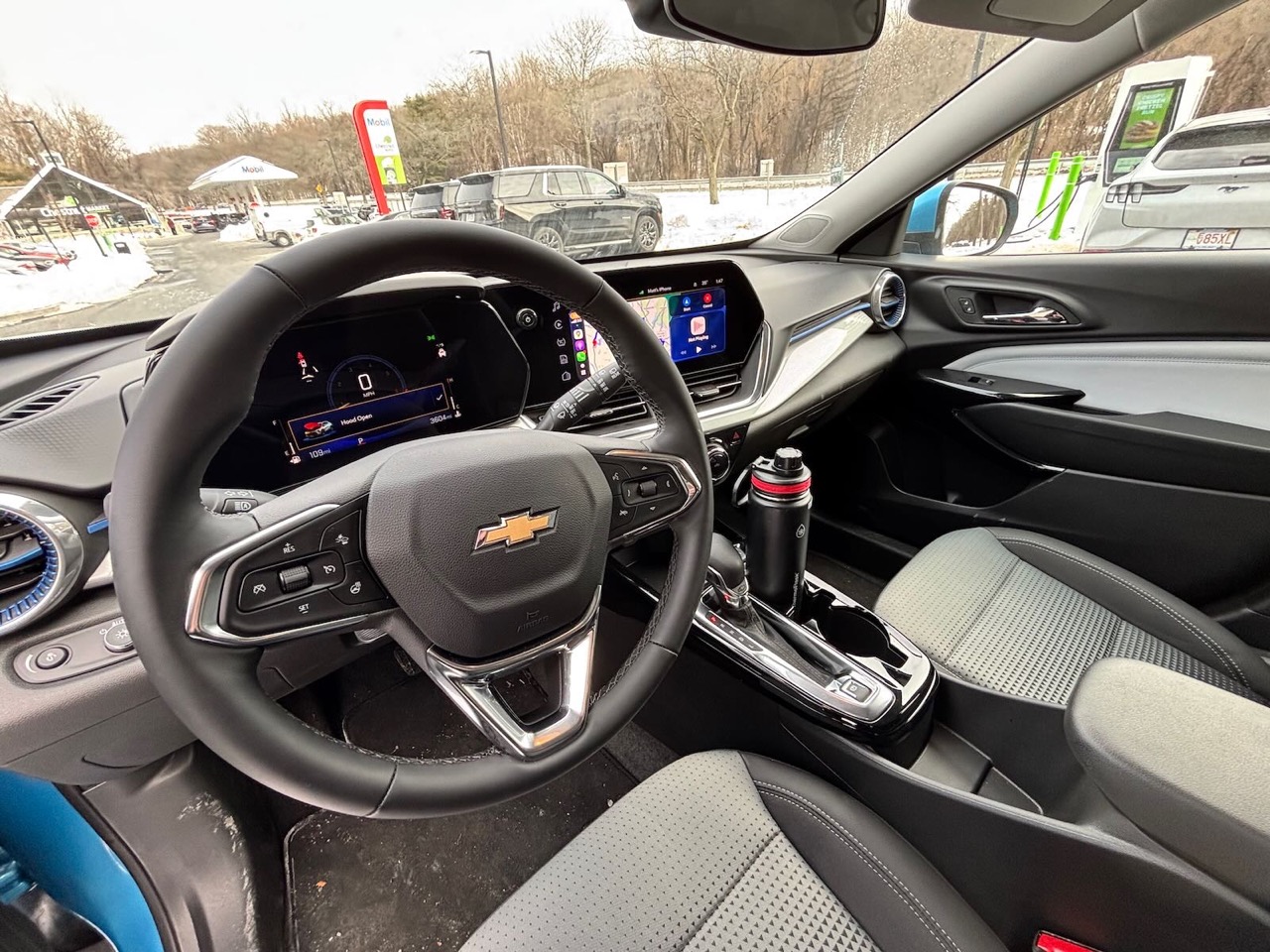
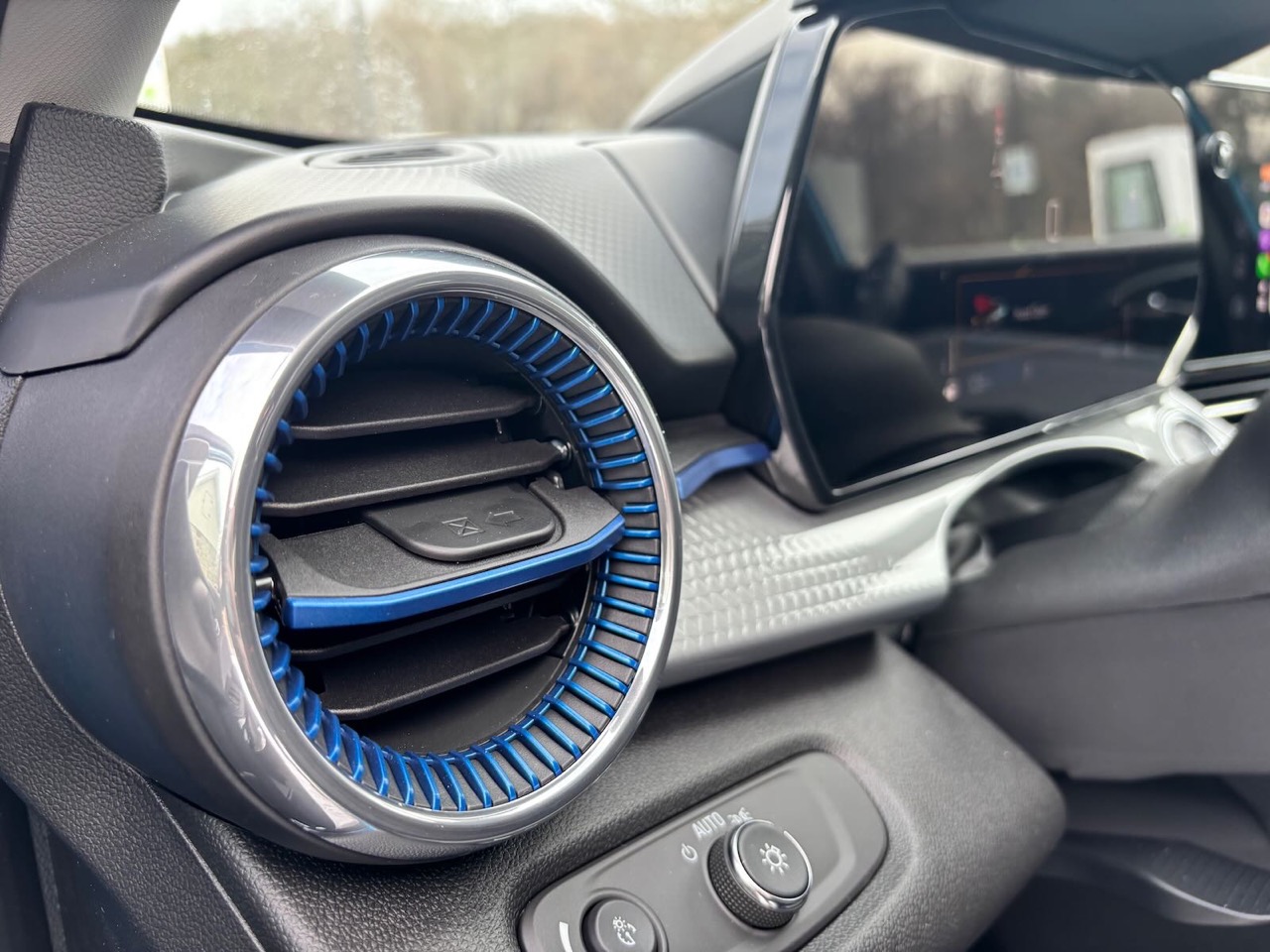
And the little matching pops of color on the vents are a nice touch.
The Trax also has something a lot of more expensive crossovers lack: Physical controls!
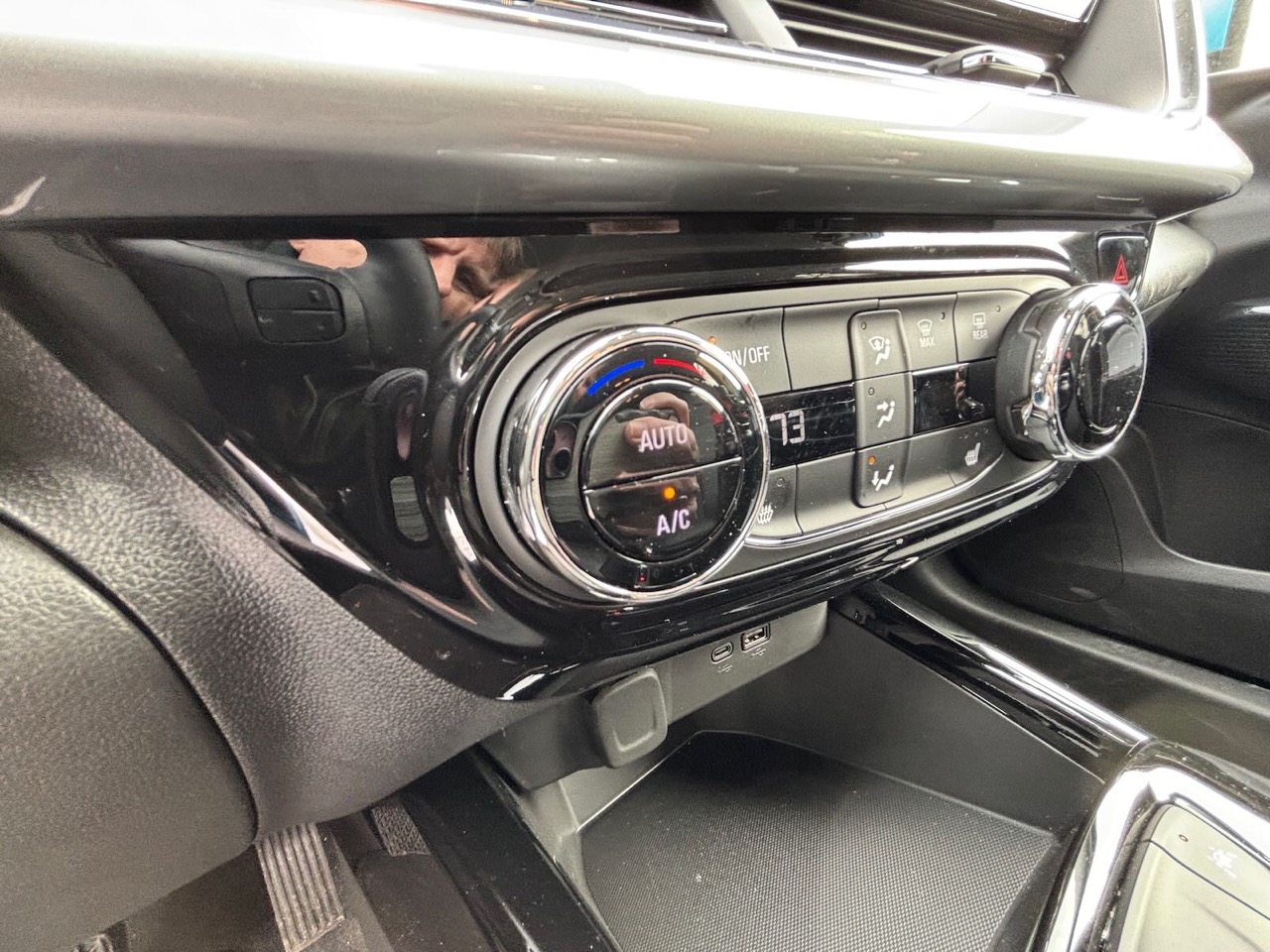
This little panel of buttons and knobs already makes the Trax a superior automobile, and these particular controls are extremely intuitive to use. Wild, right?
The 11-inch infotainment display offers up wireless Android Auto and Apple CarPlay, which is all any reasonable human being wants, and it works with no noticeable lag or other issues found on many luxury cars these days. Is the six-speaker audio system going to make you feel like you’re at the Dokken concert in the front row? Nope. Just make the volume louder, and you’ll be fine.
Here Is The Funniest Feature On This Car
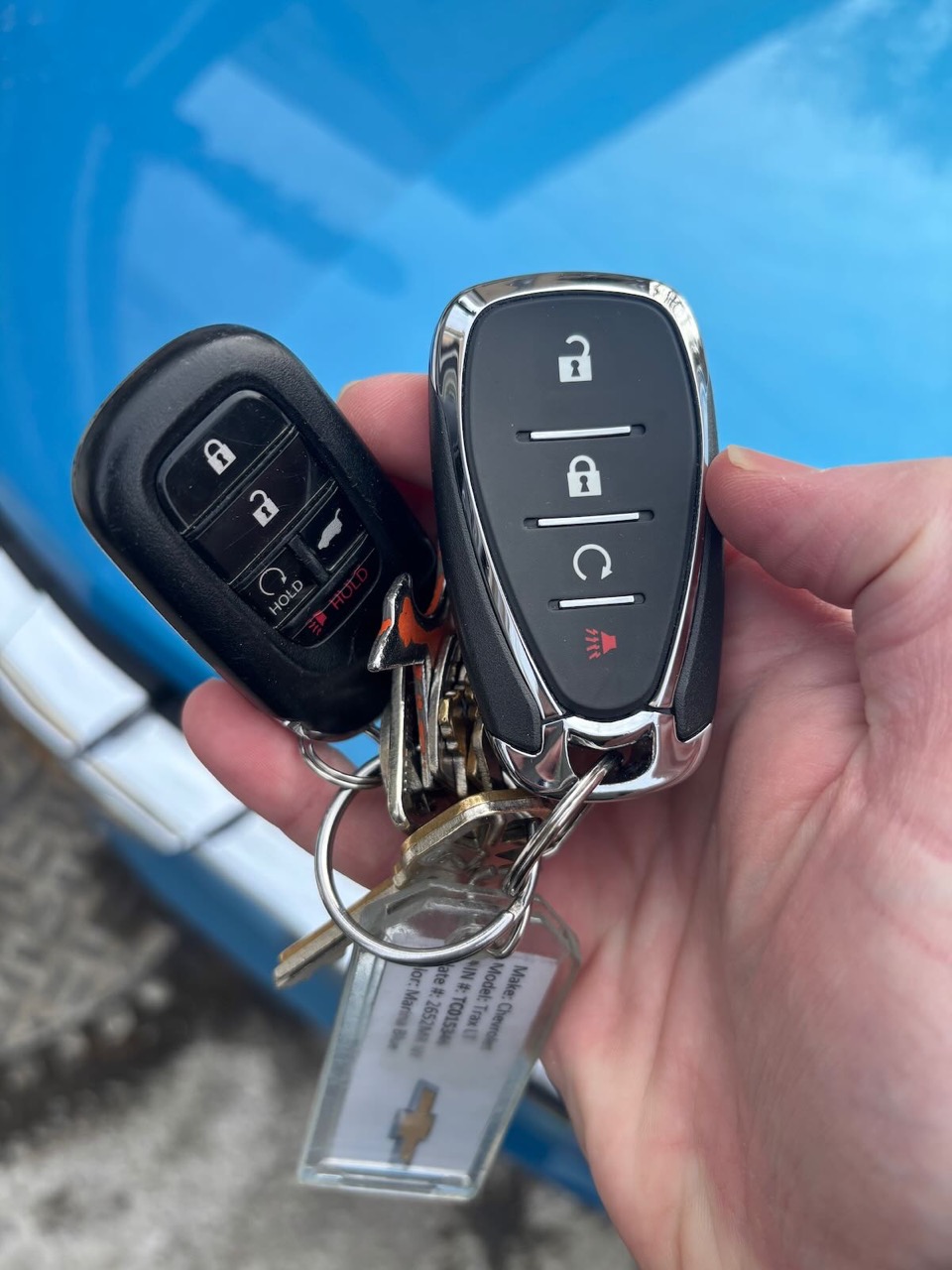
On the left are my totally average, easy-to-use Honda keys. On the right are the Chevy Trax keys. This is the keyfob equivalent of one of those cell phones for elderly people who don’t want a fancy smartphone. This is a Jitterbug-ass remote. If VTech ever sold a real car, this is what the key fob would look like. You know what? I like it. I don’t need a complex remote. I just want something that works.
This Is Maybe The Smallest Car In America That Doesn’t Feel Small
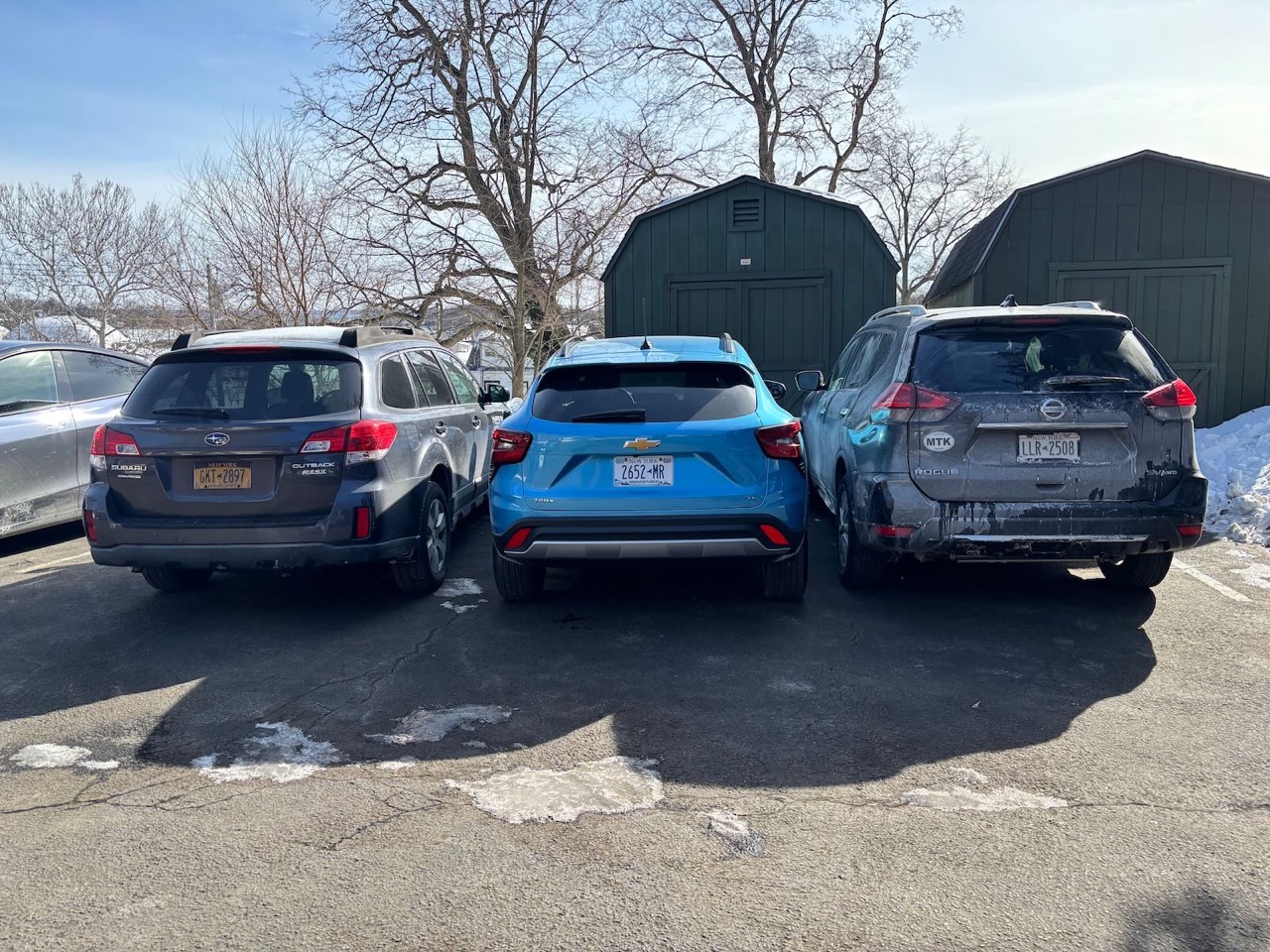
Driving around in the Trax, I didn’t get the feeling I sometimes have in traffic, where I start to wonder if I wouldn’t prefer just a little bit more mass. I liked the GR Corolla I had, but it felt small. A Miata, too, feels small and delicate when surrounded by massive SUVs.
I realize I should be more evolved than this. I often tell people they don’t need a crossover and would be happier with a small hatchback, but then I turned around and bought a decent-sized crossover. The size, the space, and the convenience of a large loading hatch at about knee height are real considerations.
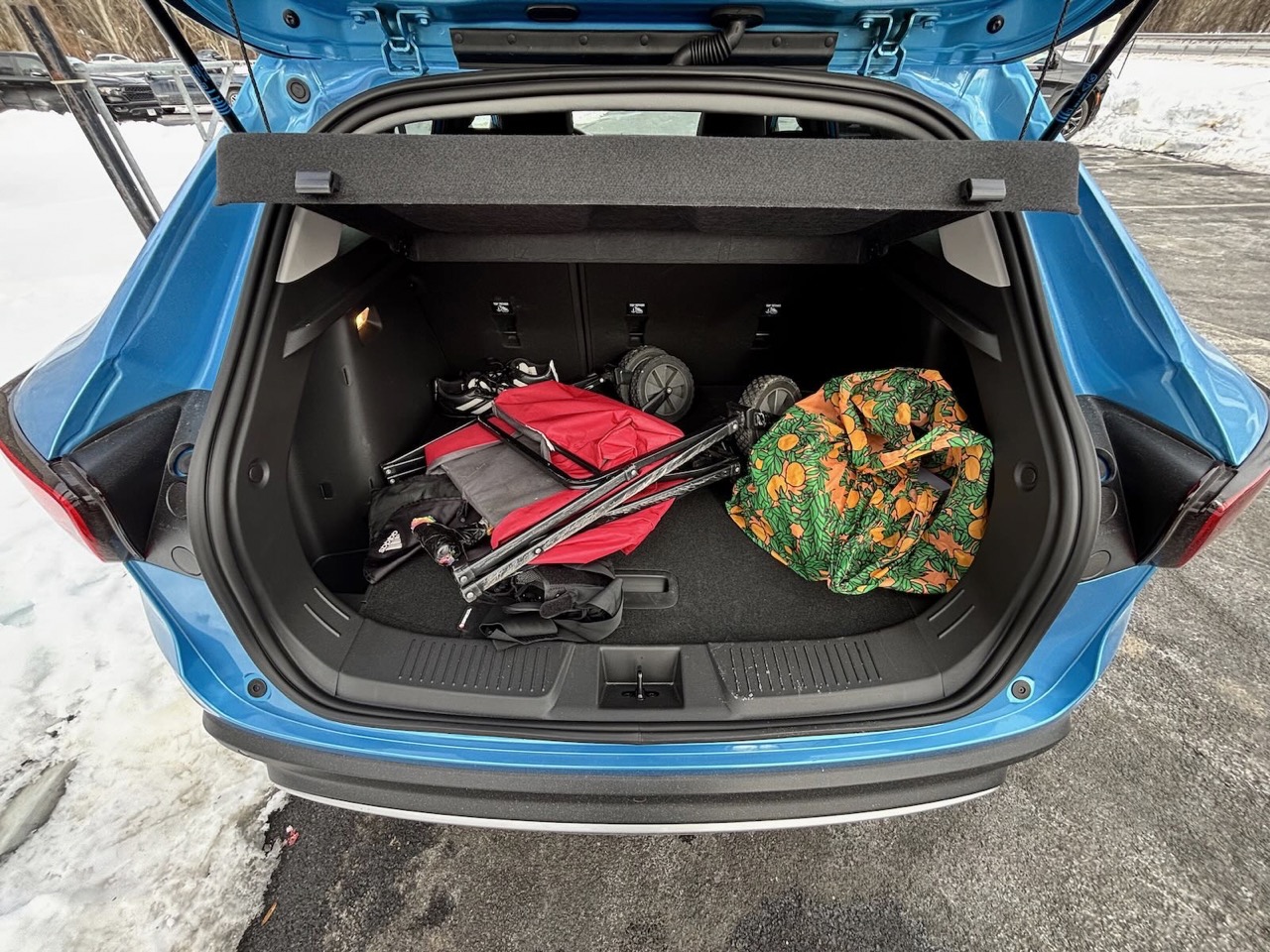
No one in my family thought the car was small or ever remarked on the size, other than to acknowledge that there was plenty of room for our stuff. Behind the rear seats, there are 25.6 cubic feet of space, which is enough for a small family in most situations.
It’s Weak In All The Places Every Other Car In This Class Is Weak
I will level with you: None of these cars is great to drive. It used to be you could buy a Honda Civic Si or even a Mazda Protege for something that felt like an appropriate equivalent for the time. Those cars came with manual transmissions, were delightfully light, and were just remarkably fun to drive.
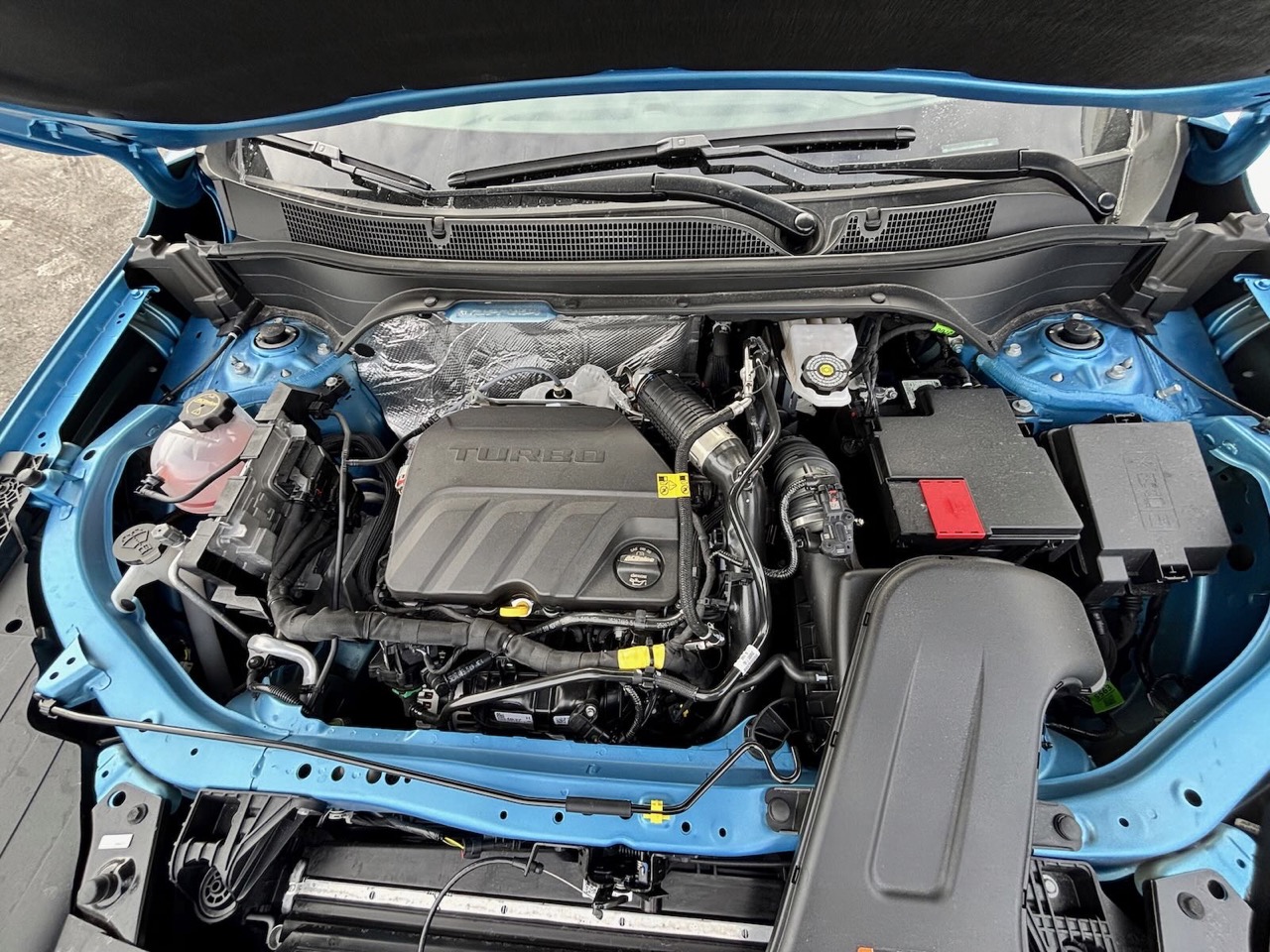
The Trax has a 1.2-liter turbo inline-three that makes 137 horsepower and 162 lb-ft of torque. It is not tuned for power; it is tuned for efficiency, and returns a reasonable 28 MPG on the EPA city test cycle and 32 MPG on the highway test. That’s pretty good for a non-hybrid. It is neither noticeably fast nor, thankfully, noticeably slow. (It’s worth mentioning that there is a lawsuit related to this engine claiming that it might catastrophically fail, although nothing has been proven yet.) The ride is neither too soft nor too harsh, the electronic power steering is communicative enough, and the brakes feel better than what you’d find on some nicer crossovers.
If there’s one place where the Trax shines relative to the competition, it’s in its transmission, which is a six-speed traditional automatic instead of a CVT. It goes a long way to differentiating the Trax in a class where most cars follow the same formula and can’t escape CVT harshness.
You Can Find Cheap Ones All Day, Every Day
If the past few years have taught us anything, it’s that an automaker might say it builds a cheap car, but it might not be possible to find that cheap trim for sale. Do you want a Trax LT similar to the one I drove? There are plenty out there advertised for a number below the already reasonable MSRP.
Badge snobbery might tell you that an equivalent Honda or Toyota is better, but my experience driving the other cars in the class for a week doesn’t support that bias. The Chevy is just as good and has a real transmission that makes driving it a little less annoying.
My original thesis is that this is better than most used cars you could get in this class, and I’ve gone back to Carvana to double-check this, and I stand by it (I recognize you might get a better deal from a private party, but Carvana is at least a consistent source of comparable cars). Something close might be this $25,000 Tuscon SEL with under 32,000 miles. There’s probably still some warranty left there, so I’d consider it.
A new Trax comes with a built-in warranty and the peace of mind of knowing every mile is a mile you put on it. What was once an alright deal has become an even better one without the car significantly changing at all. It’s just quietly stayed a good car while its competition has either gotten way more expensive or ceased to exist.
Test my theory, can you find something that’s slightly used and roughly in this class that you’d rather have? Put a link in the comments.
All photos by the author unless otherwise noted




“That’s worth it just for the adaptive cruise control.”
INCORRECT. I would pay to NOT have adaptive cruise control. Who the hell wants to yo-yo behind some mouth breather that’s filming a TikTok while driving.
If adaptive cruise starts slowing me down that’s the signal to pass this fool.
Have you driven a car w/ Adaptive Cruise Control?
It’s a good thing.
Because in the real world, there’s not always room to pass.
Unlike the majority of the internet my passionate dislikes are based on firsthand experience.
It actually sucks and wastes gas, causes motion sickness, and is annoying when the moron in front of you isn’t using cruise and constantly changing speed.
The Hyundai and Volvo I’ve used it on agree at highway speeds with traffic, but the ease of use in generic stop and go traffic offset this pretty fast for me. My only gripe was I couldn’t disable the adaptive part and revert to the manual version. Curious how Chevy’s is.
Adaptive works just fine in the Trax, and every single time you use it, it reminds you with actual words on the screen that instead of pissing and moaning, you may simply press and hold the cruise cancel button for a second or two to drop back to non-adaptive cruise.
Well, one does want a hint of color…
Useless fact: when I was a kid, Trax was a knock-off brand of sneakers.
K-mart, IIRC?
Maybe…? I don’t recall, but that would make sense
EDIT: the Googles say yes, they were at K-Mart
I like the Nathan Lane reference.
I heard it but didn’t believe it. The Birdcage turns 30 this year. But wasn’t 1996 just a few years ago?
Yes; yes, it was.
Those Y-spoke wheels look like a subtle nod to the 2000s-era Chevy Tracker.
If only that engine wasn’t a turd. But I agree, the Trax looks much better than the Trailblazer (not that either is attractive, just one is worse looking), and having actual gears in the transmission instead of a CVT is one of my favorite features of my Kia Niro.
I drew one of these as a long term rental and was pleasantly surprised at what a perfectly cromulent transportation module it is. Quick and substantial enough to be comfortable at Katy Freeway Kamikazi (both slow and fast levels). Many years and 38 states on a K75 makes me comfortable with three cylinders as a concept, though I do have to wonder about GM engines that don’t have Ed Cole in the family tree over the long term, particularly with wet belts and turbos.
Cromulent. Thanks for expanding my lexicon today.
Don’t you mean “embiggening” your lexicon?
Thanks for this honest review, Matt!
We bought a 2024 Trax LS in 2024 and we really love it. As an LS, it’s even more of a base model than the LT. But we got the driver confidence and LS Convenience packages, so we got aluminum wheels, heated seats, Lane-keep-assist, automatic braking, etc.
But also being an LS, we also got an actual ignition key and analog gauges instead of that screen behind the steering wheel. We’ve been averaging 33-34 mpg with ours over the 5700 miles we’ve put on it so far.
Long live the base models!
i like keyed ignition. hate keyless
That might be the sweetest sweet spot in the lineup if only because the little digital cluster on this car is maybe a bit too small.
Edit to add link to photo of dash with analog gauges and simple climate control settings.
https://autoimage.capitalone.com/dealer/2024-Chevrolet-Trax-LS-KL77LFE24RC198996-dealersync_KL77LFE24RC198996_47414H-2caac96c2bbd698749e94e36ddcc7818.jpg?width=1196&height
Also actual keyed ignition!
https://autoimage.capitalone.com/dealer/2024-Chevrolet-Trax-LS-KL77LFE24RC198996-dealersync_KL77LFE24RC198996_47414H-8bc33cc3b9f508e001feb83206f9e296.jpg?width=1196&height
the continued issues with cheap Korean turbo motors in GM products has me concerned for sure. It is perfectly fine for my rental use though.
People who need reliable cheap cars often cannot handle the risks of use car shopping and ownership. There is privilege in working on your own car, many people live without a garage workshop and several backup cars. I would rather get a cheap new car than a busted rusted used car for more money.
but there is a sweet spot. an older well kept used car. I always buy cars that are about 10 years old. and there are lots of very nice 2016 cars with most of the modern stuff that you want for 10-15 grand.
My brain isn’t capable of comprehending that 2016s are over 10 years old. I see a listing for a 2022 and think “oh shit, that’s basically brand new” and then that turns to “oh. shit. that’s almost 5 years old”
My sweet spot used to be ~10 year old, ~100k miles, ~10k price. Much harder to find now days. Craigslist shows me less than 100 non-trucks meeting this criteria-ish within a 150 mile radius of my ZIP, which includes two large cities and their metro areas.
My last two cars ended up being 6/110k/18k, and 6/71k/26k (which could have been 21k had I not splurged for a limited edition trim).
I imagine the new “sweet spot” is probably 10/100k/15k now.
There’s nothing more I want than what my 2014 car already has, but it’s still required some work beyond basic maintenance in the 50k miles I’ve had it (now 140k on the clock).
That’s fine for me, since I have the tools, space, and know-how, but if I hadn’t had all that those repairs would have added up to several grand of unexpected expense.
I get why for some the brand-new route is the best option, even if I can do it cheaper.
Agreed.
I’m certainly happy to entertain the option of a good used car at a similar price point to a bargain basement economy car. But the used market on the stuff people actually want is still pretty crazy. Would I buy a 2 year old Corolla Cross hybrid over a new Trax? Absolutely. Are they in the same price bracket? Not a chance.
If they’re planning to keep it for at least 8-10 years, then the depreciation of a new car is moot and you can get better financing rates on new
Add in the first few years without worrying of the cost of repairs, knowing the maintenance, and not having broken surprises from the prior owner – I don’t see major flaws in the strategy.
Maybe I’m getting uncomfortably close to the Jitterbug demographic myself, because I don’t see anything amusing or even notable about that key fob. It’s basically what all of mine look like. What added complexity or design is present on other fobs that make this one stand out for simplicity?
Go drive a Kia Carnival. They put several of the function buttons on the slim edge of the fob, it is so stupid. Definitely don’t try and use it with thick gloves.
Odd and off putting
Same. They look to be about the same size and have the same functions to me. Of course, like you, I own cars with actual keys, so I’m a big fan of simple solutions to problems…
My cars all have fobs though!
It’s just what every GM fob has looked like for the past 10+ years. I don’t get it either.
This is a little bit of the bias of driving new cars all the time, but they have gotten overly complex lately. A lot of extra buttons growing off of every dimension. Or, worse, no buttons at all. Just proximity sensors.
Valid argument Matt.
I know many people that can spend SOME money on a decent car and need to maximize the value they get. They cannot spend $40k but don’t want to deal with a 6-8+ year used car and all the headaches that may be there. Most people won’t look at a Chevy Trax as their “forever” car anymore than they’d look at a 6 year old CR-V either. It’s helping to make do with what they’ve got. I like that strategy.
These seem pretty solid. But if I was shopping in this price range, I’d be hard pressed to go this route over a Hybrid Corolla (of which there are many available at this same price).
I admit that the Corolla Cross is probably the closest comp, which would be ~$5k more, at least for a Hybrid. Prius about the same.
Good on GM for making this though, definitely a solid option.
It is a nice looking, nice sized vehicle. Real 6 speed auto too, did not know that. But the engine has an internal timing wet belt, and that with a turbo, direct injection, only 3 cylinders (too much stress over time?) would make be wary. But then again, almost all current engines make me wary.
well as mentioned, this one is quite well known for failures. Class action Lawsuit on it kind of nails the coffin for me.
The class action lawsuit involves two people.
Look it up, it’s kind of comical.
Must not be any Consumer Reports subscribers either, since their reliability survey data shows the highest mark for powertrain reliability on the ’24 and ’25.
Sure, but reliability ratings on 2 year old max cars? How many of these engines are out there that have even 100k on the clock, let alone double or triple that?
The definition of “new car reliability” in reviewer like CR ends up being pretty far from my definition of reliability, since it has more to do with how many times the infotainment screen didn’t boot properly.
That’s why I specified powertrain reliability, which is its own section that I just looked at. I would think, even at 2 years old, if these engines are so catastrophically failure-prone that *might* show up in reliability survey data. Maybe it doesn’t. But these numbers aren’t just invented by the ghouls at CR, they are compiled by subscribers relaying their own experiences.
A couple things that made me worry less about the Trax engine’s potential faults were a) it was already out for a couple years in the Trailblazer and b) even if something catastrophic were to happen, the long block is (I am told) less than two grand from GM. I’ve owned cars where a front end cost more than that. My plan is to maintain it and stop quickly in case of oil or temperature lights, and otherwise not get too bent out of shape about it.
Thanks for the ordinary car review. I really like the comparison you did with used cars. This seems like a good car, and possibly top of its class. Too bad the engine has an odd number of cylinders.
It would be much better if it had a different, larger prime number of cylinders.
Other than 2, no prime numbers are even, so while I understand the attraction of prime numbers, I can’t abide an engine with an odd number of cylinders.
I like a good five-pot, but I do not like prime numbers. In 2027, both the year and my age will be prime numbers, and I’m already dreading it.
I’ll take a turbo 4 or a NA 6. Now that you mention it, my age will be a prime number next year too. Huh, hadn’t thought about that.
I did have one as a rental last year, and it was decent enough. Other than a laggier throttle response than I’m used to compared to a hybrid, it felt good. It didn’t feel like it was penalizing you for chosing a cheap vehicle.
I do respect that GM of all companies put out a pair of reasonably affordable cars that don’t feel like they resent you for buying a reasonably affordable car, although I’ll let someone else beta test that engine.
The Buick Encore is apparently a sister of the Trailblazer, not the Trax. But I guess that’s a question for the Autopian hive mind – is an AWD Encore nicer enough than a Trax to be worth looking at?
depends on what triggers you. Both are out for me due to concerns about longevity of the motors for me. but if you plan to buy new and trade in after 3 years, then the benefit of the Buick is a bit more tech and slightly nicer touch surfaces.
I guess I haven’t heard anything about these motors, but it seems like the longevity has been brought up a couple of times in the comments here.
My work car is a 2023 Equinox. That 1.5 seems to be pretty reliable (though the fuel economy is pretty pathetic) and there are some 2024s around for the price of these basic Traxes. Maybe that’s the way to go.
Still pretty depressing vehicles, but for $10k less than a Rav….
The engine longevity will be the real make or break for these long term. The previous gen ones blow turbos south of 90k miles regularly, on top of being all around horrid. On the flip side, not having a CVT is a gigantic win, even the previous generation HRV is known for having catastrophic CVT failure on the regular. The best thing that can be said is this bears absolutely no resemblance to the previous generation.
A question: is charging extra for exterior colors really to cover extra cost, or is just another way to pad the invoice, like obscene destination charges which are not included in the advertised MSRP?
I’d rather have a few hundred bucks to get the good colours on basic models than have to spring several thousand for a higher trim model.
Thanks to all who answered. I can see extra charge for nicer paint on lower cost or base models, but I cannot see a 5k upcharge from say Porsche etc. when the vehicle is already well north of 100k, closer to 200k. Seems gauche.
Some colours are a metallic paint, which costs more and is a bit trickier to paint. Other times, additional coats are needed. You’ll see the same difference at a body shop.
Going from basic white to most colors has some extra cost. Manufacturers are all over the place on added fee though, so some might be breaking even and others are raking in the profit on upgrade colors. Metallics and Pearls are truly more expensive.
Now the pure profit upcharge that car companies love is the black out packages. Going from a painted silver metallic standard wheel finish to a black one is a cost save. A lot of trucks have chrome plated plastic trim and bumpers and upcharge for black out packages. It is way more costly for the chrome plated trim vs mold in color and painted black trim and bumpers.
Others have answered, but I’ll add some pigments cost more, as well. Unless things have changed since I last heard, blue isn’t one of them, but this one is metallic. The other part is probably a setup cost where they have to schedule paint booth changeover and do a run of these more limited colors.
I like these guys. If we have to have endless crossovers, I’d like them to be as carlike as possible, so the Trax and its sister Buick do it for me…somewhat surprisingly to me at first, they’re about the same height as my Focus.
On the plus side: it has a rear wiper (which is oddly not on the Buick)
On the negative: the resale of the Trax will fall much much faster than a 5-yo CRV. So if you’re only keeping it a few years, the CRV would make a better investment.
Do people really drive investments?
Nobody does. Historically
Life’s too short to drive a mobility blob.
Depends on the situation
I was at a concert with some friends who were about to buy a car for their child in college. Their budget was $30,000 and they were settling in on a used Tiguan. They happened to have a new Trax on display in the concourse at the arena and the sticker was well within their budget. I tried to convince them of the point you are making – that they would be better off buying the Trax with the full bumper to bumper warranty than taking a chance on a used VW. I was not successful.They have already spent around $1,000 in repairs.
My friend with a used Tiguan regrets it very highly.
I can’t imagine spending $30,000 on my kids college car. Maybe I’ve made some bad life decisions I don’t know. I drive a $5000 shit boxes has been pretty good for me for the last three years.
Seems like a great value for the money until you realize that it’s a GM product. Plus I’ve driven vehicles with 4-bangers that get WAY better gas milage than this little doink.
It sounds like the engine was downsized too much and CUV aerodynamics can only be so good with packaging and customer expectations, but that’s about the same mileage I get from my 6MT GR86, though the Chevy probably drinks piss gas and mine needs premium.
Yeah I would absolutely buy one of these. Every time I see one around I admire it, and I love a good value.
I love that the color is called Marina Blue, it’s a pretty good approximation of the Marina Blue offered by Chevy in 1965-66, one of the standouts in an exceptionally strong lineup of colors offered in those two years.
I’m a big fan of heritage touches like that vs heritage beat you over the head with it designs. Just a nod here and there while otherwise staying contemporary is a nice balance.
Makes me wonder how the Trax would look in Aztec Bronze or Evening Orchid or Willow Green (the color of my Corvair)—I think any of them could work!
Or Marina Blue with the blue interior, in shimmery metallic vinyl for a swimming pool effect, that GM was fond of using in the ’60s.