

Public transit took a battering during the COVID-19 pandemic as lockdowns, social distancing, and the infectious disease itself kept people from bunching together on trains, planes, and buses for travel. The recovery has been slow, but something amazing has happened. Americans are choosing the romance and fun of train travel. Not only did the New York City Subway post consistent ridership growth and break one all-time record, but Amtrak has set a new all-time ridership record for the second year in a row. It reflects a greater trend of many Americans falling back in love with transit.
I’m not too surprised about the statistics I’ve been reading from transit agencies that have released their 2025 ridership data. I would expect the people living in America’s dense cities to choose trains and buses over getting stuck in traffic. But Amtrak’s data made me raise an eyebrow. It was only yesterday when I said that long-distance train travel can be seen as a novelty in America because a train across the country is only barely cheaper than a plane ticket, but takes two days rather than just hours.


Yet, Amtrak seems to be beating the odds. Right before 2025 ended, Amtrak posted its numbers, and they were phenomenal. America’s passenger railroad says that passengers rode 6.9 billion miles on its trains, which amounts to 34.5 million passenger trips. This, Amtrak says, is the best ridership it has had since its founding in 1971. Even better, Amtrak says its growth has been so good that this is the second year in a row its broken its all-time ridership and revenue record. It all appears to be a part of a trend of Americans taking to the rails both in cities and beyond.
Amtrak Reports A Big Win
Amtrak’s data isn’t necessarily new. Its 2025 fiscal report was published in November, and the statistics within are fascinating. You might expect much of Amtrak’s growth to be on lines like the iconic Northeast Corridor. After all, Amtrak launched a highly hyped new-generation Acela high-speed train, so I wouldn’t blame you for thinking that’s where all of the riders came from.
Yet, here’s what Amtrak said:
Ridership: 34.5 million customer trips, a 5.1% increase over FY24 and an all-time record.
Adjusted Ticket Revenue: $2.7 billion – a first in Amtrak’s history and 10.4% higher year-over-year.
Total Operating Revenue 1: $3.9 billion, a 9.1% increase over FY24.
Customer On-time Performance: Northeast Regional trains reached their highest on-time performance in recent years this September.
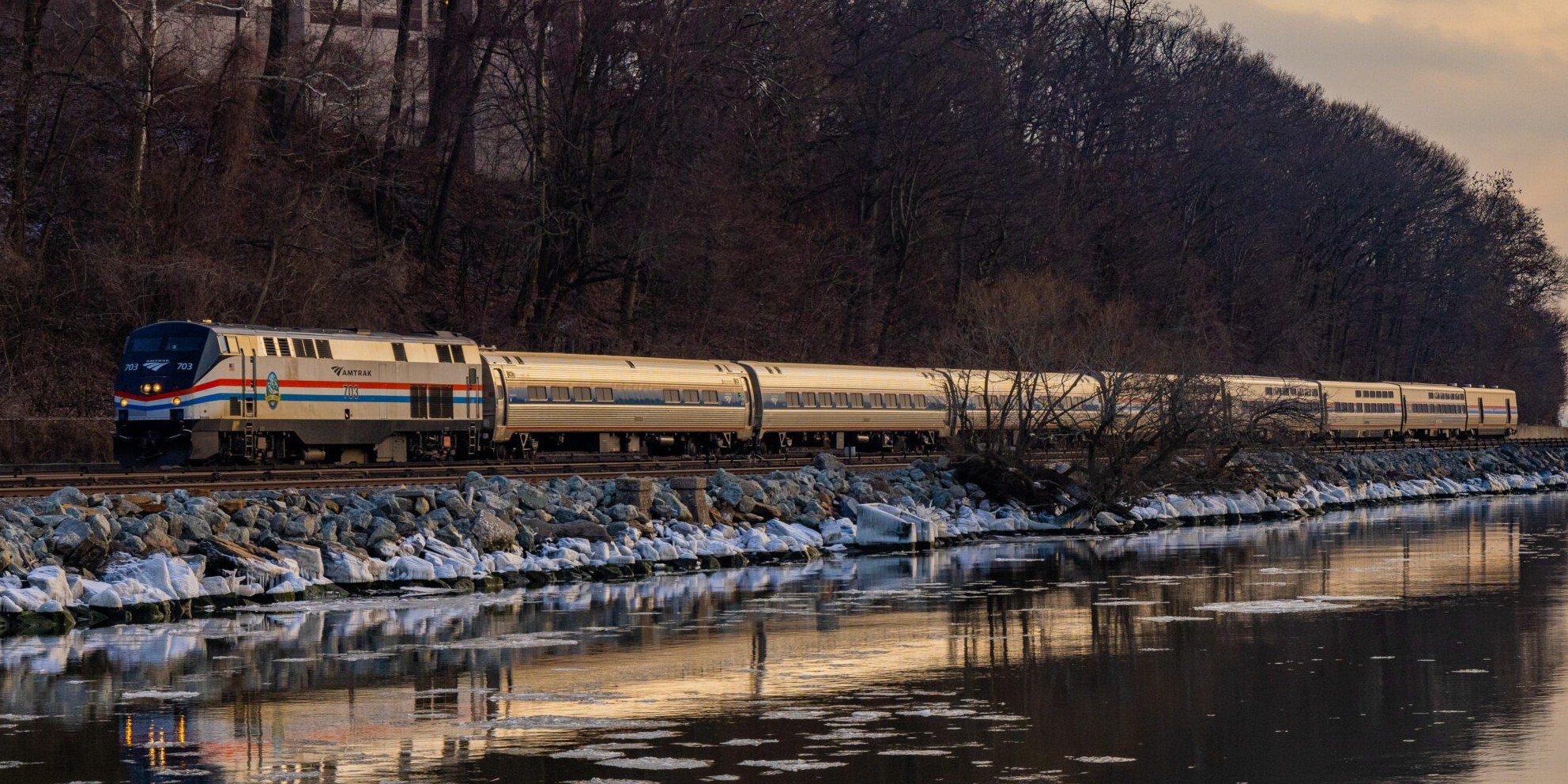
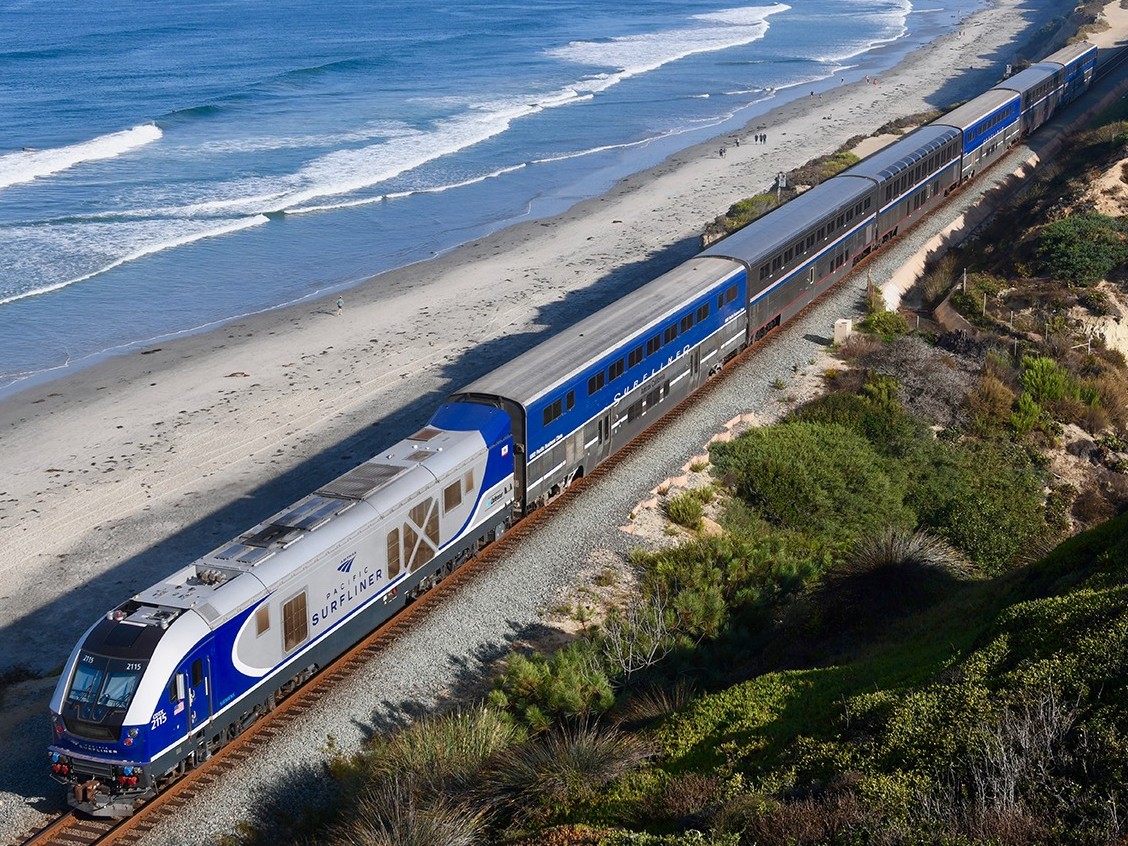
Amtrak experienced unprecedented demand across its network, serving more riders than ever before. This surge was felt across all service lines: the convenience and frequency of the Northeast Corridor continued to drive financial performance, State Supported services such as the Pacific Surfliner, Amtrak Cascades, Borealis, and Empire Service achieved record gains, and Long Distance routes saw increased capacity and strong ridership on iconic trains like the California Zephyr, Sunset Limited, and Coast Starlight. Amtrak Guest Rewards also surpassed 20 million enrolled members, who now represent over half of all riders.
That’s fantastic! If you care about Amtrak’s profitability, the railroad even says that it’s currently on track to make money by 2028. The interesting twist to all of this, as Trains.com reports, is that Amtrak has hiked fare prices. So more people were taking Amtrak trains despite many tickets being more expensive. Trains.com also notes that the Acela ran fewer trains due to reliability issues associated with older equipment. Yet, revenue per passenger-mile still increased. Technically, long-distance frequencies also decreased because, as Trains.com wrote, the Floridian replaced the Capitol Limited and Silver Star. However, on a passenger-mile basis, more people flocked to ride a long-distance Amtrak train than in prior years.

That’s simply incredible. Again, as I stated earlier, Amtrak loses its edge to airlines over long-distance routes. At the same time, higher prices mean even less incentive to take the train. Yet, people are doing it, anyway!
On January 24, the New York Times wrote an explainer about why trains are succeeding right now. Yes, depending on the trip that you choose, flying can be both cheaper and faster than taking a train. Flying can be even cheaper if you brave the likes of Spirit Airlines or Frontier Airlines. In one instance covered by the NYT, one person who wanted to ride Amtrak from New York City to Washington D.C. found that the round-trip Amtrak ticket cost $200 more than flying.

Yet, some people will pay that price, anyway. Why? Because even if the train takes longer and costs more, that passenger doesn’t have to go to the airport. There’s no waiting in line at the TSA, no getting a patdown, and no stuffing yourself into a hilariously tiny and uncomfortable seat on a plane. There’s also no lost luggage. Flying has become so unpalatable for some people that taking a slower train is the better bet.
Amtrak credits its increased revenues in part to its experiment with “dynamic pricing.” Basically, if you book a ticket close to your departure date, you can expect to pay more for it than if you booked further out. Dynamic pricing isn’t new, and several companies have tried it out to varying levels of success. It’s also a polarizing measure, as companies that implement dynamic pricing tend to get pushback. However, Amtrak says that its pricing model is working as trains are getting sold out and, of course, it set the aforementioned revenue and ridership records.
Amtrak Isn’t The Only One Feeling The Love
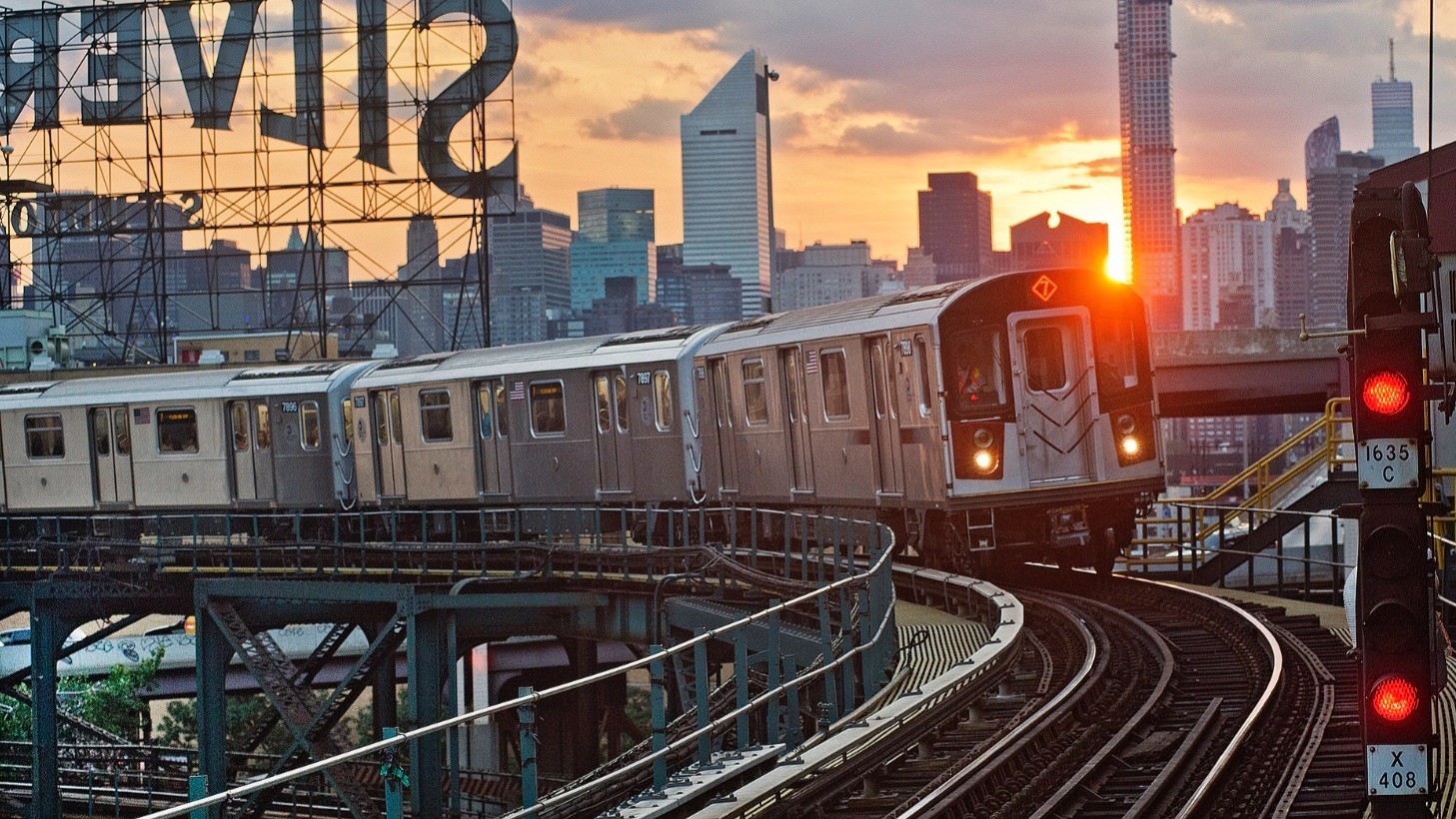
Amtrak isn’t the only entity enjoying the love from passengers. The New York MTA reported a total of 1.9 billion trips taken in 2025, the most trips taken in the system since 2019. Further, the MTA System says ridership is up seven percent from 2024. Of course, the MTA isn’t just trains, but buses and paratransit, too. The office of Governor Kathy Hochul notes that the subway system saw gains all by itself:
Subway ridership grew substantially in 2025, with nearly 1.3 billion total trips, up seven percent from 2024. Subway ridership continued its post-pandemic recovery, with total trips in 2025 up nearly 30 percent from 2022 and at 85 percent of pre-pandemic levels. The subway broke its post-pandemic single-day weekday and weekend ridership records on numerous occasions in 2025, with the most-recent single day high reached on December 11 with 4.65 million customers.

The MTA also reports that the subway, Long Island Rail Road, and Metro-North Railroad each broke On-Time Performance records last year. In August, the subway recorded an on-time performance of 85.2 percent, or the best performance ever since officials started tracking data. The subway system also beat post-pandemic single-day and weekend ridership records, with the best single-day being December 11 with 4.65 million riders.
What happened with Amtrak and New York isn’t an anomaly, either. The Washington Metropolitan Area Transit Authority (WMATA) also reported gains, with 146.8 million trips recorded by Metrorail. WMATA provides a helpful graph to visualize what its recovery looks like:
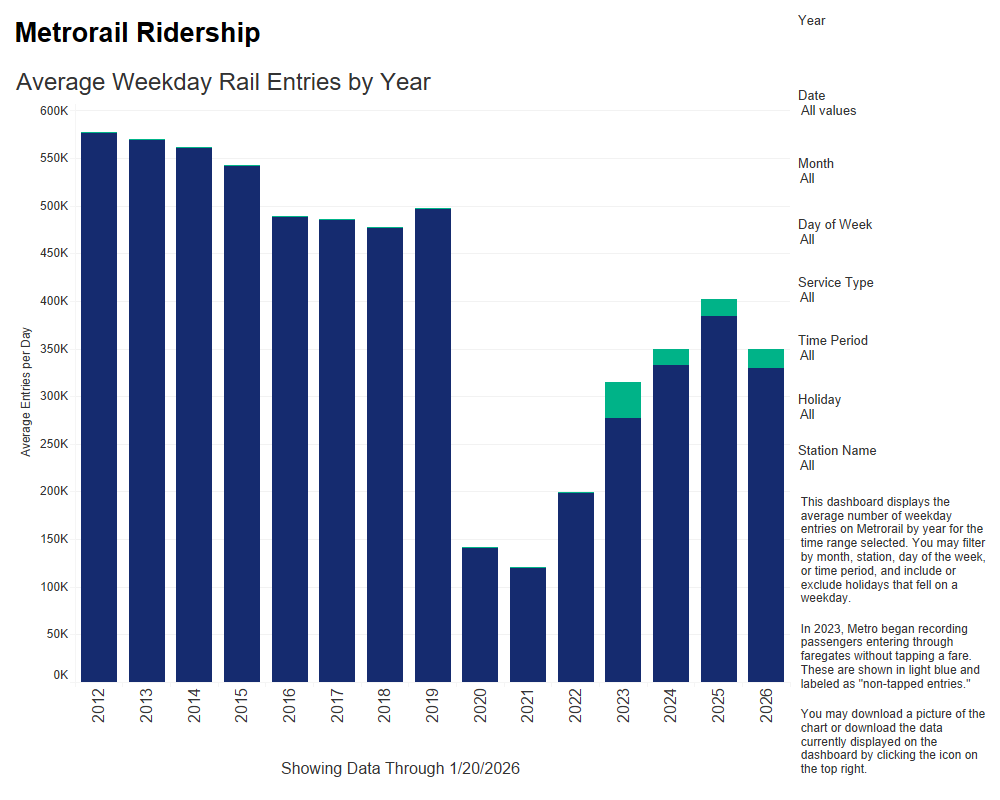
The graph also helps illustrate just how much of a battering that America’s transit systems took during the pandemic, and how hard everyone in these systems has been working to build ridership back up. What’s especially great is that you can pick pretty much any major city and see that people are falling back in love with transit.
According to a May 2025 report from the American Public Transportation Association, public transportation ridership has overall recovered to 85 percent of pre-pandemic levels in America. The association points to return-to-office mandates, service jobs, non-office jobs, restaurant jobs, and tourism as factors as to why people are riding buses and trains again.
Sometimes Slower Is Better
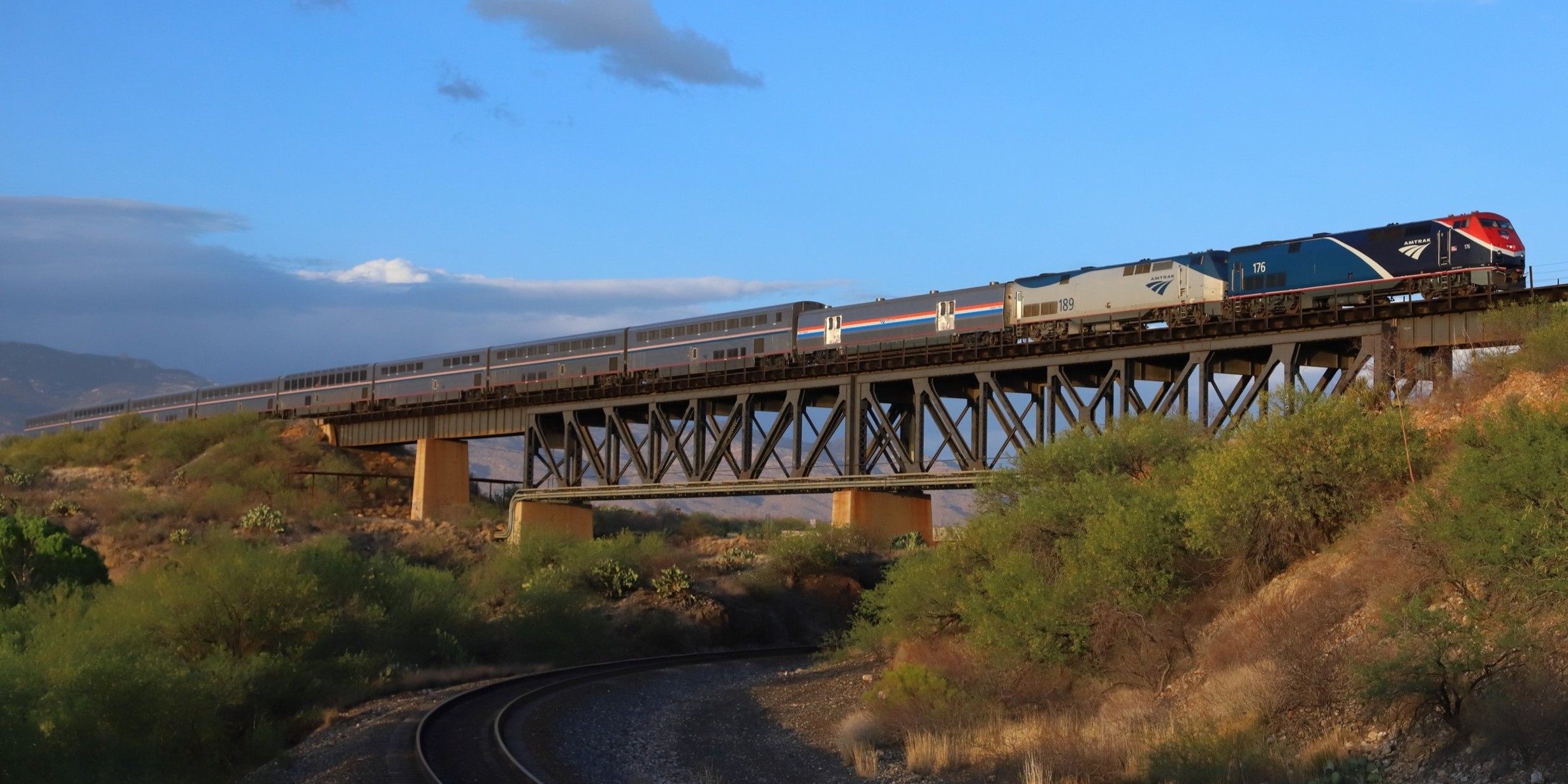
Still, the part that blows me away the most is the fact that Amtrak is hitting some home runs with ridership. Again, I expect people to ride regional commuter trains, but it’s awesome to read that more people are taking long-distance Amtrak trains instead of flying or driving.
According to Amtrak, some of its long-distance routes that saw healthy gains over the past couple of years include the California Zephyr, which runs from Chicago to San Francisco, the Texas Eagle, which rides from Chicago to San Antonio, the Adirondack, which connects New York City to Montreal, and the Sunset Limited, which links New Orleans with Los Angeles. How big were the gains? The Adirondack‘s ridership grew by 21.4 percent while the Sunset Limited grew by 18.9 percent. The Northeast Corridor, home to the Acela and the Northeast Regional, raked in the money with 15 million riders in that region alone.
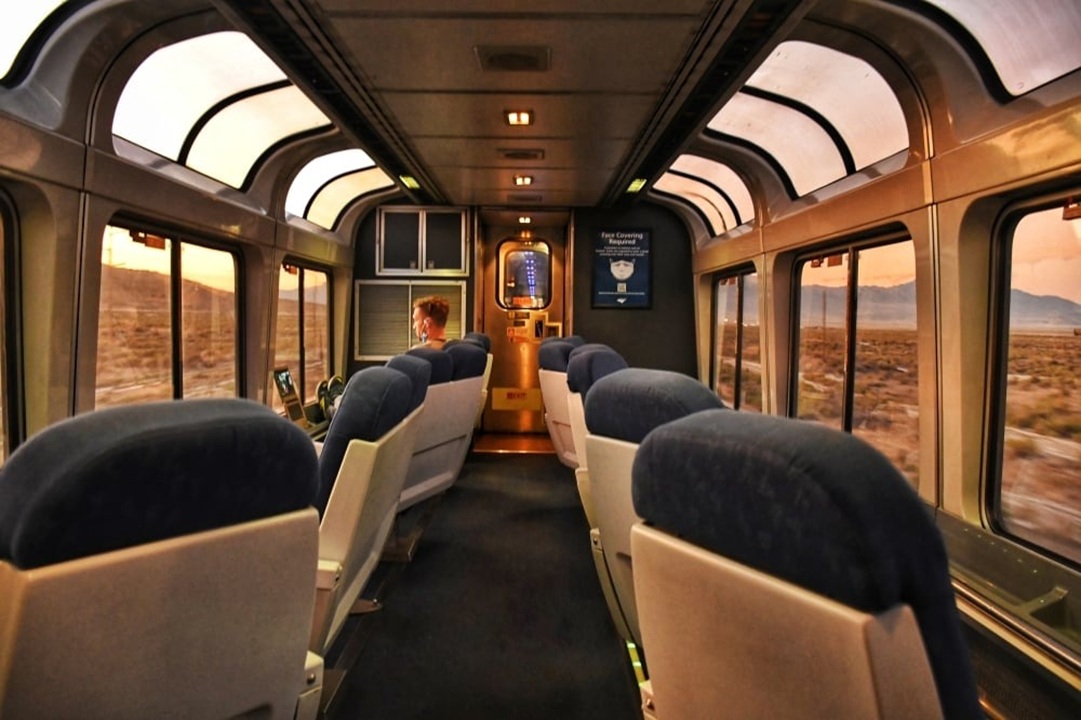
Of course, that’s not to say that the ol’ mighty train is going to take down the airlines. The airline industry is a juggernaut with around 45,000 flights a day and just under 900 million passengers flown each year. Instead, I see this as Americans embracing the utility and sometimes the fun and romance of trains. Of course, not every train is like this. I’m sure few people call a ride on a subway particularly heartwarming.
I have said it before, but a ride on a slow train can be far more lovely than any flight and rival some of the best road trips. There’s something so soothing about watching the world roll by from a gently rolling carriage. You don’t have to worry about bad drivers, fuel consumption, tiny seats, the TSA, or any of that. You just sit down, relax, and let the train whisk you away.
So, the next time you need to get somewhere and aren’t looking forward to the whole airport experience, maybe consider a train. Sure, you’ll go slower and maybe pay more. But maybe you’ll also be like many of your fellow Americans and rediscover that train trips can still be awesome even in 2026.
Topshot graphic image: Amtrak


I’d like to take a train sometime. I probably live in the largest metro area in the US with no Amtrak service. It’s 100+ miles to the nearest Amtrak station in Needles, CA. I’ve seen it suggested that Amtrak offers a bus-to-rail service, but if I go to the Amtrak website, it tells me that no routes are available from Las Vegas to… anywhere.
I take the train from Metro Boston to NYC. I would never drive to Manhattan. Such a nice ride. I try to get super close to the dining car. Way better than flying
Train is the choice when the traffic (and/or construction) is expected to be crap. From where I live in Ventura County, at certain times of the day, and I HAVE to get downtown? Yeah, train. Got Metrolink or Amtrak choices.
To Santa Barbara, with the terrible construction, it was easy to take the train to SB, walk around, taste wines and beers, then stumble back to the train and drink a bottle that we just bought.
Relatives from out of town went to San Diego first to see their other relatives, then took the train up to VC for Xmas with us. Another took the train down from Portland. Said the food was great, and the views spectacular.
Across the country? No way. I don’t even like wasting the one day via plane when I have to.
Meanwhile, The LA County Metro allows too many crazy homeless (docile and not smelly I OK with) on the trains. We simply drive to places like Hollywood or to LA Kings games because of it. Yes, parking costs way more than the train tix, even for four. THAT is how uncomfortable and non-secure the trains are here.
Taking the train home costs $1,459, takes 79 hours, and the last 4 hours are on a bus.
Or for that price I could fly First Class, get a special line for check in and TSA, wait for the plane in the lounge, and have a roomy seat on the plane with the flight attendant keeping my glass topped of with bourbon.
It isn’t a hard choice. (Personally for a 5 hour trip I’ll just pay a bit extra for a premium economy seat with more legroom and pay half as much.)
That’s why this whole thing blows my mind. The travel times are whatever to me. The Acela can sometimes beat planes to certain destinations, and I figure those riding trains across the country aren’t on a tight schedule. I’d happily buy a train ticket and watch the world roll buy for a couple of days. That was the original plan for my honeymoon trip.
But it’s the pricing that throws me for a loop. Every time I think I’ll take a train, I look up the price and end up booking a plane ticket. Yet, here we are with Amtrak increasing both ridership and revenue. Maybe one day I’ll take one of the shorter trips between cities just to see what it’s like. 🙂