


Everyone knows that there are three kinds of lies: lies, damned lies, and accounting. A surging Hyundai is picking up market share from stalwarts like Volkswagen, and the CEO is now out here saying they’re #2. Normally, that wouldn’t be a brag, but for Hyundai to climb up in just 35 years from a hopeful exporter to the second slot would be a huge deal.
Is he right? Yes and no, but the “yes” here is the most important part. The Morning Dump is committed to fact-checking accounting-based brags, as always. The way that Hyundai did this is no surprise: a non-ideological approach to powertrain options. That seems like a model that could be copied, and Mercedes seems open to the approach after over-indexing on EVs.


What about Ferrari? They’re doing the same, but only for a limited customer base. Citroën also has a similar gameplan, albeit for a lot more people.
‘We Are Number Two, ‘ Says Muñoz
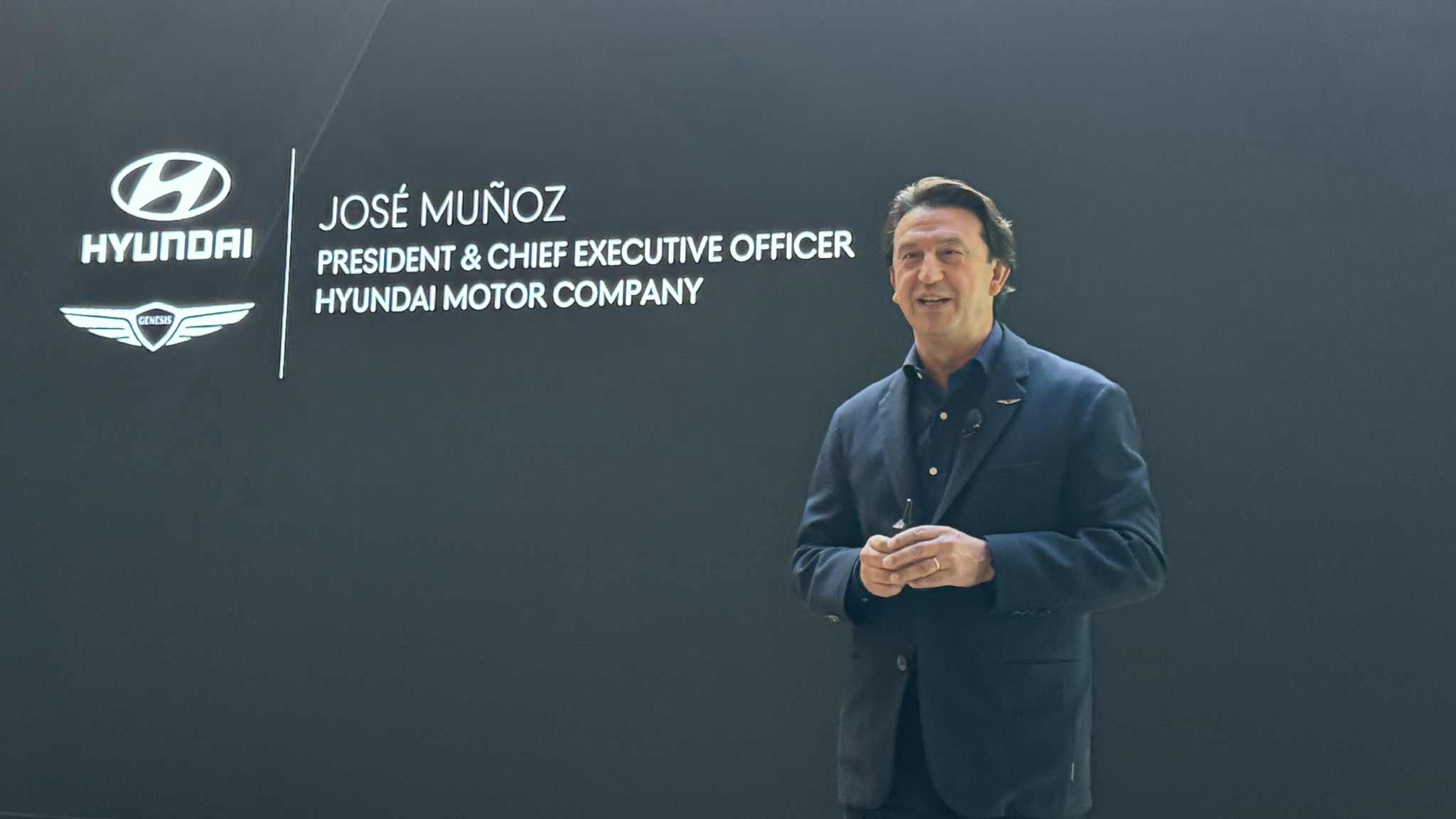
You know an automaker is feeling itself when it shows the world an expensive, niche wagon. That’s what happened at an event in France that we were not invited to, and, because of the existence of a wagon, I will maybe never forgive the very nice people at the Genesis press office (until they let me drive it, and then all will be magically forgotten).
Hyundai Motor Company has three brands: Hyundai, Kia, and Genesis, and the only argument is which one is ultimately the best and most successful. It’s probably Hyundai, followed by Kia, followed by Genesis. I would invert it, if only because I think Genesis is the most interesting and Kia has the most attractive cars, but this distracts from the point that all three are ultimately the same company.
At this event, big boss Jose Muñoz claimed that the company was suddenly the number two automaker after Toyota and, for the first time, ahead of Volkswagen Group. Is that true? Here’s what he said, exactly, according to CarExpert:
Speaking to media, Mr Muñoz didn’t mince words about the shifting hierarchy of the automotive world.
“We have become, already, several years in a row, the number three global OEM [by sales]. And in fact, when you consider profits, we are number two,” Mr Muñoz said.
“So we just overtook Volkswagen very recently.”
ORLY? Ok, let’s interrogate this.
Volkswagen sold 6.6 million vehicles across its many brands through the first nine months of the year. Over the same period, Hyundai says it sold about 3.1 million cars. So, by volume, it’s not even half the size.
What about by revenue? Volkswagen has made about $276 billion so far this year, compared to just $95 billion for Hyundai. The difference, as Mr. Muńoz points out, is profits. Volkswagen reported it made about $6.2 billion so far this year on a slim operating margin. Hyundai, though, did about $6.6 billion on a much healthier profit margin.
It’s all about how you look at it, but the fact that Volkswagen can’t make much money off of all of those sales is not great and doesn’t speak to stability or growth. In this same speech, Muñoz credited many things, including its investments in flying cars and robots. I like t=this explanation from Cox Automotive’s Erin Keating a bit better:
While some automakers push hard for full electrification as others pull back, Hyundai is taking a more flexible approach. The company plans to launch 18+ hybrid models by 2030, running parallel to its aggressive electric vehicle (EV) investments through the IONIQ brand.
With EV adoption plateauing and federal incentives expired, families are looking for electrification benefits without having to embrace the complexities of owning full EVs. The Palisade Hybrid delivers exactly that: 329 horsepower, up to 35 MPG, and a 630+ mile driving range. That extra $2,220 isn’t just about fuel savings; it’s about a better drive. The Hybrid delivers a smoother, more responsive experience, and over time, fuel savings will cover the premium.
Hyundai’s approach mirrors Toyota’s long-successful playbook to offer quality products across multiple powertrains, let customers decide what works for their lives, and avoid betting the entire company on a single technology pathway. It’s pragmatic, unsexy and increasingly vindicated by market reality. While every brand is saying it, Hyundai is following through.
I wonder what other companies could learn from that lesson?
Mercedes Has To Figure It Out
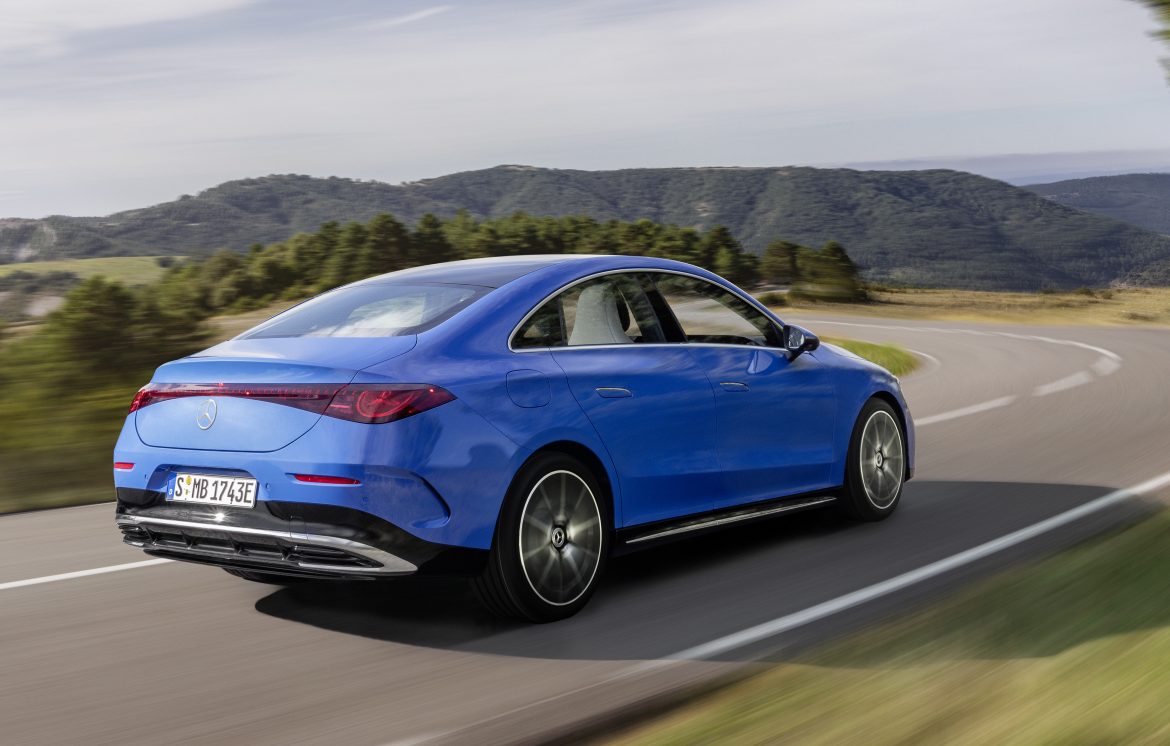
The big bet that Mercedes made on EVs isn’t exactly panning out, so the company is going with a more powertrain-agnostic strategy that includes EVs, hybrids, and gasonline-powered cars. It’ll also focus on cars people can actually afford, and not just the crazy expensive stuff.
That’s important, as an anonymous dealer pointed out to Automotive News:
Mercedes-Benz led in U.S. luxury sales from 2016 through 2018. Today, it’s stuck in third place while BMW and Lexus have pulled away.
A focus on top-end luxury with AMG and Maybach cost Mercedes share in the more affordable, higher volume portion of the luxury segment.
“Mercedes allowed BMW and Lexus to jump into the lower end of the market,” the dealer said. “It’s hurt sales volume and lease penetration.”
And then, of course, there’s Genesis.
Ferrari Doesn’t Want You To Want Too Many Of Its Cars
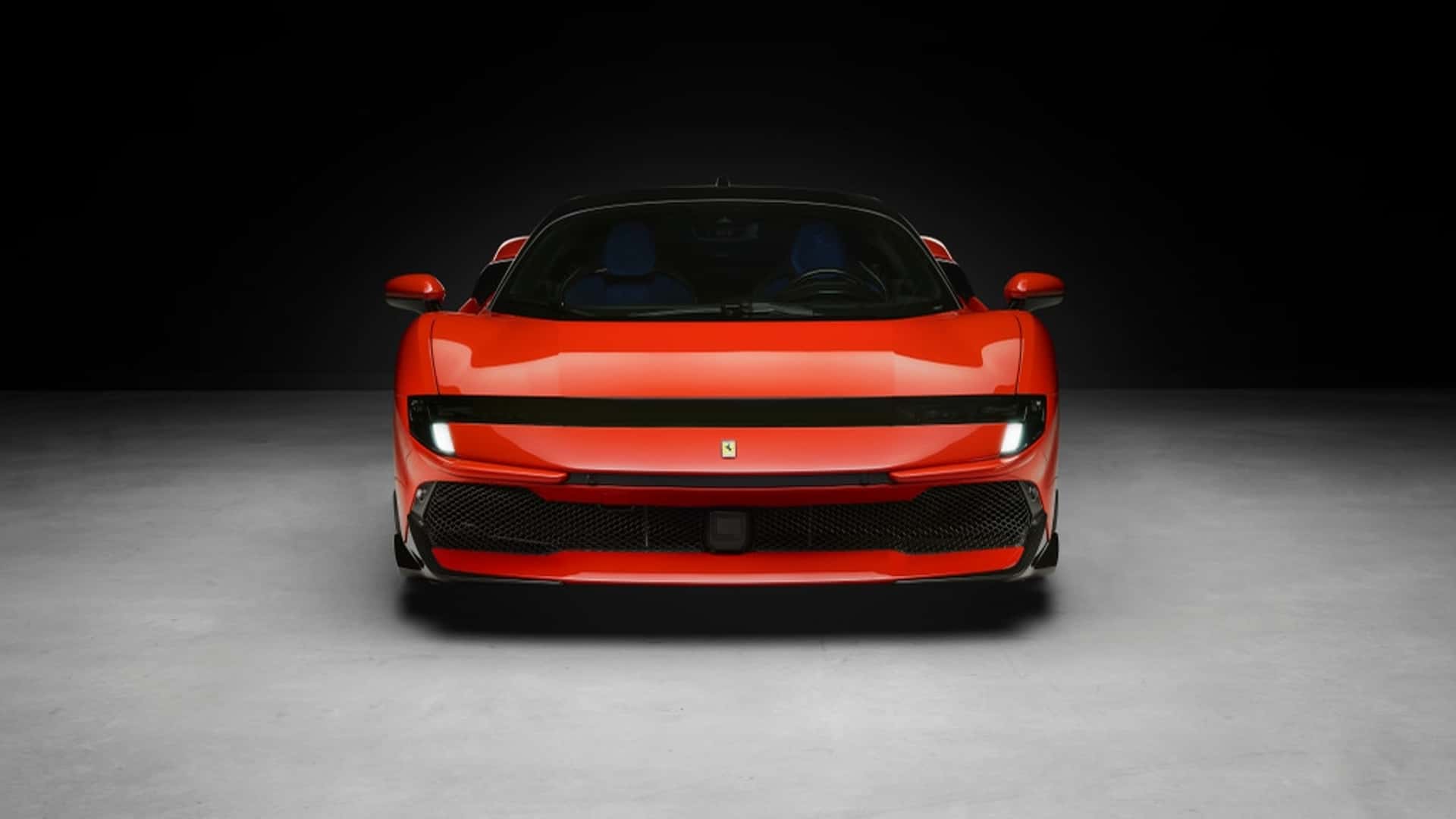
Here’s a fun quote from Ferrari CEO Benedetto Vigna to Manager Magazin:
When can we expect the second electric Ferrari?
We have nothing to say about that.
Oh wait, not that:
They aim to generate around 9 billion euros in revenue by 2030. This won’t be possible without an increase in sales.
We want to grow in the right way. We don’t just sell cars; we build relationships with our customers. With an emotional product like Ferrari, this relationship is very personal. Our customers need time to get to know the brand. We steer clear of customers who say, “I want to buy five Ferraris at once.”
I’ve talked about this before, but it is amazing that Ferrari can trade on exclusivity like this when so many other automakers fail trying to do so.
Citroën’s Powertrain Flexibility Is Working

If there’s a Stellantis brand that’s quietly been kicking le cul this year, it’s the company’s affordable French brand.
The manufacturer will as of next year produce an additional 40,000 C3s annually in Kragujevac, Serbia, bringing output of the urban vehicle and its C3 Aircross SUV sister version to 300,000, said the brand’s Chief Executive Officer Xavier Chardon. So far, the vehicles were only assembled at scale in the group’s Trnava plant in Slovakia.
The Trnava site also assembles the Opel Frontera and “is completely saturated,” which limited C3 production, Chardon said in an interview in Paris. “We are taking in more orders than what we can produce.”
While the car is available with multiple powertrains, the key here seems to be affordability.
What I’m Listening To While Writing TMD
If Die Hard is a Christmas movie, then The Last Waltz is a Thanksgiving movie. Here’s The Band doing “The Night They Drove Old Dixie Down.”
The Big Question
What’s the best Hyundai/Genesis/Kia product ever, and why is it the Kia Pride?
Top photo: VW/Hyundai


Man, Levon Helm is such a phenomenal drummer and singer.
Munoz is right in terms of the shareholder value and business. at the end of the day you can have all the sales and revenue you have but be in red all day. net profit is what matters to them
Hello, your North American dealer customers are calling… “H/K/G your dealers are crap.”
I mean . . . there’s no accounting for taste and all, but DAMN – Genesis makes some of the most attractive vehicles for sale today, and Kia ugliest by no small stretch.
Agree, the Kia Pride AKA Ford Festiva was a great car. There are still a couple of those little cockroaches in use near me. The best Kia ever? For me it’s the Soul. H/K really screwed up by discontinuing it.
It’s a Foooooord… It’s a Festiva!
That jingle was a real earworm!
Also, several of my friends and coworkers drive Souls and are not happy they are not going to make any more.
oh know, now that song is stuck in my head. Just when I had finally gotten the my bologna has a first name, its O S C A R jingle out of my head!
Citroen is currently selling like 10 different models in like 8 different market segments, as opposed to Chrysler with 1 model in 1 segment, or Dodge with 3 models in 3 segments, gee, I wonder why they’re doing so well?
Best kia/hyundai? Their pre-GDI stuff, simple, reliable, cheap. Their cars themselves of that era were about as interesting as a microwave oven, but they worked.
The 2.5 that was just introduced in 2024 is a new design that uses port and direct injection, in other words the same solution that Toyota and Ford hit upon for minimizing the various issues with GDI. It’s brand new so the jury’s out on how well it works, but given the choice I would take the newer engine over the previous one.
I thought GDI was cool until I read about the issues it introduced. So I’m happy that my ’17 Accord doesn’t have it and my ex sold her ’18 MDX before it came to be an issue.
H/K/G could take a goodly chunk of that profit and get their dealer and service network up to Toyota/Lexus standards. They’d have a story to tell then.