

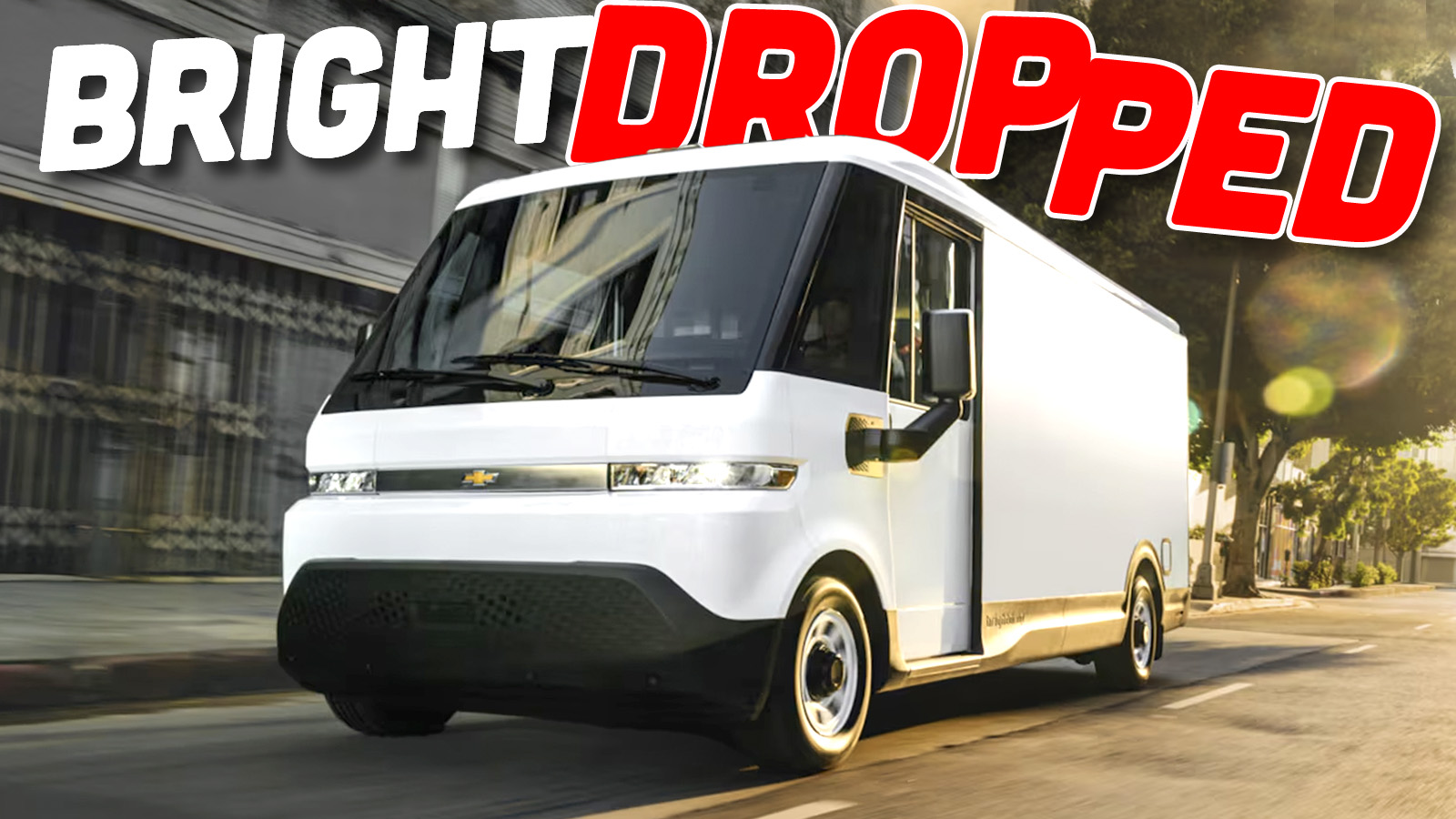
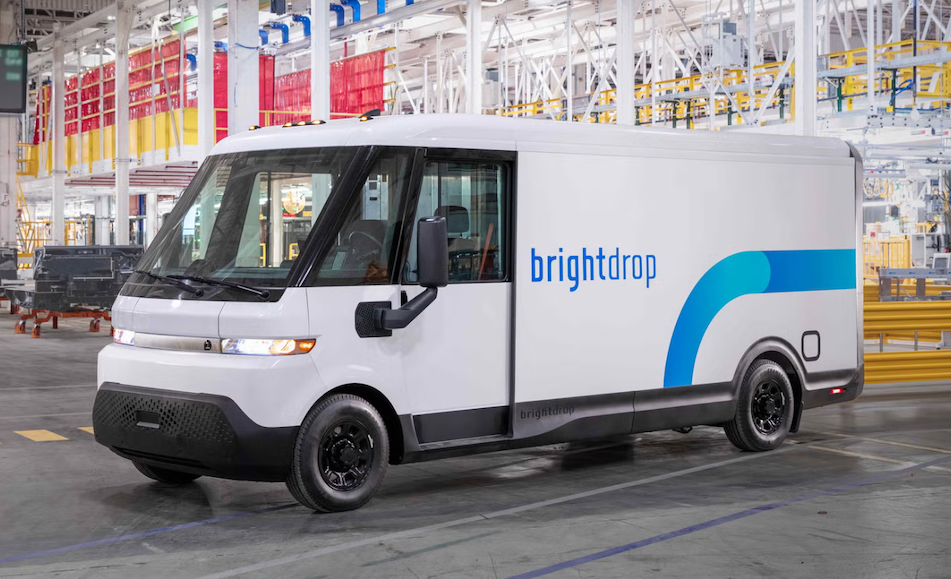
General Motors is pulling the plug on its BrightDrop delivery van. While this probably isn’t a big deal for most readers of this site, one immediate thought came to my mind. The RV industry has been proud to announce brand-new, state-of-the-art camper vans that use the BrightDrop to have nearly 300 miles of zero-emissions range. The death of the BrightDrop means that the best platform for building an electric camper van on is now dead, and the RV industry just got set back practically overnight.
As I have written before, the RV industry has had a difficult time cracking into the electric vehicle world. RV manufacturers are usually secondary manufacturers, which means that they get trucks, vans, and chassis from an automaker or truck builder and then construct a camper onto that. Until recently, this has meant that if an RV company wanted to get into EVs, they had to wait until a company like General Motors or Ford created a viable platform.


At first, this meant that early factory-built electric motorhomes sucked. The Ford E-Transit-based Winnebago eRV2 (below), for example, had a pitiful range of only 104 miles. But there wasn’t anything Winnebago could do about that because the EV part came from Ford. Most other electric camper vans have been custom-built based on gas vans that get converted to electric.

The BrightDrop was actively changing the electric camper van game. GM’s electric delivery van was spacious, powerful, fast-charging, and perhaps most important to RV owners, had a range of 270 miles to 286 miles depending on the camper van configuration. The BrightDrop was the first platform that could be made into a camper van that realistically handled long drives without driving its occupants insane with charging stops.
BrightDrop Campers Have Been Around
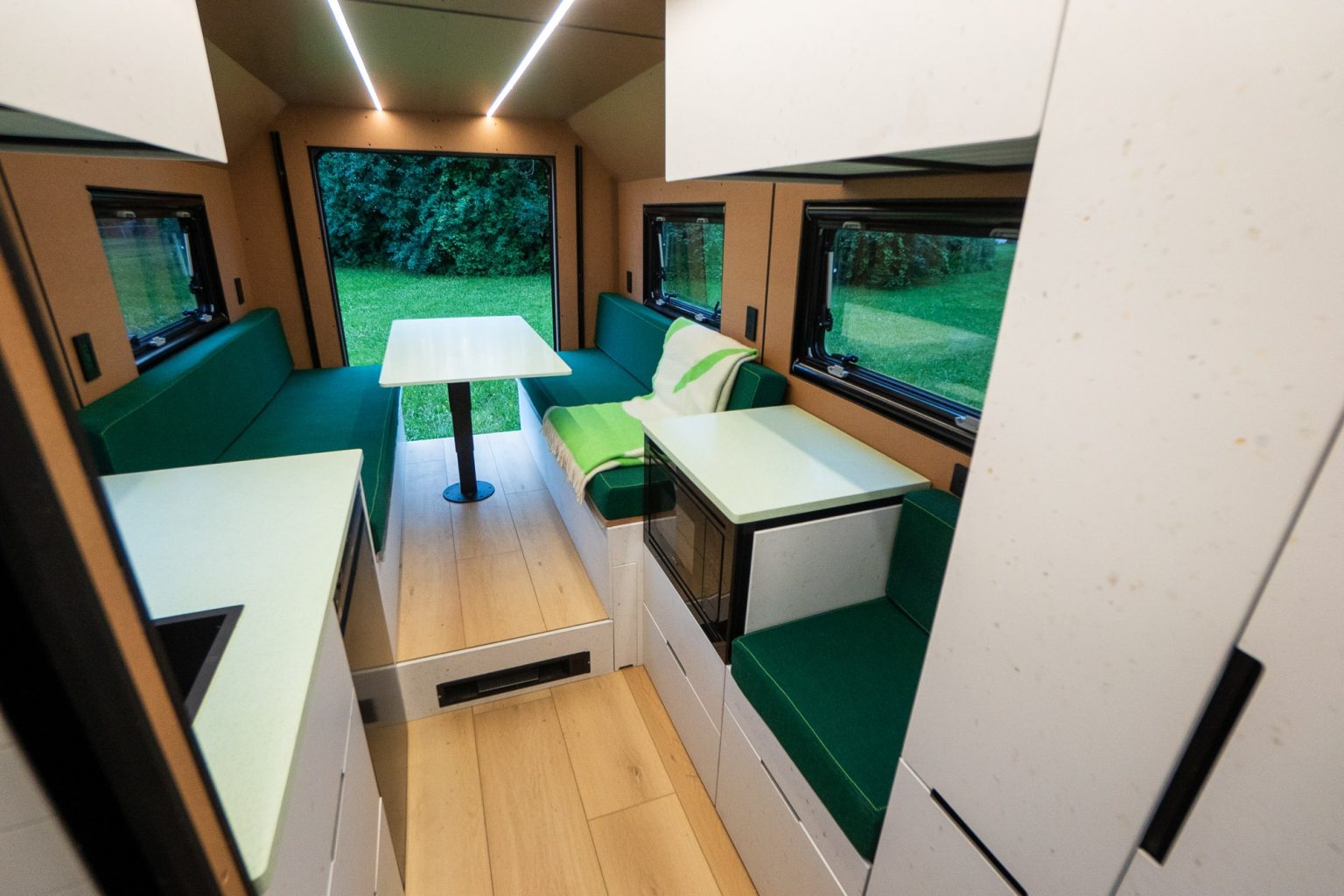
I have been writing about BrightDrop-based vans for a couple of years now. In 2023, Detroit-based startup Grounded RVs began production of the G2, a camper van with lots of space and 270 miles of range. Then, this year, Grounded launched the G3, an update to its BrightDrop camper van with a better interior and up to 286 miles of range. The folks of Grounded were also building custom BrightDrop camper vans for California startup RollAway Hospitality.
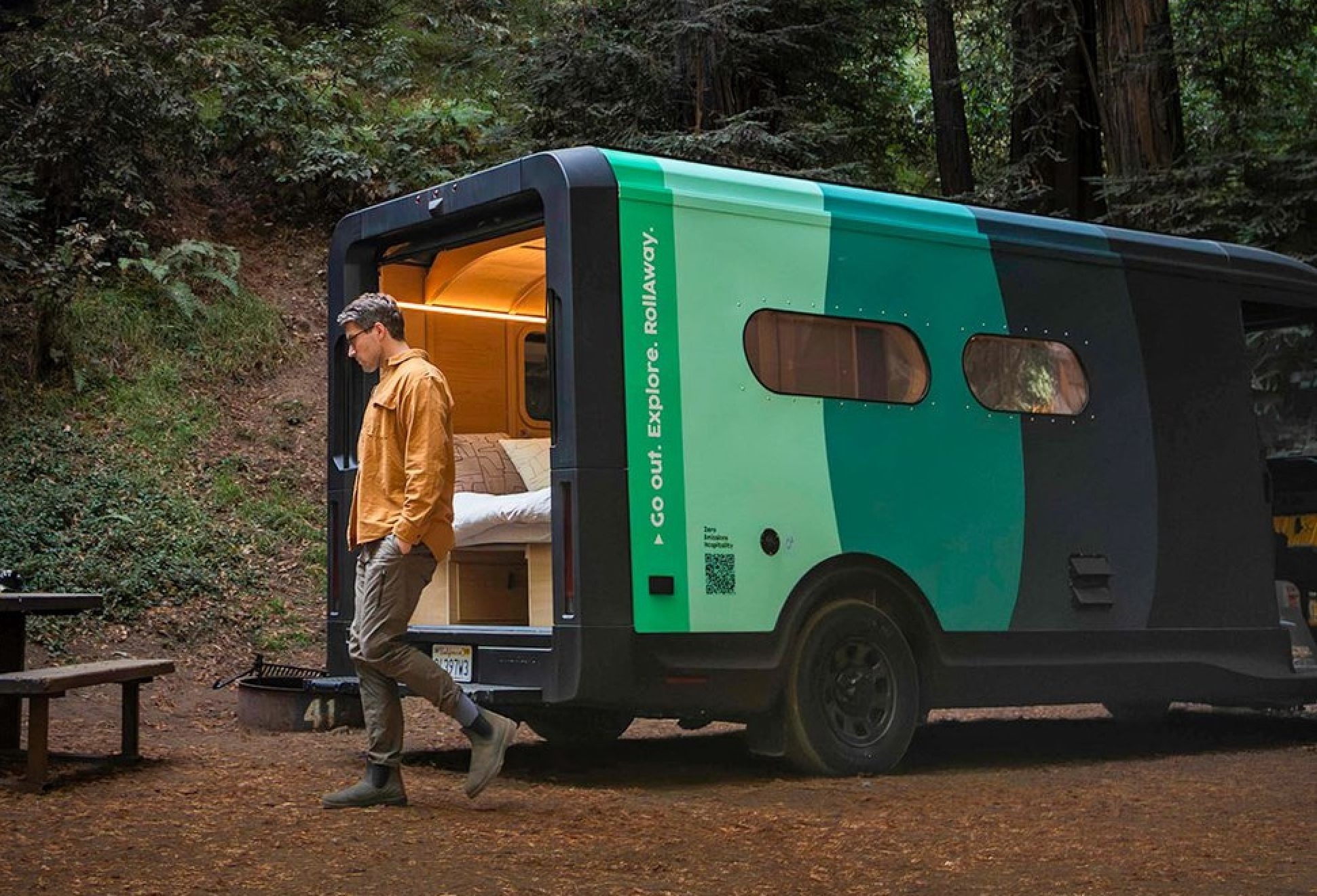
These vans didn’t just have great range, but the platform itself was almost perfect for camper vans. Our Thomas Hundal enjoyed his drive in a BrightDrop. The common camper van configuration involved Zevo 400 and 600 vans sporting dual-motor AWD with 300 HP and 390 lb-ft of torque.
Later this year, some huge news came out of Indiana with the debut of the BrightDrop-based Coachmen RVEX. The launch of this van signified the first serious production all-electric camper van from one of the massive Indiana RV manufacturers. Things were looking great. Between Coachmen, RollAway, Grounded, and smaller outfits, Americans had some real choices for a practical factory-built electric camper van.

I have criticized these vans for being imperfect for the role of being a camper. Since the BrightDrop was designed as a delivery van, the cab is separated from the cargo area. When these are built into campers, this dividing wall means that the front seats cannot be used as lounge chairs, as you’d get in a typical camper van. The cab of the BrightDrop also isn’t very luxurious, either. However, the BrightDrop was long enough to make up some of the difference, and at least there was a pass-through in the cab to get to the camper portion. I think the quirks of using a delivery van platform were worth it to get the BrightDrop’s great range.
Now, the RV industry isn’t going to have access to these vans anymore. The death of the BrightDrop is being blamed on “market demand” and the loss of EV incentives, but it doesn’t really matter why GM is killing it. Once the supply of BrightDrop vans runs dry, that’s it.
An RV Manufacturer Responds
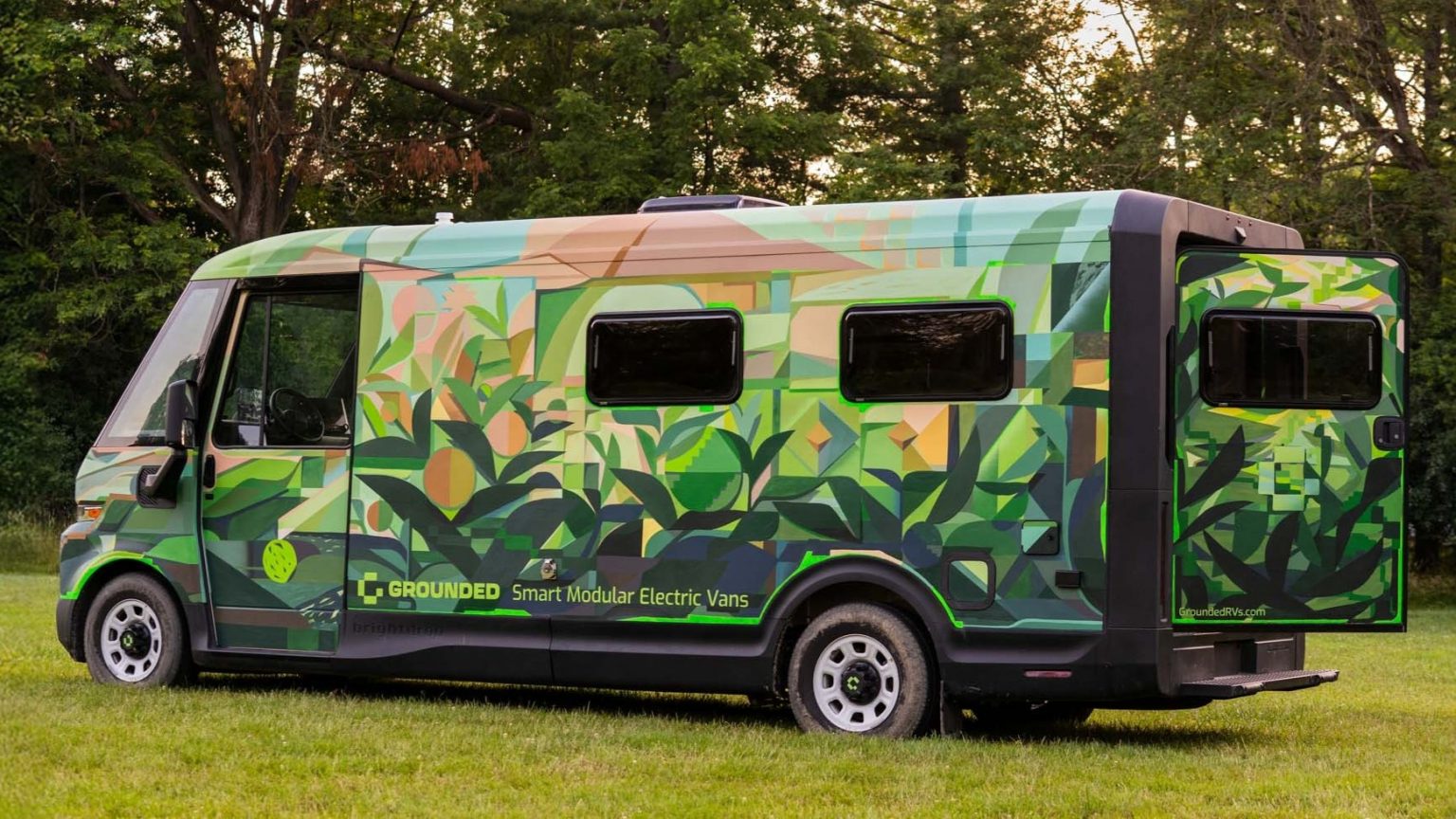
Admittedly, the first company that I thought of was Grounded. The startup was a pioneer in turning BrightDrop vans into campers, and, I think, would be impacted the hardest by GM’s decision here. Coachmen is a huge and flexible company, it can cancel the RVEX and perhaps few people would even remember. But this was Grounded’s bread and butter. So, I reached out, and got this back from Grounded:
BrightDrop is shutting down. Given GM’s whiplash-inducing EV strategy over the past few years, this comes as a surprise to no one. Detroit-based mobility innovation startup Grounded has long been considering expanding the company’s wildly successful personal and commercial upfits beyond electric and to gas for a truly platform agnostic future.
Today the company announced its expansion to the Grounded Gas line, which makes the company’s modular interiors, designs, Grounded+ telemetics software, and electronics available on any gas-powered platform.
Here’s what Sam Shapiro, founder of Grounded RVs, said:
“No one in the world tried as hard as we did to build on all-electric vans. But at the end of the day what differentiates Grounded is everything above the chassis: our design, materials, technology, and integrated fleet management software. We’ve built on fully-electric and hybrid platforms like Ford, GM, and Harbinger, and now, with Grounded Gas, which we’ve long considered, we’re looking to a truly platform-agnostic future. Our stock of available Brightdrops is strong at the moment, but expansion to gas vehicles will move the business forward and allow Grounded to continue to lead toward an electrified and hybrid future.”
I reached out to Coachmen and have not yet heard back. But it looks like in either case, both companies should have enough BrightDrops to build campers out of for a decent while. However, at some point, these companies will have to pivot away from the BrightDrop platform.
It’s unclear what Coachmen is going to do, but Grounded is going to move away from depending entirely on an EV platform. That alone is pretty surprising, as Grounded started off as an all-electric, affordable camper van company. But it makes sense that Grounded would pivot to a fuel-agnostic design. That way, Grounded won’t have to start over every time a company kills a van or announces a new one.
At the same time, I feel like this decision sets the RV industry back. There doesn’t seem to a direct replacement electric van on the market. The Ford E-Transit currently goes about 159 miles on a charge. There’s also the Mercedes-Benz eSprinter, which is rated for up to 206 miles on a charge. The Ram ProMaster EV still comes more than 100 miles short at 164 miles of range. Even the Rivian Delivery, a logistics van like the BrightDrop, goes 161 miles on a charge.
Thankfully, GM’s decision only somewhat kneecaps the RV industry. This doesn’t impact the brilliant partnership between Thor Industries and Harbinger, which has produced the world’s first production extended range electric motorhome. However, that beast is a Class A motorhome and is not a pure battery electric camper. If you’re into electric vans, you just lost the best choice for range.
The Future

In the near future, the next best thing might be a camper based on the eSprinter. At least those will go about 200 miles, depending on the conditions. It’s not quite as sexy as 286 miles, but it seems to be better than the other options. Or, perhaps maybe Harbinger can make a camper van. With GM out of the market, there’s probably a void to be filled. Harbinger has already teamed up with Grounded to make the C1 all-electric or plug-in hybrid mobile command center; maybe some of those could be made into campers one day.
Or, perhaps, because of the changing climate around politics and EVs in America, maybe the BrightDrop doesn’t need a replacement. I’m not really sure what’s going to happen, but I can say that all of this whiplash about what EVs may or may not exist is absolutely headache-inducing.
The good news is that, for now, if you want to get a BrightDrop-based camper van, I’d buy one now before the stock dries up. After they’re gone, it will be interesting to see if and how electric camper van builders pivot. Either way, I hope this doesn’t discourage the RV industry as a whole. It’s still worthwhile to rid RVs of emissions and it’s still worthwhile to try out new tech in motorhomes. Let this be only a speedbump on a longer journey.





Would it make sense for an RV manufacturer to partner with a parts supplier instead of a chassis manufacturer? Or find a new chassis supplier like Edison (though they might have a way to go as well).