

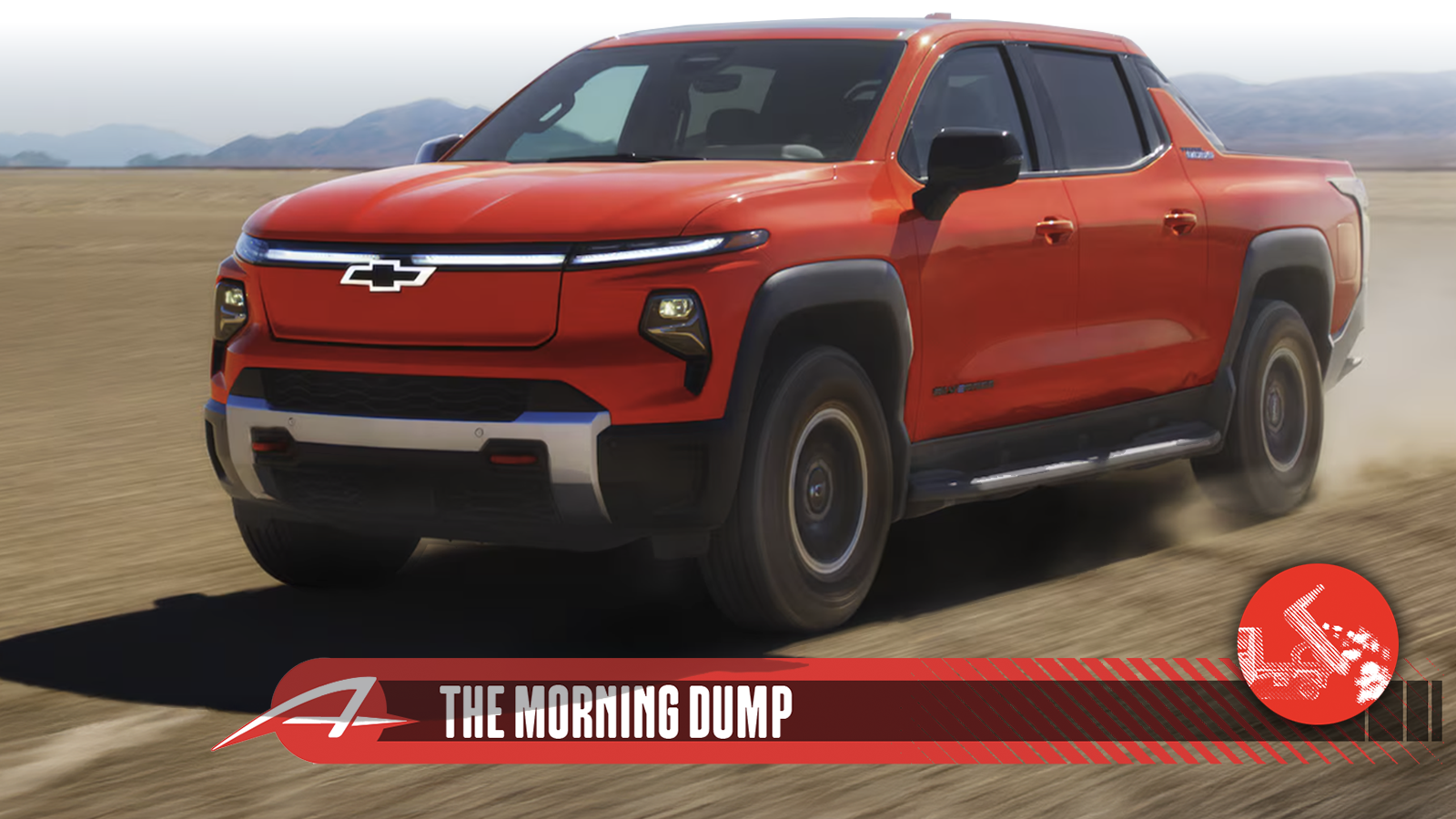
General Motors has the fullest line of full-size electric trucks of anyone in the world, I think. Chinese automakers do have EV trucks and SUVs, but the breadth of what GM has done is impressive. What hasn’t been impressive are sales, so GM is now reportedly slow-rolling the development of a replacement.
The Morning Dump has been hybrid-heavy lately, but that’s just the way of the world. Big expectations crashing into reality. That’s happening with Amazon Autos, too, which is seeing some original dealers defect as the results have been underwhelming so far. You mean people don’t want to buy new cars at the same place they buy underwear? I’m shocked!


Tesla is one of the most highly-valued stocks when you look at its share price versus forward earnings, meaning investors see the company making a lot of money in the future off AI or Robotaxis. Will this quarter’s positive earnings impact that one way or another? Also, BYD has been suddenly taken off the list of companies allegedly involved in what the government referred to as “slavery-like” labor conditions in Brazil, and the person who put them on the list has been fired. What’s going on there?
Pivot! Pivot! PIVOT!

I’m serious. GM’s full-size electric platform supports the Hummer SUV, Hummer pickup, Silverado EV, GMC Sierra EV, and Cadillac Escalade IQ. Depending on how you look at it, that’s five different full-size electric trucks. Most of the Chinese EV platforms are for what we’d think of as midsize trucks. I mean, there’s the Yangwang U8, but that doesn’t seem to share a platform with anything else.
While GM is the leader in this space, it’s not a space that’s particularly popular. As with most things EV, the appetite for electric full-size trucks has not materialized. RAM scrapped plans for its EV pickup, Ford isn’t making a new generation of the Lightning, and even Tesla is selling a large chunk of its inventory to other Elon Musk-owned companies.
GM has continued selling its various EV trucks, but it has intermittently slowed down or stopped production at its Factory Zero plant that makes these vehicles. Now, according to reporting from Crain’s Detroit Business, GM has been telling suppliers that development on the next generation replacement has been halted.
Suppliers were recently informed that the next-gen program was halted with no new timetable specified. Supplier executives and analysts told Crain’s Detroit Business that they do not expect to see a new generation of the electric vehicle line until 2030 or beyond.
The current line of electric trucks will continue to be produced at Factory Zero in Detroit-Hamtramck. But the automaker is further diverting resources and capital from electrification to other programs including its new T1-2 gas engine platform, set to launch 30 miles north at Orion Assembly Plant next year.
A plug-in hybrid variant of the Silverado and Sierra is expected to be in the mix at Orion, the sources said.
A GM spokesperson did the usual “we’re not going to engage in speculation,” which is not a “no.”
There might be more of an appetite for this kind of vehicle in the future, so there’s nothing to stop GM from just making them indefinitely. It’s not like there’s going to be a ton of competition, and light refreshes might be a better course. I mean, look at the Durango. You can sell a vehicle for extended periods these days and seemingly get away with it.
EREVs and plug-in hybrid solutions seem to be the most logical for large trucks, so GM headed that way makes a lot of sense.
Amazon Autos Isn’t Changing The World Yet

There was a lot of buzz initially for Amazon Autos, which gives automakers a way to find leads via the expansive Amazon platform. The first foray was with Hyundai dealers and has since expanded, with Ford recently partnering to sell certified pre-owned cars.
The results have been rather muted, though, according to data provided to Automotive News:
Amazon Autos launched in December 2024 with Hyundai in 48 cities. It now operates in more than 130 cities and includes new, used and certified pre-owned vehicles from Chevrolet, Jeep, Kia, Mazda and Subaru.
Some early participants report selling just one or two vehicles monthly through Amazon, far short of what they’d hoped from a partnership with one of the world’s largest retailers.
“I think it’s way too early to tell because of the low volume of transactions,” said Andrew Wright, a Vinart Dealerships managing partner who helped craft Amazon’s early pilot with Hyundai dealerships but chose not to participate in the program.
Another Hyundai dealership owner from the Southeast who requested anonymity said, “The results have not met my expectations.”
It’s strange, because Carvana seems to be doing a healthy business selling cars online and delivering them to customers. This in-between step seems to just be a fancy version of lead generation, and maybe that’s not good enough.
What’s Going To Happen With Tesla Earnings?
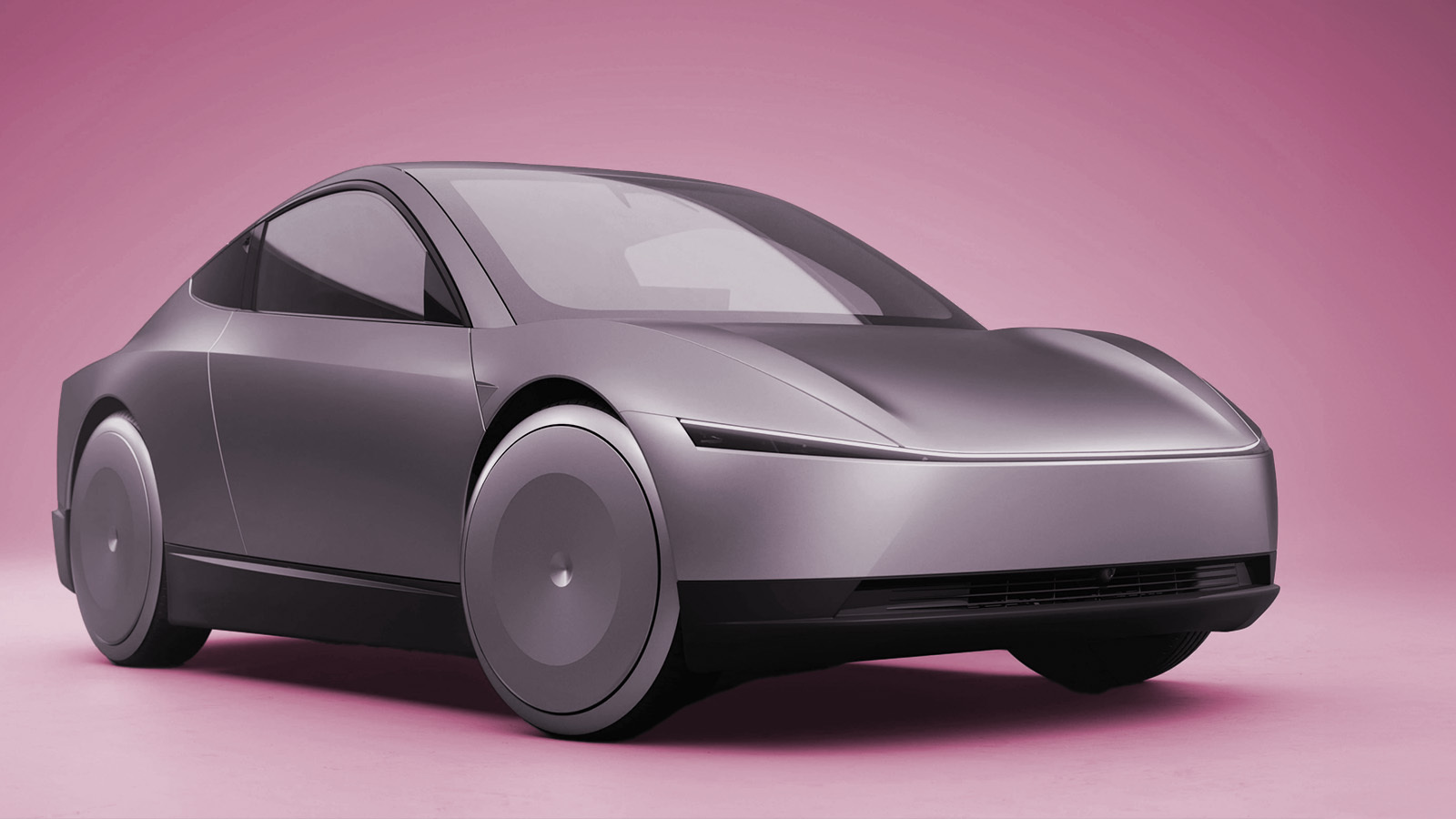
The confounding thing about Tesla is that its stock trades something like 160-190 times its forward earnings depending on its price, which is to say that the amount being paid by investors to own the shares isn’t a reflection of what’s expected as a return in the near future (by comparison, Apple is the next-closest at roughly 30x forward earnings). What investors are choosing to believe is that what CEO Elon Musk is doing will make the company so necessary that it’ll unlock huge value in the distant future.
From that perspective, the quarter-to-quarter earnings or losses are less important than the story Musk and Tesla can tell about the future. Last quarter’s earnings weren’t great, this quarter’s earnings will probably be strongly positive, but what investors are looking for is that story.
As a result, investing pros say strong quarterly numbers that beat already lowered expectations aren’t likely to move the richly valued stock. Rather, Tesla needs one of two things to drag its shares out of their rut: Concrete signs of progress on its robotaxi plans or a shiny new object from Musk’s playbook that moves the goalposts for the company and resets the timer to show results.
“When a stock trades on a long-term story, patience doesn’t disappear overnight,” said Haris Khurshid, chief investment officer at Karobaar Capital, which owns Tesla shares mostly through derivatives. “The existing base is still holding on, but it’s getting harder to attract new buyers without clearer results.”
When Musk talks to investors, look for a big show, a shiny announcement, or something else.
BYD No Longer On The Naughty List In Brazil
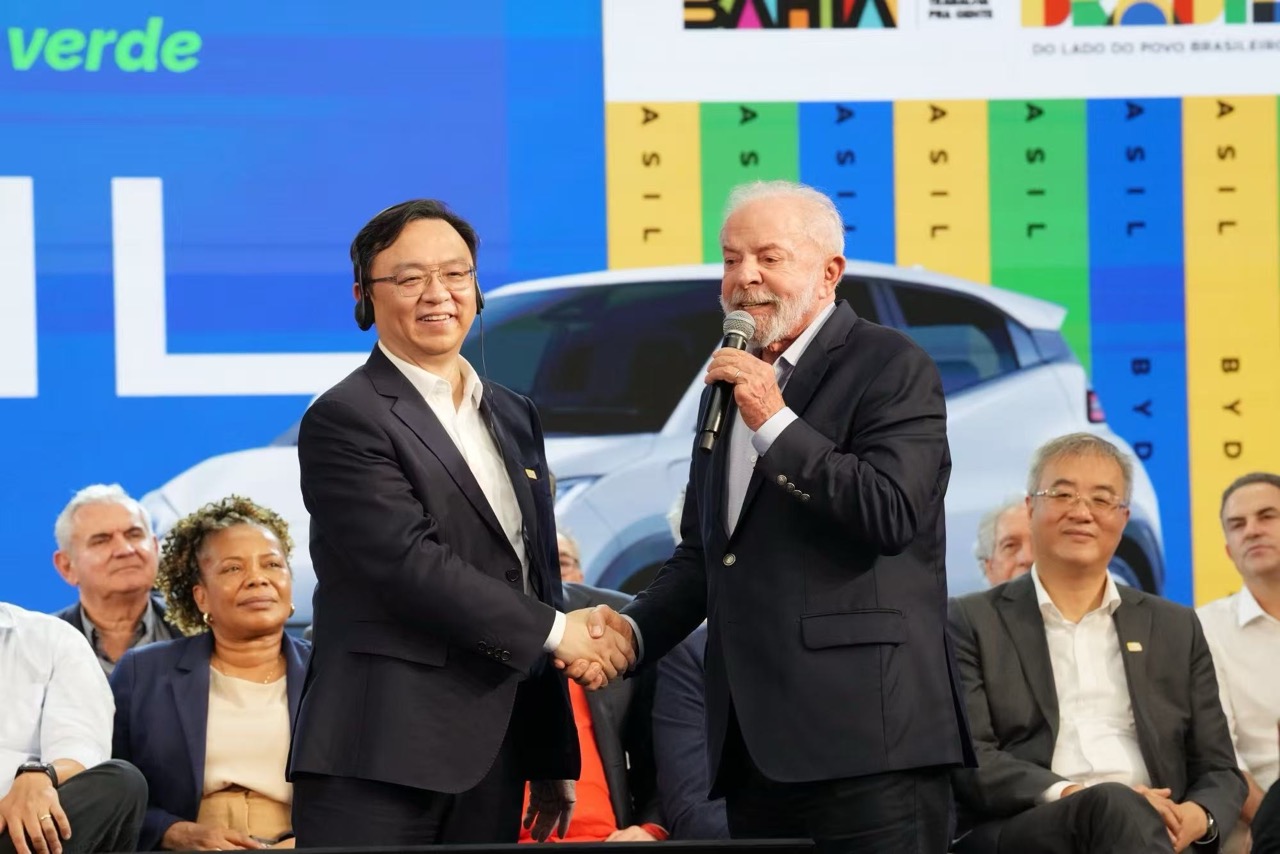
Late in 2024, a big report came out from Reuters alleging that Chinese nationals were found to be working in “slavery-like conditions” at a Brazilian BYD plant that was under construction, which BYD wasn’t too fond of:
Brazilian labor authorities had on Wednesday said they found 163 Chinese nationals working in “slavery-like conditions” at a construction site for a BYD-owned factory in Brazil’s Bahia state. BYD said then that it had cut ties with the firm that hired the workers and was working with authorities.
“Being unjustly labeled as ‘enslaved’ has made our employees feel that their dignity has been insulted and their human rights violated, seriously hurting the dignity of the Chinese people. We have signed a joint letter to express our true feelings,” Jinjiang said on its official Weibo account.
This issue was seemingly resolved when the contractors for BYD and BYD itself settled with the state prosecutors office to the tune of $8 million, half of which was distributed to the workers.
Settled it was not, as then Labor Secretary Luiz Felipe Brandao de Mello last week put BYD on the list of companies that have been found to utilize such egregious labor conditions. BYD, as you might imagine, wasn’t too keen to be on this list. BYD is now off the list and the Labor Secretary has been sacked. What’s going on?
Nikkei Asia says some within the labor community think it was a retaliation:
Some leveled accusations that Mello was fired over BYD’s inclusion on the list.
“Regarding the dismissal of the labor inspection secretary, there is obviously a retaliatory element,” Mario Diniz, vice president of Safiteba, the labor inspectors’ union in the state of Bahia, told Nikkei in an interview. “Because it happened shortly after the inclusion of the BYD on the ‘dirty list’ of employers of slave labor.”
[…]
Mauricio Santoro, a professor of international relations at the State University of Rio de Janeiro, said, “It is possible that there was political interference,” as BYD’s Bahia factory received “strong support from important Brazilian leaders.”
It’s not really knowable what happened as an outsider, but Brazilian President Luiz Inacio Lula da Silva has made connections to China an important part of his government.
What I’m Listening To While Writing TMD
One of the surprises of Coachella this year was Nine Inch Noize, which is a collab between Nine Inch Nails and German electronic group Boys Noize. That sounds super weird, and is, but it also works. Please enjoy “Hersey.” Well, enjoy the song, maybe not the concept.
The Big Question
What would a full-size EV truck need to be able to do in order to make sense?
Top photo: Chevrolet


We all learned that nobody wants an electric truck, at least not enough people want them to justify making them.
GM continuing to build the current lineup of EV trucks means good news for prospective used buyers in the coming years. Keep it up, GM!
What would a full-size EV truck need to be able to do in order to make sense?
Truck things
It is good at truck things. https://www.youtube.com/watch?v=5j16940siPE The number of people who have a lifestyle where a Silverado EV couldn’t keep up with them has got to be laughably small. I bet most truck owners have never even made a single trip towing more than the 220ish mile towing range a Silverado EV has.
How about fit in a standard garage?
I don’t think that’s an EV-exclusive problem though.
“What would a full-size truck need to be able to do in order to make sense?”
Fit in a standard garage!
Does that help?
The month I had a Silverado EV as loaner my lord, I wanted to do many projects around the house. That thing hauls and has power like nothing with a big battery. My electricity bill went way higher than normal that month, but it was worth the smiles per kWh
Ford should just rework the F-150 Lightning with a battery pack half the size and one of their transverse hybrid powertrains in the front.
Keeping the big ol’ traction motor in the back, obviously.
I don’t understand the focus on towing.
Make it truck-shaped, but a car.
Most of the buyers will use it that way.
That hasn’t worked so well for the Ridgeline.
Been selling them for 20 years.
They’re doing something right.
Im going to say you’re both right. Yes it’s been for sale 20 years and is on its 2nd Gen, no less. Sales, however have been consistently at the bottom of the barrel of its class. Im surprised it hangs on. Honda must have a break even point on the numbers and it must hit them as it does jeep soldering on. Platform im sure helps keep it alive.
All that said, everything I’ve heard from anyone who owns one is that it’s a fantastic vehicle. It probably is the better choice for 90% of everyone who buys an F150, but it’s not big and manly enough for their needed image.
You think they’re selling enough of them that the other OEM’s should follow suit and try to split the market?
Honda sold 48k Ridgelines in 2025 (and that was an up year).
Ford sells more F150s in just 3 weeks.
If the Ridgeline works for your needs, then by all means buy one, but the vast majority of folks feel that a regular full size truck fit their needs better. And I can’t really blame them.
For Honda, the Ridgeline is a nice side hustle. For Ford, its essentially their reason to exist.
Selling >40k/yr for the last 5 years straight isn’t good enough for you? Over 30k every full year the 2nd gen has been out.
No. It’s not.
Better tell Mazda they should cancel the Miata then.
Sports car is a niche market. Crew cab pickup is not.
What would a full-size EV truck need to be able to do in order to make sense?
Tow 20% more than its diesel equivalent with 20% more range and the same time to fully charge as it takes to fill the fuel tanks. Then offer it at 2/3rds the price.
Way to go GM. Then again….. Its GM.
Eh, full size EV trucks just don’t make a ton of sense yet. Their range absolutely plummets once you hook a trailer up to them and the only way to get reasonable ranges out of them is to buy a battery the size of a small city in them.
Plus it’s not like GM is halting production. They’re just pausing the next gen which makes perfect sense to me.
Wouldn’t an EV Colorado make more sense, that way people aren’t expecting it to tow their horse trailer and then complaining that their full size EV truck can’t do that?
I’ll reply to my own comment. I’m sitting at a brewery that overlooks one of the main interstates running through town. I bet I just saw 30 pickups or so drive by in the last minute or two. Not a single one was towing anything. I don’t think any of them were even hauling anything in the beds. EV trucks can do that, no problem!
True, but I think they’ll need a “Freedom!” edition to sell them.
How will they shout out to the rest of the world that you can not only afford to purchase a pickup truck, but have the means to continue to pay for fuel to keep it running?
It shows a lack of continuous disposable income to have an EV. You’re too frugal and lack ambition to attract and impress
womenother men.You are right about this mindset. I have the EV G Wagen, it is better off road, gets the same “mileage” (230ish miles per charge) as the gas version, and is overall a better product, but people who buy G’s apparently like stopping at gas stations a lot. All in all I like my G580, but glad it is a lease since the residual is probably higher than what a trade in value would be.
I think GM is on the right track with the Silverado ev. But over a decade ago they got into a fight with Ford and then ram joined on towing capacity for 1/2 tons. It’s sort of muddied the waters. You see people attempt to tow within the upper limit of a 1/2 tons and not happy with the performance. More often then not if if they tow a lot they will go to a 3/4 ton or bigger.
The Silverado bev is very much in traditional 3/4 ton territory. And with all that instant torque along with how heavy it is, is an absolute towing machine. There are so many use cases where it works better. Getting the pay load close to that 20k that they claims a 3/4 ton handles. 17.5k or so maybe make a 2 door specific tow spec. If they can shave some weight off the body then give it to the towing and payload capacity.
They didn’t really do a good job advertising how many outlets it has including a 240v 30a. So many trades could really use that. But people don’t know. They know, they are more likely to know a cyber truck has that. GM spent more money on and time on the home backup idea thst involved installing a lot of gm specific hardware on your house and is over $10k for many people. Plus sell the can keep the cabin warm or cool while sitting there not idling.
Their pricing is problematic. They sticker for $80k+ but you can pick them up for around $50k. It puts them right similarly priced with the diesel 2500 wt crew cab. But its rated to tow 6k more at 18.5k. The you could pick up that 1/2 ton crew cab for $30k to $32k. And tow 9.3k or one with the heavy tow package and be rated at 13k.
The EV is probably going to cost less to own then either if you use home or business charging. If fast charging $.27 kwh works out to out to about $2.50 gal diesel with Silverado ev effenency. Which many markets probably won’t likey see anytime soon if ever again. They need to focus on fleet sales. Because it’s a logical choice. Especially around town. Ionna is bound to do the same thing evgo has done with membership for reduced rate. Right now ionna is fairly competitive with rates but as they build out that could change. But seeing how gm has a partnership with both they could do something for fleet operators. Especially as most are likey to not use dcfc often. But I guess it’s not all that different then fuel price swings. Still any stability they could give fleets or operaters would help move vehicles.
If anybody wants to actually learn about living with an EV truck rather than just confirm their priors, this is good. https://www.youtube.com/watch?v=5j16940siPE&t=2s
Transformers, more than meets the eye!
“You mean people don’t want to buy new cars at the same place they buy underwear?”
Costco’s still running their vehicle sales referral program. I have no idea how worthwhile it might be but there’s always a shiny new Mazda, Volvo or what have you on display, even at the business centers. I got a pretty good deal when I bought my e-bike through them.