

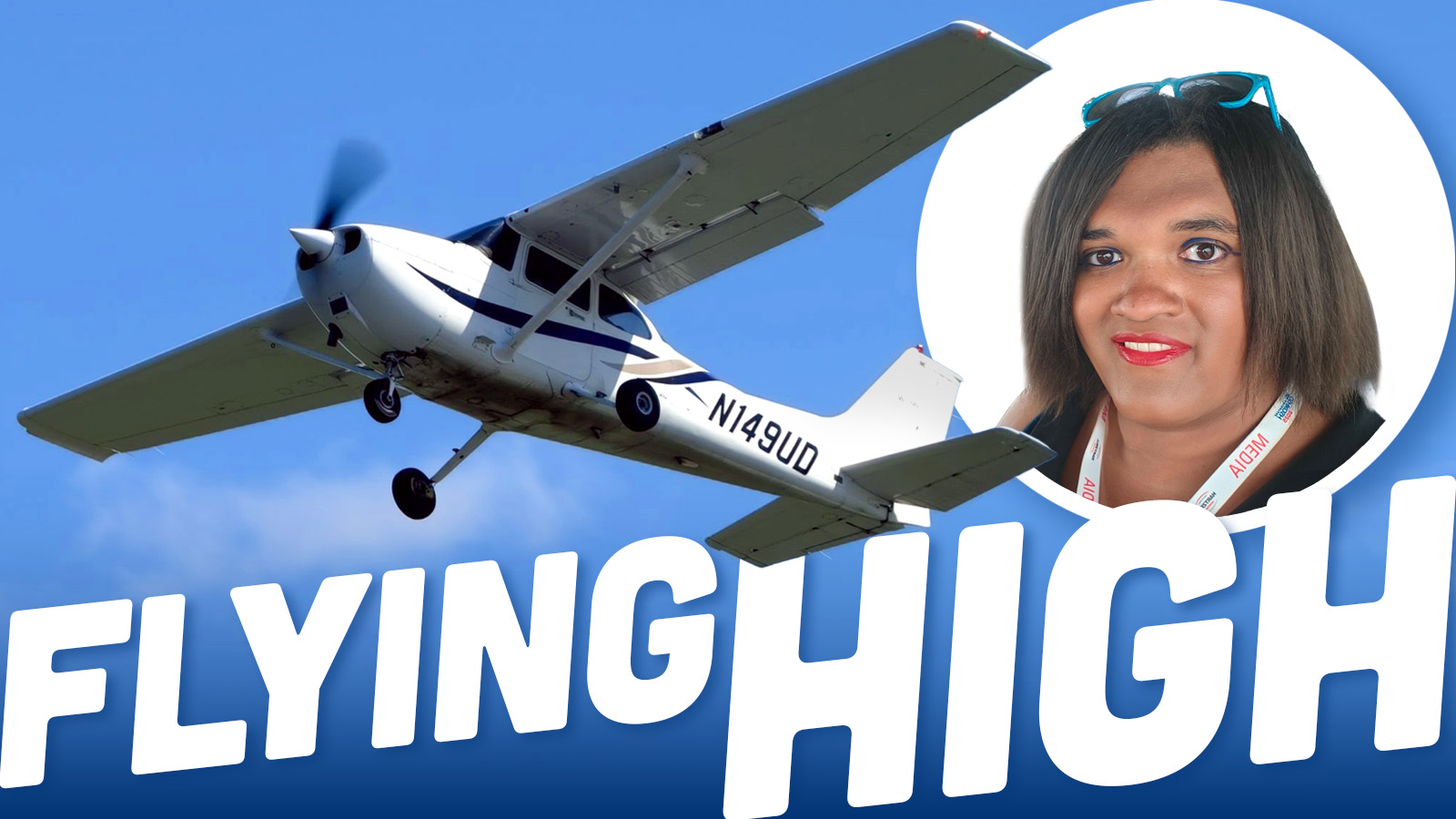
Back in late 2020, I embarked on a journey to fulfill my childhood dream of becoming a pilot. I racked up some considerable hours behind the controls of a Cessna 172M Skyhawk, and then life happened. I stopped flying. Time passed, and before I knew it, I hadn’t flown a plane in four years. I just flew a plane for the first time in four years, and here’s how you, too, can begin living your flying dreams.
On December 4, 2020, I authored an article over at Jalopnik titled ‘I Flew A Plane And It Was A Dream Come True.’ My life had taken so many unexpected turns in 2020. I met the woman who would become my wife, I took the road trip of a lifetime, and David Tracy gave me an opportunity that changed everything. I quit my career in Information Technology and started anew in car journalism. Somehow, I got through the COVID-19 pandemic doing better than I ever had before.


Strapping myself into the captain’s seat of that 1975 Cessna 172M was a dream come true, no exaggeration. I’ve been fascinated with aviation ever since I was a kid, and if you forced me to pick favorites, planes would probably be my second most-beloved form of transportation behind cars. In school, my classmates talked about becoming doctors, lawyers, or military officers. Me? I had two dreams that I wanted to fulfill at the same time. I wanted to see my name in the pages of the likes of Car and Driver. At the same time, I wanted to be the captain of a Boeing 747.
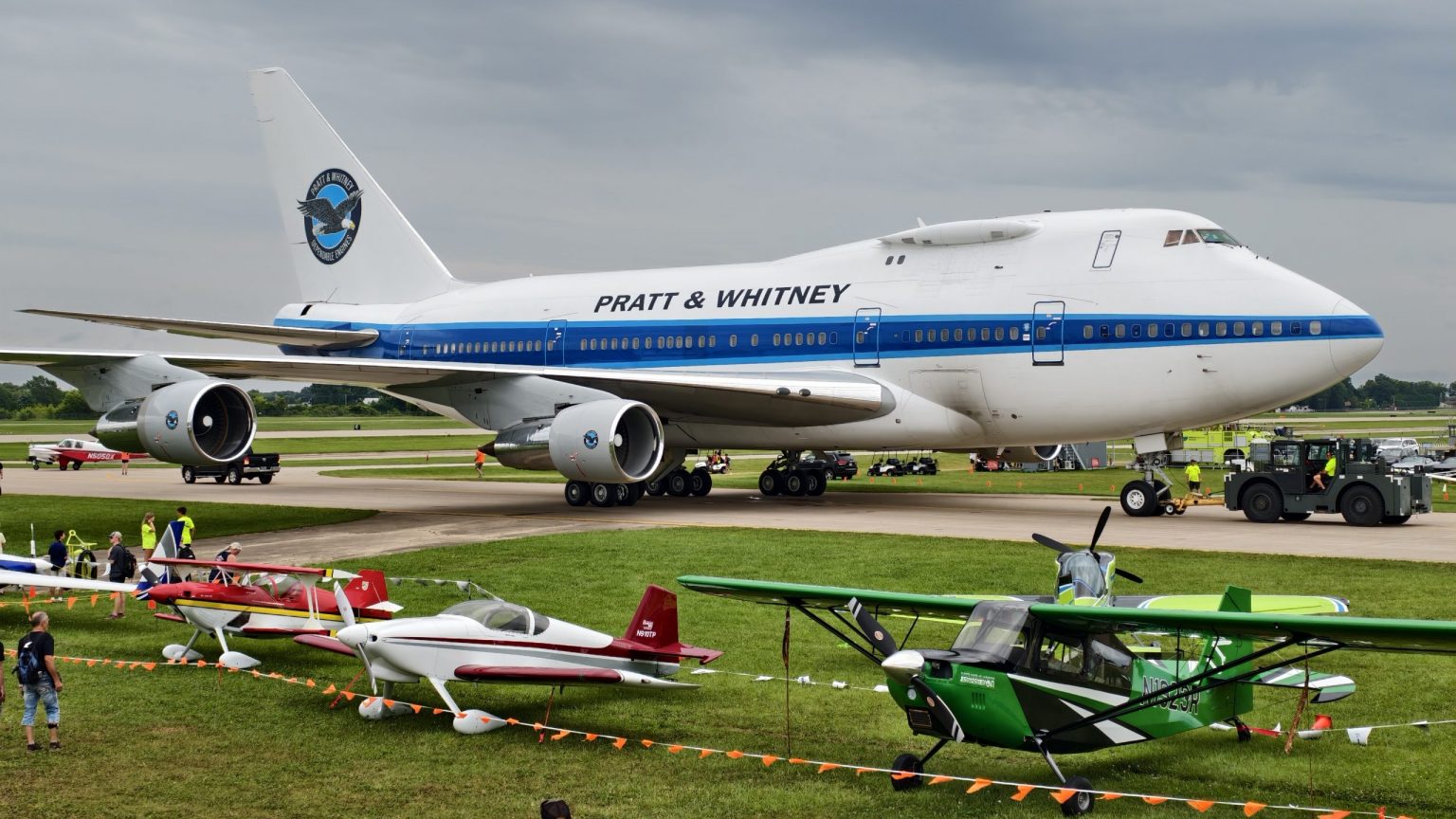
In 2007, I got my first flight simulator, a copy of Microsoft Flight Simulator X Deluxe Edition. I still have that old sim in my collection today. I’ve had to have racked up hundreds, if not thousands of hours flying around in the sim’s default Bombardier CRJ-700 and Boeing 747. I once attempted an around-the-world trip in the sim in the 747. Other times, I simulated infamous aviation incidents, studying ways that outcomes could have been changed. My friends loved playing games like Borderlands and Assassin’s Creed, but me? I was glued to my flight simulator.
I got scarily proficient in my simulator, even getting to the point of learning the proper start-up sequence for a Tupolev Tu-154. Yet, I never translated my passion into something I used in the real world. I grew up, got a job, obtained adult responsibilities, and had bills to pay. I learned that becoming a commercial pilot tended to involve racking up thousands in debt and then grinding it out for years at regional airlines.
I scared myself away from that second half of my childhood dream and got into IT. An amusing byproduct of running and modifying my home simulator was that I learned a ton about computers, so I put that knowledge to work right out of high school. But that wasn’t either of my dreams.
A Dream Come True
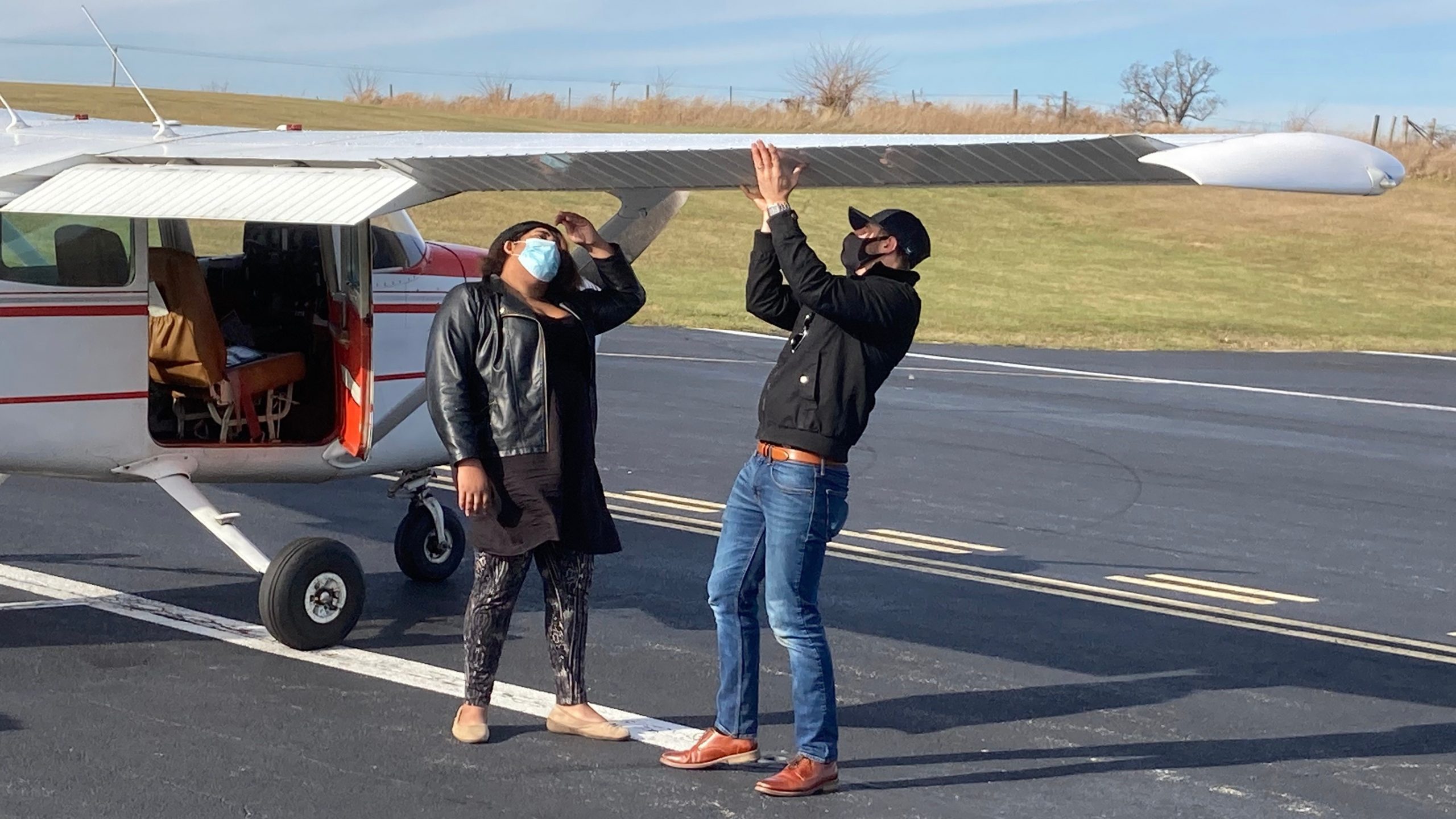
In 2020, David Tracy and Jason Torchinsky helped ascend my byline to where it is today. Then, my wife had an idea. My birthday was coming up, and as a present, she signed me up for what’s known as a Discovery Flight at Galt Airport, the small, privately-owned public airport nestled between the trees and farms of Greenwood, Illinois.
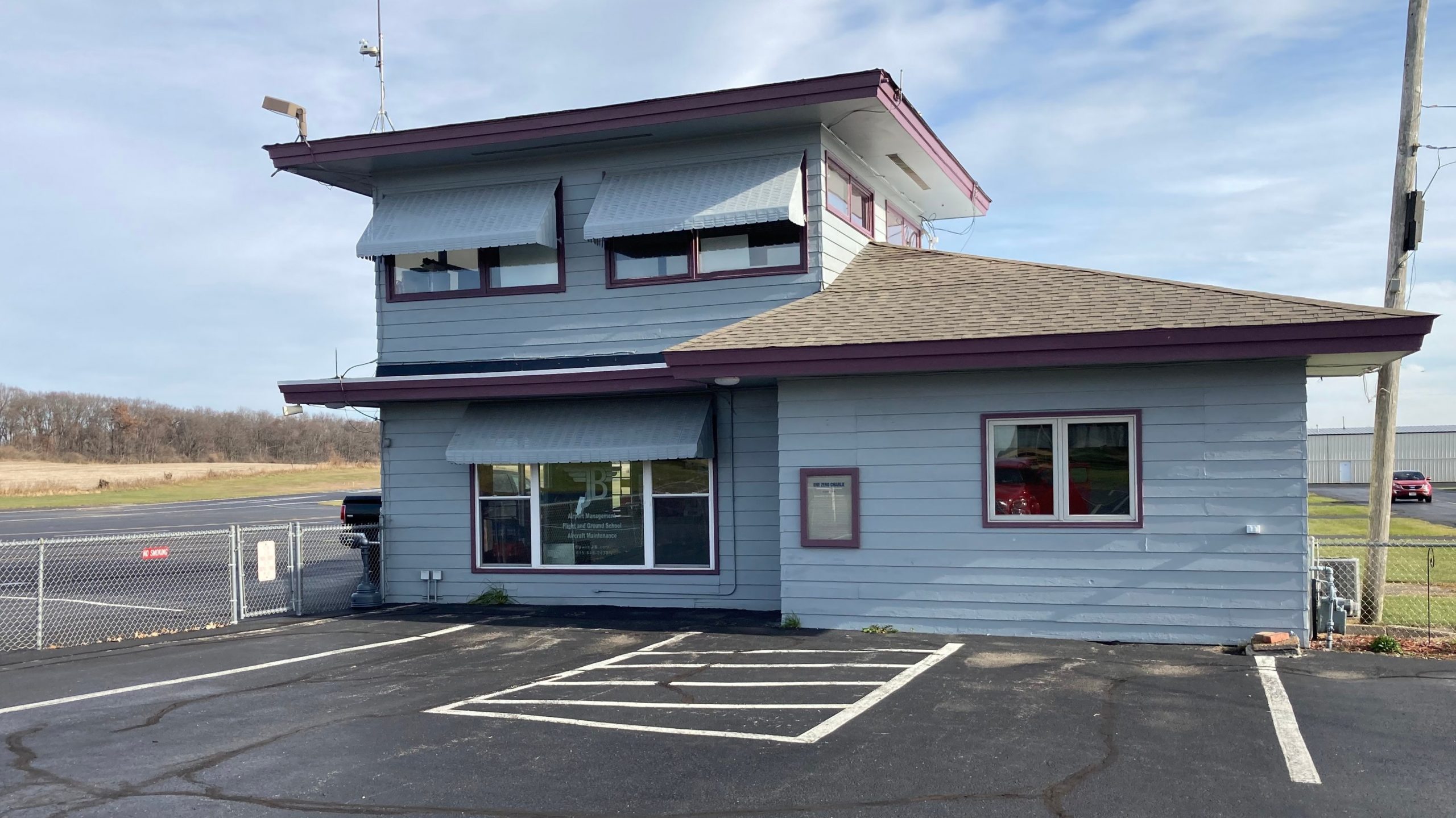
If you’ve never been to an airport like this, it’s something completely different than what you’re used to. There’s no security, no “secure” areas, and minimal fencing. You could easily drive a car out onto the runway if you were reckless enough to do so. Instead, Galt has a bunch of hangars and a main building where the flight school is.
A Discovery Flight is a short, around 30-minute to 60-minute demonstration where you hop into a trainer aircraft commanded by a Certified Flight Instructor (CFI). The instructor will likely take you through inspecting the aircraft on the ground and preflight checks before taking you up. Once in the sky, the instructor hands the controls over to you, where you can do basic maneuvers like flying straight and level or basic turns. The Discovery Flight is supposed to be an introductory sort of experience for anyone interested in aviation. At the end of the Discovery Flight, you even get a logbook with the flight written down.
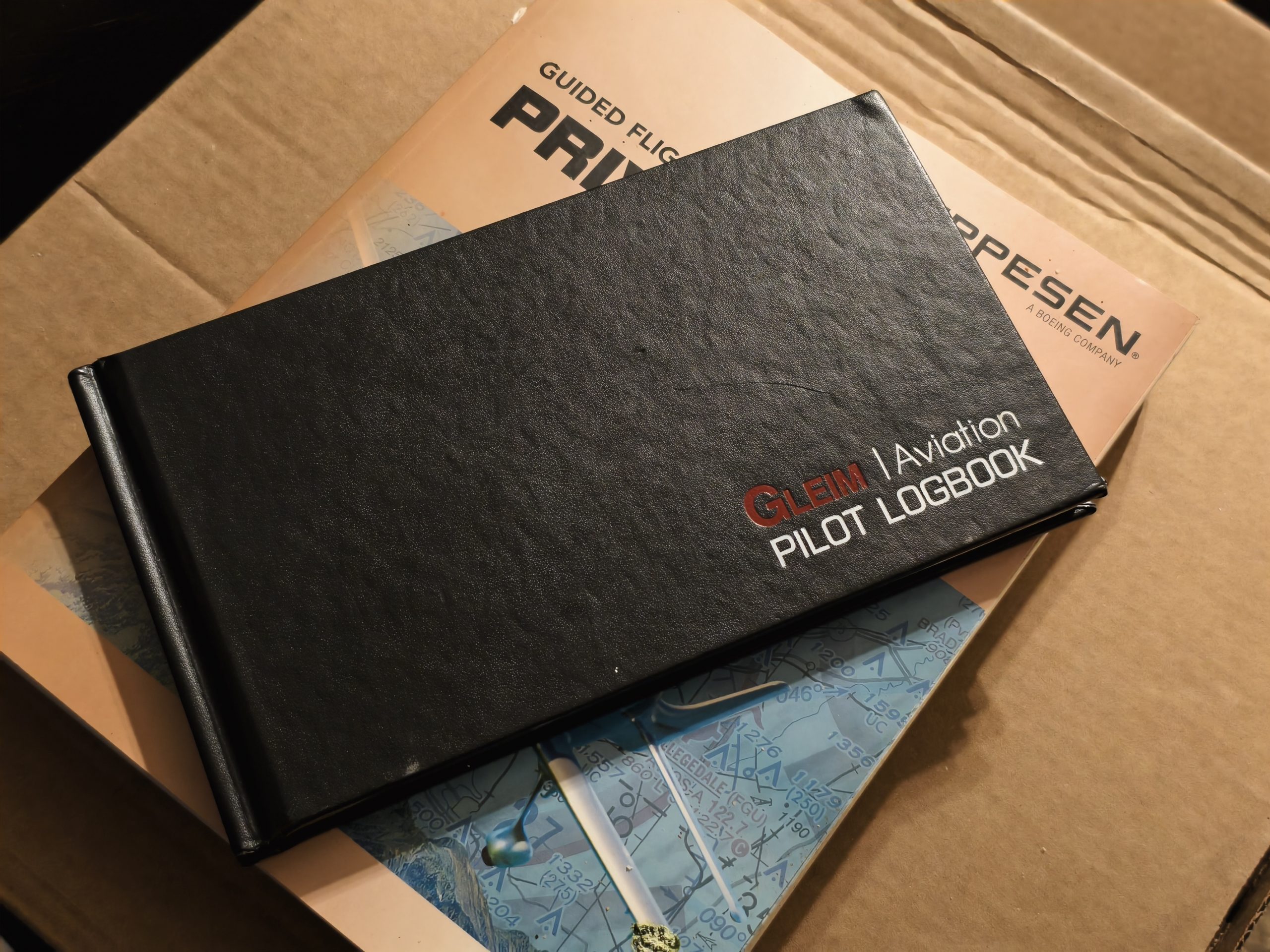
For many people, a Discovery Flight is little more than a special experience, the one time they may ever touch the controls of an aircraft in flight. For others, the Discovery Flight is only the first step in many in the journey to becoming a licensed pilot. That’s where I started.
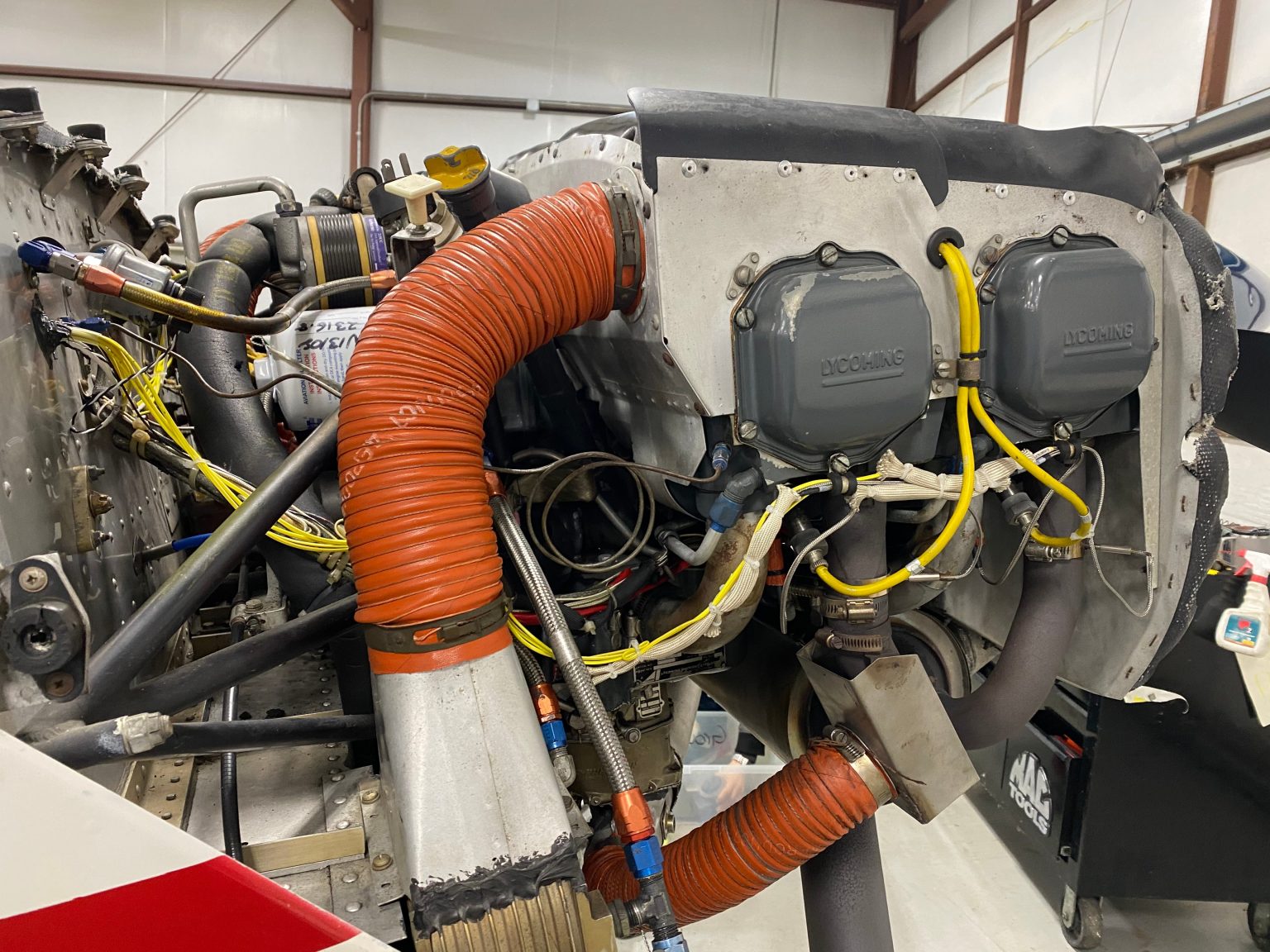
Flight training starts you off easy. You learn the basics of flying, including Bernoulli’s principle, the three axes of flight, and the general mechanics of how aircraft work. You’ll learn that aircraft fuselages are built out of riveted aluminum and that the engine in an old Cessna is a trusty horizontally-opposed mill with two sets of spark plugs and magnetos. In the 1975 Cessna 172M that I trained in, it was powered by a Lycoming 0-320 (5.2-liter) flat four making 160 HP and spinning the propeller through a direct drive. As part of your checks, you also want to make sure the drive belt (which spins the alternator) is tight and not coming apart. Being an aviation nut already meant that I already knew a lot of this. There was even a moment when I accidentally taught my CFI something new about internal combustion engines.
Early on, you might not even perform take-offs and landings, as your instructor may want you to shadow them first. But then, your training gets hardcore pretty quickly. You’ll learn how to deal with emergencies, you’ll practice forced landings, and you’ll learn exactly how your trainer handles. There are rewards along the way, as you’ll apply for your student certificate and get an awesome green card that says that you’re really making your dream a reality. You’ll also do ground school and get your medical.
A Dream Deferred
All of it builds up to your first solo. That’s where I stopped.
By this point, it was July 2021. I had racked up nearly 20 hours. My instructor was impressed, calling me “a natural.” The only time we ever had to go back and do a lesson over was for safety after I wasn’t able to take a lesson for a whole month.
Something that I had discovered was that, at least to me, flying in real life was actually easier than flying in my simulator. A basic home simulator has no way of making you feel the weight of the aircraft, the wind, or just how the aircraft feels. When I’m behind the controls of the 172M, I can feel how crosswinds impact my path of travel; I can feel the yoke get lighter or heavier depending on the direction I’m flying. I can also feel if the aircraft is getting ahead of me or is slowing too much. Home sims simply cannot replace your senses or your vision.
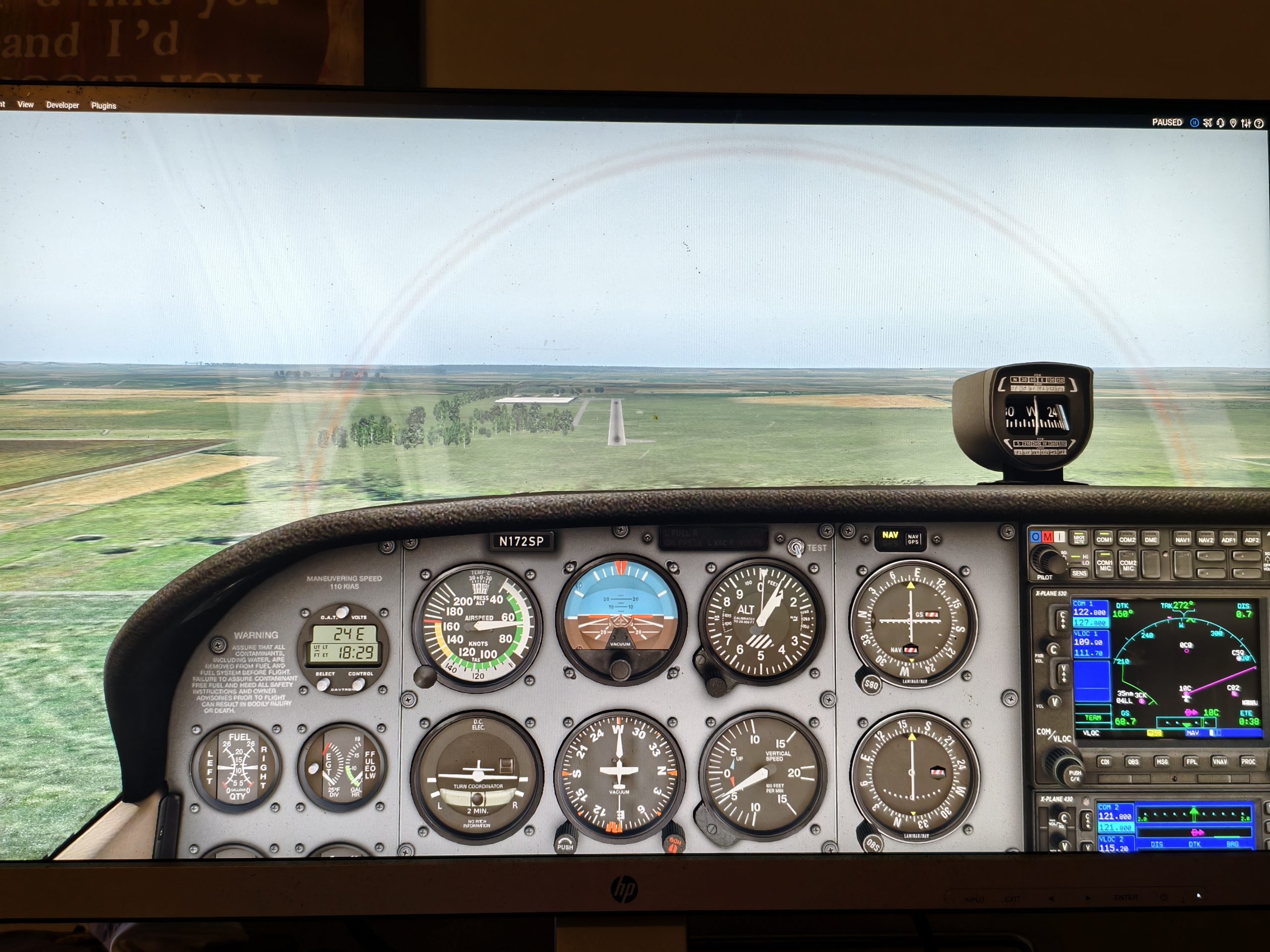
At the same time, real life teaches you some great lessons. If you get spatially disoriented for any reason, just look at and trust your instruments. You’ll probably find that while your body thinks one thing, your aircraft is doing something else entirely.
But what I did find is my sim great for was reviewing my lessons before and after performing them in real life. Galt Airport, code 10C, is in every major sim, and you can fly a darn near perfect replica of the airport’s pattern in a sim. My instructor, who apparently did not use a home sim as a tool, became convinced that, maybe, a home sim might have some sort of value.
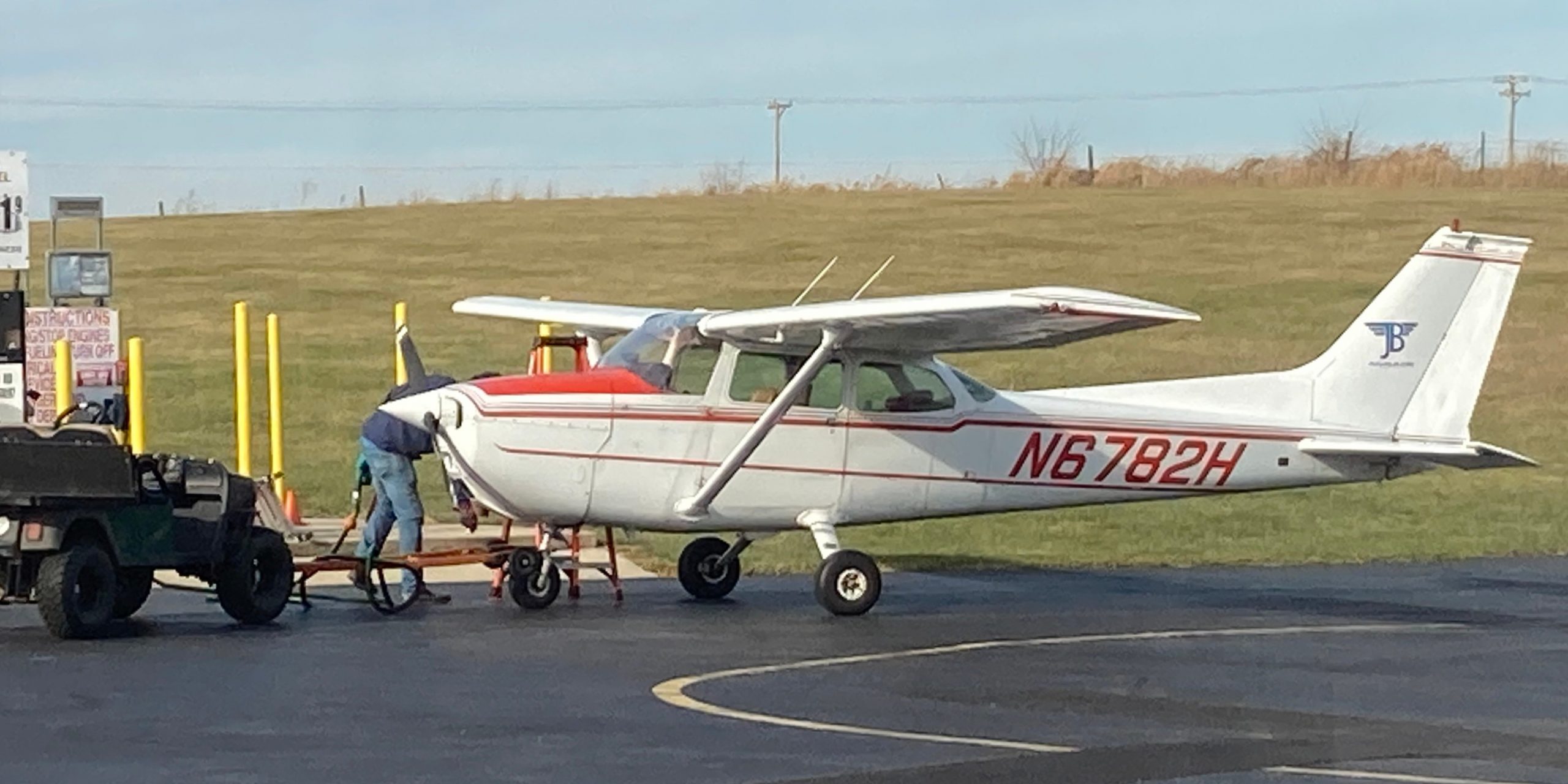
Despite my great progress, I still stopped. My then-fiancée opened up her own legal practice, and for a moment, our financial situation changed dramatically. I cut flying out of the budget to make things work. Then, life kept throwing curveballs. I quit Jalopnik and then later moved over to the Autopian, but it was a while before my health insurance kicked back in. Then, when I finally got insurance, that was put to the full test when my wife got cancer. Thankfully, we kicked cancer’s butt! But life just kept finding dumb ways to get in the way.
I told myself that, once I got back into the seat, I wasn’t going to stop. I kept that pause button held, thinking that I’d wait until I could afford to pay for my private pilot license all the way through in cash. That time came, but I still didn’t do anything.
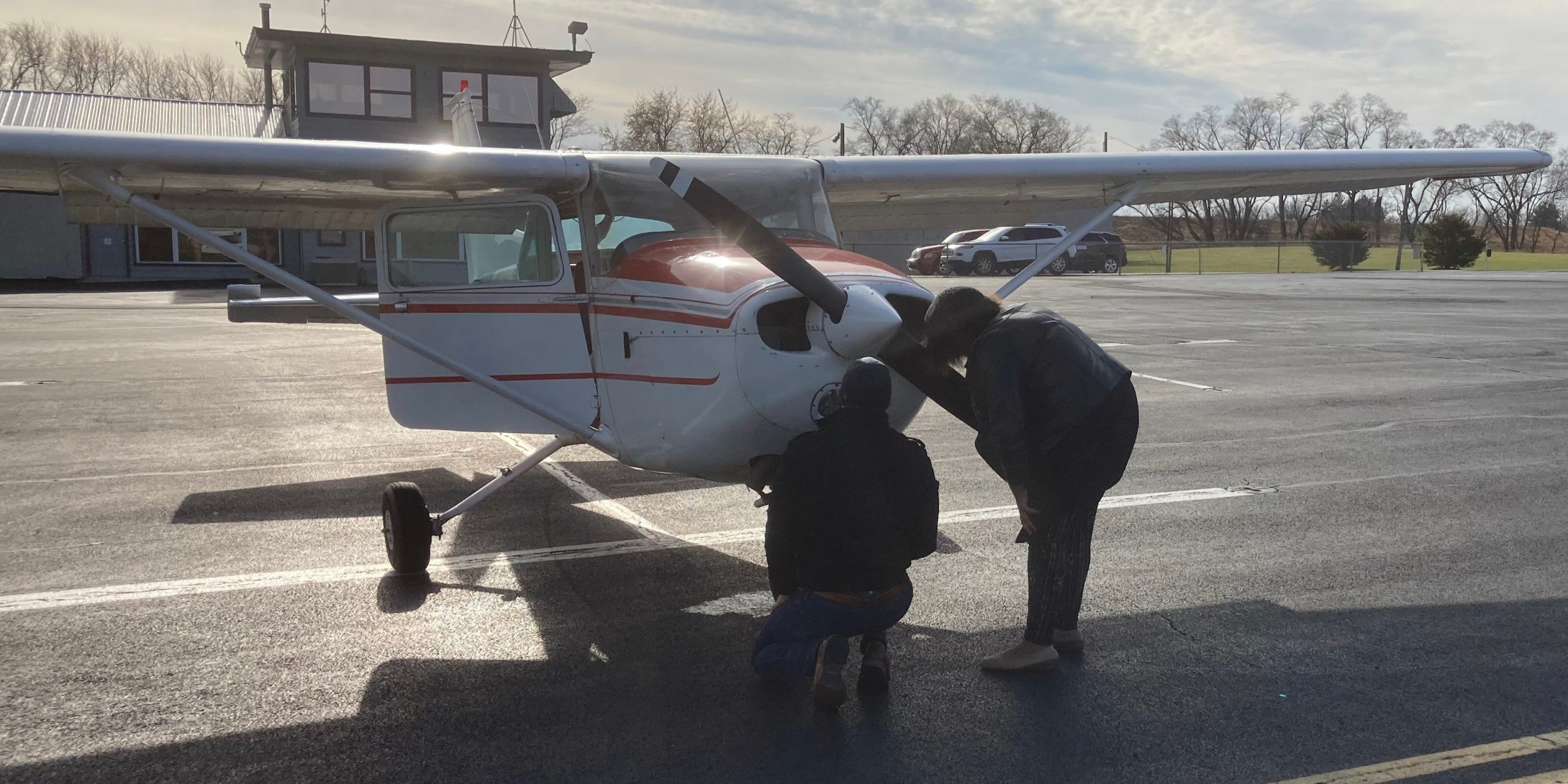
I soon learned that my last hurdle was myself. I was embarrassed and disappointed in myself. I’ve championed aviation for years. I’ve written about the ways excellent pilots have aviated their way out of serious emergencies. I’ve been going to every single EAA AirVenture Oshkosh since 2022, even though I wasn’t even flying. Here I was, a whole four years since I had last flown an aircraft of any kind.
Honestly, I was scared to show my face at Galt again. I had fallen off the bike, so to speak, and I was afraid to get back on.
Getting Back Into The Seat
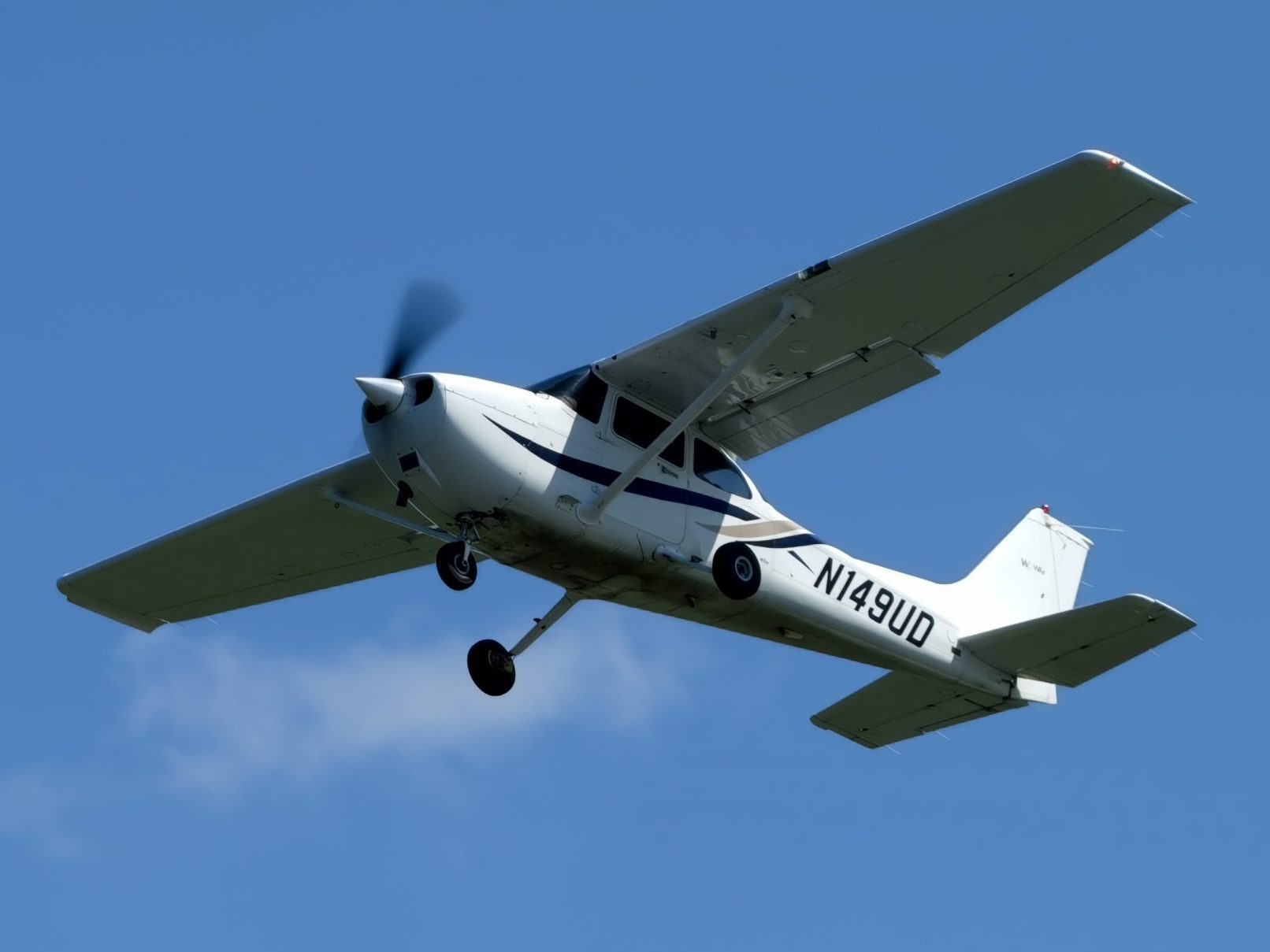
It was going to this year’s AirVenture that finally changed that. I saw so many inspiring pilots at the show and countless beautiful aircraft. One of this year’s AirVenture themes was women in aviation, and I learned that not everyone gets their license immediately. A lot of folks are like me, and life stopped them. Then they returned to the flight deck, took to the skies, and now they’re private pilots or flying for airlines.
I called Galt and scheduled a lesson. I learned that my old instructor had been hired on at SkyWest, so I’d have a new instructor. I told her everything. According to my logbook, it had been four years and exactly one month since I last flew a plane. I told her that I wanted to review some safety items first, like checklists and aircraft checks, and then go on from there. Her idea was to treat the day like a Discovery Flight. Then, she’d see how much rust I had built up over four years and then place me in training based on that. That sounded great to me.
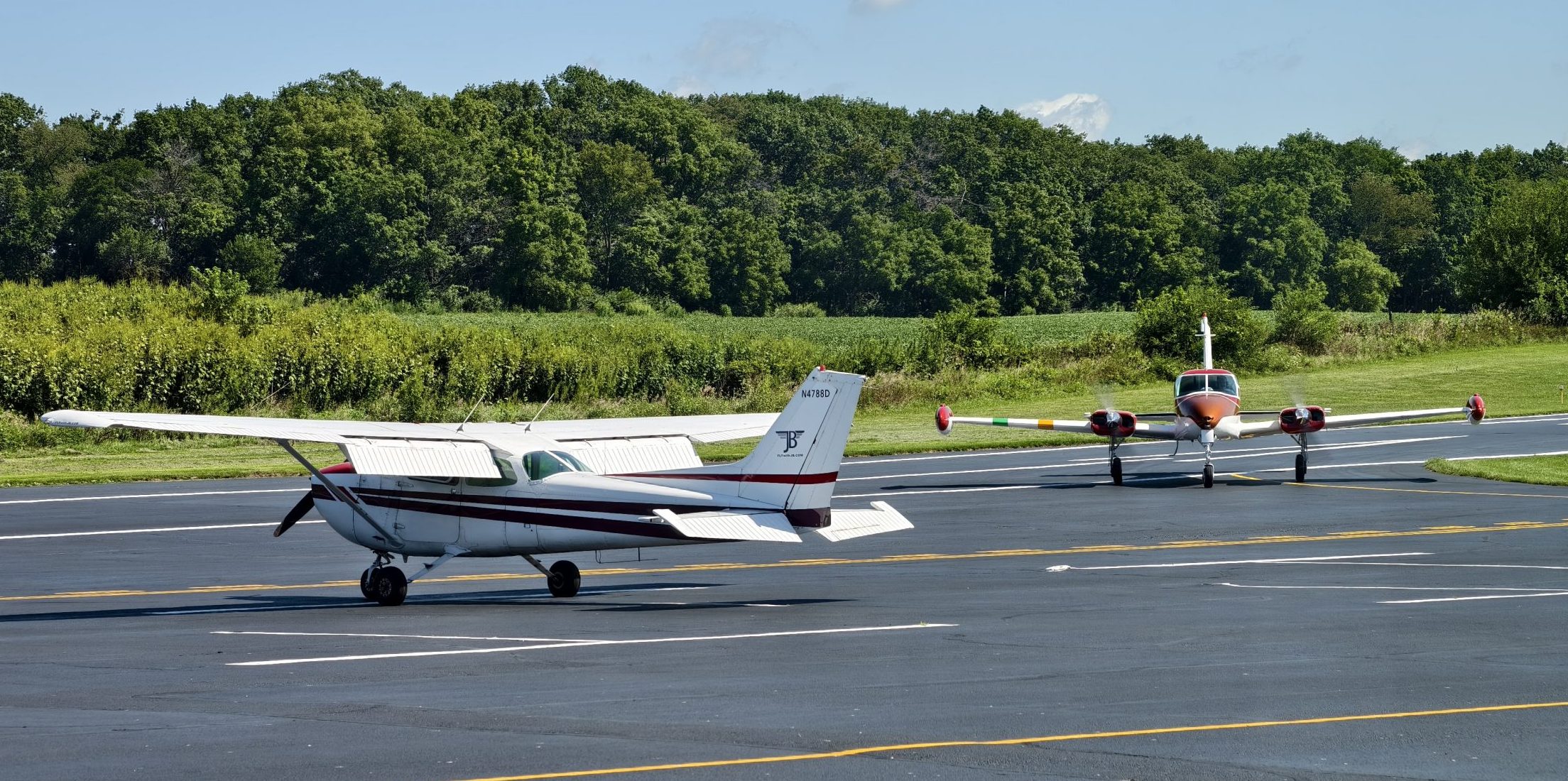
I was nervous for the day. Four years is a long time. So much has happened since then. Shoot, I even stopped flying my home simulator. My flight sim computer indicated that the last time I powered it on was in 2021. That’s how ashamed I was.
Yet, I was shocked by how much it came back to me. I told my CFI that I wanted to take her through the preflight check, and she could stop me if I’m headed the wrong way. I was surprised to learn that I had remembered the whole process and why we did certain things. You want to make sure there aren’t loose rivets or loose bolts, and that the aircraft’s lighting was functional. You want to make sure the fuel is the right color and doesn’t have contaminants. Other checks include the brakes, axles, tires, the function of the pitot heat, and checking for blockages of the static port, stall horn, and other holes. I remembered all of that.
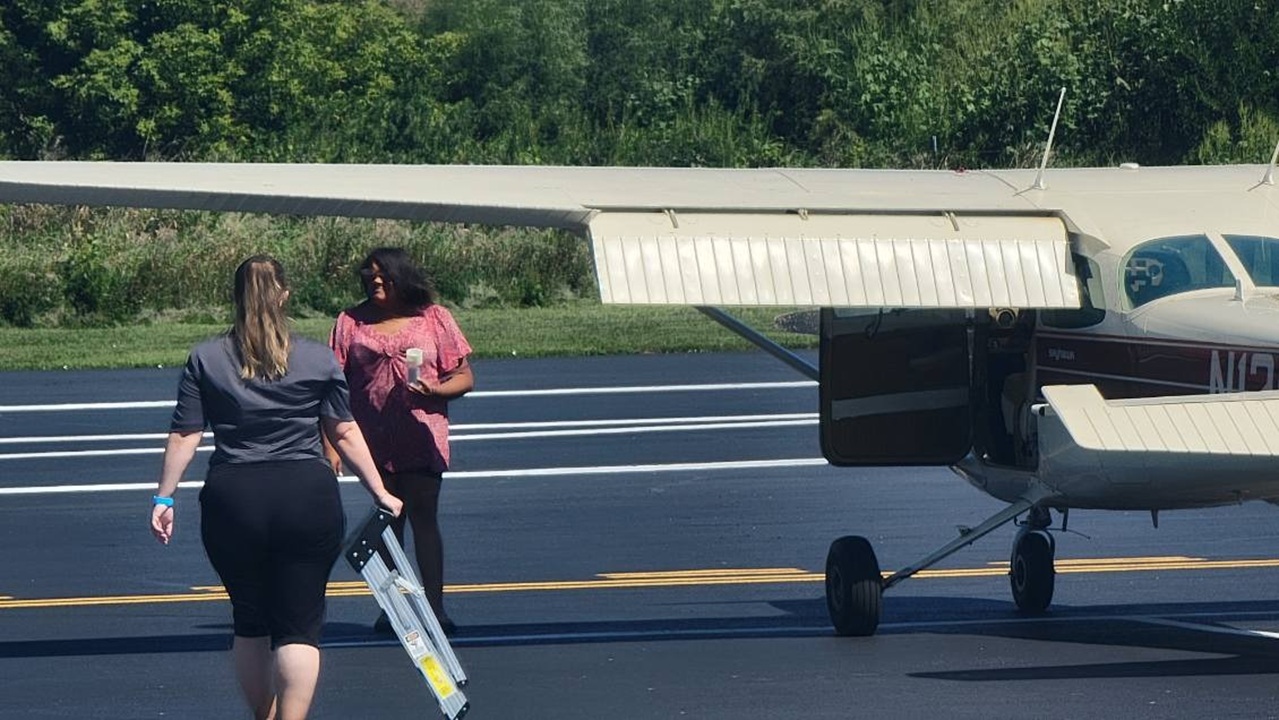
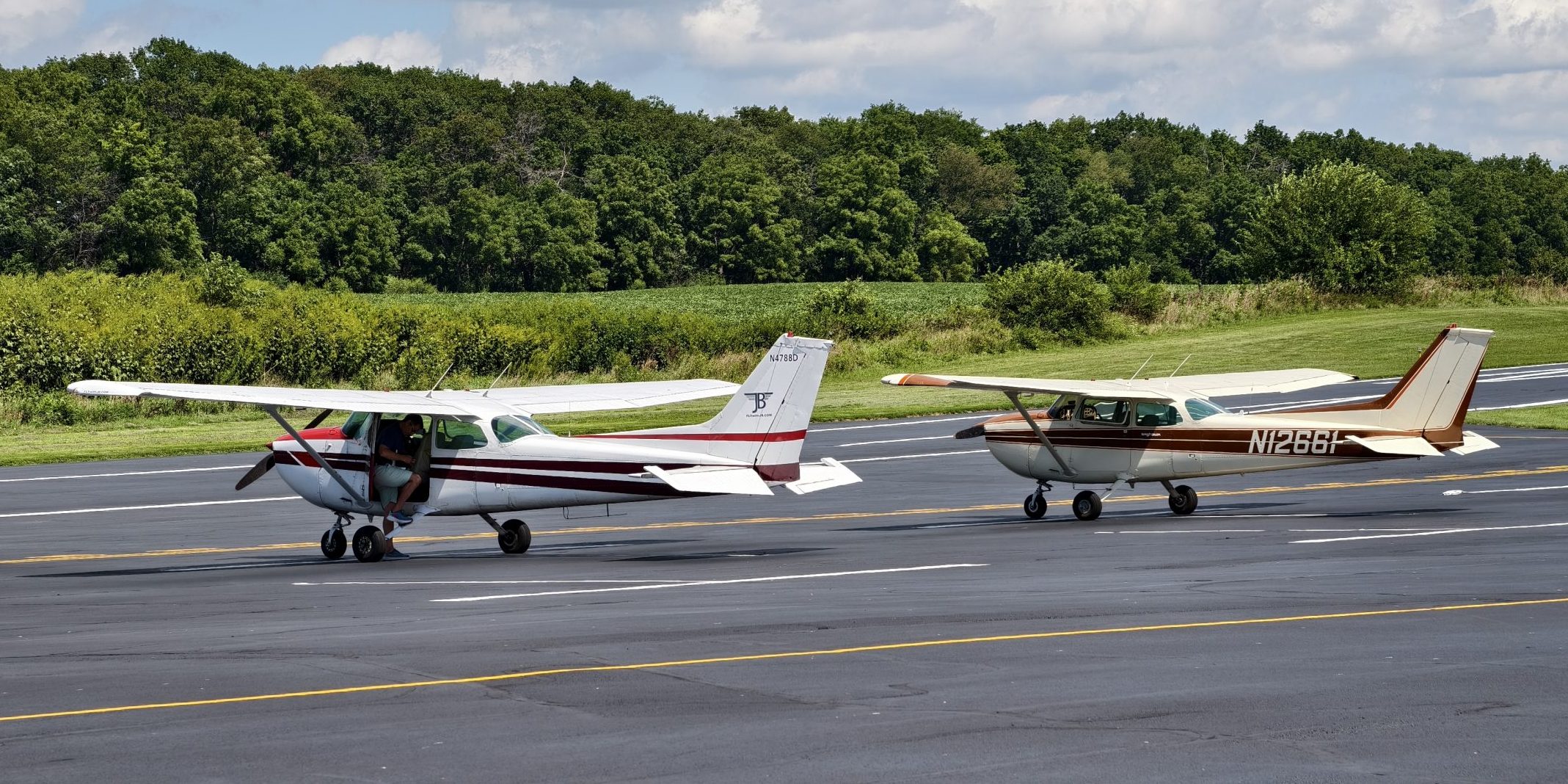
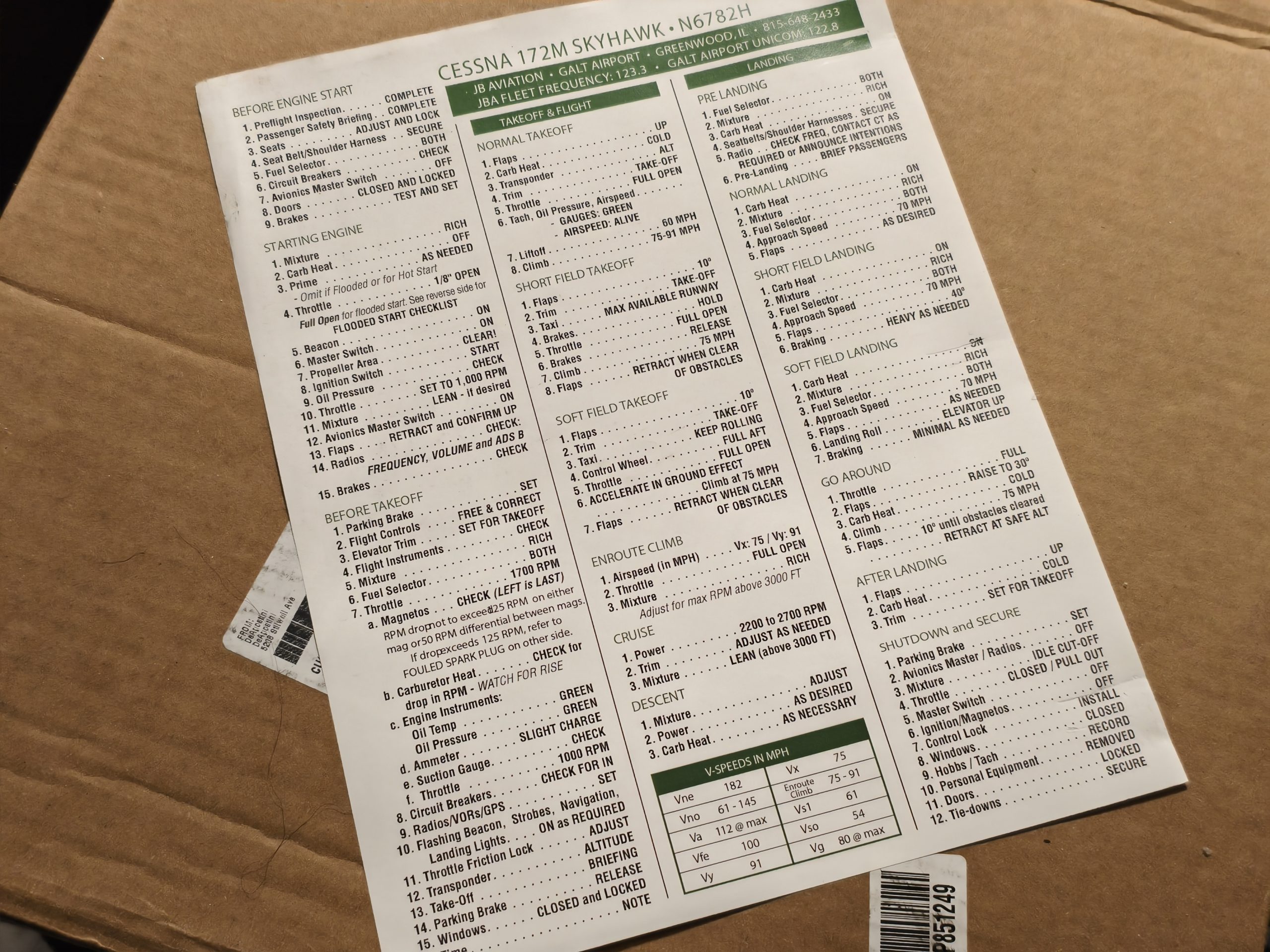
Then, we hopped in, and I remembered most of the preflight checklist and the start-up checklist. This aircraft, N12661, was not my old friend N6782H, but I actually liked this plane better. Its seat sat higher and I liked the brighter interior more.
Once I was strapped in and worked through my checklists, I was surprised to see my new CFI immediately hand the controls over to me. This was no normal Discovery Flight. I taxied the aircraft to the end of Galt’s main taxiway, made a radio call about taking a back taxi down my departure runway, cleared the active, and then ran my final checks.
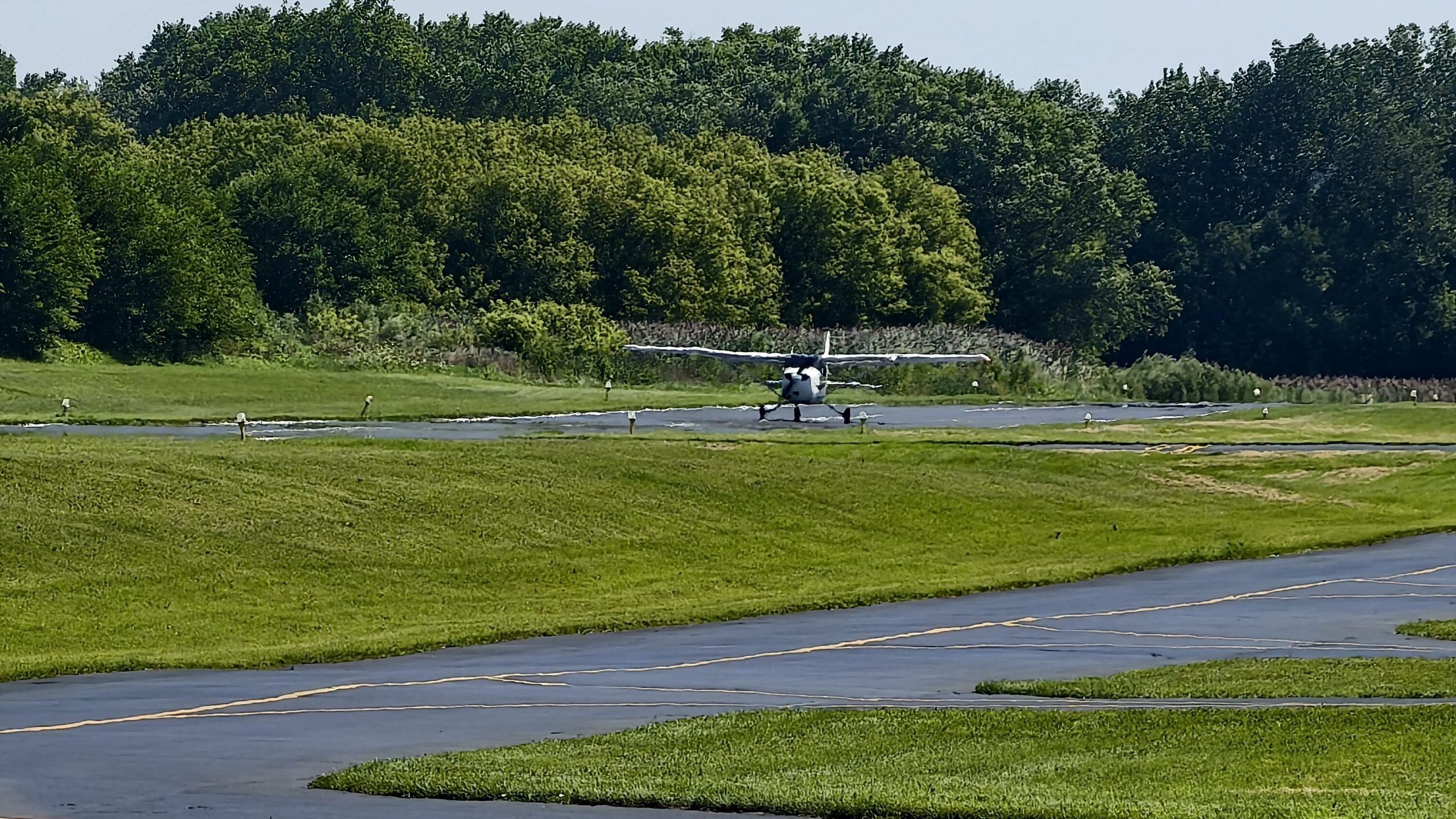
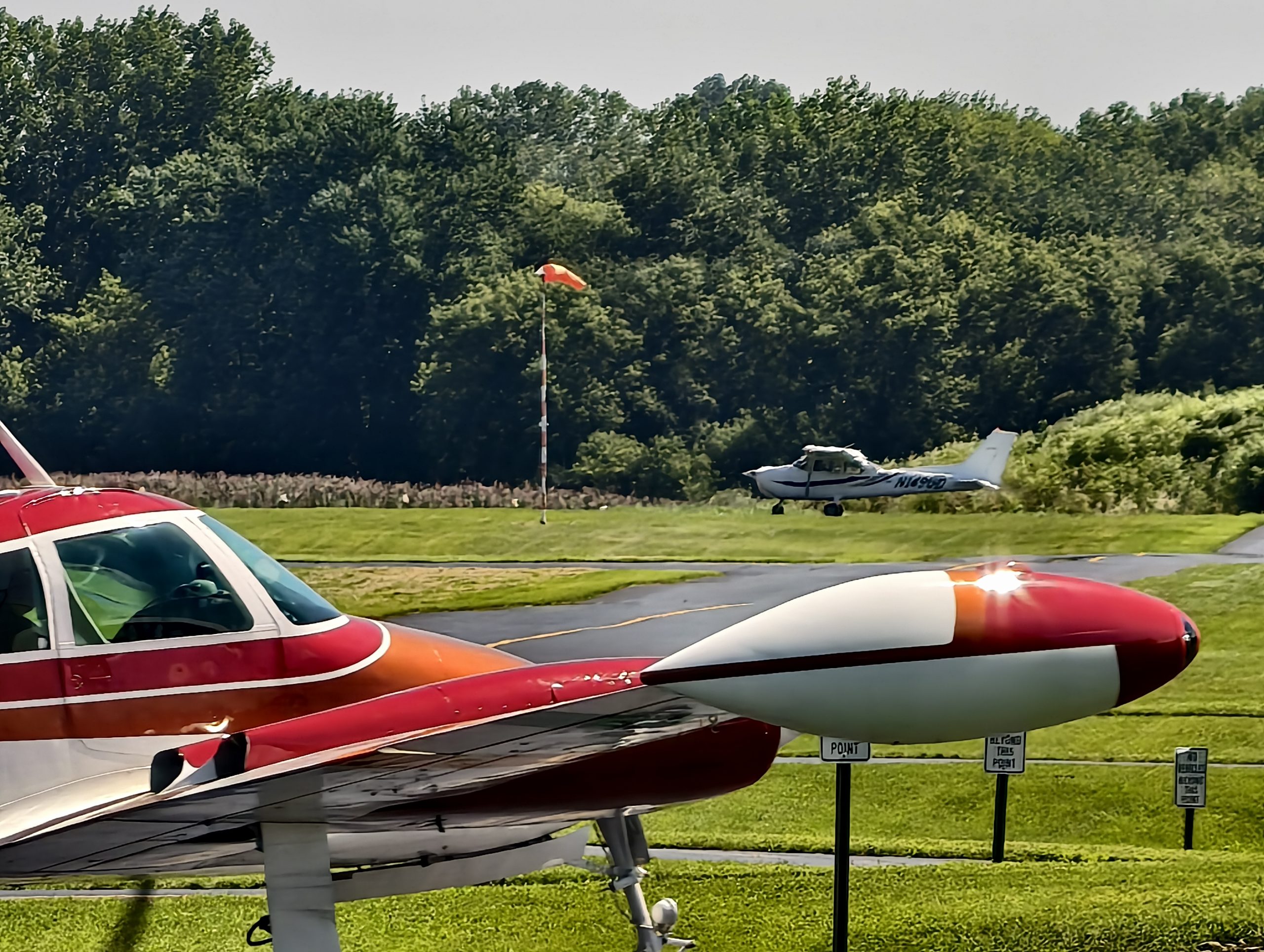
Finally, everything led up to this moment. I made my departure call, turned onto the runway, and looked down the blacktop ahead. Here I was, first time at the controls in over four years, and this CFI had full trust in me to get this thing off of the ground safely. I couldn’t believe it, but I had to because here I was. Anyway, there was no time like the present, so I firewalled the throttle, put some pressure on the right rudder pedal to counteract the aircraft’s left turning tendency, and accelerated down the runway. Before I knew it, I hit my liftoff speed of 60 mph and I pulled back. I was flying once again.
In the air, my CFI had me return to the basics. She first had me climb to an altitude and fly straight and level. Once she found that I hit the mark and stayed there, she had me do sweeping turns. Once I aced those, she had me configure the aircraft for slow flight. I love slow flight. I threw my flaps (high-lift flight surfaces designed to lower stall speed for slow flight) out to full, put in just enough throttle to maintain altitude with minimum speed, and danced that aircraft around the sky. She also had me clean up the aircraft and perform go-arounds and pattern work.
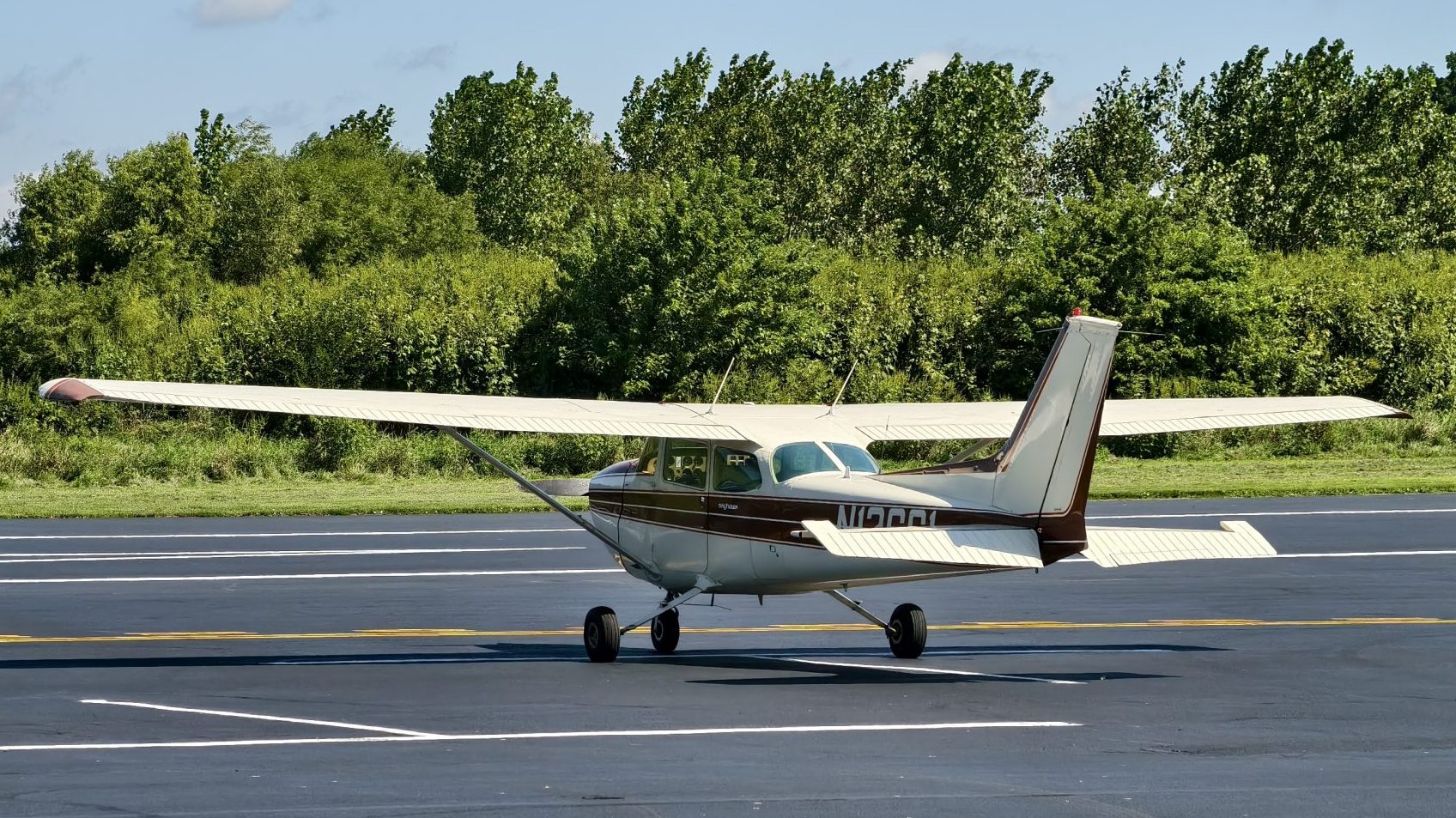
While up there, she said, “You fly like you were last in the seat last week, not four years ago.” But she had to believe it because she saw my dusty logbook.
After a completed mission, she even let me fly a teardrop approach into the traffic pattern. Then, she had me bring the aircraft down. Sadly, by this time, winds had kicked up to a consistent 16 knots with a crosswind gusting to 8 knots or so. I was almost to the runway when a gust kicked up. My final approach became too unstable for my liking, and I decided to do a go-around and try again. My instructor took over and decided that she wanted to take a stab at it. She fought the wind to the ground, and we landed absolutely nowhere near center, but she did get it down. She concluded that, yep, the wind was pretty wicked, and it would have been fair to do a go-around.
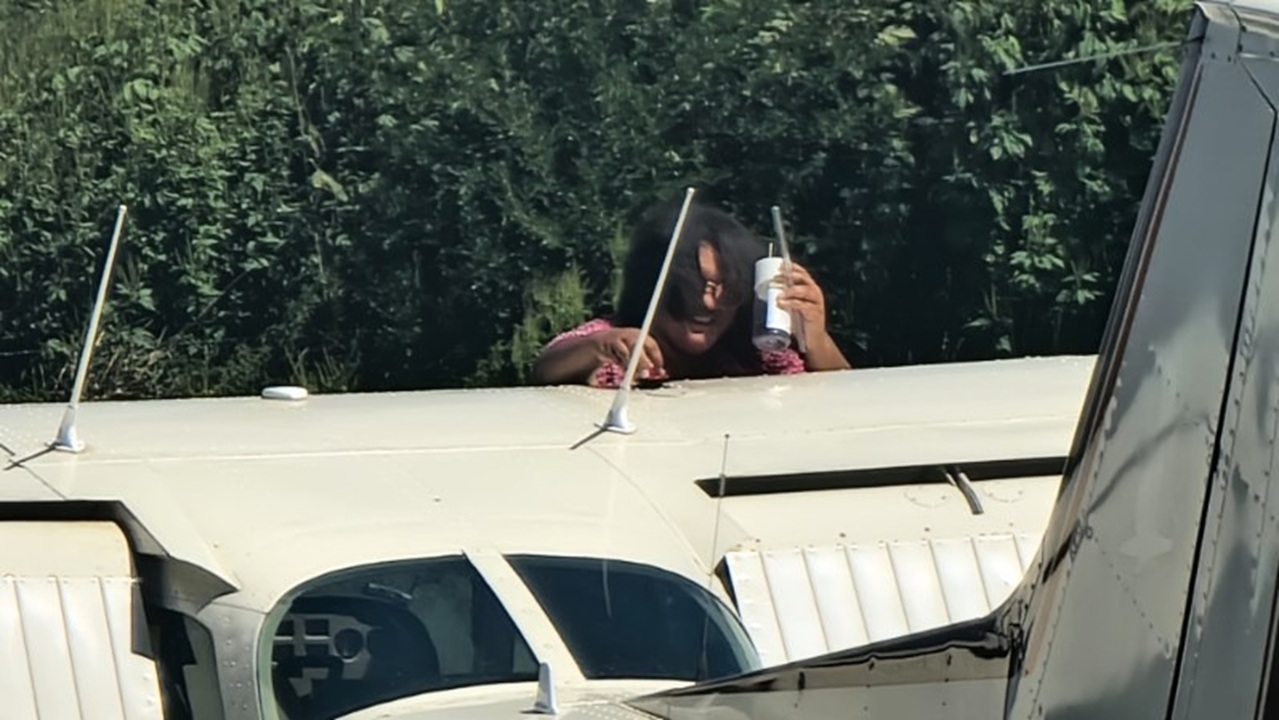
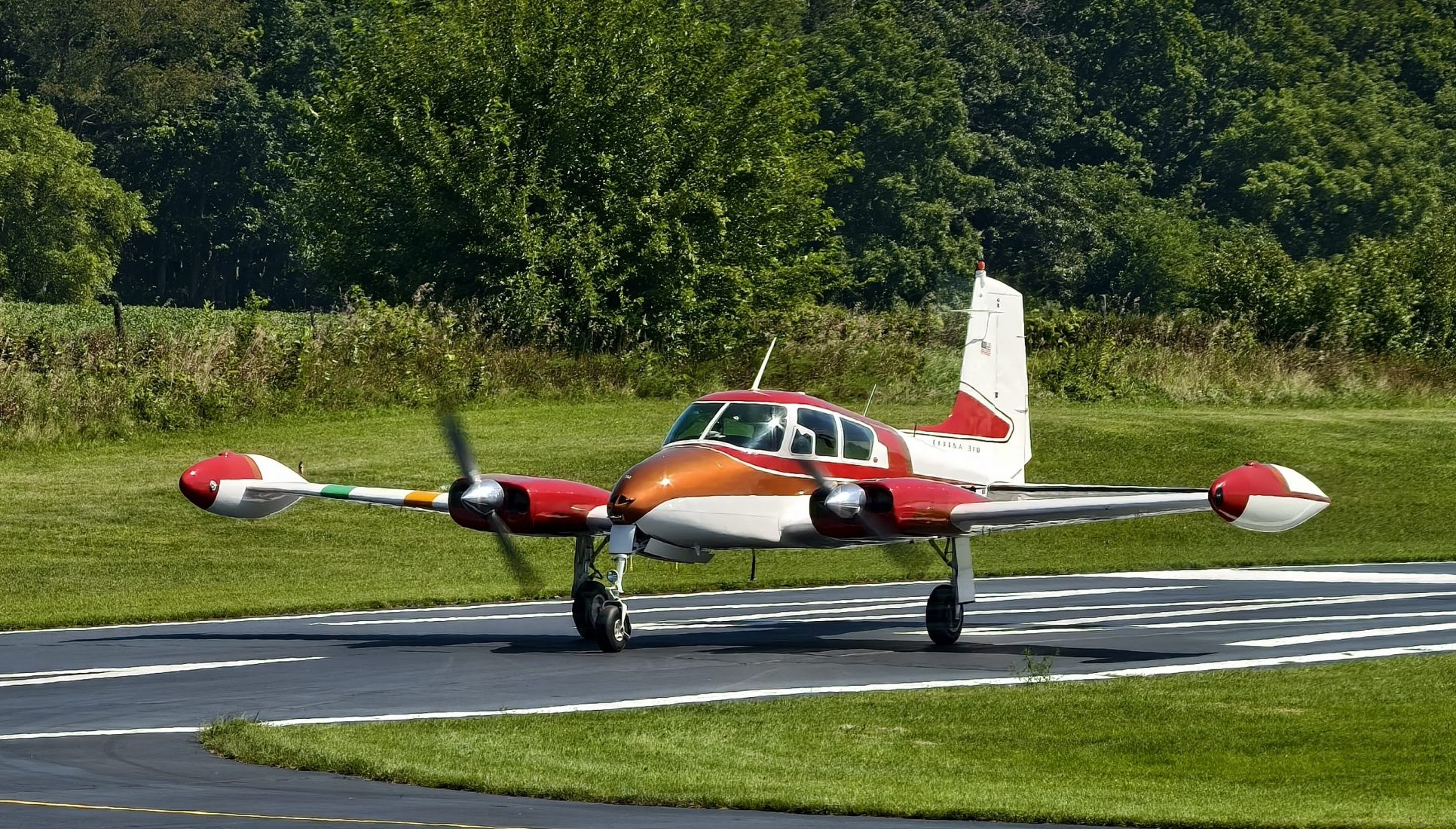
My instructor was apparently so impressed that she repeated that I do not fly like someone who hasn’t been in a plane for years. I took that as a compliment. Once we parked and shut down, her first question was, “When do you want to do your solo?” That one startled me. I told her I’ll do the solo once we’re both confident in where I am. Either way, she’s thinking a timescale of weeks. She’s also starting me not very far from where I left off in my original training. Apparently, I don’t need to start from the beginning, given the level of aircraft control I already have now.
So, I’m stoked. I’m going all the way this time. Nothing will stop me from getting my license. I even made a huge down payment of more than a few thousand dollars to get me started again. Who knows, one day I’ll probably be one of the ones landing “on the dot” at Oshkosh one year. I love the idea of flying and writing about flying (and cars, of course) and finally fulfilling my lifelong dreams.
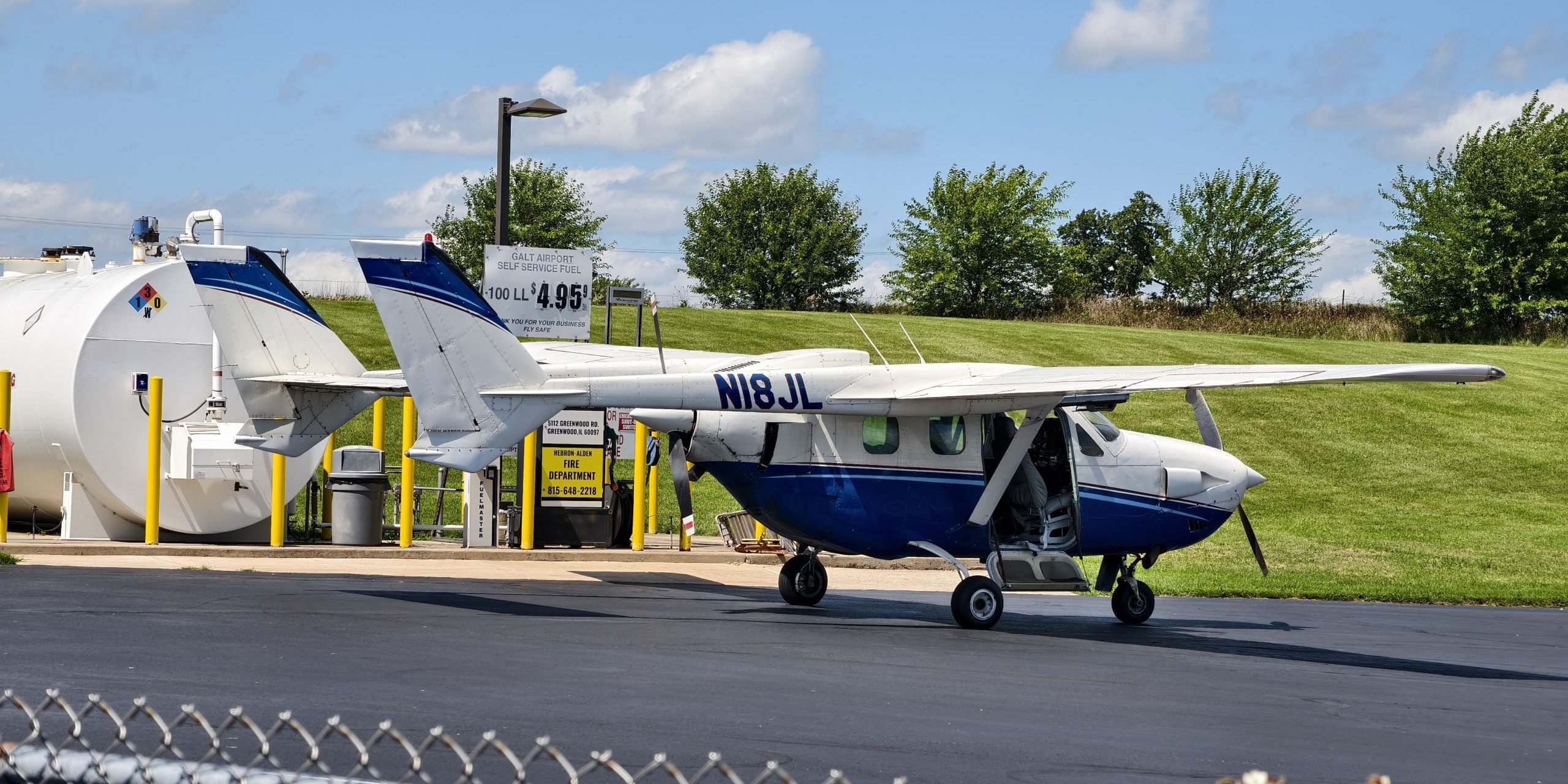
If you’re thinking about getting into flying, all you have to do is look up what your nearest public airport is and see if it has a flight school. If it does, the school probably has a Discovery Flight. Start there. If you like the instructor and the aircraft, I recommend locking yourself in for training. Prices vary by school, region, and other factors, but the JB Aviation Flight School of Galt Airport says that, on average, its students spend about $12,500 getting their private pilot license. That includes aircraft rental and everything. That’s less than what many people spend on cars! That’s right, you don’t have to be walking around with massive piles of money to fly, either. Sure, $12,500 is not “cheap,” but it’s also attainable for so many average people.
If you’re like me and you’ve had to stop following your dream for any reason, don’t be afraid to pick yourself up and try again. Life happens, and things get in the way. Don’t be embarrassed, and you’re almost certainly not alone. Once you get back into your dream, you’ll be thankful that you did it. If that dream is flying, there’s no better time than the present. So, schedule that Discovery Flight and take your dream to the next level.
Top graphic images: Mercedes Steeter


If you work for or are relatives of a company that is building electricl vertical takeoff and landing aircraft, at least one company (the one I work for is out of Santa Cruz CA) offers free gound school training. They recognize that soon there will be a need for pilots when these flying taxis receive FAA certification and are flying passengers around.
The tale made me smile, thanks for sharing some happy.
“That’s how ashamed I was.“
I had a clear dream and a goal once. I was going to fix undergraduate math education, because it plainly sucks and doesn’t serve the students. To do so, I’d need a professorship, and for that I’d need a PhD. I got admitted to a program and promptly went down in flames. A combination of less than perfect preparation, bad advising, a dysfunctional dept, and a system that is designed to reject those looking to rock the boat. I already had my teaching credential, so I tucked tail and went to triple my income by teaching HS (yay grad student exploitation keeping research schools afloat).
That failure was a millstone around my neck for the last 20 years. Despite it objectively not all being my fault, it never ceased to feel like a profound failure. I truly never got over it and struggled with lament and bitterness and shame and all kinds of non-productive emotions.
And it’s not good! Shame, sorrow, sadness, lament, etc over learning and personal improvement shouldn’t *ever* be a thing. I wish I could live the zen philosophy where someone who trains as a monk but leaves is not a failure for not finishing, but has wisdom for the time spent training, more success than those who never tried. I wish everyone could feel that way.
In any case, I start my next attempt on my PhD next week. This time in education. I still have the desire and goal, but my years of experience have shaped it a little differently, and I have other levers to pull in my current position. I am excited and terrified. I share only to say it is always OK, or even amazing, to go back to work on good things. You didn’t quit, you didn’t fail, you just took a break, and the critical part, the part to celebrate is that you’re back trying.
You got this! I earned my PhD in education (Ed.D. we call it out here) and I’m an idiot.
The funny thing is, in general, a K-12 teacher makes more pay and has better retirement than a college professor. The college professor may have less classes to teach, though, and may get to do research. Good luck with your further education – I was the fourth oldest student in my grad school class and, while it was a little weird being older than some of the professors, it was worth it.
Oh I know. I’ve even turned to the dark side (administration) so just about any higher ed faculty position would be a pay cut. None of it has anything to do with economics or logic. It’s just deeply personal.
And many thanks for the good wishes.
Interesting timing. Had to go to Tawas for my annual, while there went by the Iosco Co. airport to check in on the flying club as I had not been there since the ’70’s when I took primary training up to getting my solo. Was absolutely astonished at the low cost of membership and wet time, but no more 150/152 lowest cost flying, a 172 was the lowest tier. Gonna go to the next meeting and re-join, have plans for building an Afford-a-plane as a part 103 Ultralight… 254 pounds looks like a difficult goal, every example seen on the web has a 75lb engine, brakes, a full cowel etc which puts the aircraft well over the limit. Don’t want a spanking from the FAA.
The latest season of The Rehearsal by Nathan Fielder goes into incredible depth on the qualifications and training process for pilots.
I won’t spoil things, and just say it’s got some stuff that left me almost breathless from laughing. Nothing that will stop me from flying, in case anyone is wondering.
What discouraged me was that even after coming up with the money for lessons, flight is expensive. Fuel and aircraft rental is just the start, and owning one is even worse.
I’m glad it’s achievable for you, but the ongoing costs were just too much. I’m looking to ultralights, specifically paramotors, though I live in an area with a lot of controlled airspace.
Renting after you get your license is equivalent to other expensive hobbies, along the lines of dirt bikes, skiing, golf, etc. Owning in a partnership/club is also a cost effective option to solo ownership.
The general rule is that unless you’re flying ~150 hours a year, renting is the cheaper option.
Back in the late 90s and early Aughts, I had a 1/4 share of $15,000 Cessna 150. No hanger fees; tiedown, insurance and maintenance were split four ways and an hourly contribution towards the engine overhaul that will inevitably be needed. It was about as cheap of way to fly as possible.
I sold my share a couple of years after 9/11.
I would have thought a $15,000 Cessna wouldn’t be airworthy. That’s surprisingly cheap.
Mechanically it was sound. The avionics were pretty obsolete. It was fine for putting around in less restrictive airspace and up to the San Juan Islands for a burger with my kid on a sunny day.
Back when I was in HS (80s), one of my coworkers was attending the local university to become a commercial pilot. You were more than welcome to contribute to his ‘airline’ and ride with him accumulating flight hours doing touch and go’s to very small regional airports in a Cessna. Prices were much more reasonable back in the day.
Come to think about it, I’m kinda surprised my Mom didn’t have issue with me doing this! She’d never met the guy.
Congrats on getting back in the cockpit.
One correction, the engine is direct drive. The prop is bolted right to the end of the crankshaft, no belts involved.
For anyone else thinking about getting your pilot license, fly as often as you can and find an instructor with grey hair. They’re less likely to disappear to the airlines halfway through your training.
Thank you for pointing that out! The belt was supposed to be noted in a different sentence entirely and not at all mentioned where it was, so I’m not sure how I screwed that up. A “direct belt drive” is sort of an oxymoron. The belt is for the alternator. I have sent out a fix!
Galt is not far from me, in fact a couple friends that both fly recommended it as a great place to earn a license.
I did my Introductory to Flight out of Chicago Executive (nee Palwaukee), a gift from my wife after I told her I wanted to fulfill my childhood dream of getting my license by the time I was 50. We flew to Lake Geneva, the instructor landed, had lunch and flew back. I was shocked when the instructor let me land it! I was pretty stoked and ready to continue.
Then our daughter was born.
I did do another flight, same school, again a gift from my wife, but we both knew priorities were different now. Like you said $12,500 maybe isn’t a lot in the grand scheme of things but the grand scheme of things never seems to let up. And as we discussed earlier, kids aren’t cheap either.
I’m 55 now, and every time I hear a plane overhead I look up and think, nice day for a fly. My daughter’s nearly 12 now so who knows. Galt isn’t far after all.
Beyond cars, I love kayaks, canoes, small sailboats. I’m always on the lookout for Hobie Cats on Marketplace but I don’t have anywhere to store one…
It’s been years since I’ve flown a little airplane. I would love to do it again. Even in the right seat as a CFI.
And there is no experience in the world like flying in to OSH during Airventure. Even if you only get to do it once, do it. Just be sure to read the NOTAM thoroughly first!
And there is never, ever any shame in going around. If you don’t like the way it looks on final, shove the throttle in, clean up the aircraft, and take it around.
Aviation safety happens with every decision you make. Be sure to make the right ones, and fly safe!
True on Oshkosh NOTAM. I look forward to the article sharing the insanity.
“Red white citabria, follow grey blue ez”
Cool article. I have been meaning to do a discovery flight at some point, but I never seem to get around to it. Flying looks fun. I think I would have trouble getting a medical certificate due to vision problems, but I would like to at least try a few lessons just for the experience.
All I need to do is (all of this) and get over my fear of flying.*
*- installed as a teenager in 1983 on a commercial flight from Atlanta to Cincinnati. A take off that started with a loud BANG and plane shaking side to side, a return to the runway with fire trucks on either side the whole length, and being towed back to the terminal in the complete dark.
A minor delay turned into hours of delay for replacing various parts, we got home like 3am vs 9pm. I’ve hated flying ever since.
Flying has a high cost of admission, but once you get your license it is similar to other power sports, such as boating, UTVs, or driving sports cars. Rental costs are often priced as wet so that means gas and oil included. I pay $105/hr, but that is based on the hour meter so if I fly to a remote island for a weekend, I may only pay for 4 hours of rental time ($420) which isn’t too bad. As a pilot that just does it for fun, I have Some tips to minimize cost of obtaining your PPL.
If you can, do the ground school and prepare for the written test yourself. I self-studied that material and passed my written exam before flying at all. Then I just had to lean the practical part instead of trying to do both at once.
Fly as often as possible and get it done quickly. I had my license 10 weeks after my first flight. Many people (apparently not Mercedes) backslide with once a week or less frequent lessons. I did 6-7 days a week during my training.
Find a flying club as they are often cheaper than a flight school and then you stay a member and fly those planes after you get your license.
The $12,500 cost- is that for recreational pilot license? What about the Sport pilot license for LSA planes? Is that cheaper?
That price is for a private pilot license. A sport license is generally cheaper and has fewer requirements, but is also more limiting.
Wonderful. I had been wondering where you were on the journey. I’m in the “life is in the way” phase. Haven’t flown in years. Gotta change that.
Many colleges and universities have flying clubs, it can be a somewhat less expensive way to get started and they sometimes also allow alums and community folks as members. My parents did that back when I was a wee tot, they flew what I’m told was a 2 seater Piper Cub with myself and my infant sister stowed in the back luggage area.
Congrats Mercedes on restarting this dream!
Amazing article. My hope is to one day even just try a discovery flight. Once the time and funds become available of course.
I took many hours of lessons, until my instructor died in a plane crash. That kind of scared me off of it. I still miss it, though.
If at first you don’t succeed, fly, fly again.
I have to go out to the middle of nowhere to play with my stupid loud cars and bikes, GA pilots should have to do the same. I’m cancelling my membership, I cannot support a site that promotes this filthy nuisance of a hobby. I’m sure I’ll be missed.
Welp, that’s a new one on me.
I can’t tell if this is trolling or serious.
Same… maybe a weird joke?
I live about two miles from a fairly busy small airport – the noise is not really a problem, and I kinda like looking up the plane details when they fly nearby. For the most part the bigger planes at 3,000 or 4,000 ft high, getting ready to land at the big international airport 20 miles away, are worse. A bigger issue is the low-lead aviation gas the piston planes use, but that is in the process of getting phased out.
Also, there are lots of ‘scholarships’ available to help reduce the costs. especially for women learning to fly.
Cancer sucks. G*d Bless.
Congratulations! I’m sure you’ll get that solo in before long and I can’t wait to read all about it.
Good work! Congrats on re-starting your goal.
Great article! To see you overcome the inertia that builds up in daily life to chase your dream is inspiring! Excellent work!