


One of the scariest situations a pilot can face is when their aircraft fails in an unexpected manner in midair. In situations involving loss of thrust, directional control, or even the landing gear, taking the right steps is critical to increasing the possibility of a positive result. Two decades ago, a sixth grader did the incredible by finding a creative way to warn a pilot about their plane’s wheel coming off, possibly saving the pilot’s life in the process.
This story happened back in 2002, but a few days ago, People magazine republished a short version of its original reporting on this story. I had to know more about this unlikely hero, so I went on my own deep dive and uncovered the full details.


Spacer
The Incident
The loss of a landing gear wheel is a serious issue for an aircraft. Aside from causing serious damage to the aircraft upon landing, touching down with a missing wheel could lead to a ground loop (uncontrolled, uncommanded rotation), a fire, or worse, as the aircraft’s engines, wings, or other parts grind into the runway. The pilots of an airliner will abort a takeoff or divert a flight if even one of their aircraft’s many wheels comes off. But what happens if a plane loses a wheel and the pilot has no idea what is going on?
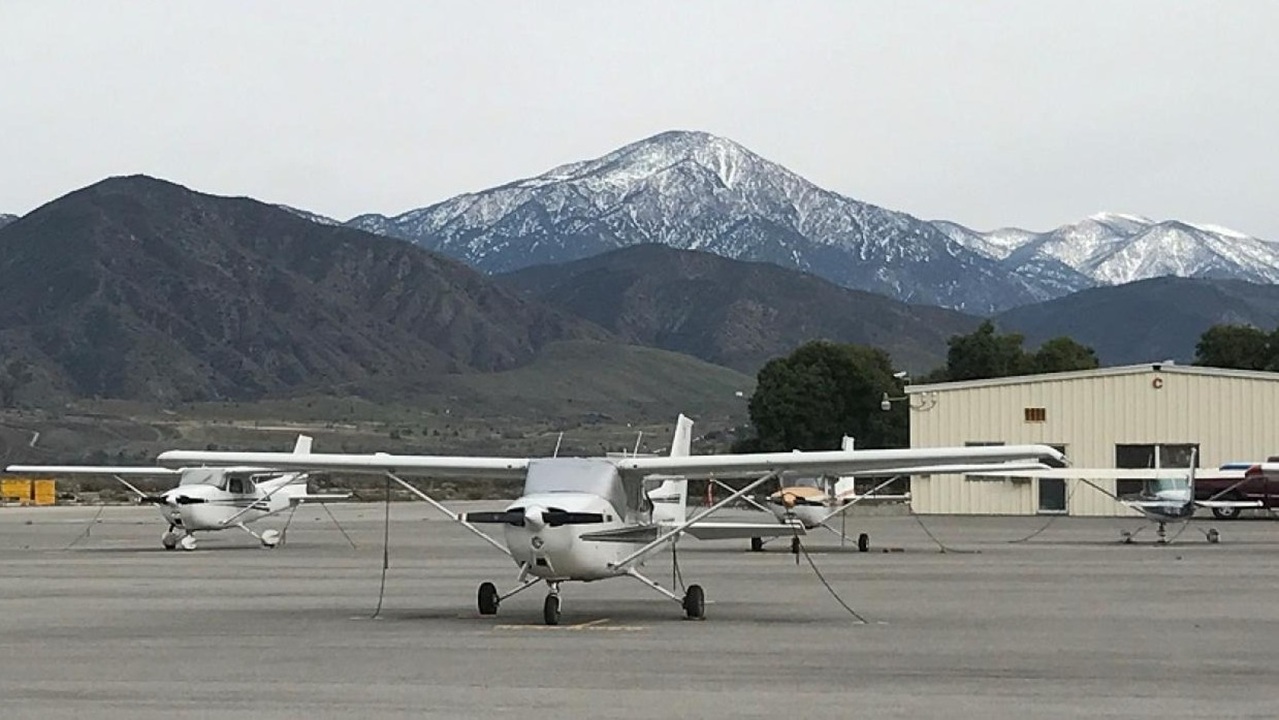
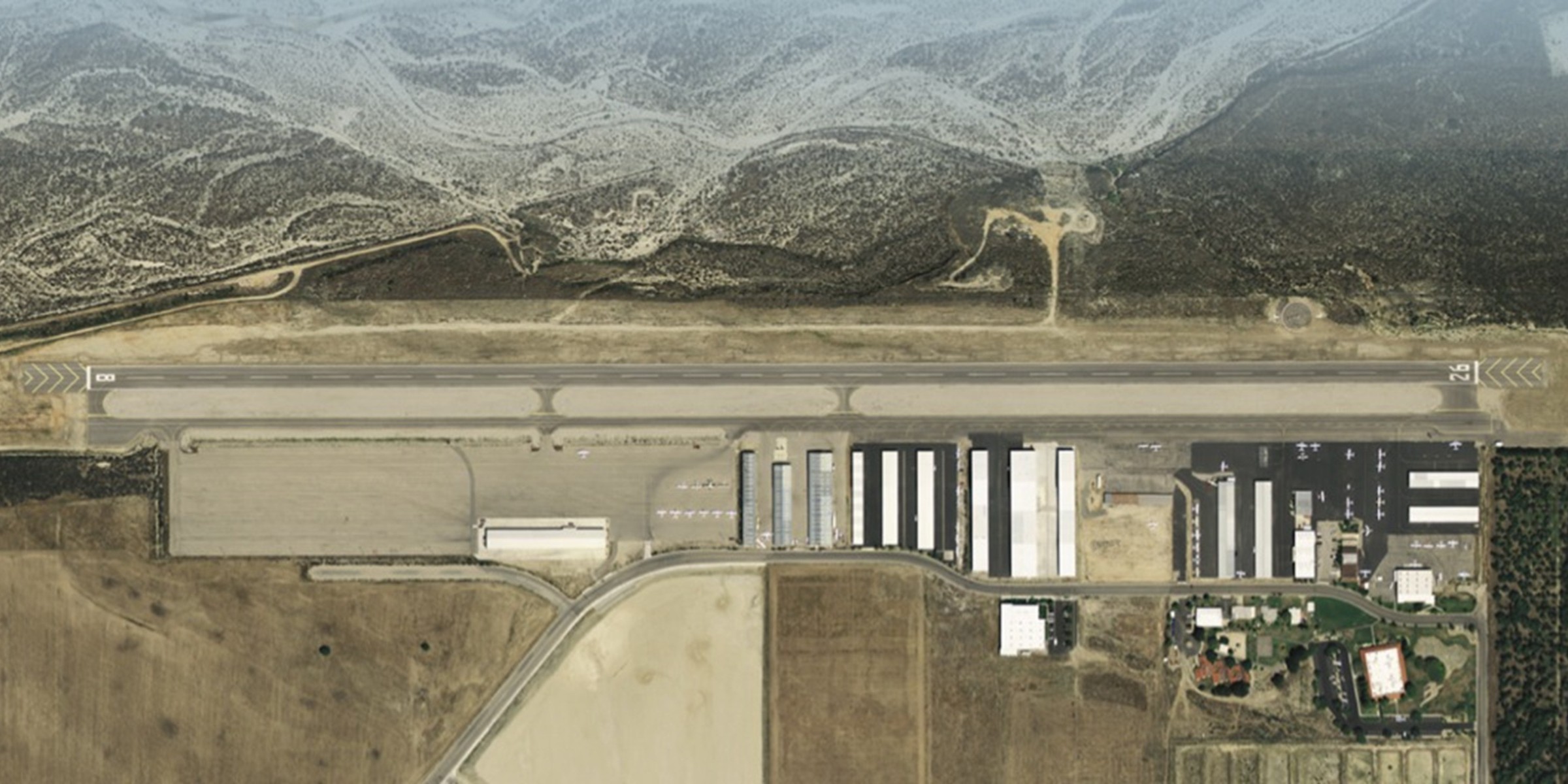
According to the San Bernardino Sun, Sunday, November 3, 2002, started off like any other weekend day for tween Dustin Baker. That morning, he arrived at the Redlands Municipal Airport to volunteer to help out. Most 12-year-olds wouldn’t spend their days at a small airport, but Dustin adored planes and loved spending his time around them.
At some point in the day, electrician Randy Lehfeldt arrived at the airport to take an unnamed blue ultralight aircraft for a flight. Dustin met Randy before the flight, and the two went on with their days as normal.
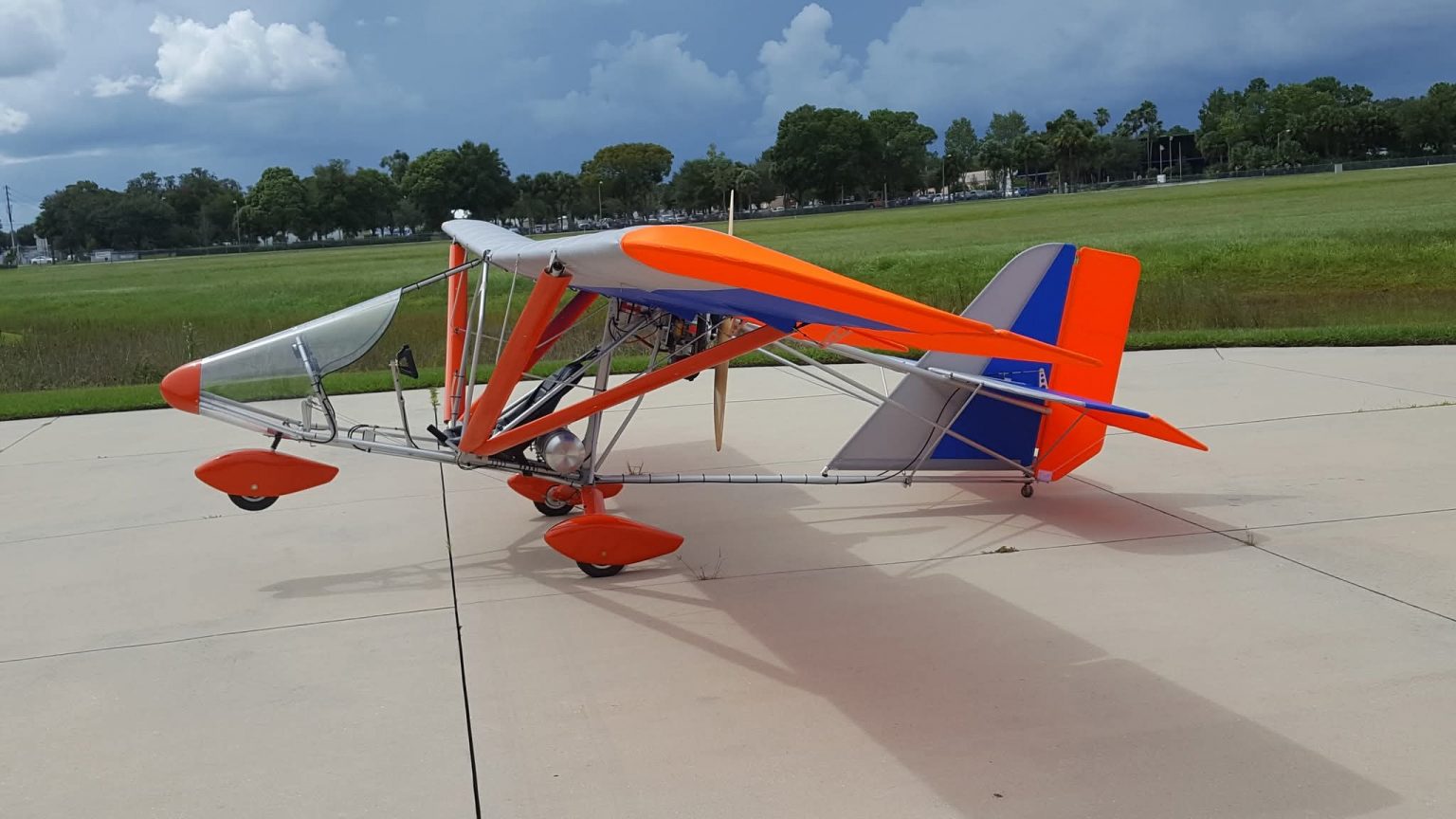
Everything changed when Randy lifted off the ground. His ultralight had three wheels arranged in a tricycle configuration (wherein the fuselage is supported by a nose wheel and two main wheels), and on takeoff, Randy lost one of the main wheels. A man on the ground at the airport notified Dustin that the ultralight that had just taken off no longer had a wheel. The news never reported what model of ultralight it was, but that doesn’t matter much, as many ultralights are largely similar. Legally, powered ultralights cannot weigh more than 254 pounds, fly faster than 55 knots, or have a power-off stall speed greater than 24 knots. Many of these planes look like flying scaffolding. Some are more enclosed designs, but are still absurdly light.
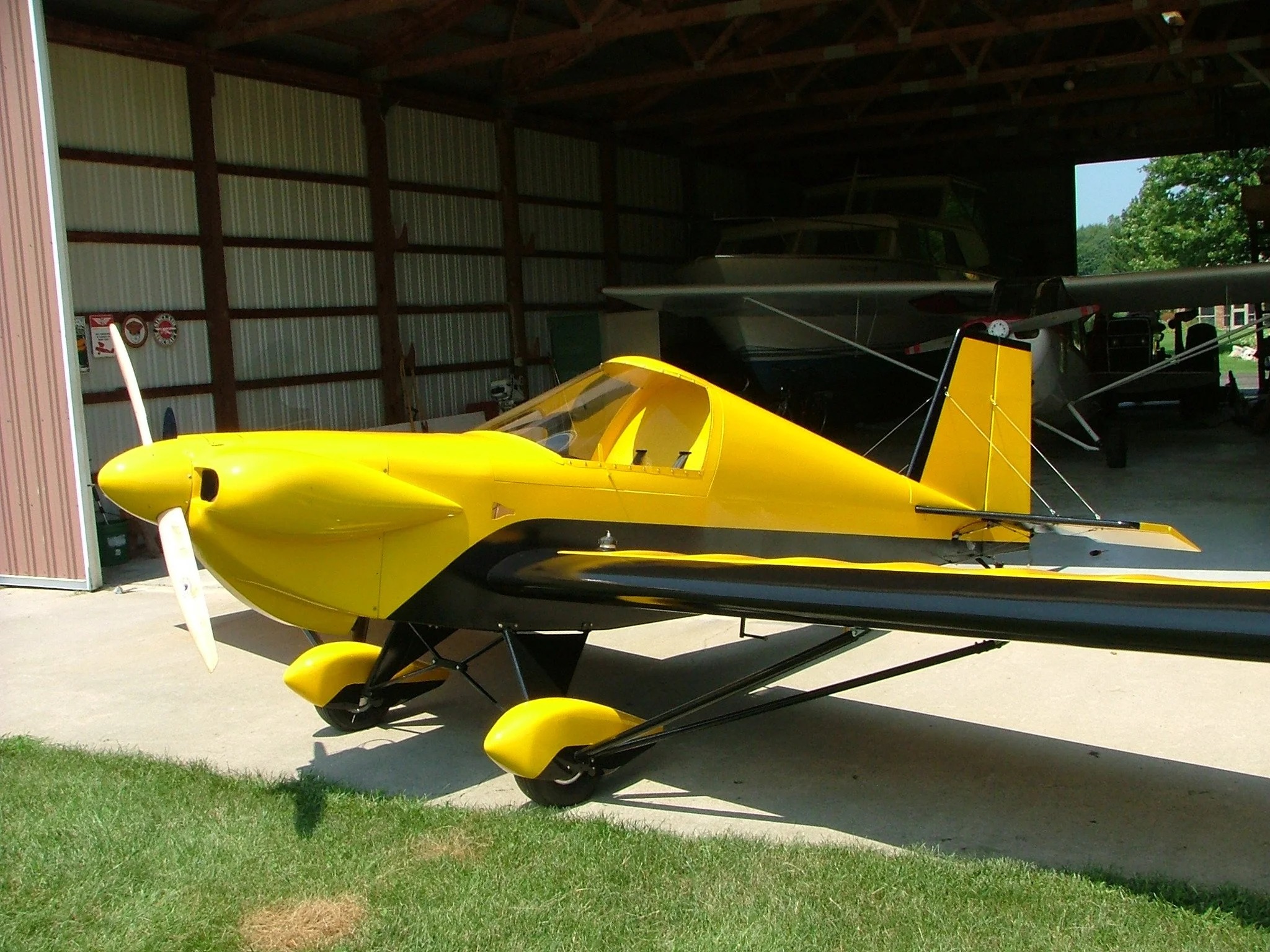
There was a problem, as it appeared that Randy had no idea that he had just lost a landing gear wheel. If Randy had attempted to land the aircraft normally, it was likely that the wheel-less landing gear would slam into the ground and send the aircraft into a potentially deadly spin.
Normally, someone at the airport would get on the radio and warn the pilot, and then everyone starts preparing for the emergency landing. But the unfortunate twist is that the aircraft didn’t have a radio, and because it was an ultralight, it didn’t even have an N-number registration, either. There was no way to identify who was flying the plane or talk to them directly.
This is where some folks would feel helpless, but Dustin wasn’t willing to give up. As the San Bernardino Sun reported, Dustin ran over to the Aero Tech Academy building at the airport and notified staffer Char Armstrong. Together, People magazine reported in December 2002, Dustin and Char drew “LANDING GEAR OFF” onto a sheet of construction paper and ran it outside. The wind knocked it over, and they also tried waving it, but Randy never saw it.
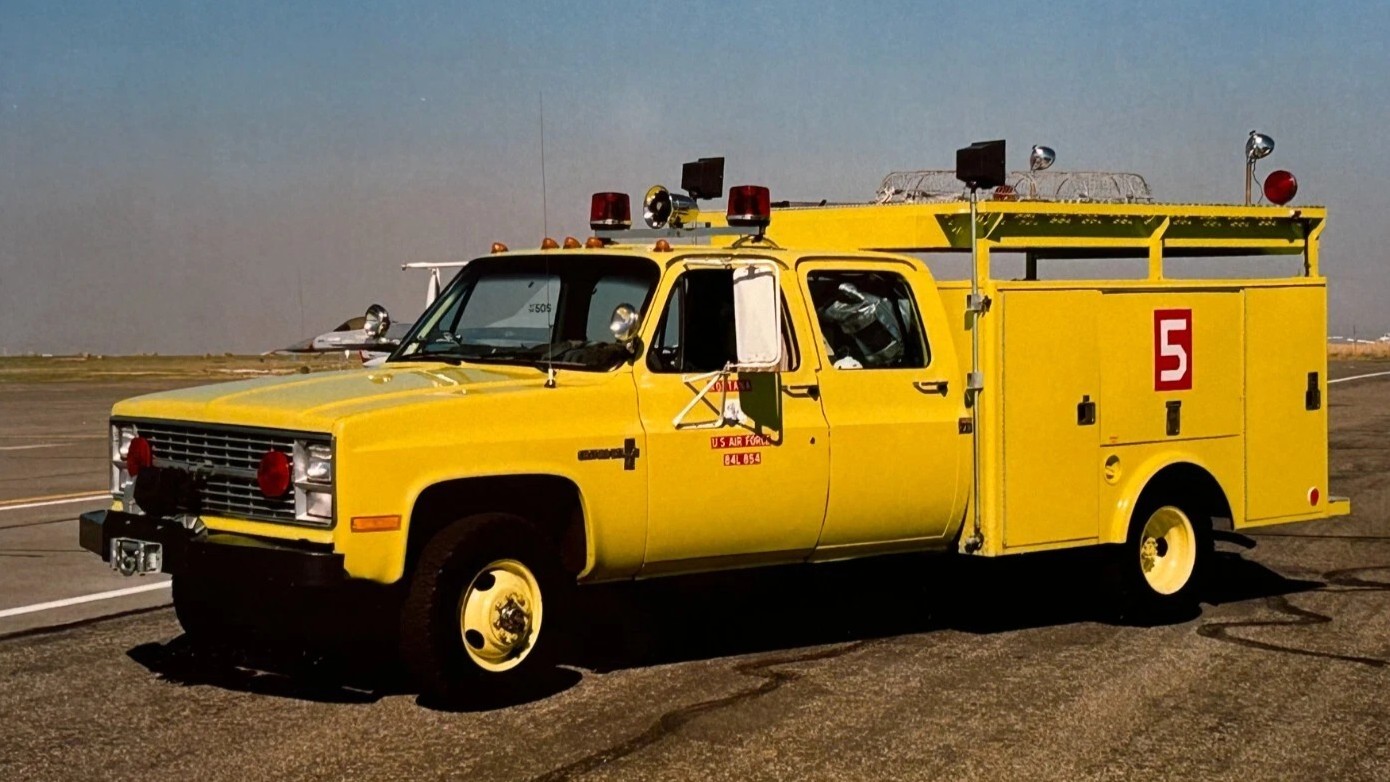
Dustin still wasn’t willing to give up, and instead shifted to even more direct action. He told Char to call emergency services before grabbing the wheel and hopping into a yellow 1972 GMC airport emergency truck equipped with sirens, lights, and fire extinguishers. Char dialed 911 and then joined him in the truck. Dustin’s only driving experience was playing in the desert with his dad. Reportedly, Dustin didn’t even stop to think about how he, a 12-year-old, shouldn’t be driving, and just punched the gas.
The Landing
Once Dustin reached the runway, he stopped and flipped on the truck’s emergency lights before hopping on the radio and telling other traffic in the area to avoid the airport. Thankfully, Randy didn’t venture far from the area, and within 15 to 20 minutes, he flew within view of the emergency truck. Dustin found a clever way to deliver the missing-wheel message to Randy: he climbed on top of the truck and held Randy’s eathbound wheel up for him to see so Randy could do the math. Reportedly, Randy was so shocked that he covered his eyes at the sight of his wheel being on in Dustin’s hand and not on the plane.
From here, getting the plane on the ground was all on Randy. Pilots train to handle emergencies like these. In my own training, I have practiced several different ways to reach terra firma safely after an engine failure, and how to manage the aircraft’s energy for specific situations. There is a saying that “takeoffs are optional, but landings are mandatory,” and it is true. Randy had no choice but to get that aircraft on the ground.
A typical way to deal with an aircraft part failure like this involves several steps. Depending on the situation, the aircraft, and fuel load, the pilot may decide to dump or burn fuel before attempting the landing. Burning or dumping fuel lightens the aircraft. On touchdown, this can reduce the stress on remaining landing gear components and what’s left of the gear that lost its wheel. The lighter load can also permit a slower landing speed. This isn’t really a problem in an ultralight, which carries only five gallons of fuel to begin with.
During landing, the pilot may try to make the vertical impact speed as minimal as possible. Then, the pilot will touch the aircraft down onto the intact gear and use the ailerons to keep the damaged gear off the ground while the aircraft bleeds off speed. If the damaged gear is a nosewheel, the pilot may hold the nose up for as long as physically possible to keep the damaged gear in the sky.
Once the whole aircraft is on the ground, the next task is getting the mess stopped without causing serious injuries. The pilot will use the aircraft’s brakes and rudder to keep it on the runway as much as possible. While ultralights require no formal training or licensing, Randy apparently figured out how to handle this situation. He made three passes of the runway before giving a landing a go. He brought the aircraft in slowly and then gently put the damaged portion on the ground. The ultralight did a ground loop, but everything happened slowly enough that Randy walked away with only bruises.
By the time firefighters and police arrived, Dustin already had everything under control. Now, you’d think that, because Dustin borrowed an emergency truck and drove it without a license of any kind, he’d be in trouble. Instead, the police didn’t care and called Dustin a hero. He likely saved Randy’s life, and all before firefighters and police even got there.
Unsurprisingly, Dustin’s parents, Lita and Steve, were also immensely proud of their son. Amusingly, Lita told the press that Dustin recently asked airport officials about how to handle emergencies, and he was told to take charge of the situation. It was unclear if they were being literal, but Dustin certainly followed the advice to the letter.
Dustin’s story would be shared in the aforementioned publications, as well as in the book At The Edge: Daring Acts In Desperate Times by Larry Verstraete. Sadly, because of how the modern Internet works, you cannot find this story unless you look pretty hard for it.
Lessons
Throughout history, plenty of aircraft of all sizes have lost tires in different scenarios, and the vast majority of the time, their pilots got their planes down safely.
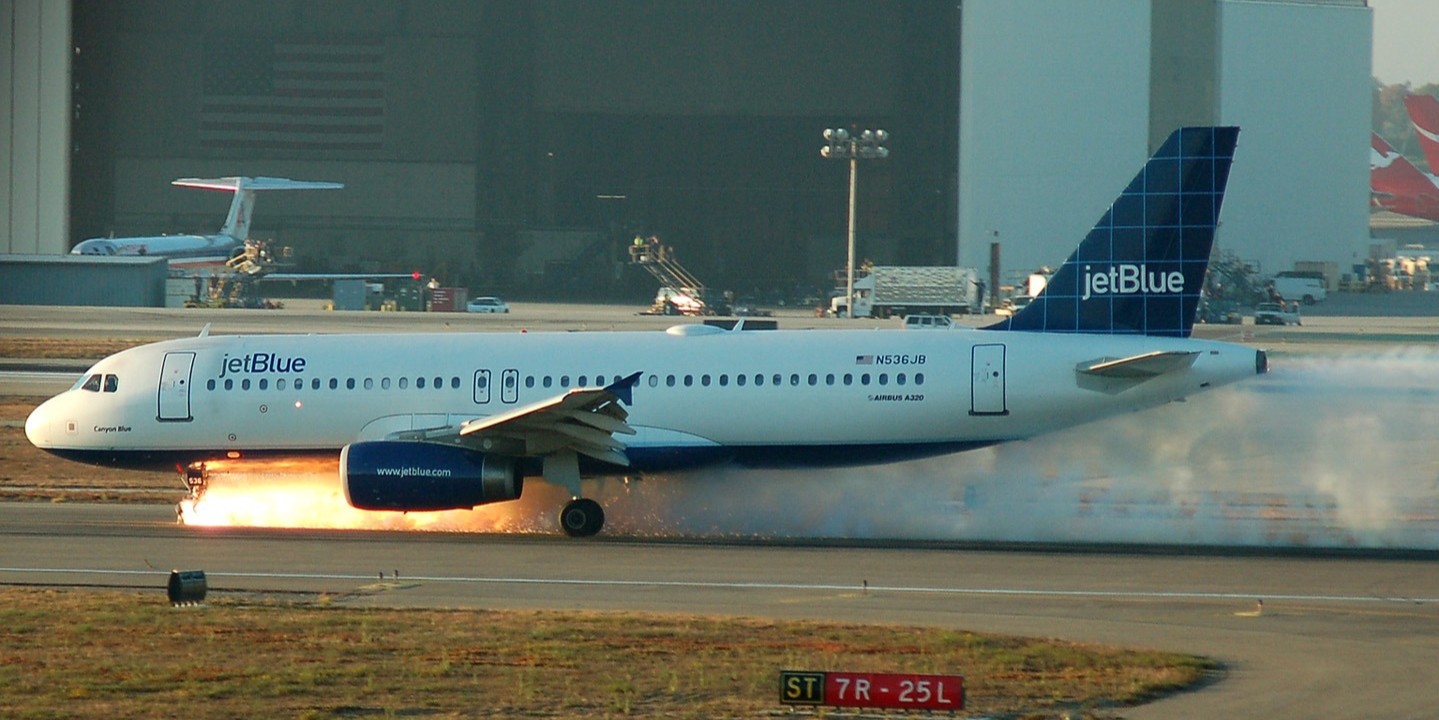
The most infamous example in the modern day is JetBlue Flight 292. On September 21, 2005, a JetBlue Airbus A320 departed Bob Hope Airport in Burbank, California, bound for John F. Kennedy International Airport in New York City. After departure, the pilots found out that they could not retract the landing gear. It was then found that the nosewheel was rotated 90 degrees. In a bizarre byproduct of modern media and technology, passengers were able to watch live news coverage of the flight while they were still on the plane.
The aircraft diverted to Los Angeles to make use of its long runways, and captain Scott Burke and first officer David Razler expertly executed a perfect landing. During the landing, the pilots didn’t use the thrust reversers, ground spoilers, or auto braking, instead deciding to use more runway for a gentler stop. The crew also prepared for the landing by burning fuel for hours and moving passengers and bags back to move the aircraft’s balance aft. Amazingly, the only damage to the aircraft was the broken nosewheel.
Dustin’s story has some lessons everyone can use today. When faced with what sounds like the impossible, taking charge could save someone’s life. If you’re that person facing danger on the road, water, or sky, try to stay calm and use your skills and your training to get you to safety. You’ll be amazed at what you can achieve.
Sadly, I have not been able to find any current information about Dustin or Randy, but I hope that they both found further success in their flying adventures. At the end of the day, everyone went home, and that was the most important.
Top graphic images: Public domain; DepositPhotos.com





I remember that JetBlue 292 landing. When it happened I was absolutely disgusted. A dangerous situation like that and some bozo decided that this was an opportunity to put on a stunt exhibition and impress some folks. Landed straight as an arrow right down the middle with that wheel riding the center line like they were repainting it. Show-off. smh Just put it down, no need for the theatrics.
The wild thing about the JetBlue one was that MSNBC went absolutely crazy with wild speculation about how bad the crash would be, because Airbuses can’t dump fuel and it was going to break apart in a huge fireball on the runway – and the passengers were watching the news coverage on board on their in-seat TVs, word got back to the channel, and they kind of glumly toned down their hysteria. Then the plane landed and everybody was just fine. But, it was like they sensed a serious OJ chase-style ratings bonanza in the making and tried to go all-in on it
I wonder how many networks today would choose to “tone it down” in the same situation.
I remember seeing that on TV and being amazed. For all the rough landings I’ve sat through, that pilot set the plane down like it was landing on eggs. It was beautiful. I’m sure the news outlets were disappointed.
This story reminds me of “Scouts in Action” from Boys Life magazine. Good on this kid for doing whatever he could to alert the pilot – very resourceful.
Yeah, I almost expected to see a final panel comic book drawing of him with a medal
It’s an ultralight – do a full-stall landing on the grass. But kudos for the kid getting the message to the guy. Smart, quick thinking there!
Commerical pilot here. This is a bit overly dramatic–while the effort was nice and, I’m sure, appreciated, I doubt it saved anyone’s life. Had the pilot landed the ultralight with no prior knowledge of the landing gear, I suspect the outcome would have been exactly the same.
Eh, yeah, you may be a commercial pilot but the fact is that the outcome was never 100% certain so the effort deserves all the appreciation accorded it by the pilot who was actually flying the plane in question.
People can and indeed do get injured or even die while flying or landing ultralights (most famous example being John Denver though his situation was rather different from the simple loss of a landing gear wheel.)
So, yeah, you may suspect but the fact remains that you have no way of knowing that the outcome would have been exactly the same.
John Denver wasn’t flying an Ultralight, he was in a Burt Rutan Long-EZ. It’s an experimental home-built airplane in a fully enclosed cabin and a higher cruise speed than a Cessna.
However, I agree with your sentiment. Without forewarning that this ultralight pilot’s wheel was missing, there’s a good chance he would have taken a tumble when the landing strut dug into the runway.
Ah, yeah, I always remembered the media coverage reporting Denver’s plane as an ultralight when the crash happened in 1997. Looking it up now I see that it was as you described.
My hometown has or at least used to have a community of home-built airplanes and I do remember people arguing over the definitions & classifications of ultralight aircraft back in the 1970s & 80s.
When I was a kid, my dad worked for a company that assembled kit planes, including Long-EZs.I think they’re very cool planes, and Burt Rutan was a super talented aircraft designer.
A runway certainly increases your chances, but flying very light planes adds some risks if wind is erratic.
Suddenly being slammed to the ground by wind made a friend drop hang gliding for a traditional plane.
I remember one single engine that made an emergency landing.
They were on the ground when something caught the gear abruptly, for a sudden stop.
The plane looked okay, but the pilot didn’t survive.
Possibly a remote location affected survival.
I don’t have more details on that event.
That type of event may explain the gear bush pilots choose.
The most extreme variant of an ultralight aircraft is a hang glider, and my friends that fly them land by essentially stalling them at about 4 feet of altitude and putting their feet on the ground.
A lot of land birds do the same thing. But it’s more like four inches of altitude when they stall.
I never get tired of watching geese and ducks coming in for water landings. They don’t really stall. They just get to a velocity where flight is no longer possible.
Well done Dustin and Randy. Very well done.
I’m not certain what he did was illegal. He was driving on private property, not public roads.
All due credit to him.
Dustin is one very quick thinking individual. He did this at 12 years old? Wow, he could save the world when he turns 21! Smart young man.
This happened in 2002, some 23 years ago, so he’d be about 35 now…
Time for me to get stronger readers. I seen 2022! Thanks for pointing that out.