


Quick question: when was the last time you saw anyone in a newer Porsche sports coupe or sedan other than maybe a Boxster that didn’t look like they could be your dad? I’ll answer for you: it’s been a while. The average age of a 911 coupe buyer is around 52, and the average for a Panamera sedan is – get ready for it – 67 years old. Sixty-seven! That means that there are a solid number of seventy- and eighty-somethings probably picking these up. It’s like they’re sporty Buicks.
Look, it’s understandable that those with the means to buy six-figure semi-impractical luxury cars will be older. But in the decades before Macan and Cayenne SUVs, Porsche offered more affordable sports machines that weren’t crossovers and attracted younger buyers. It’s time they did the same, and I see a way to do it.


Laying Off 100,000 People Is Like The Population Of Dearborn
A little while back in The Morning Dump, Matt talked about a reason why some import auto makers are failing:
You know what the single biggest gripe I have about automakers is? … One I want to complain about today is the lack of local knowledge and expertise that foreign automakers apply to markets where they’re historically successful. Yes, I’m talking about foreign automakers who are initially crushing it abroad, but who then have their lunch eaten because they don’t seem to know what’s going on locally.
He was talking primarily about Asian firms, but an editorial comment from David Tracy really hit it home:
Am I crazy to consider Volkswagen in the U.S.? In the 1960s and 70s it was crushing it as an affordable brand, and even 12 or so years ago, it felt like VW was on top of the world, with the VW Vortex Forum humming along, and lots of Americans loving their slammed Jettas and GTIs. But in this crossover era, it seems to me that the Tiguan has been the sole winner. I think the Scout brand represents VW figuring it out.
Indeed, Volkswagen Group and some of its brands are struggling with an identity crisis; it’s one reason why I’ve been throwing out silly ideas like a new VW Thing to really get back to their roots as a maker of fun and quirky cars that people found irresistible.

It’s true that ever since the eighties it seems like Japanese and eventually Korean brands were better at filling the space VW had once dominated when the Beetle was by far the best-selling import. Volkswagen Group seems to be lost in terms of its value proposition against Japanese sedans and crossovers, and the Scout brand appears to be taking the same path of gestation as the ill-fated ID Buzz “bus” in terms of taking way too long to reach the market.
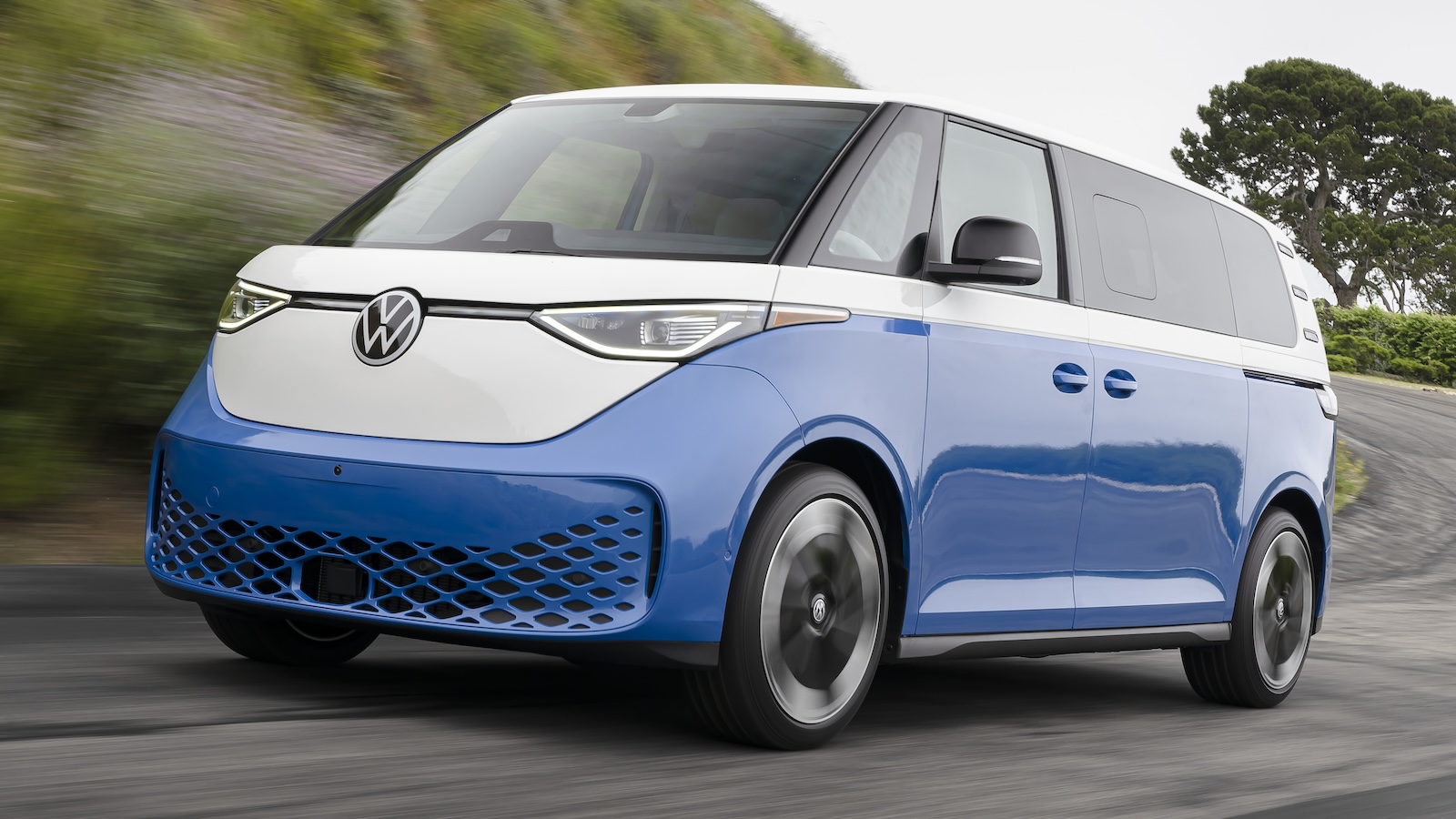
There’s a strong possibility that the Scout, like the $70,000 ID Buzz, will end up being viewed as too costly for what it is, and that’s something the Volkswagen brand itself suffers from with even intentionally higher-end products. As nice as they were, nobody wanted to pay over $60,000 for a Touareg with a VW logo on it (it’d likely be over $80,000 if they tried to sell it now).
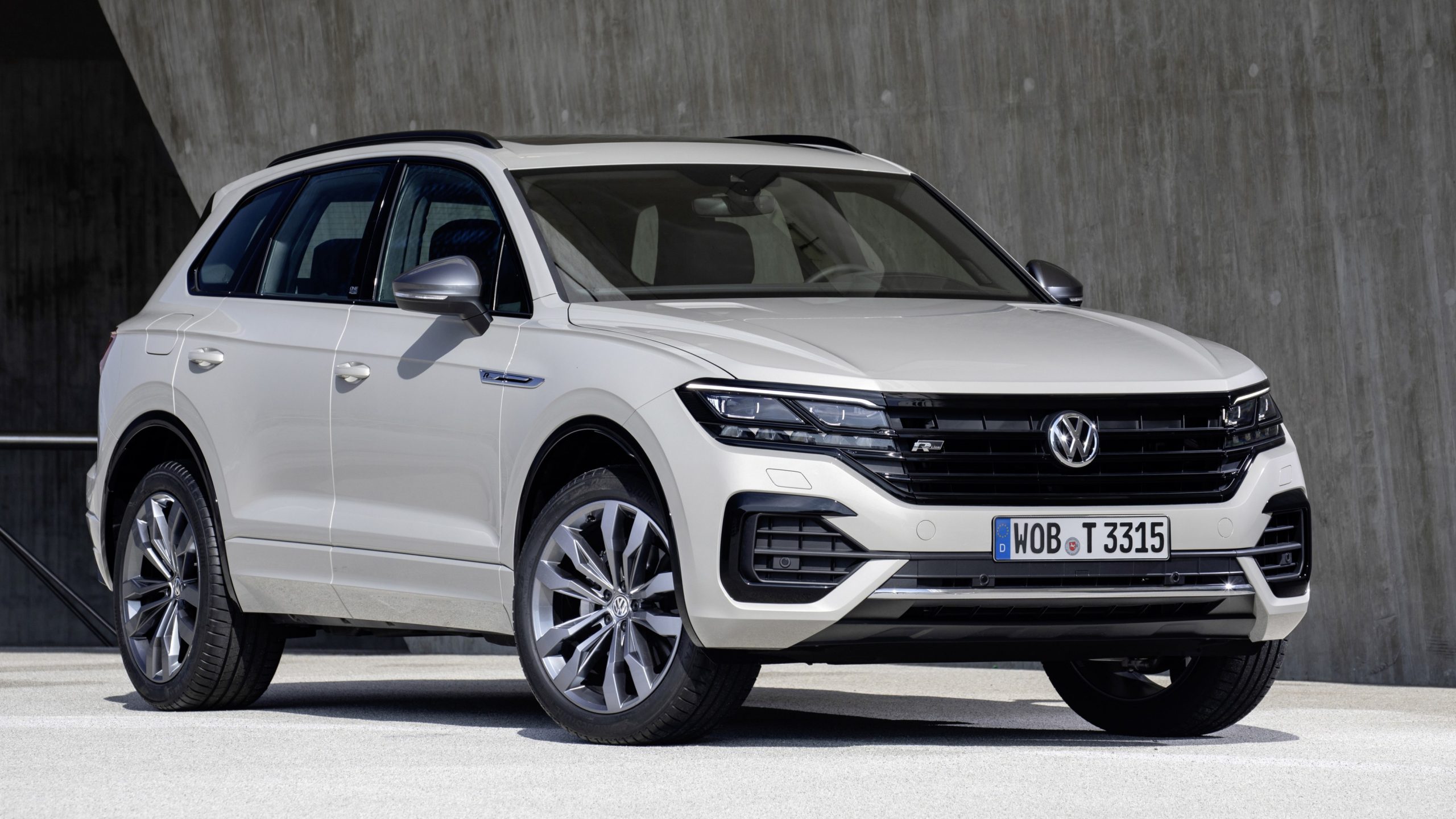
Put a Porsche badge on the nose of that same SUV, however, and give the mechanicals and styling a tweak, and you’ve got a sales winner with an extra $10,000 attached to the price tag. No, the Cayenne is more than just a rebadged VW, but it’s close enough that it can be made profitably, and most people view it as a credit to the brand and not the cash grab some saw it as over two decades ago.

The Macan is the same formula as the Cayenne, made even more affordable, but what if you’re a buyer that wants a Porsche but doesn’t want a crossover SUV? Well, other than used, you’re out of luck, but four or five decades ago Porsche had some rather appealing options for you. I’d like to find a way to bring something similar back.
Poorch Pirates
Porsche 911 snobs have long turned up their noses at anything that didn’t have the motor hanging off the back like an otter’s tail, but less expensive mid- and front-engine Porsches kept the company afloat in the seventies and eighties and gave those that weren’t in the top tax brackets a lot of enjoyment.
Dare I say it? Here goes: products like the mid-engined 914 and the front-motor, rear-transaxle 944 handled better than a 911s of the time and were more fun to drive. And delivered that fun for far less money. Sure, the 914 was half-branded as a VW in Europe and had a Type 4 motor, while the 944 was assembled by Audi. So what? These things were legitimate Porsches that stayed true to the values of the brand; if anything, even more so than the massive plus-sized products that carry the 911 and Panamera name today.

Admittedly, the 944’s predecessor (the 924) was lacking when introduced for 1976, and the later 1992 968 successor was way too expensive for a by-then-dated product that was going up against Japanese competitors such as the Nissan Z32 and ND RX-7 that had caught up or surpassed the Porsche. However, for nearly a decade after its 1982 launch, the 944 was a reasonable value for an outstanding sports machine priced at around the same level as a Corvette.
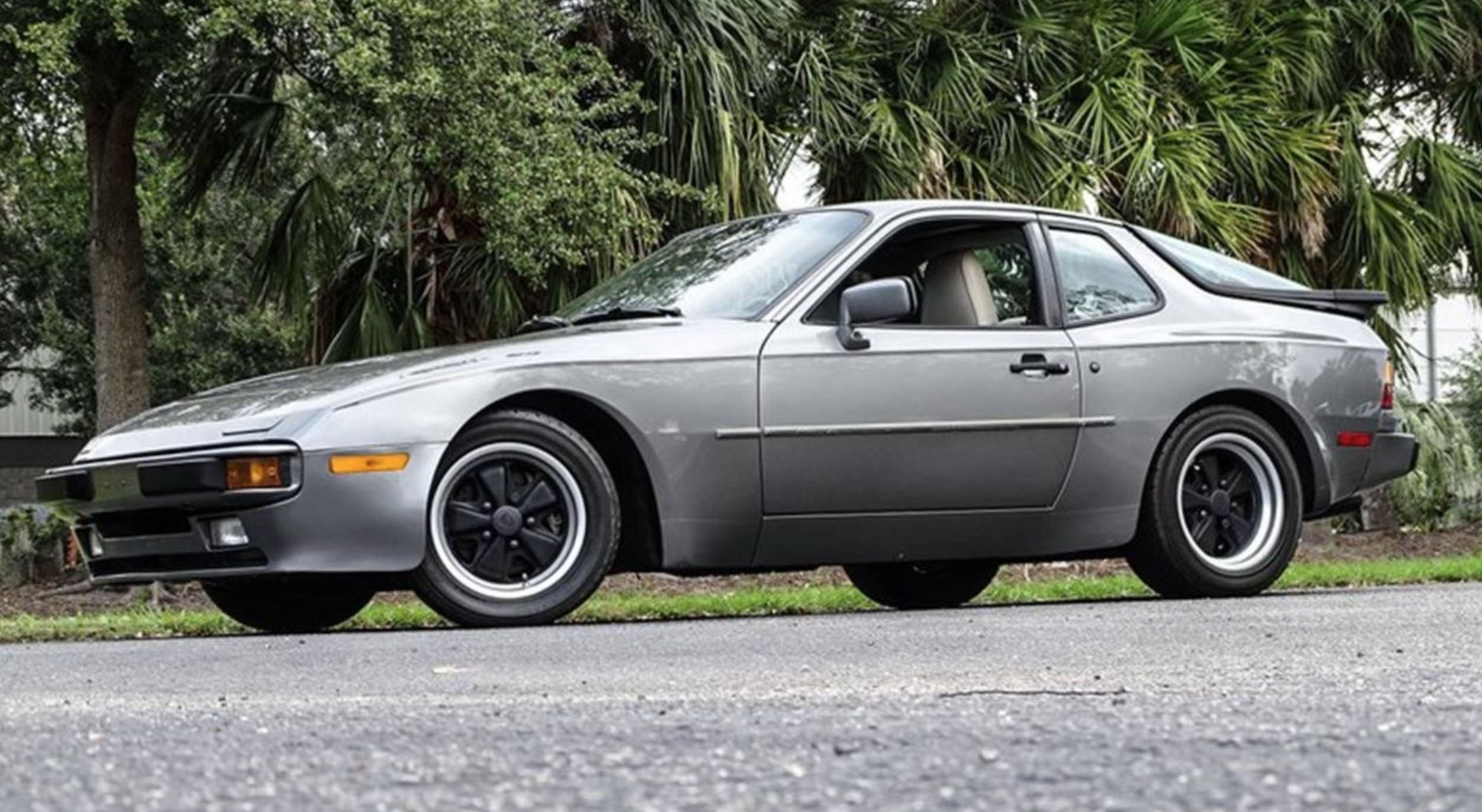
No, it wasn’t cheap, but you didn’t need to be on Medicare or in the top 0.5 percentile of earners to be able to buy it. These things were popular in the go-go eighties as something a well-to-do North Shore Chicago parent might give to their kid. For example, one sweater-vested Jake, dream-boy to Molly Ringwald, of Sixteen Candles:

Often, they were driven by fast-track yuppies epitomized by the ill-fated cocaine-addicted “Christina” character in the 1986 song Welcome To The Boomtown (which name-checks the car at the beginning) by the underrated duo David + David.
What’s also cool about non-911 Porsches like the 914, 928, and the 924 variants is that they looked different. Sure, the surfacing still said “Porsche,” but they had distinct identities apart from the 911. Seriously, other than the Boxster, today’s Porsches all seem like 911s simply stretched, shrunken, or squished to meet whatever proportion was needed for the product segment.
I’d like to make a new “affordable” sports four-door “coupe” that takes a similar alternative path to making a brand-new “People’s Porsche” that, unlike the 911, doesn’t look at all like the VW Beetle “People’s Car.”
Fifty Years Later, The 924 Series Returns?
There are good reasons why the latest Porsches can only be bought by lawyers with their names on cheesy billboard ads; they are not cheap to build. So how do we make a Stuttgart-branded car that can be bought by the likes of a well-earning couple after the little ones get to kindergarten years and they’re done paying the $1500 a month for each kid in day care costs? They do exactly what VW Group did in the past: look at their corporate parts bin and make a worthy but cheaper Porsche.
To keep within the budget of expensive-but-not-insane, this new lower-cost Porsche sedan would be based on the Volkswagen Premium Platform Combustion (PPC), itself a continuation of the earlier MLB platform for modular longitudinal front engine layouts. In simplest terms, we need to start with an Audi A5 chassis and hone it on the Weissach track until it has the skills to be a Porsche.

This would give us a decent-sized product that’s nearly a foot shorter than a Panamera (and less than a foot longer than the now-massive 911). But what would it look like?
924, 944, 968; Maybe They’d Call It The 988?
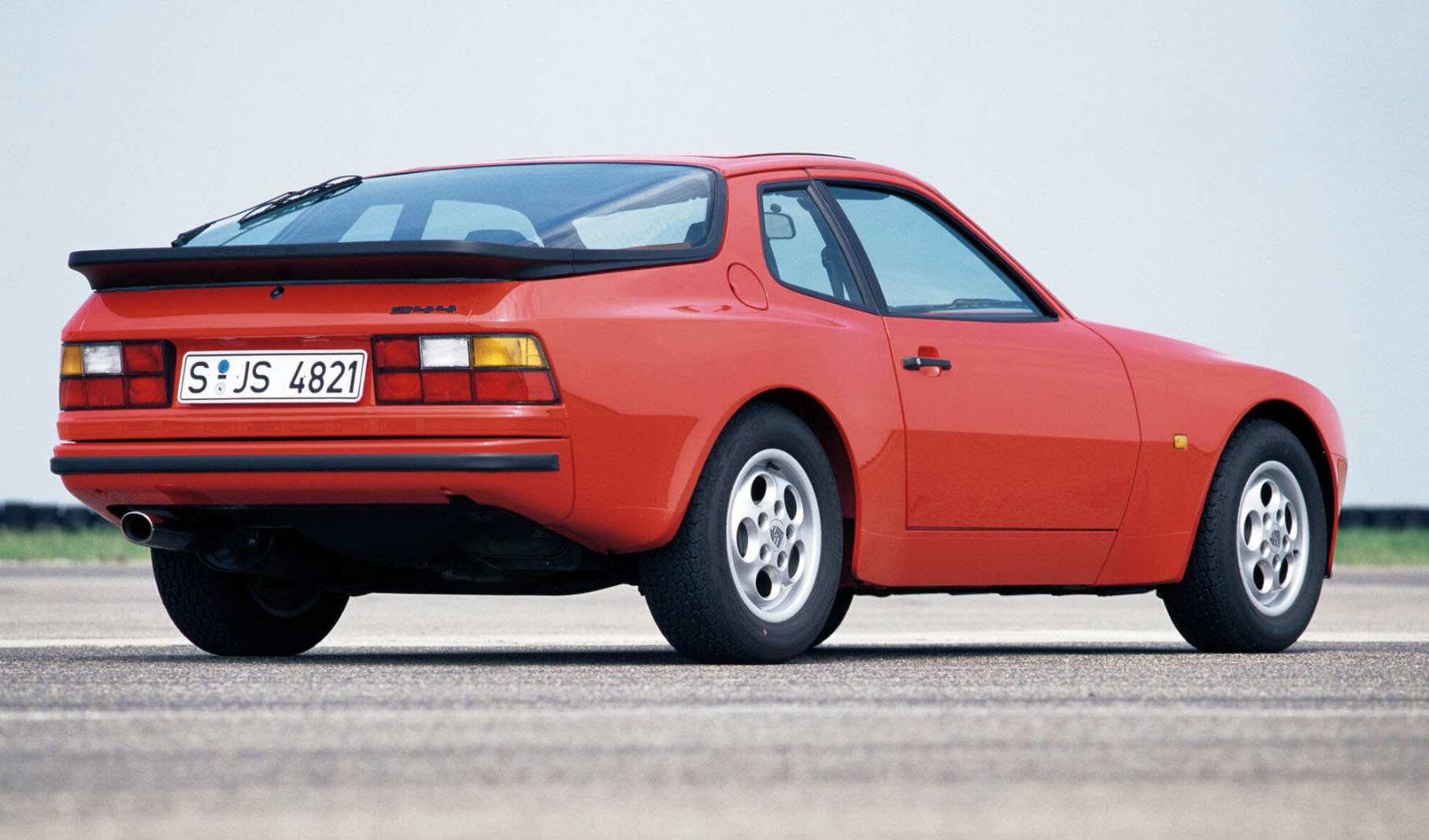
In terms of styling, I used the much-loved 944 as an inspiration, mainly due to that car’s muscular flared fenders, which gave it a much more aggressive appearance than its 924 predecessor, which always looked a bit too wimpy, or at least did once the 944 appeared, as you can see below:

The low nose with retractable headlights and large glass hatchback were retained from the previous car. The subtle rubber spoiler was a nice touch, and Porsche was so cost-conscious that they put a hole in every rear backlight to avoid making two parts and just plugged it up if you were too cheap to opt for the rear wiper.
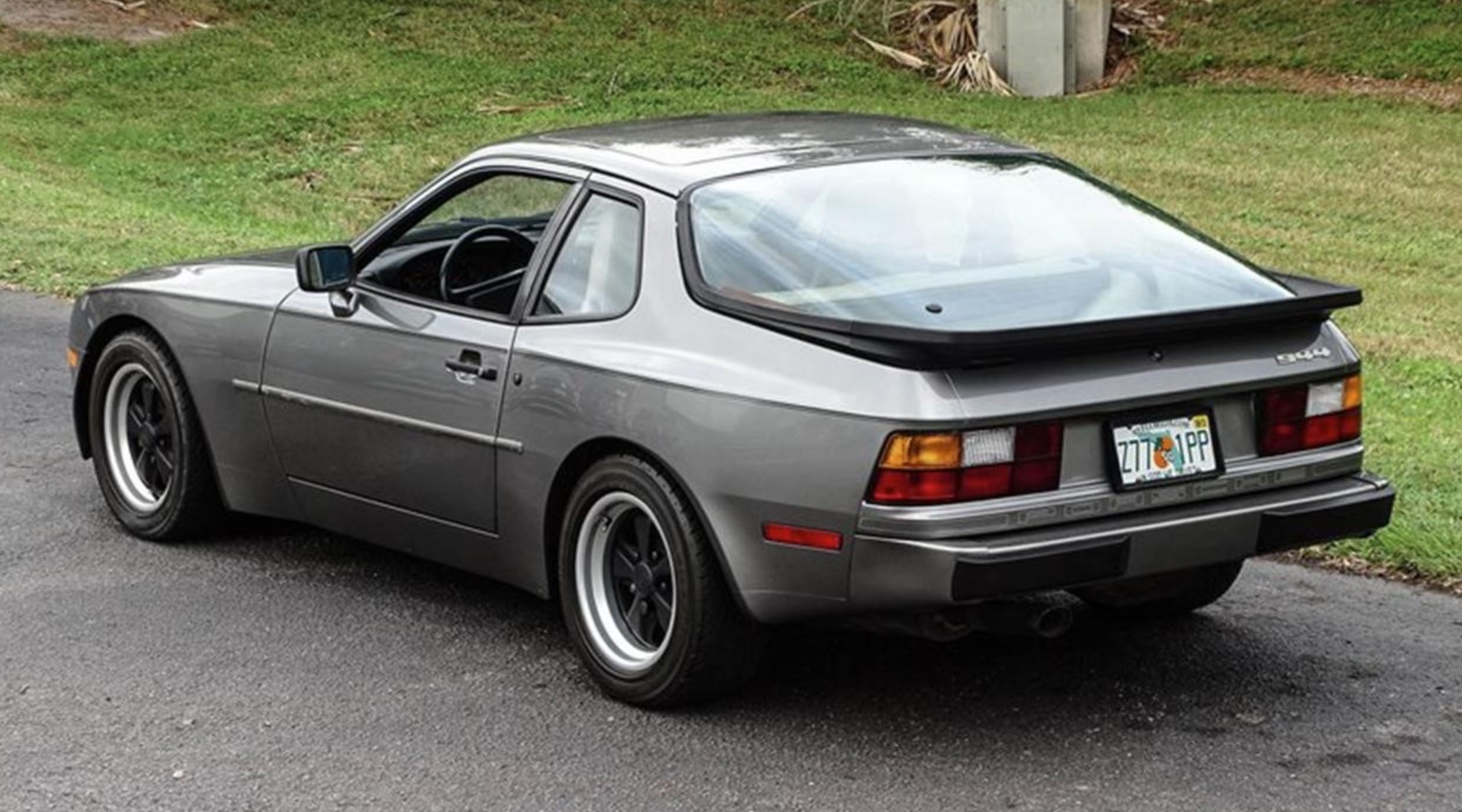
As I mentioned, by the 1992 introduction of the 968 version of the car, the whole 924/944/968 series was getting a bit long in the tooth:

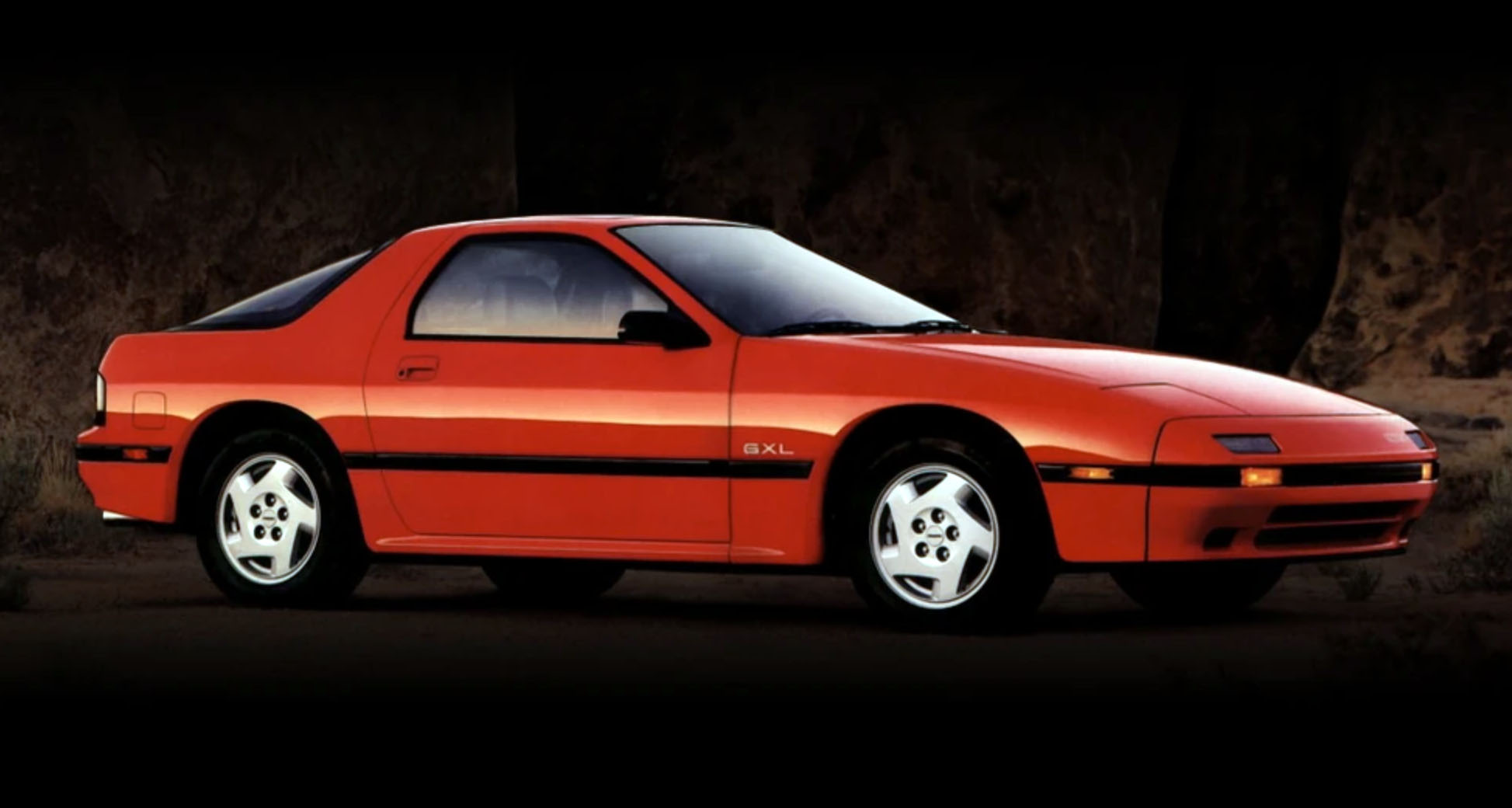
Still, it’s a great-looking design; so much so that Mazda was seemingly heavily influenced by it (and the 928) with its 1986 FC RX-7 (also a great, underrated car in its own right, by the way).
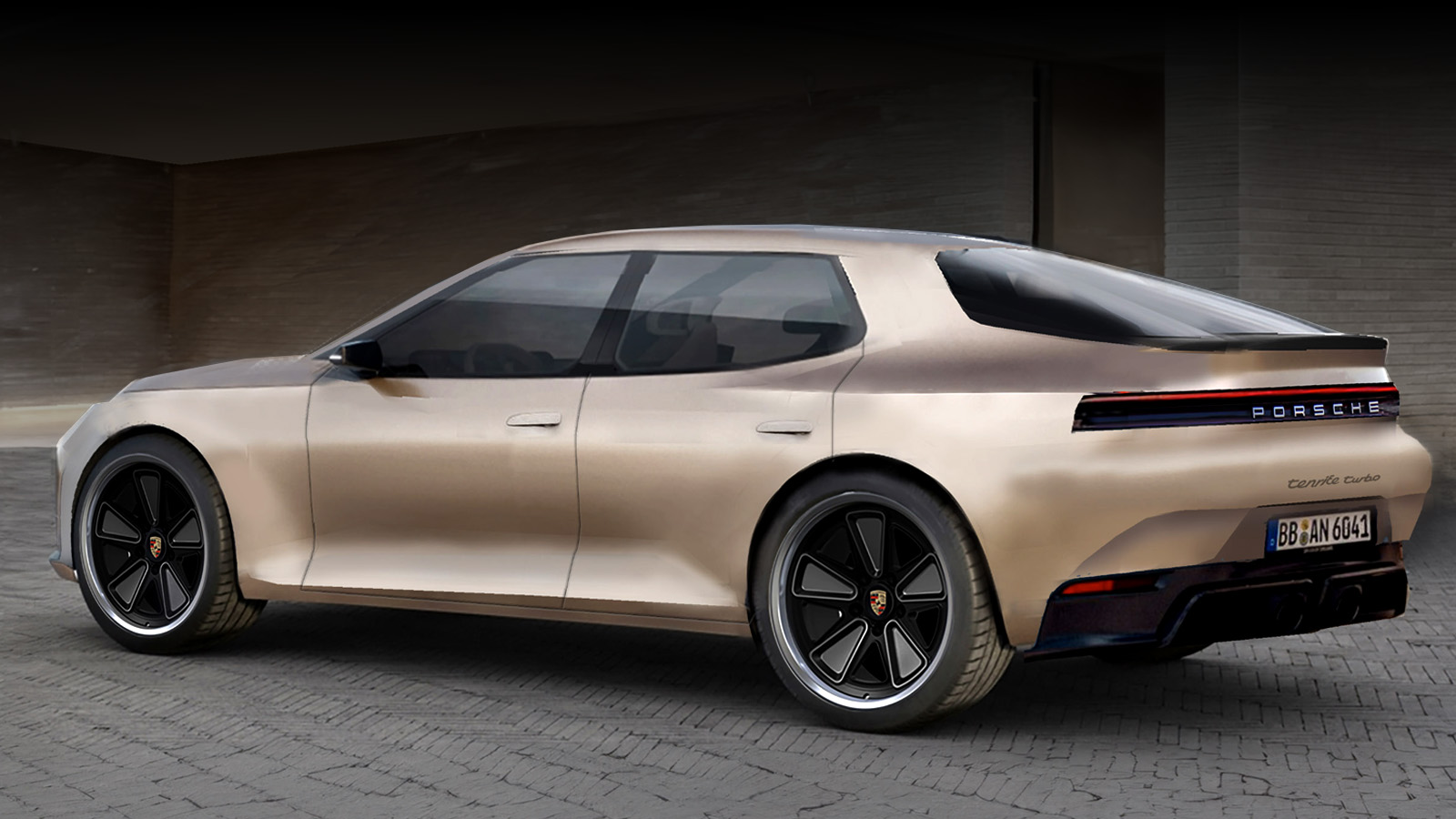
We’d call this new Porsche the Tenerife; like Cayman, it’s named after a lovely island, except for some reason all I think of when I hear “Tenerife” is “world’s worst air disaster.” Oh well. Anyway, our new Tenerife would follow the design of the 944 as closely as possible, but naturally we’d have to change it a bit to make it into a four-door. Yes, I know, but we’re well aware that a two-door vehicle is dead on arrival in the American market today; at the very least, it won’t sell in numbers needed to make money.
Obviously, in 2026 we won’t have retractable lights, but the exposed headlamps are a bit reminiscent of the 924GTP racing car that preceded the 944 and had them exposed under clear covers.

The wraparound taillights were a 944 hallmark, and the latest taillight designs on most current Porsches will work well here. Also, as a hatchback we’d have decent cargo space (I forgot to draw cut lines but I’d like to see the opening go all the way down to the bumper).
Early 944s received the 924’s kind of a clunky almost-VW-Rabbit dash, but later models got a much nicer design with a wide mock-oval shape in front of the driver. Porsche 944 fans will laugh at the living hinge console armrest cover being broken off on this one like every other example out there.
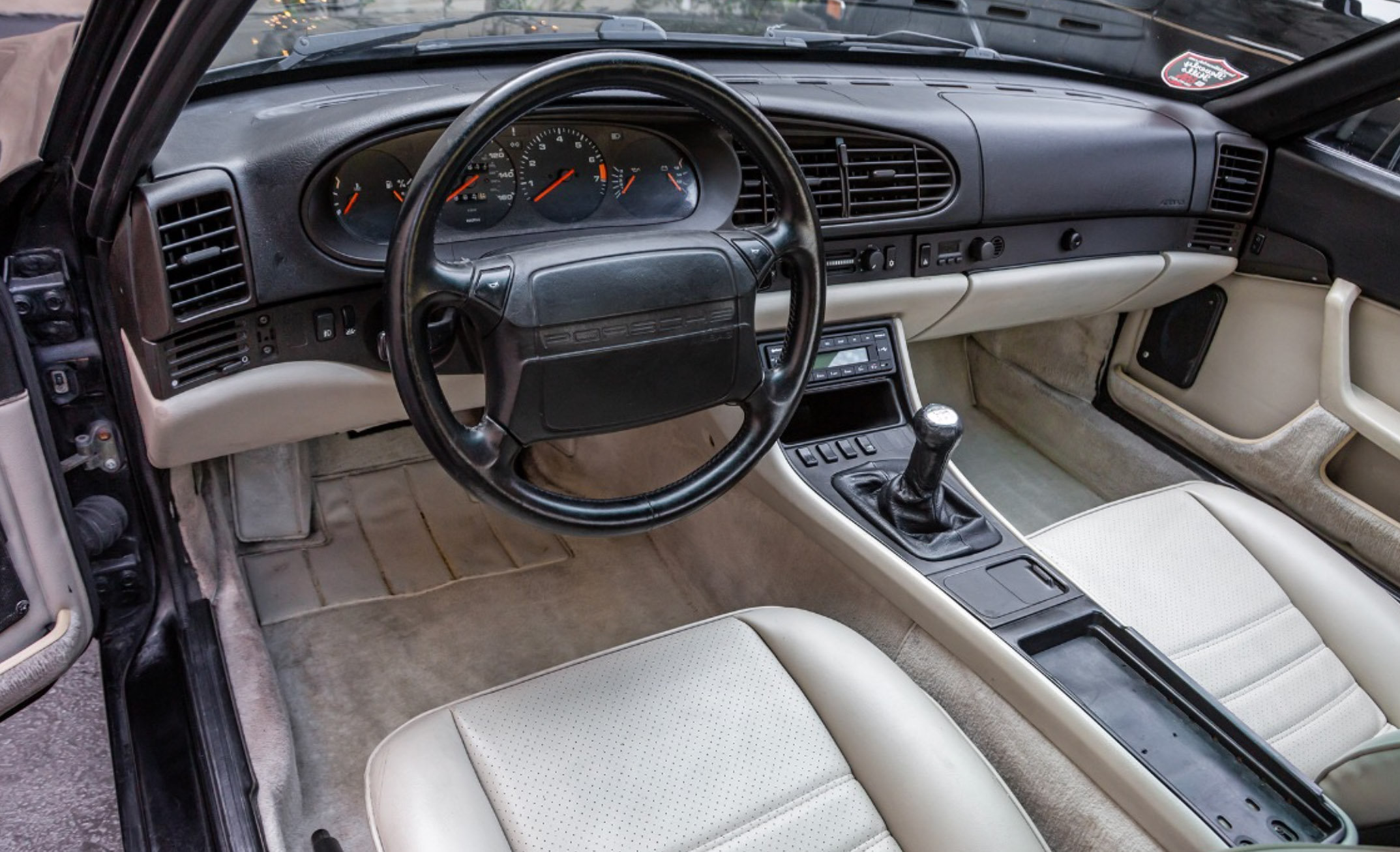
We can emulate that for the Tenerife with a wide oval-shaped screen up. Unlike the Panamera and others, there would be nothing in front of the passenger since this is a lower-level car and the idea of a screen in front of a passenger is stupid anyway. Also, the “Sport Chrono” clock is incorporated into the digital display instead of separately on top of the dash (I have that one in my current Cayenne and I’ve used it precisely never).

Quattro all-wheel-drive would likely be standard with a rear-wheel bias, as would a version of the Audi S5 3.0-liter turbocharged V6 engine making at least 368 horsepower. More powerful options like stonking V8 performance could be available if Porsche isn’t too concerned with stepping on the bigger and more expensive Panamera’s toes. I’m not sure about electric or hybrid options, but the market has spoken that such powerplants are not on the most-wanted list for now.
Best Of All, It’s A Poorsh (Man, I Hate That)
Look, going “downmarket” is understandably a slippery slope if done incorrectly. The Cadillac Cimarron is maybe the best example of the worst. Some would point to the Maserati Biturbo too, which is understandable, but in retrospect they were fun, luxurious, and probably no more unreliable than any other Italian exotic of the day (or any day?). I bet I could get at least a few dozen Autopians to tell me stories of how much they loved owning their Porsche-branded car that didn’t have a 911 badge on it. I personally know some who owned both 911s and straight-four Porsches that will reluctantly admit the 944 was the better all-around car. If Audi A5s start at around $50,000, there is no reason that Porsche couldn’t make a legitimate sport sedan out of one for 50 percent more.
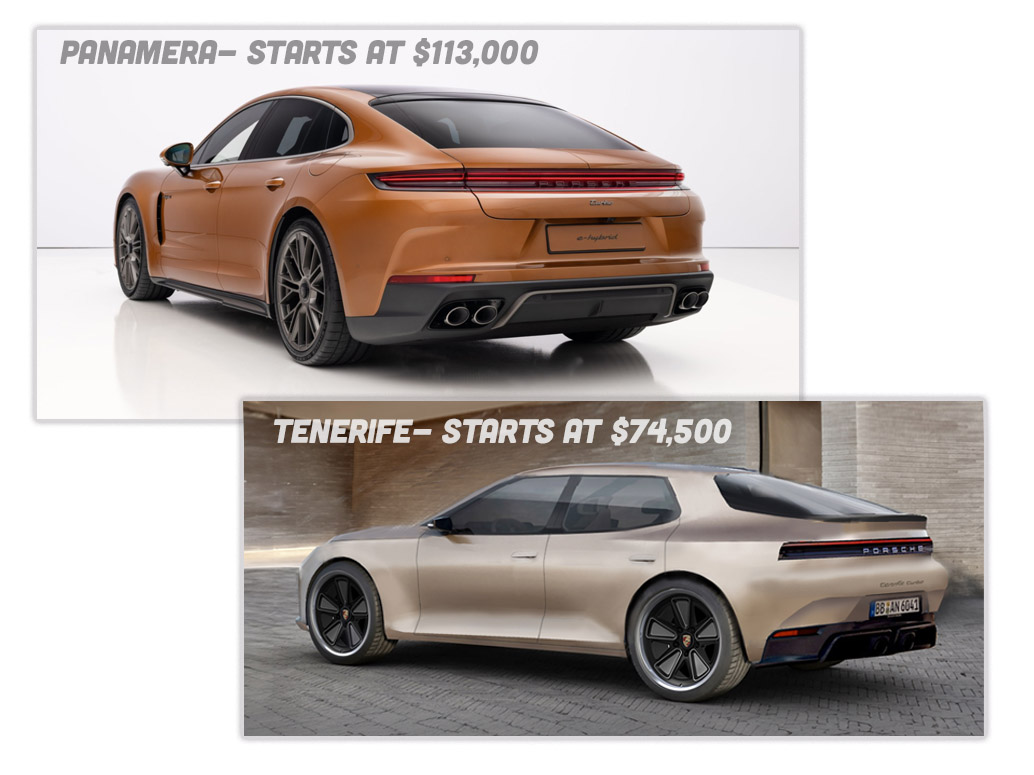
The VW Group could certainly turn a profit on a product like the Tenerife, and buyers would still be getting what amounts to a good value on a great real-deal German sports machine. Everyone would be happy, and we sure as hell could all use some wins today.
Top graphic base image: Kia


Excuse me, the 944 is not and never should be a sedan. I’m all for Porsche-VW mashups, but with a dearth of solid little coupes on the market—especially with manuals!—I think that might be VW/parsh’s chance a la the 914/924/944 projects. VW by Porsche that baby and send it.
I don’t think this idea would fly for Porsche. The market is way too foggy for a product like this to get off the ground, let alone take off, and even with the price difference, the PanAmera is still a serious obstacle.
Too soon.
It’s just my opinion but the problem with Porche is you can’t tell it is a Porche without seeing the badge. Same with Audi. Indistinguishable gray blobs.
That’s true for the SUVs I guess, but all 911’s look like every other 911, but with a different wing on.
And different colours I suppose, got to give Porsche credit for offering a lot of colours that aren’t grey/silver.
That rear end looks like a futuristic Pontiac firebird.
Front end looks like a Camaro. Didn’t try, it just turned out that way
Never mind the Porsche. What is Kia that you used as the base image?
And Welcome to the Boomtown is one of my favorites from that era.
It’s some concept rendering of an EV, I think the EV4. It just had the surfacing I needed for shading.
Yes, and the one David of the group wrote much of the material for the first Sheryl Crow album.
In the late ’90s my wife had a green Mazda MX-6 Coupe with the large factory spoiler on it. I couldn’t resist the urge to buy a vanity plate that said POORSCH. Some people actually took offense. Sometimes we’d hear, “That’s not how you spell Porsche.” Even worse was, “That’s not a Porsche,” like we were trying to fool people. Lighten up, Francis.
VW needs a Dacia not a competing Seat or Skoda. Then do a cheap halo sports car akin to the 914 (yes I owned one once and still think it is great looking Porsche) and get some people in fun cars again. This 75K for a sports tourer is fine (?), for some reason, but I really think the brief is Slate like pricing in a fun suit, not a clown suit. Then again I’m old and dream of Bug Eye Sprites, Austin Healys and MG’s with metal bumpers. No one needs to be able to go 140 miles per hour unless you are on a track, and if ypu are then ypu can afford whatever you want cause it is a toy.
All this article did was remind me how much I love the FC rx7 and that I still don’t respect VW.
Respect it? You should love it- as long as the rotor seals hold it’s hard to beat.
Well I respect and love your ingenuity and vision. Just like I love and respect Mazdas commitment to the rotary. *trolls marketplace for FC rx7s”. in a similar vein, I wish the renesis took to power mods better as well.
But VW. . . there is no helping them.
It’s a nice looking car, and somewhat Porsche-like, but it strikes (my) eye as odd looking as a four-door. I know that’s more likely to sell than anything with two doors, but the four doors, in addition to being strang(ish) isn’t going to help attract younger buyers IMO.
The Audi A5 isn’t bad looking at all, but it is an Audi. Meaning ferocious depreciation, lots of parts shared with less-costly VWs, and questionable long-term reliability. Maybe basing a Porsche on that platform will have a different result, but…
Anyway, this proposed new Porsche sedan at 50% over the Audi A5 that it’s based on, would start in the $75K area, which is far enough below the Panamera’s $110K starting price that there would seem to be room in the lineup. Of course, the car has to appeal to enough potential buyers also to be a sales success, and not just fill a gap in the lineup pricewise.
I think it would be nicer if it had two doors, was a bit smaller/lighter/cheaper. Also, it should be a hatchback for practicality, with two small (but hopefully usable) back seats for passengers for at least short rides. Personally, I’d not mind if it used the turbo four from the short-lived four cylinder Boxster/Cayman generation.
The Fuchs alloyesque wheels are nice, but an inch or two smaller with a bit more meat on the tires would suit a semi-entry-level-car better, and make for a more comfortable ride w/o exotic suspension hardware.
Very nice pinching in of the sheetmetal in the center of the body, with eye-pleasing curves out for the skirt and wheel arches. I like the way the glass hatch is 924 reminiscent too. 🙂
The whole point of VW being such a huge group is that they could segment the market effectively. There’s no problem with Porsche’s market being affluent coffin dodgers if they can exploit it, and it does seem that they can.
VW’s real problem is that they’ve allowed that segmentation to break down, so that their brands are chasing a smaller area of the market and not succeeding at it.
Neither Skoda or SEAT are cheap and cheerful any more, and there isn’t really a step in quality from them to VW. So they’re all eating each other’s lunches.
Then the line between Audi and Porsche has blurred since both their big business is now in SUVs.
And then as the 911 has got lardier the Bentley Continental GT has been on a diet, and you’re starting to get some crossover at the top end of the 911 with that car.
It all smacks of a lack of a firm hand at the tiller, and brings to mind the bad old days of British Leyland.
Nah, the issue is primarily a BL classic: product. None of this matters if VAG had cars people wanted. Many of their important vehicles are Stellantis levels of long-in-the-tooth (gas Cayenne, 718, Bentayga, Jetta), or were recently botched (Golf, Q5/A5). VW has lost that German build and quirkiness in favor of bland cost-cut junk. Nobody wants to buy a less reliable boring car for the same price as a reliable one. Fortunately they seem to be realizing their errors… hopefully they can turn it around in time.
The new sports car should be called the 910. Why that? Well, it’s one less than a 911.
This is just a Macan S without its stilts. The Macan itself starts at $65K, for a Porsche-fied Q5. The S is $79K. There’s not a market for 4 door cars… Audi sold about 17,000 A5s and 3X that in Q5s (in 2024 it was 35K sedans to 60K Q5s). The entry level Porsche 4 door is a Macan. The “really rich guy’s GTI”. (I say as a Porschefile and 2024 GTI 380 owner).
a 2005 Boxster started at $45K in 2005 dollars… which is $77K today. the Macan is even cheaper than the Boxster was when it was the entry level Porsche.
omg the inflation is just crazy
It has been 20 years since the 2005 Boxster that I randomly pulled for my comparison. If I pulled a 1998 Boxer at $42K… that’s $86K in today’s dollars. About 2X in 30 years.
I’m looking forward to when we can buy real sedans again and don’t all have to drive jacked up bloated station wagons.
If you are ok with used I can find you a 2000ish Buick Regal sedan with the legendary 3800 engine.
If Porsche comes out with anything that looks like those last cars? You could put a Chinese logo on the front and not a single person would bat and eye. Because that’s what those look like.
VW is in serious trouble. They spent decades making products with poor reliability and that has stained their reputation. And then they took away the only thing people bought them for, which was they used to definitely have their own thing going on. Now they look like everything else and could be re-badged to be any number of other US or Asian brands and nobody would know the difference.
At the $75,000 price point, you think a two-door is DOA? That baffles me, but I admit, I don’t understand the current new car market at all. I like the design direction here, but like almost every four-door coupe concept that isn’t a Saab 9000, I think it would look so much better if you chopped out the rear doors and about a foot of wheelbase, maybe raked the rear glass a bit more… But, you gotta’ go where the wind takes you, and apparently, outside of truly exotic hardware, the two-door bodystyle is on its last legs.
Yeah I’d be curious what the product planners see that scares them away from attractive coupes. The M2 has been going strong for 2 generations, definitely a segment where Porsche could stretch its legs.
Steadily declining coupe sales is what scares the product planners.
I agree in general that’s true. But I’m curious as to why the 911 has been their bread and butter as of late, but coupes <$100k are a tough sell otherwise. Why it works for Ford/BMW but everyone else steers clear.
It isn’t working for BMW or Ford.
BMW used to have a something like 5 coupes and now the have the 2 and 4
Ford’s Mustang sales are steadily declining. At one time they sold 600K Mustangs a year. 10 years ago they sold 120K. Last year they sold 45k
Steadily declining affordable coupe availability is the driver of declining coupe sales.
Companies make what sells. It really is that simple.
*Cybertruck enters the chat*
It’s also rather difficult to sell what isn’t on the lot.
Dealers stock what sells.
Dealers sell what’s in stock – and they need to sell it twice, once for lease and once more as a lease trade-in. So Dealers order for stock what’s easiest to sell twice.
Example: Dealers choose to stock primarily greyscale cars because they don’t want to be saddled with a car in an unusual color which buyers might not like. Therefore, automakers don’t build as many cars in color, and have eliminated many color choices for many model lines because of the lack of dealer demand.
Meanwhile, consumers come in every 2-3 years for their next lease – so most don’t particularly care if the replacement is grey, silver or black. It’s just a long-term rental car to them. A very few might say “I want a light blue car”, but when there are no light blue cars to be had, and the dealer tells them that the light blue color they want is a 4+ month special order at a $10,000 premium and will only be ordered with a non-refundable deposit – most consumers will go home with a silver or grey one that was in stock.
Meanwhile, used car buyers know they don’t get much of a choice anyway. Grey SUV is what’s there – so Grey SUV it is.
Yup.
Don’t forget the edge case where the manufacturer brings out a model for enthusiasts because market research says there’s demand, then the dealership gets ahold of it and tacks on a massive ADM and then the expected sales fail to materialize, thus making it even harder for the marketing team to convince management on the next go around.
Yet another reason why we can’t have nice things.
I’d hope a two door isn’t DOA but in terms of trying to get market share that seems to be the way things are going. Hell, even two door pickups are disappearing.
A 2 door Panamera would be a lot cooler than the sedan. Maybe if they put exposed upward-facing round lights on it and, oh wait, that’s a 928…
Maybe instead, do a 2+2 coupe that hangs with the Nissan Z & (now gone) Supra. Make the Porsche version sleek and throw in a boxy rally-ish awd version for Audi.
$60-70k w/ a mild hybrid powertrain of some kind. AND they could do the entire development cycle before they finally come to a decision on the fate of the cayman. /s
I agree! I’d much prefer to do a two door; had a 2+2 Z so I get it
I started with cut lines for a two and liked it better BUT I know that two doors are death on the market.
There’s the world we want and the one we live in 🙁
We can hope together for more coupes.
So it’s a CrossTouren? I can’t unsee it after the next article popped up on the Autopian feed…
Tenerife?
Pfft.
Only for the poors who can’t afford the (9) Elevenerife.
So basically you want a cheaper, non-EV Taycan then.
Exactly
You know what I’d like from Porsche instead?
A sub-$70,000 EV sportscar.
Take the 800V powertrain from the upcoming E-Golf (or whatever it’s called) using the SSP, flip the motor behind the seats….
They’d never do it, but that sounds like a great Audi TT concept. I’d call it “TT II” but that’s a ghastly name.
I’d call it e-TT
(Not pronounced “Eat”)
But hey – Wasn’t the 924 originally going to be an Audi too?
It was! I mean, in reality it really still is/was but with a different badge!
Yep. Its always a weirdly unpopular opinion, but 100% agree – I know its not exactly what you meant, but I thought the EV Boxster/cayman meant it got a new niche in the lineup and filled a gap that lives in the ENTIRE market right now. The “is cancelled, wait no its not” seems so odd.
Another 4 door Porsche at $75k and likely 4K pounds or so. Meh. I had a 87 944 Turbo for a bit (2022 or so), and realized I couldn’t afford the upkeep even on a prime example (it had 3″ of paperwork going back to the buyer picking it up in Germany and a photo he took behind the wheel on the Autobahn. Yes a 1987 film camera.)
4 doors already ruins it for me. I live near a dealership and it’s so sad to see rows of SUVS with Porsche and Audi badges, nothing fun.