

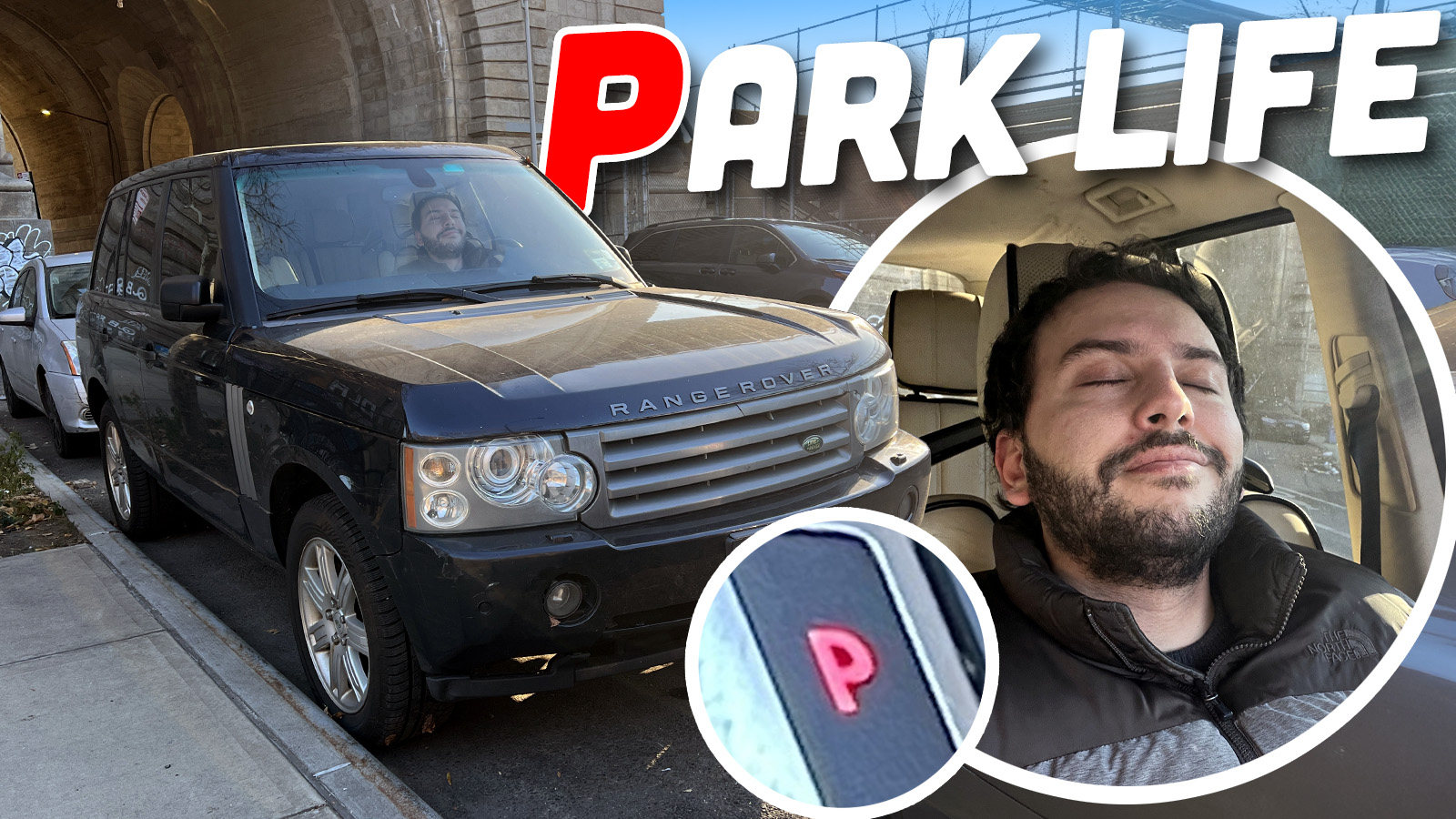
If you’ve spent any time behind the wheel of a car, you’ve probably seen someone place their automatic vehicle into the “Park” position while waiting at a stoplight. While not typical, I’ve witnessed this phenomenon countless times over my years of driving.
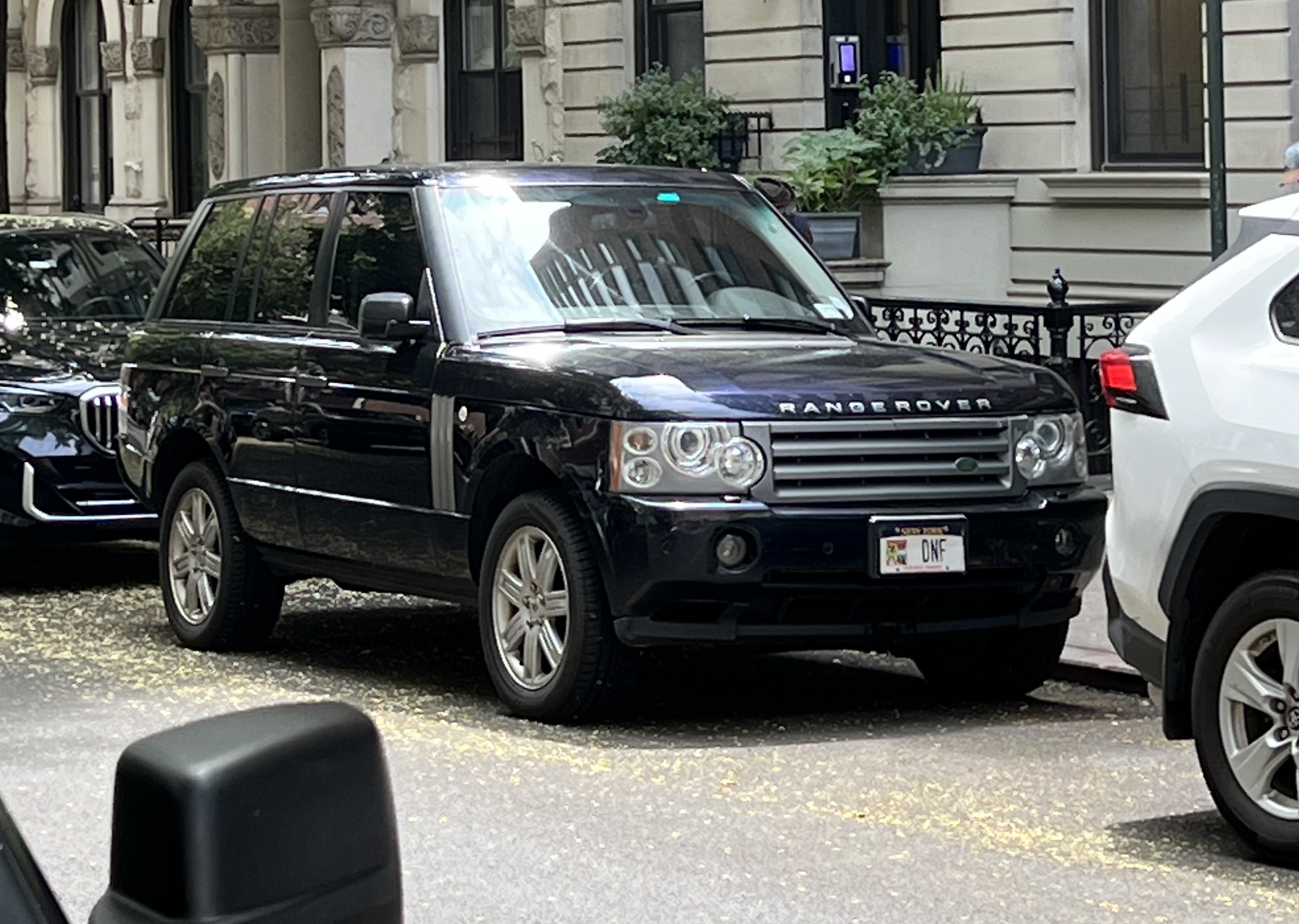
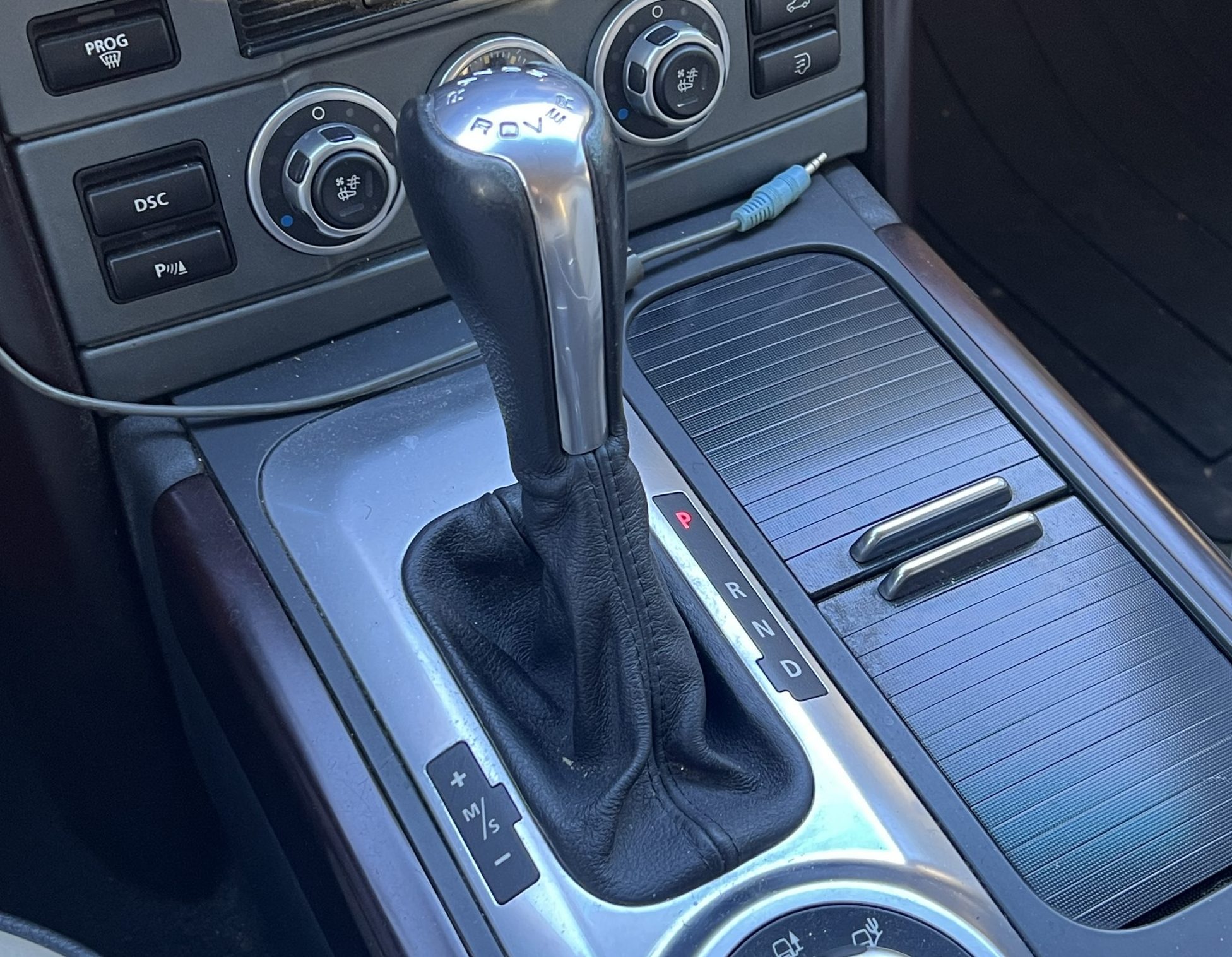
Having pretty much always driven manual cars (save for press vehicle loaners and rentals), I never really understood why people did this. That is, until recently, when I bought my first automatic car, my 2008 Land Rover Range Rover.


Now I get it. I’m not ashamed to admit I place my car in Park at stoplights all the time. Logic suggests this is dumb for several reasons, yet I keep doing it. Let me explain myself.
Yeah, It’s Bad, I Know
While not illegal, putting your car in Park while stationary on an active roadway opens you up to a multitude of safety risks. If you need to quickly move out of the way because a car is barrelling towards you at high speed, you no longer have to simply lift the brake—you have to put your foot on the brake and shift the car into Drive to get moving, wasting precious moments.
Placing your car in park also signals to other drivers that your foot isn’t on the brake, which, to someone behind you not paying attention, could suggest your car is moving forward, causing them to roll forward and rear-end you. The act of shifting to Park and back to Drive might also briefly command your reverse lights to activate, further confusing other motorists. So, officially, I recommend that no one put their car in Park at a stoplight.
There’s also the possibility that doing this stoplight-parking could put unnecessary wear on some transmission components, like the linkage and shift forks. This wear is incredibly minor, of course—gearboxes are designed to shift, after all. But over the course of thousands of stoplights, it’ll make some difference. At the same time, the beauty of torque converters means you don’t have to worry about putting extra wear on the transmission by holding the brake to keep the car stationary, at least not for a minute at a time. So there’s no strong argument that shifting to Park avoids extra wear on the gearbox, save for very specific circumstances.
So … Why?
On paper, going through the effort of shifting into Park only to have to put your foot back on the brake and shift back to Drive after 45 seconds to maybe a minute of sitting doesn’t even seem worth the trouble. For me, though, those series of movements have become second nature.
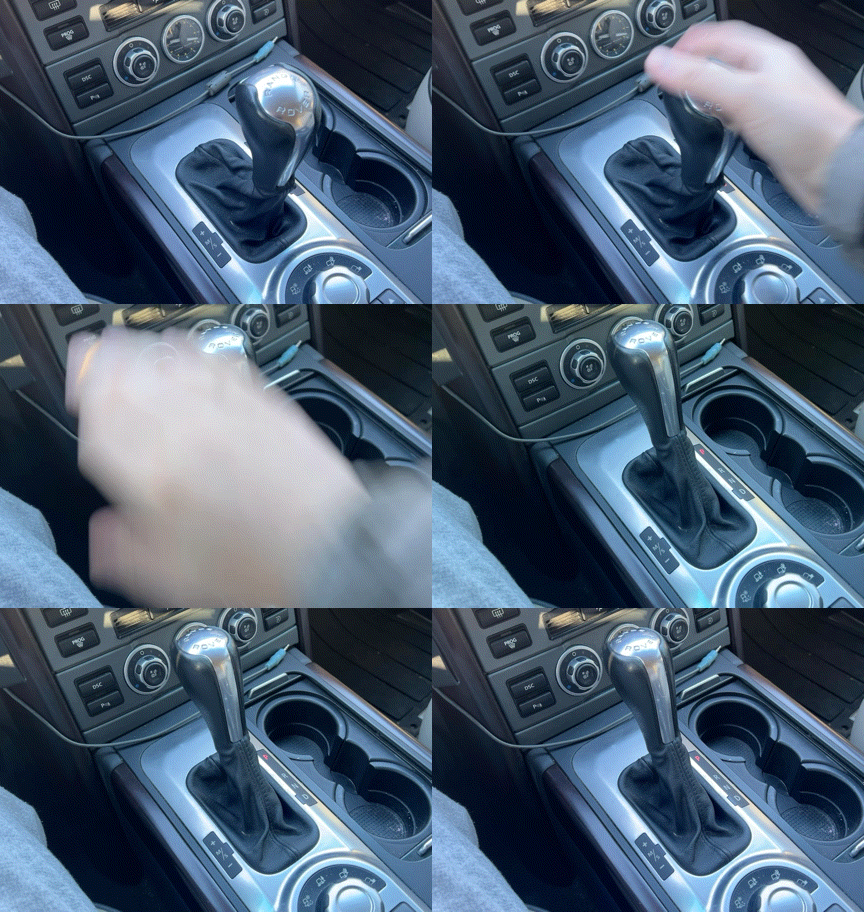
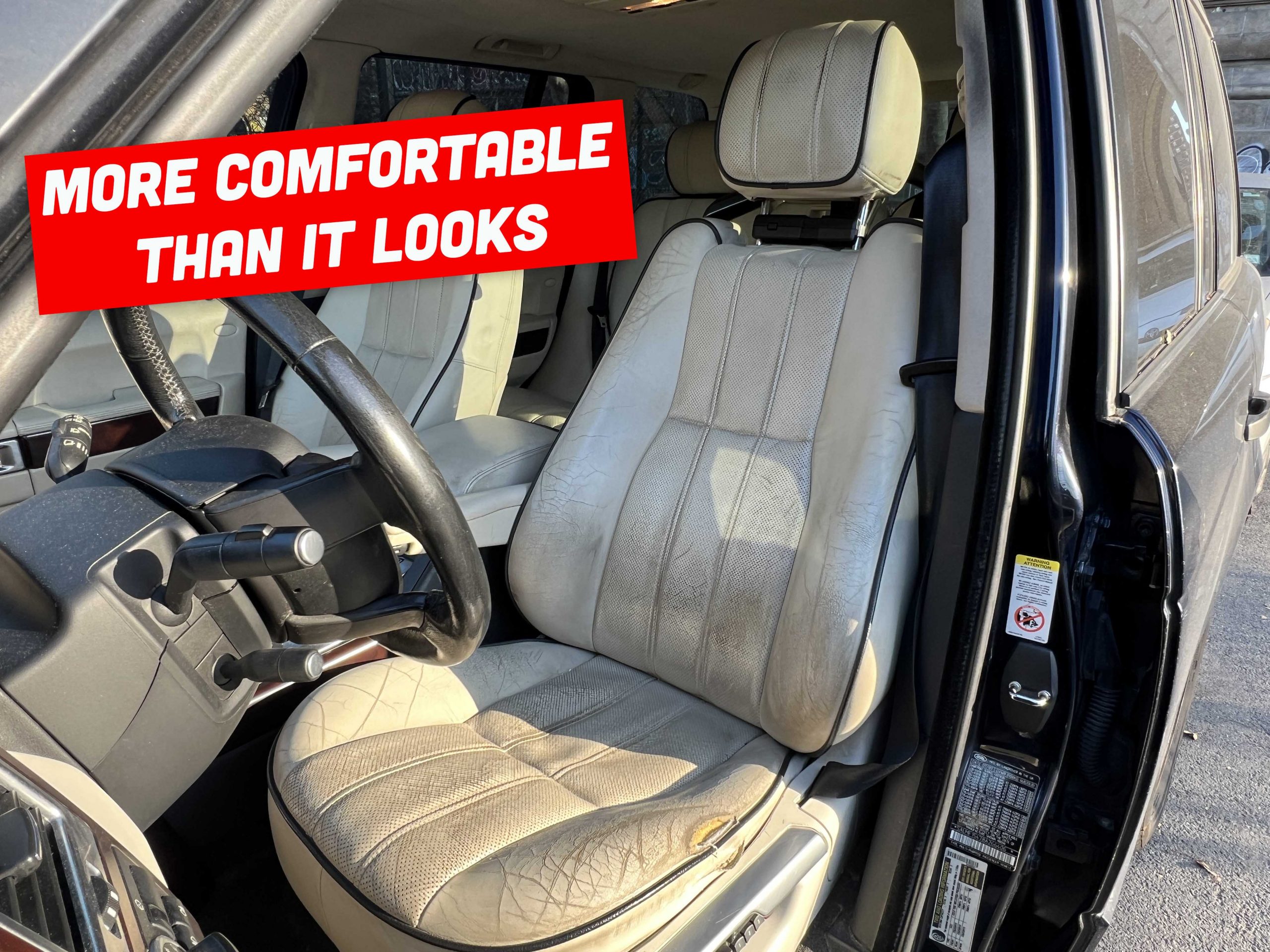
Roll to a stop at a stoplight, flip the transmission into Park, and relax. I’ve got it down to a science, so it only takes me about half a second to get from stopped to fully in park. Then, I’m able to take my foot off the brake and give my legs (and the rest of my body) some time to stretch out and relax. It’s during these moments that I can truly appreciate the Range Rover’s comfy captain’s chairs.
To me, that combined full second of shifting work is worth the tradeoff. When I drive, it’s usually only for longer trips (at least an hour), so having those tiny breaks to briefly disconnect from the car is nice. Doing this in New York City, where I live, is especially easy because I can keep an eye on the countdown clocks for the pedestrian crosswalks to know exactly when the light will turn green. Having these countdowns is what really makes shifting into Park worth it. Without them, it’s more of a guessing game of when the light will turn green, which is more stressful than relaxing.

Of course, I’m always keeping my eyes on my mirrors for emergency vehicles—I usually only pull this move when I’m boxed in by other cars in heavy traffic. The only issue I’ve encountered with this method, so far, is when someone ahead of me decides to ease forward to fill a gap in the line of cars waiting for the red light. In this case, I usually just switch my car back into Drive prematurely, move forward so as not to make everyone behind me angry, and keep my foot on the brake for the remainder of the light cycle.
The Internet Has Mixed (But Mostly Negative) Opinions
When I pitched this story, most of The Autopian staff were pretty surprised, and not one staffer seemed to take my side. Harsh, but fair. I figured I might find someone on the great big internet who feels the same way I do about this topic, but most people seem to take the more rational route.
Friend of The Autopian Kristen Lee wrote in 2016 about how she was baffled by why people put their cars into Park at stoplights, mentioning that most of her colleagues were equally as confused by such a move. The only holdout, interestingly, was our very own David Tracy, who said, at the time, he keeps at least one of his cars in neutral:
“Because the car’s got too much torque and too little brakes,” he explained matter-of-factly. “Requires too much pressure at long stop lights. Very annoying.”
That sounds like a very specific problem, but it turns out going to neutral isn’t a niche solution for some people. This 2014 thread on the topic from the BobIsTheOilGuy.com forum had several people advocating for switching to Neutral and continuing to hold the brakes at stoplights. These folks argue that having the car in Neutral will allow it to roll forward in case of a rear-end impact, reducing overall strain on occupants, which is a fair assumption.
The great minds of Reddit seem to think shifting into Park is a bad idea. Back in 2019, someone on the /r/Driving Subreddit asked whether it would be fine to shift into Park at stoplights, and was met with a whole bunch of “No.”
This Phenomenon Might Soon Disappear Anyway
Thanks to the advent of modern braking tech, this is a solved issue. Lots of new cars have a function called Brake Hold, which is a system that, as you might be able to tell from the name, holds the brakes for you when you come to a stop. This way, you can lift your foot off the brake and relax as much as you want, without having to shift out of Drive. All you have to do to get moving is press the accelerator pedal. The system registers the accelerator input and releases the brakes, freeing you to drive normally.
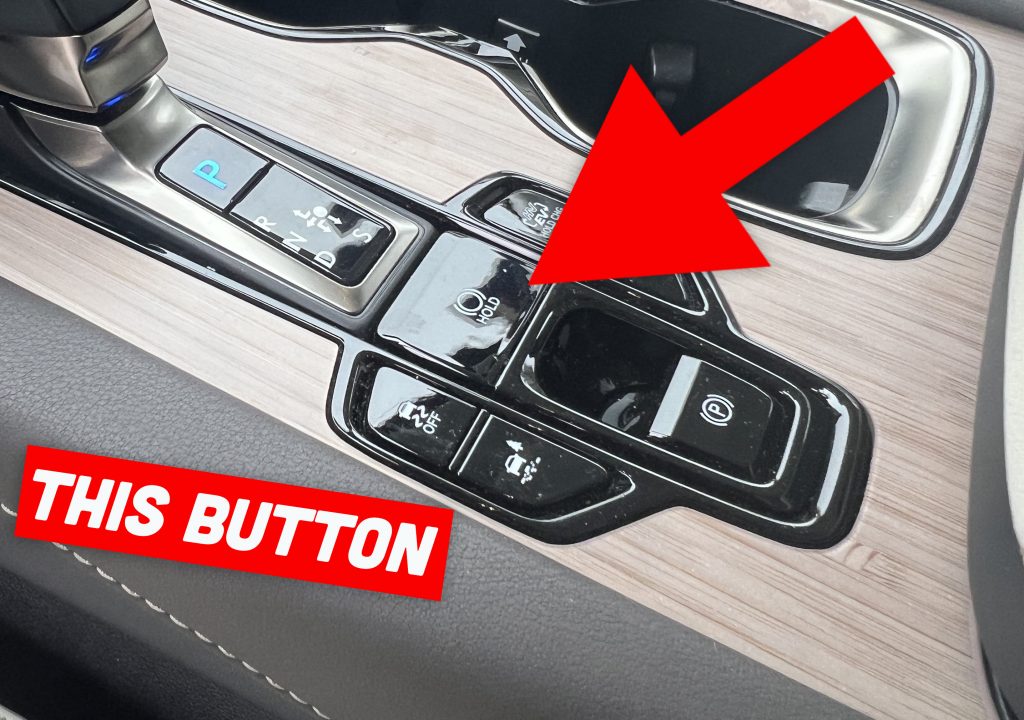
As the average age of cars on the road increases, more cars will have this feature onboard, which means fewer weirdos like me will have to resort to moving their gear selector from Drive to Park and back just for that tiny hit of relief. I’ll be the first to admit I get a little sad when I see a new press car I’m testing doesn’t have a brake hold button. But more and more these days, the brake hold function is standard.
I’m not expecting many people to come to my defense here, as the cons obviously outweigh the pros. But to all who shift into Park at stoplights, I see you. And I understand you.
Top graphic images: Brian Silvestro


Auto Hold took me a while to get used to. You need to goose the gas a little more to get it rolling but I had it in my 2010 Genesis and now my 2023 Palisade and I love it.
Another advantage is that your brakelights stay on with auto hold, but if you shift in park and take your foot of the brake, no lights.
Understood.
I have a pretty severe case of peripheral neuropathy and my lower extremeties are not good. I’m 65. My ’23 Genesis has the brake hold option but my ’19 Pacifica doesn’t. So yes, in the latter, many times I’ll reach up to the console and mash the E-Brake button while sitting at a known long-ass stop light. It is a nice little disconnect.
In manuals I always put the car in neutral and use the hand brake, saves the left leg a bit when you have heaps of reds. In autos I will leave it in drive, but usually swap feet on the brake.
I’m a hard no on this issue. I won’t tell you what to do, but I would never advise this to anyone to do, for safety reasons. Being lazy is no reason to be unsafe.
In traffic or in drive-thrus, I’ll put it in park or neutral.. Stoplights no, unless it’s really long, then maybe I’ll put it in neutral.
My reasoning is to not have the engine heating up the torque convertor, not that I need a break from holding down the brake pedal.
I know in reality it doesn’t make a difference, but my first car often had a high idle and did work the brakes to hold it, so I guess it got ingrained in me.
My new truck has auto stop/start, so I guess I don’t have to worry about it anymore. It’s pretty seamless, it annoys me way less than I’d have thought.
Since you mentioned it as an advantage to being in neutral-
It’s bad to be off the brakes if someone rear ends you. It lessens the impact on the car but increases the impact on the occupants. The rapid acceleration is what injures you in an accident and the car will accelerate less rapidly if you’re on the brakes. Park is just as bad because the parking pawl is just going to break.
In the UK it used to be (no idea if it’s still the case) advisable to put a manual car into neutral and engage the handbrake, mostly so if hit from behind you don’t automatically shunt into the traffic in front, also fewer blinding brake lights too.
Not aure if the principle carried across to an auto in park, but imagine if hit from behind at low speed your foot is just as likely to come off the brake .
Putting the car in neutral, and using the handbrake, was how I was taught in the 90’s and I still do it today.
Plus, as a teenager, trying to get your shitbox away from the traffic lights you can put the car in gear, lift the clutch to just below the biting point, get the revs up and one hand holding the hand-brake on. Then when the light turns you just drop the handbrake and dump the clutch in one movement. Seventeen year old me thought that this was much quicker than having to move your foot from the brake to the accelerator pedal.
On the few occasions when I drive an auto, I put them in park because it feels weird to me sitting still with my foot on the brake.
At long stops/delays, an occupied railroad crossing for example, I will put the car in Neutral and pull the handbrake. And shut off the engine if it’s not a hot day and want the a/c. I am not fond of how Honda made it so the radio shuts off immediately if you put the car in Park and kill the engine. But it doesn’t do that in Neutral.
It’s also a little weird that we feel compelled to capitalize the various gear selection modes.
EV driver here. With one-pedal driving engaged, it auto-holds at stops. Easy.
Is this rage-bait? Sure feels like it.
For super-long traffic stops (passing parades, rail crossings, etc.) then sure. Then you’re CONTRIBUTING to safety. Otherwise, no. You’re causing unnecessary stress and wear to the drivetrain, and causing delays and signal stress to the people behind you — (they don’t see your brake lights in what’s clearly an automatic transmission vehicle, so they’re having to think about possible evasive action on their side when the light turns green and you don’t move. Not to mention seeing the flash of backup lights as you switch back-and-forth between park and drive). Oh, wait: it’s a JLR vehicle, which means all lamps and electrics will soon be defective and non-glowing.
Two comments:
Use N instead of P to avoid flashing reverse lights. Does require foot on brake.
Occasionally press the brake pedal if in N with a manual to let folks know you’re not about to go.
I appreciate British avoidance of bright brake lights, but too many Americans are zoning out or looking at phones and need to be woken up occasionally.
I’d also like to request that folks switch to park lights in drive-thru lanes to diminish bright lights in mirrors.
THIS. I drive a 3/4 ton truck that tows my 5th wheel; it fits just well and drive-through lanes, but I definitely dim to parking lights if I am behind just about anything other than another similarly high pickup. Courtesy, people, courtesy!
If you have to keep your foot on the brake then why shift out of drive at all? It’s effectively the same as being in D except worse because you can’t just press the gas and go.
Put on the e-brake.
Or just leave the damn thing in D. I was stuck in stop-and-go traffic and somehow managed to do that for 30 mins while I moved a half mile; the rest of the time I just started pulling the e-brake with it in N.
I do this at train crossings, slow drive throughs, etc… Never had the desire or need to do it in traffic unless its truly stopped for some reason.
When I had toe surgery last year I “discovered” the Auto Brake Hold feature in our Outlanders and have never looked back. No shifting to park and no rolling back on East Tennessee’s steep hills and it takes virtually zero effort.
And no silly “stop-start” gayety to deal with.
Can you explain “gayety” – not sure I get the reference?
The “gayety” or joy in engaging with the pleasure of the start-stop systems the automotive manufacturers have installed for us to earn that .01% mpg of additional fuel savings while we consumers are straddled with more wear and tear, the noise of continuous starter engagement at traffic lights and stop signs, the more frequent starting battery replacements all at the expense of the drivers comfort or lack thereof.