


For many, there is a point in car ownership at which the repairs become “too much,” and buying a new car becomes a proposition too tempting to turn down. An old, high-mileage vehicle, in many folks’ views, can never be as reliable as a new car. But what if you completely “go through” a vehicle, replacing all of its wear parts. Could you ever get it to be truly, genuinely reliable? I tested that with my 1994 Chrysler Voyager, a 250,000 mile diesel manual minivan engineered in the U.S., built in Austria, and sold in Italy. Here’s how it has held up after five years.
I’m back in Germany visiting my parents, and here in the garage is my beloved “Project Krassler,” so named for the German word “Krass,” which means “awesome” — the perfect descriptor for a stickshift diesel minivan.


Check this thing out:
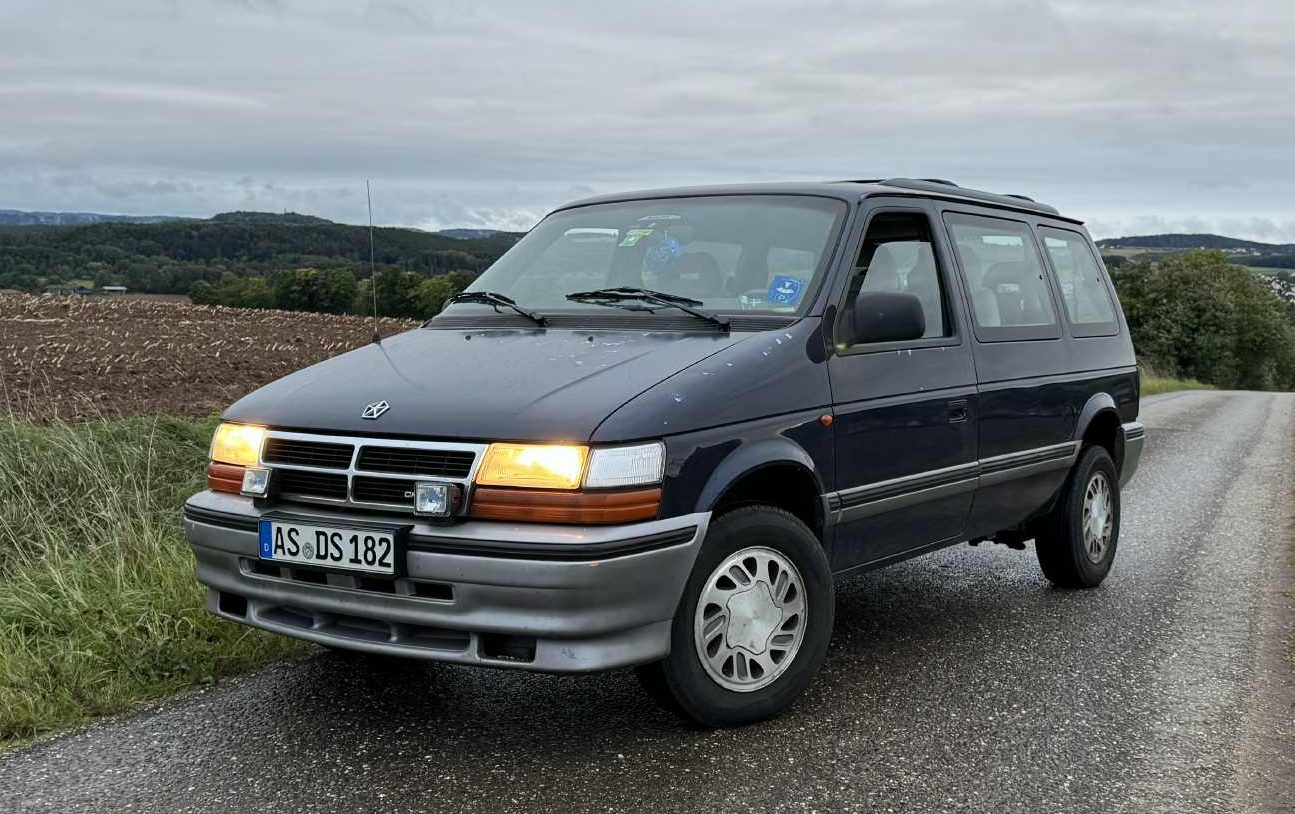
I bought the Graz, Austria-built machine with the help of my friend Andreas back in 2020. In a way, the vehicle helped me get through a trying time in my life, as I described in my article “How Moving From Michigan To California Completely Changed My Life“:
My friend Andreas helped start my journey out of the funk. A Jalopnik reader-turned-close friend, he bought on my behalf a manual transmission 1994 Chrysler Voyager turbodiesel – the holy grail of minivans. Based out of Nuernberg, he had been chatting with me about those vans for a while, and he’d found one for sale near him, so I told him to just go for it. He bought the broken machine for 500 Euros, towed it to his girlfriend’s parents’ house, and told me: “Yo, this project-van is ready for you!”
And so, right in the middle of 2020, during the pandemic that had me feeling all sorts of negative things about myself to the point where I lost tons of weight, I whipped out my red passport and left the U.S. on one of the few flights bound for Germany. I got an Airbnb in downtown Nürnberg, which at the time had no visitors due to the lockdown (it was wild), and I used Andreas’ Toyota MR2 to commute daily to his workshop so I could try to resurrect that rare Austria-built, Italian-engine-equipped, US-engineered minivan.
That diesel manual Chrysler Voyager gave me a spark when I desperately needed one. Just when I felt that my passion for cars had reached rock bottom, here was this fascinating contraption — a wacky mix of American, Italian, and Austrian — waiting to be revived from the dead.The days in Andreas’ workshop were tough at first. I was slower than usual, less motivated than usual, and found myself just staring blankly at the car quite a bit in the early days, just thinking. And overthinking. And then overthinking my over-thoughts.
But Andreas and his friends helped, and with stuck-at-home readers tuning in to see what I was doing all the way in Germany — at the time a locked country — I was slowly moving forward.
I wish I could say the road out of this mental funk was a short one, but it wasn’t. It was a multi-year affair. In the summer of 2021, I drove this van to Sweden on a trip that resulted in the story “I Visited Supercar Company Koenigsegg After Sleeping In A Van And Bathing In The Sea.”…
The vehicle began as a non-running, 500 Euro risk. I knew very little about its condition, other than that it looked good and the engine cranked:
Here’s the video describing what was wrong with it:
As someone who had just flown to Germany from Detroit on one of the few flights going in 2020, I was thrilled with the vehicle’s rust-free body. But, as I had to get the vehicle through Germany’s ridiculously difficult TÜV inspection, I pretty much had to replace every maintenance item on the vehicle.
It took me an entire month.
I replaced pretty much everything. The shocks? Replaced. The wheel bearings? Replaced. The CV Joi—I don’t feel like doing the question/answer construction anymore, so here’s a list instead:
- Shocks
- Wheel Bearings
- CV Joints
- Ball joints
- Tie rod ends
- Tires
- Brake pads
- Leaf spring bushings
- Front control arm bushings (maybe? I can’t remember)
- Engine mounts
- Sway bar bushings
- Transmission mount bushing
- Manual transmission shifter bushing
- Accessory belt
- Water pump
- Fuel filter
- Oil/oil filter
- Lots of other things that I can’t remember
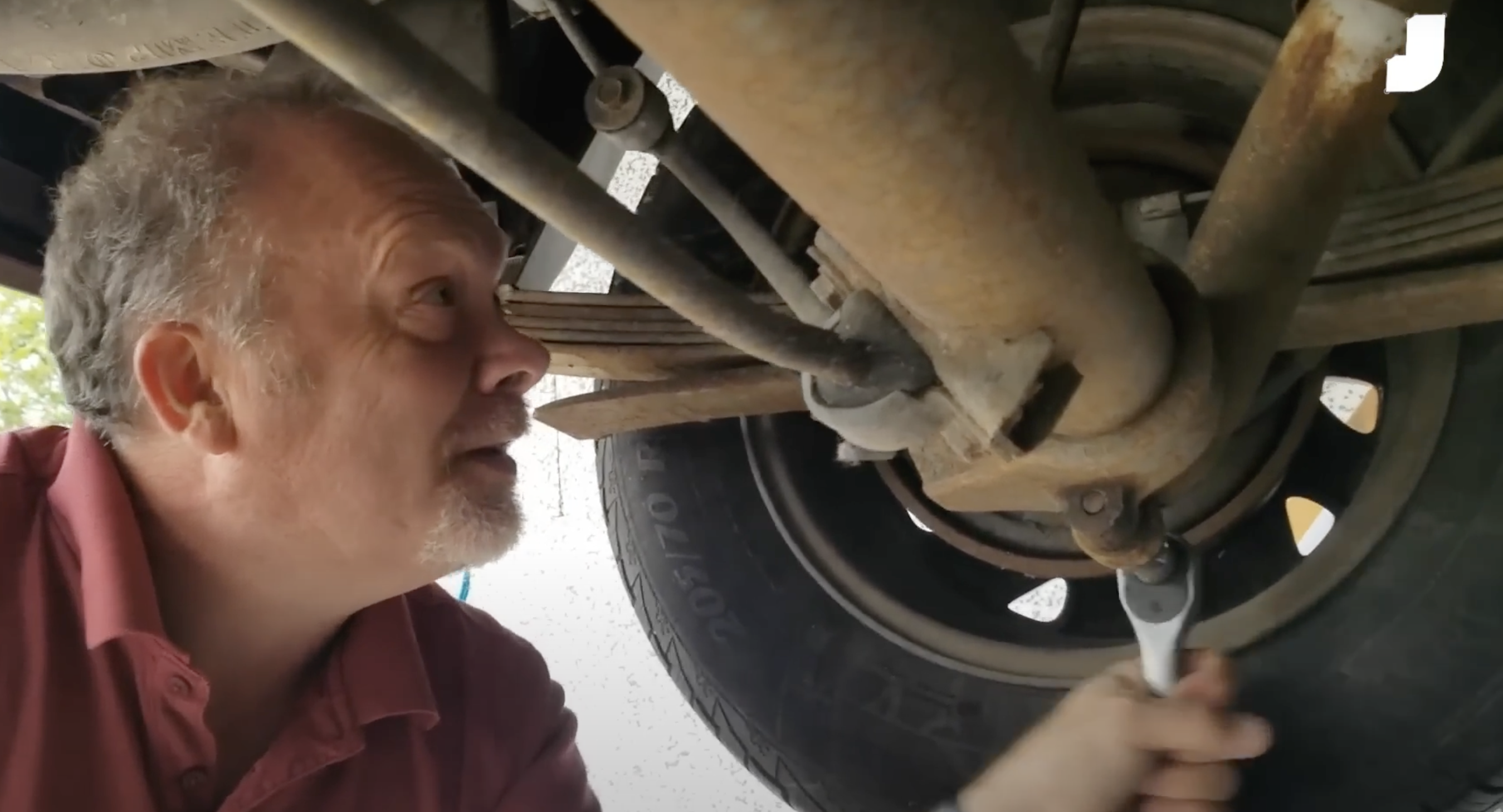
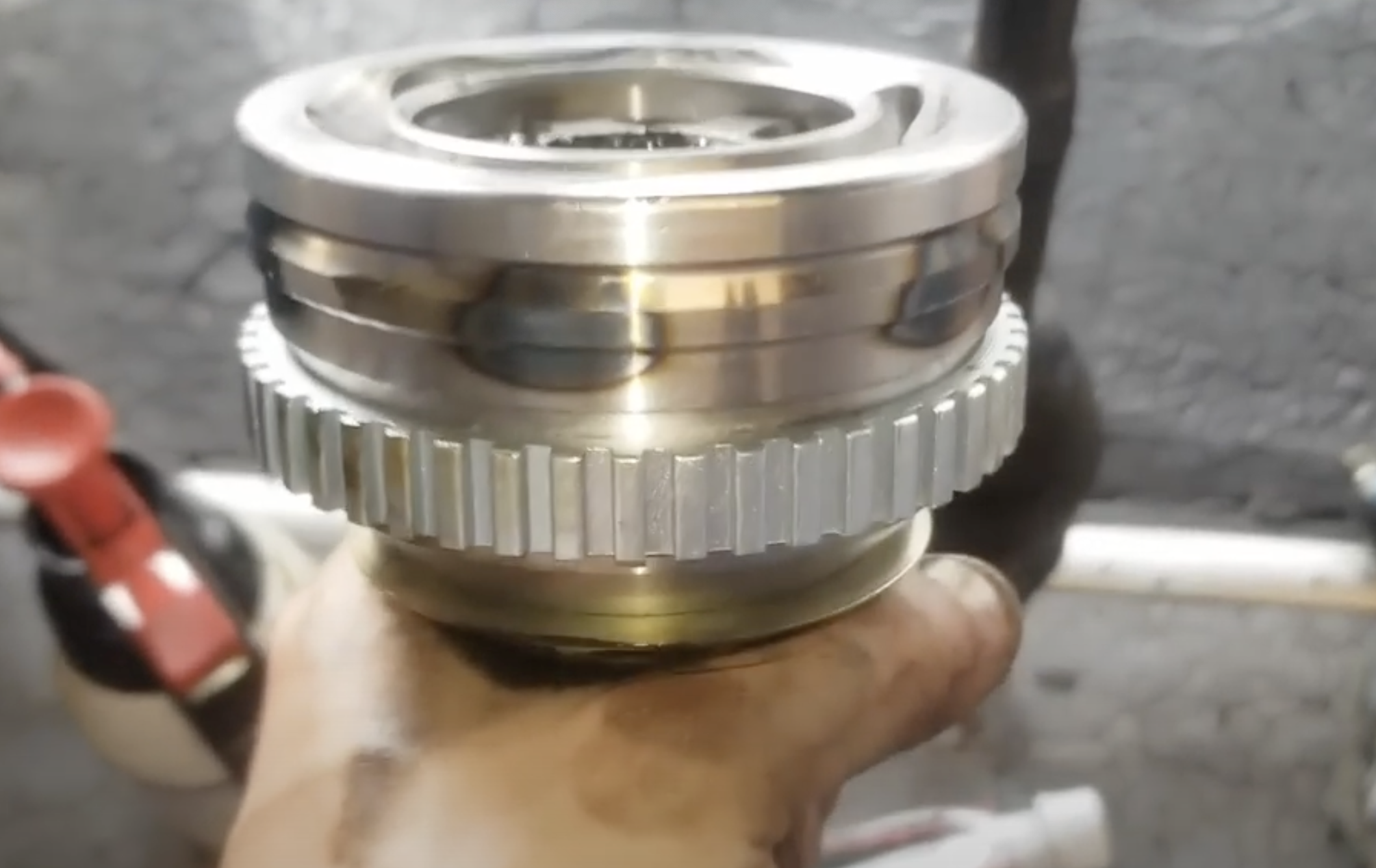
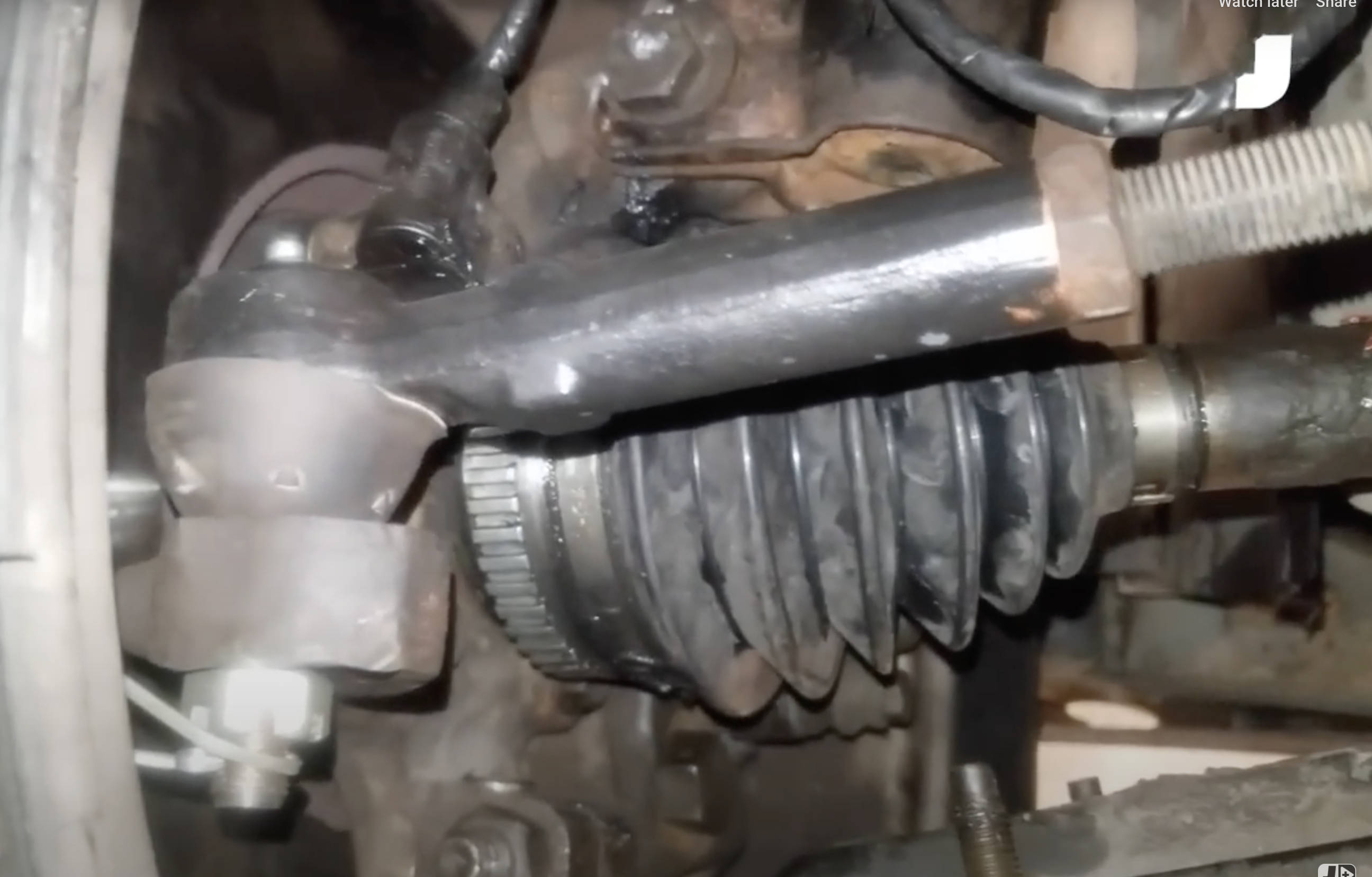
I basically did a full refresh on the van, to the point that it actually passed German inspection… eventually:
And now, 5 years and 20,000 miles later, how is it doing?
View this post on Instagram
Great honestly. The thing rides like a brand new vehicle, it shifts like a brand new vehicle, and that absurdly high-mileage VM Motori Turbodiesel runs perfectly. Honestly, the van is a remarkably smooth machine, both in terms of power delivery and ride quality. Only at idle, when that 2.5-liter turbodiesel makes tractor noises and vibrations, does the van not feel smooth as silk.
Things haven’t been 100% perfect, but the faults have all been electrical in nature, with the battery seemingly struggling to charge, one taillight not functioning properly, and one of the headlights having a hard time passing TÜV a couple of years ago.
Everything else seems to work great — window switches, locks, the radio, the AC, and most importantly: all the mechanicals.
It’s a reminder that, if you can buy a car with good bones — no rust, an engine with no known design flaws (the VM Motori doesn’t quite fall into that camp, if I’m honest), and a solid transmission — you can get it to be a reasonably reliable classic by just replacing the wear parts — steering, suspension, and accessory drive parts go a long way. Small hiccups — usually manageable ones — might remain.
At least, that’s been my experience, both with this van and my J10, which I also refreshed about 5 years and 20,000 miles ago, and which has also been great ever since, sans a few small gremlins. Of course, 25,000 miles isn’t a ton, but let’s see how the next 25K go.




Always great to see updates about project cars like that, especially this particular one, as goodness knows we need all the manual diesel minivans we can get (or preserve!)
Sometimes it can be a little sad like when reading about the ignominous end of the POStal Jeep so it’s mighty nice to read about Project Krassler still merrily chugging along.
So I guess the electrical issues are the Italian part of the vans DNA huh?
I am very shocked that you managed to find replacement parts for these oddball items, on a presumably low volume car in Europe. Heck I am guessing even here in the USA where these things common as cockroaches you’d have trouble rounding up these parts.
$25 in parts for the first 4 on Rock Auto. They only have the automatic transmission mount, so I’m not 100% on that, but they seem to have all the transmission seals.
Suspension and body stuff should be easy. Diesel parts might be difficult.
Rock Auto comes through again! Amazing.
I moved to France four years ago and I still see these from time to time along with diesel powered PT Cruisers, a popular car here for some odd reason. The Plymouth van I see most often is badged as a Chrysler and my favorites are the ones badged as Lancias.
I saw two PT Cruisers, two newer Pacificas, and one older minivan over a two-week period this month.
And a GMT800 series Suburban. WTF!
After having owned one of the same vintage, the rear wiper motor (if so equipped) has a tendency to burn out, and it’s on the same circuit as the airbag, so if you have a burned out motor and try to run the rear wiper it will kill the fuse EVERY TIME and cause the airbag light to illuminate.
I like to believe that the “V” in VM Motori stands for “VM”, and the “M” stands for “Motori” and so on and so on…
After getting the VIN number through customs and withdrawing some admission money (as well as some money for replacing the broken hot water heater at home) from the ATM machine David would be all set to drive the VM Motori-engined minivan to visit the The La Brea Tar Pits museum.
(For those who might not know Spanish or about the La Brea Tar Pits, “La Brea” is Spanish for “The Tar” so it’s like “the The Tar Tar Pits”)
It was great reading this story. I remember reading the original articles and it was super interesting. I am going to have to get a project.
My 1999 XJ Cherokee is going on 53,000 miles since I finished rebuilding it in 2021. The only issue I’ve had during that time was the original crank position sensor finally starting to fail last summer, but it still got me home.
90’s Chrysler doesn’t get enough credit for their hits.
As always David, thanks for saving a cool and unique vehicle. The update is fun. It reminds me that I should invest in the vehicles I already own instead of pining for the next used one that looks shiny and fun.
That’s awesome! That was a handsome iteration of their mini vans. One I rented in Florida in 2021 didn’t look as good, but was a great way to get around.
I rented a Fiat Ducato for 10 days and drove it all around Italy back in 1988. It was a non-turbo diesel. It had a 5 on the tree manual and it was pretty cool to drive. I just had to stay in the right lane on the Autostradas because it was DONE at 120 kmh. And not very happy. I usually did 100-110 to avoid what sounded like distress.
Well, not so fun in Rome, where urban traffic was miserable, and by European standards, a Ducato is a pretty big vehicle. Think Ford Econoline/Transit RAM ProMaster big. The ProMaster is essentially a re-badged and federalized Ducato. You might see them being used by the USPS.
Navigating piazzas near the Vatican City, where at least eight streets feed into them was nerve-wracking. Idling in first gear, it seemed like I was Moses, parting the Red Sea. Everyone just made room. It was magical.
We got lost and a teen and his girlfriend on a scooter volunteered to guide us to our hotel. I had two cases of wine in the back from premier wineries around the country and gave them a bottle of white and red as thanks and I’m not sure I’ve seen eyes or smiles wider than that before or since. That was magical too. I love Italy.
I often wonder how a diesel version would have done here. Diesels were kind of cool in the 80s. This rehab proves, once and for all, David, that you not loving something without rust is untrue! Is your kiddo walking yet, and most importantly, does she/he have the hand strength to hold a wrench yet? You just may be diapering the future of the Autopian!!!
Remember gas was about 89¢ a gallon when this van was new. I doubt a louder, smellier, slower (especially since they would have been automatics), diesel would have sold many at all…
this body style in ~1990 would have been after the early 80s diesel novelty/boom for sure. You’re right for all the reasons you mention of course (just adding another point, not refuting anything).
David don’t think of yourself as short think of yourself as a normal Humonculous. Which every TBBT fan knows as a perfectly formed smaller human.
This feels like a perfect example of how Europeans and Americans perceive reliability differently for the same cars: having an inspection scheme that mandates the sorts of repairs an American might consider optional would probably keep cars in better mechanical shape, and so less likely to lead to cascading failures or leave drivers stranded.
Some US states do have safety inspection, including states where cars rust…
The issue IMHO is Germany has one climate and therefore can have one test. The US has different climate challenges and would therefore need different tests. But no tests is not the answer.
That’s a good take. The inspections in Texas were kind of a joke, other than do all your lights work and how are your wiper blades. It was more of a cheap ($7, at least where I lived) hassle you had to go through every other year.
In Washington, where I now live again, there are no inspections required unless you have a rebuilt/salvage title. Then, they want to make sure whatever was done to get back on the road was done okay.
But they don’t use salt around here. They used to test for emissions, but that’s gone away. I used to keep my fingers crossed that my chipped Jetta TDI would pass.
I really don’t know how to feel about this issue. I get trying to protect people, both inside and outside of the car safe, but I think making cars unregistrable is regressive economically and environmentally unsound.
I am open to hearing other points of view.
I was able to pass a car that wouldn’t stay running in TX, so I agree their safety inspections were a joke sometimes. But I have seen the ramifications of no inspections whatsoever in some other states I have lived in. Stuff like flashlights for headlights and windshields so smashed you could barely see through them.
In southeast Michigan it was a regular occurrence to be driving along at 75, have a car blow by you at 90, and then nearly rear-end them because it started drizzling and they slowed down to 50 since they had torn wipers and bald tires.
I’m not exaggerating – there would literally be mist in the air and there were people in the passing lane going 50. Every time.
Is that a car or a motorcycle coming toward you? Who needs more than one headlight! Did you want to know if the car in front of you was braking? Better not have working taillights and give away your next move!
Living in Germany for twenty years, I humbly disagree with you about “one climate”. You forgot how large and how geographically varied Germany is.
Sometimes, it rains a lot in Nuremberg but is sunny in Munich, a distance of only 175 kilometres apart. The microclimate on wider area is commen in Germany.
The vehicle inspection is standardised all over Germany regardless of which company provides (TÜV Nord, TÜV Süd, Dekra, etc.) and which state (and which climate) you live in.
Nah. It’s pretty clear that these auto-producing nations are constantly thinking of ways to get you to throw away your old cars and buy new ones.
The good news is that California exempts diesels up to 97 or 98, so you can bring it over with no problems 🙂
I was curious about this. I could have sworn I looked into it a few years ago and there was an issue somewhere…
It’s California it is okay at one department and nulled at another. “California we make Floridians look like Geniuses” should be the motto
It is rather confusing but it seems you DO need it to be tested on arrival, presumably to ensure it meets compliance but it will be exempt after that:
“For smog, or in use testing, a diesel vehicle 1997 or older is exempt from testing. So if you bring a 1995 diesel direct import, or a vehicle that was never originally sold in the USA, aka does not meet EPA requirements as built, and want to register it in California, it first has to go to the emissions testing lab. This testing can exceed the value of many vehicles, so not very many diesel vehicles are properly brought into California compliance.”
https://www.importavehicle.com/blog/diesel-cars-and-trucks-for-california-compliance-direct-import-diesel-vehicles
Register it in Mark Tucker’s name, since he gets to stay in Michigan where there’s no inspection 😛
Its got a nice home in Germany now, if he brings it to CA it will just sit in the Galpin lot and becomes an opossum nest.
No. Importing any ’68 and up car into California is still going to be a nightmare. Just because something is smog exempt doesn’t mean you can import it. It used to be that way. But some time in the mid 2000’s(?) CA changed its rules so that you basically cannot import a non-US ’68 and up car into the state. The possible exception is the <=50cubic inch displacement cars which according to CA vehicle code, have always been exempt from emissions control. Technically all Kei cars should fall under this exemption but in reality it’s a bit of a grey area.
I mostly wonder about how Germans keep their vehicles so free of corrosion, given their climatic conditions aren’t hugely dissimilar from large parts of North America.
Are Germans just much more fastidious about preventing rust because of the TUV, or do TUV inspections just remove a larger portion of rusty vehicles from the road before they become real rustbuckets?
At any rate, even if we did have the same mentality, the Ultradrive automatic transmission would have consigned much of the Caravan/Voyager fleet to the scrapyard by now.
At any rate, a solid reliable drivetrain and fastidious attention to rust control will keep a vehicle on the road for a surprisingly long time.
A bit of both. There are a number of Germans in one of my Discord servers and most of them complain about TÜV. Car modifications of any sort (even something like different wheels) are a royal pain in the ass to get through. One of them has the new R5 and he can’t lower it because nothing is TÜV approved yet.
A few of them have half-joking asked if any of us would sponsor their visas so they could move here to properly enjoy their cars. They’re willing to put up with rusty stuff that wouldn’t pass there to do all the things we can here.
Ah, same issue in Italy, with aftermarket wheels, especially on a vintage car. You must prove it was offered officially in some capacity. Luckily that includes production models homologated for racing.
Because Germans ALWAYS buy the TruCoat!
“At any rate, even if we did have the same mentality, the Ultradrive automatic transmission would have consigned much of the Caravan/Voyager fleet to the scrapyard by now.”
My work here is done.
They do not. Most older cars in the southern part of Germany where it snows in significant amounts and roads are heavily salted, are rusted out and fail TUV.
Then they are exported from the country or junked.
Some areas rarely get snow just a lot of rain, those cars have a better chance of survival.
At some point its just not worth putting money into. Ran into this on my ’05 Acura MDX – blew the power steering rack on vacation in July, I wrestled it around town and 600 miles home with no power steering. It also needs tires and likely some rust repair, has close to 200k miles, with a newer timing belt. I bought it for about 8k cash in 2017. I got my value out of it. Bought a used ’13 Highlander Limited in much better shape, trade covered the tax and fees. I’m good with that transaction.
I just can’t wrench for days on end anymore, for a vehicle I’m ambivalent about at best?
How bad are the rejected TUV cars? Is this a potential profit project like Japanese used motors? Can they be bought for export or dismantle and ship for parts?
They move east
Diesel. Minivan. Manual. I f ing love this.
Yep, some old vehicles are worth putting money into. A couple of years ago I bought a $4500 2004 Sequoia with 250K miles. Replaced some gaskets, went through the front end and replaced a bunch of worn components, and cleaned up the interior. It has been a fantastic Swiss Army knife of a vehicle that I’ve camped, off roaded, and towed with. It might be one of the best automotive purchases I’ve made.
trick is of course the willingness to put in the sweat equity and in some cases bodge a part if none exist on the open market.
Of course. Even doing nearly all of the labor myself I still spent a couple grand on parts. If I was paying for labor it wouldn’t be half as appealing.
Rust is the key, I’ll put up with a LOT more not to try to fight the tin worm.
I live in San Diego so it’s mostly a non-issue here. The Sequoia I bought was a native San Diego vehicle and was spotless underneath until I drove through some puddles on a dirt road in Death Valley which obviously had salt content and immediately caused everything to surface rust. I was so pissed 🙁
See! You shoulda bought the TruCoat! Now you got oxidation problems.
I did actually spray down the chassis with Fluid Film afterwards. That stuff is mainly meant to protect and is popular in the rust belt, but it did stop and convert some of the surface rust that started.
Better late than never.
Yeah, something like a Sequoia or Tahoe/Suburban would likely be the best case scenario for this sort of thing.
They’re expensive enough to buy new that it’s worth keeping an older one on the road and the fundamental drivetrain is stout enough so that it likely won’t fail if you put money into replacing other components.
They’re also less likely to have been pounded on in commercial duty use.
Wonder if my K1500 is such a vehicle. The 350 should last forever, but the manual isn’t known to hold on that long. Hmm…
I did the same with a 2006 Sequoia with 240,000 miles that I found for $3500 (with a frame that had been replaced under recall) in Lake Geneva, WI. After about $4K in baseline servicing and replacement of brakes, shocks, front end pieces, timing belt, etc, my wife and I drove it to Key West and back from Door County, WI this last March. She never skipped a beat, just cruised like an old American land yacht (with very slightly better mpg) for 2 weeks and about 5000 miles. She pulls my boat with comfort and ease all summer. Just a fantastic vehicle.
Sometimes it’s worth it to put the money in, for sure.
The percentage of Ford model As that were still running in 1980 probably is greater than the percentage of cars made in 1980 that are still running.
I know that they would be easier to get parts for and fix.
I would be willing to bet, that with the increased availability of niche parts and services thanks to the internet, there are more running Model As today than there were in 1980.
Related to “of the 3000 examples of the [insert legendary Boomer muscle car here] produced between 1965 and 1969, only 5000 still survive”
There could be.
There was a period where there were so many unwanted model A hot rods that restoring a hot rod to stock was a thing.
You could probably build an A from scratch using new parts. I’m not sure what it would take to title it.
Doing a similar thing with a 250k 2009 Corolla 5 speed a friend just gave me. It sat a year, off the road. Needed to replace a cracked coolant pipe, passenger side mirror, wipers, and rotate the tires and it was ready to drive the 3 hour trip home. It’s gonna need brakes all around and some new tires soon but it’s my daily driver for now.
The real GOAT here is DT. Resurrecting vehicles before they end up in the crusher and telling us all about it is the work of a true hero!
SWG would like a word…
Why can’t we have multiple GOATs? We already have multiple Holy Grails….
(turns to fellow knights)
“He says they’ve already got one!”
4K miles a year and an old back up car is not that bad. I am glad it is doing well.
Remind us how much it cost you from initial 500 euros to “passing TUV”?
2nd gen Caravan is best Caravan.
I, at times, forget that you own this beaut. Any chance of importing this van into the US? Family man, family van?
Like sell it to someone in the us military to ship home and then rebuy it.
As I recall from the 1990s, the military member had to own it for a period before they could ship for free to prevent this very thing.
I was just trying to make a joke and in no was was I serious or claimed any factual basis for my comment.