

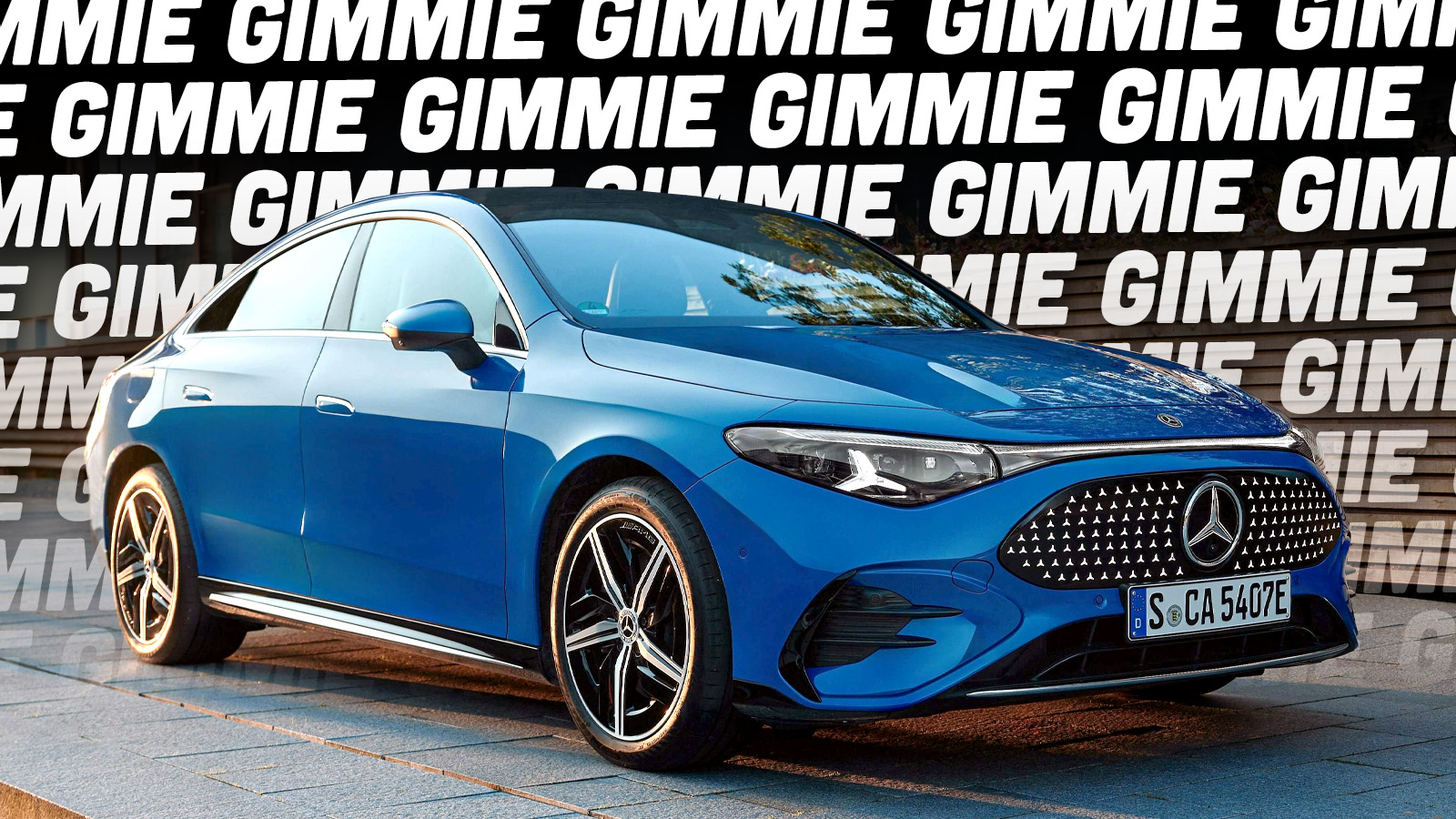
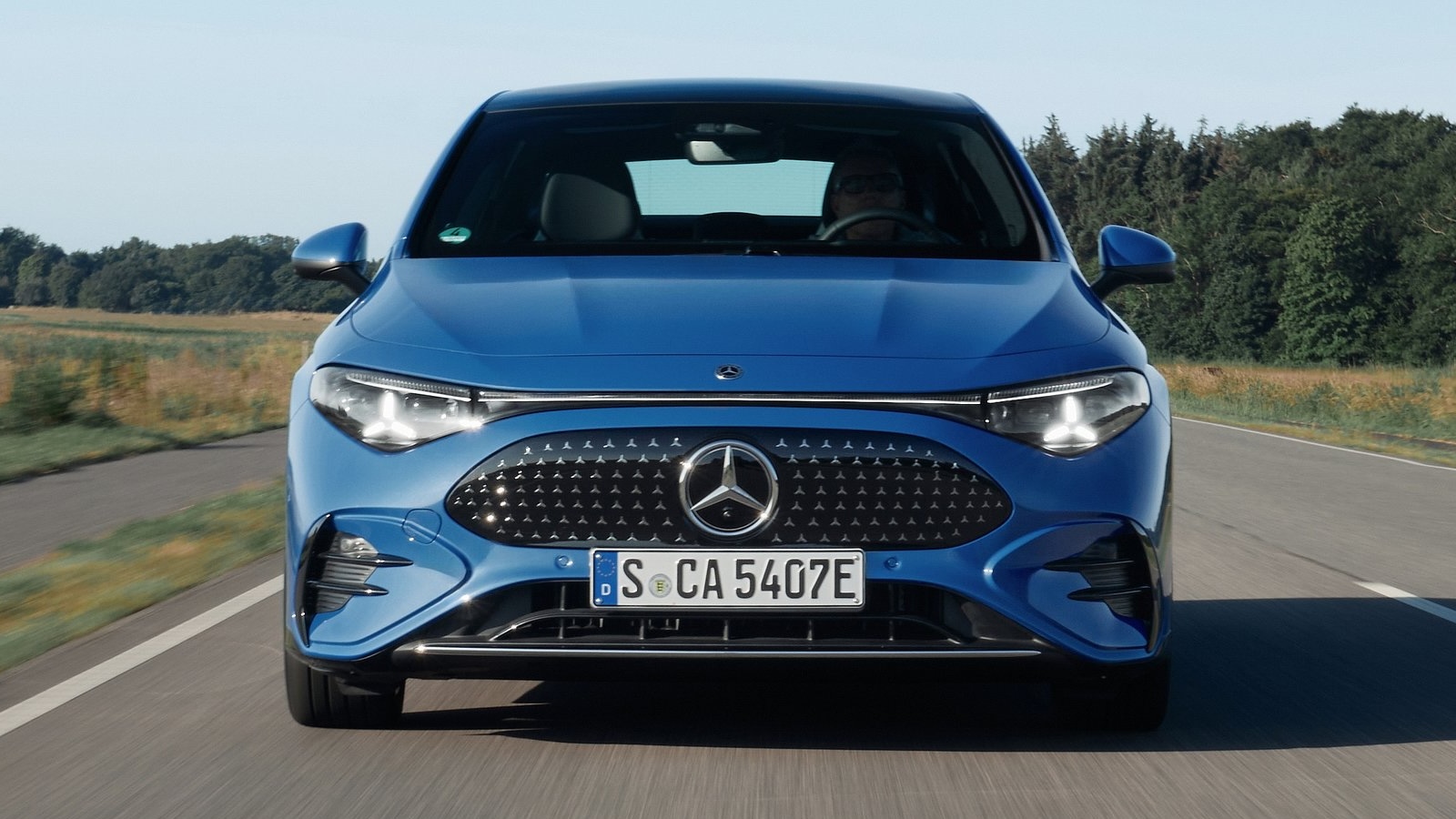
The new electric Mercedes-Benz CLA is ready for America, and while it does have a face like a large-mouth bass and an interior like a gentlemen’s club, it also promises 317 miles of range for $48,500. That sounds like a solid deal on paper, but the story doesn’t quite end there. While it’s not uncommon for base-model luxury cars to be a bit spartan when it comes to equipment for the money, the CLA takes things to another level by making you pay for stuff already installed on the car.
For a start, $50 for a front seat massage function seems like a good deal until you realize it’s just manipulating the lumbar support already built into each front seat. Mercedes-Benz could’ve just thrown in that software for free, considering it won’t need updating and uses existing hardware, but no. It’s locked behind a microtransaction. Likewise, Mercedes-Benz wants to charge you $200 to use a dashcam already fitted to the vehicle. You know what comes standard with a built-in dash cam? The new Toyota RAV4, and it’s far less expensive than the new CLA.


Oh, and the paywalls continue. Using hardware already baked into the car, Mercedes-Benz charges $1,950 for a “Digital Extra” package that includes lane keep assistance and automated lane changes when you flick your turn signal on and the coast is clear. You know, things that simply use the car’s onboard sensor suite. In contrast, Hyundai’s Highway Driving Assist 2 bundles both those features but doesn’t require a subscription. It’s simply standard equipment on SEL and higher Ioniq 5 electric crossovers and Ioniq 6 electric sedans. Considering an Ioniq 6 SEL RWD stickers for $1,655 less than a zero-option CLA 250+, which is a physically larger car, still offers 291 miles of range and bundles in the sort of ADAS that Mercedes-Benz charges extra for, the Hyundai actually seems like a more premium experience on paper than the Mercedes-Benz.
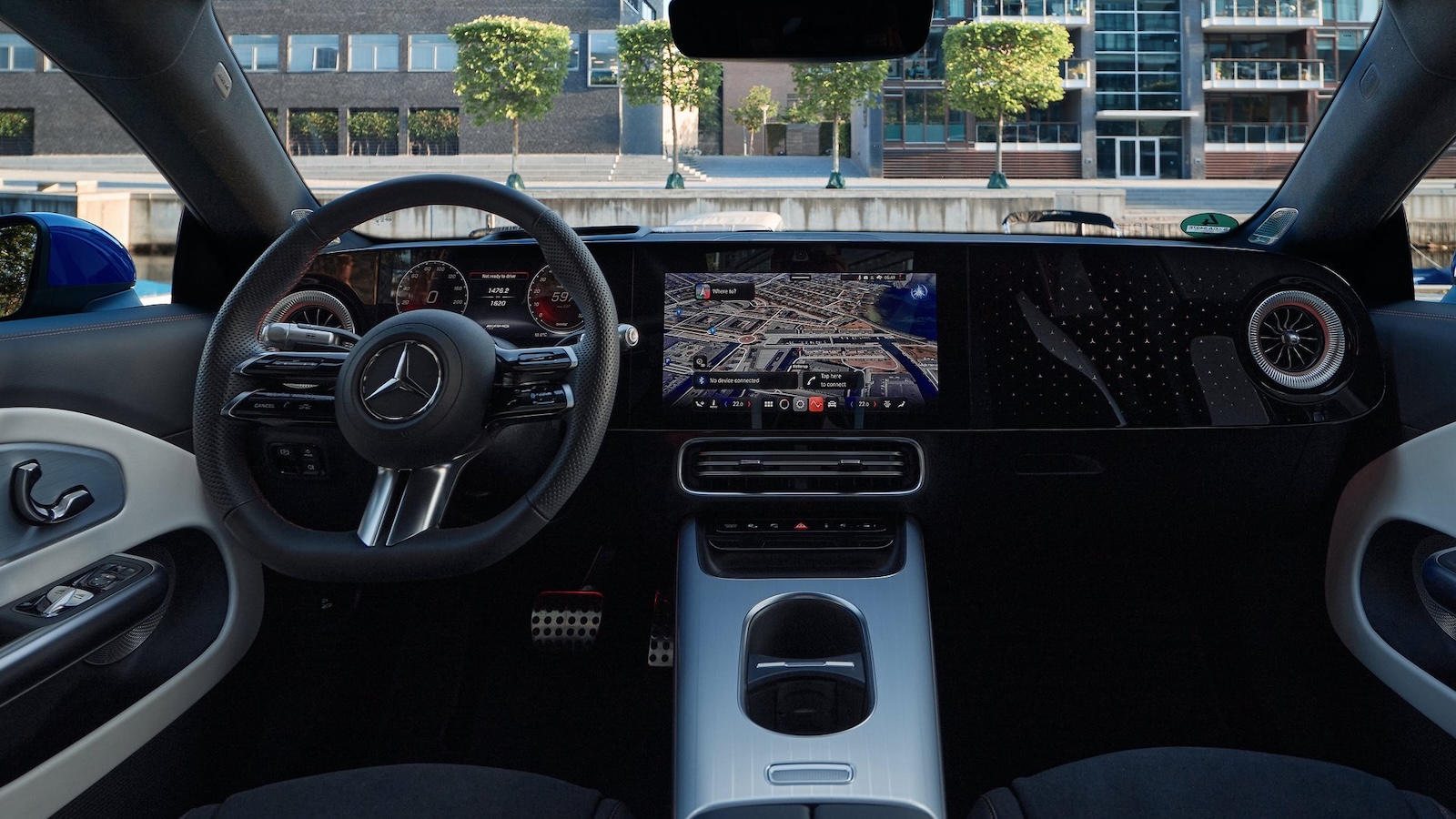
That’s not the most expensive ADAS option for the new CLA, however. A subscription package costing $3,950 for three years bundles those systems in with one that claims to automatically brake for red lights and stop signs when motoring along on adaptive cruise control. Someone has to maintain a database of stop sign and traffic light locations, so a subscription for this function does make a degree of sense. However, when you look at the pricing of other cloud-assisted advanced driver assistance systems, Mercedes-Benz’s pricing seems fantastical. Let’s look at Ford first.
Every Ford Mustang Mach-E crossover is available with BlueCruise highway driving assistance, and not only is Ford’s BlueCruise geofenced, relying on Lidar-scanned maps beamed in from a server, it’s also hands-free on controlled access highways. A driver monitoring camera on the steering column makes sure you’re paying attention, and the result is an ADAS experience that’s exceptionally good. Oh, and it’s substantially less expensive than the top-spec ADAS subscription on the new Mercedes-Benz CLA. Three years of BlueCruise will run you $1,485, and a lifetime purchase of the system costs $2,495.
However, BlueCruise isn’t the original hands-free highway ADAS system. That would be GM’s Super Cruise, which can now be used when towing a trailer and overtake slower vehicles without the need for turn signal input. Like BlueCruise, it relies on both the vehicle’s sensor suite and beamed-in Lidar maps, and since someone needs to update and expand those maps, a subscription isn’t uncalled for. So, what’s the damage? Well, Super Cruise is free for the first three years, then $39.99 per month after that. Extrapolate that out to three years, and you’re looking at $1,439.64 for 36 months of additional Super Cruise. Again, less than half what Mercedes-Benz wants for its top-spec ADAS system in the CLA.
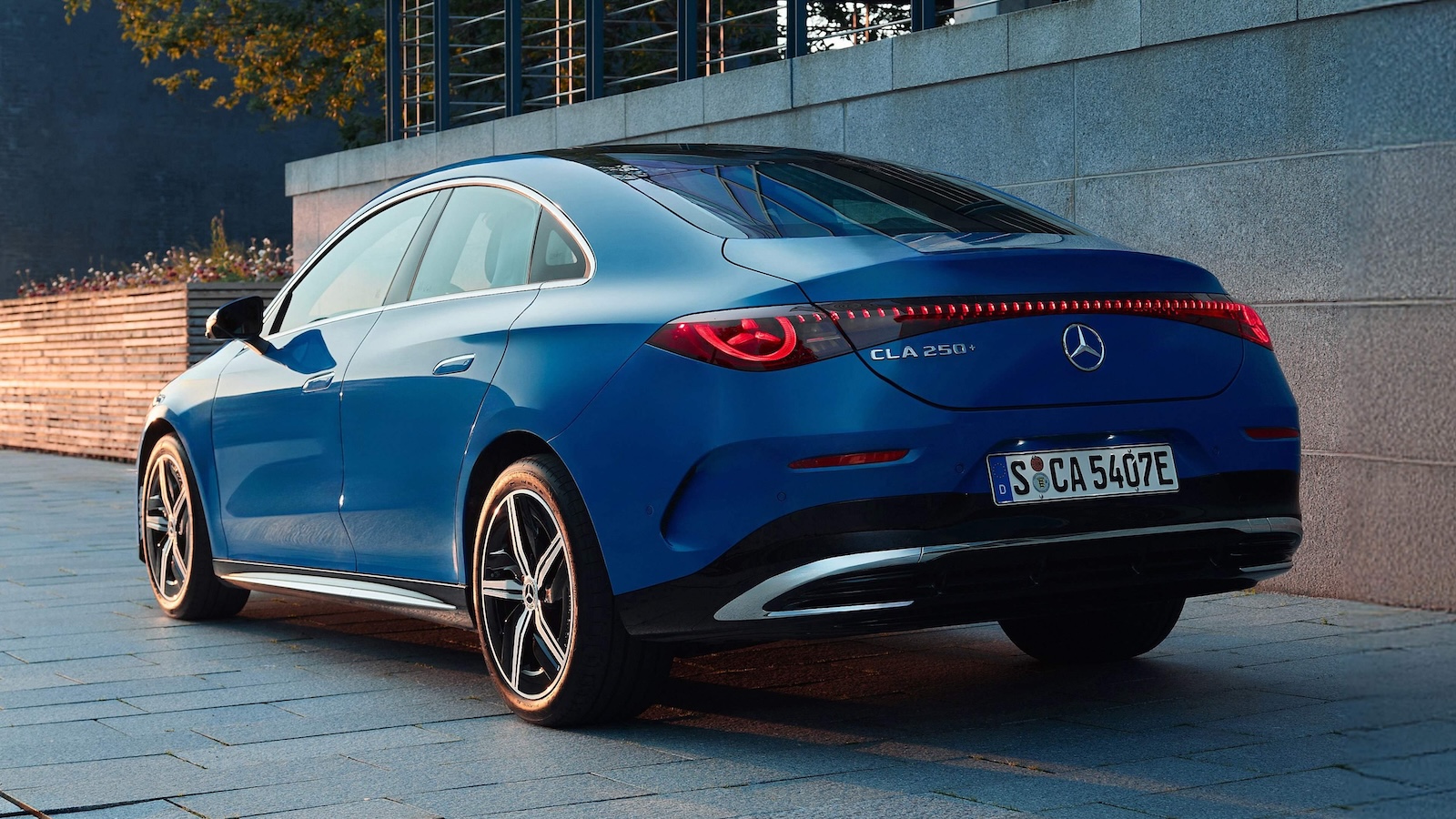
There’s nothing luxurious about getting nickel and dimed for features already supported by a car’s standard hardware, and the price of the top-level ADAS subscription seems out to lunch once you look at what the competition offers. While premium pricing for physical options has always been a thing in the luxury car space, Mercedes-Benz charging more for software-enabled functions because it can runs the risk of rubbing consumers the wrong way.
Top graphic image: Mercedes-Benz




As a matter of principle, there is zero chance of me purchasing a vehicle and then paying one extra solitary cent for any feature, physical or digital.
The fact a luxury brand is selling something a mainstream brand includes reminds me of when I did a lot of travelling about ten years ago. It was always the fancier hotels that would charge you for Wi-Fi, while the cheap and cheerful places would include it for free. Presumably it’s free everywhere these days, though I haven’t really done much international travel lately.
Also this new Mercedes looks terrible. Headlights and light bar look like pretty much every Chinese electric car coming out at the moment (see the Leapmotor c10), but the Chinese cars usually look better resolved, not featuring an awful fake grill like on the Merc. I’m sure Mercedes will claim the Chinese companies copied *them*, to that I’ll say they should have found a design language that’s more difficult to copy.
People who buy a Toyota want good value, so you should include features for them for free.
Luxury car buyers want to spend money, so Mercedes Benz is giving them more opportunities to do that!