


Maybe you remember growing up with a bunch of siblings. You shared a bathroom upstairs and ate together, so if anyone got sick, it was rather likely that you’d be under the weather very soon. If one of your older brothers attempted something stupid, you and your younger kin would probably duplicate whatever shenanigans they’d gotten into.
The House Of General Motors was not unlike that. In the late seventies, older brother Oldsmobile decided to delve into a solution to high fuel prices by following the path of many European brands: create a diesel-powered passenger car. It seemed like a great answer on paper, and before the whole idea could be proved out, all of the GM brothers and sisters—Pontiac included—had followed Olds on this crazy adventure.


In retrospect, they should have stayed home.
Pocketa Pocketa Pocketa BOOM
I hate to repeat myself, but I simply can’t exaggerate how bad things got for car builders and buyers alike in the late seventies. Rampant inflation and horrible interest rates were a perfect storm with fuel prices that doubled overnight. That last one was a major issue; imagine owning an 11 MPG gas guzzling luxury car that now costs twice as much to fill the enormous tank. “Downsizing” had already happened with many cars, but they were still a bit too sizeable to ever be efficient. Auto giants needed to do something, and something quickly.
The answer GM saw was from overseas. Expensive European cars sold in America, like those from Mercedes-Benz and Peugeot, had imported diesel-powered models for years, which sort of made it acceptable for Americans to accept what was often seen as smelly, rattling truck motors in luxurious cars.

Introduced initially in the “downsized” 1978 Oldsmobile full-sized cars, the diesel-powered models proved popular, and it’s easy to see why. The diesel clatter was pretty well muffled inside the car, so if you could tolerate that and the exhaust odor, you’d be looking at fuel economy figures that seem unfathomable for such large cars as the Olds 98 and Custom Cruiser wagon. EPA estimates showed highway numbers over 30, and I personally know of owners back in the day getting real-world 25-plus MPG at the dreaded 55.
Early models of the 5.7 diesel produced only 125 horsepower; that meant rather sluggish performance for these often two-ton cars. But don’t forget that the standard gasoline V8s on offer didn’t pump out that much more than that. Again, if you didn’t want to give up your big car, then diesel power seemed like a way to have your cake and eat it too.

As good as they were conceptually, things went south pretty quickly. Many articles have been written on why the Oldsmobile 5.7-liter diesel GM motor was All Bad; some of them even on this very site by writers far more diligent than myself, so I’ll just hit you with the parts you need to know. Critics have called this motor a “converted gasoline engine”, which is really taking things too far. However, there was some archetypal GM bean-counting that ended up being pennywise and pound-foolish.
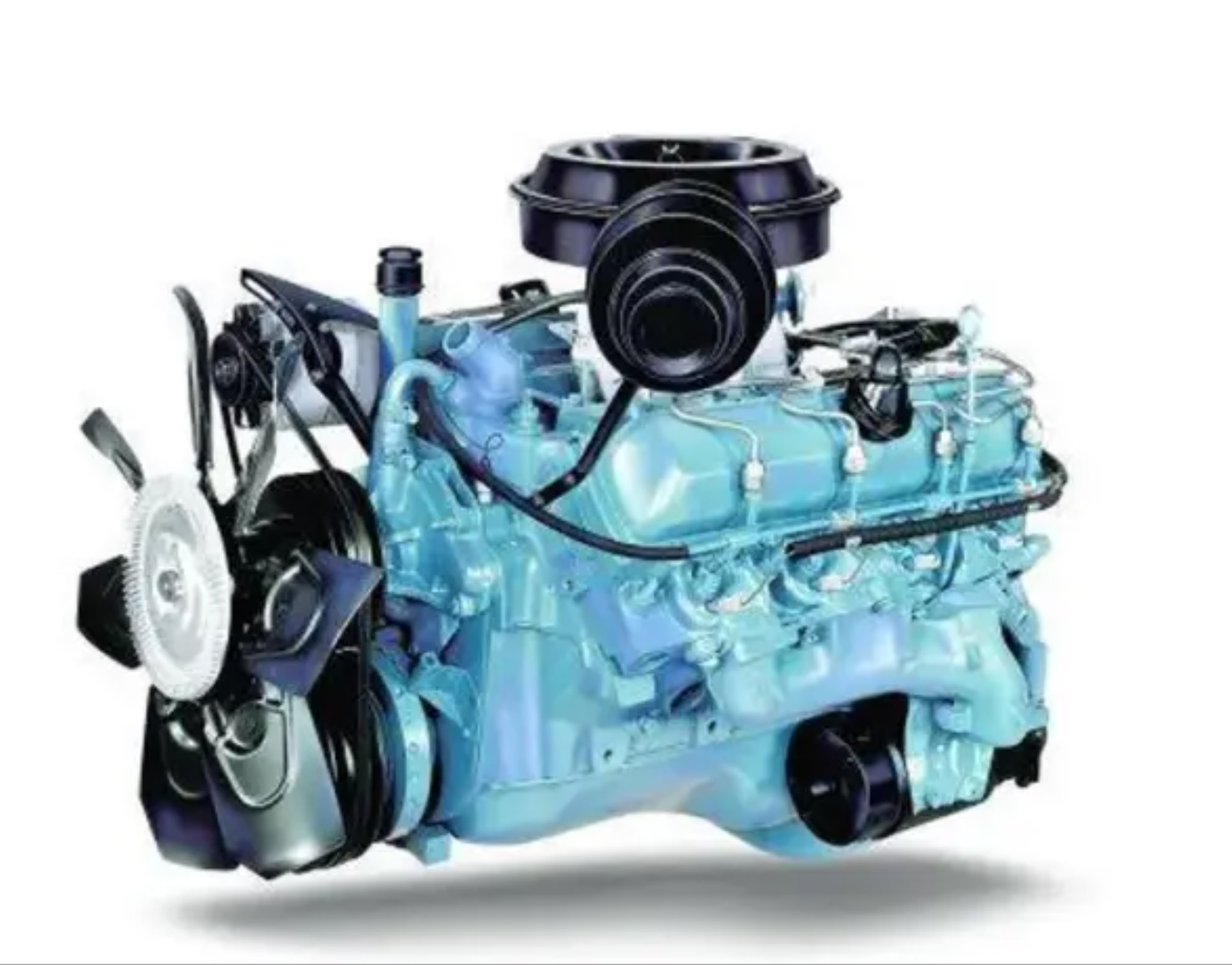
The design of the gasoline motor was indeed beefed up to handle the change in compression ratio from the typical low 8.5:1 levels of the malaise era gas small block to the over 22:1 required of an oil-burner. However, the Achilles heel was that Oldsmobile did not change the bolt pattern for the heads from the gasoline version of the engine. Naturally, the head and block of the diesel soon went their separate ways in a steaming mess on many examples.
Another issue was how the Olds motor dealt with the poor quality you’d see in much of the diesel fuel at the time. Many, if not most, diesel passenger cars of the time installed a water separator in the fuel line to prevent diesel pumps from corroding or, worse yet, getting into the compression chamber. You see the water separator in the picture of the 5.7 diesel below?
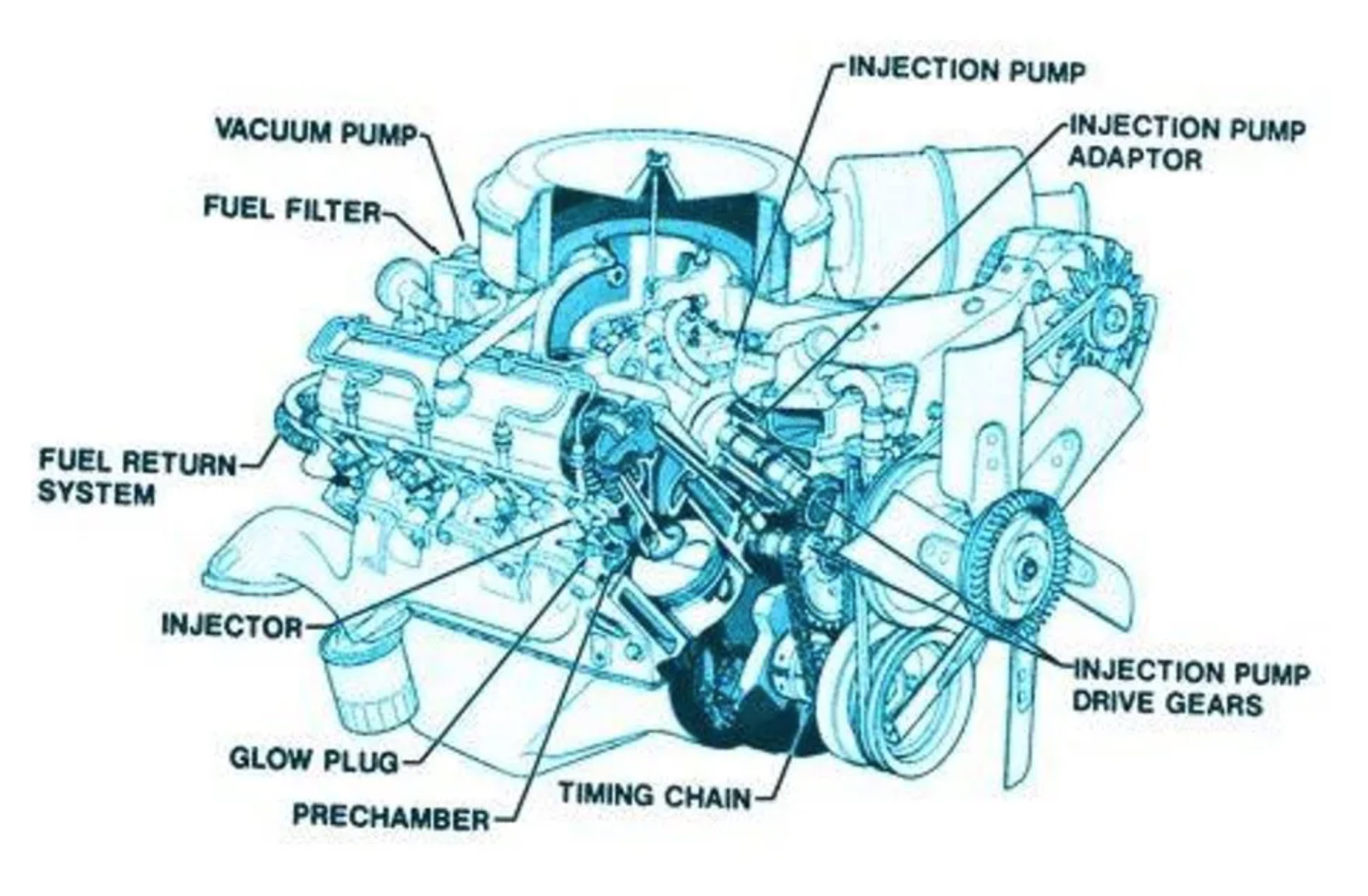
No, you don’t, do you? That’s because it didn’t exist; cost-cutting measures again backfired to create thousands of warranty-covered issues. Needless to say, a corroded out-of-sync pump or water getting past the tank would put even more stress on the bolts holding onto the cylinder head for dear life. At one point, GM added a WATER IN FUEL warning light on the dash, a warning that most owners had no idea what to do with. Did I mention that the timing chain could stretch as well?
Whether it was EPA estimates or real-world results, mileage was indeed better with the 5.7 diesel on fuel that generally cost less than gasoline at the time, but the spark-plug-free engine was not standard equipment on any GM car. The motor was something like $860 upgrade in 1980 dollars, or around $3,456 on a loaded big sedan that cost about $43,000 in today’s money. That’s a figure that would take a long time to recoup on fuel savings while you tolerated years of smelly exhaust, glacial pace, and a cacophony that sounded like the engine eating itself. Worst of all, it was often all for naught since the inevitable off-warranty repair costs would put you in the red even if you compared the running costs of a 5.7 diesel against an 8.2-liter gasoline Cadillac.

Today, the internet would rip into these cars and make them unsellable, but back then, the lure of pain-free big car ownership drowned out the stories that some early adopters were telling. By around 1980, these GM engines accounted for over half of all diesel passenger cars sold in America, and with fuel prices continuing to rise, there was no turning back for the General. Like it or not, the whole family was going down, and that included the “excitement” division.
A Different Kind Of Pontiac Excitement
Pontiac’s full-sized equivalent of the top-selling Olds models was the first to receive the ill-fated diesel as an option for 1980.
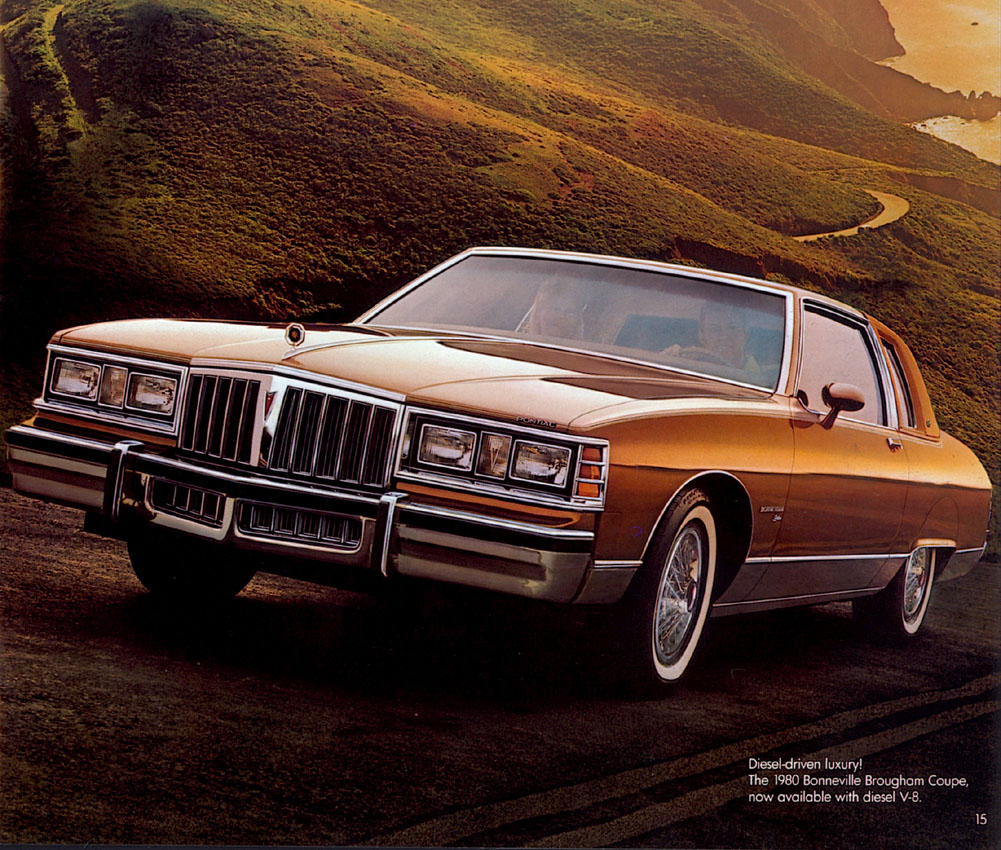
With a 27-gallon fuel tank, the diesel Bonneville and Catalina claimed an insane 900-mile range.

Under the hood, GM provided two batteries to give you the best shot at firing up the glow plugs and turning the massive starter motor on cold mornings.

The 5.7-liter motor offered in these Pontiacs from 1981 on was not the same as the earlier Olds engines; power had now dropped from the already-weak 125 HP to a paltry 110. In a Road Test magazine profile, a 1980 diesel Bonneville coupe took an agonizing 19.1 seconds to get to sixty, so I can only imagine how slow the later engine would have been.
On a better note, this later diesel engine (known as the DX 350) received a number of the fixes that it should have had from the beginning, including better head gaskets, improved bolts, and the needed water filtration, with some claiming that the 5.7 was rather trouble-free. For GM, this wasn’t totally just a goodwill move; a class action lawsuit from owners of the earlier Olds diesels had them scrambling for fixes for the vast number on the road.
Personally, I do question the whole “trouble-free” description of later motors, since acquaintances of our had the “class action” replacement engine installed in their Olds 98, and this new “improved” motor began to exhibit some of the same traits of oil leaks and burning of the first motor. Ultimately, if I recall, they followed the advice of a twelve-year-old (me) and did the correct remedy: trade the whole car in for a new Mercury Grand Marquis.
Pontiac decided to double down with the diesel option, offering it in the supposedly sporting Grand Prix for 1981.

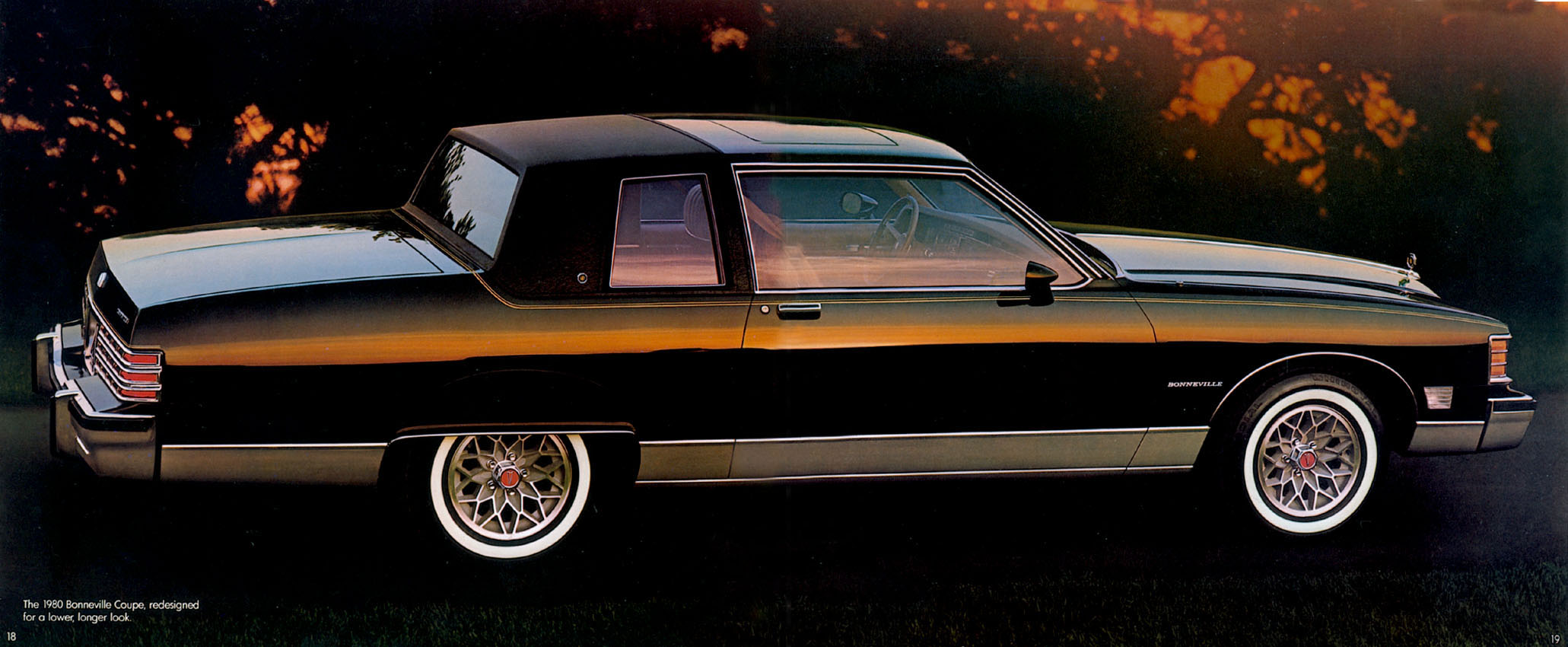
The full-sized cars were dropped due to slow sales for 1982, and Pontiac put the Bonneville name on the Car Formerly Known As LeMans mid-sizer.

Read the top of the fourth paragraph from the left below. You can bet they offered the diesel in this as well.

By now, an odd and unexpected thing was happening that was not in the diesel’s favor: gasoline prices were dropping. Pontiac seemed to immediately regret dropping its full-sized cars and “imported” the Chevy Caprice clone called the Parisienne from Canada to top out the range again. People were less concerned about costs at the pump now, but guess what? Pontiac threw a diesel option for this thing as well, just for good measure. Why?
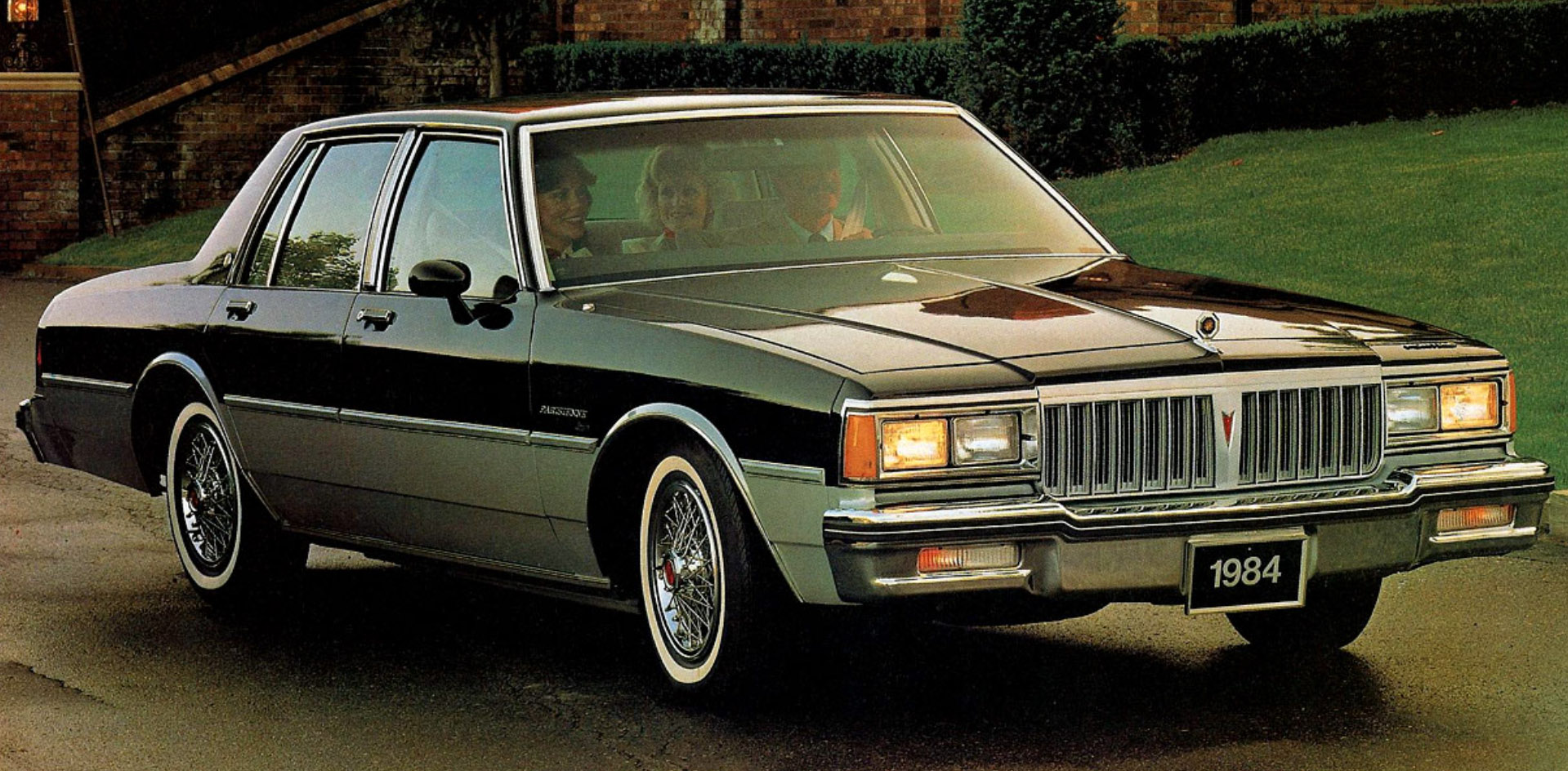
This whole situation was rather strange, with General Motors and Pontiac going nuts with diesel engines just as people were less interested in it than ever before. What’s worse is that the Olds diesel situation was another prime example that critics cite (along with things like the Chevy Corvair and Pontiac Fiero) of GM cars that steadily got better, while the poor reputation of the troublesome earlier model killed any chance of them succeeding.
None of this mattered, since the plans GM’s plans from the start included even more diesels to push on a now unreceptive public.
Wait, It Was Good?
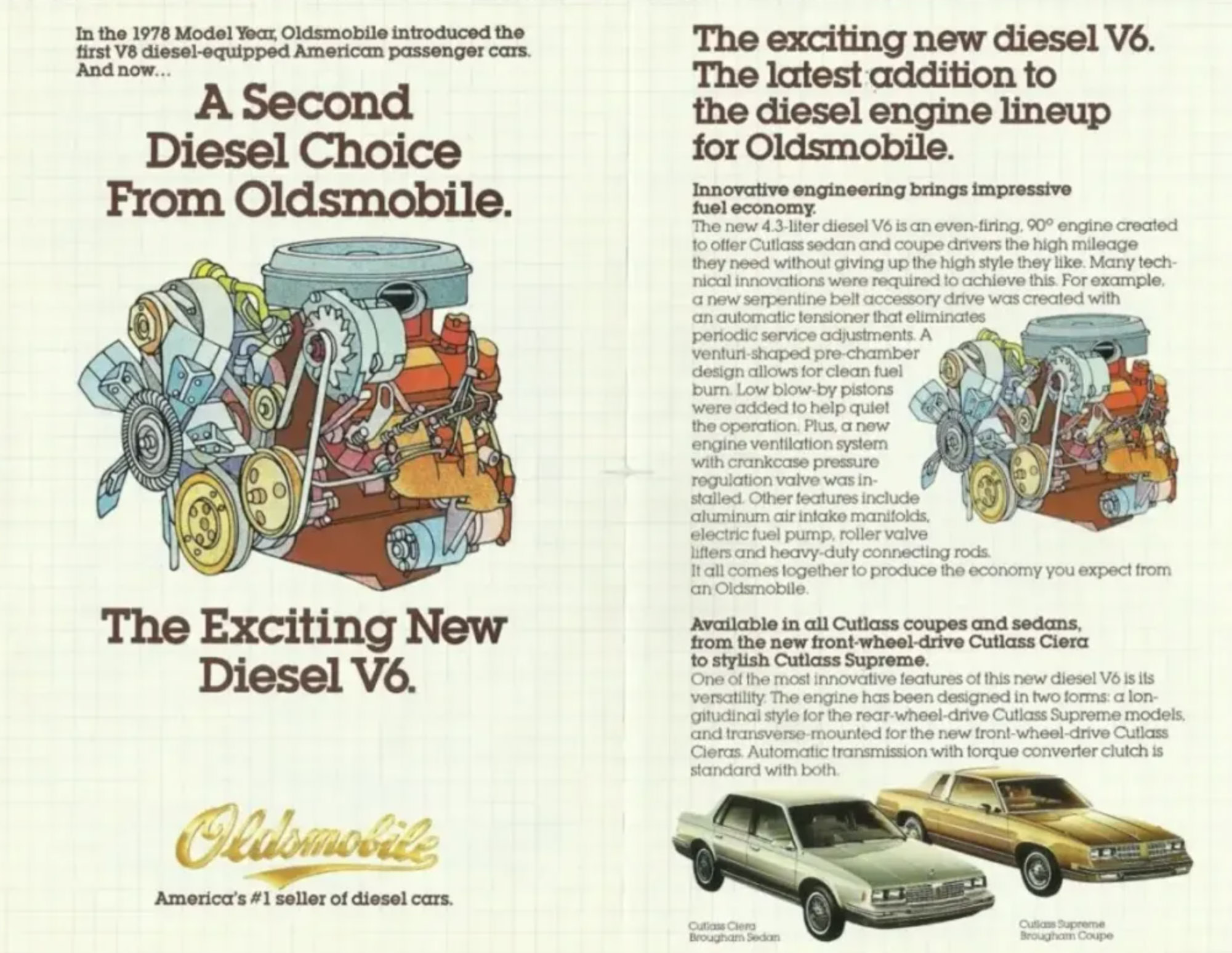
Three years after the first Olds diesel was released, the whole landscape at GM had changed to the point that compact front wheel drive cars were now the majority of each brand’s lineup, requiring a smaller engine than that giant “small block” 350. The 4.3-liter V6 released for 1982 was essentially the motor that the 5.7 should have been all along. An improved crankshaft and longer main cap bolts were a start, but the bigger changes were the addition of the water separator and six head bolts per cylinder instead of the four on the original engine. Our Mercedes Streeter has written in depth about this second diesel from GM.
General Motors finally got the diesel right, at least in terms of durability if not performance. It was reportedly quieter than the 5.7 liter too, as this cold start video of examples of each shows; at least the glowplugs are quick. Boy, that 5.7 sounds like it’s eating itself, but I can’t say a similar-year diesel Benz sounded any better.
If you bought Pontiac’s new A-body 6000 in 1982, you could have put the oil burner under the hood, as evidenced by the brochure below.

Few buyers chose to do this. The new V6 diesel packed a whopping 85 horsepower and 165 lb-ft of torque; there was a price to pay for the 42 MPG EPA rating, and that was a snail-like pace. By now, nobody wanted to pay that price, and reportedly, the factory developed to produce the new V6 diesel typically ran at ten percent of capacity at best.
Great, You Ruined It For Everyone
From selling over 310,000 diesels in 1981 alone, things dropped off fast for GM. By late 1984, it was obvious that the whole diesel experiment was done. Brochures and ads like the one below show that 1985 models of Parisiennes were available with now-unwanted spark-plug-free engines, but the take rate must have been next to nothing.
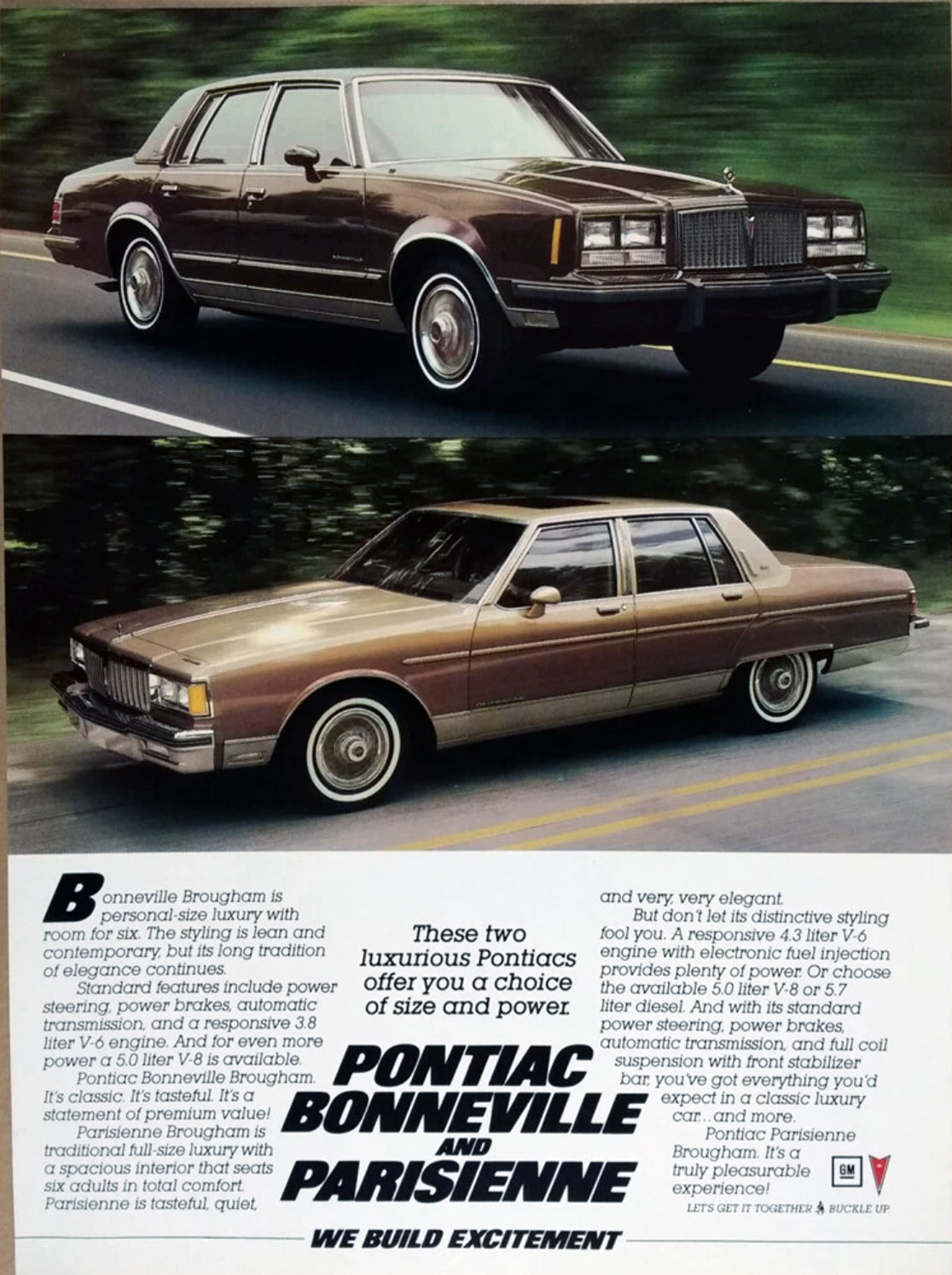
As bad as things turned out for the Pontiac diesels, the later, better resolved motors prove that if GM had incorporated the “fixes” from the later cars into the first engine, things might have been different for the American car industry as a whole. Maybe they’d have increased the power output or even added turbochargers to continue the development path that European brands did for the next three decades.

Can you imagine a Pontiac with a V10 turbo diesel to rival the engines in Volkswagens? I certainly can, but instead the 5.7-liter Olds diesel almost single-handedly ruined the reputation and interest of diesels in the United States for all domestic and imported cars forever.
Pontiac Points: 25 out of 100
Verdict: As bad as they all are, I’d still take any one of them over a T1000; even the slowest one is faster than that.
Top graphic image: Pontiac


My folks had an ’82 Buick with the Olds 350 diesel. I enjoyed driving it because it was supremely comfortable and forced, almost as bad as my Jeep TJ, easy-going driving. Sporty driving was impossible, which makes the fact that they put that engine in a “sporty” Pontiac hilarious.
There’s a guy running around my area with a yellow two-door Parisienne diesel on antique plates. It’s in really nice shape and I’d run across it probably a half dozen times last summer. Seeing it running is glorious.
Thanks for that article. I’m now searching classifieds? Diesel Pontiac? HELL NO. Old diesel Mercedes or maybe even a Rabbit.
Hey, it’s a middle east conflict, gas prices are going up and up, might as well pretend it’s the old days.
My grandfather was in the aftermarket auto parts industry, initially with a company that specialized in performance stuff, before moving more to tape stripe packages and safety equipment as the 1970s went on. He always bought big American cars, muscle cars when they were still available, land yachts after they went away. He was also a WWII Pacific veteran who still held a lot of animosity toward Japan and would scrutinize product labels and try to buy non-Japanese whenever possible
His last American car was an Olds 98 diesel, and that was quietly traded for an Acura Legend
Vaguely recall dad driving an Olds diesel (slope back Cutlass 4 door, pea green inside and out) for a week or so in ’83? I was probably 6 or 7 when this happened. I think he was trying to help a friend sell it. IIRC it was a bit plusher than the family Fairmont but worse in most other ways. I specifically remember dad having trouble finding diesel in suburban Pittsburgh at that time.
Right! I forgot about my dad having to go hunting for diesel pumps! I remember having to go over to the diesel island at a truckstop once on a trip and having to wait like 20 minutes while the semi there finished filling up like 150 gallons. Also my dad getting back into the car reeking of diesel becasue everything within 30′ of the island was covered in it. Fun times.
My first car was an ’85 Bonneville and it warms my heart to see several of them pictured here – even if it’s under the noxious black cloud that was diesel.
This comment has nothing to do with that fuel – I had the much better 305 in my car, thank you.
My father had a diesel Bonneville in 1981. It was a company car and he absolutly detested it. It was a construction company and the owner of the company wanted it because he thought since all his equipment ran on diesel, all the company cars should too. I think he got like 4 or 5 of these. It had to be plugged in on any night colder than about 30 drgrees or it was impossible to start. My dad actually had to insall a new power outlet down by the driveway to plug it in every night. It was slow as cold molassas and was in the shop constantly right from the word go. My father still talks about it as the absolute worst car he’s ever had the misfortune to be stuck with. It was replaced after only a year or two when the owner finally gave up on them. The replacement was a shiny new Mercury Zypher, (basically a Ford Fairmont) which my father considered to be a huge upgrade, if that puts it into any kind perspective.
BMW-sourced 2.4L turbodiesel used in the 1984–1985 Lincoln Mark VII did not help things for some reason.
I remember seeing my first GM diesel car back then (late 70ish) my truck driver relative had bought one for his wife to follow him in his truck on long runs so she could also fill up on diesel. (I wonder if he used the same company card for both).
Wild that there were even 19 models of Olds at one point, let alone ones with V8s.
Competition is a helluva drug, with the Detroit three surviving hard on trucks.
19 Models is a stretch – more like 19 trim levels on 4 platforms.
Modern Chrysler would be a whole different entity if they had even 4 models, let alone 4 platforms.
Oldsmobile was selling over 1 million cars a year at the time, that’s more than Hyundai or Kia do now (though not both of them together, obviously)