

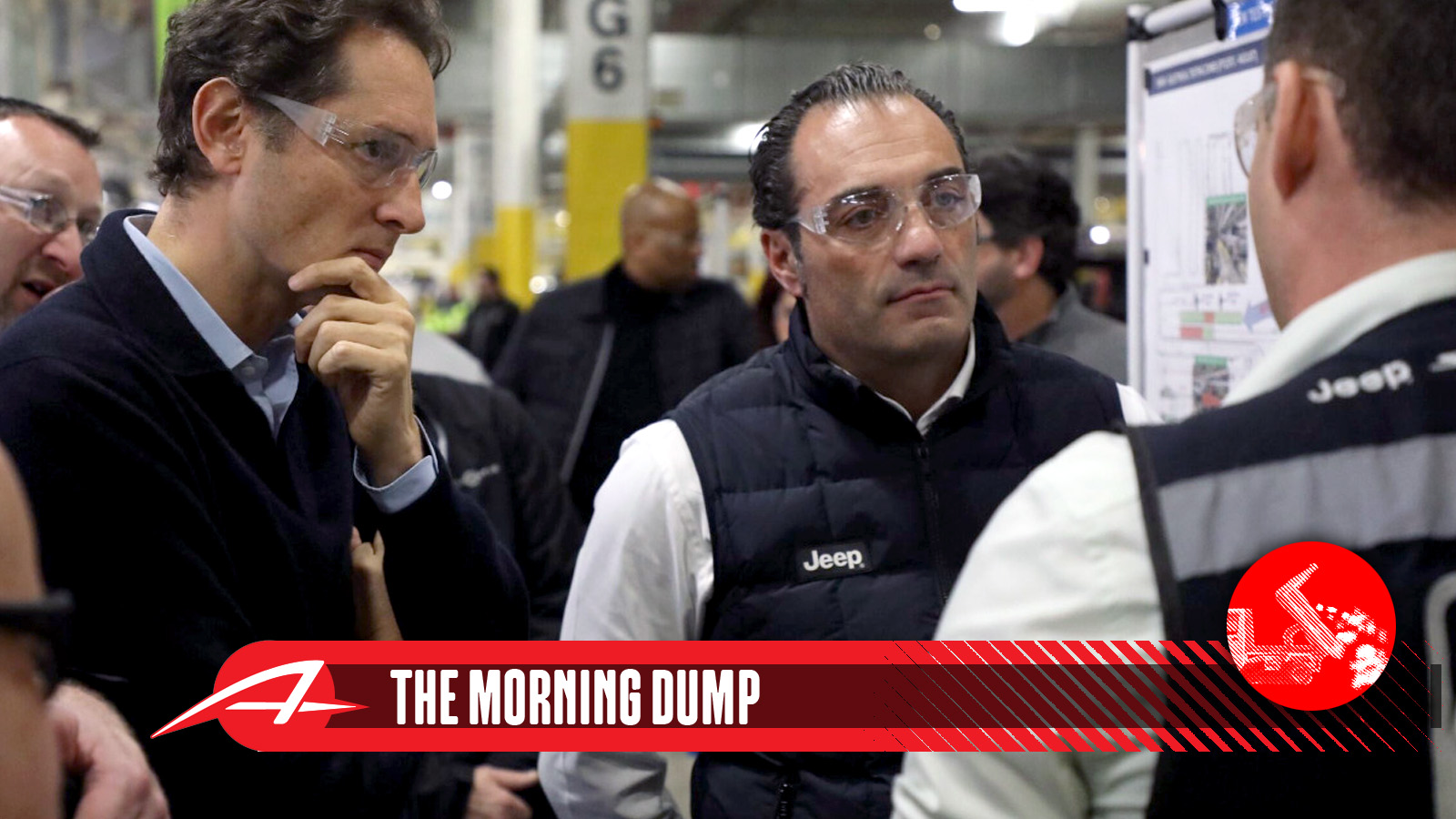
Building cars is hard. Building cars that last is even harder. There is no automaker that is immune to quality issues, although a few are standouts. One of them is the company currently known as Stellantis and, in particular, its North American brands have suffered from repeated quality challenges. The reason? There are many, but Stellantis Chairman John Elkann has a pretty good idea of at least one big reason why they weren’t getting fixed.
I’d like to thank Brian for filling in for me at the helm of The Morning Dump while I took a long weekend with the family. I feel recharged and ready to go. Perhaps that’s also how the heads of Audi and Porsche are feeling, now that their fates seem inextricably tied together. Toyota seems to think its future is tied to America, so the company is making yet another investment here to strengthen its position.


One of the adventures I went on during my long weekend was a trip to Clover Park in Port St. Lucie to see the Astros and Mets play their last spring training games. It was an incredible experience and timed out well to Ford announcing it would be replacing Chevy as the brand that represents baseball.
‘We Are Finally Able To Speak Up Openly’ Says Stellantis Employee
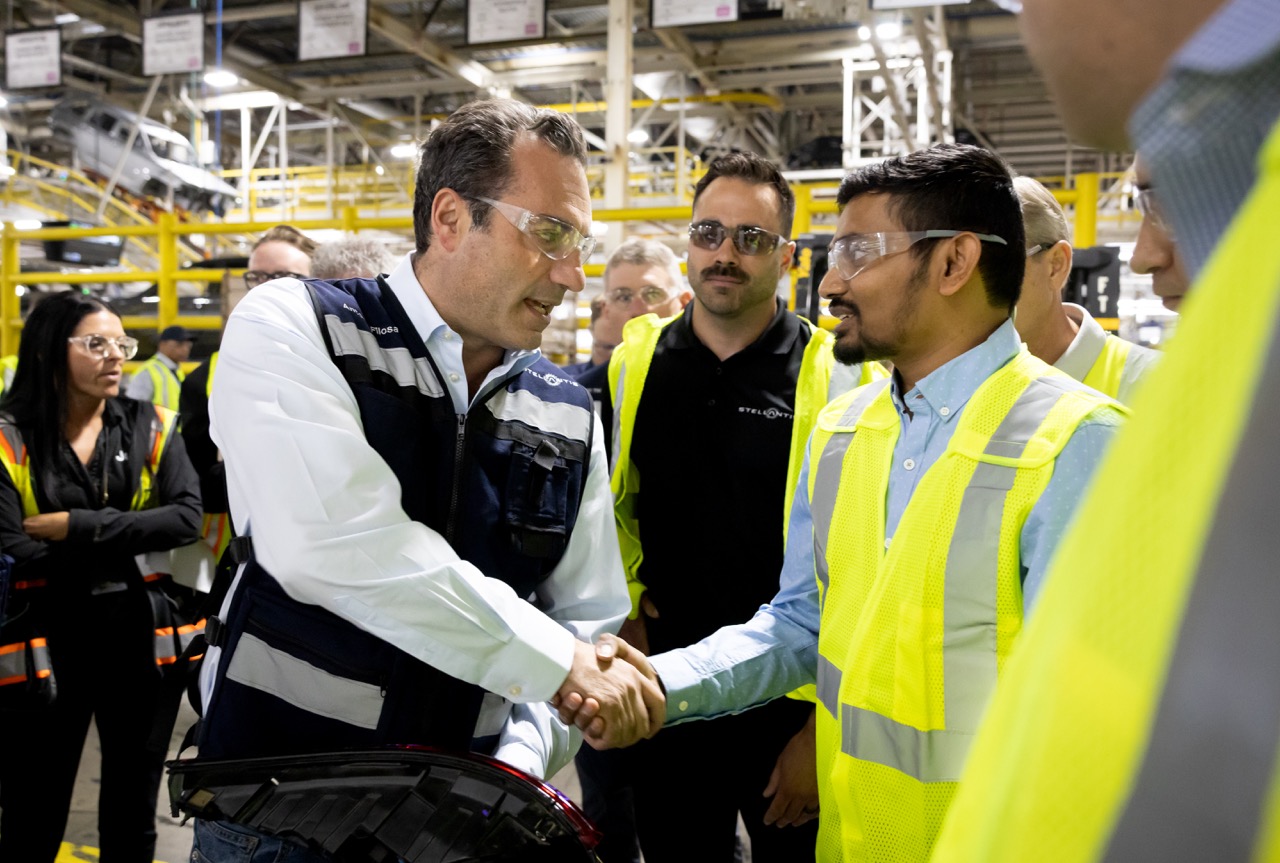
The photo at the top of the post gets used around here a lot because it’s one of the few showing both new Stellantis CEO Antonio Filosa and overall big boss daddy John Elkann together. It’s also possible that this is the exact moment that the following story, told in a shareholder letter from Elkann to investors in main Ferrari/Stellantis owner Exor, happened:
[As Interim Chairman I] placed particular emphasis on strengthening rigor around quality and on fostering an environment in which issues could be raised directly and addressed constructively. At one plant visit in Detroit, we were holding a discussion focused on persistent quality challenges on the shop floor. As the conversation unfolded, one member of the quality team said something that stayed with me: “We are finally able to speak up openly about what isn’t working and how to fix it.”
What mattered most was not the specific issue being discussed, but what that moment represented: a shift toward engagement and problem-solving. Creating the conditions for that change was an essential first step in reinforcing operational discipline across the company.
Because it happened at a plant in Detroit, the assumption is that it’s either Sterling Heights or Jefferson North, which means a Dodge, Jeep, or Ram plant. The specifics of where are less important than the unnamed “who” that is responsible for the “year of reckoning” that Elkann sees at his own company. As always, it’s former CEO Carlos Tavares, not pictured above.
The new guy. Filosa, stepped into a company that was full of challenges and he, too, jumped on Tavares over quality issues. Where Elkann’s quote here is focused on a culture of executives apparently ignoring their own employees, Filosa seemed more concerned with the bad habit Tavares had of cutting engineers in North America and sending work to markets with cheaper engineers. That isn’t to say engineers in places like Brazil aren’t talented, but keeping certain employees far away from the actual factories and production seems to have caused problems.
There is no one further up in the organization than Elkann, the Fiat heir in charge of his grandfather’s business, so it’s nice to hear him acknowledge not just that there are issues to be fixed, but to ennumerate where they fell short. That being said, what doesn’t get acknowledged here is that Elkann and the Stellantis board hired Tavares and seemed content to let him continue on while profits were high, even though the problems were obvious to some of us.
[Ed Note: I just want to note that, when I worked at Fiat Chrysler under CEO Sergio Marchionne, the company took pride in a concept called World Class Manufacturing, or WCM. I’m going to quote The Detroit News‘ piece on WCM, published in 2015:
World Class Manufacturing …is meant to empower workers to provide and implement suggestions on how to improve their jobs and factories, and act in real time to resolve problems.
“This is standard,” said Gianfranco Cinquefiori, Melfi Plant press shop manager, during a tour of the plant on Monday. “We have to respect the organization. With WCM, we focus on standardization … they must respect the methodology.”
In 2014, plant employees submitted about 2 million suggestions worldwide, helping the company save roughly $4.4 million, enabled by a training cost of $1.7 million. Since the program was implemented in North America in 2009, more than 2.4 million suggestions have submitted and approved. The company’s target is to save about $400 million in North America in 2015.
WCM’s goals are simple: reduce waste and improve quality, efficiency and safety by focusing on 20 areas, known as pillars. Pillars range from plant safety and quality control to worker motivation.
When I was at Chrysler, I truly felt that this WCM process — first implemented in Japan and adopted by many manufacturing industries — was being upheld. Italian Chrysler felt like a place where people could just say what they thought; was French Chrysler really that different? Whisperings among my old friends say that yes, a lot changed after the PSA merger.
I’ll also note that I think a big problem with Chrysler’s quality is its engineering and its purchasing; the former has too much turnover and job-hopping within the company (among other issues like the strength of the simulation tools), and the latter pinches pennies in sometimes absurd ways. -DT]
Porsche And Audi Are Going To Figure It Out Together
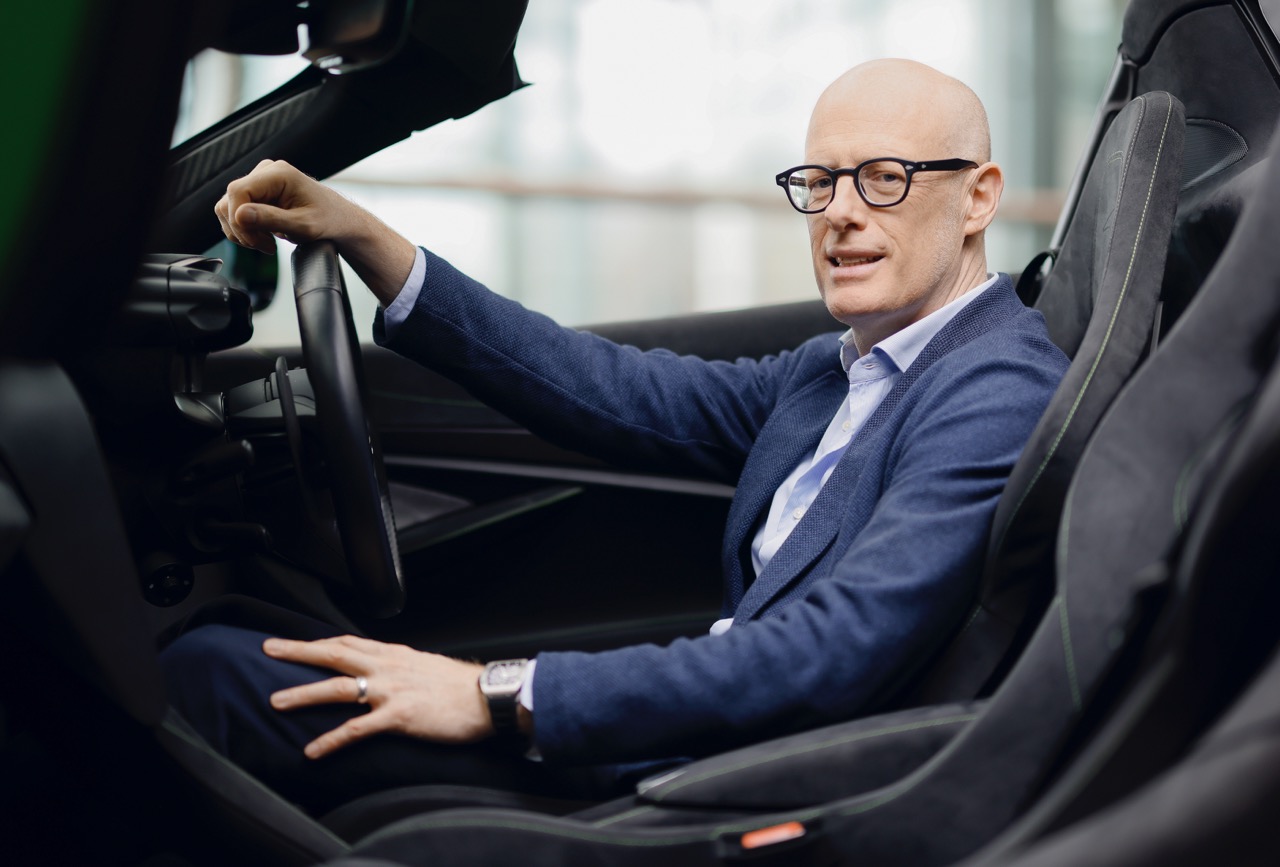
Were you aware that, while there has only been one Herb in the duo Peaches & Herb, there have been seven different Peaches? TMYK. Porsche has a new CEO Michael Leiters and a slightly more tenured Audi CEO in Gernot Döllner.
Volkswagen tried to separate Porsche and Audi out into their own orbits, but both rotate around the same star and both brands need one another as Automotive News reports:
With growth unlikely to rebound quickly and spending still elevated, pressure is building to deepen collaboration. “They have no choice — costs must come down significantly,” a person familiar with the matter said.
Historically, cooperation between the brands has been fraught with internal rivalry, including disputes over development leadership, cost sharing and engineering locations. Development of the joint Premium Platform Electric (PPE) architecture used by the A6 E-tron, Audi Q6 E-tron and Porsche Macan Electric required repeated intervention from Blume to resolve conflicts.
Now, tighter finances and a shared sense of urgency are fostering a more pragmatic approach. Porsche is looking to restore margins to as much as 10 percent while accelerating its return to combustion models, relying more heavily on Audi for platforms and components.
A little internal rivalry can be a good thing, but everyone has to recognize they have the same goal. It sounds like the two brands are about to be reunited, and it feels so good.
It’s A Grand Time To Make Grand Highlanders

I once half-seriously joked that I couldn’t stop people from buying Toyota Grand Highlanders. I recently drove the Lexus version, and I get it. If you want something nice and seemingly reliable with a true third row that isn’t a minivan, it’s hard to top a Grand Highlander.
Toyota agrees, and is investing in making more of them, as well as more RAV4s and Camrys.
The new investments include $800 million at a plant in Georgetown, Kentucky, to increase production capacity of the automaker’s Camry sedan and RAV4 crossover. The remaining $200 million is to increase capacity for the Toyota Grand Highlander SUV at a plant in Princeton, Indiana.
“Toyota’s investment in the U.S. is for the long-term, tied to our philosophy of building where we sell and buying where we build,” Toyota Motor North America Chief Operating Officer Mark Templin said in a statement.
This is all part of a planned $10 billion in North America.
Ford Takes Over As Baseball’s Official Vehicle
I love baseball. It’s by far my favorite sport. While I’ve never been better than a sub-mediocre player, I am a better-than-mediocre enjoyer. The last spring training game of the year doesn’t usually have great importance as most roster decisions have been made, but that didn’t matter to me. A day spent at the ballpark watching the sport as it was meant to be played is hard to beat.
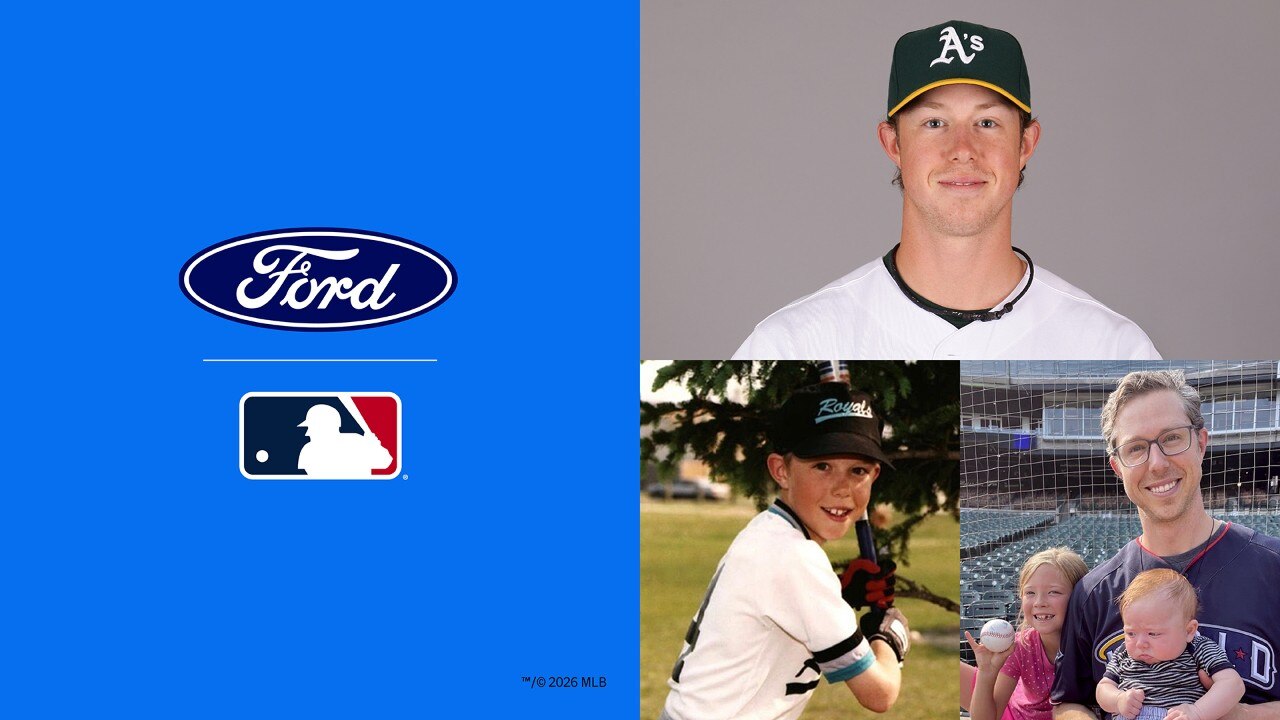
For the last few years, baseball’s most closely associated brand has been Chevy. The World Series MVP gets a Camaro or a Corvette or a Silverado. No more. Ford has stepped in and taken the job.
“For generations, baseball has brought families and communities together and so has Ford,” said Lisa Materazzo, Ford’s global chief marketing officer. “This partnership is about honoring tradition while putting real capability behind the moments that matter for fans, players, and for the communities that keep the game, and the country, moving forward.”
Also, I learned via another Ford story on its blog, that Trystan Magnuson, the current Vehicle Integration Supervisor on the Ford Explorer & Lincoln Aviator, was formerly a pitcher for the Athletics. That’s almost like playing for a real team!
What I’m Listening To While Writing TMD
I had to do it. It’s one of the Peaches (the incredible Linda Green) and Herb doing “Reunited.”
The Big Question
What is the best example of two companies sharing one platform?
Top photo: Stellantis


This is the most amazing example of useless trivia I have learned in many years, and my life is richer now that you have shared it. Thank you!
I look forward to tormenting my friends with it in the days to come.
Be sure to pronounce Herb with a silent H.
Me too. I had no idea.
Nissan Pintara and Ford Corsair. Surely the most significant automotive double act of all time.
Not that anyone cares, but I’m pretty confident that the picture in question regarding the Stellantis big wigs was taken at Warren Truck. The guy presenting to them is the plant manager (I worked with him for 2 years) and recognize others in the background.
Ha! Small world. I did a project with Trystan whilst at Ford (am no longer). Good dude!
Touareg, Bentayga, Cayenne, Urus, Q7/8.
Since Miata is always the answer, the Miata and Fiata of course. Since the 124 rolled out of the same factory in Japan, it’s one of the few Stellantis vehicles that actually has build quality…since they didn’t build it lol.
I am wondering if the 1st story was written in a foreign language and then translated by a Chinese app or just written by AI? It is not coherent.
Someone already pointed out the Cygnet and iQ, so here’s my thought:
Maserati Quattroporte/Ghibli and the Mercedes W210 E-Class – brought into commonality thanks to the Chrysler LX platform that underpinned the 300, Charger, Challenger, Magnum, and Lancia Thema. I believe there’s also some sharing with the W166 platform (M-class), which then means the WK/WK2 Jeep Grand Cherokee and Dodge Durango would also be related, but not as closely as the aforementioned cars.
The W166 unibody platform, rear suspension and electronic systems was definitely shared with Jeep.
However the only thing the Chrysler LX’s got from the Mercedes W210 was the rear suspension – the rest was Chrysler LH, which was itself derived from the AMC/Renault Premier. And when the Quattroporte & Ghibli were derived from the LX, Maserati developed it’s own front and rear suspensions – so there was zero commonality with the W210.
But if we consider what the Crossfire got from the R170 SLK…
TBQ: Tipo Quattro platform: Alfa 164 – Saab 9000 – Fiat Croma – Lancia Thema.
Each vehicle had its own personality and engineering (engines, transmission, etc.). In the end, they were all quite different… which was a problem as that raised development costs for companies that initially shared a platform to lower costs…
Baseball, Hot Dogs, Apple Pie and – Ford?
https://www.youtube.com/watch?v=zqweygy9K9Y
I knew this was going to show up. But Hot Dogs are not the most popular sandwich (some argue they’re not even a sandwich) in the US. It’s not even in the top 10. #1 is the grilled cheese.
https://top10america.com/top-10-most-popular-sandwiches-in-america/
But apple pie still tops that list.
Baseball, Hot Dogs, Apple Pie and Ford
“…Trystan Magnuson […] was formerly a pitcher for the Athletics. That’s almost like playing for a real team!”
Hey now, West Sacramento made a big short-time investment in that team. They provided a venue that’s almost like a real stadium.
Sutter Health Park is still more of a minor league ballpark with a total capacity of less than 15K, including grass seating adjacent to left and right field. Not that there’s anything wrong with that.
I much prefer watching a (Tacoma) Rainiers game in the stands at Cheney Stadium (capacity 6,500) over the Mariners at T-Mobile Park (capacity 47,000+).
The excitement of minor leaguers trying to make it up to the bigs and tickets, parking and refreshments that are all a lot more affordable, make for a better value. IMHO.
Best Dylan concert I’ve seen, by far, was in a small venue with nearly zero marketing.
Maybe a couple thousand people, maybe less.
If someone hadn’t called me, I would have never heard about it, from two hours away.
Dylan on stage with Carl Perkins, both clearly having a good time.
Hardee’s and Carl Jrs.
A note about the Toyota plants: Toyota is not only increasing Grand Highlander production at Princetown IN, but moving the regular Highlander to Georgetown KY, which is probably why they are spending so much to upgrade it.
I’m going with the US Congress and the DOJ.
purchasing “…pinches pennies in sometimes absurd ways”.
this is an executive management failure to set appropriate performance metrics.
the only operationally significant metrics for the purchasing function are availability ( which includes quality and minmax inventory levels) and total cost of ownership. if buyers are measured by availability and purchase price then inventory will rise and total costs increase. FWIW, non-stock production is one of the two pillars that Toyota Production System is based upon.
Toyota iQ and Aston Martin Cygnet.
Mic drop.
For a sub mediocre baseball player, that sure as shit was a lot of HEAT for the Athletics and mr. Magnuson
Man, I can’t think of a single era in my lifetime where Dodge/Chrysler/Jeep was upholding any sense of quality
My old Dodge Stealth R/T was one of my favorite cars in my whole life, quality-built, fast, reliable.. now that I think of it, all that might’ve been because it was built in Japan by Mitsubishi
On 16 June, 2008, from 8:40 to 9:05 am, there was a moment. But it was brief indeed
Miata/Fiata. Both great in different ways, allowing for a nice bit of variation.
People get angry at me for saying this, but the Fiat was better looking.
I 1000% agree, and I think it drove better too (and I am a big turbo fan, unlike many here). Which along with being cheaper is why I bought the Fiat over the Mazda.
But ultimately looks are very subjective. You and I probably just like the more classic look over the VERY modern slightly “sci-fi” look of the ND Miata. And while I usually hate red on cars, I would have absolutely bought a Soul Red Fiata if they sold it in that color.
I don’t love how they joined the front bumper cover to the fenders, but that’s a nitpick. The Fiata really is a sharp little car. I would’ve been curious to see what an RF version of it might look like.
Best example of a shared platform? What about the Matrix/Vibe twins. That whole platform was bulletproof. Plus you could get the wildly fun 2ZZ that sings in either of them.
But you can’t get more than 299,999 miles out of either
Resale value due to permanent low-mileage?
To me, those are really more badge-engineering than platform sharing – but that begs the question of where one ends and the other begins?
I feel like the Matrix/Vibe is on one side of that line with only very minor differences and mechanically identical, but the Fiata/Miata are on the other, given they have different engines, transmissions, suspension tuning though not architecture, and most of the bodywork, but do share the “platform”, and the interiors are interchangeable other than leather colors.
I think it’s as hard a line to draw as when a hatch becomes a wagon sometimes, LOL.
That may be true, but Stellantis isn’t hiring the talented engineers, they’re hiring the cheap ones. Allegedly.
TBQ: The Vibe/Matrix is a pretty well-loved combo.
Still pissed off at that slimeball John Fisher for moving the Athletics out of Oakland. My costume for the company Halloween lunch that year (2024) was an “RIP Oakland Athletics” baseball uniform.
Now I only have one team to root for, the San Francisco Giants (live in the East Bay, work in SF). It was fun to be able to switch back and forth between watching games on the TV. And back in the day, at least once a year you could do the both leagues double header, a day game at one park, then across the Bay Bridge for an evening game at the other park. The possibility of a second waterfront ballpark was Right There! Sigh.
Born and raised in Oakland in the ’70’s, within earshot of the Coliseum and lifelong Eastbay resident here. Just ugh! 🙁
Going to really miss going to baseball games at the Coliseum, even with it getting on the rather funky side towards the end of the A’s tenure. I remember great fun times like watching the 20th game of the 20 game winning streak in 2002 from Mount Davis (back when you could just walk up and buy cheap seats just before game time) and Hatteberg’s ball disappearing from our view and waiting that nanosecond for the crowd reaction to know if it was a game winning home run or not. Or watching Ricky [RIP] finally break Lou Brock’s base stealing record. And lots of other fun times. Sigh. Greedy owners suck. Ugh is right!
Don ‘t fuck with your engineers. They are the lifeblood of your company. Mistreat them, and you just might not have a company for long.
Oh, and BTW, is it me, or does Autopian use a terrible font for the main text of their articles? I do a lot of reading online and only this website do I find the text jarring to my eyes.
It’s a little less usual to see serif fonts these days, but I don’t think that’s it. I think it’s the kerning is slightly wonky on whatever font they chose.
I like it.
I like a serif font but, as Lotsofchops says, the kerning is somewhat shot.
Firing engineers is the car company equivalent of eating the seed corn.
Lol, I interned at an ag company, and one of the engineers was an African immigrant. Apparently when he was just starting out at the company, he went over to a corn field and broke off an ear as a snack. And on that day, he discovered seed corn.
What’s odd is that your comment (and first-level comments) is in one size but all the replies to you and to other comments are in a slightly smaller size.
Gotta be Ford and Mazda back in the day. Produced some truly exceptional vehicles. As I’ve said before, they could benefit from Mazda’s engines even today.
As I read more about Ford’s designs from the 80’s and 90’s, I read more and more comments about (such and such) model benefitted greatly from Mazda’s suspension, transmission, steering, or other technology. I wonder where Ford would be today without that “partnership” with Mazda.
That’s certainly true, and highlights it as a good collabo example. Playing to each other’s strengths gets you cars that neither company could have done alone.
What did Mazda get from Ford aside from some cash and the extra job of doing Ford’s homework?
I think cash and a lifeline was more than enough for them at the time. This was right in the middle of Japanese recession after all and I’m not sure they would have made it long term without establishing a bigger international presence that Ford helped pay for.
So Ford was Mazda’s side-hustle?
And then the Volvo D-xx platform carried the company in the 2000s. Ford had some fortunate collaborations during those decades.
“I wonder where Ford would be today without that “partnership” with Mazda.”
Where they are now: Just building big trucks and not-special SUVs, and one car.