

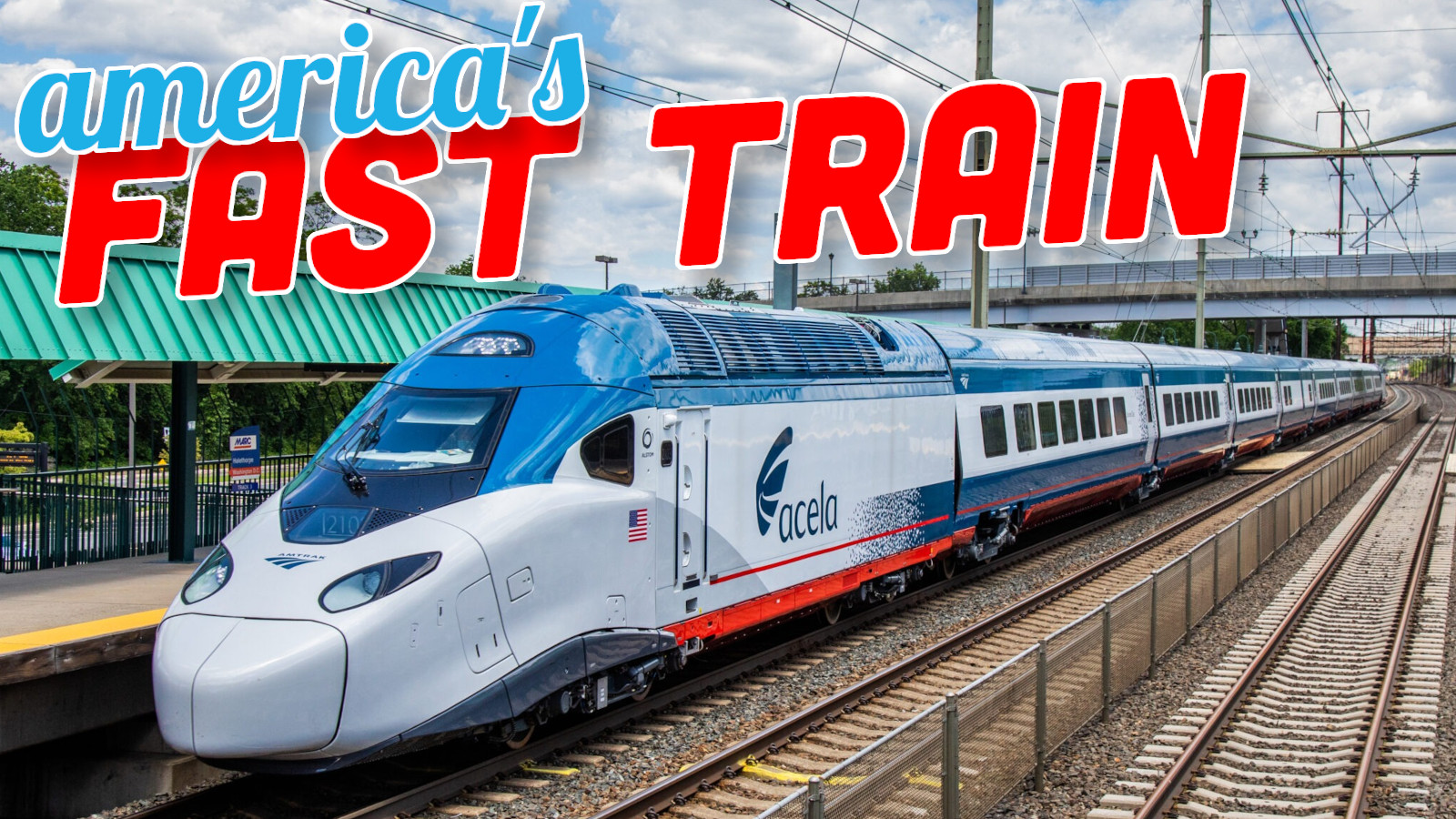
The vast majority of train trips in America are pretty leisurely and slow. Most of the time, train travel is a romantic way to get around, but it’s not necessarily a fast one. That is, unless you live along America’s iconic Northeast Corridor, the home of America’s fastest train, the Amtrak Acela. Amtrak’s flagship just got cooler, more comfortable, and a touch faster. Now, you can blast down the east at 160 mph.
The subject of high-speed rail is a touchy one in America. If you love trains as much as I do, then you know that speeds that are impressive for American trains have long been surpassed elsewhere. According to the Railway Gazette International’s World Speed Survey 2025, Chinese high-speed trains are the fastest in the world, with trains averaging 197 mph between stops. That’s only average speeds. As the High Speed Rail Alliance writes, trains in China often operate at 220 mph, with trains in Europe speeding down the track at 200 mph.


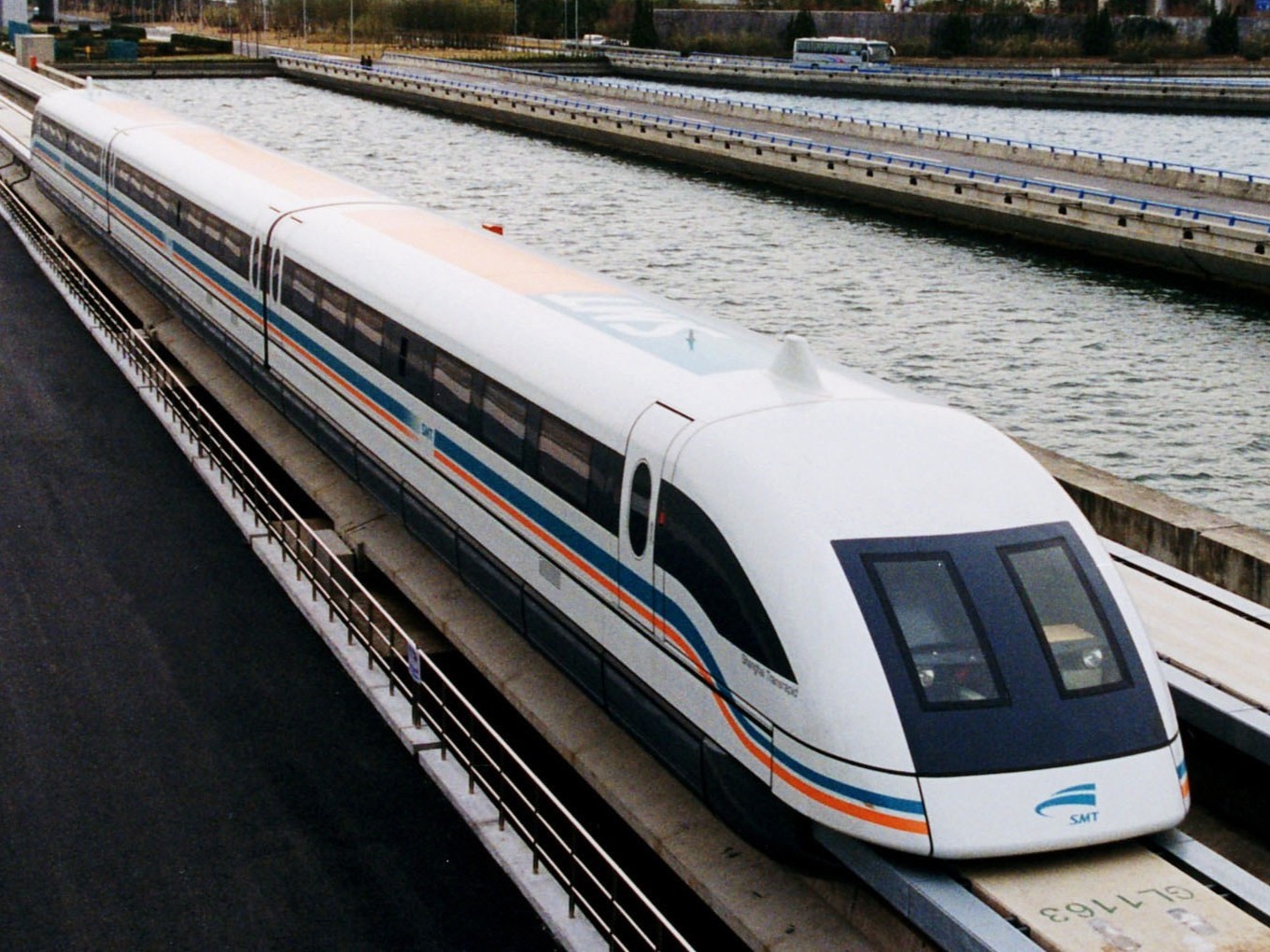
Things get even crazier when you look into world records. The fastest train in the world with conventional wheels was the 2007 French TGV (Train à Grande Vitesse) modified trainset, which ripped down the tracks at 357.2 mph. The fastest unmodified production train was the 2003 Shanghai Maglev Train, which hit an impressive 311 mph.
So, you could argue that America is behind much of the world when it comes to passenger trains. Tons of ink have been spilled explaining why, from the lack of dedicated high-speed infrastructure and freight train priority to the high cost to acquire land, building materials, and labor. Of course, plain ol’ American politics get in the way, too.
Yet, what America has achieved despite the challenges is pretty amazing. Amtrak has successfully delivered Acela service for nearly 25 years. Now, the trains have gotten just a touch faster, more comfortable, and a lot cooler. Meet the Amtrak Acela NextGen.

The Quest For Speed
The story of how Amtrak, America’s national passenger railroad, ended up with the Acela is perhaps as fascinating as the train itself. As the New York Times reported in 2005, it all started with envy for what other countries had, from the NYT:
A high-speed rail system had long been the dream of Amtrak officials. W. Graham Claytor Jr., Amtrak’s president from 1982 to 1993, envisioned a system of sleek trains that would be tested on the corridor between Boston and Washington, adapted to the Midwest and the South, and eventually run down the spine of the California coast.
Inspired by the successes of Japan’s bullet train and high-speed networks across France, Germany and Spain, Congress also became involved. In 1976, and again in 1992, it authorized billions of dollars to improve the railbeds and electrical systems along the Northeast Corridor. And it set a goal that Amtrak must provide Boston-to-New York service in under three hours.
It was more than an arbitrary benchmark. Marketing experts said that travelers would consistently choose to fly, even with the added costs and inconveniences of traveling to airports and waiting for flights, over train rides lasting longer than three hours. And bankers demanded that Amtrak reduce its train times to receive financing.
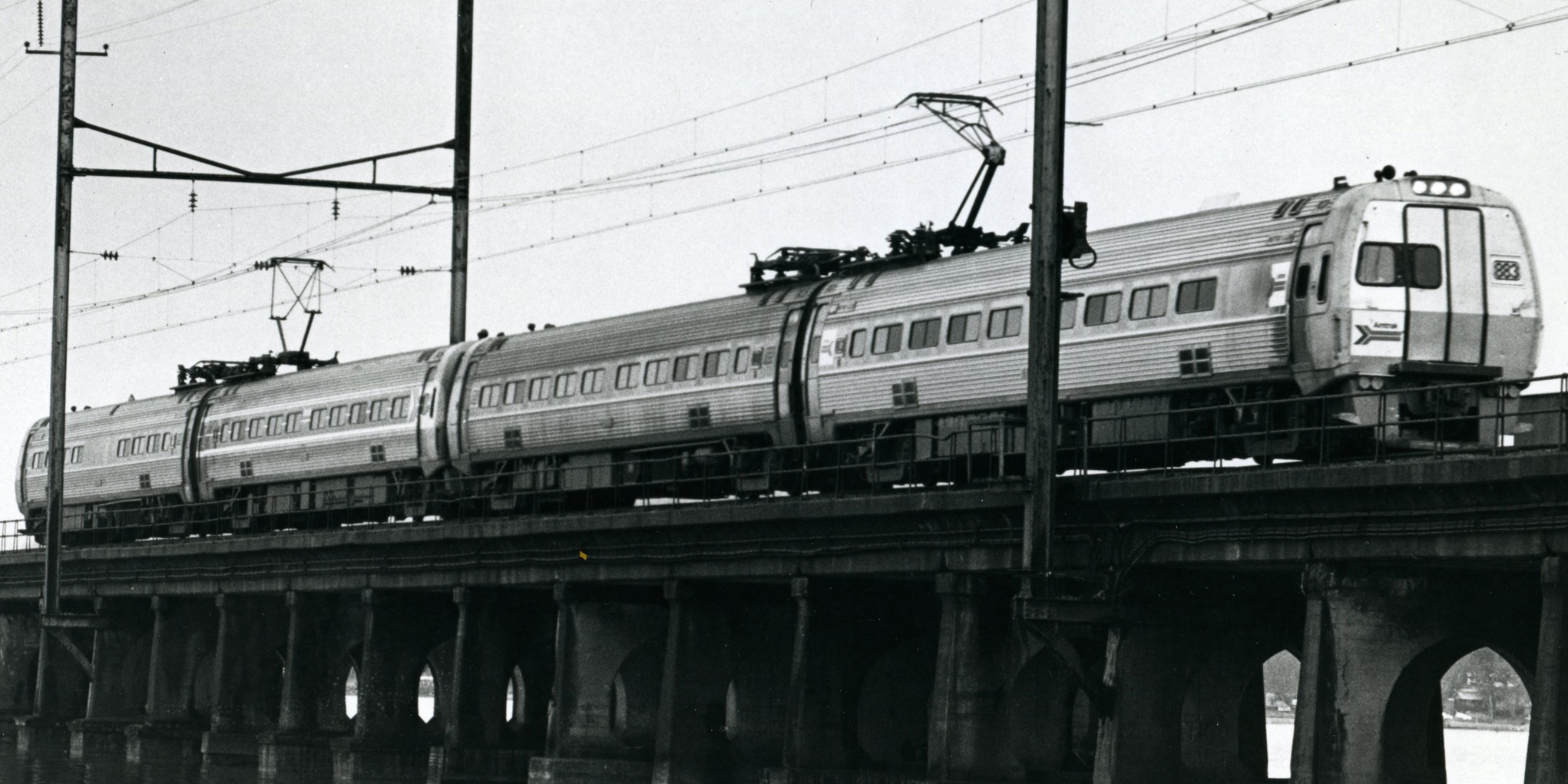
To give itself more of an edge, Amtrak repaired bridges, corrected track deficiencies, replaced wooden ties with concrete ties, and even electrified its rails between Boston and New Haven. This did speed up trains, but it wasn’t enough. Amtrak was going to need billions in cash if it was going to build a rail network that would allow a train to travel at 150 mph for any real length of time. That money would go into trainsets, but also into the infrastructure, which needed longer stretches of straight rail and gentle curves to permit the speeds seen in other countries.
The NYT picks up the story again in 1992:
In 1992, Amtrak began testing two European trains between Washington and New York: the Intercity Express, or ICE train, from Germany and the X2000 from Sweden. Some Amtrak officials thought the X2000 was well suited for the Northeast Corridor because of a tilting mechanism that reduced centrifugal force on passengers when the train sped around curves. The line between Boston and New York is among the most winding in the country.
But the Swedish company decided not to bid on the contract because it did not want to make the changes required by federal regulators to adapt its lightweight European train to America, said a former senior Amtrak official who asked not to be identified because he has taken another job in the transportation industry.
At the same time, the new Republican majority in Congress was pressing Amtrak to become self-sufficient. The railroad’s board was looking for a high-speed train that could help achieve that goal by attracting new riders without costing too much. Bombardier-Alstom’s bid seemed to promise all that.

In 1993, the Japan Railway & Transport Review wrote that Amtrak called for bids to build its new train. But the requirements were high. Not only did these trains have to speed down rails that were laid in the 19th century, but unlike the Japanese Shinkansen and unlike the French TGV, the high-speed train would not get its own track. Instead, the American train would share trackage with freight trains, and it was decided that America’s trains had to survive a crash with a freight train.
Only three companies met that criteria: ABB, Bombardier and Alstom working as a team, and Siemens.
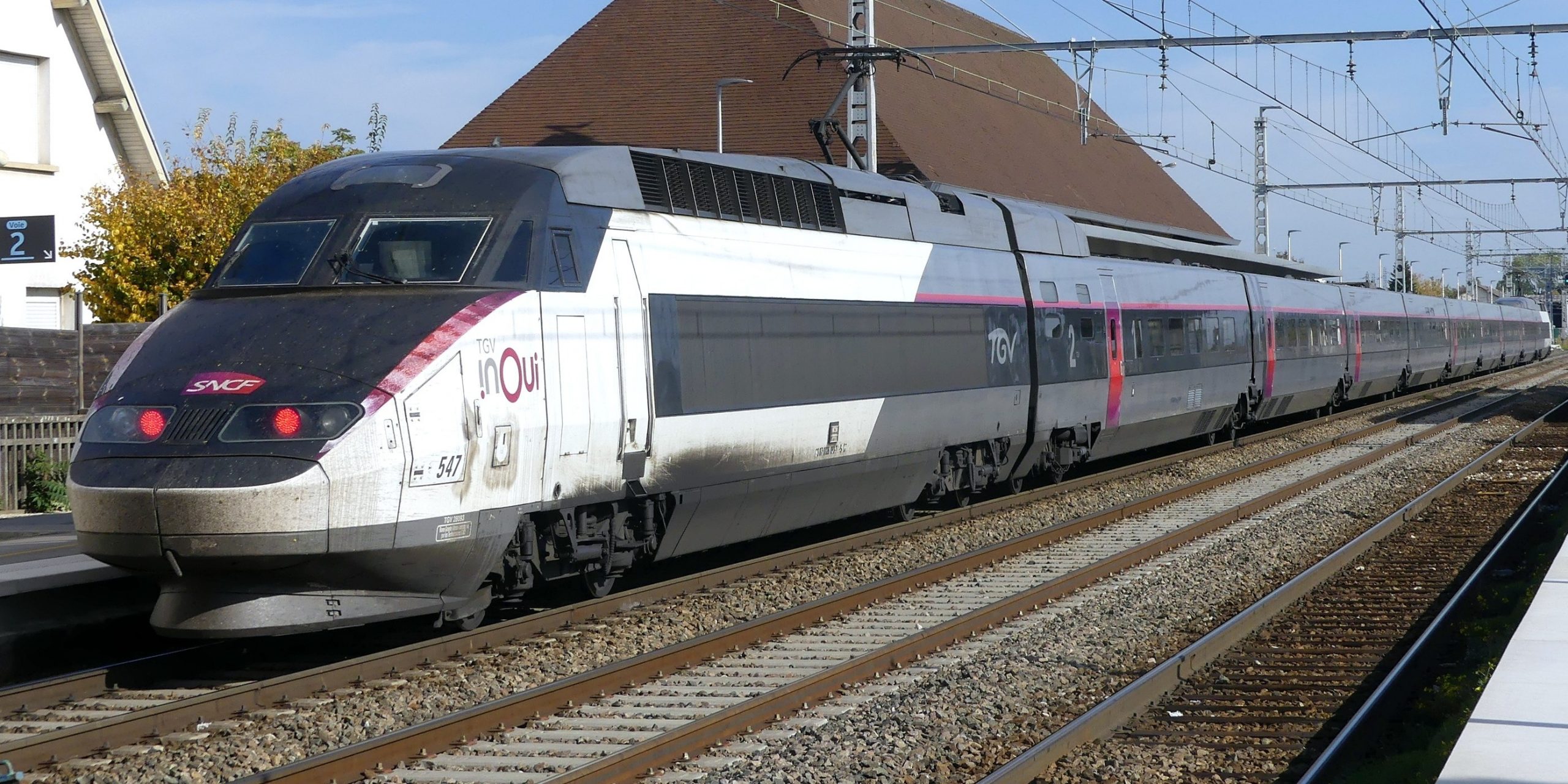
Eventually, it was decided that the best and most affordable plan forward was to adapt France’s TGV trainsets for America, which were designed by Alstom. The TGV seemed to be a great bet because those trains were high-speed and leaned, achieving the desired reduction in centrifugal force.
Reportedly, the trains were supposed to be assembled in New York and Vermont, which would have added jobs to the American economy. Bombardier and Alstom, with help from the Canadian government, offered Amtrak a sweetheart deal of a loan for $600 million to kickstart the project. As the NYT reported, if Amtrak was able to stay on budget, it was effectively like getting a whole new kind of train without any initial investment on its part.
A Tank Of A Train

In theory, Amtrak thought it could just drop some TGV trains on American rails with few changes and laugh all the way to the bank as riders switched to American high-speed rail. Amtrak reportedly saw itself taking an easier path, one without the cost overruns seen at the Department of Defense.
In reality, the development of the American Flyer, which would later be named the Acela Express (“acceleration” and “excellence” mashed together), would be fraught with difficulties. The Federal Railroad Administration determined that the TGV didn’t meet American crash safety standards. Reportedly, the FRA issued thousands of design changes, and the changes were often tiny, like what chimes should be used in the train.
Bombardier-Alstom found out that in order to meet the aforementioned safety standards, they had to meet a buffer strength requirement in the driver’s cab of 1,199,998 pounds, or twice the standard that the same train would have to meet in the international market. The train itself would end up weighing about double what its European counterparts would. As the New York Times wrote, this meant that, despite visual similarities, the Acela became a vastly different train than the design it started with.
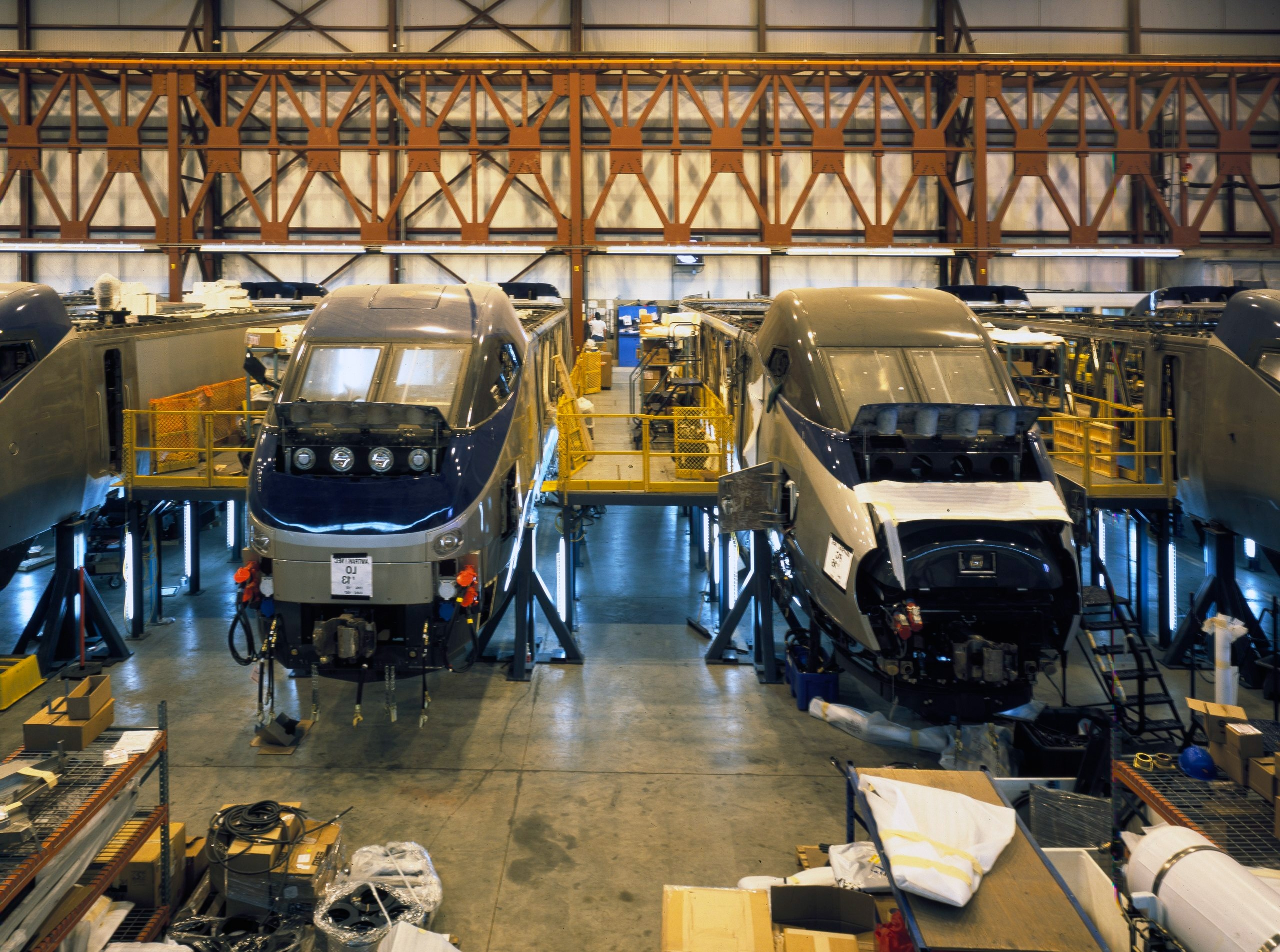
The Acela also had plenty of goofs in its development, like the discovery that the passenger coaches were four inches too wide, another discovery of cracked bolts, and undesired wheel oscillation. Acela Express trainsets were mostly built in America, as stipulated by the contract, with some parts coming from France.
The first Acela trains would leave the station in service in December 2000. The Acela’s time on the rails hasn’t gone smoothly. The trains had to be sidelined multiple times due to various issues. The impetus for the 2005 NYT story was Amtrak parking all 20 Acela trainsets due to cracked brakes.
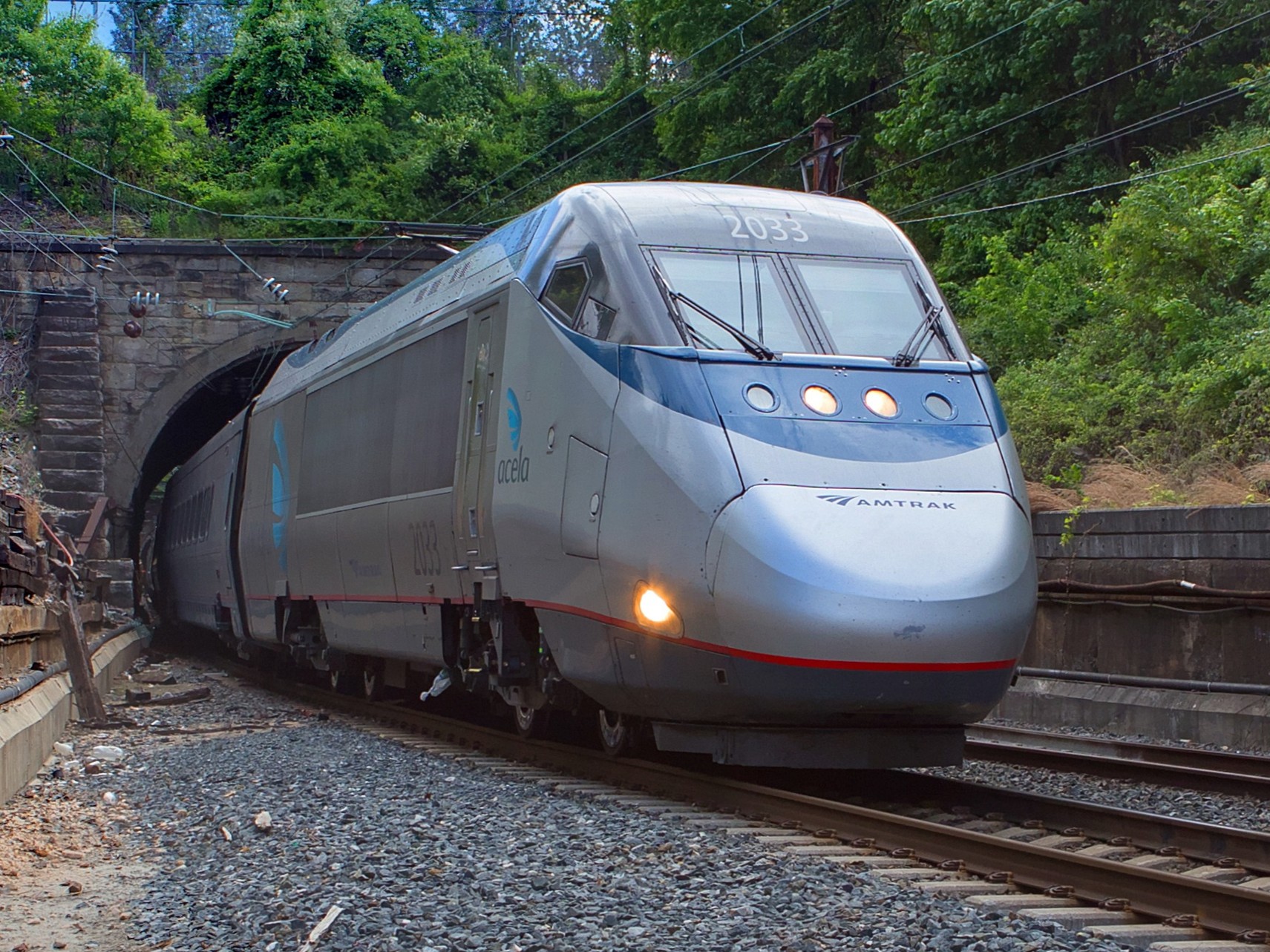
The Acela Express trains featured power cars making a combined 6,169 horsepower using four asynchronous AC motors per power car, tilting coaches, and a designed top speed of 165 mph. NYT reported that Acela trains went as fast as 170 mph in testing. Trains regularly hit 150 mph, though, sadly, due to old bridges, old catenaries, even older tunnels, urban environments, and other restrictions, Acela trains actually spend much of their time at speeds of less than half of 150 mph.
As the Japan Railway & Transport Review reported, the Acela was a success. When the Acela launched, Amtrak had a 36 percent market share of the lucrative travel market between New York and Washington, DC. By the time the Japan Railway & Transport Review article was published in 2005, Amtrak held 53 percent of the market, with airlines taking up the other 47 percent. The New York to Boston route saw its market share grow from 18 percent to 40 percent. Japan Railway & Transport Review notes that the airlines felt enough heat that they started publishing ads that were critical of trains.
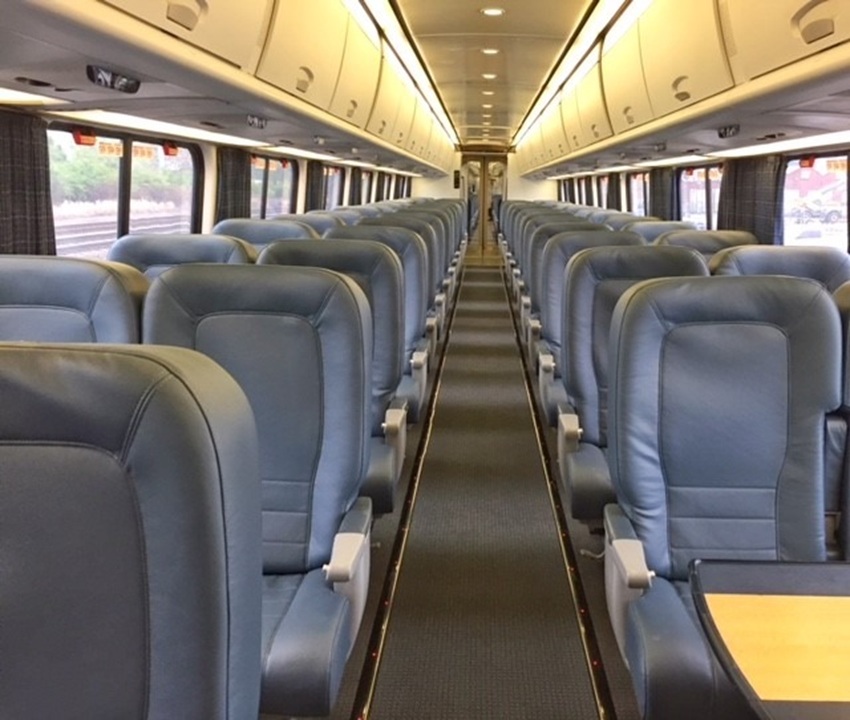
As of 2025, Acela trains can make the connection between New York City and Washington, DC in 2 hours and 47 minutes. The average flight time between the same two cities is 1 hour and 25 minutes. Yes, technically, the train does take longer. However, once you factor in getting to the airport early, going through security, and waiting at the gate, the train is likely to be faster, and certainly much less invasive.
The Acela is good at generating money. Amtrak says that in 2024, the Acela deposited $530 million into Amtrak’s coffers. The railroad reported in 2023 that it makes $34 per passenger in profit from its Acela trains, too. The Northeast Corridor regularly returns great cash for Amtrak. In comparison, Amtrak’s long-distance routes cost the railroad $150 per passenger in 2023. Some argue that profits should not be the mission of America’s railroad, but such discussions of money keep arising when talking about Amtrak’s performance.
Acela NextGen

That brings us to the new train, the flashy Acela NextGen that just entered service at the end of August.
In 2016, Amtrak announced that it had scored $2.45 billion in loans from the U.S. government and that a chunk of that cash was going into a contract with Alstom. The 28 trainsets that Amtrak ordered from Alstom are destined to replace the original 20 Acela trainsets while also providing service improvements across the board. In other words, the new Acela trains are supposed to make Amtrak’s profitable high-speed train into even more of a money-maker.
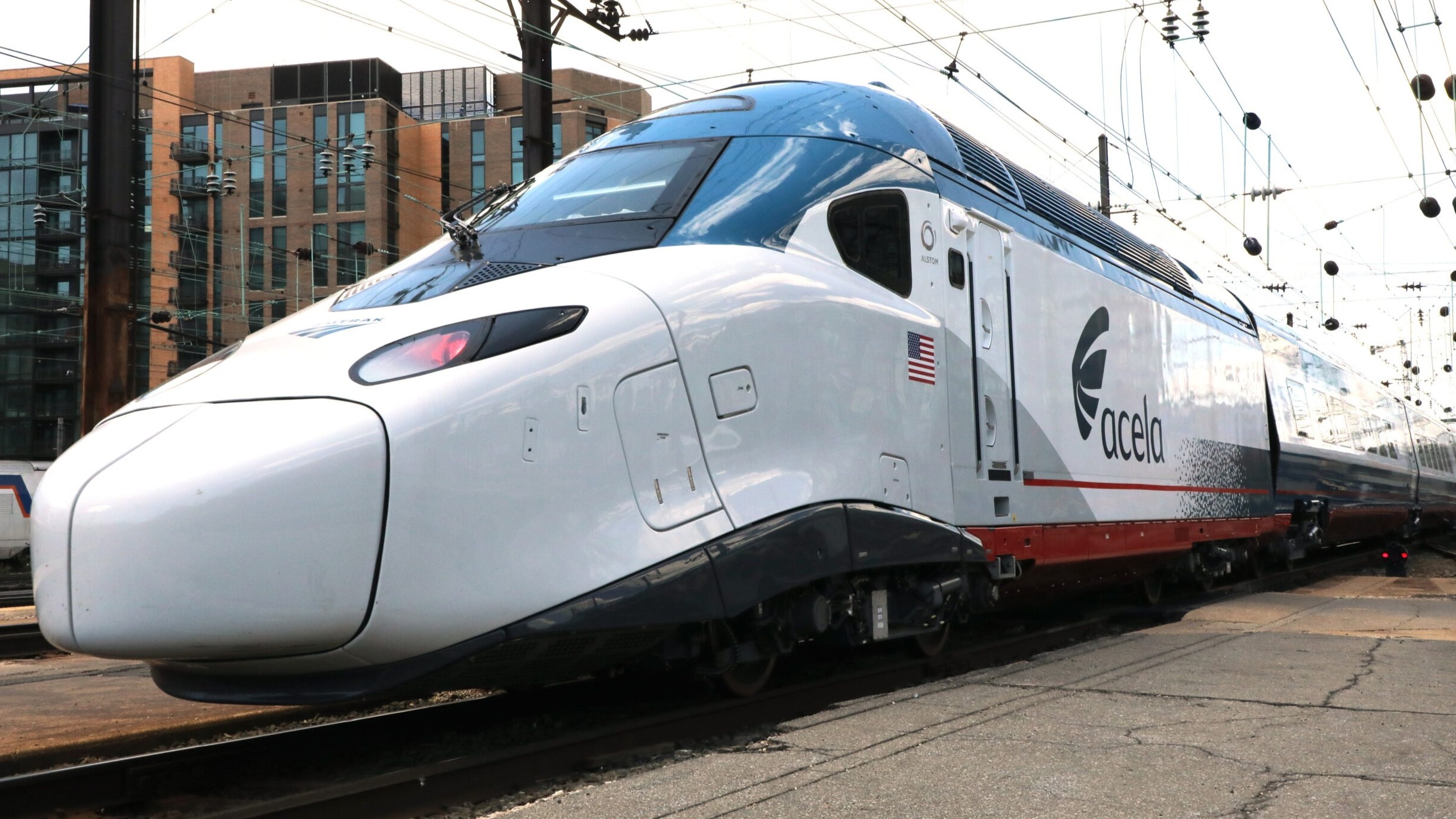
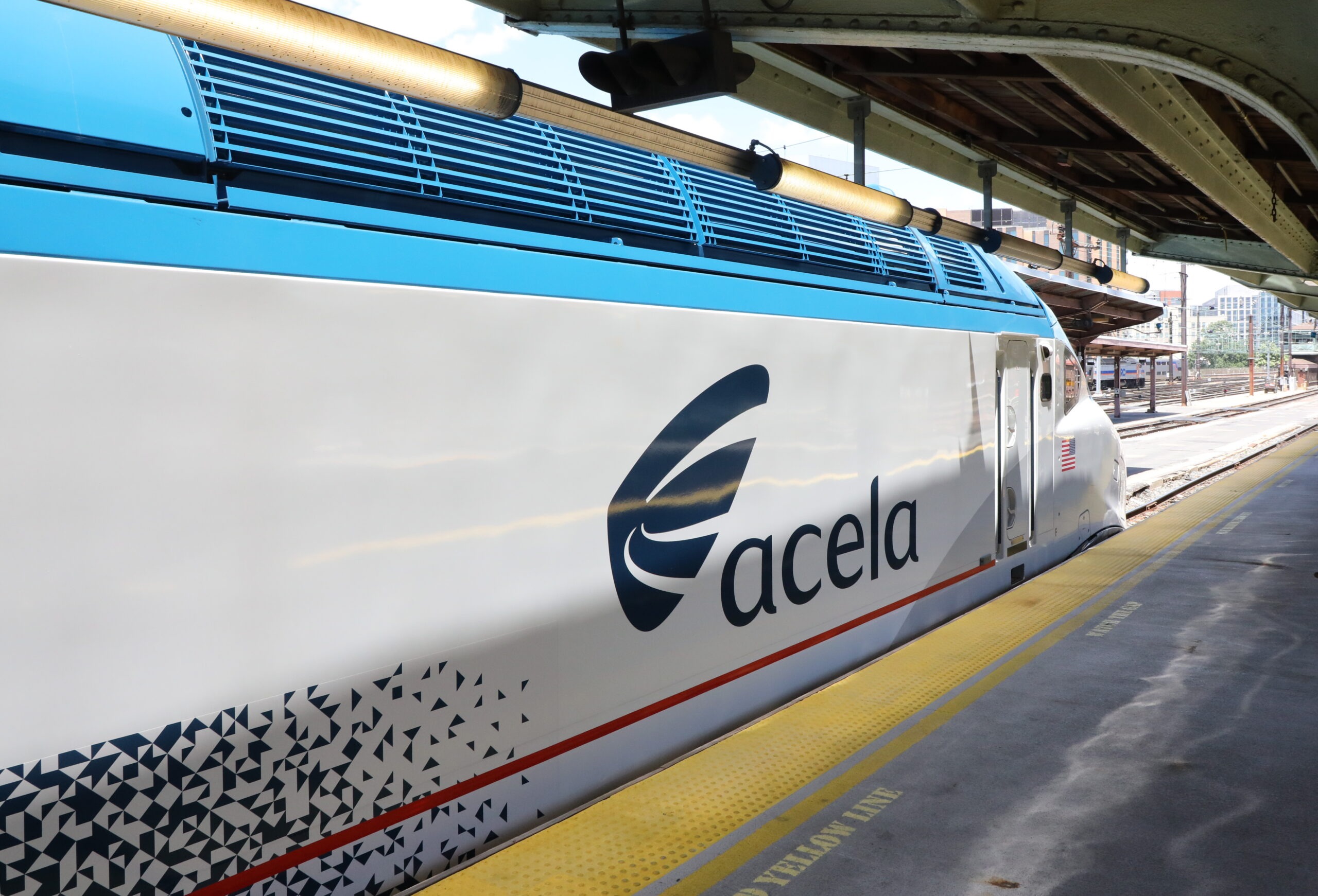
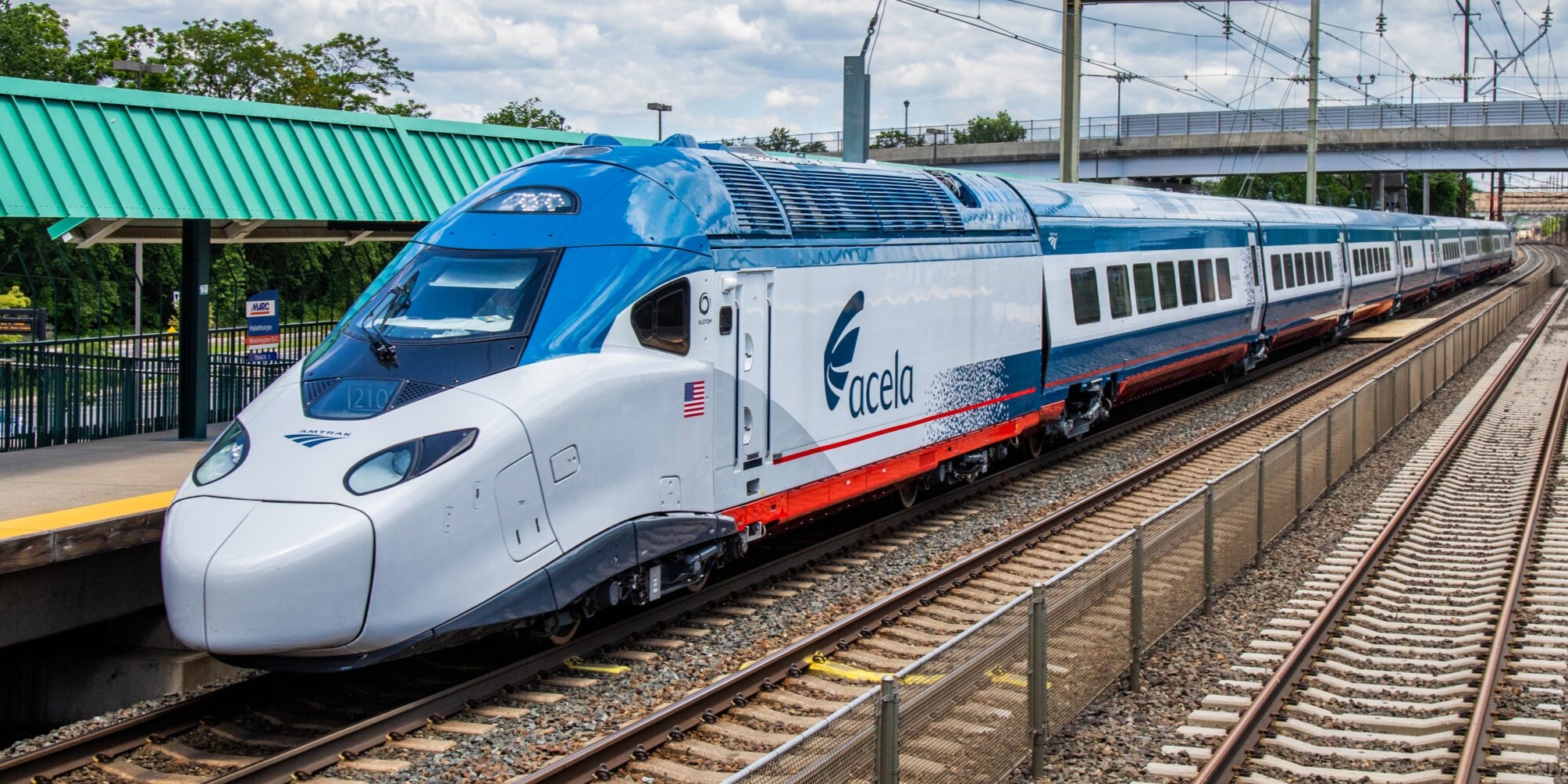
This time, Amtrak’s new train is based on the Alstom Avelia family of high-speed trains, and is given the class name of Avelia Liberty. Amtrak calls it the Acela NextGen, and in 2022, while the trains were still in development, Trains.com described why they are a big deal:
The new trains will consist of 11-unit sets, made up of 2 power cars, a first-class car, a café car, and 7 business-class cars, one of which will be a designated quiet car. They are being built by French manufacturer Alstom at its plant in Hornell, N.Y. Offering 380 seats each, the 28 trainsets will replace the current version of Acela — 20 eight-unit trainsets with 304 seats, dating from 1999-2000.
Noah Heulitt, project director for Alstom, said the new trainsets are lighter than the existing Acelas, reducing axle loadings from 23 tons to 17 tons and dropping total unloaded weight from 585 tons to 499.1 tons. As a result, he said, the combined power-car rating dropped from 6,169 hp in each existing Acela set to 4,758 hp for the new version
Even with the lighter weight, Heulitt said, the cars meet the Federal Railroad Administration’s buff-loading crashworthiness test requirement of 800,000 pounds. Fifteen of the 28 sets are in “some phase of production,” he said.
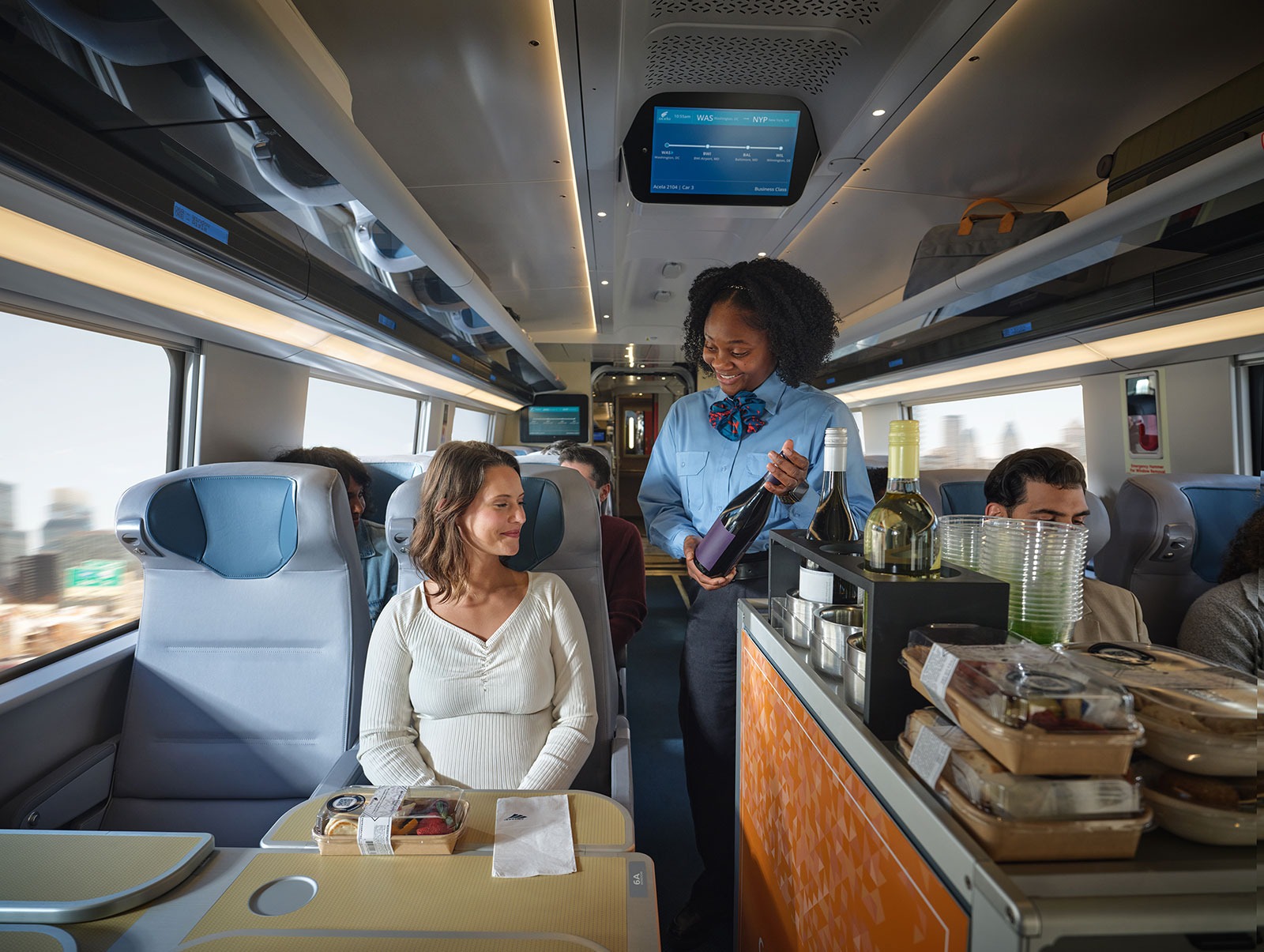
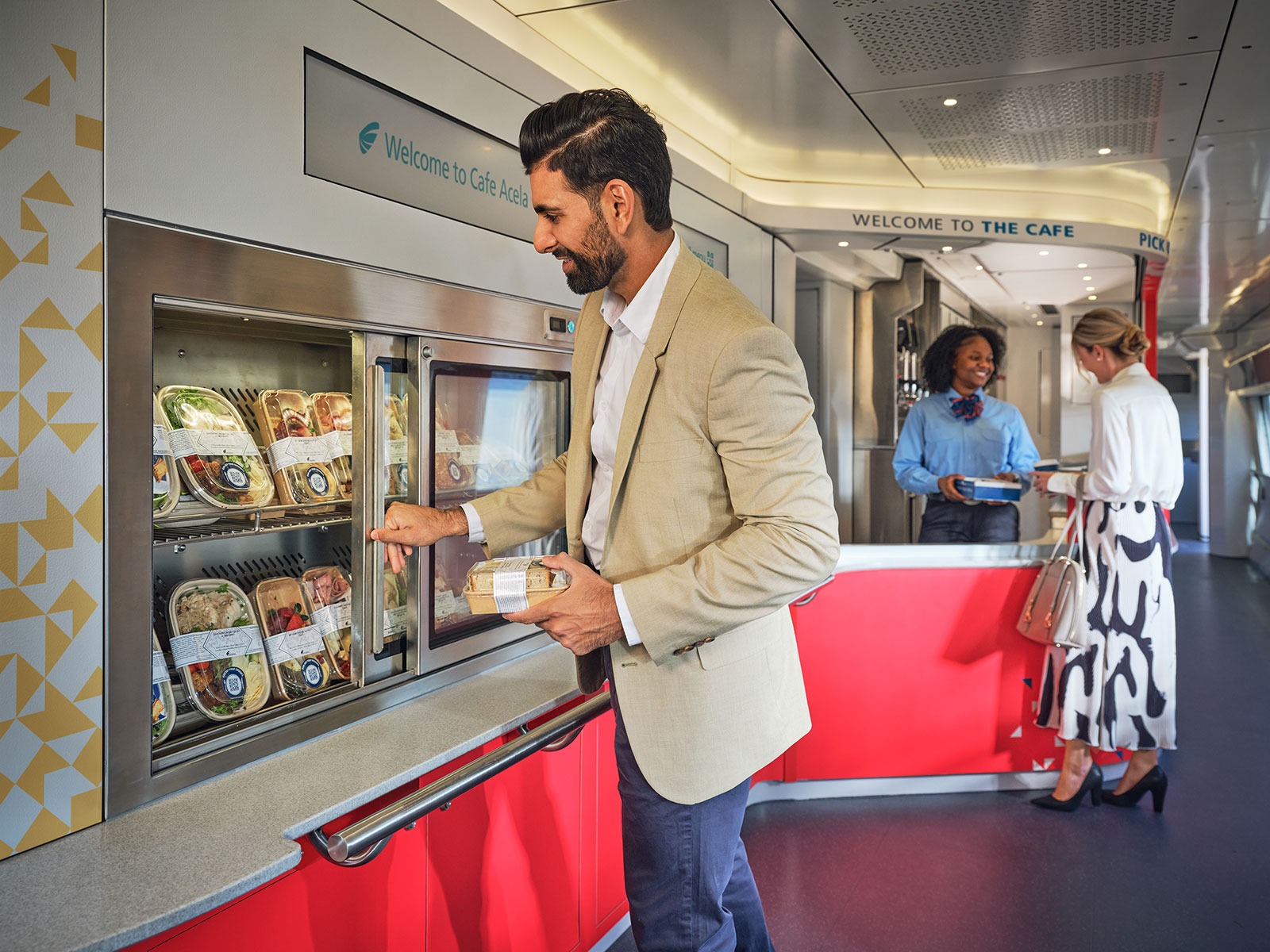
The improvements weren’t just in weight and power, either. As the New York Times wrote recently, the new coaches have a futuristic interior, comfortable seats, bigger windows, and faster Wi-Fi. The new trains look even closer to their TGV counterparts, too, which, at least, the Chicago-area railfans I’ve talked to seem to love. I dig the new looks, too.
Something that Amtrak is particularly proud of is the fact that the Acela is now more American-built than ever. The trains are assembled in Hornell, New York, featuring more than 180 parts and assemblies from manufacturers across 29 states. Amtrak says that building these trains creates 15,000 jobs and that the full new fleet of 28 trainsets should be delivered in 2027.
Sadly, despite all of the cool upgrades, the new Acela isn’t meaningfully faster. The trains now have a service speed maximum of 160 mph, 10 mph faster than the older Acelas. Now, that’s not because of the train itself — the Avelias can go over 200 mph — but because of the same limitations that slowed the older Acelas down. In fact, Amtrak says that the Acela NextGen will be able to hit 160 mph on only 35 miles of the 457 miles of the corridor it speeds through.
Because of this, the new flashy train is not going to result in a change in timetables. Weirdly, as the NYT reported, on the inaugural trip, the train traveled from Boston to Washington in 7 hours and 4 minutes, which was 24 minutes slower than the older Acela.
However, speed wasn’t exactly Amtrak’s goal. Amtrak is hoping to increase ridership in part by using the 82 more seats per train to sell more tickets. Through this, Amtrak hopes to boost ridership by 50 percent by 2030.
Riding The Rails
If you’re looking to take a ride, Amtrak has some tips:
How to book your seat: NextGen Acela trains are marked with a unique ‘tag’ on Amtrak.com and in the Amtrak app, making them easy to identify when booking. You can also look for the following train numbers (subject to change):
Weekdays: Trains 2153, 2154, 2170, and 2173
Saturdays: Trains 2250 and 2251
Sundays: Trains 2248, 2258, 2259, and 2271Premium onboard features: The new NextGen Acela offers an elevated experience, with features and amenities that today’s savvy travelers expect, plus everything they need to be productive along the way: free, high-speed 5G-enabled Wi-Fi, as well as individual power outlets and reading lights.
Food and beverage: An enhanced onboard dining experience, with a selection of high-quality, fresh, food and beverages is available in the new Cafe Acela, plus cart service in Business Class.
I have never ridden in an original Acela, despite being a fan of them since I was a kid. It sounds like I should make up an excuse to get myself and other Chicago railfans out to the Northeast Corridor. Sure, the new Acelas aren’t much faster and aren’t nearly as crazy as what you can ride in France or China, but this is still really cool. If anything, the new Acela NextGen is just proof that you shouldn’t pass up on a train ride if you get the chance, because trains have been awesome and will always be spectacular. Who knows, maybe you’ll see me on the rails.
(Top graphic: Amtrak)





.JPG)
This is awesome, great article.
When do we get a monorail? Ha ha
Lyle Lanley: “I’ve sold monorails to Brockway, Ogdenville, and North Haverbrook!”
Lyle Lanley: “So “mono” means “one”, and “rail” means “rail”
Monorail…monorail…monorail…
Homer: “Donuts…is there anything they can’t do?”
Bits of French information on the record making TGV….
It’s a regular train (you can ride in it in it’s full passenger configuration) that had some small and specific modifications :
The track also was modified by tightening the overhead line (putting more weight on it so that the cable has less slack)
And that it.
Don’t bother with the reaction, that’s the best video of the record I could come with. : https://www.youtube.com/watch?v=aQF2PszBkFo
My first quarter break freshman year in college at UC San Diego, back in 1975, I took Amtrak up from Del Mar to my hometown, Davis, CA. It took nearly 12 hours. Going back, I flew on PSA from SMF to SAN in less than three hours. The fare both ways were within $10 of each other. And I didn’t have some little 6-year-old dickhead behind me playing with the ratcheted footrest. Three clicks up. Then a big drop. Dit, dit, dit up and then Boom.
The train station in Del Mar no longer exists. But there is one in Solana Beach, which is only couple of miles away.
But I don’t live down there anymore. The schedule from Davis to Tacoma just seems a nope. Catch the train at 11:11 pm and get in at 6:38 pm?
Who knows? Maybe I’ll try it. Once.
For a local TV station series, back in the 80s, a reporter and I rode Amtrak from Sacramento to Philadelphia. (Almost 4 days.) Then down to DC to interview Mr. Claytor. We were so darn tired by the time we got to him, the reporter could barely ask questions, and we looked like shit. The footage I shot on tripod, everybody looked like they were drunk. The stuff I shot without a tripod looked like I was drunk.
We were not on Acela tracks.
My son, wife and I took a train through the Chunnel from London to Paris, (and back) and it was great.
I get that the USA is a big country and it’s going to take time to cross it. Heck, it takes 12 hours to cross Texas on I-10, even with 80 mph speed limits west of San Antonio.
Sacramento to San Diego on I-5 is only eight hours.
And to be honest, I don’t know how to make it better for trains. I’ve arrived on a jet into Newark and at the rail station there (to go into Manhattan on the NJ Transit [quite the bargain!]) and seen Amtrak trains whizzing by, because that was not one of their stops.
I’ve driven the original Acela, since it was in Microsoft Train Simulator.
Seriously, the Boston to DC corridor is one of the two best places in the US for high speed rail, and desperately needs a better right of way. The other place is California which has been a shit show. For rail to be viable you a lot of population, short distances, and an optimized route. Europe and Japan are ideal, most of the US is too spread out and flying works out better. As an example LA to SF has thousands of travelers daily, Portland OR to Helena MT is maybe a hundred.
As an aside Hornell NY’s ex Erie rail shop rebuilt subway cars in the 80s, and a graffiti truck covered subway train in Western NY was an incongruous sight
From what I understand, we’ll never have high speed rail because we have such shit rail. Like, it’s cool they’re making a fast train, but if it can basically never go fast… is it still a fast train?
I’m not sure which one I was one, but back in May ’25 I maxed out at 154 mph GPS-indicated just south of Providence. It’s the fastest I’ve ever gone in a land vehicle. It was fairly smooth, but the sounds and differences in air pressure as we passed things made it a little scary given the known quality of and my experience elsewhere with American rail.
You want real high speed rail in the US? No more sharing lines with freight. Passenger rail needs its own dedicated lines. Boom. Speed, and no disruptions.
Not gonna happen. The US doesn’t care enough out rail to build infrastructure and is content to let the carriers build it and just glom on. And then pay to rattle passengers’ teeth out on grade crossings and waste their time sitting on sidings waiting for the cargo to pass whenever they get around to it.
More seats would be good. The handful of times I’ve taken the NEC or Acela, it’s been packed. For people traveling between those cities, it’s the way to go. Comfort is quite nice, especially on the Acela Business class.
Speed is quite obviously limited by the track, especially north of NY Penn. I remember lurching slowly over switches over what felt like the entire stretch between Penn station and Greenwich Connecticut. The coastal section through Connecticut and Rhode Island is faster and more scenic.
Southbound from NY Penn to DC also feels faster, I believe the track is newer here. To my knowledge the NEC is owned by Amtrak, unlike all other routes that are owned by the legacy freight line. So it is better in that regard, but much of the track is still limited by turn radii.
In addition to the unexpected delays already mentioned, there are the unexpected unexpected delays, such as the one I experienced at the Connecticut River: the drawbridge raised for 20 minutes as we waited for—a submarine.
That would be the Thames River, which is where the Sub base and Electric Boat are located. https://en.wikipedia.org/wiki/Thames_River_(Connecticut)
I’ve got $20 that says the new trainsets are about fuel efficiency per passenger-mile, not speed.
Story idea: Modern ships with Flettner Rotors.
https://en.wikipedia.org/wiki/Flettner_rotor#/media/File:Buckau_Flettner_Rotor_Ship_LOC_37764u.jpg
Edit: energy efficiency.
This is the real downside to American passenger trains. I live a roughly 6.5 hour drive from NYC (~1.5 hours from Hornell where these trains are made), and if I want to take a train to NYC, it can take anywhere from 6.5 hours (unlikely) to 12 hours. This is because passenger trains must yield right of way to cargo trains, and thus the whole system sucks. It’s the rails–and the fact they are so primarily oriented (and owned) by cargo. You state that it can only hit 160 mph on 35 miles, but you don’t state what the typical speed will be for the other 422 miles.
Personally, I’d love to be able to take a train to NYC, but it needs to be faster than driving, and it can’t unexpectedly take twice as long (which it does a lot) just because of some cargo trains.
I get the time/distance thing – but parking in Boston, DC and NYC are such that I’d prefer never to drive there again – so it’s the train.
Yeah, parking sucks, but I’ve never had parking take an additional 6 hours before.
I had a delay like that once on the way from DC to Richmond on the Northeast Regional before there was an express – but never on an Acela
Of course I’m not a frequent rider either.
To my knowledge, the Northeast Corridor (NEC) is the only Amtrak segment where freight trains don’t have the right of way, because it’s the only segment not owned by the legacy freight line.
This is probably going to sound like Socialist garbage to a lot of people, but maybe we should nationalize the rail lines?
Government owns the roads, no one cares. Government owns the rail lines? <PANIC!>
Yes, and dedicated lines not running freight.
In Europe, I gladly will take a train over a plane because trains connect city centers. Even if the plane is technically faster, you avoid the “first-mile/last-mile” problem, connect directly into a city’s municipal infrastructure, and often start/end your journey in a magnificent station.
I just heard on the radio this morning that they plan to put shovels in ground in 4 years (instead of the original 8) for a new dedicated high-speed rail line in Ontario and Quebec, Canada.
Toronto – Peterborough – Ottawa – Montréal – Laval – Trois-Rivières – Québec.
300km/h (186mph)
I am BEYOND stoked. I could (theoretically) go from Ottawa to Toronto in 2 hours. Currently about a 5 hour drive, and a 1 hour flight.
I’m SUPER hopeful that it’ll work out, cause it’s the densest part of Canada, with about 18 million people living along the proposed 1000km (620 mile) route.
It lines up nicely with the time I’m supposed to retire.
I’ve often dreamed that a true high-speed corridor could be made near the Great Lakes and straddle the US and Canada. Chicago, Detroit, Cleveland, Toronto, with smaller cities like Buffalo, Rochester, Syracuse, Kingston, Hamilton all on there…
Honestly though, if the high speed rail line is effective, that should SIGNIFICANTLY reduce traffic along the 401 corridor. I know I’d regularly visit Montreal and Toronto if I could be there in 2 hours or less (1 hour to Mtl)
Who currently owns the land the tracks are being built on? Seems like property rights are the biggest barrier to new tracks getting laid.
When it’s finished you’ll see how great it is.
Going from city center to city center at high speed without the fuss involved with airplanes.
(I need to remove my knife from my pocket monday, as it won’t pass my flight security check… and the carabiner/keyholder at the belt also needs to be replaced by a smaller not for climbing model… awwww)
From my local railway station (it’s a TGV station in Paris suburbs) I’m 2 or 3 hours away from almost every large city in France. And I just need to be at the platform 5 minutes or so before the train gets there, not hours before.
That’s my hope. I long for the day that I can have public transit and walkable neighbourhoods, to the point that the only car I own is a fun one, where practicality is second fiddle.
Im on a Korean KTX train (a TGV derivative) right now and its delightfully boring. The trains go fast, everything is clean and on time. Its a nice way to travel that is completely taken for granted by the people who use it.
Rode those to Busan and Mokpo from Seoul Station, they were one of my favorite parts of my trips to Korea
Same in Europe, it’s just a train, like any other trains, to the point that we don’t say that we are taking a TGV, just that we are taking a train.
Waiting for the slow train from south Baltimore to DC, it was always fun when the Acela blew past the platform.
This is very cool. I was a rail commuter into Chicago for a few years via the South Shore line out of Northwest Indiana, and it was faster than dealing with the traffic driving into the city, but not by much. It would have been incredible to commute in at these speeds.
A few years ago I took the Acela from New York to Providence and it was such a pleasure.
We rode Via Rail 1st class (my wife travels for work had some points) to Toronto for our family vacation this summer. It was a roughly 4 hour trip, but comfy, and the kids couldn’t complain about the car ride.
We are starting the process to get high-speed rail along the main corridor between Quebec City and Toronto. The last time it was considered, they were talking about it taking 90 minutes to get to Toronto from Ottawa. I’d never drive it if the trip is that fast. Montreal would probably take an hour or less. My wife would be able to go to meetings there as a day trip. I cannot understand why North America can’t use good European ideas like high-speed rail more.
New Englander responding to your question: straightening out the tracks to make them faster would cost billions of dollars per mile (or, you know, a lot). Your sensible desire to ride trains is mocked by our general indifference to them.
Here’s my Dad-splain historical piece that you did not ask for: After WW2, Europe was rebuilding and had limited resources for personal transport, so tracks were built, or rebuilt, with priority. In the US after WW2, we were riding a high of victory with virtually no rebuilding needed, and an auto industry transitioning back to building cars. So we built a highway system and put trains lower down the priority list.
And you have multiple mass transit projects being derailed (pun intended) or lobbied out of existence by auto manufacturers. There was a plan to install a new train system in Los Angeles ahead of the Olympics. The Big 3 put a stop to that.
More recently, Las Vegas started accepting bids for a new mass-transit solution. The winner? The Boring Company and their system of “automated cars” in underground tunnels. It was a scam to steal taxpayer funds while halting competition for a future of on-road “robotaxis.”
I want to take the train. I want to take a high-speed train, but I’ll accept a medium-speed train. I don’t want to pay high-speed train prices (or higher!), get a slow train, and have that train be super inconvenient in almost every way, logistically.
Some billionaire really wants to revolutionize transport in this country, build a new rail system. Another car ain’t gonna be it.
Think of all the crossings/intersections that would need to get built.
Job creation!
Sure, but … do you realize how much that would cost? More than the train lol
Well, I did say the billionaires could get on it. Not like Elon’s “we built another toll road” tunnel, but like, actual infrastructure that helps many people at once. Call it philanthropy. Who will be the Carnegie of train industry? I mean… other than Carnegie. The new Carnegie.
I think the biggest and most expensive hurdle would be purchasing all the land from existing owners.
GoogleDuckDuckGo search “Brightline”. They have an operational high speed rail line in Florida, currently building one between LA and Vegas, and I think they may have one in the planning stages in Texas. Pretty much all privately funded, and the operational line is profitable and they are expanding it! I don’t live in any of these areas, but it gives me hope for the future of high speed rail in this country.Will check it out!
In Florida it’s not high speed by international standard (In Europe we achieve the same speed on regular track with regular trains… and have been doing it for decades.)
And it will never be, there’s too many level crossings and the track is not fenced so life (wild or not) can cross at the worst moment in front of the train.
High peed trains have dedicated tracks once outside of city areas that are fenced off and no level crossing… for a good reason : anything hit by a 300Km/h going train will be wrecked if not transformed into hundred bits and pieces.
There’s chances the LA/Vegas will actually be high speed due to the fact that it’s in the middle of the Interstate, but we need to see how fast they go on that track once it’s in service.
Here’s what the search engine says: “Brightline faces significant challenges including plummeting investor confidence due to financial instability, missed interest payments, and bond downgrades. Operations are also an issue, with the company being the deadliest passenger railroad in the U.S. due to its high rate of fatalities per mile, coupled with ongoing safety concerns and resistance to closing dangerous crossings.”
I love traveling by rail. More space and often faster if you are not going too far. The good thing about slow rail is seeing the world from the backside that you seldom see normally.
I live in the DC area and I’ve taken Northeast Regionals both north and south, but I’m too cheap for Acela. I’ve known frequent travelers who use it even if it’s slower, because they can pretty much work constantly (and log billable hours.) There is also the nice perk of more room than any First Class airplane, rarely enforced baggage limits, no limits on food, and if you’re discreet you can bring all the booze you want and a few edibles too. I take trains in Europe because it’s just so chill. Wanted to note a journey from Oslo to Bergen, Norway (freaking beautiful trip) on what’s considered a normal “slow” train- however they had a wonderful “family car.” Extra room for strollers and stuff, roomier bathrooms, a “soft” play room, and nature-themed kid’s entertainment. Don’t have kids, but if I did that would have been great for them (and me.)
Was not aware of this train. Do they ban phone calls? Last thing I want is to spend several hours listening to only one side of a conversation.
They have designated “quiet cars.” This has long been a thing. Conductors generally don’t put up with b.s. and my understanding is it’s generally enforced. Otherwise, most of time everybody has noise canceling headphones. On trains to and from the south, my experience is it’s 75% grandparents going to and from visiting the kids/grands, and a lot of the time they’ve got neck pillows and are napping.
If you are lucky, the other riders will have it on speaker at volume 11!
I only turn on speaker when there are people around me that I want as part of the conversation. You just need to insert yourself in theirs since they’re inviting it!
Like the dude at the gas station filling up with his doors open and his music cranked. MoFo, do you see anyone else doing that? I swear, ima take a door off one of these days.
The old Acelas are quite nice – rather comfortable – and the First Class is quite spacious and includes a degree of luggage service, a special pre-boarding lounge, etc.
I’m looking forward to trying the new Acela next time I need to make the run to NYC or Boston.
Any time in the past that I had priced the high speed train against flying, the cost of the train was significantly higher, up to triple the price. I’d like to take the train, though not at those prices, but the truth is that I hate flying so much that I drive or don’t go.
Regular NEC train is almost the same speed and much cheaper.
This having to share rails with freight is a major problem for the Amtrak Cascades service. So much time spent at red signals waiting for the tracks to clear, and the freight rails are on an old grade so they can’t easily be upgraded. Passenger rail needs to be on dedicated trackways!
American rail is totally screwed up. They spend big money to bring great speedy train service. Then they have it spot every couple of miles so it never ever reached top speed, if it does it has a very low average speed. It is like putting NASCAR race cars on the streets of NYC. Sure they are fast but they are not going to be any faster. I believe the first attempt at Amtrak bringing Acelia trains was thwarted because they didn’t confirm the size of the tracks vs wheel axle. It is like the highway great setup for distance but then on and off ramps every 3 miles. It shows why sometimes compromise is a bad idea. I have never been on the Autobahn how far apart are their exits?
The Acela skips many of the stops that regular NEC trains make. It pretty much does DC-Baltimore-Wilmington-Philadelphia-Newark-NYC-Providence-Boston. 1 stop per state. The issue with the Acela is the track; turn radii, bridges, tunnels, switches all limit the speed over most of the route.
Left out New Haven
That’s the main issue with the Acela.
The new train can go much faster, but the track limit it’s speed…
I learned a few years ago that each switch has a speed rating… And that speed rating is defined in part by how it’s built… A high speed (220+Km/h) switches can be several hundred meters longs while a very low speed (10Km/h) switches will be 20ish meter long or so. (among other things)