

One of my favorite eras of American pickup truck design was in the early 1960s, when the Big Three (actually, four, since AMC/Jeep was in on this, too) were all reacting to Volkswagen’s Type 2 vans and pickups and people carriers. I like this era for a couple of reasons: first, it’s kind of amazing to see just how quickly the American companies adapted to one-box van and truck designs, and all the different approaches they took to get there. Also, I just like the results themselves: the Dodge A100s, the Chevy Corvair-based Greenbriars, and the Ford Econolines are all, I think, very appealing vehicles.
We’ve written about this era of vans and trucks before, but I want to revisit it for one happily stupid reason: I just learned that the early Ford Econoline pickup trucks had a special part installed in them to help improve traction and keep them from doing “stoppies” (as in, the back lifts up, like a reverse wheelie) under hard braking.


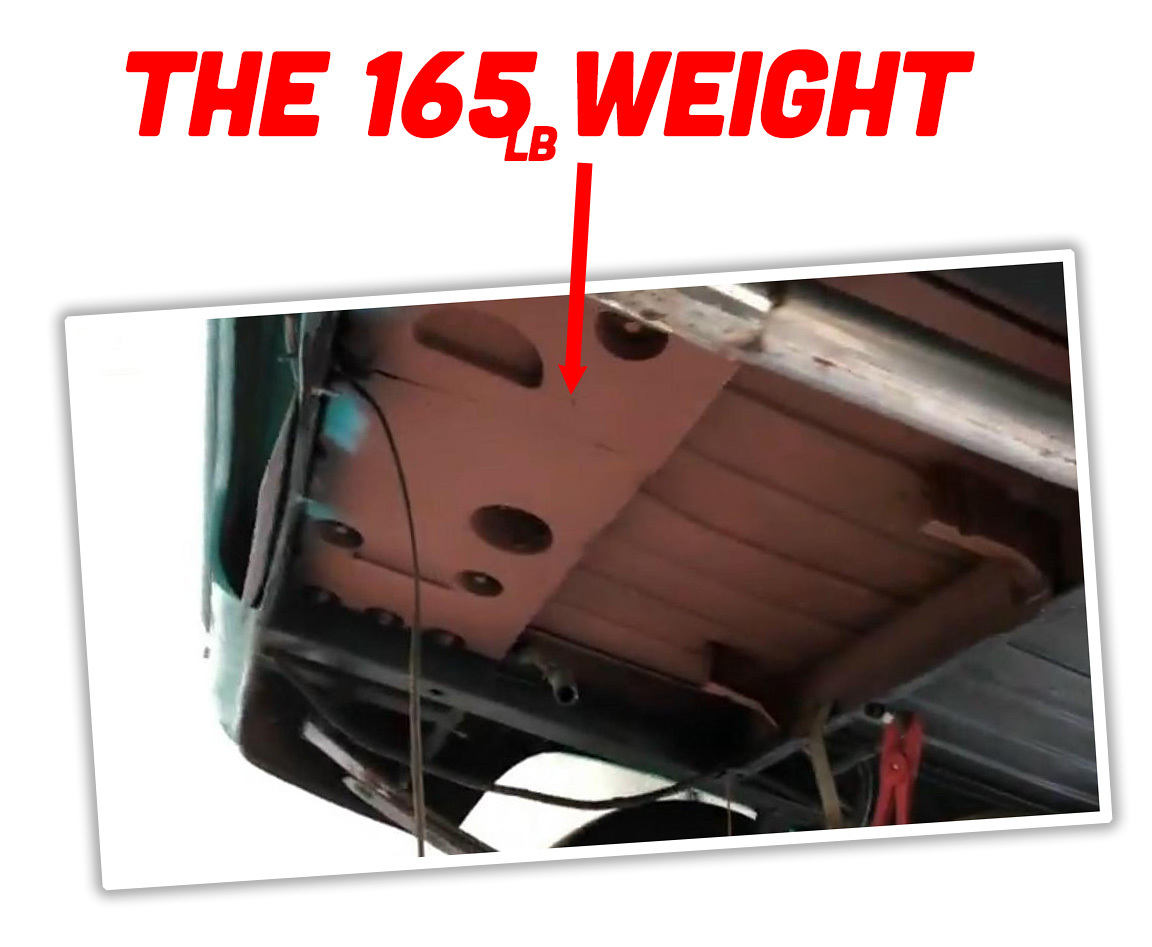
That part? A big chunk of cast iron that weighs more than me and looks kind of like the cookie inside a Twix bar.
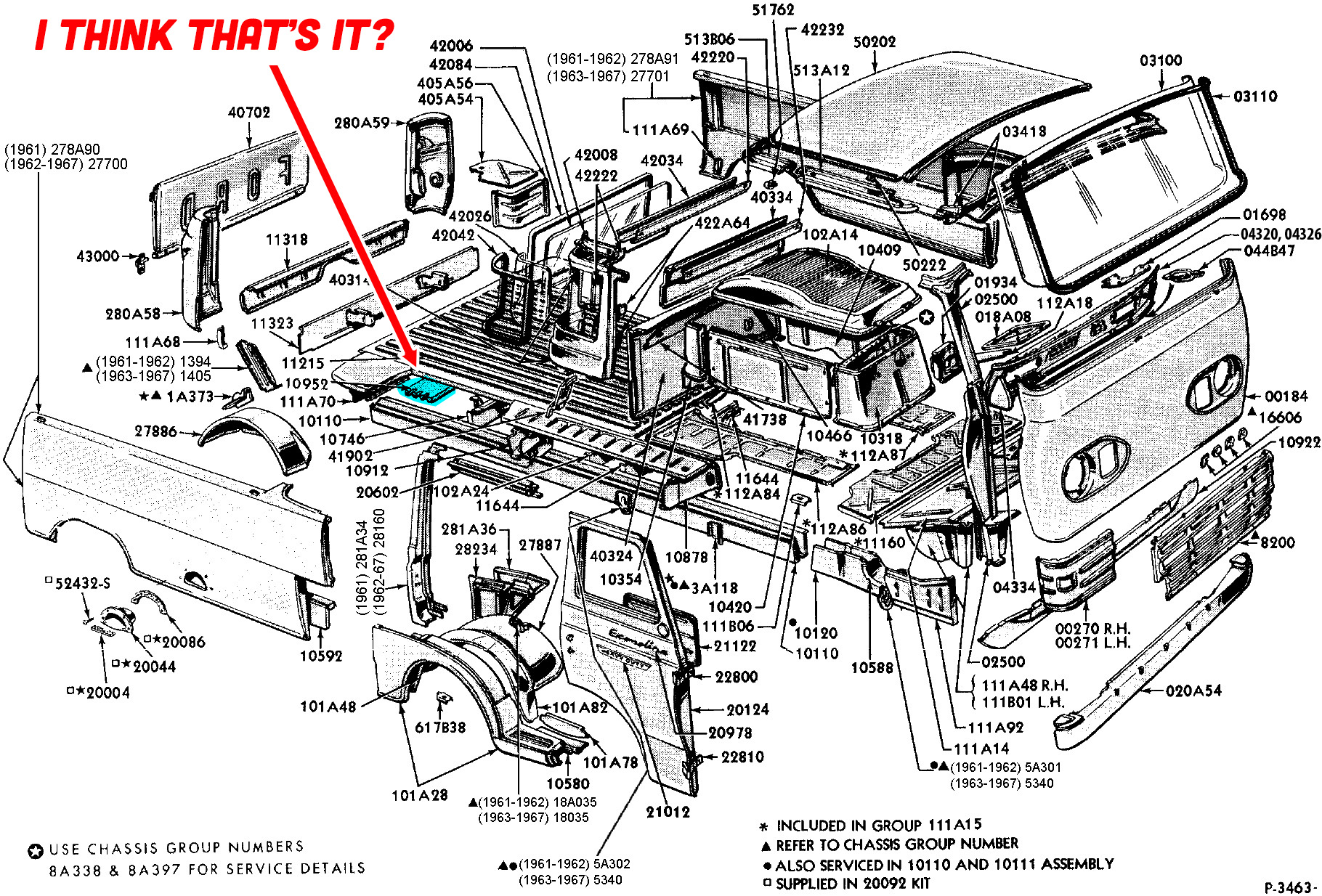
I’ll show you some slightly better images of the part later, but I think that’s the part there, bolted up on the underside of the rear part of the bed. It’s 165 pounds of iron just stuck there as a hedge against you having your truck do a nose-stand.
There’s just something strangely comical about car parts that are just big chunks of inert steel. This isn’t the only car that has used something like this, of course – Porsche used small-ish 12-pound weights to damp vibrations on the 912E, and our very own David Tracy wrote about the massive 265 pound chunk of metal Jeep bolted to the back of their cabover FC pickups to keep them from flopping onto their faces, just like the Ford.
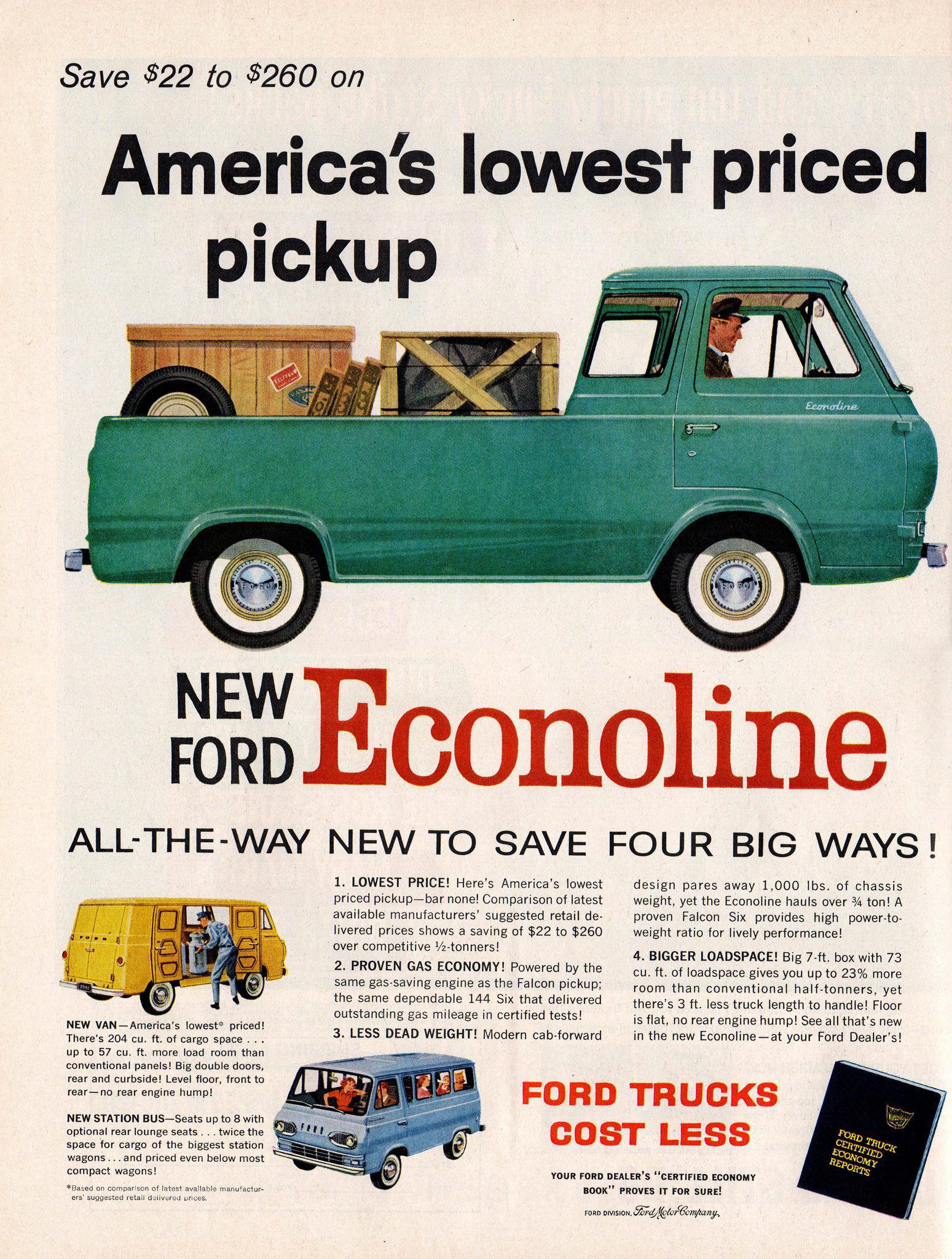
Really, all you have to do is look at an early Econoline pickup and you can see why they had to shove that chunk of metal back there. Sure, when it’s all nice and loaded, like in that ad up there, with those crates that contain (according to the memoirs of the artist that painted this that I discovered behind the urinal of a tire shop/sushi bar in Tuscaloosa) a tranquilized Sasquatch and a cast-bronze reproduction of that ballerina clown sculpture in Venice Beach.
Fully laden, sure, the Econoline pickup was well-balanced. But when it was empty? That’s a very different story.
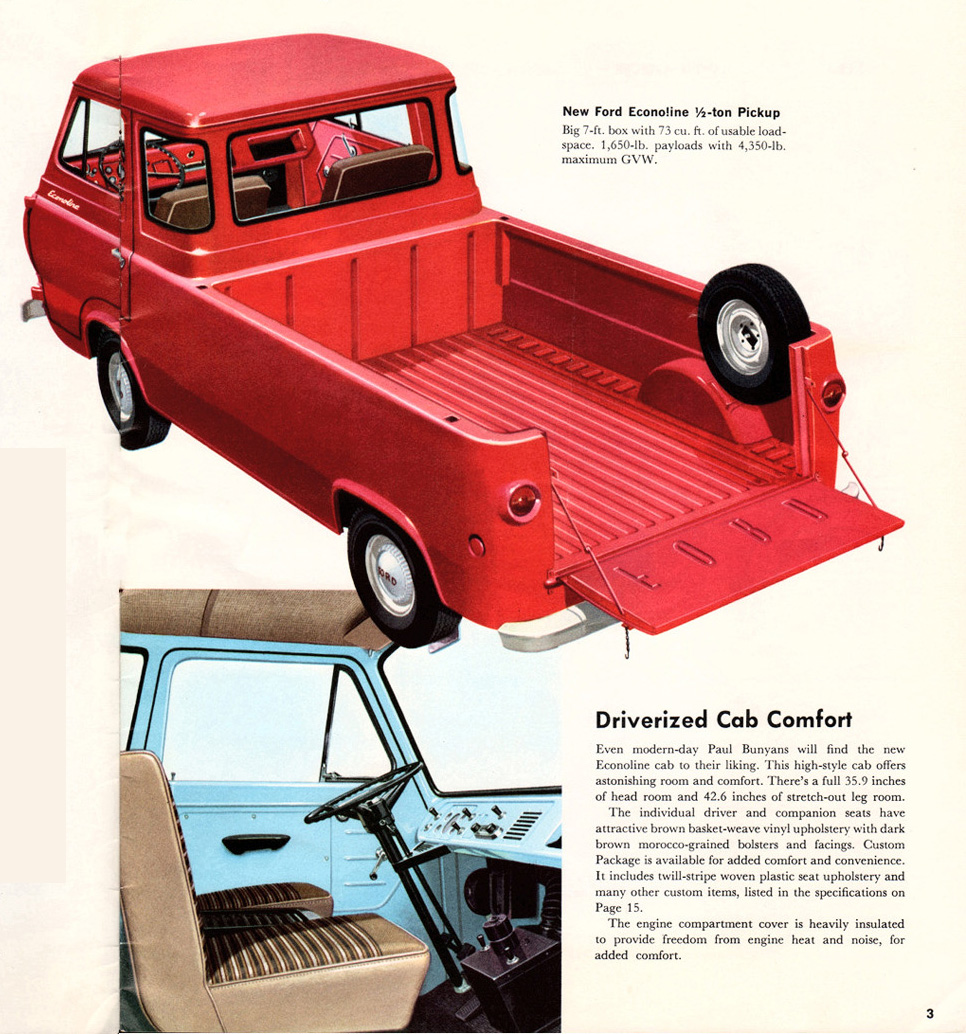
Part of the appeal of these trucks is the incredible space utilization; without some big dumb hood taking up space, you can have a much longer bed for a given length of truck. It’s fantastic packaging, and that’s why a cabover (or bedover engine) design will always have my admiration.
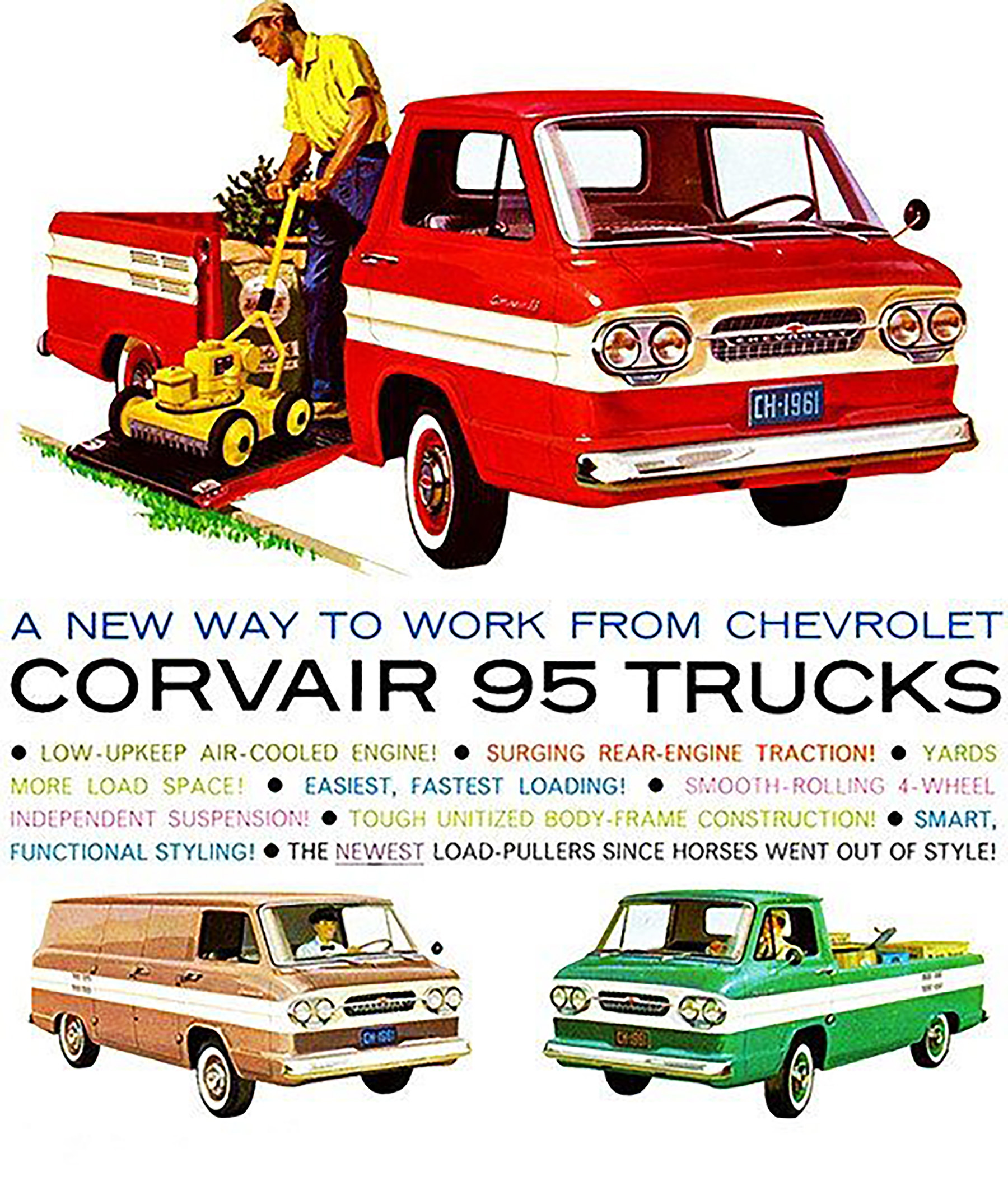
Now, the Volkswagen pickup trucks and the Chevy Corvair-based trucks didn’t have the balance problem because they tucked their engines way out back, which negated any problems of the trucks pitching forward under braking.
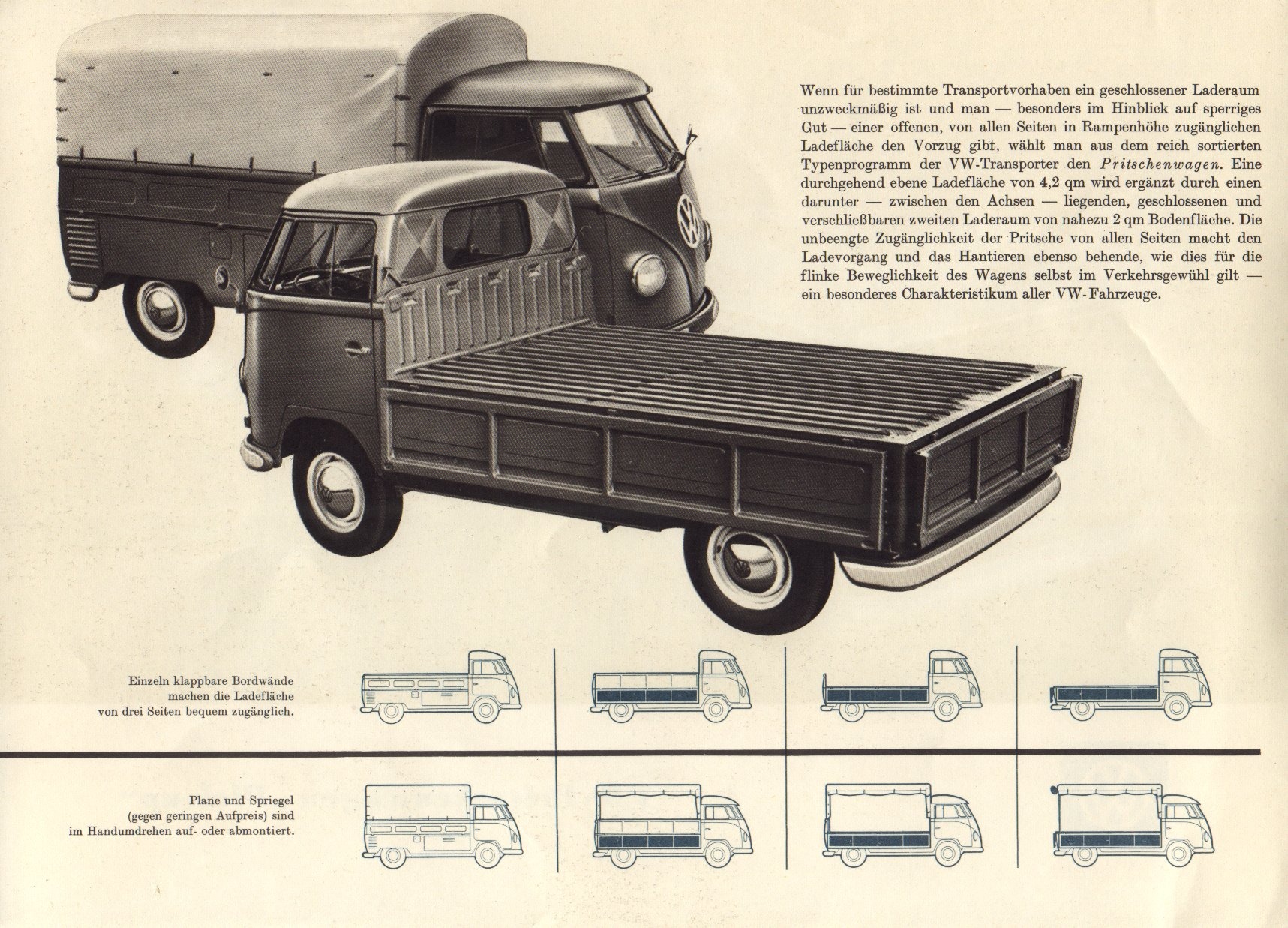
The tradeoff for the rear-engined pickups was a higher bed height, of course, though VW did compensate for this by providing a large under-bed storage locker, and Chevy had those clever “rampside” pickups:
The Econoline did have a long bed with a low loading height and a nice flat bed. But it could also do this:
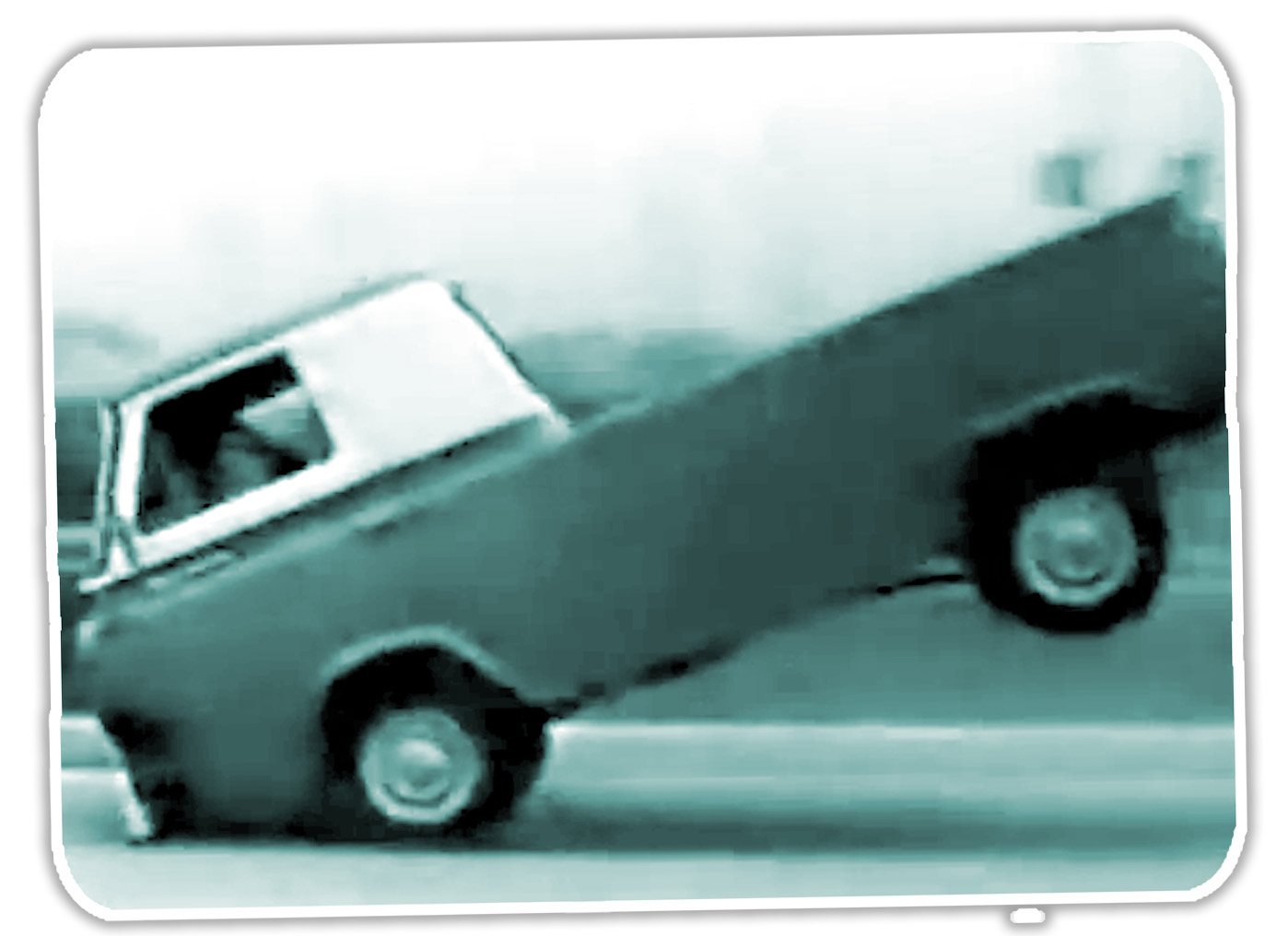
I mean, that is pretty exciting. But not what customers wanted. Hence, the 165-pound weight. But enough talk! Let’s take a look at this chunk of iron!
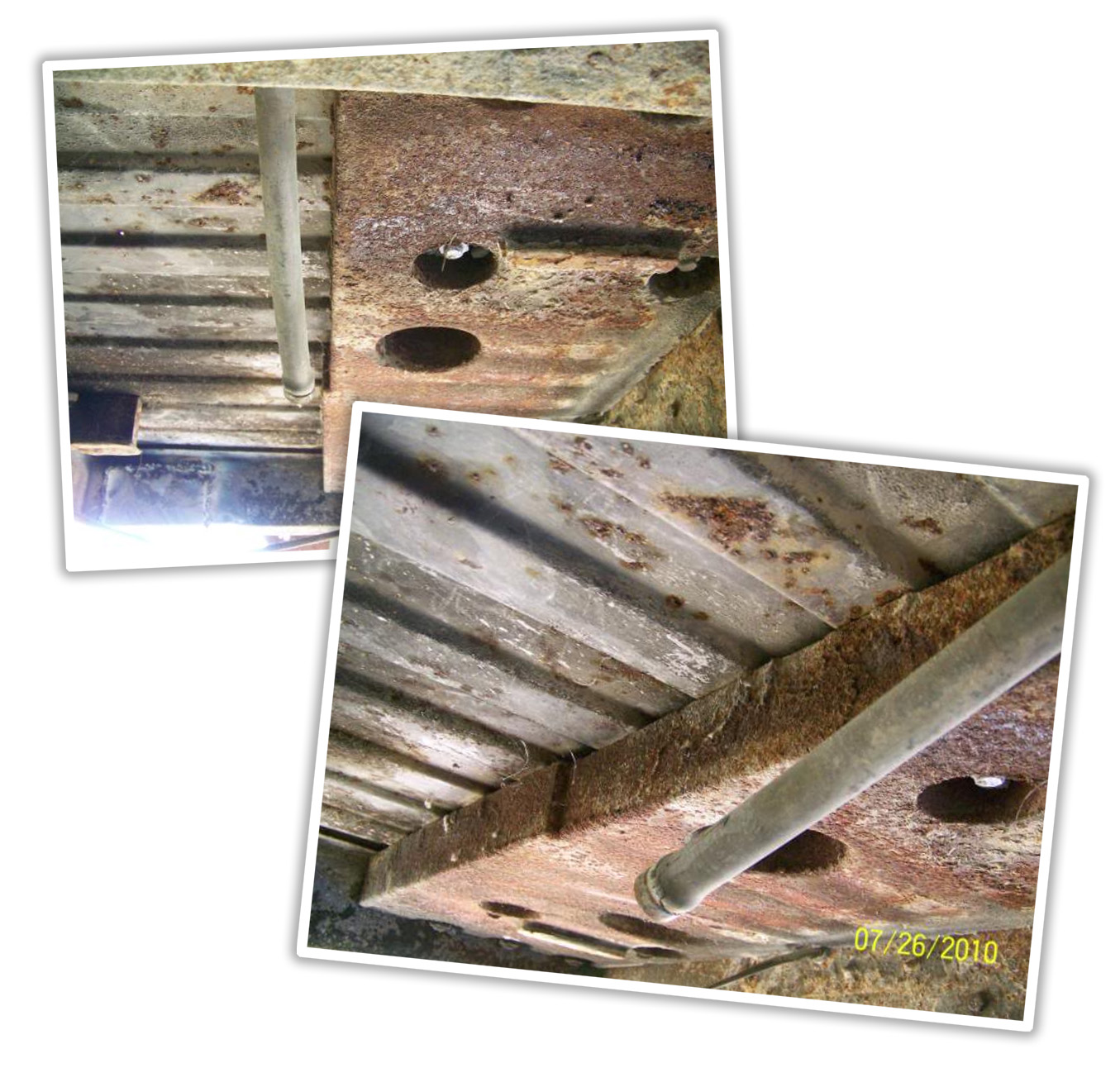
That’s a nice meaty chunk of metal! With holes in it! Here’s a clean one from a restored Econoline:
Visually, these metal anti-stoppie lumps remind me of this:
It’s not exact, but something about these things just reminds me of the forbidden inside of a Twix bar. You’ve either tooth-scraped or slurped off the chocolate and caramel from a Twix bar, right? And seen that structural cookie element with its strategically-placed holes? Sure you have.
Well now the next time you do that, you can impress the hell out of the people around you, staring at you as you sensually suck away the coating from your Twix, by telling them all about how the revealed cookie looks just like the 165 pound chunk of metal in the back of an early Econoline.
They’ll be dazzled, I promise.




Porsche installed lead weights weighing 24 lbs each inside the front bumpers of short-wheelbase 911s. Then they realized that moving the rear wheels back was probably better
.
> It’s not exact
You could say that.
I don’t see it? You’d think sliding the front wheels up a bit would be a better idea
In the late 1960s, I was stationed at Aviano, italy AFB. I was a refrigeration guy. The building trades shared an area with the Motor Pool.. one morning while walking across the area, I saw an Econoline pickup standing on it’s nose with a full 55 gallon drum up against the caab.! Driver still behind the wheel! Apparently they placed the drum near the tailgate to transport it a short distance. Metal drum on bare metal bed and a tap on the brakes was all it took!
All Land Rover LR3’s (maybe LR4s too?) have two weights that hang from the rear corners behind the bumper. Many have speculated as to why, but I worked with LR engineers who said that later in validation they discovered a resonance frequency at certain speeds that wouldn’t go away… so they just stuck in extra weights as a mass dampers and it worked. But what’s funny is LR3’s weigh more than a similar year Suburban…so… adding weight to a very heavy vehicle seems odd. But I’m not going to act like I’m smart enough to know a better solution.
I’m not an engineer but this seems like a very lazy, and highly inefficient ‘solution’ to the weight distribution problem. Sure, hang a 165lb steel plate under the load-bed and then brag about ‘less dead weight’ in your brochure.
Why didn’t they just build a load-bed with a floor made of 12-gauge steel, with bed-side, bed-front and tail-gate inner skins of 14-gauge steel? That would easily add between 120 and 140lb of weight. Make the rear bumper out of heavier gauge steel and add a leaf to the rear leaf-spring pack and there’s your 165lb!
Yes, it would be more expensive, but adding a useless chunk of metal to the back also costs money. The unique heavy-duty load-bed would add value and would be a significant selling point.
My initial thought is that have different gauge steel on the back might cause the unibody to crack in half.
TWIIIIIIIIIX!!!
SALESMAN: Sir, are you gonna buy a car?
GEORGE: No! (The salesman walks away. He addresses the mechanic through the door’s window) Hey! Hey! I can see you! That is my Twix! (The mechanic eats the last of the Twix, obviously to make George even more angered. It works) Oh, ha, ha! Ho, ho!
———
GEORGE: Only I hold the answer key to their true candy identities. And so, without further ado, I give you.. the candy line-up. (Opens a door to a back room.
Various dealership employees are munching on candy bars)
SALESWOMAN: Hey, Willie, check it out! Free candy!
GEORGE: That’s my candy line-up! Where are all my cards?! They’re – they’re all on the floor!
(George starts picking up the numbered cards from off the floor. He sees the mechanic eating one of the candy bars)
GEORGE: And you! How many Twix does that make for you, today?! Like, 8 Twix?!
MECHANIC: No.
MAN: Hey, this Clark bar is good.
GEORGE: It’s a Twix! They’re all Twix! It was a setup! A setup, I tell ya! And you’ve robbed it! You’ve all screwed me again! Now, gimme one! Gimme a Twix!
MECHANIC: They’re all gone.
GEORGE: (Yelling out, frustrated. The camera spins from a top angle) Ttttttwwwwiiiiiixxxxx!
“tire shop/sushi bar”
Ha ha ha ha ha ha ha ha
I’d go there…I’m not in Canada, but I wonder if Canadian Tire has a sushi bar?
“Fully laden, sure, the Econoline pickup was well-balanced. But when it was empty? That’s a very different story.”
Oh, that sounds like me! When I’m hungry I get moody and less balanced, ha ha
I also love this in that Corvair ad:
“The newest load-pullers ever since horses went out of style!”
“Exciting” plus you get a Code Brown, absolutely free…!