

If you’re reading this website right now, you’ve probably heard about the Avanti. The revolutionary and achingly pretty two-door coupe from Studebaker has one of the most identifiable faces in all of ’60s car design, based on a Lark chassis and wearing a fiberglass body. When it went on sale in 1962, the Avanti was the fastest car you could buy, so long as you optioned the supercharger atop its standard 289 cubic-inch V8.
The original Avanti was produced for just two years before its tooling and rights were bought by a collection of dealers to be resurrected and sold by a new company. The original car was built into the mid-1980s, and eventually, the name was used to market rebodied Mustangs. The last car to wear the Avanti name rolled off its assembly line in 2006.


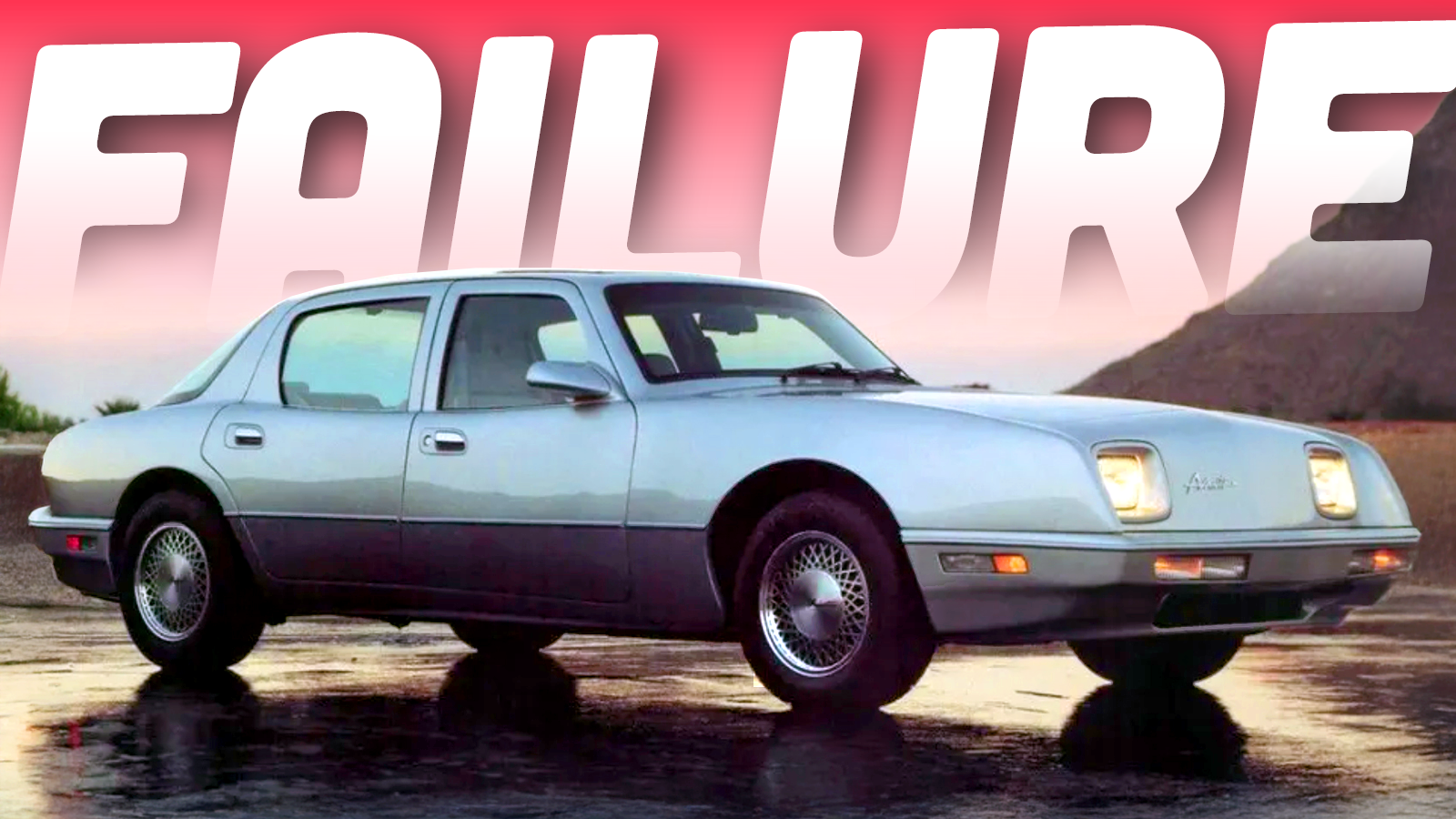
While most people remember the classic two-door Avanti coupe, there was a very short time when you could buy a four-door sedan wearing the Avanti fascia. But it was such a flop that it killed the company.
Let’s Start At The Beginning
By the 1960s, Studebaker wasn’t in a very good place. From 1950 to 1954, the company saw its volume shrink to a third, with millions in losses piling up, according to Barchetta. There was some reprieve when the subcompact Lark arrived in 1959, though it wasn’t enough to ensure long-term success. Sherwood Egbert took over as president in 1961 and enlisted the help of long-running Studebaker designer Raymond Loewy to come up with a new halo car for the brand.

In a six-week frenzy, Loewy and a bunch of designers locked themselves up in a Palm Springs home and came out with the original Avanti. Its grille-less face was a primary objective, as they didn’t want to have a traditional front end that might have “aged” the design. Though its design was certainly dramatic, it proved popular with the public. But its popularity wouldn’t be enough to keep Studebaker afloat. Delays in production and defects in early-production models hurt the Avanti’s reputation, and just two years later, it was killed off by the brand (before Studebaker itself went out of business in 1966).
Right after the Avanti was killed off, a collection of Studebaker dealers banded together to buy the tooling and the naming rights, and put the car back into production with a few small styling changes—including a set of square frames for the headlights—and a bigger 327 cubic-inch V8 lifted from the Corvette. The car was very creatively named the Avanti II.

The Avanti II, now the product of a new firm called the Avanti Motor Corporation, was built in small numbers into the early 1980s with little to no changes in design, aside from different V8 engines being used throughout production. Things changed in 1982 when Stephen Blake, a real estate developer, bought the company and instituted a few changes, like a new Ditzler Deltron urethane paint, body-color bumpers, and a convertible version. He also spearheaded an Avanti entry into the 1983 Daytona 500 (it finished 27th overall).
As it turns out, that fancy paint would be Blake’s downfall. From Avanti Owners Association:
Disaster struck the Blake operation shortly after the 1984 models were introduced when it was discovered that the new Ditzler Deltron urethane paint would not adhere to the Avanti body panels. In reality this meant that a whole year’s worth of production had to be repainted as the cars were under factory warranty. This was the beginning of the end and led to a bankruptcy filing in mid 1985.
Here’s a video of John Davis of Motorweek talking about the brand in 1984, just a year before the paint issues arrived (he described the car as having a “remarkable future” ahead of it):
The assets to Avanti were acquired by one Mike Kelly, who put the car back into production starting in 1987. At the same time, he revealed plans to eventually put a four-door version of the car into production. A year later, the company was acquired by John Cafaro and moved from South Bend to Youngstown, Ohio.
The Sedan Is Born

Development and production of the Avanti four-door moved forward under Cafaro’s ownership. The sedan used the Avanti’s classic no-grille, two headlight fascia, and fiberglass body panel approach, albeit with two doors instead of four. The car was based on a Chevrolet Caprice chassis, with airplane-style door frames that wrapped onto the roof, and a CRT television set between the rear seats. Under the hood was a 305 cubic-inch V8 and a four-speed automatic transmission.
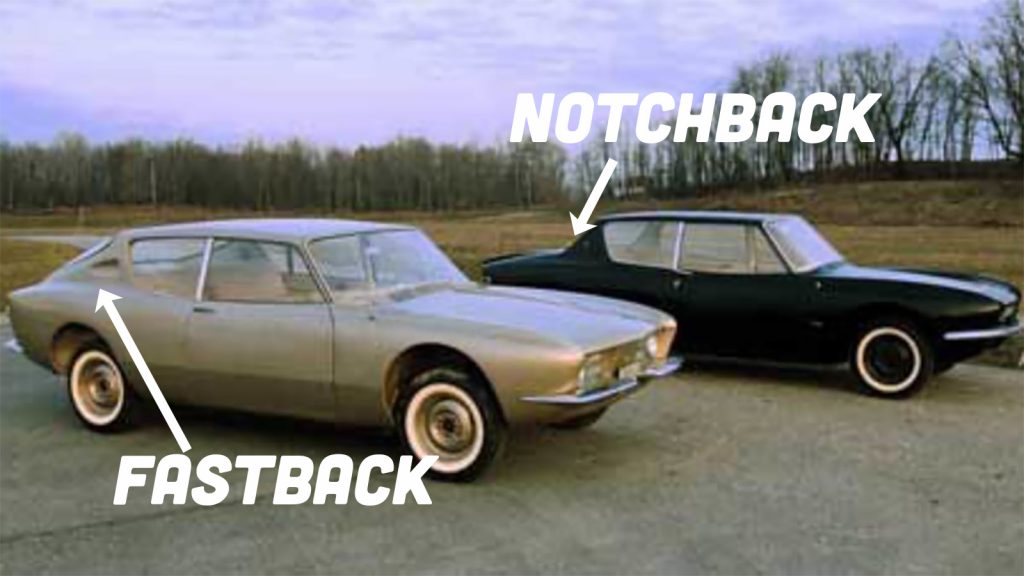
This car was a far cry from Studebaker’s original concept for a family-oriented Avanti. Back when the company was still making these cars, it enlisted the help of Loewy to design a sedan concept of the coupe. Loewy and his team ended up with two models after six weeks locked up in his Paris studio, a notchback and a fastback. Both had the distinction of having one door on one side of the car and two doors on the other. Our very own Jason Torchinsky got to see the cars in person at the Studebaker Museum and wrote about it in 2024.

Alas, the version of the sedan that did enter production 25 years later ultimately ended up bankrupting the brand yet again. From IndieAuto.org, quoting John Hull’s book, Av”anti: The Complete Story:
The “four-door touring sedan” did not give the tiny automaker the sales bump its ambitious new owner, John J. Cafaro, had anticipated. Less than 100 were built before Avanti production ended in 1991 due to the “company literally hemorrhaging cash.”
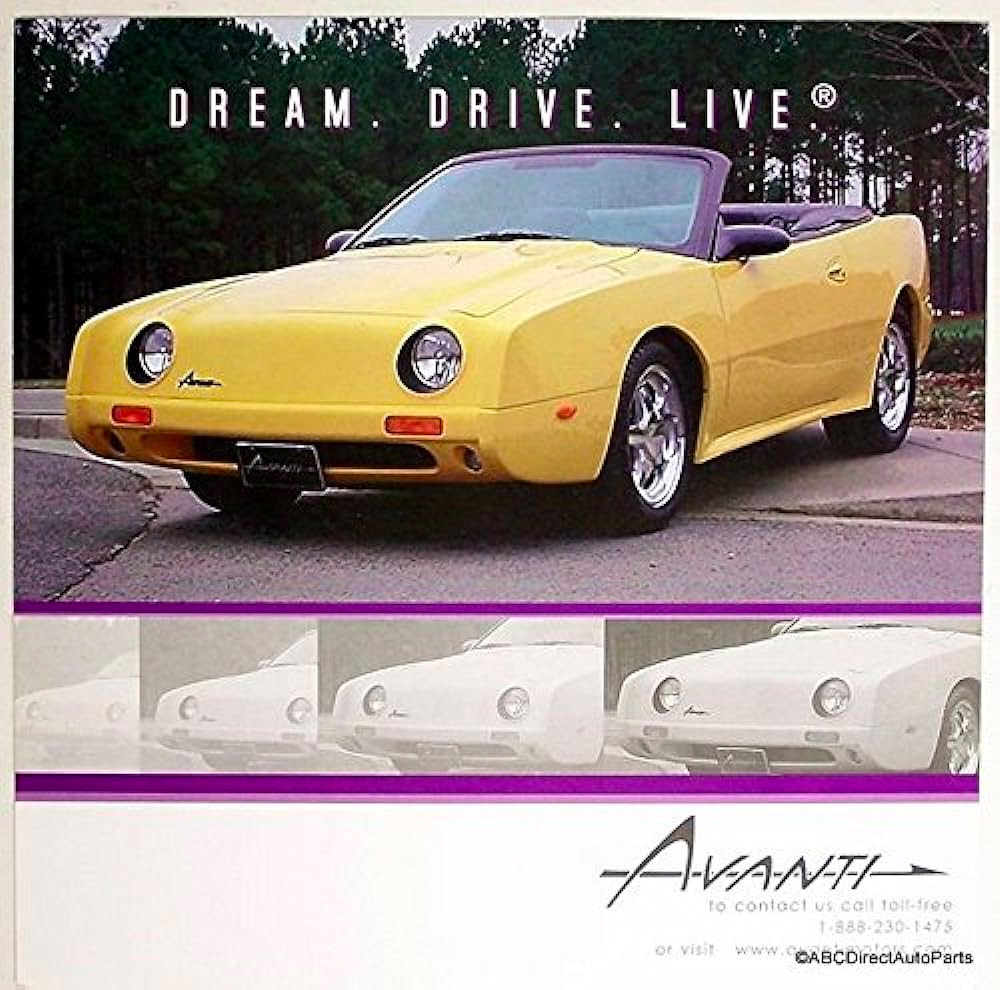
The Avanti name would go dark until 1999, when Kelly repurchased the brand and began producing Mustangs rebodied as Avantis in Georgia and running the company out of Cancun, Mexico. That continued until 2007, when he was arrested on fraud charges by the FBI in connection with a real estate investment scam, per MotorTrend.
This Is Probably As Nice As You’ll Get

It’s unclear how many Avanti four-doors were built, but Hemmings, which reported on the sale of the original sedan molds for the fiberglass body panels in December, says between 89 and 90 examples rolled off the line before production ended in 1991. That means they’re incredibly rare pieces of American automotive history.

I haven’t seen one of these things for sale in a long time, so I was a bit surprised to see BarnFinds.com highlighting this one for sale on eBay earlier today. According to the seller’s description, the original owner bought this one and another in white (which you can see in some of the sales pictures) for him and his wife. For the first 32 years of its life, this car has allegedly been serviced regularly and garage-kept. It’s showing just under 18,000 miles on the clock and looks to be in pretty good shape.

The person selling it purchased the car after the first owner passed away, and now it’s up for auction with three days remaining to bid. It’s currently sitting at just $2,275 as I type this, which is cheap enough for me to say “screw it” and throw in a bid. If it stays this cheap by Saturday, I just might.

Even if it goes for significantly more money, I’d understand. These often-forgotten sedans are a weird piece of ’90s automotive history that don’t get enough love. With ’90s collector cars all the rage right now, perhaps it’s the Avanti four-door’s time to shine?
Top graphic image: Avanti




They did get one design element right on the sedan, it seems to have Corvette C4 cornering lights and reverse cornering lights. I wish this was still a thing in the modern era…
The rear of the fastback looks good, but I’ve always found the front end on these unsettling.
The 90s mustang rebodies are particularly bad. I’ve never like the look of fox-bodies, but even those didn’t deserve to have that done to them.
I know I’m going to enrage some people, but to me, that’s a hideous-looking vehicle. I don’t see the appeal, especially of that front end.
the convertible and the prototype sedans were disgusting. I actually think the 4 door sedan was rather handsome albeit very polarizing.
That sedan is painfully ugly. I’m not sure if it’s because it looks like it’s collapsing in the middle or just the general proportions are weird. The mustang rebody is vomit inducing as well, just a really poorly executed kit car. Reminds me of those weird c1 style front clips for c5 corvettes.
Should have let Avanti die the 2nd time and left well enough alone