


Most factory-built motorhomes often mimic whatever is hot in home design, or they just go wild and look like a Las Vegas casino inside. I just found an old motorhome that does none of that. This old 1975 MCI MC-5B has lived its life as a motorhome since 2005, and it looks like your grandparents’ house inside. It’s a motorhome that might just warm your heart this cold winter!
No matter how many RV shows I go to and no matter how many cool RVs the manufacturers come up with, I still have a soft spot for the custom RV. I love how countless people through time have figured out how to give a second life to retired buses, box trucks, and other service vehicles. These vehicles might be too old for their main purpose, but they still have lots of life left in them. When they get turned into RVs, they get to travel the country and sometimes the world, doing things that their original owners never envisioned.


A perfect example of this creative reuse is this 1975 MCI MC-5B. When it was new, it likely ferried innumerable people between cities. Then, some three decades after it was built and after that mission was complete, it got to live an easier life exploring America. Now, its elderly owners want to pass the bus on to someone else who can keep the story going. The best part is how it looks inside.

The Backbone Of Intercity Bus Travel
The heart of this bus is a 1975 MCI MC-5B. Motor Coach Industries (MCI) has been one of the first names in intercity buses for more than 90 years. Here’s what National Bus Trader says about the founding of the company:
The key figure in the founding and early days of MCI was Harry Zoltok. He was born in Russia in 1905 but decided to leave his native land after the Socialists came to power. Zoltok arrived in Winnipeg in 1928 and decided to stay . One report suggests that e was so impressed by the cleanliness and width of Portage Avenue, that paralleled the Assiniboine River for a distance, that he elected to settle here. Since he liked to work with vehicles and with his hands, he started working with a partnership known as J.R. Horne and Co. that worked on and repaired automobiles including some custom work.
Either in spite of or because of the Depression, Zoltok in 1932 partnered with Fred Sicinski and opened a new business in a 5,000-square-foot building on Fort Street in downtown Winnipeg. This was within walking distance of “the forks” where the two rivers meet. Since this was near the former location of Upper For Garry, they named their new enterprise the Fort Garry Motor Body and Paint Works, Ltd. It was only a year later that the little company began vehicle production. In 1933, they built an 11-passenger body on a Packard car chassis. Initially they followed typical limousine procedure by cutting the vehicle in half and extending the body. Soon, however, the company began building their own bodies and putting them on truck chassis.
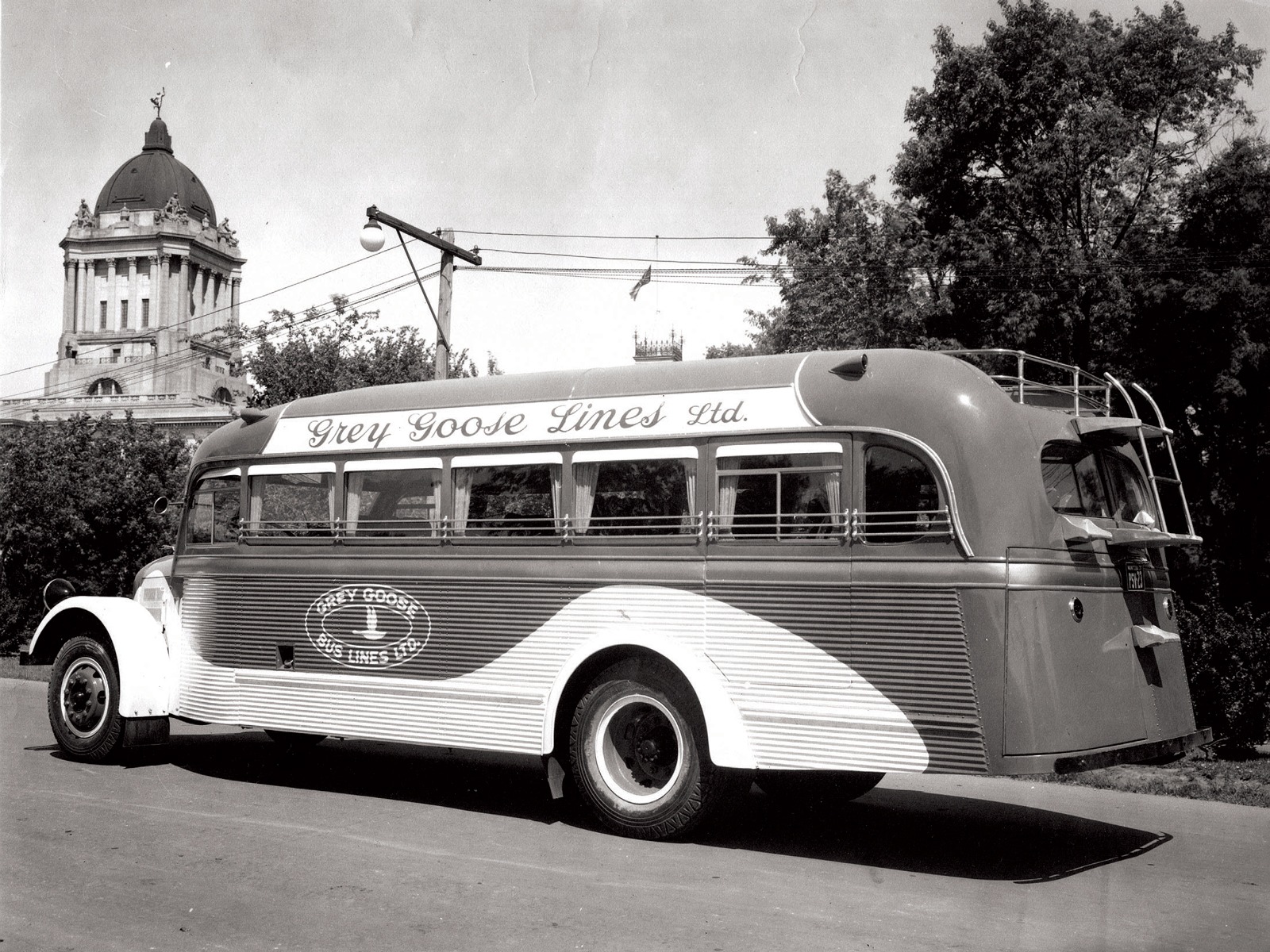
By 1937 the Fort Garry Motor Body and Paint Works had moved up considerably in technique and expertise. That year they turned out a coach for Grey Goose Bus Lines that was built entirely by the company without an outside chassis. This moved the company closer to integral construction and improved durability. This upgraded quality caused business to increase. With the increase in bus manufacturing, a decision was made that the company would focus on over-the-road coaches in the future. By 1938, the Fort Garry Auto Body and Paint Works was concentrating on building coaches and had discontinued the automobile repair business.
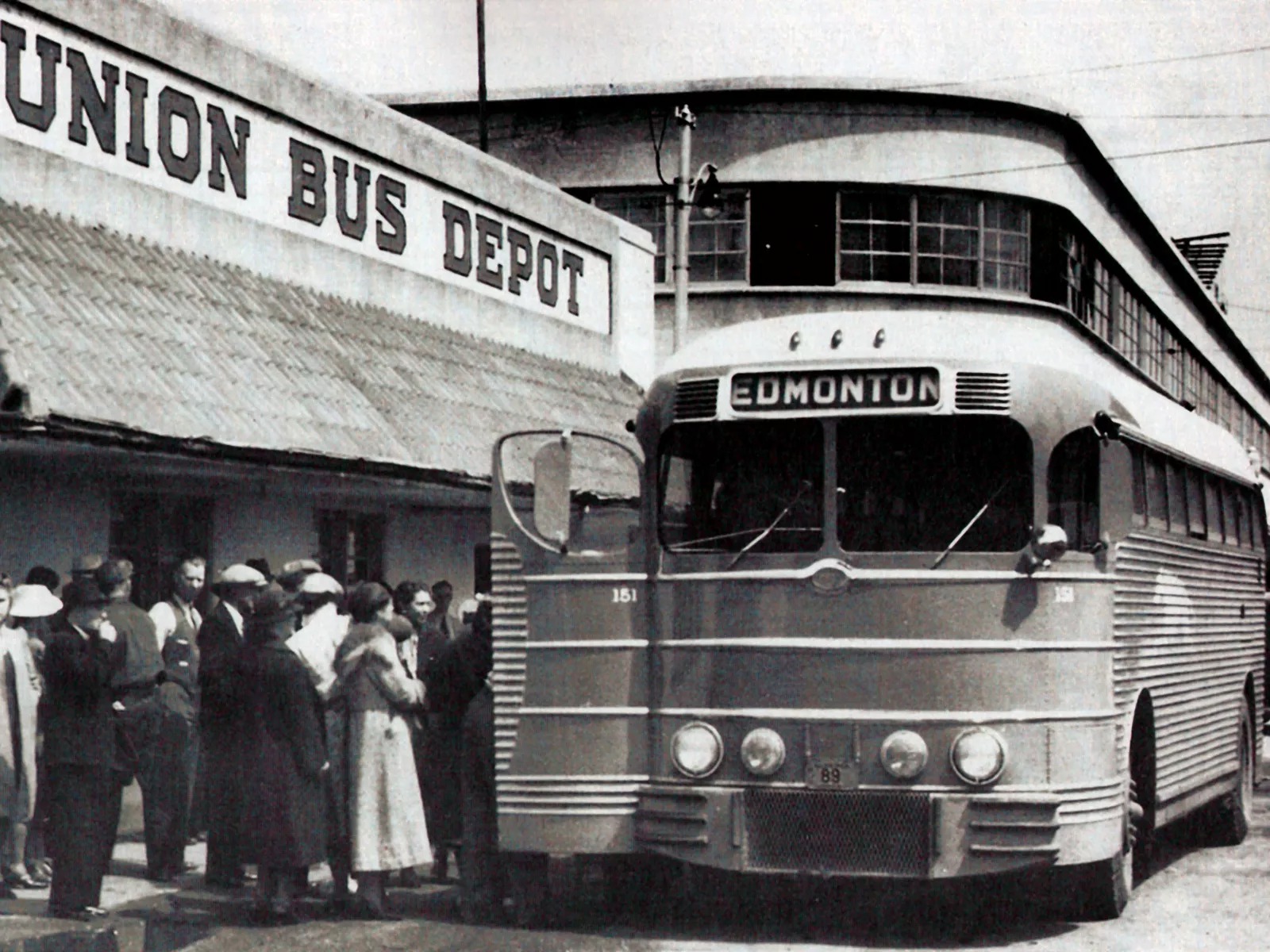
The Fort Garry Motor Body Co. became known as Motor Coach Industries in 1942, and Zoltok stayed with the company until his retirement in 1971. In 1948, Greyhound Lines of Canada was so in love with the work of MCI that it purchased a controlling 65 percent stake in the company. Greyhound then purchased the company outright in 1958. Greyhound’s ownership would stand until 1993, when MCI became an independent company.
As Curbside Classic writes, the MC-5 is a part of MCI’s MC coach bus series, which entered production in 1958 with the prototype MC-1, and targeted the U.S. bus market.
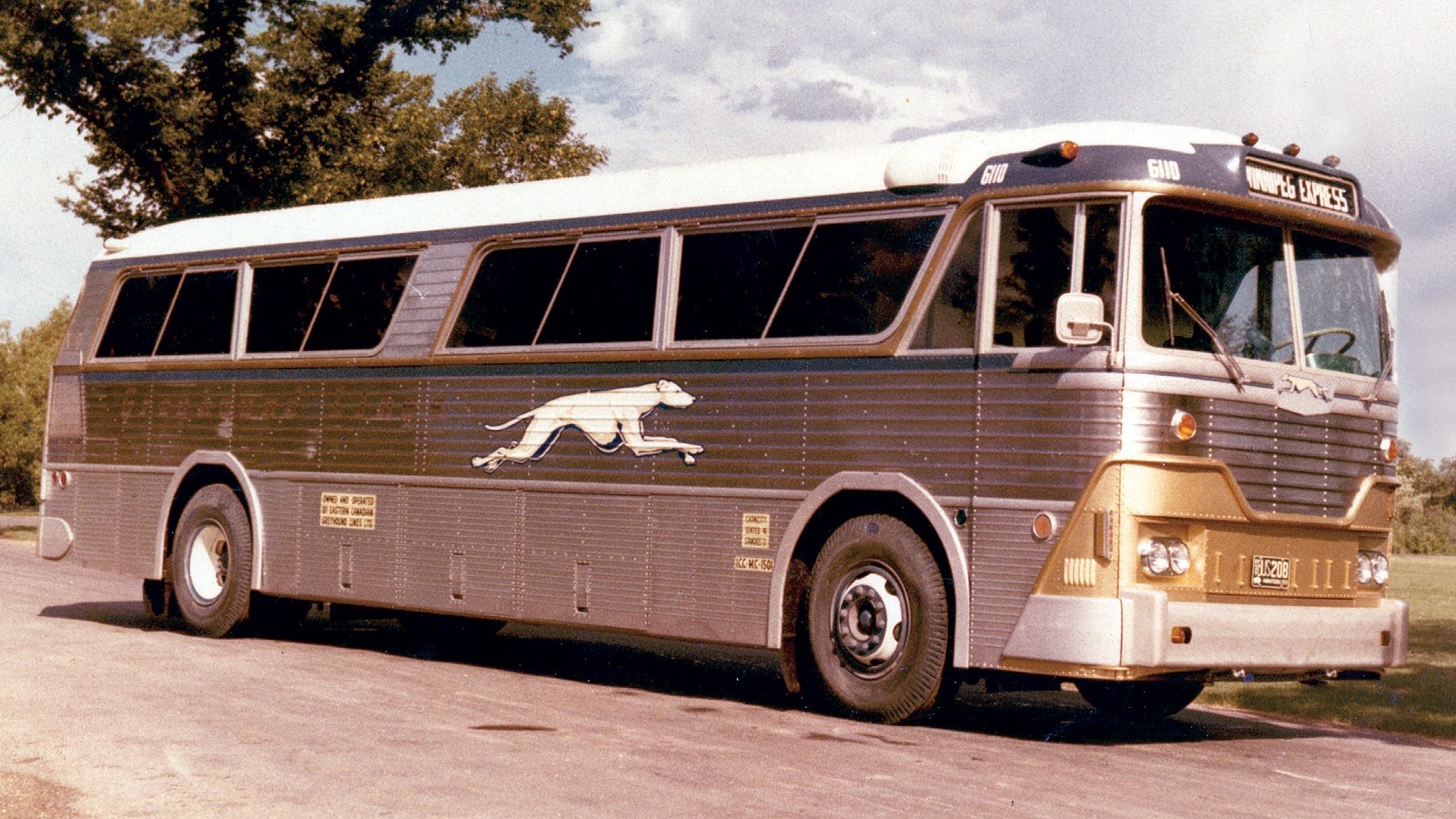
At the time, General Motors dominated the U.S. bus market, and MCI wanted to cut out a slice of its own in the market. Even the U.S. arm of Greyhound was buying GM coaches, and MCI wanted to change that. The MC-1 was a revolutionary design featuring stainless body panels, modern slanted windows, air-ride suspension, and air conditioning. MCI also introduced a cabin heating system that used the engine’s cooling loop for heat. MCI also used GM Detroit Diesel power.
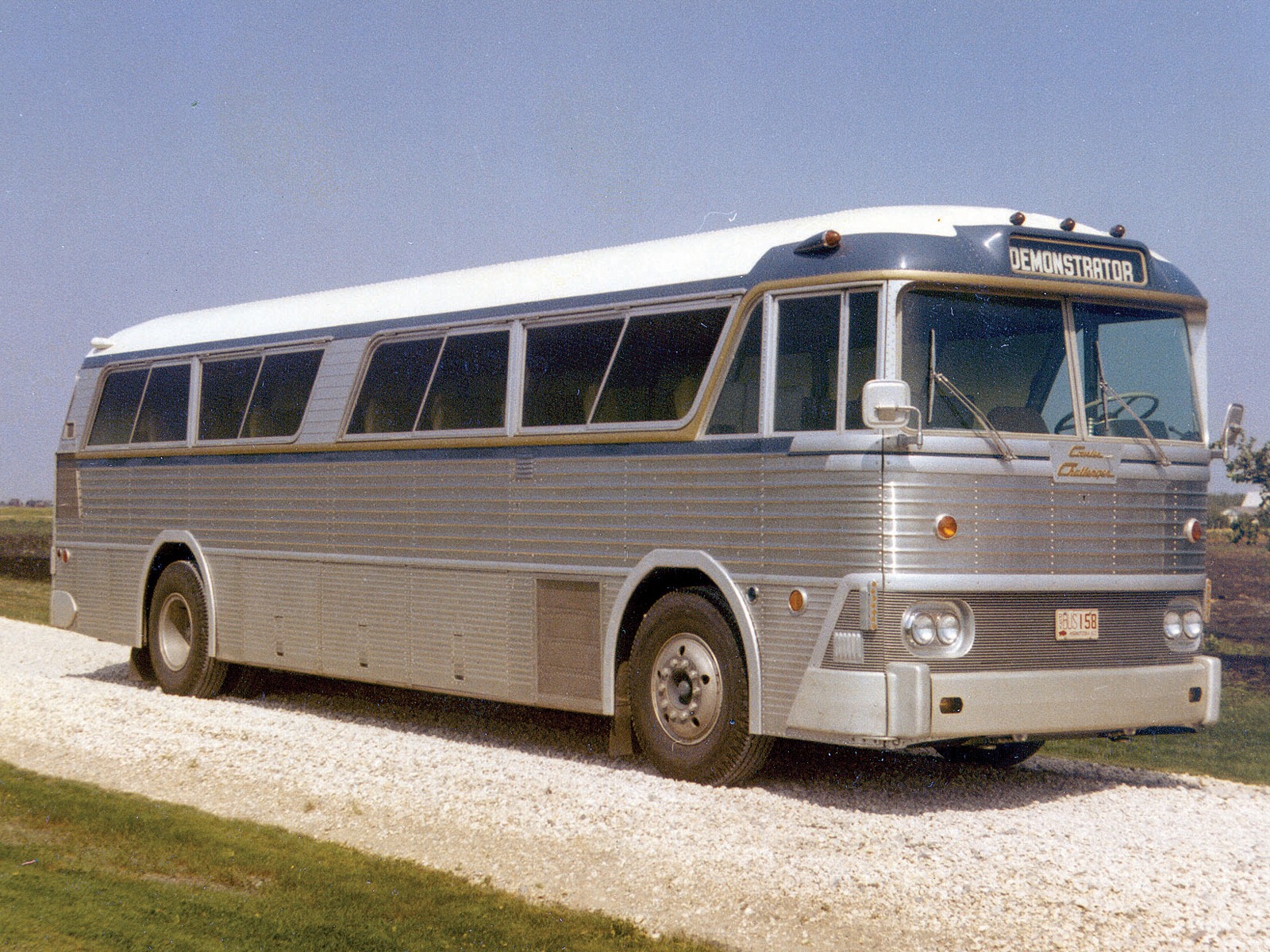
The MC series laid the groundwork that MCI would follow for decades. The MC-5 (above) is largely a footnote in MCI history. It was a 35-foot bus that was popular on routes that required a durable bus, but not a long bus. From Bus Conversion Magazine:
The early models, MC-1 through MC-4, were sold only in Canada and totaled 196. The MC-5 series were among the first buses assembled at Greyhound’s assembly plant established at Pembina, North Dakota in 1963. During the production years, the basic MC-5 was updated with A, B, and finally C added to the basic model number. Even after the 40-foot MC-7 was introduced, the MC 5 remained in production as the 35-foot version of the popular MCI series of intercity coaches.
Production quantity for the MC-5, MC-5A and MC-5B is 2,255.
The MCI MC-5 was 96 inches wide and had seating for up to 41 people. Power came from Detroit Diesel 6V-71 or 8V-71 engines, and drivers shifted them through Fuller or Spicer manual transmissions.
This Classic Bus

This bus is a 1975 MCI MC-5B. MCI started building these buses in 1971, and the biggest change the 5B has from an earlier MC-5 is the addition of clearance lights. The MC-5 and its variants would continue to be built until 1980, well into the age of longer coach buses. Part of the MC-5’s longevity was that it had proven itself to be a good solution for a line that needed something shorter, even when longer buses had become the norm.
The seller of this MC-5B doesn’t say what routes the bus drove on when it was in service, but notes that it wasn’t converted into a motorhome until 2005. Located in the rear of the coach is a 9.3-liter Detroit Diesel 8V-71, a V8 two-cycle diesel which should make about 275 horsepower in this configuration. The seller says it was rebuilt in 2003, and the bus has a compression release engine brake, or more famously known as a “Jake Brake,” a reference to Jacobs Vehicle Systems. Those of you who aren’t interested in working a bus transmission will be happy to learn it has an Allison four-speed automatic.

The exterior of the bus is lovely. It has a classy splash of both stainless steel and white paint, and I like how the window frames are blacked out, which gives the bus a little bit of a modern touch. I also like how the builder of the RV conversion didn’t try to do anything cute with the entry door or with the body. Instead, this bus rocks its vintage looks with pride.
The inside is where things get all warm and cozy. Here’s what the seller says:
We’re turning 80 and have vision problems so decided it’s time to sell it. We’ve made countess trips and years of cherished memories in our Coach, but we have moved on to new adventures with model-A cars. In addition to the Coach, we have our tow vehicle, a 2002 Jeep Grand Cherokee, we will sell with the coach as a package deal $27K. Coach alone $25K.

Two roof air conditioners.
Cummins Onan Commercial mobile Generator set HGJAE. 5.5K watts. Installed 2022.
42 gal. Propane tank.
100 gal. Fresh water.
100 gal. Gray/black water combo.
10 gal. Hot water gas/electric.
50 amp service panel.
Refrigerator gas/electric.
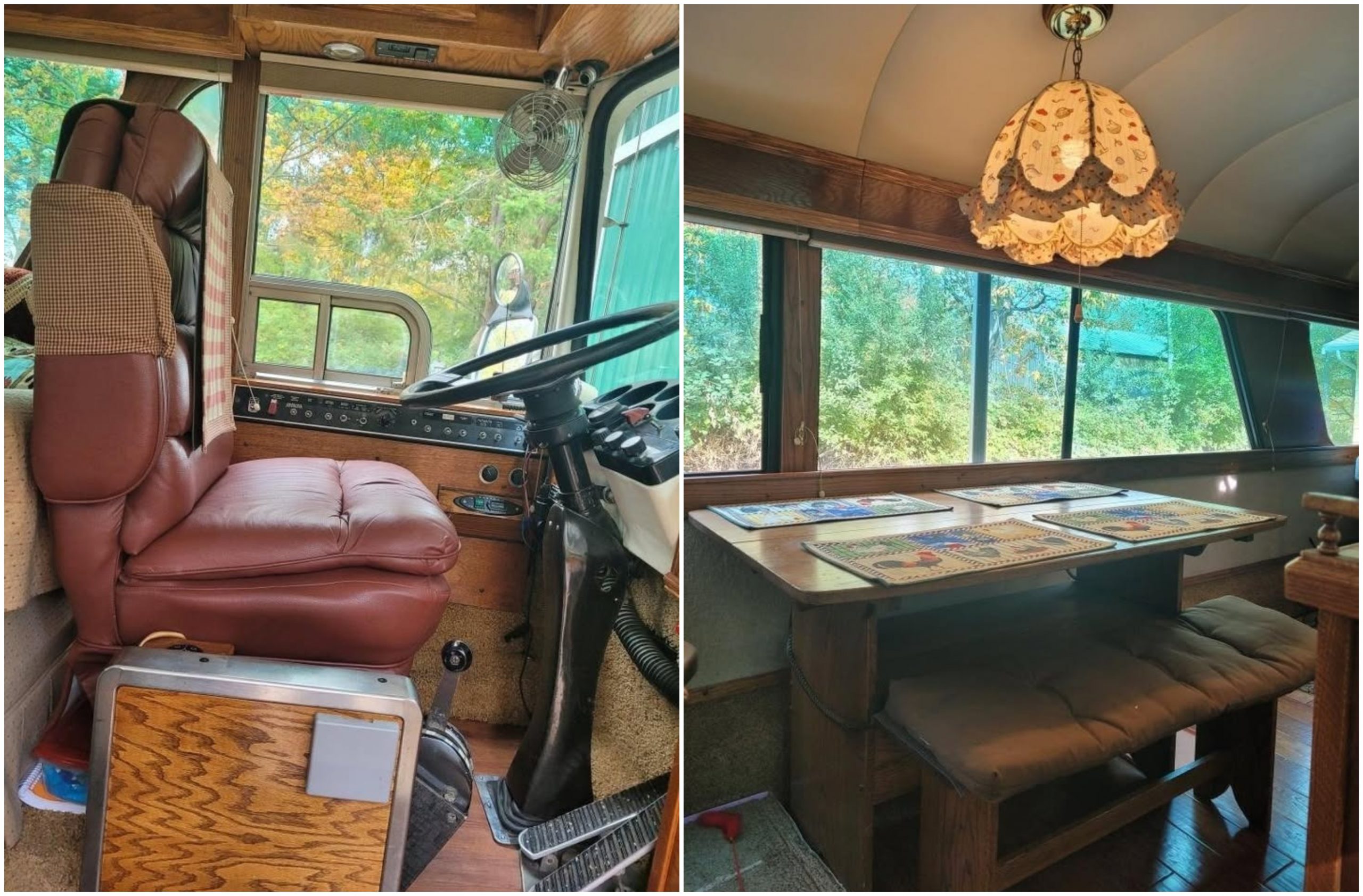
It looks like whoever did the RV conversion did so thoughtfully. The driver and front passenger get cushy captain’s chairs, there’s wood from front to back, and I even spot a stereo for tunes on the road.
I am particularly impressed with the kitchen, which sports a real RV refrigerator, a compact oven and stove, a dual-basin sink, a built-in microwave, and plenty of counterspace – it looks like a normal motorhome inside. Lots of bus conversions look like they’re conversions, but this one does not. If you did not know any better, you could be forgiven for thinking that this bus started life as an RV.
This continues as you scroll through the rest of the coach’s photos, where you’ll see a standard dry bathroom and what appears to be a large primary bedroom with a big bed, some storage, and more stereo speakers.
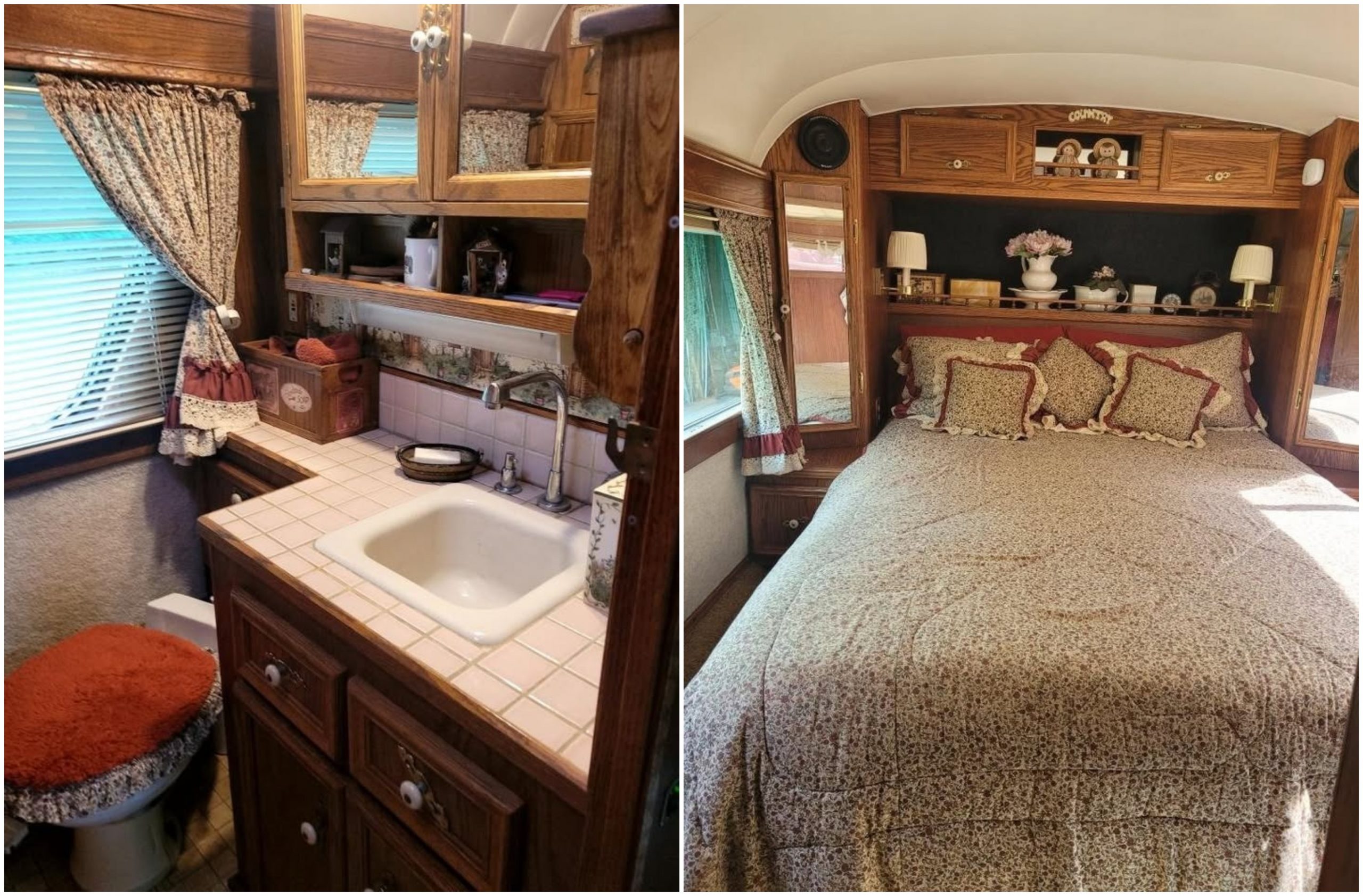
The interior of this bus is sort of wild because, while it was built in 2005, it looks like it came from the 1970s. I dig everything from the chandelier over the table to the wooden rocking chair. This bus looks like the kind of chariot that your grandparents would roll across the country in. It sounds like that’s exactly what happened with this coach’s elderly owners!
I will admit, this style is an acquired taste. There’s a reason that you won’t find many new motorhomes with dark wood and old-school furniture. But I am definitely a sucker for the look.

Check out the couch!

This bus also sounds quite functional, with huge tanks, real RV appliances, and a generator. The other good news is that you know that this build should work as a real RV because, unlike many bus conversions, this wasn’t just built and sold. Its owners lived with it for years.
Not Too Expensive, Either
The sellers, who are located in Bellingham, Washington, want $25,000 for this bus. I think that’s probably a fair price. This bus is a piece of history, and it sounds like it has a dependable enough platform to have lots of years of life left in it.

More than that, I think this coach should make a fine RV. Being built on an intercity coach bus platform means it should have a comfortable ride, a high enough top speed for highway travel, and ample storage. On the flip side, this is an older platform, and you may run into issues finding some parts. Unlike the most basic school buses, you might need to know a thing or two about buses to repair this one.
That said, this bus is so much cheaper than a new motorhome, and it looks so much cooler than any generic old motorhome, that it might be worth it. I know I’d love to travel the country in this rig. If nothing else, I’m happy that there are people out there who see old buses and trucks and think that they deserve a great second life. Hopefully, this bus continues to see the country for years to come.
Top graphic images: Facebook Listing


Interior conversion by Cracker Barrel.
Looks like it has good bones, though, and the 8v71/Allison drivetrain will last forever with routine maintenance.
> Cummins Onan
Heh heh heh
Is that for real?
The decor of this thing is a strong indicator that is a question best not asked. You do NOT want to see the things its seen.
> In addition to the Coach, we have our tow vehicle, a 2002 Jeep Grand Cherokee, we will sell with the coach as a package deal $27K. Coach alone $25K
They should charge you more if you *don’t* take the Jeep.
No kidding. Elderly people don’t need more stress in their lives. Cut that slug of metal loose and leave it at the side of the road. Nature will redissolve it.
Next David story: “How I drove back to Washington state to buy a $2,000 WJ sight unseen”
Gross. 1970s grandma’s house needs to stay in the 70s. I hate the Arab sheik with no taste look too. So hard to come by RV interiors that aren’t terrible. Only the European makers seem to make anything that appeals to me.
This is a pretty good bus though – I drove a few MC-5s back in the day. As long as it isn’t rusty underneath. But maintaining a bus is no joke $$$-wise.
I came out of living with that look as a kid, and went straight into clean, modern minimalism, which you could say resembles modern Italian furniture and decor. If the interior looks like the bridge of the USS Enterprise, I’m good with it.
I’m pretty similar. I am somewhere between MCM and Scandi in my place.
I do hope that rocking chair is bolted down or on a tether…..
This thing is cool.
I would say that parts should still be available, as they will probably be shared with a number of class 4-7 trucks, but trying to get them at a parts counter will be a pain. The typical ‘year-make-model’ counter jockeys will be flummoxed. You will have to shop speciality shops with good old-timers and paper catalogues. I say this as the owner of a F650 box truck rv conversion, where even Ford looks at me funny when I need Cummins-related parts for their OE systems.
There are several specialist vintage bus parts places. Most of it won’t be too hard to get, until you get to something that is. All of it is expen$ive though.
Man a conversation is so much better than a commercial RV. IT provides for so much customization. I think the reason you can’t get real furniture in a commercial RV is it costs more than cheap cardboard furniture built on a level that makes IKEA look like Top Grade furniture.
I’m assuming it was modelled after their primary residence… which probably hasn’t been remodelled since the 70’s…
I have a friend that just purchased a house, built in 1997 but is exactly a 1970s ranch in every aspect including the mirror wall in the living room and wood paneled bar in the basement.
Holy crap. Flashbacks. Throw in the vegetable colored appliances, wallpaper and thick carpet and you’re there.
Mirror PTSD here. When we bought the 1959 tri-level one wall was covered in 12′ x12′ smoke gray mirrors that were glued to the wall, about 12′ x 8′. Getting them off was a horror movie as they would splinter and glass would fly at me. Also that interior looks like a rummage sale from grandma’s left over stuff after moving into assisted living. No effing way. Danish modern please
Dyrlund style with bull nose edges.
Saarinen. Lots of Saarinen
My mom has that. It’s nice for melamine. I prefer my furniture to be solid(ish), exposed wood though.
Someday I’d love to have a whole set made from something harder than even Brazilian Rosewood. Unlike Mallory Archer I don’t think bragging rights are found in the funeral costs and number of pygmys who died cutting the tree down to make a conference table but in how many hardened blades and bits died to make a beautiful, more dentproof piece of furniture. Patagonian Rosewood is a top contender as is Ipe, perhaps Coffeewood. Maybe Snakewood for some special pieces.
My Saarinen is fiberglass and steel. Well the side table tops are some weird composite, but replace
Them
With marble and voila. Rosewood veneer eases chairs for the win though
It’s a solid looking rig, and gives the impression that the cabinets are solid wood or at least plywood, with not a scrap of particle board in sight. I’d sooner deal with Grandma aesthetic than some of the tacky stuff I see in newer RVs
Those cabinets look like off the floor Home Depot or Lowe’s cabinets. Always in stock. Not quite all wood construction at all. I suppose the 1/2” construction helps keep weight down. Incidentally, the same styles most mass produced and cloned tract homes are equipped with.
That Muppet fur toilet seat cover warms my heart! I honestly wonder if this couple remodeled their dated home and moved the furniture, vanity, paneling into the RV.
It sure looks that way, doesn’t it?
I noticed a cat-scratch tray next to the dining room table…I applaud RV owners that take cats with them, it’s too stressful to think about for me. I say this from experience, camping in Jalama Beach Campground, I had to help the (slightly inebriated) owners and their friends hunt down their cat that escaped from their RV. In the dark. Fun times! Yes, the cat was found…
The secret is get the cat(s) used to the RV before you start driving it around.
RFID collars are a literal lifesaver. My favorite is the Loc8tor Plus (aka Brickhouse), the precursor to this one:
https://tabcat.com/
Combining the obsolete silver Loc8tor Plus/Brickhouse handset with the newer round trackers yield the best performance of range (up to 1600 ft LOS), features, comfort and battery life. I’ve gone a year on one tag battery and the range is good enough that model aircraft enthusiasts use these to find their lost planes. It’s by no means perfect but despite its older tech it’s still the best I’ve found, WAY better than overpromised subscription based GPS systems with batteries that die after a couple of days or Bluetooth tags with far shorter range. I liked these enough I hoarded a bunch of them when I saw the supply on Ebay was drying up.
I wish my cats would keep collars on…they’re mini-Houdinis.
Yeah, I get that. I think the best you can do is make sure the collars fit properly and keep them inside till they get used to the feel.
Or build a catio. Which is what we did last fall.
That can work too if you have the resources.
It’s grandpa and gramma’s cabin up North, but on wheels! I think they set the price high enough to ensure it’s treated the way it deserves, and I hope they get a good buyer.