

For decades, the United States government has been a thorn in the backside of car enthusiasts. Thanks to the infamous so-called “25-Year Rule,” if an enthusiast loves a car that was never sold in America, they almost always have to wait until that vehicle is at least 25 years old before they can enjoy that car. Now, the White House’s trade war is muddying the waters. The United States and Europe are ironing out a trade agreement, and a key part of it is that the United States and Europe could agree to accept each other’s auto standards. The impact of this could be huge, and it makes us wonder, what does this mean about the 25-Year Rule?
This puzzling question comes to us from Automotive News, which asked the same question on August 22. The United States and European Union announced an updated trade deal framework on August 21. As part of the deal, there will be a baseline 15 percent tariff on goods coming in from the EU, while the EU will be spending $750 billion on U.S. energy and investing another $600 billion in the States.


But it’s what’s in store for cars that has the potential to change the auto industry, and perhaps, also make being an enthusiast even more fun than it already is. As of right now, Automotive News reports there will be no changes to the auto tariffs, meaning that vehicles coming in from Europe are still getting hit by the 25 percent auto tariff.
However, President Trump has offered Europe a deal where, if Europe introduces legislation to reduce tariffs on American industrial goods, agricultural products, and seafood, then the United States would agree to lower the auto tariff from 25 percent to 15 percent. The U.S. sweetened the deal by saying that the auto tariff reduction would be retroactive to August 1, when the latest tariffs went live, which would save importers a ton of cash.
A Potential Game-Changer
As Automotive News reports, Europe is working fast to satisfy the requirements to get that reduction in place. The big news, at least for the purposes of this piece, is Article 8 of the joint statement published by the U.S. and the EU, from the White House:
8. The United States and the European Union commit to work together to reduce or eliminate non-tariff barriers. With respect to automobiles, the United States and the European Union intend to accept and provide mutual recognition to each other’s standards. Cooperation on standards plays a crucial role in enhancing the transatlantic marketplace. The European Union and United States commit to enhance opportunities for technical cooperation between EU- and U.S.-domiciled standards development organizations with the objective of identifying and developing standards for the transatlantic marketplace in key sectors of mutual interest. The United States and the European Union commit to facilitate conformity assessments to cover additional industrial sectors.
Automotive News asked some valid questions:
If Article 8 means that vehicles meeting either EU and U.S. safety and emissions regulations can be sold in each other’s markets as built, there are plenty of unanswered questions:
– Would vehicles made in Mexico or Canada as part of the USMCA trade agreement qualify for European export?
– When would the potential changes go into effect?
– Would franchised dealers be able to order models not intended for the United States, such as diesel-powered Land Rover Defenders, or the Ferrari FXX K Evo?
– Does the proposed rule mean that EU-built used vehicles no longer have to be 25 years from the date of manufacture before they can be legally imported to the United States? Around 20,000 used vehicles from Asia and Europe come to the U.S. each year as private imports brought in by specialty used-car dealers, car collectors and others.
– Can an EU-compliant vehicle be sold in California and the 17 states that follow the state’s emissions regulation?It’s also not clear which American-made vehicles would appeal to European buyers.
What About The 25-Year Rule?
All of these are valid questions. But the one I’m most fascinated by is the potential damage it could have against the 25-Year Rule. The short version of the rule is that a vehicle has to be built to Federal Motor Vehicle Safety Standards and Environmental Protection Agency standards to be eligible for importation as a road vehicle. This is usually verified by the existence of either FMVSS and EPA stickers on the vehicle, or a letter from the vehicle manufacturer stating that the imported vehicle either meets standards or is “substantially similar” to a compliant vehicle sold in America.
Now, that substantially similar clause really means that the imported vehicle is pretty much the same as its U.S. equivalent. The clause is largely used for cars coming in from Canada that have direct equivalents that are or were sold in the United States.
There are exemptions to these rules. You can import a non-conforming car temporarily for tourism, testing, advertising, visiting military, or other similar purposes. Likewise, you can import a non-conforming car for display and education if you’re a museum. Further, you can import a non-conforming car if it’s so rare and historically significant that the government thinks it’s good enough to be here. The government doesn’t just hand out the Show Or Display exemption, and the current list of eligible cars is shorter than you think.
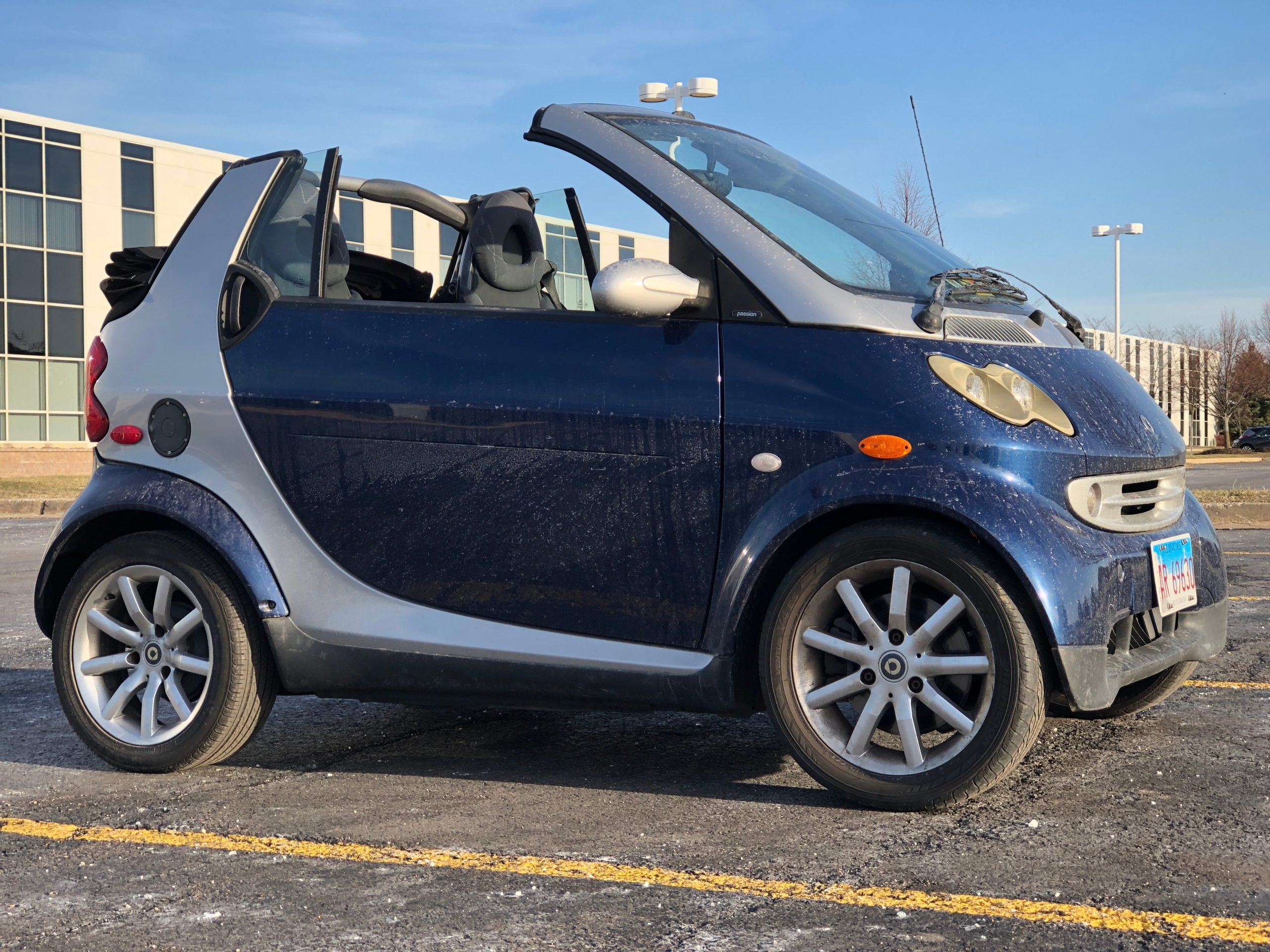
Finally, there’s one last major way to get around the law, and it’s to go through the convoluted process to have a non-compliant car converted to U.S. safety and emissions standards. This means petitioning the government, going through a Registered Importer, having the modifications done, getting crash testing done, and spending tons of cash. Typically, those taking this route are trying to sell a certain model here, not just importing a single car. This is why a late-year first-generation Smart Fortwo is technically exempt from the 25-Year Rule, so long as it has been converted.
For an enthusiast in pretty much every other situation, you have to wait until your favorite car hits the ripe old age of 25.
The Headache Of Import Enthusiasts

What’s fascinating is what led to the 25-Year Rule. Officially, the law that led to the rule is the Imported Vehicle Safety Compliance Act of 1988. An oft-repeated story is that Mercedes-Benz didn’t like how Americans were importing cheaper gray market cars from Europe, and it successfully lobbied to ban the importation of gray market cars. The truth is quite the rollercoaster ride.
As I wrote back in 2022, the world of car importation used to be unregulated and wild. America went through a huge import fever in the 1970s and 1980s. Motorcycles from Europe and Japan offered riders a vastly different riding experience than the ones that they got from bike builders at home, and often, these imported bikes were cheaper, too. Even Harley-Davidson started importing small Aermacchi Italian motorcycles.
These imports grew to become more than just cheap alternatives to what was already in America. People discovered that those Honda motorcycles didn’t break down nearly as often as their old American bikes did, and that a Mercedes-Benz offered a kind of sporty luxury that you could not get in a Cadillac.

It wasn’t long before Americans discovered that there was a way to get imported goods for even cheaper, and that’s through the gray market. In short, a gray market good is a product that’s sold through an unofficial channel. A lot of gray market goods weren’t vehicles, but household goods. For example, instead of paying a television shop a lot of money for a U.S. market TV, consumers were able to buy cheaper examples that were imported directly from Japan.
It was a similar deal with cars and motorcycles. If you walked into a Mercedes dealership and didn’t like either the price or the options of the cars available, you were often able to find a dealer who had the car you wanted imported directly from Europe. Buyers got these cars for a discount over buying from an official channel. Sure, you didn’t get a warranty, but many Americans felt that the discount was good enough to take the risk.
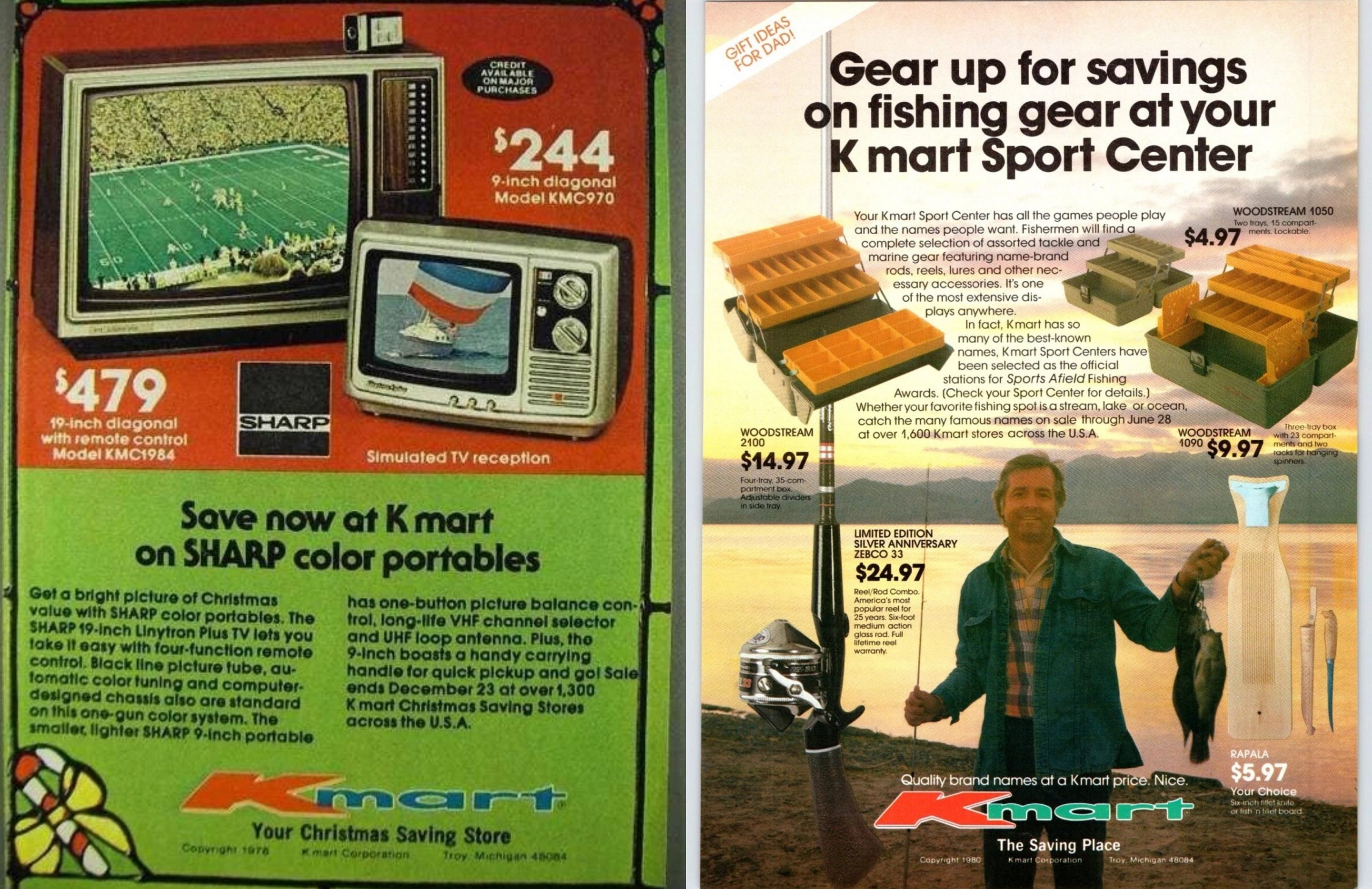
Gray market goods became commonplace in America. Department stores like K-Mart thrived on putting gray market goods on their shelves and selling them for up to 40 percent cheaper than the same products sold through official means. The ads below show some of what K-Mart sold in the 1970s and 1980s, but these products weren’t necessarily gray market:
Kiplinger’s Personal Finance noted in November 1985 that from 1980, some 65,000 gray market cars had been imported into the States. Kiplinger’s figured that once the final numbers came in from 1985, they would have indicated 60,000 gray market cars sold in that year alone. How crazy did it get? In December 1984, the Washington Post reported that more than 20 percent of the new Mercedes-Benz cars sold in America were gray market models.
The twist was that it was official Mercedes-Benz franchised dealers who often sold these cars. So, the U.S. arm of Mercedes-Benz might have been angry that it was missing out on sales, but a lot of the blame was on its own dealers. Still, automakers and dealership lobbying groups fought to stop gray market import cars.
Then came the safety aspect.
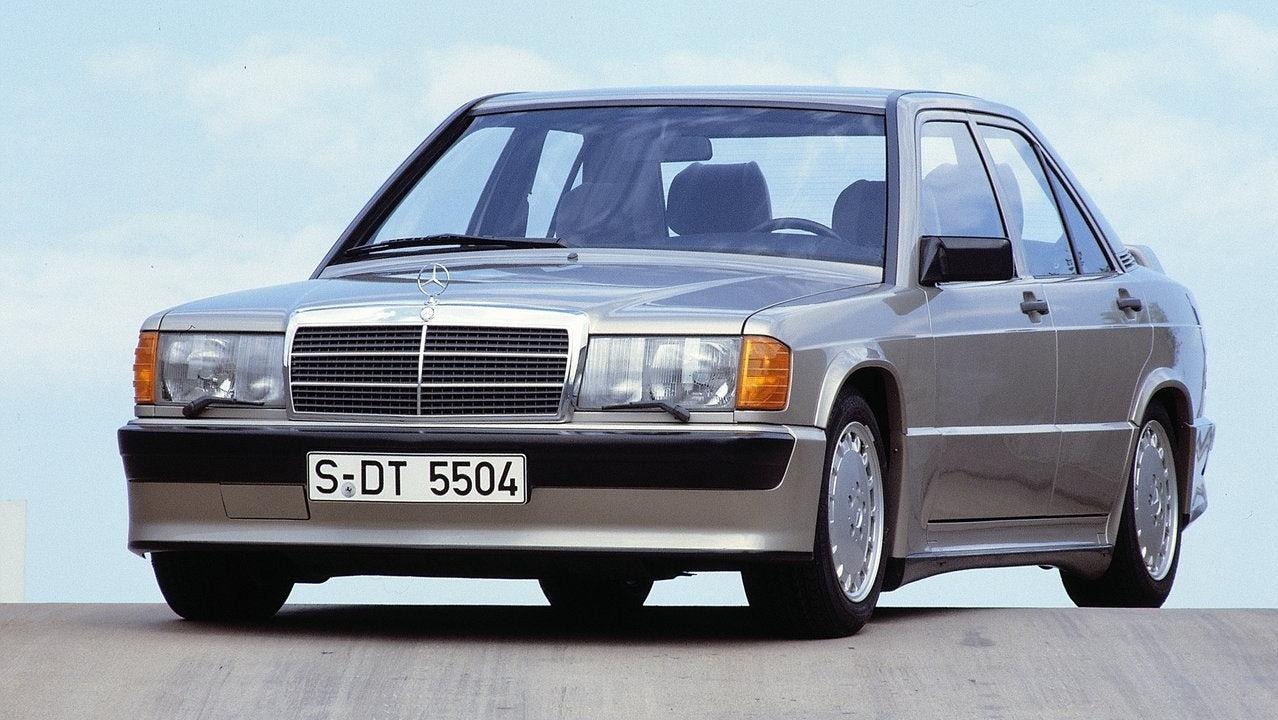
In the past, the government did not regulate the gray market car conversion industry. Anyone with a wrench could convert a gray market car to American safety standards, and it was on the owner of the vehicle to prove compliance. As a result, the quality of the conversion work ranged widely. As I reported in 2022, Mercedes-Benz and several government agencies conducted studies into converted gray market cars. The government came to the conclusion that 60 percent or more of the gray market cars that flooded America were non-compliant with safety regulations.
Non-profit trade groups like the Automobile Importers Compliance Association (AICA) fought against the notion that these cars needed to be banned. As far as AICA noted to the New York Times, the problem wasn’t the cars themselves, but the fact that there was no government oversight of gray market conversions, leading to operators who blatantly didn’t follow the rules. AICA believed that all the government needed to do was clamp down on who could do the conversions.
Sadly, it wasn’t enough. While the government took AICA’s advice and restricted who could convert vehicles, the government also banned them until they reach 25 years of age, too. If you want to read more of my history on the 25-Year Rule, click here.
The Potential Impact Of Article 8
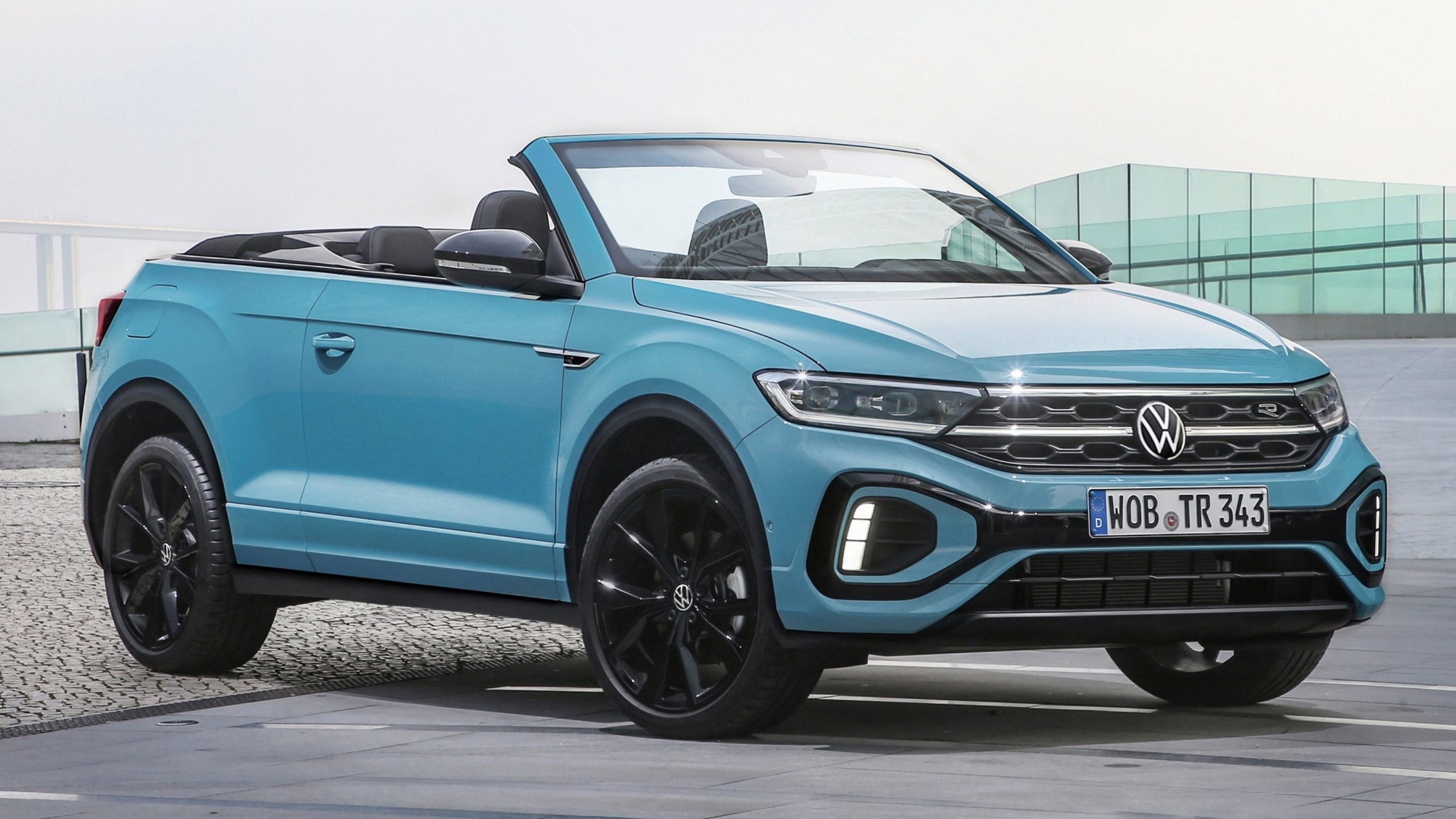
That brings us back to Trump’s agreement with Europe. Sadly, the government has not provided any clarity whatsoever on what’s going on here. However, we do know that the White House is looking to ink similar trade deals with Japan and South Korea.
If the United States suddenly begins recognizing European, Japanese, and South Korean safety and emissions standards as being equal to America’s, what does that mean for the 25-Year Rule? Nobody really knows. NHTSA has not gotten back to us as of publishing, and even reporting from Automotive News isn’t super certain:
Some believe that, if enacted, the new rules would allow imported vehicles from each other’s regions to be sold on both sides of the Atlantic without meeting the same safety and emissions standards.
Others said automakers would still be required to tailor vehicles to each market. But the potential changes could push the regions to accept the other’s safety, emissions and fuel economy test results.
The changes are likely aspirational. The intention to recognize each other’s standards is not a commitment, said Jennifer Smith-Veluz, international trade attorney at Butzel.
Note that none of these brings up the 25-Year Rule at all. In fact, it’s entirely possible that, if these rules go live, they would apply only to new cars. It might even apply only to cars imported through official sales channels. Unfortunately, it’s impossible to know or even take an educated guess because, as of publishing, the White House has provided no further clarification. It sort of just dropped this bomb without further explanation.
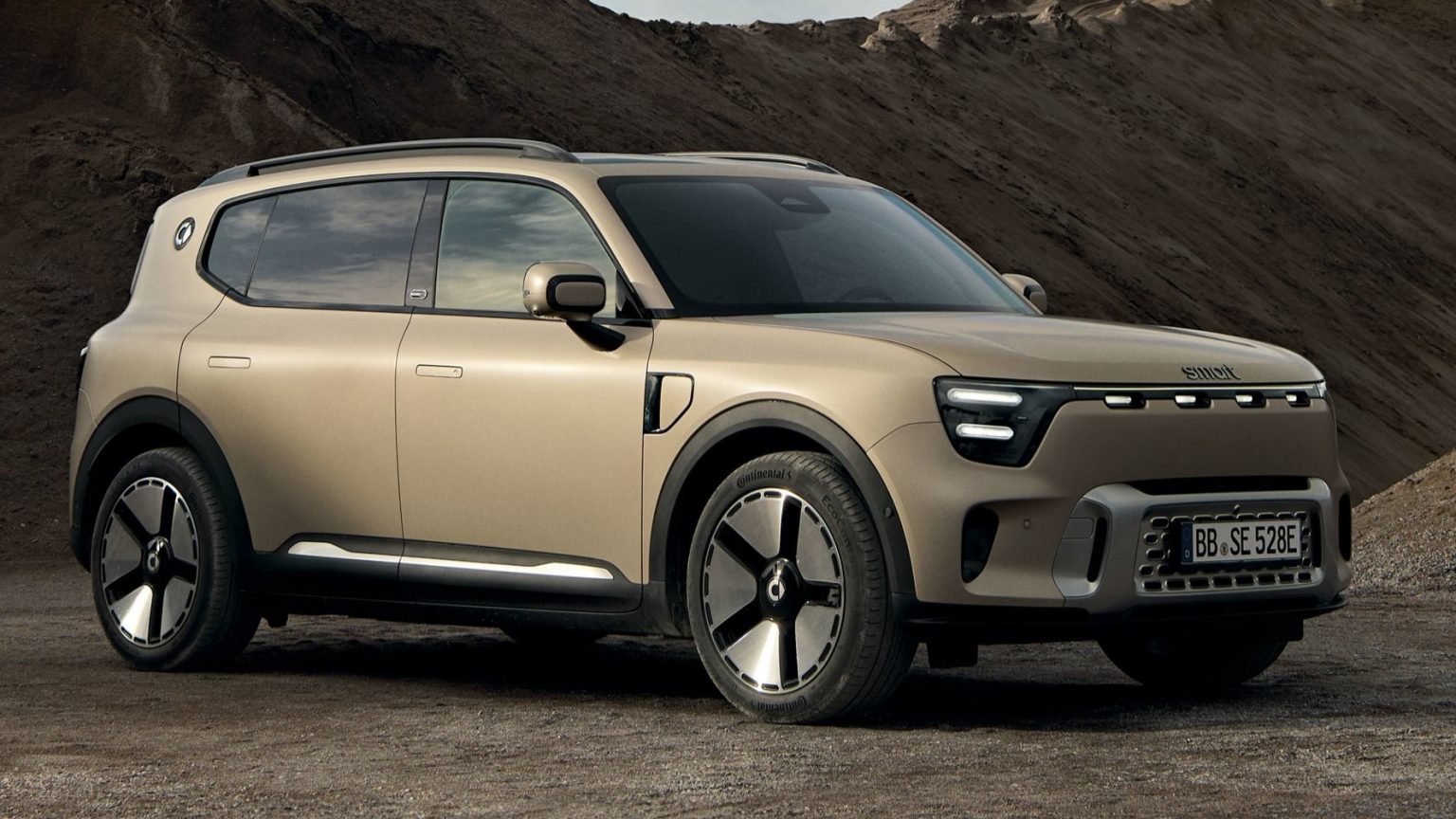
But in theory, if America suddenly begins recognizing the emissions and safety standards of at least Europe, and then maybe later Japan and South Korea, then automakers who haven’t sold certain models here on the basis of the costs of compliance might feel inclined to give America a go. Maybe I might be so lucky as to see my beloved Smart make a return to America. Maybe, when the economy sucks, we could see some Japanese Kei cars. The possibilities could be endless.
However, we won’t know for sure until further clarification of Article 8 is provided. Still, that won’t stop enthusiasts from dreaming. Did America accidentally kill the 25-Year Rule? I’m going to say probably not, but we’ll have to see.




Are the EU emissions standards stricter than the same stateside? I’m assuming that’s the case, and if so, I could see as being the biggest hurtle. Like would a US hellcat be legal in the EU, because that’s one area I don’t think the EU would simply relax.
Contrary to popular opinion, it’s the other way around. US is more stringent on so-called criteria pollutants* (NOx / hydrocarbons) than EU is, but the tradeoff the EU expects is to get better fuel economy (~CO2) in return.
*The one place that may not be true anymore is on particulates – the EU is pushing particulate standards that are starting to require particulate filters like we have on diesel trucks today on gasoline powered cars. Approximately no one is happy about this, nor should they be.
Thanks! Super helpful.
And aside from what Mike said about emissions, safety stuff is also regulated, and often just “different” rather than really better or worse.
EPA and EU have been trying to harmonise their standards as to reduce the headache of engineering and testing the emission control equipments. However, EPA and EU can’t agree on measurement system: EPA wants gram/mile while EU wants gram/kilometre. They are still holding their breaths until one of them gave out.
I think this is a dream.
US safety standards are an intentional barrier to entry. They’ve had ample reason to harmonize, and more incentive (before the tariffs) to do so.
First of all, I don’t see how you can apply this retroactively. Even if you have standards alignment, the cars built before alignment are probably not consistent with the standards of the other jurisdiction. Second of all, even if aligned going forward, you’ll still need certification from the governing body of the sales destination to be sold; just because you can meet that standard doesn’t mean you have the certification as certification is an affirmative process. In that situation, maybe the manufacturer will issue you a letter stating that they meet standards even if not certified, but honestly that feels like a lot of liability for the manufacturer to take on.
I agree with you here. This looks a lot more like aligning things so that new vehicles will be available for sale here and in Europe (and even that is not fleshed out and agreed-upon). I don’t see this ending the 25 year rule, but making more European vehicles initially available in the US is also good! It would be great if we could all get on the same vehicle standards, but at least making strides to accept European test results and such would be a good start.
Too bad this might not extend to Asian countries…. who wouldn’t want a diesel-powered Hilux as their work vehicle?
I’ve seen too many diesel powered Hiaces where I live. They appear to have absolutely no emissions equipment. You can smell them from far away. I suspect they pollute more than 100’s of EPA compliant passenger vehicles.
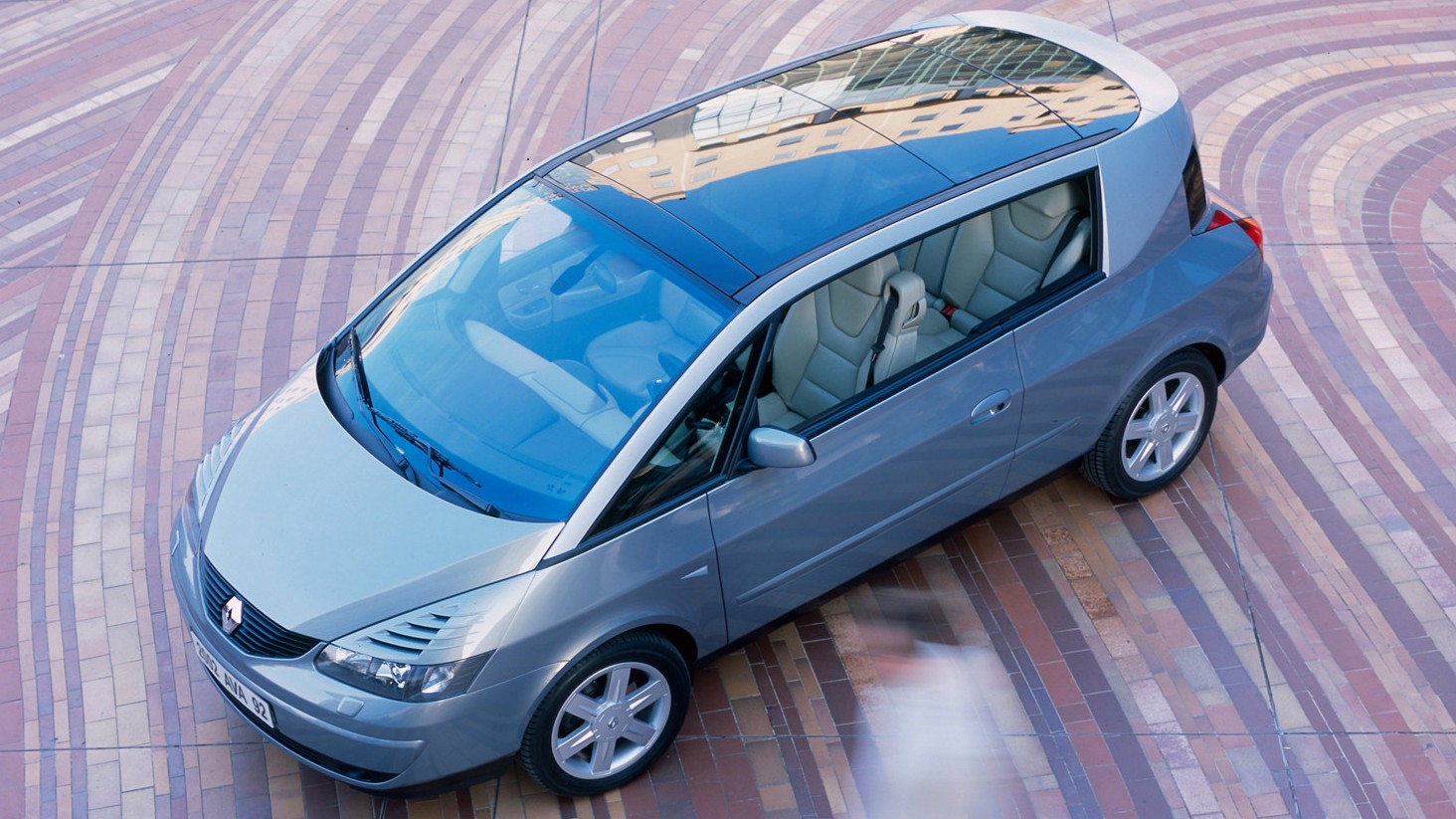
That two-door Renault minivan looking thing is very interesting, what is it?
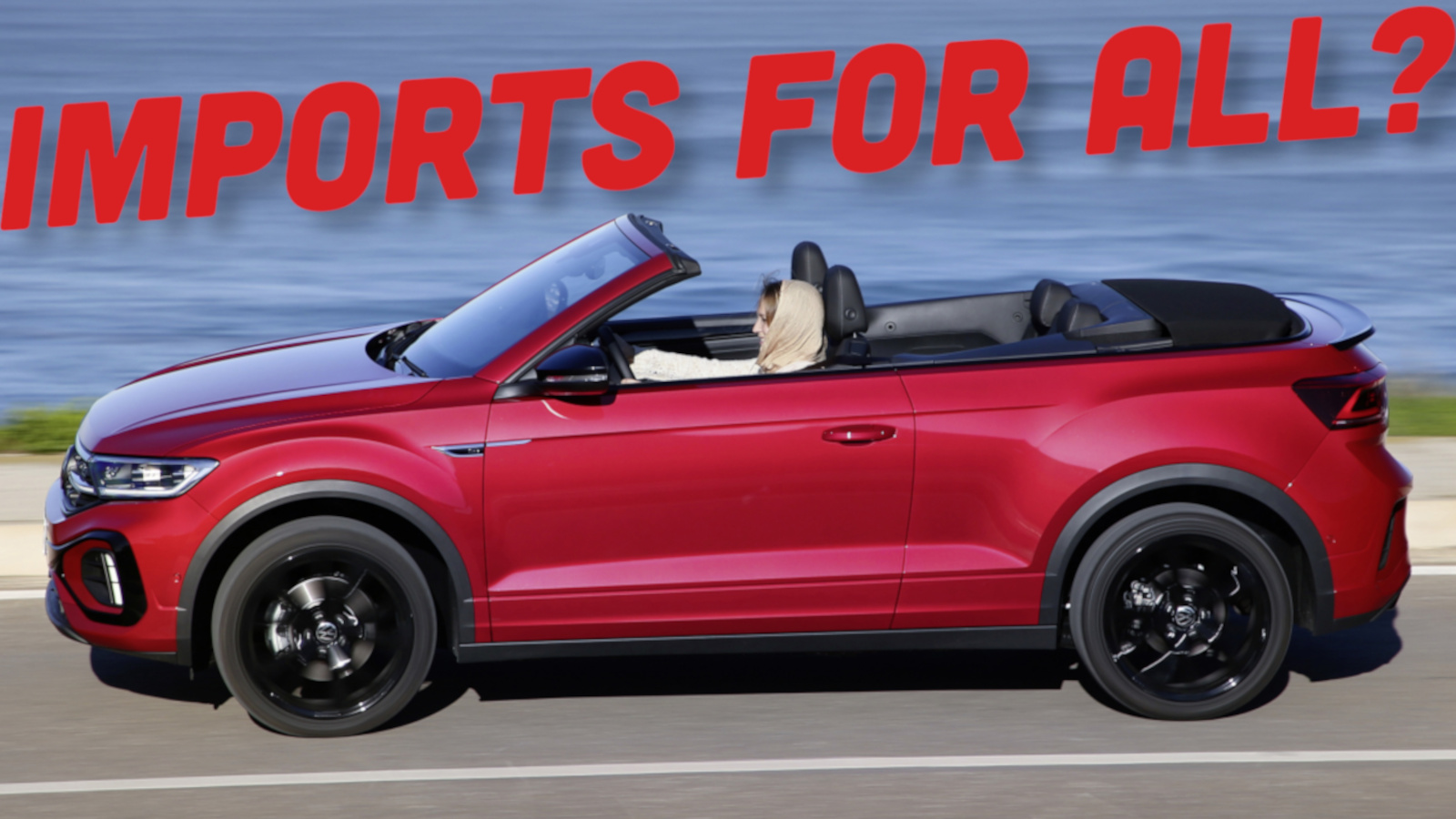
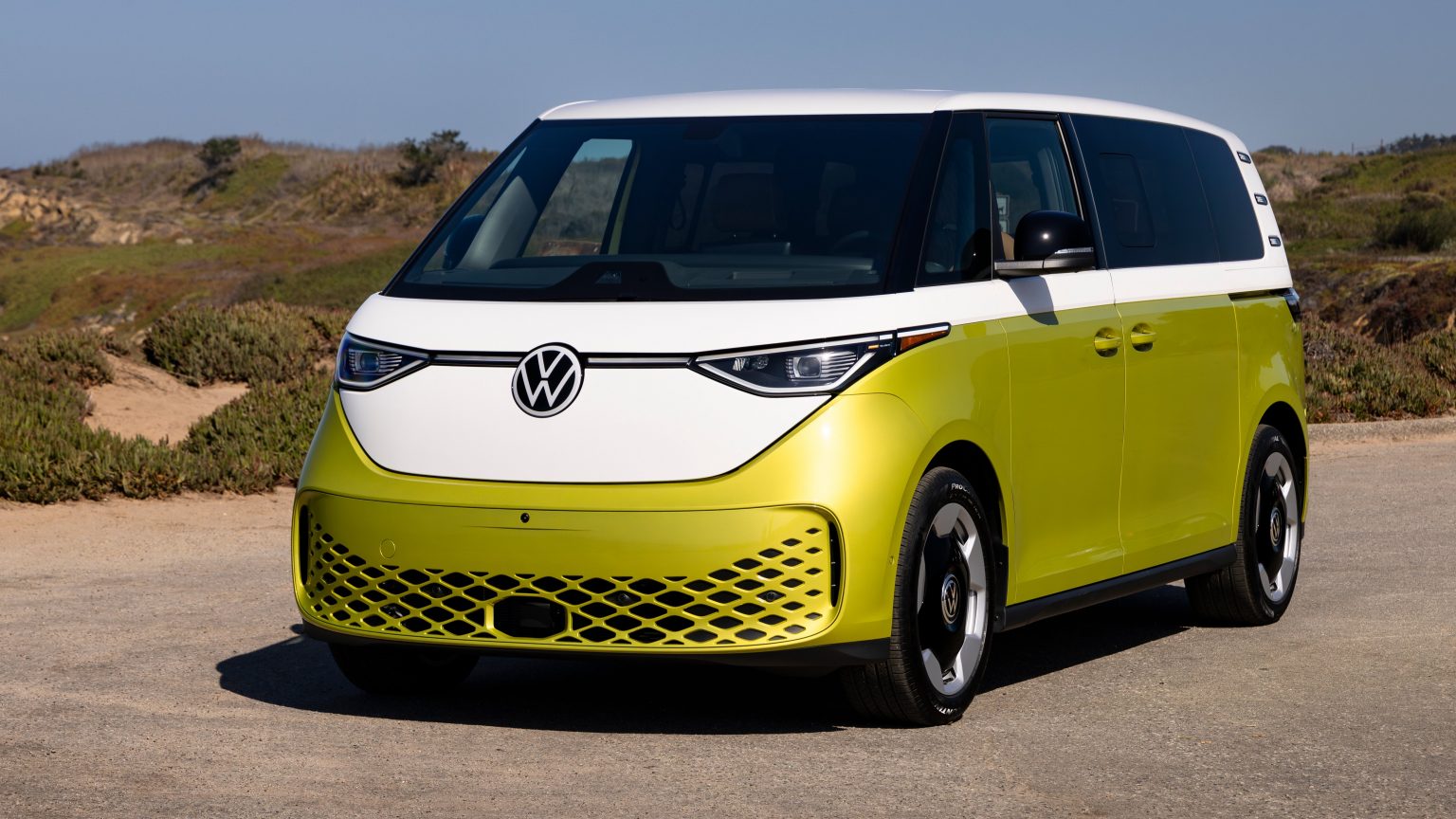
Also, though I’d probably not buy another VW product, and a convertible crossover is probably the least practical kind of crossover possible (no disrespect to Autopian’s Murano convertible intended) that VW convertible crossover pictured twice (first in red at the top, and in light blue near the bottom) is a pretty interesting item as well, whatever it is.
That’s a Renault Avantime. They are strange-looking beasts but rather cool in their own way.
Thanks!
Trade Proposal:
EU receives- 600 billion in energy and the entire Jacksonville Jaguars
US receive- 599 billion in various Fiat Pandas. When all available Pandas are acquired, we’ll supplement with Sendros. Also, we get Athelico Madrid.
Art of the deal, folks!
Let’s see if we can improve this deal for the US.
EU says no. We’d have to throw in the Movie Industry or something valuable for them to take all that dead cap money.
What did Athletico Madrid do to deserve Florida???
Hey, we don’t have to put them in Florida! No one deserves that. We can find a nice reasonable place to put them: like the Canadian border, so that they can eventually end up in Canada.
I’m imagining that they could keep renovating and just slowly edge their way across the border.
Imagine them having to move from Madrid to Maine though.
Bring them to NW Washington. They’ll creep up to BC and it’ll be great!
Buenos Diaz tu Atletico Bangor, bub!
Athetico Madrid? I’d rather have the Real one.
Automotive News? Nah I scooped them by over a day:
https://www.theautopian.com/californias-new-attempts-to-protect-the-environment-seem-stupidly-shortsighted/comment-page-1/#comment-737276
In all seriousness thank you for investigating this Mercedes!
Just give me my lada already!
It will Niva happen…
Mercedes (Streeter, not Benz) is killing it. I will never be shopping in the gray or 25-year-old car markets but this deep dive was a great read about that and a bunch of other tangential topics.
What about the chicken tax? I get that small vans did not sell in large numbers here, but lower numbers might be ok if Euro standards were OK, and there was a lower tariff.
iirc, the questionable ways in which Ford, namely, was getting Transit Connects past the chicken tax basically killed them here. Ford was told to stop or be forced to pay back the dodged taxes plus interest to the tune of a few billion $.
i.e. importing them as passenger vans and literally throwing away the back seats after they passed through port to be sold as commercial vehicles.
If it goes away I still will not be able to afford both a 70 series land cruiser AND the shipping/import fees.
Even if the stupid rule accidentally gets axed as a result of all this fooling around, the cars will be tariffed so hard no non-rich person will be able to bring anything over.
And all it would take to undo everything is our Benevolent Leader getting wind that these foreign devil machines are flooding the streets of the Homeland and he’d stop any private auto imports immediately. And that’s to say nothing of what the states would do about this – they can barely tolerate a few kei trucks puttering around.
Not necessarily, tariffs are paid on the purchase price, so if I’m looking at a 10 year old Citroen, it would be like $5k, and even if you tack on 20% in tariffs, it’s still only $6k. Yes on the high end, looking at new cars would be awful, but for the older used stuff, it would be amazing!
” The Citroens are eating our dogs!”
All of this seems as likely to me as ‘Europe’ (which bits of it?!) investing $600 billion etc., etc. These are all exploratory talks, not actual deals, and will most likely amount to nothing.
What might be possible is for each region to accept crash testing and environmental assessments from the other which would keep costs lower for companies wishing to enter a new market. I don’t see why Europe can’t accept that a car deemed safe in America is perfectly good enough for use on our roads (it is) and vice versa.
There will always be localisation issues – plastic vs. glass headlamps, turn signal colour and so on but if an agreement could be reached on the core principles of safety and emissions that would be a breakthrough I think.
Tangentially, but related, I read this today: Potentially bad news for European classic owners in America and is, of course, entirely tariff related…
https://www.theguardian.com/business/2025/aug/25/postal-services-in-europe-suspend-parcel-shipments-to-us-amid-uncertainty-over-tariffs
I don’t know that I’d call my 1972 Velorex 435 a “classic,” exactly, but I was just informed by a parts house in the Czech Republic that they aren’t currently fulfilling orders from the US. I need a set of brushes for its starter/generator so now I’m looking around for brushes that might be cut down to fit.
It’s time to accept the UNECE standards.
Mexico accepts both US and international standards. We can do the same.
Canada’s import ban used to be just 10 years, but they raised it to 15 for American reasons. The change is recent, well after 2000.
Canada was this ->*<- close in adopting UNECE in 2000. The manufacturers threatened to move all of the production and manufacturing plants out of Canada if it was done deal. So, Canada gave in…
A few points:
Your #3 is the most interesting here. With Trump kneecapping the EPA and rolling us back 30 years on pollution, any incoming Euro market vehicles would reverse his attempts. Those vehicles are built to the Paris Accords, something he pulled us out of. I welcome the end run on his idiotic policies.
It’s not that hard to get US vehicles registered in Europe depending on the country. It’s just that few people choose to do so. You also get into things like the Cybertruck (and anything over 3.5 tonnes) being classified as a heavy goods vehicle and requiring a truck licence.
The Cybertruck has a lot more road-blocks to being road legal in the EU than the weight, mostly that the bodywork is far too angular to pass pedestrian safety standards.
Red turn signals to be outlawed in the USA. One can only dream of such a utopia.
While we’re on the topic, can we also ban turn signals which use LEDs to fade in and out. New Mazdas and BMWs are most guilty. Instead of a simple on off blink, they gradually fade. They do not get other drivers’ attention like they should, and when paired with horrific placement as seen on the likes of the CX-50, they are difficult to see unless you are specifically looking for them. Tacky design decision with major safety implications imo.
And I absolutely hate those microscopic turn signal indicators and brake lamps. Most of newer Opel and Peugeot have turn signal indicators that are about one square centimetre, but they are painful to look at during the night driving.
Another issue is the long, thin indicators and brake lamps. One of them “overpowers” other due to the light frequency. Lot of people complained about not seeing the turn signal indicators when the brake lamps are illuminated.
The issue I see is turn signals being placed low on the bumper, so if you’re at a stop light behind someone, you cannot actually see their rear blinker. Or if they are facing you across the intersection, they’re easy to miss on a quick glance. Really wish regulation would address these issues instead of letting OEMs get cute with a safety device.
The “bumper-mounted” taillamps were the legacy of Australian Design Rules where one side must be visible from other side at an angle when the spare tyre is attached to the tailgate. Thus, certain Land Rovers and Nissan have two sets of taillamps…
I have to be a big fan to get a truck here in the Netherlands. I just checked a F150 Lariat with a weight of 2453 kg will set me back about € 550 in yearly road taxes,quarterly… So € 2200 ($2500) just in taxes. But that is peanuts compared to the taxes when I’m actually buying it…
When I buy it I also have to pay a special car tax. Which is dependent on CO2 emission. For a F150 Lariat the CO2 emission is a staggering 327 gram per km.
Now some math and tax tiers…
With a car which emits 0 gr/km you pay € 667 in tax, with every gram over that 0 you pay €2. So a car which emits 50 gr/km of CO2 that would cost € 667 + €100 = € 767
That’s till a max of 79 gr/km (which would equal € 825).
Then you go up a tier and you start paying €79 per gr/km. That tier goes to 101 gr/km which maxes it at € 2.563
Next tier is € 173 per gr/km, that tier goes to 141 gr/km, which maxes out at € 9.483
Next tier is € 284 per gr/km, that tier goes to 157 gr/km, which maxes out at € 14.027.
Above that 157 gr/km you pay an eye watering € 568 per gram of CO2 you emit.
So with your F150 and an emission of 327 you pay € 14.027for the first 157 grams of CO2. The remaining 169 grams of CO2 will cost you € 568 per gram!
that is a whooping € 110.000 (128.000) of just taxes…
A Ford transit van does 182 grams. That’s a big difference
* There is an exemption for companies, they pay € 74 per gr/km. So you see some trucks in the Netherlands but it is really only people who have their own company.
GOOD NEWS! Dacia Sanderos for everybody!
COTD
It Skoda be a good day!
Finally, I can get a Ferrari FXX K Evo.
I heard everyone has one in Europe.
“Sadly, the government has not provided any clarity whatsoever on what’s going on here.” You should assign that to the F5 key and just mash as needed every day.
Now being able to import a GR Yaris? That would interest me.
I just checked. Because of the strength of the Euro right now, a new GR Yaris would be $60,500 USD if the currency is simply converted.
It seems that a 19% German VAT is added to the base price listed on the OEMs’ websites. I presume if you order a GR Yaris, or a wagon corolla, through a domestic Toyota dealer you wouldn’t need to pay additional taxes, but I suppose that is all up in the air right now.
“dropped this bomb without further explanation” is SOP, what keeps us all up at night, and how this will ultimately end.
I don’t understand the obsession people still have with the GR Yaris when the same drivetrain and most of the other bits are available in the Corolla.
I have the GR-C. Smaller car, less weight, 2 doors, same drive train and power? Sign me up.
People want what they can’t have.
A common sense approach (meaning it would never happen) is to set it at maybe 10 years rather than 25. Heck I’d settle for 15 like Canada, but I think we can both do better. Ten years would keep the new car market happy enough I think. I mean 0 would be ideal, but 10 feels like a very fair and realistic compromise.
Canada’s 15-year rule used to be 10 years, but they raised it to 15 for American reasons. The change is recent, as in well after 2000.
dang I didn’t realize that! sigh.
While this is actually something I could get behind, individual states have long since learned that they can nullify federal regulations in this area by simply refusing to register non-US spec vehicles. I suspect mine will continue to be one, unless, say, the CEO of Sallie Mae suddenly decides he really, really has to have a Citroen C6, then maybe the DMV would flex a little
I want that car. In midnight blue.
Let’s now reboot the TV series “Sliders” and all slide into alternate reality where the Ford F-150 is Europe’s best selling vehicle by the year 2035 because of the rapid development and proliferation of cheap synthetic fuels in the parallel timeline.
Jimny!
Yes!!!
Prices of old electronics are always amazing to see.
Right?!? Prices never come down. Tech just gets better.
I actually do believe you could buy a 19″ TV for less than $479 in 1978 dollars ($2500 adjusted) right now.
That is if any 19″ TVs still exist.
Sure you can. We just call them monitors:
https://www.amazon.com/19-inch-monitor/s?k=19+inch+monitor
That 19″ Zenith TV cost $479. Today you can buy a 19″ monitor for about 1/5th -1/10th that price.
I just disposed of my 15″ CRT monitor I bought in 1996 for $500. The depth of the thing was more like 20 inches. They were laughing at it at the dump
Yeah, I get that. I was referring to tech just getting better as a method of comparison where we look at a “typical TV for average household.”
19″ TV might be equivalent to a 55″ or 65″ today which you can get for around that price still.
So, a 19″ might have been aspirational at the time, but still achievable.
I also bought an early version of a HD TV from Sharp when they first came out. Only 720p and a 36″ flat screen LCD for $2500. A few years ago I also bought an OLED 65″ TV for $2500.
Here’s what hilarious about the US accepting European car standards. On one hand, the Trump administration is trying to kill the EPA and has already dropped us from international emissions treaties. Yet European automobiles are built with those very issues in mind; ever decreasing emissions and increasing fuel economy. Remember the price of gas in Europe and other parts of the world is not artificially kept down by subsidies. They all pay a real world price for it.
Wait until he realizes this action nullifies his prior actions.
Trump Logic: those emissions standards make the cars more expensive. US built cars will be much cheaper to buy since no standards so they will sell more and make US built cars more profitable.
Don’t forget we can enhance the octane of the gas with a little special molecule called tetraethyl lead. It’s far cheaper than most currently used additives! Let’s bring that back too!
With a fuel shark, and the power of magnets: you’ll all be laughing at the gains.
There are a bunch of people claiming switching to EU emissions standards would be a “reimplementation” of emissions standards. This is not the case. US (and especially CARB standards) are MUCH tougher than EU. In the motorcycle world, everyone wants an EU map / tune on their KTM as they are much richer.
Below are three sources that confirm it. The third link has numbers. Chart 10 “US and European standards are not equivalent” shows US limits are about one tenth the EU limits. The EU may have tighter limits on fuel economy (and much higher fuel prices), but tailpipe emission limits are FAR higher. Switching to EU standards would be equivalent to rolling back US emissions standards at least 3 decades for NOx (see chart 12)
https://www.europarl.europa.eu/RegData/etudes/ATAG/2017/595363/IPOL_ATA(2017)595363_EN.pdf
US federal emissions standards are broadly more ambitious
for key local air quality pollutants, particularly NOx, than EU
standards.
https://www.aem.org/news/what-the-looming-carb-regulations-mean-for-equipment-manufacturers#:~:text=According%20to%20Neva%2C%20CARB%27s%20proposed,Aftertreatment%20Systems
According to Neva, CARB’s proposed emission limits for criteria pollutants are even more onerous than the European Union’s (EU) Stage V requirements. As compared to Tier 4 Final and EU Stage V, CARB wants to see NOx emissions reduced by another 90%
https://theicct.org/sites/default/files/ICCT_comparison%20Euro%20v%20US.pdf
Here’s a reminder. Trump is at war with California and therefore CARB. The last thing he wants is numbers set to CARB’s requirements. That’s the whole point of killing the EPA, and California’s requirements.