

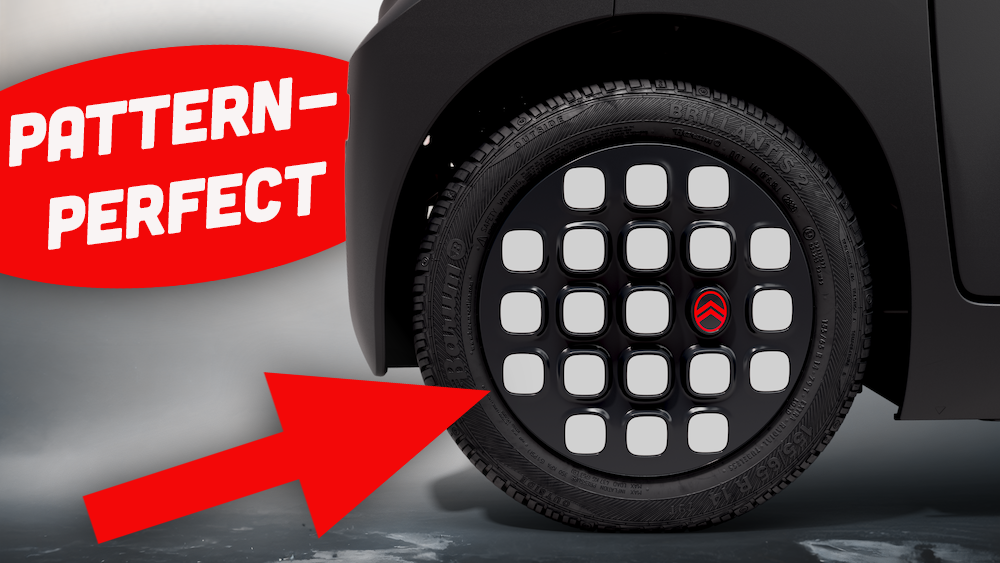
Wheel design can make or break the look of a car. Even if the body shape is to die for, a set of ugly wheels can bring everything crashing down. I’ve lost track of how many times I’ve avoided buying a cheap used car from Facebook Marketplace because the owner swapped on a set of ugly wheels.
I say all this because this morning, I awoke to what I’d consider the best-looking new wheels (well, technically hubcaps) of the year. French carmaker Citroën just showed off a special-edition version of its all-electric Ami quadricycle—a tiny city car that can only go 28 mph and doesn’t require crash testing. Called the Ami Dark Side, it comes with matte black paint and a reworked front fascia with new headlight locations.


Its most interesting feature is, obviously, the wheels. More specifically, the “wheel trims,” as Citroën calls them. They use a wonderfully contrasting black and white checkerboard pattern, with an offset brand logo in red. The design reminds me of a few ’80s wheels that echo the same ethos, including a set found on one of the greatest ’80s cars of all time: The Isuzu Impulse.
Isuzu Used To Sell Some Great Stuff In America
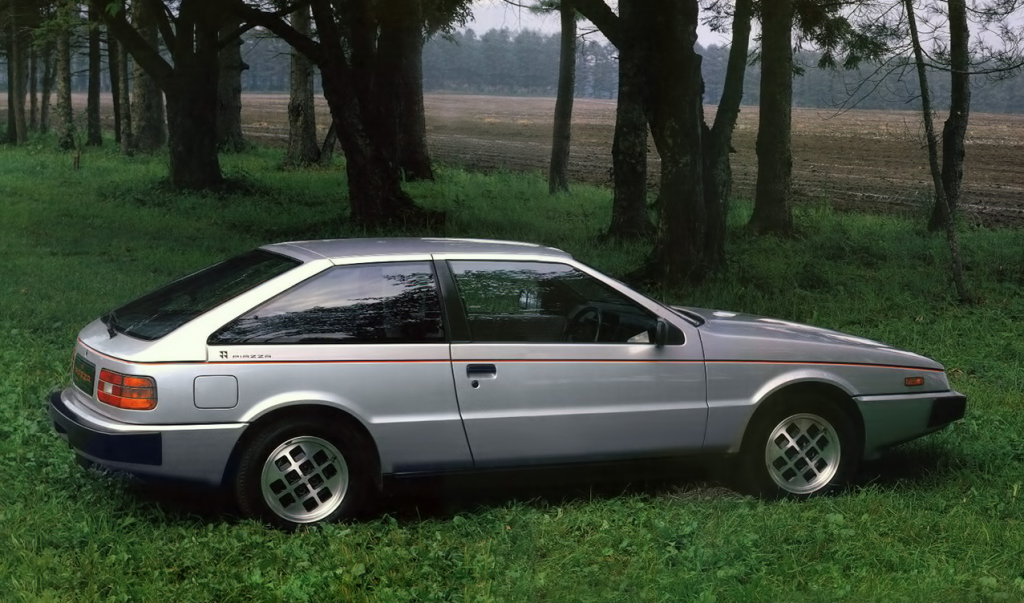
Isuzu sadly stopped selling passenger cars in the United States back in 2009, but back in the ’80s, it had a small (but incredibly cool) lineup. It consisted of a pickup truck, the wonderful front-drive I-Mark hatchback, the Trooper SUV, and the crown jewel Impulse coupe.
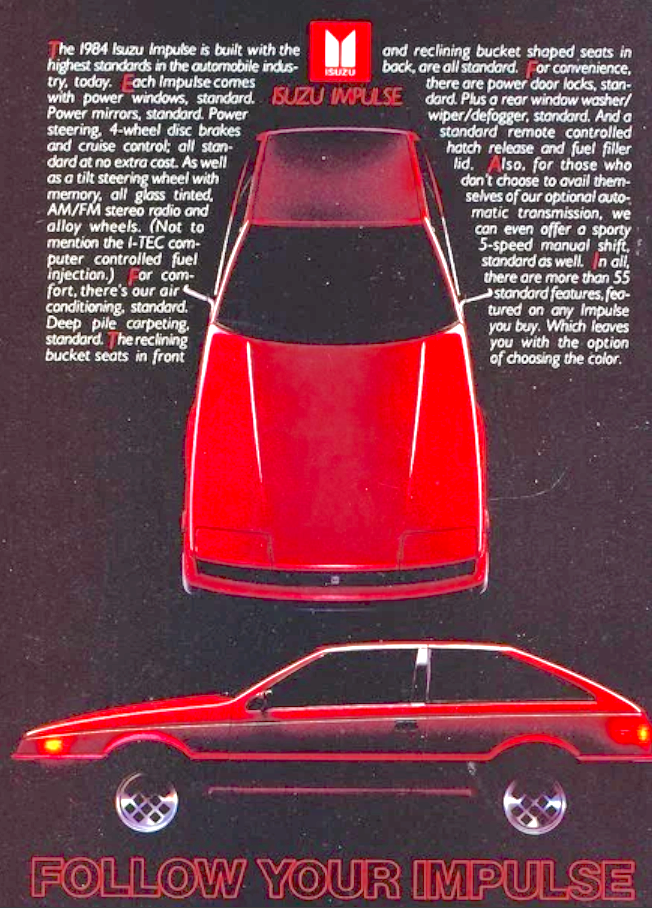
True Isuzu-heads will know the brand’s prettiest car, 117 Coupé, was designed by none other than Giorgetto Giugiaro, the Italian designer known for icons like the DMC DeLorean, the BMW M1, and the Lotus Esprit. The Impulse (known overseas as the Piazza) was the 117’s successor, and also designed by Giugiaro. The car had a typical three-door hatchback shape popular in the era, but a thinner, wedge-like nose and pop-up headlights gave it just that little bit more elegance. Who could forget those funky adverts featuring the legend himself, Joe Isuzu?
The Impulse’s rear-drive layout and available turbocharged engine made it a compelling performance machine. Motorweek praised the Turbo’s handling, which, by the late 1980s, had input from Lotus. They also liked the car’s braking and strong list of standard features.
I’d argue the most compelling part of the Impulse isn’t the handling, body shape, or turbo engine. It’s the wheels. The available checkerboard alloys are pure ’80s excellence, simple and fitting with the rest of the car’s shape without being too brash. Unlike the Citroën’s design, these are the actual wheels, not a set of hubcaps. The four wheel bolts are cleverly hidden within the center squares, masking them from view and sharpening up the wheel’s overall presentation.
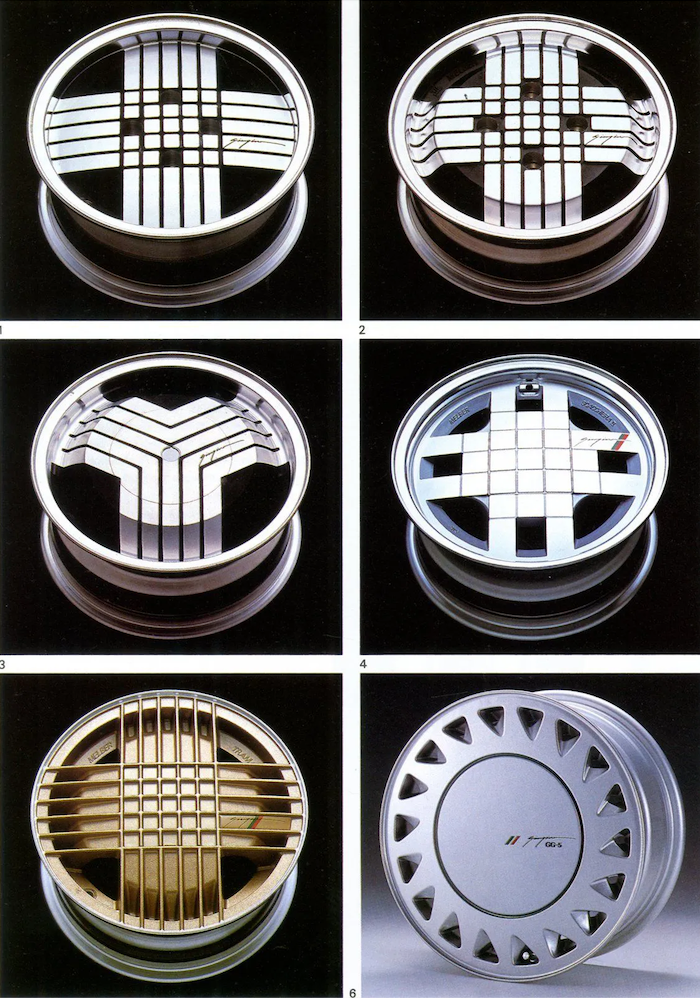
You could argue the Impulse’s wheels were tame by Giugiaro’s standards. They were inspired by the Asso di Quadri, a series of concept wheels shown at the 1976 Torino Motor Show, designed by the firm. My favorite of the set above has to be the gold cross-hashed wheel.
Citroën Takes Things Modern
While they might not be real wheels, I’d argue Citroën’s design is a bit bolder. The black and white is a stronger contrast, matching the black paint and the white accents found with the rest of the car.
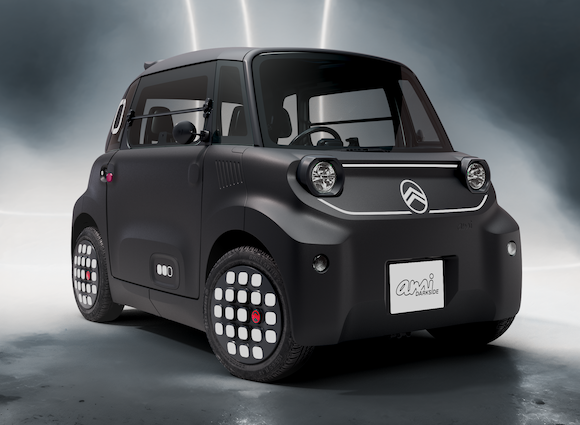
Then there’s the little red Citroën logo, there to break up the monotony. We saw a similar design from the brand on an Ami concept last year, but this one is far more interesting, since the red stands out so much from the black and white. It’s worth noting this Citroën logo is pretty new, having been introduced in 2022 to replace the simpler double-chevron design (all they really did was straighten up the chevrons and put them in a circle).
Seeing these wheels makes it all the more painful that quadricycles like the Ami aren’t sold in the United States. As a New York City resident, I’d certainly own one (or ideally a dozen, just so my friends and I can race them around at exceedingly low speeds).
We Must Pay Homage To The Past
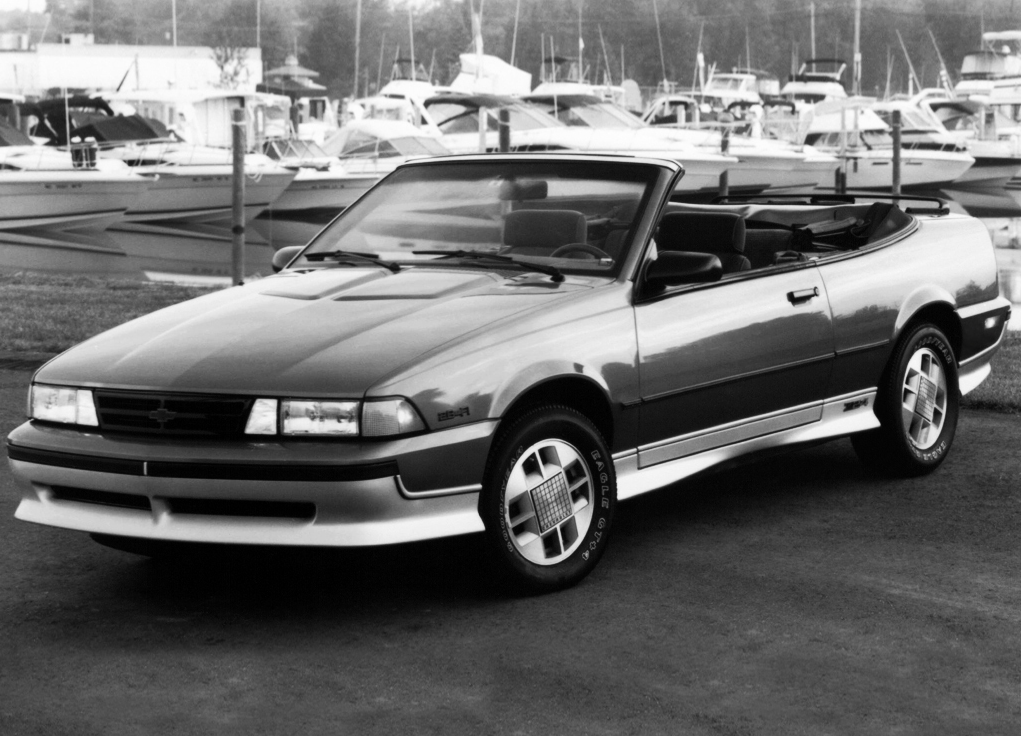
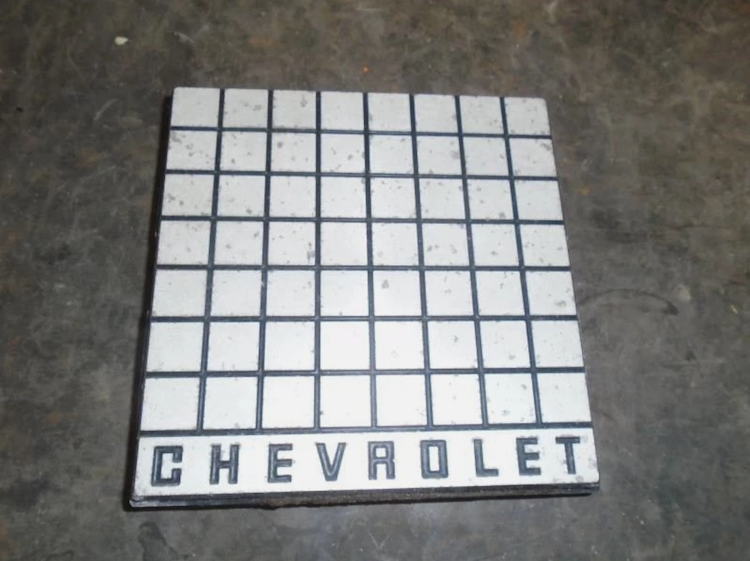
Of course, the Impulse and the Ami are not the only cars to get checkerboard pattern wheels. Citroën’s new design also reminds me of a couple of Chevrolets. The late-’80s Chevrolet Cavalier Z24, for instance, got a set of wheels with a straight-up square checkerboard wheel nut cover for its 16-inchers.
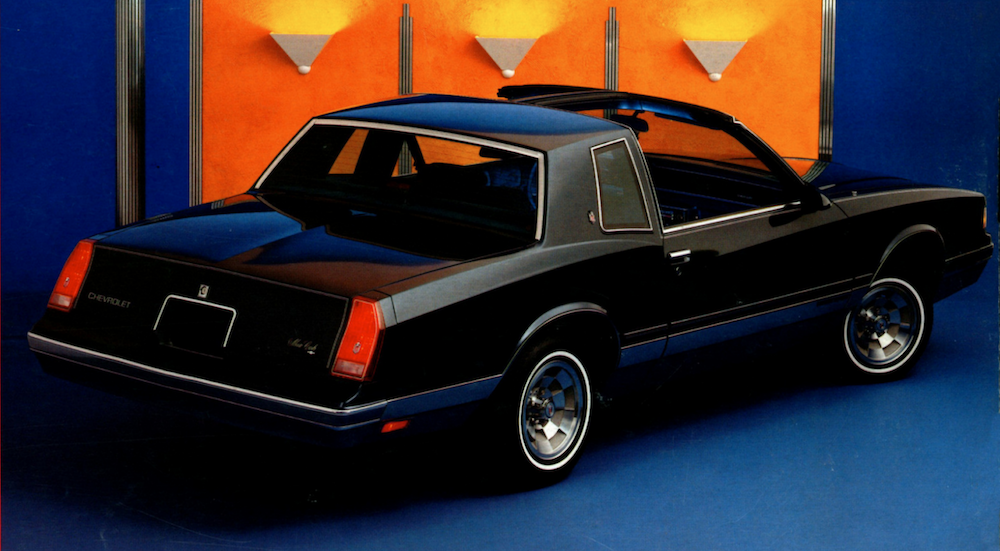
Then there’s the fourth-generation Chevy Monte Carlo. While its wheels didn’t exactly have a checkerboard square design—the individual shapes were more like curvy trapezoids in nature and follow a circular design—the pattern was similar. Most importantly, you could get the wheels with the available T-Top convertible option:
The Ami might not be available to import to the U.S. for another 20 years, but I’m sure I can get a set of these hubcaps imported now. Now all I need to do is buy a car with some 14-inch wheels that they’ll fit on.
Top graphic image: Citroën


Guy who works at the local tattoo shop has a set of those Isuzu wheels on a drift adjacent Miata with mismatched steel wheels up front. Adds a bit of class to the primered rust and wire tied body kit
Came down here to see the anti-quad-symmetry-wheels comments, was not disappointed. Also happy to see the pro-80s-quad people, too. I like all kinds of symmetry. Even a-, where appropriate.
Brian, it’s cross-hatching, not cross-hashing. (Torch Art Major would have caught that.)
https://en.wikipedia.org/wiki/Hatching