

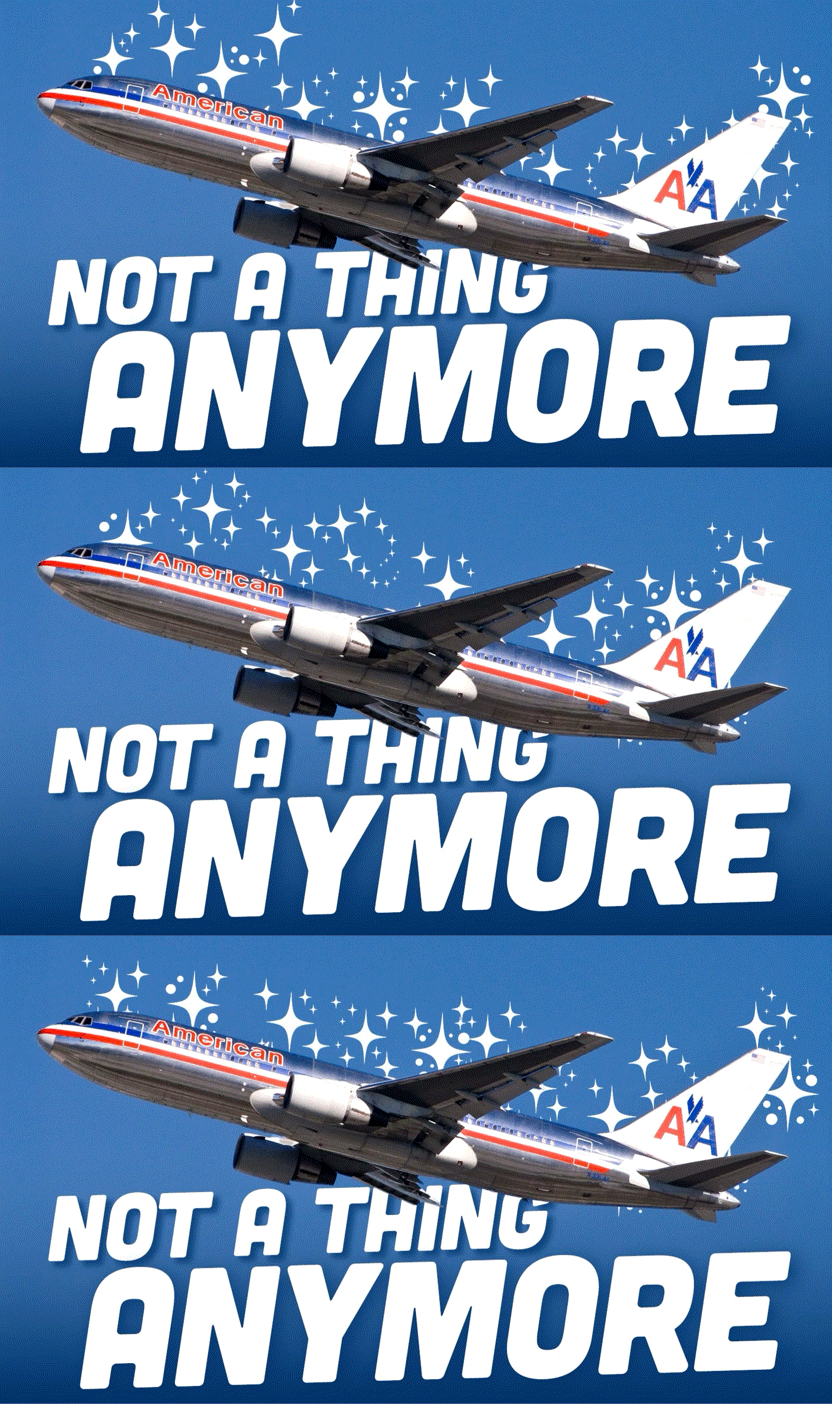
For much of transportation history, when you arrived at an airport, there was a good chance that the aircraft on the tarmac glistened in the sun thanks to their aluminum fuselages, which had a mirror-like shine. This was the case until 2013 for American Airlines, specifically. But if you look at the planes flying today, none of them have the flashy look they did in decades past. What happened? Why did airlines seemingly make their own planes look worse? The reason makes a lot of sense, and it comes down to how today’s planes are built.
In the early decades of aviation, and even during much of the Jet Age, paint was often minimal on aircraft. Instead, planes would often show off their bare aluminum for the whole world to see. If an airline applied paint, it was sometimes limited to their unique cheatlines – decorative horizontal strips of paint along the fuselage – or their logos. Some airlines went further and painted the tops of their fuselages, but there were often still broad areas of pure aluminum.


If you flip through the pages of history, you’ll see expanses of polished aluminum on all sorts of aircraft from the legendary Douglas DC-3 to the de Havilland DH.106 Comet. Even the warbirds of the past sometimes eschewed paint for bare metal bodies. Take a look at Lockheed VC-121A Constellation “Bataan” that I saw in Oshkosh back in 2023. Much of Bataan’s belly was beautifully polished aluminum.

Aircraft liveries like these were made possible due to the fact that the airliners of the past were built largely out of aluminum with an alclad aluminum alloy skin. Alclad, a trademark of Alcoa, has been around since the 1920s and is known for its high strength, high purity, and superior corrosion resistance. It can also be quite shiny. But, as airline Captain Petter Hörnfeldt of the YouTube channel Mentour Pilot recently pointed out, these aircraft and their minimal paint liveries weren’t just stunning; they also had a practical purpose.
Weight has long been a concern of the airline industry. If your plane is heavier than it needs to be, then it will burn tons of fuel it doesn’t need to. Compound that over a fleet of hundreds of aircraft, and you’re essentially lighting money on fire.

Airlines Are Obsessed With Weight
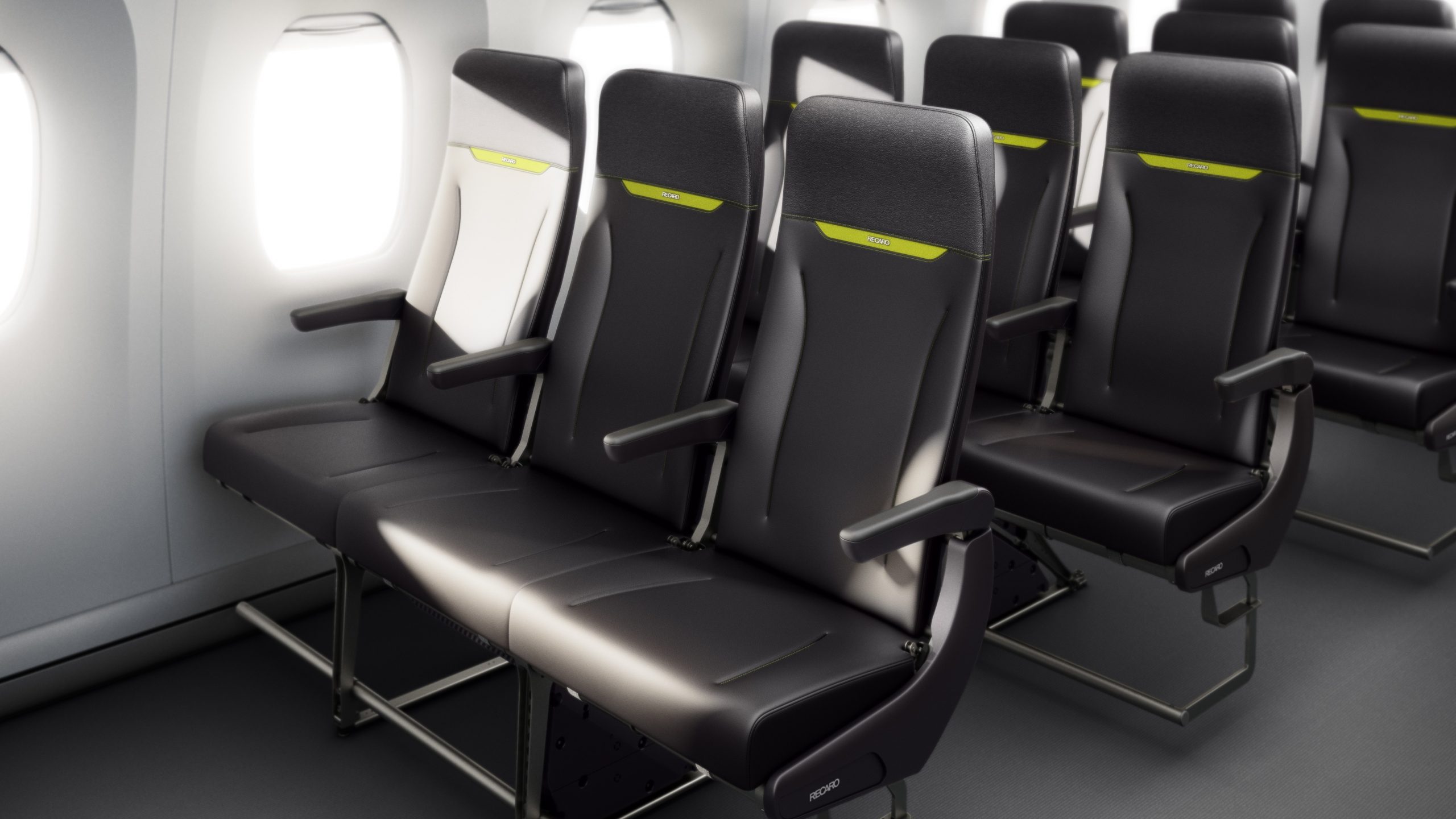
An airline’s obsession with weight reduction can be found everywhere if you look hard enough. The next time you board a flight, take a look at your seat. You’ll notice that it’s rather minimalist. This isn’t just so the airline can put you in a tiny place, but these seats are optimized to meet safety standards while also weighing as little as possible.
For example, Recaro, one of the industry’s largest providers of seating, makes a short-haul economy-class seat that weighs only 17.6 pounds per passenger. Even Recaro’s more comfortable medium-haul economy seat still weighs less than 22 pounds.
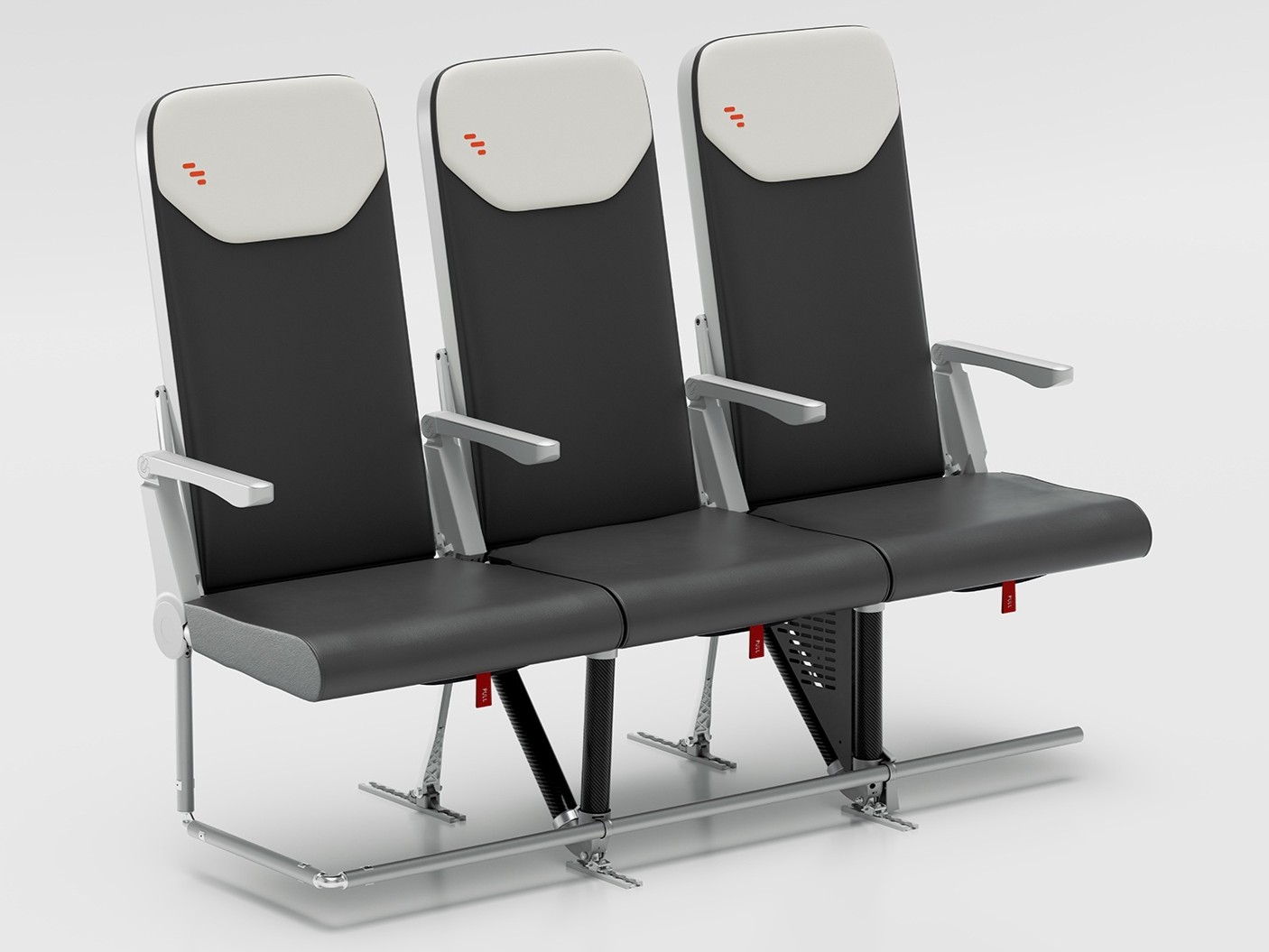
That’s not even the most aggressive. The Expliseat TiSeat 1 weighs about 8.8 pounds per passenger, while the TiSeat 2X Lite weighs 13.2 pounds per passenger. All of this weight adds up. Expliseat says that using one of its crazy-light seats could save as much as 2,645 pounds on a single-aisle airliner.
The seats can be that light because they’re made out of materials that include titanium, carbon fiber, and special lightweight foam.
If you think making lightweight seats is obsessive, it goes even deeper than that. In 2018, United Airlines reduced the weight of its in-flight magazine by just one ounce, for a total weight of 6.85 ounces per magazine. The Los Angeles Times gave an example of how those ounces add up. Take a Boeing 737 with 179 passenger seats. If every seat had United’s thinner magazine, the plane would be 11 pounds lighter. That’s nothing, right?
Well, no. As United Airlines noted, simply making the magazines lighter saves 170,000 gallons of fuel per year, or around $290,000 in fuel costs at 2018 prices. United also said that stopping the sales of duty-free items on international flights saves the airline 1.4 million gallons of jet fuel per year, keeping $2.3 million in the bank.
In other words, airlines are cheap, and they are so obsessed with saving cash that they’ll cut a paltry 11 pounds out of a plane if it’ll save them money. But that makes sense. Even tiny savings compound into huge returns when you’re flying thousands of planes every single day.

Then we get to paint. As NASA writes, it takes about 50 gallons of paint to cover a Boeing 737-700. Paint weighs around five pounds per gallon. That’s 250 pounds. According to Petter Hörnfeldt, Boeing says that you should be able to paint a B737-700 with only 178 pounds of paint. Of course, there will be variations due to the chosen livery, paint colors, and other factors. But the point is clear: paint represents a chunk weight being carried around.
Boeing estimates that a B737-700 with a bare metal fuselage and paint being used only for logos and cheatlines would require only 25 pounds of paint. That’s a tidy weight saving! Put simply, not painting a plane, or at least covering it in clear coat, was cheaper, took less time, and required fewer resources in paint and workers.
Some Airlines Adored Showing Off Metal
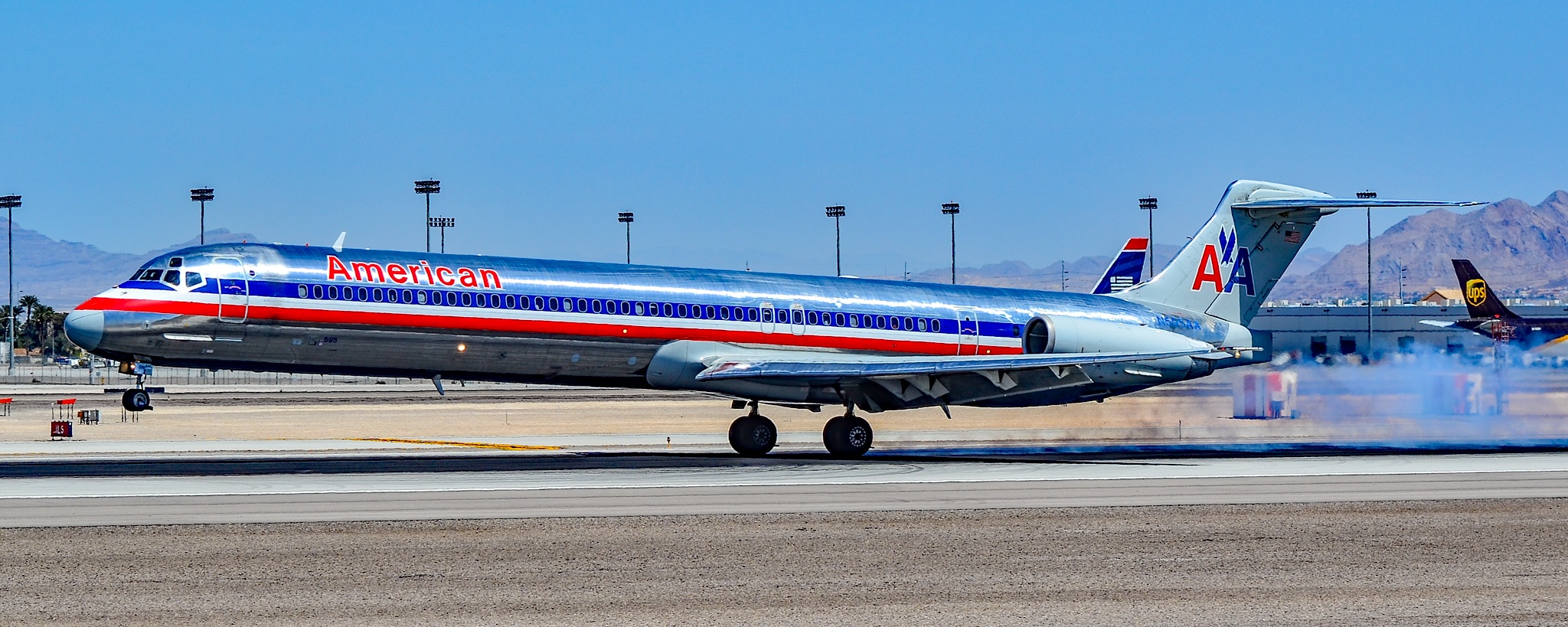
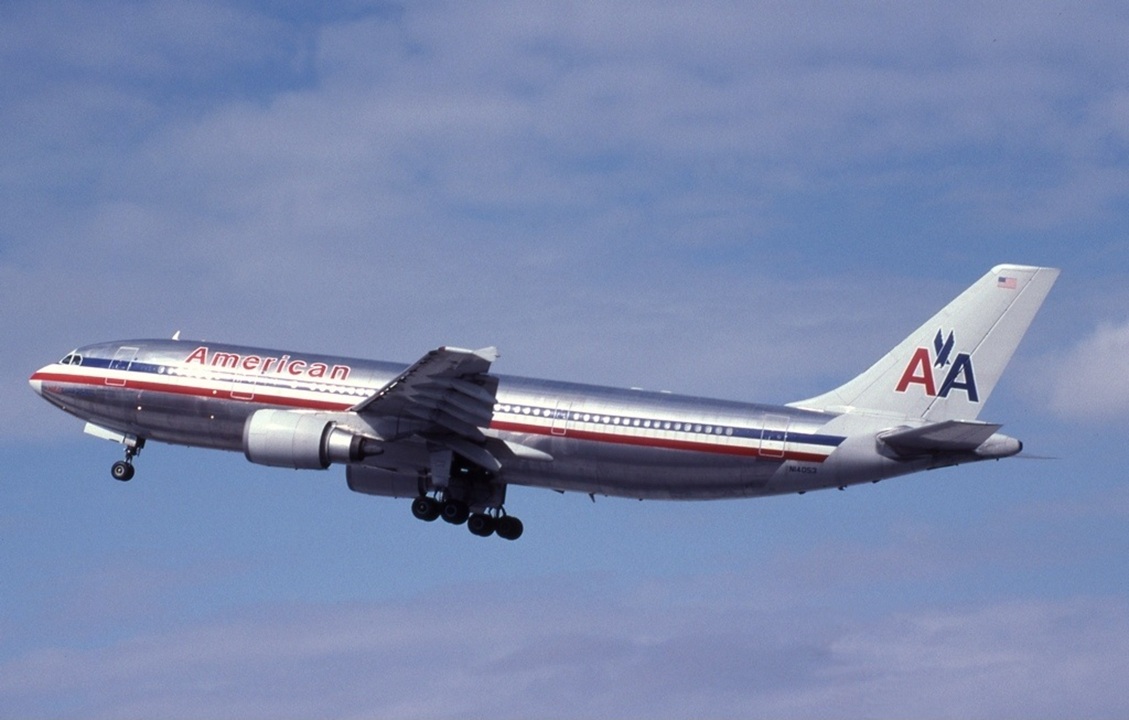
Some airlines were proud of their bare metal liveries. Perhaps the most iconic is the American Airlines “Eagle” livery, which flew from 1968 to 2013. Designed by Massimo Vignelli, this livery was minimalist. The fuselage of American’s jets was bare, polished aluminum. The shine was broken up in the middle by a red, white, and blue cheatline. The vertical stabilizer was painted and had AA’s famous Eagle, the upper fuselage had “American” written in red, and a few other parts had paint, too. But the majority of the aircraft gleamed in the sunlight.
American then kept using this livery while other airlines changed their looks, sometimes several times over the decades. If you’re old enough to have experienced this era, you could have seen American’s Boeing 707s, 727s, 737s, 747s, 757s, 767s, and 777s all rocking the bare metal livery. When American Airlines purchased Airbus A300s, they had to be painted at first, as, reportedly, the aluminum of the A300 was not designed to be naked. But American Airlines would later convince Airbus to supply panels that could be polished.
American Airlines’ stubborn persistence paid off, as the livery remains one of the most beloved in history, longer than a decade after its retirement.
In 2005, Air Canada experimented with bare metal by stripping down and polishing Boeing 767-200 C-GDSP. The process to convert the jet into a bare metal airliner took about 12 days of work hours, but shaved 360 pounds of weight from the aircraft.
Air Canada figured it would save $24,000 in fuel costs per year on this jet and that the finish would need to be polished only twice a year to maintain corrosion protection. Unfortunately, the test wasn’t successful, as Air Canada figured out the cost to maintain the finish outpaced the lower fuel burn.
Air Canada wasn’t alone, as several airlines from TWA to Lufthansa had experimental bare metal liveries over the years. So, what happened? Why is the bare metal airline livery nearly extinct? Even American Airlines gave up on bare metal in 2013.
Why Bare Metal Airliners Are Rare Today
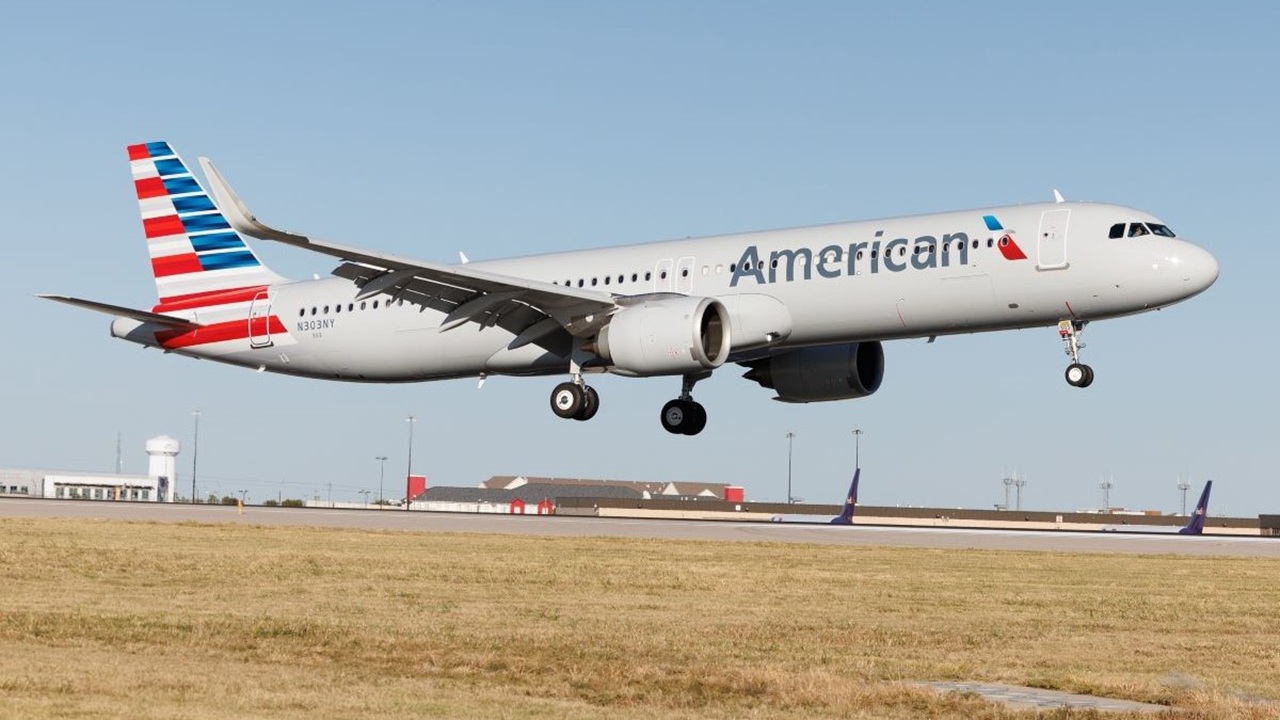
The reason most planes are painted today comes down to cost and what today’s airliners are made out of. Yes, bare metal liveries were cheaper to implement and saved potentially hundreds of pounds of weight. But, as Petter notes, the flipside was that, in order to save the aircraft’s panels from corrosion, the bare metal needed to be washed, inspected, and polished three times per year. So, some of those fuel savings were spent on maintenance. This is a task that takes the aircraft out of service while the aluminum is maintained.
As Petter notes, paint has its advantages. Yes, it weighs more, but it is less maintenance-intensive. A painted airliner might not need to be repainted for seven years, and paint does a good job at protecting the aircraft’s panels from corrosion.
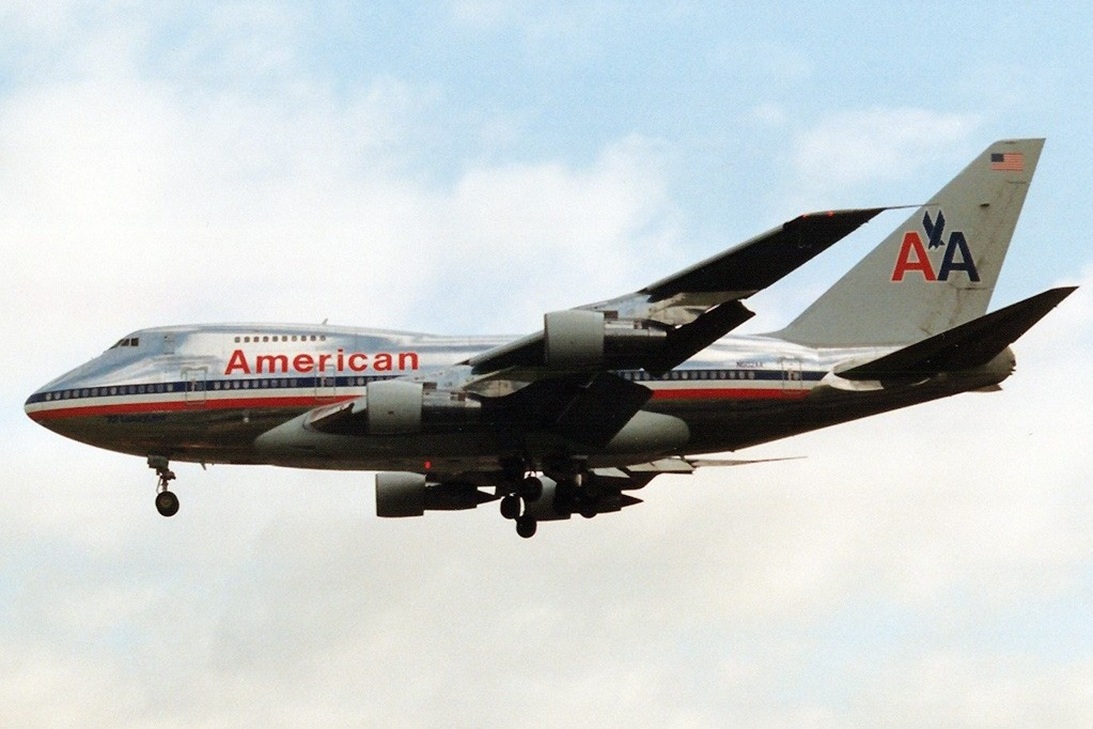
In the past, American Airlines said that the benefits of not having paint outweighed the more intensive maintenance. It didn’t have to spend the money to paint the entire aircraft or repair paint damage, and its aircraft didn’t have to be taken out of service for a long time for paint.
Really, it sort of came down to the economics and brand image of each airline. Many airlines believed in painting, while a few believed in bare metal. Ultimately, it was modern airliner design that forced the hands of the holdouts who still loved bare metal.
On January 17, 2013, American Airlines announced a new, modernized livery.
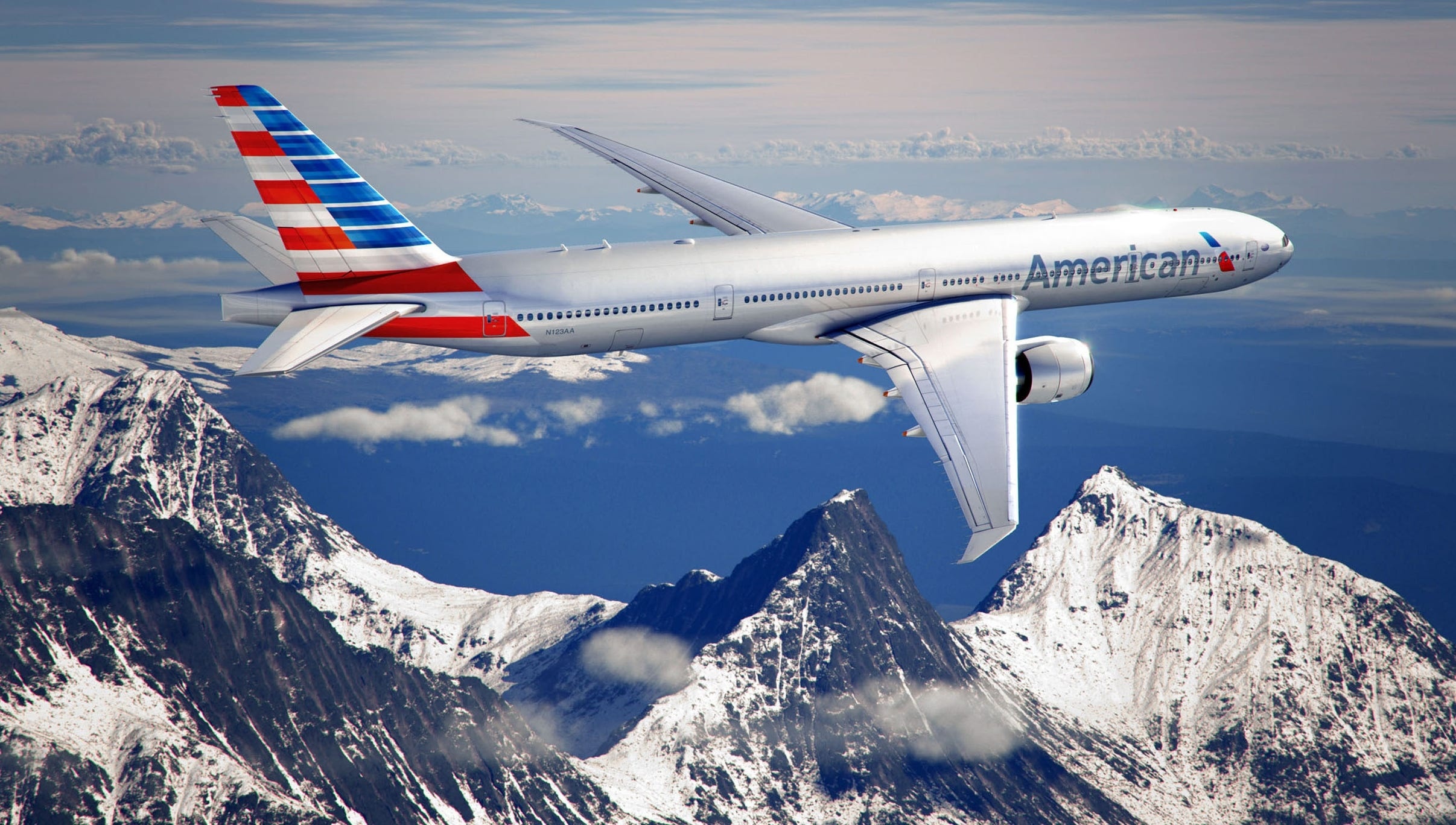
Gone was the bare metal, in was gray. American Airlines was transparent as to why it had to ditch its iconic livery. It placed an order for new-generation aircraft that featured extensive use of composites. The Boeing 787 Dreamliner can’t have a bare metal livery when the primary material of its fuselage is composite. From American Airlines:
American is preparing to take delivery of hundreds of new, lighter aircraft featuring composite materials that must be painted. Since the polished metal look was no longer an option, the importance of the paint selection became critical to honoring American’s silver bird legacy. Silver mica paint was chosen as a way to maintain the silver heritage which American’s people and customers are passionate about, yet progress ahead with a clean new look.
On January 31 of that year, American Airlines’ new livery took off on its Flagship Boeing 777-300ER. Some critics were quite harsh on the new livery. One Vanity Fair writer called the new AA look “Disastrous”. One pilot called the livery “unspeakably ugly.” Since then, American Airlines has done limited-run bare throwback liveries on select aircraft.

For example, American Airlines Boeing 737-823 N921NN has worn a bare metal-look livery since 2017. Another AA jet, N905NN, has also rocked a bare look for a while.
But, most of the time, frequent fliers get to see the same gray look from 2013, or white on other airlines.
Planes May Look Boring Today, But They’re Still Amazing
In theory, it would be possible for an airline to have a bare metal livery for metal jets and painted liveries for composite ones. American Airlines is showing it’s possible with its metal look throwback planes. However, it’s easier and perhaps better for an airline brand to have a uniform look across its fleet. Even paint is like most things in aviation in that the way a plane looks probably has a reason behind it.
So, the bare metal airliner is a rare sight nowadays, and it’s bittersweet. Airports look so much more boring with plain white and gray jets on the ground. At the same time, aircraft like the Boeing 787 and the Airbus A350 are marvels of engineering while offering great passenger experiences.
The good news is that shiny planes aren’t totally gone. If you go to an air show like EAA AirVenture Oshkosh, you’ll see more polished metal than your heart can handle. Likewise, since some airlines do have a few heritage liveries, you now have cool planes to look out for the next time your plane is stuck on the tarmac.
Top graphic images: American Airlines – N335AA/Creative Commons Attribution-Share Alike 2.0 Generic license



.jpg)

_AN0201765.jpg)
The hot rod 757 in American retro livery. Awesome, and still my favorite passenger jet.
https://pixels.com/featured/american-airlines-boeing-757-in-retro-livery-erik-simonsen.html
Every now and then you see something that reminds you of how the world could be if profit margins weren’t the only thing that mattered. This is one example.
Sure, airliner paint isn’t that big of a deal on it’s own. But the endless removal of detail design to save a few bucks has created a dull, depressing, greige world.
See also Penn Stations destruction “One entered the city like a god; one scuttles in now like a rat.”
Delta has one of these too and it’s awesome as well
https://photos.smugmug.com/Airlines-UnitedStates-2/Delta-Air-Lines-historic/i-SNdVKqB/1/LSDngtHwJFGMJKLP5Gq2zVVMV2hn9kjv8RVCwLNMJ/M/Delta%20757-200%20N619DL%20%2866%29%28Grd%29%20DFW%20%28BD%29%2846%29-M.jpg
Yes, also gorgeous. I didn’t include it because it’s painted but it really is spectacular.
Powerful plane and you can feel it on takeoff and climb. But after that, for a passenger the 757 may as well be a 737. Same cabin width, same narrow seats, and even more time to board and deplane.
I’m sure pilots love that plane, though.
I’ve read they do indeed. Also landing is intense because it feels as though the plane has stopped in the sky. I truly miss the 757.
A friend of mine was a 757 FO and told me how much she loved flying the 757. She said it was almost ridiculously over-engined. Which is probably not something you worry about if you lose one of them. Now, she’s a 777 captain. Life is good.
The history of bare metal on military aircraft is one of performance versus camouflage, with side trips into mate versus gloss. Bare metal started late in WWII because it saved wight and reduced drag. The problem is a bright silver airplane is very visible so the Vietnam War convinced everyone to go back to paint and sacrifice drag to matte paint. There are some oddities, the SR-71 was matte black bare metal, because paint would burn up. Also camouflage was not always what you expect, the “hemp” color on the top surfaces of Nimrod patrol aircraft was intended to math the concrete parking pads. The lower surfaces were white like Coastal Command had used since WWII
I’ve heard some airlines wanted to run the 787 in bare carbon and Boeing said absolutely not. UV exposure alone makes it a nonstarter unfortunately.
The external fuel tank of the space shuttle was orange because that was the color of the bare insulation. In the original designs it was painted white, but if you think weight is expensive for an airliner just imagine how much it costs a rocket.
https://ntrs.nasa.gov/citations/20200001093
All that to save 250 pounds on a jet with a 174,000 pound maximum takeoff weight.
Airlines are cheap bastards largely because we passengers are cheap bastards.
Despite the lack of shining aluminum, there are a few good liveries out there. A Vietnam Airlines 787 is a beautiful plane.
I once read that AA would cut down on one extra tomato on the salad served on meals to save weight and cost.
The silver mica for AA only lasted a few years, it’s now just grey paint. Very boring, AA is a shell of what it used to be, TY Parker and Issom
United and Delta seemed to buck that trend when it was still trendy. They may have had partial aluminum on the undersides at one point, but were mostly painted through the era. The Saul Bass-designed United livery that they used from the mid 70’s through the mid 90’s still lives rent free in my head. Awesome look.
Can we get some of these weight-obsessed engineers to go work for auto companies?
If the auto companies were operating the cars, you’d definitely see more emphasis on fleet efficiency with better aero and light weight. But consumers are the ones paying for operation, and consumers are more interested in purchase price than total cost of operation. Oh, and styling and power and perceived status.
Airlines will front a higher upfront cost for expensive materials to make the plane cheaper to run over it’s lifespan.
Car buyers won’t
Surely the sign of the times that airlines and beancounters could take every last shred of magic out of a pretty magical thing. Did they ever consider this would inevitably lead to the complete commoditization of their product? Yes, I can fly from Portland to LA for $150 RT but I would do so having lost a few ounces of joy.
Don’t forget to blame Expedia et al: they reduced everything down to a simple number. Airlines realized passengers treated their product as a commodity already, so why bother doing anything extra?
Another; possibly more important reason: TOTAL pain in the ass during production. My dad was an engineer on the 777 line for 30 years at the Everett plant, and I asked him about this one night. He said that the polished aluminum surface had to be kept pristine during production, and any little dents or other imperfections would show like a sore thumb. Remember, these planes are essentially hand built, and require lots of equipment and workers crawling all over them during production. Airliners just weren’t willing to pay the extra cost that the service required to maintain the polished finish required.
And tooling marks in clad skin cannot just be polished out. You need a extremely talented mechanic to massage the clad layer back in place, a huge PITA!
I wonder why they didn’t try clear coat. Is it because it would become dull quickly?
Clear coat is paint.
Obviously. But I think the question was more, “Why didn’t they try clear coat, to maintain their brand image, but gain the benefits of paint.”
If the outer skin is a composite, it’s more than likely not shiny silver.
Clear wouldn’t protect the composite from UV exposure (as much) which is the main reason.
Why is it that Southwest can afford an actually colorful livery but American can’t? Surely they could do better than gray. Why not extend the red, white and blue stripes on the tail to the whole plane? And United should put the globe lattice all over their planes, and Frontier the animals on each side of the plane…
And what’s really boring is that airliners look pretty much the same as they did in the 60s. It was heartbreaking to read that the Boeing X-66 program was abandoned. At least Airbus seem to be committed to using the open-fan CFM RISE for their eventual A320 replacement.
I wonder what the difference is in solar load on polished vs painted skins. May have been as much a factor in the early days as well.
I for sure thought this was gonna be an article on how airplane liveries don’t use “cheat lines” (side stripes) much anymore, leading to less rockin outsides, but this is equally nerdy and true
250 lbs of paint equals one average lard assed American.
I like paint…YMMV
Except that American is paying a fare. Paint isn’t.
Love the shout out to Massimo Vignelli, a true embodiment of geniuses make things look easy and obvious. l love his work, even if lazy designers are always copying it.
On the other hand, Alexander Calder did some amazing designs for Braniff, who apparently wasn’t so concerned about the weight of paint. He also painted the first BMW art car at Lemans.
https://designyoutrust.com/2021/12/alexander-calders-iconic-flying-colors-series-for-braniff-airlines-in-the-1970s/
And this cool interview with Braniff’s art director about collaborating with Alexander Calder. It’s rather emotional at one point
https://youtu.be/vU0msfZRC8A?si=l9XUH00Z3Br5MnHW
You should do an article about Braniff , an amazing airline where everything was beautiful.
Fun fact:
Braniff was the only US airline to ever own and operate the Concorde. Due to FAA regulations when British Airways landed in Washington before they went on the next leg of the trip to Dallas, the ownership of the plane would change and they would tape over the tail number with a Braniff tail number. Concorde registered as G-N81AC would become N81AC, and due to regulations, they also had to hide the French manuals and documentation. Then the Braniff crew – with the British airlines pilots observing for insurance reason – would fly to Dallas then fly back to DC sell Concord back to British Airways change the tail number again get the French manuals out of the restroom. and fly back to London.
https://theaviationgeekclub.com/braniff-airways-was-the-only-us-airline-to-operate-the-concorde-supersonic-airliner-but-at-subsonic-speeds/amp/
“Paint weighs around five pounds per gallon”
I’ve spent a lot of time around paint, and I’m pretty sure that’s way off.
Water weighs 8 pounds a gallon, ant water based paint weighs more because the pigment and solids weigh more and sink to the bottom
Turpentine or other VOC based paint isn’t much lighter, at about 7.25 pounds a gallon
So solvent paint weighs about twice that, whether the solvent is water or some nasty VOC. Maybe after the solvent dries out what’s left might weigh as little as that, but I think most aircraft are painted with two part polymer and catalyst paint, and that weighs as much dry as it does wet.
The issue w/ Concorde is that while it was fast – it just wasn’t that comfortable.
So strip off the speed, like Braniff had to do on the DC-Dallas leg – and you have a less desirable experience than aboard a big roomy 747.
I vaguely remember that there was some crazy reason for that leg that had nothing to do with it being sensible. Braniff was really something.
I used to work for an aircraft interior manufacturer. While I was there we bought out a British company with a 787 contract. We transferred their entire production line to the US. I was in engineering procurement. And watching the team strip weight out of each design iteration was fascinating. How much resin could you suck out before you started adding weight and a hours back in for fill and defect ; scrap counts etc. wild business.
I love Petter and Mentour Pilot. It’s one of my favorite non-car related YouTube channels.
Yes, I like his channel. Never have time for it, though.
We used to carry a 55 gallon drum of both hydraulic oil and engine oil ( with pumps and hoses )along with 2 complete brake assemblies with 4 complete wheels/ tires.Also a jack to change brakes and tire assemblies.Portable lights and tools enough to do a fair bit of maintenance.Plus almost every plane had its own ride along mechanic who would stay with the plane for 18 days at a time normally.
A lot of weight but being stuck in some of the places we went with
the 747 freighters would cost so much money to fly in parts it was worth it .
Flat spotting 4 tires happened to me in Camp Bastion Afghanistan one time after a max weight landing.The anti skid was messed up and two of the four tires blew the fuse plugs after we parked .(Theres 16 wheels on the main landing gear with two on the nose)
We didn’t have the correct parts to fix the anti skid so we blocked off the brake assemblies on the two bad wheels ,then took a weight penalty leaving which was no big deal because we were basically empty flying out of there.
My first flights were aboard polished aluminum Eastern Airlines L1011 TriStars (also dubbed “WhisperLiners”)
What fantastic planes they were.
With the notable exceptions of Air France Premium Economy & Business, and Virgin America (RIP) First Class – everything has been downhill ever since.
Japan airlines used to have the best secret perk. If you bought an economy ticket but specified no smoking, they would put you in first class up in the 747 hump.
YMMV. My L1011 experience was 6 hours in the very middle seat of the 5-seat middle row. Doesn’t matter what plane you’re on at that point, you’re just another sardine in the can.
The return trip was an evening flight on a half-full 767, and I had a whole row of three seats to myself. Loved the 767 ever since.
But that way you get to be close to everyone!
At least you had decent legroom and a direct view of the movie screen aboard the TriStar.
My mother was a flight attendant on AA in the early ’70s before I was around and, growing up, I thought they were polished because they more luxury or higher end or something because shiny must be better and my mother flew on them.
Sentiment aside, the shiny finish is also more efficient. When we gained air superiority in WW2, the USAAF started getting planes unpainted to save money, weight, and production time, but polishing the metal also resulted in higher speeds from a decrease in drag. For similar reasons, the US NAVY went to gloss paint for fighters mid-war.
Plus the servicemen would paint what they wanted on them anyway. I’ve seen a couple photos of my grandfather’s plane with the two different versions of nose art it had in the Pacific. One in the air above Luzon and the other is a photo from his radio operator (with the original art) that doesn’t list a location. It includes the original navigator, so I’m inclined to believe it was taken here in the US before they were shipped out.
I love that old nose art, but I’m talking about the overall aircraft color scheme. Unofficial nose art is a different thing, as well as official markings or even things like field-applied invasion stripes. In the ETO, they also had unit markings, like cowl paint schemes and tail colors to indicate groups and squadrons, particularly useful when forming up for huge raids and for recognition throughout the mission (they even had circus-paint bombers used to assemble the bomb groups, though I don’t know how often or long they were used). I’m not sure what the USAAF did in the PTO, though I don’t think they used an array of markings as, like the Navy, there wasn’t really the need as it was a different kind of war.
I knew what you meant, but I do enjoy getting to talk about (some) of the stories he would actually tell. There are certainly many he wouldn’t, especially being on Angaur Island while the battle was still being fought and the airfield constructed.
He would mostly talk about things like stripping parts from planes that couldn’t be made airworthy to make stills and trading applejack to the chef for steak, something otherwise reserved for officers. Or, when Japan surrendered, the sounding of the air raid sirens and then being treated to fireworks by the Navy.
No problem with that! That was some life span they lived. My grandfather was also in the Pacific then, in the Navy. Until he was older, he didn’t really talk much about it besides joking about how they could only get goat on the ship and he had to make it taste like beef (he was a cook) and it didn’t fool anyone. I don’t know why they didn’t ask someone how to cook goat as goat, but I don’t think people were very worldly in terms of food back then or maybe it was a matter of lack of spices, IDK. I’ve goat a few times and it’s pretty good. He was first on a converted Gloucester fishing boat in the Caribbean, then on an LSD in the Pacific, participating in several island landings, including the Philippines shortly after the Battle off Samar. The ship was torpedoed by an aircraft and they earned a presidential citation for saving the ship. He was in Tokyo Bay for the surrender and, on the way there, the fleet or whatever group he was in had to sink some ships that refused to surrender and that bothered him because it was such a waste. He didn’t blame the Japanese, reasoning that they were told the emperor was a god and that the US troops were going to do horrible things to them and their families if they invaded, plus they had that idealized warrior culture that was exploited by the people in power. He got to go on the Nagato, the only IJN battleship to survive the war (I believe) and got a sword, saki cups, and some dolls from the captain’s quarters. A friend of his who was in charge of some kind of logistics stuff apparently took one of the communication searchlights apart and shipped it home to his farm somewhere. Nowadays, that’s a crime, but not as much back then, though a giant searchlight seems like it would have been pushing it if he’d gotten caught. Karmically I suppose, my aunt sold the sword and stuff for drugs at some point, but to her credit (though I have yet to find out what she wants from me in exchange), she “found” his knife and gave it to me as a Christmas gift about 8 years after his passing. He used it most of his life after the war and it’s been sharpened countless times. I love it, it’s like a swords-into-ploughshares kind of thing.
That was just that war, he had an eventful life besides it, even just for living through iconic stuff that was so much of its particular time. Like, the love of his life was not my grandmother, but a nurse at a TB hospital who ended up dying of TB sometime before the war. He also made a living as an ice man and I’m 99% sure he used the route to move alcohol during Prohibition. He also worked as a cook in the infamous Danvers State Asylum. Now it’s condos. You’d have to pay me damn good money to live there. A friend’s brother bought a place there. He wasn’t a believer in anything supernatural before he moved in, but he became one and was out in about a year.
Grandpa was the nose gunner on a B24, part of the 494th. He was one of the first on both Angaur and Okinawa. I found out from his radio operator that they actually saw what happened in Nagasaki on their way back from hitting an ammo dump.
He went on to a quiet life as a factory supervisor and eventually running a farm. He was very active with his church, being the groundskeeper until he physically could not. Fourth degree Knight of Columbus. When dad was frying fish at their weekly fish fries, grandpa would sneak me behind the bar with him and give me Pepsi while he made drinks for people. He taught me how to fish, dive a boat, and his old IH 756 tractor. In the winter he’d sit me on his lap and let me blow snow with it.
I have the jacket he wore during WWII, his KoC ceremonial sword, and his bowling ball/shoes/bag from when he used to be a league bowler. They are my most prized possessions. Am not sure where his uniform and medals are these days; my dad and his brothers wanted to donate them to a museum when grandma passed away but I don’t know if it actually happened.
That’s awesome in the traditional sense of the word. Must have been something seeing the devastation from above. Being in a bomber had to be one of the worse jobs outside submariner. Maybe it’s just like, adrenaline dump and it’s over, but trying to hit small fast moving objects that are firing at you from all angles seems pretty damn terrifying.
The main thing my grandfather taught me was that it was possible to be a man without being a tyrant, that success isn’t money or fame, and to always have a sense of humor about things—he was brilliant and had the most dry wit, but only went to school to the 8th grade. In a different life, he could have been a comedian or a scientist, but it’s what he was that mattered, not what he wasn’t. He wasn’t a big guy nor intimidating, but he had a quiet strength that had even the worst people be on their best behavior without so much as a look.
This. Came here to mention the WWII precedent, thanks for including it.
The weight saving mania is very VERY real. For a while I worked for an aircraft cabin interior supplier (our seats division was a competitor to Recaro) and the company had developed both a carbon fiber waste water holding tank AND a carbon fiber toilet bowl (w/ cf support structure as well!). So, carbon fiber shit for your shit.
Also, there are tiny little fire extinguishers in the lavatory cabinets, mounted above the trash bins. They’re adorable and look like little grenades, except they put out fires instead of, you know, blowing stuff up.
Early fire extinguishers were something like that—glass grenades filled with some fire-fighting chemical or salt water intended to be thrown so that they would break in the fire.
I was once taking a tour of the Mercedes F1 pit garage and started teasing the race engineer about the carbon fiber handles on the jacks. Turns out that it costs so much per pound to ship that stuff all over the world that a carbon fiber jack handle is a money saving measure.
Wow, a 0.25% reduction in weight!
If you take 0.25% of a very large number, it becomes significant. As an example, United Airlines spent $11.4 billion on fuel last year. 0.25% of that is $28,500,000, so cutting fuel consumption by only a little bit has a pretty big effect.
I’ve heard different accounts of American using a clear coat vs polishing. Possibly different eras and aircraft types. Maybe even a clear that could no longer be made for whatever reason. I asked an FAA inspector once in the late 90s early 2000s and was told they were clear coated. But other people are adamant they were polished.
I don’t mind the painted especially when they have some sort of crazy design and don’t all look the same. Some of the really crazy stuff the airlines only run for a bit because of the added fuel costs.
I’m surprised no airline has tried requiring all passengers to wear special lightweight footie pajamas.
I’ve heard of charter flights for nudist clubs. I wonder if they get a discount for the reduced weight?
More people but more towels pretty much zero out any fuel savings?
Probably.
Use shop towels. Much lighter.
Considering cleaning costs afterwards it’s probably a wash.
Or a loss if they had a chili cookout the day before
Or offering a special fare if you pee and poop right before getting on the plane (and/or agree to fast for 6 hrs before departure).