

For much of transportation history, when you arrived at an airport, there was a good chance that the aircraft on the tarmac glistened in the sun thanks to their aluminum fuselages, which had a mirror-like shine. This was the case until 2013 for American Airlines, specifically. But if you look at the planes flying today, none of them have the flashy look they did in decades past. What happened? Why did airlines seemingly make their own planes look worse? The reason makes a lot of sense, and it comes down to how today’s planes are built.
In the early decades of aviation, and even during much of the Jet Age, paint was often minimal on aircraft. Instead, planes would often show off their bare aluminum for the whole world to see. If an airline applied paint, it was sometimes limited to their unique cheatlines – decorative horizontal strips of paint along the fuselage – or their logos. Some airlines went further and painted the tops of their fuselages, but there were often still broad areas of pure aluminum.


If you flip through the pages of history, you’ll see expanses of polished aluminum on all sorts of aircraft from the legendary Douglas DC-3 to the de Havilland DH.106 Comet. Even the warbirds of the past sometimes eschewed paint for bare metal bodies. Take a look at Lockheed VC-121A Constellation “Bataan” that I saw in Oshkosh back in 2023. Much of Bataan’s belly was beautifully polished aluminum.

Aircraft liveries like these were made possible due to the fact that the airliners of the past were built largely out of aluminum with an alclad aluminum alloy skin. Alclad, a trademark of Alcoa, has been around since the 1920s and is known for its high strength, high purity, and superior corrosion resistance. It can also be quite shiny. But, as airline Captain Petter Hörnfeldt of the YouTube channel Mentour Pilot recently pointed out, these aircraft and their minimal paint liveries weren’t just stunning; they also had a practical purpose.
Weight has long been a concern of the airline industry. If your plane is heavier than it needs to be, then it will burn tons of fuel it doesn’t need to. Compound that over a fleet of hundreds of aircraft, and you’re essentially lighting money on fire.

Airlines Are Obsessed With Weight
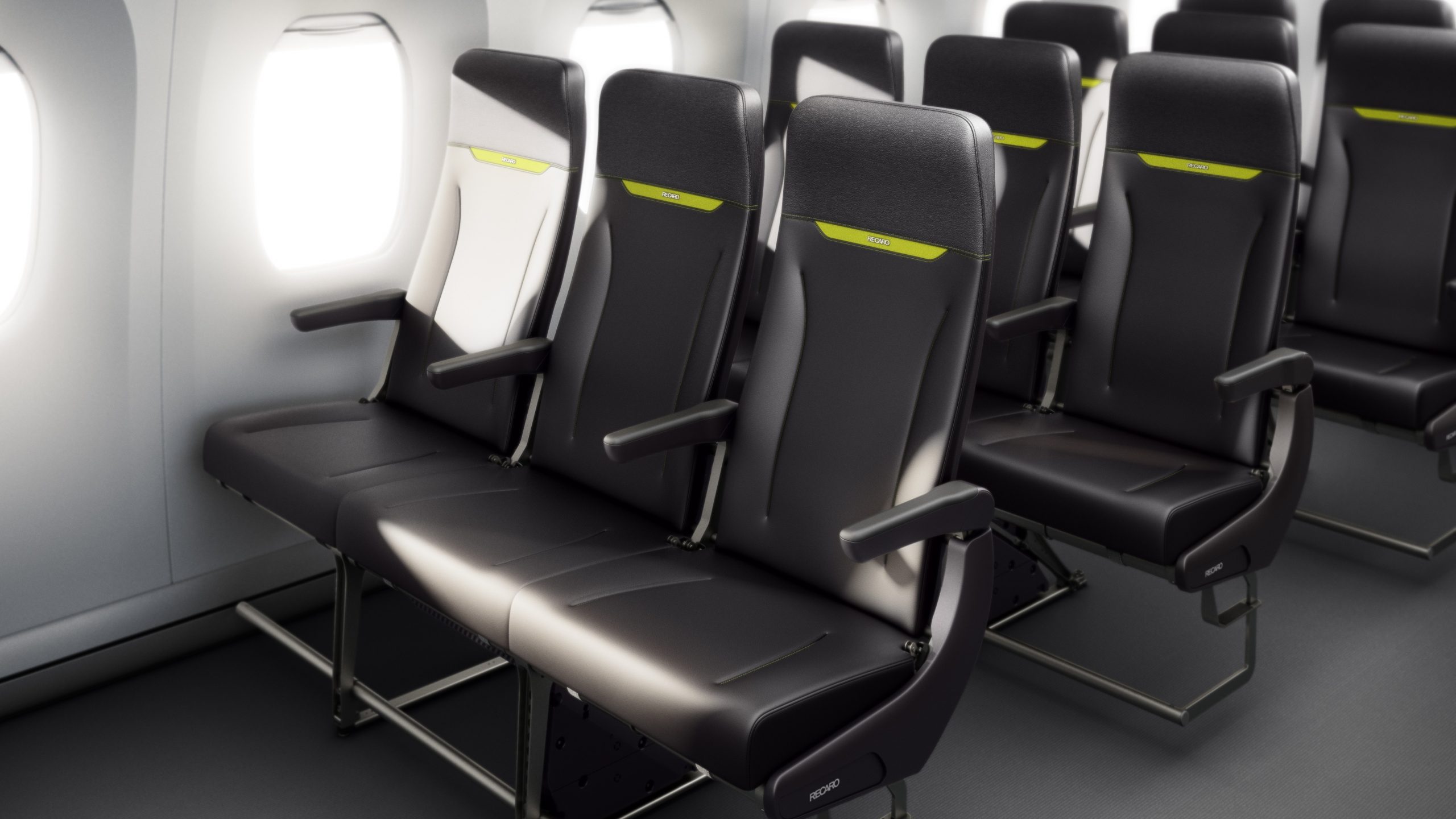
An airline’s obsession with weight reduction can be found everywhere if you look hard enough. The next time you board a flight, take a look at your seat. You’ll notice that it’s rather minimalist. This isn’t just so the airline can put you in a tiny place, but these seats are optimized to meet safety standards while also weighing as little as possible.
For example, Recaro, one of the industry’s largest providers of seating, makes a short-haul economy-class seat that weighs only 17.6 pounds per passenger. Even Recaro’s more comfortable medium-haul economy seat still weighs less than 22 pounds.
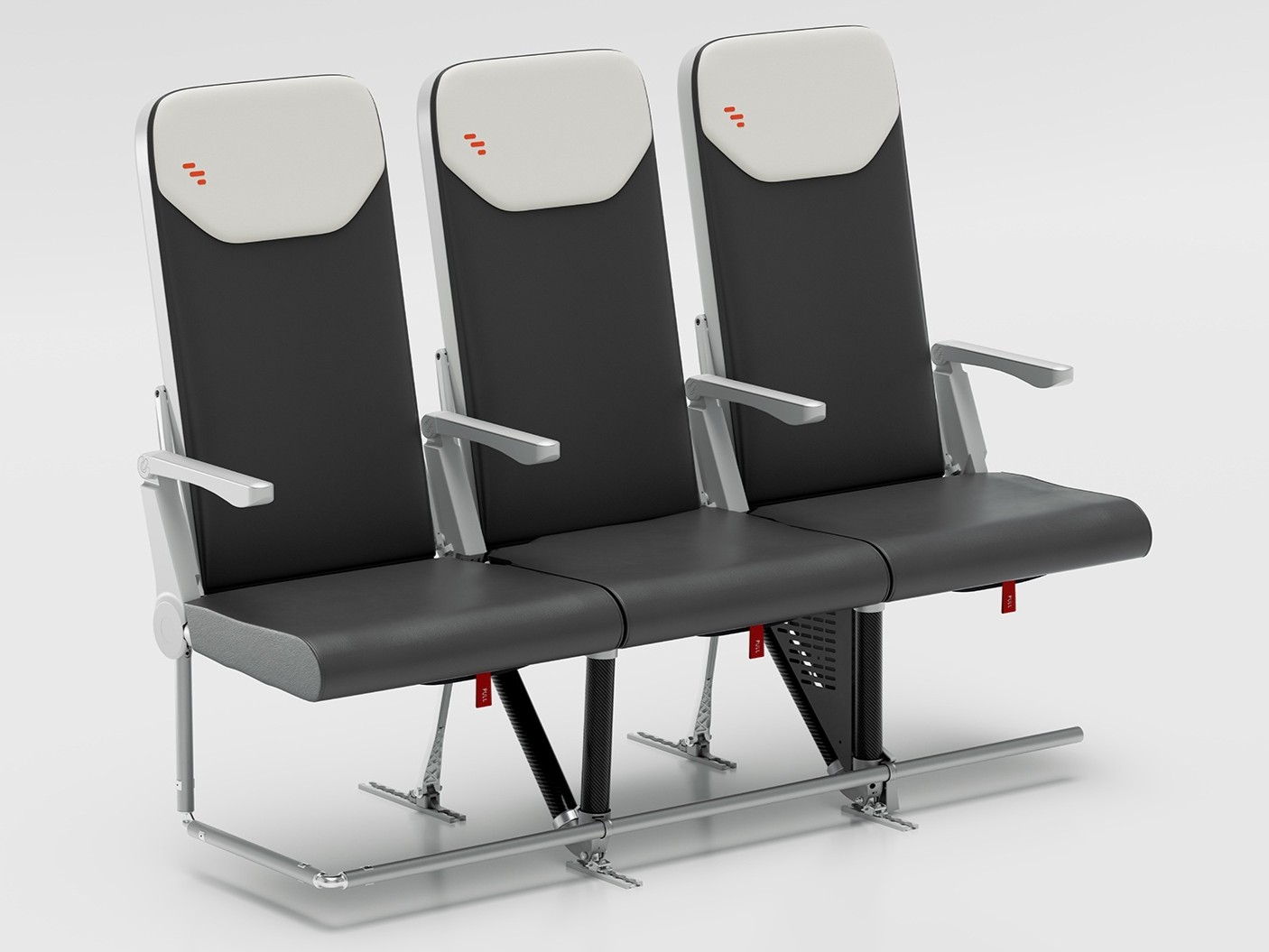
That’s not even the most aggressive. The Expliseat TiSeat 1 weighs about 8.8 pounds per passenger, while the TiSeat 2X Lite weighs 13.2 pounds per passenger. All of this weight adds up. Expliseat says that using one of its crazy-light seats could save as much as 2,645 pounds on a single-aisle airliner.
The seats can be that light because they’re made out of materials that include titanium, carbon fiber, and special lightweight foam.
If you think making lightweight seats is obsessive, it goes even deeper than that. In 2018, United Airlines reduced the weight of its in-flight magazine by just one ounce, for a total weight of 6.85 ounces per magazine. The Los Angeles Times gave an example of how those ounces add up. Take a Boeing 737 with 179 passenger seats. If every seat had United’s thinner magazine, the plane would be 11 pounds lighter. That’s nothing, right?
Well, no. As United Airlines noted, simply making the magazines lighter saves 170,000 gallons of fuel per year, or around $290,000 in fuel costs at 2018 prices. United also said that stopping the sales of duty-free items on international flights saves the airline 1.4 million gallons of jet fuel per year, keeping $2.3 million in the bank.
In other words, airlines are cheap, and they are so obsessed with saving cash that they’ll cut a paltry 11 pounds out of a plane if it’ll save them money. But that makes sense. Even tiny savings compound into huge returns when you’re flying thousands of planes every single day.

Then we get to paint. As NASA writes, it takes about 50 gallons of paint to cover a Boeing 737-700. Paint weighs around five pounds per gallon. That’s 250 pounds. According to Petter Hörnfeldt, Boeing says that you should be able to paint a B737-700 with only 178 pounds of paint. Of course, there will be variations due to the chosen livery, paint colors, and other factors. But the point is clear: paint represents a chunk weight being carried around.
Boeing estimates that a B737-700 with a bare metal fuselage and paint being used only for logos and cheatlines would require only 25 pounds of paint. That’s a tidy weight saving! Put simply, not painting a plane, or at least covering it in clear coat, was cheaper, took less time, and required fewer resources in paint and workers.
Some Airlines Adored Showing Off Metal
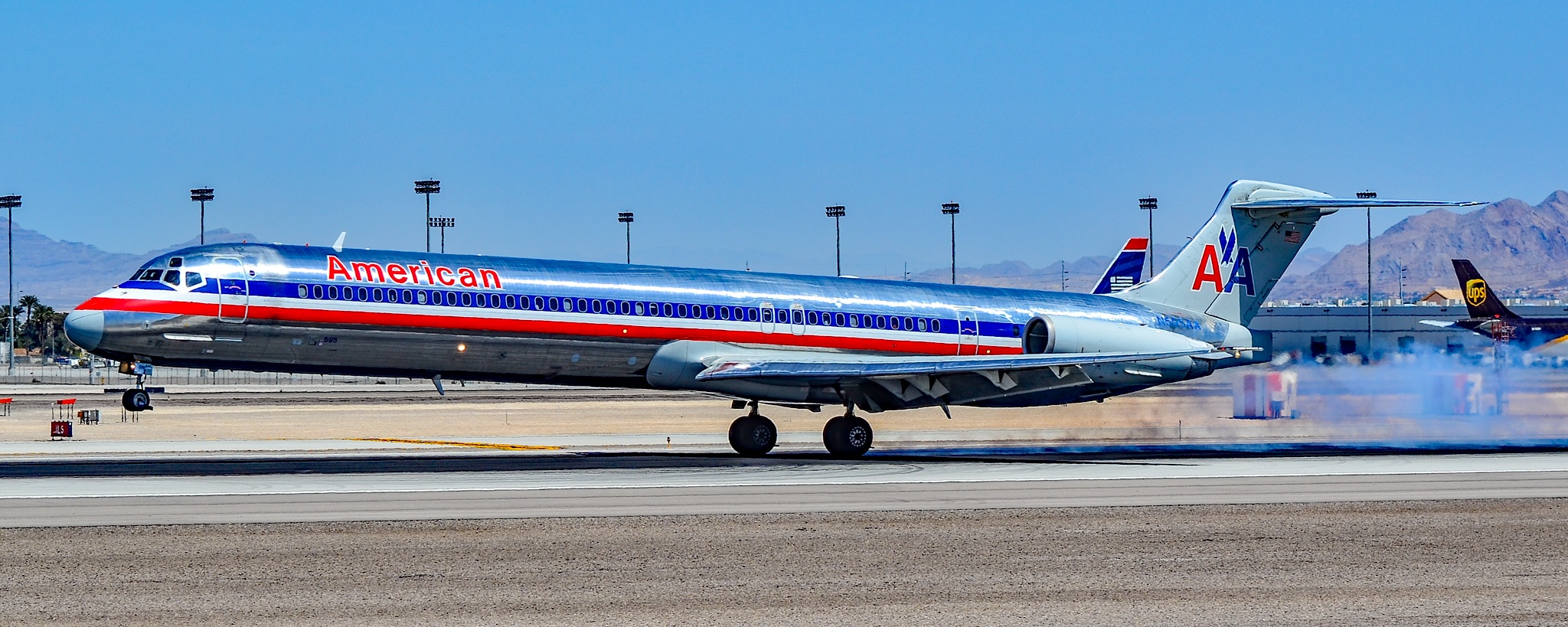
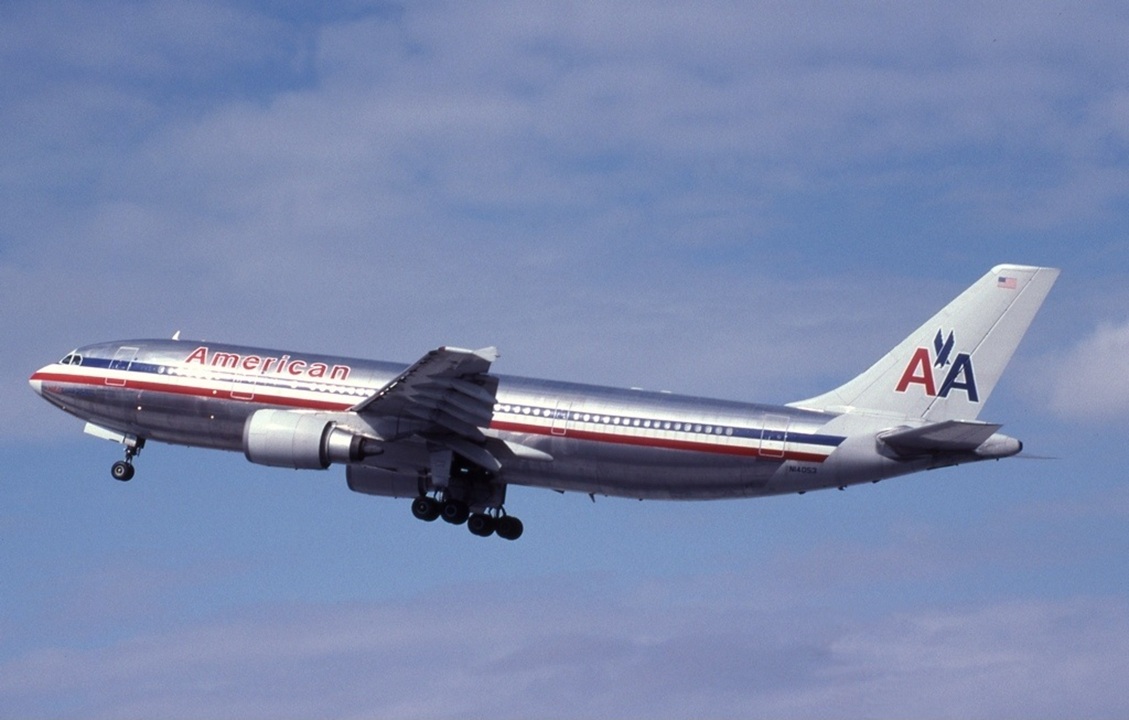
Some airlines were proud of their bare metal liveries. Perhaps the most iconic is the American Airlines “Eagle” livery, which flew from 1968 to 2013. Designed by Massimo Vignelli, this livery was minimalist. The fuselage of American’s jets was bare, polished aluminum. The shine was broken up in the middle by a red, white, and blue cheatline. The vertical stabilizer was painted and had AA’s famous Eagle, the upper fuselage had “American” written in red, and a few other parts had paint, too. But the majority of the aircraft gleamed in the sunlight.
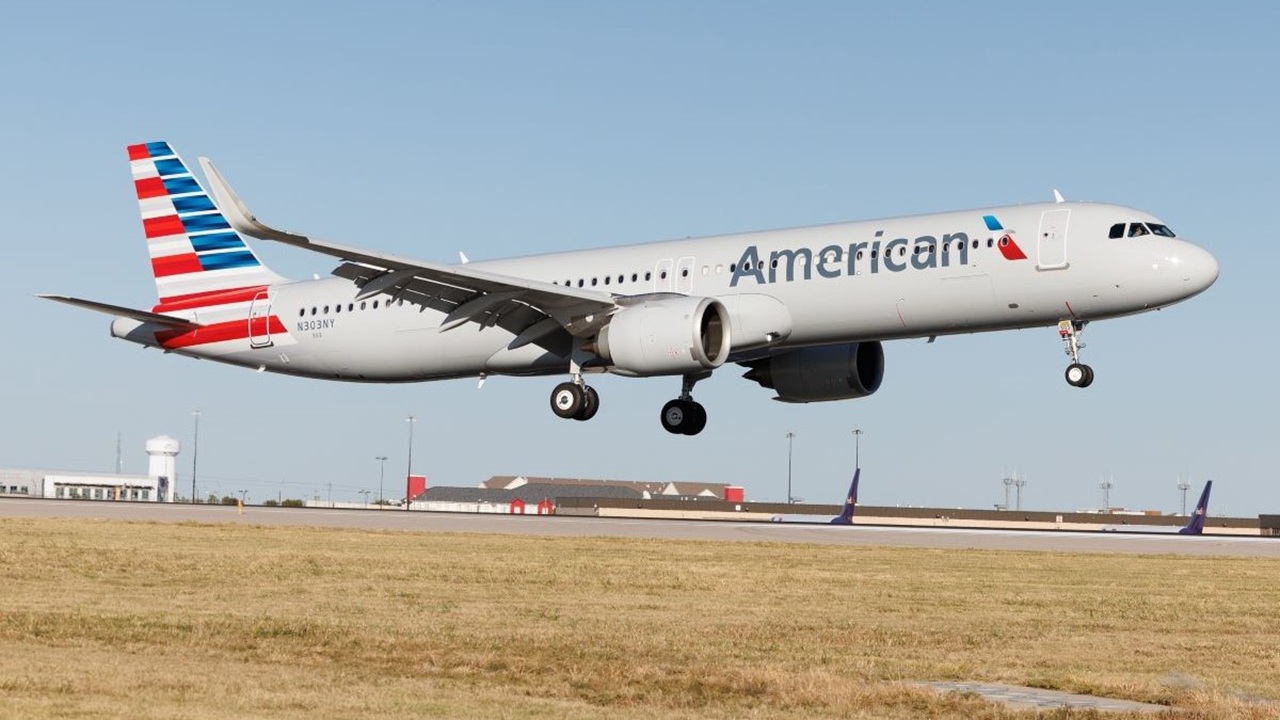
American then kept using this livery while other airlines changed their looks, sometimes several times over the decades. If you’re old enough to have experienced this era, you could have seen American’s Boeing 707s, 727s, 737s, 747s, 757s, 767s, and 777s all rocking the bare metal livery. When American Airlines purchased Airbus A300s, they had to be painted at first, as, reportedly, the aluminum of the A300 was not designed to be naked. But American Airlines would later convince Airbus to supply panels that could be polished.
American Airlines’ stubborn persistence paid off, as the livery remains one of the most beloved in history, longer than a decade after its retirement.
In 2005, Air Canada experimented with bare metal by stripping down and polishing Boeing 767-200 C-GDSP. The process to convert the jet into a bare metal airliner took about 12 days of work hours, but shaved 360 pounds of weight from the aircraft.
Air Canada figured it would save $24,000 in fuel costs per year on this jet and that the finish would need to be polished only twice a year to maintain corrosion protection. Unfortunately, the test wasn’t successful, as Air Canada figured out the cost to maintain the finish outpaced the lower fuel burn.
Air Canada wasn’t alone, as several airlines from TWA to Lufthansa had experimental bare metal liveries over the years. So, what happened? Why is the bare metal airline livery nearly extinct? Even American Airlines gave up on bare metal in 2013.
Why Bare Metal Airliners Are Rare Today
The reason most planes are painted today comes down to cost and what today’s airliners are made out of. Yes, bare metal liveries were cheaper to implement and saved potentially hundreds of pounds of weight. But, as Petter notes, the flipside was that, in order to save the aircraft’s panels from corrosion, the bare metal needed to be washed, inspected, and polished three times per year. So, some of those fuel savings were spent on maintenance. This is a task that takes the aircraft out of service while the aluminum is maintained.
As Petter notes, paint has its advantages. Yes, it weighs more, but it is less maintenance-intensive. A painted airliner might not need to be repainted for seven years, and paint does a good job at protecting the aircraft’s panels from corrosion.
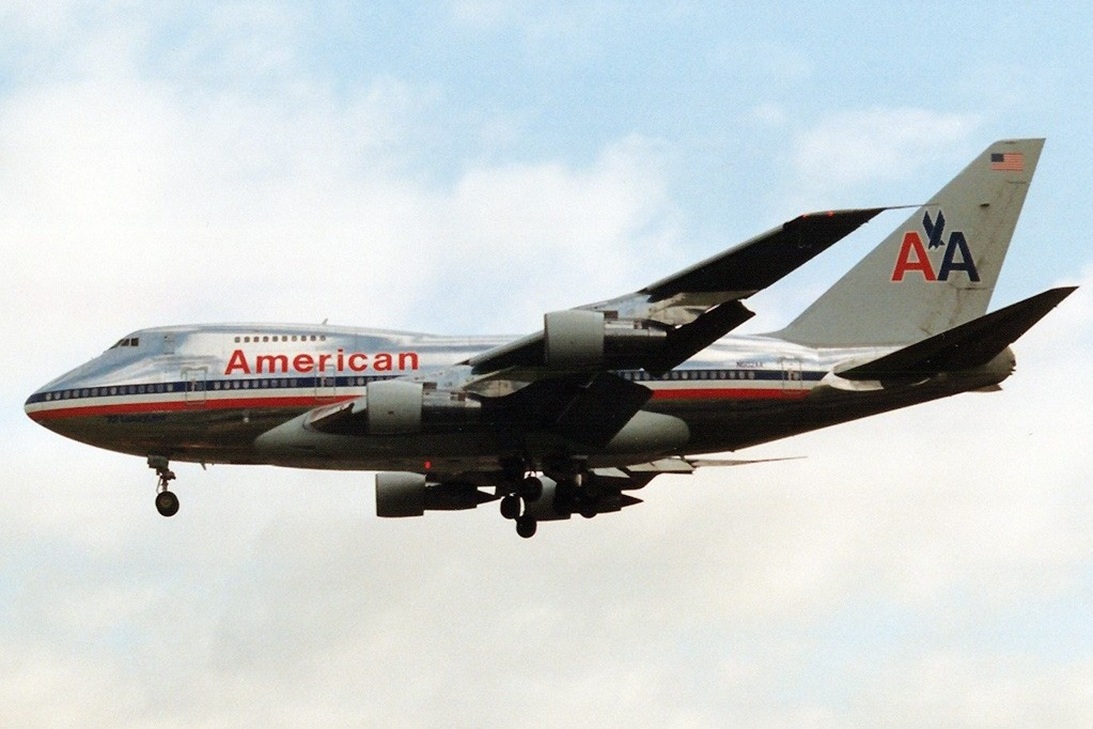
In the past, American Airlines said that the benefits of not having paint outweighed the more intensive maintenance. It didn’t have to spend the money to paint the entire aircraft or repair paint damage, and its aircraft didn’t have to be taken out of service for a long time for paint.
Really, it sort of came down to the economics and brand image of each airline. Many airlines believed in painting, while a few believed in bare metal. Ultimately, it was modern airliner design that forced the hands of the holdouts who still loved bare metal.
On January 17, 2013, American Airlines announced a new, modernized livery.
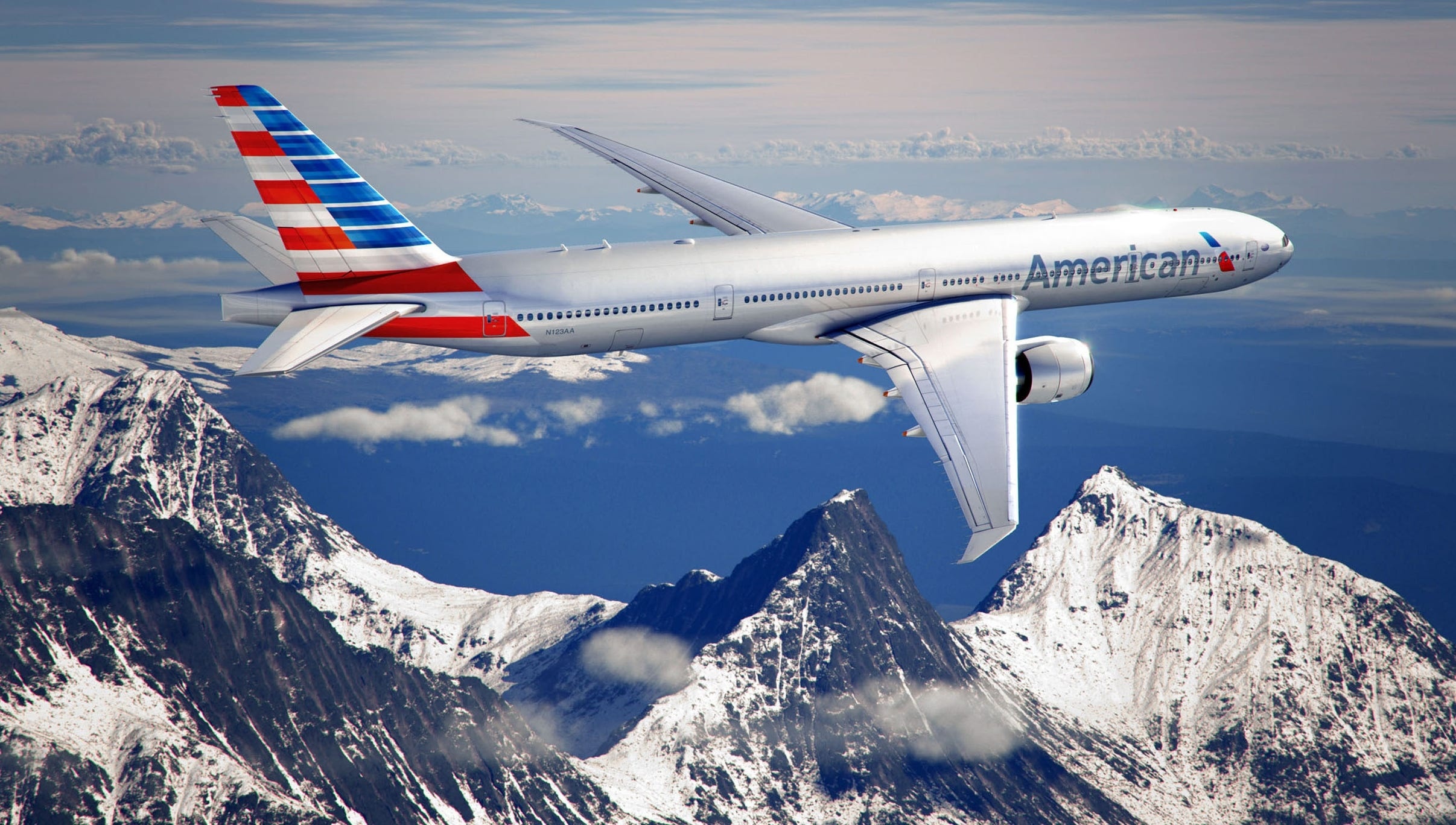
Gone was the bare metal, in was gray. American Airlines was transparent as to why it had to ditch its iconic livery. It placed an order for new-generation aircraft that featured extensive use of composites. The Boeing 787 Dreamliner can’t have a bare metal livery when the primary material of its fuselage is composite. From American Airlines:
American is preparing to take delivery of hundreds of new, lighter aircraft featuring composite materials that must be painted. Since the polished metal look was no longer an option, the importance of the paint selection became critical to honoring American’s silver bird legacy. Silver mica paint was chosen as a way to maintain the silver heritage which American’s people and customers are passionate about, yet progress ahead with a clean new look.
On January 31 of that year, American Airlines’ new livery took off on its Flagship Boeing 777-300ER. Some critics were quite harsh on the new livery. One Vanity Fair writer called the new AA look “Disastrous”. One pilot called the livery “unspeakably ugly.” Since then, American Airlines has done limited-run bare throwback liveries on select aircraft.

For example, American Airlines Boeing 737-823 N921NN has worn a bare metal-look livery since 2017. Another AA jet, N905NN, has also rocked a bare look for a while.
But, most of the time, frequent fliers get to see the same gray look from 2013, or white on other airlines.
Planes May Look Boring Today, But They’re Still Amazing
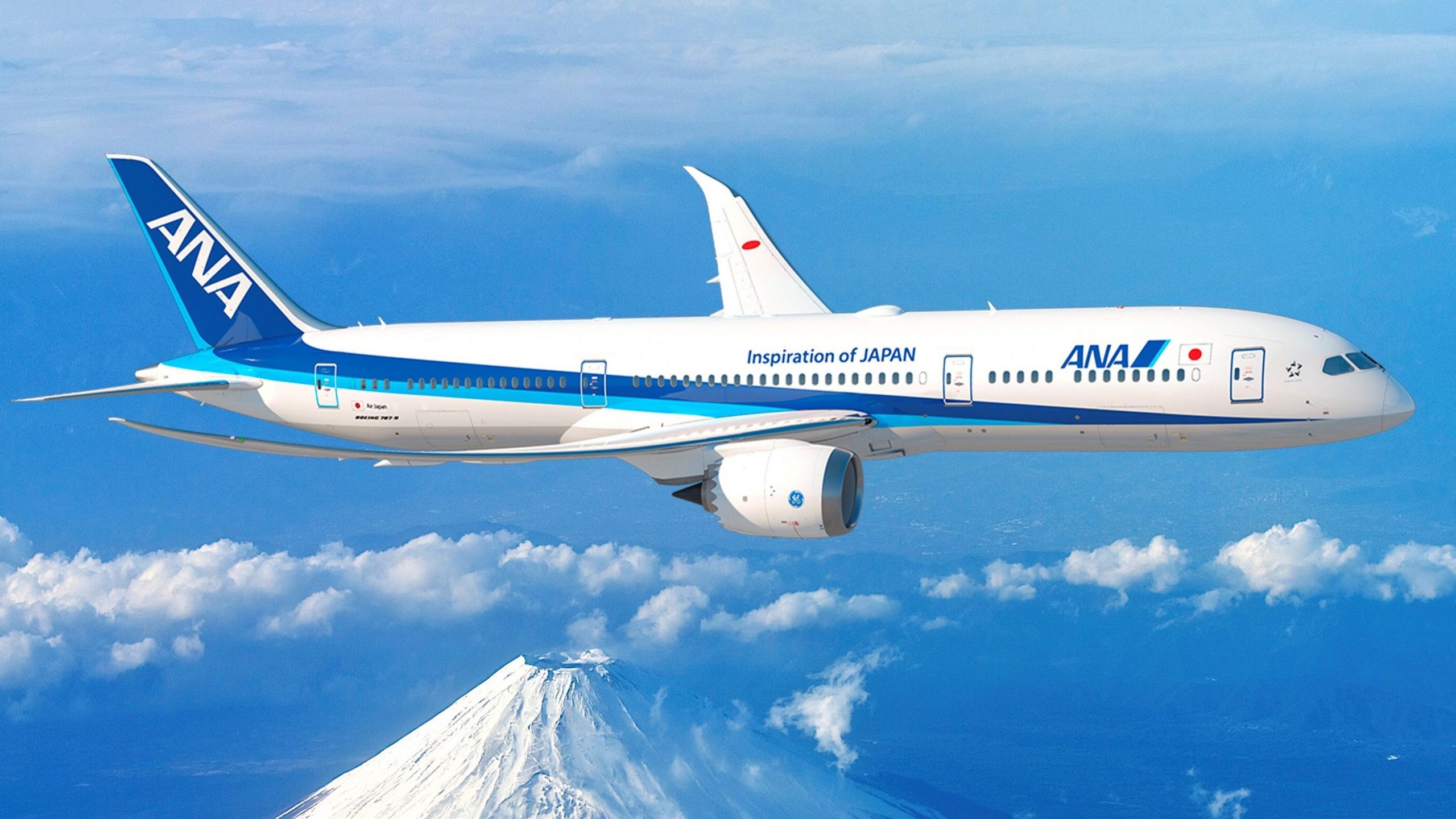
In theory, it would be possible for an airline to have a bare metal livery for metal jets and painted liveries for composite ones. American Airlines is showing it’s possible with its metal look throwback planes. However, it’s easier and perhaps better for an airline brand to have a uniform look across its fleet. Even paint is like most things in aviation in that the way a plane looks probably has a reason behind it.
So, the bare metal airliner is a rare sight nowadays, and it’s bittersweet. Airports look so much more boring with plain white and gray jets on the ground. At the same time, aircraft like the Boeing 787 and the Airbus A350 are marvels of engineering while offering great passenger experiences.
The good news is that shiny planes aren’t totally gone. If you go to an air show like EAA AirVenture Oshkosh, you’ll see more polished metal than your heart can handle. Likewise, since some airlines do have a few heritage liveries, you now have cool planes to look out for the next time your plane is stuck on the tarmac.
Top graphic images: American Airlines – N335AA/Creative Commons Attribution-Share Alike 2.0 Generic license



.jpg)

_AN0201765.jpg)
i believe that 747 pix is a 747SP. Very rare
It is. American Airlines flew 747SP non-stop between Dallas/Fort Worth and Tokyo in the 1980s. Sometimes, AA would rotate 747SP between DFW and European cities once in a while.
“Braniff once experimented with a bare metal 747. Credit: Braniff International Airways.”
This particular silver 747 was leased from American Airlines when Braniff was awarded the new DFW-LGW route in 1978. American Airlines was getting rid of excess 747s so Braniff made an offer too good for American Airlines to refuse.
Instead of stripping the whole plane to be repainted fully in one of Braniff colours, Braniff just repainted the cheatline, stripped the “American” from fuselage, and AA from empennage.
Braniff wasn’t only one. TWA acquired the 727 from American Airlines and repainted the cheatline and empennage, leaving the rest of fuselage polished bare metal.
One reason for not painting the whole fuselage of 727 and 747 originally built for American Airlines is that the aluminium cladding is thicker than the ones for painted fuselage. Painting over the thicker cladding would add more weight…
Just flew Condor for the first time, so I needed to give shout out to the stripes.
Some comments have already mentioned that white paint will be more reflective of incoming solar radiation/heat. Blue has the second-highest albedo factor after white, and I’m willing to bet that Southwest did a lot of research on that before deciding on their particular shade of “Canyon Blue”.
Because their product is delivering you to a destination not providing you a pretty plane. It’s quite simple really.
I was always struck by AA not using silver paint when they switched to painted vessels. Heat is also the big factor most planes are white and not fun colors. There was a Pepsi Blue Concorde for a time and it was so inefficient at heat reflection that it could only fly Mach 2 (y’know the whole reason the plane exists) for 20 minutes at a time.
I suspect greater use of composites would cause issues with weird patches an pieces that would not be polished aluminium
There’s another reason planes look boring and the same: white paint reflects heat. I don’t know how much that matters when it’s -20 up in the air but it sure makes a difference sitting at the gate. One way or another, you’re paying for that extra heat to be transferred out of the cabin (or roasting in a plane that’s hotter than it needs to be.)