

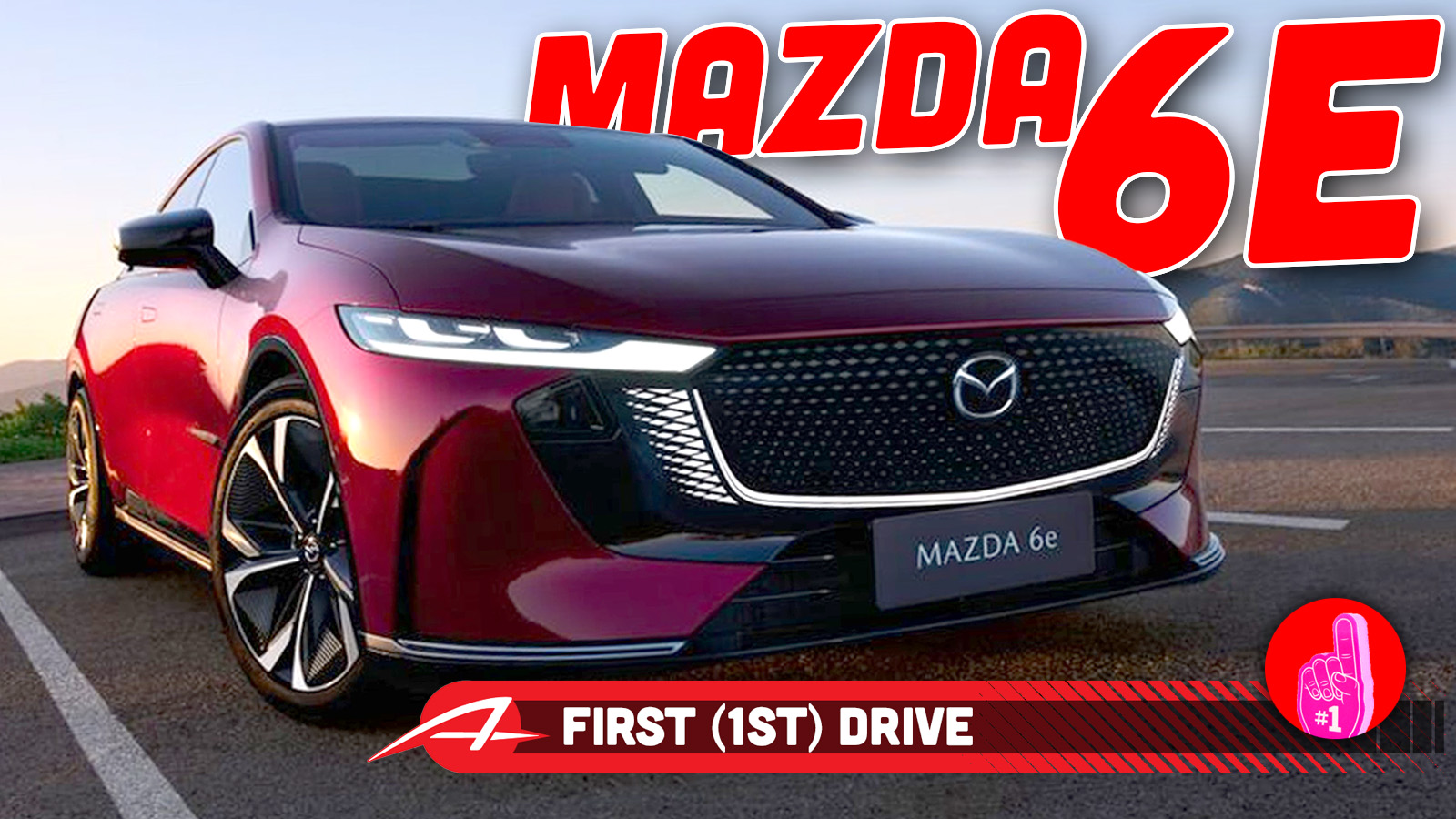
Chances are, if you’re reading this and you’ve been thinking about buying a brand new car or have done exactly that in the last couple of years, then you will have taken a good, hard look at the offerings from Mazda. A great-looking range of actual cars, stylish crossovers, and the iconic MX-5 Miata demonstrate that over the last decade or so, Mazda has been slowly carving out a niche for itself as the thinking enthusiast’s OEM. As Chrysler found out in the early nineties, when you’re not the biggest, you’ve got to be the smartest; Mazda barely makes it into the top twenty OEMs by volume worldwide, only besting such luminaries as Dongfeng Motor, BAIC, and Mitsubishi. Dwarfed by their peers, Mazda must zig where the other Japanese behemoths zag.
This dogged determination to differentiate itself in the nascent Japanese car industry saw Mazda make its name with the Wankel rotary engine. With their combination of power and light weight these whirring Dorito motors became a Mazda trademark, but horrendous fuel economy relegated them to the higher-priced RX-7 coupe when the fuel crisis hit in the seventies.


Financial peril frequently followed until Ford took a stake in the company, during which time Mazda suffered the indignity of slapping its badge on various nineties Ford products. After the turn of the century came some well-regarded Mazdaspeed cars, and since escaping the shackles of Dearborn and refinancing in 2011, Mazda has been finally free to do its own thing. The Mazdaspeed models might not be around any longer, but the MX-5 remaining a constant in the range demonstrates throughout all this corporate turmoil shows Mazda still cares. Zoom Zoom isn’t just the usual empty advertising copy line.
View this post on Instagram
In 2012, Mazda unveiled one of the best-looking sedans of recent memory – the GJ1 Mazda 6. Led by studio chief Akira Tamatani it was the second production car to feature Mazda’s ‘Kodo – Soul of Motion’ design language, which had been introduced on CX-5. In Japanese Kodo means ‘heartbeat’; according to Chief Designer Ikuo Maeda:
“In Japan, we feel that craftsmen inject life into what they make. We believe that a form sincerely and painstakingly made by human hands gets a soul”.
What this PR guff translates to in the real world is a series of cars with tautly defined fenders with sculpted and waisted bodysides that do away with pointless feature lines, instead creating interesting shadows and highlights across the sheet metal. Mazda designers found inspiration in the image of a cheetah, which is ironic because if it had rear-wheel drive, the Mazda 6 is the car Jaguar should have made if they had any balls, instead of the wretchedly dull XE.
Dreams Meet Reality
I have good news: the new Mazda 6e now has rear-wheel drive. A slinky sedan that has a proper hatch pushed down the road via the back wheels – what a novelty. As you’ve worked out, the e-suffix means it’s EV only for now – I’ll come back to this – but at this point we’re past the stage where EVs are the sole purview of early adopters and EV evangelists; they’re now an accepted part of motoring life. As Mazda said at the drive event I attended, if you want them to keep building the MX-5, this is how you keep building the MX-5.
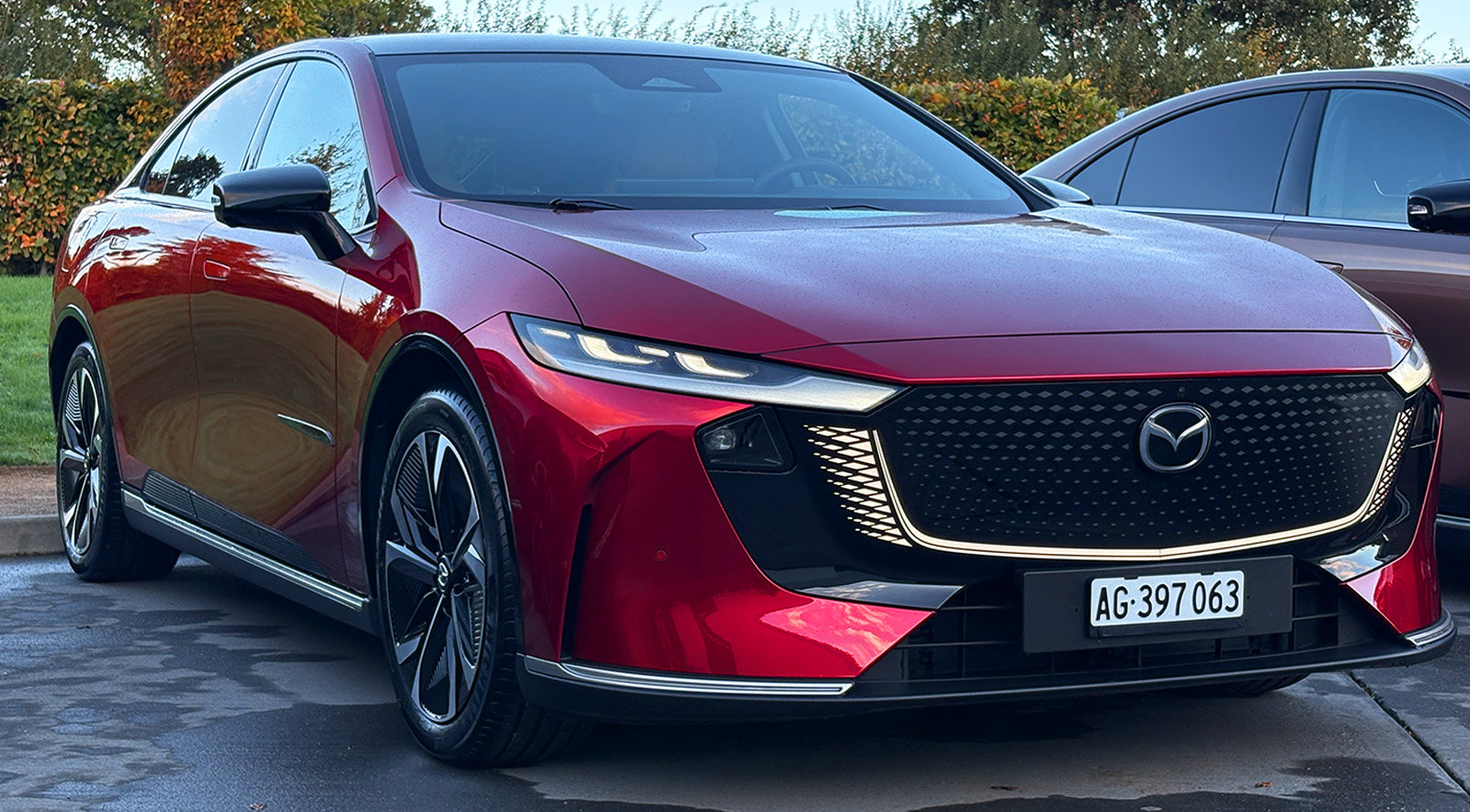
So how did this relatively small company manage to build a whole new Rear Wheel Drive EV? The truth is they didn’t do all the work themselves – the 6e is a product of Mazda’s decades-long partnership with China’s third biggest manufacturer Changan and their EV division, Deepal. The 6e is the bones of a Deepal SL03 wearing the flesh of a Mazda like a Buffalo Bill skin suit. Eyebrows may be cocked at this approach, but platform sharing, even across different manufacturers is not a new thing. What is important is that everything the customer can see or touch, with one glaring exception, is unique to the Mazda. These are what are known in car designer speak as ‘A’ surfaces. When it comes to unseen parts (‘B’ surfaces), according to the product specialist I spoke to, both the front and rear subframes, as well as the front wishbones, are unique to the 6e as well. This is all done to ensure it drives like a Mazda as well as feeling and looking like one.
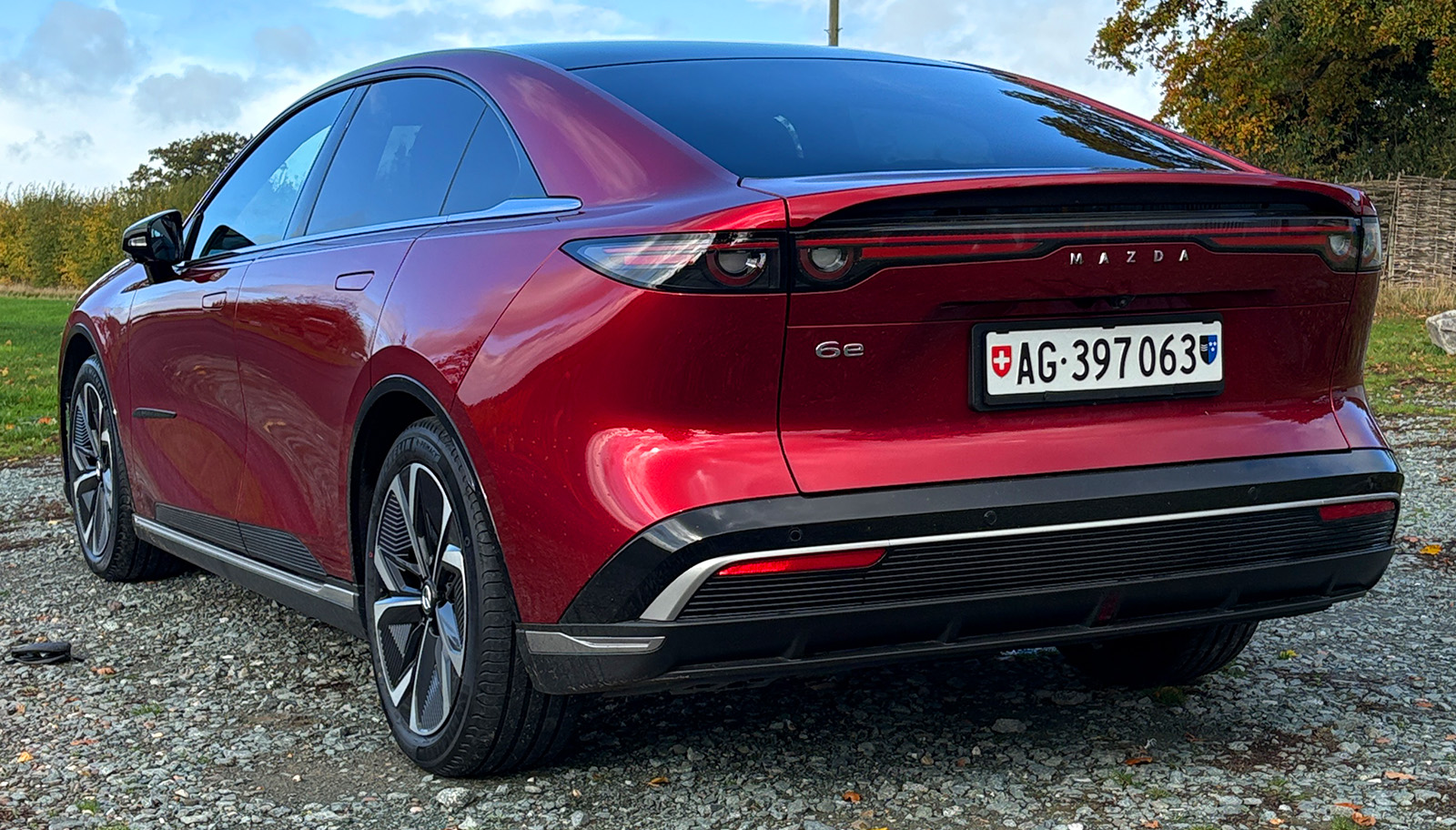
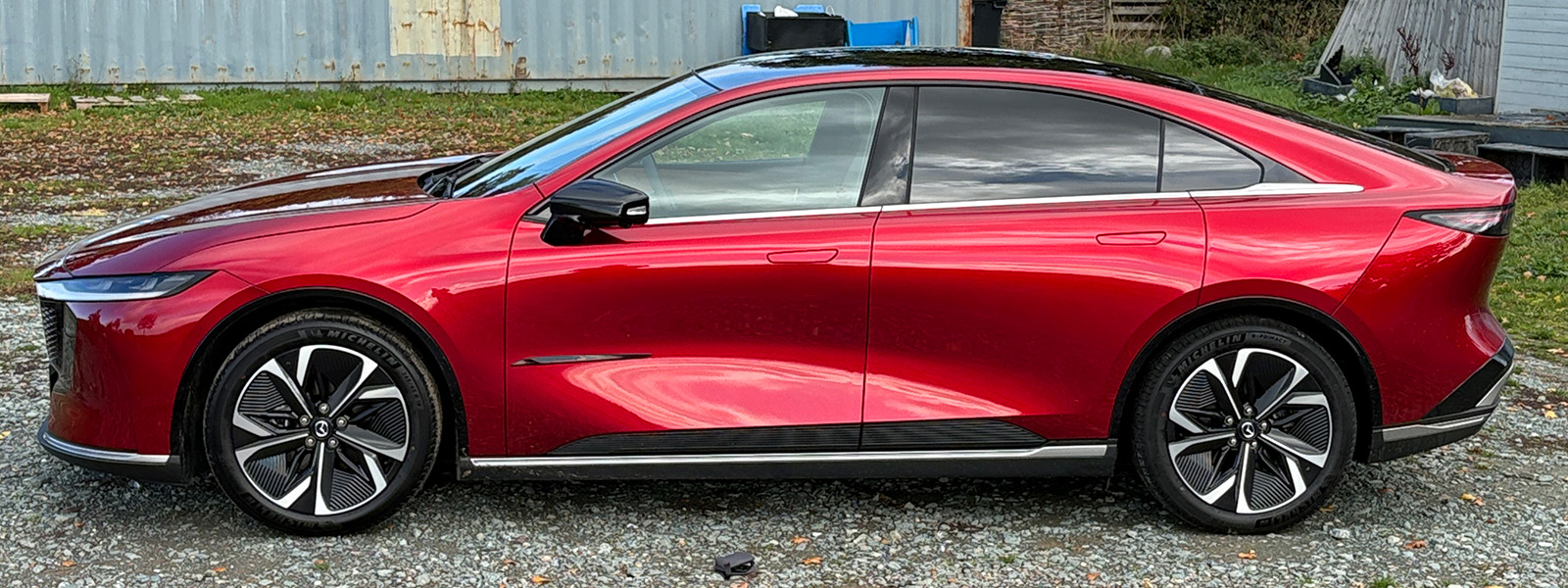
Although it’s constrained by using the body-in-white (the underlying structure stripped completely bare) of the Deepal SL-03, Mazda has managed to conjure up a stunning-looking car. Viewed from the front three-quarters, the forward rake makes it look ready to pounce, like those big cats the Mazda designers are so enamored with.
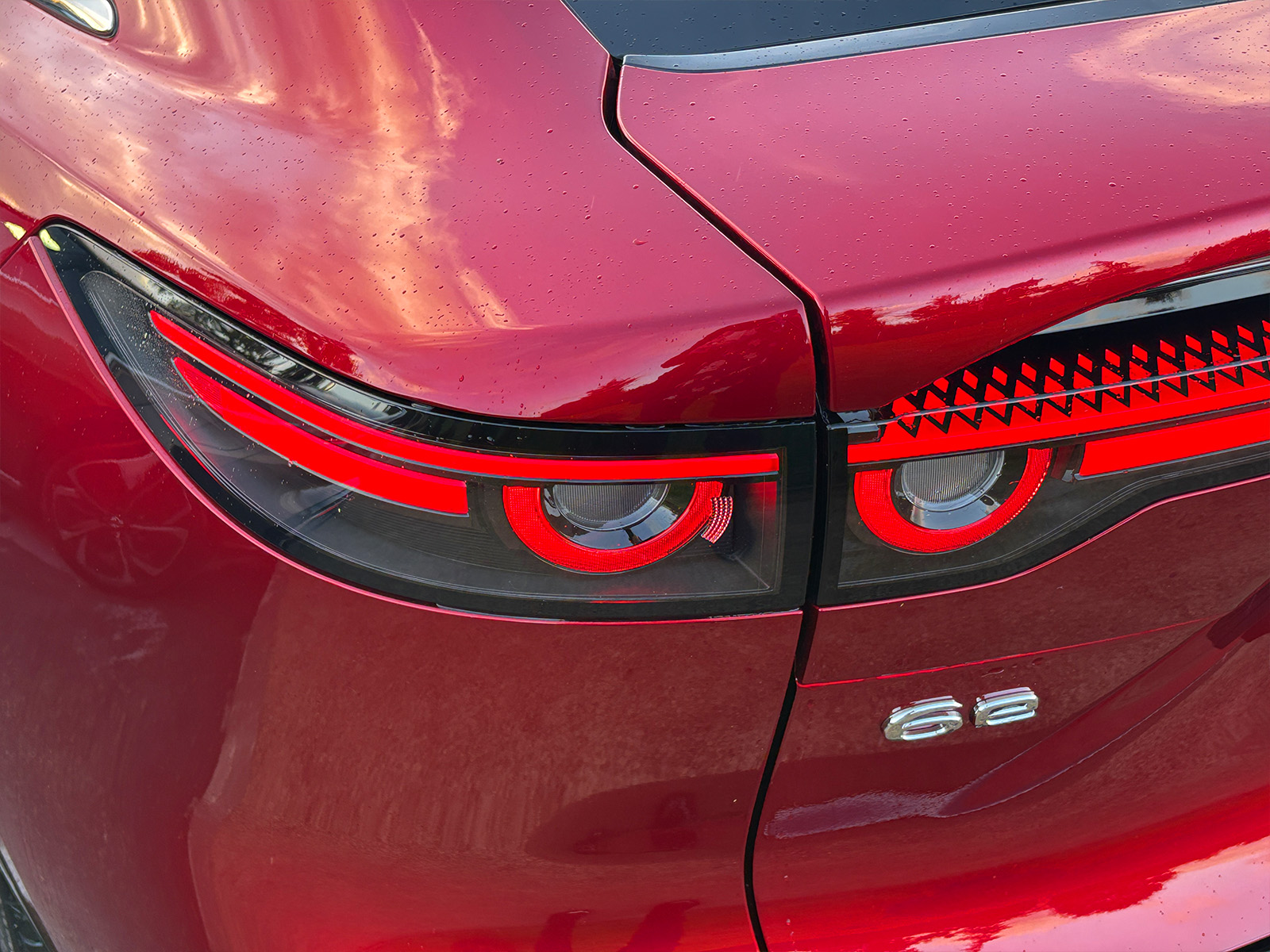
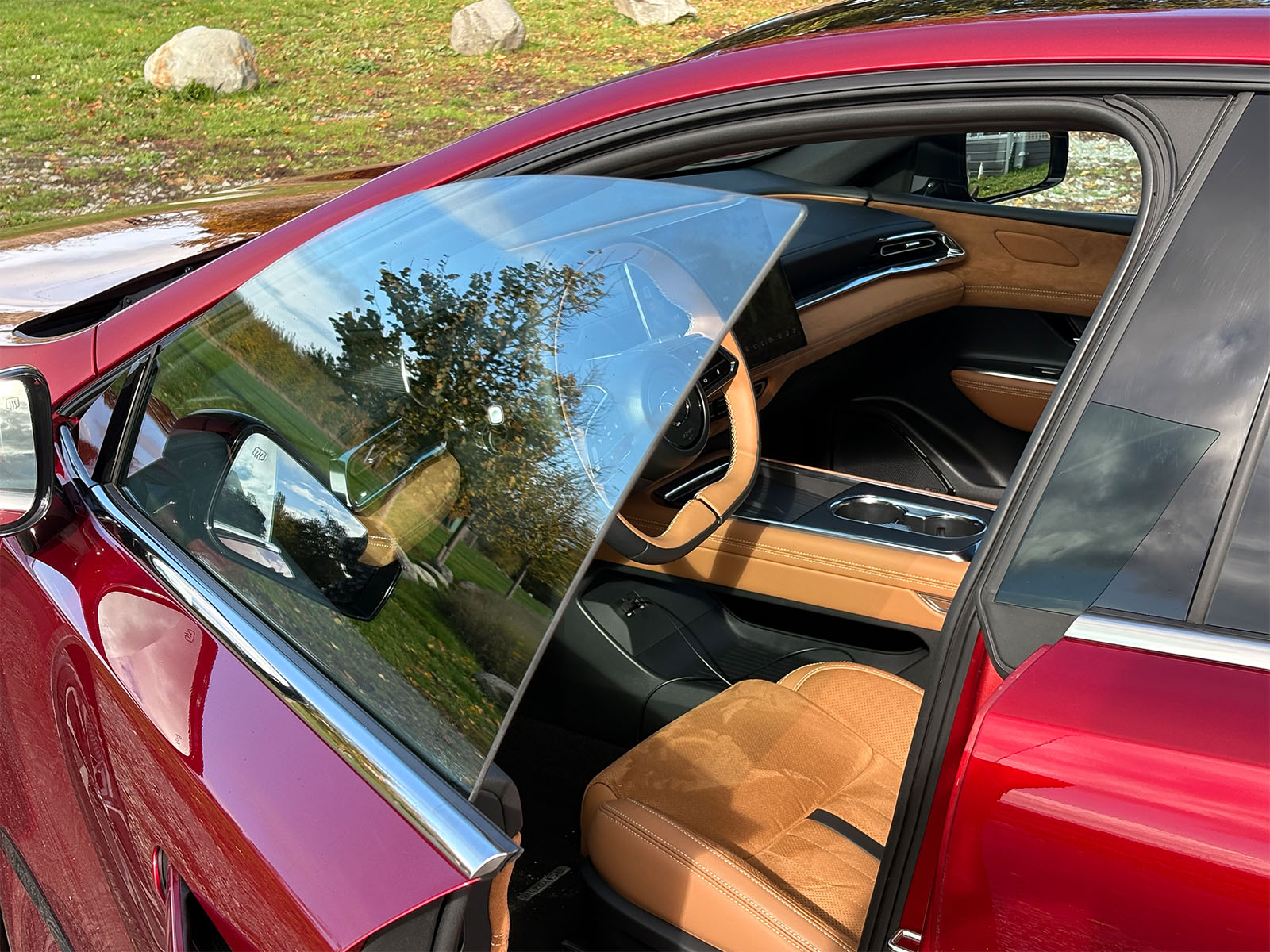
The Mazda five-point grill is present and correct, but the usual chrome trim around the bottom half has been swapped out for a light arrangement capable of showing the amount of charge in the battery when plugged in, and the various sensors are well hidden. At the back, the rear lights have four semi-circular elements referencing classic Mazdas from the past, namely the FD RX-7. Hmmm. Anyway, the point is a lot of new EVs, including some from China, wear thin strip lighting front and back which, coupled with generic aero sheet metal, serves up soft focus pastel futurism – a sort of Sino-licon Valley rounded corner aesthetic that doesn’t threaten. But neither does it define or inspire. Mazda knows what’s expected of a sporting sedan and delivers frameless doors and a sinewy feel wrapped in an excellently tailored exterior with a keen sense of its own identity.
Amateur Hour
That Kodo body surfacing is best experienced in Mazda’s Soul Red; filing cabinet gray flattens the curves and swallows light like a Space Shuttle tile. Because even at 52, I was the youngest and thinnest auto writer at the event, when it came time to drive, I made sure I was first out the door to snag the Takumi Plus trim car, which married a Soul Red exterior with the caramel leather and suede interior–choose your partners, everyone, if you hesitate the good ones are gone.
Color and trim variations aside, all the cars present were the same mechanical spec – a 241 bhp, 320NM (236lbs ft) rear-mounted motor pulling electrons from an 80 kWh cell pack for a 343 WLTP range. These specs are not particularly blowing my skirt up, but do you know the battery size in your phone? What matters to customers is how fast, how far, and how long it takes to charge. The press pack says 0-60 is 7.8 seconds, but a hard stamp on the go pedal to get past dawdlers on the suggested drive route saw me blitzing them like a JASDF F2 lighting the burner. The Mazda quoted time, I can safely say, is on the conservative side. Top speed is listed as 108 mph, but I didn’t quite get the opportunity to check that for myself, officer. What you need to know is acceleration is available in abundance throughout the speed range.
As for leg length or charging times in the real world, I can’t comment yet, not because of embargos but this was only a one-day media drive (very) ahead of a full UK launch. There are actually two battery capacities available: as well as the 80kWh ‘long range’ I got to try that charges at 90 kW; a smaller 68.8 ‘performance’ pack with 298 WLTP range available on the mainland, charges at up to 200 kW. You read that right – the smaller battery has a higher peak charging rate than the bigger one. The reason for this discrepancy is differing pack chemistries: the 80 kW pack uses NMC (nickel manganese cobalt) and the 68.8 kW one LFP (lithium ion phosphate). Going from 10 to 80% the slower pack takes 47 minutes; after 300 miles on the road I need about that to visit the bogs, grab coffee and have a smoke anyway.
So does it drive like a Mazda? I’m afraid I can’t say as I’ve only driven a current ND MX-5 Miata, and that was a short go at an industry test event a couple of years ago. All I can do is judge the 6e on its own merits as presented to me in this demo tape form, so with that in mind, nothing I’m about to say should be taken as a definitive verdict.
Because at the moment, the ingredients are all there, but it doesn’t feel quite cooked properly. The steering is fast and accurate but lifeless and light, even when you’re haring round a bend with some load on. The suspension bumps and thumps away over crappy tarmac, but the nose pitches up and down even at low speeds – so maybe there’s a mismatch between spring and damper rates.
Hitting a mid-corner bump with the 6e on the door handles set off a weird corkscrewing motion through the body as the rear struggled to get it all gathered up. There are different driving modes, but switching into the firmer one just meant this all happened at faster speeds. It feels like “Comfort” is not soft enough and “Dynamic” is not firm enough. The standard fit 245/45 R19 Michelin e-Primacy tires didn’t protest or slip once throughout some extremely heavy-handed acceleration and braking and turning maneuvers, which is impressive for a 4490 lbs. (2037 kg) car.
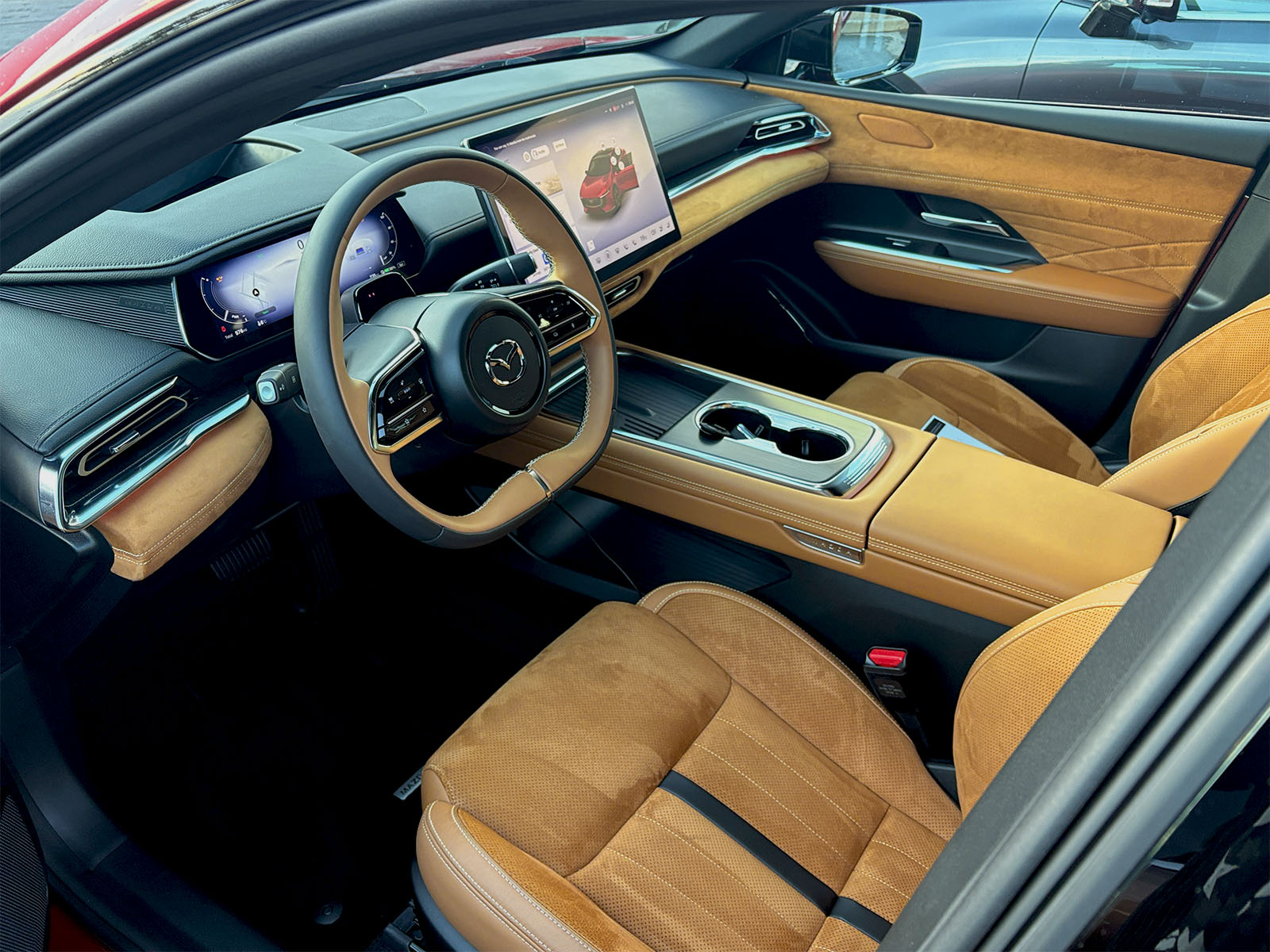
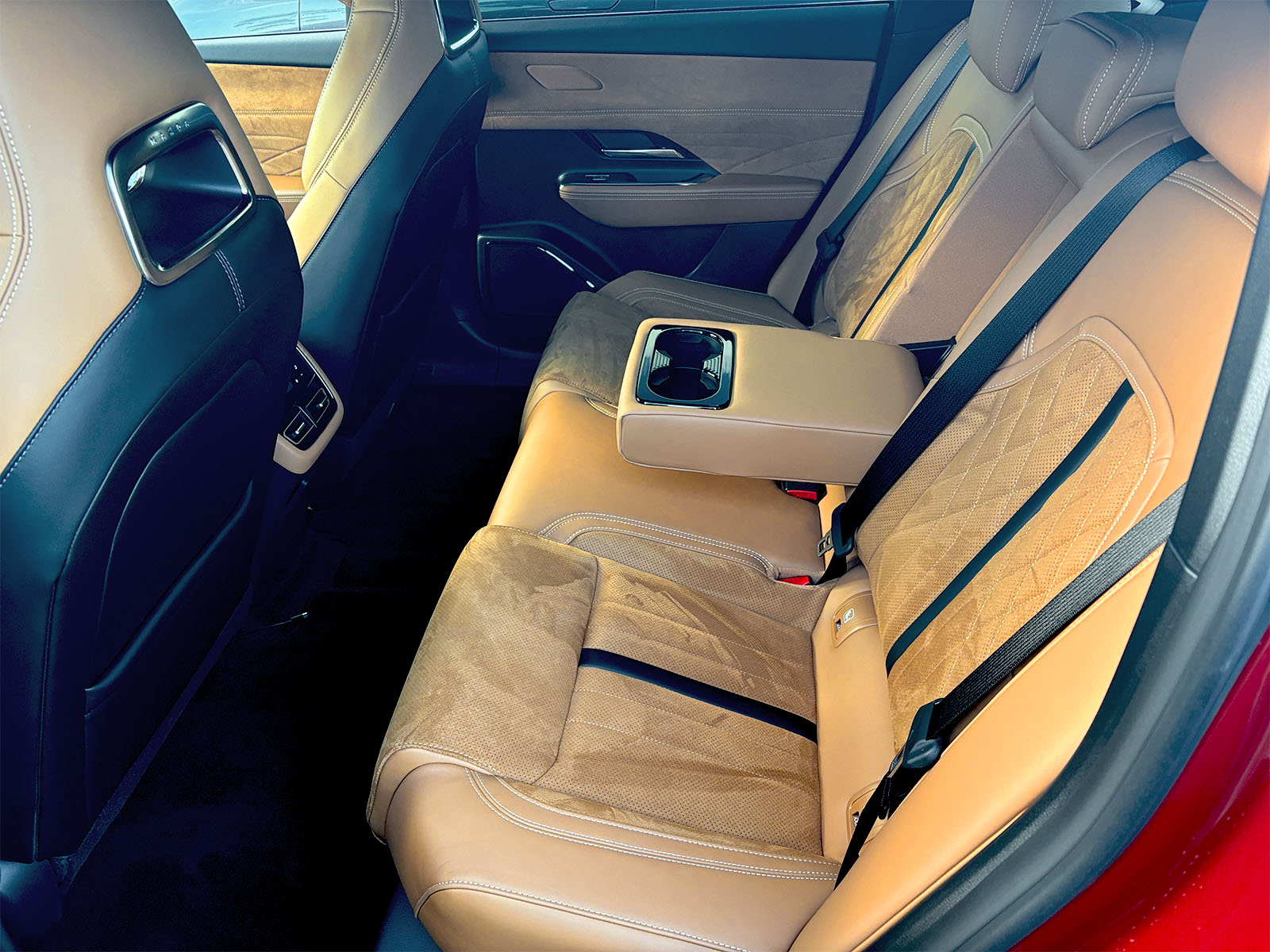
Entering this upscale Takumi Plus 6e is like pulling on a sheepskin overcoat – warm, soft, comfortable, and very brown. Non-Plus Takumi trim levels come equipped with grey or black dentist chair vinyl, so Plus is the one you want to be forking out for to get the genuine leather and suede. That also gets you a panoramic roof with front and rear electric sunshades, and the car I drove came equipped with something that should be on every single car on sale – a HUD. There’s plenty of room, the driving position is appropriately languid, and it’s all generally very agreeable. Mazda clearly put a lot of time, effort, and money into developing the interior. Because of that cab-rearward proportion headroom in the back is great, but weirdly the rear floor feels higher than the front. The seating position back there is much more sitting-down-to-dinner as opposed to the front. I’ve not driven a Tesla Model 3, but I have sat in one, and in that car you were acutely aware the cells were in the floor such was the effect of the raised H-point (hip height from the ground plane). With the 6e you’d only guess if you were a rear seat passenger.
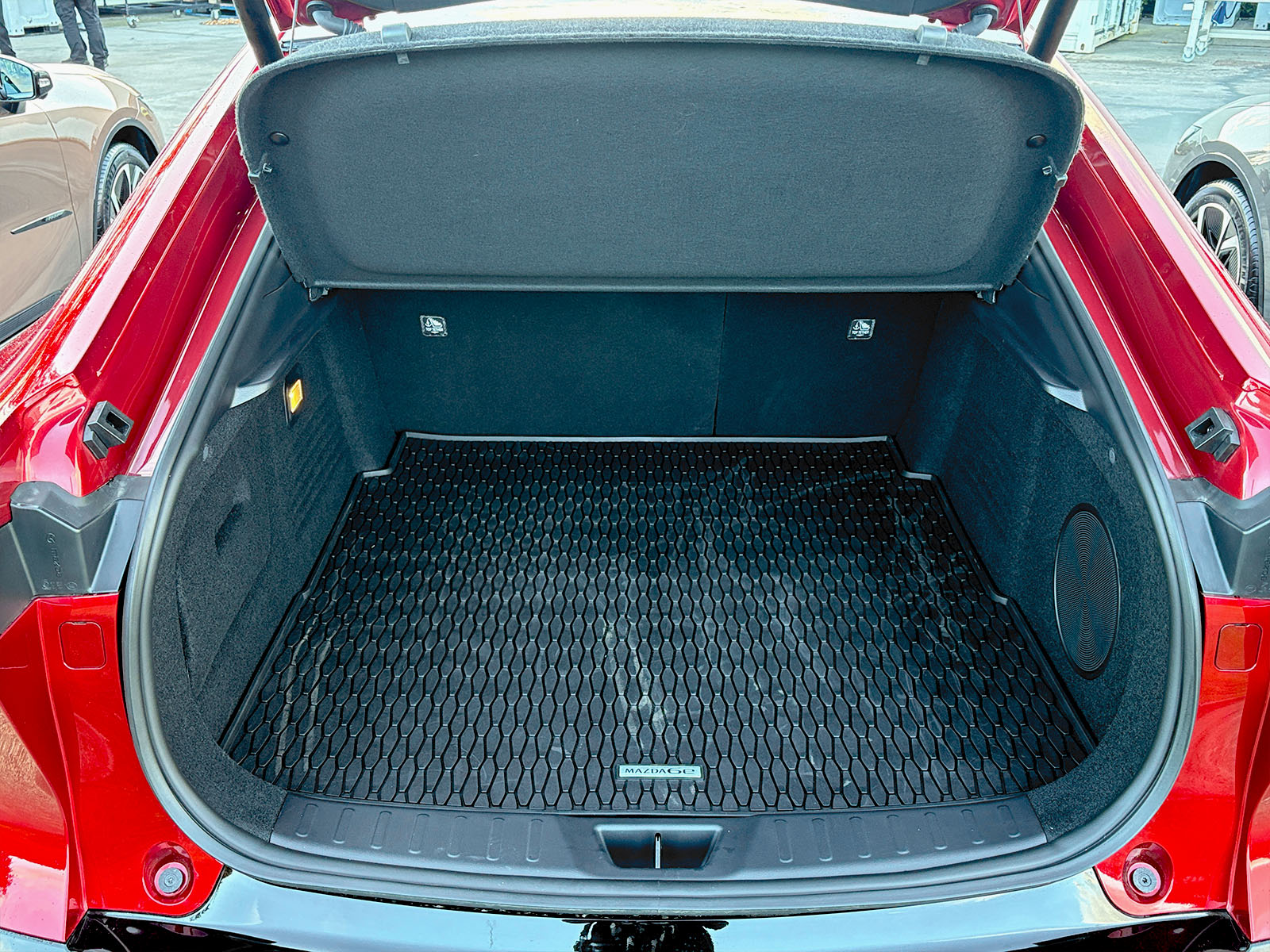
What the 6e does have that Tesla doesn’t is a full-size hatch. Trunk space is 16.5 cu ft (466 liters) with the seats up and 38 cu ft (1074 liters) with them folded flat. Up front is a 2.5 cu ft (72 liter) frunk with a hidden floor and a drain plug. Thoughtfully, there’s a branded tote to hide your week’s supply of Suntory whiskey when leaving Safeway, although Mazda suggested this might be an optional extra. Although final pricing has yet to be figured out, it will start with a 4, so charging extra for a bag is a bit cheeky. Standard equipment-wise wise nothing obvious was lacking – in spirit and refinement, this is clearly a semi-premium sedan. In execution and interaction, however, the picture gets murkier.
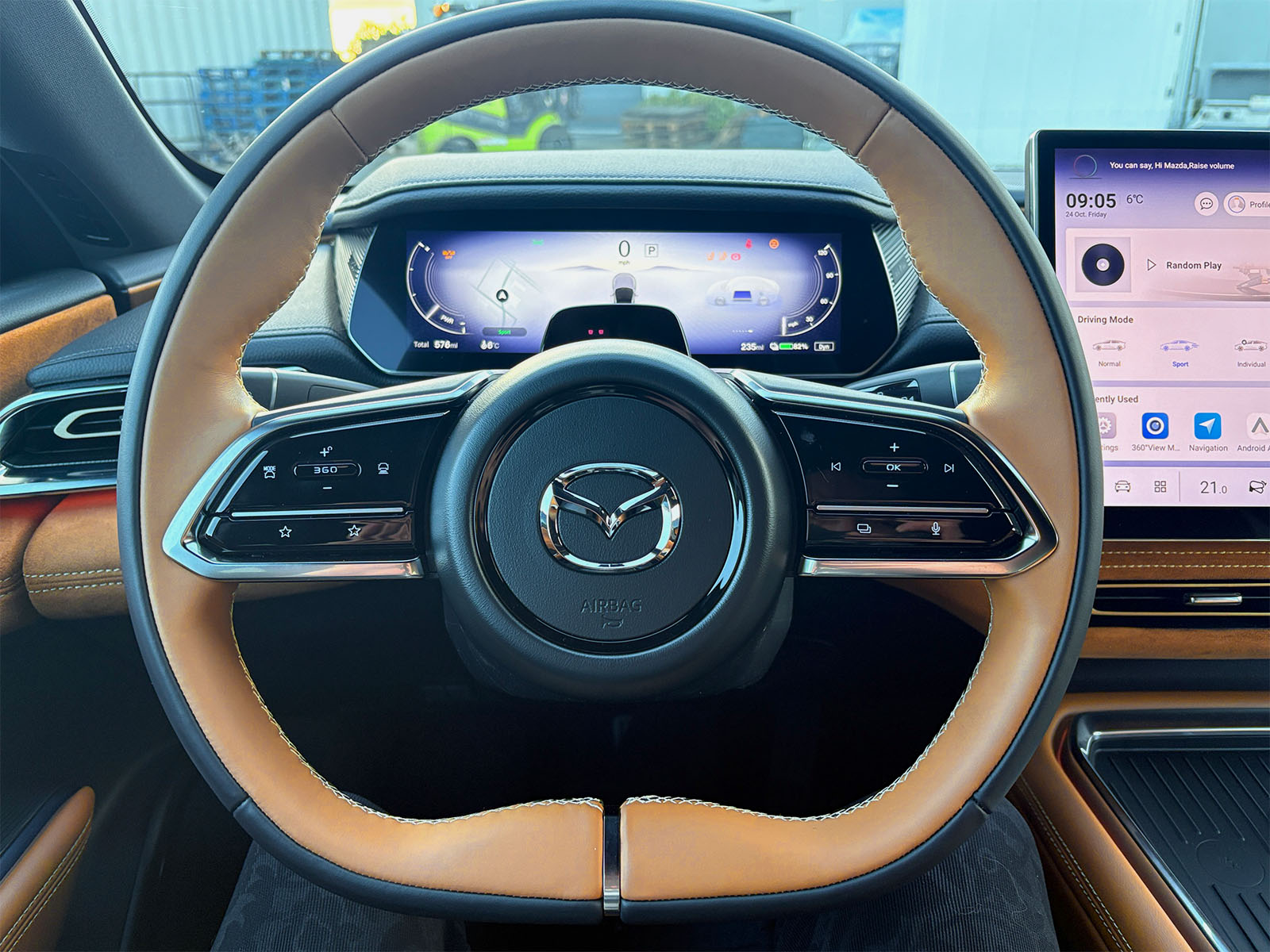
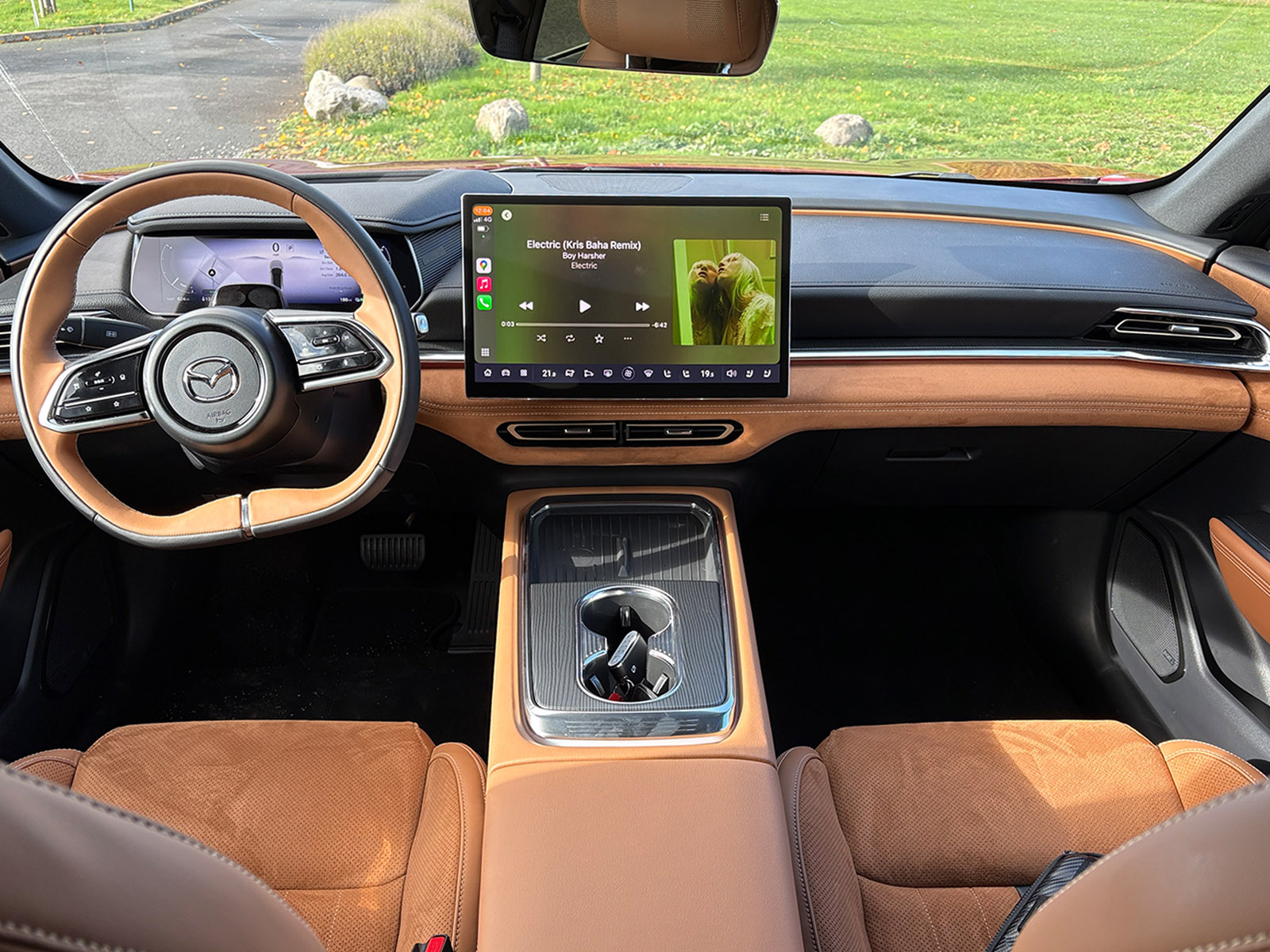
Unless you are familiar with the Deepal SL-03 (and why would any of us be, I had to look it up doing my research), on the outside the Mazda doesn’t betray its origins at all. When it comes to the IMAX screen plonked on the dash inside, it is another matter entirely. Most secondary controls are relegated to the touchscreen, including HVAC, lighting, and wipers. It’s easier to tell you what hard controls you do get – seat adjustment, stalks for the indicators, drive selector, and screen wash. On the wheel are haptic buttons for the cruise control, drive modes, context-dependent up, down, left and right menu controls, and two programmable favorite buttons. And that’s about it.
It’s A Lot Like Learning The Violin
Now I understand this will be a showstopper for some people and considering VW’s struggles to get this stuff right and general pushback around the idea of having many of your interactions with a vehicle through a touchscreen, especially from a safety point of view. However, some of these things, like lights and temperature, fall into the ‘set and forget’ category: once we’ve got a car configured to operate the way we want, we’re not constantly fiddling with it.
An extended period with the 6e would prove the efficacy (or not) of automatic lights and wipers, and there are gesture controls and voice controls as well (which I didn’t have the time or inclination to try), but it does feel like a retrograde step. The graphics and menu layout are not great either – the iconography on the driver’s display feels amateurish, and I had to pull over to figure out how to turn off the auto 360-degree display, which popped up every time I signaled and turned the wheel a certain amount. That was bloody intrusive and annoying, but it speaks to the underlying issue – lots of software-based features but little to no thought into things like consistent typography, menu hierarchy, and all the other stuff that goes into making a pleasant and seamless user experience. To use a filthy Windows/glorious Mac user master race analogy feels lazy, but I can’t think of a more appropriate one.
So the GUI needs at least another pass, and the ride and handling are a bit inconsistent. That is stuff that can and will be changed before the car hits the UK market in late 2026. Part of the reason for letting media yahoos like me loose in the 6e so far in advance of release is to solicit feedback that can inform development, and everything I’ve told you I told them on the day.
Because we’re customer service fourth here at the Autopian, I also borrowed Matt’s journalism hat and asked the PR reps present the hard-hitting questions on your behalf. Will it be available in the U.S.? Unknown, and at the time of writing, I’ve not had an answer. Will there be a wagon version? Definitely not. Presumably, Mazda looked at the numbers from the previous model, and the capitalism didn’t add up. Will there be a pure ICE version? A physical impossibility given the platform, so negatory there. But the Deepal SL-03 now has an EREV version, so Mazda could transplant that powertrain into the 6e, which would stick an electrode through any range and charging hang-ups anyone may have. Also, there is no dubious self-driving functionality of any level.
From certain quarters, the coverage of Chinese EVs is deafening, which to me all feels like a rerun of the Tesla coverage from a couple of years back. Legacy OEMs and ICE are dead, EVs are the future, innovate or die blah blah. Now there are plenty of options available from all OEMs, but they haven’t yet seen truly mass-adoption because we’ve not reached the point where customers can get better usability for less money than ICE cars give them. Mazda leveraging its Changan tie-up, gives them a very smart way of hedging their EV bets without committing eye-watering amounts of money, something they don’t really have the resources for. What Mazda has done with the 6e is focus its resources on the areas it excels at: interior and exterior design. Now that’s taken care of, Mazda need to focus on the driving and user experience.
Top image: Mazda UK Media. All other images author.


I love my iPad. I just don’t want one in my -expletive deleted- car. They look bolted on. Look like they were meant to retract, but don’t. Or take up the whole middle of a dashboard. And when the push physical controls out, that’s a deal breaker. Gonna keep my current low tech ride. Which has CarPlay on a tiny screen, just so I have knobs to control shit that don’t get me killed operating at speed.
At least the lfp version charging times are not terrible, not brilliant, but there is (for the moment at least) no battery preheating, so fast charging in winter may be not so fast. A finnish mag wrote that the real world range in autumn weather is approx. 300 km… so sounds very much like the 1st gen bz4x. Not great, abysmal in winter.
Which is shame, because it looks lovely. Except the capacitive shit inside. They had five years to take notice of the feedback that VW got, and still they did the capacitive steering wheel. Lighting controls – who cares, heating – grmbh, steering wheel – WTF???
And you are spot on the UI criticism. Everyone gushes about the chinese cars, charging tech (yes, but how does the battery cope in the long run – these brands came from nowhere…), but the UI and software suck in some way in all of them. At least in western eyes. Even Xpeng looks sleek and functions apparently ok, but is a carbon copy of Tesla.
The problem with touchscreens and software is that the certification standards are so high and the lead times so long it makes changing them a slow process.
> Most secondary controls are relegated to the touchscreen, including HVAC, lighting, and wipers
Why.
A shitty band sang it. “The Chinese Way”.
Tesla and VW are guilty of a lot of that too.
As a long time Mazda owner and somewhat a fan of this brand, it’s…….meh
Let’s see how it evolves for the fussy UK market.
I hope they like it
As a current and content (2009) Mazda 6 owner I’ve been excited about this car for a while now, but thanks to this review I can sadly add it to my ever-growing list of “EVs not for me”.
As noted by other commenters, the outside is fine until the rear doors end, then it is super-awkward; I *love* a liftback (my 6 is a 6MT Luxury Sport “hatch” in “Aubergine” – an absolute unicorn) but that jutting rear overhang is the least-Mazda thing I’ve seen since they brought in the Kodo design language.
That tan leather interior is gorgeous right up to the appearance of, and reliance on, a tacked-on iPad which ruins it completely.
The electric powertrain seems second-rate in 2025, if not worse. Did Mazda have to do some wheeling-and-dealing with Changan to get this built, and their only option for the export market was this short-, slow- and low-tech combination?
This is still not a new Mazda6 with the I6 therefore I remain uninterested.
I will always pull for Mazda, they are my favorite underdog auto manufacturer. I’m pretty much always one feature away from buying a new Mazda3 hatch Turbo. Thanks for ditching the glossy black interior trim. Gimme ventilated seats guys, and I’m in.
I like these seats, but hate the steering wheel. That B Pillar stimulates an irrational hatred deep inside me.
What’s sad to me about this is last weekend I noticed a Mazda 6 in my building’s parking lot, and the design is holding up incredibly well. It’s still handsome and rivals every 2025 sedan I can think of in the looks department. I just don’t think that will be true of this design.
The B pillar is fine but the C pillar should really angle forward a bit, but that would case issues with the window drop.
Look at the picture with the door open and tell me that B pillar is fine.
Well I took that picture in part to show off the frameless doors. What is your issue with it?
I don’t like how much longer the door is than the window pane. It’s easy for me to imagine the top corner of that door catching me in the kidney or snagging my clothing. The pillar reminds me of mid-80s Fords like Tempo/Taurus, but on those the Bs, Cs, and Ds worked better together. The main thing I hated was that scalene quad shape on the pillar in the photo. I didn’t realize until I looked at the image again just now that it is just the reflection of the door window. I thought it was some ugly insert cover panel. It bothers me a lot less now lol.
There’s also an element of iPhone 16 fisheye going on, but the glass is never going to run all the way (or close to) the edge of the door, because there is so much to package, the glass has to be able to drop, and you need to seal it against the opening when the door is closed.