

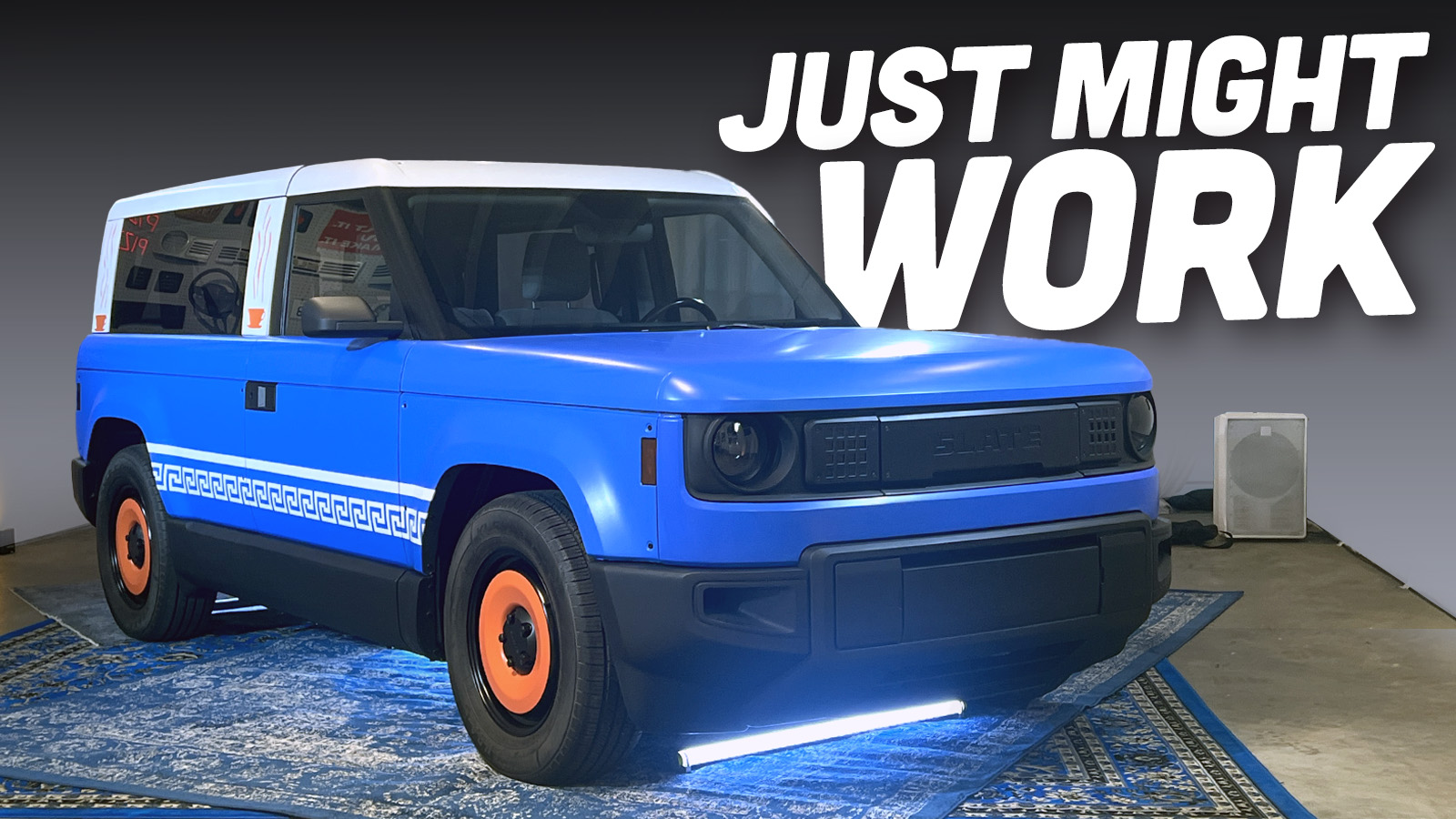
One of the biggest questions in the automotive world for 2026 is whether Slate’s electric pickup will succeed. It was revealed just over a year ago, and back then, the U.S. still had a federal tax credit that would push the truck’s price to around $20,000. It was a glimmer of hope in a world where affordability is at the front of mind for buyers, with fewer and fewer options to choose from.
Now that tax credit is gone, demand for EVs in general has flattened out in the United States. Our very own David Tracy argued, perhaps rightly, that the Slate truck would be a far more appropriate “people’s car” if it just had a simple, four-cylinder gas engine rather than an EV powertrain. He also argued that such a bare-bones vehicle, which doesn’t come standard with stuff like a stereo or exterior paint, simply isn’t competitive against entry-level crossovers or its most direct competitor, the Ford Maverick.


David made some great points in that post, and I don’t necessarily disagree with them. But I also don’t think it’s fair to count out the truck entirely. I feel especially strongly about that after spending some time actually sitting in a Slate prototype, and speaking to its designers.
The Right Size And The Right Shape
The Slate truck has a simple, straightforward mission: To offer one of the most affordable new vehicles on the market that people will actually like. That means it has to appeal to a wide range of buyers, which requires a bit of a balancing act.
“We knew that this thing had to at least be customizable from the ground up, so we wanted to have something that’s very simple, yet, I would say timeless,” says Gus Bizyk, Slate’s head of exterior design. “That way, it doesn’t stick to a certain time period.”
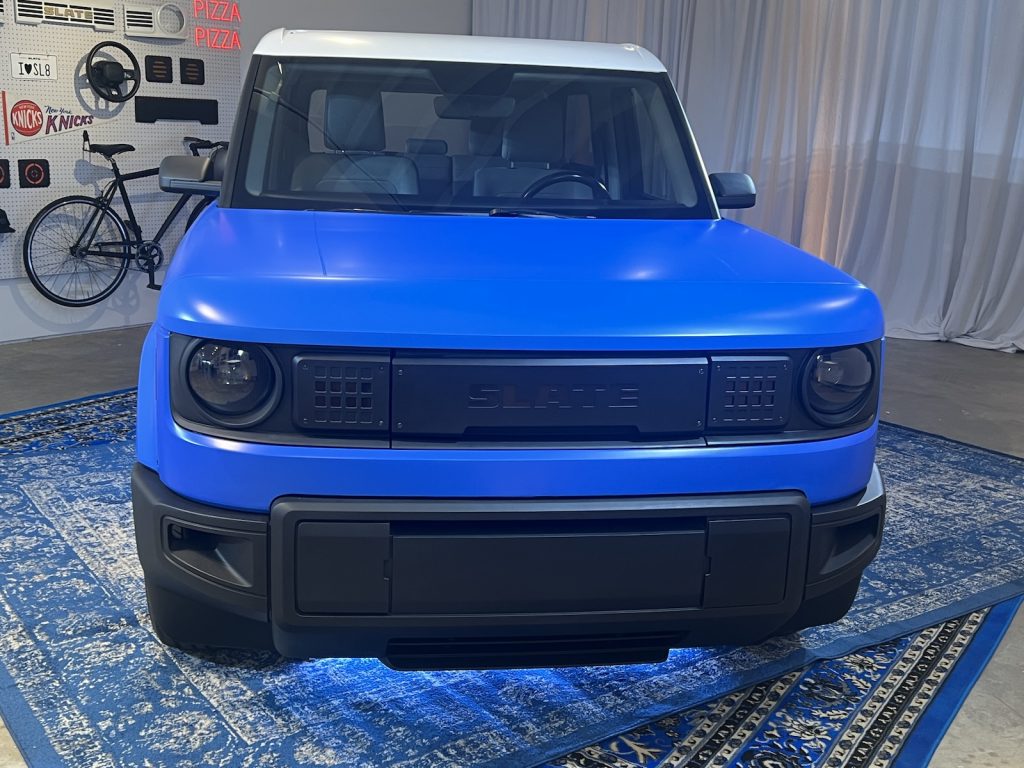
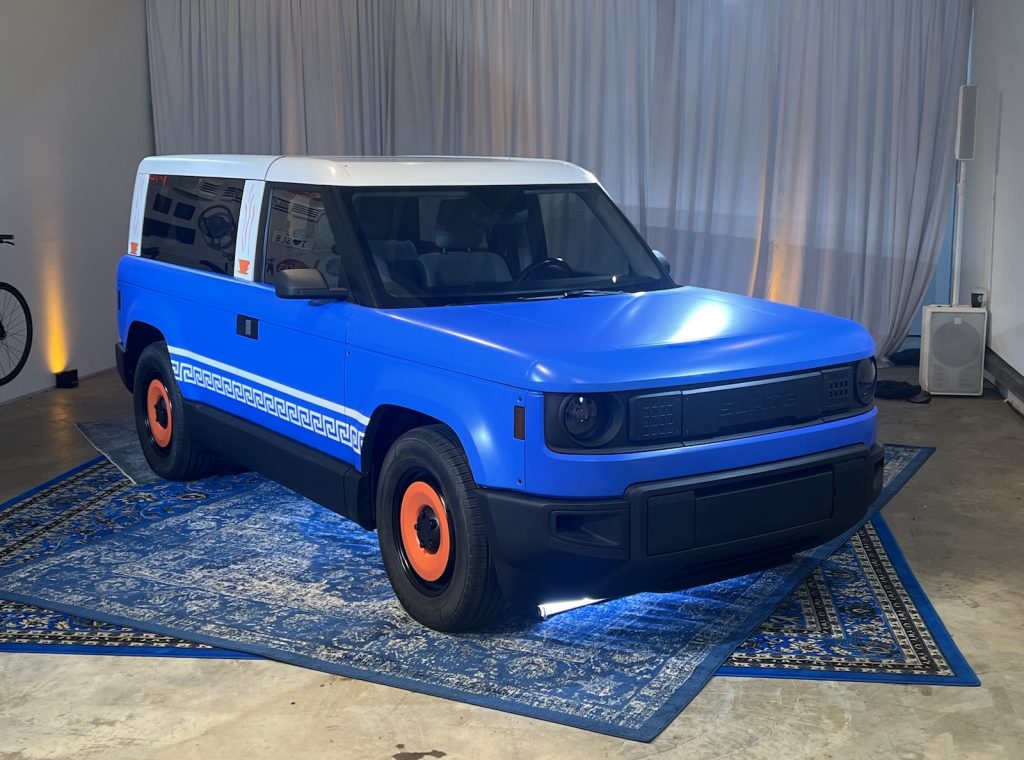
Slate’s whole schtick is that pretty much everything you see on the truck is customizable in some way. You can add wraps to the unpainted composite body panels, switch out the fascia, bolt accessories to the dashboard, and even turn the truck into a two-door SUV with a set of rear seats. The company’s configurator tool is one of the most detailed I’ve seen outside of internal tools for hyper-exotic carmakers.
When Bizyk brought this up, I immediately thought about the Slate’s perfectly round headlights. I’d argue that the prettiest cars ever built all have round headlights, and that the automotive sector’s move away from round headlights was where we started going wrong as a society. So I asked whether the truck’s round headlights were purposeful in winning people over. Bizyk brought it back to customization possibilities:
“We knew that we wanted to make this thing as customizable as possible. So one of the things that we noticed in the very beginning, a seven-inch round [headlight], if you go online, you’ll be able to find a whole vast area of different types of aftermarket headlights,” he told me. “So with that in mind, you know, we want to make this thing, I would say, customizable. But also, I would actually use the term open source. That’s the thing. We want to be able to have people 3D-print parts, but also buy whatever they find alluring online, and just be able to place it in. So those are the things that we’re working on for this.”
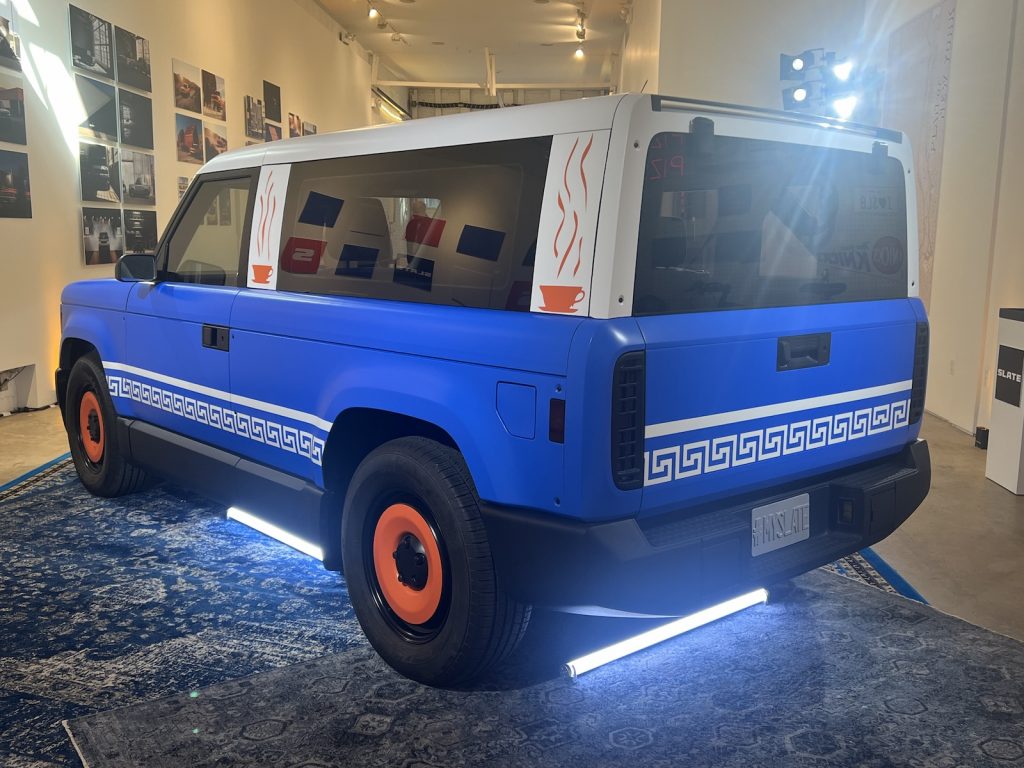
This level of customization, where buyers can easily swap out things like headlights, grille pieces, interior trim, and even body panels with little more than a few hand tools, does more than just give people the opportunity to customize their rigs. It also unlocks the ability for owners to upgrade their cars as new and improved accessories and tech become available. I asked Slate’s head interior designer, Aaron Gold, about the standard phone mount, and he told me that the actual size of the mount is still being finalized. But even after it hits production, it can still evolve and be easily switched out by customers.
“One of the coolest things is that the way the dashboard is designed,” he told me. “[The phone mount] isn’t integrated into the vehicle, right? So it’s something that I can change with technology. So if in a year we’re using some magical little floating guy who’s an AI [chatbot instead of our phones], we can make that work, right? So we’re not locked in, which is something that’s super cool.”

This, to me, is the main reason I think fleets and commercial users will be intrigued by the Slate truck. The ability to upgrade parts as necessary to keep up with their specific use cases feels like an appealing trait and signals that the Slate isn’t the type of vehicle that needs to be quickly disposed of after a few years of service. Plus, fleets can easily repair and replace damaged panels on the fly, which means less downtime spent at body shops.
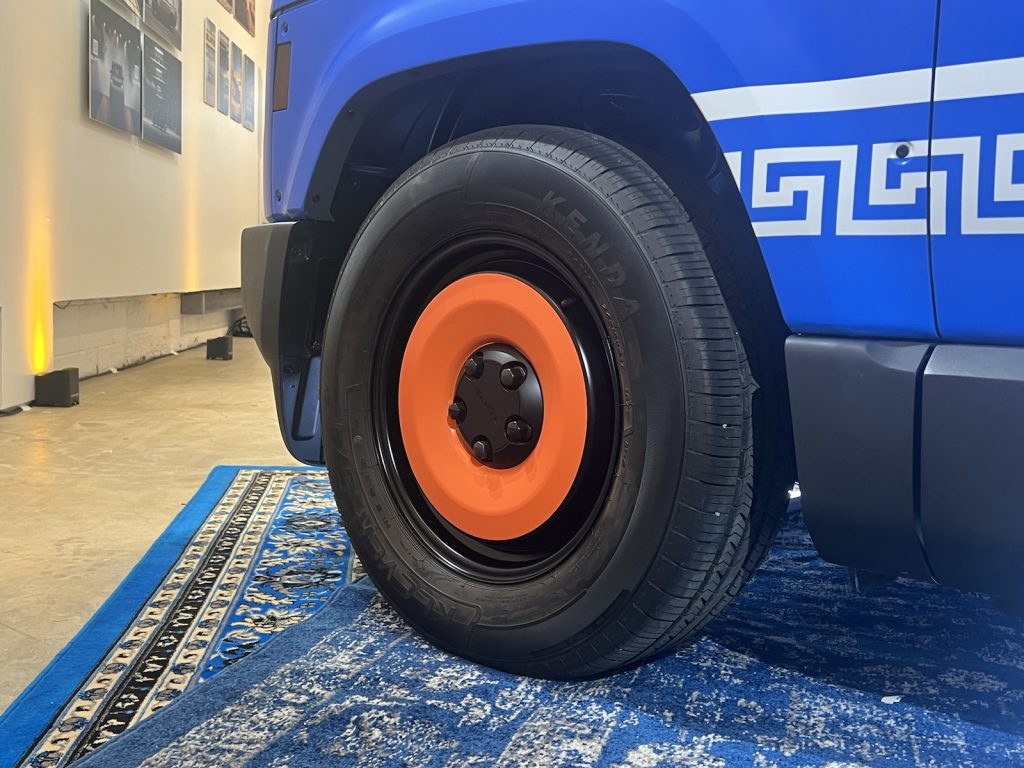
For retail buyers, this goes back to one of Slate’s principal arguments about offering a wide range of accessories. Owners will only buy the stuff they truly want, and none of the stuff they don’t.
“Typically, you’d say, ‘I’m just, I just need this, right? A vehicle that gets me from A to B,'” says Meredith Alves, Slate’s head of Color, Material, and Finish. “But you happen to want, like, the stitch or something, and then all of a sudden you’re given all these features that you’re like, ‘I’ll never use that.”
I Don’t Mind The Interior, But It’ll Be A Shock For Normies
One of the big arguments David made in his Slate post was that the interior was too bare-bones to be competitive in the cheap car segment. And he’s right in the sense that there is basically nothing to the Slate’s cabin. There’s a steering wheel with cruise control functions, a column shifter (nice), three knobs for climate control, and a couple of buttons on the left for stuff like turning off traction control and opening the frunk.
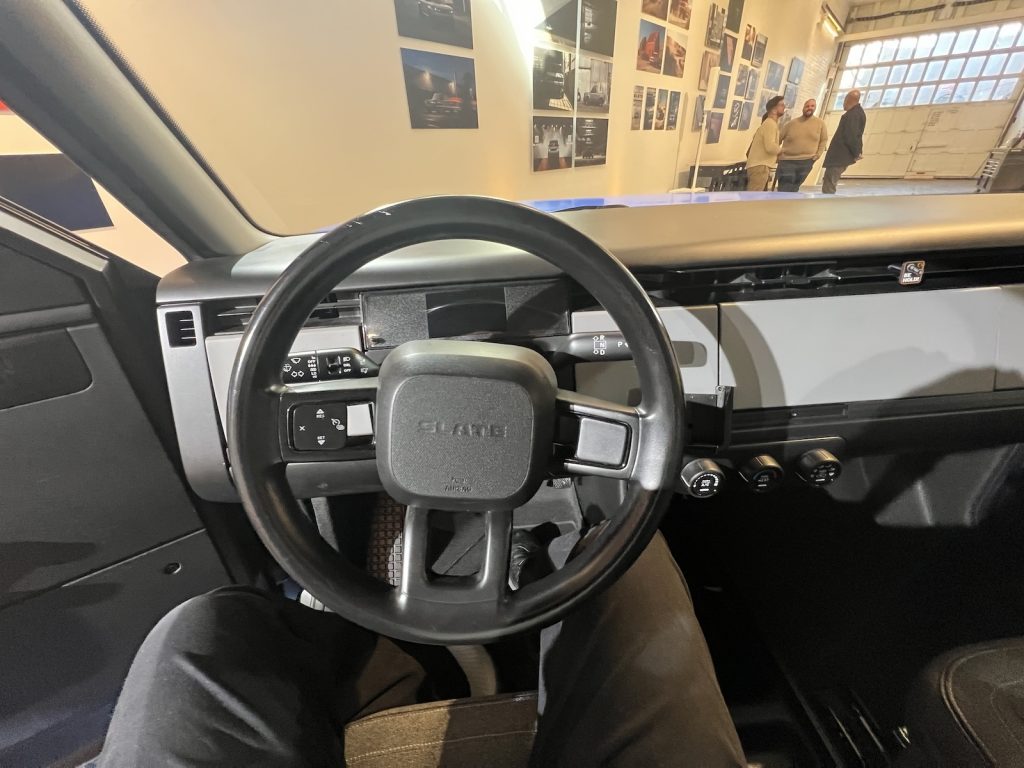
For me, as a person who both loves old trucks and often spends time in stripped-out, basic vehicles, this is a welcome sight. A vehicle with no screen, a round wheel, and analog HVAC controls is incredibly refreshing in a world dominated by seas of touch-capacitive buttons and gigantic screens.
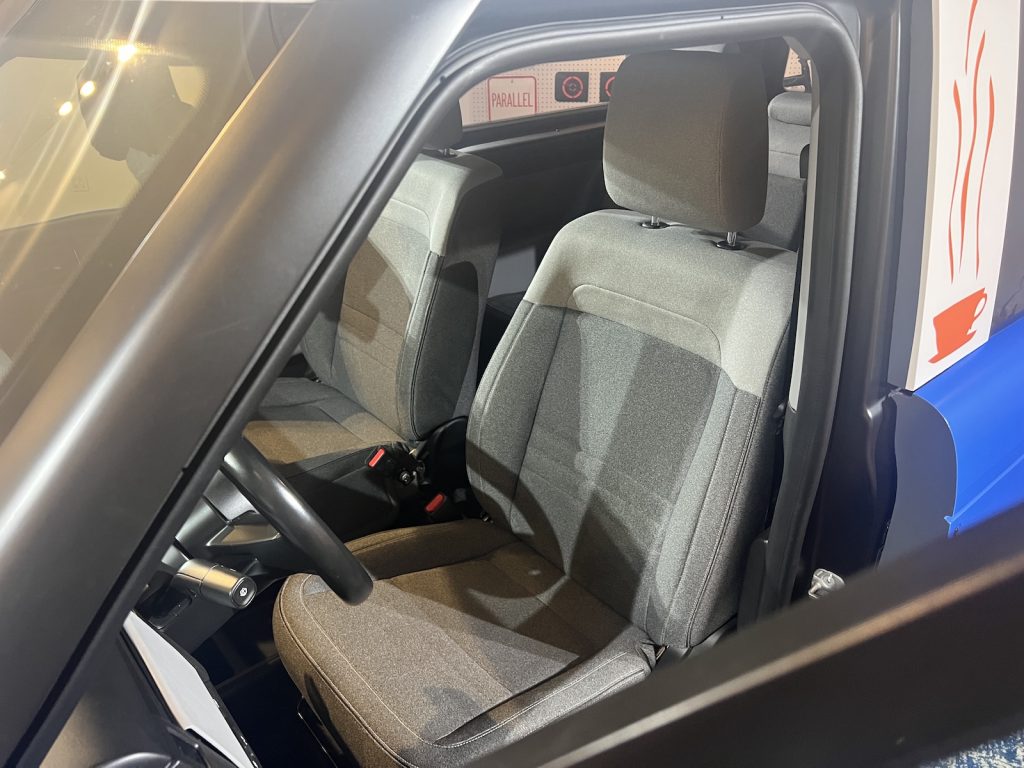
The seats are fully manual and covered in a stitched fabric instead of fake leather, which warms my heart. Famously, there are manual crank windows in place of power-operated units. The SUV version I got to spend time in had a rear bench, which had absolutely zero amenities aside from a couple of cupholders. It’s a minimalist’s dream car.
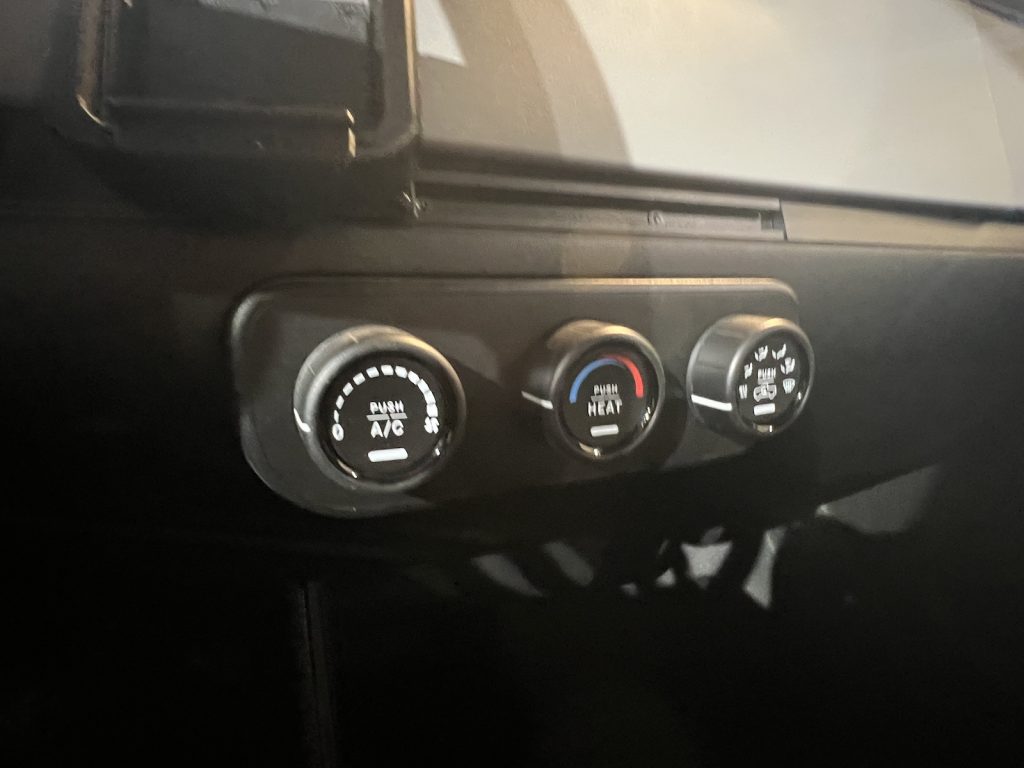
The thing is, the average buyer is now used to seeing screens and buttons everywhere, so seeing a truck without any of that stuff might be jarring. Sure, you can add some of that stuff back in, but it comes at a cost. Every accessory is an optional extra, adding to the bottom line of a car that’s supposed to be one of the most affordable vehicles in America. As David pointed out, you get a lot less content per dollar versus something like a Maverick. And the downside of nothing being integrated into the dash means it’ll be a hodge-podge of bolt-ons you’re looking at, not a cohesive, sleek dash with an integrated screen.
Coming At The Right Time
There is hope for Slate, though. Over 100,000 people put down reservations for the truck in the first few weeks following its announcement. The disappearing federal tax credit may have killed some of its momentum, but that’s still a lot of potential buyers showing interest. It’s not a make-or-break statistic, but it’s proof that people are interested in the concept.
While demand for electric vehicles is slowing down compared to last year, it’s possible things could turn around, thanks to the conflict in Iran. Rising gas prices have resulted in a surge in interest from buyers for “electrified” models, including hybrids and full-on EVs. Hell, even I’d consider an EV after having to drop $111 to fill up my Audi’s gas tank over the weekend. I wanted to throw up.
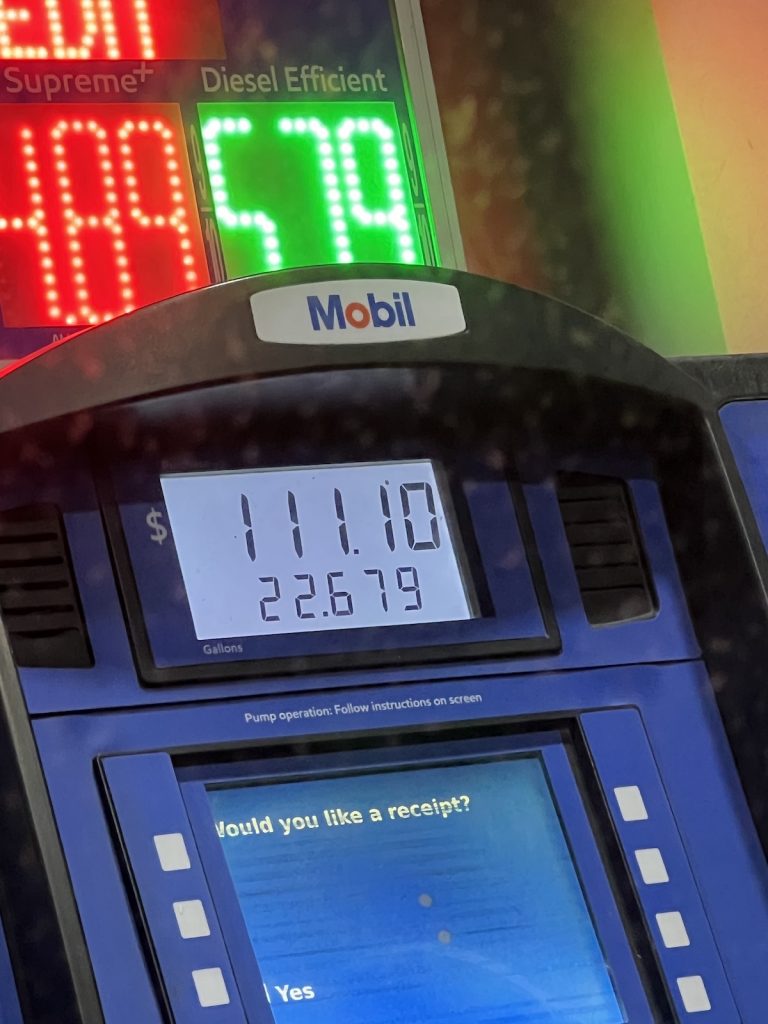
These gas prices aren’t set to go away any time soon, which means people who probably thought they wouldn’t own a Slate because it was no longer the $20,000 deal the company advertised might reconsider when they get the email later this year that their car is ready for delivery. But even if those people want an EV, would they actually choose the Slate? Perhaps. But also, perhaps not.
There Are Still Questions
Even if you’re sold on the accessories, you might not be sold on Slate’s fundamentals. There are just two battery sizes available right now: A standard range setup that’s good for 150 miles of range, or an extended-range battery that Slate says can go 240 miles on a charge.
Neither of those numbers is great. The Chevy Bolt, the cheapest EV currently on sale in America, starts at nearly the same price as the base Slate truck, and it gets 262 miles to a charge—that’s more range than the Slate offers, even with the optional battery. Sure, it doesn’t have nearly as much utility, but it does come standard with a better-equipped interior, more doors, and more seats.
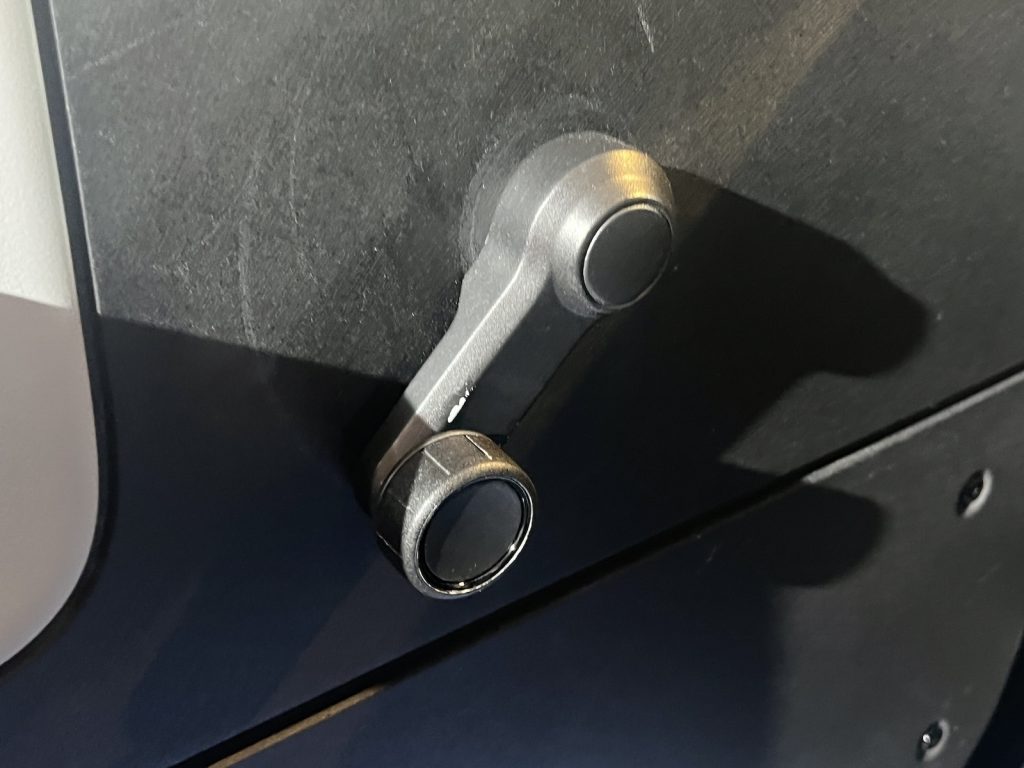
The base 150-mile rating might’ve been acceptable 10 years ago, but these days, even the 240-mile range will have many buyers second-guessing their decisions. A decade ago, there wasn’t a swath of used, highly affordable EVs for people to shop against new models, either. In this price range, you have to assume people are shopping new and used to extract the best value. Why buy a Slate truck when, for a few thousand bucks more, I can get a whole-ass used F-150 Lightning instead? And if you don’t absolutely need an EV, certified pre-owned Mavericks are thousands cheaper than the most affordable Slate truck.
Whether high oil prices and the ability to easily customize and repair the Slate truck are enough to win over buyers from established brands is unclear right now. But I think there’s a lot to like about Slate, especially if you need a fleet of trucks that don’t travel huge distances every day. Given the truck’s small size, I could see them taking over the contractor arena in metropolitan areas with ease. With deliveries still set for Q4 of 2026, we won’t have to wait long to find out.
Top graphic image: Brian Silvestro





One of the reasons I’m into bicycles is I can modify them so easily. I’m a big proponent of buying used, modifying to meet my needs and upgrading over time. My current daily bike was purchased after it was damaged in a garage fire, rehabbed, rebuilt as a mountain bike, then an urban commuter bike, then an e-bike, and now an e-bike kid hauler.
If this Slate allows a similar kind of process, I’m very interested.