

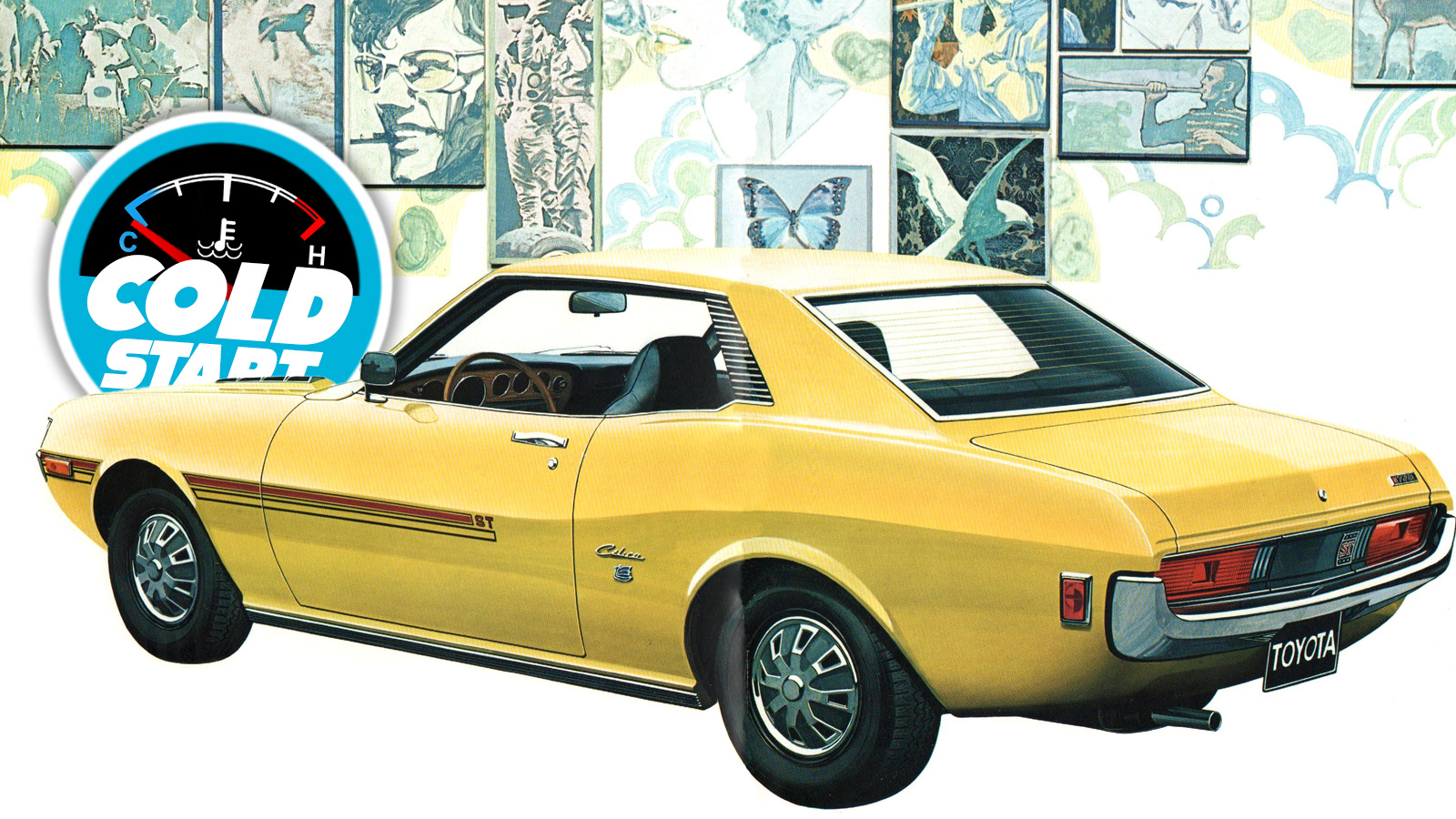
I’m here at a colossal, fancy resort in Ojai, California for a Toyota event about some cars I promised them I wouldn’t tell you about just yet. But I think I can tell you that these cars must be very, very important to Toyota, who seems to really want all of us – and there’s a lot of journalists here– to like them, lots. Which, of course, I get. That’s their business. Mine is to drink gins and tonics, soil hotel bedsheets, and try to figure out what’s interesting about these cars. But, I can’t do that yet – the last thing, I mean, the other two are well under control. So instead, let’s look at this old Toyota brochure from 1971.
A lot happened in the year 1971; Intel released the first single-chip microprocessor, the 4004; A Clockwork Orange, Dirty Harry, and Willy Wonka and the Chocolate Factory were all released; and I was evicted from the womb. Also that year brought the first Toyota Celica (well, I guess it technically came out in December of 1970, but close enough) which was targeted at the North American market and, specifically, the Ford Mustang.


In the same way that the Mustang was based on a modified Falcon unibody/platform, the Celica was also based on a more mass-market sedan, the Carina. These first Celicas were really handsome little cars, with a B-pillar-less hardtop design and some really satisfying proportions. They filled Toyota’s sportscar niche that was once filled by the car I wrote about on the last Toyota event I went to the Toyota Sports 800.
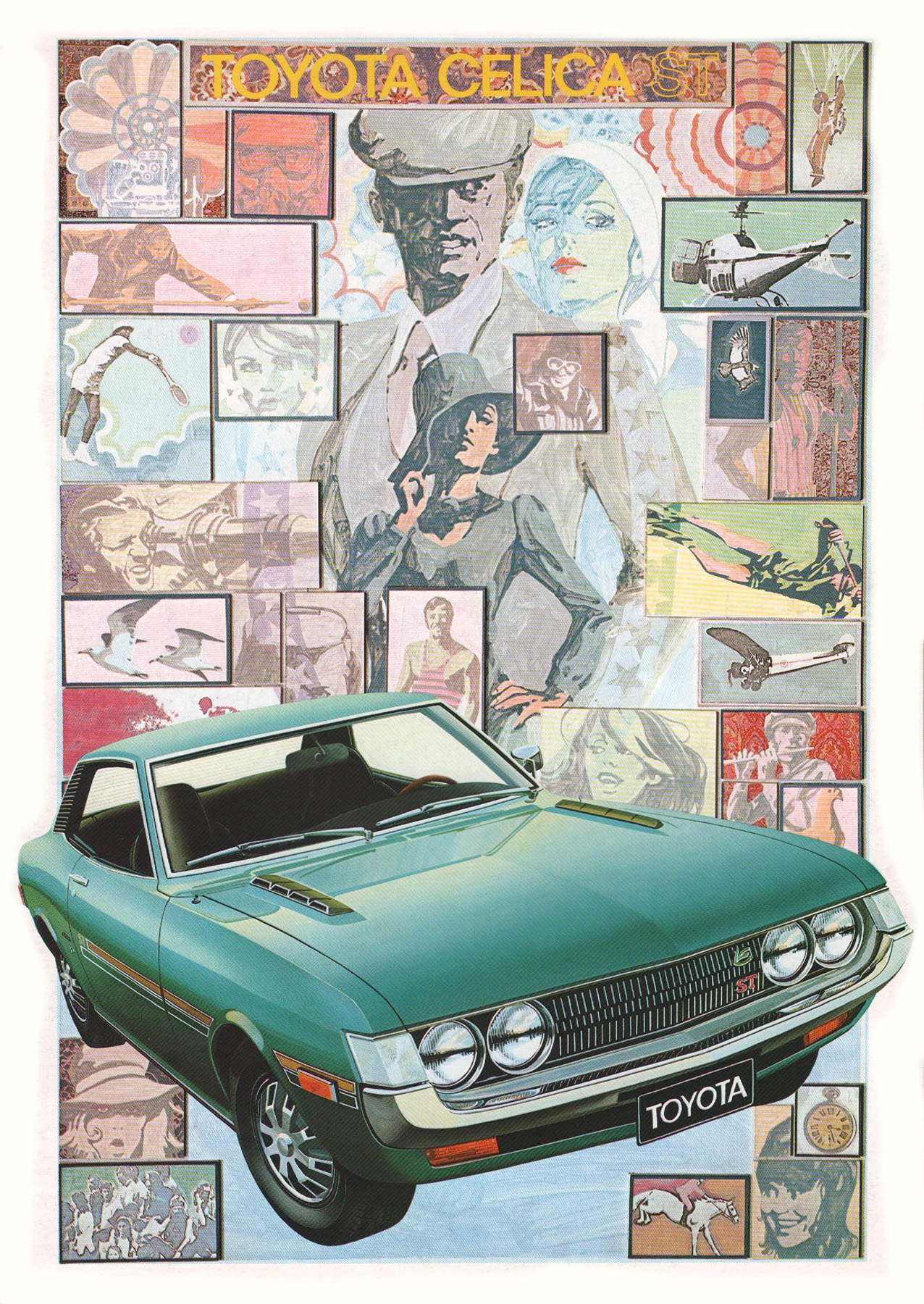
I want to look a bit at this pretty amazing ’71 brochure for the Celica, because it’s full of these peculiar type of illustrations that were popular in the early ’70s, reflecting a strange fixation with 1920s style and culture. There was a reason the first major film adaptation of The Great Gatsby came out just 3 years after this.
Also, it’s worth appreciating the style of the Celica; I really like it’s face, framed by that elongated-U-shaped bumper that merges, pleasingly, into those white sidelights. Those plastic hood heat-extraction vents on each side are a little strange, sure, but the look just works.
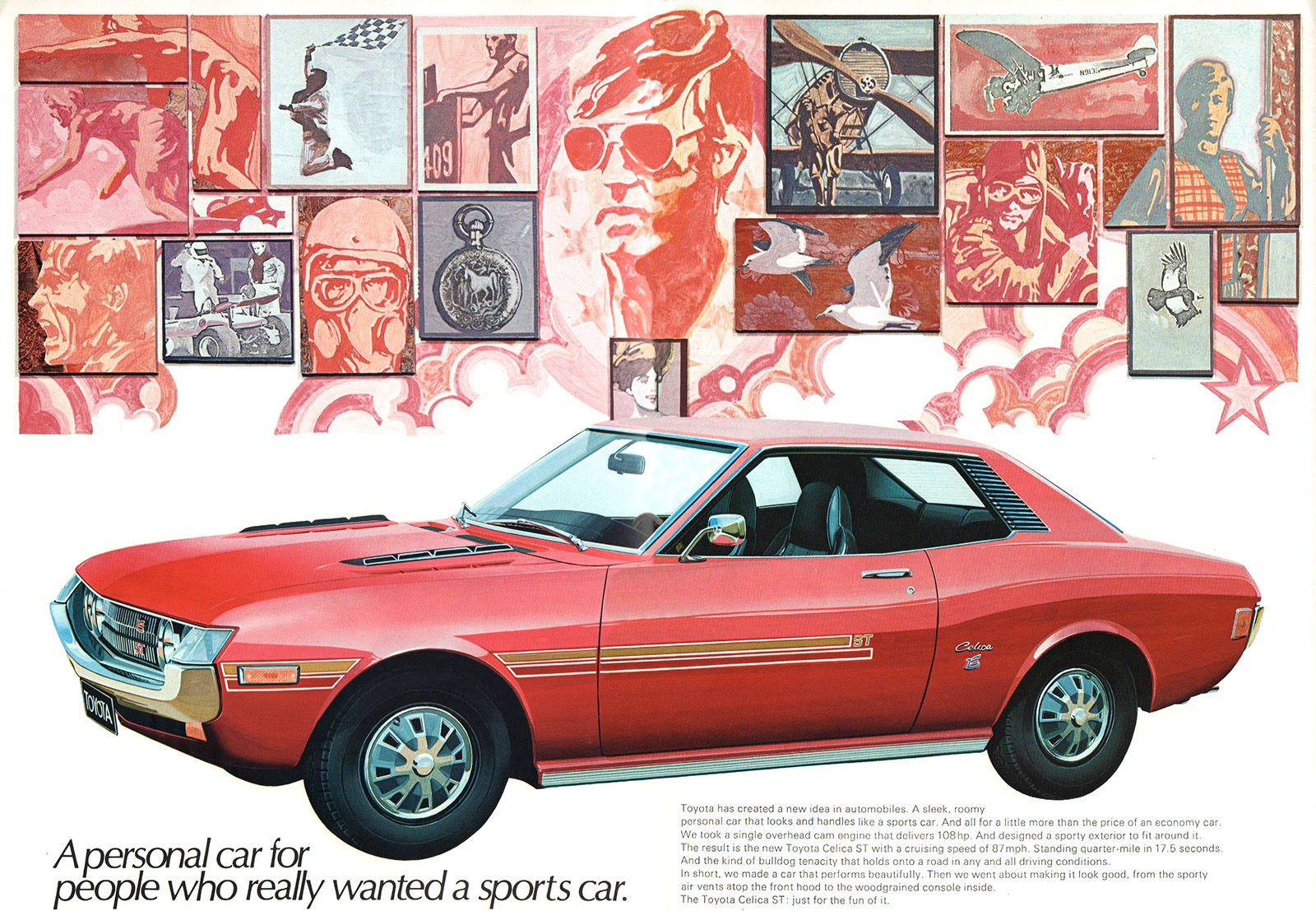
Look how great that lack of a pillar looks! And those door handles; I forgot how elegant and slim early Celica door handles were! Also note Toyota’s use of the “personal car” name, a concept and category that has mostly disappeared today, which is a shame. The personal car existed in a nice blurry space that let it be something of a sports car without having to, you know, prove anything.
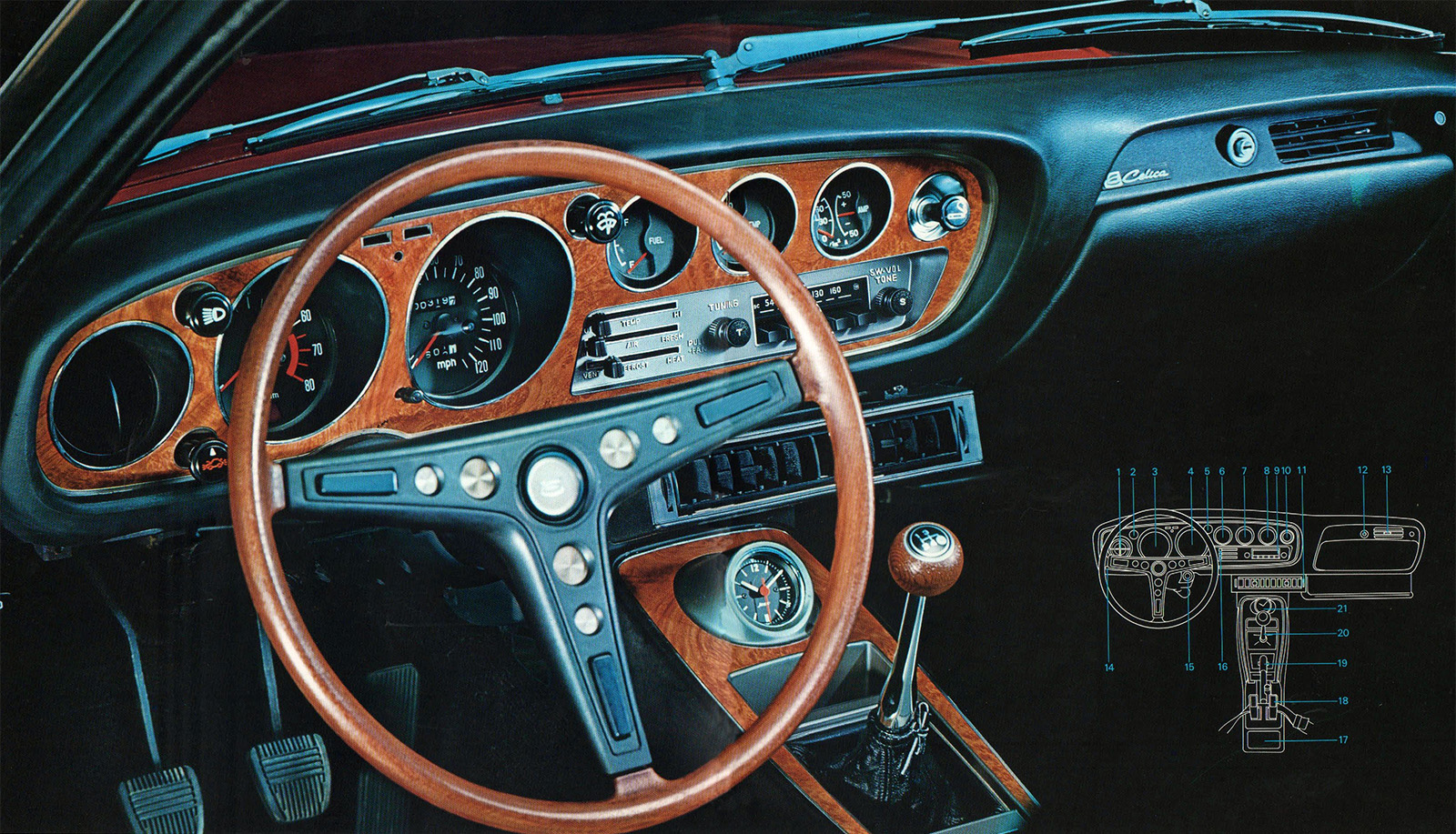
This is a fantastic dash, too. Look at that big clock mounted right above the shifter, ad all those deep-set gauges, but what really catches my eye is the weird graphic on, of all things, the hazard light switch:
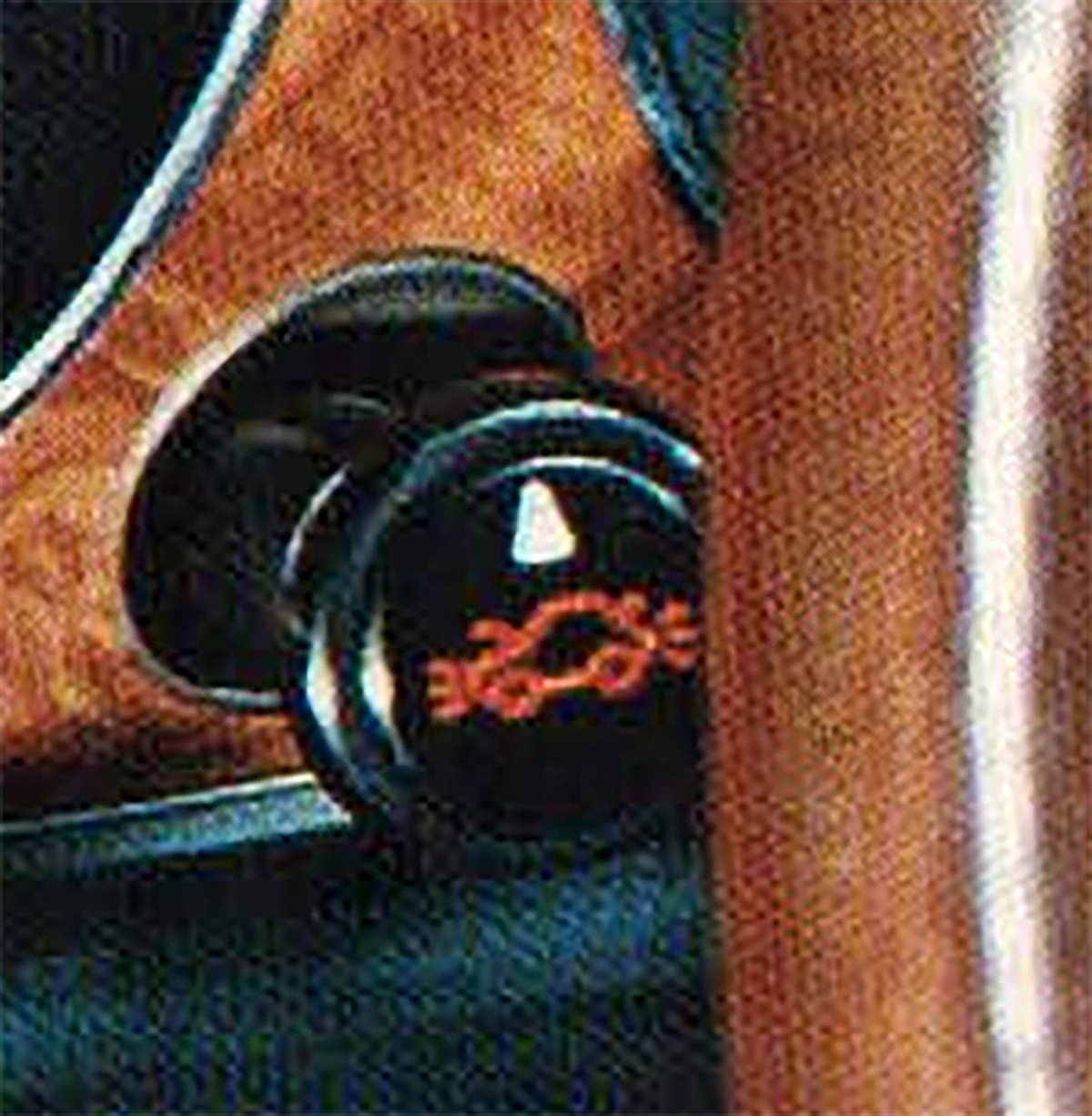
Hazard lights were first mandated in, I think, 1967, though some cars had them a year or so early. The triangular symbol we associate with hazard lights today wasn’t common yet, and many just had the word HAZARD printed excitingly on them. This iconography is like nothing I’ve seen before: an outline of a car with hood and trunk open, light flash (or noise, depending on the context) lines emanating out of both ends.
It definitely gets the idea of what the switch does across, just in kind of a fun cartoony way.
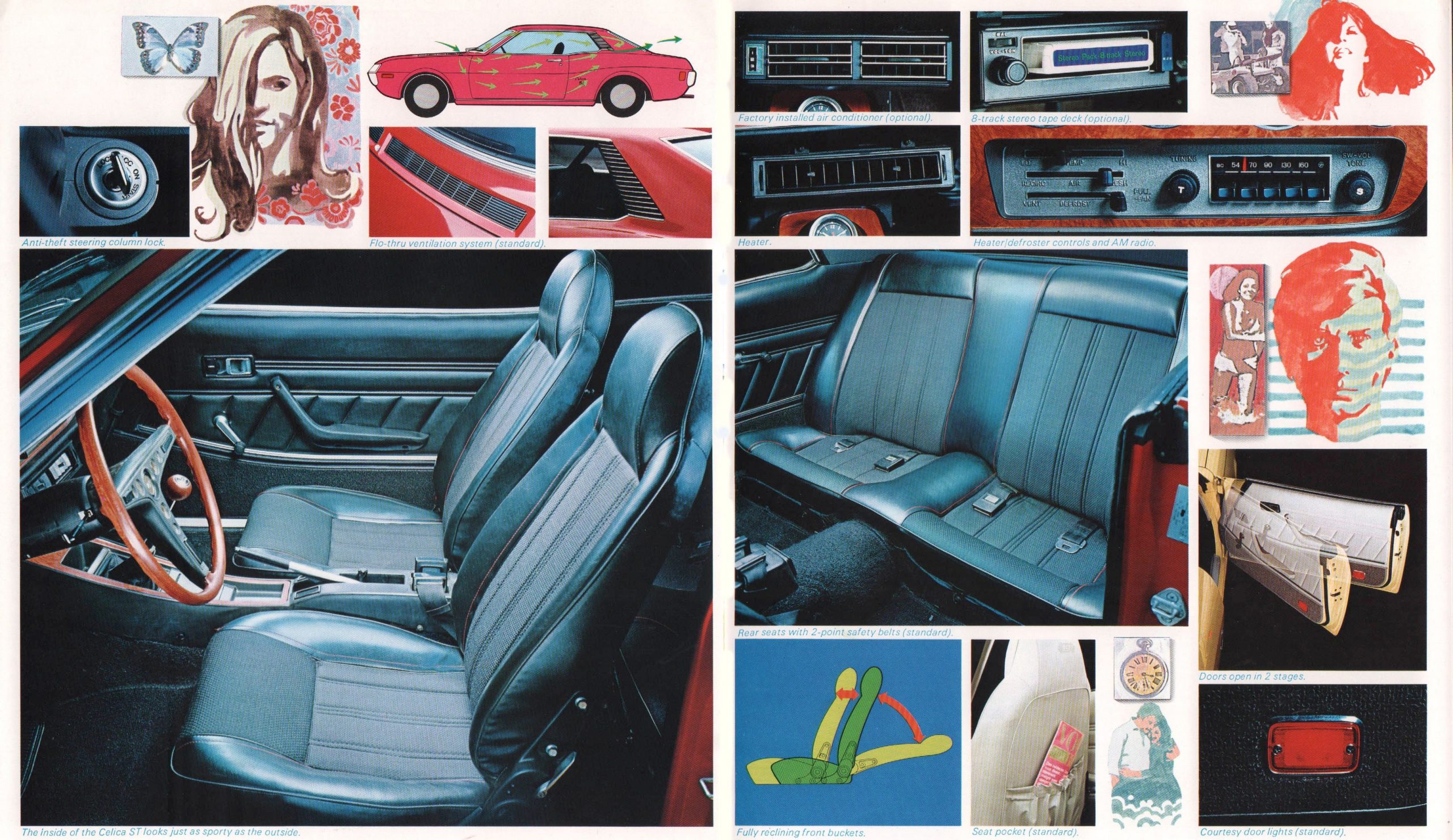
This spread shows a lot of good details, interspersed with some illustrations that don’t make a hell of a lot of sense to me. Take that dude’s head in the mid-right there; why does he look so damn intense? He reminds me of a particular kind of guy seen on old sci-fi paperback covers:

He’s got that same kind of scientist-pushed-too-far look, doesn’t he?
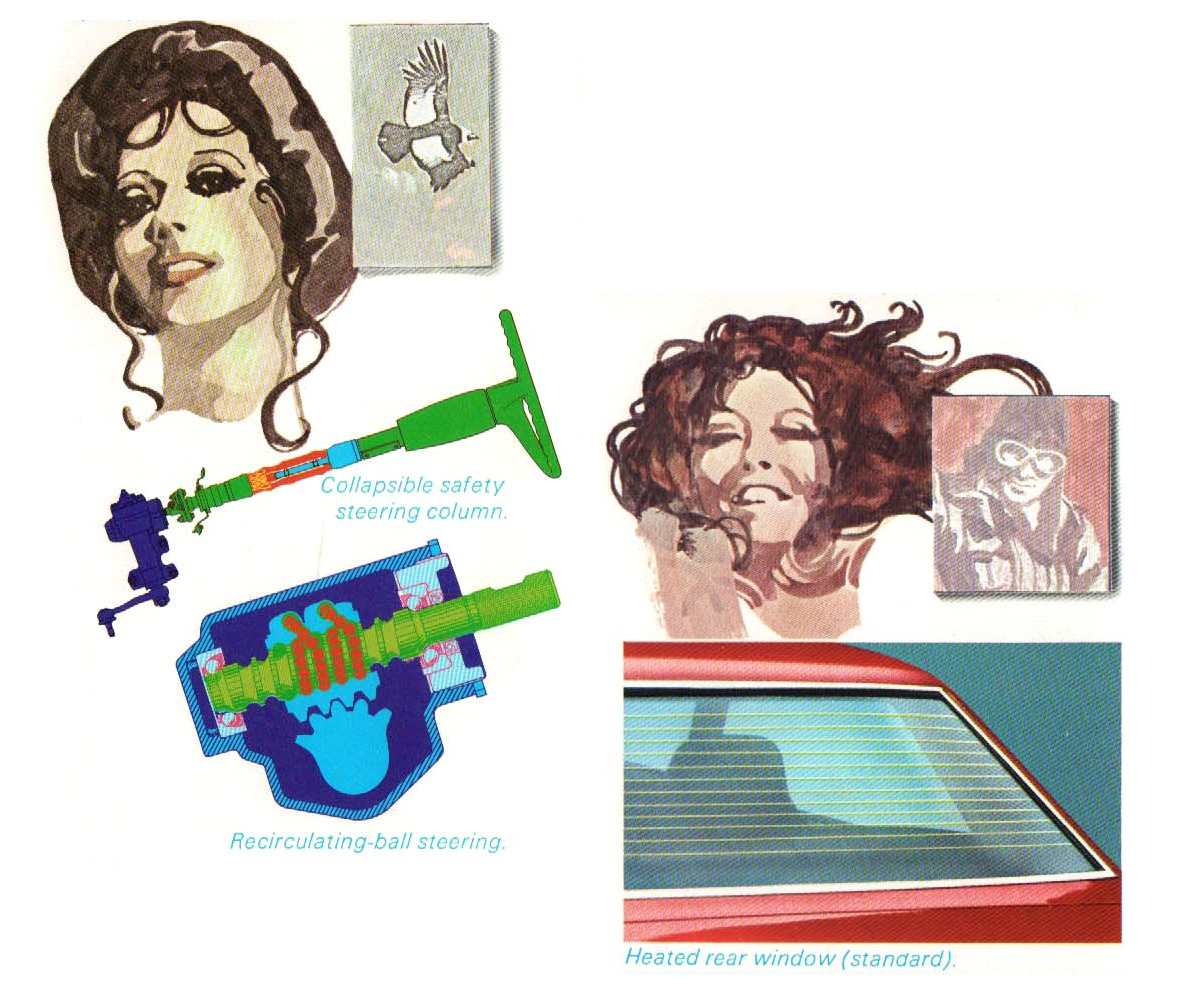
And what the hell do a woman and a soaring hawk have to do with a collapsable steering column? Or a windblown woman and an aviator/aviatrix have to do with rear window defoggers?
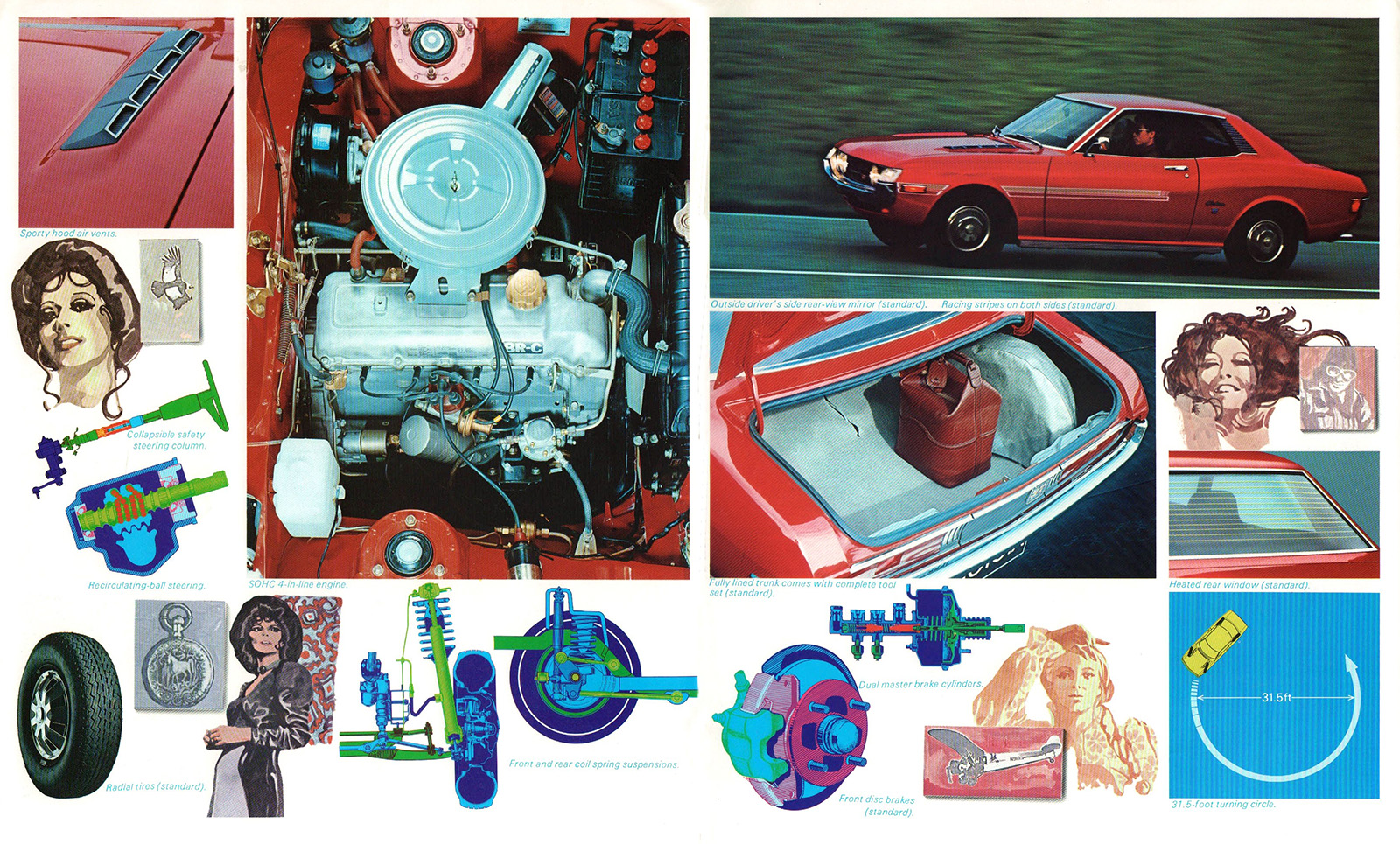
There’s more on that spread, of course. I like how under the picture of the car driving in the upper right the caption notes that the racing stripes are on both sides. Woo-hoo-hoo, what is this, a Rolls-freaking-Royce? Stripes on both sides? Just like a yacht! A yacht with stripes!
Also, that trunk picture is lazy. Just one bag? Come on!
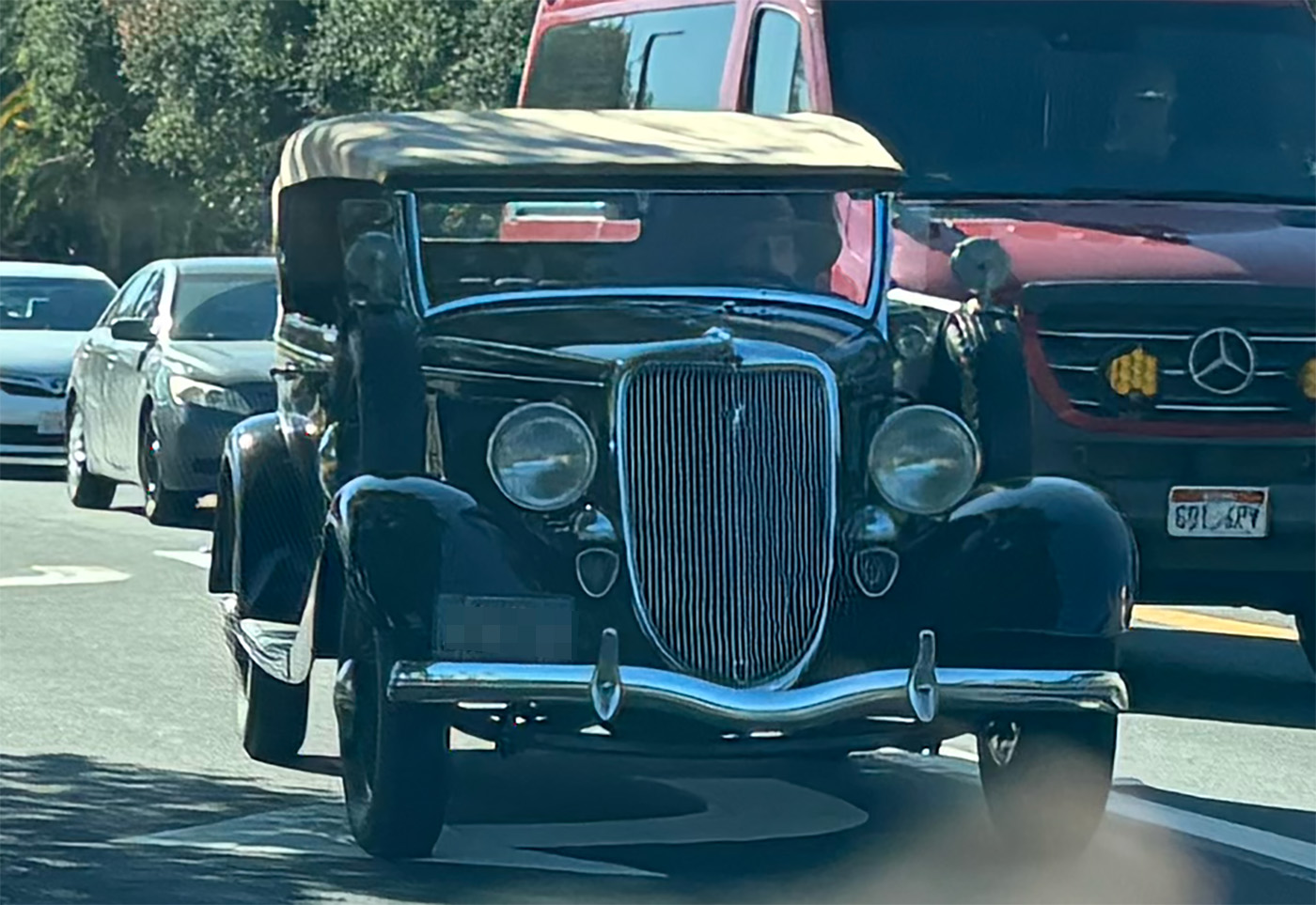
I also just want to show you this lovely old Ford V8 – I think this is a 1934 Model 40, but I’m not an expert on these. This car had what is usually considered to be the first widely affordable V8, the flathead V8, an engine that stayed in production from 1932 all the way into the early 1950s. It was great to see someone out driving theirs, and I never really appreciated before how the little horn grilles sort of mimic the shape of the main radiator grille.
I gotta get to sleep; those sheets aren’t going to soil themselves, after all.


My aunt owned a hatchback Celica which I thought looked really cool. It was brown which helped hide the rust that developed after a few years. A curse for many early Japanese cars.
I had a ’76 GT Liftback without power steering. It was amazingly high-effort for a small car.
Tell me about it. I had a 89 Civic Si. Brutal in the parking lots.