

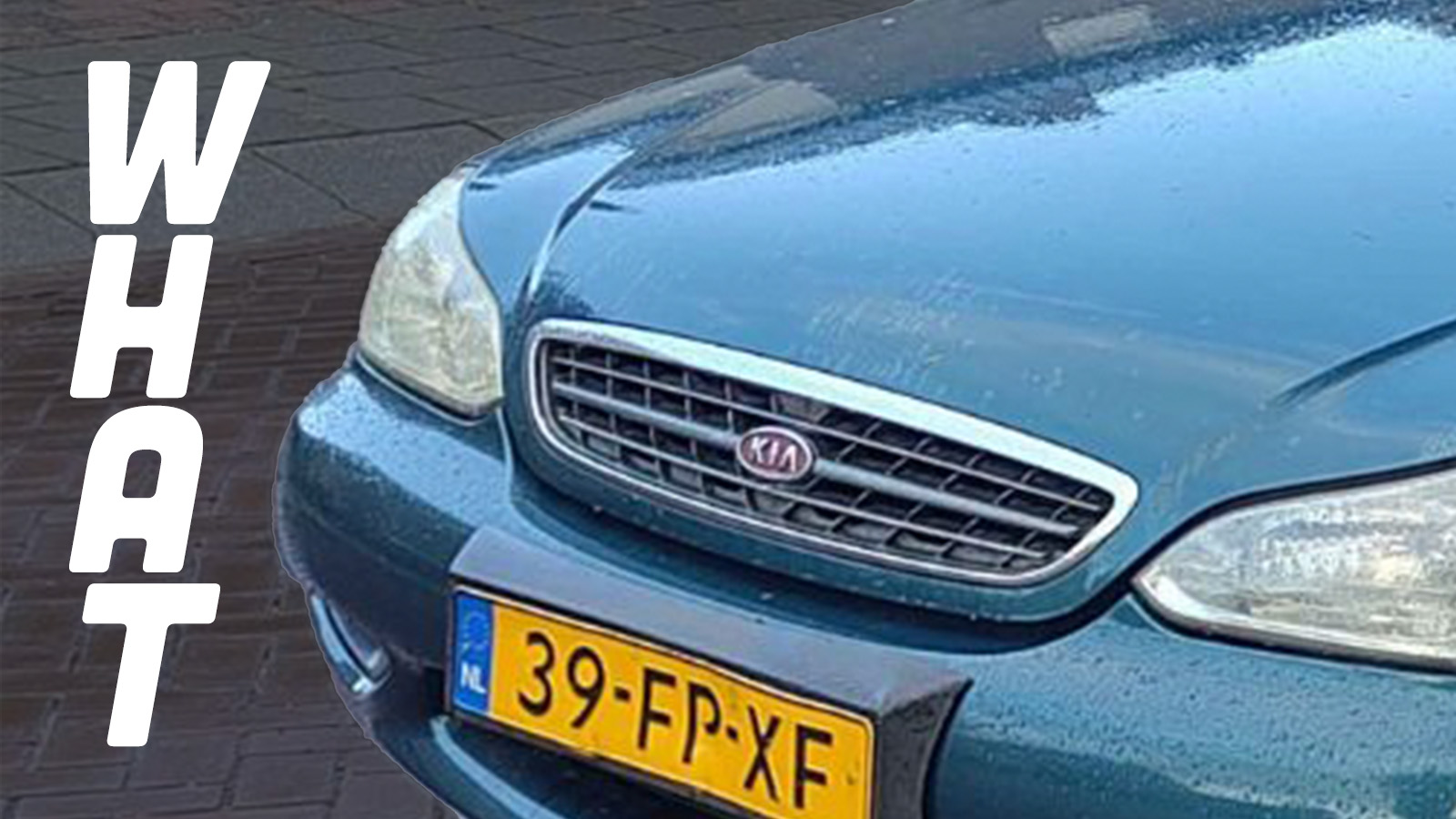
Earlier this week, Matt included a mention of the Kia Clarus wagon in The Autopian’s TMD. That immediately sent my Weird Car Sense twitching, because I find the Clarus actually incredibly fascinating. Partially for what it is, but also what it isn’t – or what the car it was based on, wasn’t. Does this sound like I need to explain it a bit?
To put it short, the Kia Clarus station wagon, or the Credos Parktown as it was also badged in its South Korean home market, is a wagon version of a Mazda-based Kia, but it’s based on a car that wasn’t available as a wagon from Mazda.


This means Kia cooked up a wagon by itself, which also explains the blob-like design a bit. The Clarus wasn’t destined for success, even less in wagon form.
Japanese Long-Form Wagons
Mazda, like a number of Japanese manufacturers, usually kept making wagons longer than the sedans of a given generation. Wagons, for Toyota, Nissan, Honda et cetera meant an option of making a cargo version as much as a sportswagon or a family hauler, so Japanese market model ranges often included a completely bare bones version with unpainted bumpers, dinky little steel wheels, vinyl seats and sometimes a column shifter, depending on the powertrain.

For instance, Nissan offered two wagons out of the B11 generation Pulsar/Sunny/Sentra: the more rakish wagon that was sometimes sold as the California, and the more upright wagon that was also sold as the AD Van, sometimes with round headlights and zero equipment.
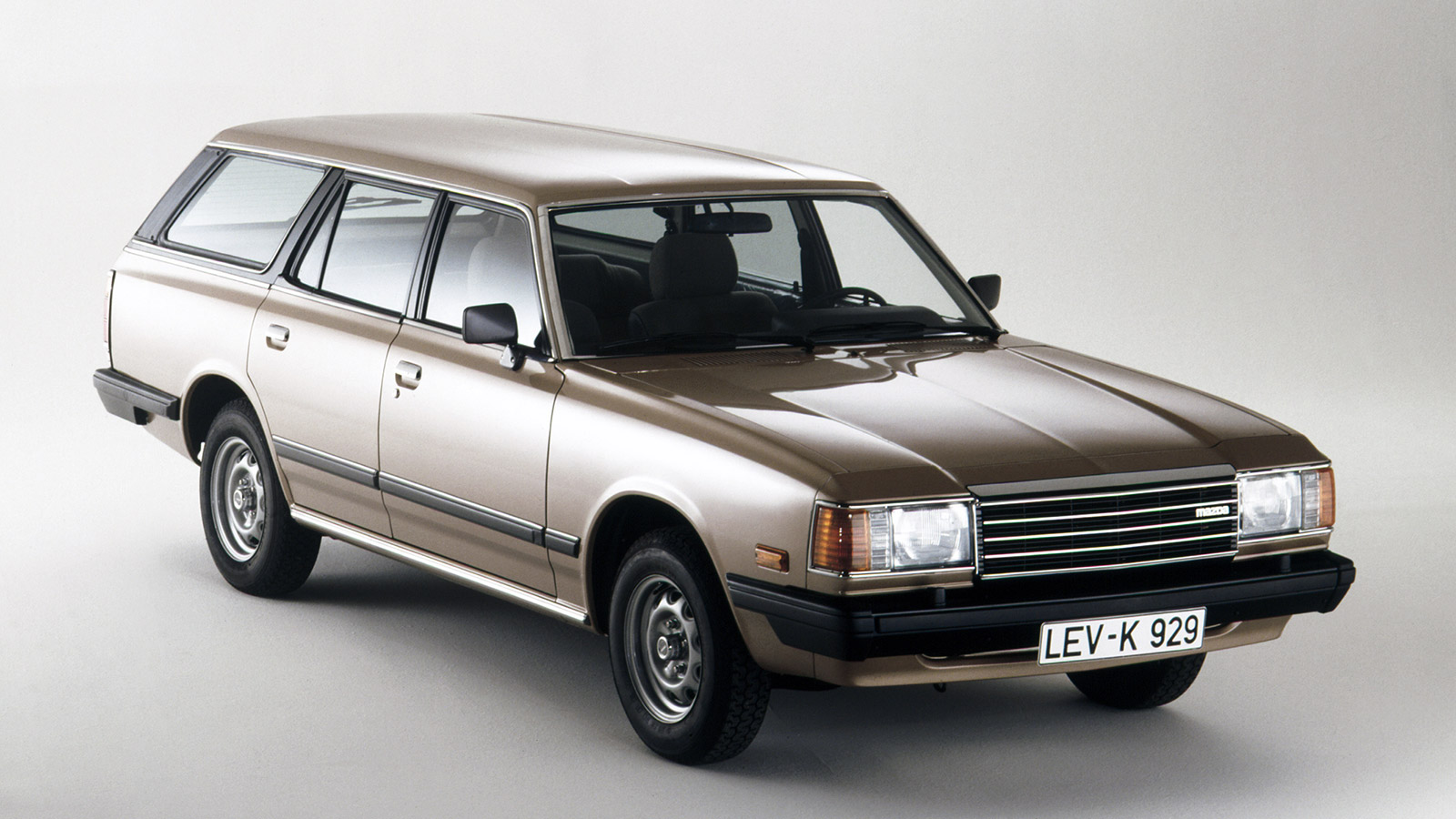
Mazda did this with the 323, 626 and 929. The rear-wheel-drive late ‘70s 929 was sold until the late 1980s in van form, which also meant it saw two different 929 generations introduced after its own sedan version had already gone to a farm upstate. It was also built until the 2000s in China by Haima (Hainan-Mazda).
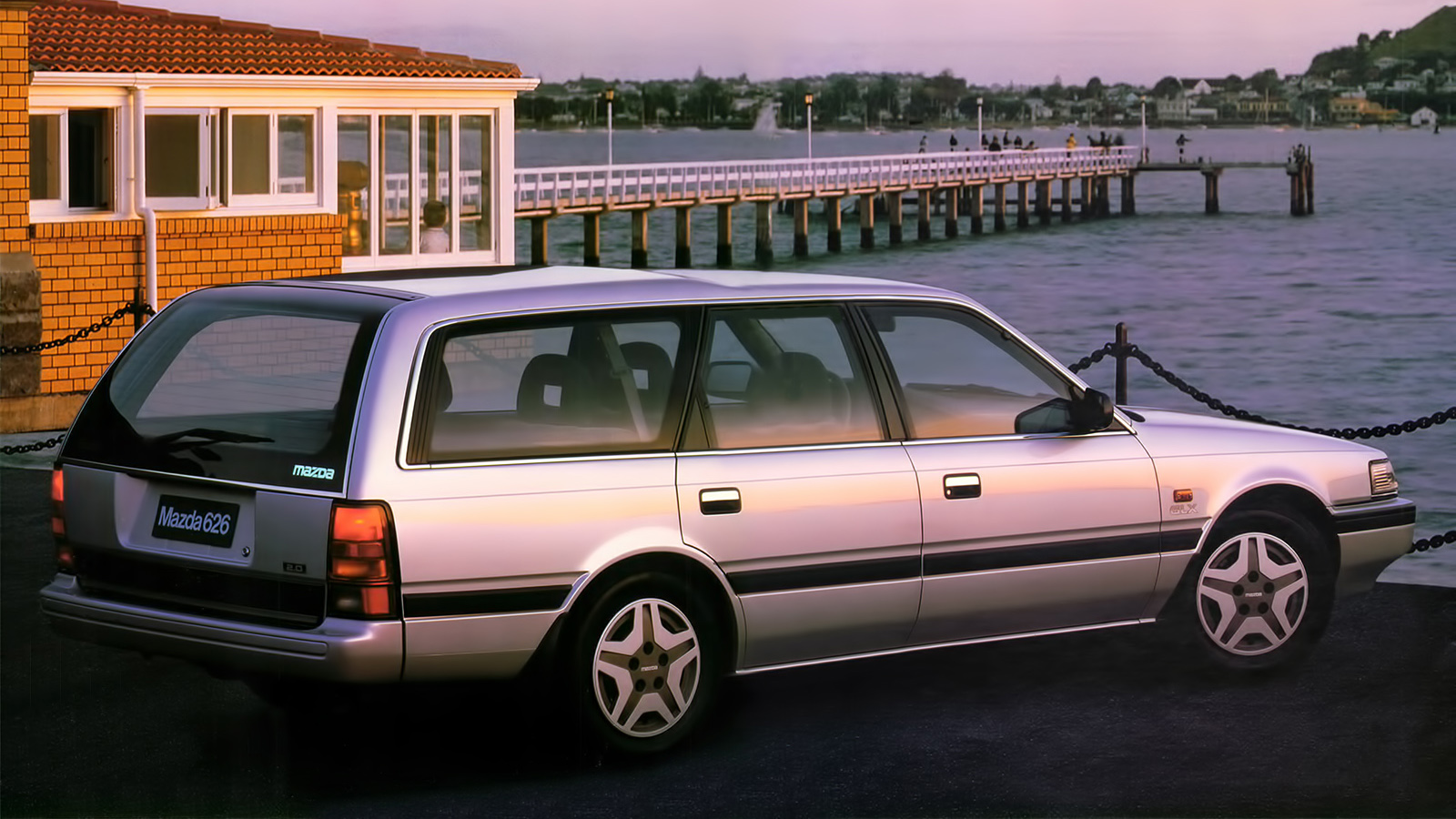
The 1988 626 wagon was the first wagon for the 626 model range, and it also stayed in production quite long, til the end of the ’90s. The 1987-introduced GD generation was a good update for the 626, and it also brought things like four-wheel steering and four-wheel drive, and formed the basis for the Ford Probe. The wagon received the model code GV.
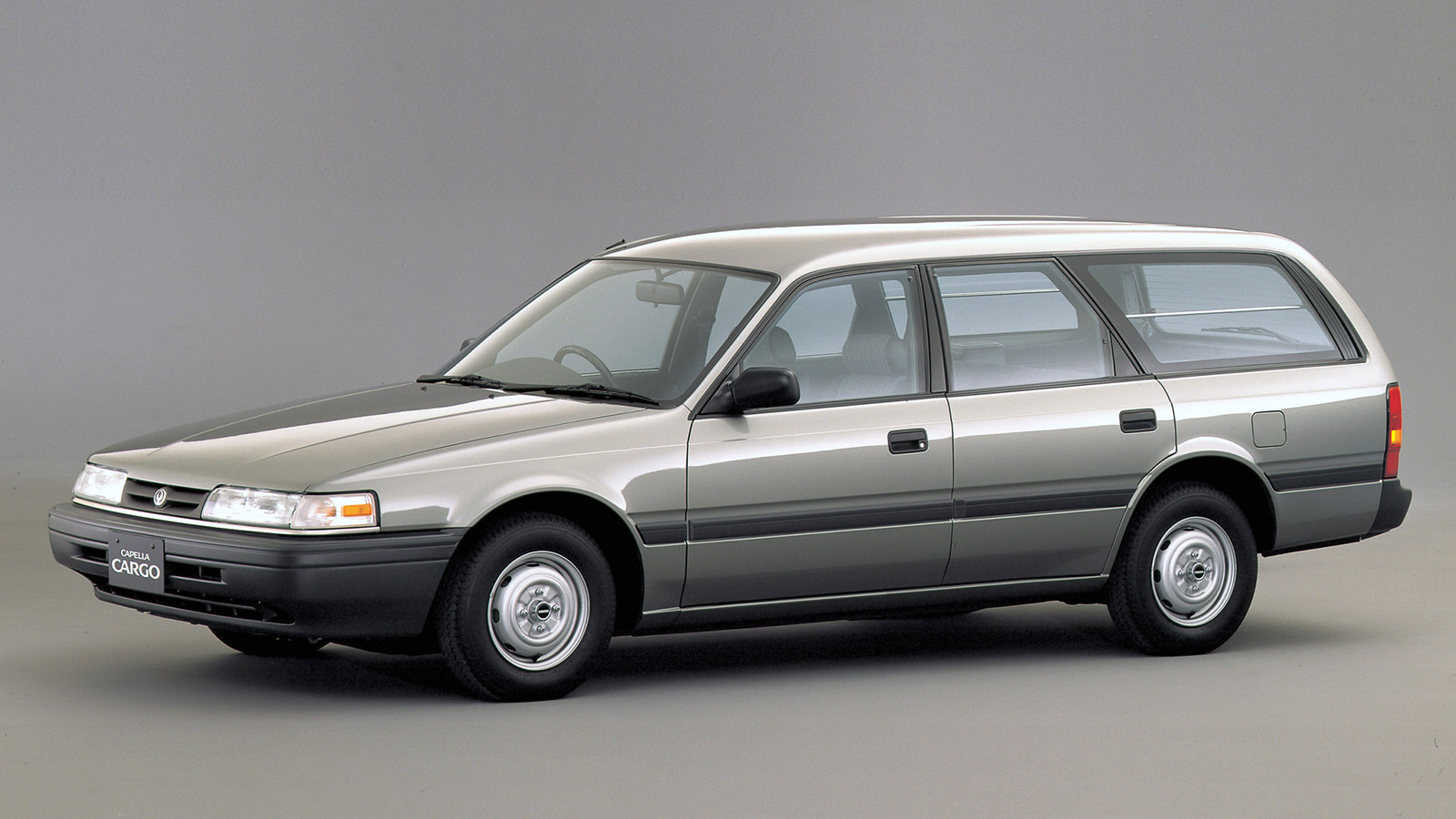
The wagon was sold with 4WD in some markets, likely making it a quite capable car. In Japan, this generation was sold as the Mazda Capella, with its commercial version sold as the Capella Cargo.
The Basics For The Kia Came From Mazda
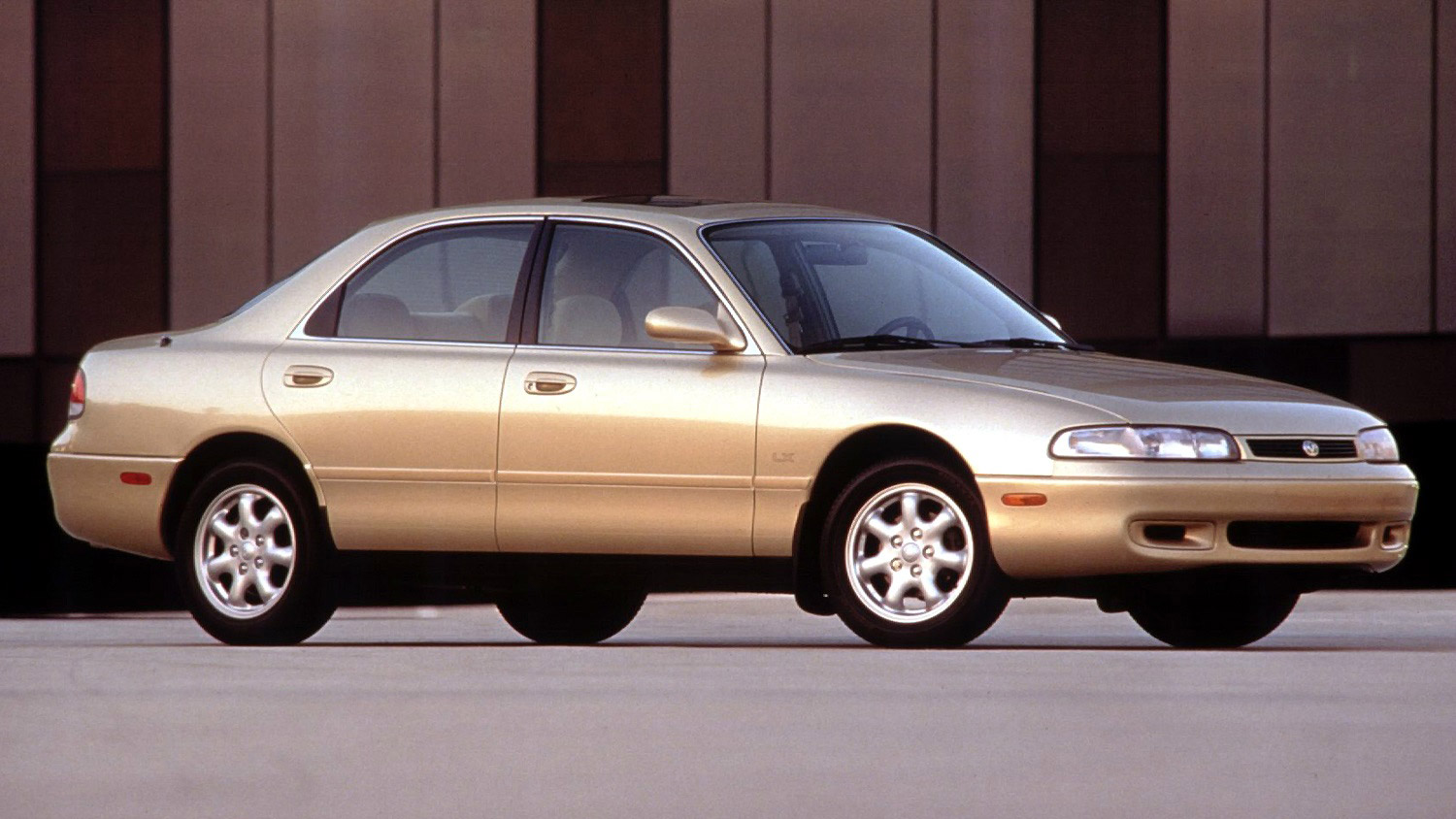
The next generation of the 626, the swoopy GE version, was brought to the market in 1991-1992, and Mazda didn’t design a wagon out of it but kept selling the old 1988 introduced wagon alongside. For more space, Mazda also offered the MPV which was based on the ’80s 929.
In Japan, the new generation was sold as the Cronos, to differentiate it from the more straight-lined Capella predecessor.
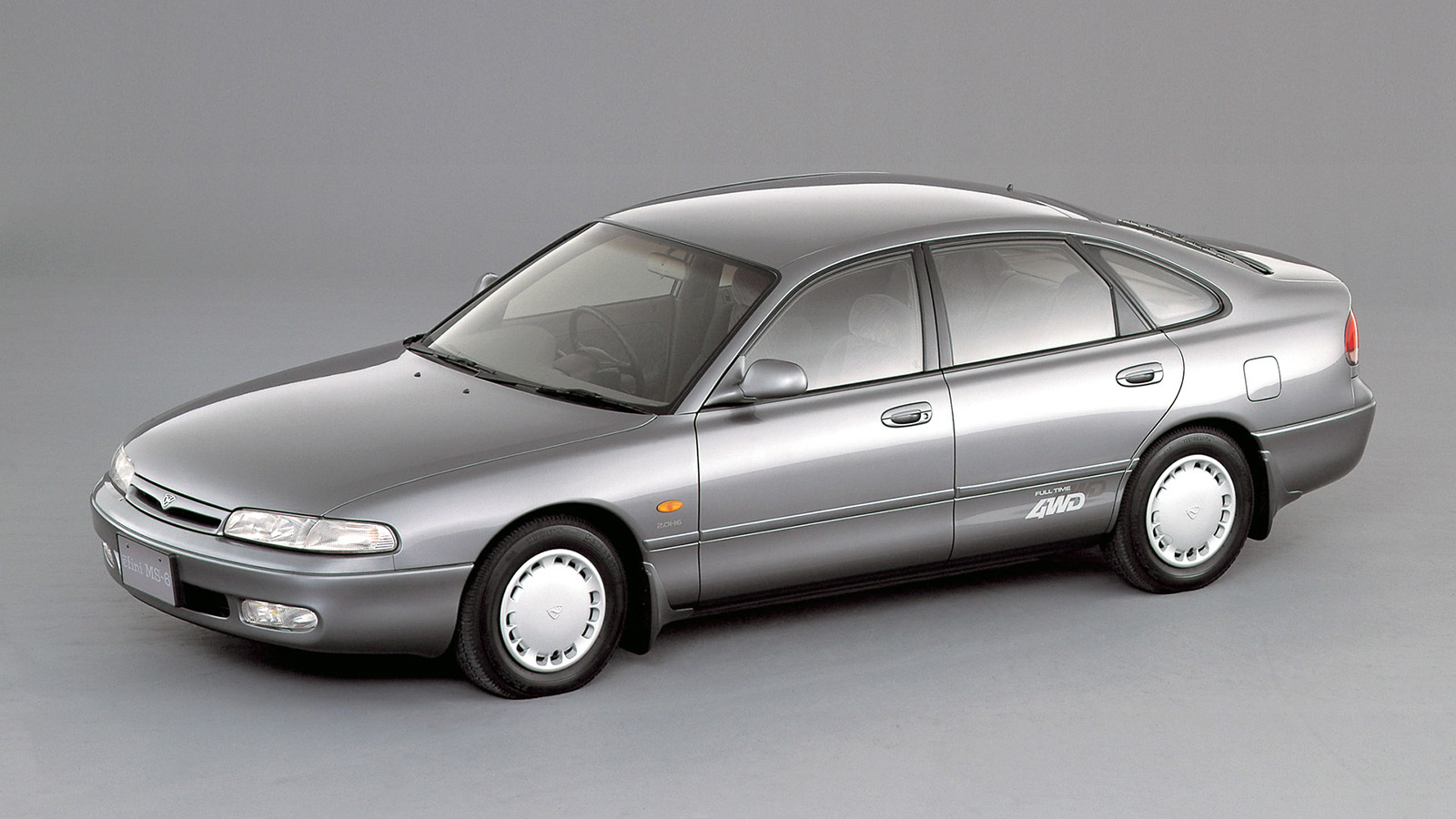
Japan was living in heady times when these cars were designed, which also meant they were sold under several names in several dealerships. Mazda had a bunch of different sub-brands in those days, from Eunos to the stillborn Amati.
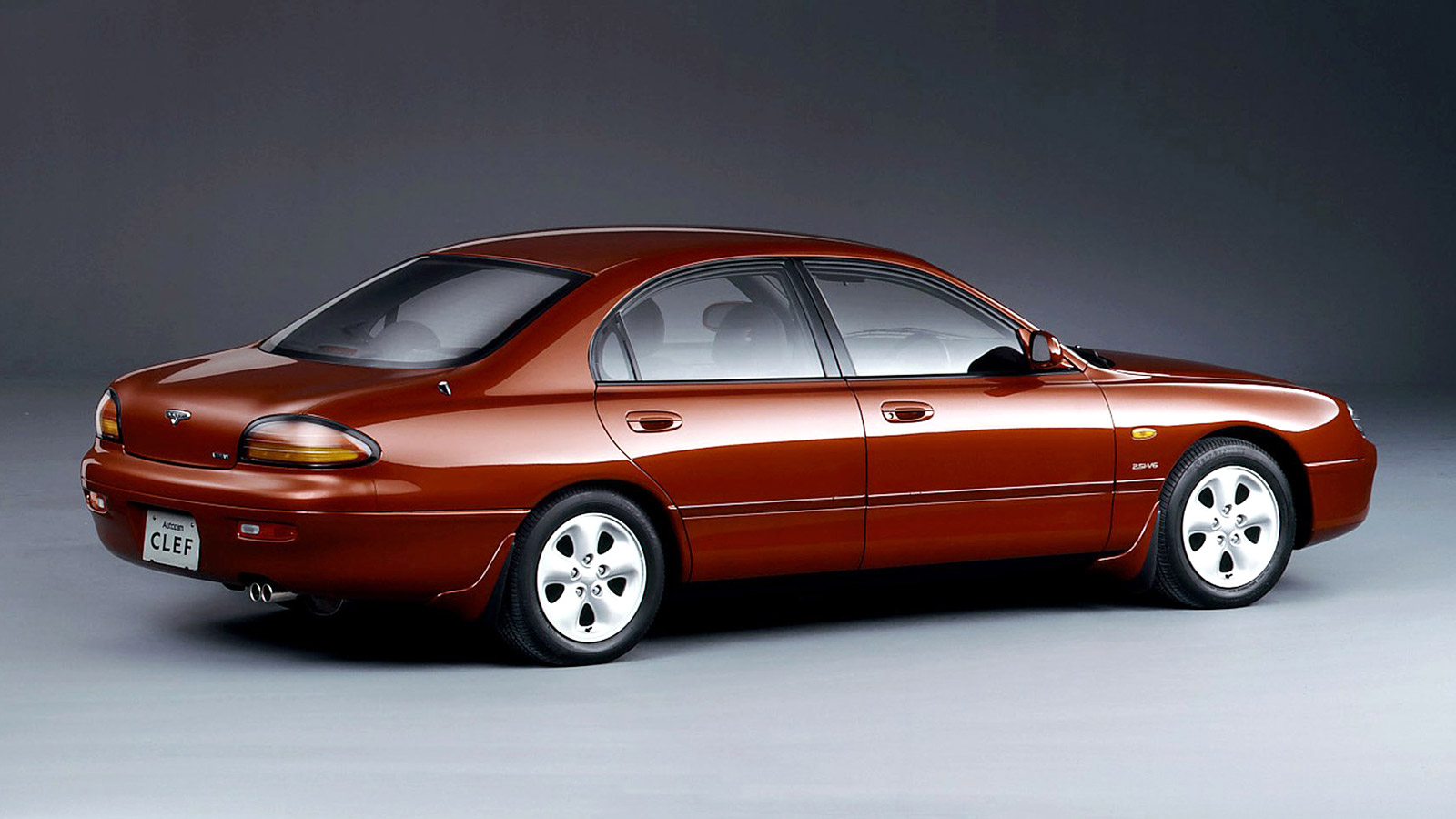
The 626 and its Japan-market Capella and Cronos siblings (as well as the MX-6 coupes) were accompanied by developments such as the Autozam Clef and the Ẽfini MS-6, and as well as available 4WD, they received V6 engines ranging from 1.8 litres to 2.5 litres in displacement. The Autozam Clef (above) looked as if Mazda had subcontracted the car’s design to Pontiac.
There was also a Ford-badged 626 alternative called the Telstar, like with the previous generations. It was sold in Australia as well as Japan and built in New Zealand.
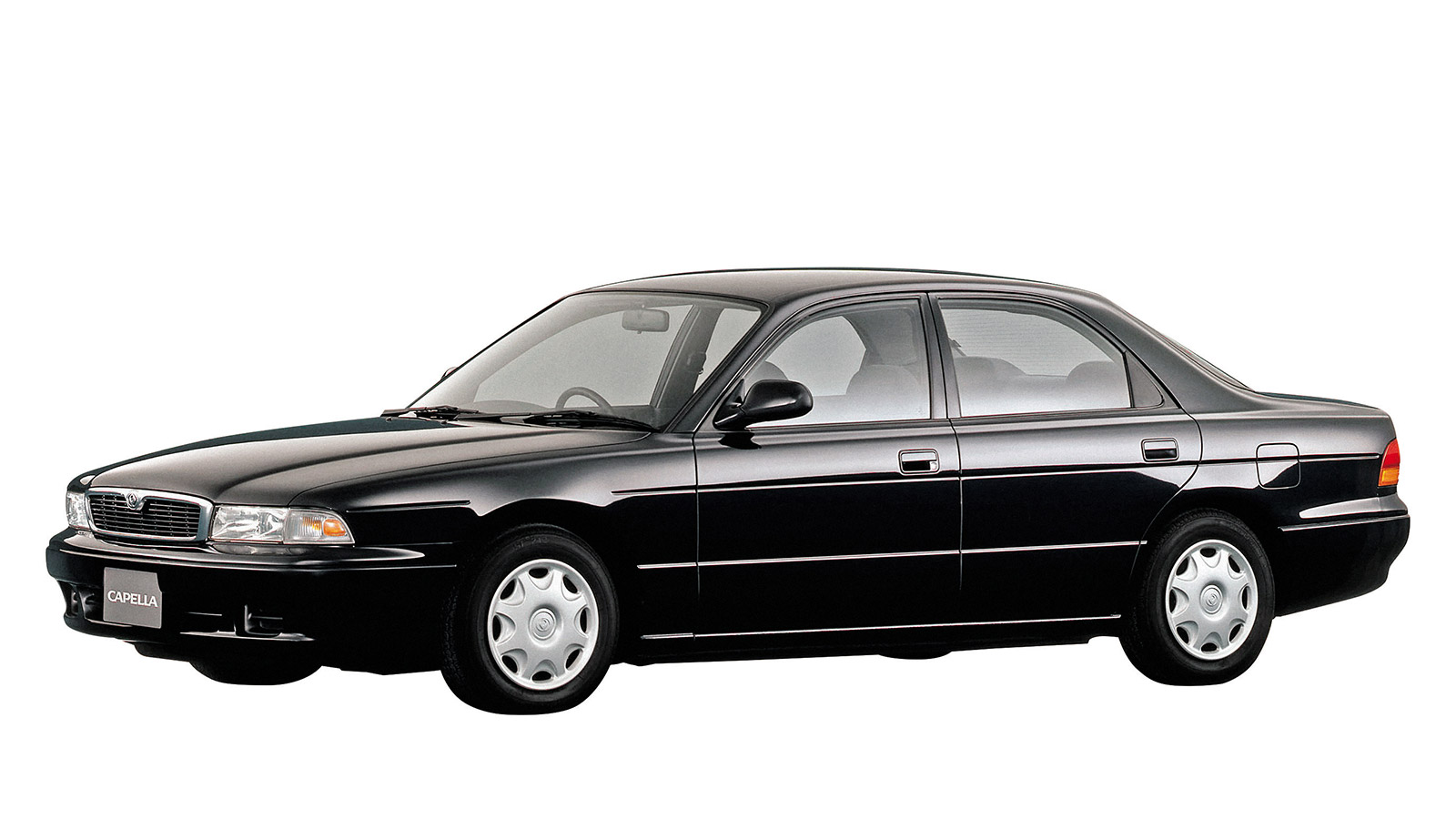
Around this time, the asset bubble burst, and Mazda replaced the 1991 car with a more back-to-basics Capella model in Japan in 1994. The more serious looking CG generation car was shorter and narrower, and while it retained the same wheelbase, it’s said to be on the same platform as the smaller Lantis/323F. There was no V6 version, even if 4WD continued to be offered. It was very much an inbetweener car, sold from 1994 to 1997.
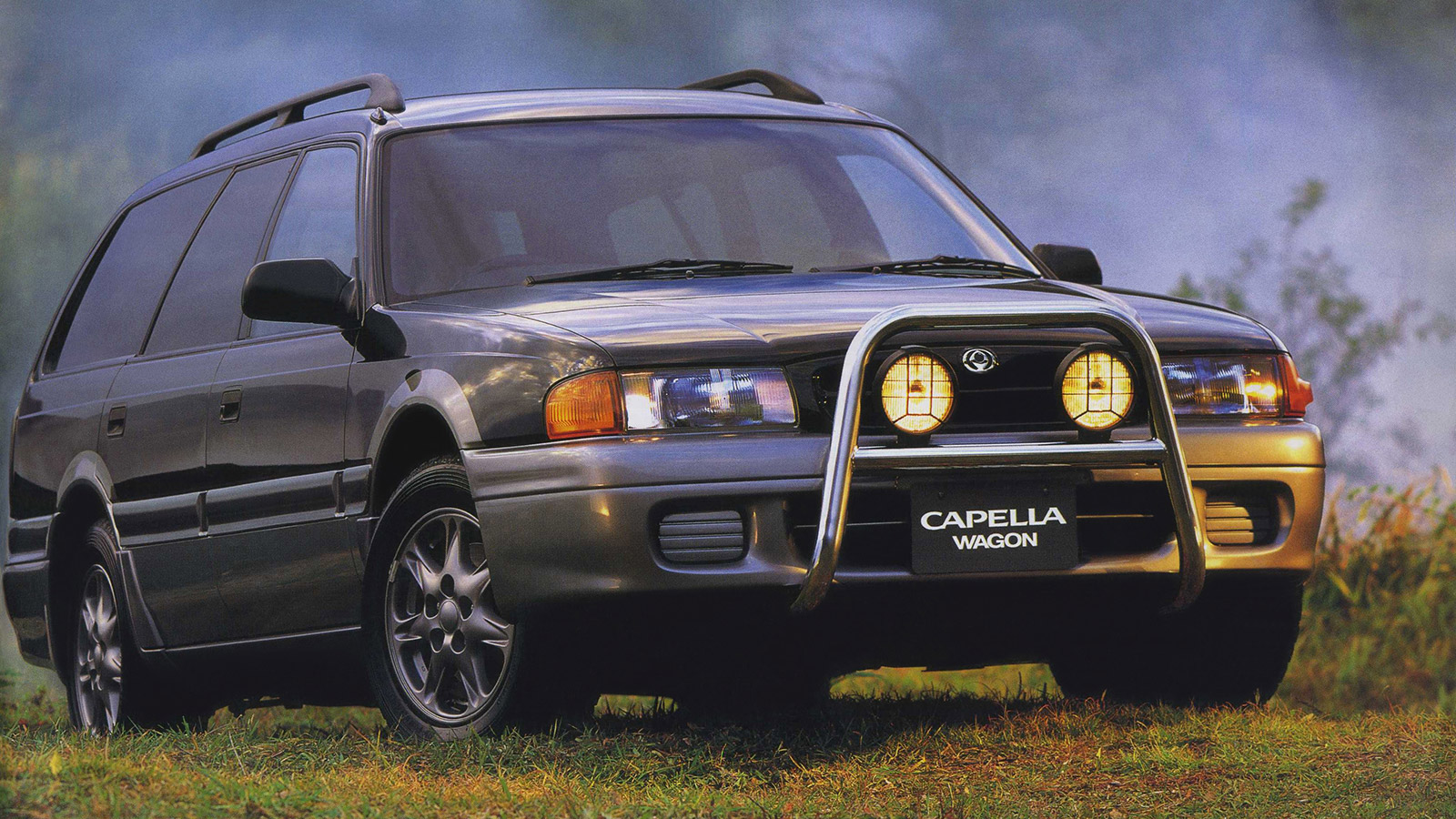
The old GV wagon still stayed, built until 1997 and 1999 in commercial form, just with a new nose again. It was available with some cool add-ons such as body kits and front bull bars, but the bodyshell and the doors show how the base car dated back to the late ’80s. It’s especially good looking in two-tone paint schemes.
In 1997, Mazda introduced a completely new Capella/626, which finally also brought a new wagon to the 626 model range after a decade. This generation, which also formed the basis for the Mazda Tribute and Ford Escape, would survive til 2002 when it was succeeded by the Mazda 6.
Kia Takes The Platform For The Parktown
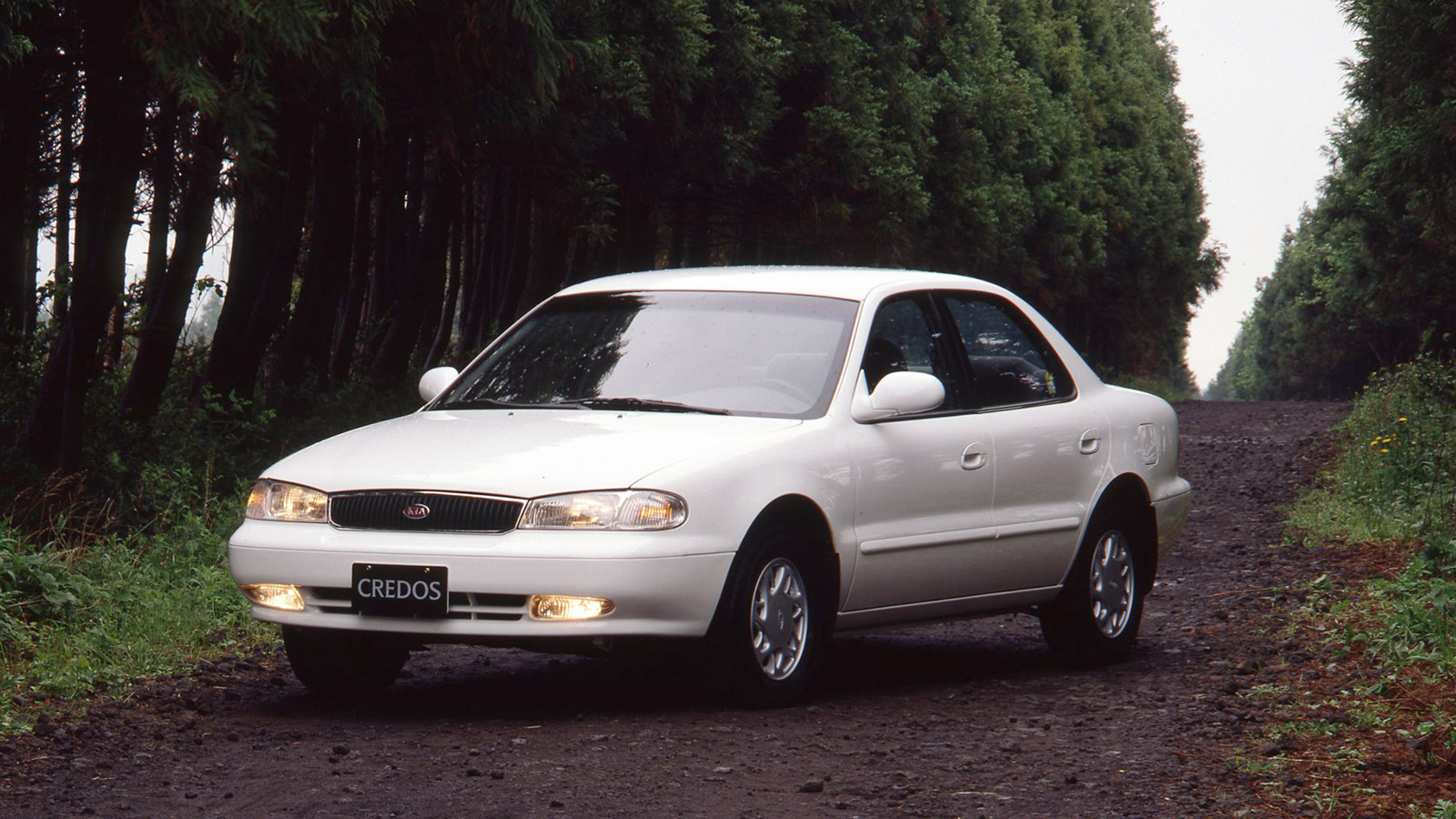
What’s this got to do with Kia? Kia took the 1991 626 as the basis for its Credos, as Kias had traditionally been rebadged, badge-engineered or redesigned and repackaged Mazdas. At that point, Kia’s 626 GC-based Concord and Capital were already getting old, as the car underneath these 1987 and 1989 unveiled sedans originally went into production in 1983. Yet, the Concord and Capital would survive until the mid-1990s.
You can sort of see the 1990s swoopy 626 in the Credos’ doors and fenders, even if the sheetmetal wasn’t the same. The facelift disguised the origins more, but in the pre-facelift car, the GE generation 626 is still visible. As well as its South Korean home market, the car was exported to Europe as a cheaper alternative to established Japanese brands, as Kia started its European sales in the early 1990s. In Europe, the Credos was called the Kia Clarus, and it was initially sold as a sedan only. But Europeans do like their wagons, and Kia realized the Credos needed one too.
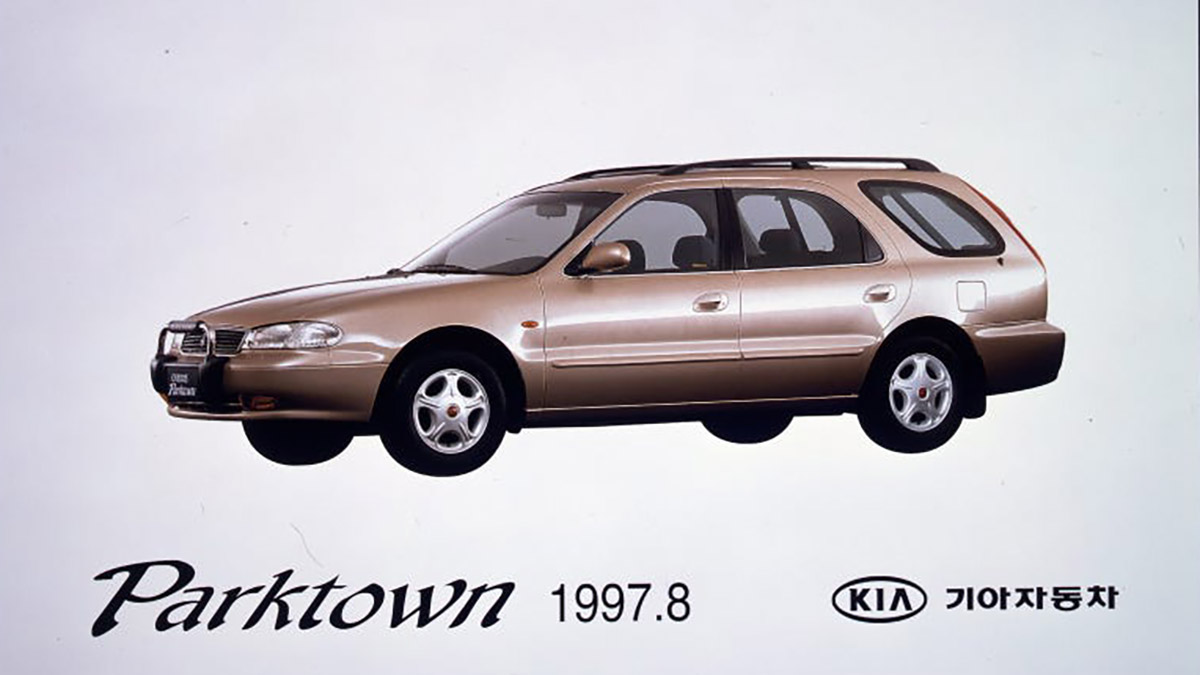
However, as Mazda kept making the old generation wagon forever, the GE 626/Capella didn’t have a wagon for Kia to badge and build. It also didn’t have access to the GD/GV 626, which Mazda was still happy building.
As Kia needed a wagon to complete its model range (and likely to offer a wagon that was larger than the Hyundai Elantra, as there was no Hyundai Sonata wagon), the South Korean company had to design one themselves. The Credos received all the necessary modifications: a tall roof with bars and as the photo above shows, even a tiny bull bar.
After a 1995 concept car called the Kia Vagabond was shown, the Credos wagon went on sale in mid-1997.
The Parktown Stays In Park
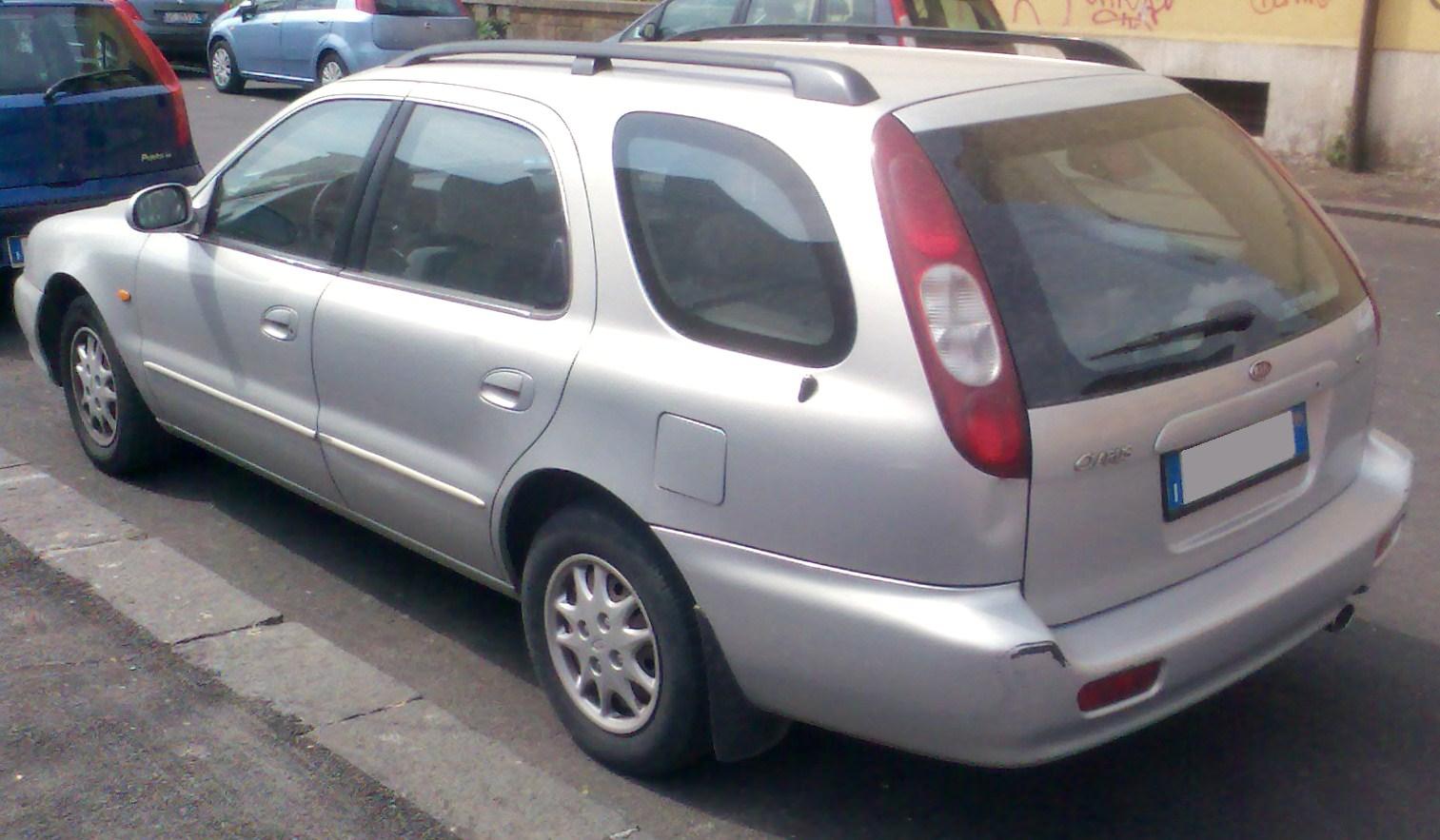
The end result is interesting looking. Would Mazda have created something similar out of the swoopy 626, had it needed to? Looking at the Clarus from the rear, it sort of looks like a ovoid Taurus wagon thanks to the rear side window shape, but Kia also took the liberty to fit tall and narrow tail lights up in the C-pillars, in the style of the Fiat Marea Weekend, which had been introduced a year earlier. It also looks fairly similar to the late 1990s Toyota Corolla wagon, but it’s bigger.
Korean car sites note the wagon, called Kia Parktown in its home market, sold very poorly and was only made for two years, during which time 870 units were sold in Korea. Buyers looking for passenger and cargo space simply went for Kia’s MPV offerings, the Carens and Carnival, says Car Spotting in Korea on Instagram.
A weird thing is that while the Credos sedan was available with a V6, the unit isn’t from Mazda, but is in fact the Rover KV6 from Britain: the 1.8-liter T8D engine was also used in the Kia Elan. No 4WD version was offered.
Today, the car is incredibly and increasingly rare: firstly, it never sold well, and because there was no incentive to preserve them, they have largely vanished from the roads thanks to rust. The Dutch-registered wagon mentioned in TMD is one of three in the Netherlands. Another is being sold for parts on a Dutch scrapyard website, and I can find an Estonian Clarus being dismantled in Tallinn. Another car page, Parked Car in Korea, says that anybody who recognizes the Credos Wagon qualifies as a honorary Korean at this point. It’s that niche.
It’s even difficult to find good quality press images of the car, and this video of a breakers’ yard in Lithuania shows the car decently well, as does the Wikimedia shot above taken in Italy. It’s been so long since these cars were seen parked on the street, that most Wikimedia images are very old and taken on ancient camera phones with poor resolution.
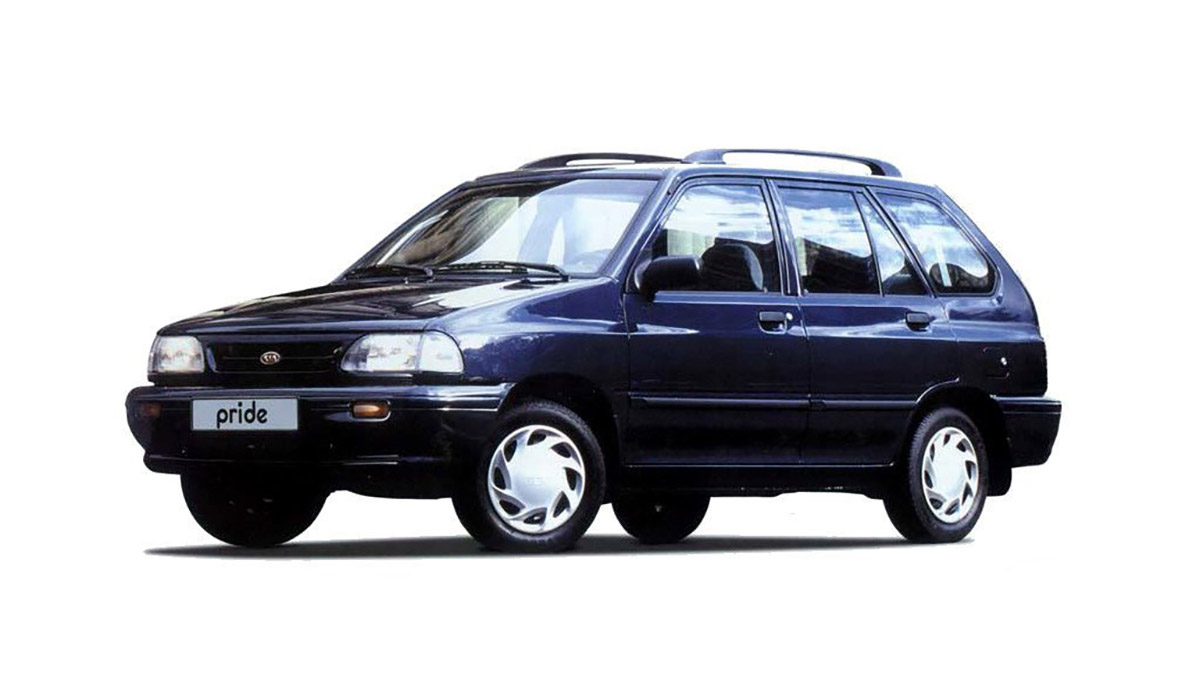
The Clarus, while being Kia’s first attempt to design a wagon of its own, is not Kia’s first wagon. That honor goes to the tiny Kia Pride Wagon, which is a long-roof, five-door version of the Ford Festiva/Mazda 121. The Ford and Mazda versions were never available as wagons unlike the Pride, but the design of the Pride Wagon is still unmistakably a stretched Festiva.
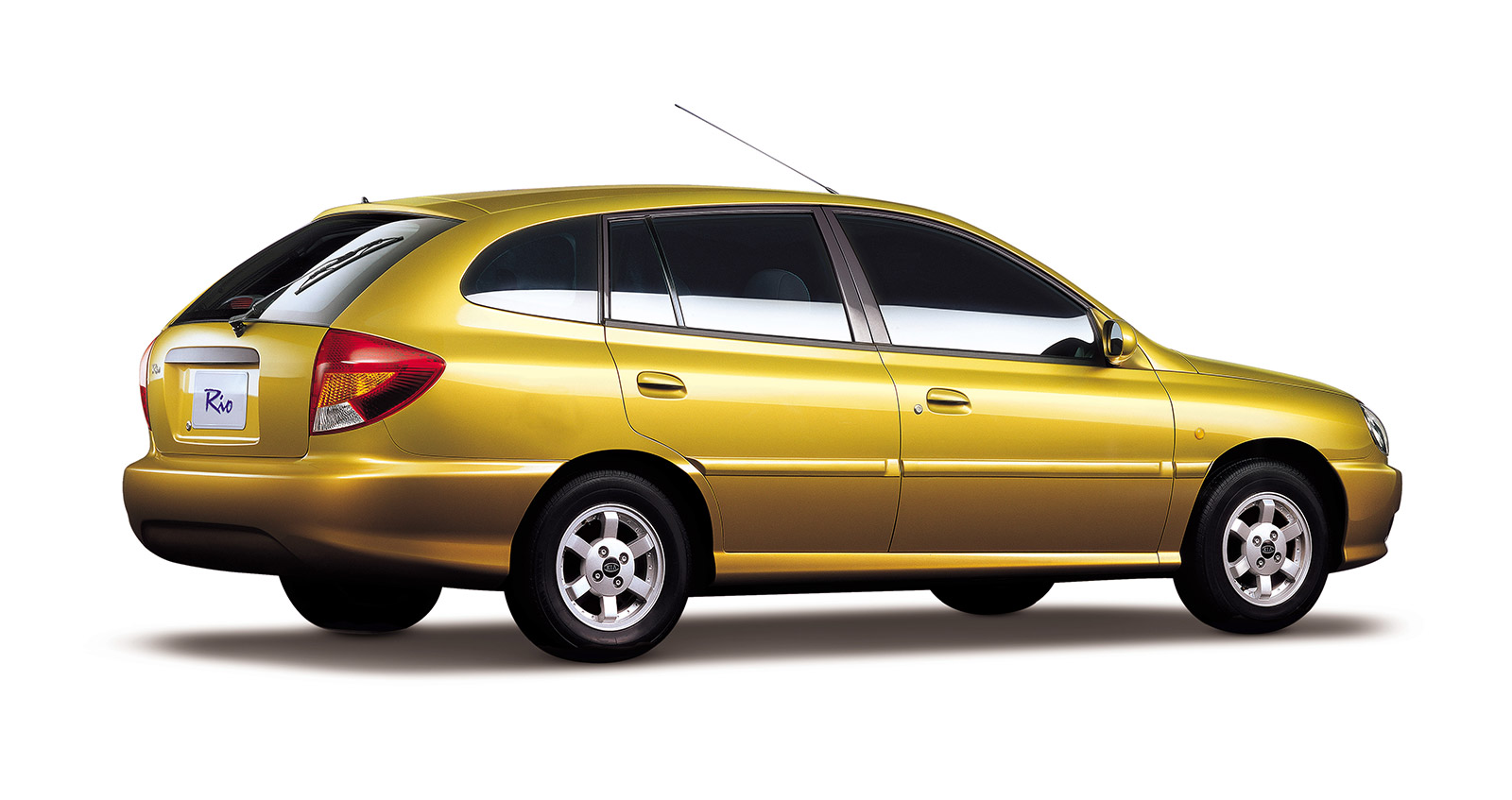
After the Clarus was phased out and the Pride Wagon ceased sales in 2000, Kia’s next wagon effort was the Rio, one of the cheapest new cars for sale in the United States in the early 2000s. It took until the fourth generation Optima for Kia to introduce a mid-size station wagon again, and that was developed with the European market in mind, instead of the United States or South Korea.
As the Festival of the Unexceptional quote in The Morning Dump goes:
In the text submitted in the Concours entry form for this Kia Clarus Wagon, the owner states that they’re almost completely forgotten, with just three estates and twelve saloons left in the Netherlands, where it’ll be making the journey from this year. Never mind “forgotten”, we didn’t realise they did an estate version of the Clarus in the first place. The other cars on the Concours lawn will have to try hard to match the Kia’s level of anonymity.
There’s probably no better epitaph for the Clarus Wagon, also known as the Kia Parktown. May it rest in peace on a quiet shelf of automotive history.
(Top image: Newspress/Hagerty)


This is what am here for. Also, nice to see an article which understands the whole Japanese wagon/light van distinction and why their generations overlap in such a crazy manner. When I was young, this caused me no end of confusion and now I am very sensitive to when people get it wrong.
The commercial variants typically get super low gearing as well (otherwise MITI wouldn’t accept the max payloads), which sometimes makes for disappointment when people import a JDM car which was designed as a commercial vehicle and the thing runs out of gears at 70mph.
The Rio wasn’t really a wagon though. More of a hatchback version since it wasn’t bigger than the equivalent sedan.
EDIT: I stand corrected.
Interesting article! I loved Festivas and really want a Kia Pride Wagon – and this would be a great month to import one 🙂
I like a Festiva, too, and I love that Pride Wagon. The high hip point of the Festiva makes the Wagon look like a scaled-down minivan. It might cause sort of trompe-l’œil perspective problems if you saw one in the street.
Wow that’s a lot of words that don’t really make sense and not sure why they are here.
Behold: Car, by Kia!
Pretty generic-looking. Toyota could get away with that because of the quality rep.
I liked that little Rio wagon. Good design, it stood out a bit. Not sure if the car itself was any good, though.
That first pictured Mazda 929 or 626 wagon, silver with black stripes and showing the side and some of the rear with the nose pointing right, looks beautiful. Smooth, understated, well-proportioned. I would love to see that on the street.
If only Kia had put some wood paneling on the sides – they would have sold dozens more!
Bu they might have lost a few of the sales they did get!
I saw a Hyundai Elantra Touring the other day, in forgotten Korean wagon news. (Cool story bro!)
I had an Elantra Touring. Great car. There were two others in the neighborhood, next door to each other, and they’re both still around and still look good.
I too had an Elantra Touring, as did my parents, and a friend of mine. We like wagons.
Mine was sort of a POS, but I bought it from someone shady, and probably deserved it. My parents just recently replaced their ’09 and managed to put over 200k on it. These wagons were pretty popular around here, I still see a few of them hanging around. Overall, these were good cars.
I love the design (actually a Hyundai i30, it just got Elantra badging in the US) and was trying to buy a used one for years. Every one I test drove was in terrible shape and the chrome was peeling from the interior in all of them. Still wouldn’t mind one; perfect size and good looks.
The plasti-chrome in the interior can be a weak point. As well as all the rubber coating on the window trim. Mine and a number of others suffered from that stuff drying out, cracking, and flaking off.
It was a great Autopian car though, wagon (wish it had a little more rear overhang for a little more cargo room but good enough), the interior was really pretty nice overall, and it could be had with a stick on all trims as well. Came in a couple of good colors too.
I’ve had a couple hatchbacks in a row now, and I think my next car will be a wagon or sedan. I’ve no plans to get a new car, so I’m ultimately day dreaming.
What kind of fun, sporty wagons are even available now? I’m having trouble thinking of relatively recent options…
Off the top of my head, 3 Series Touring.
If less expensive, Octavia Combi is very decent, if not terribly exciting.
3 series touring has been gone for many years from the U.S. market.
If you’re in the US… zero? We have zero now.
You options are to go old, or find a very rare Buick Regal TourX.
On the new side, only the top-shelf German options: E53, RS6, and M5. I guess you could include the Taycan Cross/Sport Turismo but I have a feeling you are talking about used.
In my opinion the best fun, sporty options are sub-10-years old 3-series Touring (esp. with the B48 engine), A4 Allroad, Mini Clubman S/JCW, or maybe a Polestar V60 if you can find one. The Golf Alltrak is a possibility but I’ve never thought of it as very sporty. I was fond of my Saab 9-3 sportcombi with the V6 but all of those are now quite old and high mileage.
The rear of that wagon looks so familiar that I feel I must have seen it before, but I can’t imagine how I ever could have.
The first thing that popped into my head was 90’s Ford Taurus wagon, which was then mentioned in the next sentence. lol
Interesting… previous comment “Awaiting for approval“.
Test
Any time HyunKia sales in Europe in the 90s would be discussed here, it should be reminded that there were heavy hurdles to these imports in Europe’s largest automotive markets.
In France, we saw Corean cars only after Corea signed for the TGV trains to be sold to Corea as part of a major infrastructure initiative. Around 1993-95ish. Before that, it was non monsieur. We didn’t even know they existed, other than in the yearly “All the cars in the world” magazines.
Germany was probably the only market where Coreans were sold freely along with everything else. Everybody else was either openly throwing quotas at them, or limiting their presence with workarounds.
The Japanese were under heavy quotas two, which made for interesting stuff. Mitsubishi’s main export to France was the Pajero/Montero, with only token units of Galants sold. With a limited amount of allowed units, the importer would import the most lucrative models only. Subaru was not present at all till the tarifs were equalized and France got forced by Euro regulations to allow everybody.
I will forever remember the Kia Rio as the “Rockin’ Rio!”, which is what a local dealer called it in many radio ads that played during Pirates games back then. I actually checked the specs as a possible future replacement for our Passat wagon, but it was, uh, not viable.
The Credos sedan looks like the design was subbed out to Buick.
Maybe it was the Korean mindset of the time. The Hyundai Scoupe from the early-mid 90s looked like a scaled down 89 T-Bird to me.
The Autozam Clef just looks like a four door MX-6.
I was completely blind to that Kia Clarus. I don’t think I have seen in any Spain. Actually was it sold at all here?
Imagine if Kia had made their own badge-engineered MX-5, as a follow up to the Kia Elan.
Kia Is Always The Answer.
That Kia Rio wagon came across very cohesive and well designed. I really liked it when it came out, and that metallic goldish really popped.
Sadly, the body didn’t survive long and corrosion came early to them.
Big wagon fan here (and the current owner of a Kia Ceed PHEV wagon), but I swear I have never heard of the Credos/Parktown or Rio wagons before. Thanks for enlightening me!
An Autopian owns one of these!
Fun article for someone who’s first car was a turn-of-the-millenium Kia. The car did look fairly Kia-like, but the more I read about the Mazda origins it all started looking more and more familiar (sorta 626 like, sorta Ford Contour like, sorta Taurus like in the wagon form as mentioned). Overall a pretty whacky mashup of a car.