

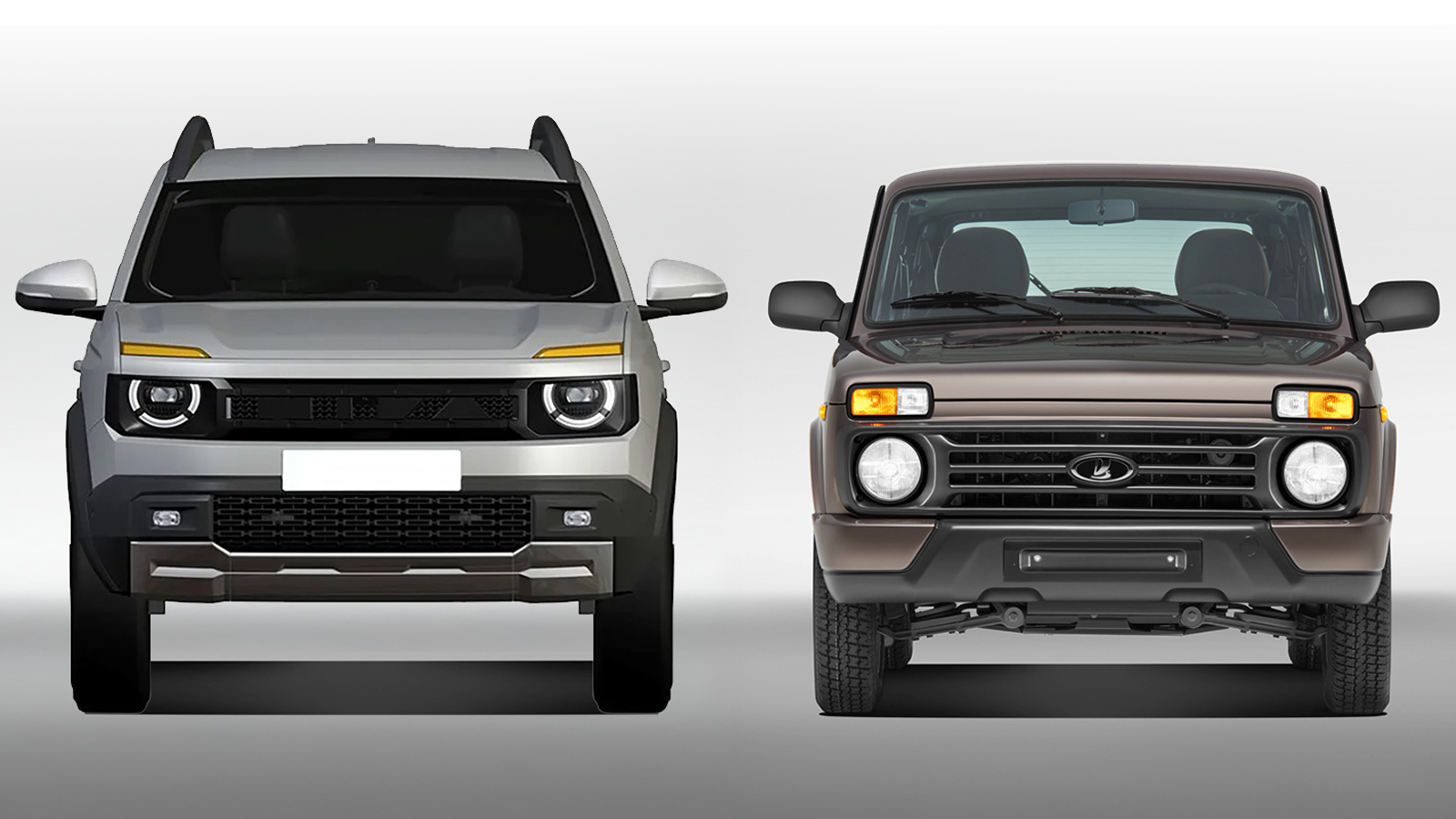
The Lada Niva, Russia’s own sports utility vehicle, is set to make a triumphant return – despite never leaving, as it’s been built continuously since 1977. In nearly 50 years, the basic Niva hasn’t changed all that much, but it has also spawned different variants that have been modernized in various ways. One of its successors was even sold with Chevrolet badges, albeit only in its home market.
The significance of the original Niva cannot be denied, and developing a new version 50 years after the original comes with a lot of baggage. Russian roads are no joke, and any car that wears a Lada Niva badge needs to suit Siberia as well as St. Petersburg.


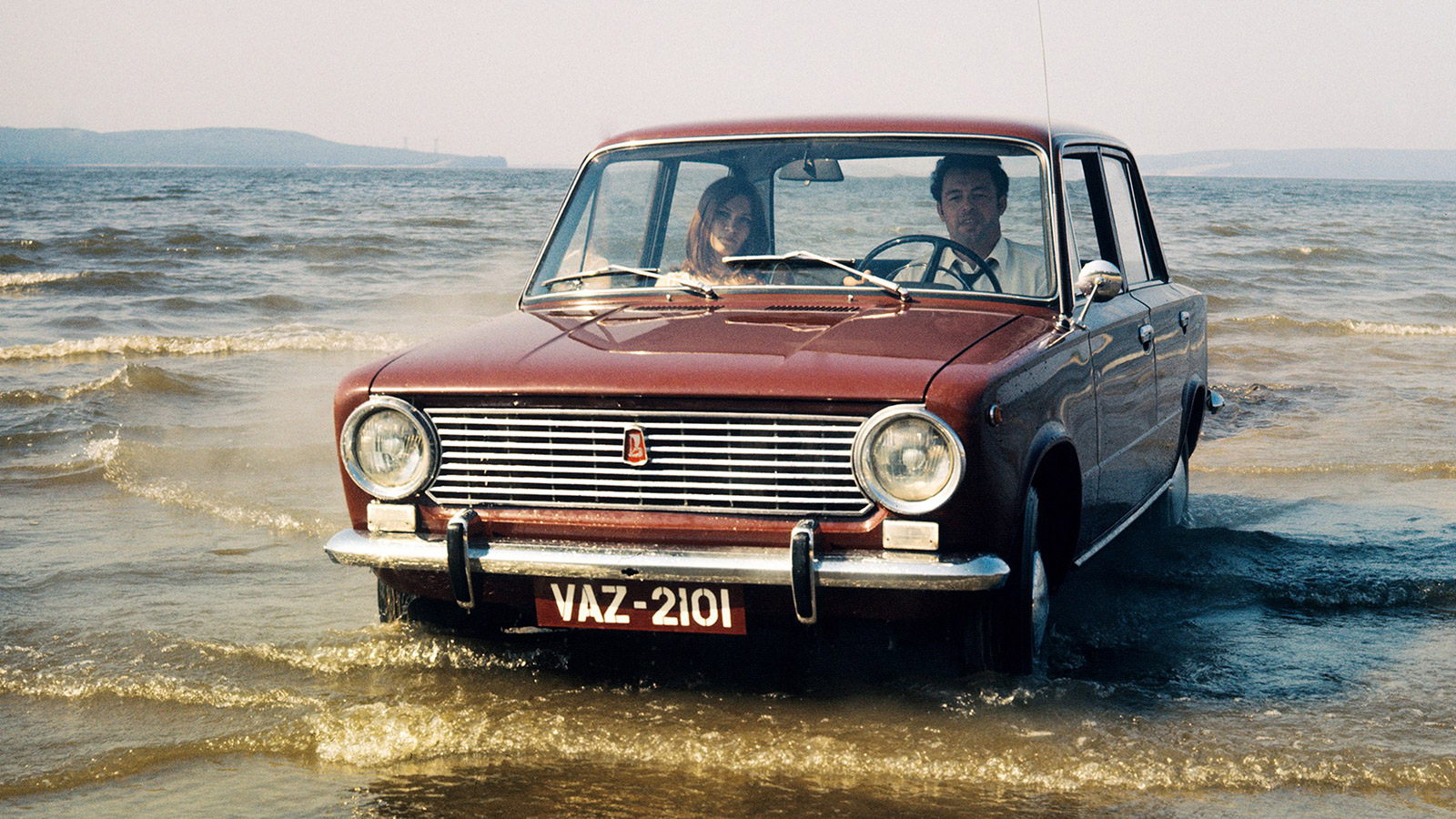
Cast your mind’s eye to the 1970s. Everything is brown, isn’t it? The Soviet automotive industry had finally achieved a forward-looking approach by creating its own version of the 1967 European Car of the Year, the Fiat 124, produced by the Volzhskiy avtomobil’nyy zavod, the Volga Automotive Factory or VAZ. The VAZ-2101 was exported from 1971 onwards under the name Lada 1200, and the wagon version, the VAZ-2102 followed a year later.
Even if these cars had been substantially re-engineered to differ from the more delicate Italian cousin, they were a little nimbler and more modern than the other regular Soviet passenger sedan of the time, the Moskvich 408, and bigger than the Ukrainian Corvair, the ZAZ.
Since things were rolling nicely, the two state-owned car companies, VAZ and Avtomobilny zavod imeni Leninskogo Komsomola, or AZLK (the maker of Moskvich cars, in Moscow, with Lenin acknowledged in the company name) were ordered to build a car that would fit Russia’s rural roads better than the passenger cars they were making, but one that would be more civilized than the 4×4 trucks on offer.
The Original, Unbeatable Lada Niva
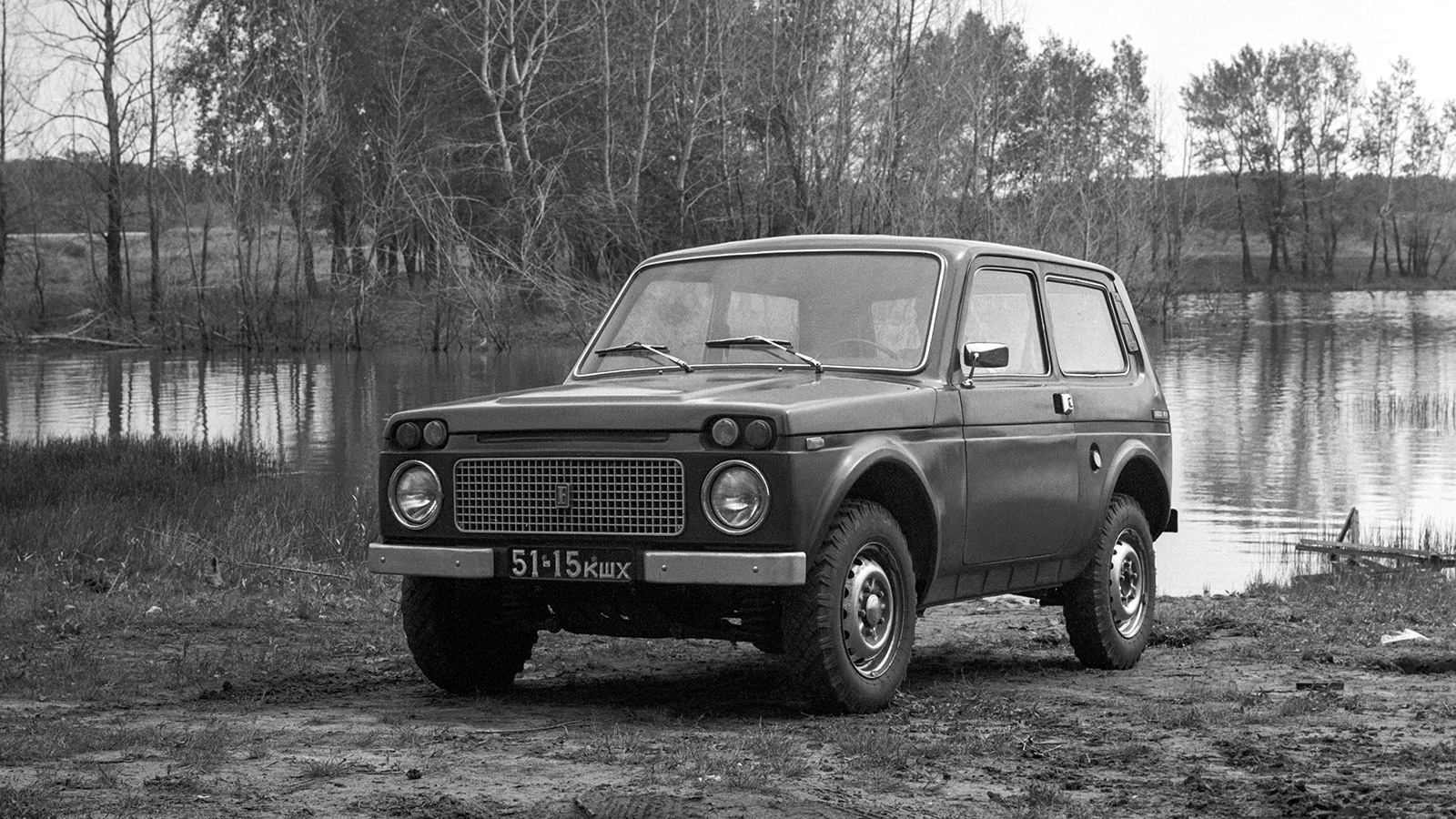
During the development stage that took most of the 1970s, the VAZ team came up with a sort of a short three-door wagon with a modern unibody hatchback layout. It was the world’s first mass-produced unibody off-road vehicle.
While it resembled the Lada sedans on a detail level, it was influenced by the 1972 European Car Of The Year, the Fiat 127, and it also incorporated design details from previous prototypes, including the VAZ-1101, which was sort of a blend of a Honda N360 and a 127, and the IzH-14 prototype that heavily resembles the eventual production Niva.
The VAZ-2121, as the Niva was called, won the production contract over the Moskvich team’s AZLK-416, which was more of a traditional design. The 1.6-liter engine for the Niva came from the VAZ-2106, which was a more upscale Lada model than the 2101 and 2103 sedans, and which was also exported to Canada as the Lada Signet. As well as the 2106 engine, the Niva had a two-speed low-range gearbox, permanent four-wheel-drive, and central locking differential.
At the time, the 1970-introduced Range Rover was one of the more desirable 4x4s for sale, and the Niva was benchmarked against it as well as the older Land Rover; you can see a Range Rover in the promotional video above after the two-minute mark.

When it hit the market, the Lada Niva was something unusual for an exported Soviet vehicle: the right product at the right time, given that Soviet exports usually went for the “right price” and not much else.
For rural buyers, the Niva offered a lot of the same as the Range Rover, but for far cheaper – and it’s not like the build quality of the British 4×4 was exactly spot on, either. At one point, 40% of 4×4:s sold in Europe were Nivas, and it was also exported to Japan. It’s weird to see a Lada Niva for sale on Goo-net and other Japanese used car sales sites, since the exports usually go the other way around. Nivas were also fitted with Peugeot XUD diesels for export markets, as VAZ didn’t have a suitable diesel engine.
While it did gain more doors and a pick-up version, the original Niva was sold largely unchanged for decades, until its first official successor was devised in the 1990s. It rightfully gained a cult status, and Nivas featured as some sort of Knight Rider’s KITT equivalents in the ’80s Czechoslovakian tokusatsu series Návštěvníci (Visitors).
Ivan, It’s The Chevy Niva
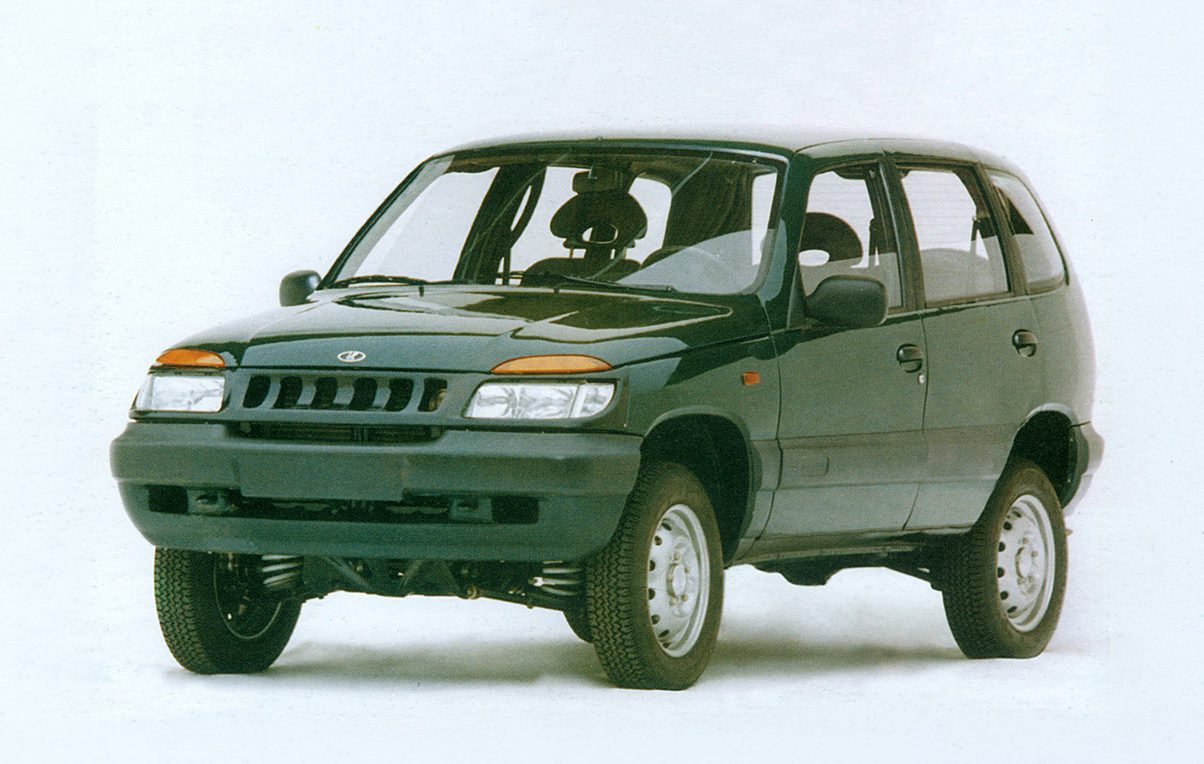
Readied by 1995 and officially produced from 1998 onwards, the VAZ-2123 successor featured a swoopy ’90s interpretation of the Niva design and five doors instead of the original three, but it continued to be based on the same chassis with the same engine and transmission. You could draw some heavy parallels from that, but the weirdest thing is that for most of its production period, it was sold with Chevrolet branding.

Eager to fill the power vacuum, General Motors had formed a partnership with AvtoVAZ once the Soviet Union crumbled, and one aspect of the GM-AvtoVAZ joint venture was the GM fuel injection system in the 1994 VAZ-21073-40 Ladas, which were also the last new “classic” rear-wheel-drive Ladas sold in the European Union thanks to new seatbelt mounting point requirements that came into force in 1997.
The new Chevrolet Niva was designed and branded with export in mind, and GM-AvtoVAZ went far enough to try and supplement the Lada powertrain with Opel Ecotec units, as that would have been a very likely point of discussion when trying to win over buyers. However, the export version never materialized, and the bowtie badge remained a local market curiosity. By this time, affordable 4x4s were plentiful in the segment, so it’s difficult to say whether the modernized Niva would have sold well in export markets, with or without a Chevy badge.

After General Motors left the partnership in 2019, AvtoVAZ rebranded the car as a Lada Niva, with Bertone gently massaging the nose towards a slightly Daewoo-Chevrolet kind of look.
While the 2123 was produced as the Lada Niva, the classic 2121 model was called the Lada 4×4. It was later badged as the Lada Niva Legend, while the newer model’s subsequent revisions were sold as the Lada Niva Travel.

The nose of the Lada Niva Travel resembles a RAV4, until you notice what it’s bolted onto: it’s still the same 1990s body, on top of the 1970s chassis. For all this time, the engine on the newer Niva has been a 1.7-liter four.
The Renault Era
GM wasn’t the only Western carmaker to form ties with AvtoVAZ, as the Renault-Nissan Alliance swept in and became the controlling shareholder of AvtoVAZ in 2012. This enabled the Russian company to modernize the Lada manufacturing plants and also gave it access to Renault and Dacia tech of the time, which explains why there are so many Dacia-looking Ladas. Dacias were sold as Renaults in Russia, including the Renault Duster.
While the Russian invasion of Ukraine in the spring of 2022 drove Western brands out of Russia and caused Renault to rid itself of AvtoVAZ, the decade-long partnership had left enough Renault-based know-how in Russia that Lada could continue to manufacture and develop cars from the same basic building blocks, even if parts shortages and decontenting were inevitable due to economic sanctions.
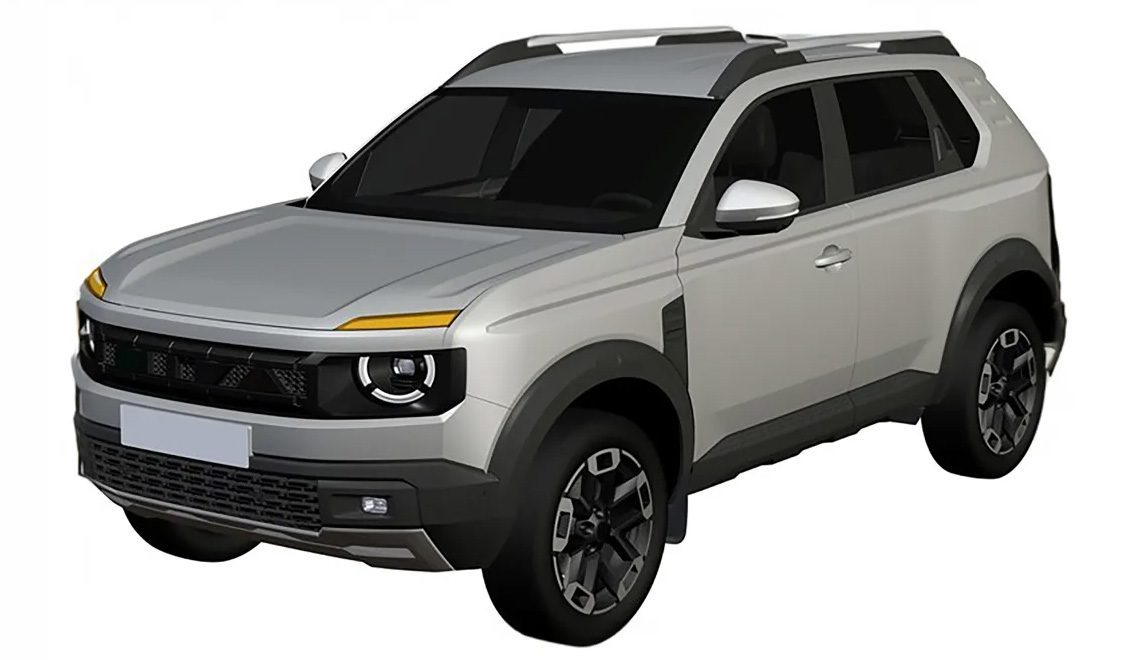
That brings us to the all-new Niva. Recent patent renders have surfaced and show a vaguely Dacia Duster-shaped crossover SUV with a Lada recognizable Niva details. It’s easy to imagine that the manufacturer has taken what it can from the latest generation Duster, unveiled in 2023, during its development stage, as AvtoVAZ and Renault were developing a future Niva years ago on the Duster CMF-B platform before the war severed their ties.
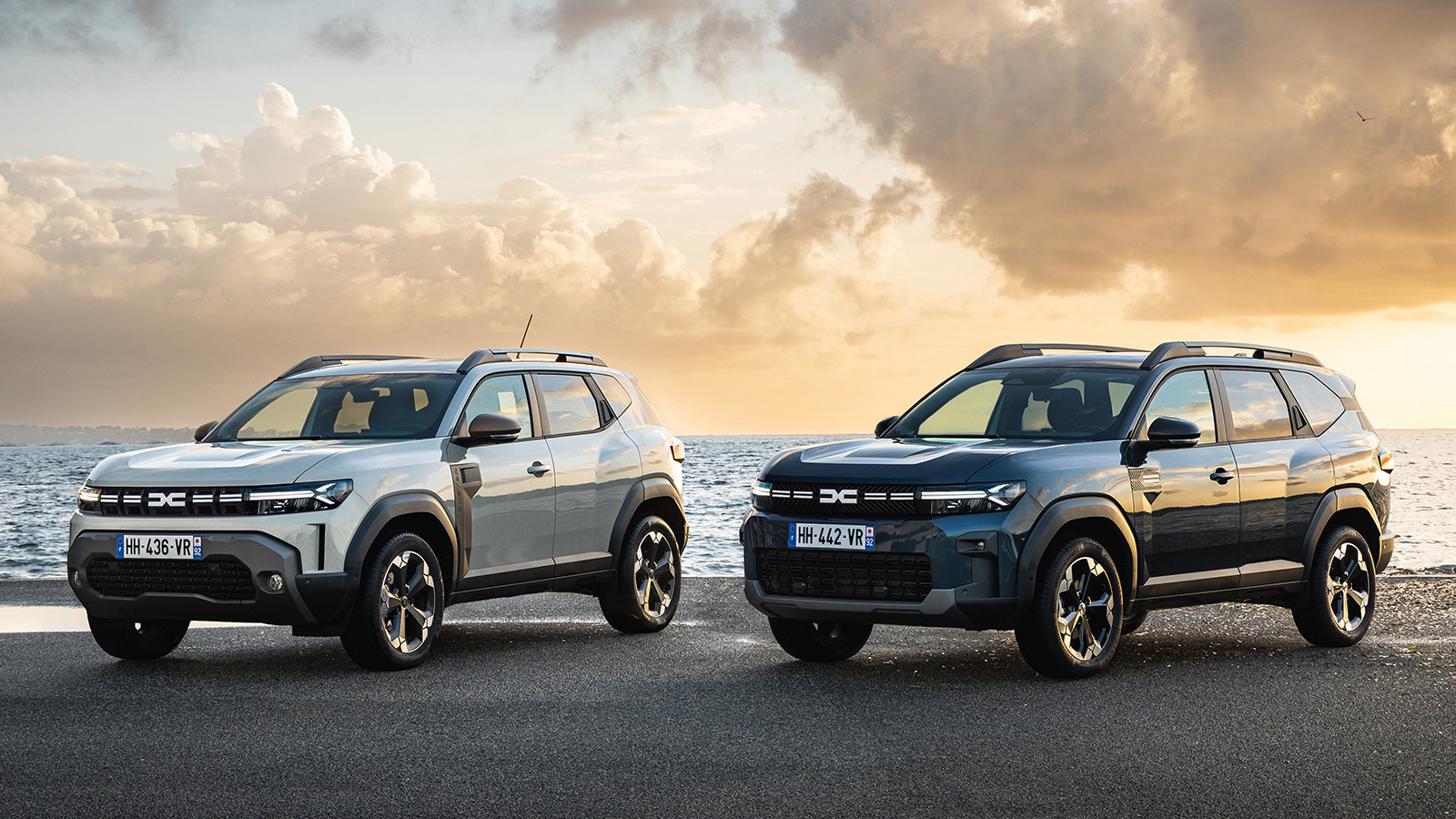
The new Niva, then, will be the Duster equivalent for the Russian market, with or without Renault’s blessing. The front fenders, front doors, door handles, side mirrors and hard points certainly look like the ones on the Duster and its bigger sibling, the Bigster, but the body design has been tweaked towards the classic Niva shape.
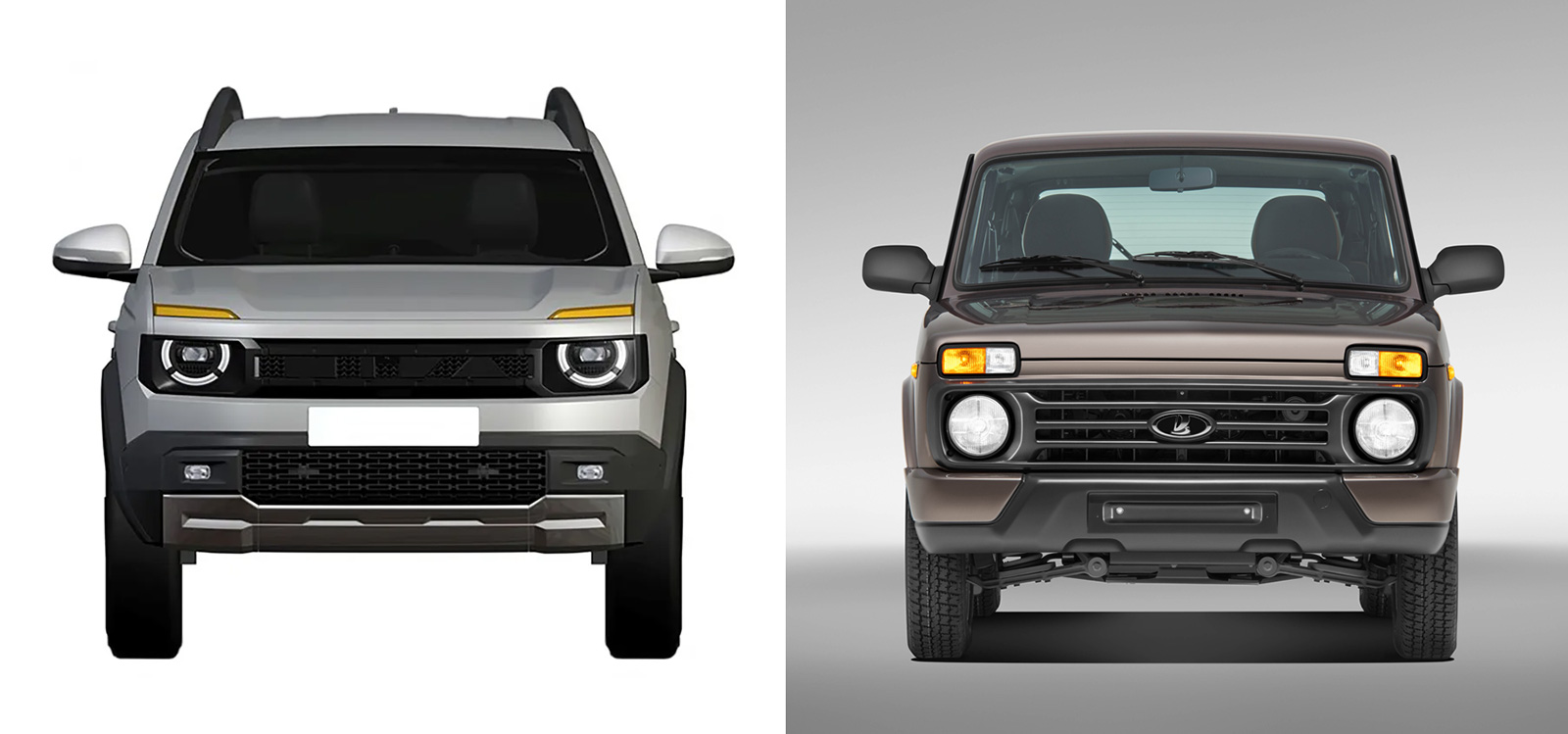
The front even retains the Groucho Marx eyebrow style blinkers on the hood, like on the old one. The rear door handles are in the window frames, like on the Dacias, and they are the same shape.

On the drivetrain side, it is likely to be as basic as possible yet offering four-wheel-drive: whether the new Niva will use a VAZ engine or a Renault engine remains to be seen, as will the eventual launch date. The Dacia Duster offers downsized engines and hybrid technology, which may be dropped out of any Lada alternative.

And yet, the classic Niva will probably continue to be built. It’s been upgraded, downgraded, massaged, and modernized over the years, and if there’s one thing the Russians can do, it’s to keep doing the same thing the uppers tell them to do until they eventually run out of funds.
Photos: AvtoVAZ


Not to chance the subject, but I gather that Dacia is selling a small electric CUV based on the Twingo. I saw it on YT last night, but forgot what it’s called.
Seems weird that the taillight-obsessed website failed to mention that the new-Niva’s taillights feature prominent Dacia lighting elements.
Since first seeing it I’ve thought the Rivian R3 is a great modernized take on the original Niva’s look.
A simple, straightforward, small SUV than emphasizes the “U”tility in SUV, without all the current tech nonsense. How refreshing. Will a non Russian manufacturer take notice? There is Slate for electric, but how about a hybrid or basic ICE?
Plenty of non-Russian manufacturers make basic SUVs. They just don’t sell them in the USA because of import barriers that make that business unprofitable.
We did have the promise of the Ford Maverick, at least initially. I looked up the local dealers inventories, all in stock are low 30k’s on up to low 40k’s. No hybrids in stock. One dealer had a few at 29k.
There are (32) 2026 Maverick Hybrid AWD XL trucks within 50 miles of my house. Some are advertised at $2750 below MSRP. Far cry from the days I shopped for one and they were $5,000 above MSRP.
There are (17) FWD Hybrid XL from $27K
That said, the Maverick is a spaceship compared to a Lada
So when are we getting Dacias here in the US?
I’ve been hoping for awhile Nissan could bring the fruits of that partnership to this continent. I just appreciate the no b.s.-edness of them. Was a Skoda fan, but they’ve gotten too fancy!
Yeah, simple and affordable are missing here
That hard working yellow Niva in the last shot, struggling to please its comrade driver by getting him through Stalin’s own mud trail, appropriately looks like it has tearful eyes due to the pooled muddy water in both headlamps having sloshed toward one side. Perhaps that is an “innovative feature” of early Nivas, expressive eyes beneath those Groucho brows.
So sad, little muddy buddy!
I had the pleasure of spending 2 weeks in Russia back in the summer of 2019. I have NO love for the government, but the people are wonderful. Camped in the northern pine forests that I imagined myself buzzing in a B-1 as a kid. I saw quite a few Nivas about. They were often covered in mud up to the windows, or wore homemade “modifications”. Every utility or road work crew we passed (in our contact’s diesel manual VW van) seemed to have one (supervisor’s ride?). I fell in love with them. Seriously considered buying one of the Canadian imports, but no extra space/money at the time.
On a side note, Russia has Rednecks! There was a camo-wrapped, lifted F-150 in the parking lot of our Moscow hotel (which in another time was the 1980 Olympic village).
“Russia has Rednecks!”
Pretty sure every country has their rednecks.
Chinese filled the gaps in Russia when western company left. Plus they import things from all over Asia including Western brands. Vietnam still harbors close ties and seems to be able to get them what they need if they produce it for a western manufacturer. The new niva probably has quite a few Chinese and maybe some Vietnamese. They were using the infamous torch spark plugs from the factory as they couldn’t get ngk. The repair shops are still getting ngk through the grey market. Probably from China or Vietnam. The situation is interesting the cars not so much.
Man, that Czech “Knight Rider” spinoff must have been created by people who added magic mushrooms to their goulash and kolaches.
This made me go do a search for my confirmation of interest email for the defunct UAZ America suv that was supposed to come with the Ford Ranger 4.0 sohc v6/ M5od. I added it and some lackluster spam to my elios / aptera folder. I hope we can all keep Slate from ending up in the same folder.
.
the guy behind that also tried bringing OKAs (something like a Russian interpretation of the 1st gen fiat panda) to the USA as NEVs.
I’m surprised The Autopian has not done an article about Miroslav Kefurt yet
I would have bought a Russian built electric panda back before 2014s crimea invasion. I had a 3 mile commute and a garage with a 220v back then.
I would definitely read that article.
For a modernization job while also likely sharing a platform with an existing vehicle, I think it looks pretty neat. Simple design without being excessively busy for a modern suv, and retains the amber brows which are conveniently in-vogue with crossover design anyway 🙂
Barely newsworthy. Its a crudely done 3D rendering of…. something. Looks like a model you would buy to put in a video game or for putting generic cars in an architectural drawing.
Eh. They kinda ruined the looks for me. And given that was the last thing going for it…
This is my second favorite behind the UAZ-452. I would love to drive either.
I’m sorry, I can’t find any interest or entertainment in reading about anything Russian, even cars. I don’t care if the Russians had enough “know-how” left after western companies pulled out and so many of their own intelligent population either left or was sent to be fodder on the front line of an genocidal war.
This car will be a steaming pile of crap (Russia can’t even put in basic modern amenities in their cars due to sanctions) and I hope I never read about it again.
I like to imagine someone seeing an *automotive publication* report on *an automobile*, and getting so unabashedly angry that the automobile in question is *RUSSIAN*, that they opt to take time out of their day to go complain about it in the comments section. How DARE they discuss the auto industry’s happenings when it’s regarding people I think less of?
Clearly this article isn’t for you, but in the most respectful way possible, who cares?
When the country that the article is talking about has been actively murdering, raping, torturing, and kidnapping the civilians of a neighboring country for years, then yes, I will take the 45 seconds out of my day to say something.
He’s right.
Yeah, what a doofus…despite current events there’s a whole world of history of vehicles and other subjects there that is still interesting. If they hadn’t ran this article we all wouldn’t have learned what we did from it. I mean, Trump is basically Hitler so let’s just not report on any cars or learn anything from history or at all…
Maybe the world has too many *safe spaces* for people to pretend it’s not happening. People who care about humanity more than “it’s my car site escape, vroom, vroom” care. You may return to your bliss where we can talk about Elon Musk being a cock but apparently can’t discuss Russia’s murder spree without ruffling your delicate feathers.
What a bizarre point of xenophobia.
Guess you aren’t interested in British, American, German, Italian, Korean, Japanese, or Chinese cars either.
If Britain, the US, Germany, Italy, South Korea, or China were actively murdering, raping, torturing, and kidnapping the civilians of a neighboring country, and had been doing it for years, then no I would not want to read about their cars either.
Then I guess the injustice doesn’t matter if the victim country isn’t immediately neighboring the aggressor?
If we couldn’t talk about cars made in countries who’s governments actively inflict harm on foreign people, we wouldn’t be able to talk about any of them
It seems you love building strawmen. But I’ll continue to indulge.
If you can show me tangible proof that one of those countries has performed mass murder, mass rape, mass child kidnapping, mass terrorism, mass theft of territory, complete destruction of dozens of cities and hundreds of villages, committing widespread ecological damage that will take decades or more to undo, record, publish, and celebrate targeted assassinations of civilians (including infants) and executions of POWs, drops anti-personnel mines disguised as children’s toys into cities, has sent over 1 million of their own citizens to be maimed or slaughtered, called for and attempted to commit genocide of an entire people and culture, among MANY other things I could list, let me know.
And yes, I know full well that China is doing some terrible things to certain ethnic groups within their borders, but that does not rise to the level above.
Stop. Just stop. Would you buy a car made by Nazis? As in- if somehow the Hitler magically appeared again and took over Germany… would you feel great about buying a VW? You seem to totally miss the points already made.
I agree. These countries that are just lame personality cults don’t need us to fanboy about them. That being said, the Lada Niva has always been a survivor and that’s something The Autopian covers. I think it is pertinent to also follow how the Russian market responds to tariffs and Chinese cars invading.
We can’t expect to not hear about Russia. They should, however, expect us to speak up! Glory to the heroes, glory to Ukraine!!
Honestly hate this.
I wish we had a law where we could buy any foreign made automobile provided it meets US emissions, and if it doesn’t meet US crash safety standards then give it a plaque that says so and ban anyone under 18 from riding or driving one.
Your hot take is burnt. If it doesn’t meet US crash safety standards have the buyer sign a form acknowledging this. Then everything falls on them on who rides in it. Just like riding in a 70’s CJ5 and whipping around corners with it.
Trust me you don’t want a Lada Niva. The internet has made them these charming, little SUVs that evoke the simplicity of years past, but in reality these are terrible cars. They are not even that reliable as bloggers imply, especially when you consider these are as complex as your average lawnmower so you would expect few things to go wrong.
The Suzuki Jimny is what you want, that’s the idea you’ve been sold. Not this. We had Lada dealers here, we had these driving around until they all fell apart. Nobody misses Lada, much less the kidney killing Niva.
Until I moved about a decade ago I’d still see an old Lada sedan driving around town. Considering they hadn’t been sold in Canada for about 20 years at that point I was pretty amazed it was still on the road. I always hoped to run into the owner and ask him how it was still on the road.
For all I know it is still driving.
I was driving around Niagara Falls in my old CJ5 and ended up behind a Niva. I managed to wave the guy into a parking lot so we could talk cars and I could check out the Niva. It was very neat to see a car from the late 90’s still running a carburetor.
Jimny is gone too though. I see a white one every weekend and I am a bit envious I must admit.
This^^^
The Niva has cute looks and real offroad capabilities, when it works, but that’s about it.
I have published this every time it was praised, and I’ll keep reminding it:
…Note that most of the issues on the Niva are Niva specific – to be added on top of the regular Lada issues.
Transfer case whines,
Front axle’s attachments are weak,
Front CV axles can simply slip out of the differential on their splines sometimes,
The whole transmission is subject to high wear (constant 4×4 of the not most modern type),
Wheel bearings can be an issue at 20000 miles,
The shaft that connects the transfer case and the gearbox (they are separate) whines from new, which is ok, but can hide other noises when things get bad,
Front suspension is weak,
Transmission shaft usually starts vibrating after 35000 miles, which breaks other stuff.
The steering box makes for the heaviest steering on Earth, and it lasts about 50000 miles.
his is just from the top of my head – not mentioning engine (it has a timing chain which doesn’t mean it needs attention and tightening as early as 35000 miles), and RUST.
This are the issue by design. Issues with build and assembly (which batch would you get, did you get one of the worst ones from the mid-90’s, would you get lucky to get an assembly line worker’s “congratulations” signature tricks – they do exist, and they are priceless) are factors not factored in here…
Little partial exemption engine-wise for the Diesel one with the Peugeot engine sold in France, but that’s about it.
One thing that people have to realize is that in most of the Eastern block an definitely in the Soviet Union the Niva was NOT a personal vehicle. It went for company fleets (usually to replace the apparatchik’s Volga when something difficult to reach had to be reached), and as such it was not maintained at home, but in a fleet shop.
They were also used in the military for light duty (a general or a colonel would often prefer to come on inspection in a Niva rather than in a Uaz 469, and they’d often have both assigne to them), which also sent it to fleet maintenance.
Plenty of collectors collect terrible cars.
Soviet cars are very much ‘Jeremy Clarkson Toolkit’ type cars
Land of the free!
Back in the 90s the Niva was a popular off roader in my neck of the woods, especially in rural and mountainous areas.
I knew three people who had one. They were crude and slow but almost indestructible and incredibly charming.
I sort of miss them.
Going from the original, slightly worried looking face, to a very angry face that’s still cute because its on a tiny car.
Nice-looking little trucklet!