

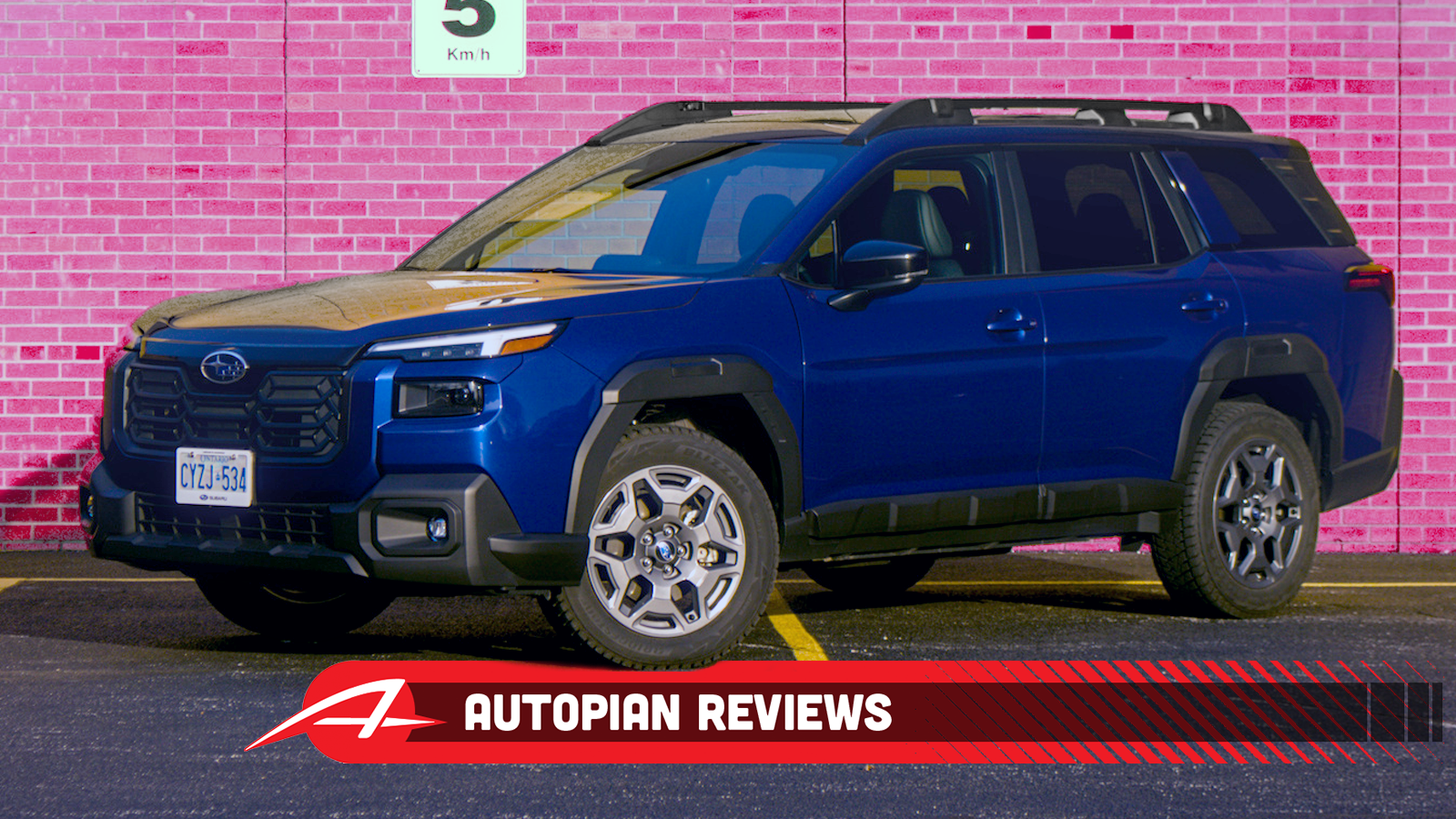
The only certainty in life is change. Ketchup is no longer purple, Skype is no longer online, and the Outback is no longer a wagon. Subaru has gone all-in on making the new seventh-generation model a crossover, and it’s safe to say that the internet wasn’t happy with this new styling direction.
However, if we look past the blockier, bulkier exterior, we can see that the new Outback rides on the same platform as the old one and uses the same engines, so does it really just keep what we already liked and add some quality of life improvements? I spent a week in one of the most affordable examples to find out.


[Full disclosure: Subaru Canada let me borrow this Outback for a week so long as I kept the shiny side up, returned it reasonably clean with a full tank of fuel, and reviewed it.]
The Basics
Engine: 2.5-liter naturally aspirated flat-four.
Transmission: Continuously variable transmission.
Drive: Full-time all-wheel-drive.
Output: 180 horsepower at 5,800 RPM, 178 lb.-ft. of torque at 3,700 RPM.
Fuel Economy: 25 MPG city, 31 MPG highway, 27 MPG combined (9.3 L/100km city, 7.5 L/100km highway, 8.5 L/100km combined).
Base Price: $36,445 including freight ($43,190 in Canada).
Price As-Tested: $38,715 including freight ($43,190 in Canada).
Why Does It Exist?
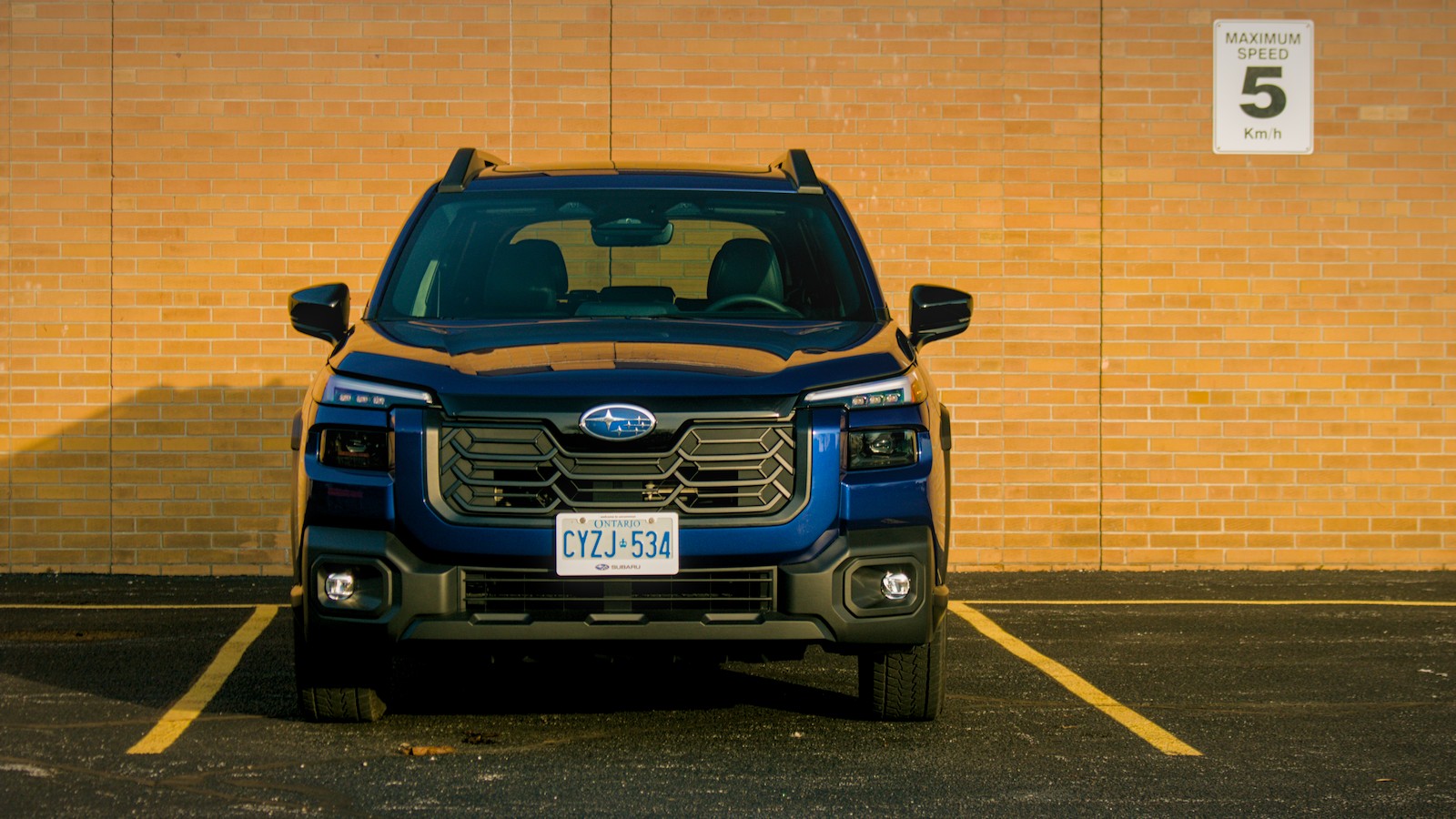
In the beginning, there was the Subaru Legacy, a midsize sedan and wagon competing against the Toyota Camry and Honda Accord. As a relatively cheap way of going after SUVs, Subaru lifted the Legacy wagon, threw on some cladding, and the Legacy Outback was born. Over the years, the Legacy Wagon faded away, but the Outback stayed, creating an implied missing-link scenario. Now there’s no more Legacy, and with the two-row crossover segment still going strong, this latest Outback basically sheds the last of its wagon roots in a gamble for greater appeal.
How Does It Look?
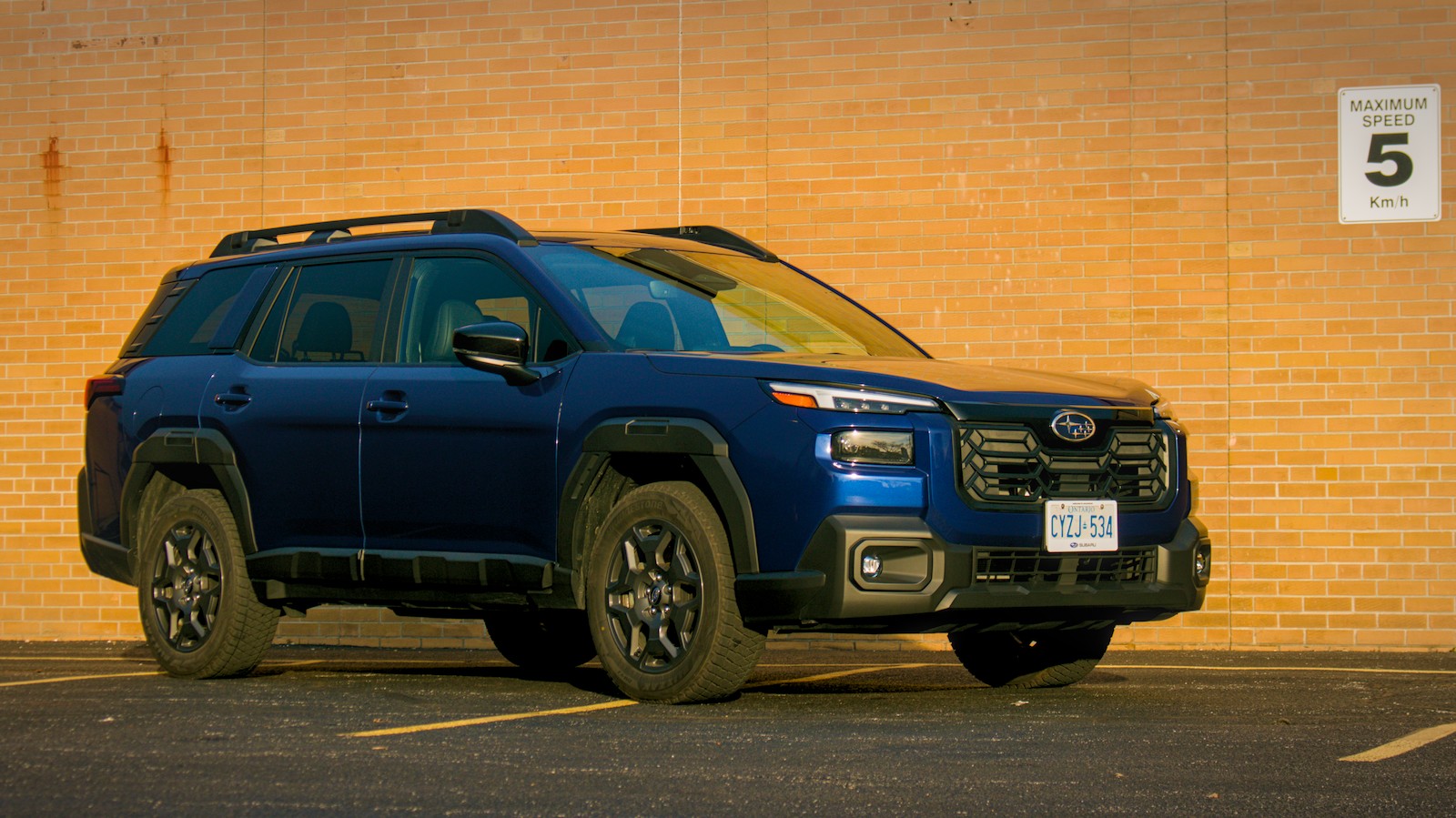
Look, aesthetics have rarely been the reason why people buy Subarus. There’s only ever been one pretty Subaru, and it was styled by Giugiaro. However, while the old Outback was proudly not like other two-row crossovers, the new one seems like it’s trying to sneak into the party. It’s more upright, blockier, and full of unusual elements. The weirdly jagged window line, those giant blisters atop the arches, the industrial roof rack that sadly does away with clever swivel-out crossbars. The end result looks a bit like a Ford Taurus X that’s been covered in glue and run through a plastic cladding factory. It definitely seems less SUV-like in person than it did in press photos, but you simply can’t call it a wagon anymore.
What About The Interior?
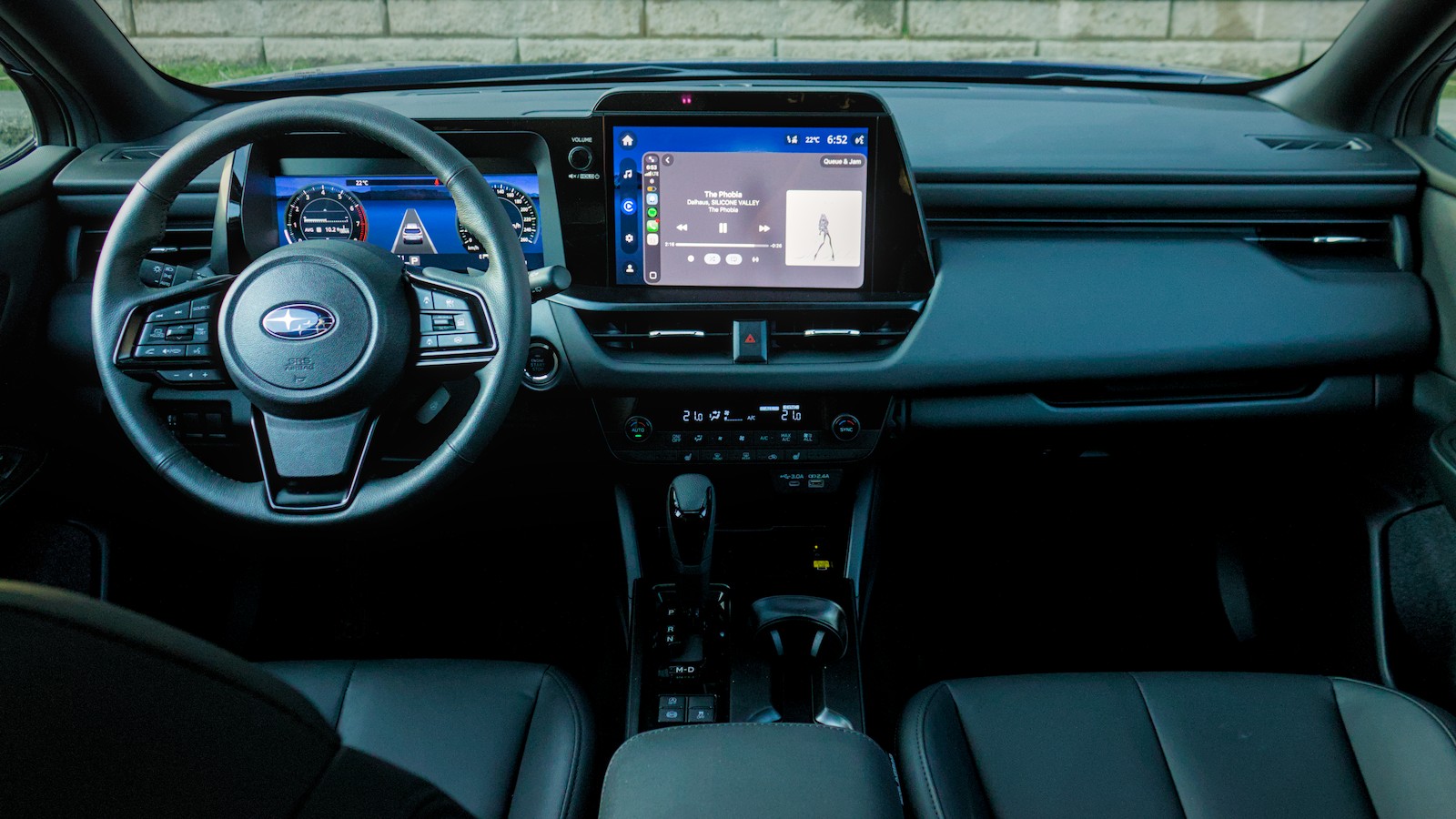
While the outside of the new Outback looks best in the dark, the cockpit is a different story altogether. Sure, the material consistency still isn’t quite perfect—the leatherette on the dashboard and the leatherette on the door cards have slightly different graining, for instance—but I can forgive all that because Subaru’s gone all-in on buttons. There’s a real bank of switches and knobs for the climate control, and a separate little climate control screen. The heated seats are controlled by buttons, the auto-hold and stability control are managed via buttons, and while there’s no more tuning knob, that’s a tradeoff I’m happy to make.
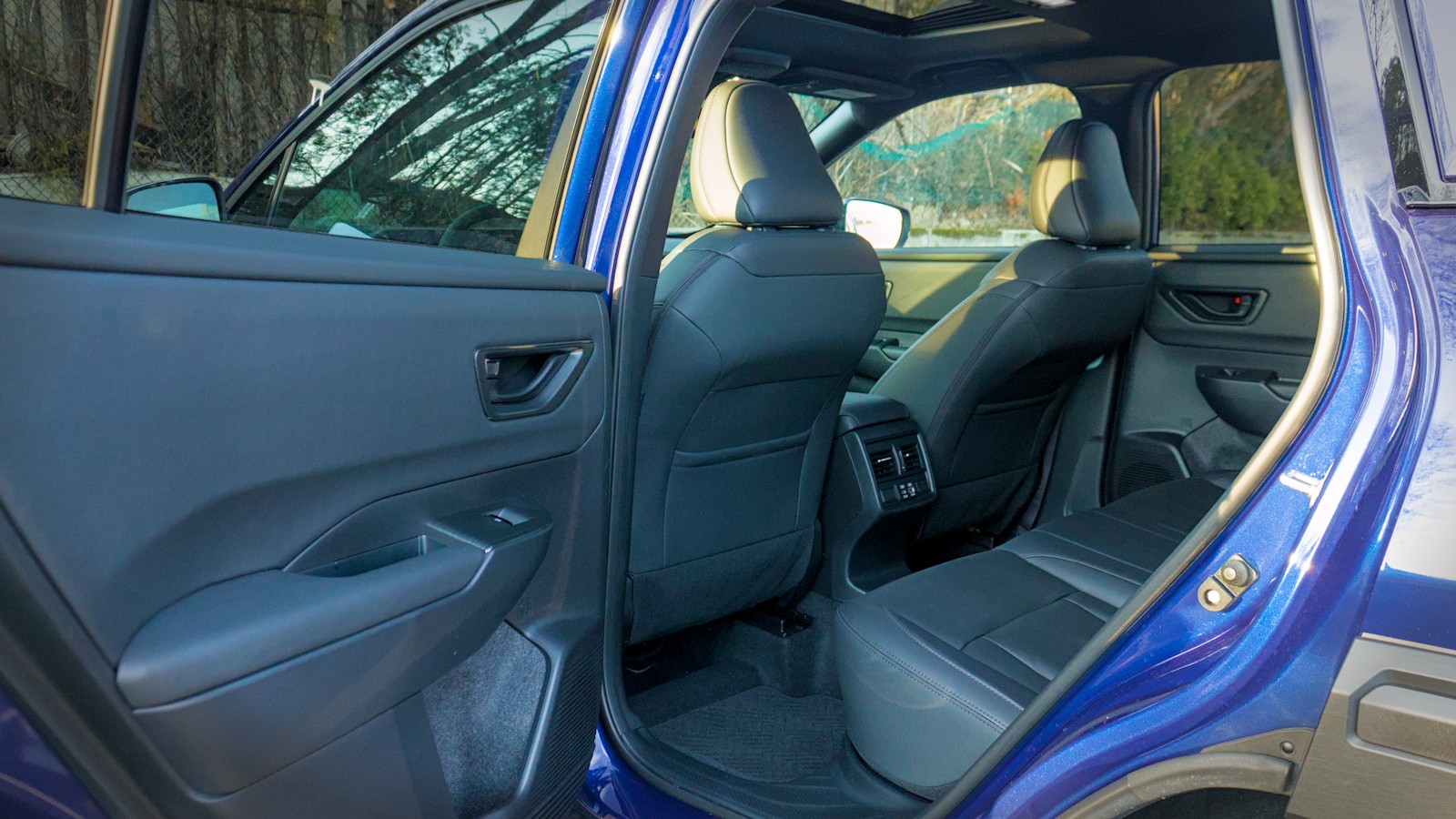
Beyond the dashboard, the new Outback’s as comfortable as your granddad’s armchair. Think a plush, yielding top layer of seat foam you sink into, accompanied by loads of space. The only thing to be careful with is the lumbar support, because it adjusts at a speed of Mach chicken. Cargo space is also abundant, although the cargo cover is a bit of a bother. It’s basically a sheet of fabric that zips up to become a hammock for small items. Handy if you need it, but I suspect it’ll mostly just be folded up and tucked into the cargo area’s side storage compartment. Oh, and while we’re on the subject of mild gripes, the armrests on the old Outback were plusher.
How Does It Drive?
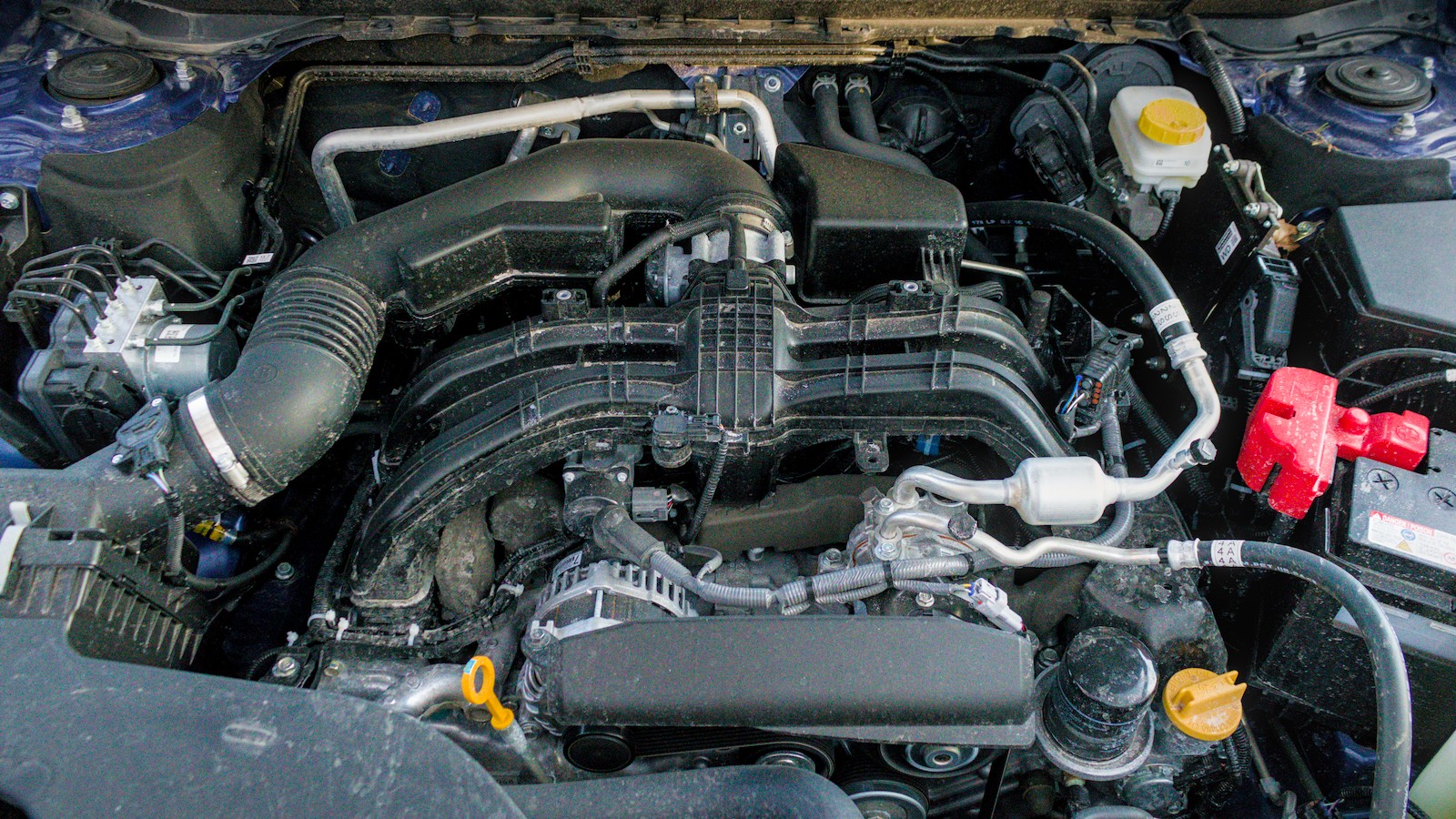
It’s not often that a new generation of vehicle loses power compared to its predecessor, but the new Subaru Outback’s base 2.5-liter naturally aspirated flat-four comes in two ponies short of the old model’s standard motor, cranking out an underwhelming 180 horsepower. The tradeoff is two more lb.-ft. of torque at a peak some 700 RPM sooner. Hitched to a CVT, it’s remarkably quiet around town, but runs out of puff in a relative hurry. You often have to cane it to make real forward progress, and doing so tanks the fuel economy. The EPA combined rating is already an underwhelming 27 MPG, but I only saw 23 MPG. Sure, my tester was equipped with winter tires, but the rubber change alone doesn’t explain such a discrepancy.
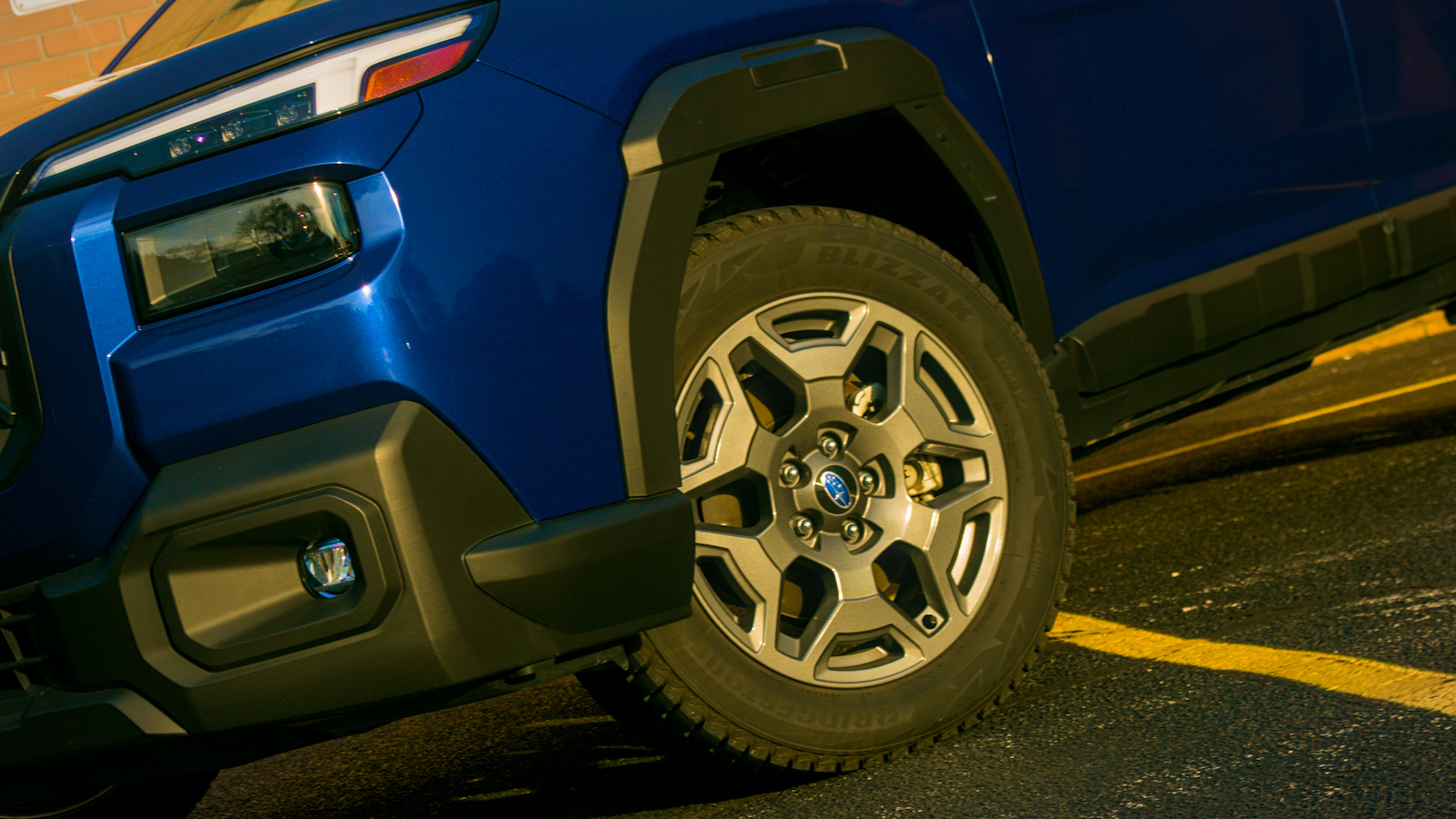
Granted, there is a turbocharged option available for those who want to splash the cash, and the base car still gets a rock-solid structure and reasonably nice suspension tuning. Between the ground clearance and the sheer sidewall, there’s plenty of space and squish to bound over potholes and speed bumps without feeling jostled. It’s just a shame the steering on the old model was better. It weighted up beautifully with load in a way that the new car’s steering doesn’t. Still, outward visibility’s excellent, and the light steering calibration makes it a cinch to thread through underground parking garages.
Does It Have The Electronic Crap I Want?
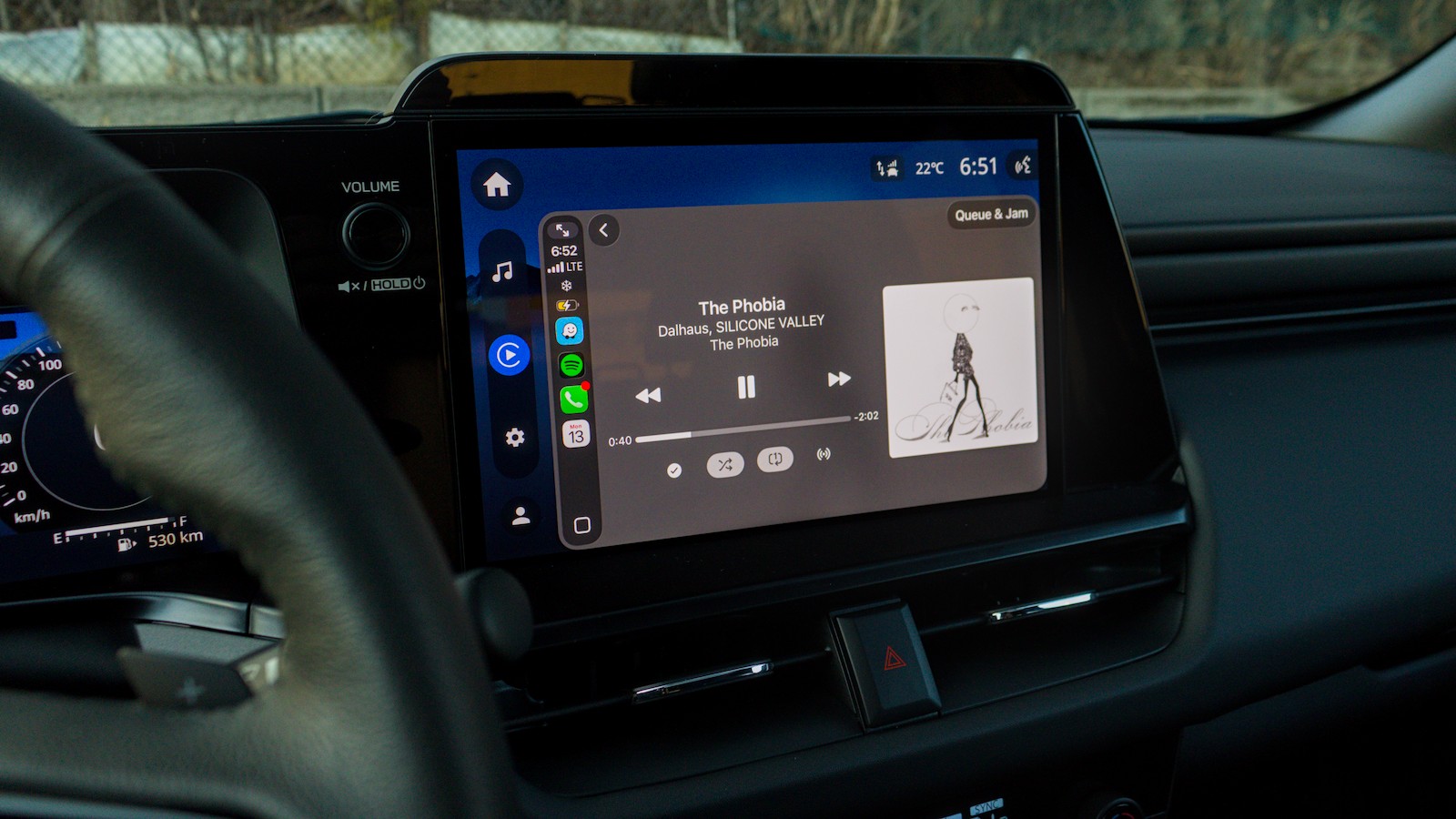
Remember when a base model meant something? Well, this is pretty much the base Subaru Outback, and it genuinely has everything you need. Heated seats, a heated steering wheel, a power liftgate, smart key entry, a digital cluster, and a big infotainment screen, automatic climate control, auto up/down on every window switch, paddle shifters, a power leatherette driver’s seat, LED lamps, the works. Even the standard audio system is perfectly fine for the price. What isn’t so fine is how the Apple CarPlay experience in my tester was marred by periods of horrific unreliability. Sometimes it would work normally, sometimes it would crash and reboot every handful of minutes. It’s something that should’ve been figured out by now, and a blight on what is generally a slick infotainment system.
Compared to the old portrait-style screen, which took donkey’s years to boot and was completely illegible when the sun hit it, the new 12.1-inch touchscreen fires up quickly, works smoothly, and doesn’t wash out in direct sunlight. Even the menu structure makes a great deal of sense, with large tiles so you don’t fat-finger things. If Subaru were to bring the CarPlay connectivity up to an acceptable standard, this new infotainment system would be perfectly competitive against the systems in the Hyundai Santa Fe and Kia Sorento.
Three Things To Know About The 2026 Subaru Outback
- The cargo cover doubles as a hammock for small items.
- Buttons are back.
- The price of entry is much higher than on the old one.
Does The 2026 Subaru Outback Fulfil Its Purpose?
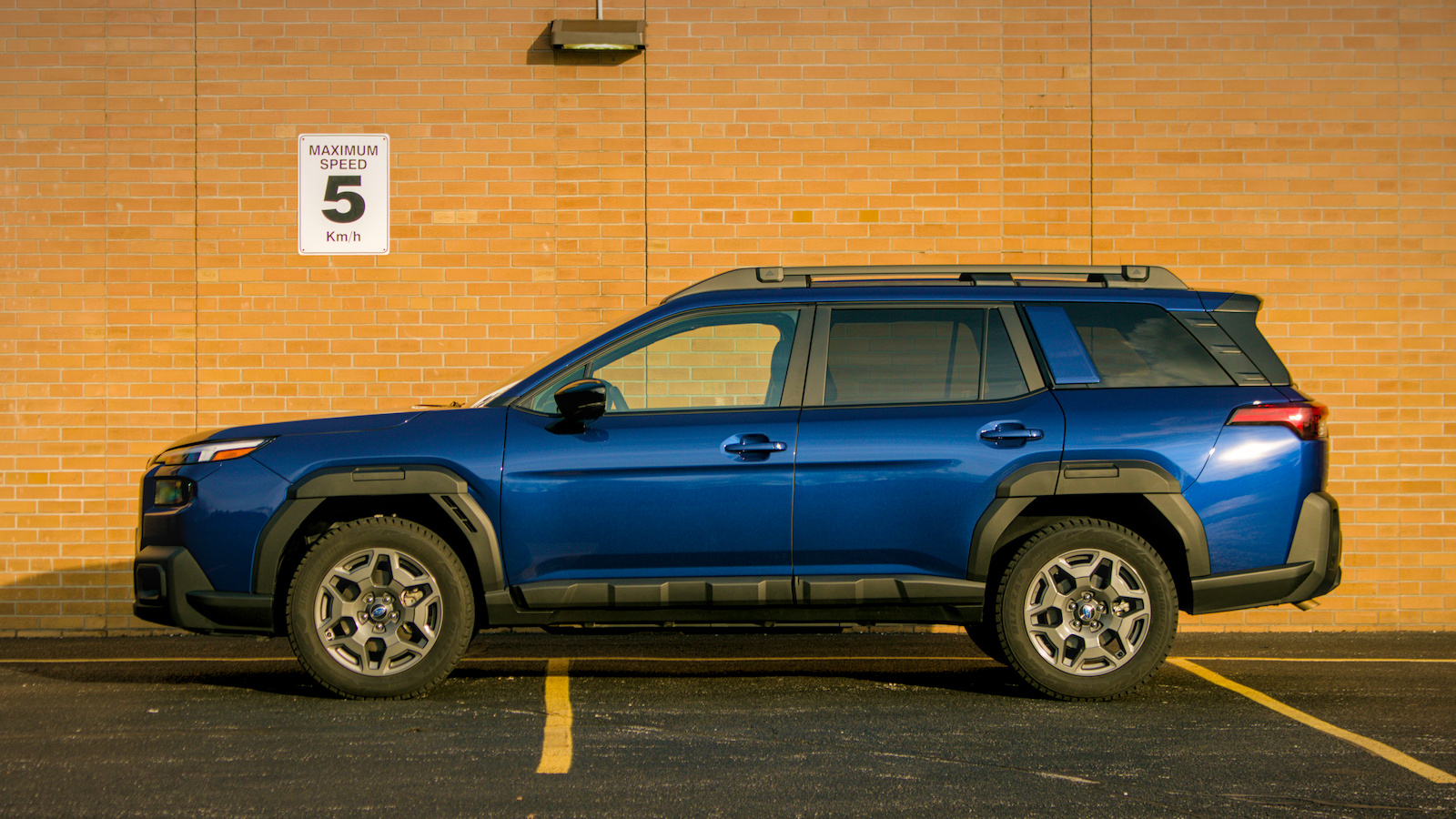
For the most part, the new Outback is still an Outback. It’s a reasonably sized, long two-row thing with all-wheel drive and enough ground clearance to make it to the hiking trailhead, even if there are some notable changes. As the level of standard equipment has risen, so has the base price. The big shock is that there’s no more true base model, which is why the new Outback looks thousands of dollars more expensive than the old one. Trim-to-trim, the most comparable outgoing equivalent to my $38,715 test car was last year’s $37,475 Outback Premium with the optional sunroof package. Adjusted for inflation, that’s only a $278 price delta, and that sort of money for loads more buttons doesn’t seem like a bad deal.
It’s worth noting that embracing the midsize crossover form factor does bring risk. The walk-in freezer-shaped Hyundai Santa Fe is more spacious, the Toyota Crown Signia is a compelling hybrid that’s priced close to a loaded Outback, and there’s even about to be some internal competition in the form of the electric Subaru Wilderness. The Outback used to be cool because it was a bit of an anachronism, the last mainstream station wagon alive in America. Now that it’s visually forgotten its roots, some things like a sub-190-horsepower base engine are a little bit harder to excuse in the name of character, even if it’s more refined overall than the old car.
What’s The Punctum Of The 2026 Subaru Outback?
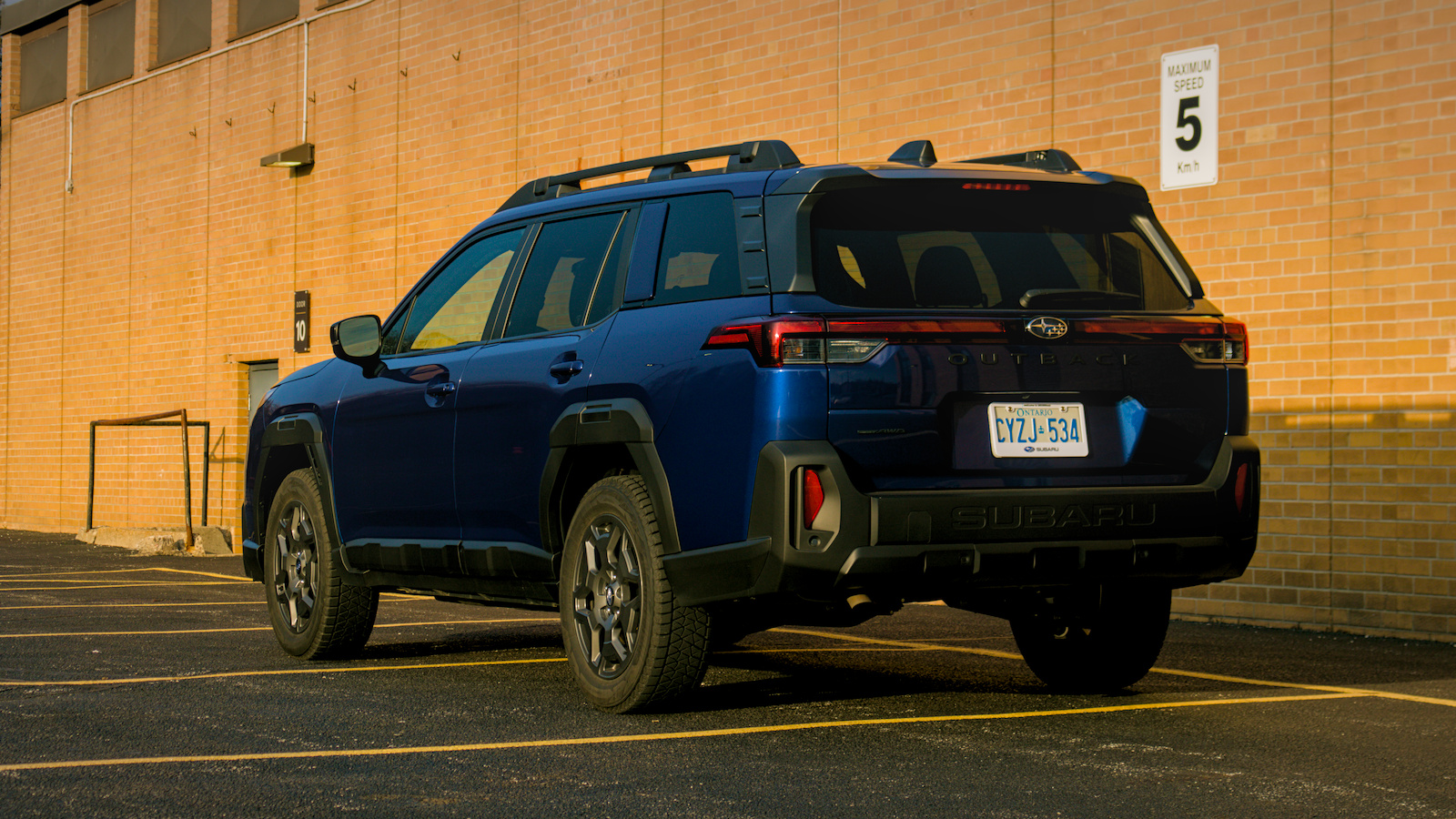
While the fundamentals are essentially unchanged, this latest Outback is no longer the left-field option the model used to be.
Top graphic image: Thomas Hundal




Saw one in person the other day and at least from behind, it looks better IRL