


Sometimes you find the strangest cars for sale on Facebook Marketplace, shipped on the other side of the world. Take the FSO Polonez, for example: it was made in Poland for quite a while, and it’s not at all peculiar to see them listed for sale on Facebook if the cars in question are located in Poland. But when they are for sale in Illinois, you do a double-take. One of them is a grey hatchback with a British 16-valve engine from the factory, and the other is a four-door truckified version. There can’t be too many on U.S. soil.
The Polonez was one of the larger family cars made by FSO. It’s a not-unattractive liftback shape, offering a decently sized trunk as well as a modern exterior design for the time, but it’s also rear-wheel drive. Like a number of Eastern European cars from the 1970s and 1980s, it is largely based on older Fiat mechanicals, but those were updated and changed numerous times as the car was produced up until the 2000s. Unlike the Yugo, they never had an American importer.


Safety First, Looks Second
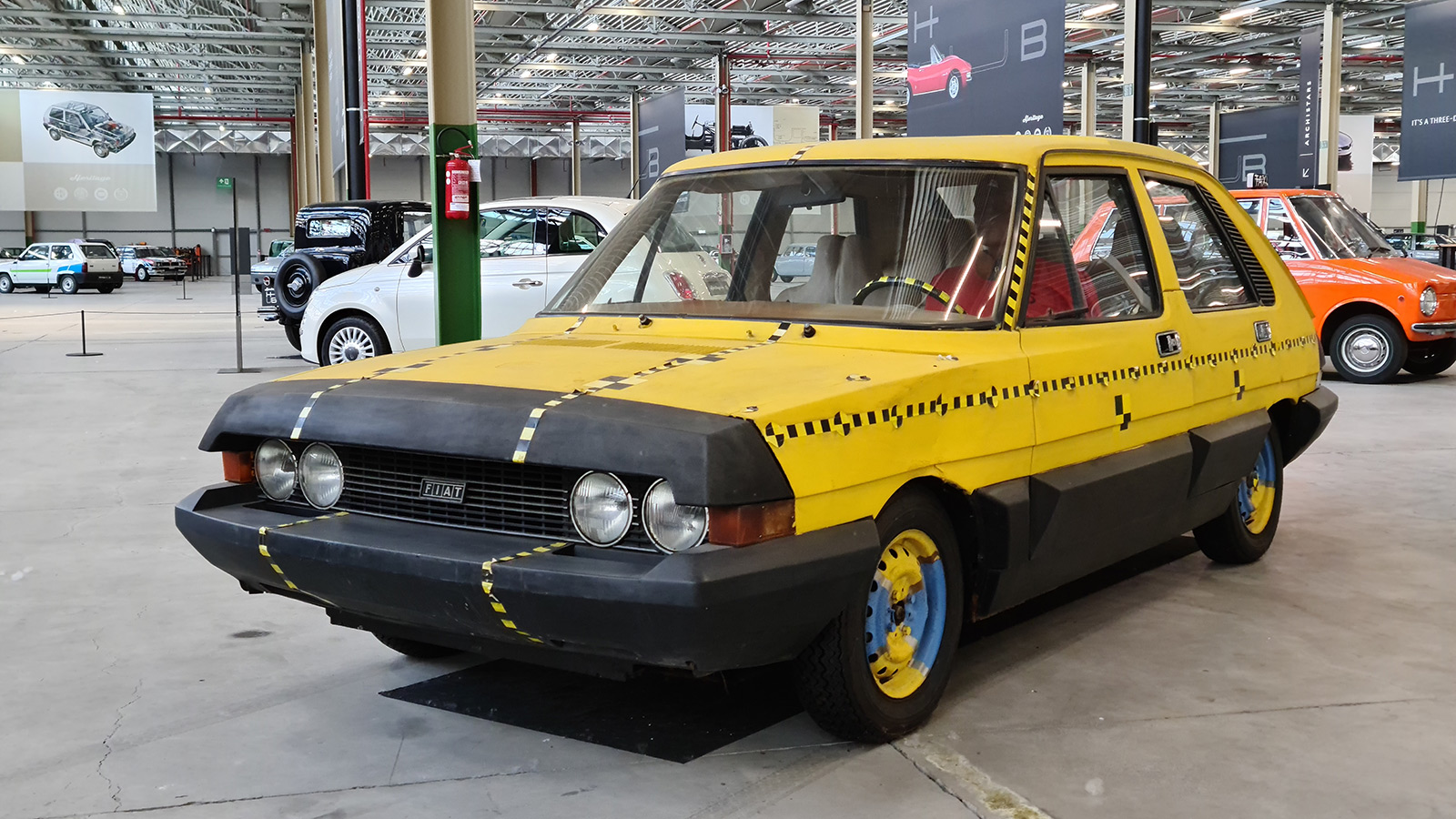
The Polonez was born out of a safety car prototype Fiat developed during the 1970s. The Fiat ESV 2000 (for Experimental Safety Vehicle) was built in 1972 on the same front-wheel-drive platform as the Fiat 128, which in turn was also produced in Yugoslavia in the Zastava factory and also sold with a Yugo badge, so you already have your Eastern European car connection there.
1970s safety prototypes seem to have been designed around the basic idea of “let’s bolt soft plastic all around the car and hope it helps.” At least the headlights were well protected under that Neanderthal brow – or is it Brezhnevian?
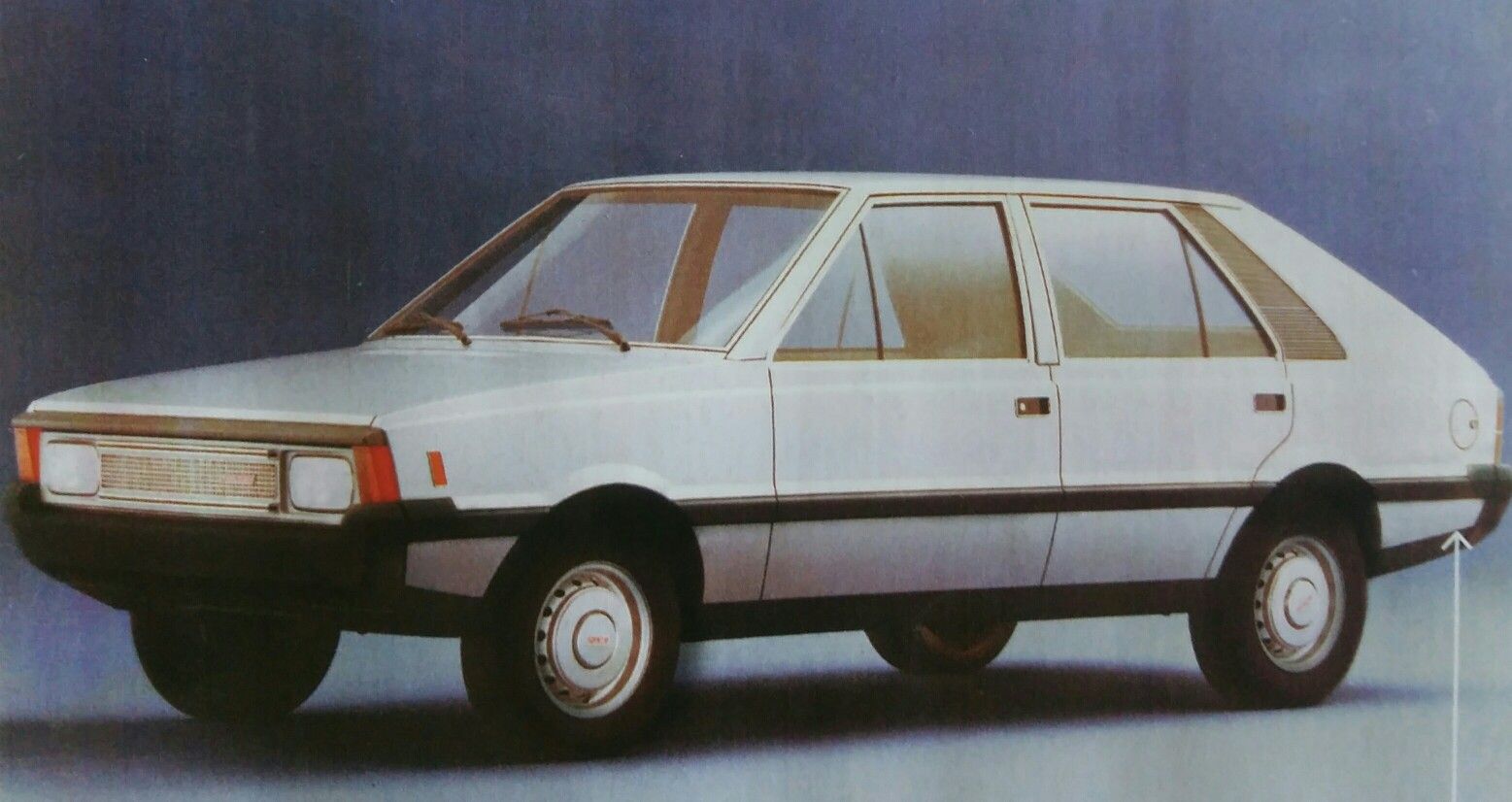
The ESV 2000’s dumpy design was soon distilled to a more palatable, Giugiaro-penned shape, which already heavily resembled the Polonez’s eventual 1978 production form. At this point, it was known as the Fiat Type 137 prototype.
In 1978, the production car was crash tested, and promotional materials of the time claimed it to be the only Eastern European car to pass U.S. crash tests of the time. However, since it wasn’t actually imported to the States back then, no official FSO Polonez crash tests were conducted there.
Destined For Production – In Poland

What about the Polish connection? The Warsaw-based FSO (Fabryka Samochodów Osobowych, or the Passenger Car Factory) had been building the Fiat 125p (P for “Polski”, or Polish) since 1967. They needed a newer design to continue the tradition, even if they had no plans of stopping building the 125p.
The 125p wore the exterior design of the Fiat 125 sedan, but it was built on the running gear of the preceding Fiat 1300/1500. Make no mistake, the original Italian 125 also utilized the 1300/1500 floorpan, but it received the hot 1608cc DOHC engine, making it a sport sedan. The cheaper Polish equivalent went ahead with the old OHV engines from the predecessor, and an estate version was also produced.
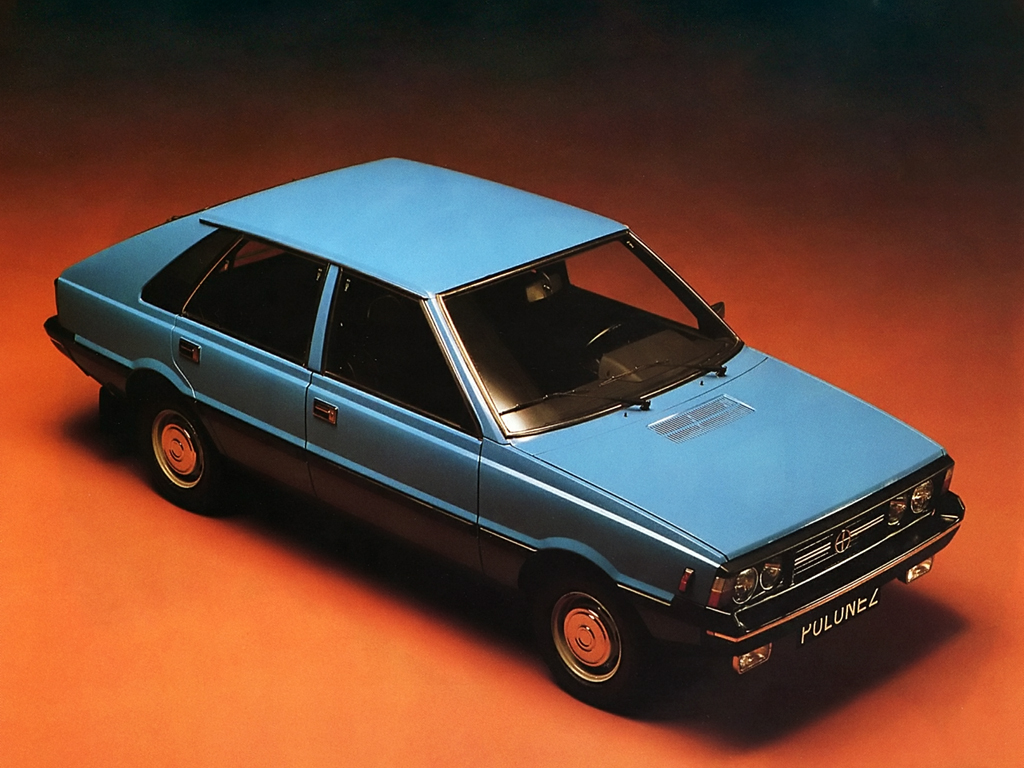
The visually more modern 1978 Polonez was built on the same basic structure as the old-shape 125p, to the extent that the cars would remain mechanically identical up until the 125p ceased production in 1991. Only the suspension was marginally stiffer in the Polonez.
In other words, you could choose your Large Polish Car either as a conservatively styled 1960s sedan or wagon, or you could select a modern fastback design – but the RWD drivetrain would be the same, only with a choice of 1.3-liter or 1.5-liter engine.
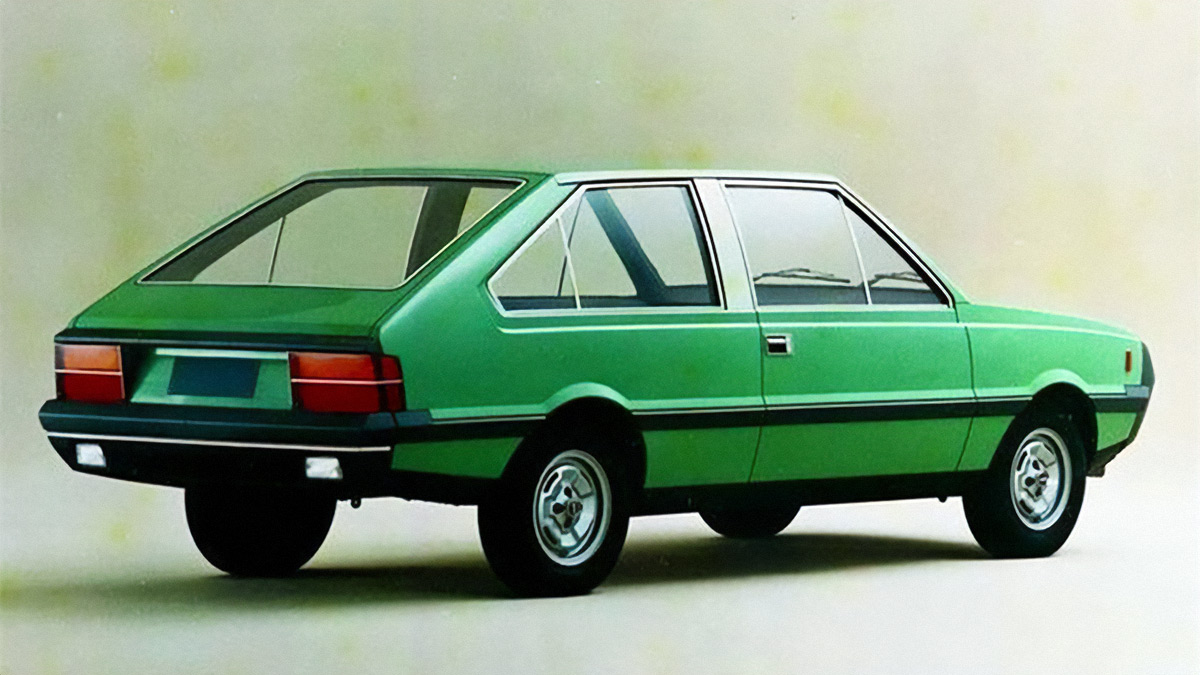
The 125p was produced in far greater numbers, as it was cheaper: a 1987 article remarks that FSO built 250,000 Polski Fiat 125ps per year and only 30,000-50,000 Polonez. The Polonez was more of an executive choice, especially its three-door “coupe” version, which remained rare as only 40 cars are speculated to have been built. The basic shape of the car wasn’t altered in any way; it was just produced with two fewer doors and thicker B-pillars.
For government use, FSO produced some Polonez 2000 DOHC versions that were at least as fast as the 1600cc and 1800cc rallye versions of the 125p.
There was also a frankly bizarre rally development of the Polonez called the Stratopolonez, which had a mid-mounted Lancia Stratos V6. It produced 260 horsepower, and while it might have been a hackjob, it was a very exciting one, created from a crashed Stratos rally car and a brand new Polonez. They only built one, because there was only a single Lancia Stratos to use for it.
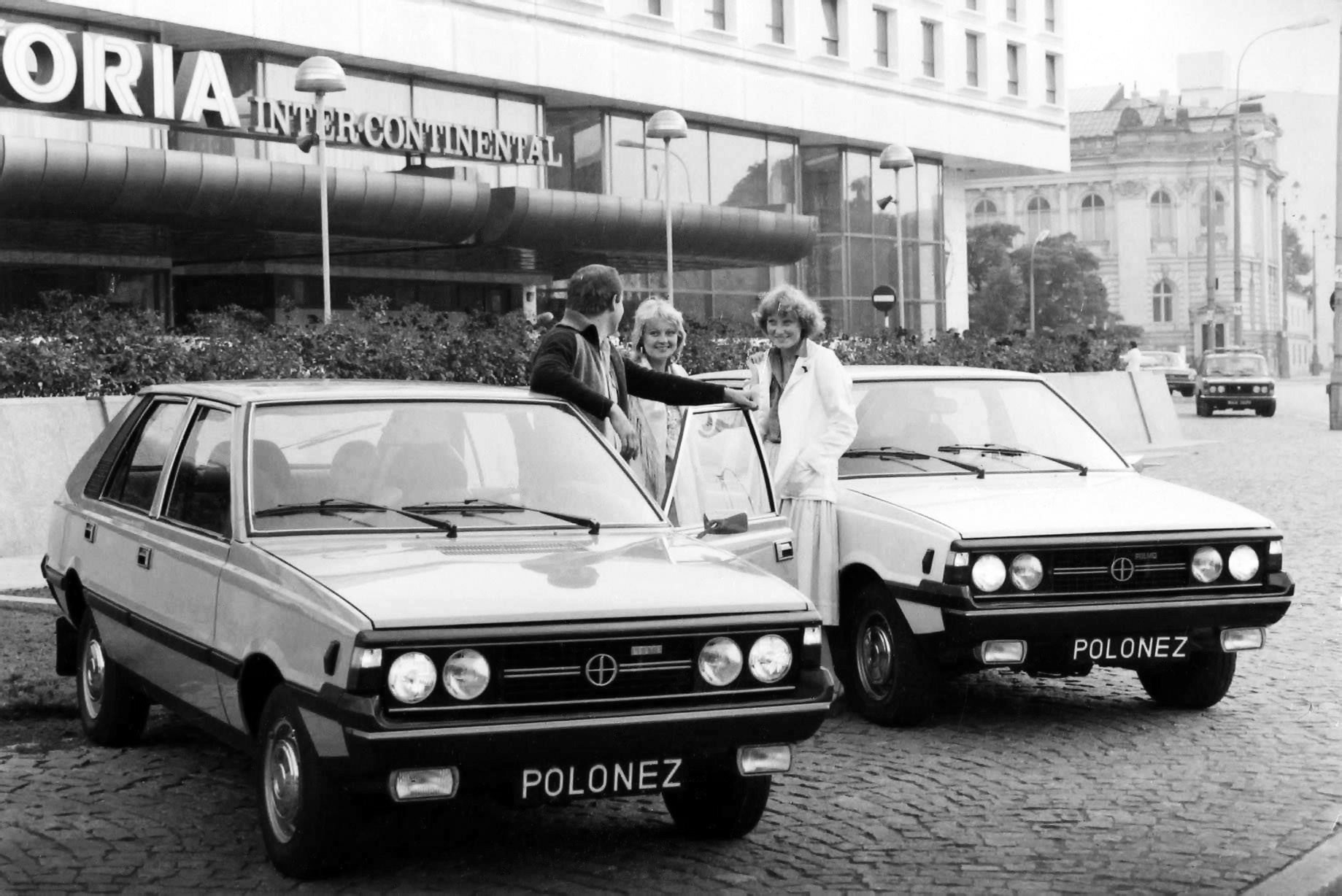
The Polonez was exported to other European countries, as was the 125p. Finnish road tests and long-term tests of the period note that the Polonez offered good cabin space for a reasonable price, but that while the long wheelbase made it a relaxed highway car, it was cumbersome in town, and the steering was slow and imprecise. It was also said to be quite loud, from the drivetrain to the interior fittings. Incredibly, the rear seat back also didn’t fold in early cars, but that was fixed during the 1980s, and the Finnish importer offered a “Special” trim level, which offered Finnish upholstery and a split-fold rear seat. Quality control in Finland was done by eight Polish craftsmen working at the importer.
It’s noteworthy that the Polonez cost around 40,000 FIM new at its 1979 introduction in Finland. That was comparable to a Mitsubishi Colt, and the car compared to a similarly shaped Volkswagen Passat, which cost double. By 1987, inflation had lifted the Passat’s price to 110,000 FIM, but the Polonez still cost less than 40,000, less than a Lada Samara and only a little more than a rear-engined Skoda.
The Polish Car From A South Korean Company
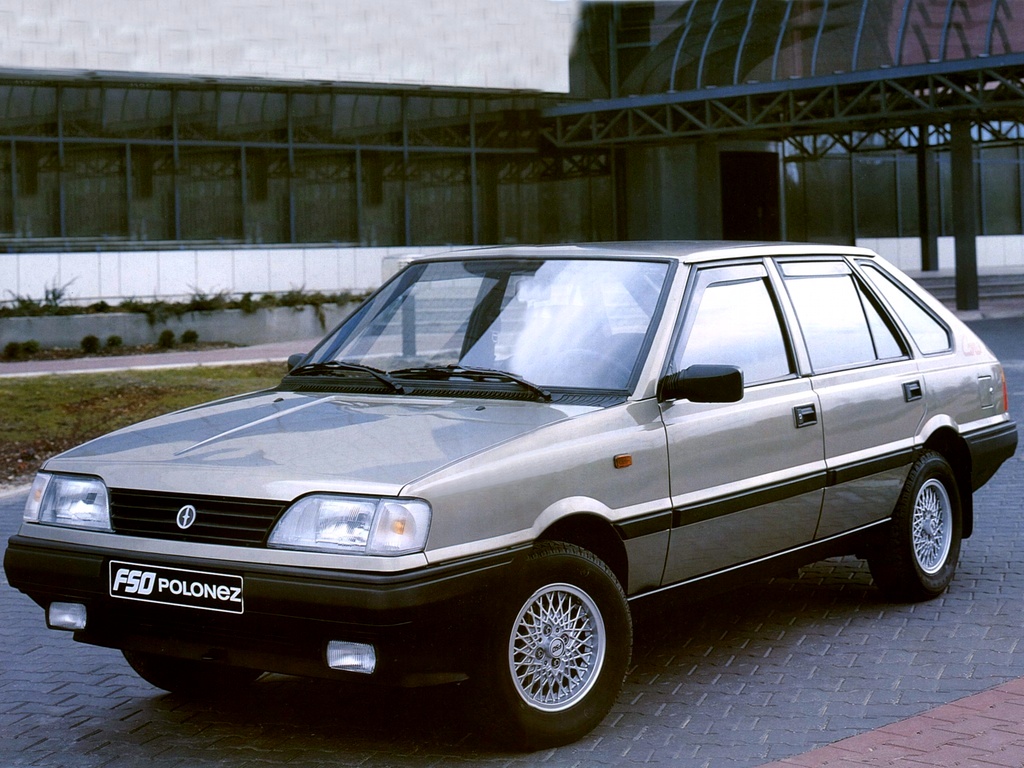
In 1991, after the 125p was put to pasture, the Polonez was facelifted in a 1990s fashion, sort of making it look more like a Skoda. In the same decade, the Polonez, now carrying the Caro name to differentiate it from the more blocky 1980s version, also received a four-door notchback version that’s not quite as good looking as the fastback.
The final facelift took place in 1997, around the time when the South Korean carmaker Daewoo bought into FSO. Daewoo’s plans included producing its Nexia and Lanos and the tiny Tico city car in Poland, but the deal also enabled freshening up existing stock from FSO. The cars were sold under the Daewoo-FSO name, but they still retained the old FSO badging on the grille and the trunk.

Daewoo’s joint venture with FSO was short, as Daewoo itself went bankrupt in 2000 and was sold to General Motors in 2002. FSO negotiated the rights to continue producing Daewoo’s cars in Poland after the Polonez finally went out of production. The last Polish Daewoo-based cars, Chevrolet Aveos, were built in 2011.
The FSO Polonez Trucks

As well as a very tall looking wagon variant, the Polonez and the later Caro Plus were offered as pickup versions with different length cabins. Not only could the customers select a two-door pickup and a sort of an extended cab version, but there was also a four-door crew cab that was incredibly long. For that, the bodyshell of a regular model was extended with filler panels to be able to cut it vertically behind the rear doors, then bolted onto a pickup truck rear section. It’s got this Maverick, Comanche thing going on, but you could think of it as FSO’s F150.
FSO had also developed a ute version of the preceding 125p, which sort of resembled the Moskvich/Izh pickup that was sold at the same time. That conversion was done quite crudely, as the rear footwells of the regular 125p remained in place with the bed laid on top.
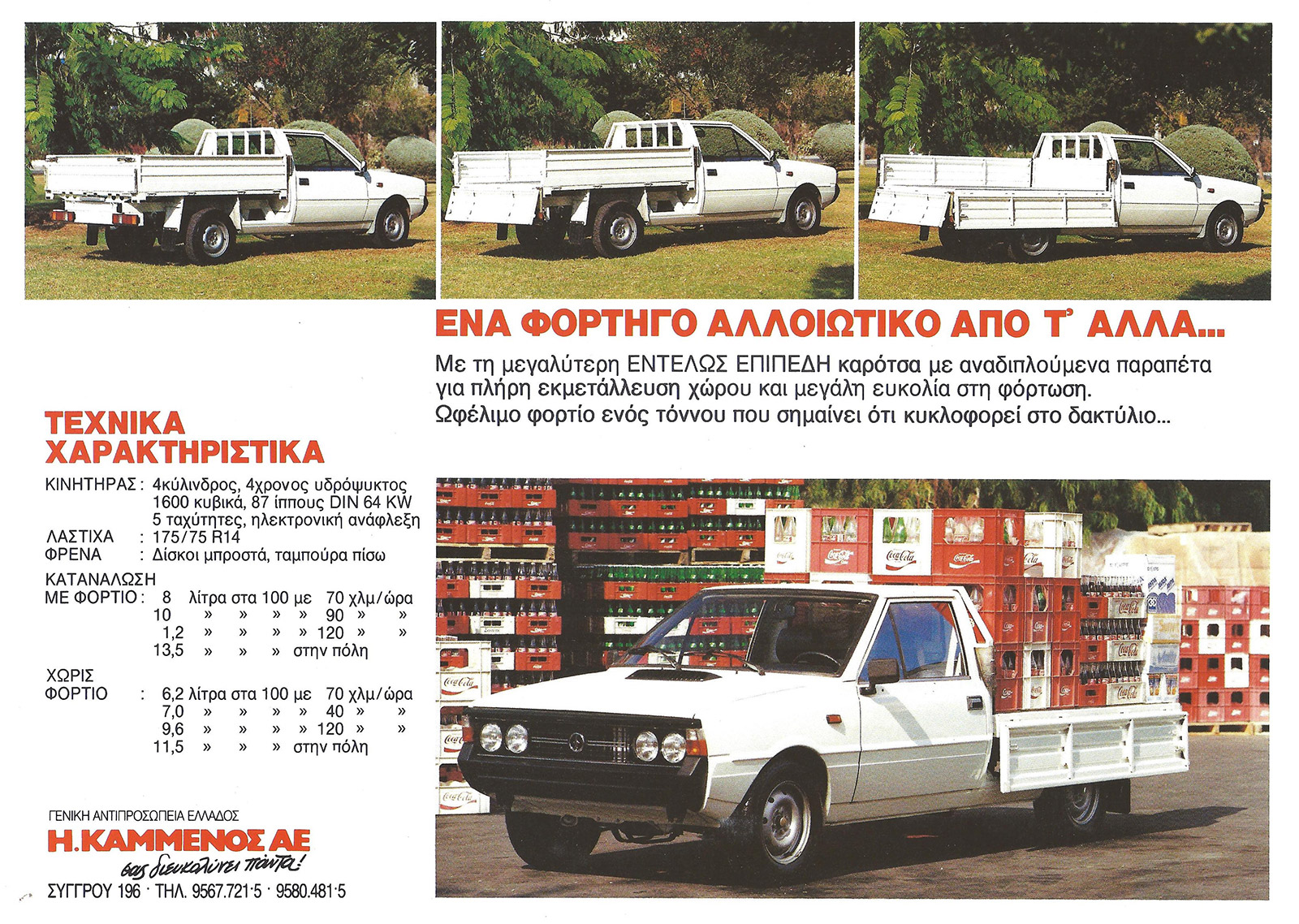
A brochure of the time calls the Polonez Truck ROY the “Strong Argument,” which we presume to be positive. And if this was one of the cheaper trucks you could buy, then by all means. Naturally, it has a leaf sprung, solid rear axle, but that’s simply because all Polonez do, even the liftback.
While the regular FSO Caro was 172 inches long, the double cab pickup was all of 208 inches, or 5.3 metres, with bed length nearly six feet. Total load capacity was marked as 940kg, or over 2070 lbs. The bed sides also folded conveniently.
As for the available engine choices, the Polonez Truck was built with gasoline and diesel engines. While the OHV engine (75hp/130Nm) still served in 1.6-liter form, FSO’s engine dealings meant there was also a choice of Peugeot’s 1.9-liter XUD diesel, a very reliable powerplant. While it also didn’t offer a lot of power or torque (68hp/120Nm), it at least used less fuel than the gasoline variant.
Regarding the engine choices for the passenger Polonez during its “years of freedom” from the early 1990s, the variety was wide. The smallest engines were Rover’s 1.4-liter K-series, above those the Fiat-derived OHVs, and Ford’s two-liter OHC, which is likely to have been the Pinto as seen in the Sierra. The Rover engine was fitted in a Caro Plus GTi, which had all of 103 horsepower.
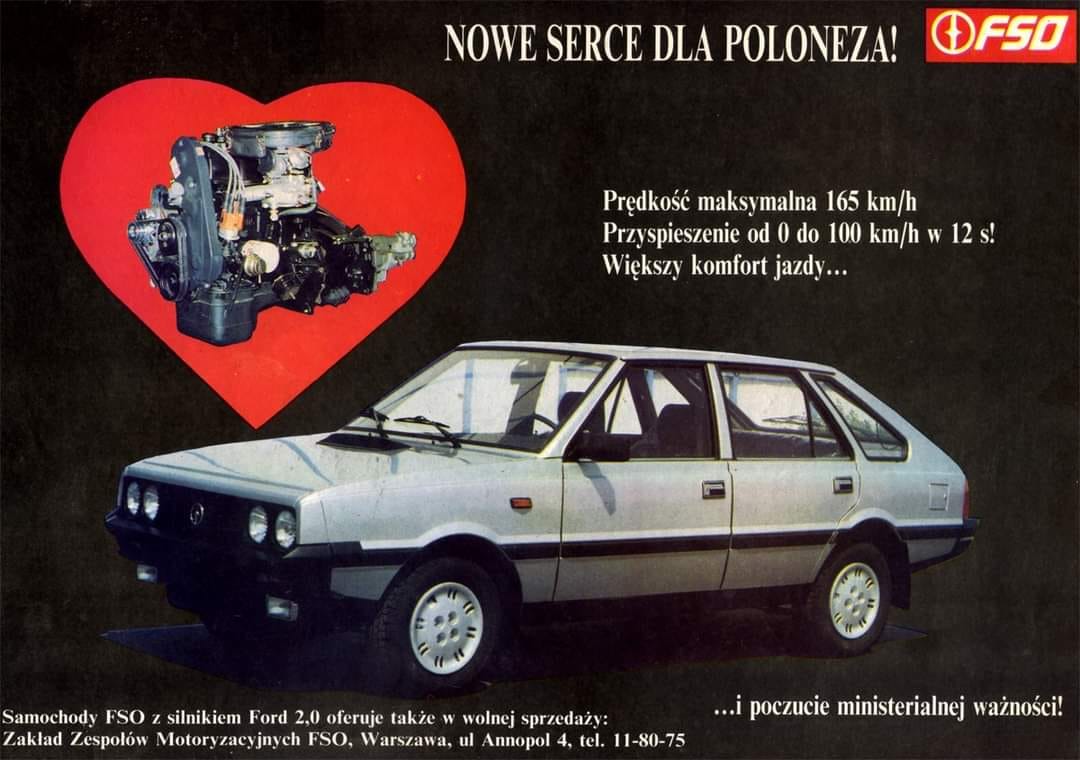
The advertisement above notes the “new heart for the Polonez,” which in this case was the Ford engine. The OHC’s top speed was noted as over 100mph, with a 0-60 time of only 12 seconds!
FSOs In The US
For any Polish emigrant nostalgic for driving something from the old country, it pays to take a look at Marketplace now and then. A seller in Bartlett, Illinois, has a 1997 FSO Caro Plus with 86,000 miles on it (below). The engine in it is the Rover 1.4 16v, which is very handy if you also have something like an MGF, as those have the same K-Series engine.
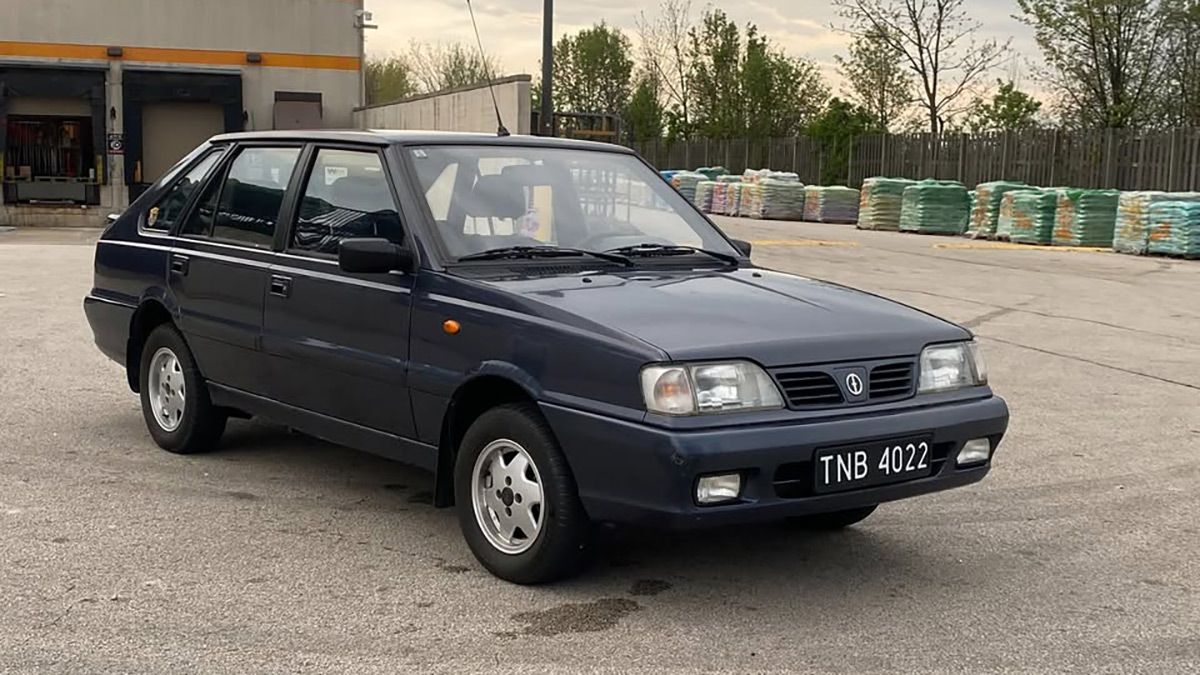
The car seems to be a very recent import, as it still wears large Polish licence plates, the classic ones with a black backing.
Another, also Illinois-based seller imported a (now sold) 1997 Polonez Truck Roy from Poland, and it looks to be in spectacular condition, judging by the Facebook Marketplace photos. The four-door truck has been repainted top to bottom by a Polish Polonez enthusiast, with the underbody thickly sealed.

The very 1990s teal paint also suits the car very well; it’s probably the car’s original shade, as it can be found in the engine bay as well as the brochure mentioned above.

Fully loaded versions had leather seats, which adds a touch of class to the crew cab; the 1DIN touchscreen head unit adds a modern vibe, despite the gear shift poking out of the dash in exactly the same fashion as in the 1978 original. The seller has also imported Fiats and Opels from Poland earlier, from Cinquecentos to Calibras.
The truck is said to be a rare export version, and these were sold elsewhere in Europe, such as Italy. The teal truck was listed at $13,500, while the fastback version is currently for sale for $8,500 – while these aren’t cheap-cheap, they are quite rare in the States. The Ford-engined ones would probably be the easiest ones to own from a parts perspective, if you plan to drive an FSO of your own on American roads.
Photos: FSO unless otherwise noted
Top graphic image: Facebook Marketplace seller


My grandfather had a Daewoo-FSO era Polonez, one of the lower trims if I remember correctly. One thing I remember from this car was that the bootlid was outrageously heavy (it was a liftback) and the gas struts only worked whey it was fully open. I dreaded that I’ll get my hand chopped of one day.
The old ones, with round headlights have some value for collectors I guess (they starred in a Polish cop series) but right now I think it’s easier to find a 126p than a Polonez on the streets. Time (and drivers) have not been kind to the later examples.
The best version of the Polonez is not the exclusive coupe, it’s the 3-door regular Polonez. Rumored to have been built to 300 examples, it literally was the “5-door” car but without the rear doors. The windows were the same however, including the chrome surrounds. It makes the 1980 Chevy Malibu with the fixed windows in the back look positively decadent.
“Is this still available?”
Pretty sure the answer is and will be yes.
I feel like these used to be all over the place as work vehicles in Poland, only a few years ago. Maluchs too, and even some 125ps, but I feel like they have all but disappeared. The 4 door ute always seemed kinda interesting, though I was always more interested in convincing my wife to let me hotrod a Maluch, which I always found to be amusing as hell.
I think a modern Fiat Twin-Air Turbo is ideal for a 126 since it’s a two cylinder Fiat engine. For more wacky options, Practical Classics recently had an article about a frankencar made by putting a 126 body on a Brabus Smart floor pan
I see FSO Polonez nee Polski Fiat but what I’m hearing is AMC Concord, nee Hornet.
Polish cars or Polish anything popping up in Illinois especially around Chicago isn’t surprising in the least bit to me. That someone keeps buying them and there is a steady business might be a little bit. But I guess it’s strange enough someone will pay.
I’ve seen these Polonez appearing on Chicago FBM for years now, and I always assumed it was the work of one really enthusiastic Polish fan. But it’s at least two such people!
Not interested in spending every free moment trying to order parts in a language I do not speak from thousands of mile away.
And that’s the nicer part of the whole experience!
After the Berlin Wall fell, there was a brief fetish in the US for Soviet Bloc cars. Trabants were probably the most popular. Robert Dunn of the “Aging Wheels” YouTube channel has a Trabant and a Polski FIAT.
I still would like to have a running Trabant and one to Modify.
Trabants and Polski Fiats are interesting and potentially hilariously terrible, though. The Polonez is just bland rubbish.
About 5 or 6 years ago a guy in my neighborhood briefly owned owned a Trabant. Took it to the local car shows for one summer and then it disappeared, so the novelty must have worn off pretty quick.
I imported a Polish-built, Italian export-spec ’87 FIAT 126 back in January here to Nova Scotia! Still haven’t driven it much because the weather, despite it now being almost June, hasn’t been good enough to do so, and I need to adjust the steering box a bit better first!
Words cannot express how badly I want that crew cab ute.
A 6 foot bed is longer than some modern crew cab trucks, but talk about function over form. I do kinda like the hatchback, though.
Mercedes, you may go test drive the truck for content, but under no circumstances are you to buy it! Sheryl said so!
I’m in northern Illinois and I saw these on Facebook marketplace. Oddball cars always catch my eye, much more so than the usual cliched Mustangs/Camaros/Corvettes etc. Lotta Polish and eastern European immigrants in this area so figured these importers were catering to them. Though if I had the spare cash I’d totally buy something like this just for the novelty of driving it for a few months.
Judging by what the various Polish people I know andor work with have to say about them, I’d have thought that people who grew up with them are the last people in the world who’d buy a Polonez. The Polski Fiat is quite fondly remembered, but not the Polonez.
I’d imagine the only people who’d buy a Polonez are demented hipsters, but perhaps these days there are second gen Polish immigrants who don’t know any better.
You could be right. I assumed these were aimed at immigrants who had nostalgia for what they drove back home, but probably they sell to enthusiasts who like obscure oddball cars for the novelty value. Kinda like buying a nondescript JDM hatchback.
…where is Bartlett in relation to Peoria? I’m guessing Chicagoland but who knows…
It’s a farther northwestern suburb of Chicago.
…yaaaaa, maybe nah. Especially if it’s not titled yet. We’d have to rent a trailer.
The Polonez occupies a very small niche a whisker short of ‘so bad it’s fun and interesting’. It’s just plain bad. Not competent enough to even be dull and vaguely competent, but not so utterly terrible that it’s remarkable in any way. The most interesting thing that can be said of it is that it’s one of the cars ever made.
We used to have a 1993 Caro (so the facelifted one) in our family for 15 years.
Never again – the rear seats were sorta comfy, parts were cheap and easily accessible…and that’s about all the good stuff about that car.
Funnily enough, a friend of mine considered buying a Polonez a few years back. All I could say was “don’t. Just don’t”.
Now you have my attention. I almost want to buy that car because I love oddball vehicles, but I’d be concerned about being able to get it properly titled here.
That pickup is gorgeous.
The folding box-side, low loading, and car-like make it seem such a practical vehicle.
Go weirder, I think the Holden Crewman may be 25 years old now and is AFAIK the only 4 door Australian ute