


I’m here in LA, helping to get things together for the Galpin Car Show, and that also means I’m on West Coast time, which means I have to do Cold Start the night before, but I was traveling all day and haven’t had much sleep and here I am up way too late, the cruel deadline of Cold Start staring me in the face, standing between me and the promise of sleep. Okay, fine, Cold Start. You win. But I’m going to talk about something really trivial, just out of spite.
How trivial? How about a gas cap? That’s pretty trivial! But, somehow, I’ve managed to get myself interested in this bit of minutia. It’s a specific gas cap I’m thinking of, perhaps the most famous example of a kind that’s almost extinct now: the unashamed, exposed gas cap, designed for ease of removal.


Specifically, I’m thinking of this particular gas cap that was used on some liquid-cooled Volkswagens and at least one Porsche in the early 1970s into the 1980s. This gas cap:

You remember this gas cap, right? I can almost feel the pebbled textured plastic on my fingers just looking at that thing. These gas caps were interesting, because while exposed gas caps have been present on cars for decades, they largely went away in the 1950s, when gas caps covered with a flap in the body began to become the norm.
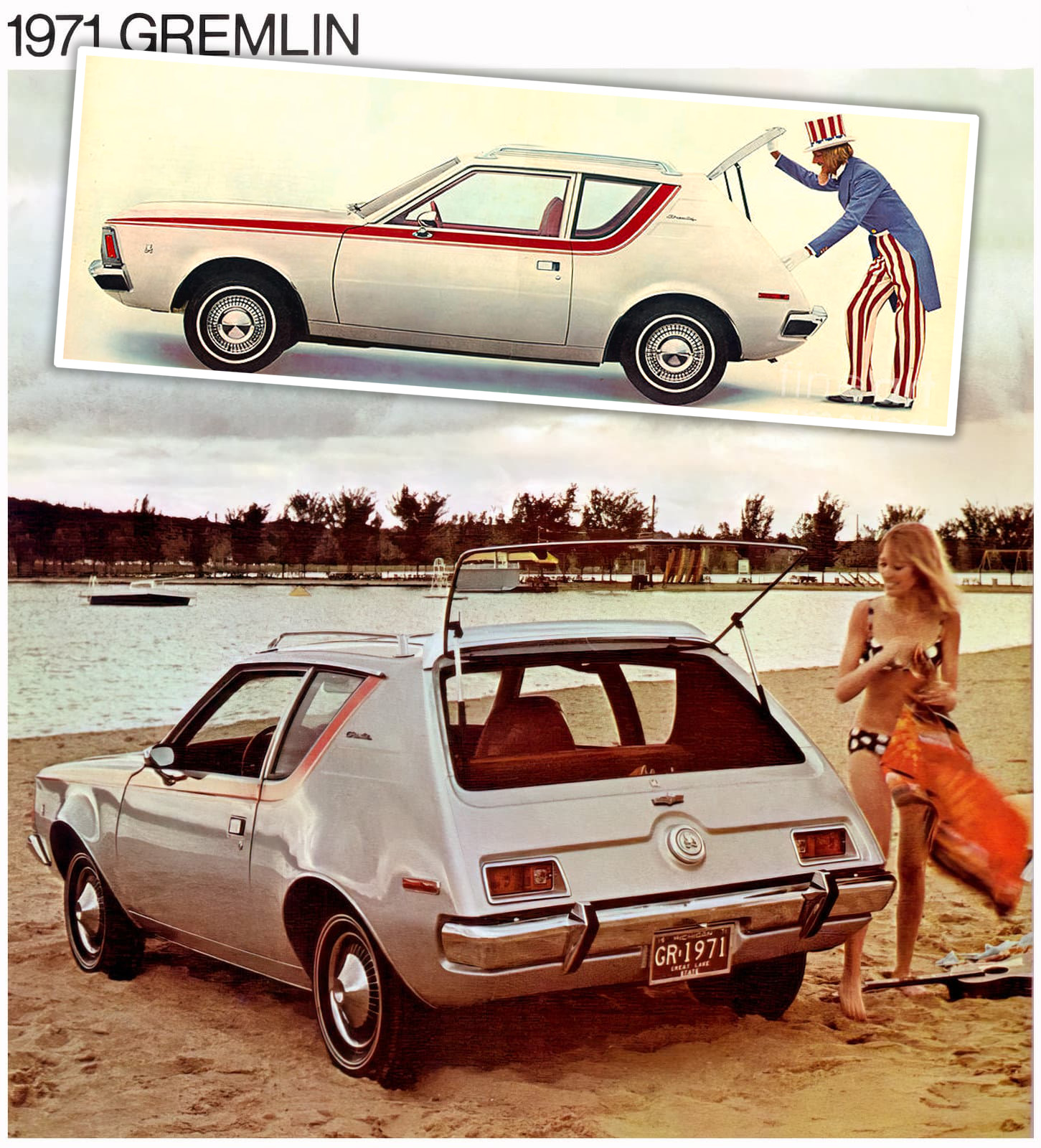
Sure, there were other cars that used their gas caps as decorative elements, like the Ford Mustang or AMC Pacer, but for the most part, carmakers were ashamed of their fuel fillers, hiding them behind little flaps.
And that’s basically how VW did it, too; earlier air-cooled Beetles and Type 3s and Buses and so on had fuel fillers inside their trunks, but when VW moved to external fuel fillers (around 1968), they were hidden behind flaps.
The first VW I can think of with an external fuel filler (I mean, aside from utility/military-focused vehicles, like say, a Kübelwagen or Type 181/Thing) was the VWK70 from 1970:
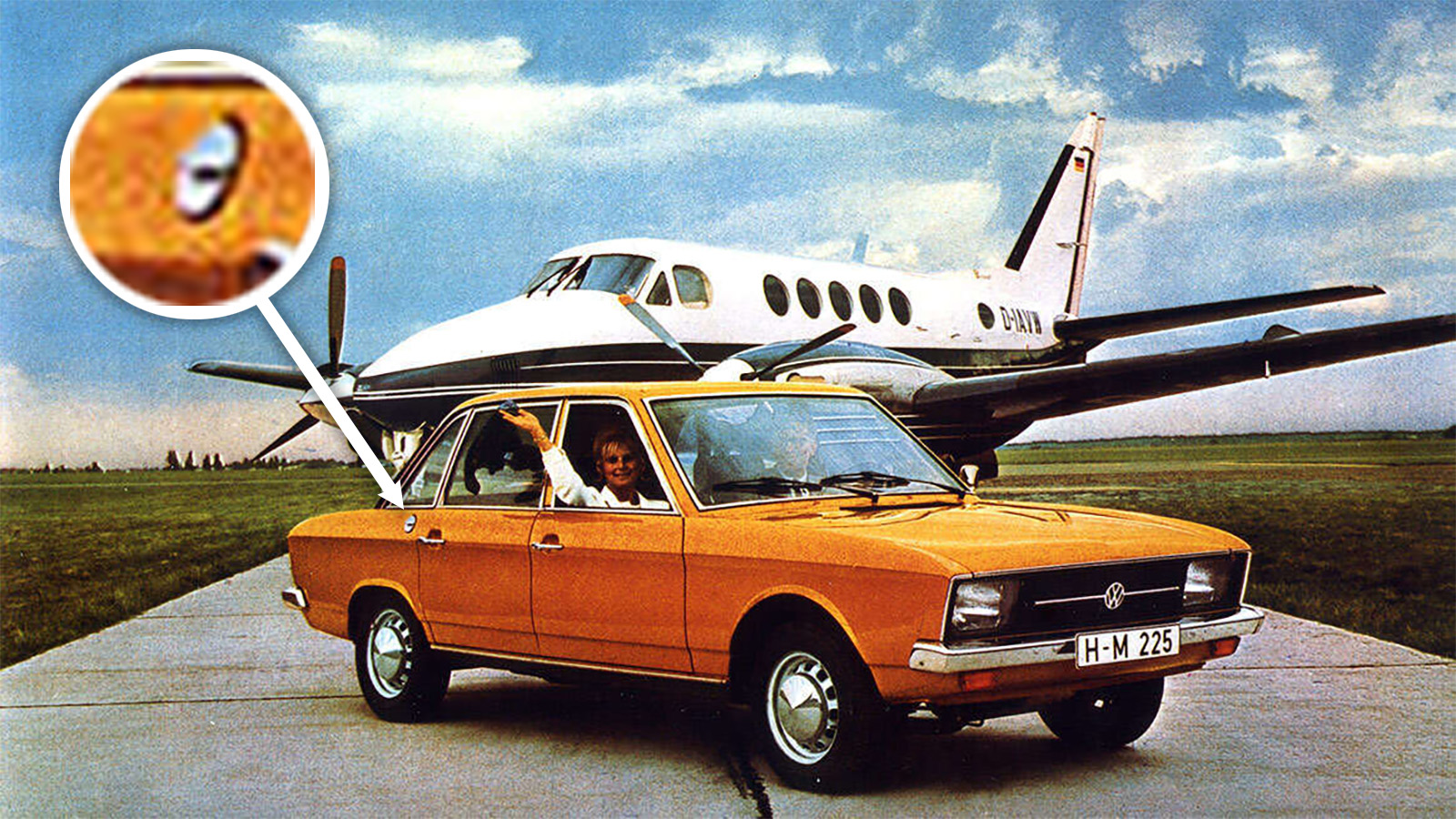
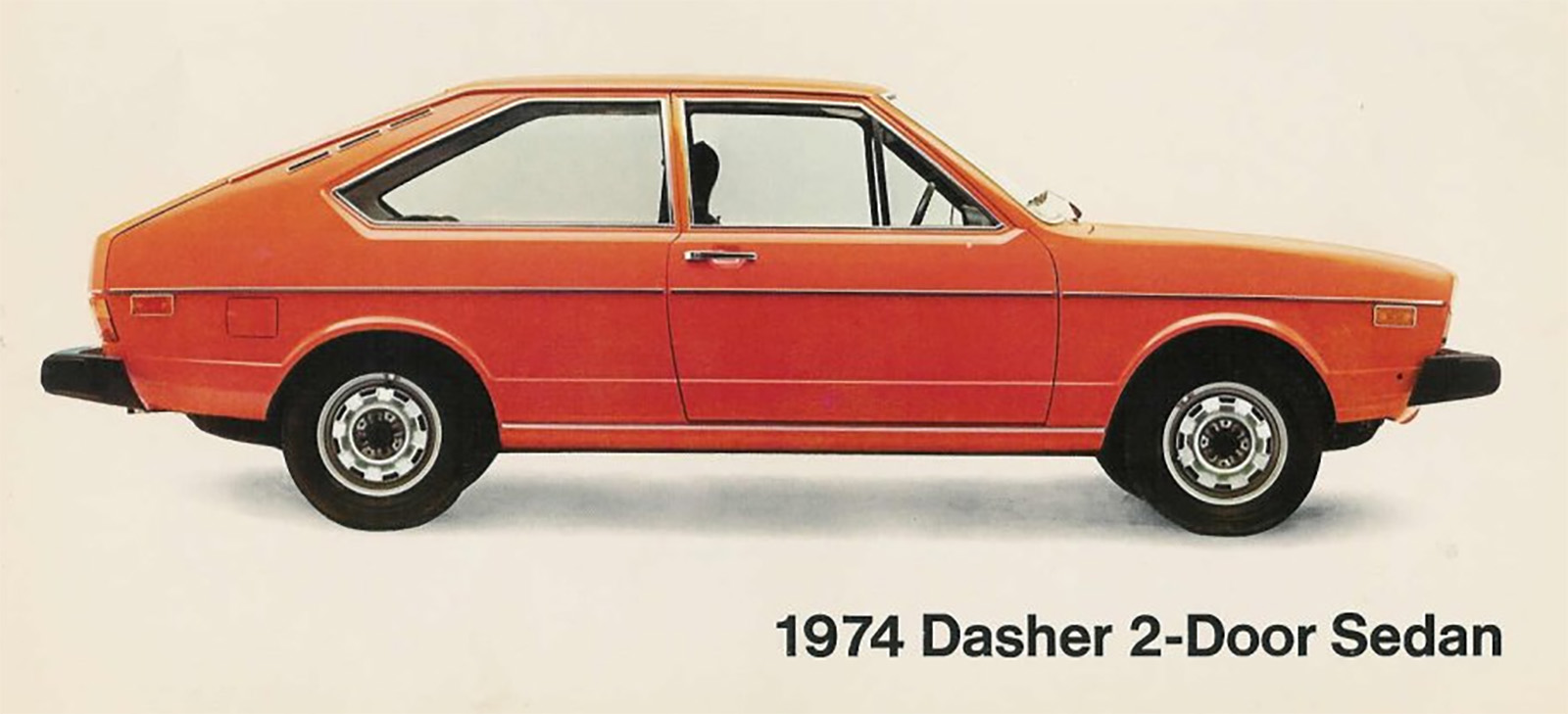
This was also VW’s first liquid-cooled car, coming from VW’s acquisition of NSU, the front engine/FWD/liquid-cooled DNA of which would soon take over the whole company. Interestingly, though, the first VW-developed and NSU-inspired liquid cooled car, the Passat/Dasher, had a fuel filler covered with a flap, as was traditional:
Around this same time, 1974, VW seemed to be exploring a lot of fuel filler concepts. The idea of not hiding the fuel filler was taking hold, a notable example of which is the Audi 50/VW Polo, which still hid the actual fuel cap behind a flap, but they made that round flap into a design element, repeated on both sides, even if one was a fake:
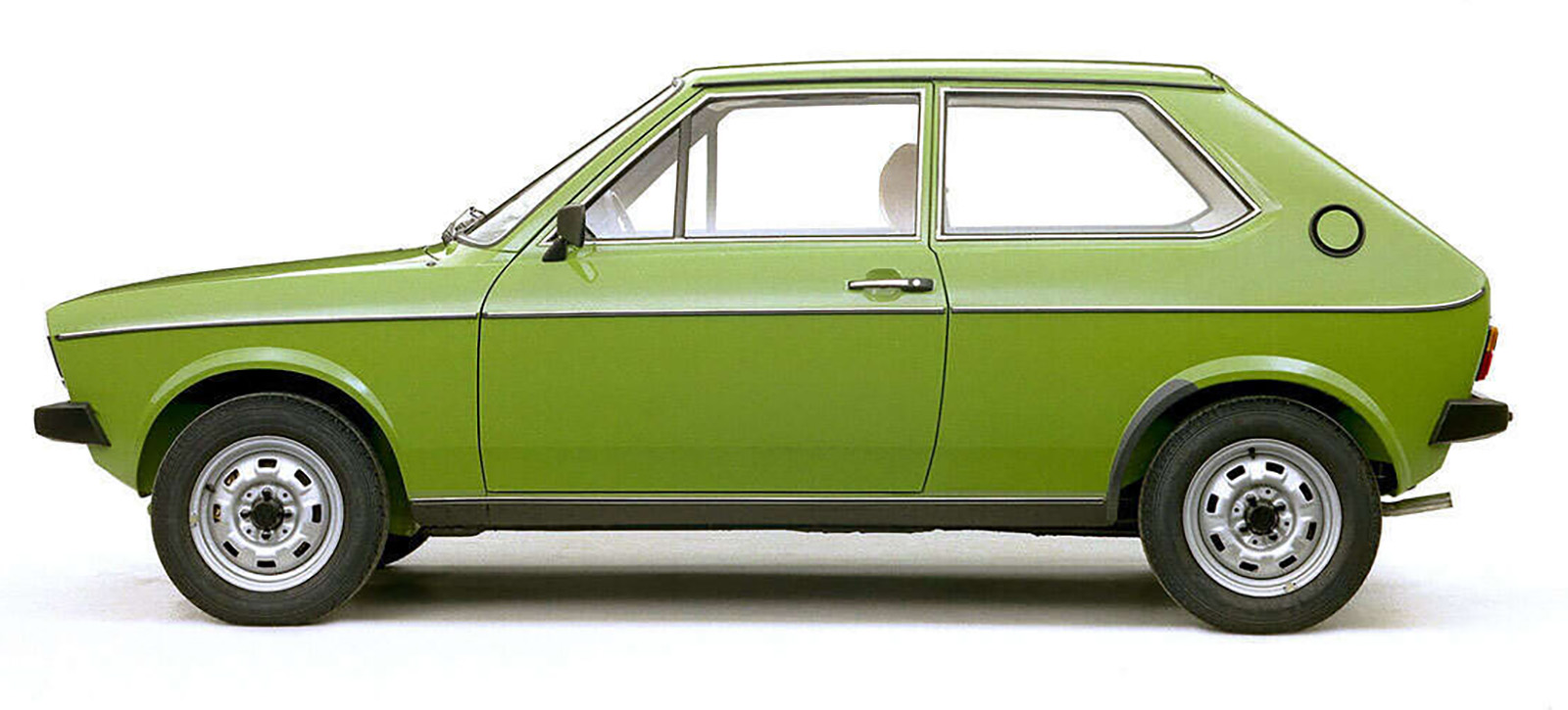
I think the fake round one was an air extraction vent? Whatever it was, I always thought those circles were a novel detail.
But the fuel cap was still being hidden; the Golf changed that:
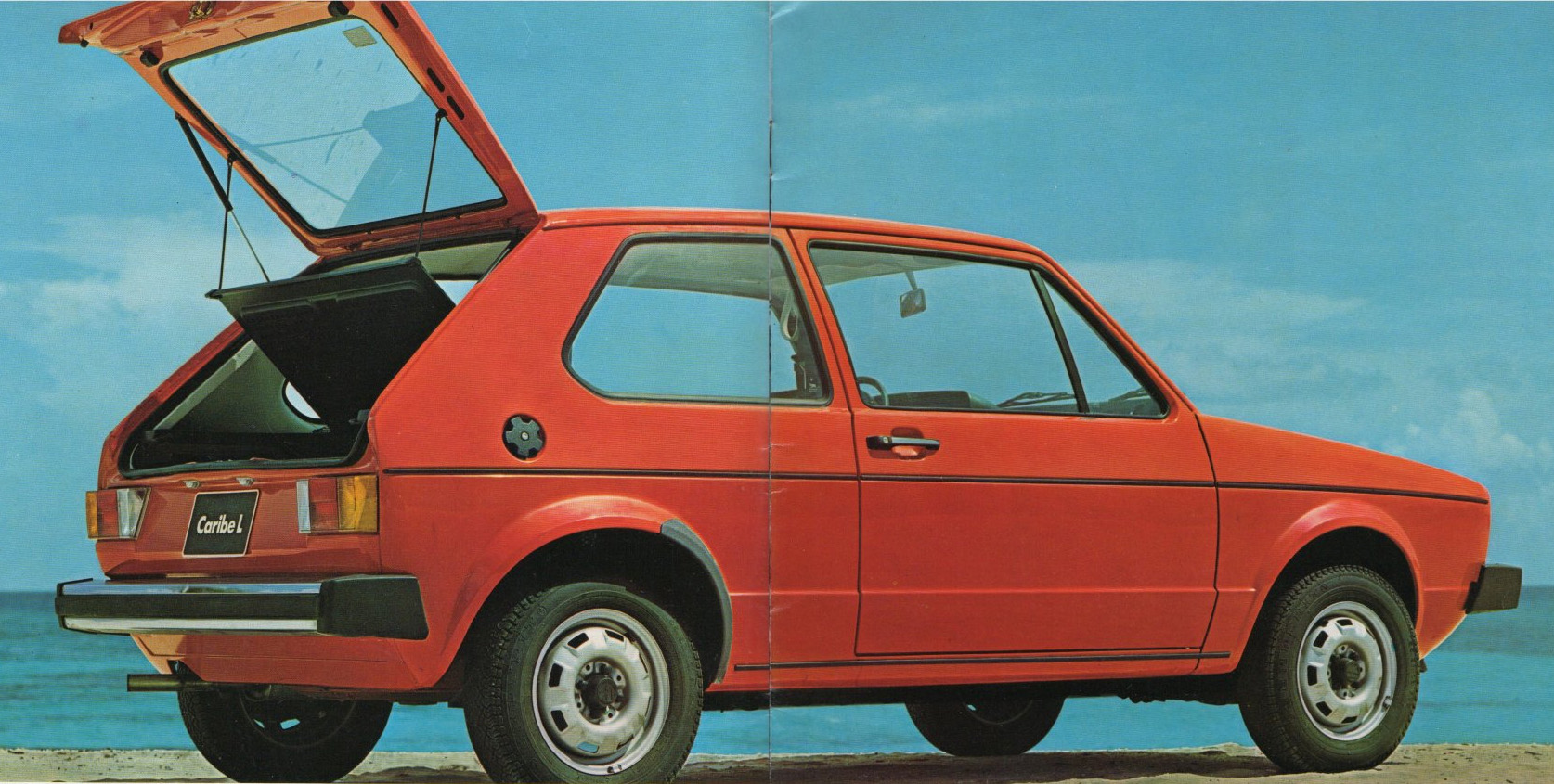
First launched in 1974, the Golf introduced the world to the five-pointed star-like black plastic and lockable fuel cap. The five lobes made it very easy to put your matching five fingers onto to twist off. The lockability was a sad byproduct of the fuel crisis, when gas became actually worth stealing, and compensated for the flaplessness, since many cars had lockable gas flaps.
Mostly, I’m just taken by how there is no longer any attempt to hide the gas cap, and it’s out there, proud and utilitarian yet stylish.
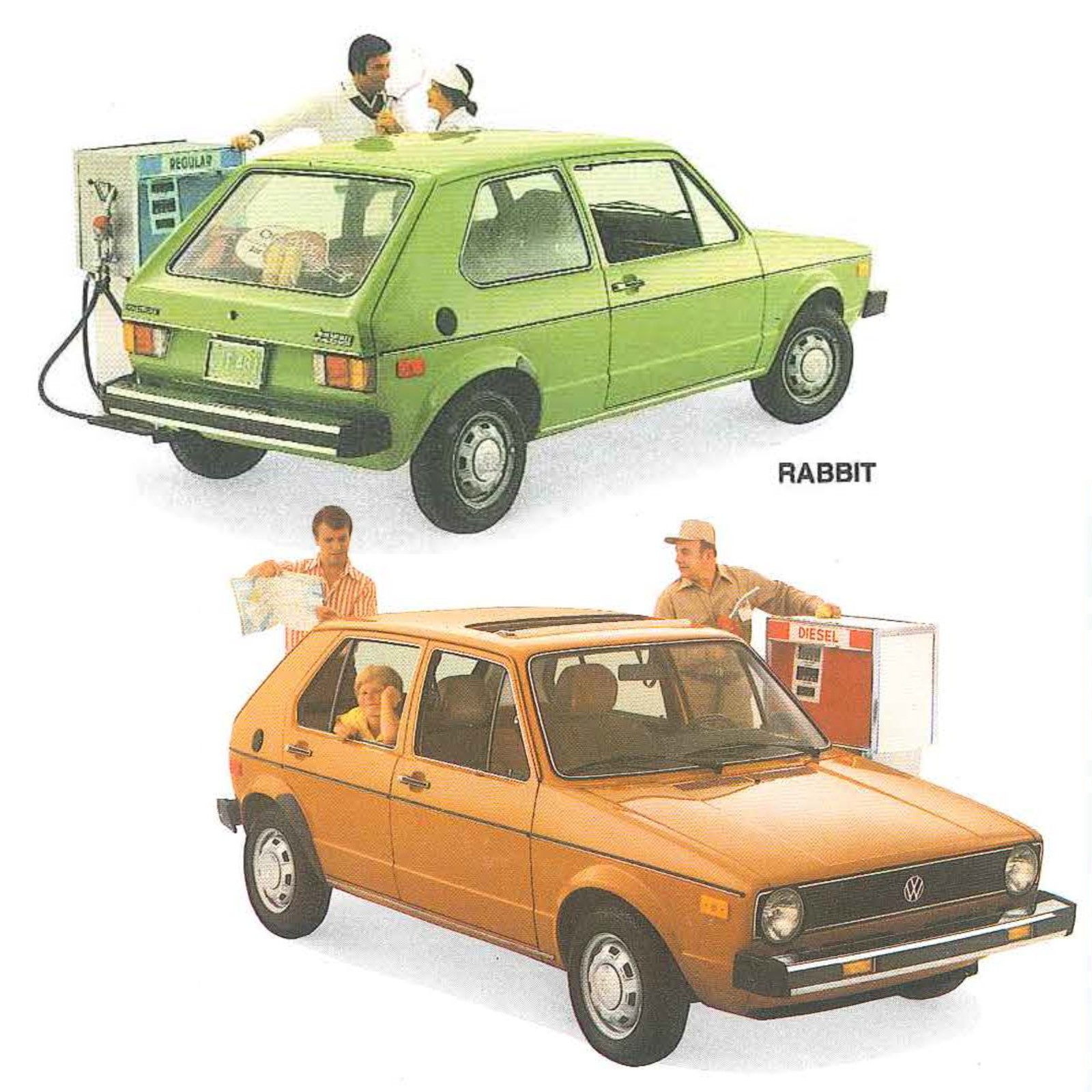
Considering how obvious the fuel filler was, it’s kind of surprising how these Golf/Rabbit drivers managed to pull up to the wrong side of those fuel pumps. Oh wait – VW was trying to show they didn’t need the fuel, right? In that case, the obviousness of the gas cap becomes a marketing tool.
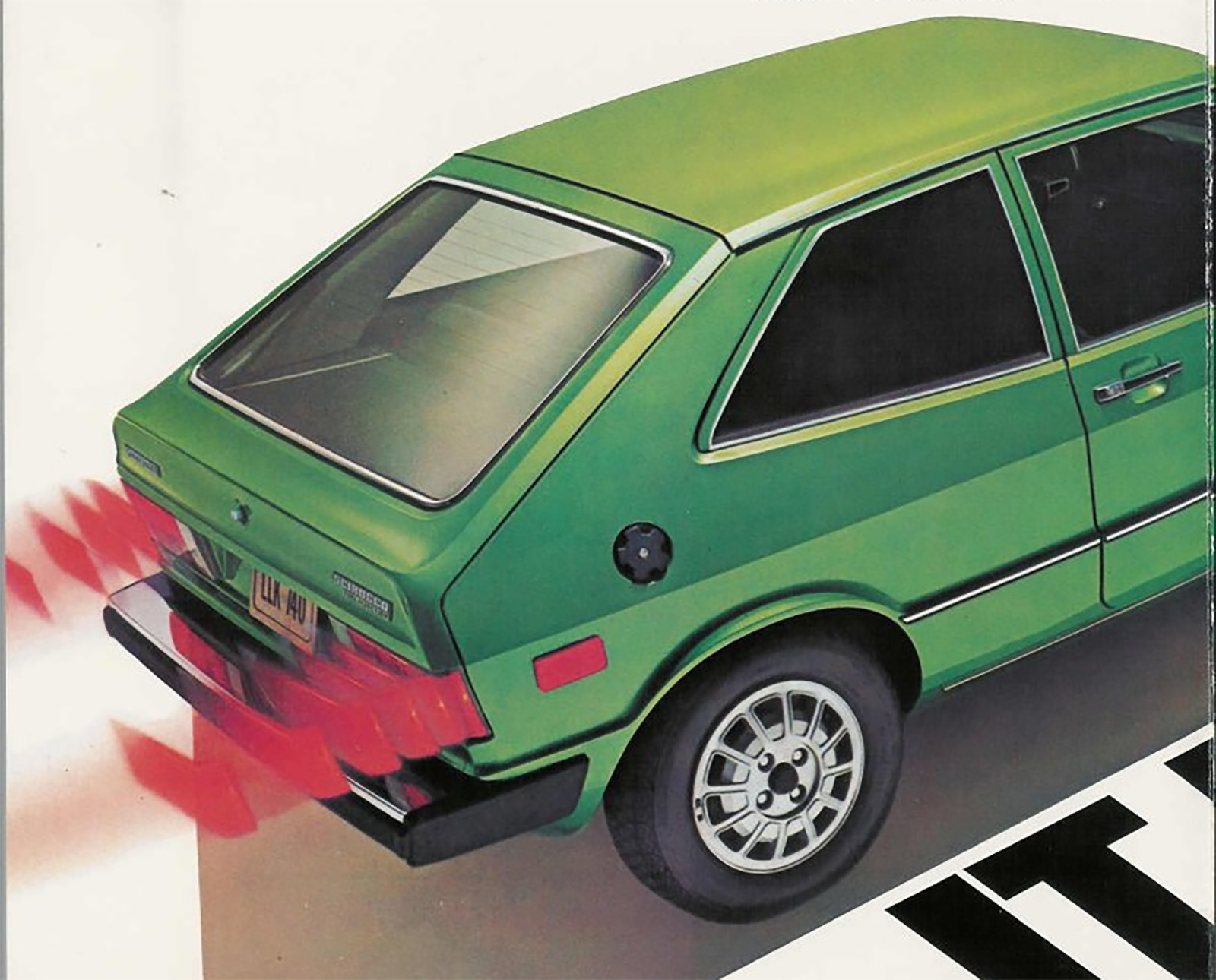
The VW Scirocco, from 1974 also, used the same cap, and it worked well in the sportier context of the car, and that was taken even further by Porsche, who used the same humble cap on their 924:
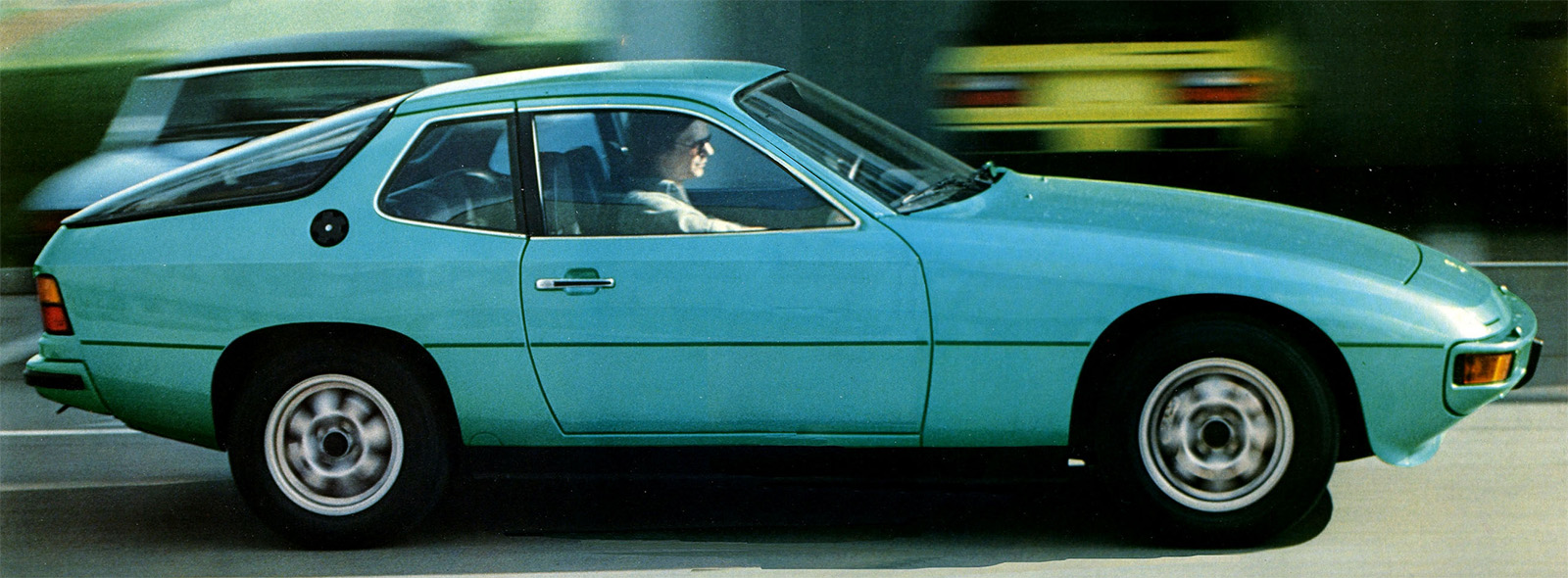
These gas caps have a sort of Bauhausian form-follows-function appeal to them, maybe even a little exaggerated. They’re graphically interesting to look at, a little asterisk punctuating the flanks of these cars, and they actually were quite easy to get on and off, even in gloves.
Why be ashamed of a fuel filler? Why not celebrate it, like these gas caps do? What’s so great about a fuel door? They trap rust and can break off – why not just a bold, proud cap like these?
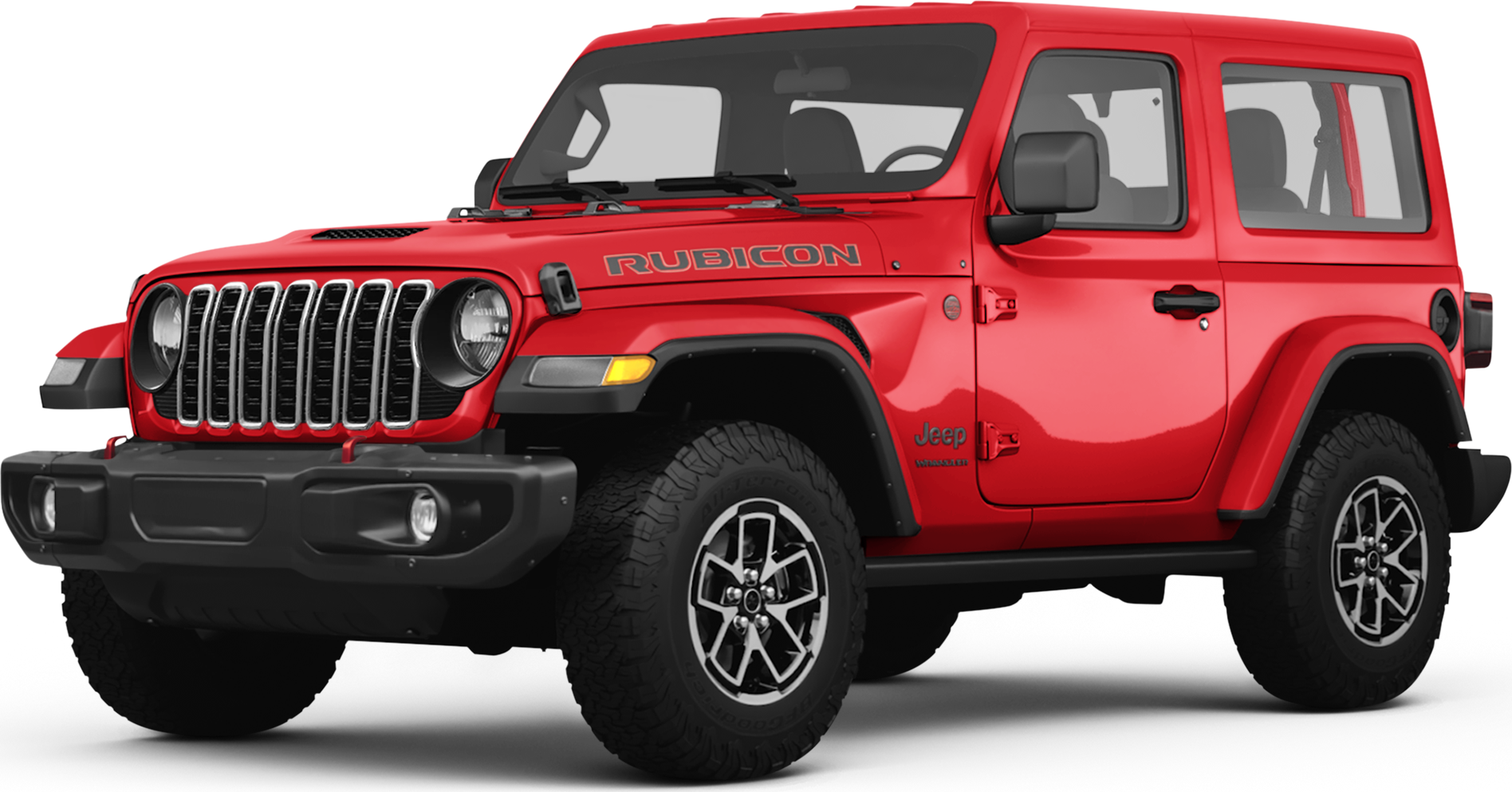
For whatever reason, the exposed gas cap is just about gone from modern cars. Out of all modern cars, can only think of the Jeep Wrangler as still having an exposed gas cap? There may be more, but not many. I guess there are likely aero reasons why the exposed bold gas cap has gone away, but I think I miss them, at least a little bit.


Another exciting advantage to an exposed cap: you don’t have to pop the engine cover to use the manual release when the fuel filler door button stops working.
I had a 1968 Mustang with the exposed gas cap in the center of the rear of the car. Was nice because you could pull up to either side of the pump. Was not nice in that it 100% of the time spilled gas all over the bumper. I don’t know if pumps changed somehow between 1968 and when I drove the car in 1998, but it was a drag.
Fun one worth mentioning is the BX’s flappy cap/cappy flap. A plastic flush flap and a cap in one. I don’t know of another car with that
image
My old Volvo P1800S had something like that!
Leased a Bronco thru Turo about 2 weeks ago and it had a similar arrangement
Man, I’m living the life. Wrangler with the exposed gas cap and an 06 Mini with an exposed cap thing.
The Triumph TR7, which started production in Oct. 1974, and which we all (now) love, also had a gas cap like that.
https://thewedgeshopstore.com/triumph-tr7-8-small-gas-cap-used-ykc3398/
Up next: the little arrow on the fuel gauge to tell you on which side the cap resides 🙂
Or have we done that already? I think we have
I was in a rental kia a few years ago that had the arrow pointing to the wrong side. It was something.
What car was this?!!
I think it was an optima.
I try to block as much of the Denver Airport car rental experience as possible.
My first car was a ’76 Chevy Monza. Mine had an exposed, body colored fuel cap.
Losing one sucked because you either had to get lucky finding a color match, go with mismatched, or some non matching aftermarket one.
Ford did the same thing with the Pinto. I’ve heard conflicting reports over whether the gas tank recall on ’71-76 models included vented gas caps, and that the recall parts were chrome so as not to need painting in the field.
Huh. I just thought about it. Of all the cars I’ve owned, only one had an exposed gas cap. The first one, a 1974 Mercury Comet GT. IIRC, it was smack dab in the middle of the rear panel. Remember those? Guessing which side the car filled up on was a solved problem, until they went all high-techy with those little arrows on the gas gage. Whoop de doo.
Call me old school but gas caps were meant to be hidden behind the license plate.
Cadillac believed they were meant to be hidden under the (hinged) left tail light.
I remember having a car with it under the plate and worrying about forgetting the gas cap and leaving a trail of fuel as I drove away from the station. I didn’t understand check valves at this time, but I always remembered the cap!
My Triumph’s was a glorious chrome knob, centered just behind the cockpit so you could spill maximum fuel on everything.
How did this comment ever get past the porn filter?
I’m sorry but are you insulting us with the hideous sight of not one but two *Euro-spec* 924s, sadly bereft and naked as they are of their equally unashamedly round and larger than strictly necessary amber front and red rear side marker reflectors? You, of all people!?!
Those are such an essential element of the car…
Oh the memories. My mom’s Vanagon had one of these after the oddball keyed round one broke in a fashion where we had to carefully cut it to pieces to extract it. I seem to recall it wasn’t a direct fit and we had to modify the filler tube, but both of my parents were glad to be rid of the factory filler cap.
As someone who has actively off-roaded all of the Jeeps I’ve owned, I have grown weary of the exposed gas cap getting covered in mud and grime, and installed a gas door on my TJ to stop it.
People have mentioned Jags already, but why didn’t Jaguar use a bigger version of this in brass/bronze as the cover for the EV charger on the Type 01? To look like the turn lock of a vault…. instead they just phoned it in as an afterthought
And knowing how much crap and dirt my covered cap gets, I don’t miss exposed ones one bit.
One benefit of the fuel door is to give the cap somewhere to sit while it’s removed. As others mentioned, some cars have no cap rather than no door, but I’ve also read those setups tend to be a bit less reliable.
That Rabbit on the wrong side of the pump? That was before vapor recovery nozzles, when you could easily stretch that hose over the back of your car to reach the filler. No waiting for the “correct” side of the pump to open up. It was a simpler time.
Many pumps have long enough hoses to get across to the “wrong side” but most, do not, so you can’t count on it because it’s likely more expensive. All the Costco stations I’ve been to can be filled from either side of the car (imagine trying to reverse your car in that mess of people waiting 20min, and desperate to save 2 cents on fuel?)
Yes, I see this all the time. People either can’t be bothered to remember what side their filler is on or want to save time by waiting in the shortest line. The funny thing is they typically waste that time anyway by trying maneuver the hose around or over their giant truck/SUV/Jeep.
Unless I’m in my van or pickup with the canopy on it I always pick the shorter line or one with vehicles less likely to have a large tank.
And there you are, in the same line to save 2 cents on fuel.
Some of us are cheap bastards some of the time.
Of course it depends on your location but around here you are saving a whole lot more than 2 cents per gallon. Just the credit card thing is saving 35 cents per gallon vs a regular station with the same price on the sign, as of yesterdays pricing at my preferred Costco. That adds up significantly when buying 20, 30 or more gallons like in my trucks. Waiting time of course depends on the location and more importantly the time of day.
I guess they put all the engineers on the gas cap project and had none left over for the door handle project. If you know, you know.
My father’s ’73 Hornet originally had a decorative cap in the same location as the Gremlin/Pacer, but with an embossed hornet. Some cars even even had a decorated hornet with red and blue stripes on the abdomen.
Unfortunately, that had to be replaced at one point by an ugly aftermarket lockable cap that proved necessary in 1970s Boston.
I remember going from non-secure cap to locking cap and now my wife’s car has no cap. There’s a door you open from a button on the dash, but behind it is just a flap covering a hole just the right size for the nozzle. That was a bit of a surprise.
I loved the gas cap on my 1967 C10 pickup. Right next to the drivers door on the cab.
It was chrome and it just looked cool.
https://bringatrailer.com/wp-content/uploads/2023/06/1968_chevrolet_c20-deluxe-pick-up_IMG_3015-2-1-80207-scaled.jpg
are we back to gas theft levels of gas prices yet?
These gas caps had locks.
yes I saw that I even owned a VW with one of these locking caps but there are many that did and do not. I was mostly making a high gas prices snarky comment. It was obviously a fail.
Sorry about that. But I would assume that the fuel filler caps with locks are actually harder to open without a key than the flimsy locked flaps.
We got it.
Now thieves just drill right into the gas tank.
YEP they are already under there for the catalytic converter and then this new generation does not need to mess with anti-siphon tech.
Yup, after several gallons were siphoned from my ’64 F100 coach-built crewcab, I installed a locking cap. Nearby was my dual-tank ’91 F350 longbed dually crewcab, and I guess they filled up their jug, as no gas was siphoned from there. Of course, I had to buy two more locking caps, mark each and their keys for that truck too.
Back in the day you could buy caps boxed as pairs with matching keys, I had some for my old F-350 and E-150s that had dual tanks.
I hear exposed gas caps and I think of the dual capped Jaaaaaaaags. Fairly sure there’s a pretty unbroken line of cap-as-a-design-element from the 50s until the 80s
I guess it’d be hard to have an exposed plug receptacle for an EV. Might lead to concerns.
The way I remember it, the liquid-cooled VWs except the K70 have nothing to do with the K70 and everything to do with Audi, the Audi 80 and the Audi 50 in particular, which were re-branded as the VW Passat and the VW Polo, respectively. The Golf, probably the most famous VW after the Beetle, does not have a direct Audi equivalent (at least not back then), but was built from the same basic architecture.
The K70 was a good car, but way too expensive to be a commercial success.
Yes, that’s correct, the K70 shared no parts with the rest of the company. And VW tried its hardest to establish shared over the K70’s production run. But because it was basically a piston (kolben) version of the Ro80 it was always going to be more expensive to build than Audi’s existing sedans. Type 4 sales were poor and VW was desperate for something FWD and liquid-cooled so the NSU tooling got moved to a VW factory.
Audi, meanwhile, was struggling to develop both a modern platform and powertrain since the F103 (the predecessor to the 80) was basically a DKW with a Mercedes-Benz engine.
Once the overhead-cam EA827 engine appeared, liquid-cooled VWs and Audis got their own market identity.
Well, the K70 was basically completely developed and ready for production, so VW would have been pretty daft to not at least give it a try. Type 4 sales were poor because the 411 was “four doors, eleven years too late”. Nobody wanted this pre-war tech anymore at this point.
I agree! Though they clearly didn’t really want to. VW could easily have sold the hatchback and estate versions of the K70, but they claim even today that they didn’t want to overlap the 411/412. They also didn’t bother with any corrosion resistance, which was probably a cost-cutting move.
NSU’s overhead-cam engines were decent for the time, and they were relatively new. But instead VW/Audi insisted on designing their own for basically the same type of drivetrain. The corporate dynamics probably demanded a clean break.
Jaguars had 2 gas cap right ? Until when ?
1992, for the Jaguar XJ12 and Daimler Double-Six
Thanks ! It was a beautiful detail in my opinion.
Maybe we see some proud charge ports some days… 🙂
Of course, the TR6 has a proudly exposed gas filler cap, all shiny and chrome like, right between the top and the trunk lid, staring up at the sky!
Perfect location to spill fuel on your paint. Loved the look hated the utility.
I’ve never spilled any gas on the paint. Just keep the nozzle pointed skyward until it’s ready to go into the neck, and then reverse the procedure when done. I had to replace my tank when I bought the car, and the new one has baffles, so the car has to be shaken a bit to level the fuel out, and then you can get more gas in.
I spilled a couple of times but once I got the technique down it was okay. Loved the look.
Spitfires, too. If I recall, weren’t they also the hinged flip type rather than screw on/off?
Yes, they are
For some reason I thought maybe my old 944 Turbo had an exposed cap. Photos show I am wrong (again), but I do remember the little leather flap that was attached. Likely to keep the gas pump handle from scratching the paint?
The little leather flap on my 944 fell apart years ago. The 924 (in Canada anyways) ditched the exposed gas cap by 1980. The ’82 parts car in my driveway uses the same door, cap and leather flap as my 944.