

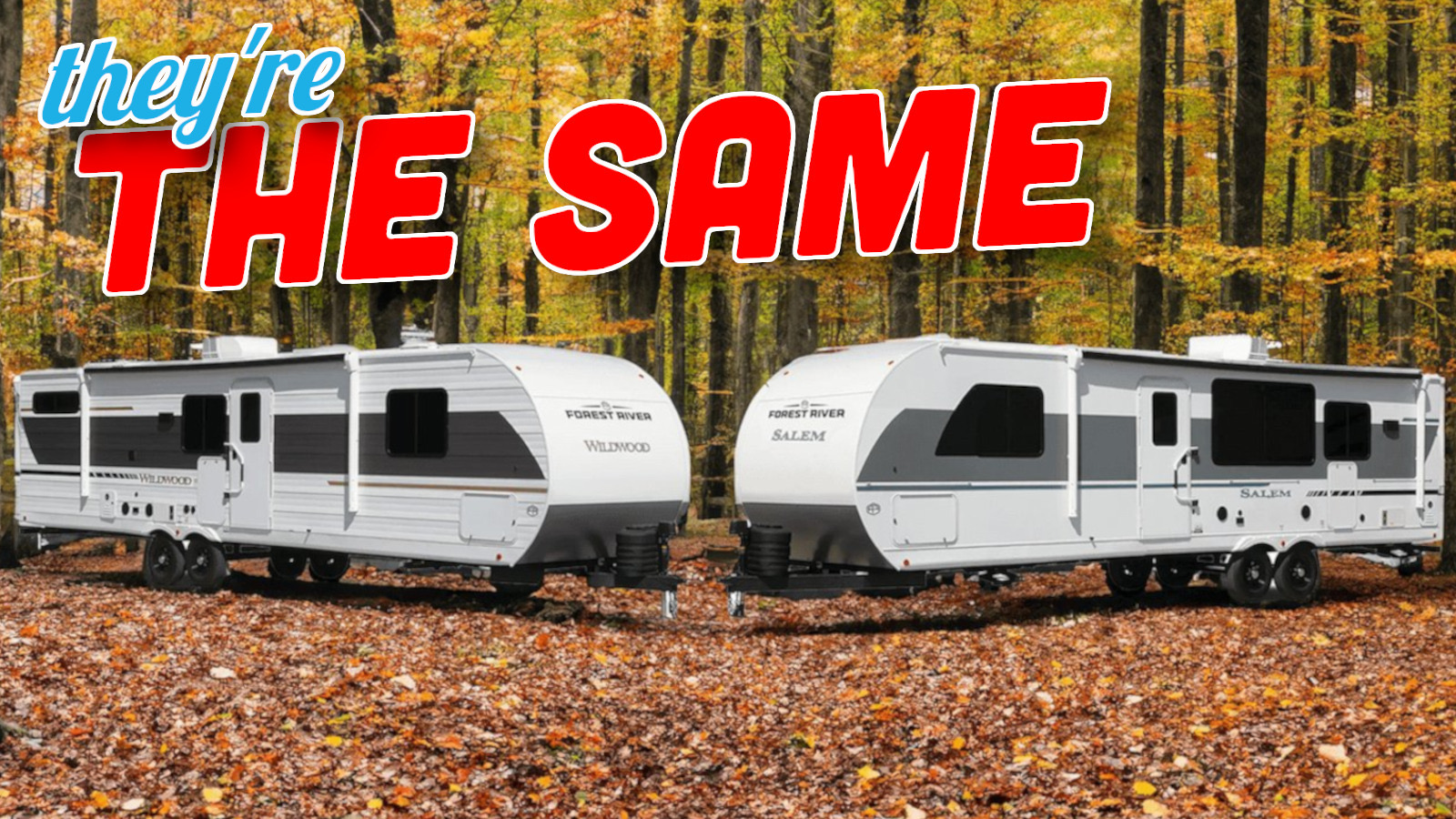
Car enthusiasts and journalists sometimes give automakers grief when they sell one car under a bunch of different names. The practice is known as rebadging or badge engineering, and often, the one vehicle sold under numerous names has little more than a new badge and grille. The same thing happens in the RV world, and sometimes the lack of effort is far more hilarious than what any automaker could do.
YouTuber Josh The RV Nerd, the video arm of RV dealer Bish’s RV, recently published a video about how some RV manufacturers slap another brand name on their trailer and then market it under that brand. The two trailers look and are built exactly the same, right down to the decal package. The only difference is the name on the front cap and the marketing.


The subject of “cloned” campers is gaining traction in the RV world, but if you’re a car enthusiast, you’re already used to this phenomenon. Many automakers, likely including some of your favorites, have engaged in the same practice for decades. It probably won’t surprise you that RV companies clone their campers for the same reasons automakers do. Yet, weirdly, the RV manufacturers are somehow even lazier about it.

Platform Sharing Versus Badge Engineering
Let me first explain the difference between badge engineering and platform sharing, because sometimes, they do get confused. In the car world, it’s common for automakers to partake in platform sharing. The automaker will design a single platform that could be stretched out, shrunken down, and turned into a variety of different vehicles. [Ed Note: The term “tophat” refers to the upper section of the vehicle placed on a shared platform. A minivan tophat looks very different than a sedan tophat, but the bones underneath often look the same. -DT].
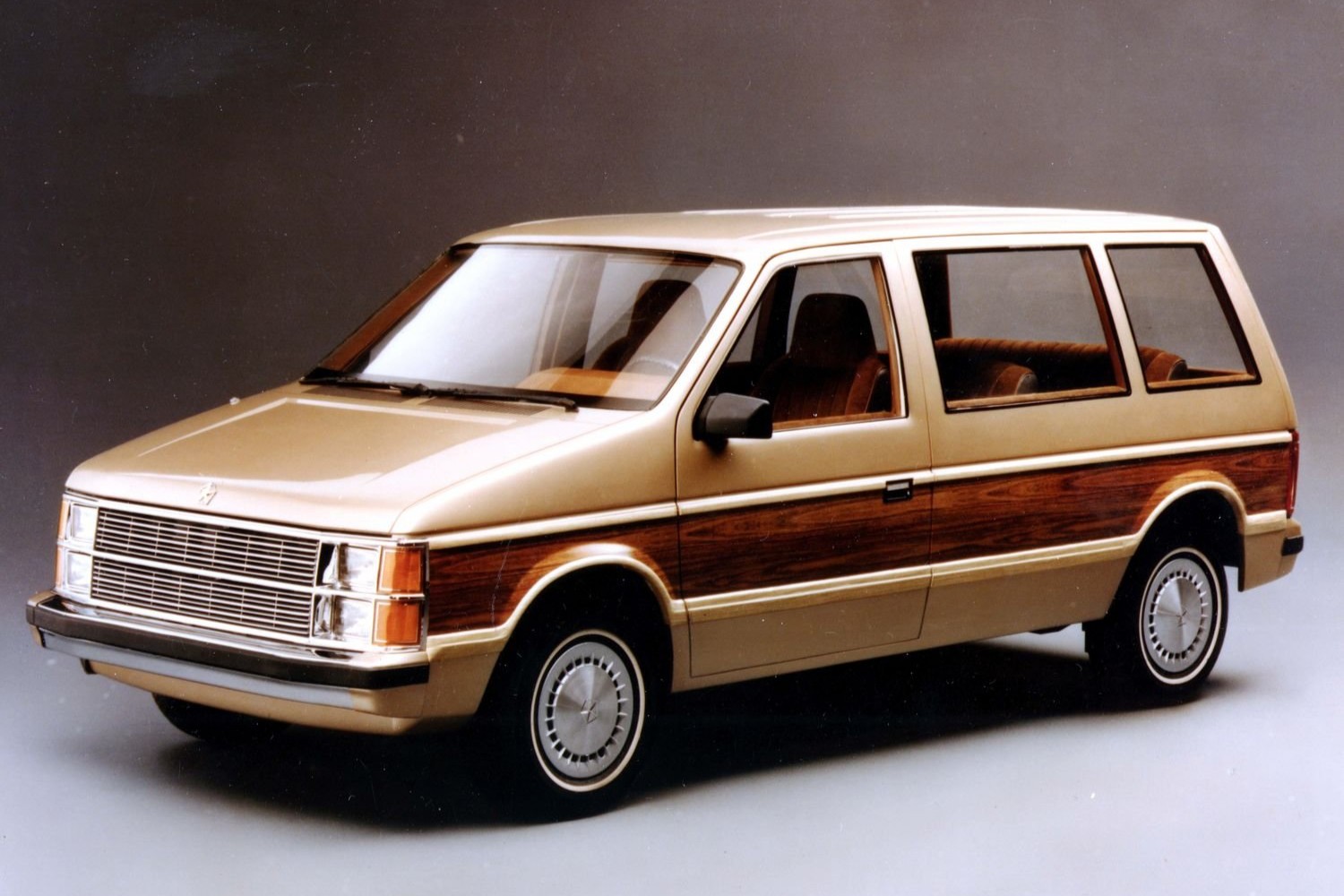
Perhaps the best example of this is the Chrysler K-car. Launched in 1981, the K platform underpinned a plethora of coupes, sedans, convertibles, minivans, and even a limo. The great thing about platform sharing is that an automaker doesn’t need to go through a full cycle of development for a new model. Instead, engineers can take the bones of the existing platform and tweak it as needed for a whole new body. Thus, the automaker can launch a new model more quickly and for less money than if it designed that vehicle from scratch.
The K-car is one of the best examples of platform sharing because of how versatile the platform was. This Chrysler LeBaron Town & Country is a K-car:

So is this Dodge Caravan:
Another good example of platform sharing is the Toyota Camry and the Lexus ES. They’re two different cars, but share the same base architecture. Another example is the Chevrolet SSR, which takes some of its bones from the platform that underpins the Chevrolet Trailblazer. The Volkswagen MQB platform spans everything from small hatchbacks to large crossovers.
Notably, two cars that ride on a shared platform are not exactly the same. Yes, they might share a wheelbase, powertrain layout, and suspension design, but their automakers have the freedom to give each model on that platform its own identity.
The RV world doesn’t often do platform sharing in this way, but there is something similar. Commonly, manufacturers will have sister brands under their umbrellas. The brands can make trailers that look similar, use similar construction, and share many common parts, but they will have their own distinct identities, floorplans, interior furnishings, and marketing. The sister brands also have their own design teams.
An example of this is the Keystone Bullet and the Keystone Passport.
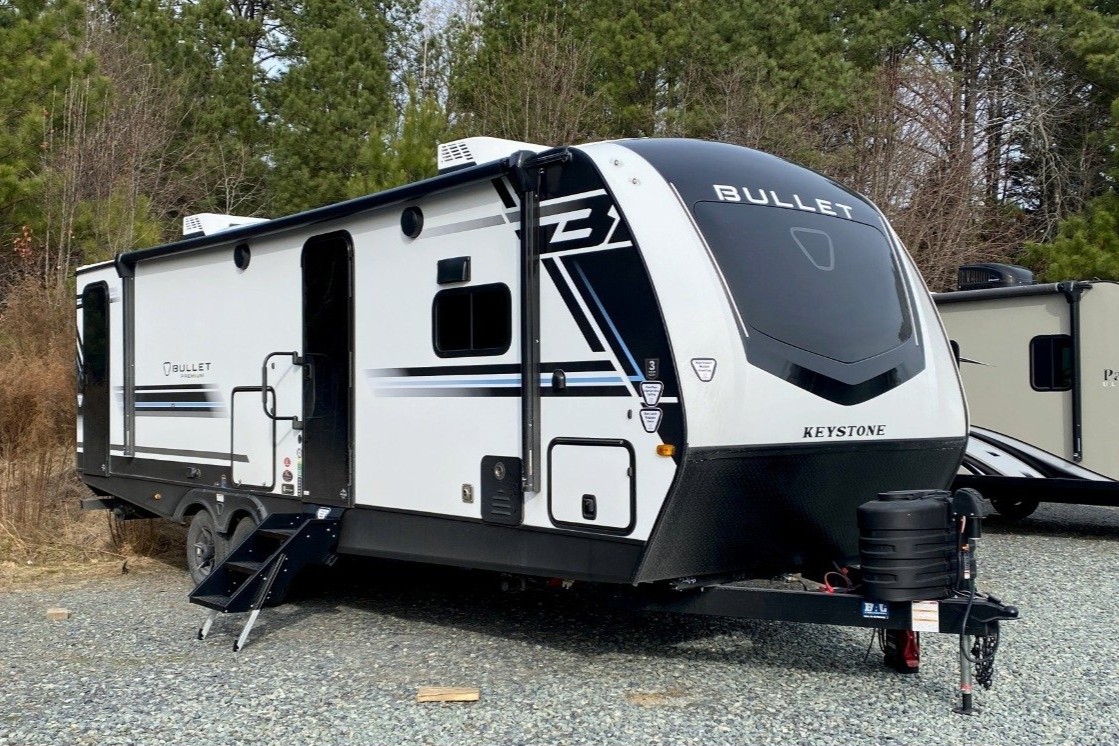
They’re two brands under the same Keystone umbrella (which itself is a brand from Thor Industries) that make similar trailers that have distinct identities.

Then there can be overlaps within the different parents that sit under the larger umbrella. The trailers made by Keystone often look similar to other Thor Industries brands like Jayco and KZ. Honestly, the sameness across the American RV industry is so rampant that, for the most part, I end up walking past all of these trailers at the RV shows. However, for as similar as these trailers are, they are not badge-engineered.
Badge Engineering

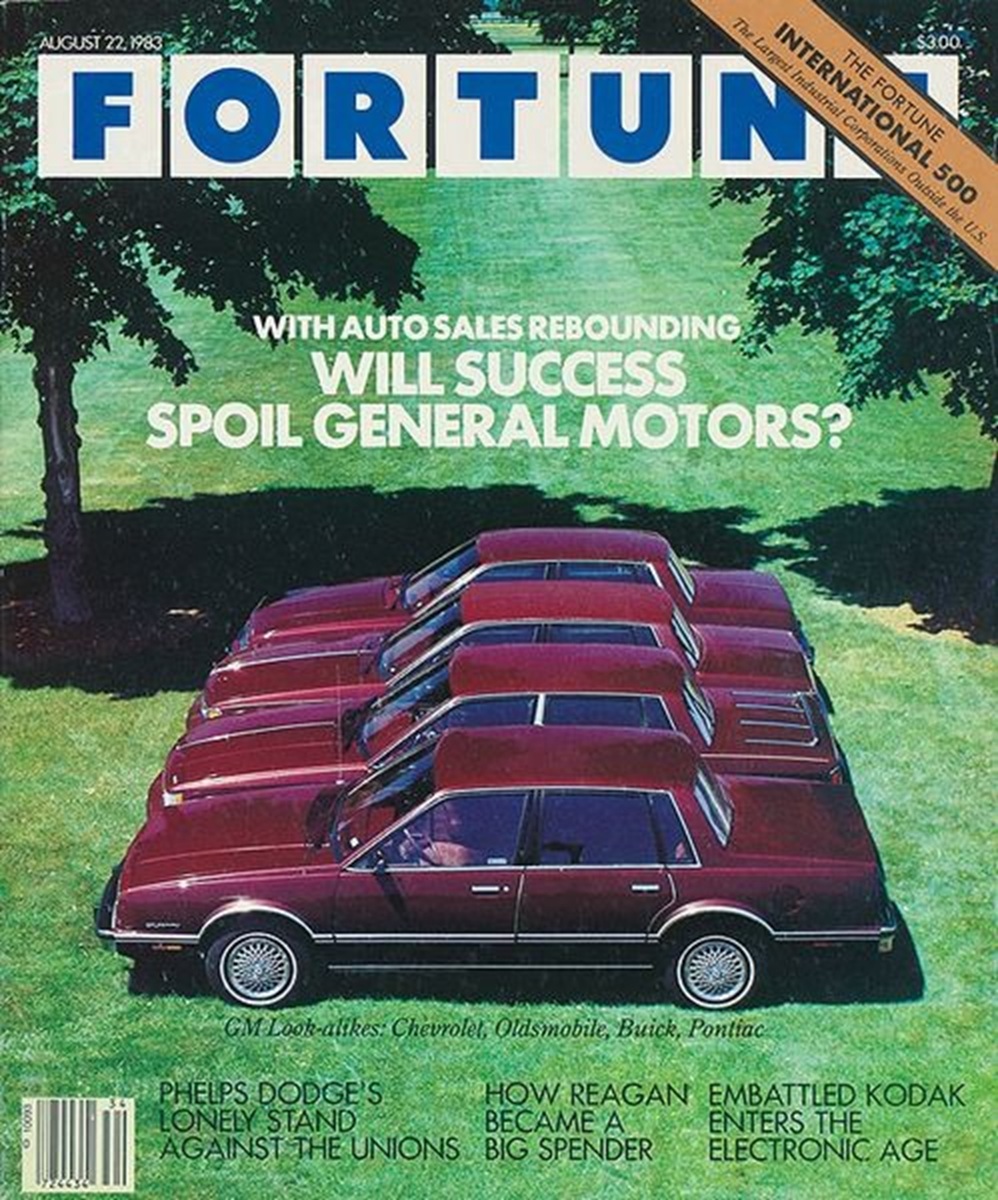
In the car world, rebadging or badge engineering doesn’t involve making an entire new car on an existing floorplan. Instead, there is one complete car that was designed by one or more automakers. The primary differences between the versions of the car that are sold at each brand are merely surface-deep, with usually only badging, grilles, bumpers, and wheels getting changed. At best, one automaker might spruce up the interior, but the vehicle will still be the same as its siblings.

The best example I have in mind right now is the Chevrolet Aveo, which was also sold as the Pontiac G3, the Daewoo Kalos, the Holden Barina, and a few other cars. Every version of the Aveo was the same, with badging and grilles working as the primary form of differentiation.

It was a similar deal with the old Chevrolet Uplander, which was also sold as the Pontiac Montana SV6, the Buick Terraza, and the Saturn Relay.

General Motors is hardly the only one, as most major automakers have used the practice at least once. The Toyota iQ was sold as the Scion iQ, Aston Martin Cygnet, and the Singulato iC3. The fourth-generation Hyundai Accent, for example, was also sold as the Dodge Attitude. The Mitsubishi Mirage was also sold as the Dodge Attitude (above).

While you might not notice it, the same thing happens in the RV world, too. But sometimes, RV manufacturers get even lazier than car manufacturers. Last year, I wrote about a 19-foot motorhome by Thor Industries. All base versions of this 19-foot motorhome have a Ford E-350 cutaway underneath. All versions of this motorhome also have the same RV body shell on top of the donor cutaway.
This motorhome was sold as the Thor Motor Coach Quantum SE19, the Four Winds 19Z, the Chateau 19Z, and the Geneva 19VT. All of these motorhomes are exactly the same at their core right down to the floorplan, and the main differentiators between them are decal packages, trim colors, fabrics, countertop surface colors, appliance colors, and fixture colors.

At the very least, a Quantum SE19 looks ever so slightly different inside than a Four Winds 19Z, but some RVs don’t even get that much dignity.
Let’s mosey on over to Forest River. Salem and Wildwood are technically two separate brands in the Forest River ecosystem, but they actually sell the same trailers.
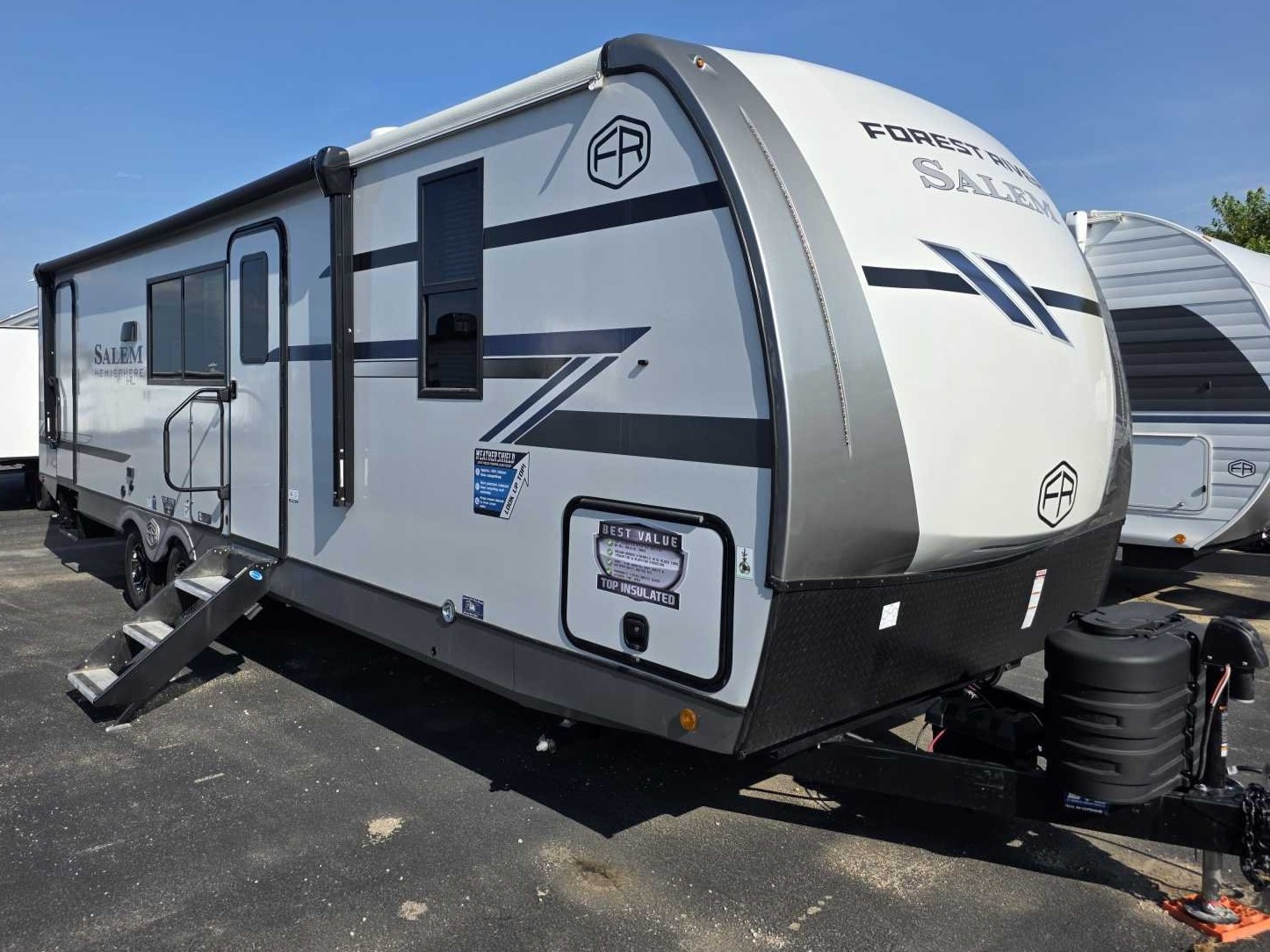
A Forest River Wildwood Heritage Glen is the same trailer as a Forest River Salem Hemisphere. A Salem Hemisphere is above, and a Wildwood Heritage Glen is below.
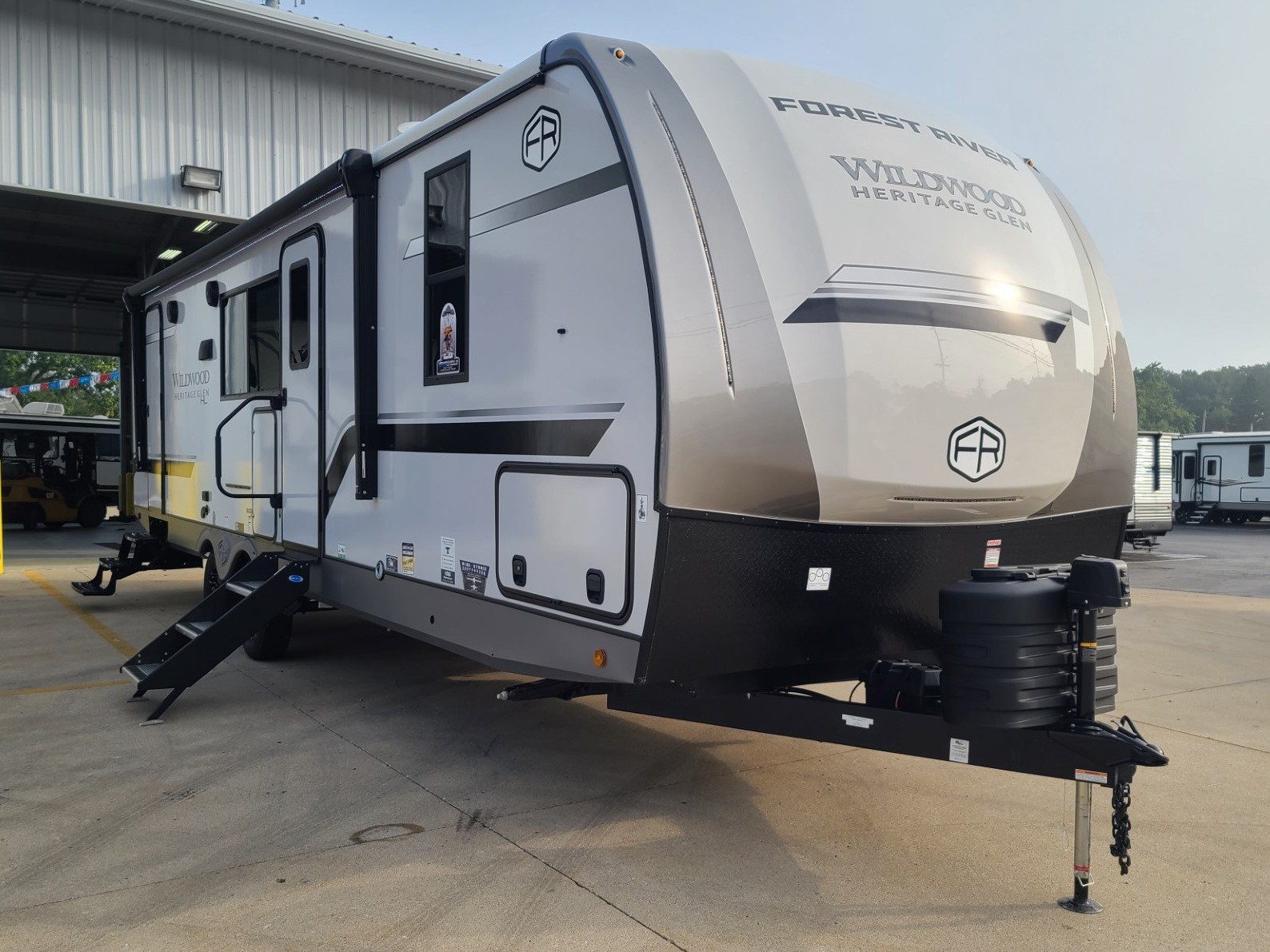
They’re built exactly the same way, have the same floorplans, have the same features, and have the same specs, right down to unloaded weights. What sets them apart are their decal packages and interior colors.
Josh The RV Nerd pointed out just how little effort Forest River put into its lower-end Salem and the Wildwood trailers. Once again, the base Salem and base Wildwood trailers are exactly the same. But this time, Forest River didn’t even bother trying to make them look different. Externally, their only difference is the name, and one has a yellow stripe while the other has a blue stripe in the same spot.
Here is a Forest River Salem 27RK.

Now, here is a Forest River Wildwood 27RK. See? Only the name is different, really.
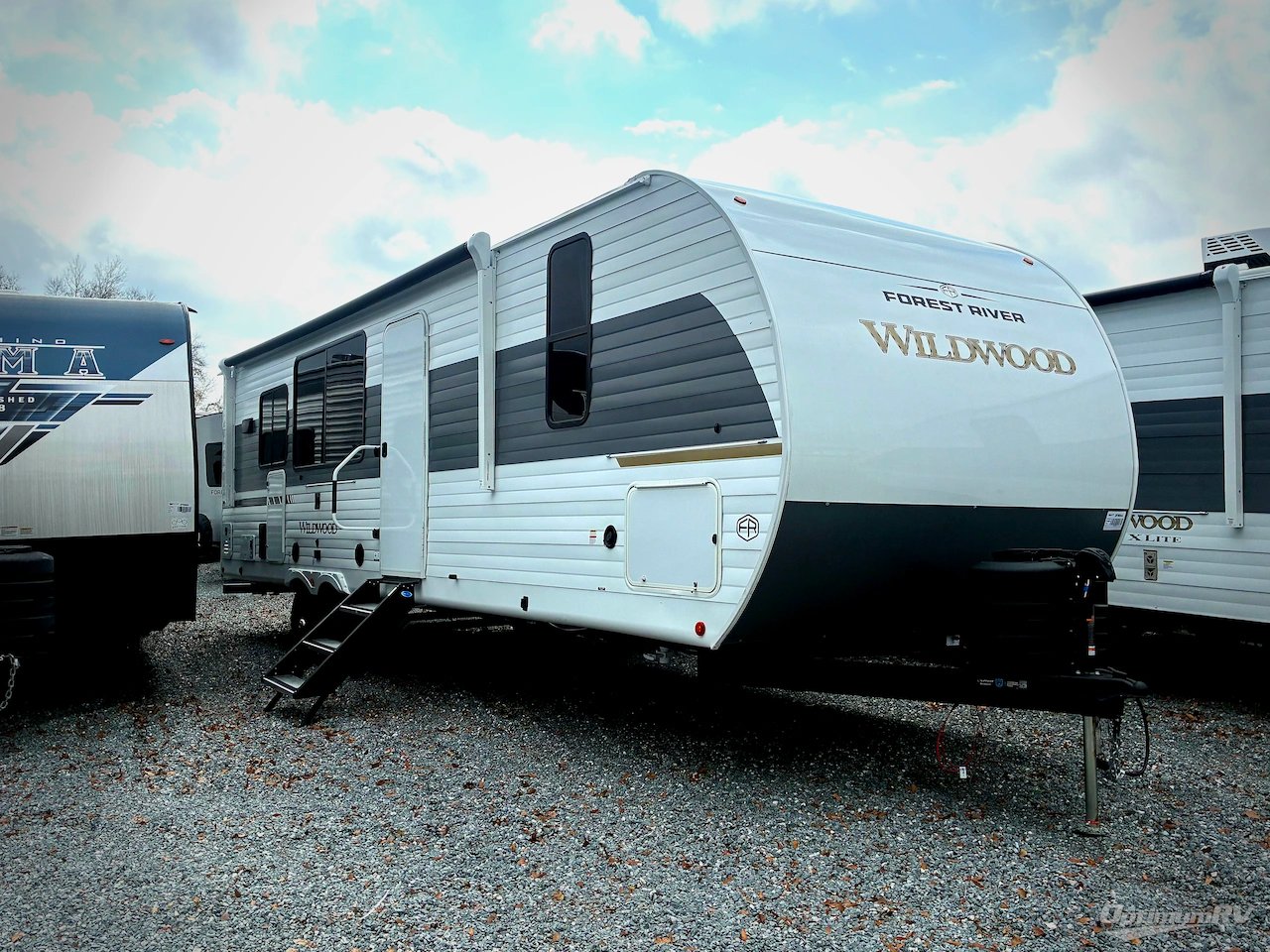
Ah, but what about inside? Here’s the Salem again.

Now here’s the Wildwood. The lines on the door are slightly different, the wood is a little more vibrant, and the dinette bench is installed, but it’s otherwise the same:
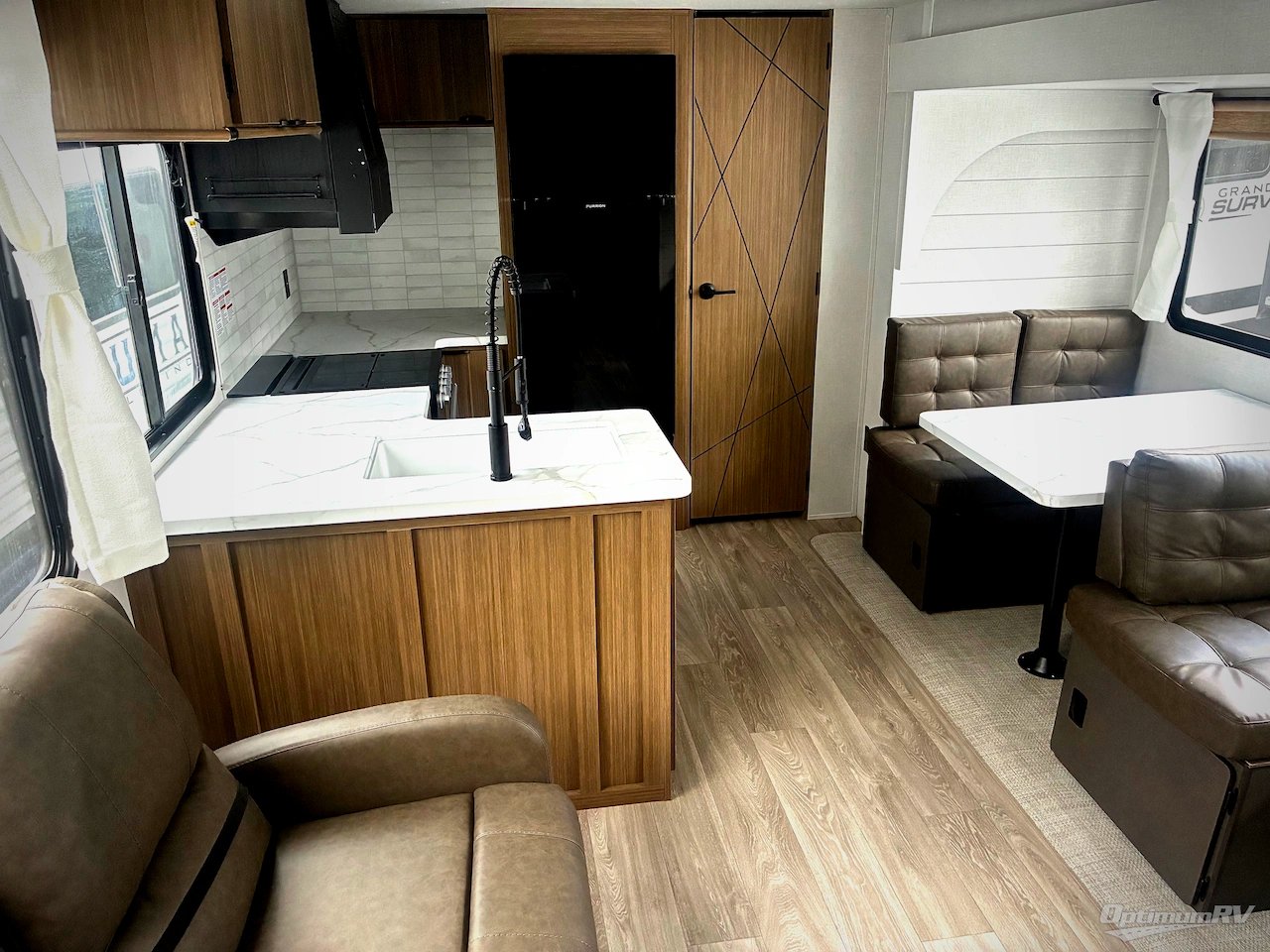
I wasn’t kidding when I said that these trailers are exactly the same. They have the same options, weights, sizes, floorplans, and decorations. They even have the same general price of about $35,000. Every Salem trailer has a Wildwood clone. Rockwood and Flagstaff, two more Forest River brands, also copy each other. Salem and Wildwood aren’t even sister brands, either. They have the same designers, same marketing, and, really, same everything.
Why RV Brands Rebadge Campers
Alright, what’s going on here? Why does Forest River even bother to sell two of the same trailer? Why not just keep the Salem or the Wildwood and discontinue the other?
One reason is very similar to why car manufacturers have engaged in rebadging. By selling one RV under multiple brand names, an RV manufacturer can save on costs. A Salem and a Wildwood are technically two “different” trailers, but, depending on the exact model, either they’re completely the same or only different on the surface. This means that Forest River and its suppliers have fewer unique parts to produce. The factory producing these trailers has less complexity to worry about. It also means that an RV brand can get a new model without having to invest any money or time in designing one.

Josh The RV Nerd says that another reason why rebadged trailers exist is the RV dealer network. In Forest River’s case, two dealers may operate in the same territory. Normally, this might be a problem if they’re selling the same product and thus potentially cannibalizing each other’s sales. However, one dealer can sell a Salem and the other can sell a Wildwood. They’re technically different products that the dealers can market in their own ways, even though the trailers themselves are exactly the same.
Josh The RV Nerd continues that dealerships secure Salem or Wildwood allocations through their dealer agreements with Forest River. This arrangement could cause a potential headache for Forest River if it canceled Salem or Wildwood, leaving affected dealers without their line of trailers.
There’s one more way that RVs end up rebadged. Sometimes, a model is introduced as a unique product. But if the RV industry contracts, factories close, and design teams are merged into other teams, what was once a distinctive model could just become a rebadged version of something else.
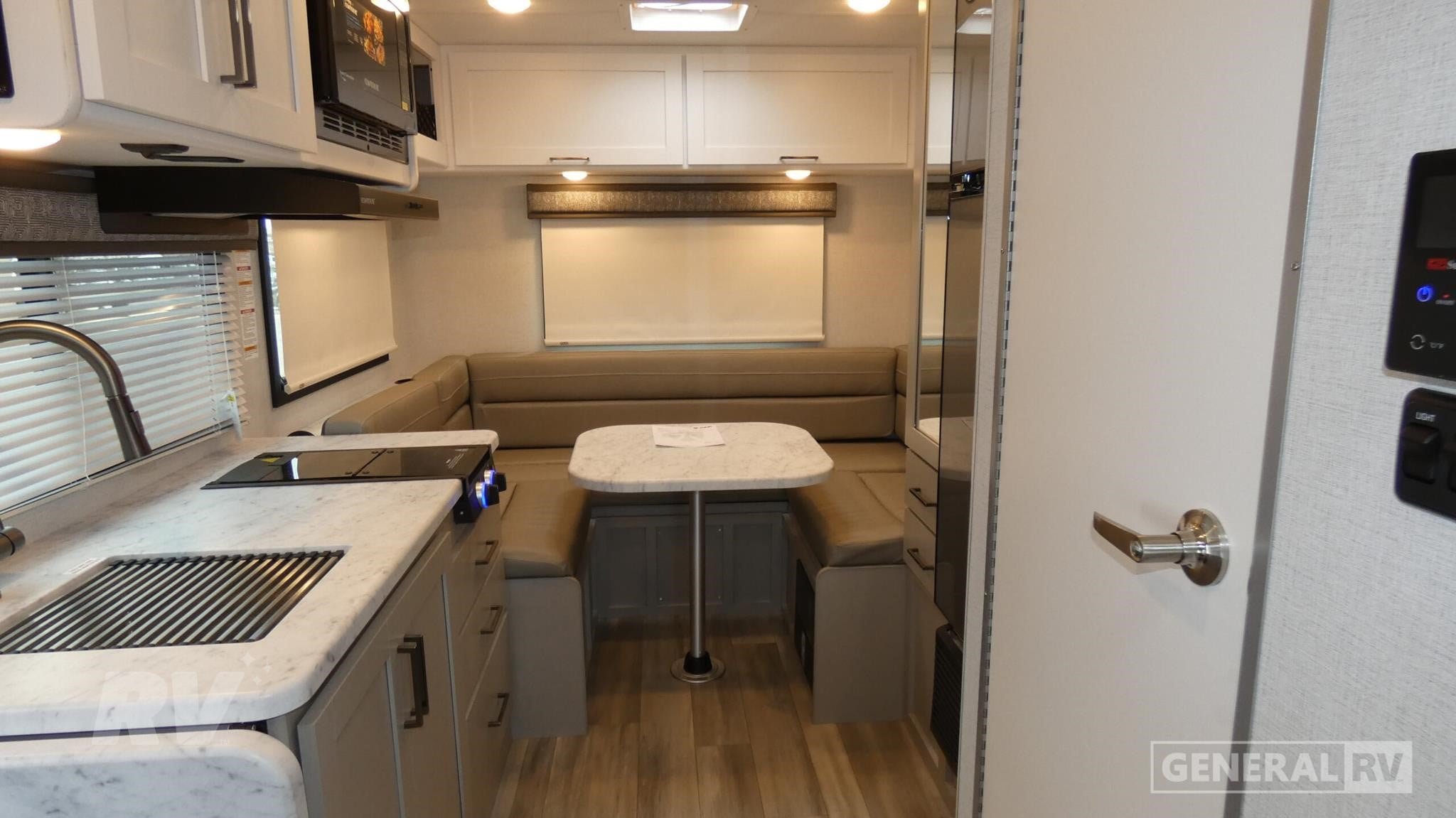
None of this is new, and the rebadged camper predates the Internet. Josh The RV Nerd guesses that Fleetwood RV, which was founded in 1950, was possibly the progenitor of the rebadged camper. However, rebadged campers are easier to spot today, given how you can just surf an RV company’s website today and just see two or more of the same RVs for sale under different names.
So, if you think you’ve ever seen two of the same campers out there, but with a different name emblazoned on the side, there’s a chance you’re not crazy and that you really did see a rebadged RV. Sadly, yes, this does mean that some brand names are entirely meaningless. Forest River doesn’t even bother trying to give Salem or Wildwood their own image.
Of course, rebadged or not, I always recommend doing ample research before making an RV buying decision. Don’t just buy based on features, price, or aesthetics. Learn what materials your desired RV is made out of. Go to a dealer and physically examine the build quality with your own two eyes. Visit online forums to see what people might be having problems with. While there are so many rough RVs out there, you can find a good one. Good luck, and enjoy the rest of the RVing season!


We have an automatic faucet – wave your hand in front of the sensor and it turns on, wave again it turns off. Taking it apart, it’s the same tech as a ball point pen with a solenoid on one end. Anyway, the box quit allowing water flow and it was out of warranty.
Searching for a new box, I found 7 different “manufacturers” selling the identical faucet, from no name Amazon brands up to a French luxury brand, at all price points. None would sell me just the electronic box.
Eventually I found the actual manufacturer. They wanted me to buy 500 of the boxes. Sad trombone. Now I have to replace a perfectly good faucet because the $8 electronic box broke.
So, yeah, anyway, that was too long of a story to add to the conversation about endless badge engineering.
I believe I read in the NYT that all countertop dishwashers come from a single factory in China. It’s literally all about aesthetics since they all function exactly the same.
We play a game in my family. Is it the name of an RV, or the name of a gay bar? This started when allegro was a popular RV and also a gay bar in Baltimore.
Wild wood, forest river, Phoenix Cruiser, you get the idea
I love this so much. Grand Central?
Sadly, that’s long gone. Torn down and replaced with an office building
I know, many years before it was the Grand Central, my grandfather had a deli there.
There is another potential reason for this. And it happens in many other industries. I used to be a field rep for Harman International A/V brands. We had both JBL and Infinity speakers under the same umbrella. Both brands had plenty of overlap. It allowed us to sell products to two competing dealers within the same market. Because, of course, they weren’t selling the same thing. Stanley Black and Decker owns a huge list of tool brands. They will give Home Depot Stanley Fat Max tape measures and Lowes gets Irwin tape measures. Stanley gets to play both sides of the fence and profit off of everybody. Maybe that’s the case with these camper dealers.
100%. SBD is huge, but they actually have a few competitors- TTI, Bosch, Makita, Chervon, Positec, ITW, among others.
Thor Industries owns basically the entire American RV business. They basically compete with themselves.
I imagine the different brands help avoid price comparisons, and allow dealers to make wild claims about undercutting competitor’s prices. Meanwhile, they’re the only dealer in the state selling trailers with that exact colour of swoosh decal.
Do RV buyers have strong allegiances to certain brands like car buys do? I assume they must or this wouldn’t be a thing.
> While you might not notice it, the same thing happens in the RV world, too
Oh, we knew.
They all come out of the same factory, with the same poor workers putting it together. I’m willing to bet that there’s enough of this that it’s likely common enough that people in the factory mix up parts between them and don’t notice.
There is similar trickery in electronics. The same HP or Brother printer is sold with different model numbers through different retailers to make cross shopping and price matching difficult because Best Buy sells a different model number than Office Depot.
While I’m at it Savin copier / printers have been rebadged Ricoh units for years. That doesn’t bother me because Ricoh makes good big printers.
A quirk I see in RVs is regional editions. Here in the PNW R-Pod trailers are all Hood River Edition and my neighbor’s old Komfort trailer has a big Poulsbo Edition sticker. I wonder if that’s also an anti price comparison tool since the mega dealer in Arizona will probably have Quartzite Edition or something.
Go to Wayfair and search for inexpensive furniture. You’re likely to find the exact same piece, sometimes with the exact same “in the room” photos, under 3-5 brand and model names, often at different prices. I found one that varied by about $80, which is considerable for $350 item.
Then close your browser tab and go somewhere else, because Wayfair sells crap and only backs it for 30 days.
Many, many products are badge engineered. RVs, especially travel trailers, come in multiple iterations based on bath location, bed locations & widths, and multiple overall lengths. We’ve been conditioned to have multiple choices, even if they ain’t all that different!
Just another reason to buy an Airstream.
There was a period when Airstream joined the fun. When they took over Argosy, Argosy because the “budget” airstream. IIRC, they used fiberglass end caps instead of aluminum. So maybe more platform engineering than badge engineering.
Dealers and regions are always a big reason for the lines and branding differences of the same product. The modular homes / park model “trailer house” companies do similar things but also say one factory is better then another. But they are all under one company. Slightly different industry built out of the same industry with some overlap. It’s wouldn’t be surprising if some were claiming they come from different factories the one they sell is better then the other.
Yep, dealer franchise territories were the primary reason for rebadging among automakers, at least after a certain point in time (1970s), along with the cost of buying out and retiring said overlapping franchises
On a relate note: Trailers and RVs ALL look the same to me: A menace to society. Slow. In the way. Move, please. 17,432 cars lined up behind your rolling house would like to get around.
Rvs can hit the interstate speed limit in all states. Maybe you need to slow the fuck down?
while I don’t agree with the OP’s hate, “can hit the speed limit” doesn’t mean they do. If I was driving my house, pretty sure I’d be taking it easy.
Maybe the RVs going 15-35 under in a 60 zone in the single lane of traffic, with far more than the legal limit of vehicles trailing them, driving right by all the designated passing areas for ~12-35 miles, might consider following the law and moving over to allow traffic to flow. I mean, since you seem so concerned, you must realize that’s what I’m talking about, but, OK.
If they would stick to the Interstates, where you can easy get by them, then that would be just fine. Being stuck behind a line of rolling ranch homes trundling along at 10 under on Rt1 in coastal Maine is an entirely different story. Or worse, in the mountains.
Just wait ’til you hear about mattress makers and those weirdly-named clothing brands from China on Amazon…
Stereo components used to be like that too.
They’re like that now. There’s, at most, like two factories building cassette players
What’s a cassette player? J/K, I miss physical media, especially CD’s.
“and those weirdly-named
clothingbrands from China on Amazon…”I’m convinced things like toasters all come from 3 factories all making the same 6 flavors.
Sort of the opposite, but I’d love to know how/why companies like whirlpool sell literally dozens of dishwashers that all look identical.
And then there’s the parts sharing across independent brands. I’m not talking screws and bolts, but things like the $150 door gasket and internal components.
Just look at how many big box store lawn mowers are MTD in different paint. The blade for my Craftsman mower fits Cub Cadet, MTD and at least two more brands
You’re not wrong –
See this article to answer your Q
There’s even a Cimarron reference:
https://blog.yaleappliance.com/relabeled-appliances
I’m a Zingboo man and I’ll always be a Zingboo man.
Aren’t some conglomerate owned RV companies outright copying what they don’t own, and daring them to sue?
Maybe, but for the most part they don’t even bother. Market share is something like 60% Thor, 30% Forest River, 6% Winnebago/GrandDesign, and 4% “all the other niche manufacturers combined”.
The RV industry doesn’t sell camping trailers and motorhomes, they sell dreams. And people keep buying the dreams, and the dreams become nightmares. My friend owns a 5th wheel camper on which she owes $40k, and the camper is worth $20k on a good day. “But it’s only $133 a month!”
I bet she has a timeshare too.
That’s why smart buyers wait and buy used. Objectively an RV is a ridiculous purchase. Same with a recreational boat. That said I’m glad to have had the opportunity to experience both, leaks and all.
Used boats now are probably less of a headache then the new ones now. At least in theory someone has dealt with all the little things and warranty issues. It’s basically just gone though sea trials. And you aren’t paying a premium for a warranty that might or might not come though. That seems to be the case with rvs now too. Then you get to be involved in class action defect campaigns when they find something super dangerous a couple years down the road.
People get stressed having to take either in to an approved place and wait for everything to work to be done and those places are booked up because everyone else that bought them is doing the same. Once it’s out of warranty you just fix it or find someone that can. That’s worth at least a 1/3 off. Plus not paying extra for someone to come to you like so many of the warranties seem to do.
Not to mention, if the used boat is old enough, like, pre-oil embargo, you can get one that’s solid fiberglass all the way through with no wood core or any structural wood of any kind to rot out
True, the wood they have is solid with alot or resin. Most people say it’s good for a 100+ years. Plus if it has a keel it’s probably full of lead ballest. Some people love it. I would rather have a modern foam core. Those old fiberglass boats are a just so heavy. Some of the old aluminum and steel boats and extremely well built. Almost impossible to get build now if you did it would be eye watering expensive.
RVs have been utter garbage for 40+ years. My folks got into that nonsense when I was in high school and college. A succession of larger and fancier rigs, culminating in a pair of VERY expensive Airstreams. Which were every bit as shit as what they had before them.
IMHO, the only RV worth having is a coach conversion, because it’s the only way you are getting a vehicle that is actually built strong enough to not shake the house systems to pieces going down the road. And even then, good luck!
Probably something to that. Starting with a nice prevost or mci. The ambulance conversions also work out well. Especially the Horton bodys on a commercial chassis. You are starting from something engineered to work for mission critical work and original cost to mach.
I’ve seen some cargo trailer builds that are ok. But still the cargo trailer of it is the weak link. Same with box trucks. Some of these fully composite thermoplastic almost marine grade Chinese units might be ok. Time will tell on those.
You really might be better off towing a boat to use as an RV. My dad and his buddies had a few they used. Because they were free. Apparently the macgregors are popular for that now. Strange boats with a bit of reputation but might be almost perfectly suited for it. I think something like a 23′ to 28′ cabin cruiser could work better for some.
That’s a weirdly interesting tactic. But boats are REALLY heavy for their interior space as a rule. I guess if you took the engine(s) out it would help?
They de masted the sailboats and had a couple that had a small outboard they left on. A few still had working diesels I think. They had to be very specific with the sailboats not to have a keel or much of one.
Some of the cabin cruiser they did take out the engine and had a small outboard probably taken from one of the sail boats. They cut the swim platform on some on others they just mounted the outboard to the swim platform. All were strange looking. Especially as they were mainly towing them with trail blazers, explorers, and rangers.
They would launch them in lakes or rivers sometimes. I can’t remember what they did to fix the ballast on the cruisers they had pulled engines from. They might have had a water bladder they would fill. They had a bunch they had modified.
Basically a totalled free or very cheap boat, use it for a year or two then go find another. They could normally sell for cheap or give them away after they were moved on to the next .
The macgregors that this is common with are very light just under 3k with the trailer and normally 40 to 60hp outboard. I typically see them towed with suvs you don’t think of as towing much. Things like Rav 4, jeeps, explorers. Sometimes one of the 5.6 Nissians or a expedition or Tahoe.
In the middle of all that my cousin was buying cheap class a rvs without the sides because no one wanted them and jet boats because they would get mechanical totalled easily and tend to sit in peoples driveways until they get sick of looking at them. It was always something stupid and fixed easy. It was pretty much the opposite approach but seemed to work well for him. He maybe had $5k at most in any of his setups and was making money selling on the back end. Those 21′ to 23′ jet boats are something else.
That’s much smaller than what I was thinking, LOL. I’m used to much bigger boats. But still, small boats don’t have much space inside – but it’s bound to be better than a tent in every way. And certainly far sturdier than a cardboard and sticks camper.
The boats they were using for RVs were 23′ to 28′ I think? Might have been a 21′ in there. The macgregors are 26′.
Head room I think is the biggest problem. Definitely not as much space as similar size RV. But sort of good enough for one or two people. You could pack people in if you really wanted to I guess. Most of them were kinda short so it worked. I couldn’t stand up in most of them I went in and sleeping was a little strange.
They had a 28′ bayliner that was ok. It had a v birth and a rear cabin. Plus the normal dinette into a bed. And a sofa too that also turned to a bed. I could stand in the galley and the head.
There are some 80s aluminum boats I’ve seen around 32′ that feel more like a small one bed apartment. Or some kind of loft situation. I always liked marinette for their layouts. But you definitely aren’t trailering them around. They can be oversized loads because of the 12′ beam, have to take off the fly bridge to do it too.
Bayliners might be the winner because they are sort of disposable, everywhere, and lightweight. I’ve seen some sea rays that might work but I think they are too heavy and typically go for actual money not always much but enough it doesn’t make sense.
A boat is a hole in the water where you throw money.
Even some superyacht owners are figuring out that boat ownership isn’t worth it – going to the super-luxury small cruise ships instead.
It’s just like having a Sunday driver. Down to the possibility of getting stranded.
At least an Orca won’t sink your Sunday driver….
… then again, there are Altimas.
Just stay away from the iberian peninsula and it’s pretty much a non issue. They do love a rudder. And probably black antifouling and white gel coat or paint.
Then again there are a lot of people that love to go from the Caribbean to the Med. Ships for boat transport is big business.
Can we be sure the shipping companies aren’t in cahoots with the iberian orcas. I’m sure there are some Altimas in cahoots with tow trucks.
I think the solar boat guys are really the only ones with it figured out. They just live on them sort of like van life with less chance of murder. Everything else is just too complicated and expensive. I’ve heard a few people say the solo sailors are almost all men and the solo rv / van life are almost all women. Kind of strange of you think about it.
My little Seadoo is old enough and was inexpensive enough to be firmly in beater status. This thing isn’t a show boat by any means. It’s wonderful to have such a craft where I don’t care if it gets a scrape. As long as it’s safe.
If it floats, flies, or does the horizontal mambo – rent it. I would put RVs in that category as well.
Yeah, I should have kept renting for the Hz Mambo…
…but I met and married my Husband instead – and damn, he’s expensive.
Trophy spouses always are, LOL. Is he hot at least? 😉
Ohhh, Yes.
But he’s a terrible driver – at least with the car I bought for him when he’s out on his own. He’s much more careful in my car and when I’m with him.
I need to buy him another car again soon.
I’ma be real honest and say that everything that is not an Airstream looks like a badge engineered version of every other tan thing with taupe stripes – or is it a taupe thing with tan stripes?
Also, I feel like it’s of note that badge engineering is at least slightly pejorative and sarcastic. There’s nothing to “engineer” in a badge (I’m aware of Porsche using decals instead of emblems for some cars to save weight, you crazy nerds), so “badge engineering” is a snipe at a product being released as a copy without any substantial or notable work having been put into distinguishing that product.
Yeah, I went to an RV show last year, just to see if I could get any cool ideas as I was remodeling parts of our 2007 Airstream. It was kind of depressing to see that every model we went in had the same gray and white color pallete and there was really nothing interesting to set them apart. I came away loving our old Airstream even more.